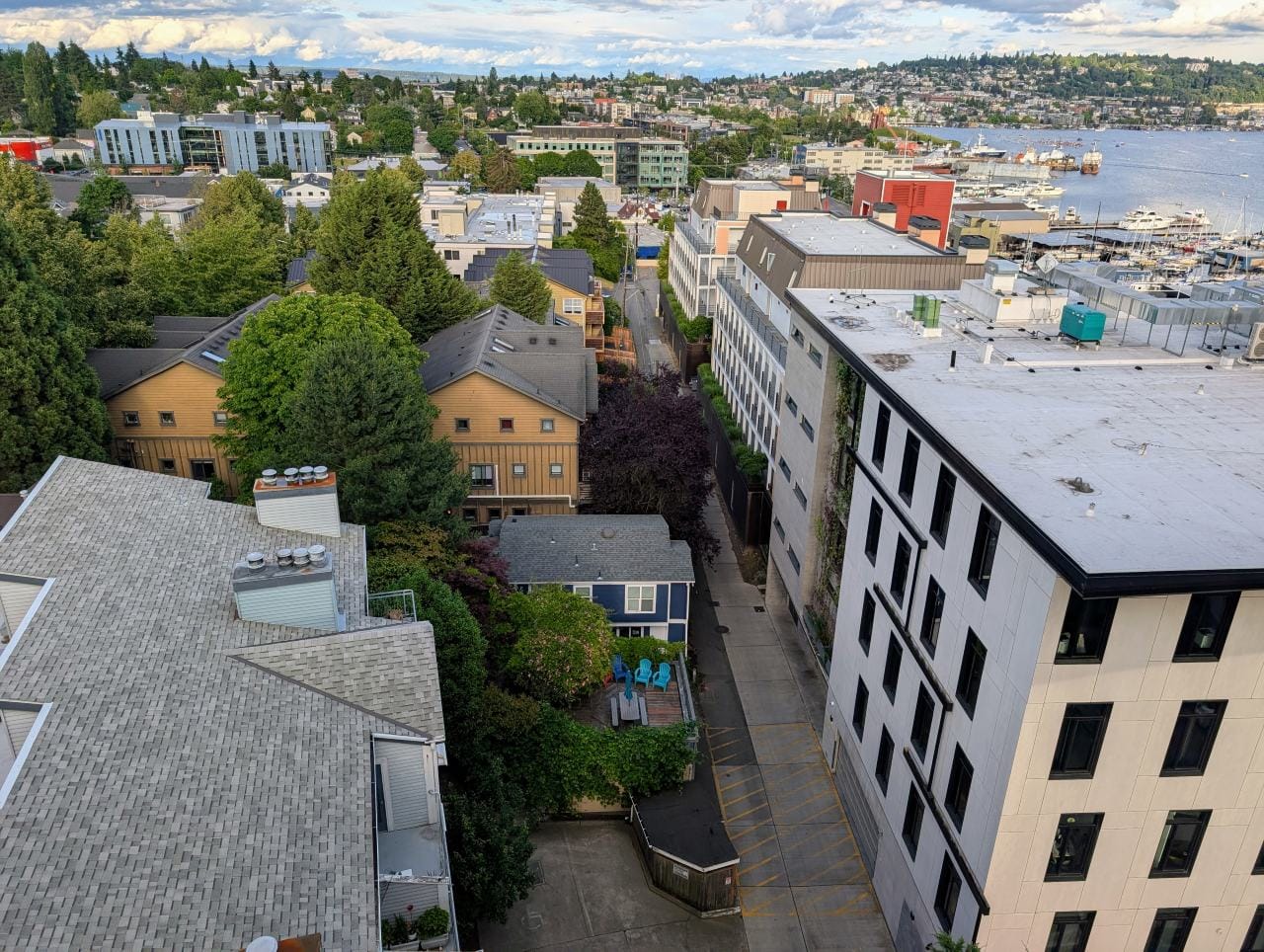
Op-Ed: Building Toward a Greener, Housing-Abundant Seattle
Housing growth and tree canopy growth can go hand in hand. In fact, a closer look at Seattle's recent history shows they often do. Here's how to build on that trend.
Housing growth and tree canopy growth can go hand in hand. In fact, a closer look at Seattle's recent history shows they often do. Here's how to build on that trend.
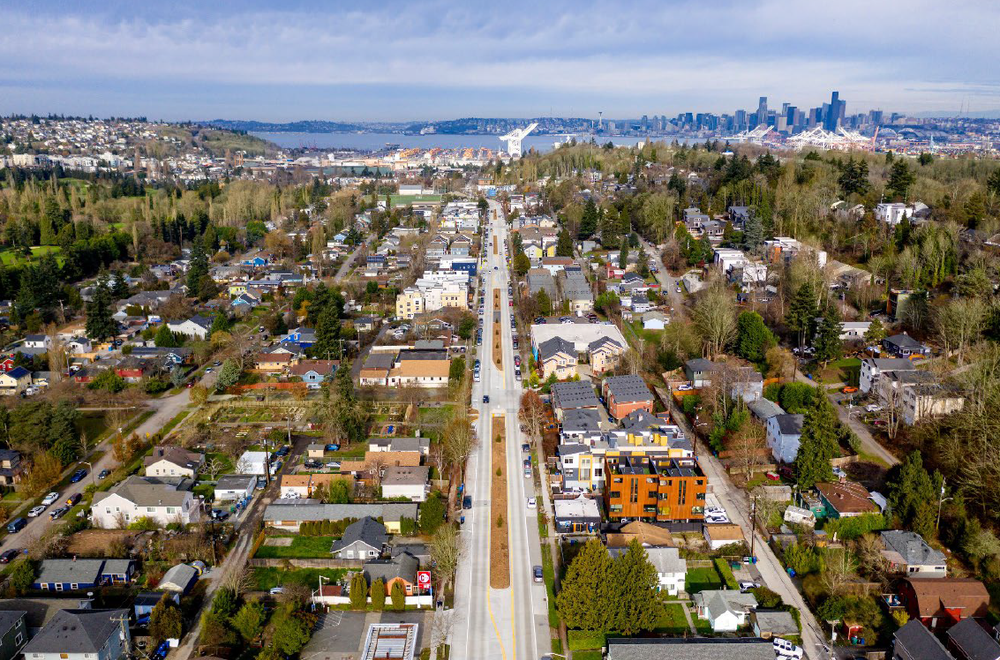
The Growth Management Hearings Board did find Seattle's environmental review inadequate in its scope, giving the City a year to study additional units initially left out of analysis. But the board tossed out arguments that the impacts on tree canopy and marine habitat weren't adequately studied.
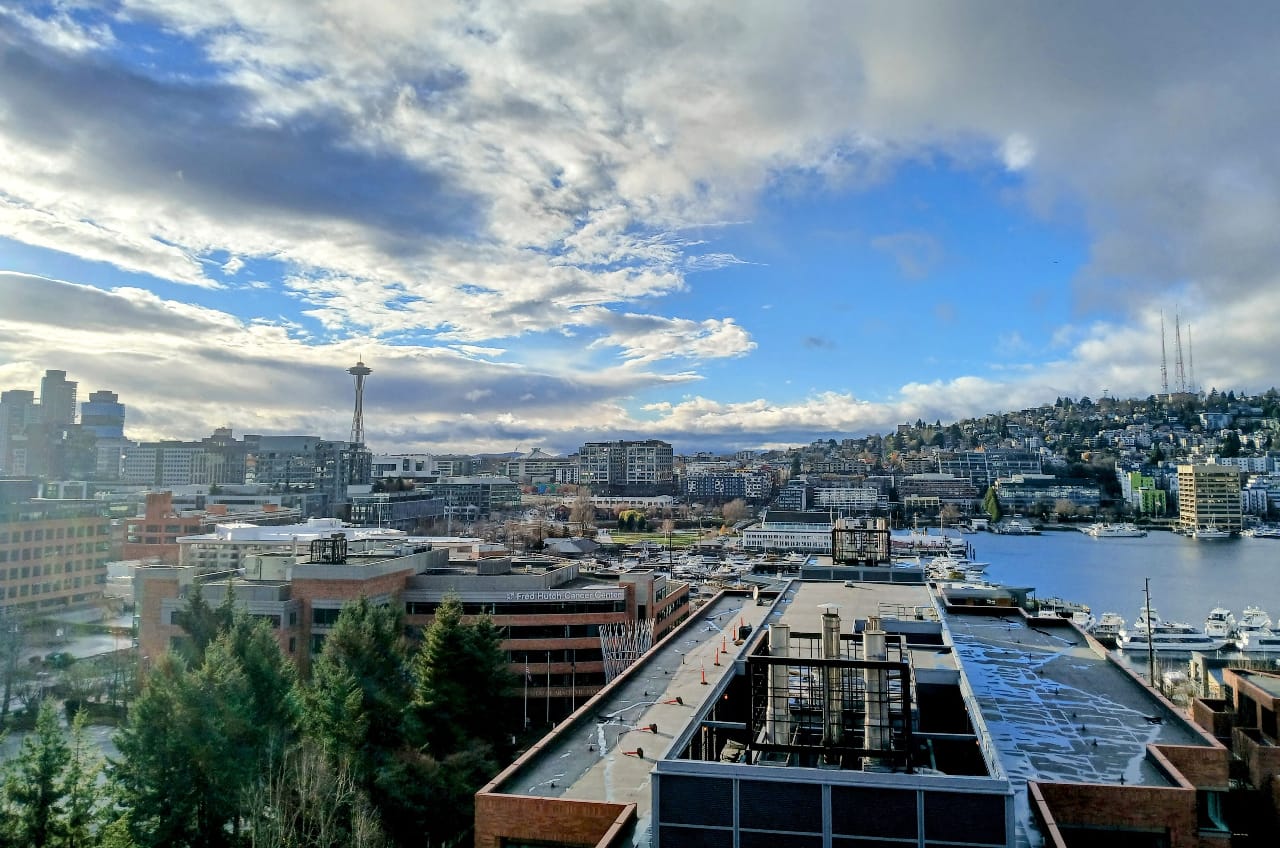
The 5-4 vote means city-level appeals that have delayed significant citywide zoning changes in the past will instead be directed to Superior Court of a state growth hearings board. The proposal had prompted significant push back from density opponents across Seattle.
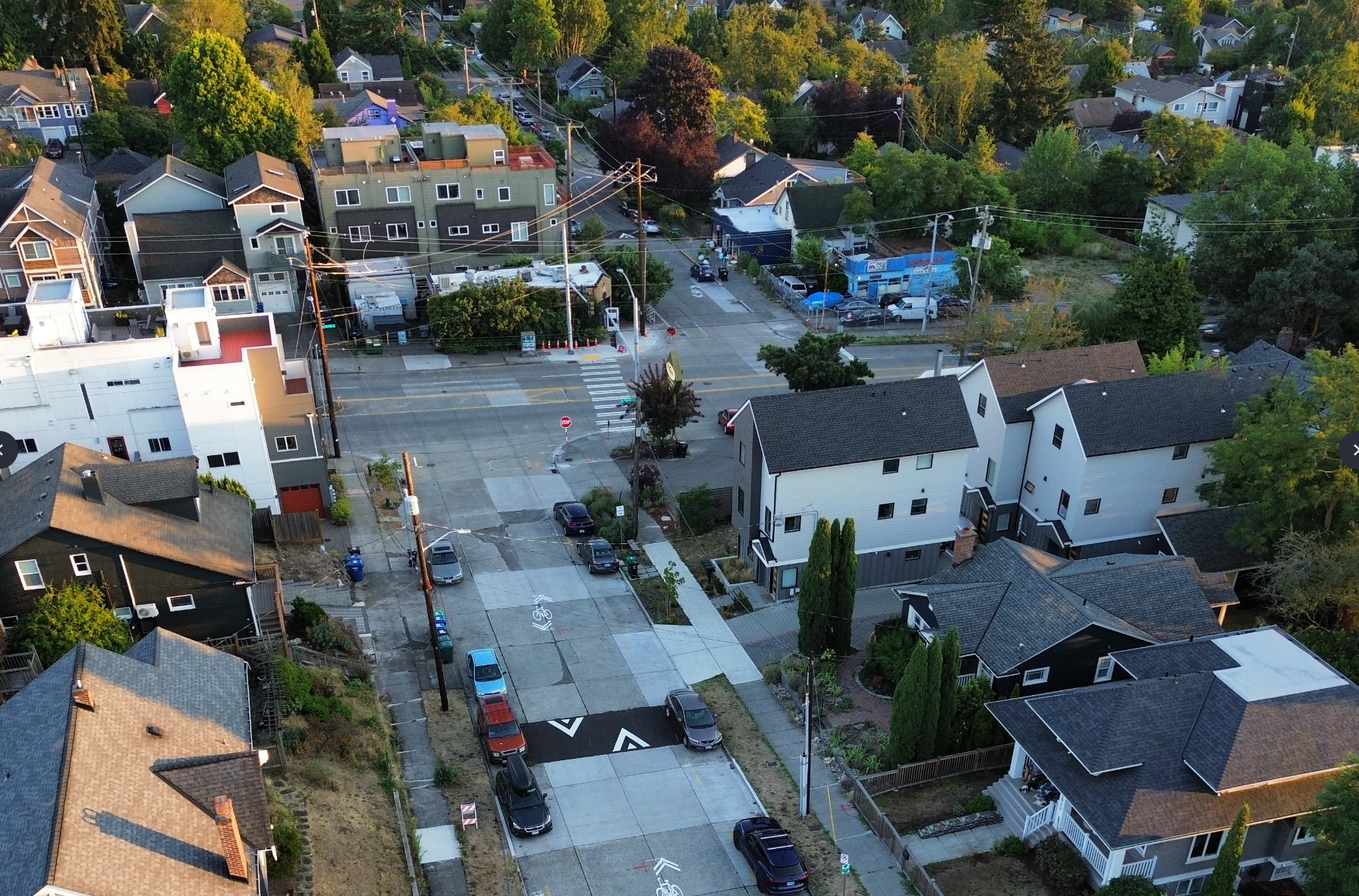
The June 1 ruling by the Washington Court of Appeals is set to send a pair of appeals of Seattle's growth plan back to the City, putting consideration of the next set of planned zoning changes on hold. The city council may not be able to take them up again until late 2026 or early 2027.
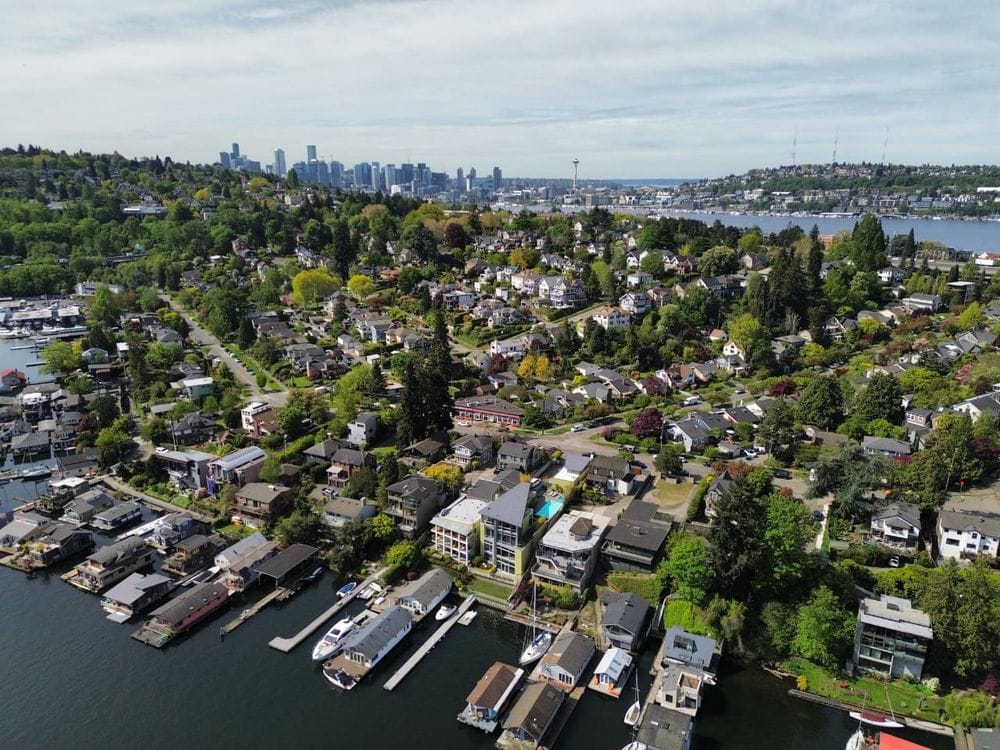
Ruling in favor of two groups trying to reopen environmental review of Seattle's Comprehensive Plan, a state Court of Appeals has affirmed a major loophole in recent state laws intended to reduce barriers to urban housing development. The decision could have big impacts statewide.

Seattle activists trying to block growth incorrectly blame new housing for the threat to orcas, instead of the biggest culprit: cars and the sea of pavement carrying them. Paul Beard lays out how they went wrong.
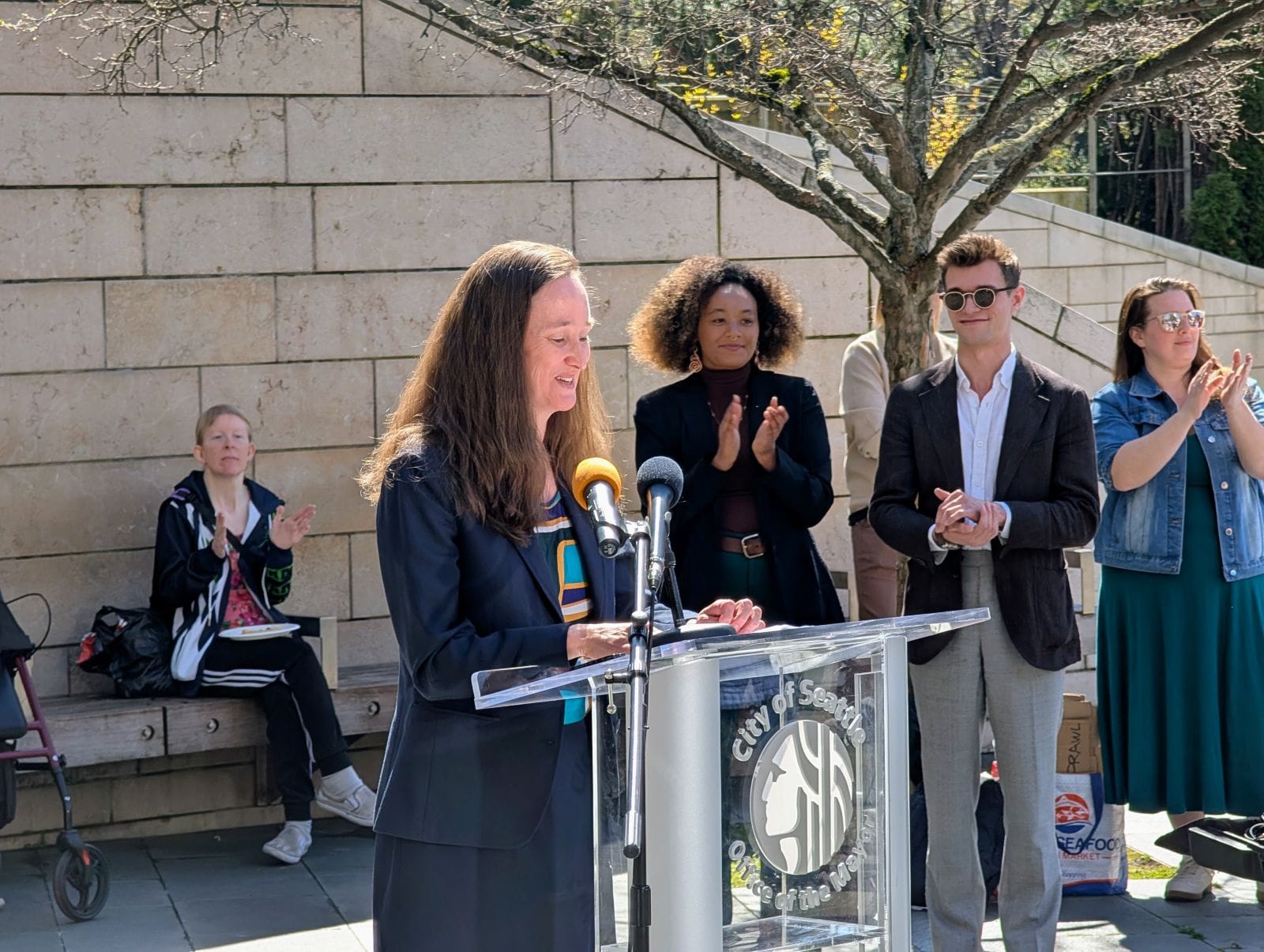
The Seattle Times editorial board opposes Seattle's "taller, denser, faster" growth plan, and they're mad enough about it to call The Urbanist "the builders' media mouthpiece." Here are the many things they got wrong in their recent editorial.
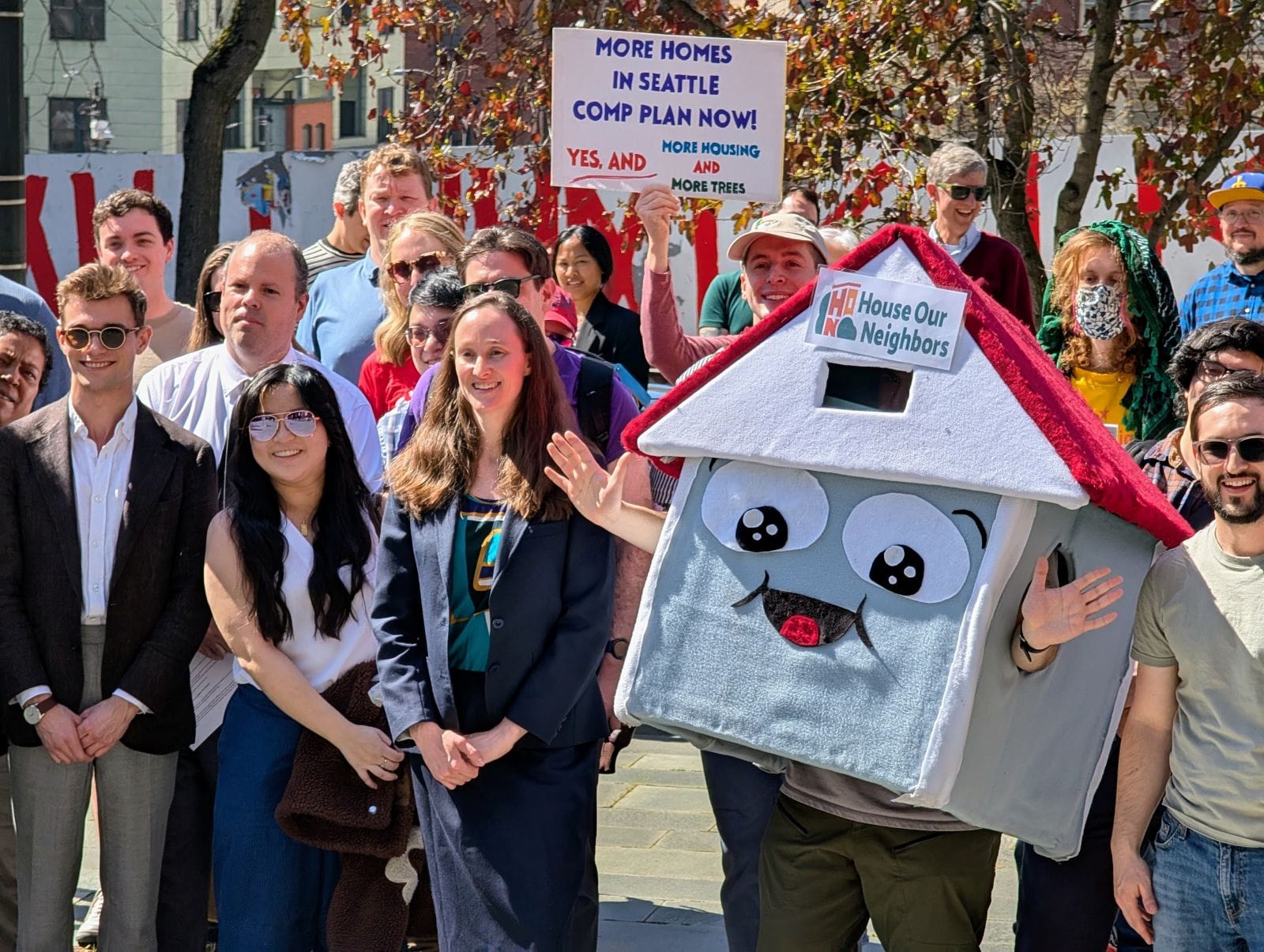
At a rally Monday, Seattle housing advocates pushed for broader corridor upzones within a 10-minute walk of frequent transit, enlisting a powerful supporter to their side in Mayor Katie Wilson. Wilson has already pledged a "taller, denser, faster" housing plan.
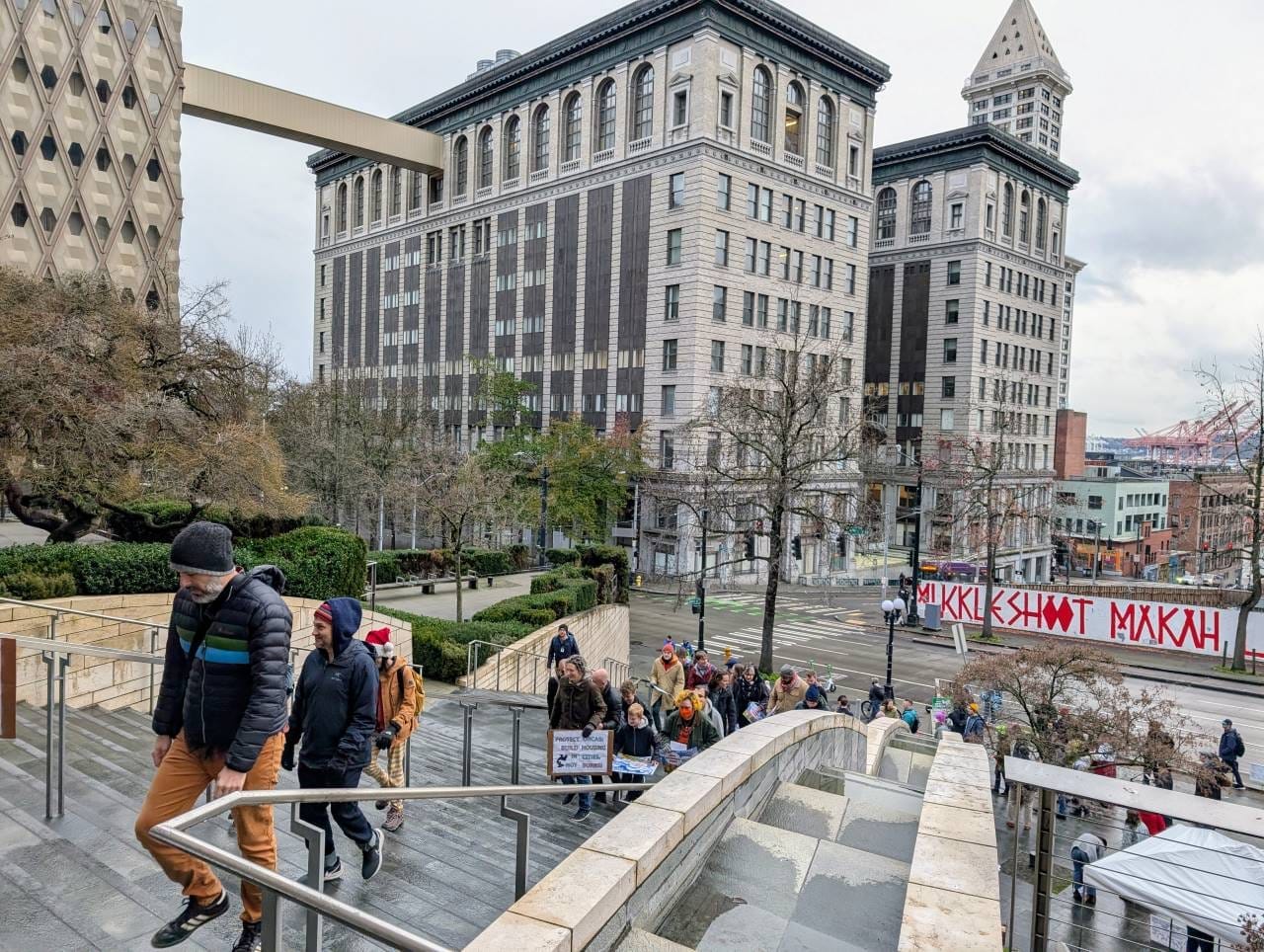
Join advocates for a housing rally at noon Monday, April 6th before City Council’s first public hearing on Phase 2 of Seattle’s growth plan. Here’s how we can improve the plan to promote housing affordability and abundance.
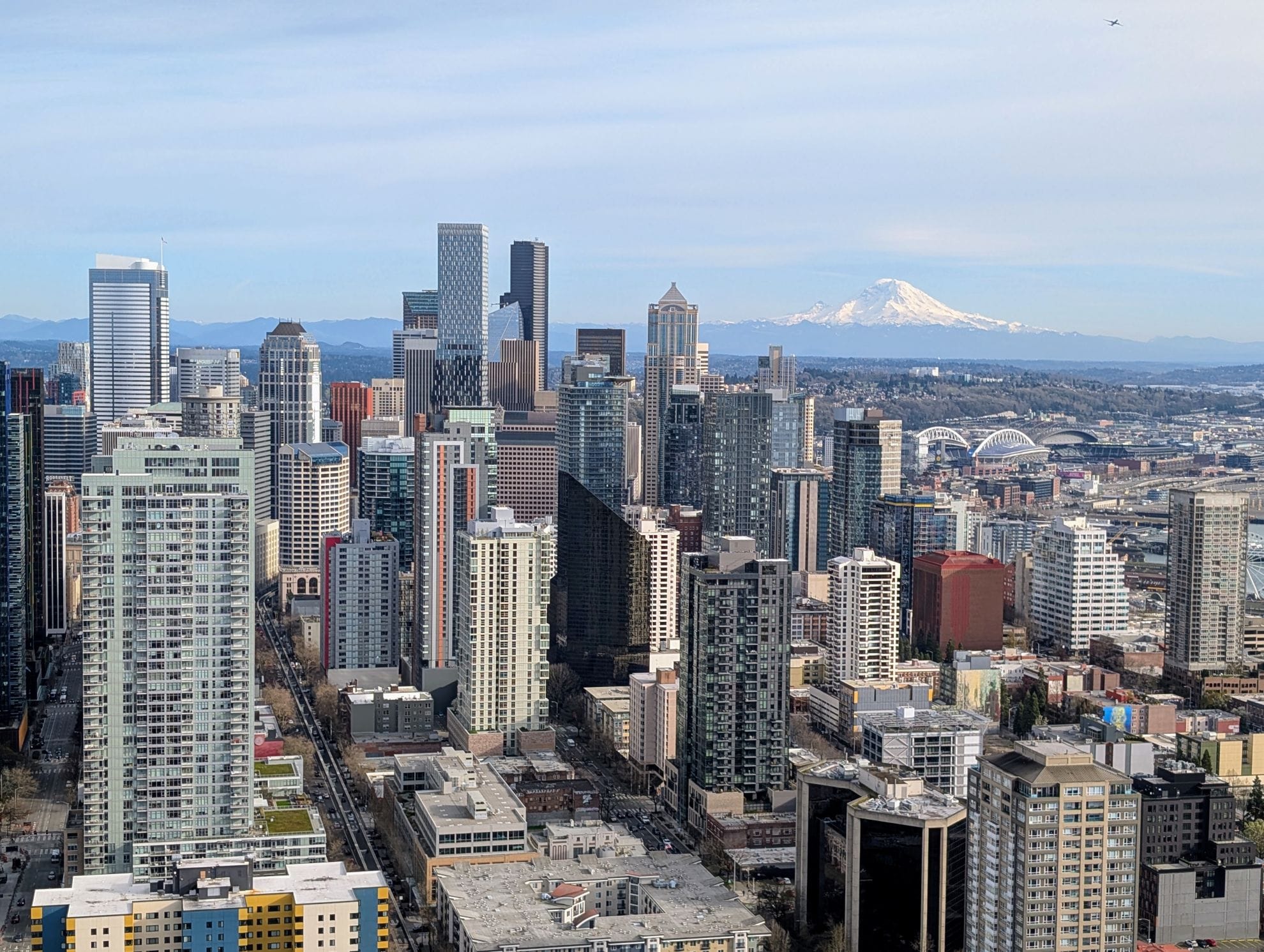
This week, Mayor Katie Wilson announced Seattle would would be taking a "taller, denser, faster" approach to its growth plan. A greatly expanded scope for Phase 3 would mean more growth centers and wider transit corridor rezones. Just how wide is not yet clear.
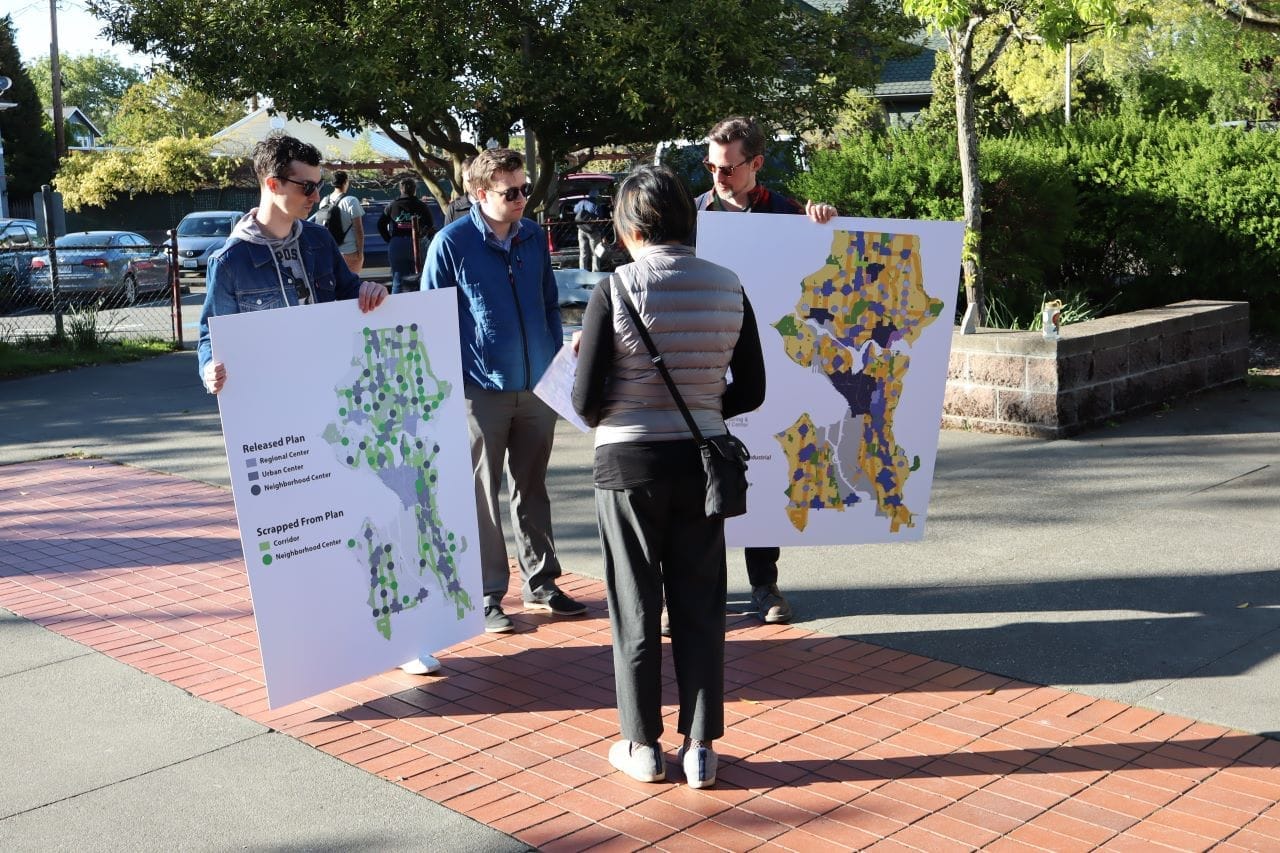
Join The Urbanist and Complete Communities Coalition for a housing rally on April 6, pushing for a bolder Seattle Comprehensive Plan that promotes affordability and abundance.
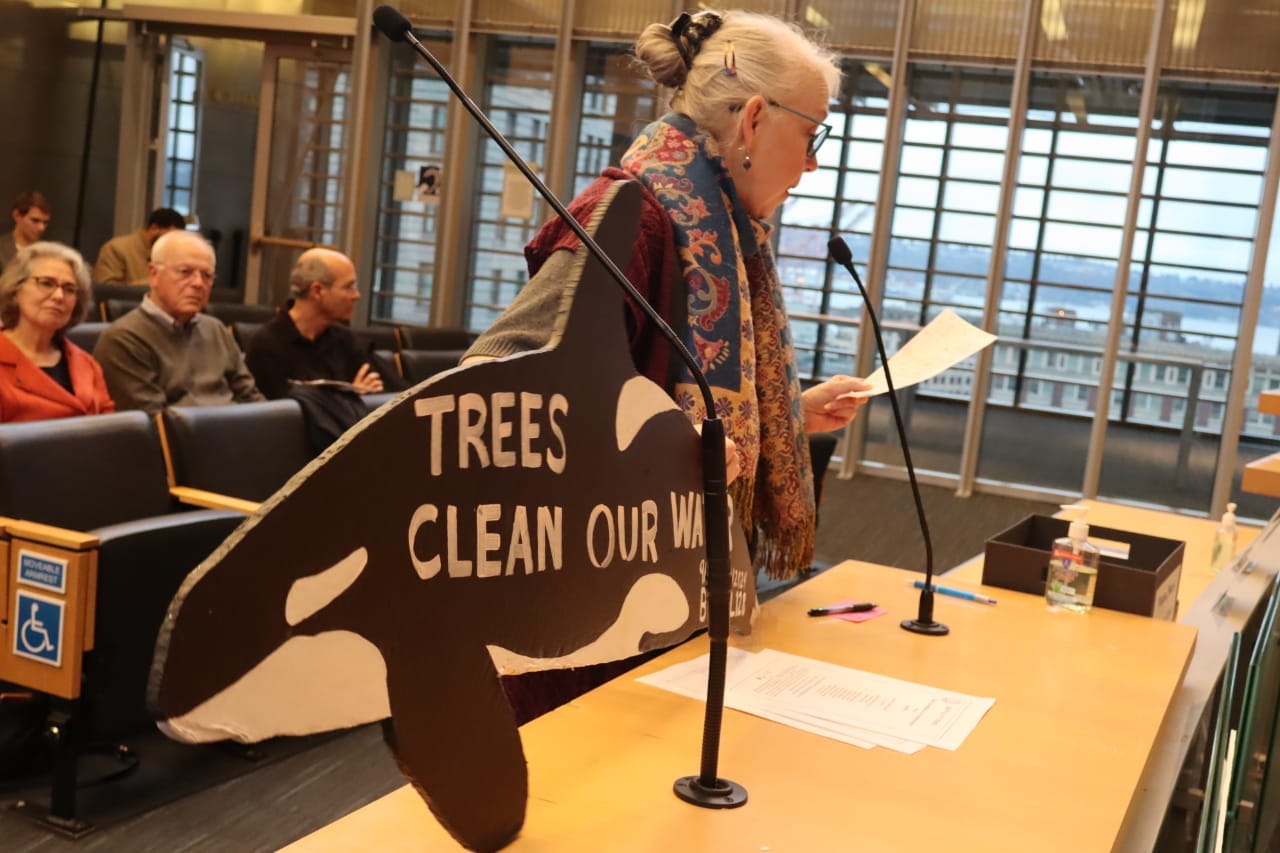
Washington's Court of Appeals will decide whether the legislature left a major loophole in place when it passed recent laws to prevent zoning changes that increase housing capacity in cities from being mired in lengthy legal appeals.
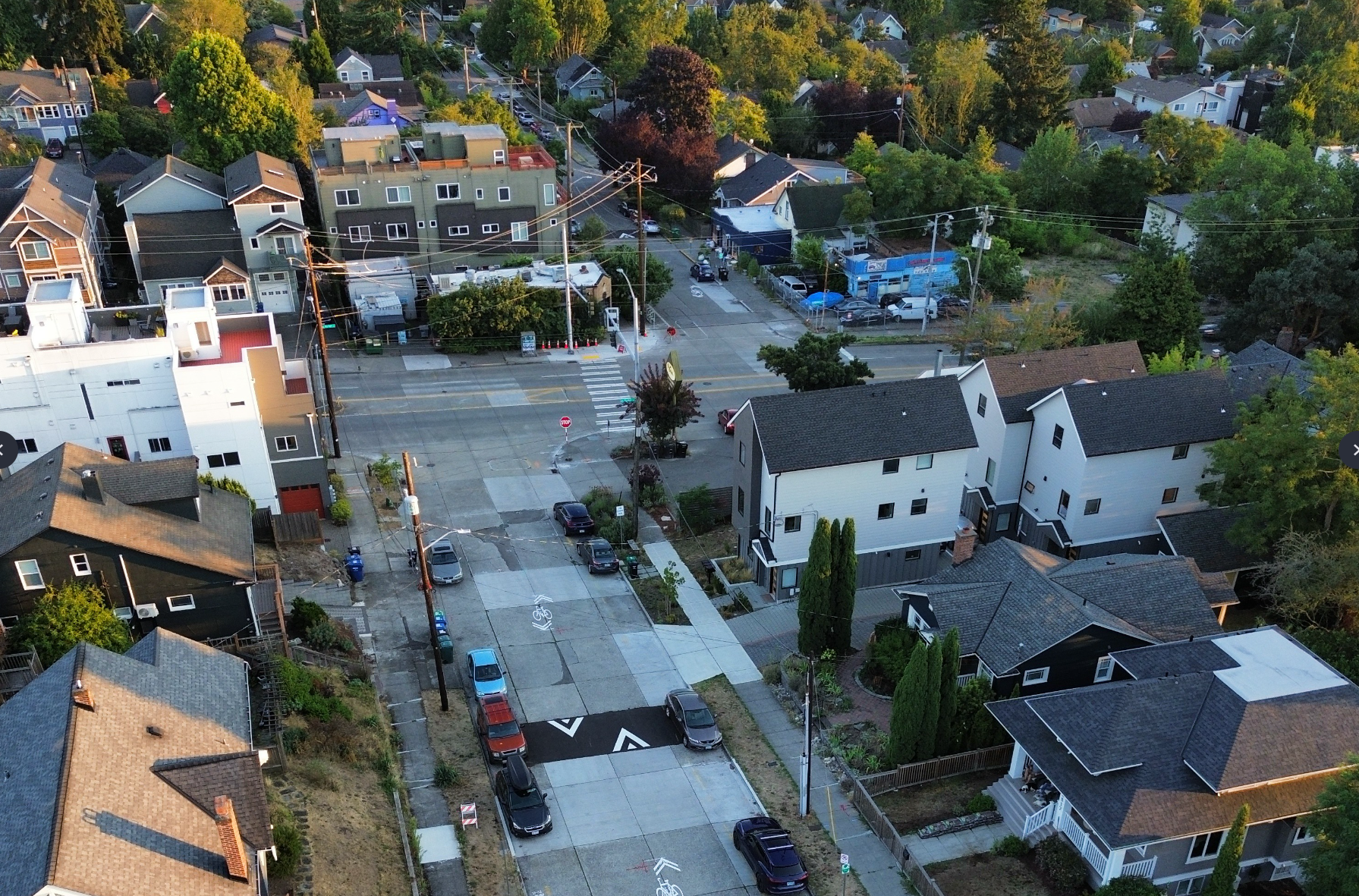
Seattle Mayor Katie Wilson’s administration is queuing up housing density increases within two blocks of all frequent transit corridors, planning director Rico Quirondongo revealed at a recent meeting of the Seattle Planning Commission, which pushed for the idea and greeted the plan warmly.
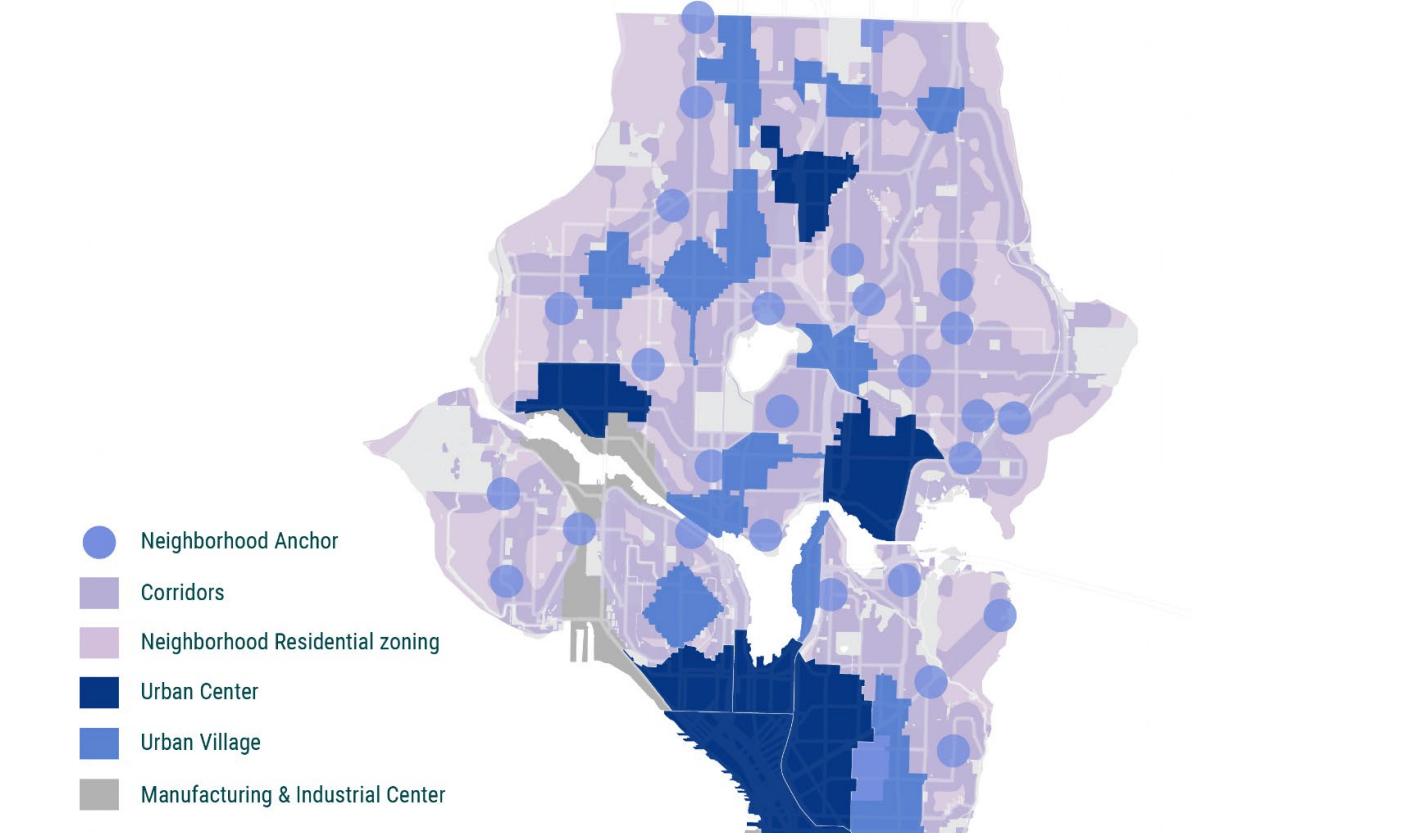
Zoning maps for 30 new neighborhood growth centers, a handful of urban center expansions, and narrow transit corridor rezones dropped on Thursday. With the patchy current vision driven by the Harrell administration, new Mayor Katie Wilson has pledged to come back and expand the plan.
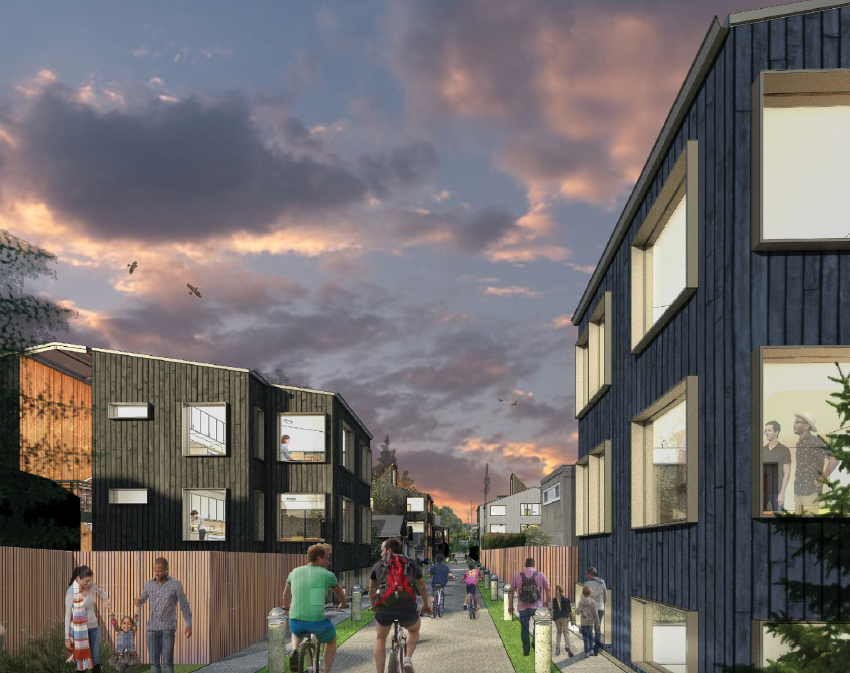
Building more dense housing within vibrant walkable neighborhoods is a key climate strategy, argues IPCC author Michael Gillenwater. The Seattle Comprehensive Plan could further those opportunities.
Birds Connect Seattle, Thornton Creek Alliance, and the Orca Conservancy are among the groups trying to send the City of Seattle back to the drawing board on its housing growth plan. They’re pushing on behalf of an appeal that has been working its way through the courts since April.
Seattle Mayor Katie Wilson and Rico Quirindongo, the city’s planning director, seem to be on the same page about revamping the city’s growth plans to allow for additional housing density. The City appears set to largely stay the course on scheduled rezone work in 2026, but queue up additional growth
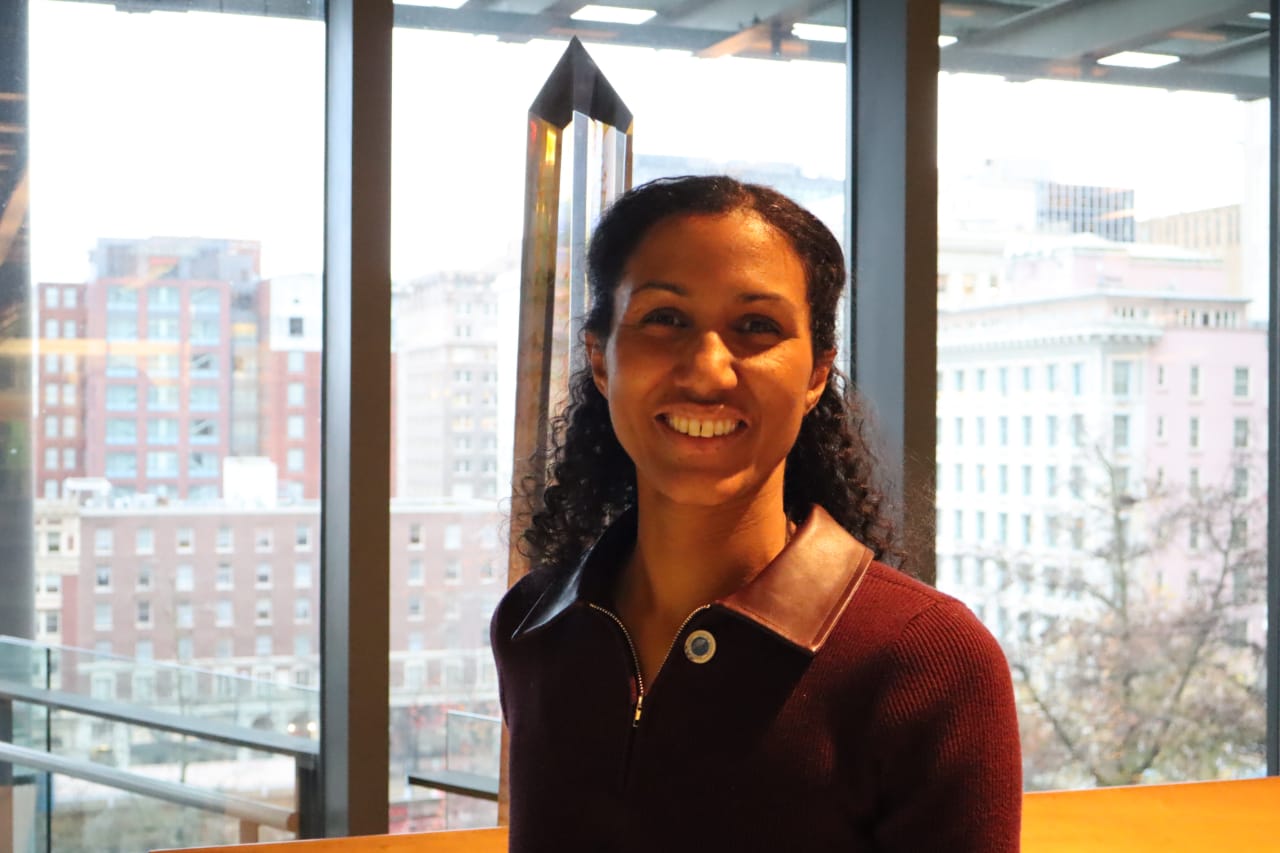
Seattle City Councilmember Dionne Foster took office Tuesday, echoing Mayor Katie Wilson’s call for “bread and roses” to tackle the city’s affordability crisis while strengthening the social and cultural fabric.
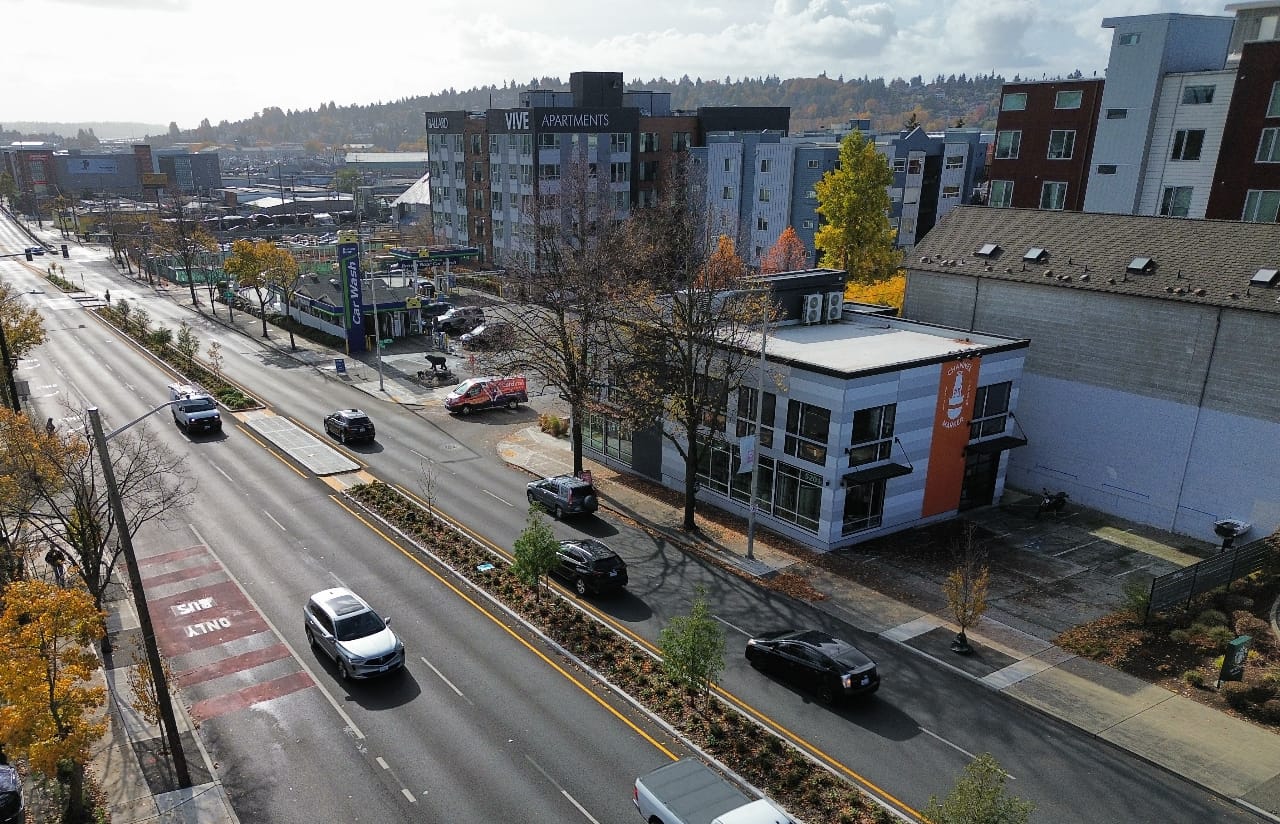
The adoption of the Seattle Comprehensive Plan, nearly one year late under a state-imposed deadline, is setting up much bigger debate over where additional housing density will be allowed in the city. Those issues, set to be discussed in 2026, include adding neighborhood centers and upzones along tr
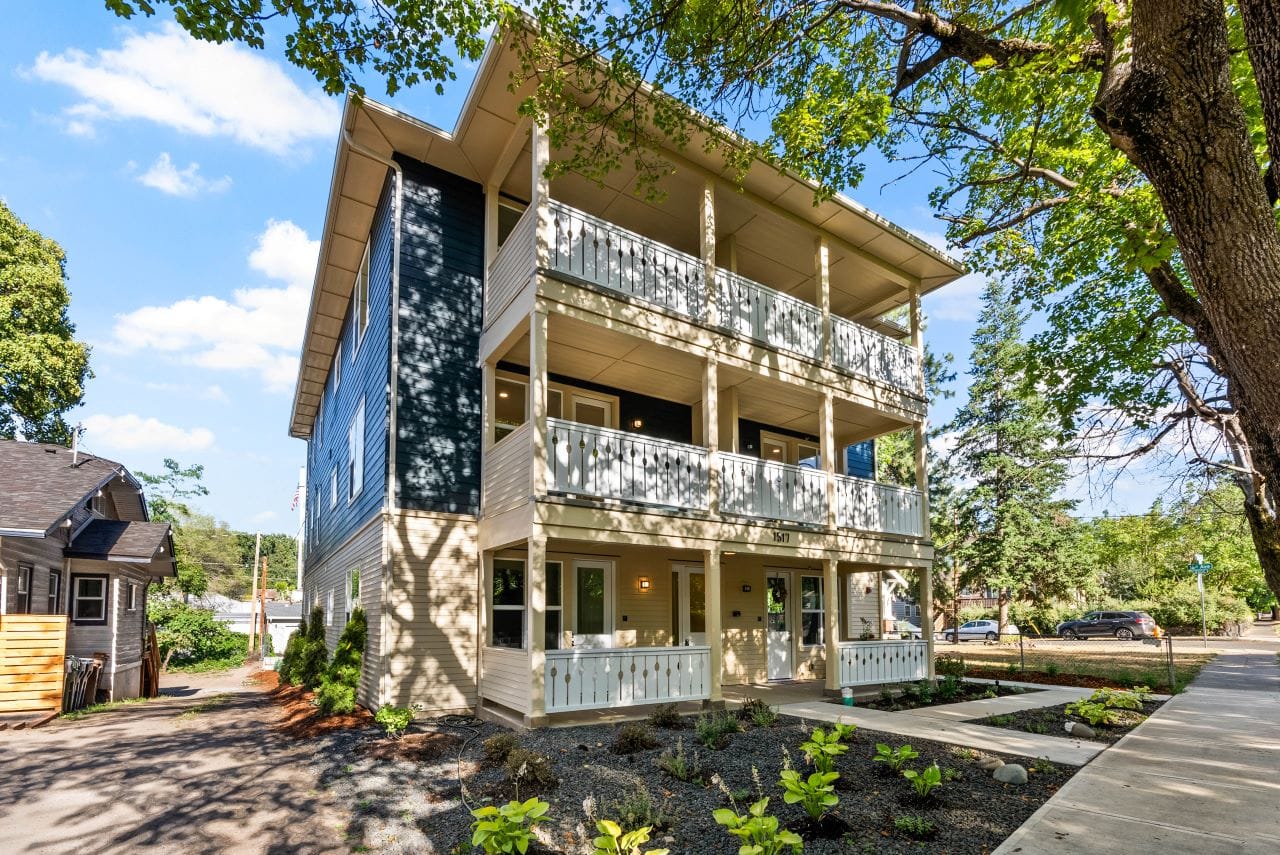
Four case studies show how Seattle’s new middle housing zoning incentives align with demographic shifts to meet housing demand.
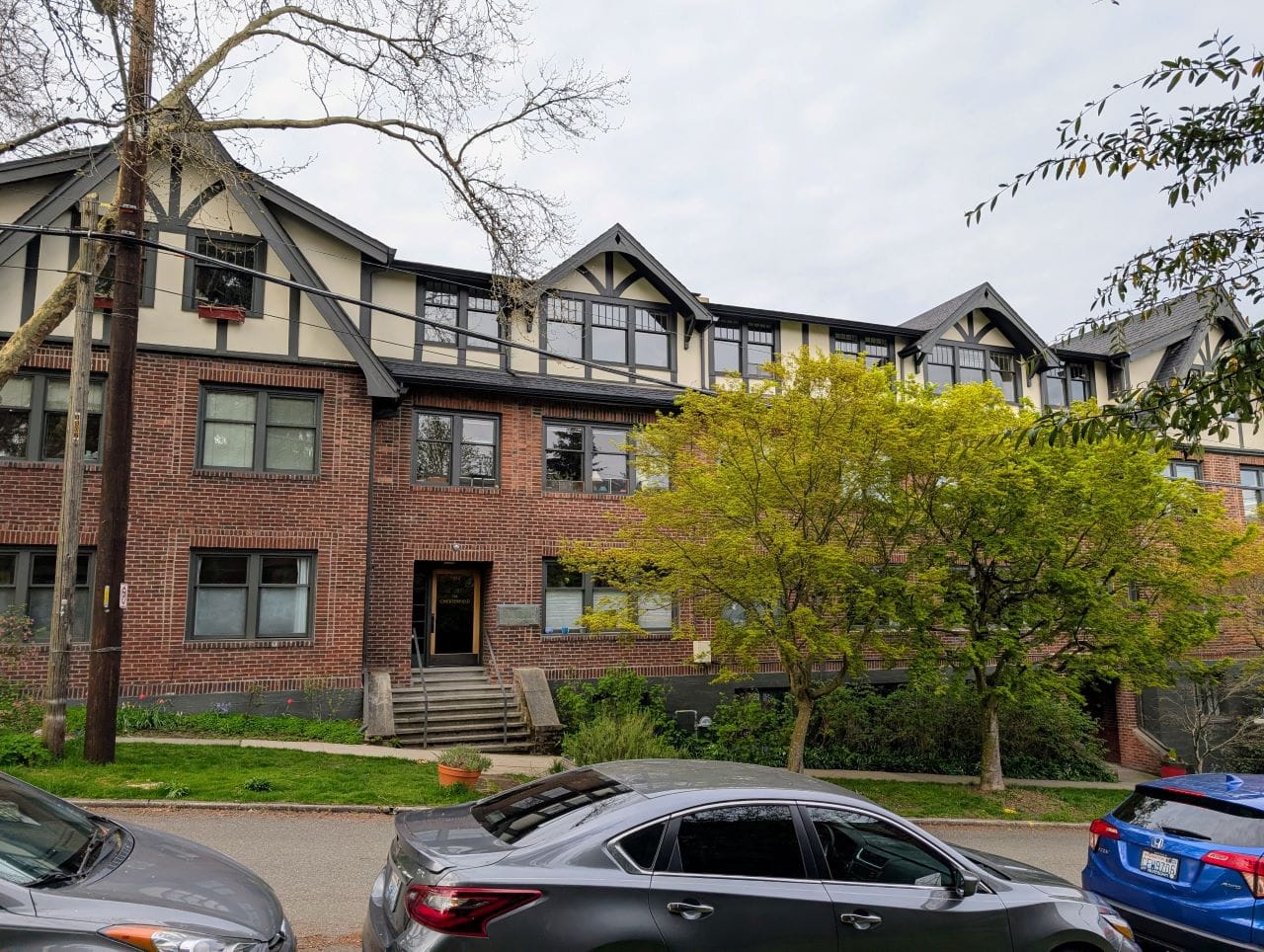
The Seattle City Council added a series of series of height and density bonuses for stacked flats as they amended Mayor Bruce Harrell’s proposed update to the City’s Comprehensive Plan in September. The bonuses could unleash the city’s former single family zones to create a stacked flat multiplex bo
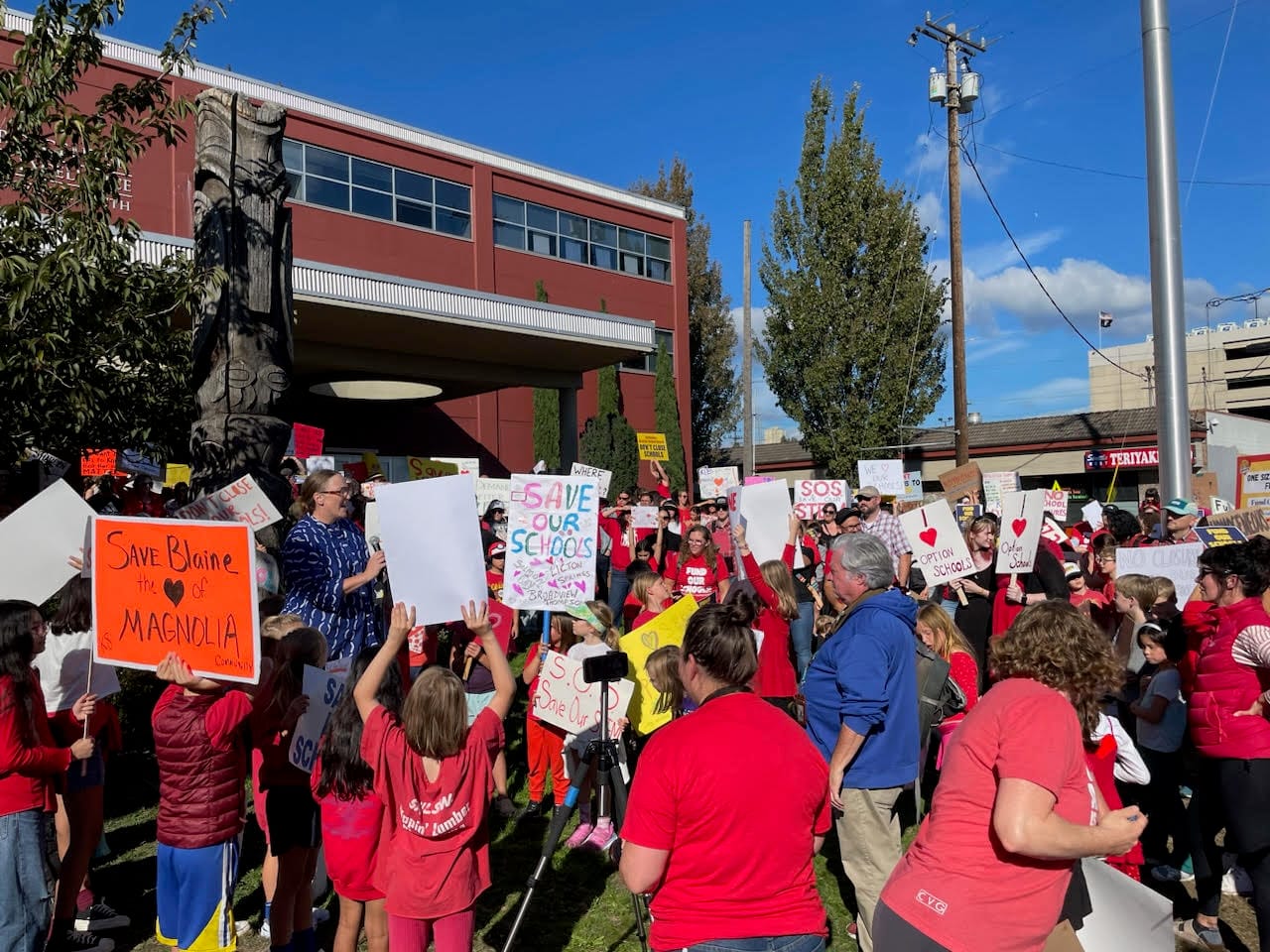
A majority of the Seattle School Board joined the push for additional neighborhood growth centers last week, pointing to a link between additional housing density and stable student enrollment.
Reductions in the size of proposed growth centers and new tree retention rules that could stifle homebuilding were among the dozens of Seattle growth plan amendments approved this week. Council rejected moves to make the plan bolder in a number of areas, fretting over the risk of legal appeals.
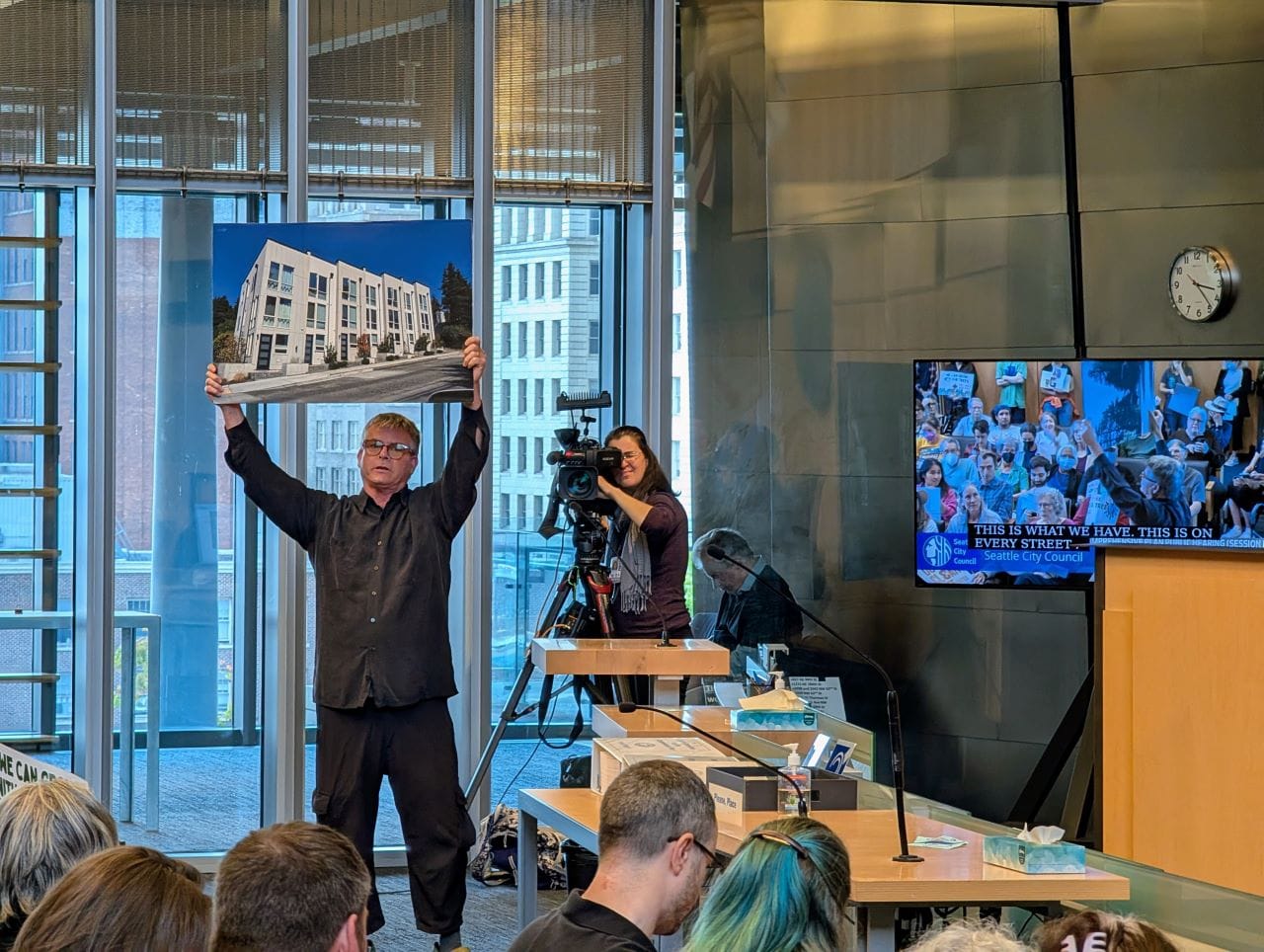
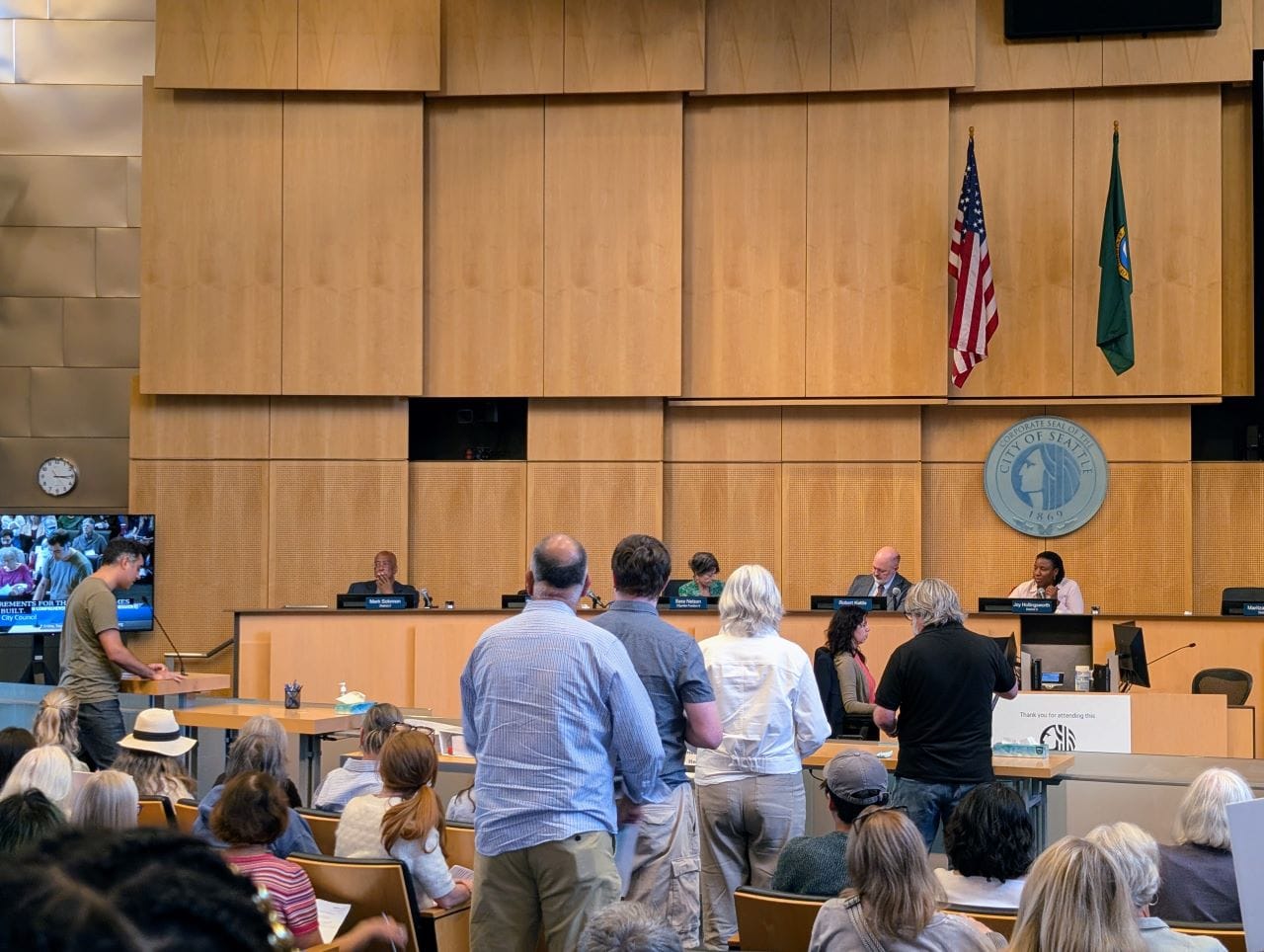
More than 200 testifiers weighed in on the Comprehensive Plan and dozens of proposed amendments ahead of planned votes this week. The topics of neighborhood centers, tree retention, and social housing dominated the hourslong hearing.
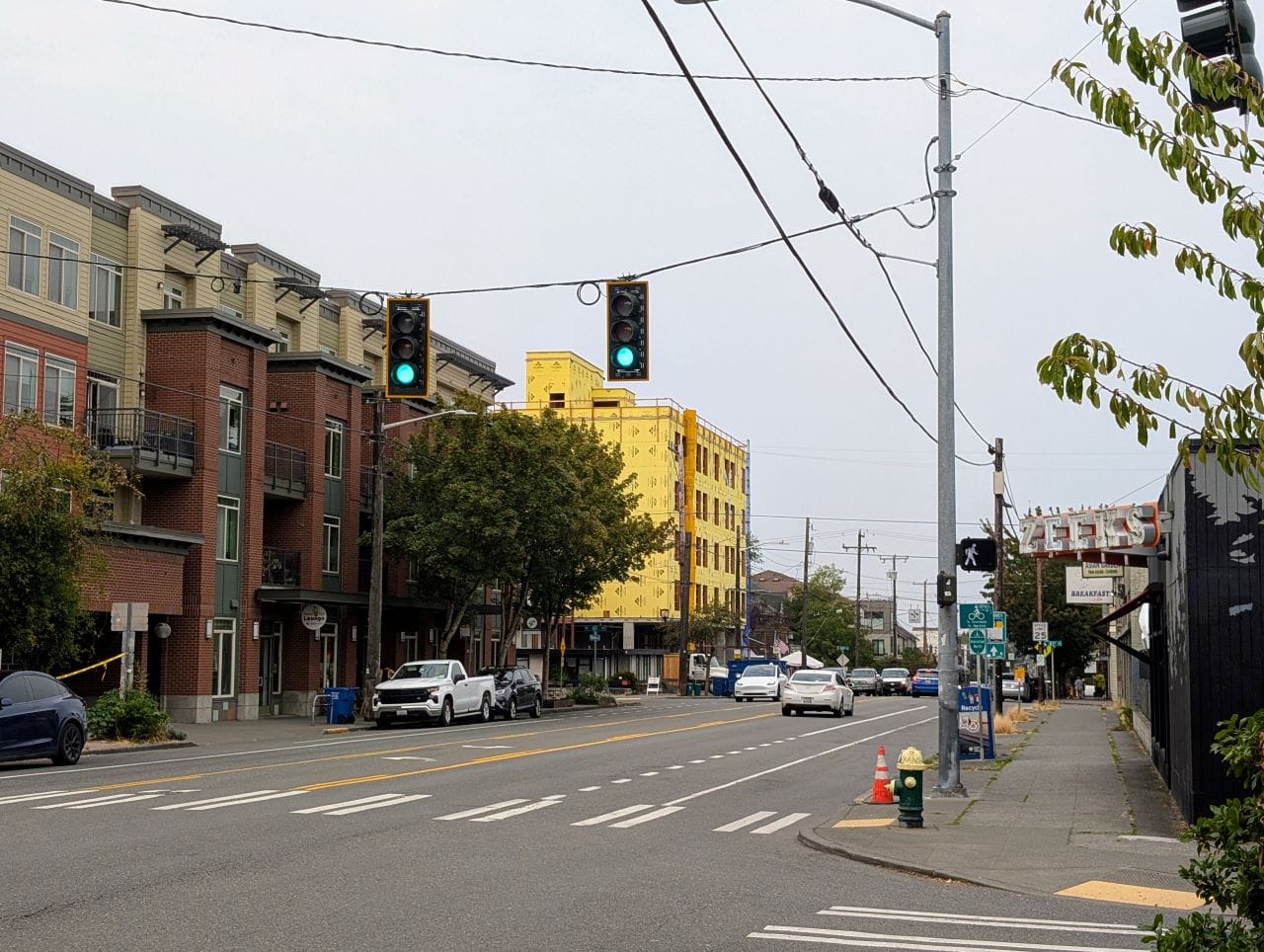
Seattle’s long saga of passing its state-required, once-per-decade major update to its Comprehensive Plan is nearing its end. But first, one more public hearing will be held this Friday for residents to air their grievances or do their cheerleading. Here’s our guide to the 106 amendments under consi
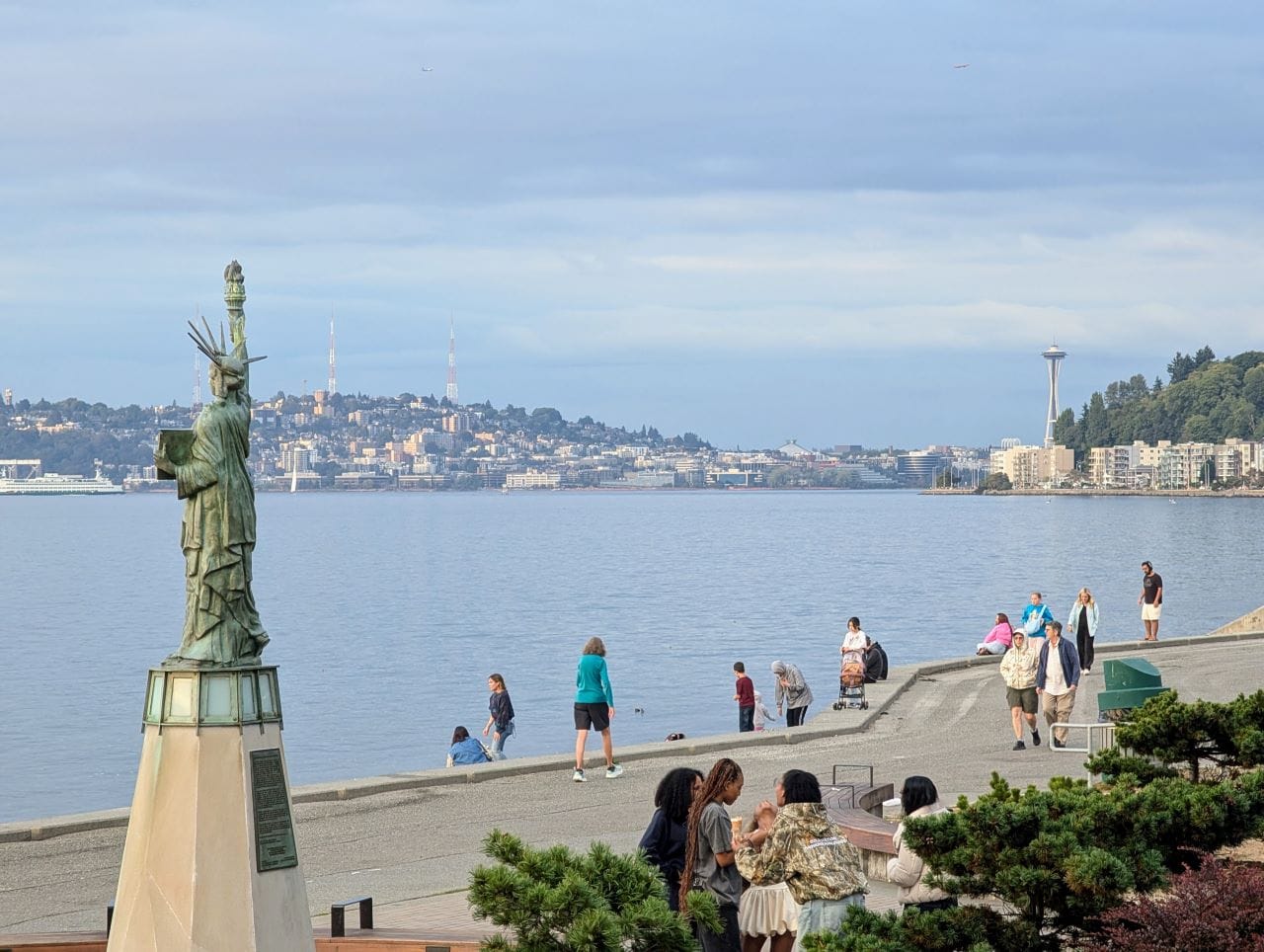
Neighborhood groups are pushing back on additional density in Wallingford, West Seattle, and Queen Anne. An amendment from Alexis Mercedes Rinck to restore eight growth centers dropped from the One Seattle Comprehensive Plan at an earlier stage is front-and-center.
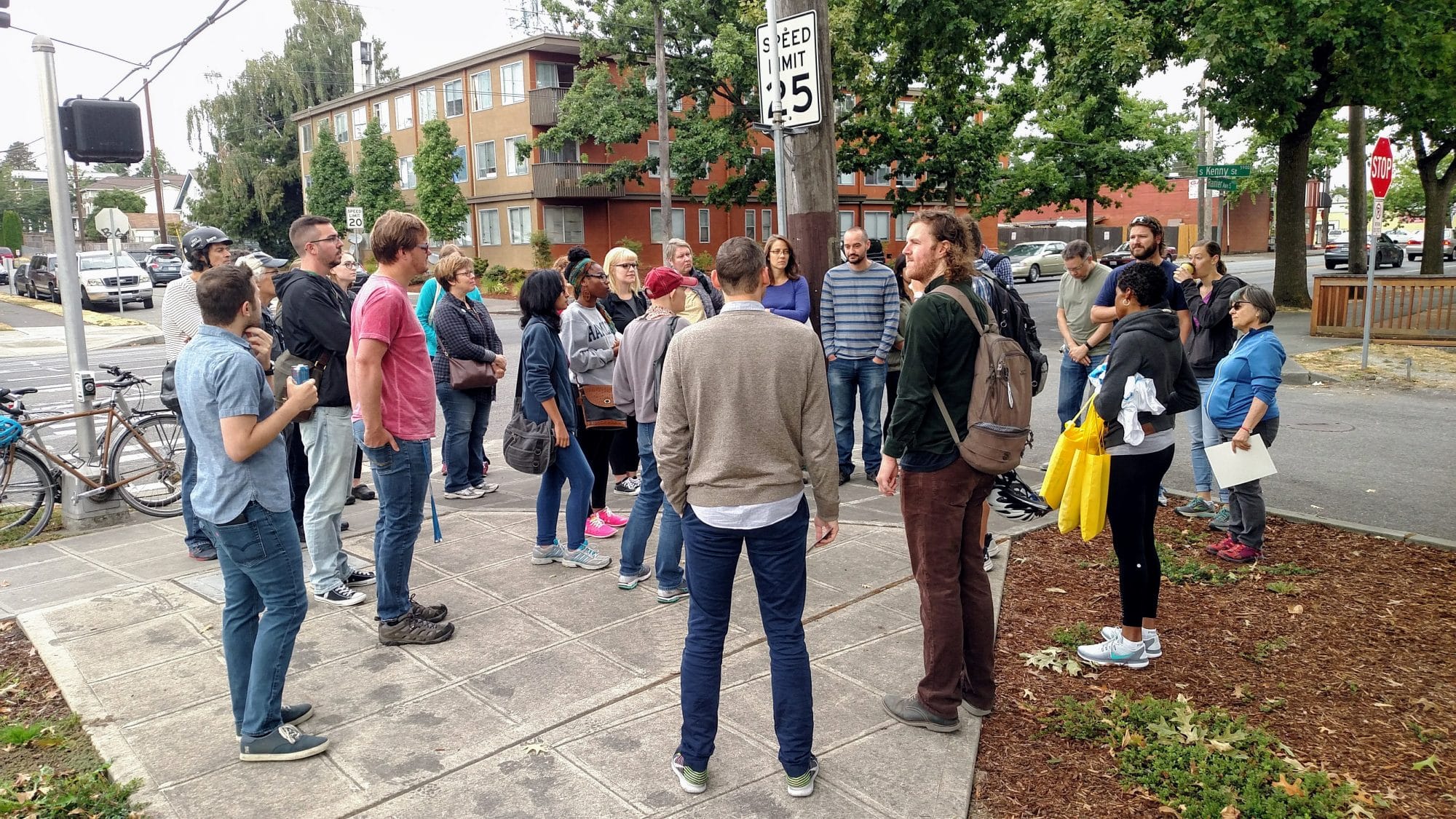
On September 10, The Urbanist is hosting a Madison Valley walking tour featuring Seattle Office of Planning and Community Development staff, who will discuss the “neighborhood center” rezone proposed for the area. It will be great preparation for the City’s September 12 public comment session on the
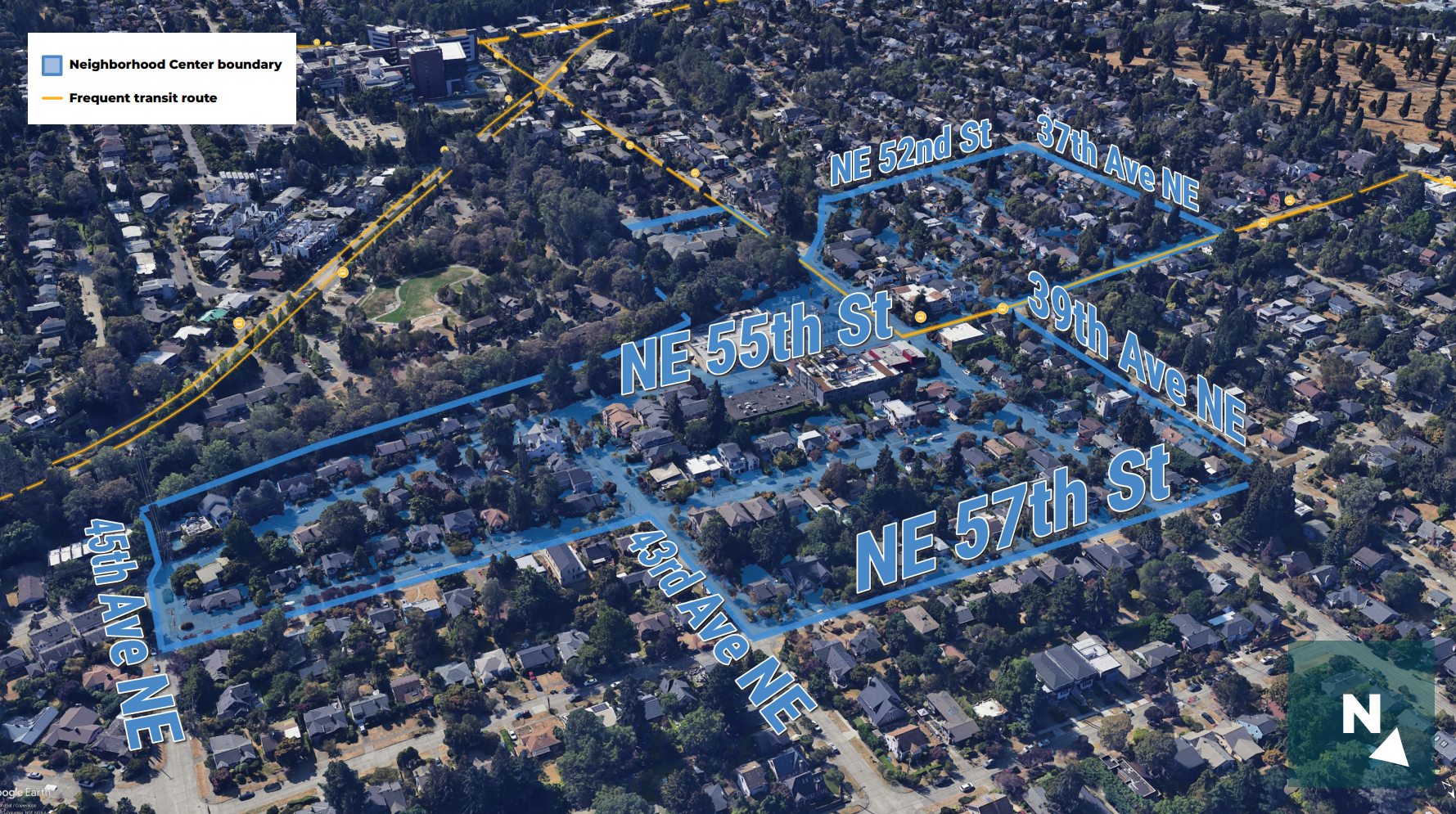
The Seattle City Council will spend the next month considering the 106 different amendments, which would push the city’s growth plan toward allowing more types of housing… or scale back areas where density increases are proposed.
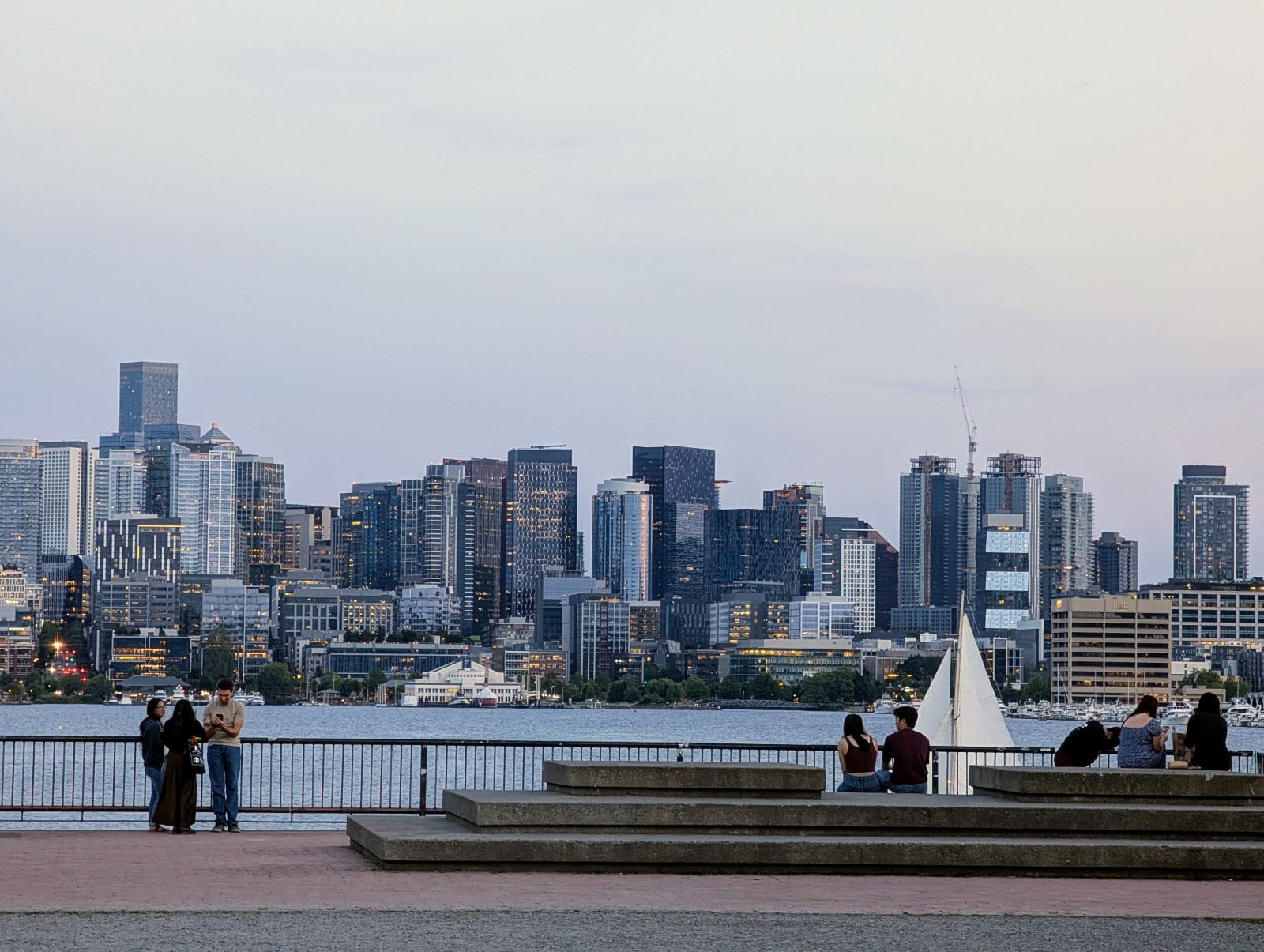
The potential Seattle Comprehensive Plan changes, which are set to be discussed Monday, would add back growth centers around Gas Works Park, Alki, North Capitol Hill, and other areas. Councilmember Rinck also proposes legalizing corner stores and removing parking mandates citywide.
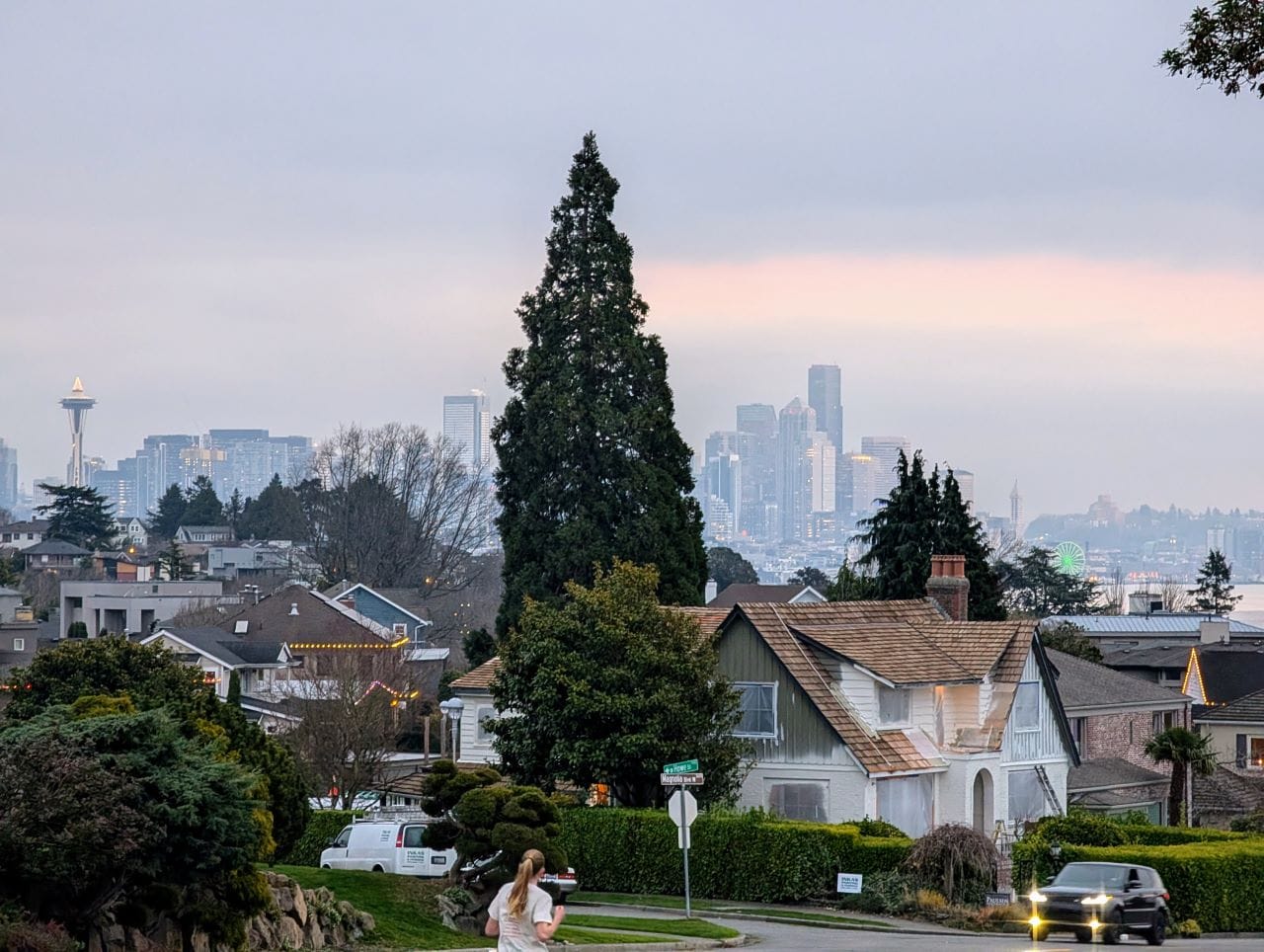
On Monday, June 23, the Seattle City Council is holding a public hearing on the One Seattle growth plan. Housing advocates must defend the 29 neighborhood centers in the plan and push to add more. Jazmine Smith lays out the case for these eight additions.
After dozens of blocks were dropped from the One Seattle housing growth plan, planner Michael Hubner downplayed the changes as minimal. The Seattle Planning Commission painted the move as pushing the city is headed in the wrong direction.
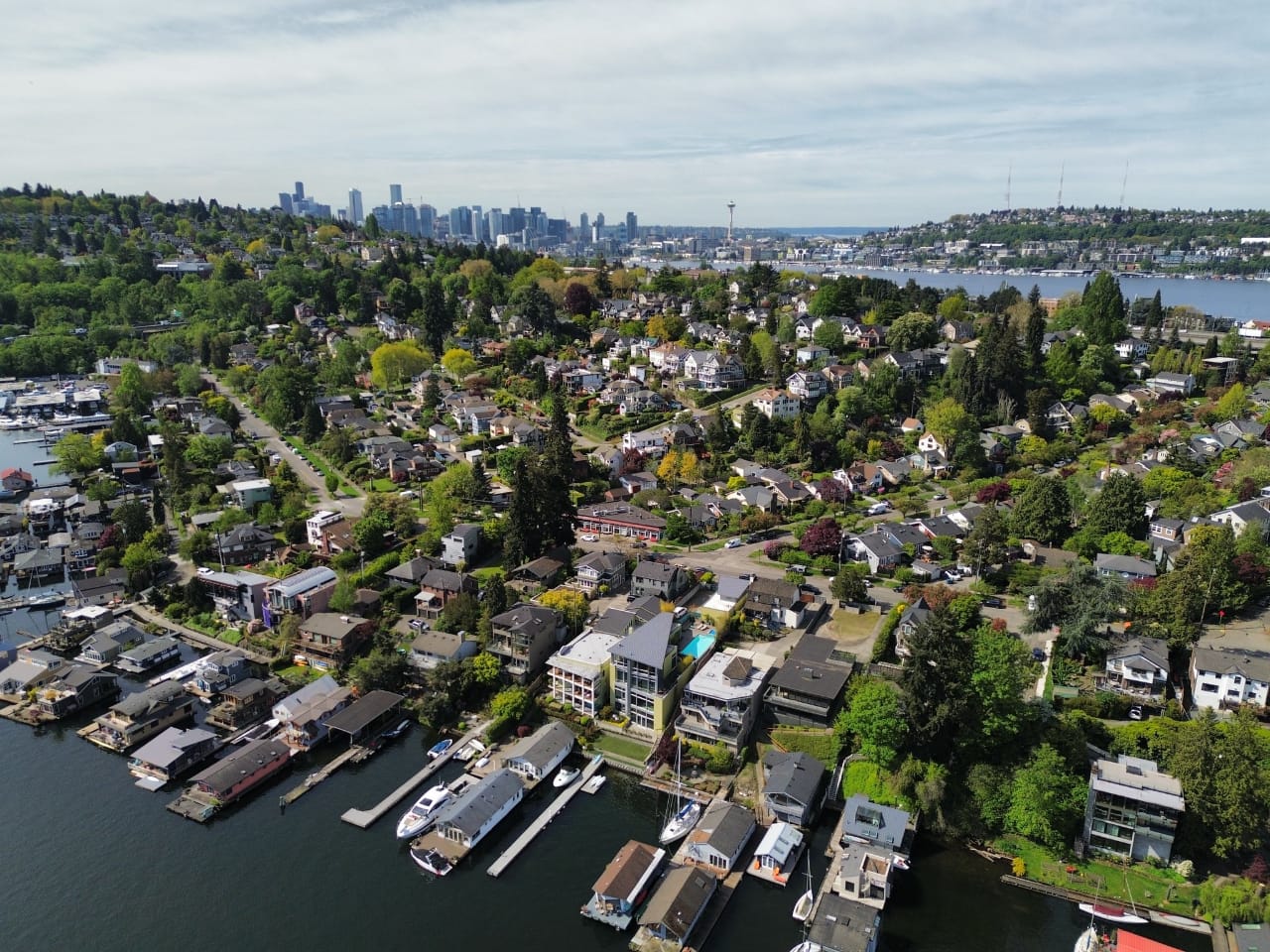
Quick decisions by a King County Superior Court ruled that two separate challenges to the One Seattle Plan’s environmental review will have to wait until the Seattle City Council makes a final decision on the growth plan.
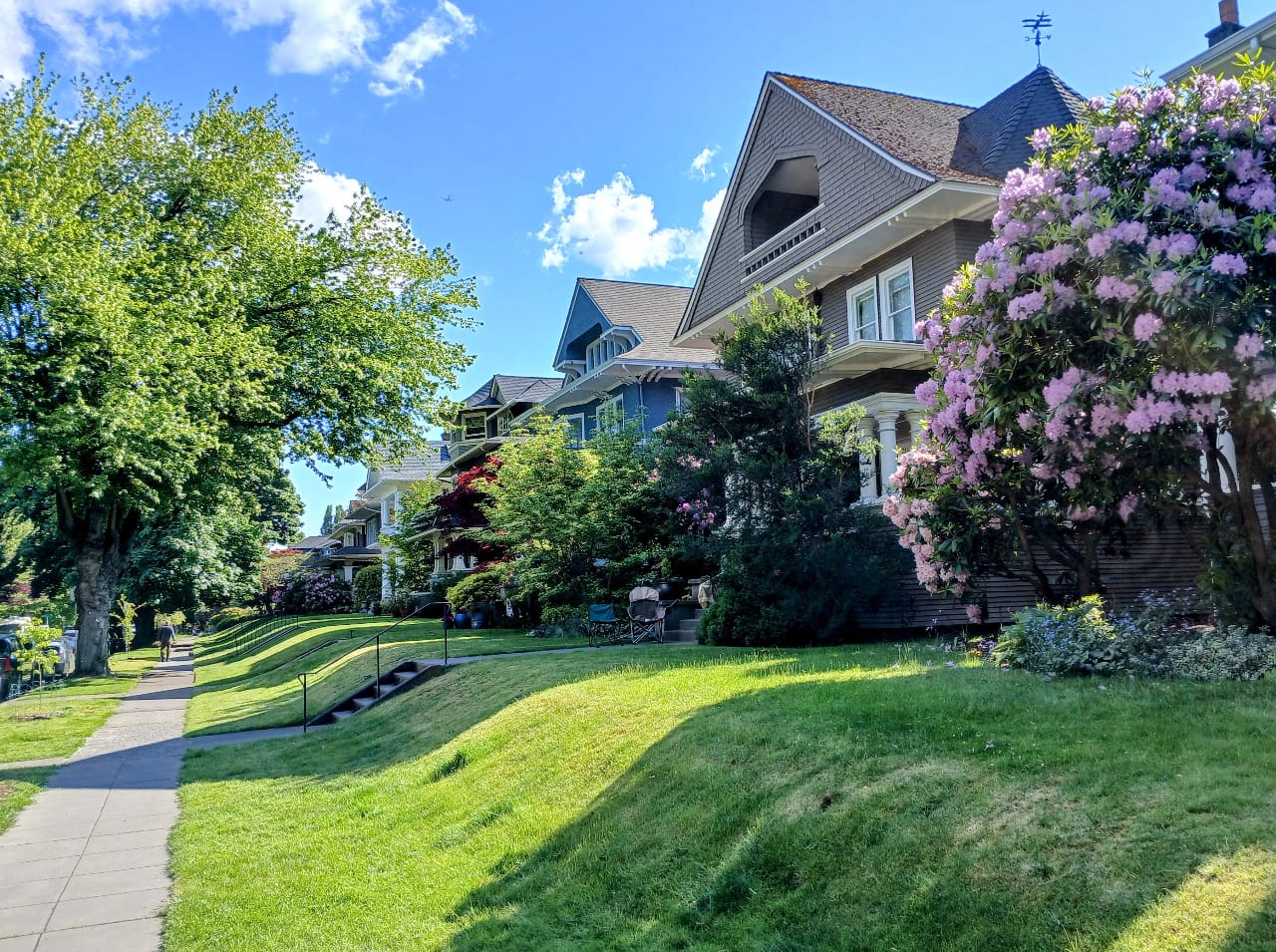
To meet a state deadline, the Seattle City Council legalized fourplexes or sixplexes across the entire city via the adoption of an interim code Tuesday. The move is just a prelude to a bigger fight over urban density, as Council advances Mayor Bruce Harrell’s broader growth plan.
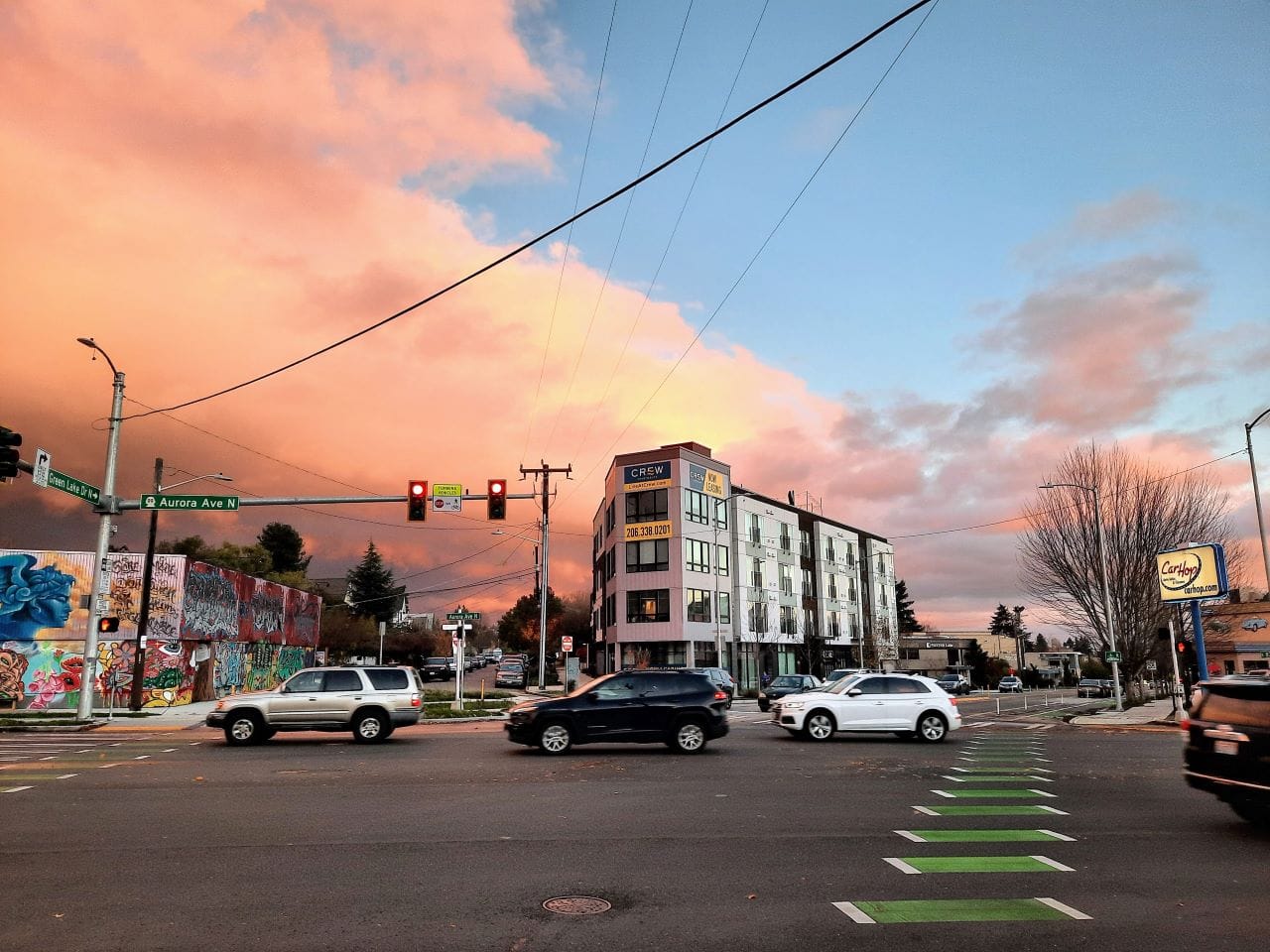
Seattle Mayor Bruce Harrell has shrunk the dimensions of eight neighborhood centers and six urban center expansions he proposed last year. The move chops dozens of blocks off the growth centers, limiting opportunities for apartments and affordable homebuilding and drawing criticism from housing advo
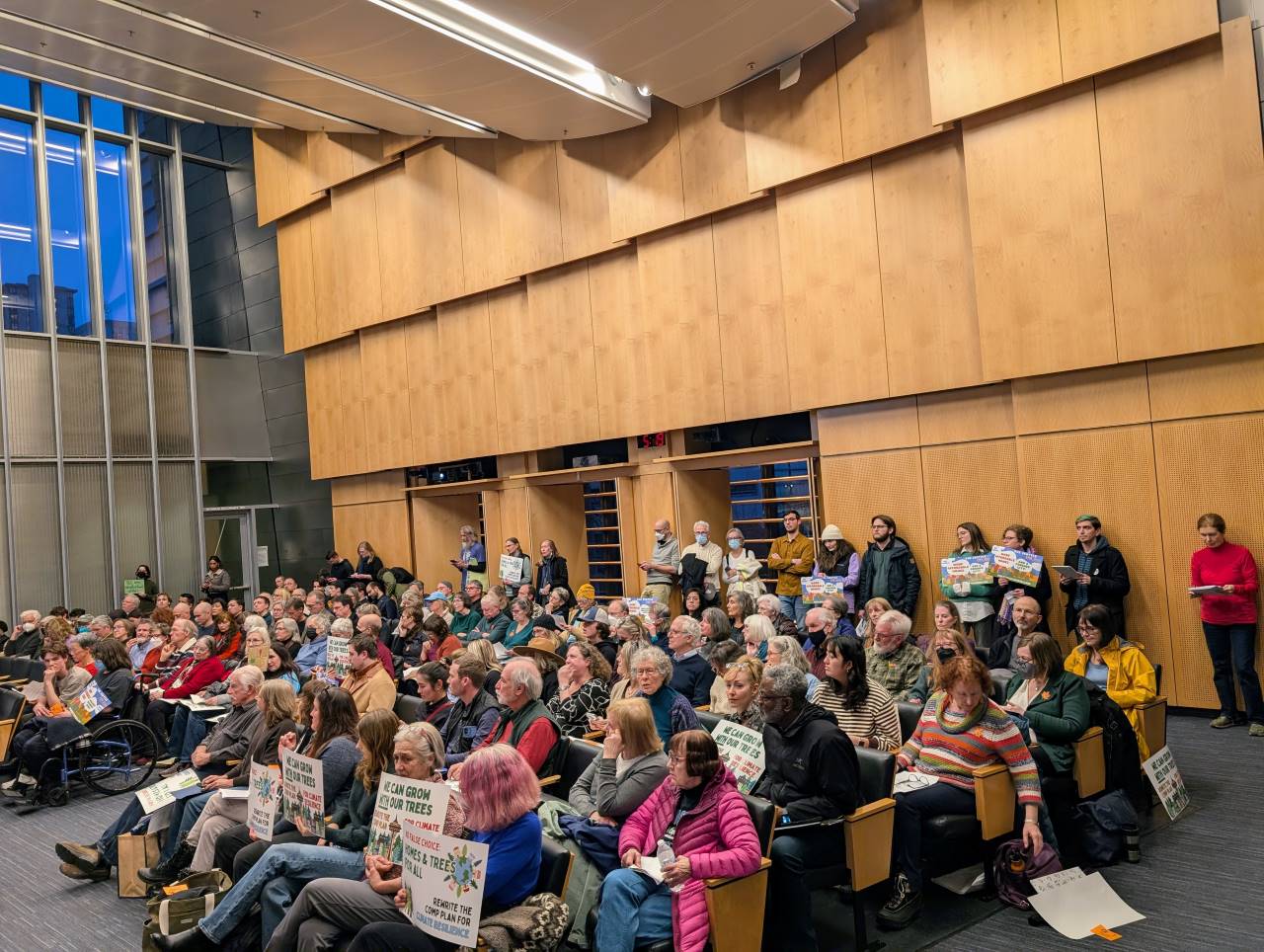
There are two important housing fights coming up next week. Public hearings are scheduled on Monday and Wednesday, and advocates need to ensure Seattle’s plan for middle housing keeps advancing and long-promised affordable housing gets built at Fort Lawton, despite pushback.
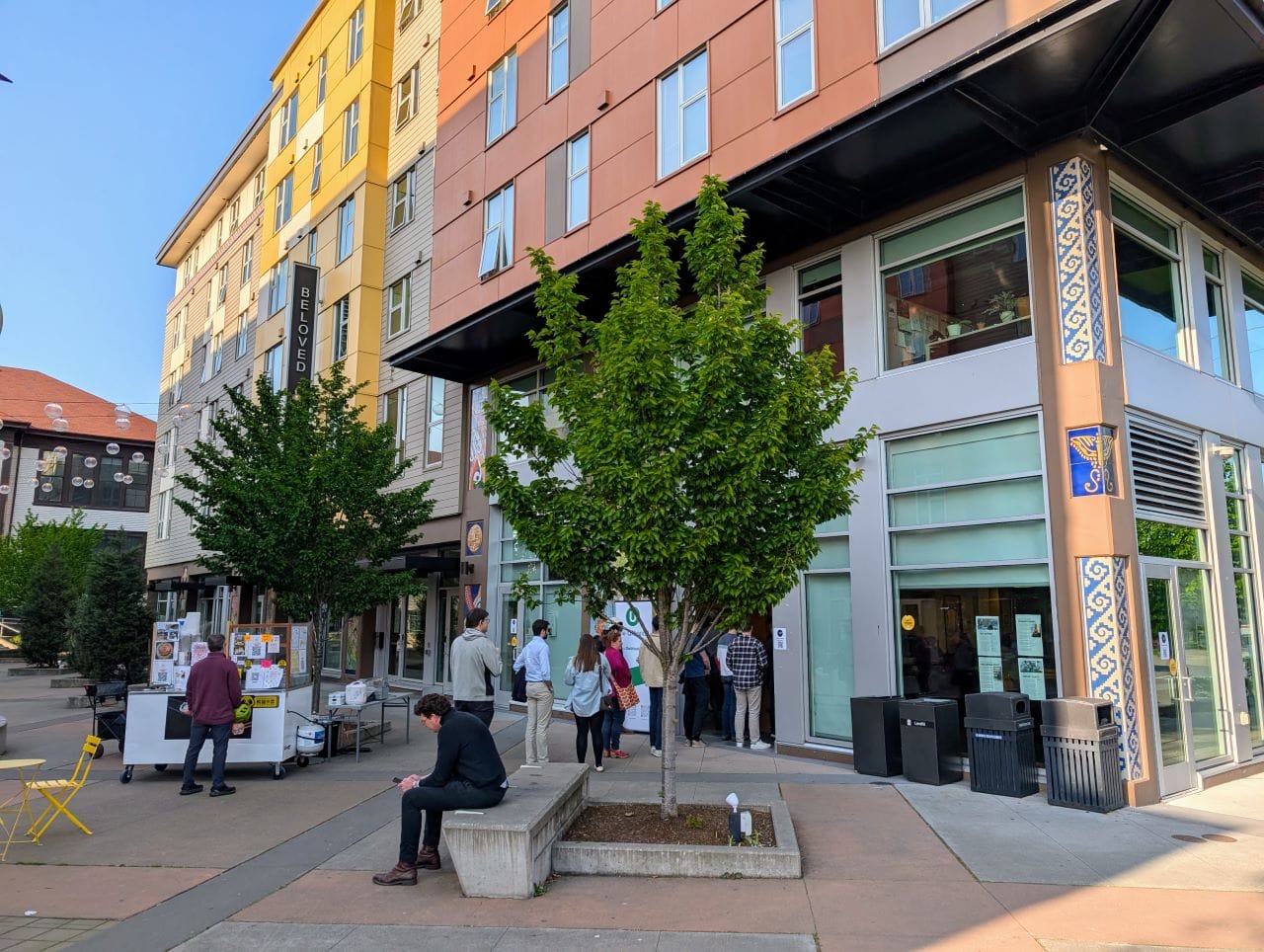
Want a deep dive on the latest in Seattle housing policy? The Urbanist has you covered. Check out this recording and transcript of our April housing panel with experts.
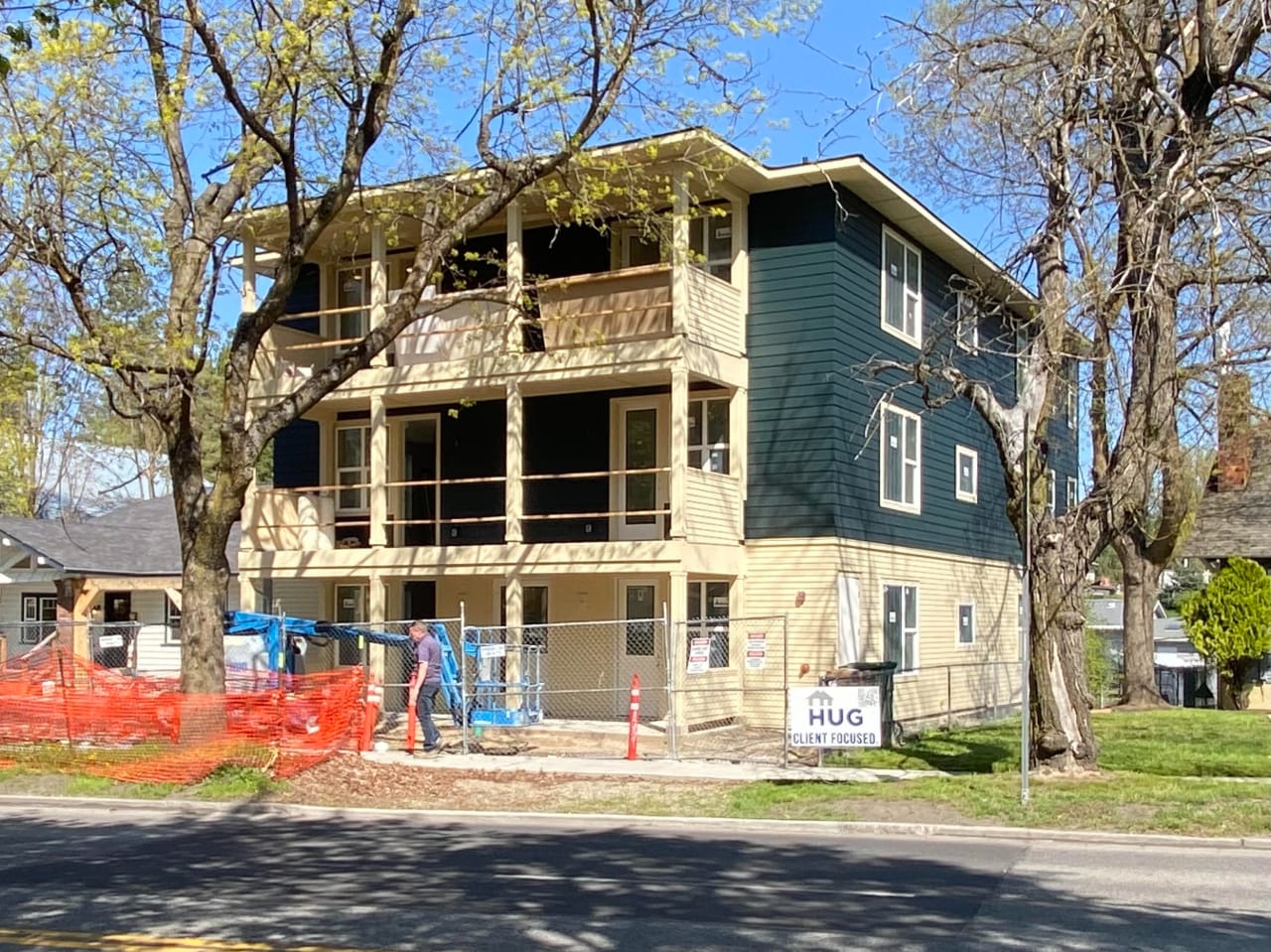
Once plentiful across the city, small apartment buildings with flats stacked on top of one another are incredibly rare in new construction. The reasons behind that are multifaceted, and stemming the tide will take a push on multiple levels of government.
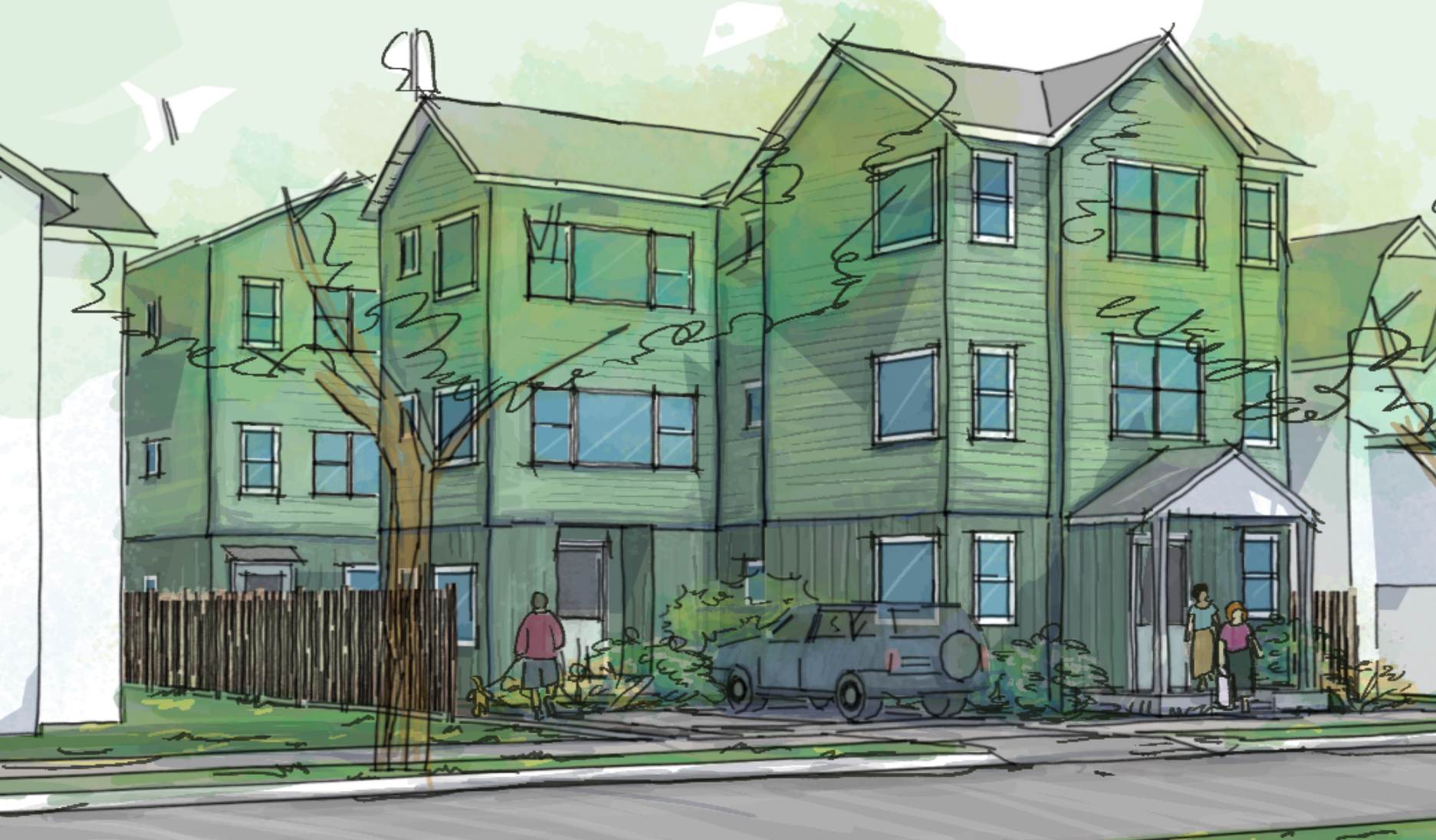
With the Seattle City Council set to consider amendments to required zoning changes this week, the city’s planning commission highlighted the danger of adding on additional requirements including affordable housing mandates and changing thresholds for infrastructure upgrades.
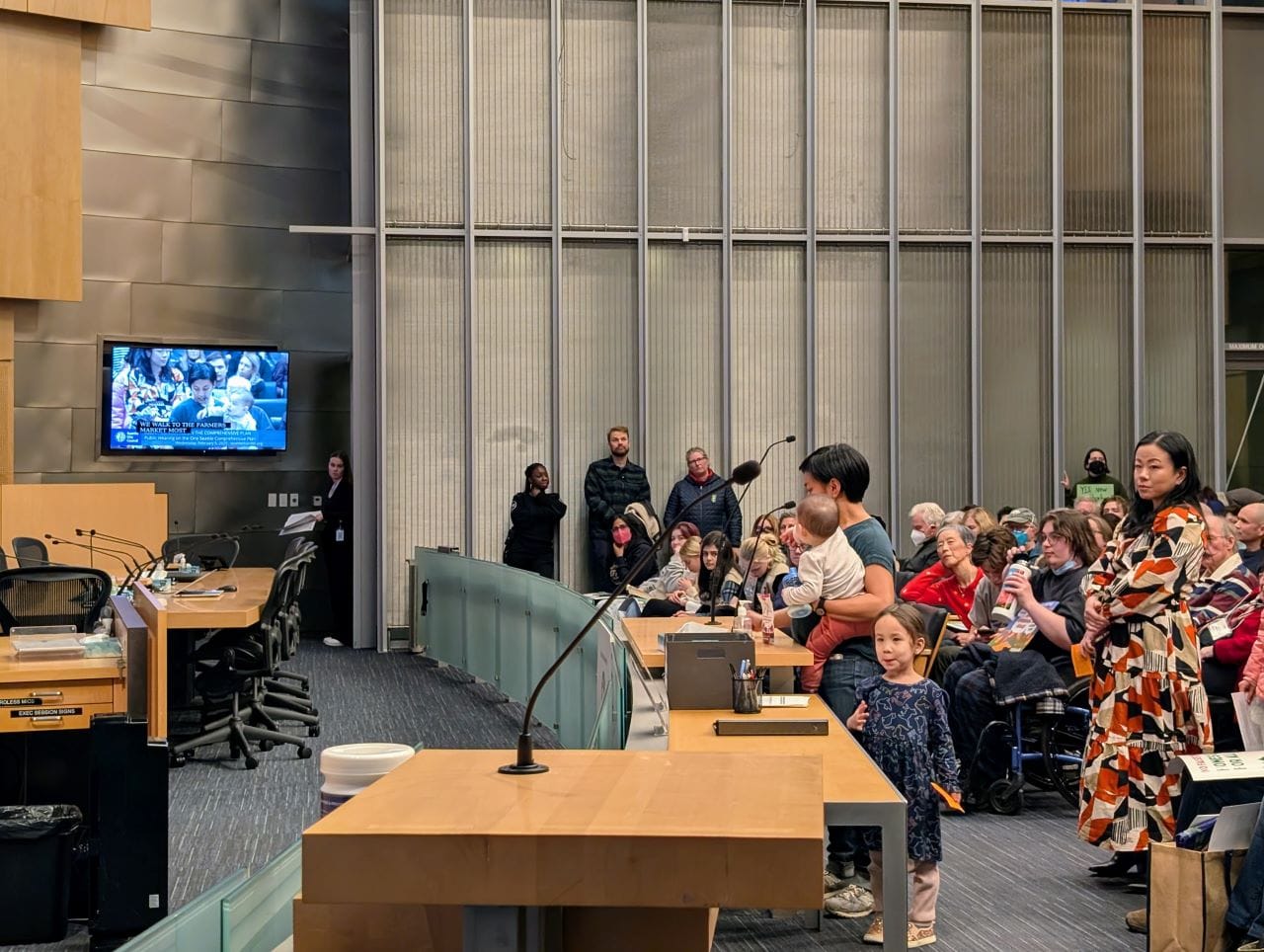
The way cities conduct public outreach and local elections stacks the deck against homebuilding, tenants, and people of color, research shows. But it doesn’t have to be this way.
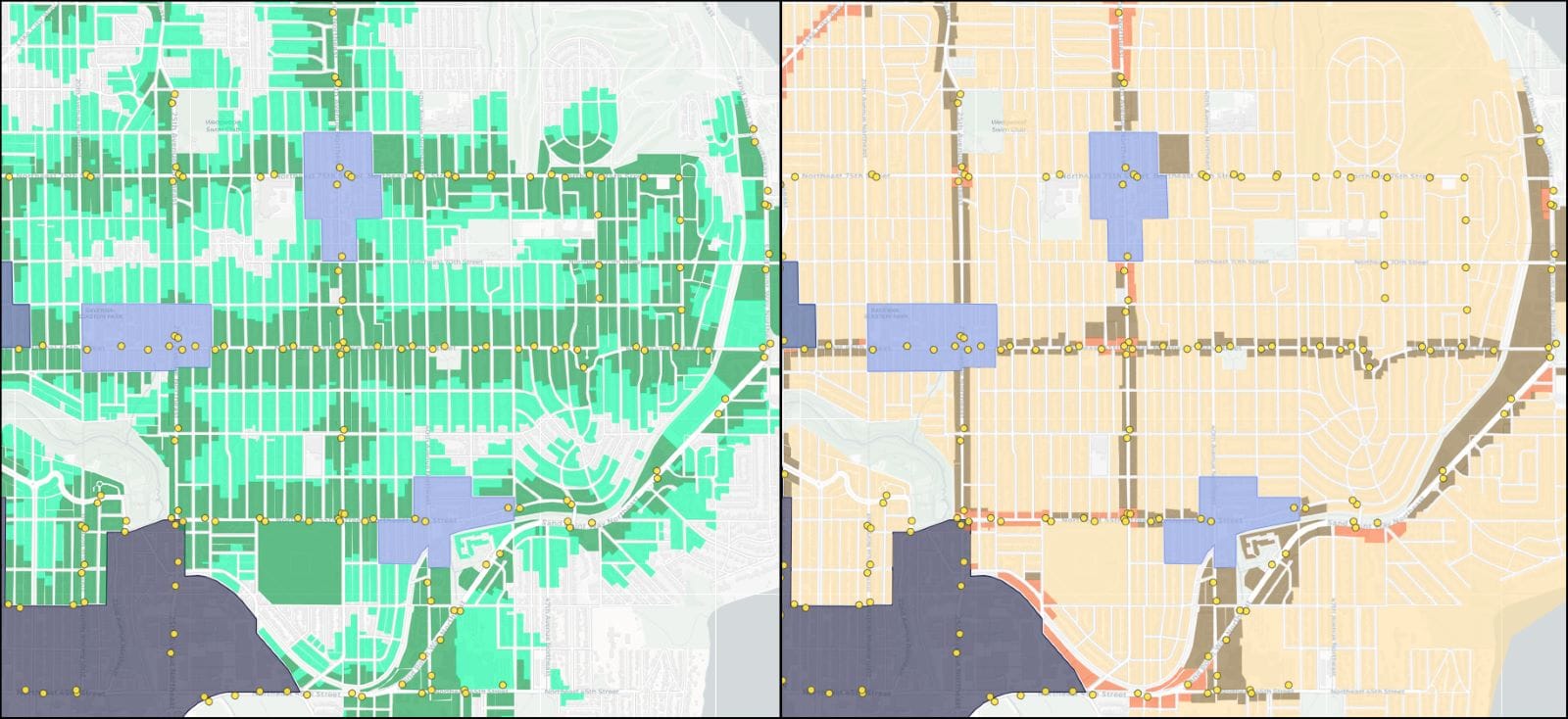
Nat Henry maps out Mayor Harrell’s growth plan and finds his transit corridor plan would would upzone fewer than 1 in 10 parcels within a five-minute walk of transit stops. That forces renters onto dangerous, polluted arterial roads, where apartments would be narrowly focused.
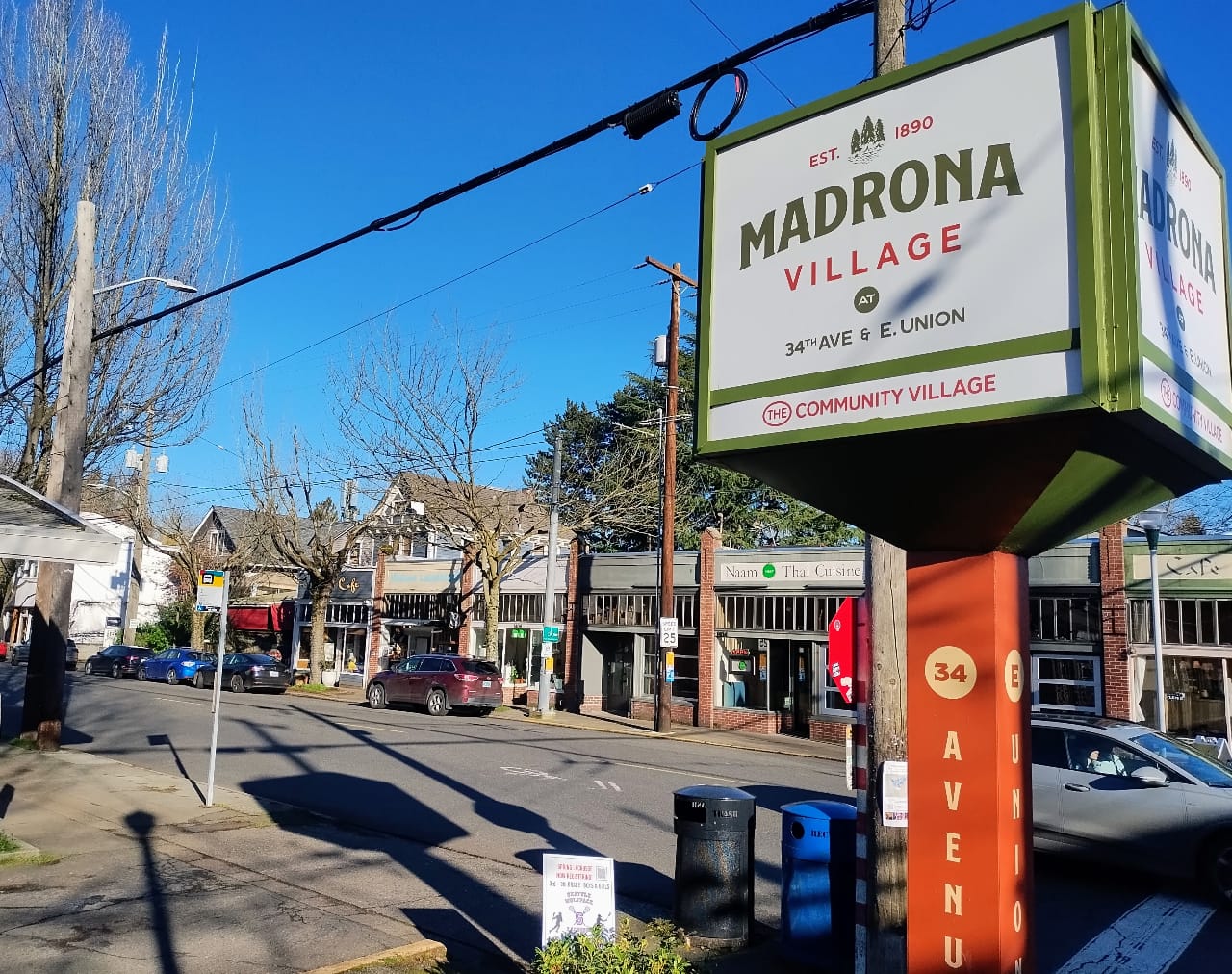
Phase two of the One Seattle Plan had included additional housing density around 30 existing commercial centers like Tangletown and Madrona, but now those changes won’t be discussed until after this fall’s elections, pushing key housing actions into 2026.
Hearing Examiner Ryan Vancil dismissed all appeals of Seattle’s growth plan. Despite a myriad of issues raised by six appellants, the proposal will move forward thanks to a recently passed state law intended to prevent predatory delay of housing plans.
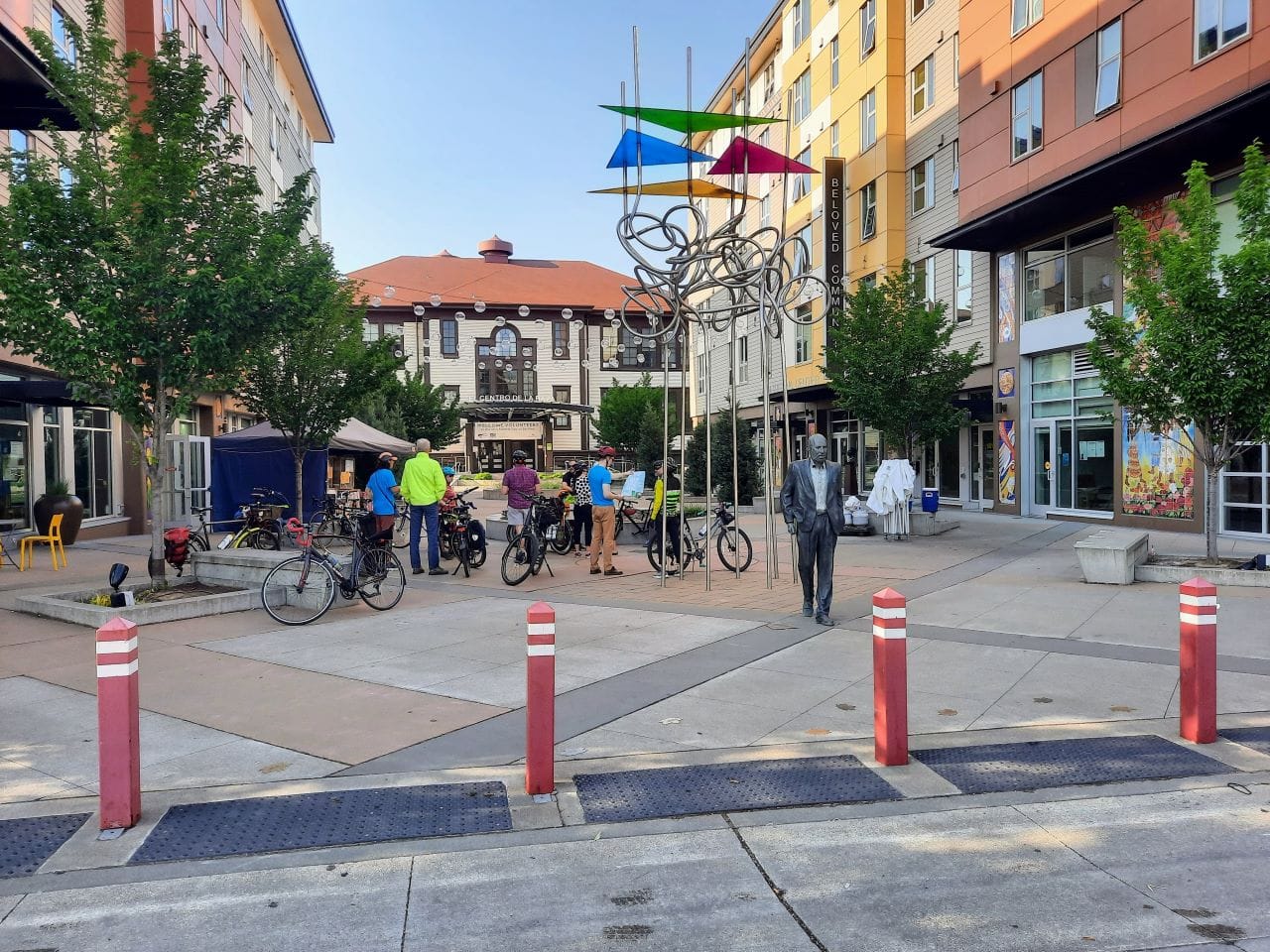
RSVP to save yourself a spot at the Future of Seattle Housing Panel hosted by The Urbanist and Seattle YIMBY from 6pm to 8pm on April 23.
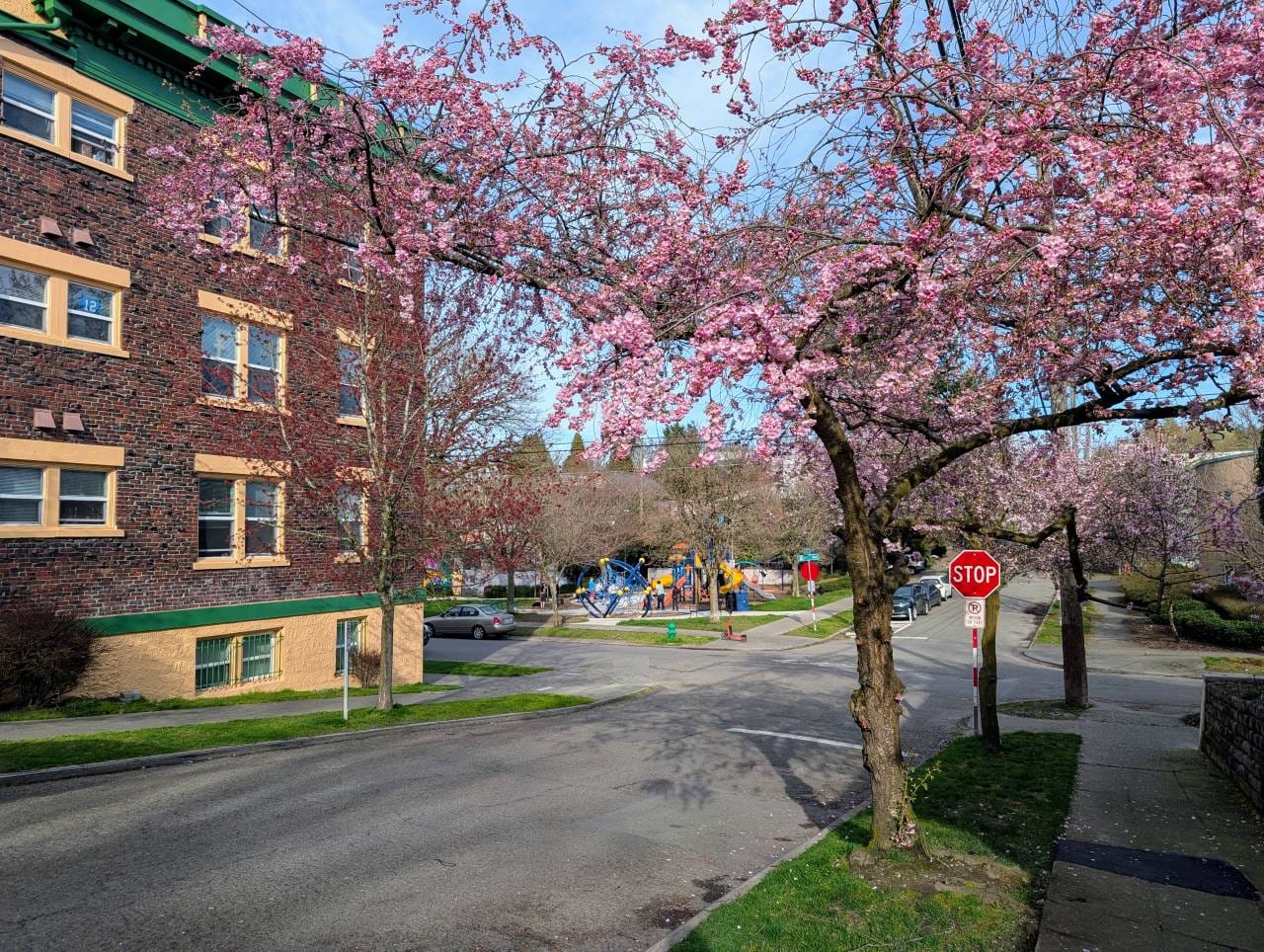
Cars and sprawl that are the true problem as the Puget Sound region seeks to boost salmon runs and protect salmon-eating orca whales. Building more homes in Seattle is the way to curb sprawl.
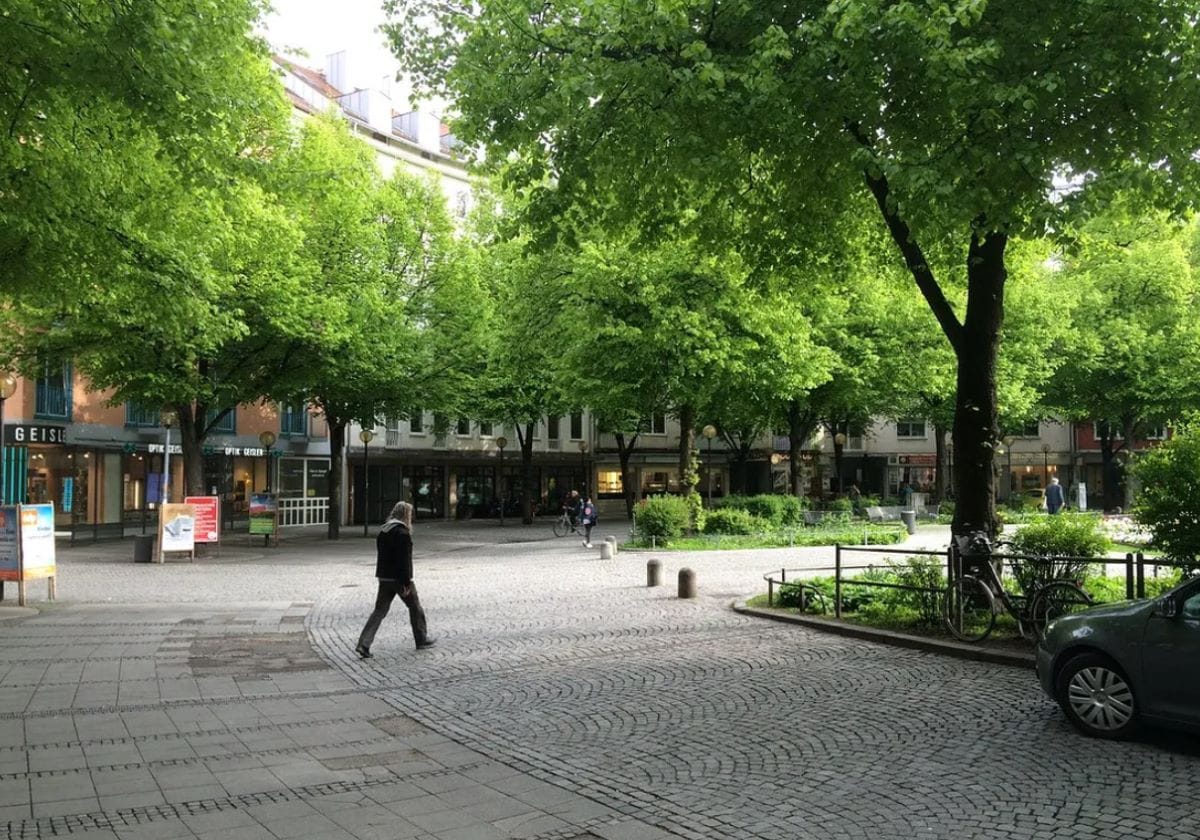
Architect Michael Eliason shares his blueprint for a greener Seattle with more abundant and affordable housing. The vision goes beyond townhomes to stacked flats amidst ample tree canopy.
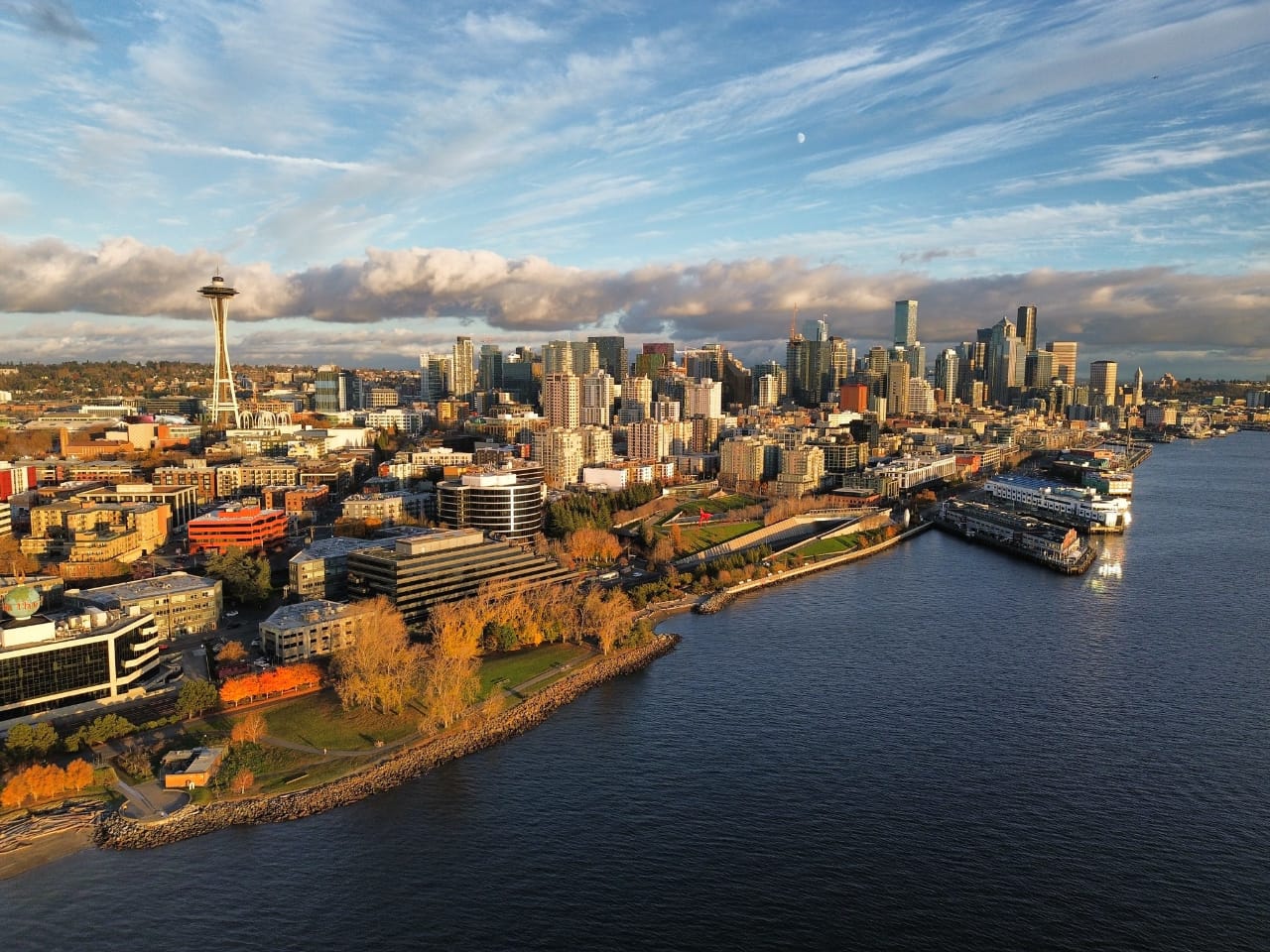
The six appeals against the One Seattle housing plan had been headed toward a lengthy hearing later this spring. But a filing by the City seeks to dismiss the appeals much more quickly, allowing the plan to move forward.
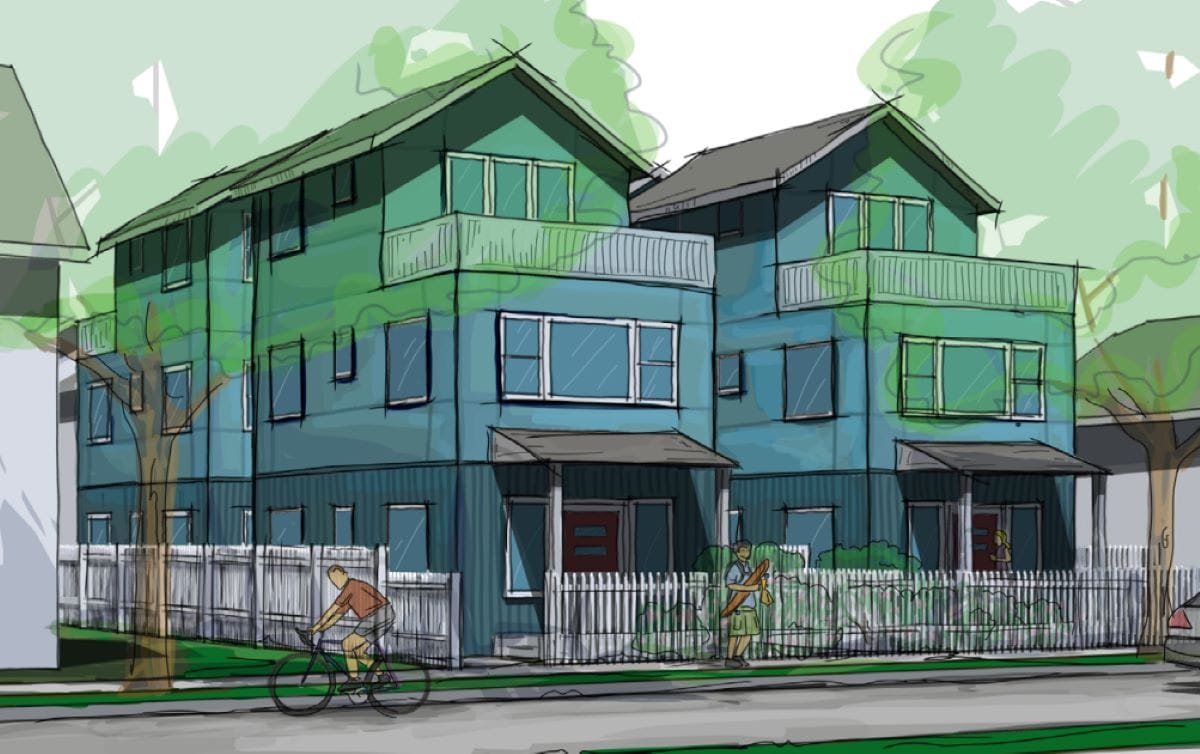
An interim ordinance will allow Seattle to meet a state deadline, and decide how to allow four and six units on residential lots around the city. But exactly how to do that will likely be a hotly debated issue on the city council.
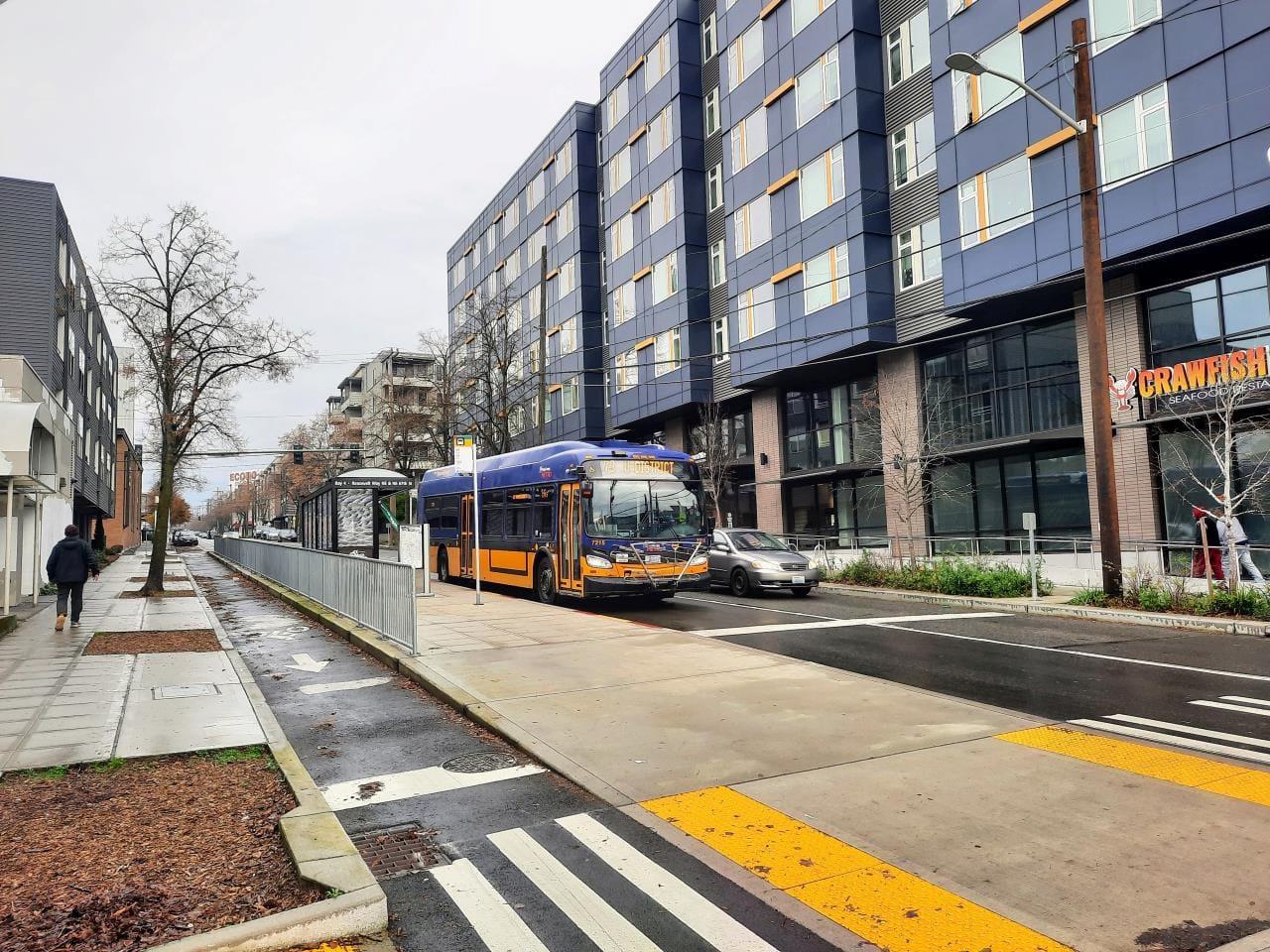
For the last 30 years, Seattle has adopted an urban village approach to growth that has reserved 75% of the city for single-family zoning while concentrating growth into walkable urban centers. This has created de-facto housing segregation, where many people with disabilities can reside only in the
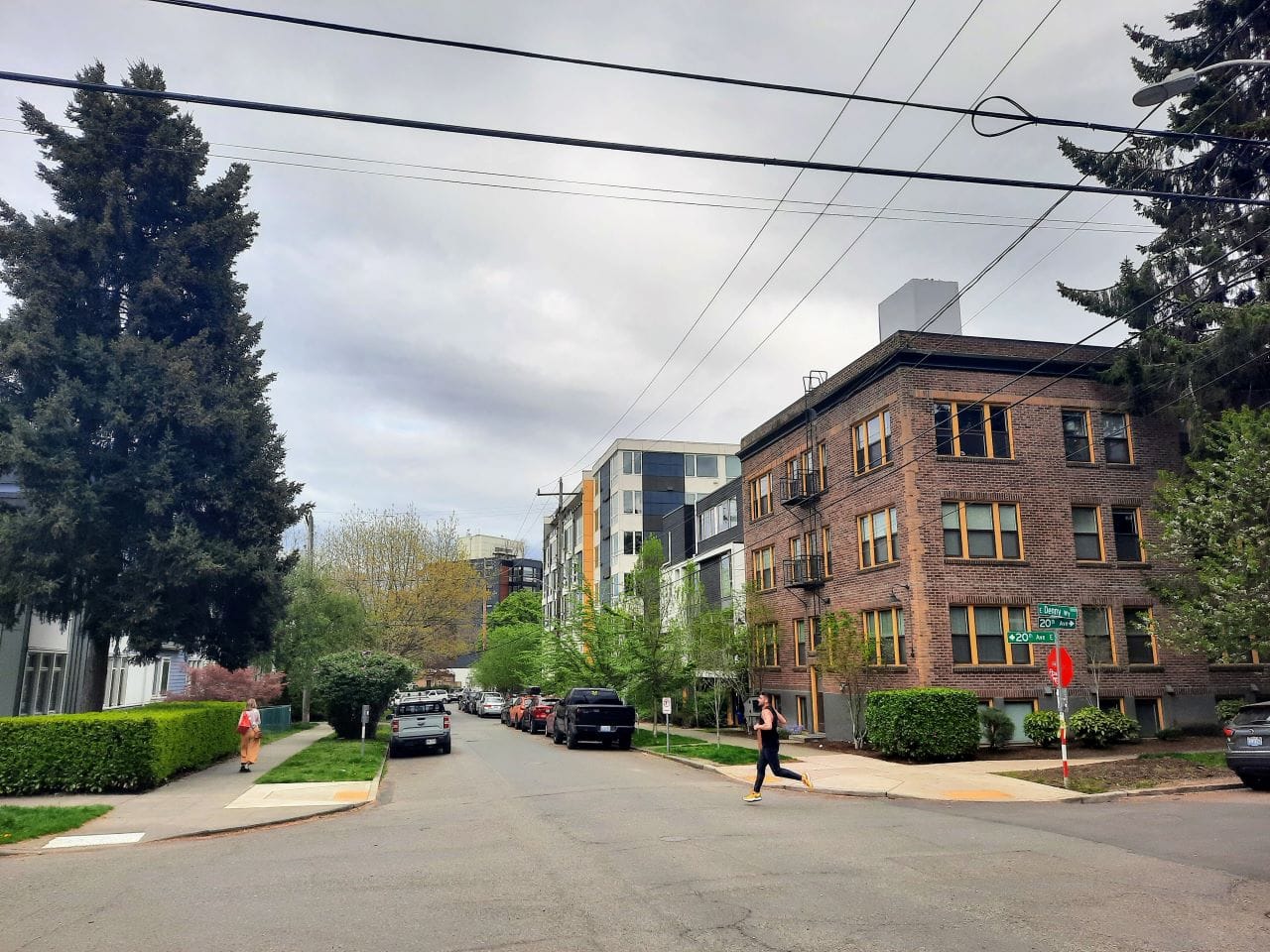
Keeping all 30 proposed Neighborhood Centers is essential for a more affordable, sustainable, and thriving Seattle. If we chip away at Neighborhood Centers, we’ll be left with the same housing shortages, rising costs, and inequitable growth patterns we’ve seen for decades.
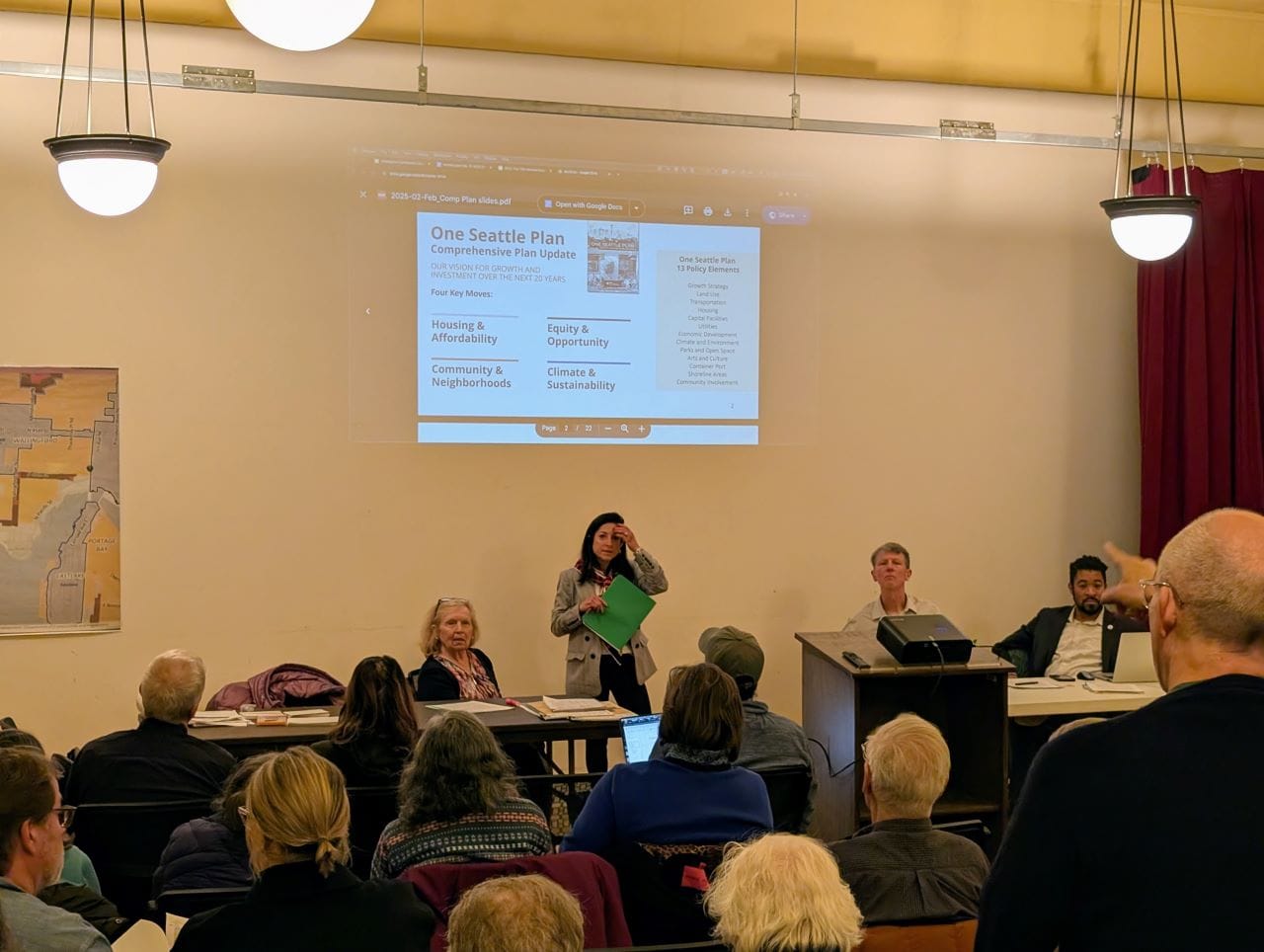
Seattle City Councilmembers and top planning officials are making the rounds visiting homeowner-dominated community councils in their district to get feedback on the One Seattle growth plan.
The appeals, filed by residents in Madison Park, Mount Baker, and Hawthorne Hills, seek to require additional environmental review, pushing back the City’s plan to allow more housing.
Housing advocates outnumbered opponents by a margin of 89 to 75 during a five-hour public hearing Wednesday on the One Seattle housing growth plan. Nevertheless, several councilmembers made it clear they sided with slow-growth advocates, rather than the majority demanding more housing options.
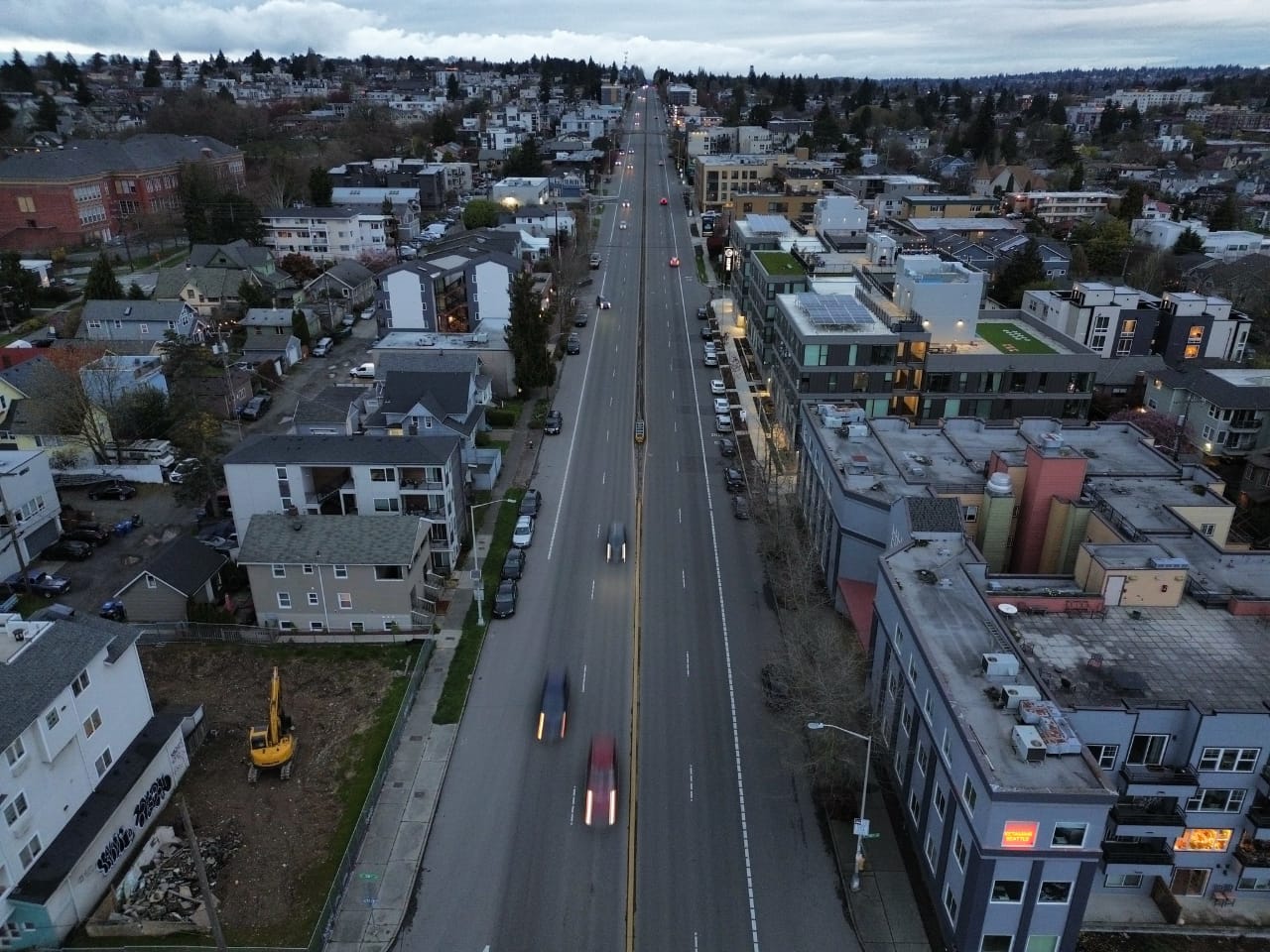
The 1,300-page environmental review of the One Seattle plan shows that the Mayor’s preferred plan would increase hardscape, tree removal, and greenhouse gas emissions, while decreasing affordable housing over broadly supported Alternative 5.
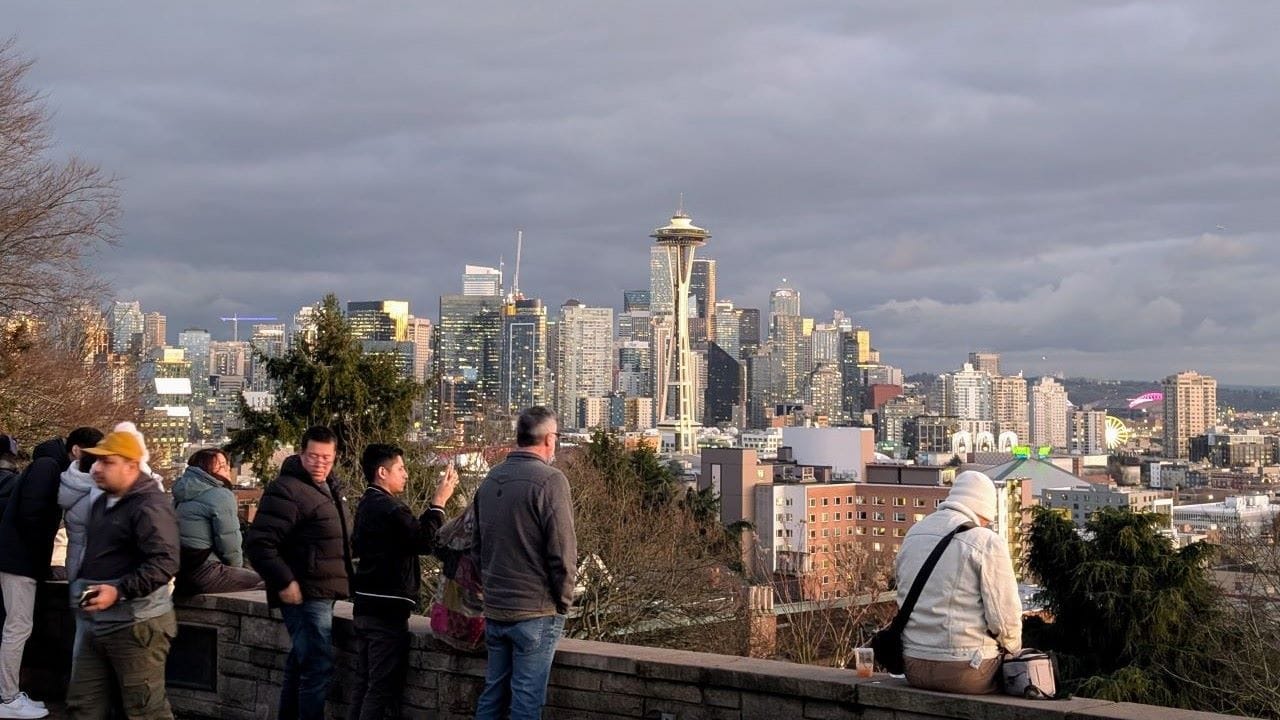
Seattle has set a goal of 112,000 new homes over the next 20 years, but is that really enough to meet demand?
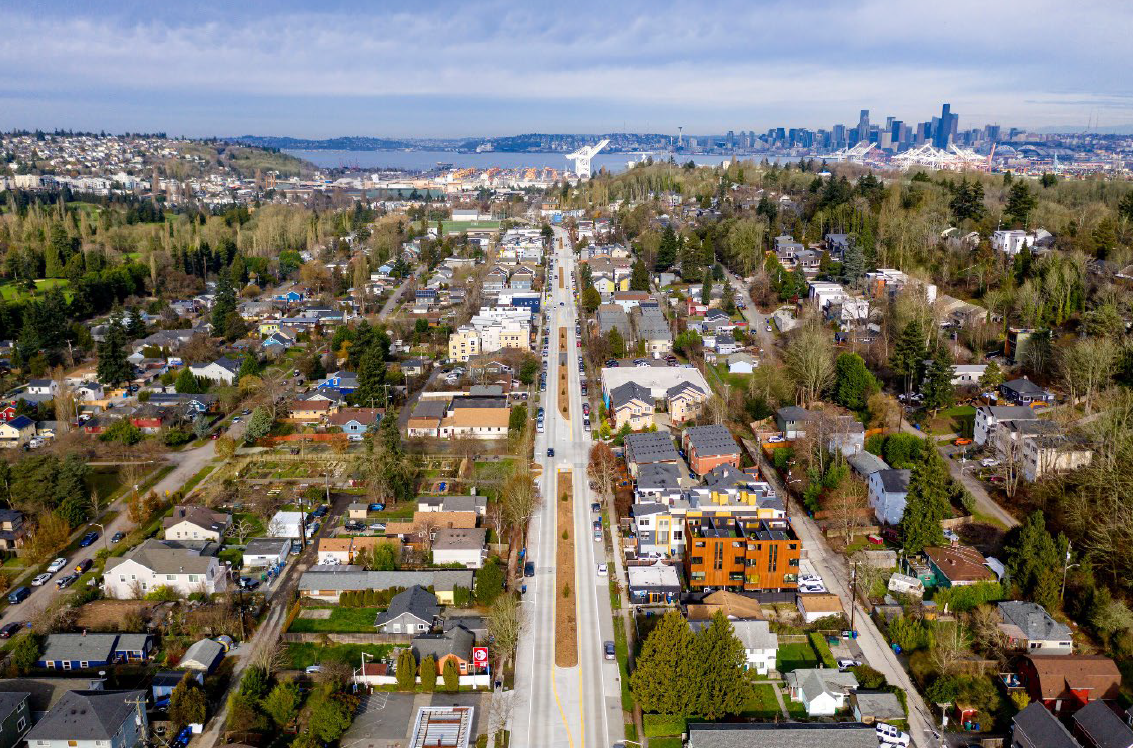
The release of the city’s final environmental review of the One Seattle growth plan is likely to be followed by an appeal, in an attempt to stop neighborhood-level zoning changes. But while an appeal may add time, it’s likely to ultimately fail.
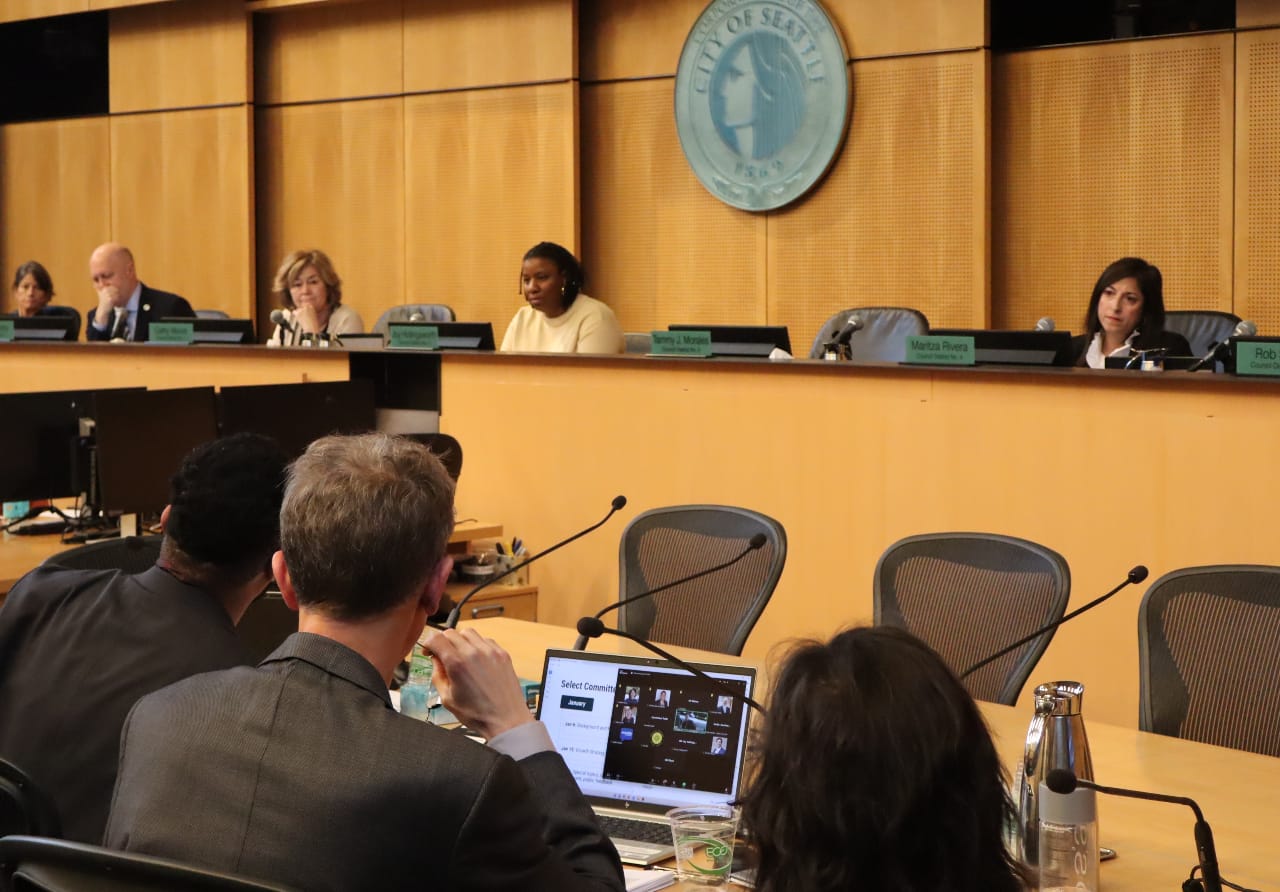
As the Seattle City Council took its first look at Mayor Bruce Harrell’s One Seattle Comprehensive Plan on Monday, Cathy Moore delivered a slow-growth manifesto, tinged with derision for renters, who she portrayed an unengaged and a detriment to neighborhoods.
By the time the Seattle City Council convenes for the first meeting of the Select Committee on the Comprehensive Plan on January 6, a group of residents from every single council district will have been pushing to scale back proposed zoning changes in their midst, all using similar arguments around
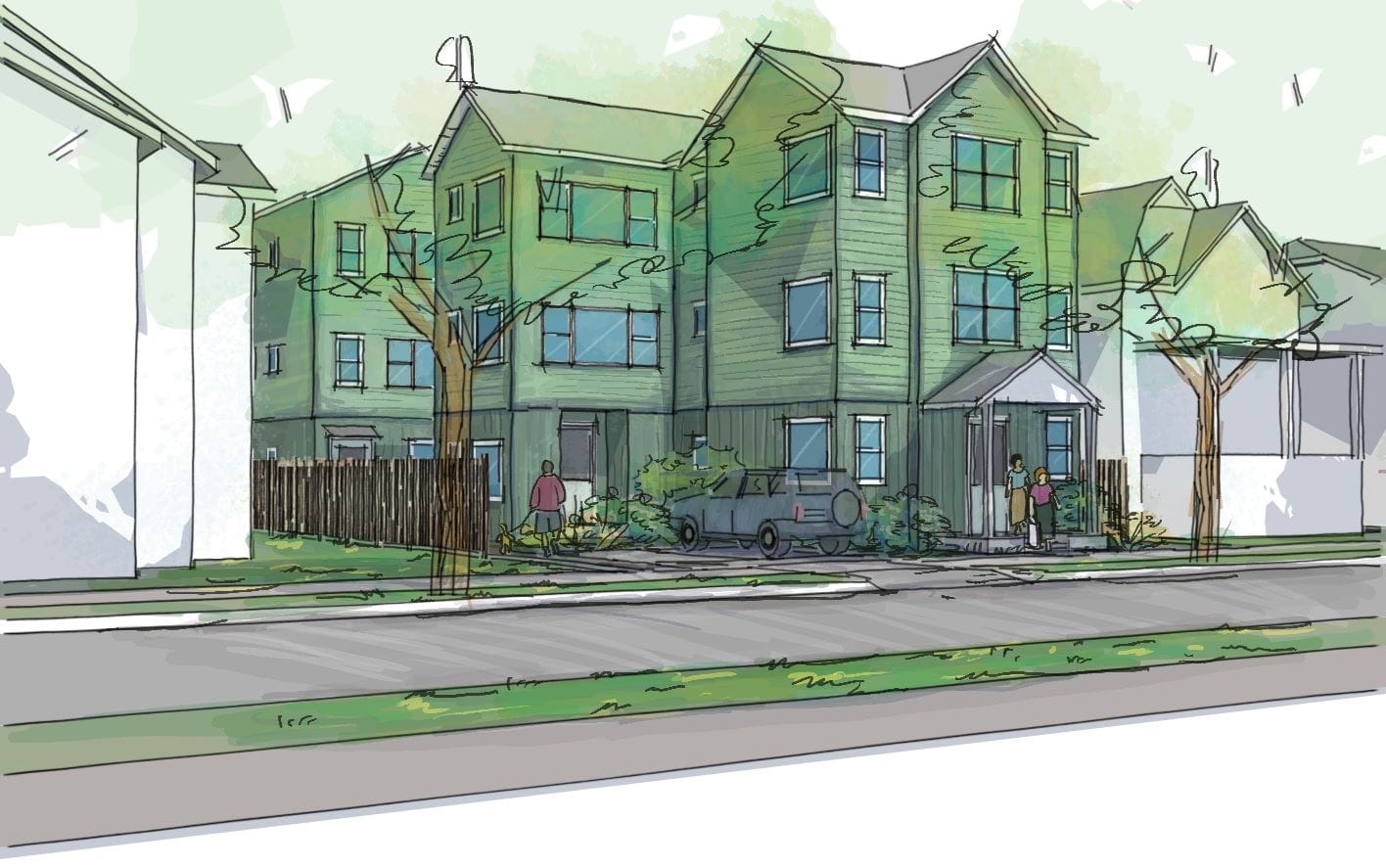
Today is the last day for public comments in the latest round of process around the One Seattle Comprehensive Plan proposed by Mayor Bruce Harrell to guide the next 20 years of city growth. Housing advocates are pushing the City to go bigger.
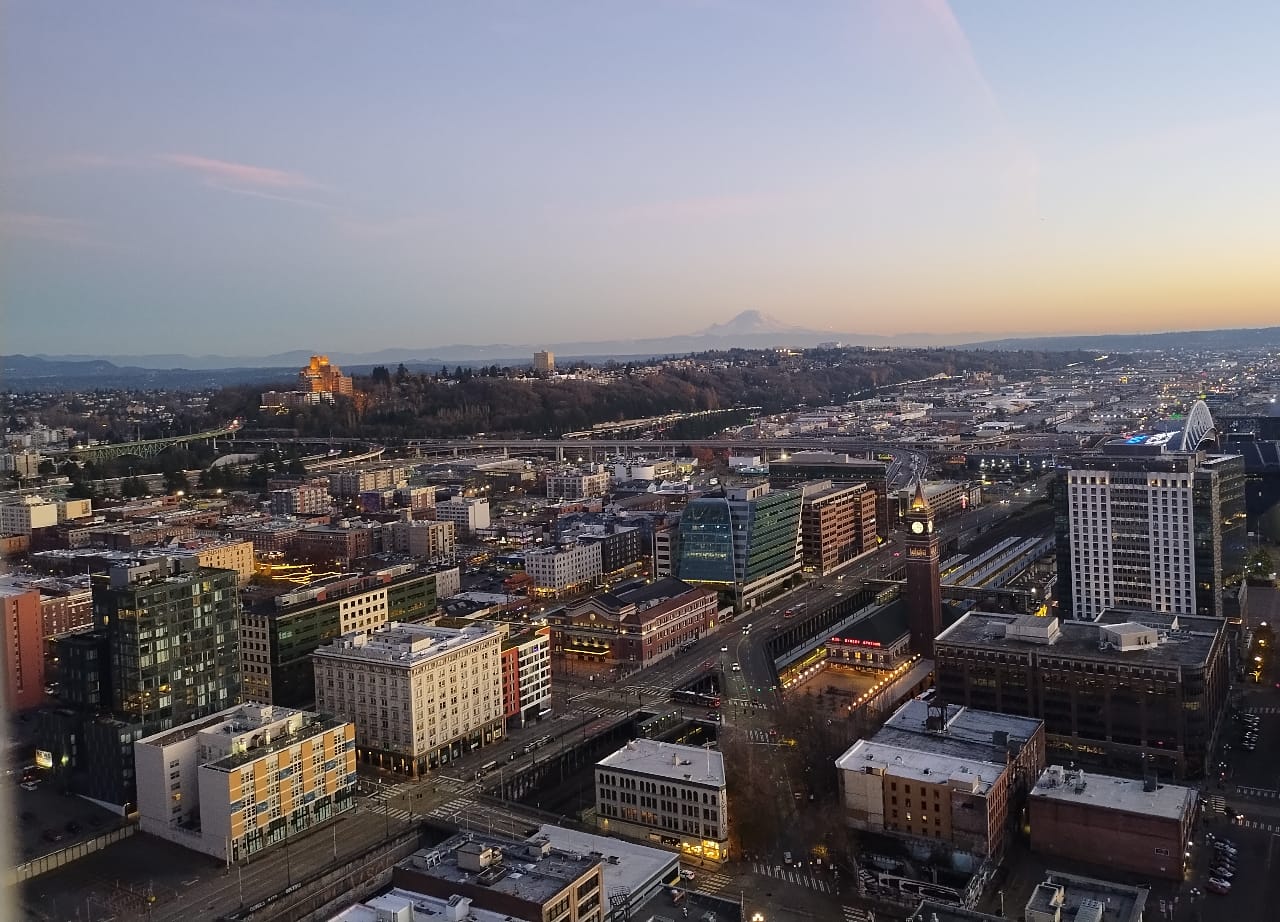
In a letter approved this week, the Seattle Planning Commission expressed disappointment that the draft One Seattle Comprehensive Plan doesn’t go much beyond state mandates, and pushed for changes to make the housing plan bolder and more forward-thinking.
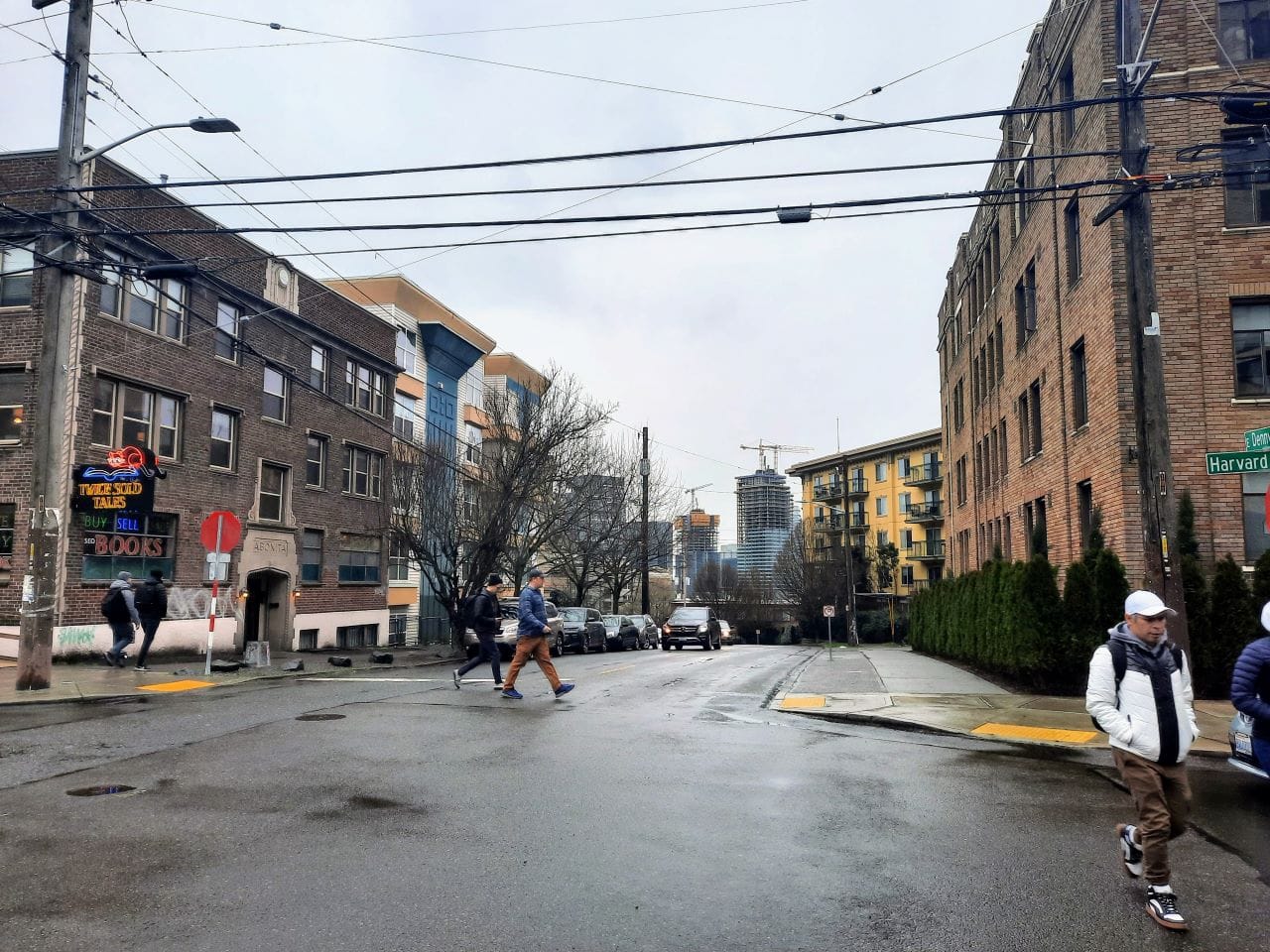
Proposed Phase 2 One Seattle Comprehensive Plan changes would focus on midrise zones, in hopes of adding additional housing capacity in existing urban centers and the 30 proposed “neighborhood centers.” OPCD hopes to introduce Phase 2 legislation in May, with council passage expected around Septembe
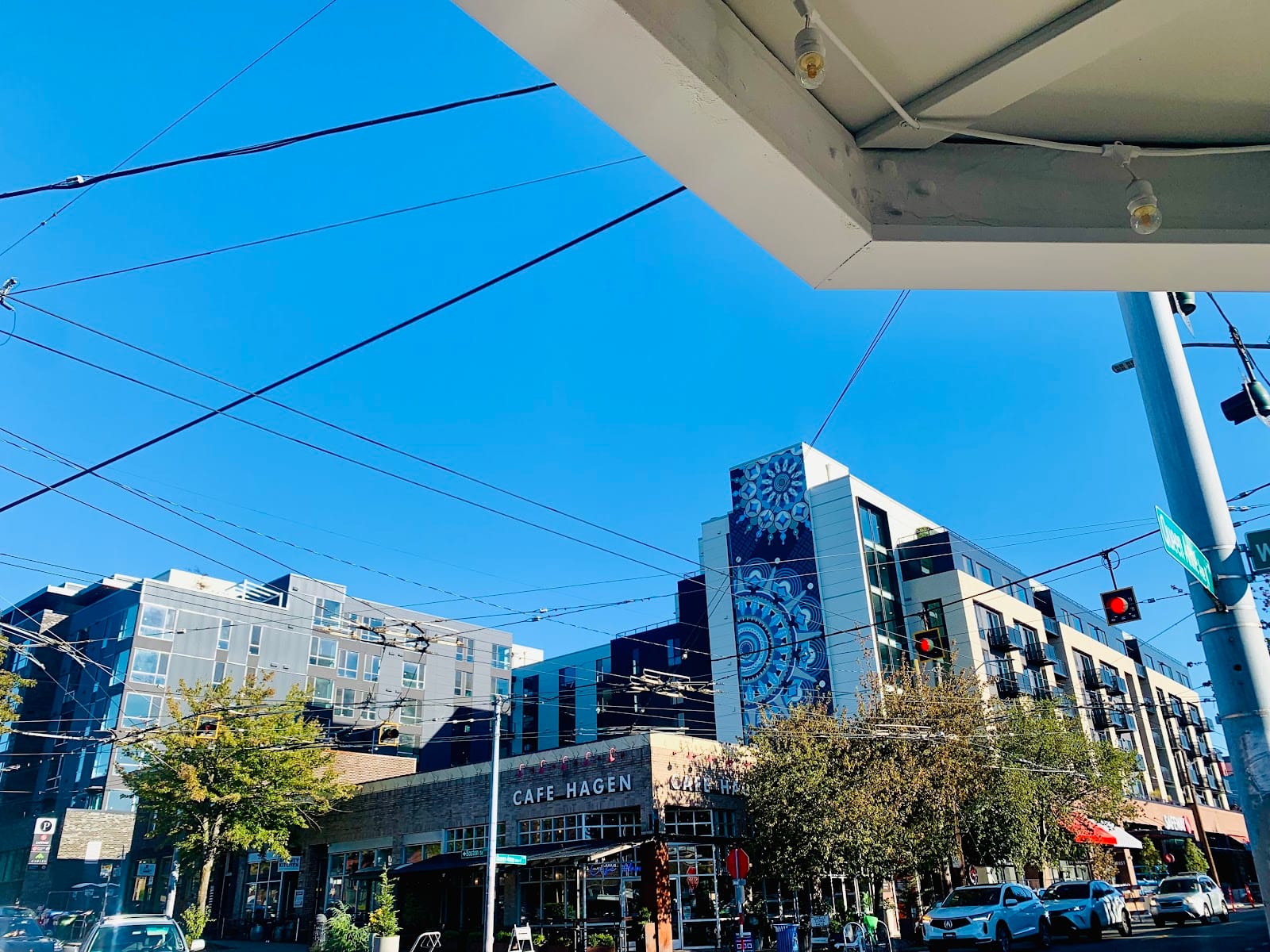
Seattle must embrace bold zoning changes in Queen Anne and similar neighborhoods to preserve our city’s promise for future generations. We need a lot more housing in all parts of Seattle. Seattle isn’t full. Queen Anne isn’t full.
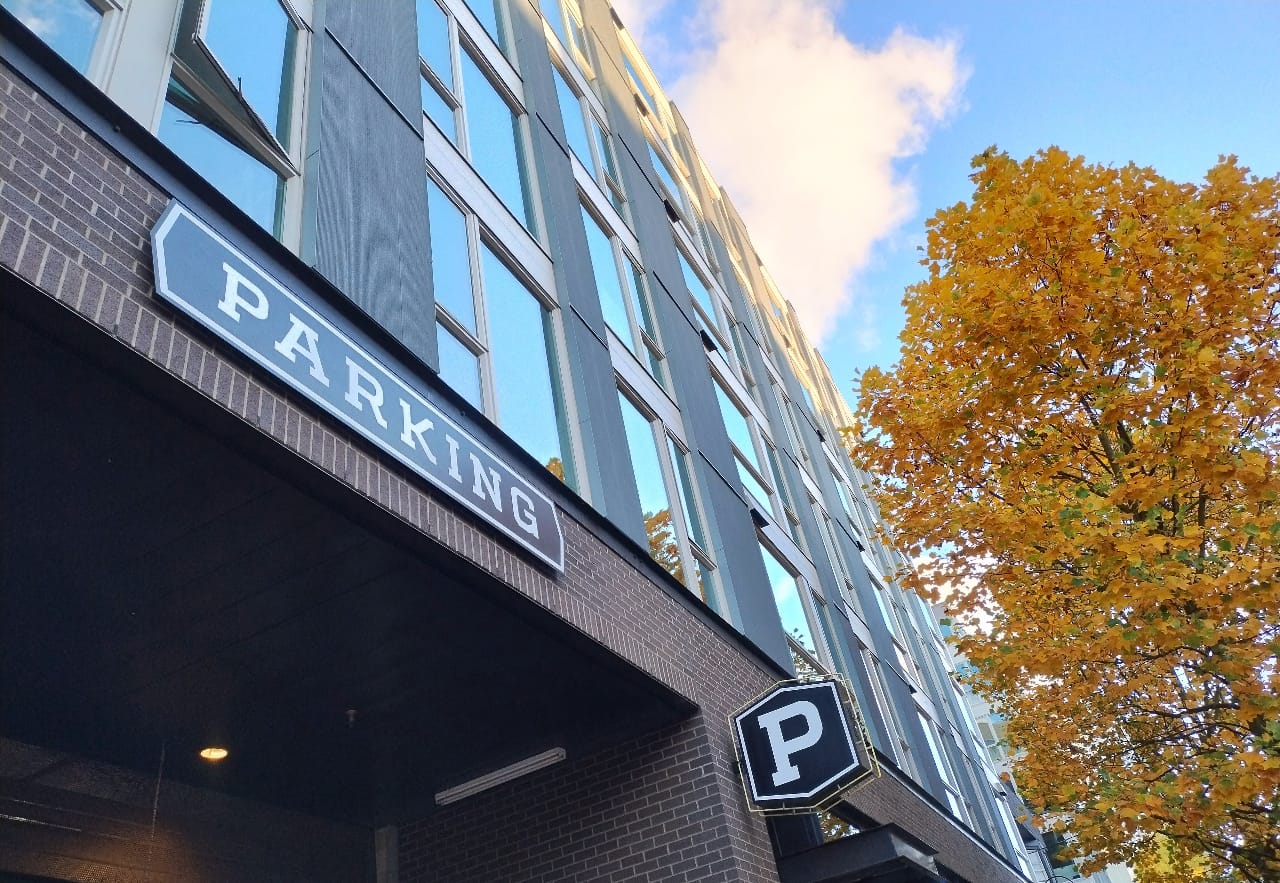
Despite being a longtime parking reform leader, Seattle is set to require off-street parking, even as it unlocks significant housing capacity near transit. This will make housing harder to build.
An updated version of Seattle’s 20-year growth plan includes additional opportunities for housing density, but mostly retains the city’s longstanding pattern of walling off lower-density areas of the city.
Seattle’s 20-year growth plan doesn’t do enough to ensure that lower income residents will be able to access the vast majority of the city’s residential neighborhoods, according to King County’s Affordable Housing Committee.
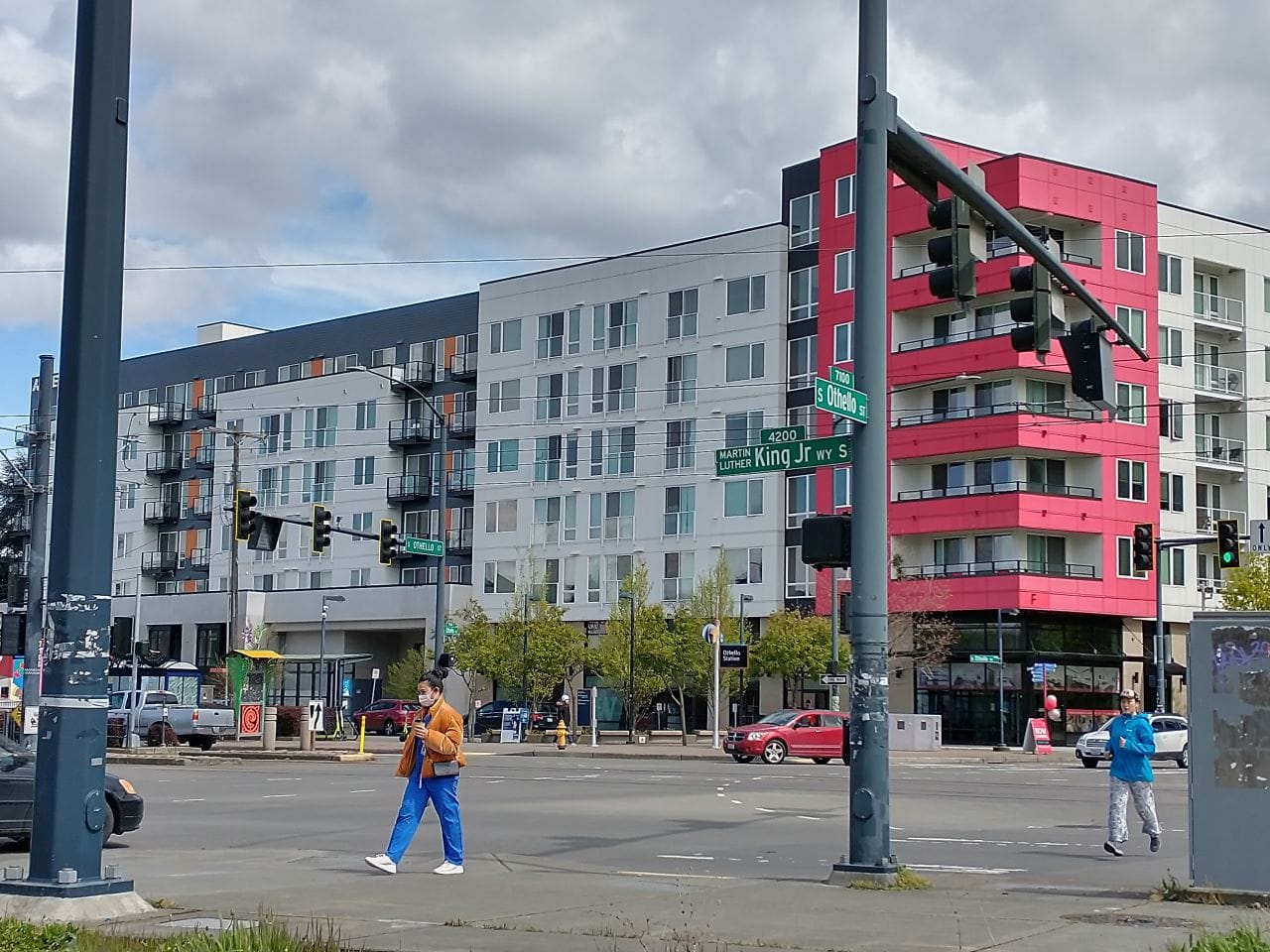
Seattle’s single family areas have seen their Black population plummet by 9,126 since 1990. Meanwhile, “urban village” neighborhood have added more than 8,000 Black residents in that span. Why then is low-density zoning expected to blunt displacement?
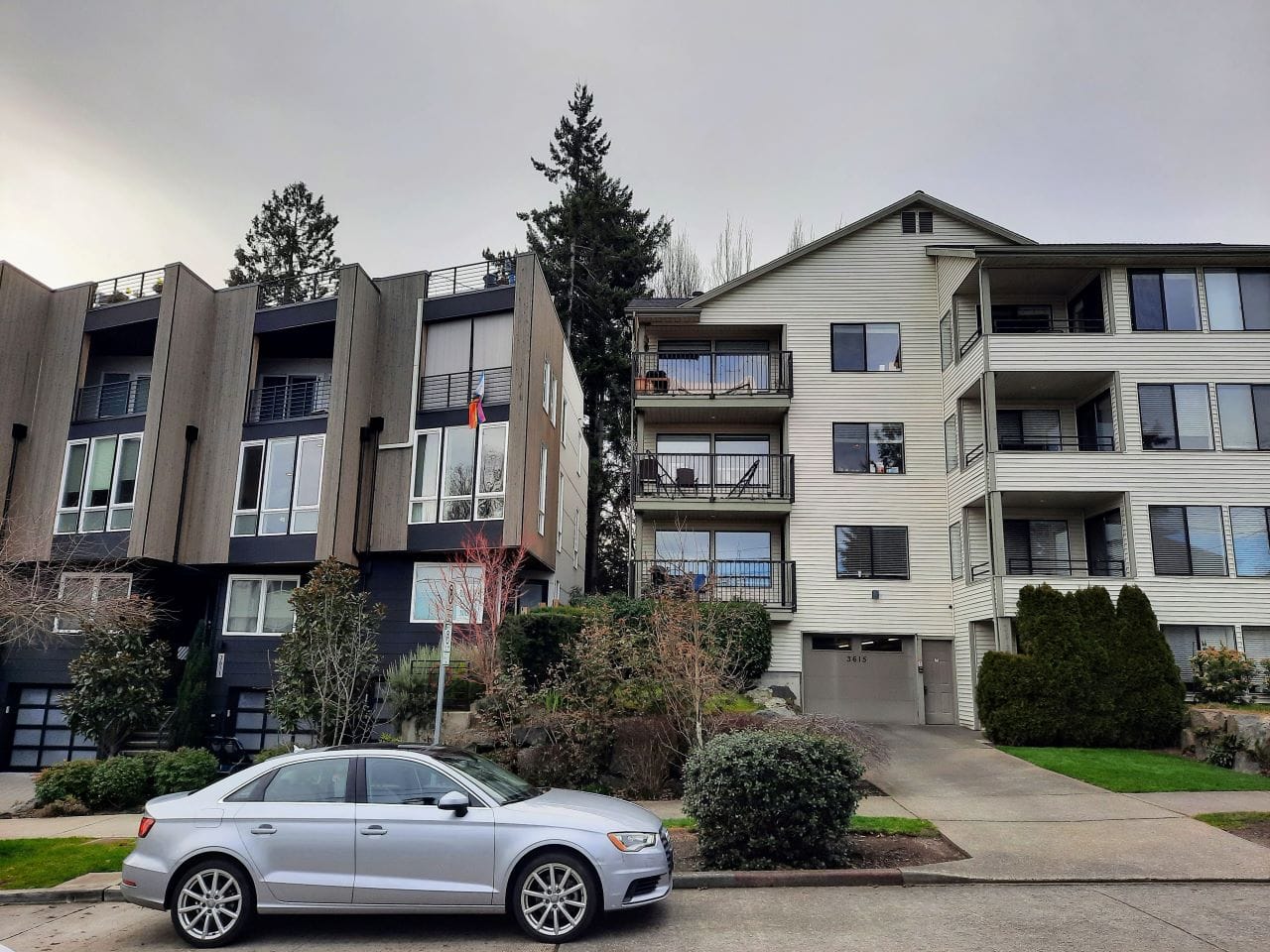
Seattle needs to allow more housing in today’s single family zones if it’s serious about its housing crisis. Strict multiplex size restrictions need to go from the Mayor’s growth plan.

The path forward is clear: a revised and ambitious Comprehensive Plan that should reform zoning rules and housing policies to allow more homes of all shapes and sizes; and incentivize affordable housing and homeownership.
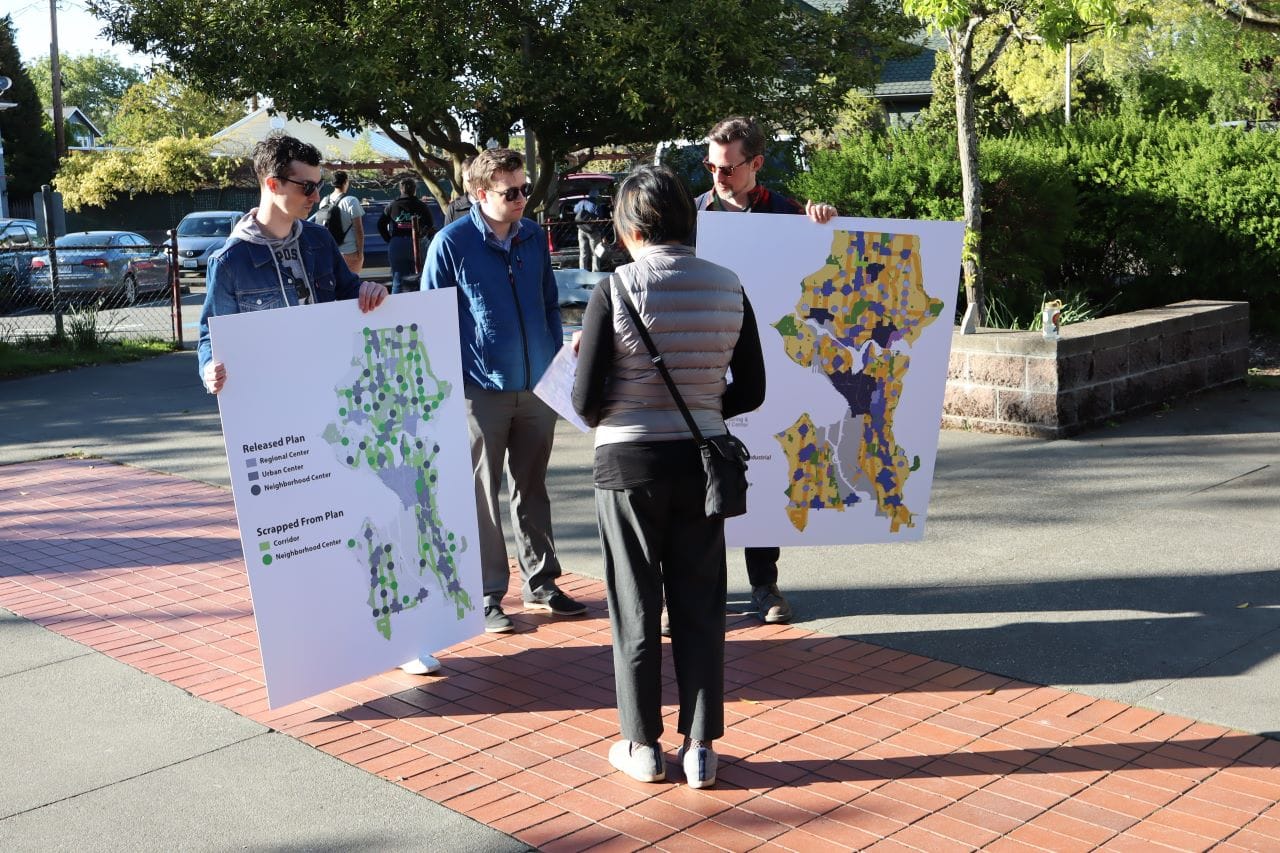
Comment on the draft Seattle Comprehensive Plan by May 20. Housing advocates have urged the City to adopt the “Housing Abundance Map” rather than keep exclusionary zoning.
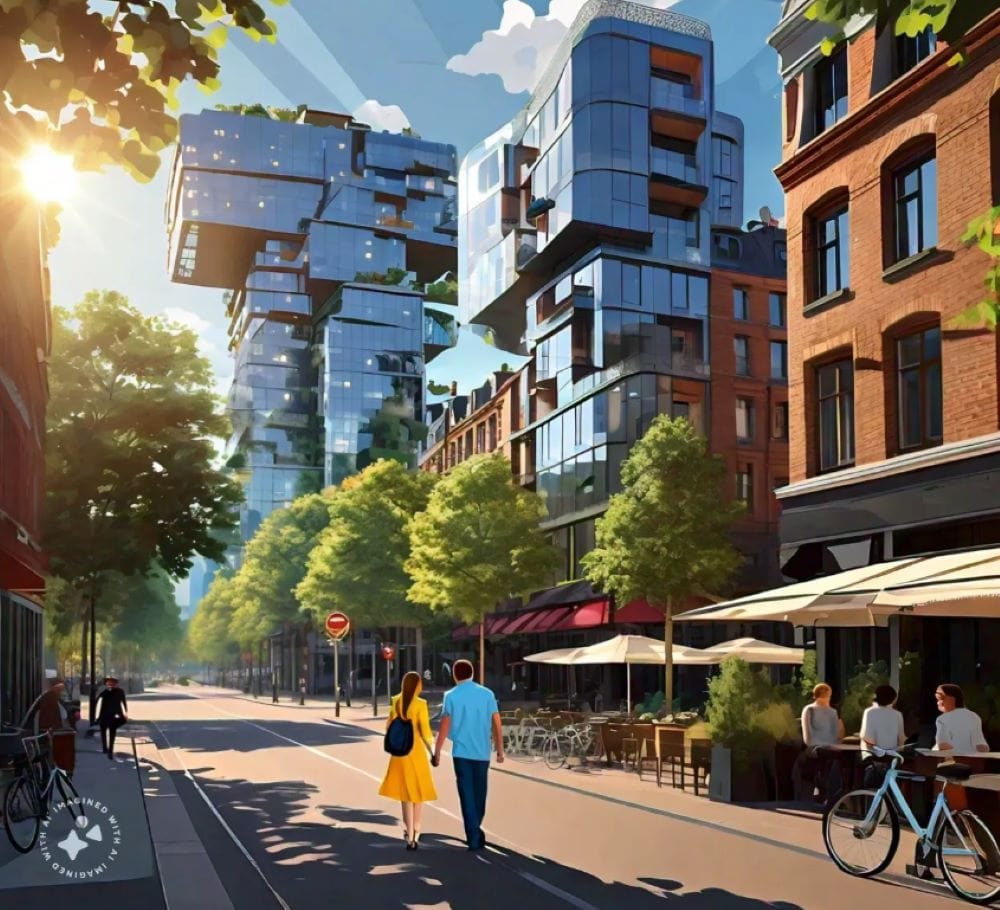
Seattle’s proposed 20-year growth strategy could certainly use improvement. Here are suggestions to promote housing abundance, fight exclusion, and curb climate pollution.
A paper trail from fall 2023 shows that Mayor Harrell’s office overruled his planning department and cut transit corridor upzones and halved the number of proposed “neighborhood centers” before release of the growth strategy.

The Urbanist’s Executive Director Rian Watt appeared on Crystal Fincher’s Hacks and Wonks podcast on April 9 to talk about the housing crisis. He offered three fixes for the Seattle Comprehensive Plan.
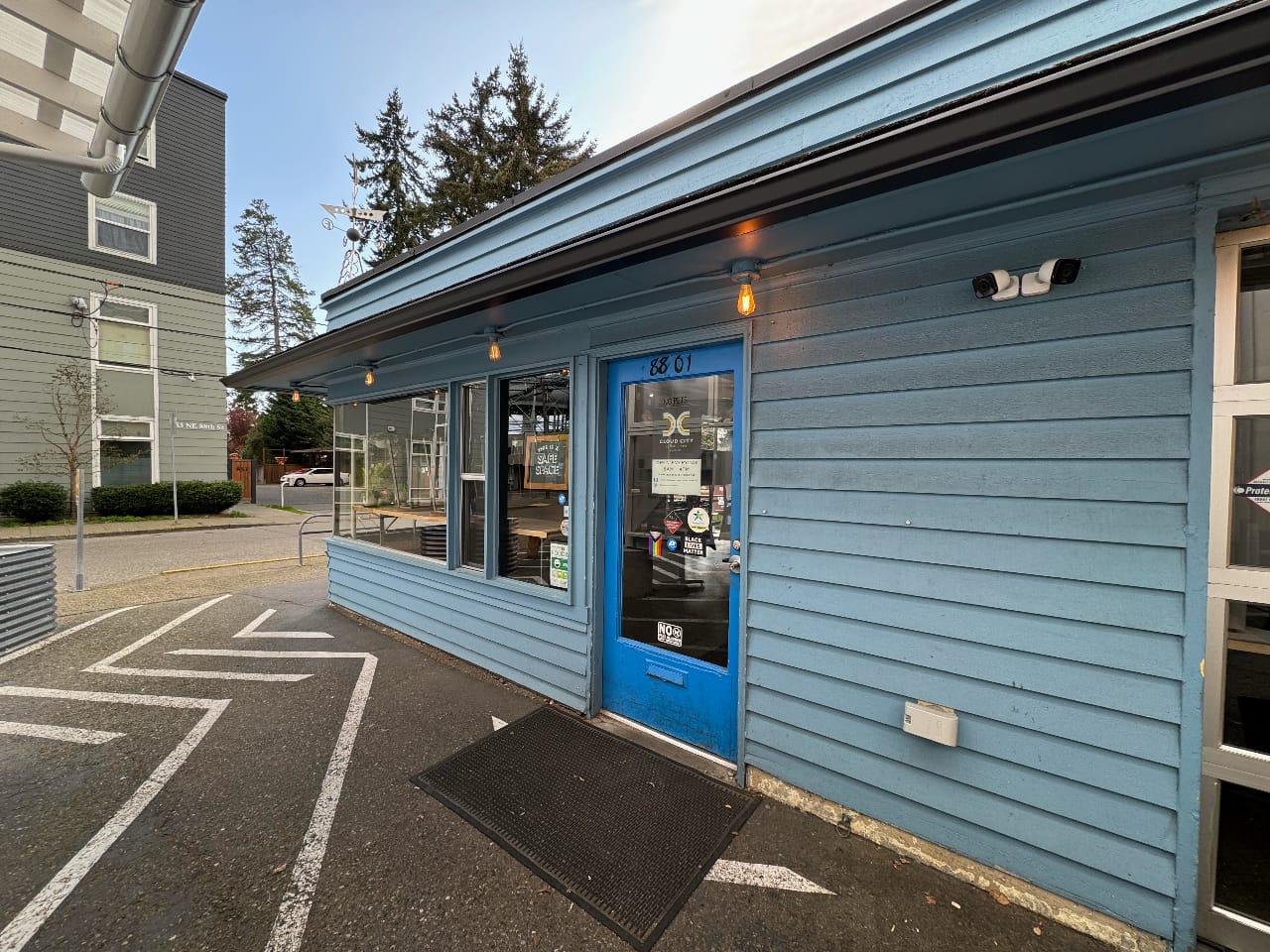
Cloud City Coffee is an anchor in the Maple Leaf business district. Seattle’s growth plan isn’t what the city needs to allow its employees to live close by.
Suggestions to improve the One Seattle plan include allow bigger buildings, embrace transit-oriented development, and jettison parking requirements. We can create a Seattle that pulls the working class in rather than pushing them out.
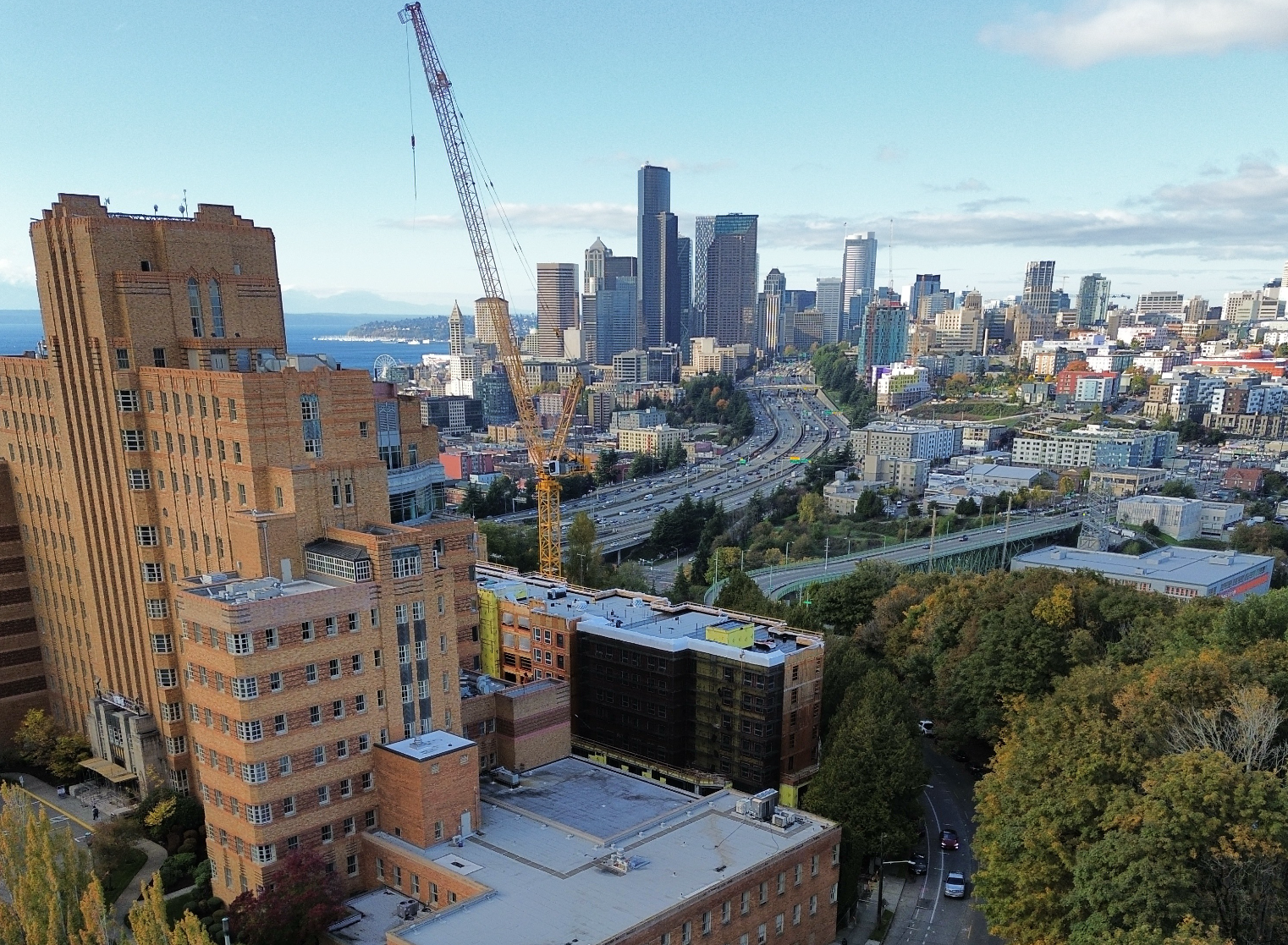
The Seattle Planning Commission has given the proposed One Seattle Comprehensive Plan a once-over. The reviews are not good.
The mayor’s comprehensive plan proposal failed to deliver real solutions on housing abundance, affordability, and climate. It promises only modest zoning changes at the margins and 100,000 additional homes over 20 years.
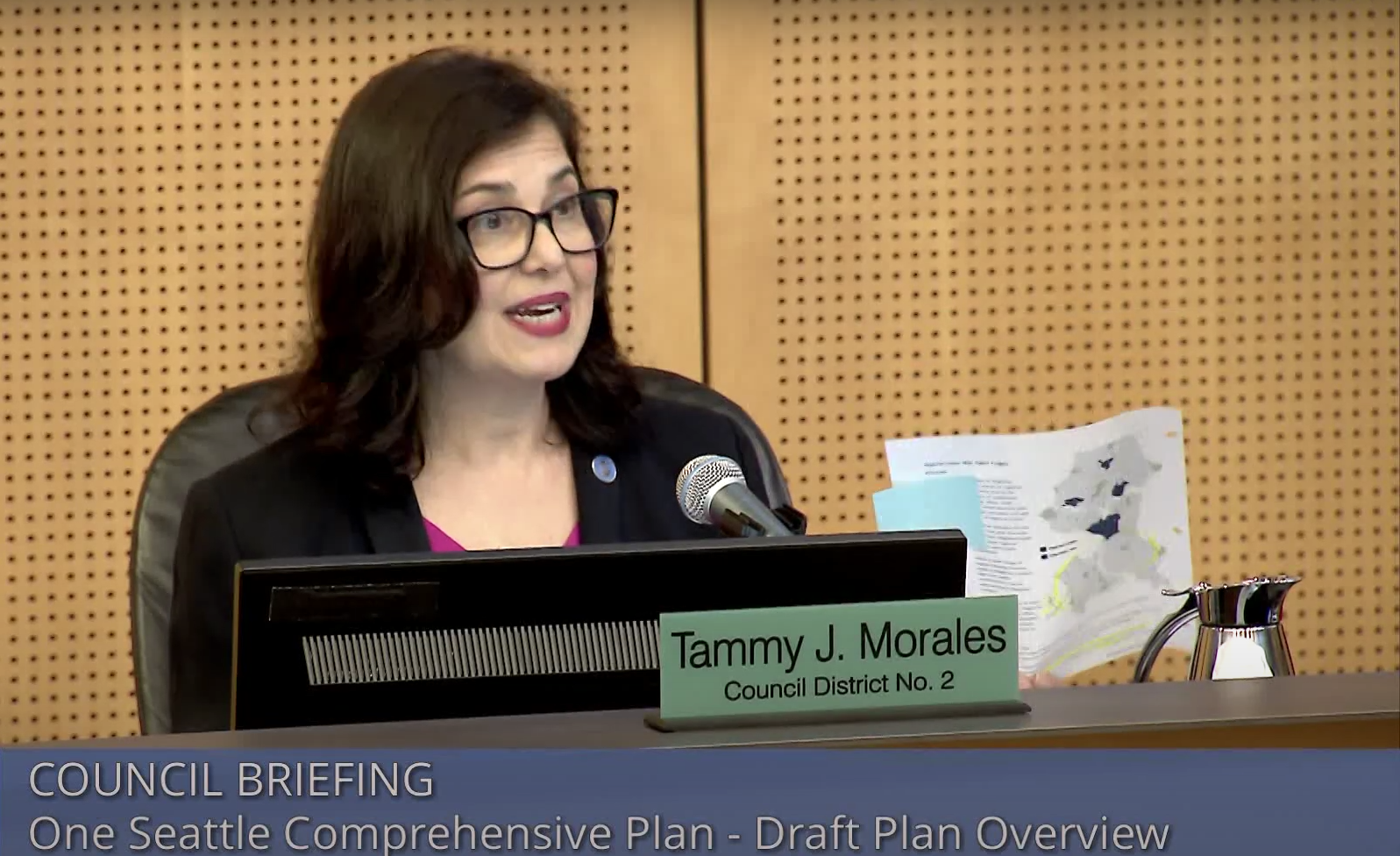
In the first chance to discuss the Harrell administration’s planned growth strategy, Morales was leagues ahead of her colleagues in articulating changes she wanted to see made, such as higher growth targets and more multifamily zoning, before earning her vote of approval.
Builders, lawmakers, and housing advocates warn the ‘One Seattle’ growth strategy is “nothingburger” that will come up short on affordability, livability, and complying with state law. Fourplexes would be too constrained to deliver sufficient housing.
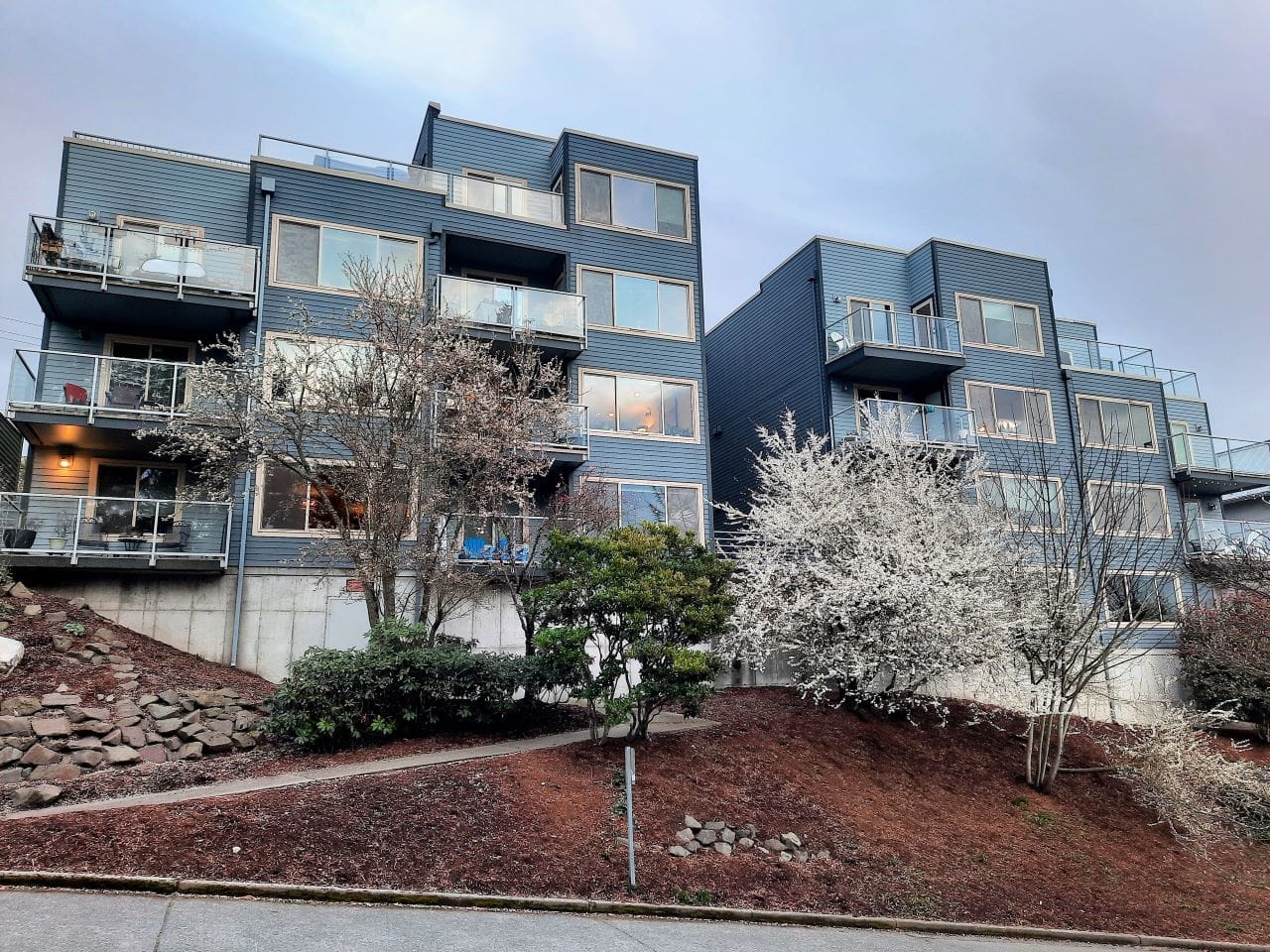
While Bellevue is projecting 225,000 additional residents by 2045, Seattle is anticipating a more modest 200,000 for its comprehensive planning purposes. In its new draft plan, Seattle adds fourplex zoning across most, but not all of the city, plus 24 “Neighborhood Centers” and one new urban center
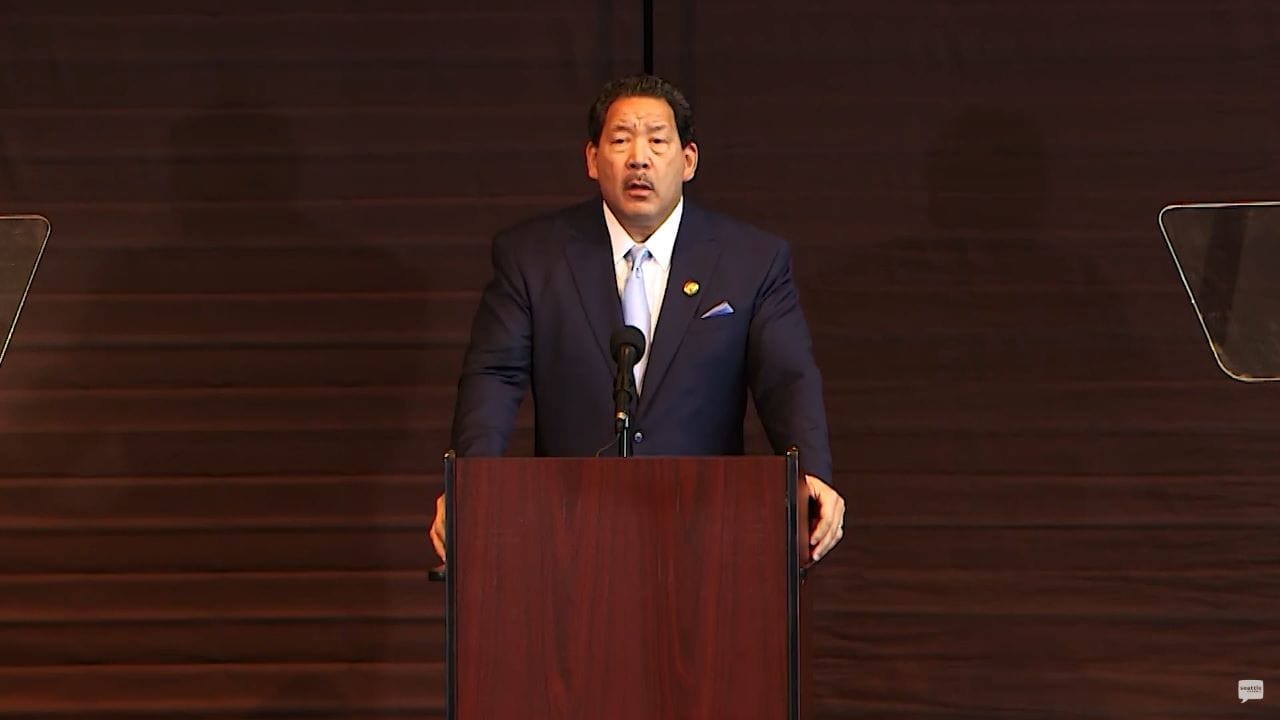
In his state of the city speech Tuesday, Harrell eschewed new taxes and promised yet-to-be identified budget cuts. He pledged a long-delayed draft of the Seattle Comprehensive Plan and an incentive package for office-to-housing conversions will be released in March.
The draft plan still isn’t out, which is worrying housing advocates. But success is still within reach. Last year, the City of Seattle had planned to release its draft “One Seattle” Comprehensive Plan in April, but that draft has still not been released to the public after the Harrell
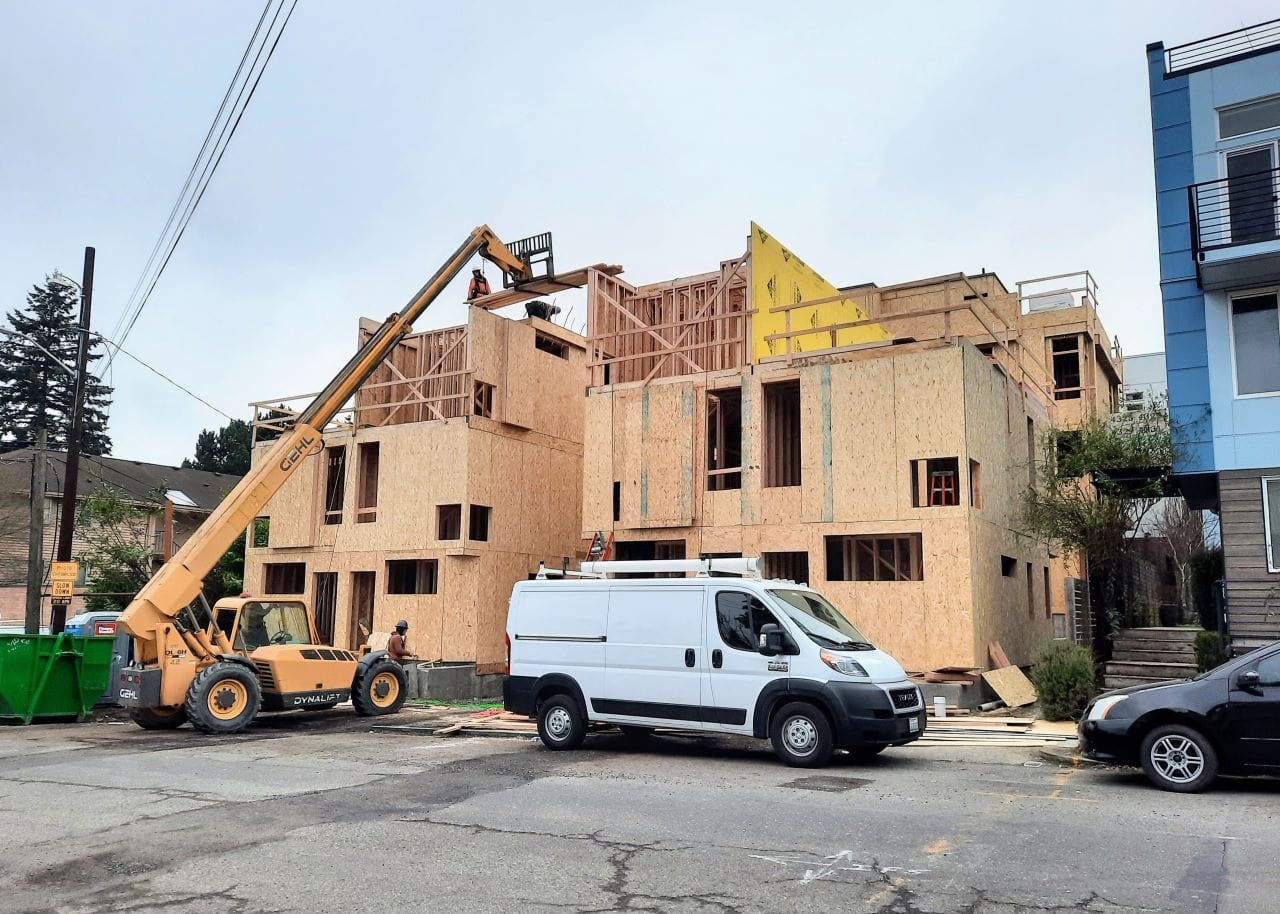
Plummeting permits could point to a housing slowdown and less affordable housing money after a banner year. Seattle’s housing production set a new record in 2023, producing 12,853 new homes, according to data from the City of Seattle. This is the most homes built since at least 2005,
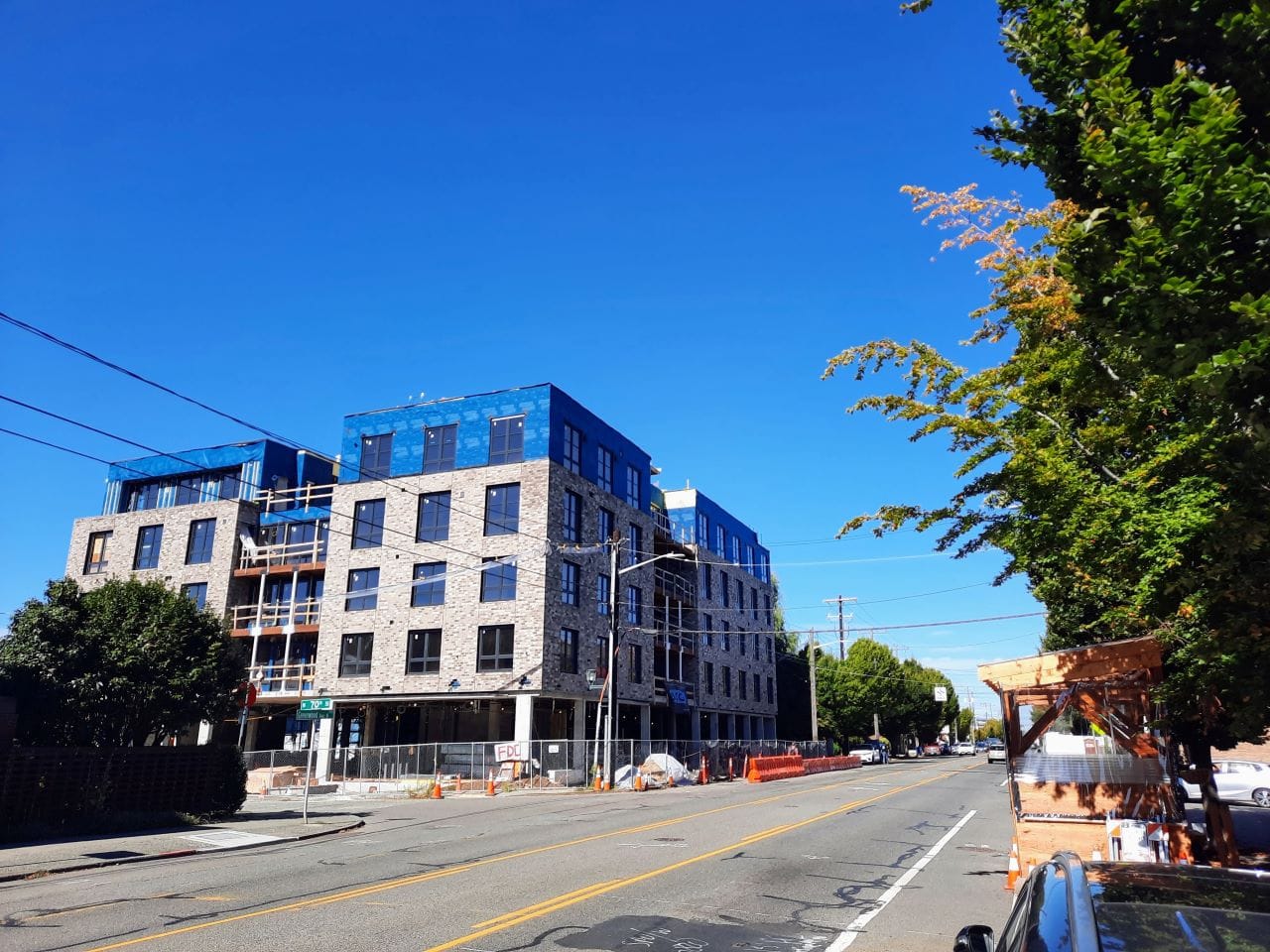
Urge the Harrell administration to move forward with a plan for housing abundance and affordability. Despite an earlier pledge of an April release for the draft “One Seattle” Comprehensive Plan, the Harrell administration has repeatedly delayed the plan. The comp plan update serves as a once per decade overhaul to
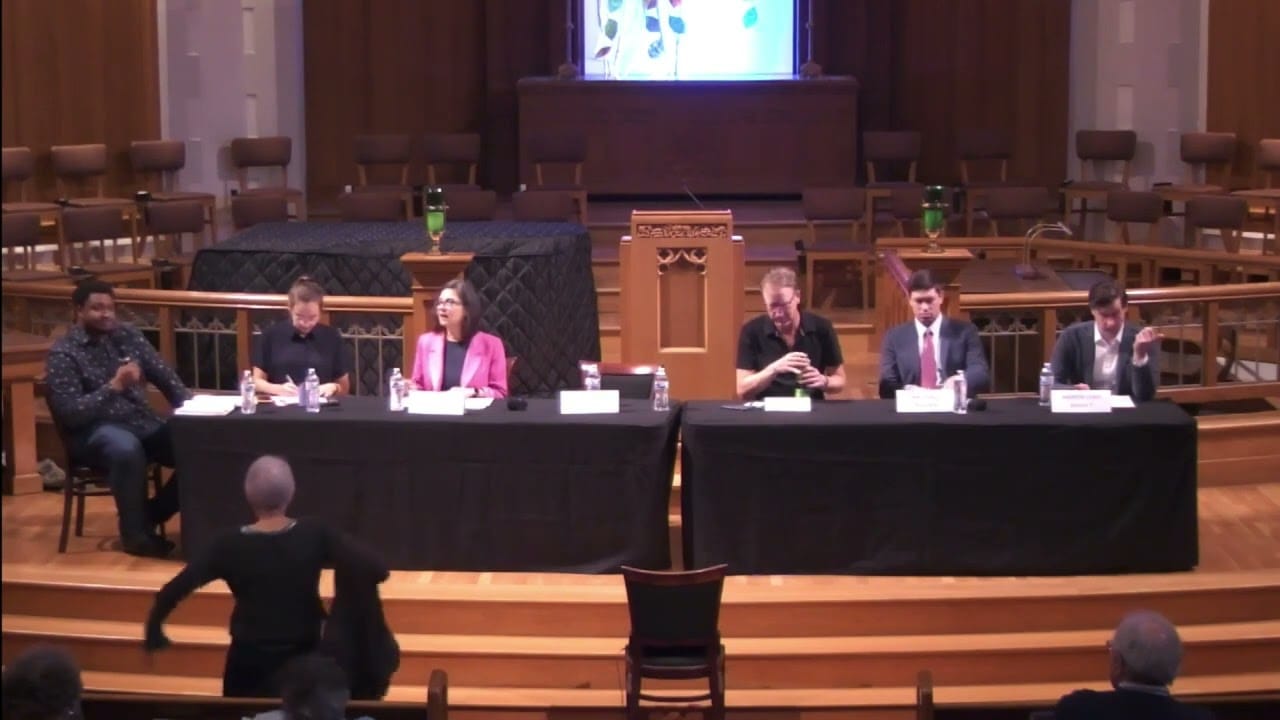
On Tuesday, Seattle City Council candidates squared off in the first forum of the general election season at the First Baptist Church in First Hill. Questions were focused on housing, land use, and the once-a-decade “Major Update” to the Comprehensive Plan is due in 2024, which weighs heavily
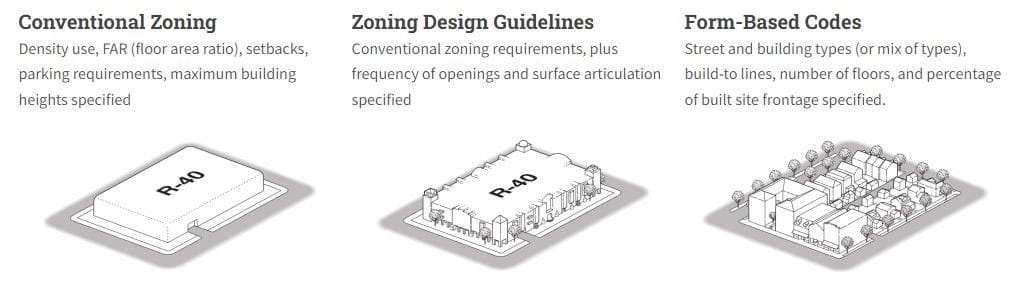
Right now, the city of Seattle is at a crossroads. As a robust job market, the city has never had a housing plan that meets the demand. Thankfully, the Washington State Legislature has done a lot of work this spring, legalizing fourplexes everywhere in Seattle, and legalizing sixplexes near frequent
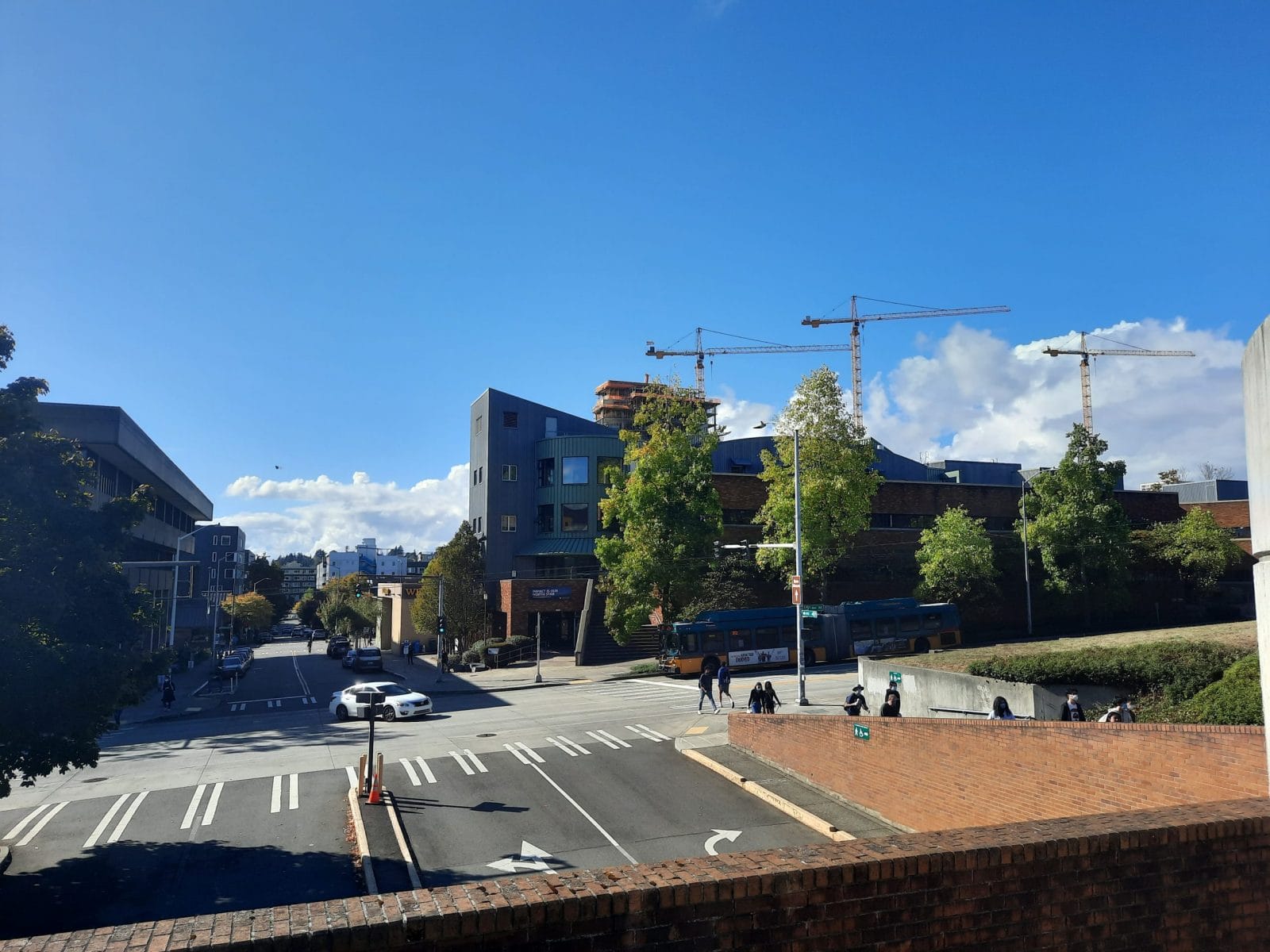
Seattle’s Office of Planning and Community Development (OPCD) has announced that release of the One Seattle Comprehensive Plan will be delayed until September. The Draft Environmental Impact Statement for the plan had been expected to be released this month – itself a delay from the City’s previous April 2023
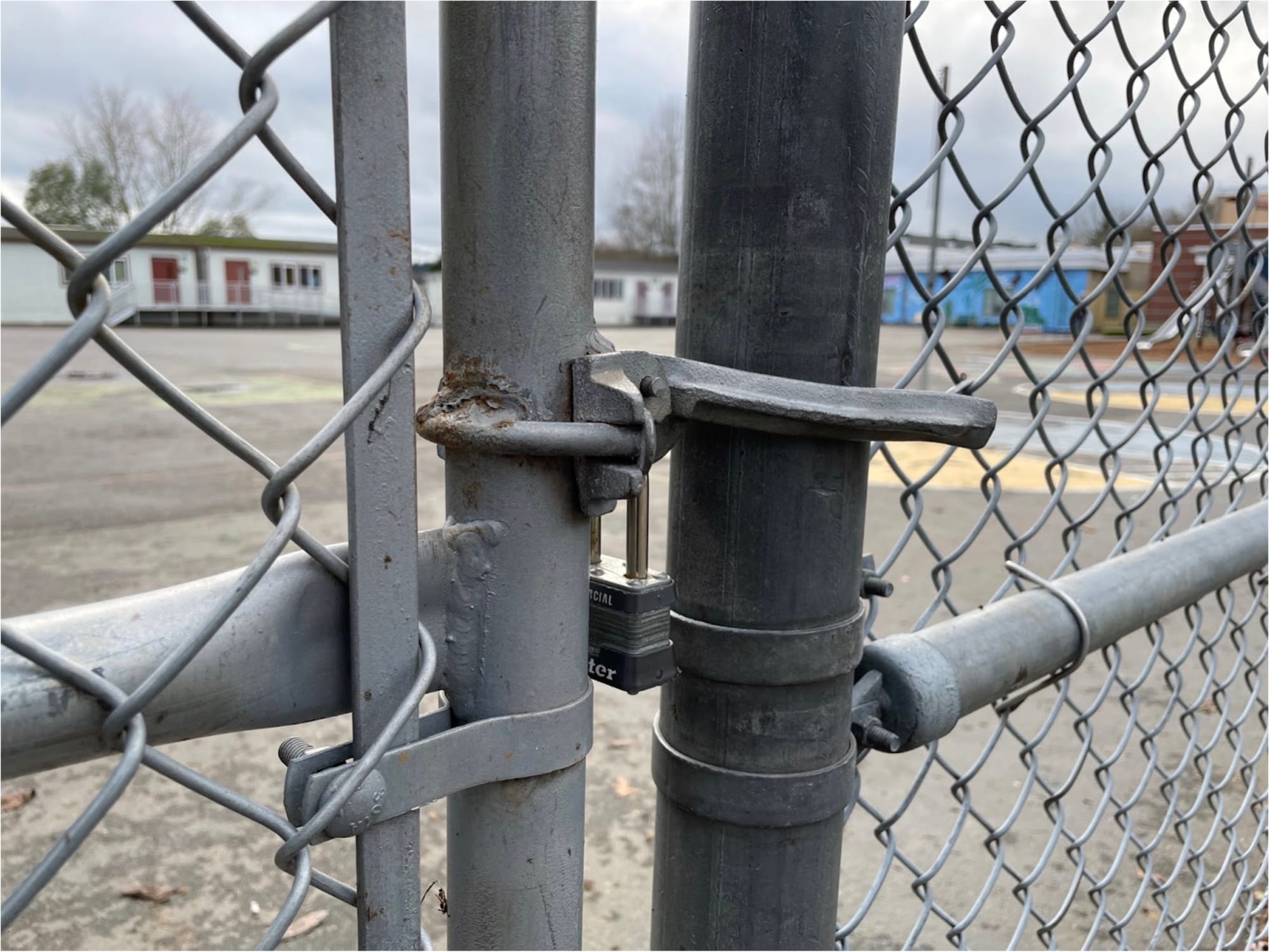
A public school is an essential part of any community. Here in Seattle, public schools are in crisis. Last month, Seattle Public Schools (SPS) announced their intention to close schools and consolidate students into schools with larger student populations. This comes on the heels of recent reports that SPS may
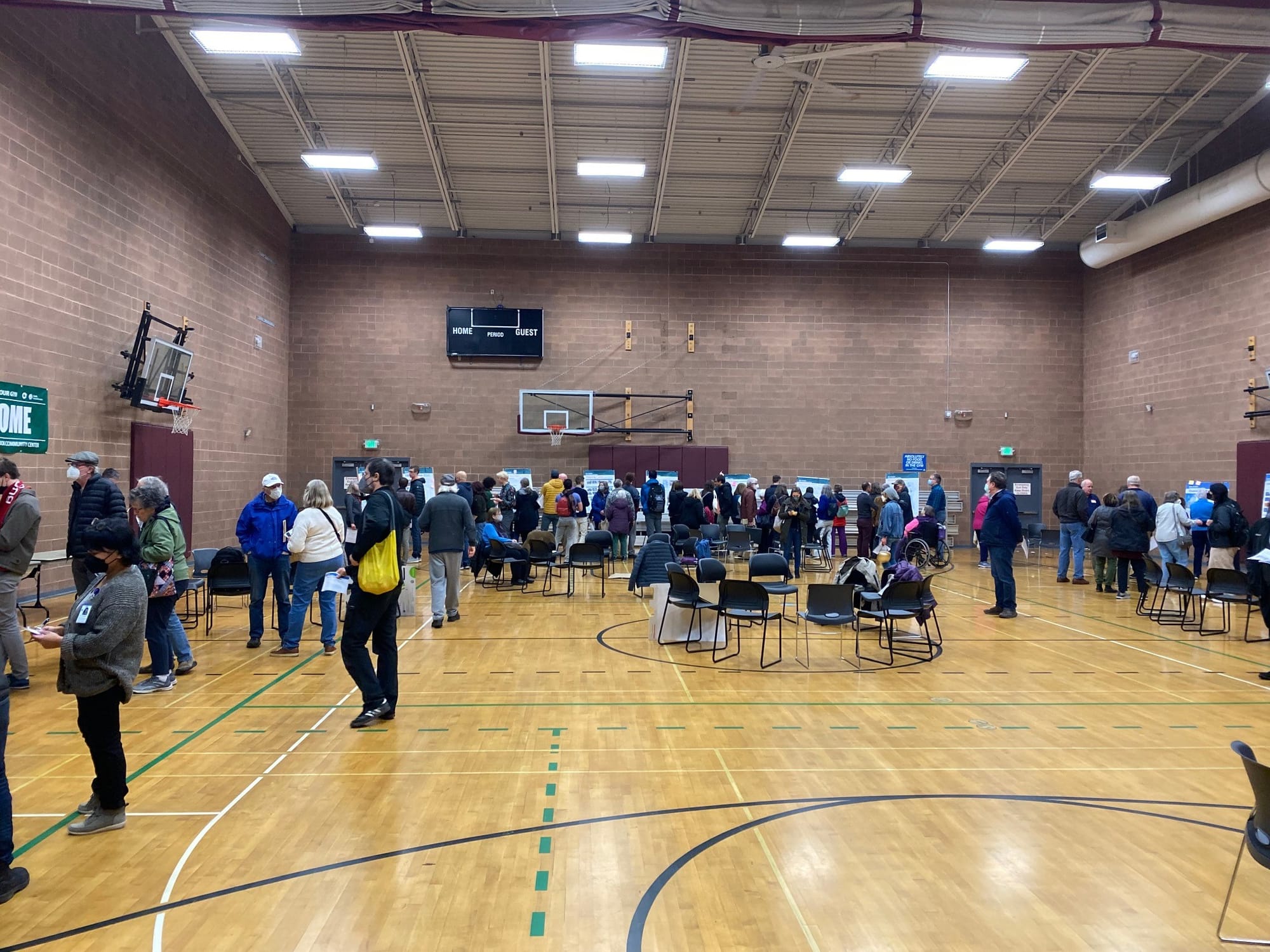
An accidental game of musical chairs at a packed community meeting on the Comprehensive Plan provided a microcosm for Seattle’s housing crisis. When you come to a two-hour community event, you expect to have a seat. And when you move to a place like Seattle, you expect there’
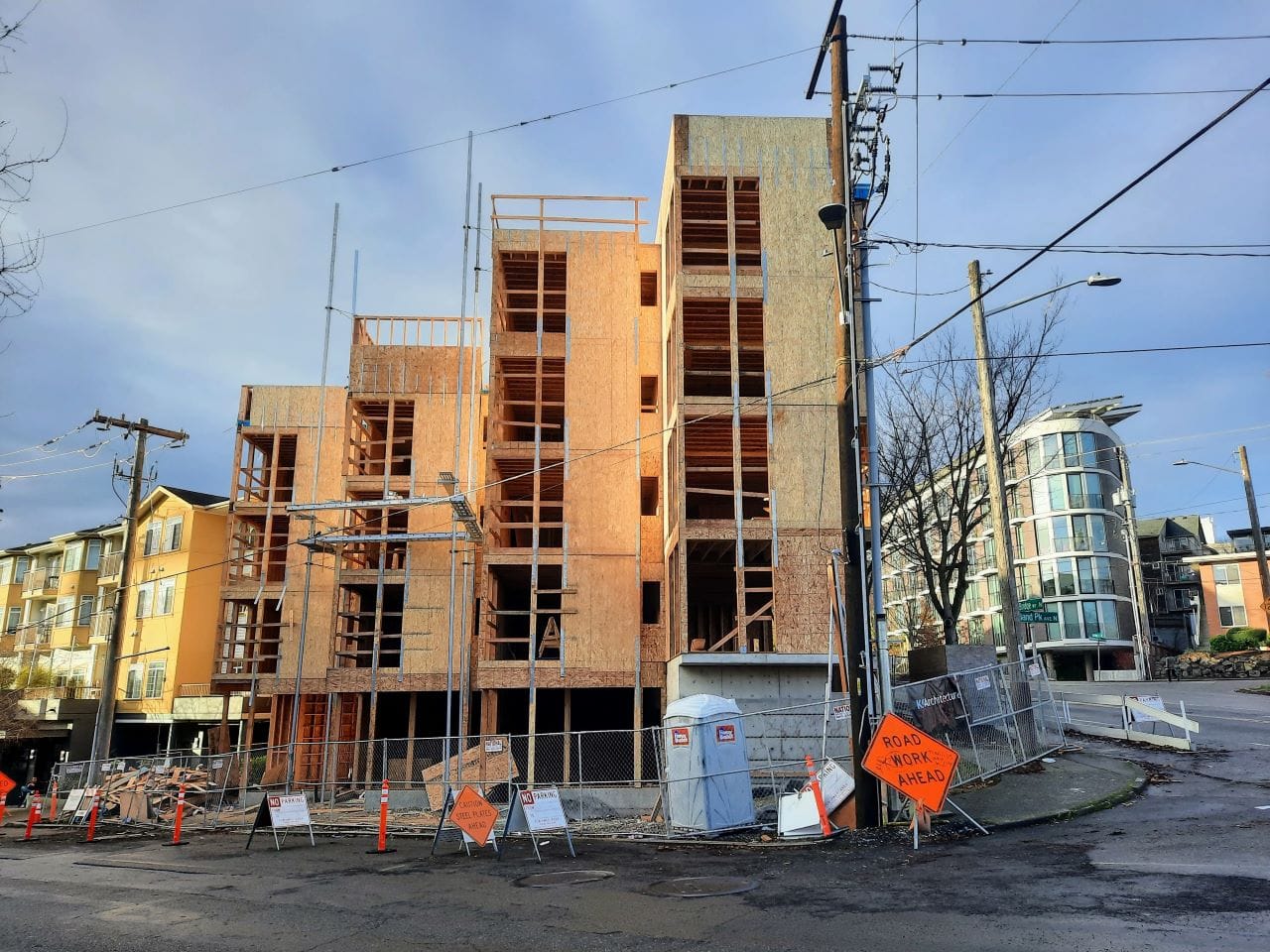
Seattle has grown much faster than planners and policymakers predicted, which means our planning framework needs to be nimble. Every ten years Seattle makes a major update to the Comprehensive Plan, used to make rules about how we plan for growth and what kind of housing can be built where.

Welcome to the first week of 2023! As we get to the point where we can’t say Happy New Year any more (or use it as an excuse to push an email to next week) let’s take a look at the upcoming events for advocacy, meetups, and volunteering
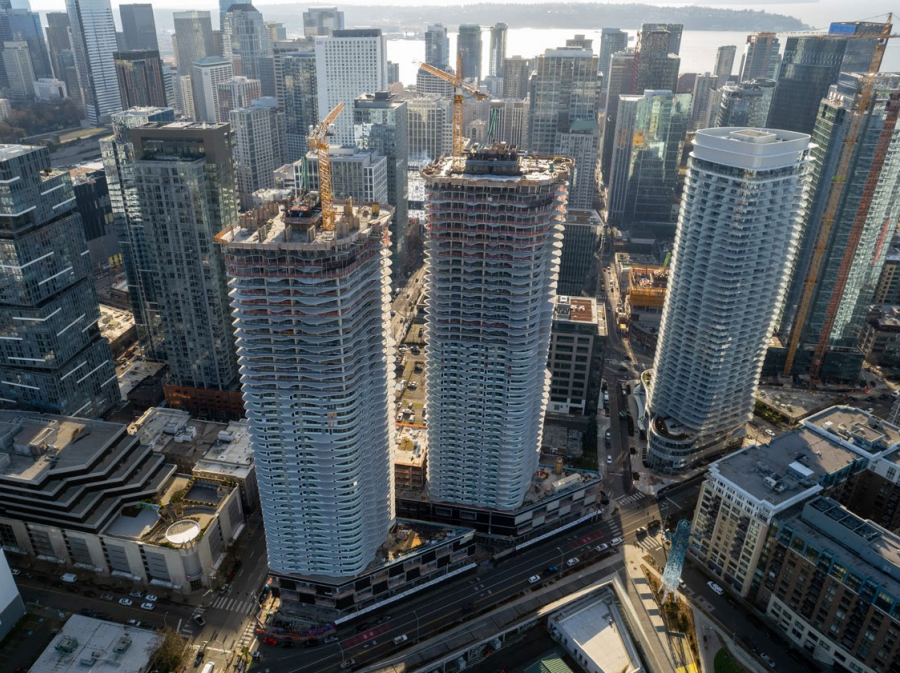
This week, let’s talk about the future of Seattle with neighborhood activist and The Urbanist guest contributor Ron Davis, who joins Ray Dubicki to talk about Seattle’s Comprehensive Plan. It can be a big, confusing mess of technocrat speak and boring stats. Is it too geeky? Yes, but
The City’s Comp Plan is seriously flawed from the start. Seattle knows how to get serious when we need to, whether that’s building trillion dollar companies or signing up for one of the largest light rail expansions in US history. We also know what it takes to tackle

The land use committee meeting on Wednesday was an eventful one, as several councilmembers shared their critiques of the Seattle comprehensive plan work thus far. Councilmember Alex Pedersen had already attacked the plan from a conservative ‘slow the growth’ perspective, but most of his colleagues urged OPCD to think bigger
Welcome to December 2022 Edition Now that the carnage of Budget Season has passed, we can move to more pressing concerns. Comprehensive plan meetings! Also, make sure you sign up for any and all of The Urbanist’s upcoming events, including our talk with Futurewise, a meetup with Tiffani McCoy,
The Seattle Office of Planning and Community Development (OPCD) cleared another hurdle in crafting its growth plan for the next 20 years with a scoping report published today. The report summarizes comments and lays out the Comphensive Plan alternatives that OPCD is studying in greater detail. It also keeps the

Now, more than ever before, it’s essential that we protect our irreplaceable agricultural lands and promote the growth of resilient and regenerative food systems. The global food system faces an immense set of pressures disrupting it at every level. War in Ukraine has devastated one of the world’s