Op-Ed: Let’s Accelerate Stalled Progress on the Seattle Bike Network
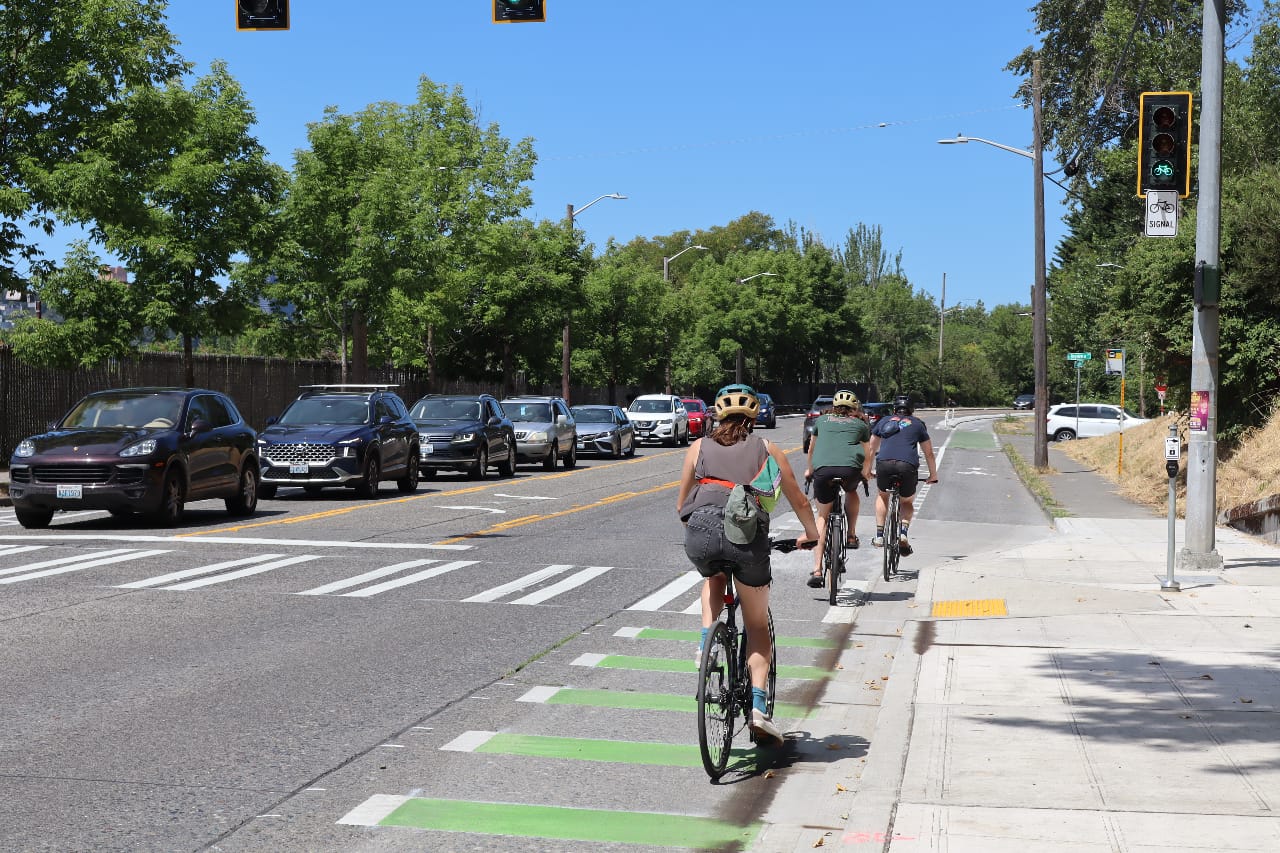
Seattle’s pace of new protected bike lane openings is too slow. Cascade Bicycle Club is launching a campaign to urge the mayor and SDOT to jumpstart the pace of investment.
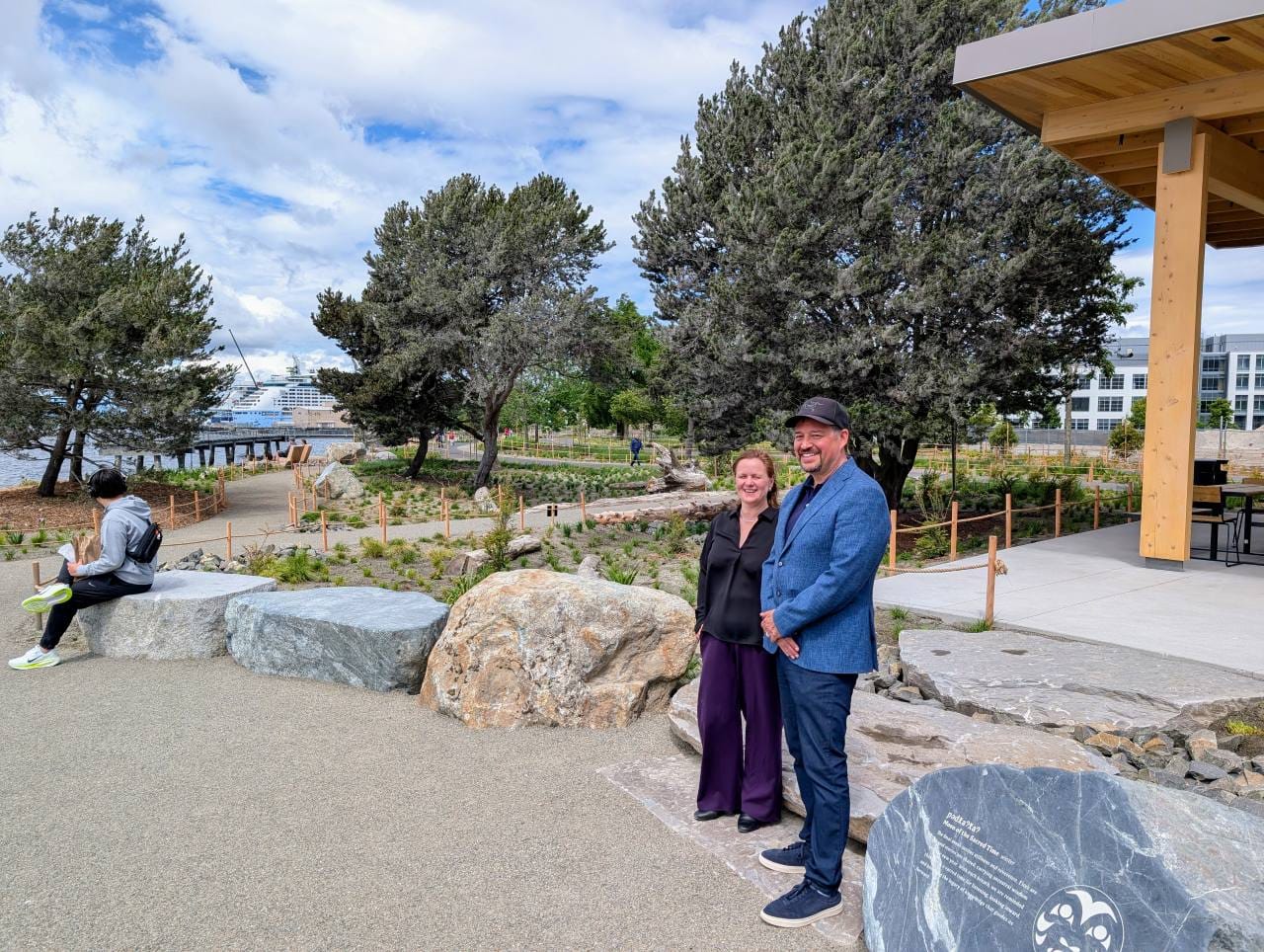
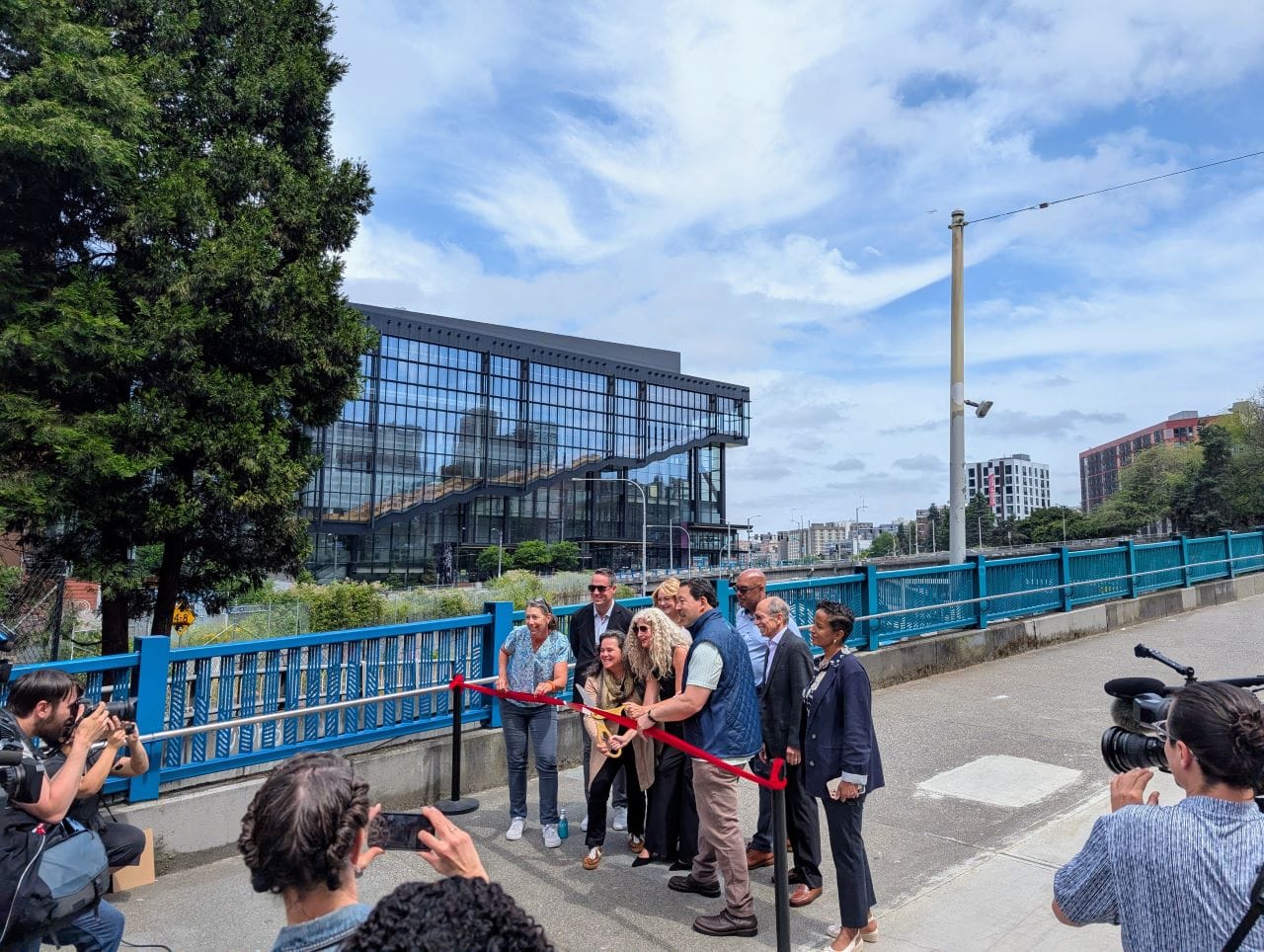
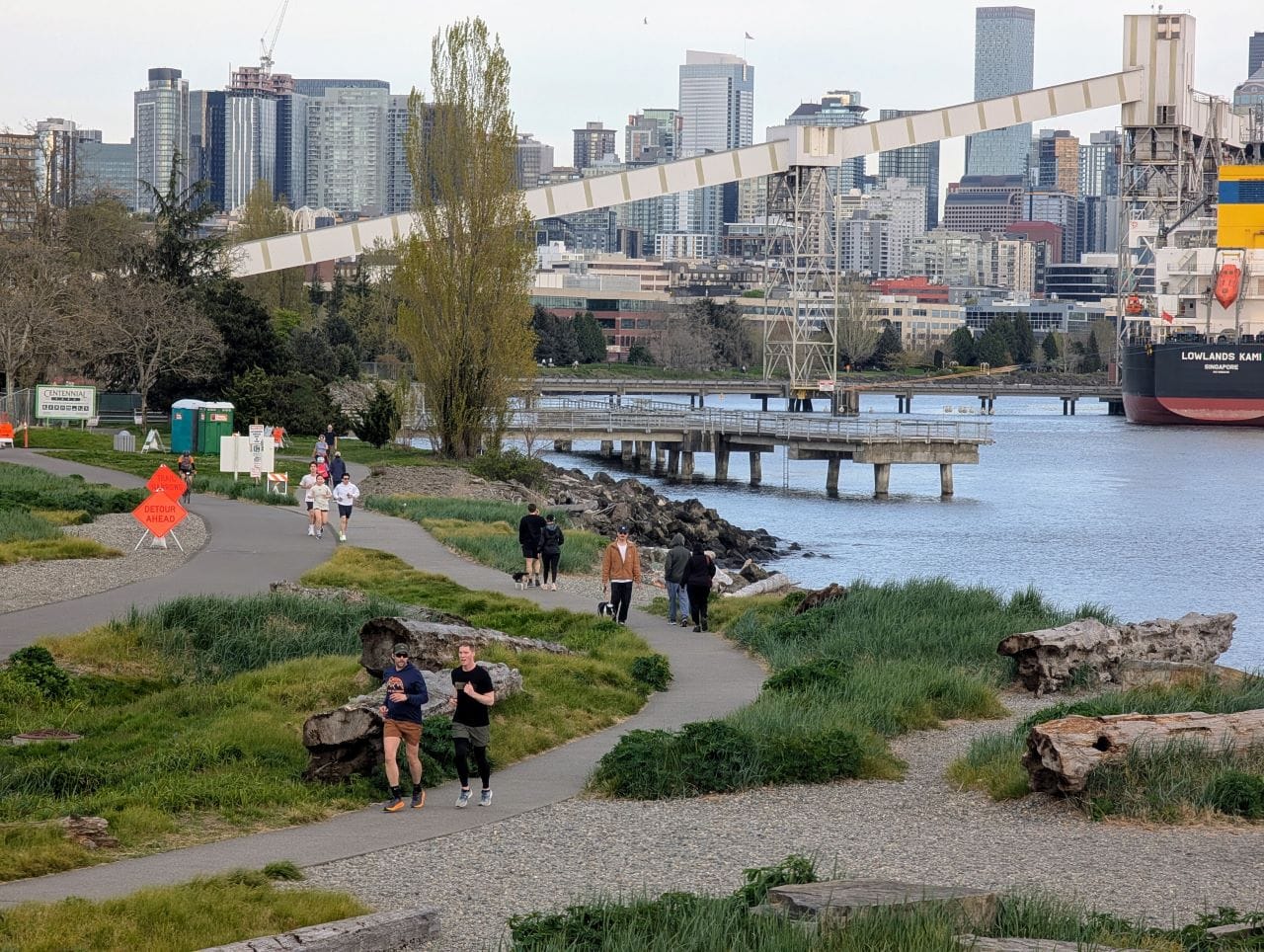
Seattle just celebrated the grand reopening of Myrtle Edwards and Centennial Parks, with upgrades fueled with $56 million in private donations. The overhaul included several nods to the land's Indigenous people and their Salish culture.
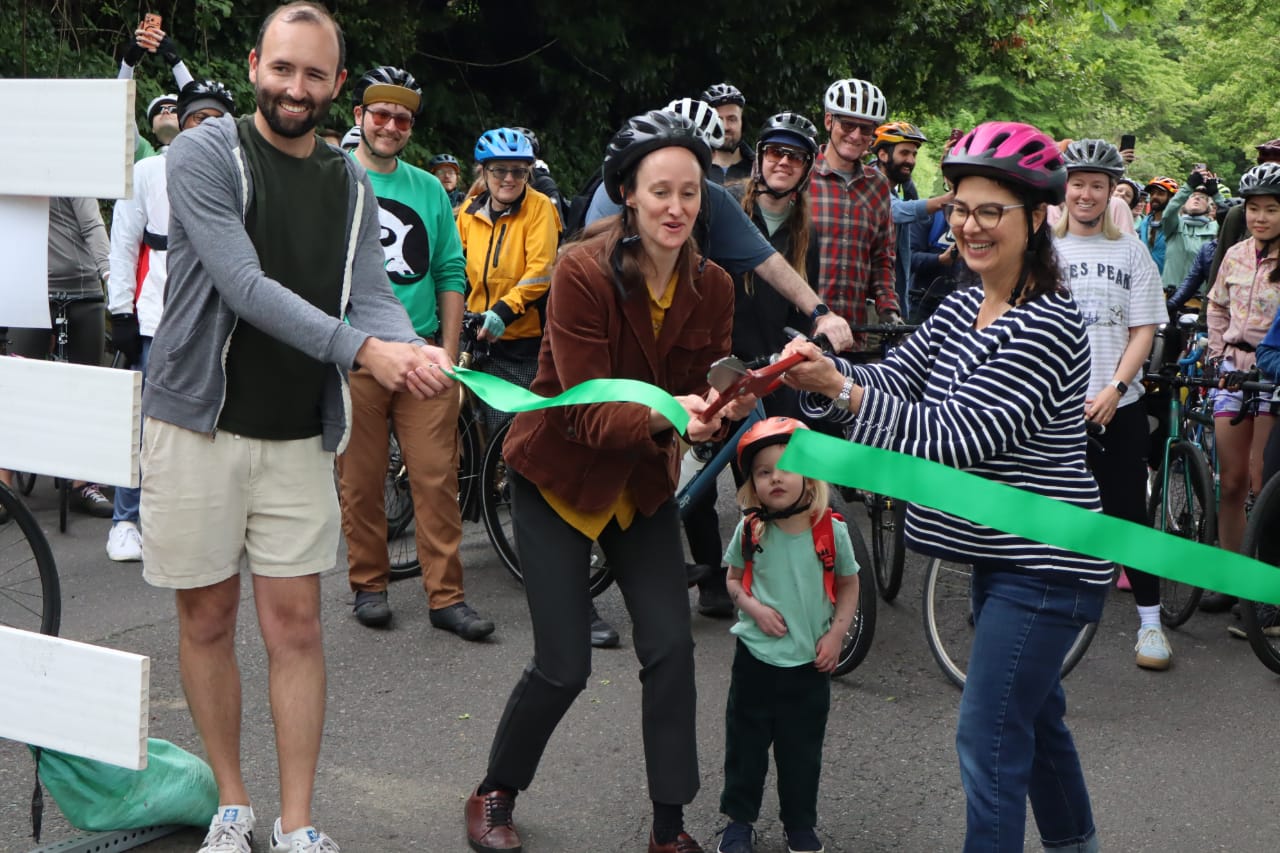
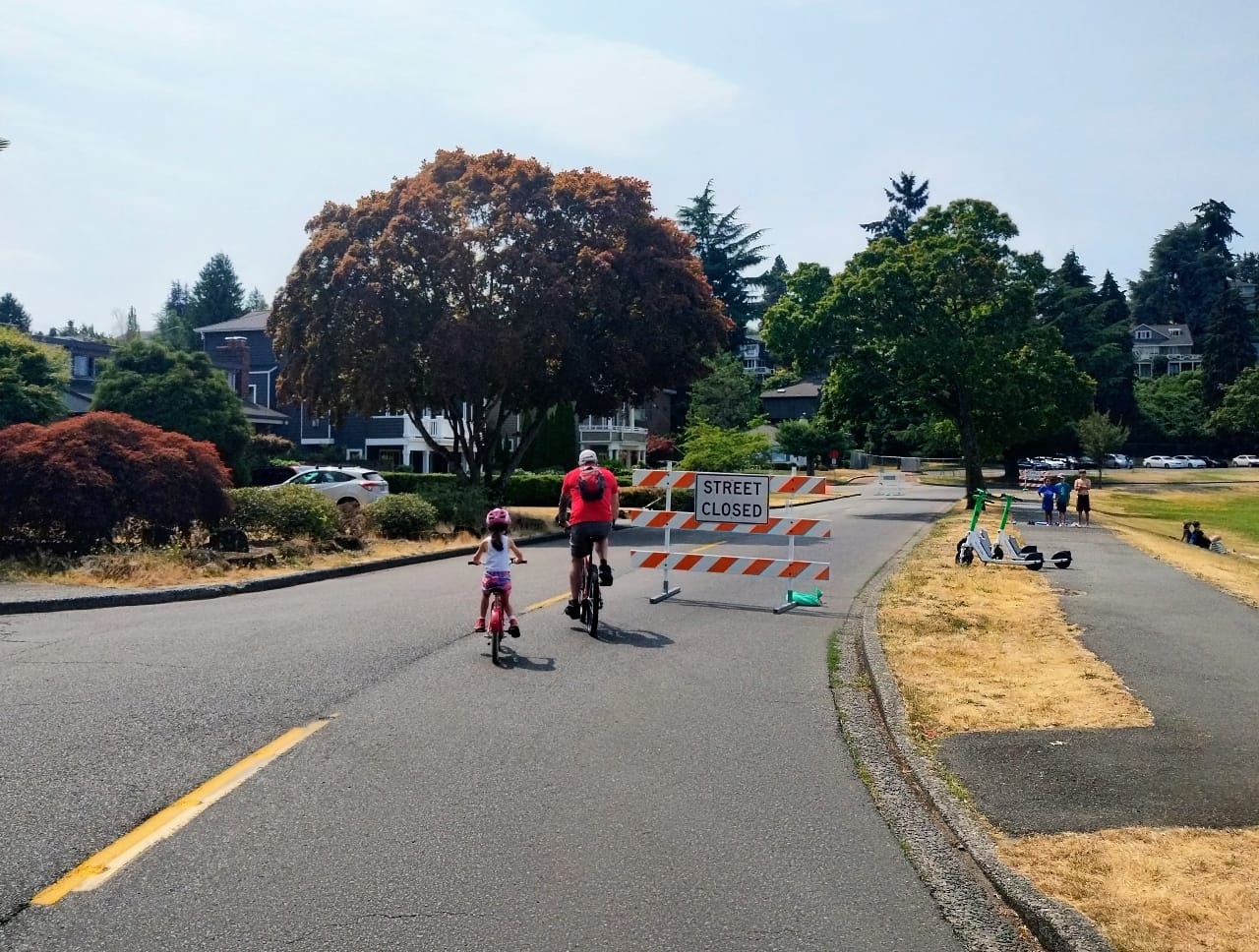
Hundreds of Seattleites turned out Saturday to celebrate the start of the 2026 Bicycle Weekend schedule, scaled back up by Mayor Katie Wilson after being stifled under the previous administration.
To unlock a novel funding source intended to fund 15% of the cost of a new pedestrian bridge, Bellevue needed five different levels of government to sign off. This week, the final vote at the King County Council put the City on the path to approval.
The Tacoma City Council voted Tuesday to put a new “Connect Tacoma" levy on the ballot. Scaled back from a proposal voters rejected last April, the package still aims to fulfill goals of safer, more pedestrian-friendly streets.
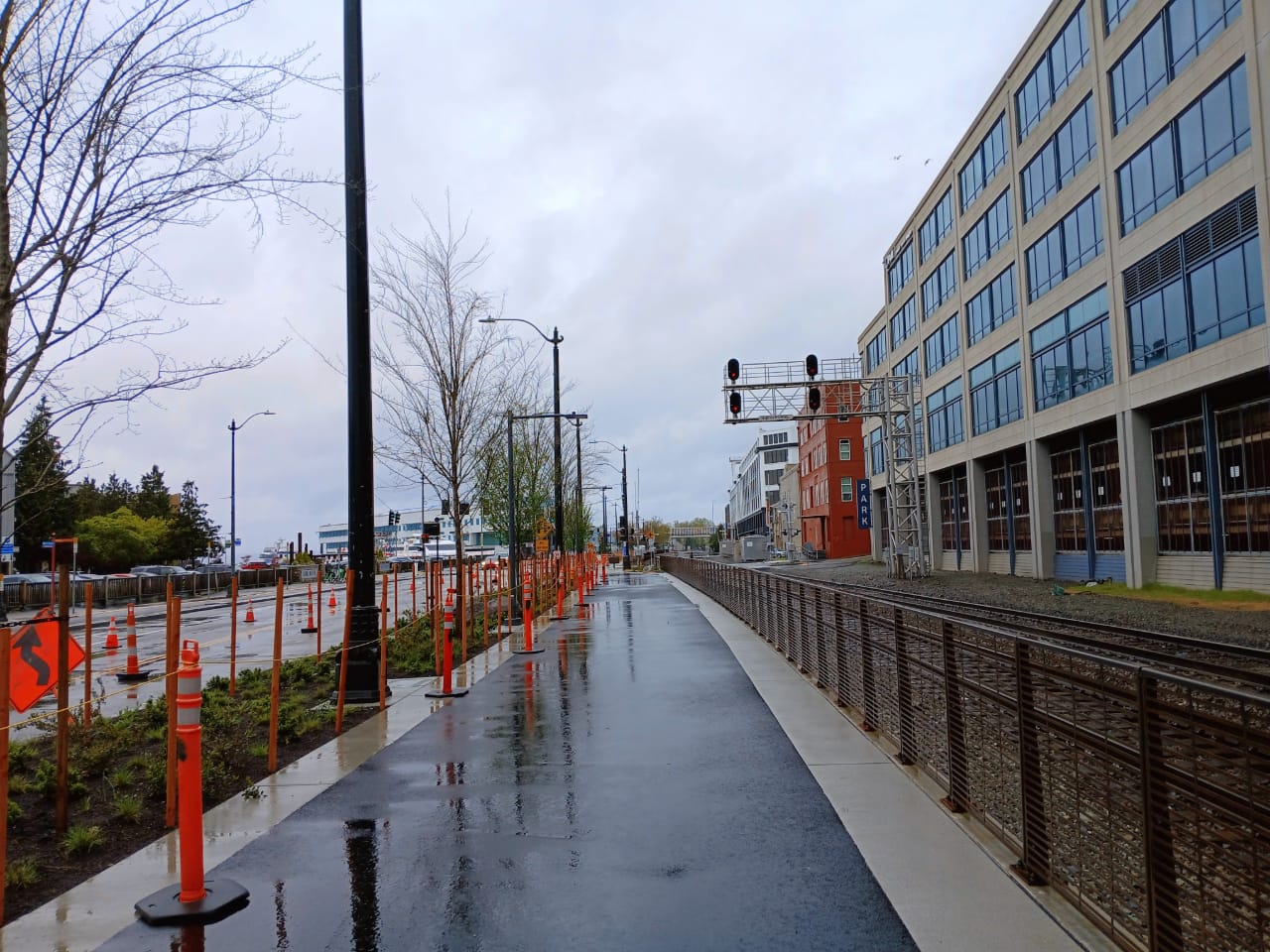
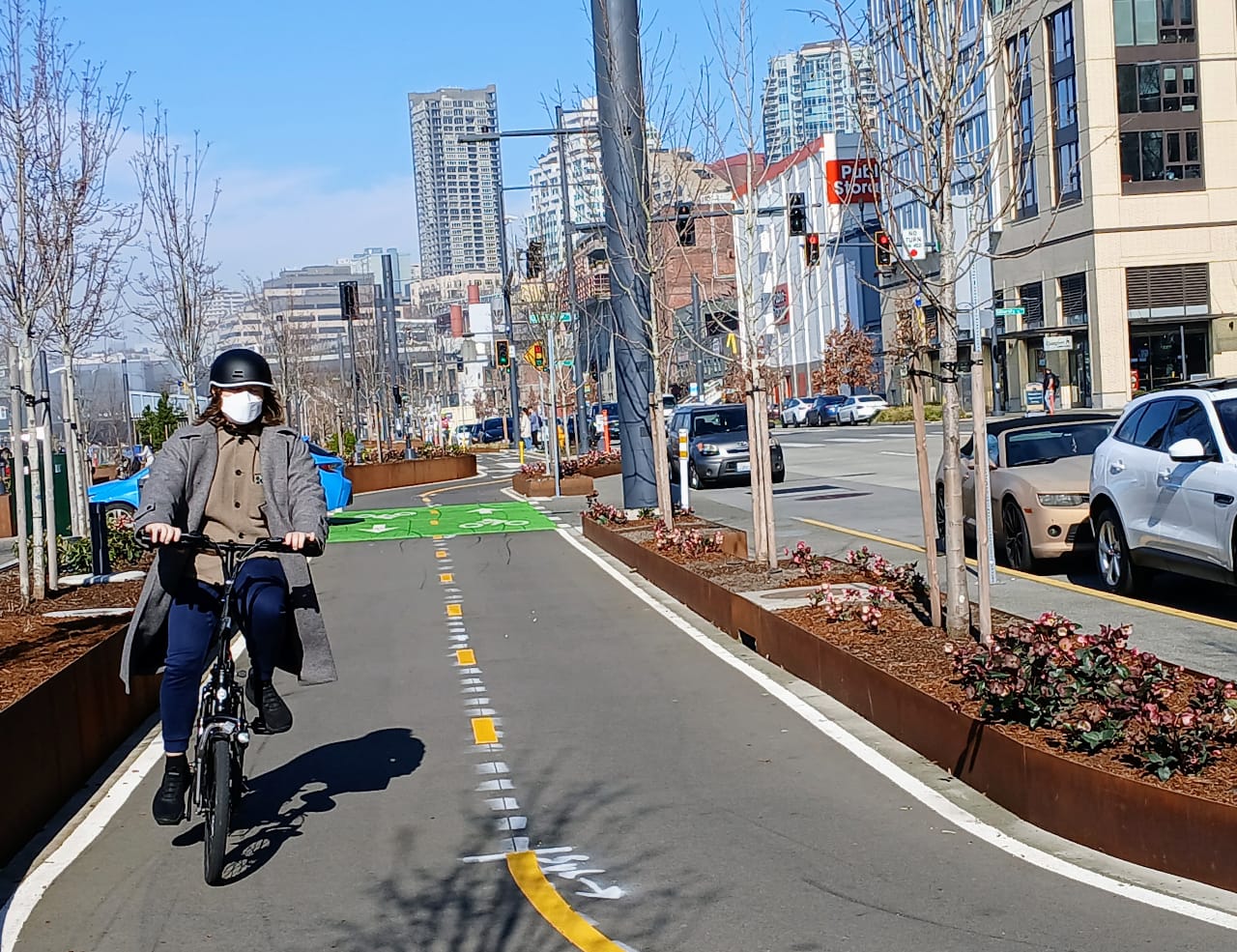
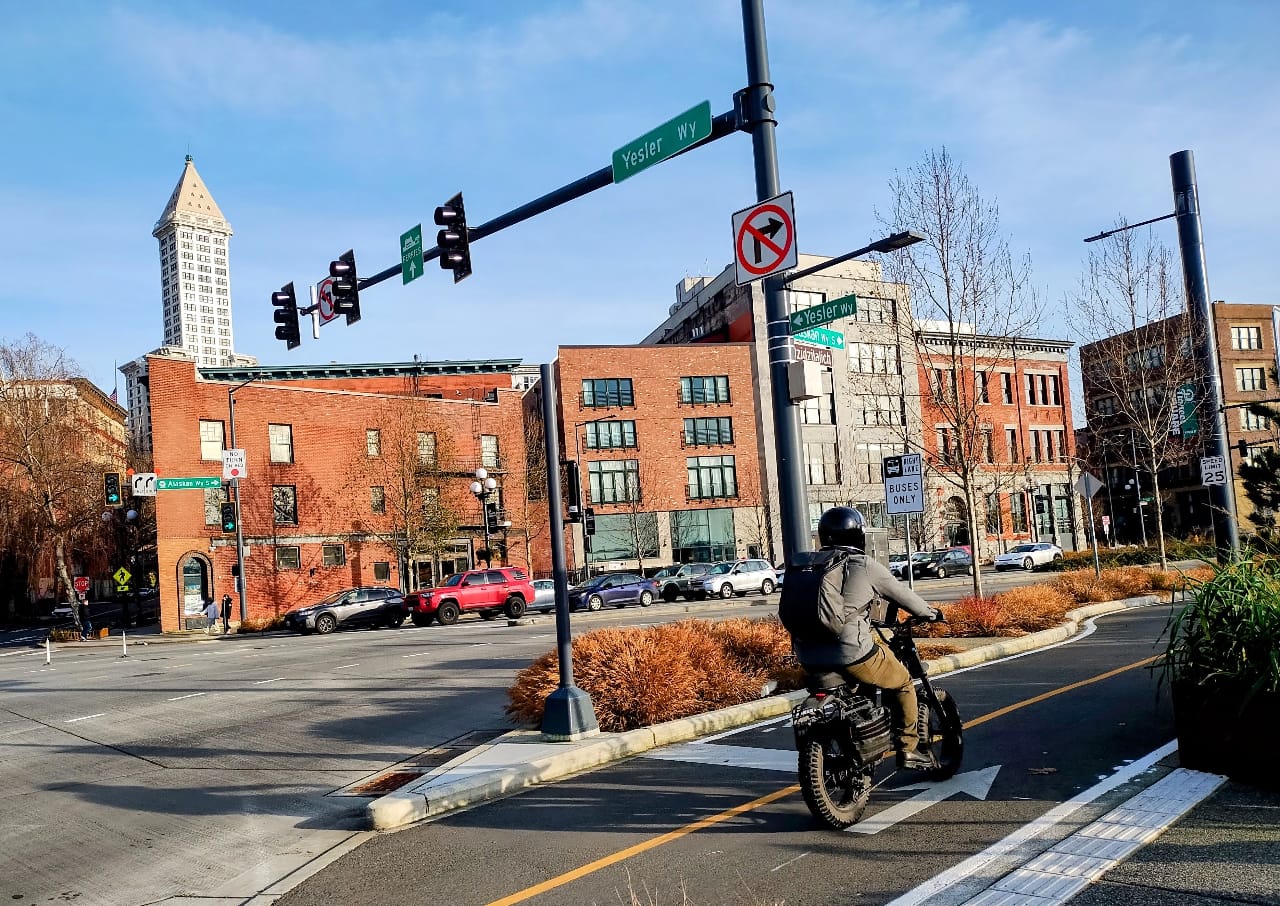
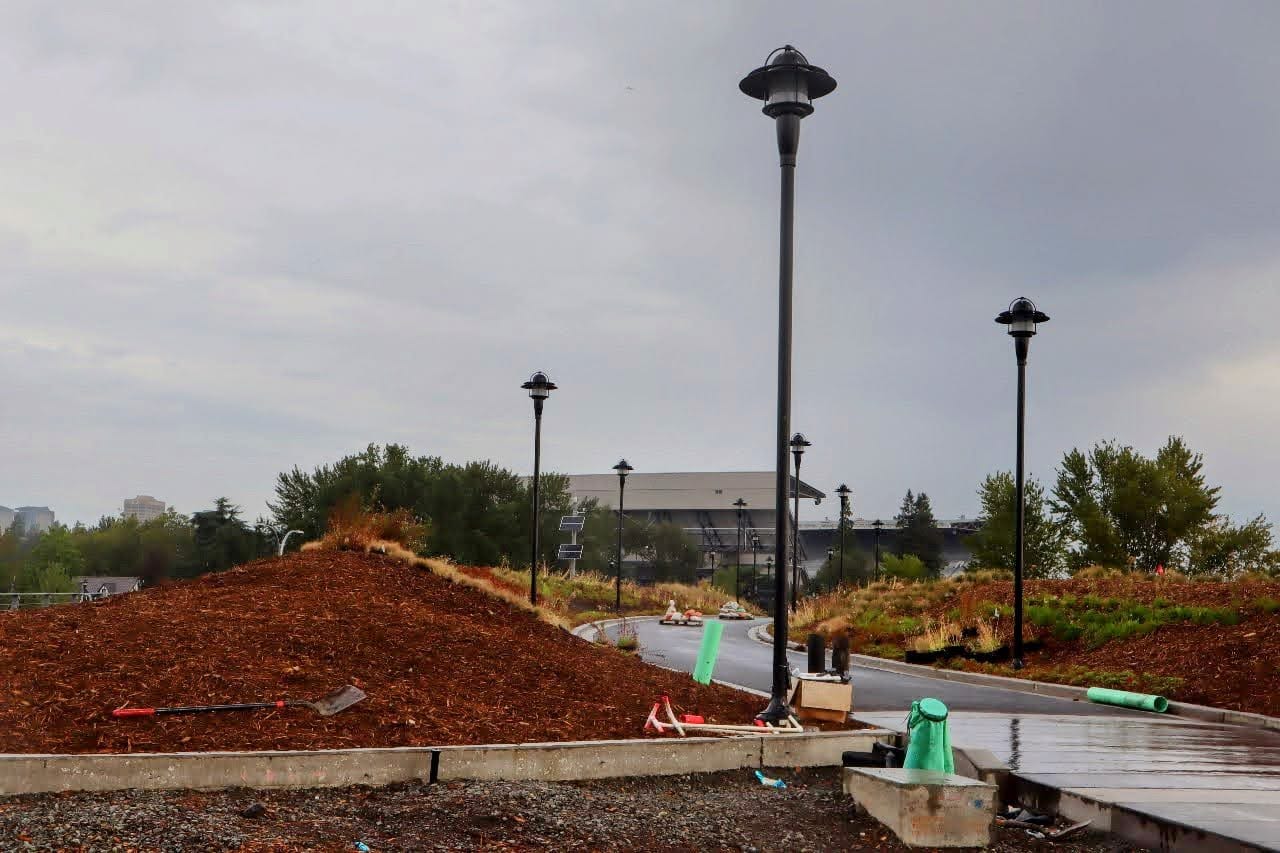
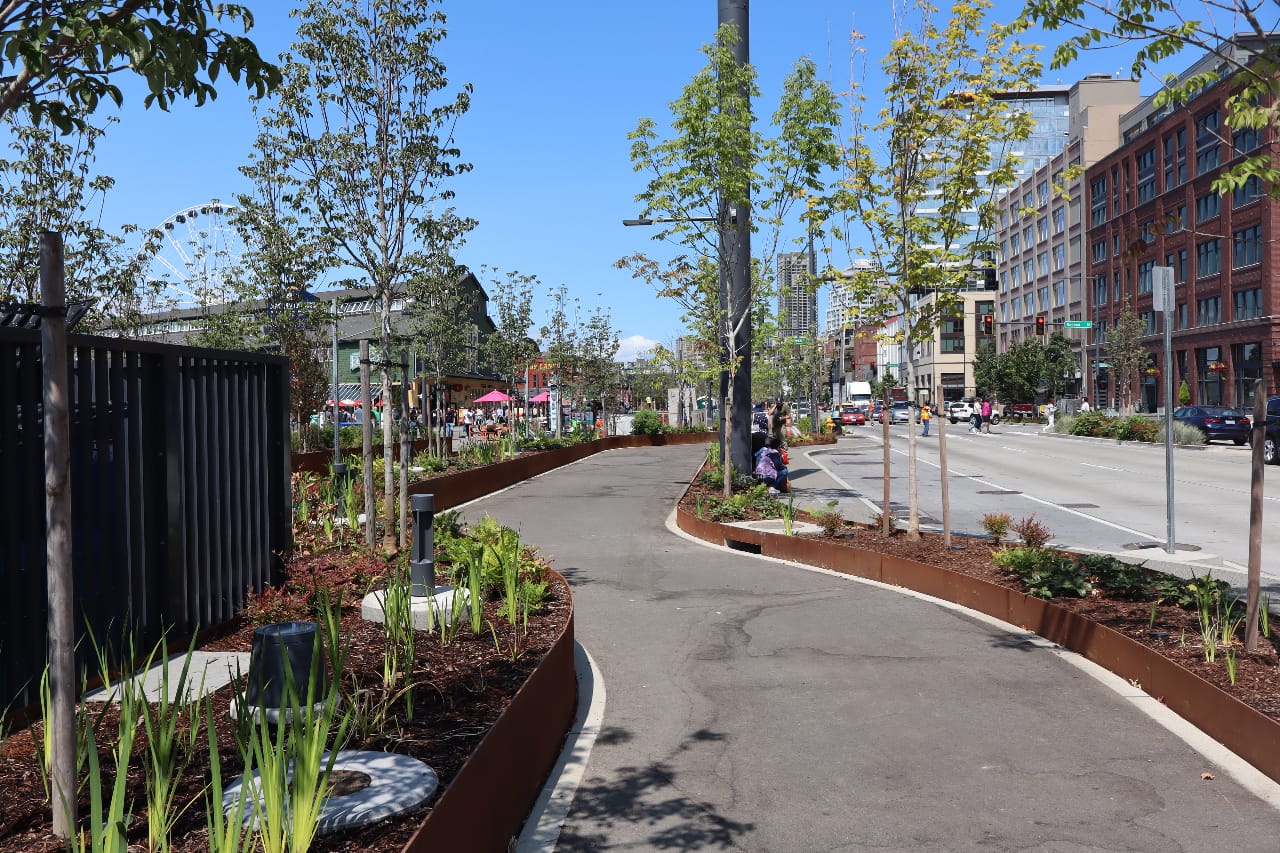
Riders will get a sneak peek of the new trail for a few hours on the first day of cruise ship season, providing a detour around Pier 66. The full stretch opens next Tuesday, providing a wide, comfortable path between downtown and the Olympic Sculpture Park.
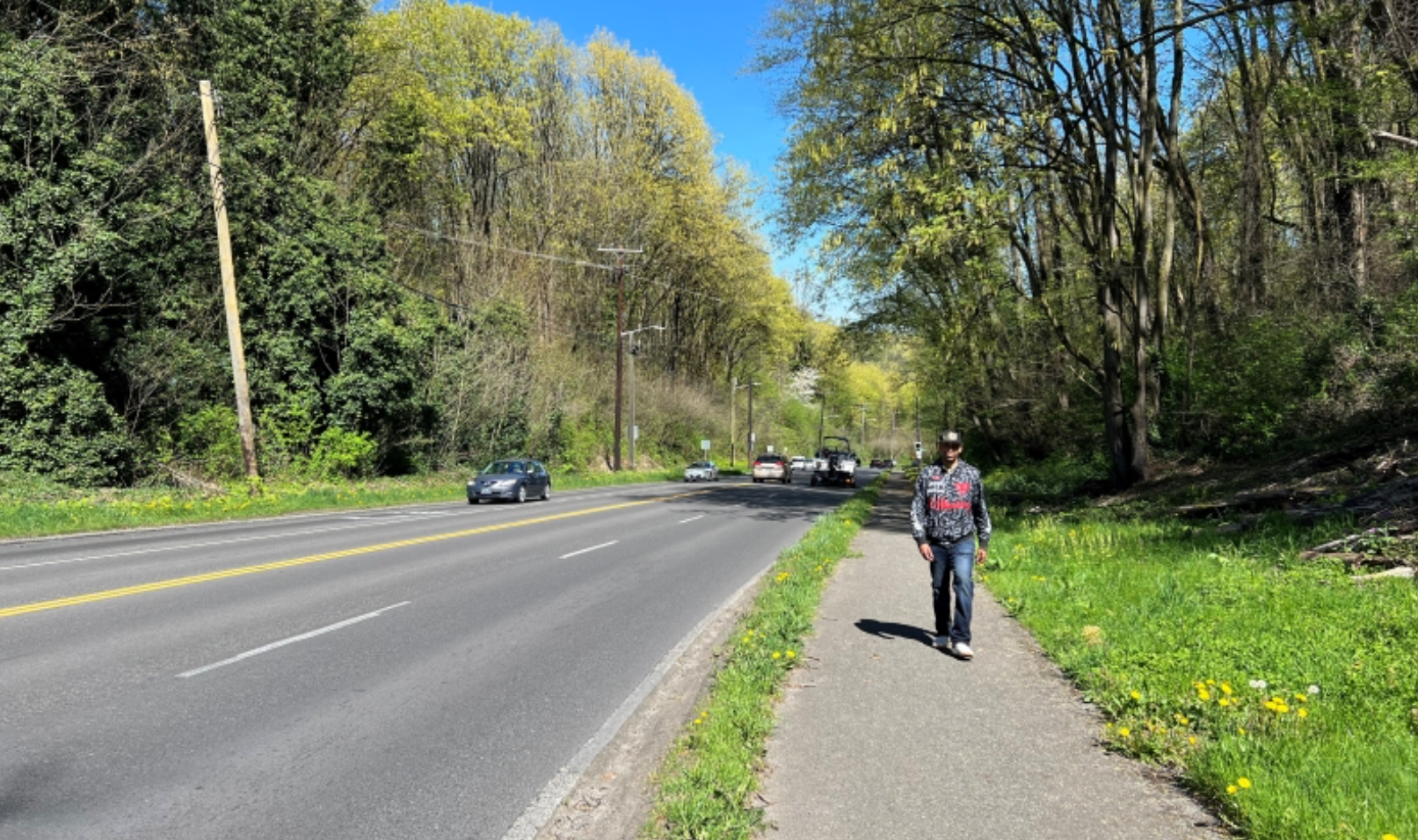
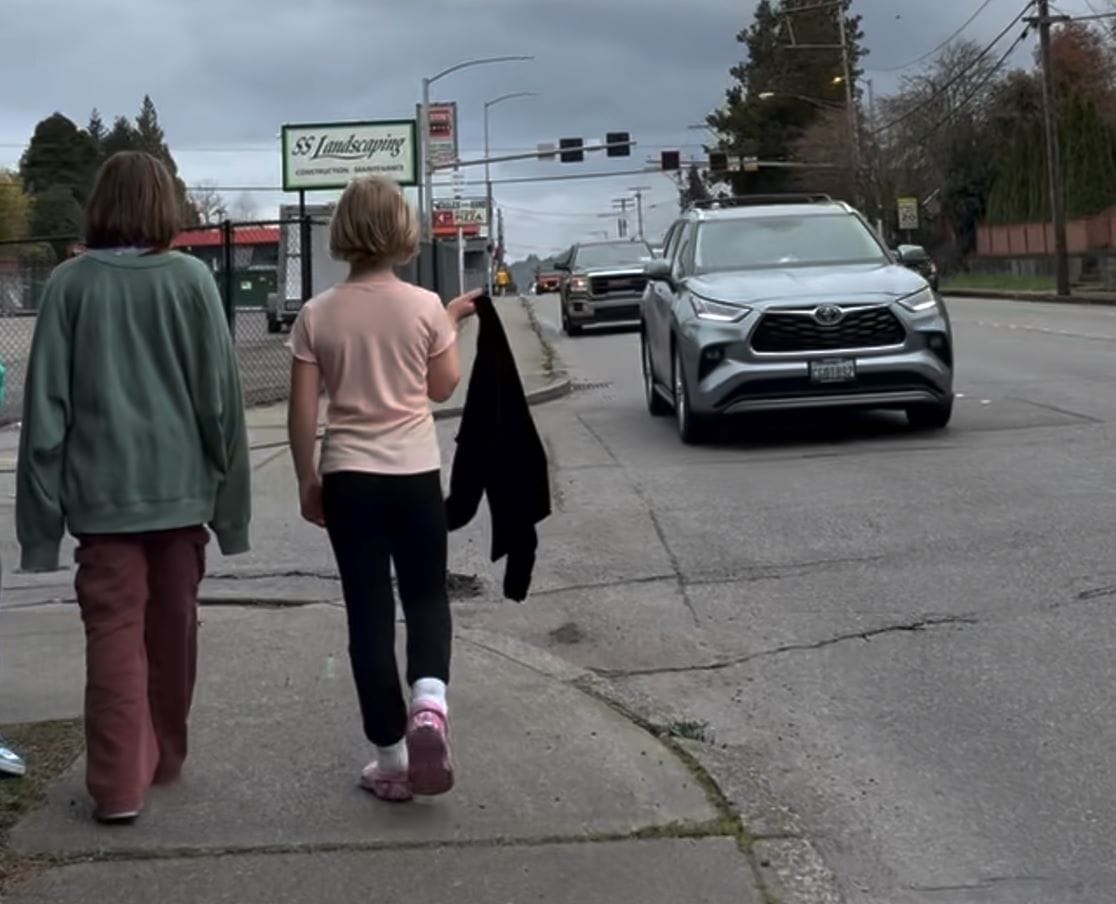
A safety project along a busy four-lane road in West Seattle would be a catalyst project for neighborhood accessibility. But it's run into significant push back from residents wary of losing a lane of traffic.
The second opportunity for Washington residents to snag a $300 or $1,200 rebate for a new e-bike will last an entire year, with random winners selected monthly through next spring.
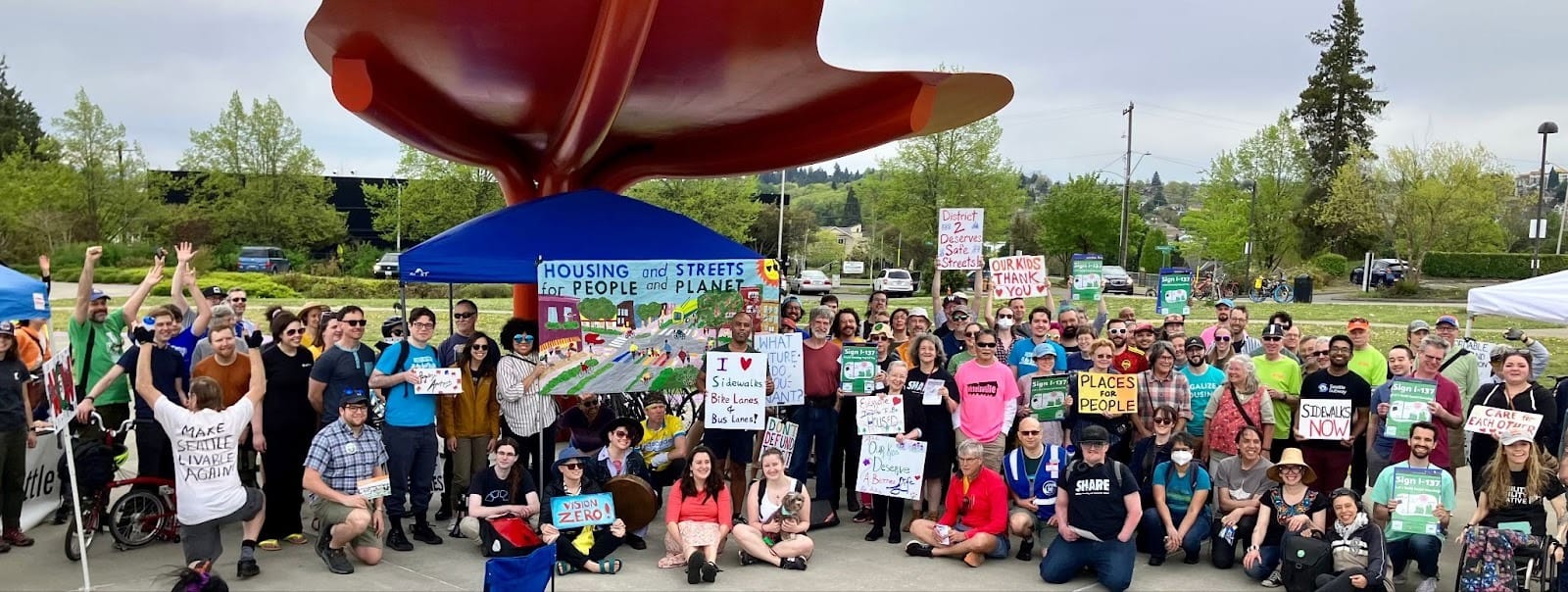
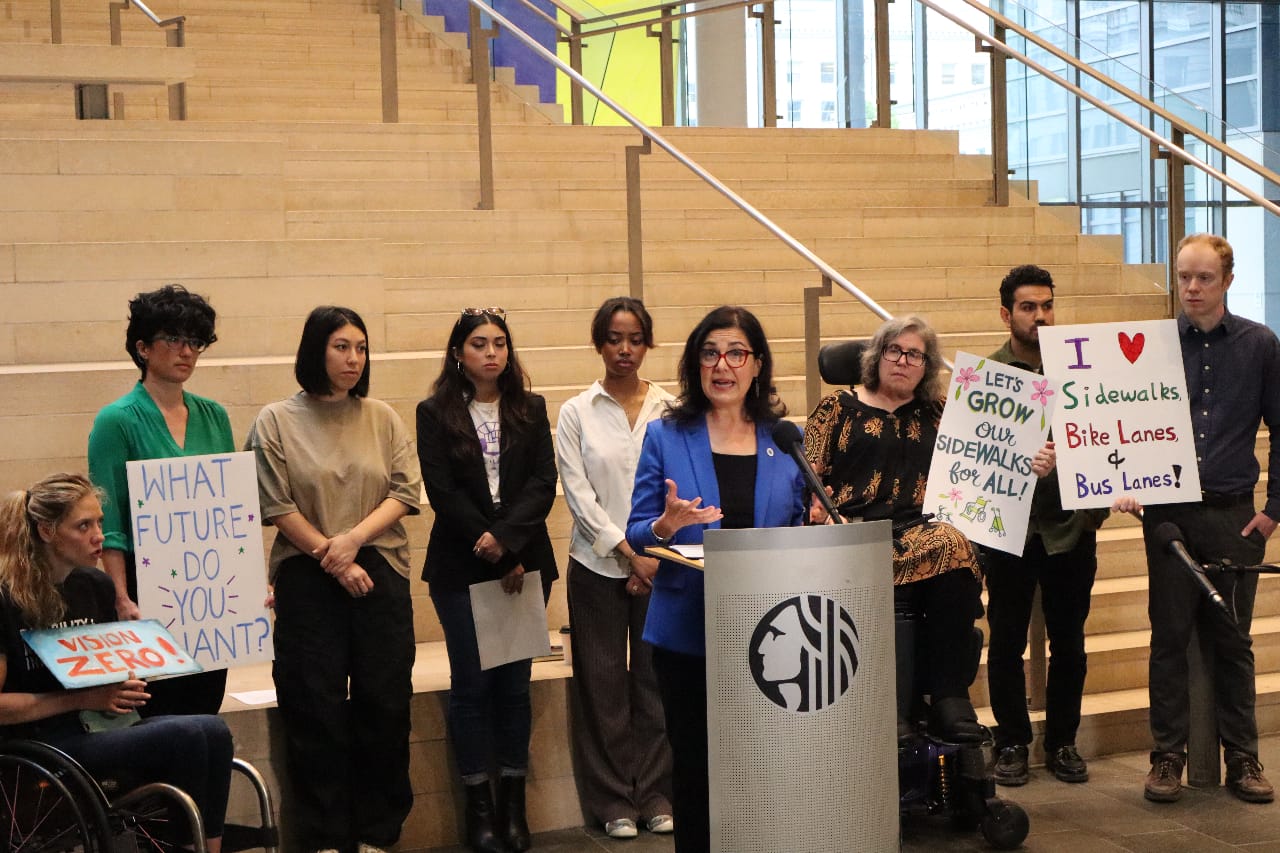
After 15 years fighting for safe streets, Seattle Neighborhood Greenways is excited to become Seattle Streets Alliance to more accurately reflect the nature of our grassroots organization’s mission. Here’s what this changes means.
Bikeshare growth has waxed and waned over the years. The impact of systems vary greatly today in terms of cost, coverage, equipment availability, and compatibility. Uytae Lee of About Here digs into what sets apart North American bikeshare systems.
Give Marshawn Lynch the ball and a bike. The Seattle Seahawks legend is still making his presence felt cheering on his old team, or riding around your favorite city on a bike.
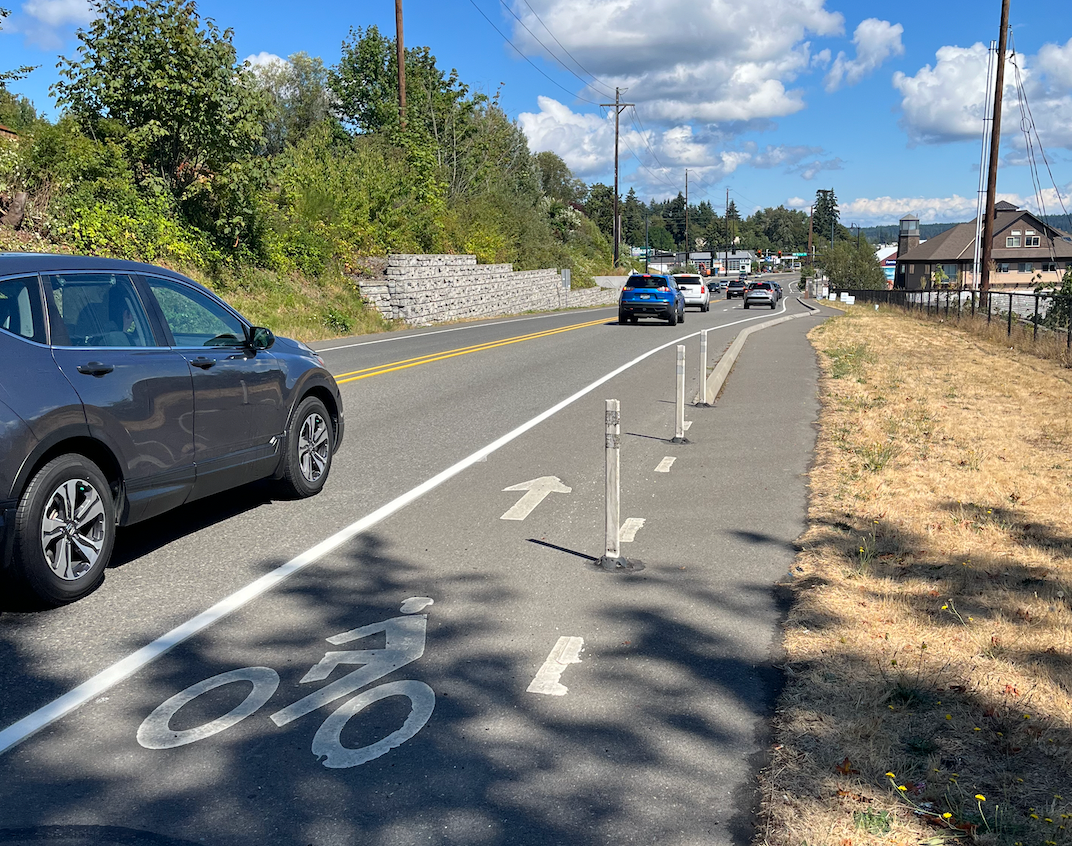
Set to build its first protected bike lane, the City of Bremerton proposed a last-minute change to its otherwise excellent 6th Street design, stripping out more than half of the flex posts protecting people biking. But it’s not too late for the City Council to intervene.
Washington State is forcing Kitsap County to re-do its Comprehensive Plan for lack of low-income housing, ignoring wildfire risk, and neglecting safe streets requirements. The do-over is a chance to turn away from sprawl, writes Travis Merrigan.
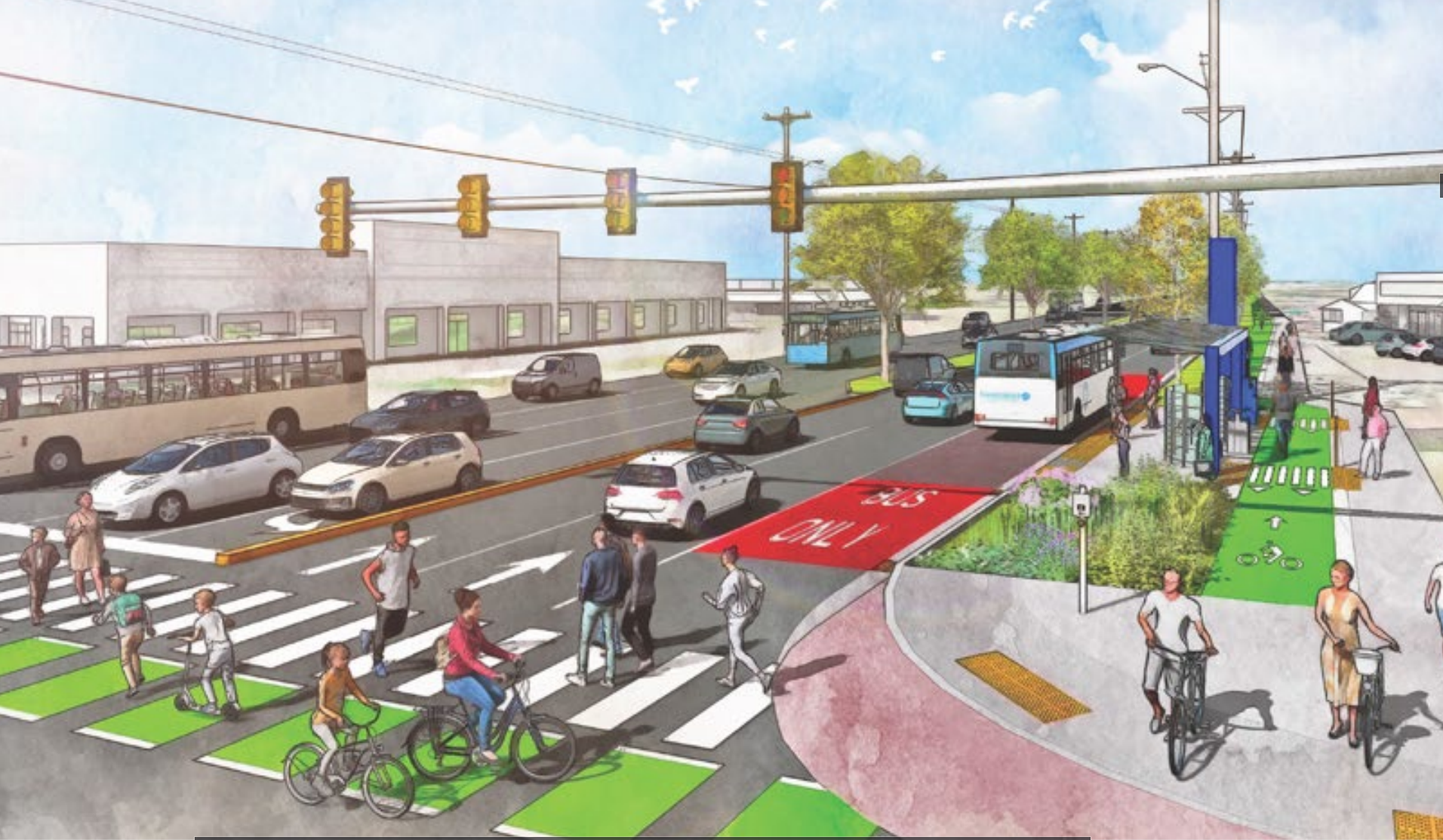
While the upgrades wouldn’t happen all at once, and would only go in as other maintenance work occurs, the proposed concept sets a strong baseline for one of the state’s most dangerous surface highways.
84% of Washingtonians offered a $1,200 instant rebate on a new e-bike this spring followed through and made a purchase, compared to just 24% of those who were offered a $300 rebate. The lessons learned during the first rollout of the program are likely to shape the next round of incentives.
A trove of documents obtained from City of Seattle through public disclosure requests shows work is proceeding gradually but steadily inside the transportation department to take advantage of Washington State’s new Shared Streets Law. Pedestrianizing a number of streets could be around the corner.
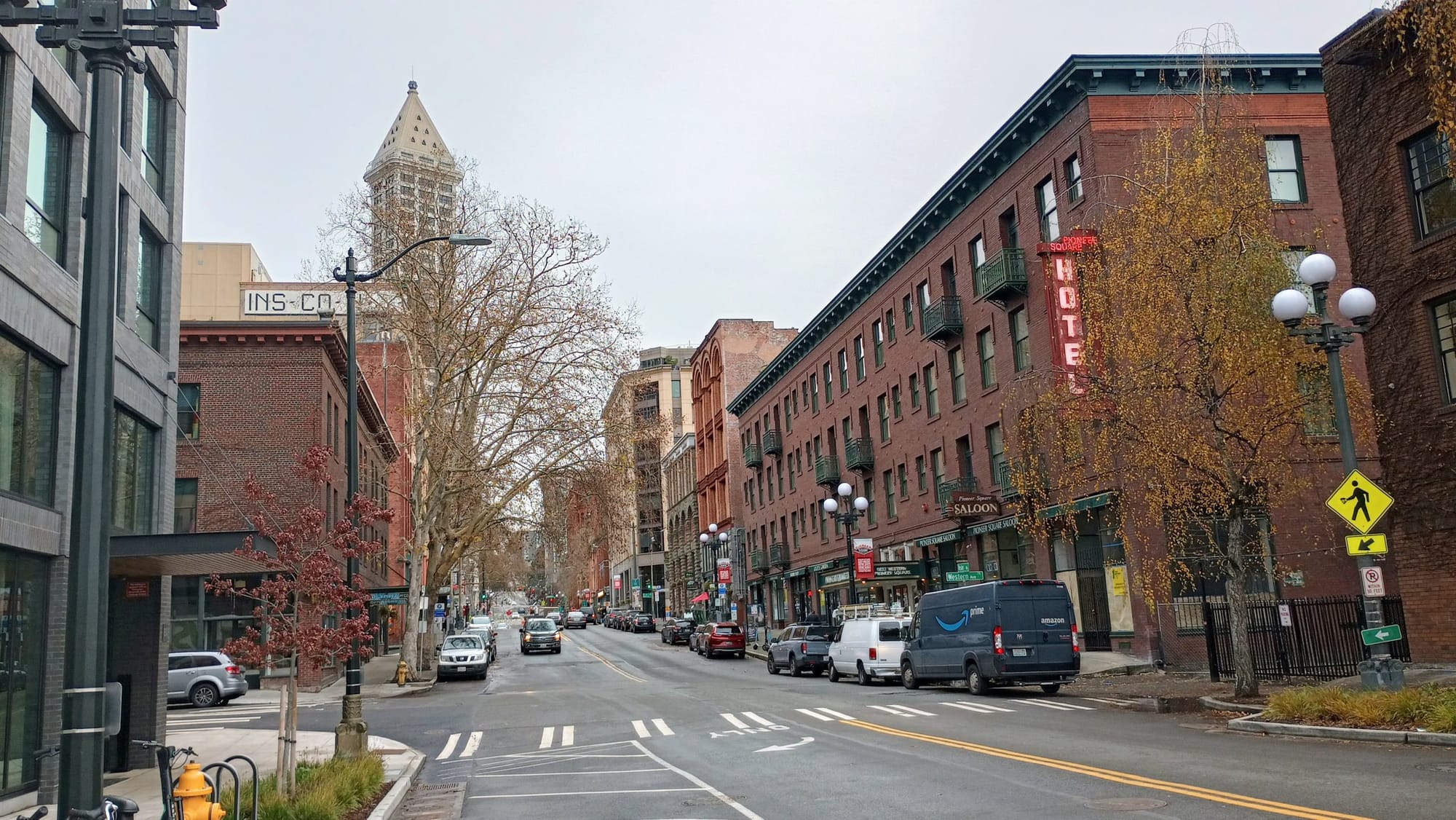
Seattle Mayor-Elect Katie Wilson’s transportation platform is bold and visionary, and she will need ongoing community support to achieve it. Seattle Neighborhood Greenways shares some ideas on how she can get started.
Seattle’s scootershare and bikeshare program continues to boom, setting a new ridership record in 2025. At the same time, the program could be at risk of falling victim to its own popularity, with increasing calls to beef up regulations, particularly on scooters.
Which Washington cities have the deadliest streets and roads may surprise you. Puyallup, Lynnwood and Olympia are by far the most dangerous cities for people walking and biking based on per capita serious crash rate. Travis Merrigan breaks down the data.
A major intersection redesign near Seward Park was ready to go to construction with a Mayor’s Office review the only impediment, records show. The exchanges reveal what was happening behind the scenes as the public was kept in the dark about the future of upgrades on the high-profile corridor.
People on bikes can finally connect from Little Saigon to Jefferson Park in their own protected lane, with future connections planned to the north and south. Concerns about lost parking on 15th Avenue S almost doomed the project.
The Seattle Department of Transportation is eyeing seven neighborhoods with high rates of pollution, low car ownership rates, and high collision intersections, such as South Park, Lake City, and Capitol Hill, for its low-pollution pilot program. The list will ultimately be whittled down to three pro
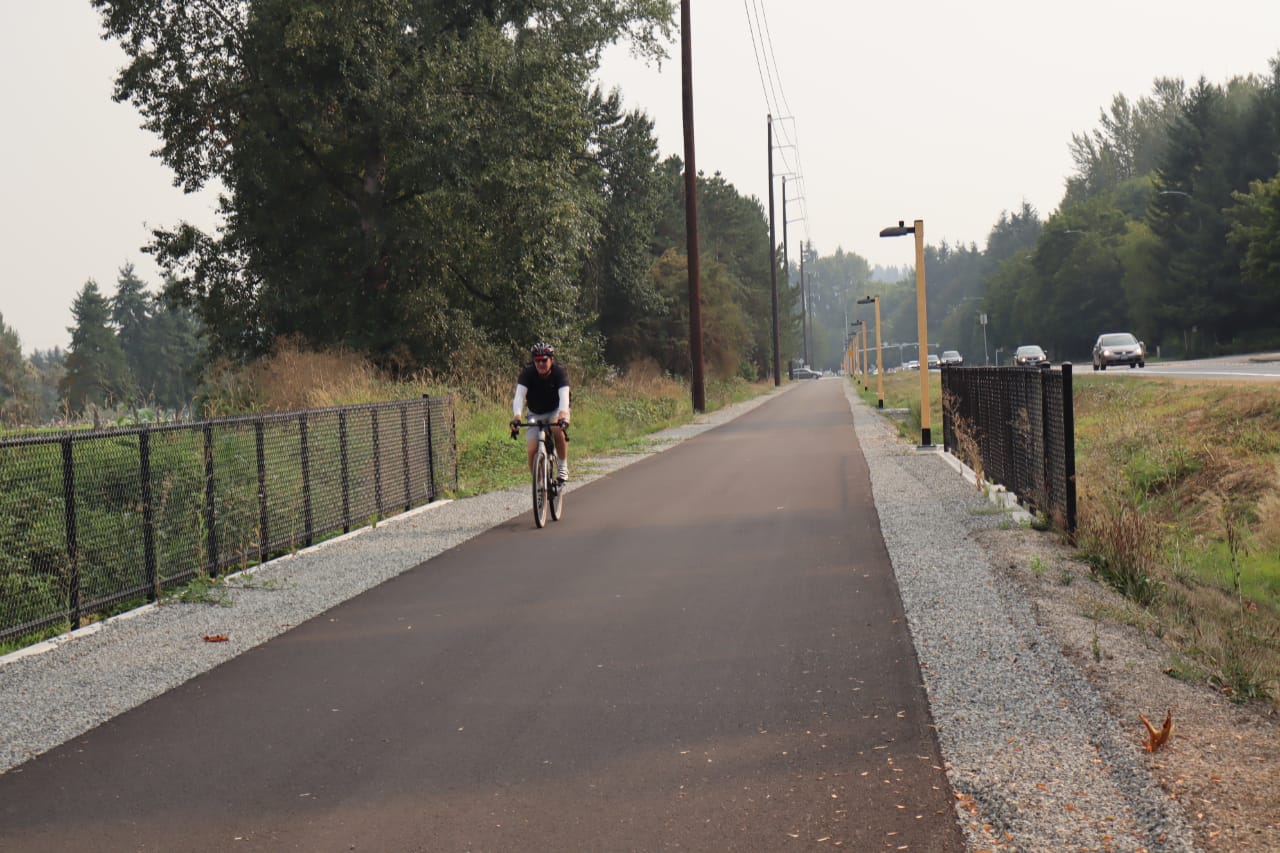
The City of Redmond cut the ribbon on the Redmond Central Connector trail on Friday. The trail’s final 1.6-mile segment opened earlier this summer, finally connecting Downtown Redmond directly with the 42-mile Eastrail corridor that will ultimately stretch from Renton to Snohomish County.
Parking reform has become a national movement, aimed at reducing housing costs. With a nudge from state law, Shoreline joins the trend to support urban development and a shift toward greener transportation options.
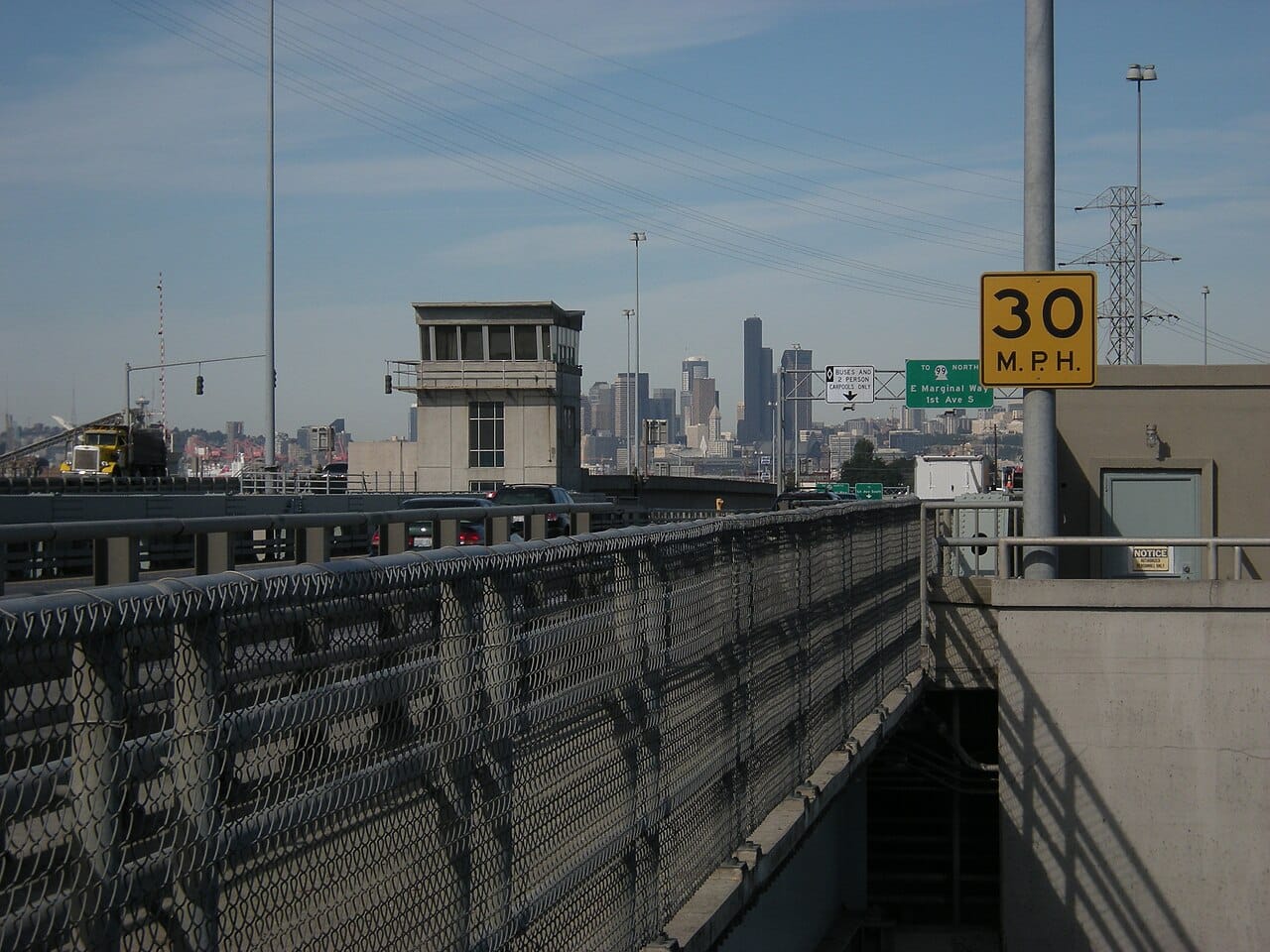
An extension of the Georgetown to South Park Trail and a new two-way protected bike lane on E Marginal Way would finally provide a safe connection to the First Avenue S bridge. The project is an early litmus test for the new Seattle Transportation Levy.
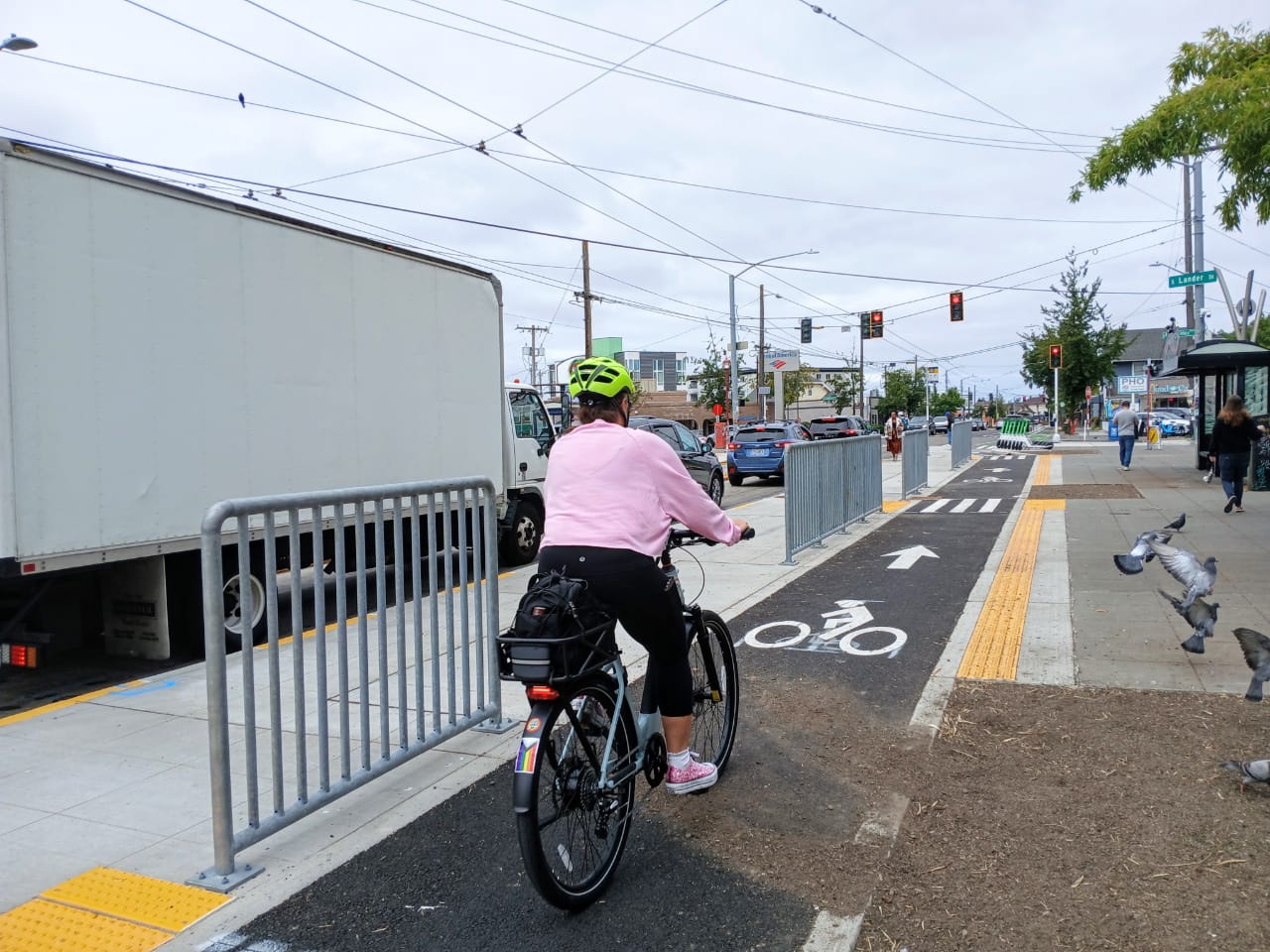
Five major bike safety projects are all opening within a few months of each other, filling in critical gaps in Seattle’s network. But most of the credit for ensuring that Hot Bike Summer happened in the first place goes to previous city leaders.
The new Fourth Avenue bike lane extension is set to provide direct access to Seattle Center’s front door, connecting the campus’s fan zone to the rest of downtown. It’s an outlier as a permanent infrastructure upgrade being built to accommodate FIFA.
Over 1,500 people have been seriously injured or killed in crashes along Rainier Avenue S in the last decade. The upgraded transportation levy approved by voters last fall represents an opportunity to truly transform the street… if city leaders grab it.
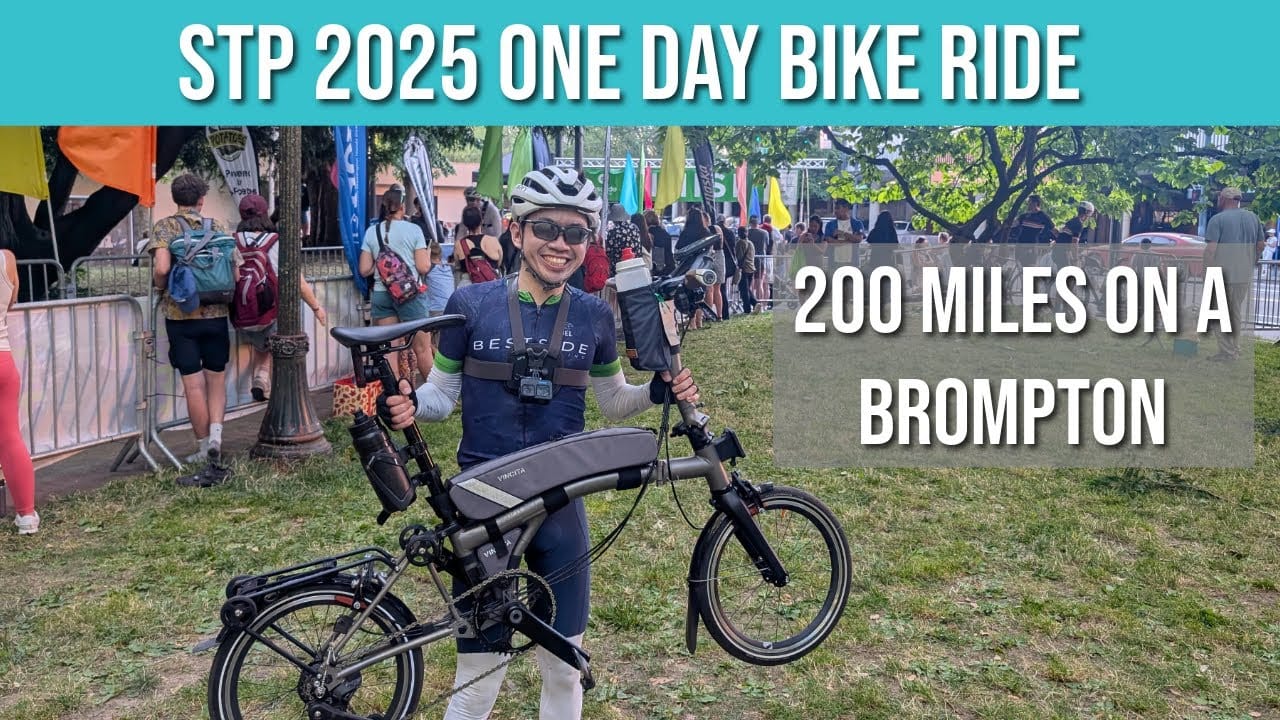
On July 12, Cascade Bicycle Club hosted its annual Seattle-to-Portland bike ride, and local Youtuber Best Side Cycling tackled the ride in one day on a Brompton and documented the whole experience. The video is a great introduction to the 207-mile ride, which is in its 46th year.
The City of Seattle quietly dropped speed cushions and other traffic safety treatments from long-made plans after months of radio silence. The backpedal received swift pushback from some District 2 city council candidates.
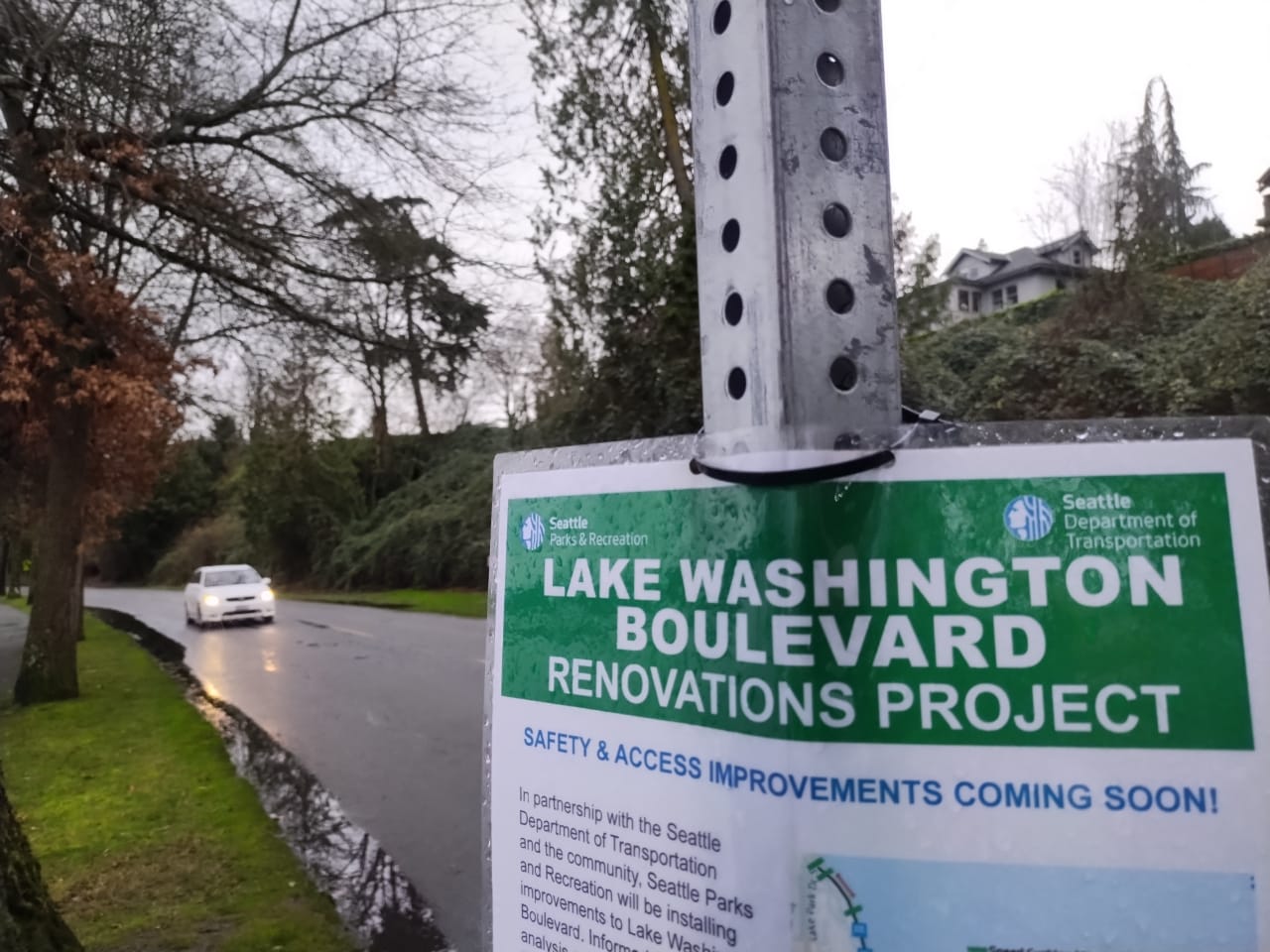
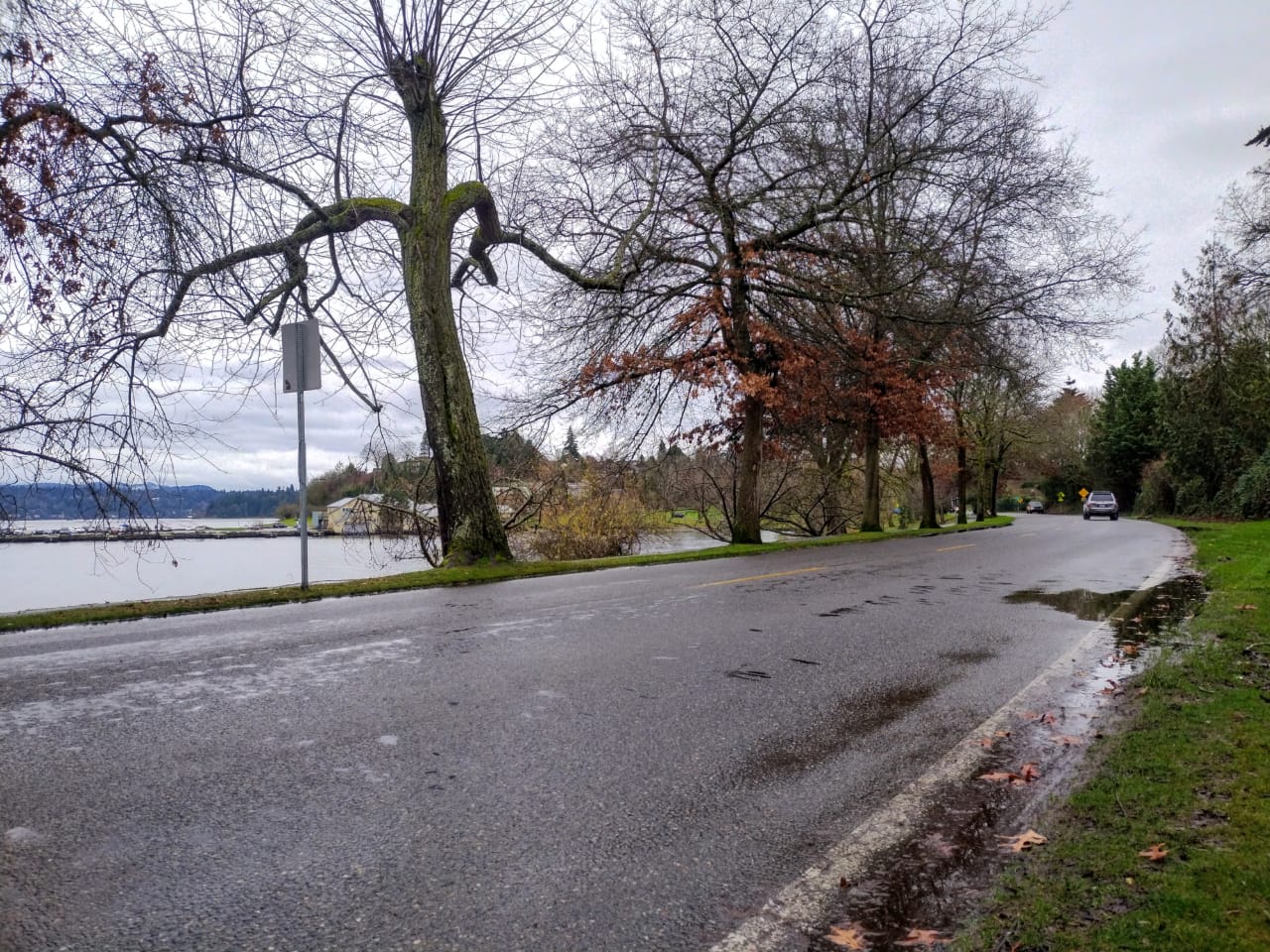
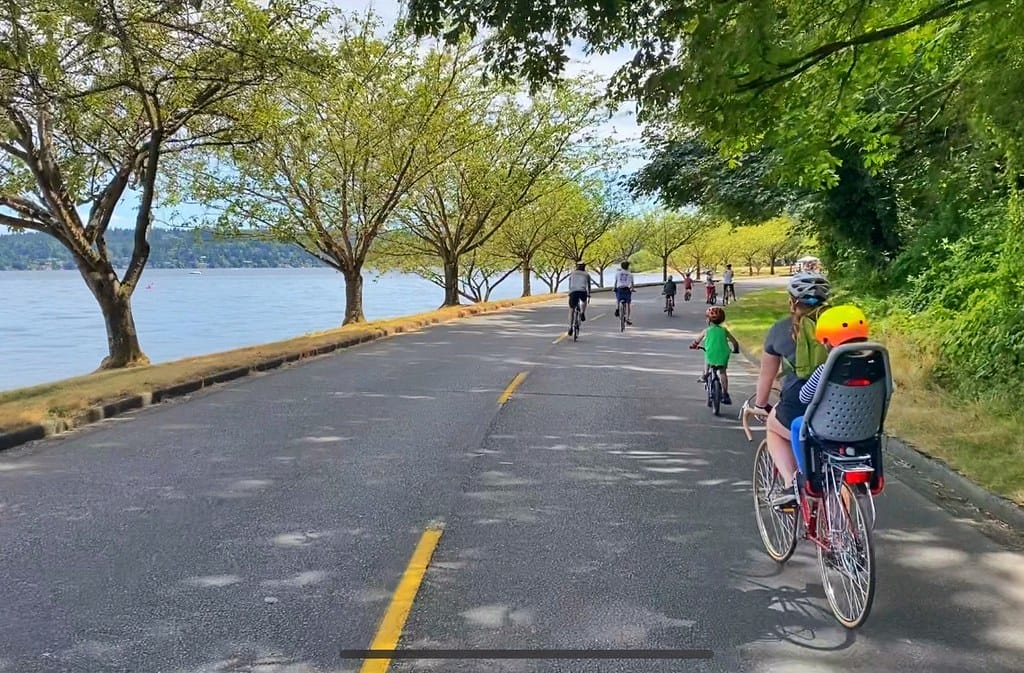
Seattle Parks and Recreation rolled out plans to add traffic calming to Lake Washington Boulevard last year. But traffic safety advocates are pushing for answers after installation of those upgrades stopped midway through without explanation.
As the city prepares to celebrate the grand opening of the full Seattle Waterfront revamp, the only planned direct connection between downtown and the waterfront is set to remain uncompleted. At the center of the issue is an antiquated traffic signal.
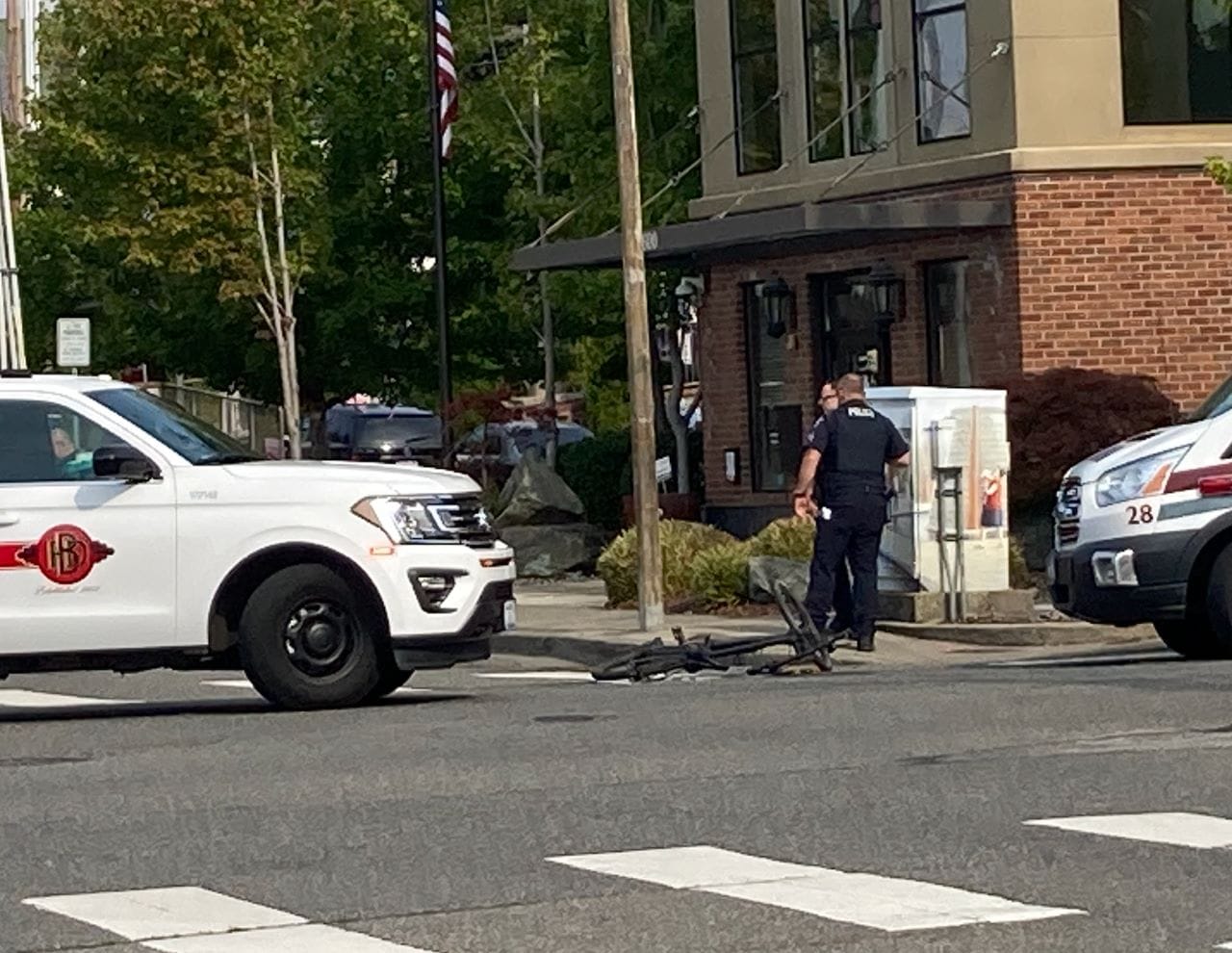
A June 15th hit-and-run crash on Lake Washington Boulevard during a Bicycle Weekend makes the case for expanding the event and improving safety features on the boulevard. The reticence of police to investigate hit-and-run collisions may also be contributing to a culture of motorist impunity.
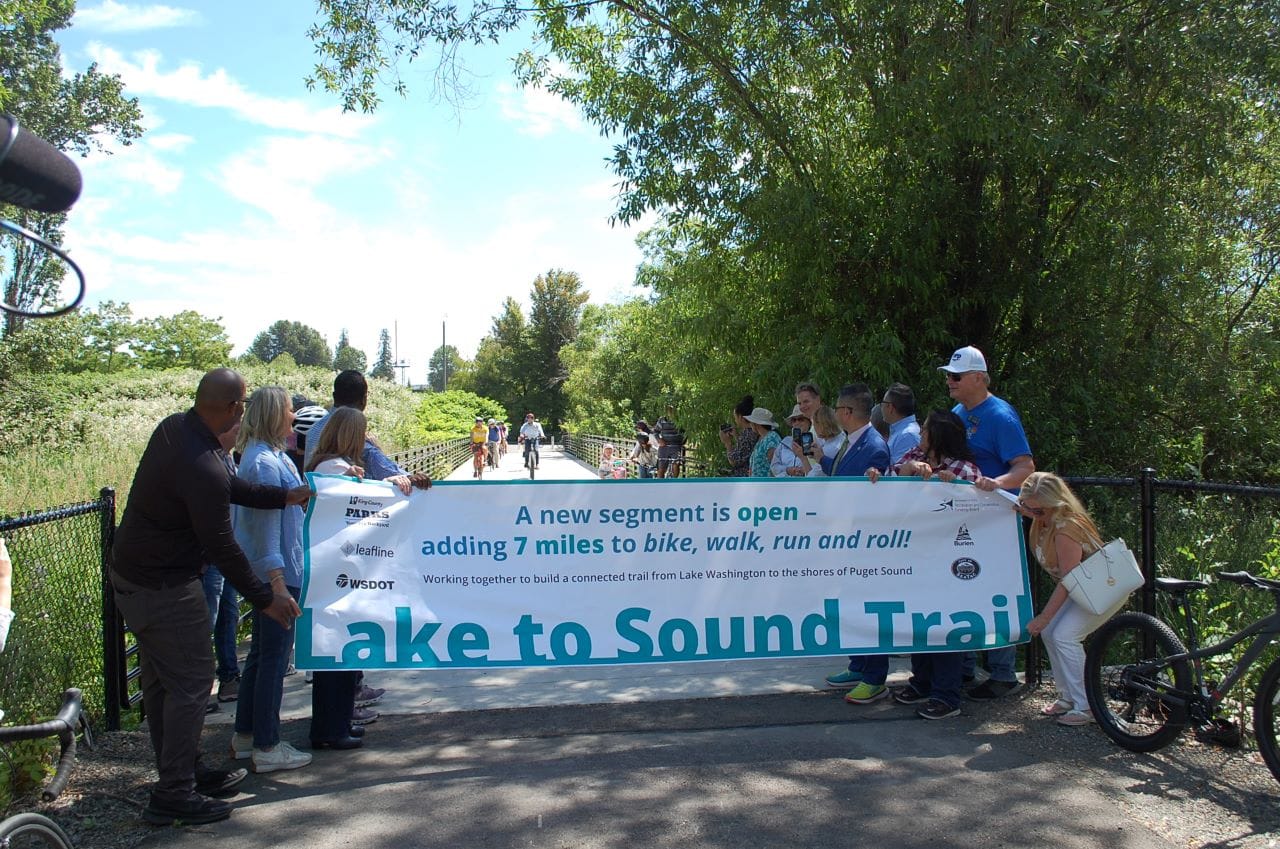
King County celebrated the opening of a new 2.2-mile segment of the Lake to Sound Trail in SeaTac earlier this month. When complete, the 16-mile non-motorized trail will stretch from the southern tip of Lake Washington in Renton to the shores of Puget Sound in Des Moines.
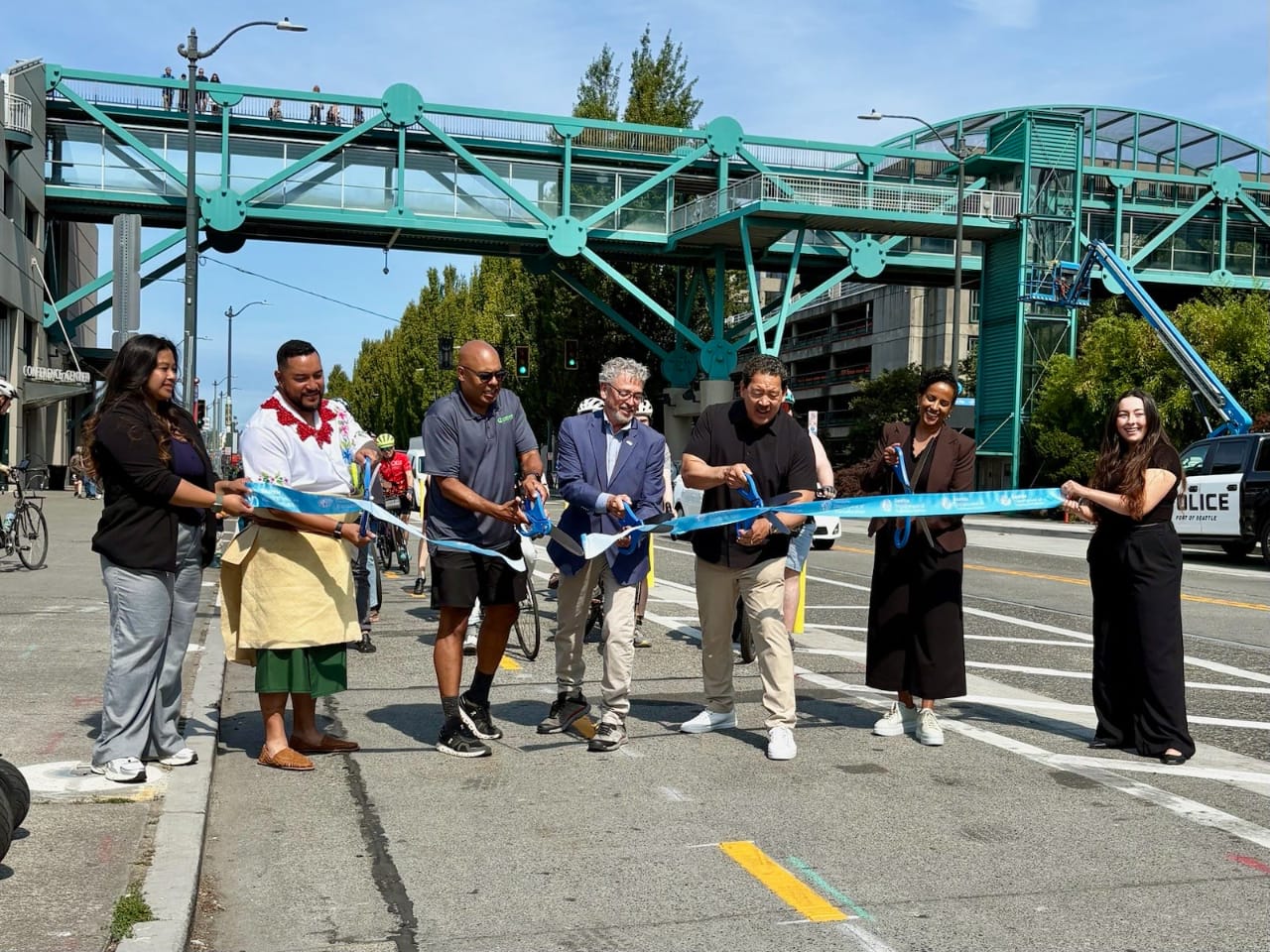
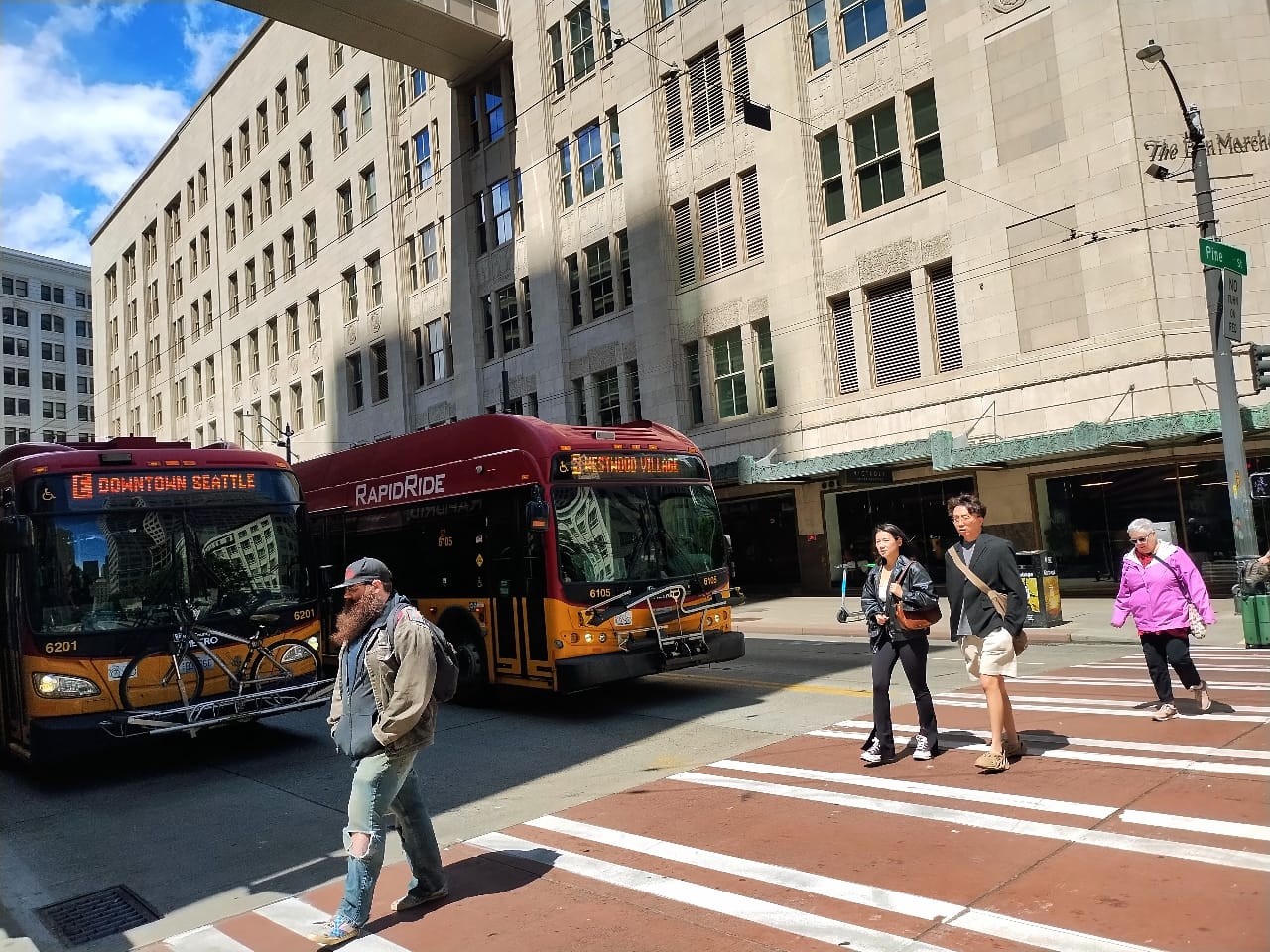
On June 11, Seattle officials celebrated the completion of a major overhaul of Pike Street and Pine Street, improving connectivity between Downtown and Capitol Hill. The project features planter-protected bike lanes, wider sidewalks, public art, and a one-block pedestrianization near the Market.
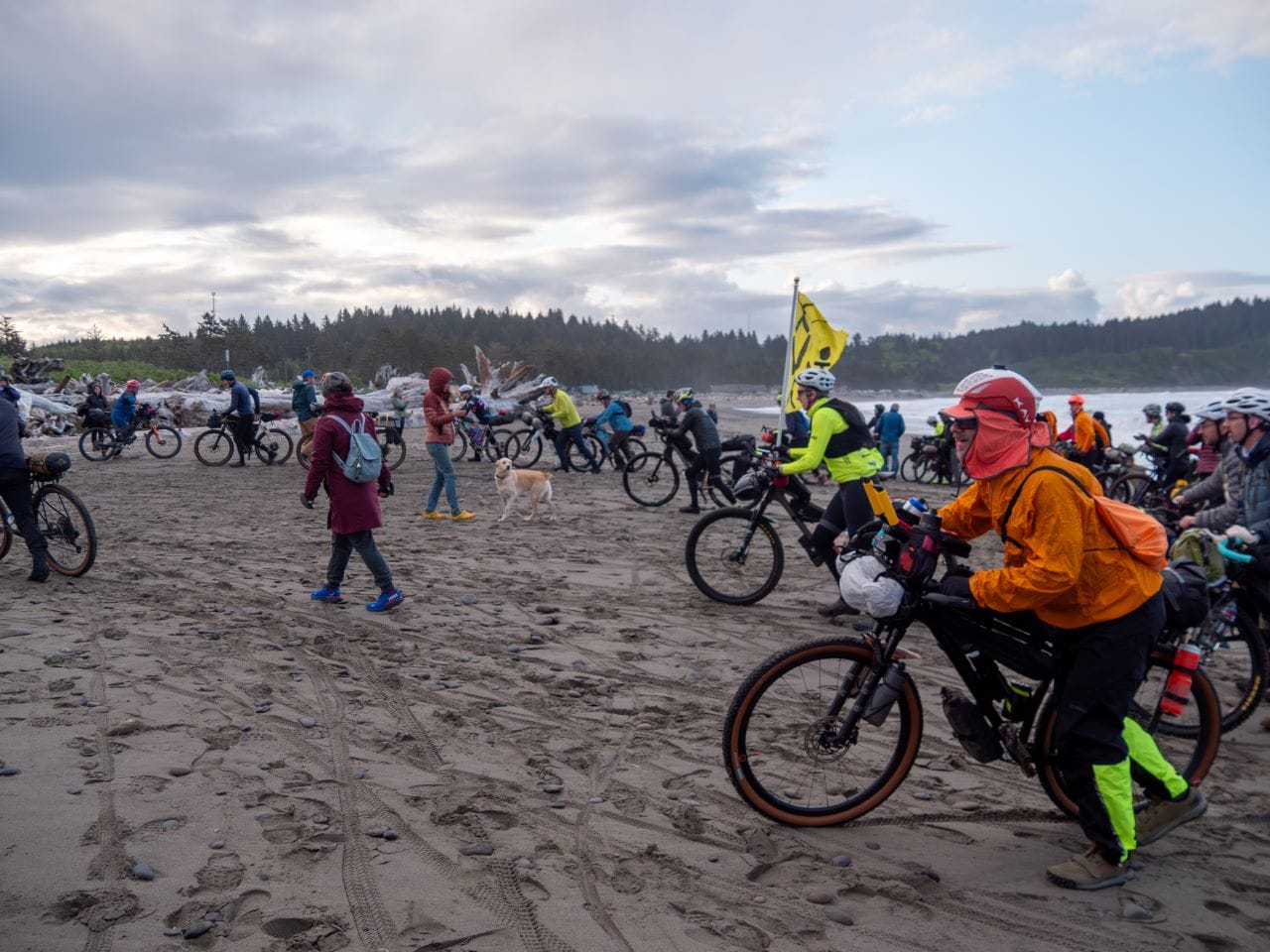
In May 17th grand depart, 138 people attempted a 700-mile mountain bike route from La Push to Tekoa, Washington, dubbed the Cross-Washington or XWA bikepacking race.
Cities in Washington will have the legal authority to create shared streets, which feature much lower speed limits and put pedestrians first, under Senate Bill 5595. Governor Bob Ferguson signed the bill into law Saturday. It will go into effect on July 27.
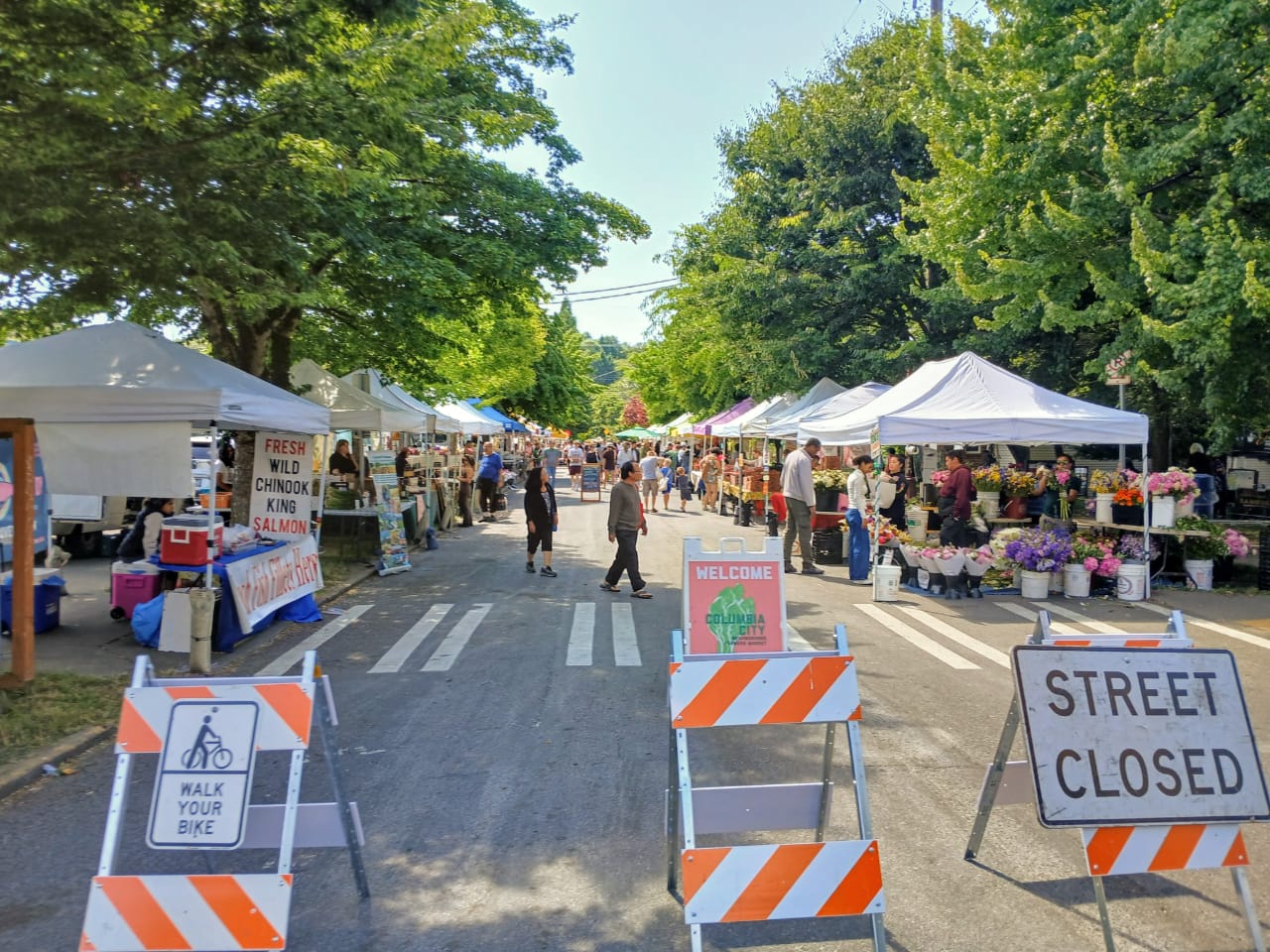
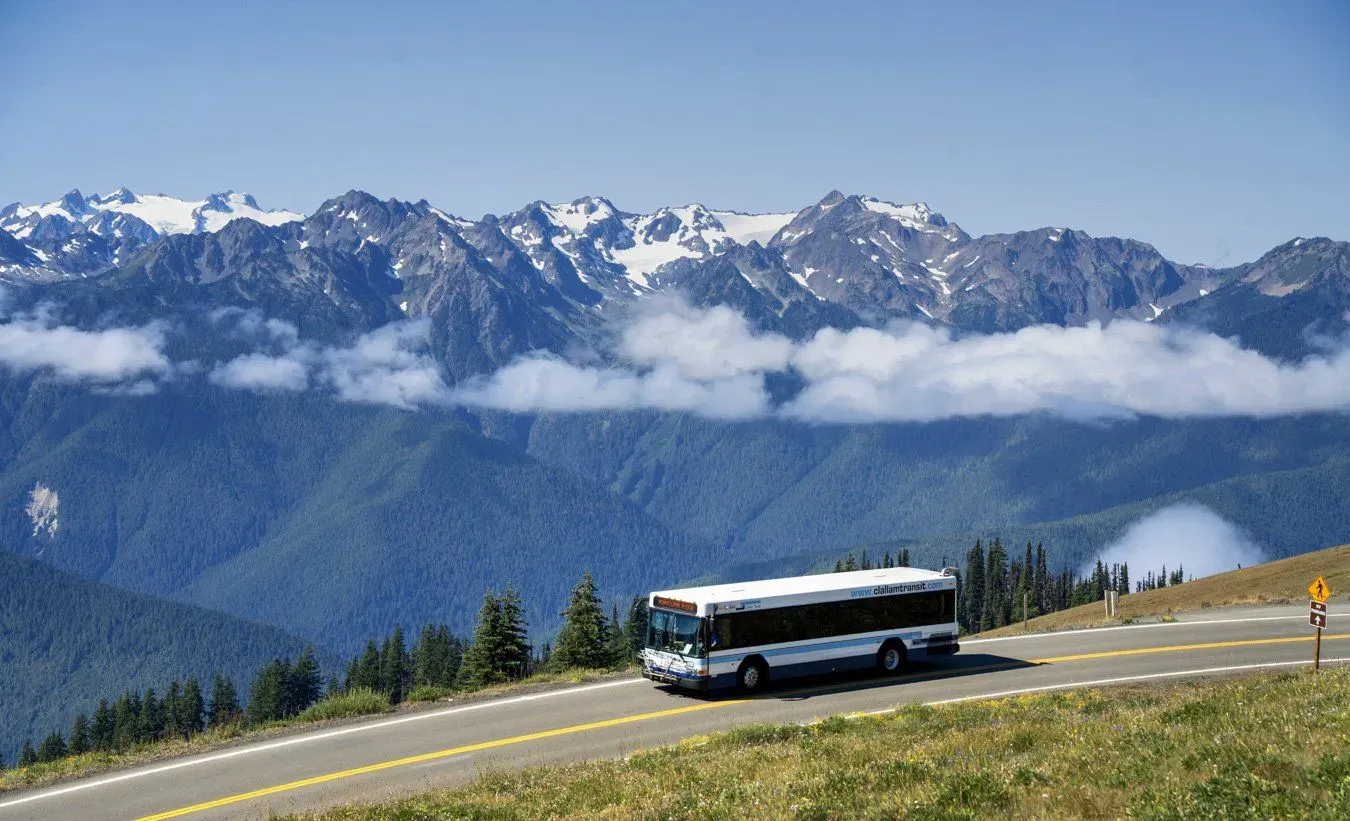
Summer in Puget Sound means the return of Trailhead Direct, Bicycle Weekends, Seattle’s free Waterfront Shuttle, and the Hurricane Ridge Shuttle.
The fully completed plan, intended to provide an array of strategies that would advance Pierce County toward a goal of eliminating deaths and serious injuries by 2035, was only approved by a 4-3 vote last week.
Tacoma voters balked at the price tag of the Streets Initiative II levy. That leaves Tacoma officials scrambling to come up with plan B to grapple with street safety and maintenance needs.
Seattle’s waterfront bike path from Expedia Park to Myrtle Edwards Park is closed for renovations through August. A detour to the waterfront pedestrian path is offered, but people biking must yield to pedestrians. The pedestrian path will be closed for renovations after the bike path work is complet
Seattle bikeshare and scootershare companies clocked 6.3 million rides in 2024, up 28% over 2023 and a record high. The momentum has continued in the first quarter of 2025, with ridership up 76% over the first quarter of 2024. If this pace is maintained, Seattle is on track to exceed 10 million ride
Washingtonians in the market for a new e-bike can qualify for the chance to snag a $300 or $1,200 instant rebate starting Wednesday. The state will distribute about 10,000 rebates via a lottery system following a two-week sign up period that ends April 23.
New legislation in Olympia could help us rethink and reclaim the street as a true public easement. If passed and its provisions delivered, we can look forward to streets that are not only more welcoming of public life, but a lot less deadly to all users.
While the Washington State Senate budget includes additional taxes on e-bikes and fees for public transit, the House budget includes cuts to transit and climate work. Both budgets are in agreement on the need to double down on a number of highway megaprojects.
Bremerton Mayor Greg Wheeler has presented car-centric preliminary designs for the 6th Street project, with no alternative building sidewalks and bike lanes to state safety standards. Travis Merrigan argues the Bremerton City Council should press the City to study such an option.
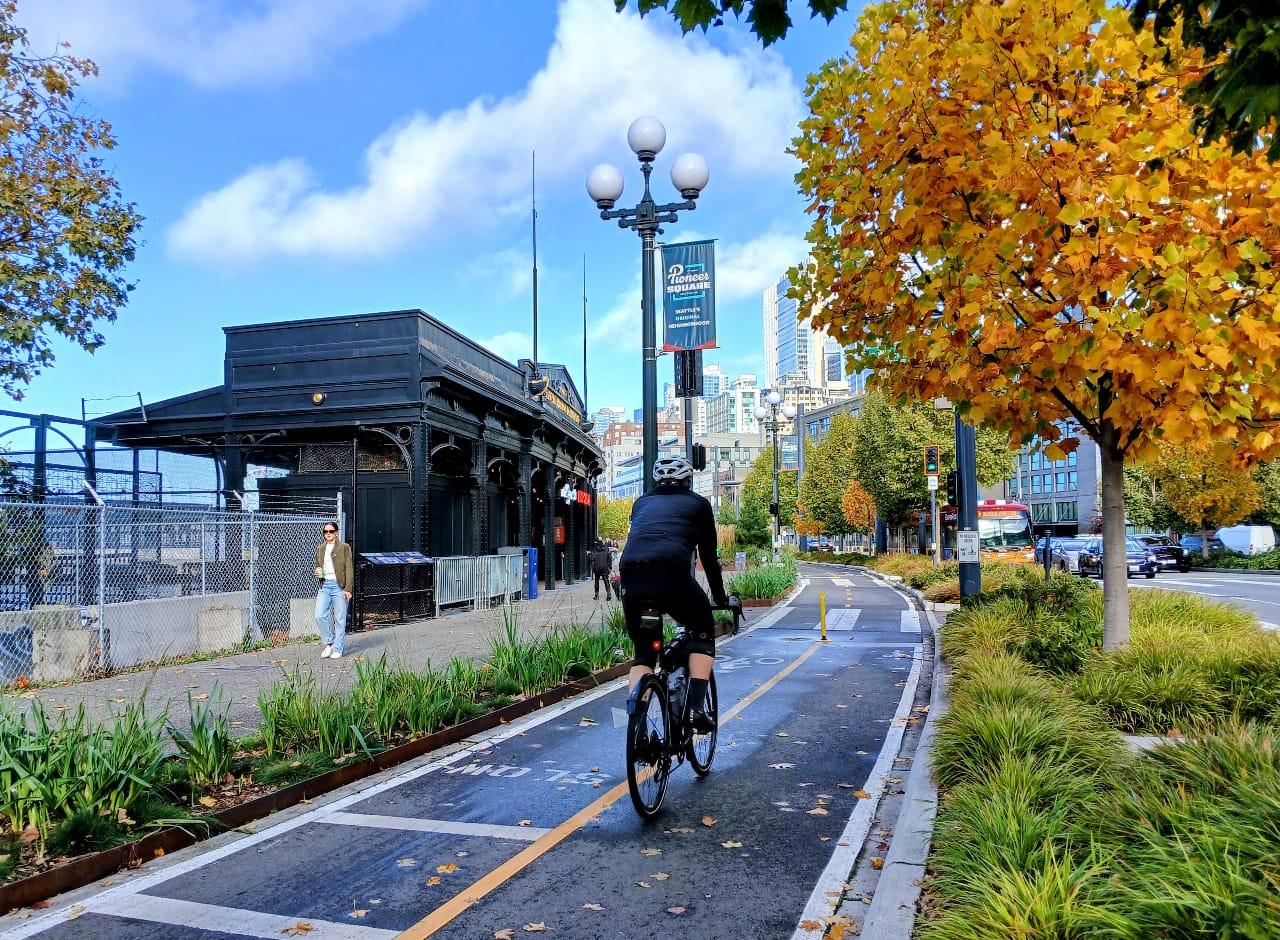
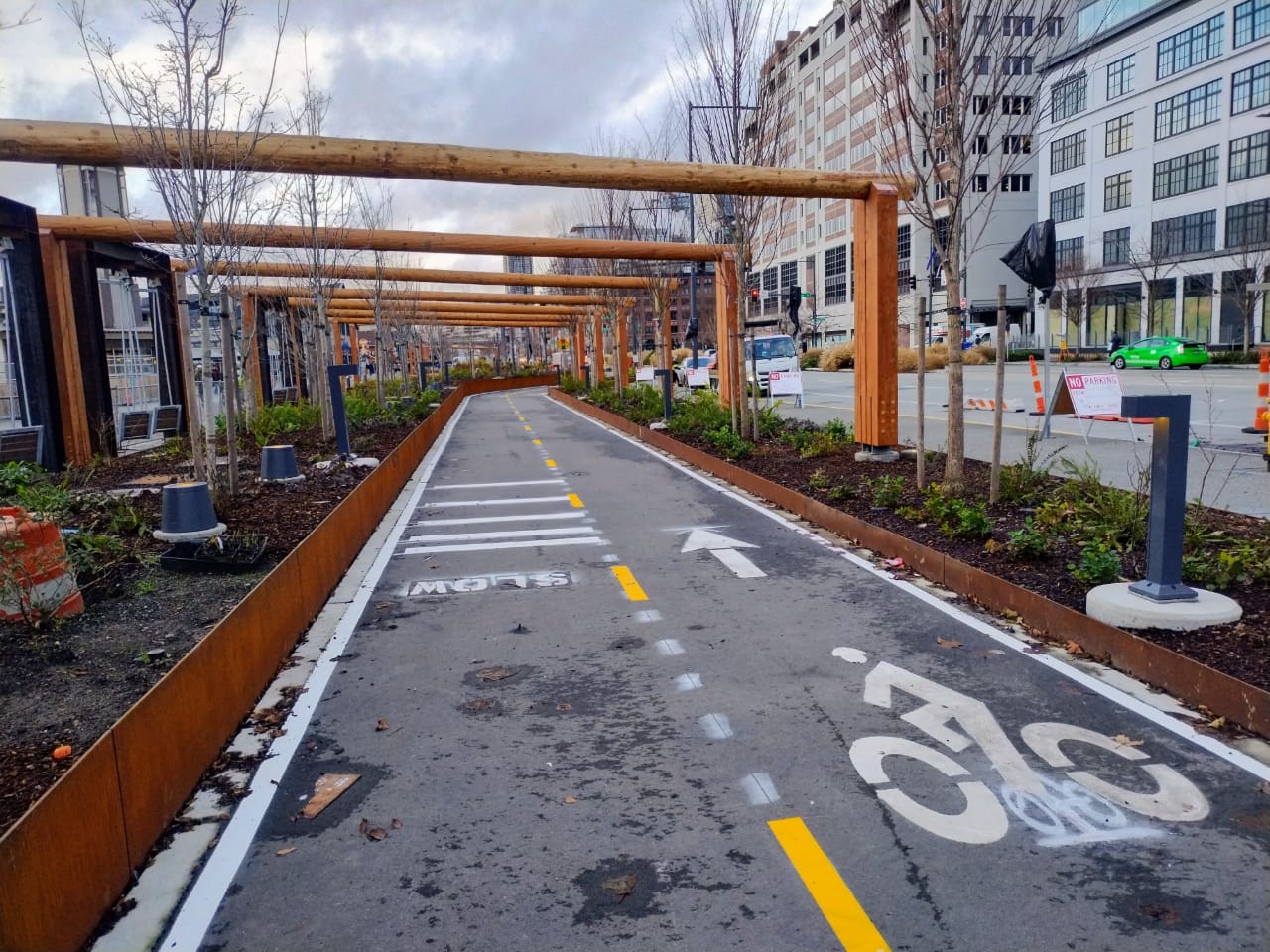
The 1.2-mile bike lane restores a connection along the central waterfront that hasn’t existed in years, and is sure to turn into one of the city’s most highly-used bike facilities.
The permanent renewal of Tacoma’s Streets Initiative would enable the city to make significant progress on overhauling its most dangerous streets, and significantly expand safe bicycle infrastructure. The ballot measure goes to voters in an April 22 special election.
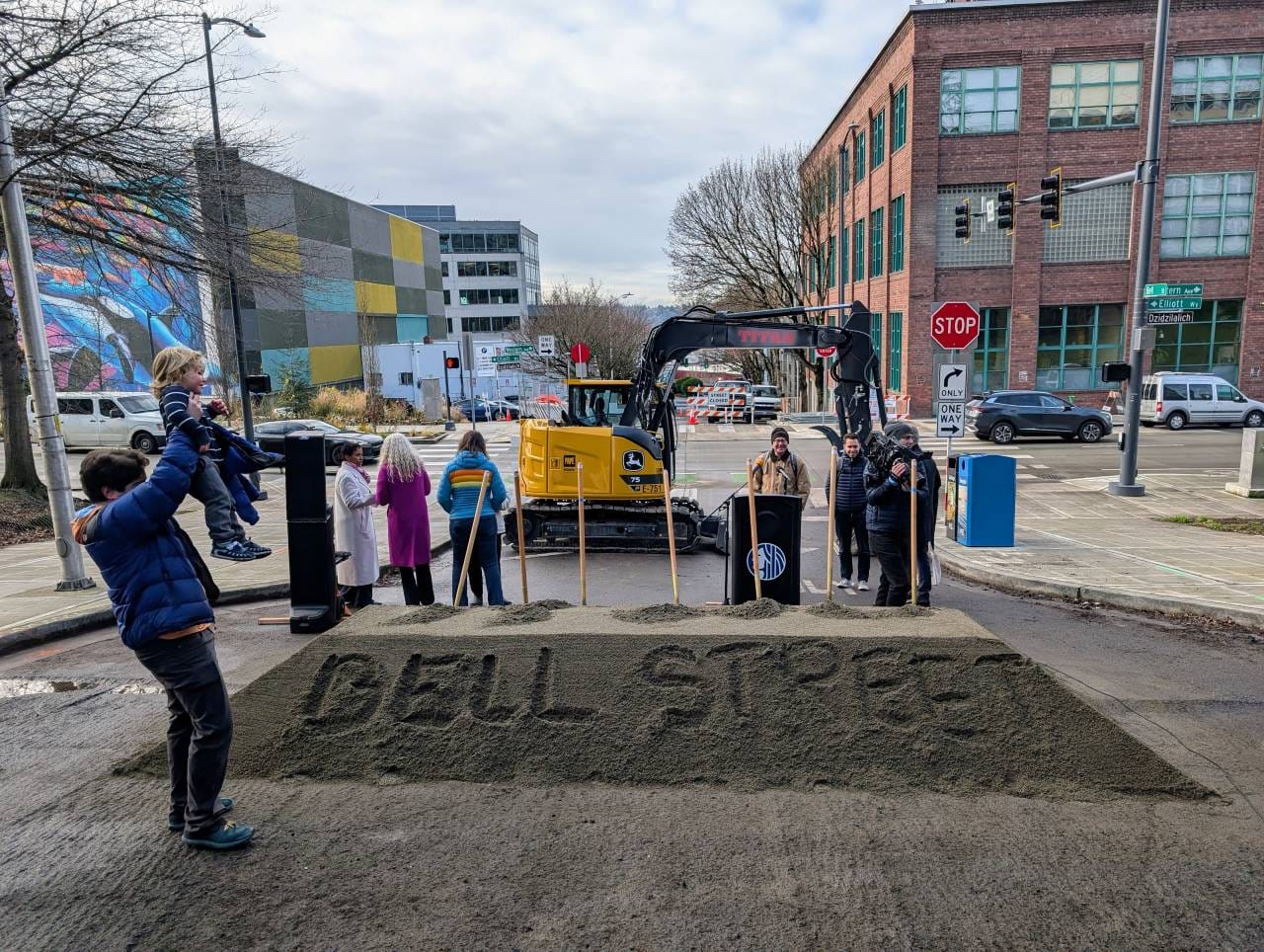
A $5.2 million project overhauling two blocks of Bell Street adds a protected bike lane and pedestrian upgrades, but stops short of full pedestrianization.
The 2025 delivery plan for the first year of the Seattle Transportation Levy spells out a broad array of projects that will enter the pipeline this year.
The idea of slowing drivers along one of the city’s most scenic waterfront routes had been seen as the compromise position, in the face of competing visions for Lake Washington Boulevard. But behind-the-scenes, the upgrades have been under attack.
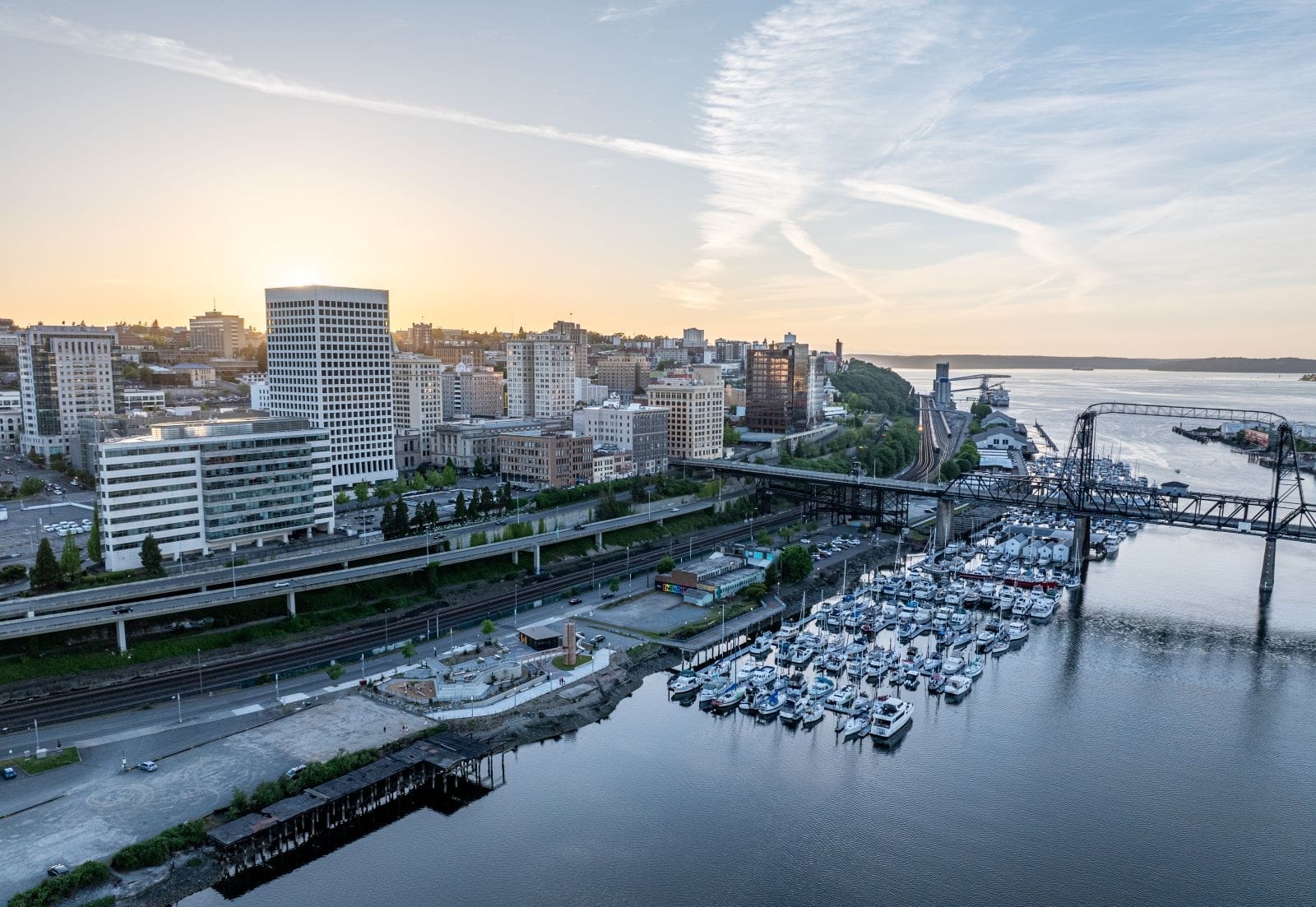
Bike and scooter riders have been waiting a long time for the separated pathway along Downtown Seattle’s waterfront to open. The wait is set to continue for another few months.
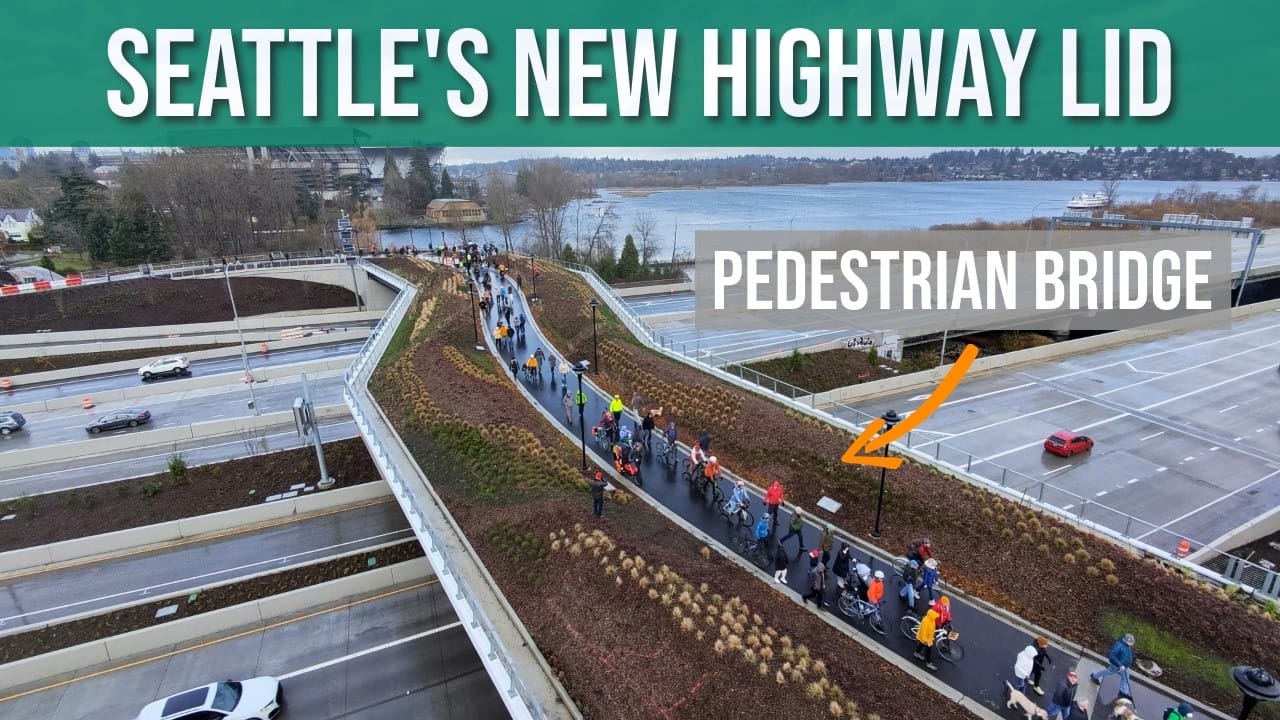
Best Side Cycling was on hand for the grand opening of the Montlake Lid and pedestrian bridge over SR 520 on December 14. Check out this great new connection.
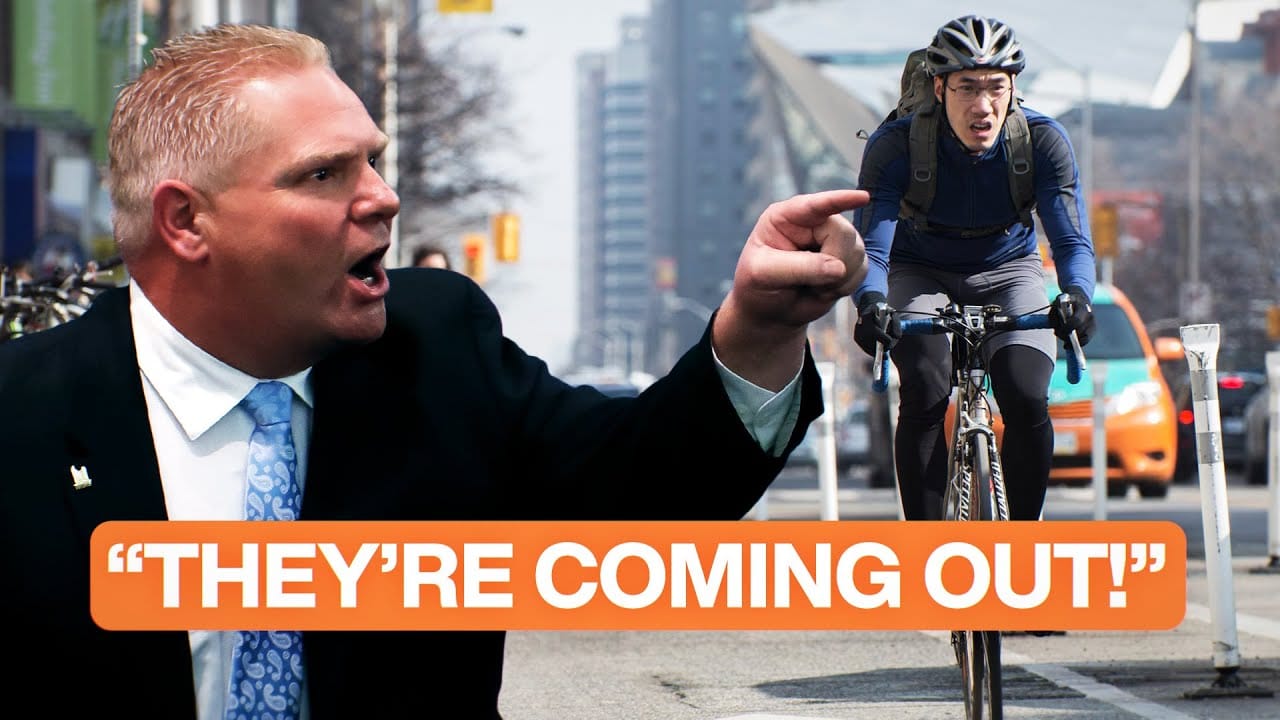
The right-wing populist provincial government in Ontario, Canada has voted to remove bike lanes and make it difficult to install them in the future in Toronto, the largest city in the Maple Leaf country. The effort is a mix of political distraction for a floundering government administration and cynical
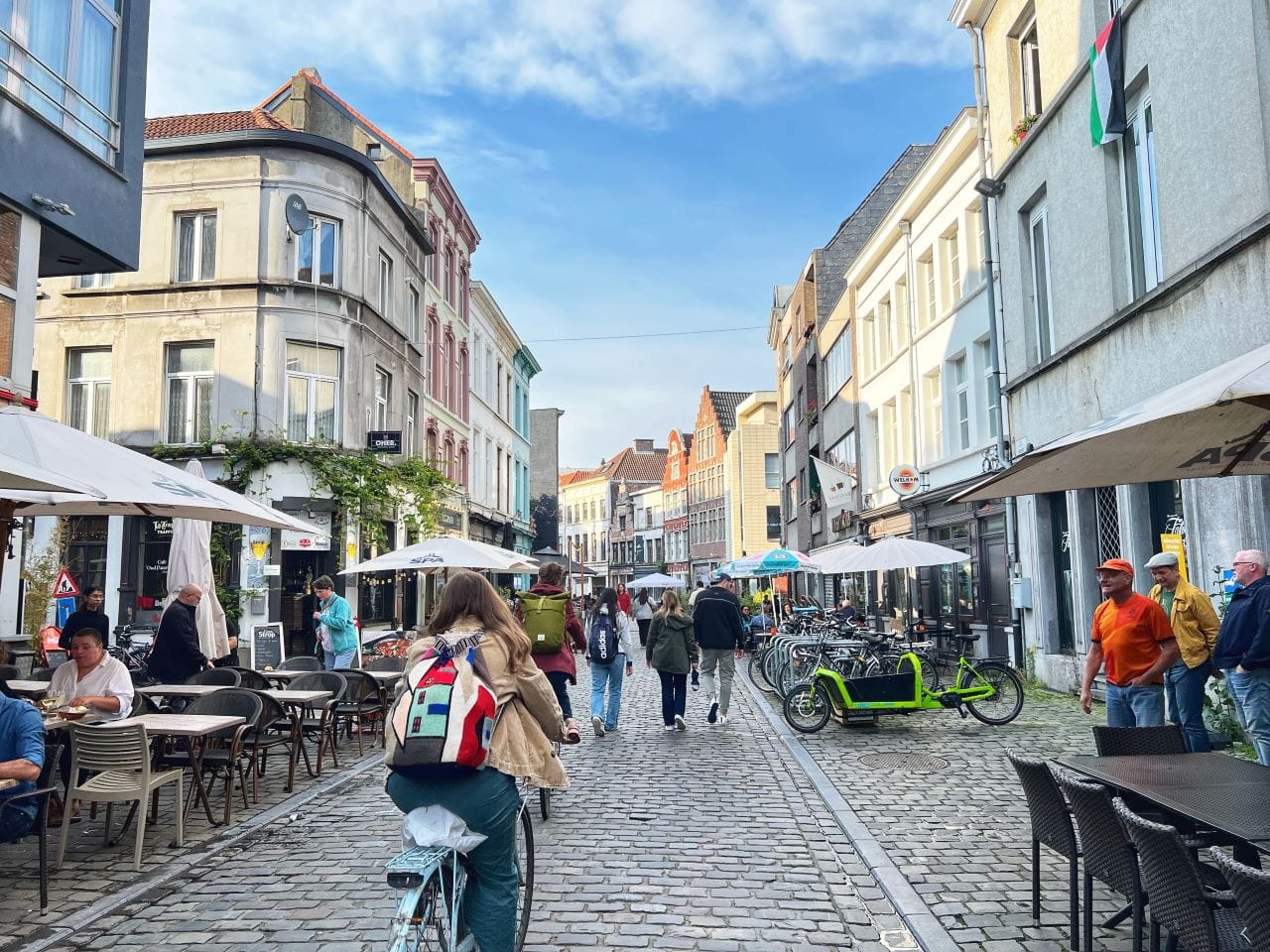
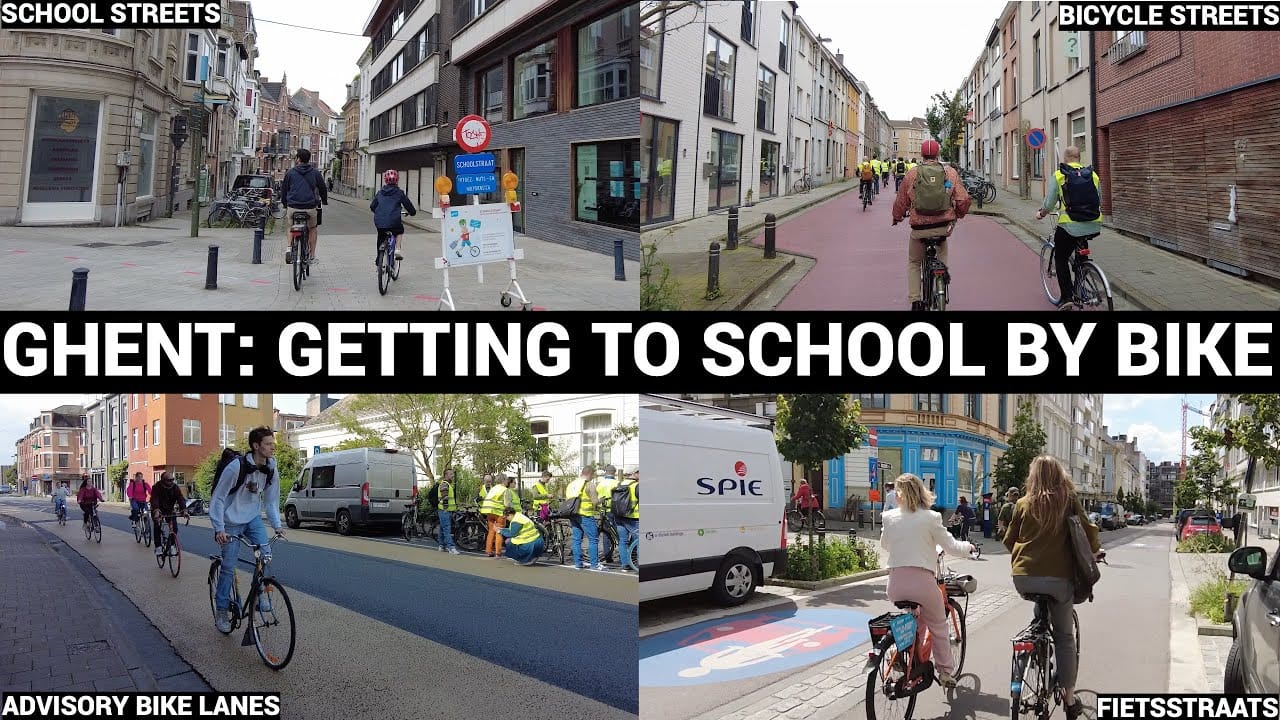
Streetfilms highlights how Ghent (Gent), a city in the Flemish north of Belgium, is making streets safe so that kids can walk and bike to school. The city has rolled out bicycle streets and school streets. Ghent was the host city for this year’s Velo-city Conference.
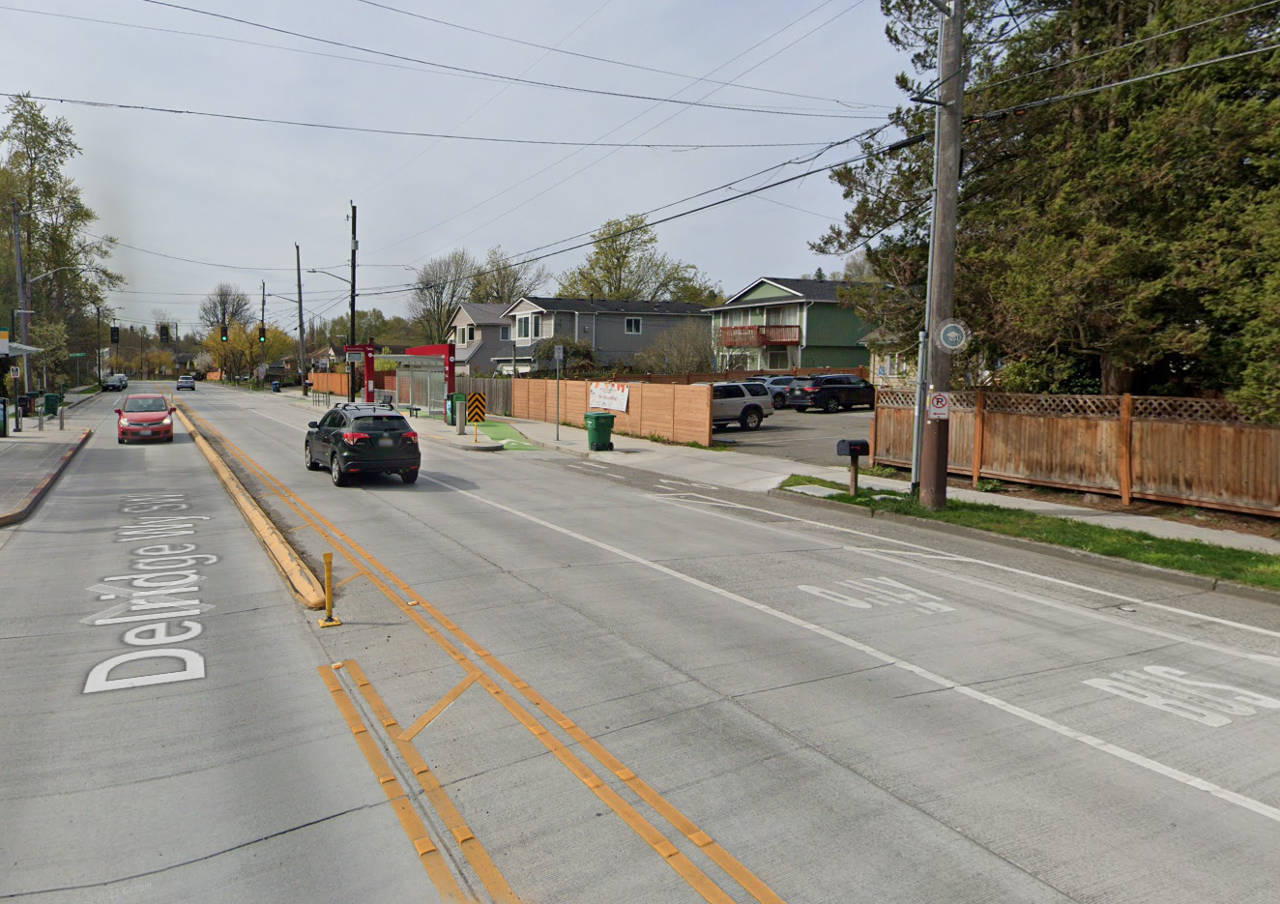
Saka is pushing to earmark $2 million in existing funding to remove a hardened barrier on Delridge Way SW, providing left turn access to a preschool used by Rob Saka’s family. The proviso is apparently Saka’s top priority this budget, but would reduce street safety.
Recently completed Bremerton street projects have fallen well short of modern safety standards. The projects fail to shorten crosswalk distances, slow traffic speed, or protect cyclists with more than paint.
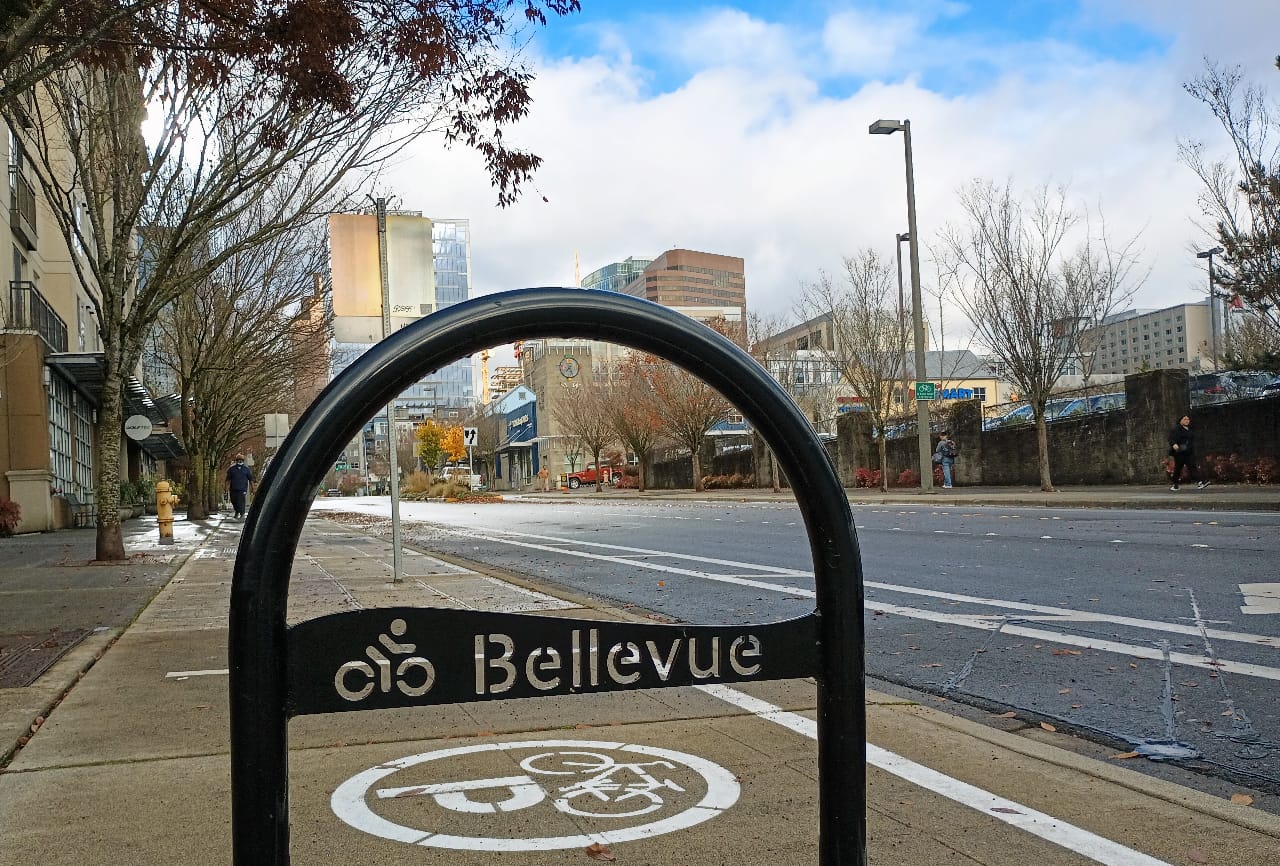
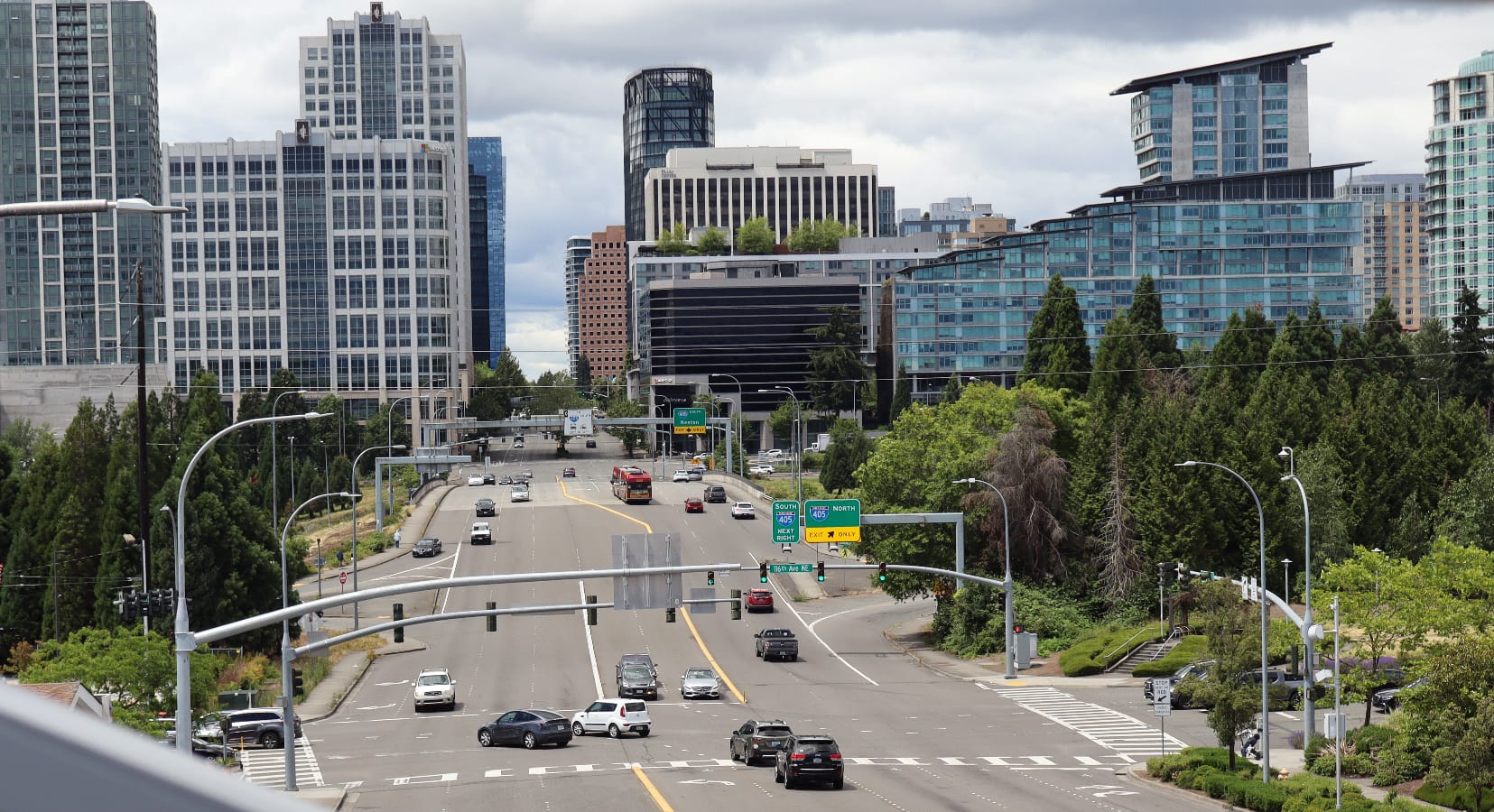
Plans for a new connection between Wilburton and Downtown Bellevue are coming into view, as the City starts to look at how it can keep the project moving forward.
The Bike Bellevue plan was set to repurpose a lane on a minor downtown street to create a safe space for people on bikes. Then Kemper Development got involved.
Cyclist Steve Hulsman died after being struck by an SUV in West Seattle on December 21. His widow, Rita Hulsman, urges Seattle residents to vote YES on the Keep Seattle Moving levy to prevent future deaths.
The privately funded project to upgrade pedestrian and bike facilities in Seattle’s north downtown waterfront has reached final design. Here’s what’s planned.
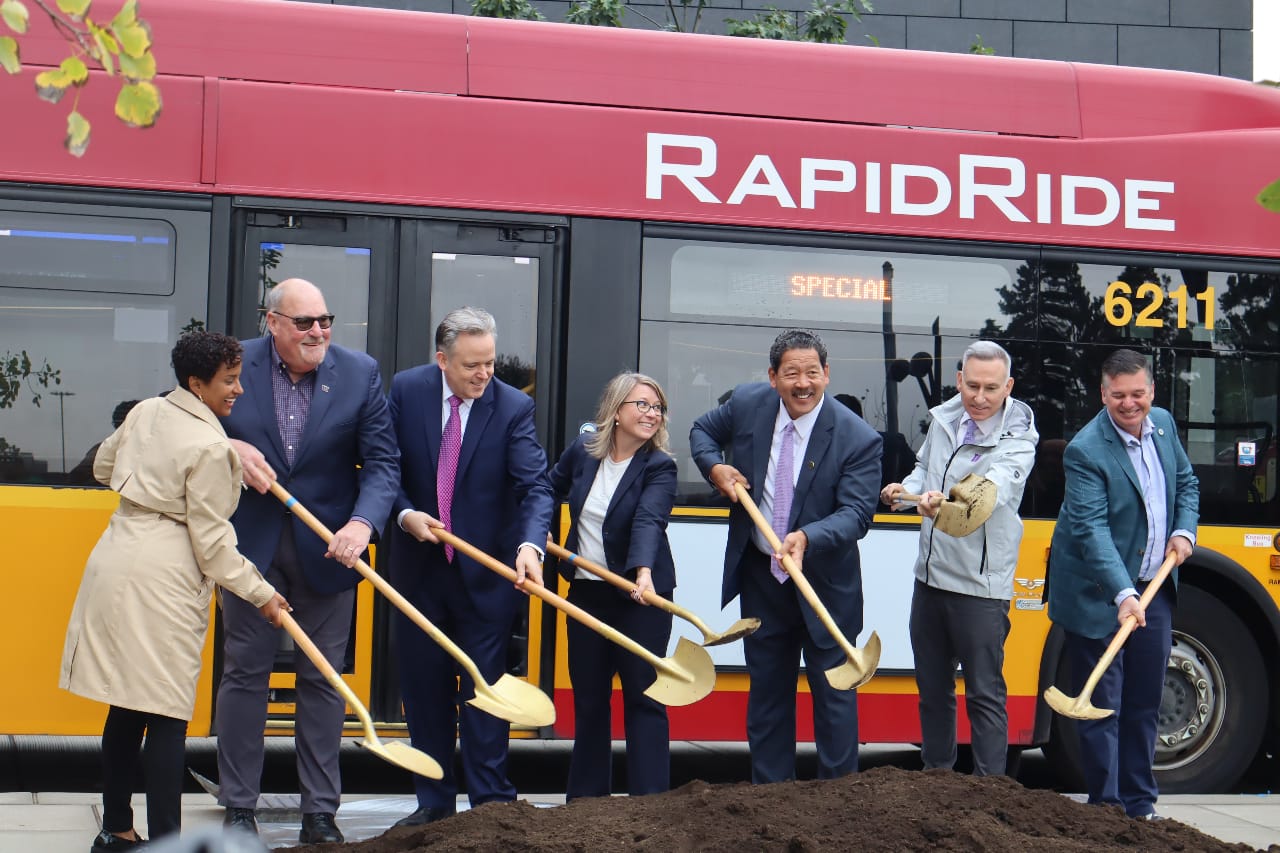
The groundbreaking for the RapidRide J between Downtown, Eastlake, and the U District marks the last RapidRide project scheduled to open in Seattle this decade.
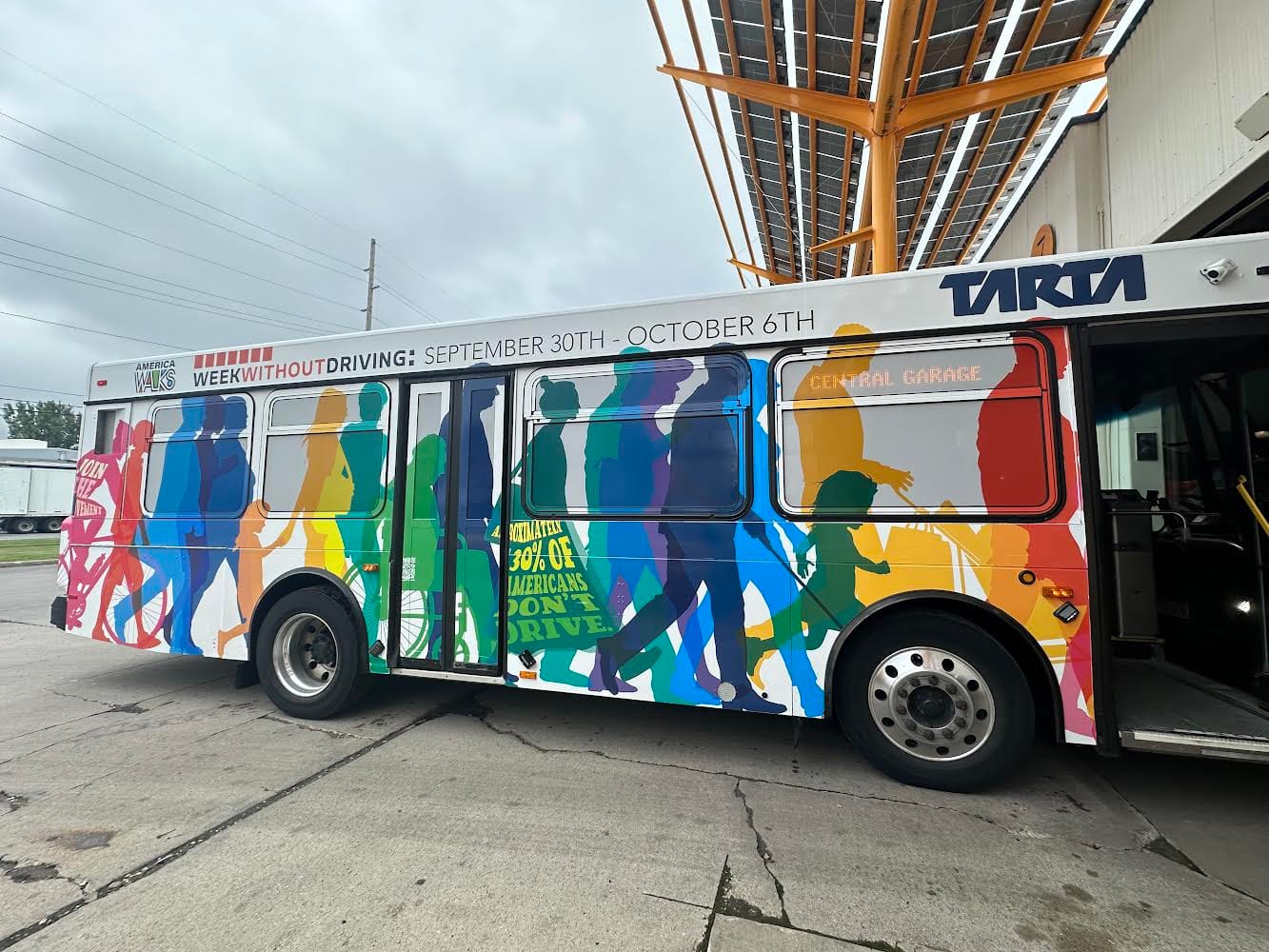
In four years, the Week Without Driving Challenge has grown from a small event with a dozen elected leaders in the Puget Sound area to a national event with participants in all 50 states. Founder Anna Zivarts shares her thoughts on that journey.
Bellevue is positioned to lead on traffic safety so long as it makes investments in safer roads. This fall’s budget is a great time to start.
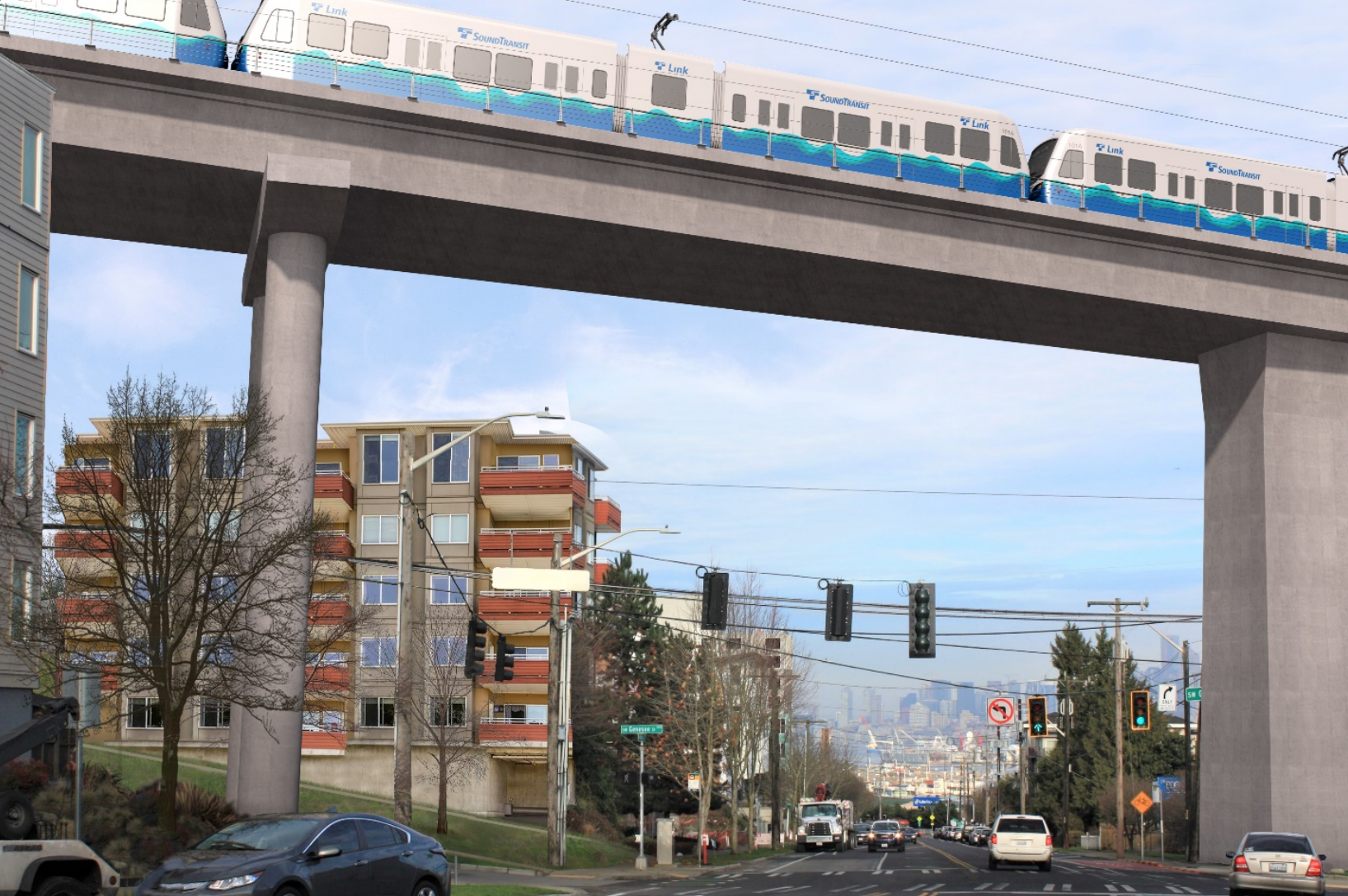
With construction on West Seattle Link’s four stations set to start as early as 2027, the City of Seattle is starting to look at how people will access the stations via walking, biking, and transit on redesigned local streets.
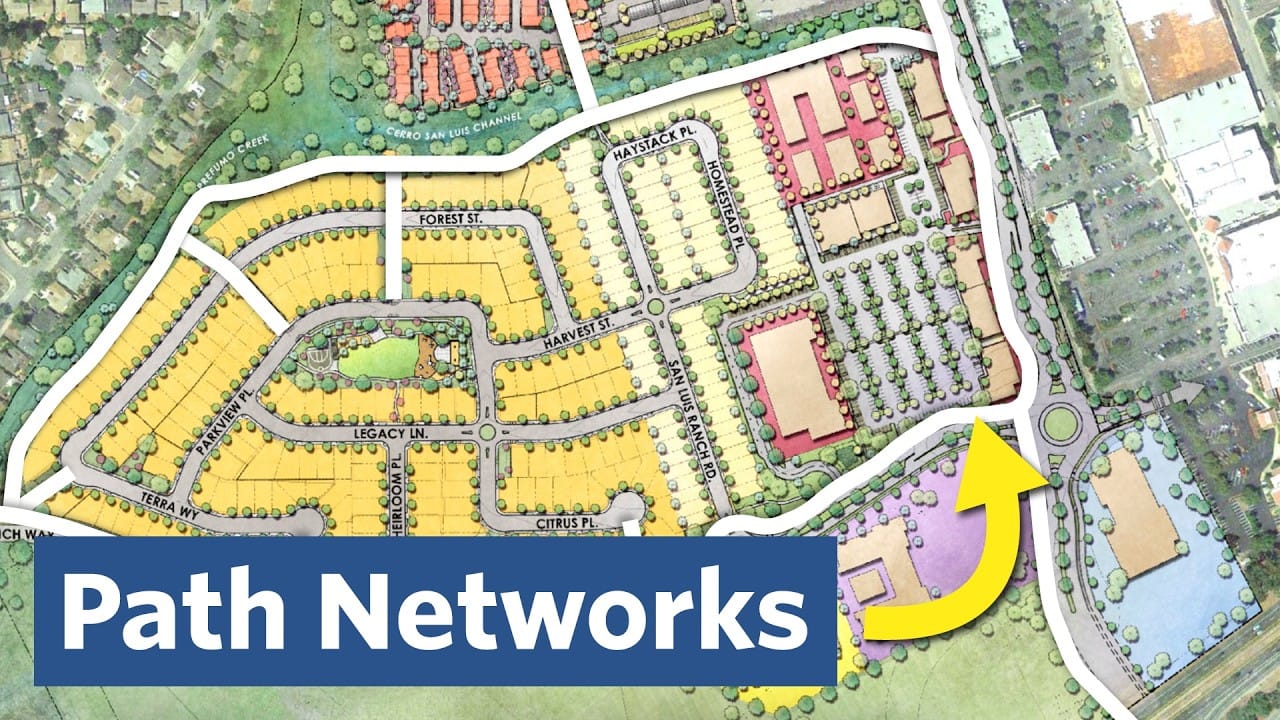
Dave Amos of City Beautiful discusses non-motorized paths in the suburbs. Could these facilities provide more than just a recreational amenity to suburban neighborhoods? And how can they work best to offer suburban communities a sustainable and safe way to get around without a car? Amos discusses th
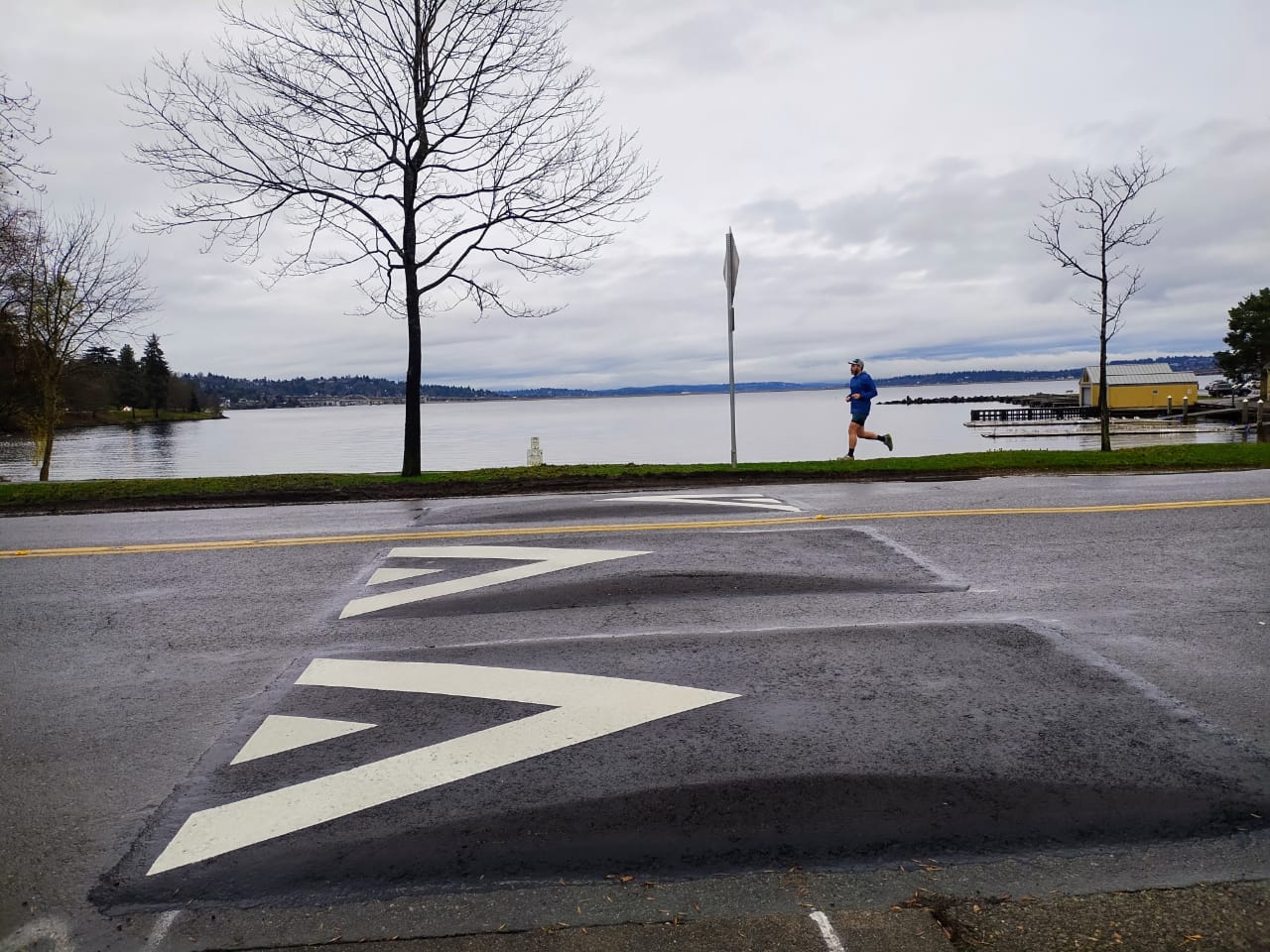
Traffic safety improvements including crosswalks and speed cushions are coming to Lake Washington Boulevard. But they stop short of the transformation many Seattle residents want to see in the corridor.
The yearslong project to transform the area around SR 520 in Montlake is finally set to open this fall, including several exciting bike and pedestrian facilities.
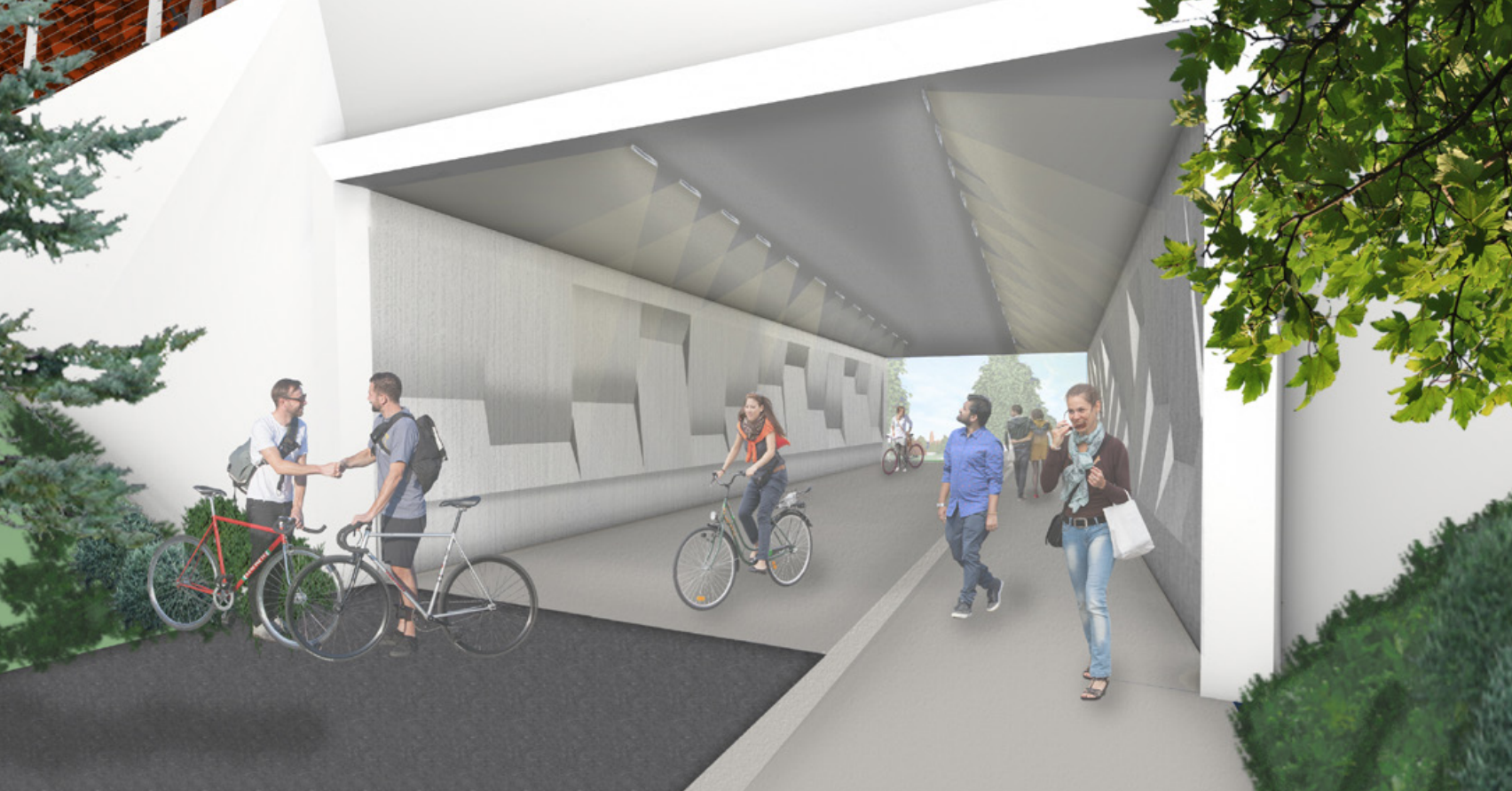
A bike and pedestrian tunnel underneath 10th Avenue E has been restored after advocates fought a cost-costing move to drop it from highway lid plans in North Capitol Hill,
The Seattle Department of Transportation has wrapped up work on a new bike connection between Judkins Park and Mount Baker. Its roots can be traced back to a vision the Seattle City Council moved forward in 2019.
It had looked like the idea of reallocating street space to bike lanes was off the table in Bellevue, but a city council discussion last week restarted the debate.
The Urbanist and Downtown On The Go are excited to co-host a two-part book talk event in Tacoma on Saturday, August 3, featuring Disability Mobility Initiative director Anna Zivarts and Seattle Bike Blog founder Tom Fucoloro. The safe streets summit will kick off with a family-friendly social
Seattle’s long anticipated bike path along a newly remade waterfront won’t open until this winter, even as other elements come online. The Overlook Walk is poised to open early this fall.
Safety-focused changes to busy Bel-Red Road, an unavoidable corridor for many Bellevue residents, were taken off the table by a 3-2 vote of the Bellevue Transportation Commission last week.
Is cycling just for the city? Or can cycling be a success in the suburbs. Uytae Lee of About Here takes a dive into that question with Canadian examples.
With Bellevue backsliding on many of its prior commitments to improve safety and multimodal connectivity, a coalition of advocates are trying to get things back on track. The group is seeking bigger investments in the city’s next biennial budget.
For decades, the Interurban Trail in North King County and in Snohomish County have been disconnected, with a state highway between them. There’s new momentum to change that.
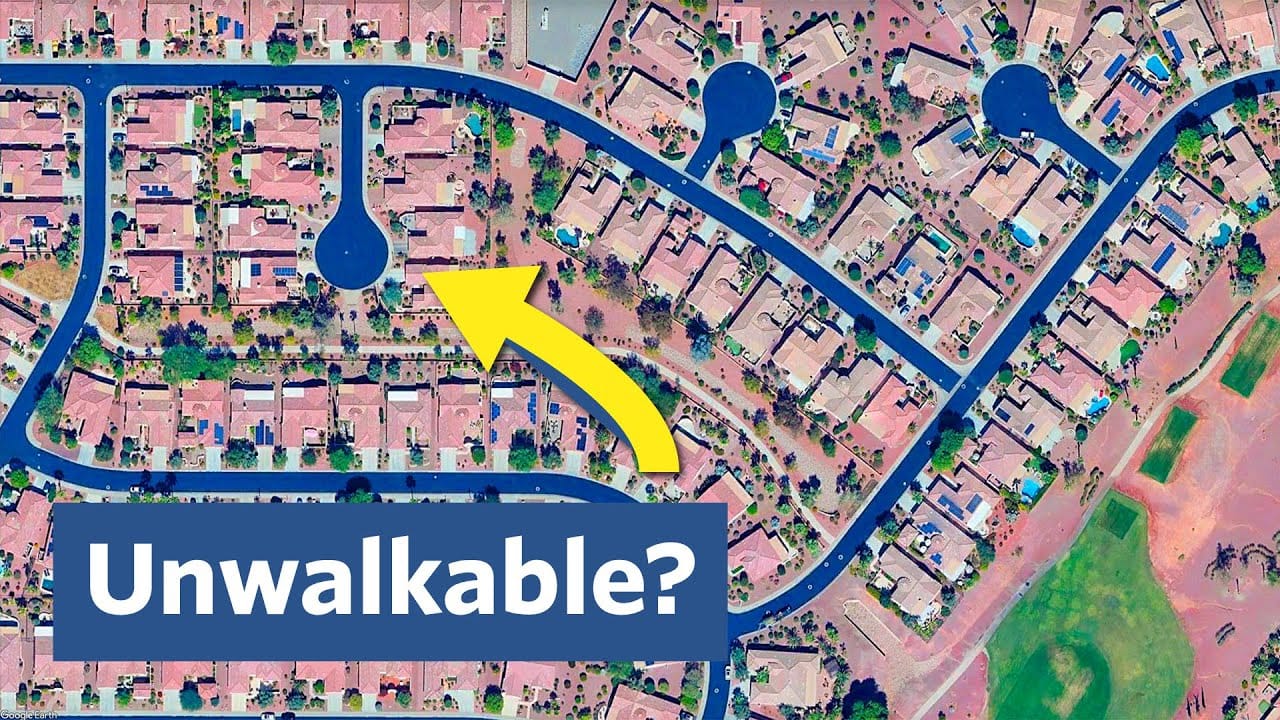
For decades, America’s road networks have become increasingly less gridded and connected, degrading the ability to walk and bike in communities. That’s been the consequence of America’s sprawling suburbs that emphasize the cul-de-sac. Is it still getting worse? Dave Amos of City Beautiful tries to a
The transportation levy on Seattle ballots this fall won’t grow beyond $1.55 billion, despite a push by transportation advocacy groups to go bigger. A Morales-backed amendment to increase the levy’s size failed Tuesday.
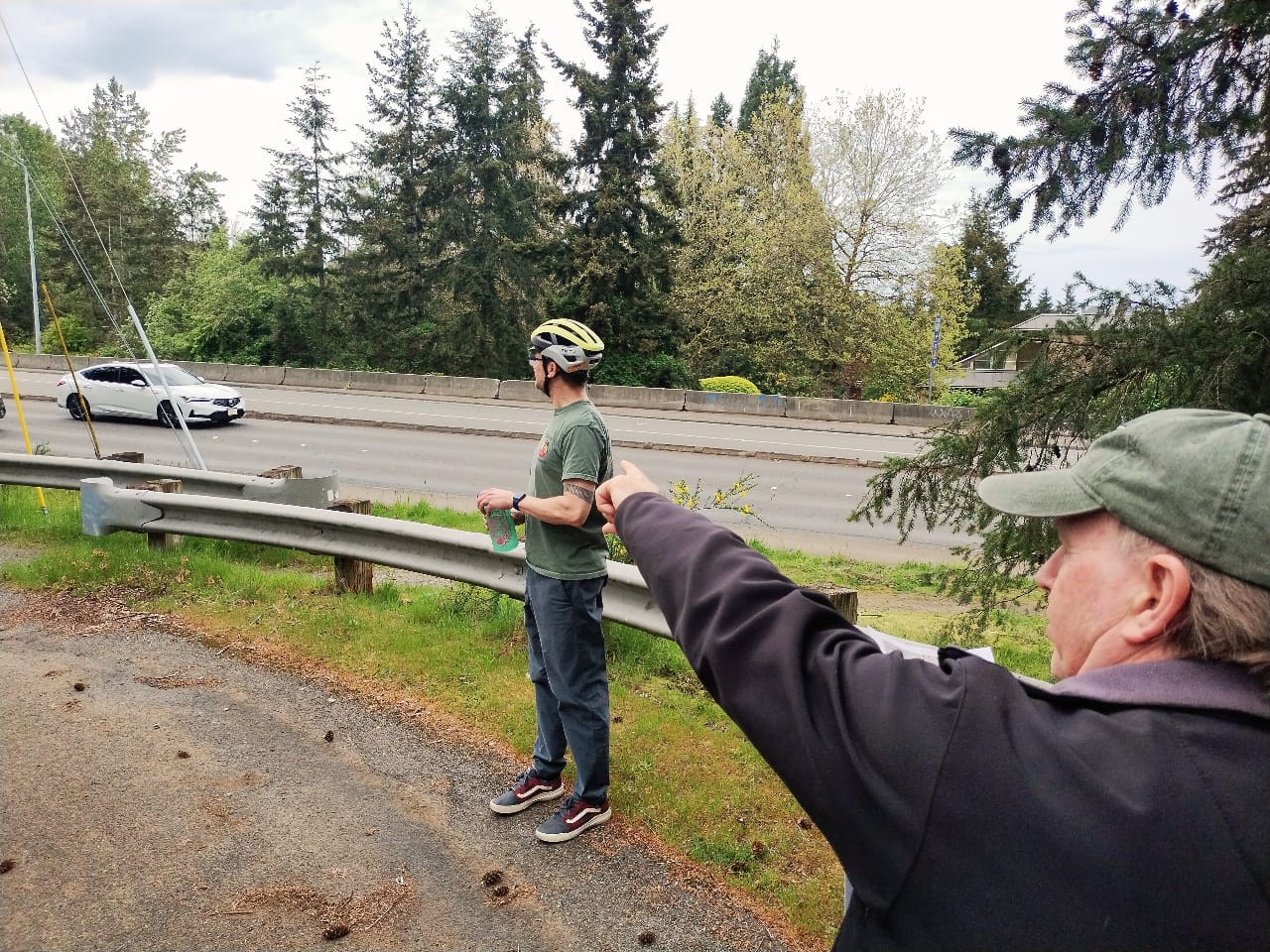
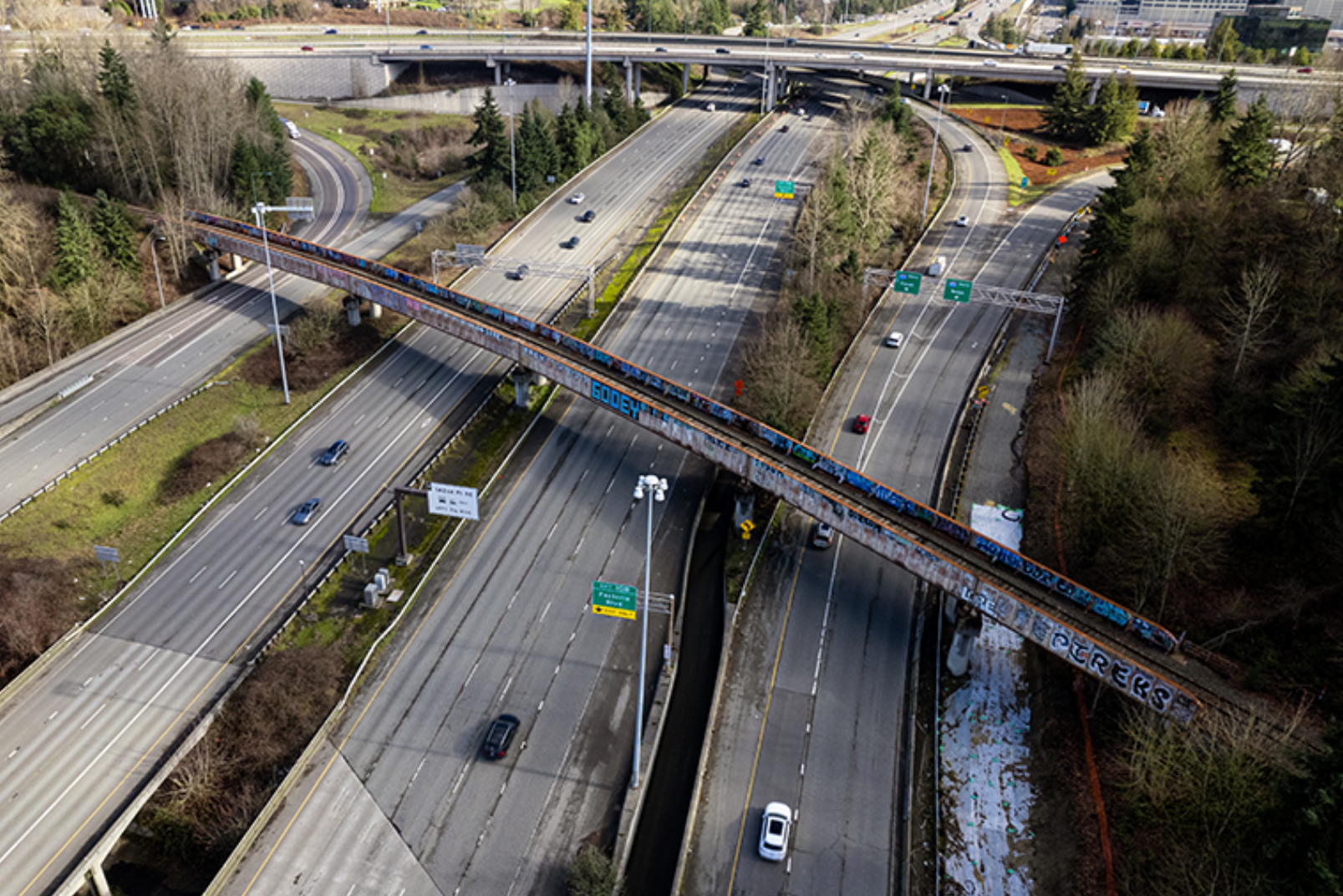
WSDOT is scrapping the planned SR 520 bike and pedestrian tunnel, forcing people who travel outside cars into dangerous territory. It’s not too late to push back and contact policymakers.
Councilmember Tammy Morales offered a new proposal Thursday for a $1.7 billion transportation levy that increases spending across a broad array of programs. None of her colleagues have yet backed the proposal.
Anna Zivarts recently published When Driving Isn’t an Option with Island Press, a book outlining her experience as a low-vision nondriver and shining a light on the frustrating, dangerous, and sometimes deadly situations involuntary nondrivers face every day. This is a letter she wrote in response t
The feds are awarding $25 million to nearly close the funding gap for a segment of Eastrail over I-90 and $5 million to advance design on the last segment of the trail in Woodinville.
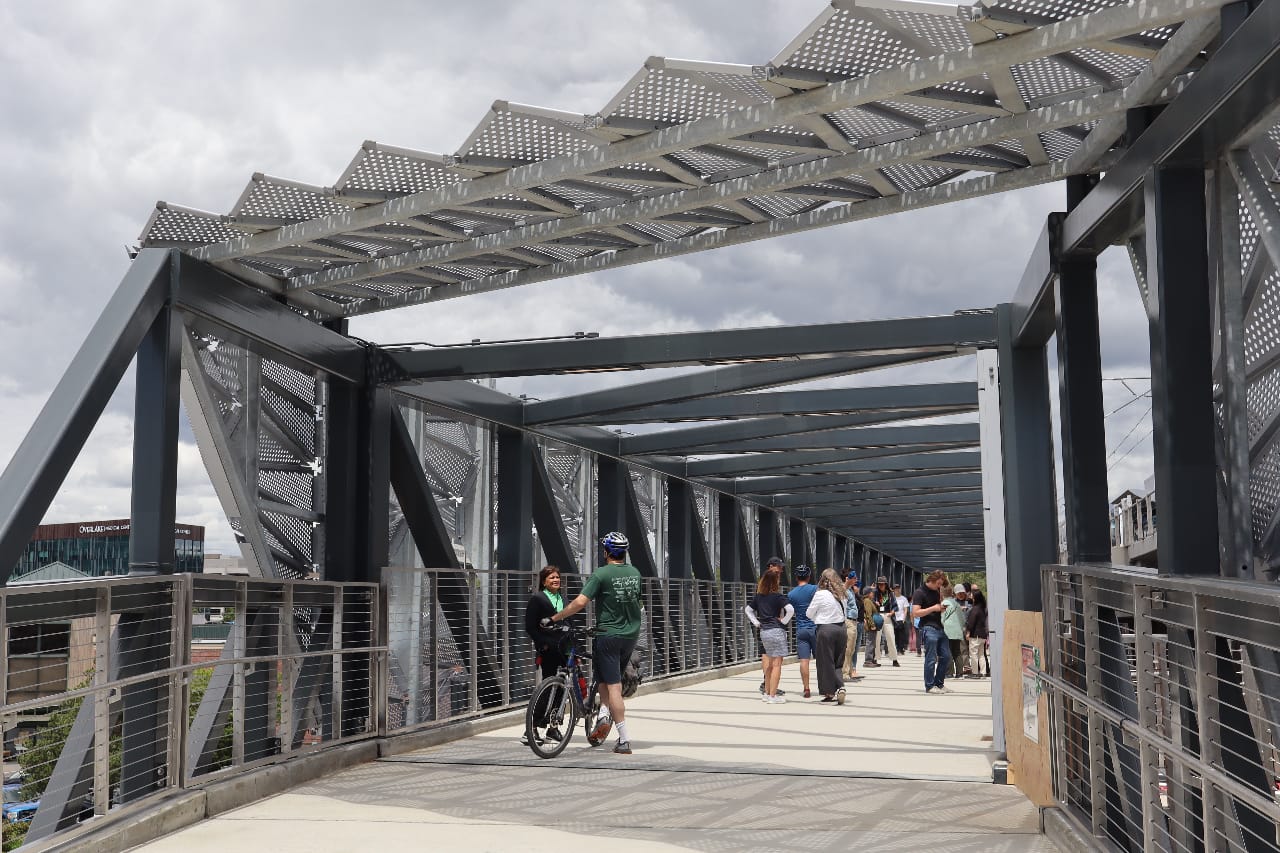
The new bridge linking Wilburton’s light rail station with the neighborhood to the south also includes artwork highlighting the history of Bellevue’s Japanese-American community.
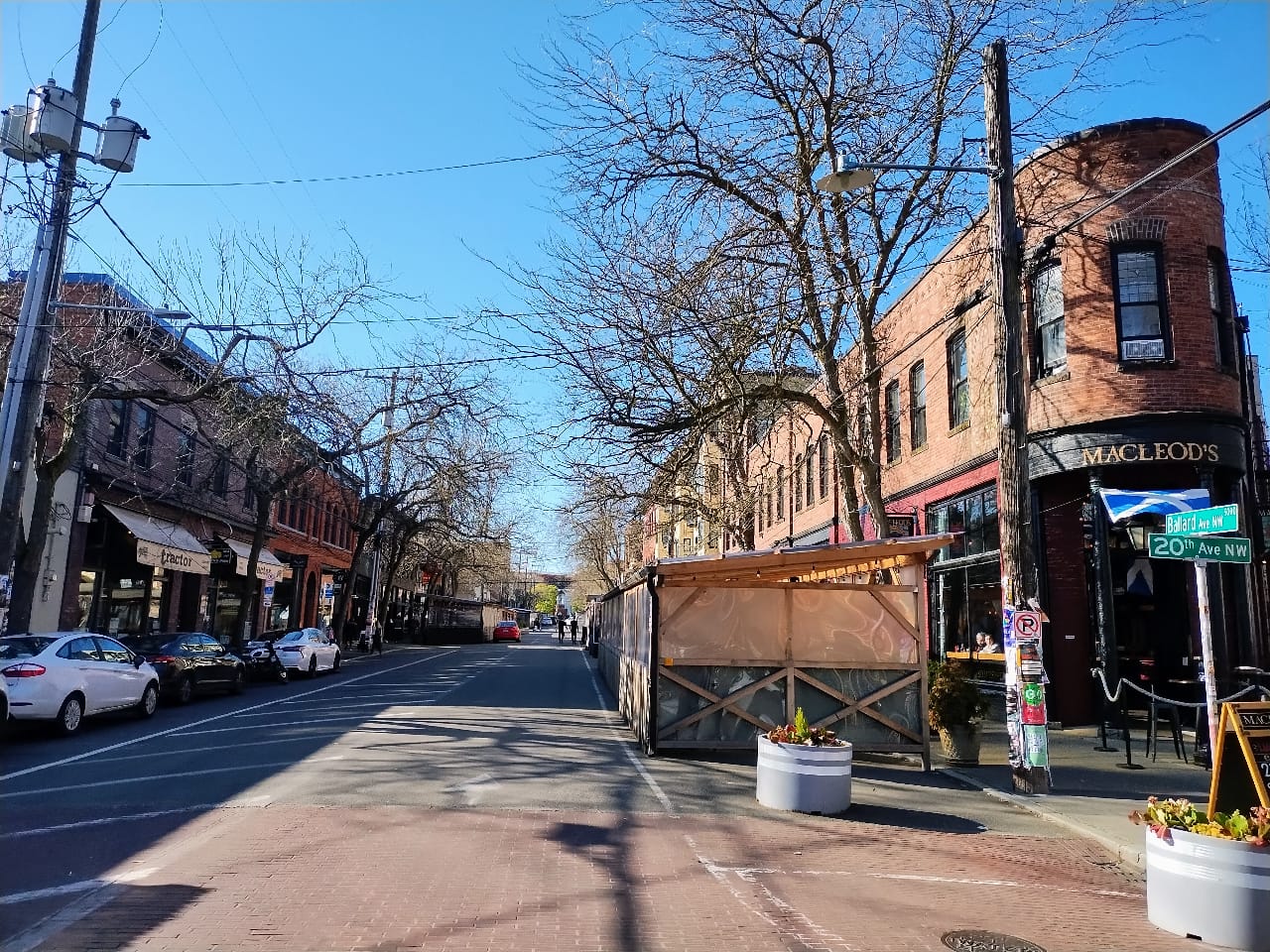
Seattle councilmembers are seeking to amend the $1.55 billion transportation levy proposal in a number of ways, including boosting sidewalk repair funds, closing a few gaps in protected bike routes, and further revamping the Ballard Avenue cafe street. Council will discuss amendments Tuesday in comm
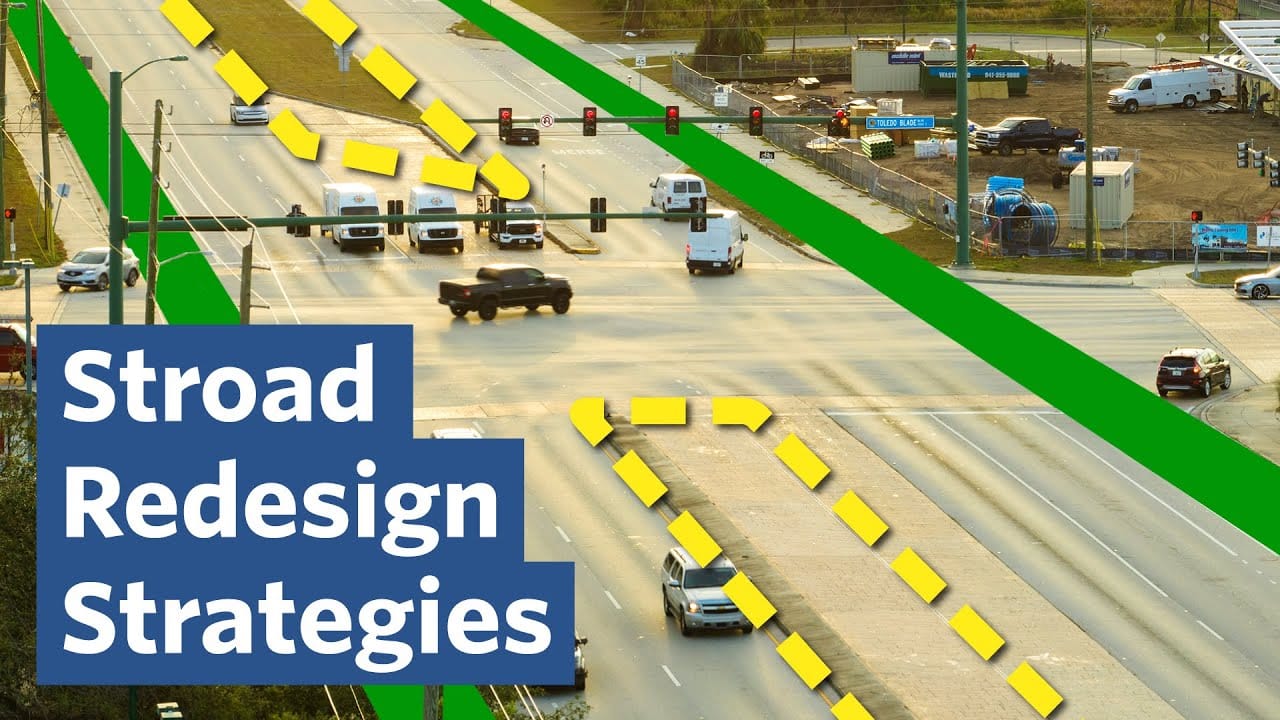
America’s suburbs are a land filled with stroads — street/road hybrids that are expensive to build and dangerous to use. Some communities want more walkability and bikeability, but making changes to stroads can be highly controversial and difficult to achieve. Dave Amos of City Beautiful picks out some egregious
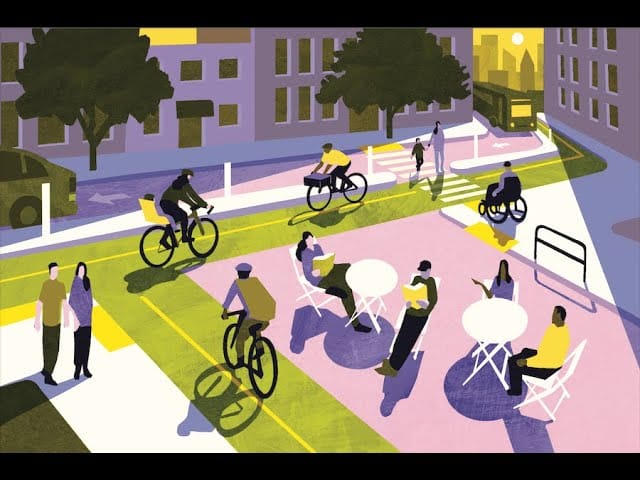
Seattle Neighborhood Greenways hosted a Town Hall Seattle event on building great streets featuring two leading practitioners. Check out the video and synopsis.
After initially announcing an expanded schedule for Bicycle Weekends, Seattle Parks walked it back. Internal emails reveal why.
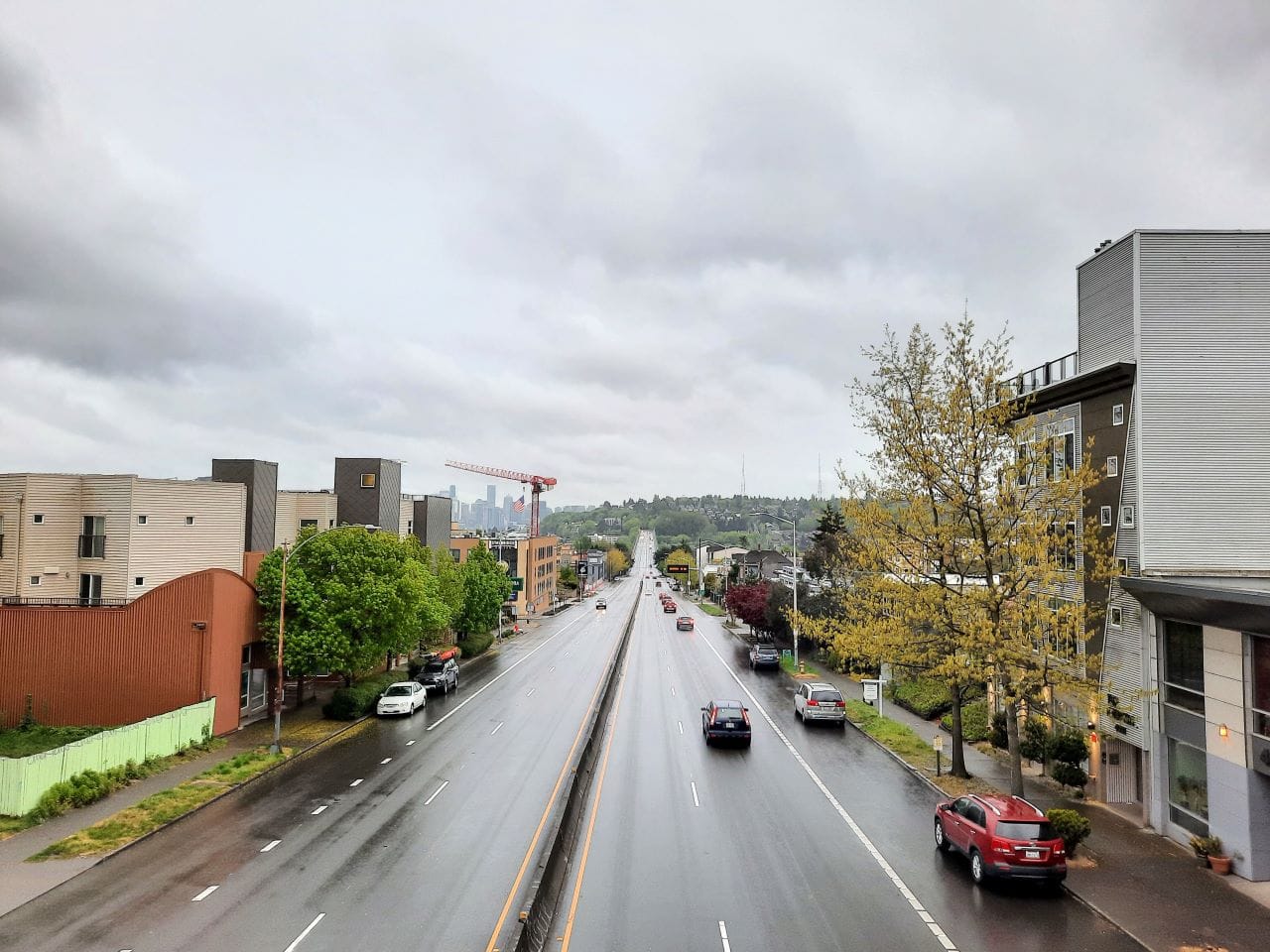
SDOT seems to assume Aurora Avenue cannot accommodate pedestrians, bicyclists, transit, cars, and freight simultaneously, but this design proposal that will do just that. In the process, it’d make the deadly corridor much safer for all users.
A planned overhaul of Shoreline’s 175th Street is prompting a call for a reset after complaints over tree removals. City leaders don’t appear ready to back off the planned multimodal improvements.
King County’s trail network is a great resource for getting around without a car, but outdated rules limiting access are getting overhauled to allow greater use.
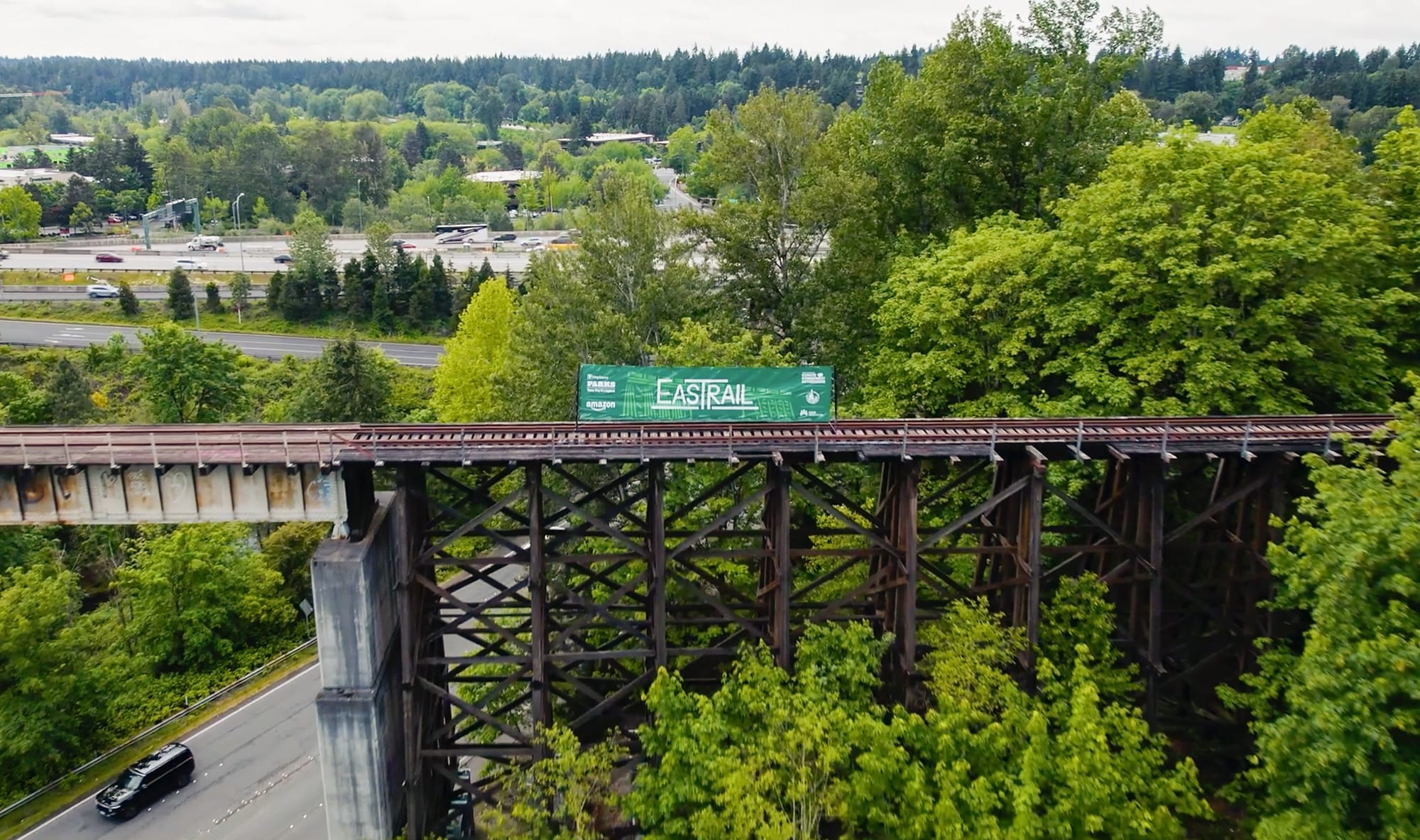
Last week, King County celebrated the start of construction on a $37 million project to upgrade Bellevue’s Wilburton Trestle and create one of the most pivotal and scenic spans of the Eastrail. The Eastside walking and biking trail will ultimately stretch 42 miles between Renton and Woodinville.
After building over 40 miles of protected bike lanes since 2015, the City of Seattle only promises around 10 additional miles through 2032. The potential for extra projects depend on additional funding beyond the mayor’s levy proposal.
The Seattle Department of Transportation’s project delivery is ramping up in 2024. What does that tell us about where the department is heading under a new levy?
People biking, walking, rolling, and driving through the busy intersection of Dexter Avenue and Thomas Street are now interacting in a new way, with protection that research shows cuts down on the risk of collisions.
WSDOT is set to delete the 10th Avenue E tunnel underpass from Seattle’s planned Roanoke Lid despite only saving around 10 to 15 million dollars.
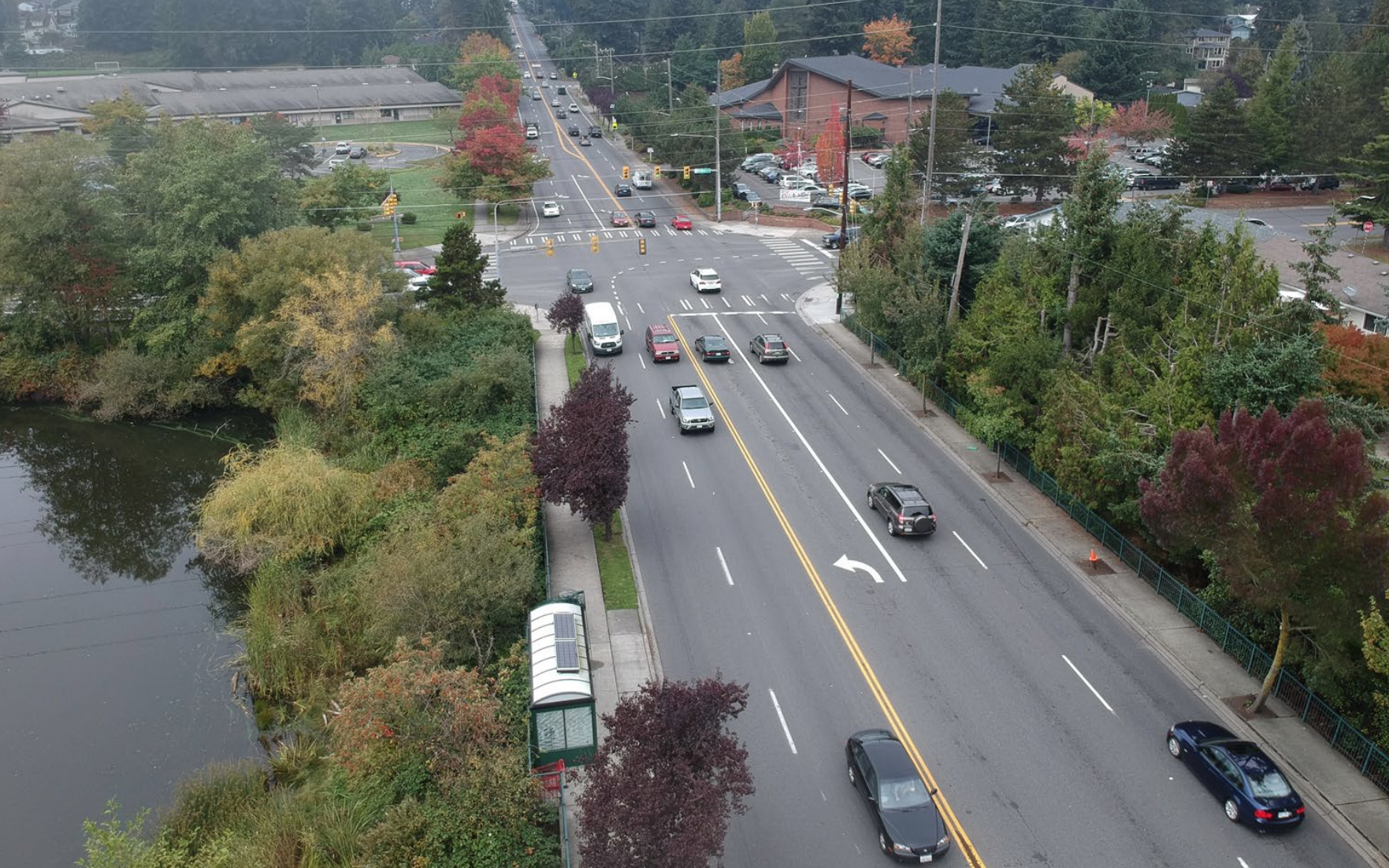
State highways like SR 900 in Skyway are missing safe places to bike and walk. A mandate to fix that could be expedited by an ambitious $100 million grant that the state is seeking from the EPA.
A long-planned 10th Avenue underpass intended to enable easier walking and biking trips is set to be dropped from one of the state’s biggest highway megaprojects as a cost-cutting measure.
Months before Seattle’s waterfront trail opens to people on bikes, the City finally has a plan to connect it to the rest of the downtown bike network.
From e-bike rebates to congestion pricing, policy should incentivize healthy, eco-friendly choices. These six ideas can achieve a dramatic mode shift away from driving and toward transit, biking, walking, and rolling.