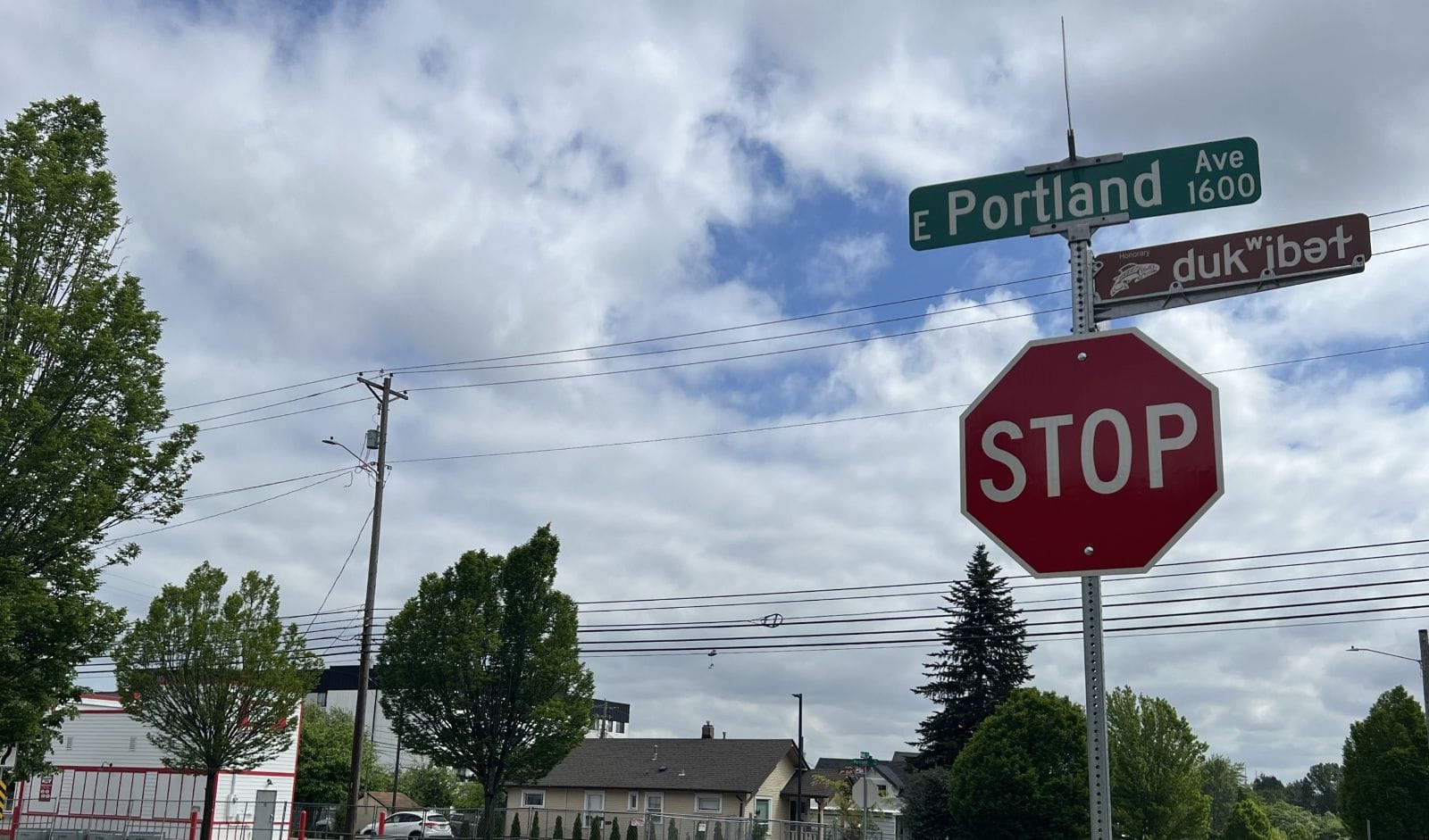
Tacoma Pushes to Reimagine Crash-Prone Portland Avenue
Between safety upgrades and proposed new bus route, one of Tacoma’s most dangerous roads may see a safer future. The changes are a long time in the making.
Between safety upgrades and proposed new bus route, one of Tacoma’s most dangerous roads may see a safer future. The changes are a long time in the making.
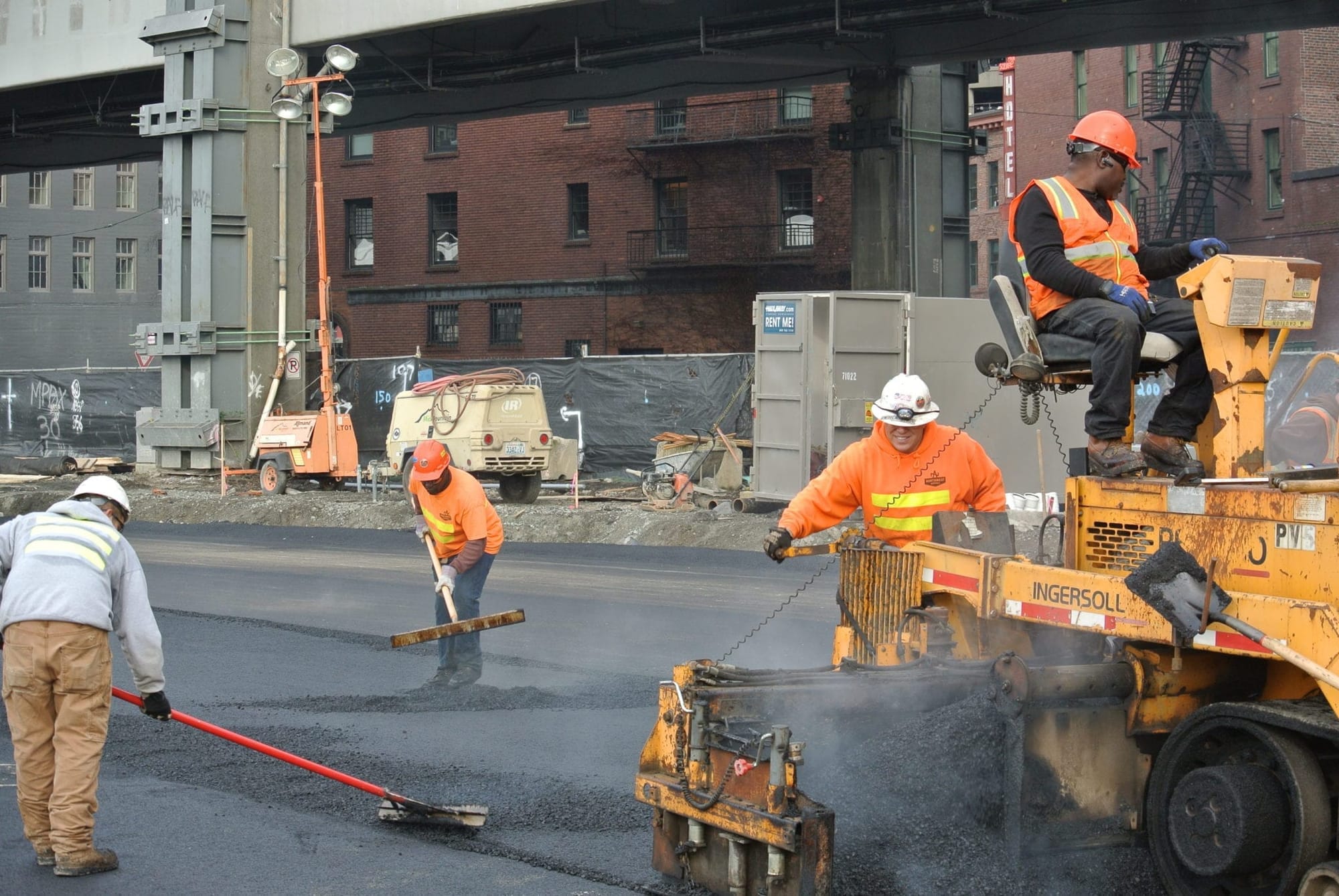
Without major action, the Seattle Department of Transportation would have been looking at a $113 million deficit in its transportation fund by 2028, department leaders said Monday. Cuts that are already underway will impact road and bridge maintenance but not Vision Zero work.
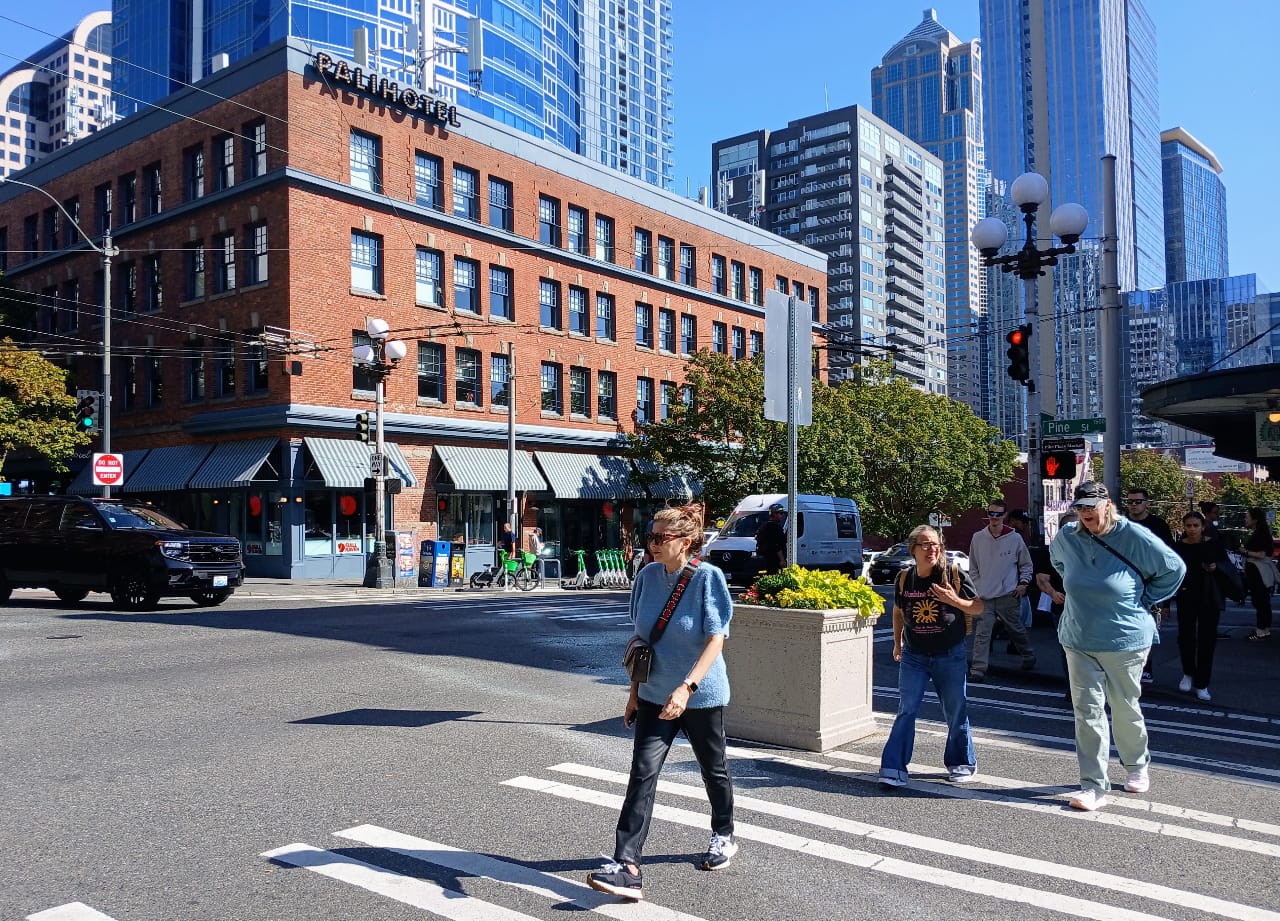
A contentious change giving SDOT more authority to change streets within Seattle's historic districts was approved Thursday on a 3-2 committee vote. Traffic safety advocates had been pushing for a way to elevate safety-related changes outside the normal approval process.
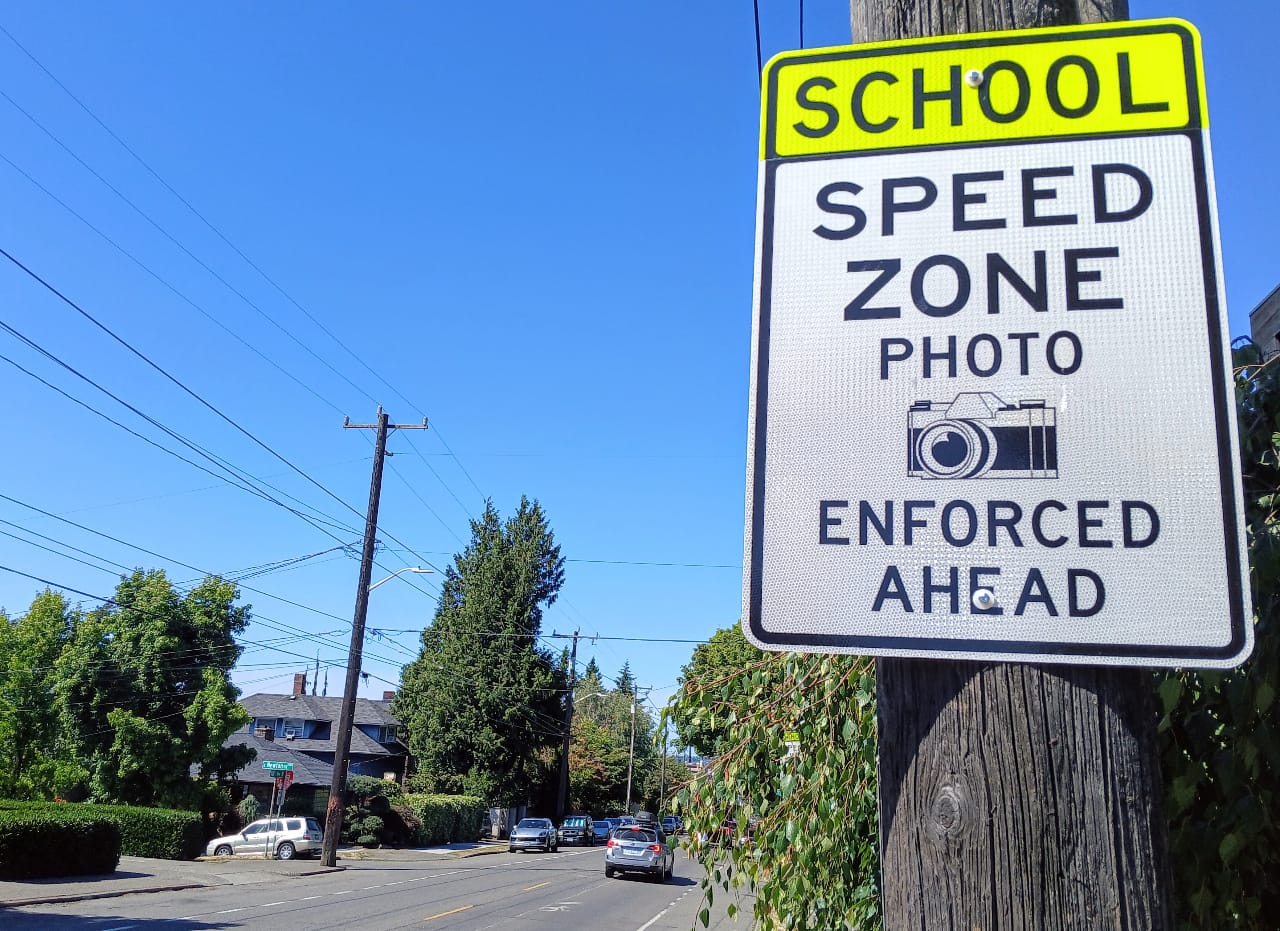
The four new camera locations, set to be implemented in 2027, will be Seattle's first 24/7 speed cameras after decades of enforcing speeds in school zones. The locations were chosen based on a prevalence of speeding and serious crashes.
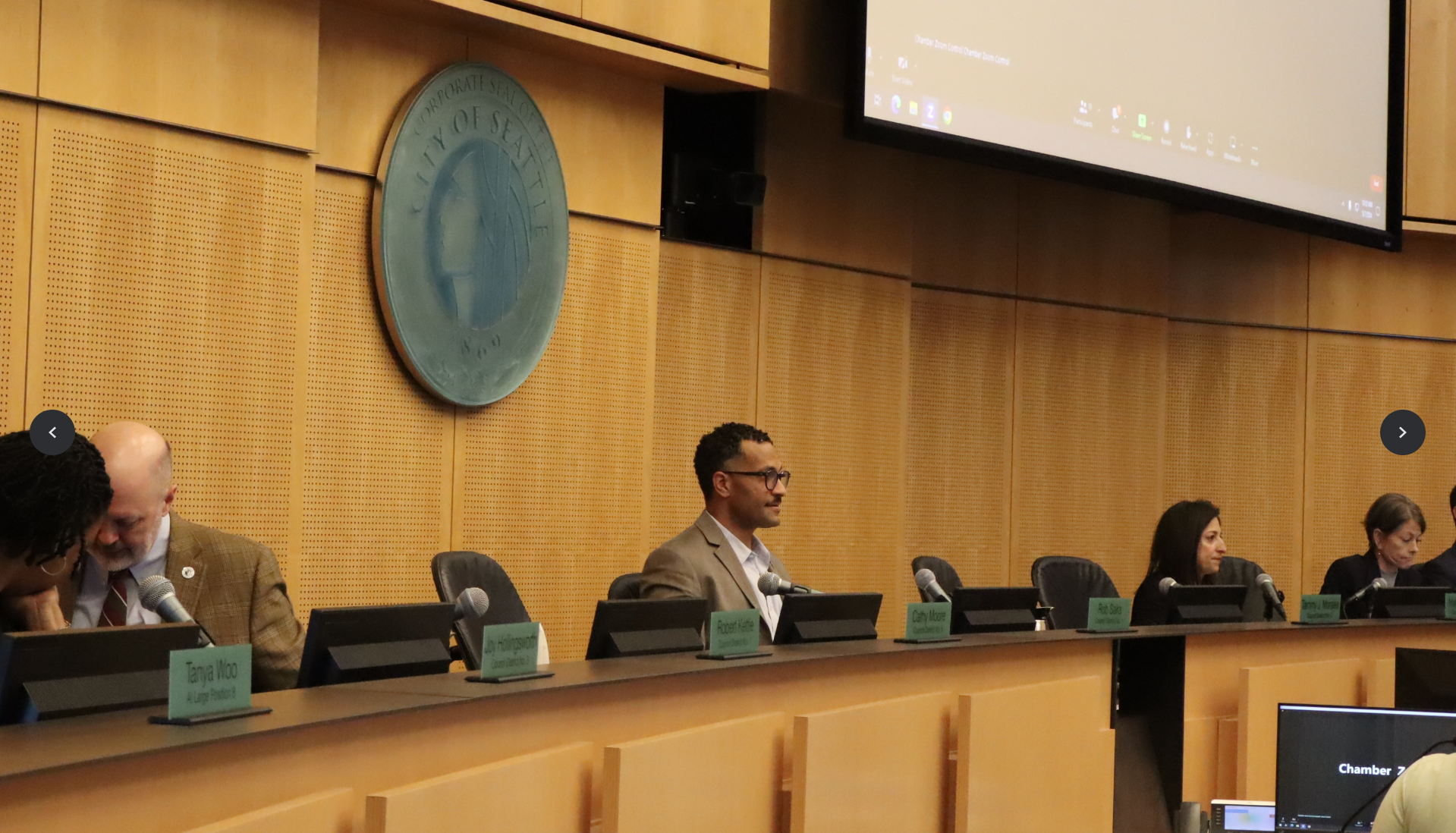
The package would add authority for SDOT officials to address traffic safety, and ask for recommendations on faster post-crash review and potential safety upgrades for City contractors. But a mad dash to pass the legislation before fall budget season is leading Saka to cut some corners.
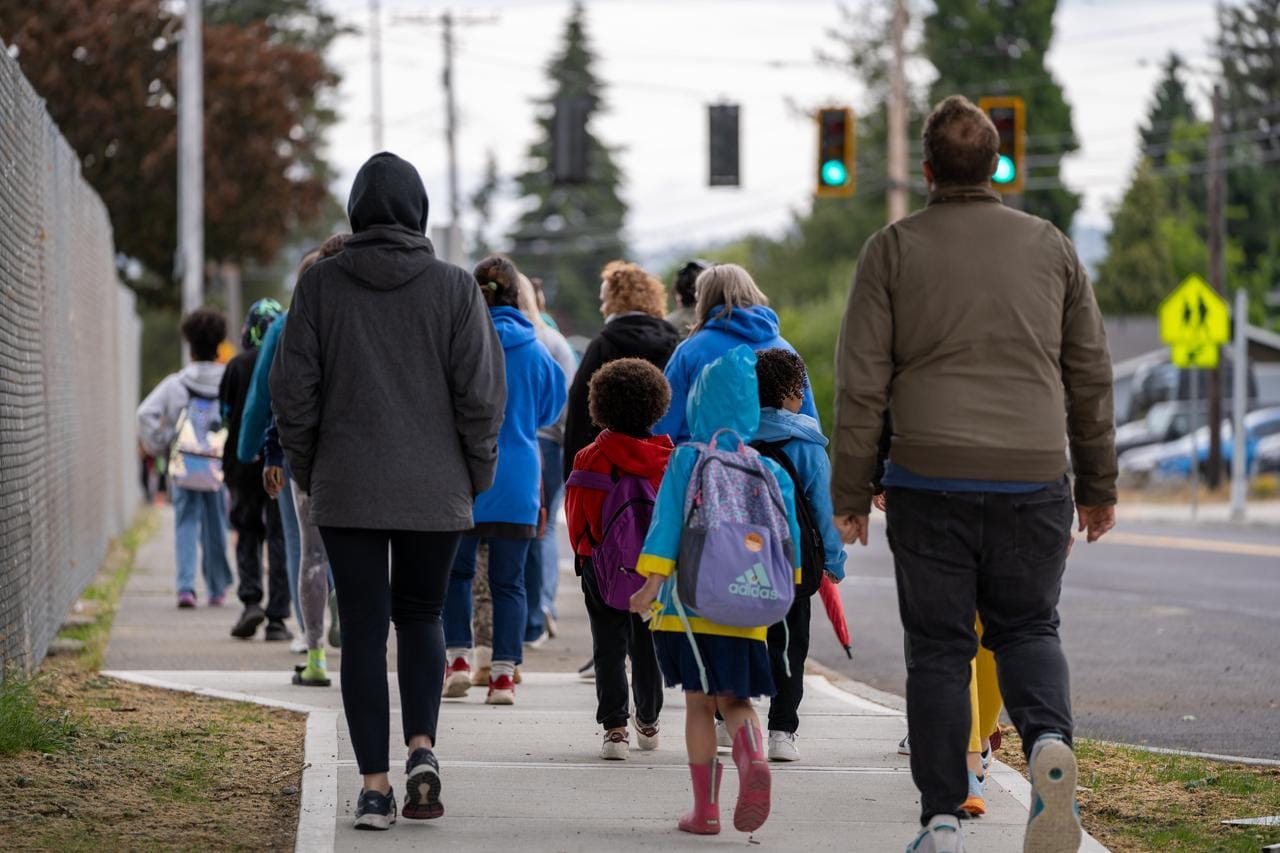
Tacoma officials are queuing up outreach and planning efforts to invest $320 million in transportation funding that voters approved last month. Advocates hope the levy can help the Grit City take a leap forward on safe streets.
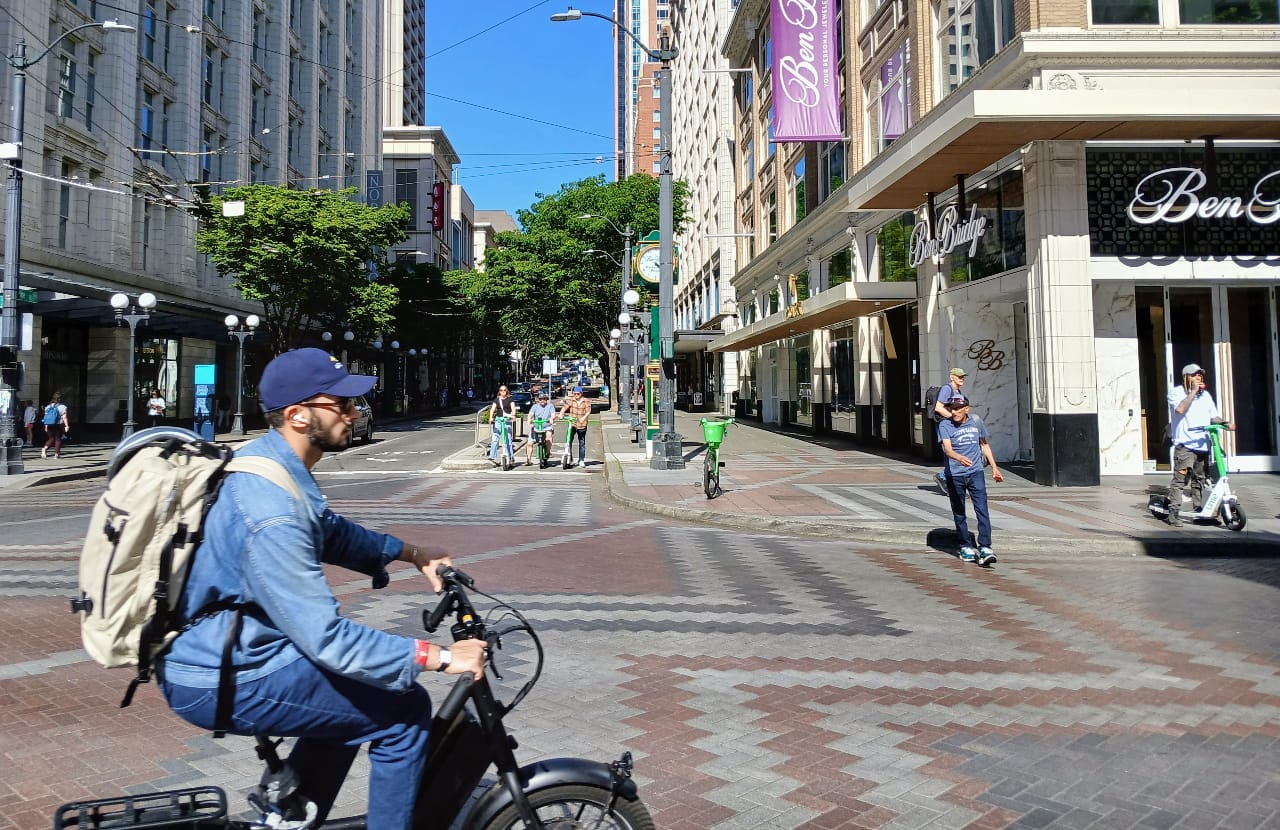
The five-part order directs changes across multiple City departments intended to improve safety outcomes. Most notably, SDOT will speed up work on a slate of Vision Zero projects, and start to include intersection daylighting in routine work moving forward.
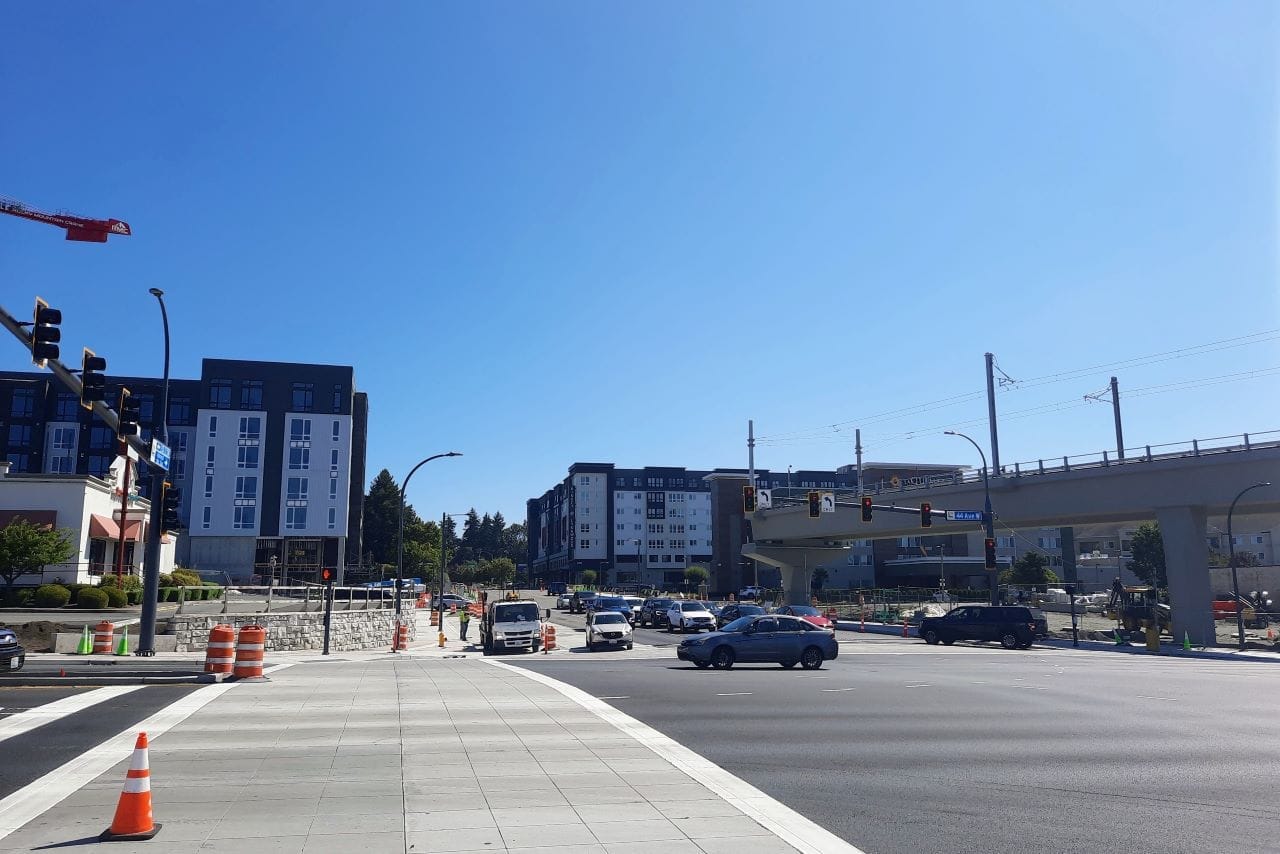
On top of concerns about lack of city resources, officials in Lynnwood have cited a relatively low number of road fatalities compared to other cities and an inability to make a difference in impaired and distracted driving as reasons to shy away from a Vision Zero action plan.
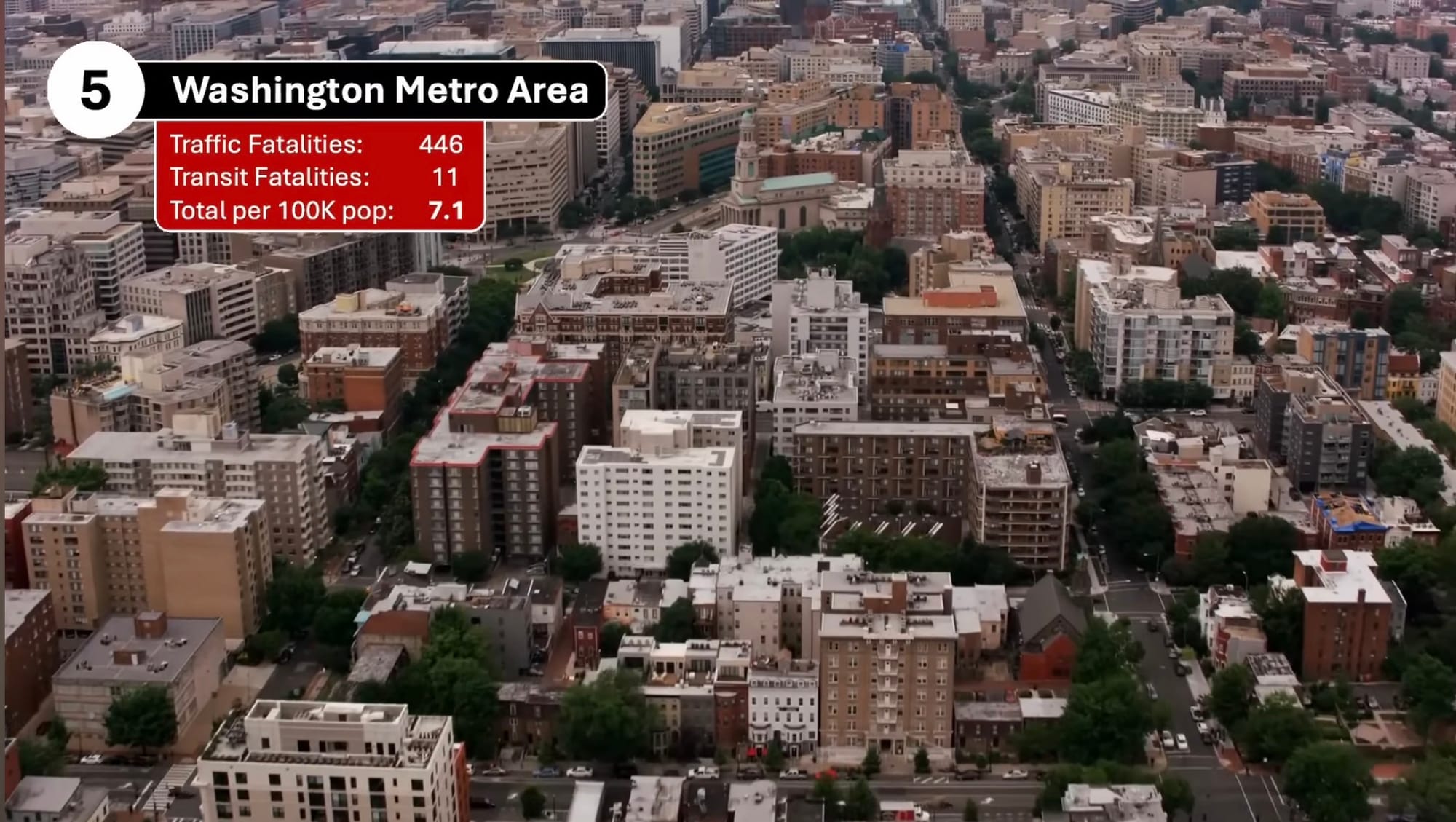
In this video, Ray Delahanty ranks the country’s most and least safest metropolitan transportation systems in the country, and breaks out the data between road and transit fatalities. Seattle is in the Top 10 safest.
Join the SAFE Bellevue Coalition in sending a letter to city leaders to show your support for a future-focused Bellevue budget that is committed to reducing the high rate of serious injuries on our streets.
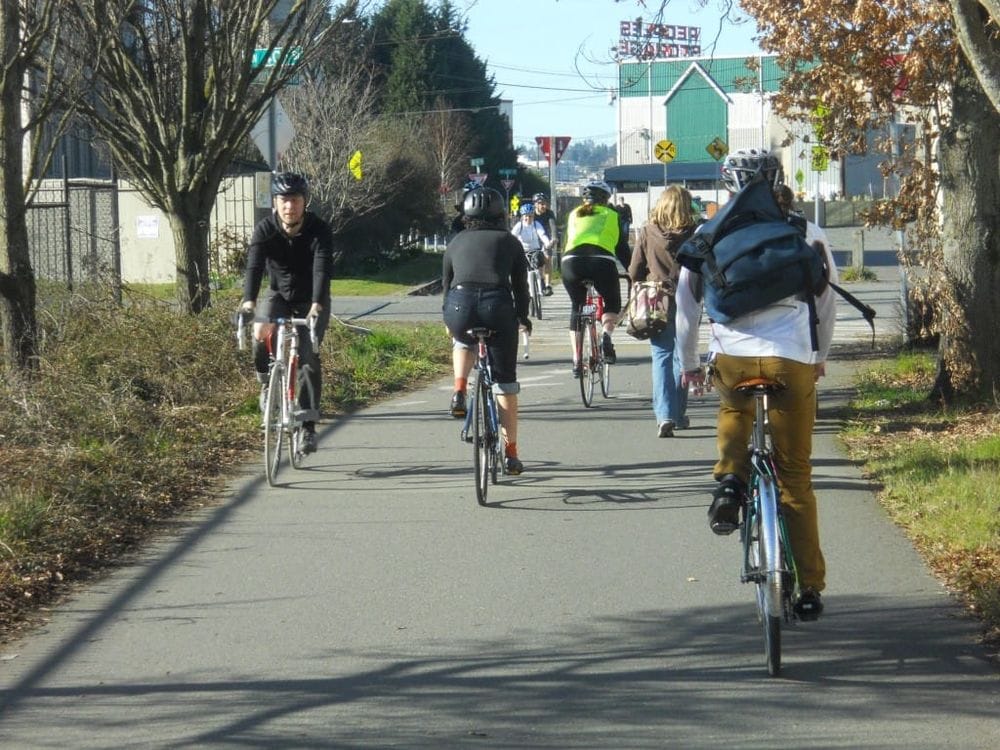
The ruling is the latest legal hurdle tripping up a proposal to close a 1.4-mile gap in the Burke-Gilman Trail, which a group of Ballard businesses has been fighting since 2008. Delays have heightened scrutiny of state environmental laws more broadly.
The state passed a shared streets law in 2025, and it's time for Seattle to seize the opportunity and reclaim streets for people. Half measures aren't cutting it.
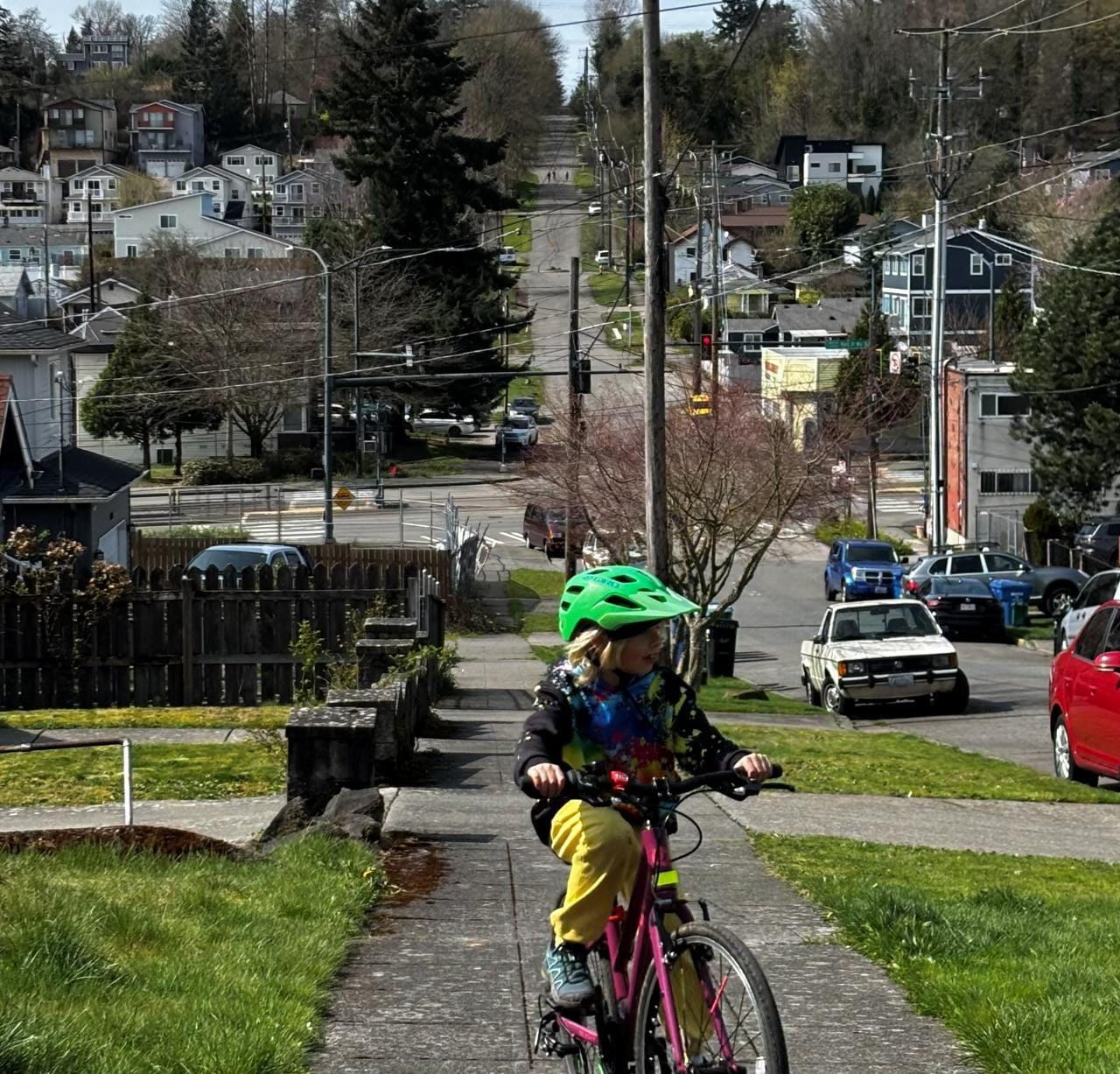
The tragic death of elementary school teacher Christian Salyer underscores that the City has neglected the safe bike network in South Seattle too long. It’s time to change that.
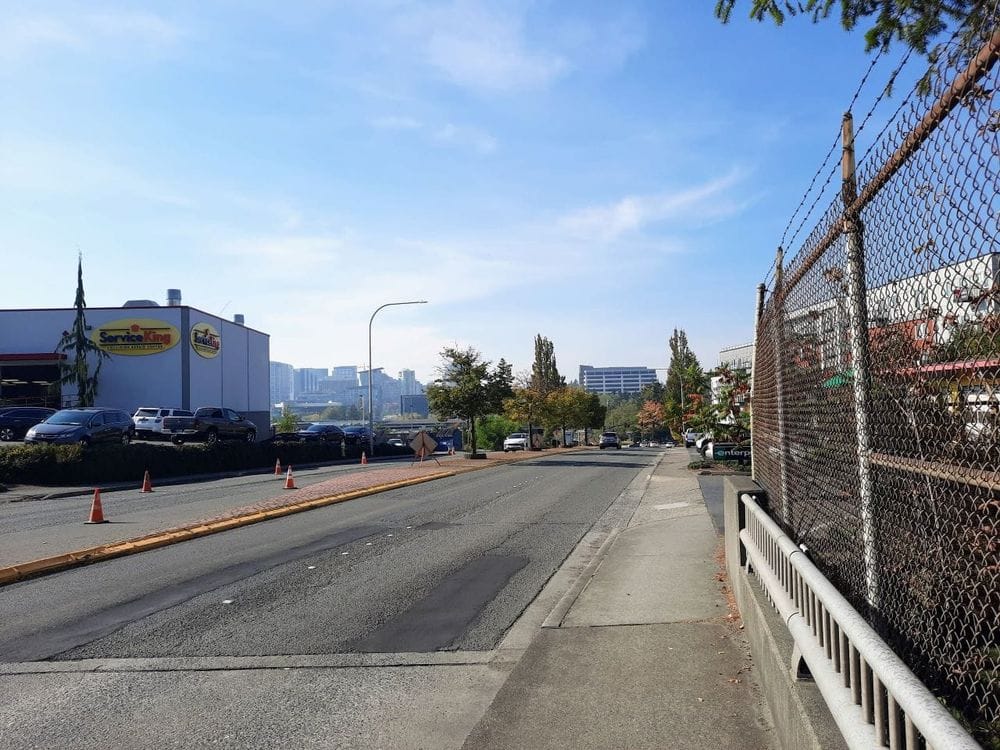
Starting downtown in early 2027, 84% of Bellevue streets that currently have a speed limit of 30 mph or higher will see reductions. This widely supported change sets the groundwork for broader street upgrades, likely to be more contentious.
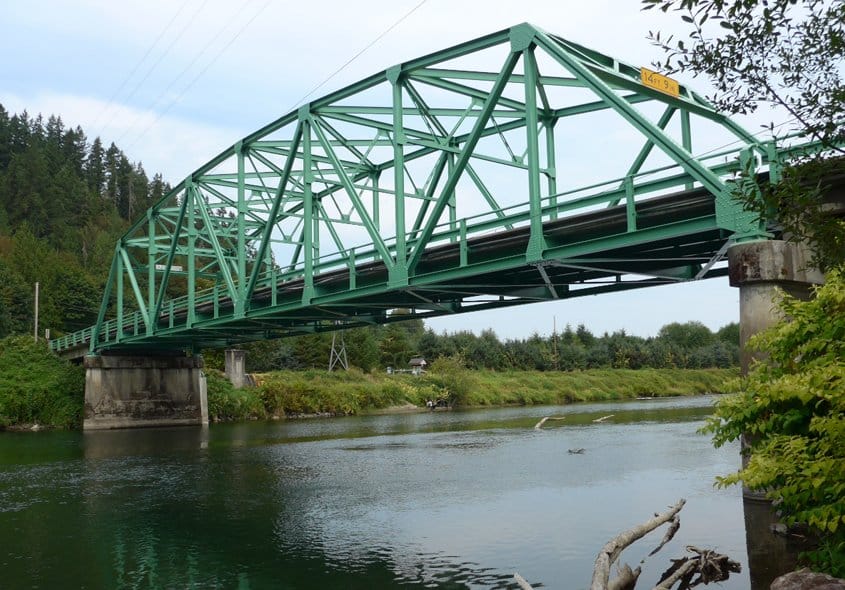
Around $90 million per year in additional funding will bolster King County's roads division thanks to the 5-4 vote, with a small pass-through program providing a slice of the pie to local cities and towns. A provision capping Seattle's cut of that funding was ultimately defeated.
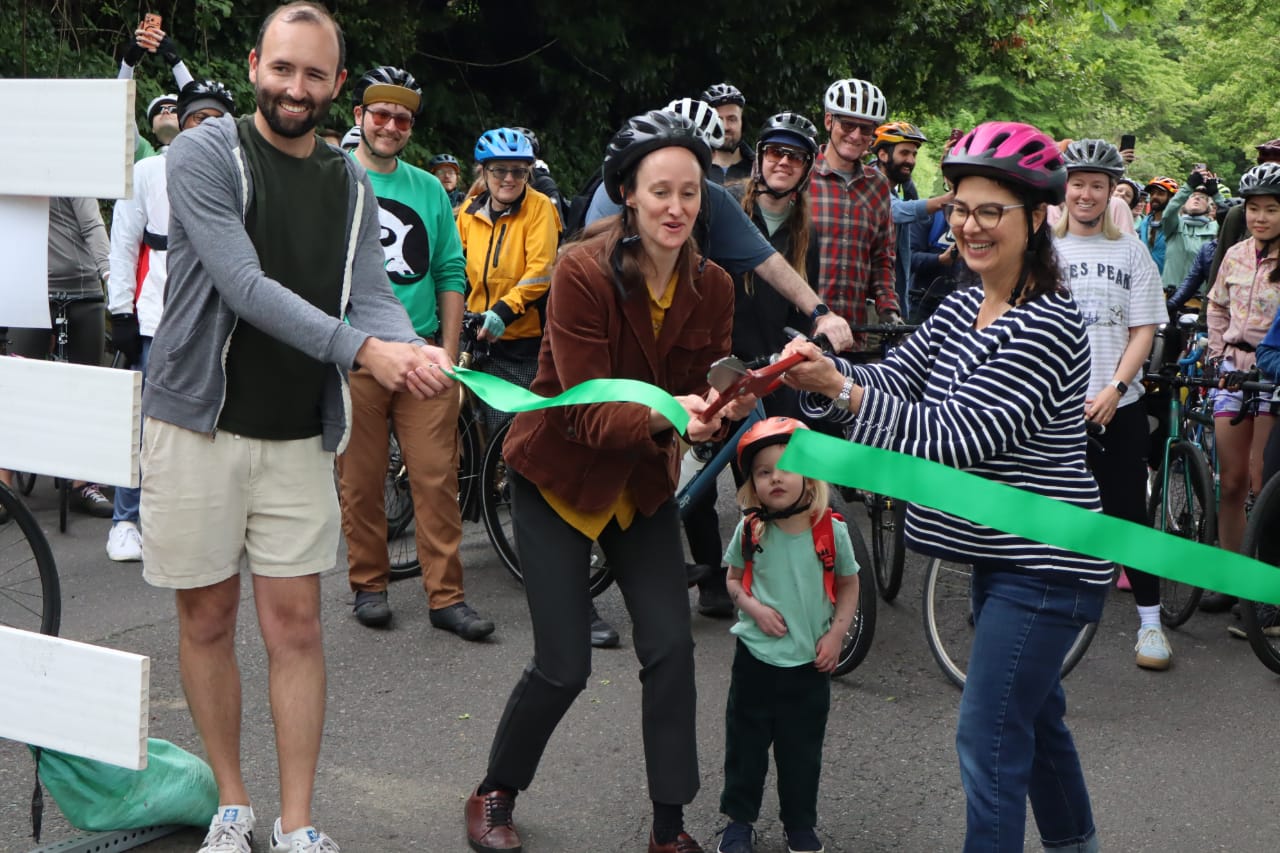
Hundreds of Seattleites turned out Saturday to celebrate the start of the 2026 Bicycle Weekend schedule, scaled back up by Mayor Katie Wilson after being stifled under the previous administration.
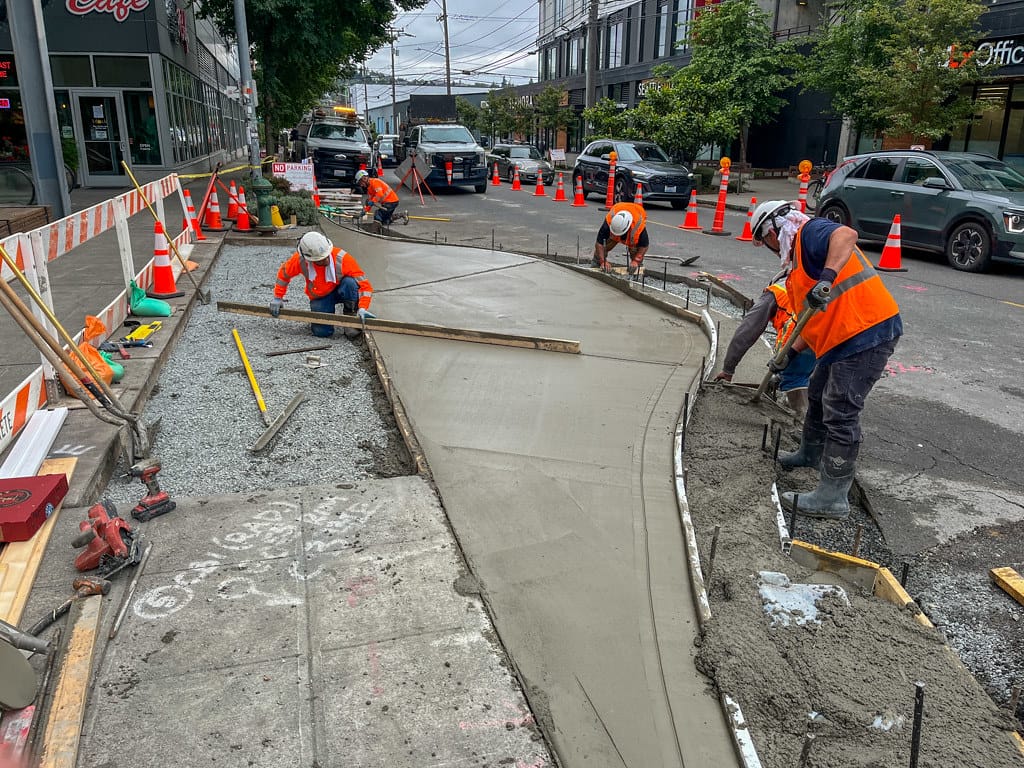
An amendment put forward by King County Councilmember Steffanie Fain would cap Seattle's participation in a new pass-through funding program to well below the city's proportional share, resulting in millions less going to the city.

"It may take a few generations to solve the problem," Walsh told his colleagues, seeming to blame people hit by drivers while walking in Federal Way. His comments are far from being an outlier in the pedestrian-hostile city.
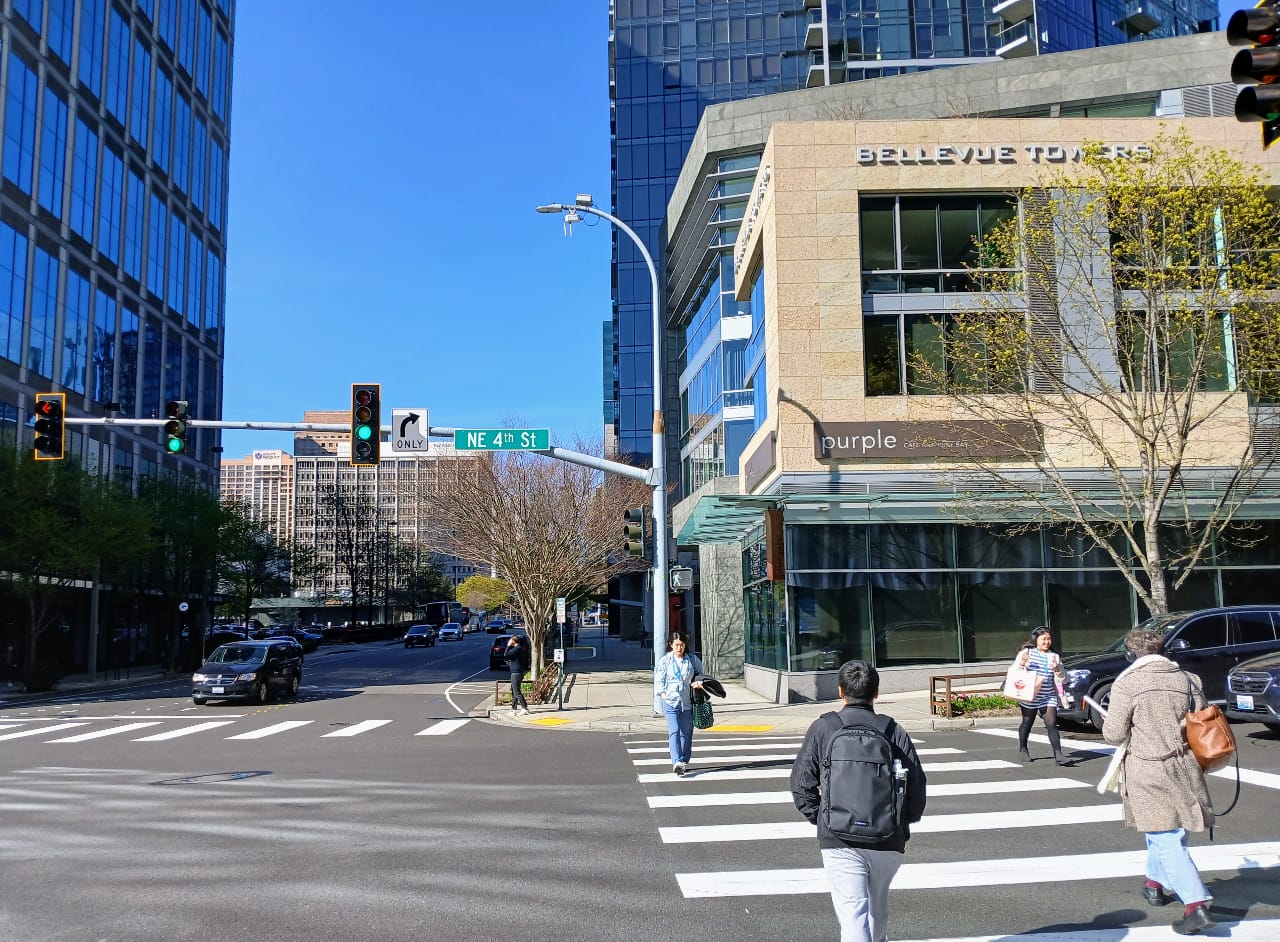
Bellevue Transportation Director Andrew Singelakis told city councilmembers he'd like to see spending on vehicle mobility ramp up from 10% to 25% of the city's spending on transportation. That looks to be at odds with Council, which is focused on safety investments.
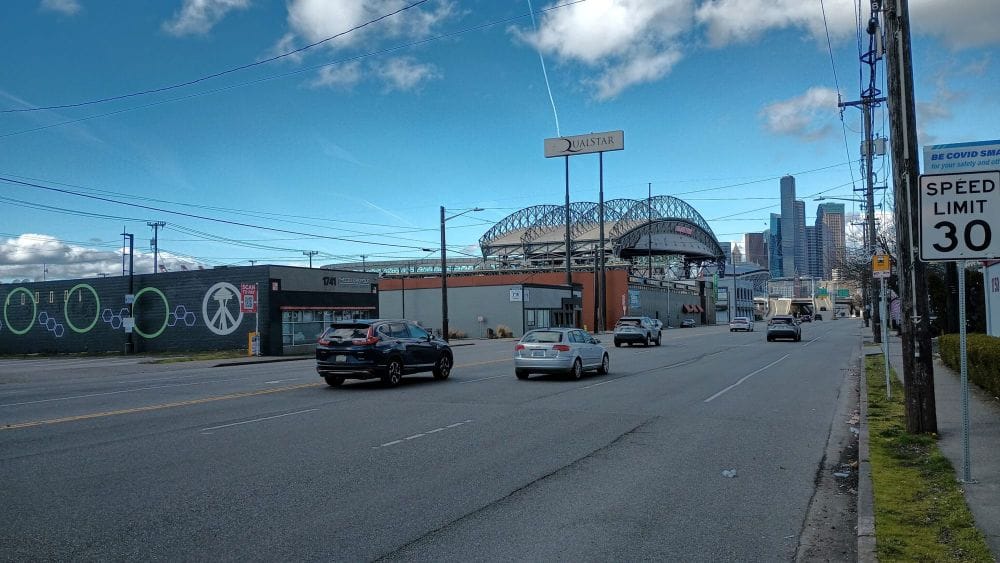
One of Seattle's most dangerous, crash-prone streets will see a big jump in transit riders once construction on West Seattle Link light rail gets fully underway, closing the SoDo busway. Upgrades at two key intersections are just the start of mitigation work.
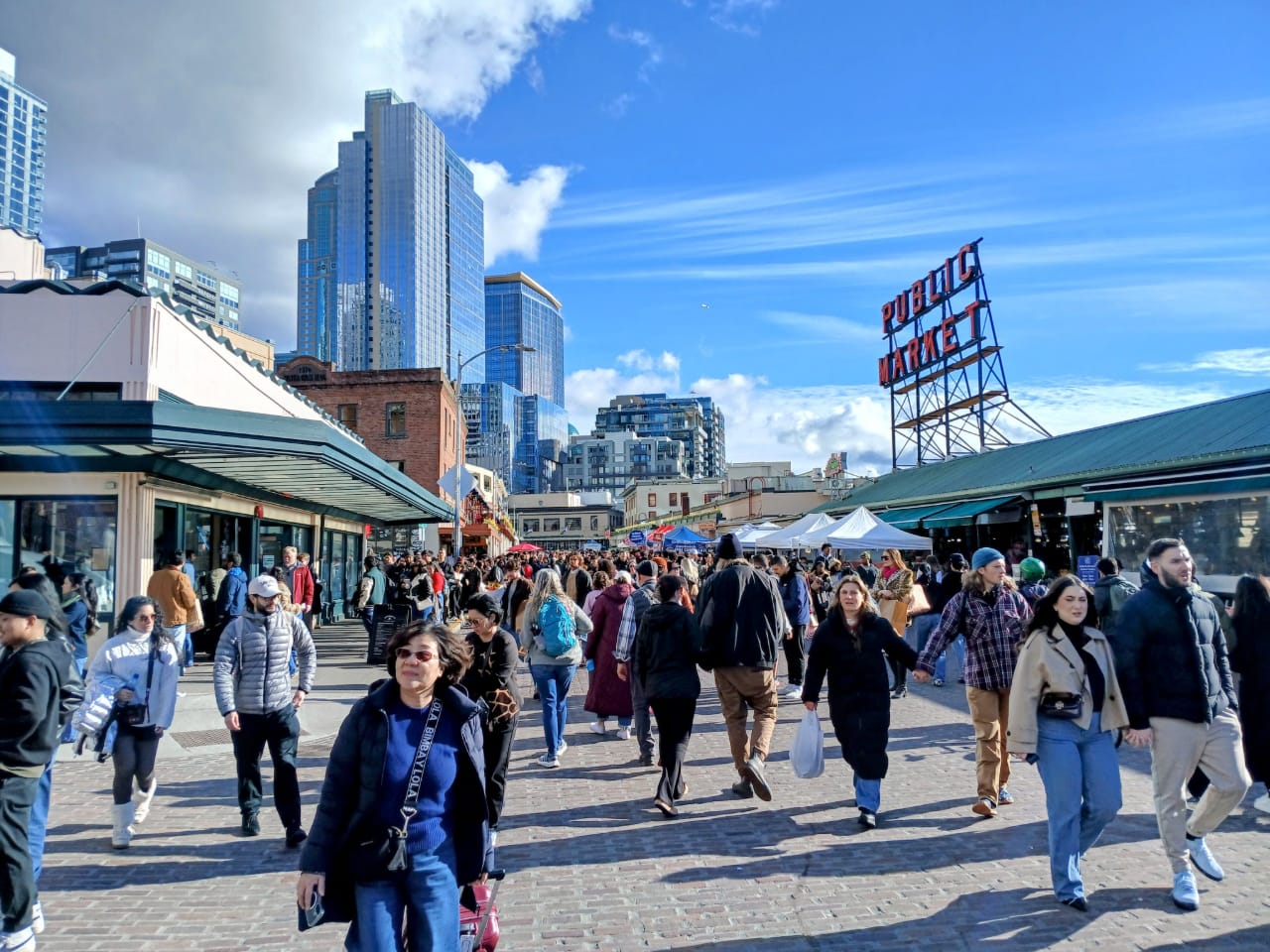
All signs point to Seattle's pilot program limiting car access to Pike Place being a success: sales were up 6.5% in 2025 compared to 2024, and the number of local visitors jumped by 5.6%. As the City considers permanent changes, a pedestrianized Pike Place still has its detractors.
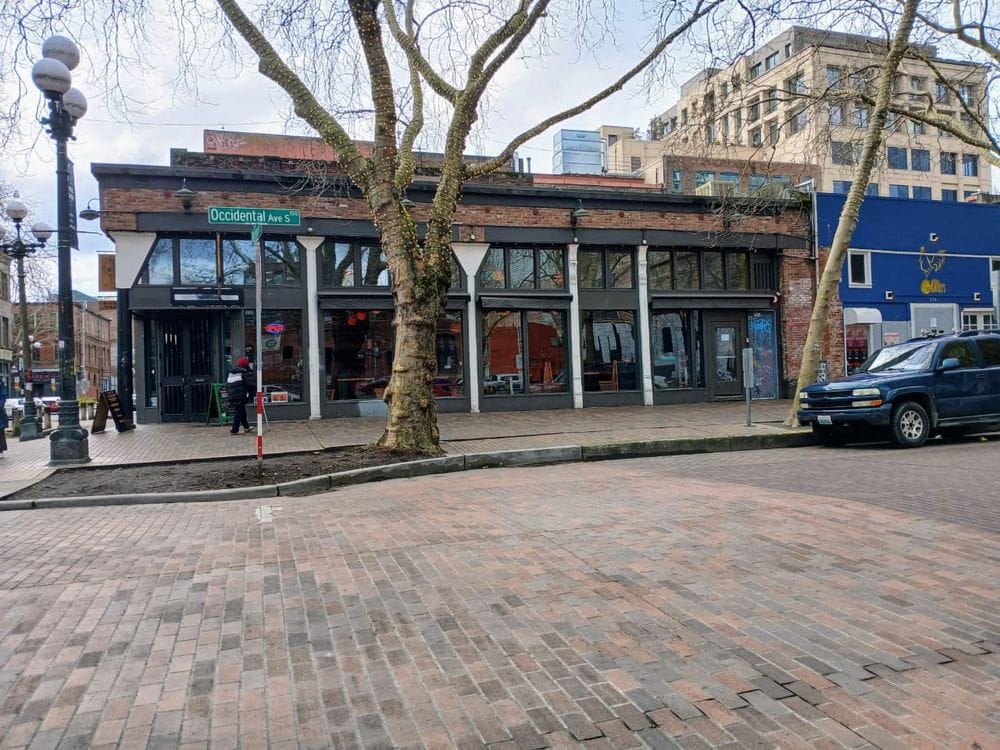
A plan to add 21 on-street bike and scooter corrals in a joint effort to keep sidewalks clear and maintain visibility at intersections has been reduced to just 3 corrals. Neighborhood business advocates raised concerns around aesthetics and parking removal, despite a limited impact on legal spots.
Despite committing to eliminate deaths and serious injuries on city roadways by 2030, the numbers in Seattle aren't declining. Though a recent call for a performance audit has attracted attention, it will ultimately fall to Katie Wilson to orient SDOT toward safety.
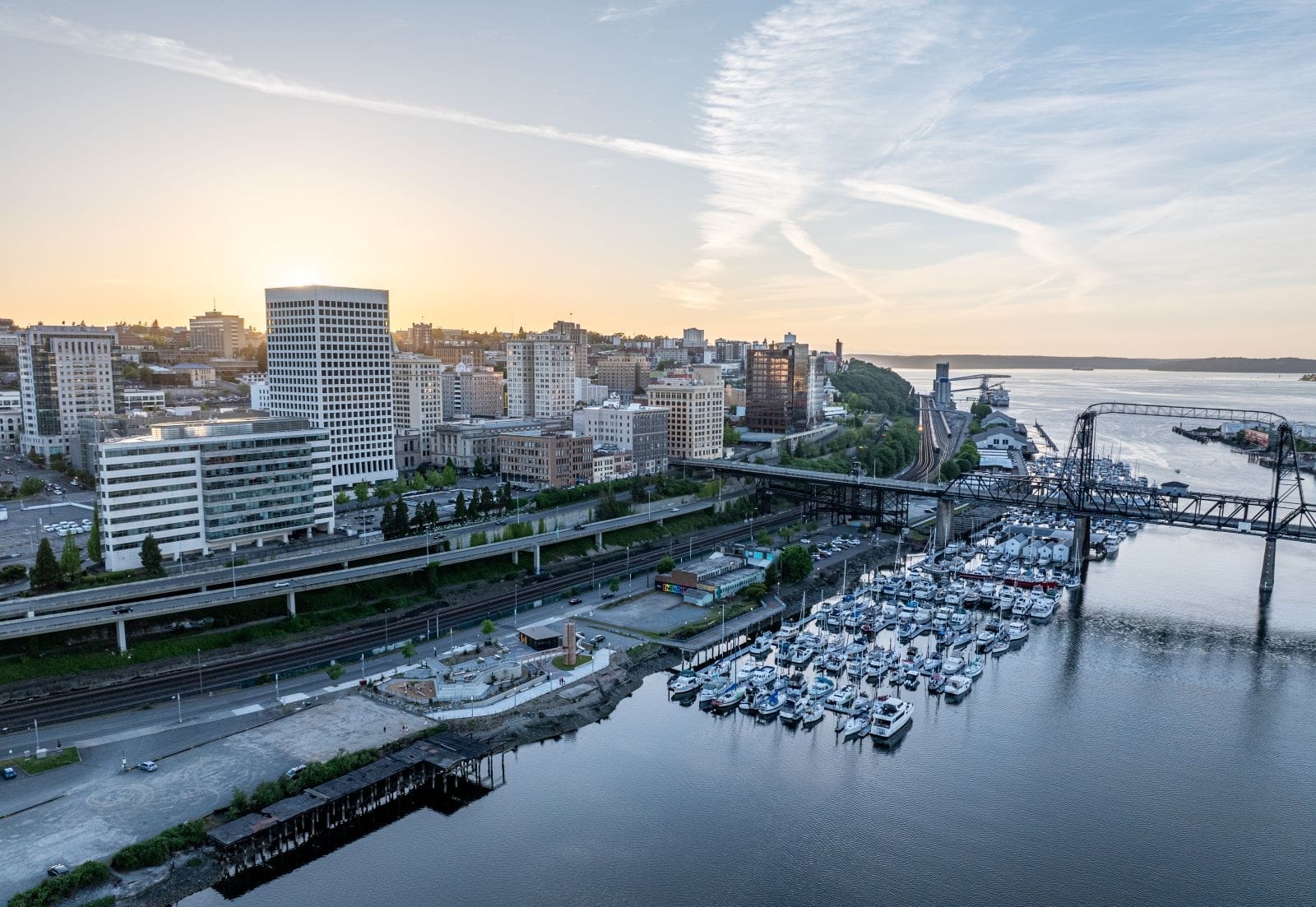
The Tacoma City Council voted Tuesday to put a new “Connect Tacoma" levy on the ballot. Scaled back from a proposal voters rejected last April, the package still aims to fulfill goals of safer, more pedestrian-friendly streets.
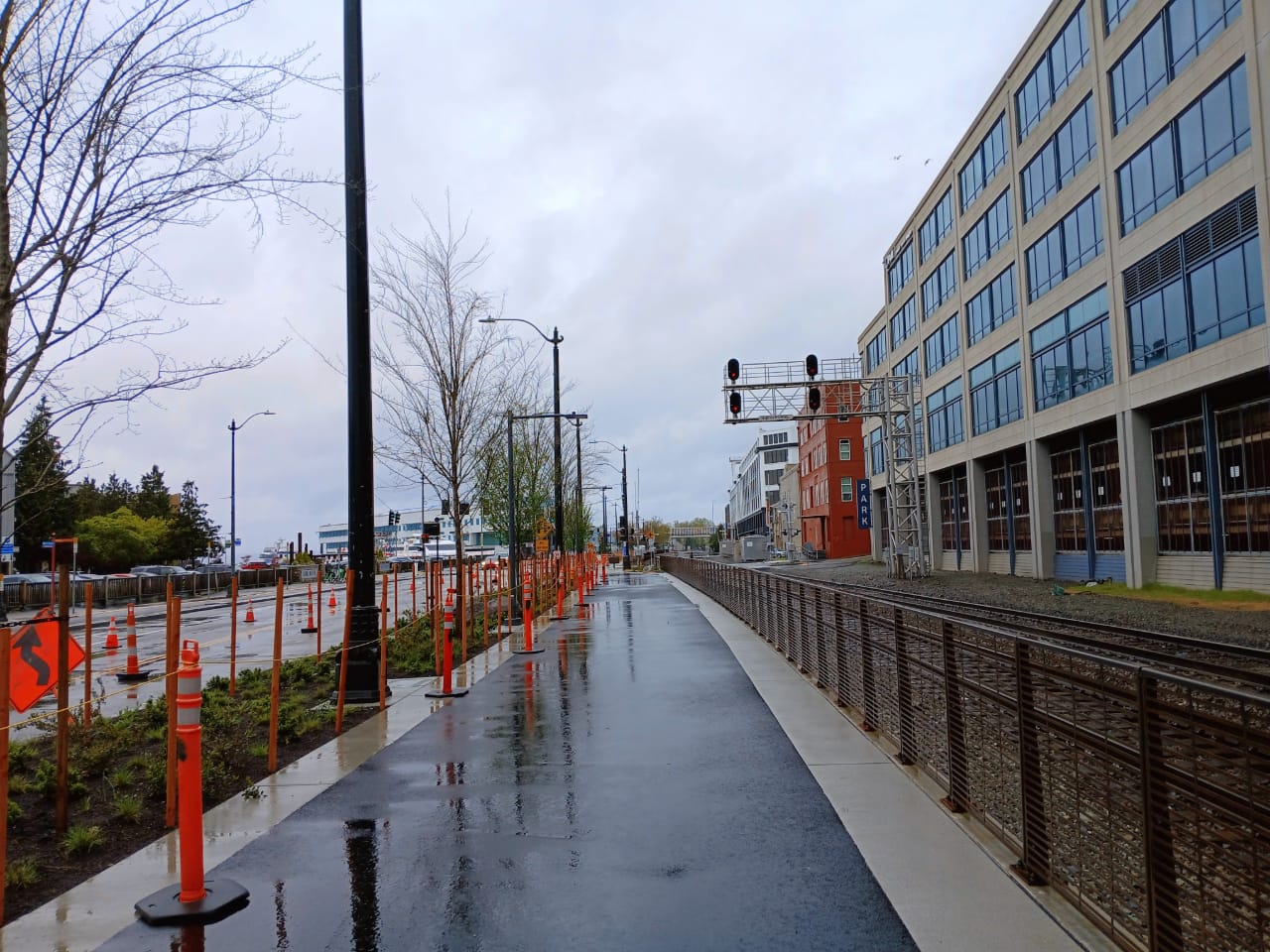
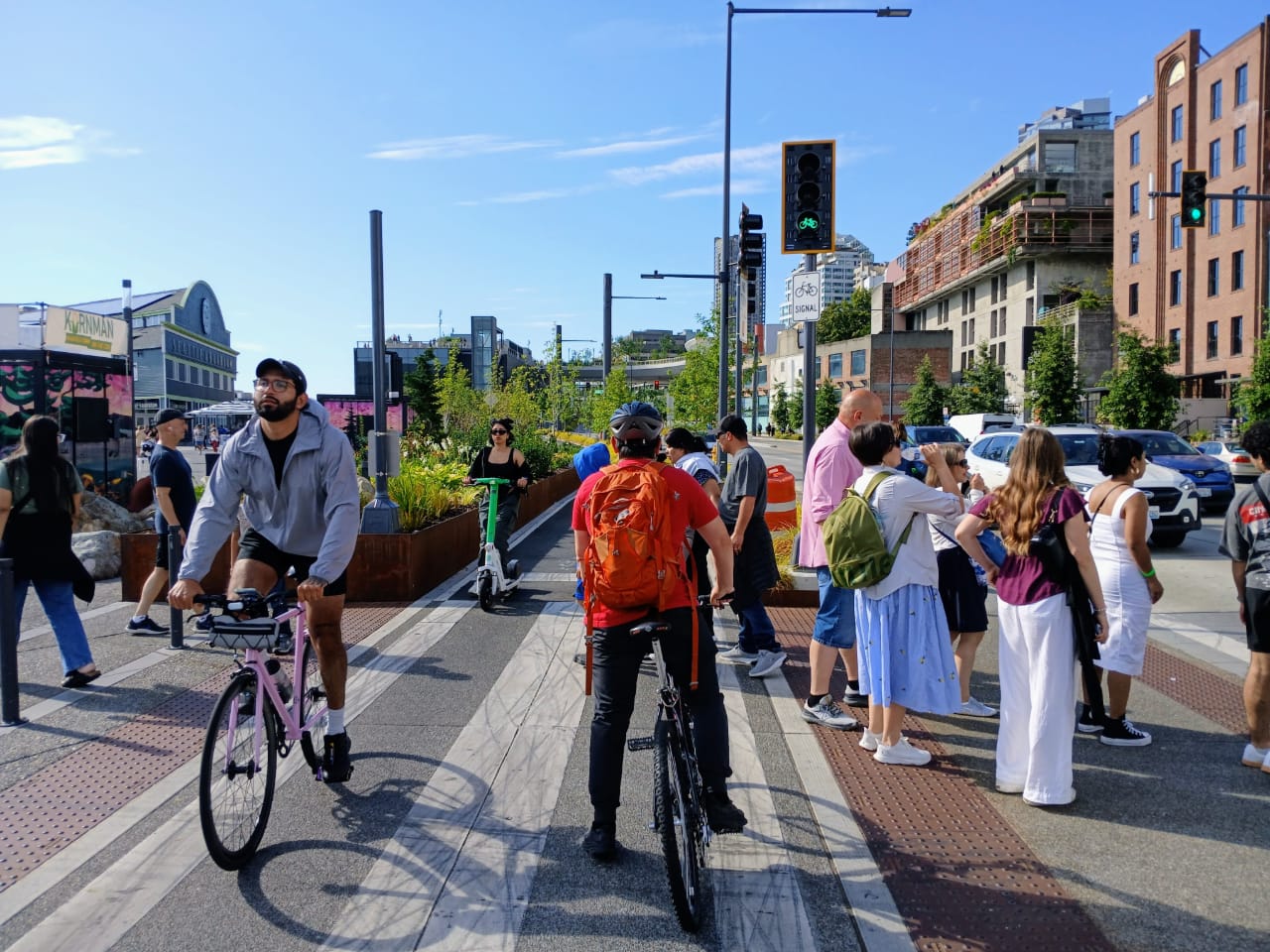
Riders will get a sneak peek of the new trail for a few hours on the first day of cruise ship season, providing a detour around Pier 66. The full stretch opens next Tuesday, providing a wide, comfortable path between downtown and the Olympic Sculpture Park.
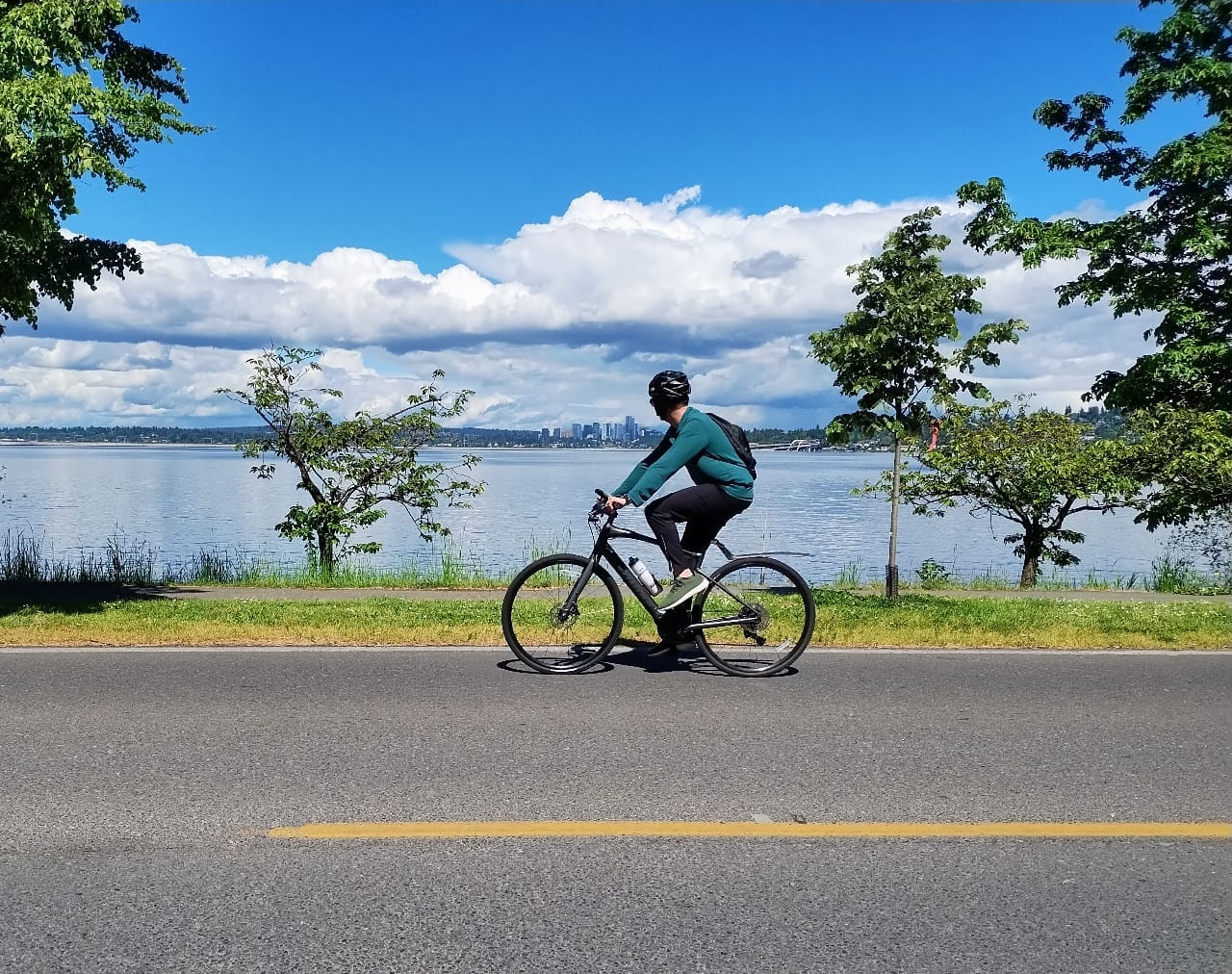
Seattle's only annual open streets festival along the South Seattle waterfront will run every single weekend this summer outside of Seafair. Wilson's changes are a bold reversal of her predecessor's scaling back of Bicycle Weekends.
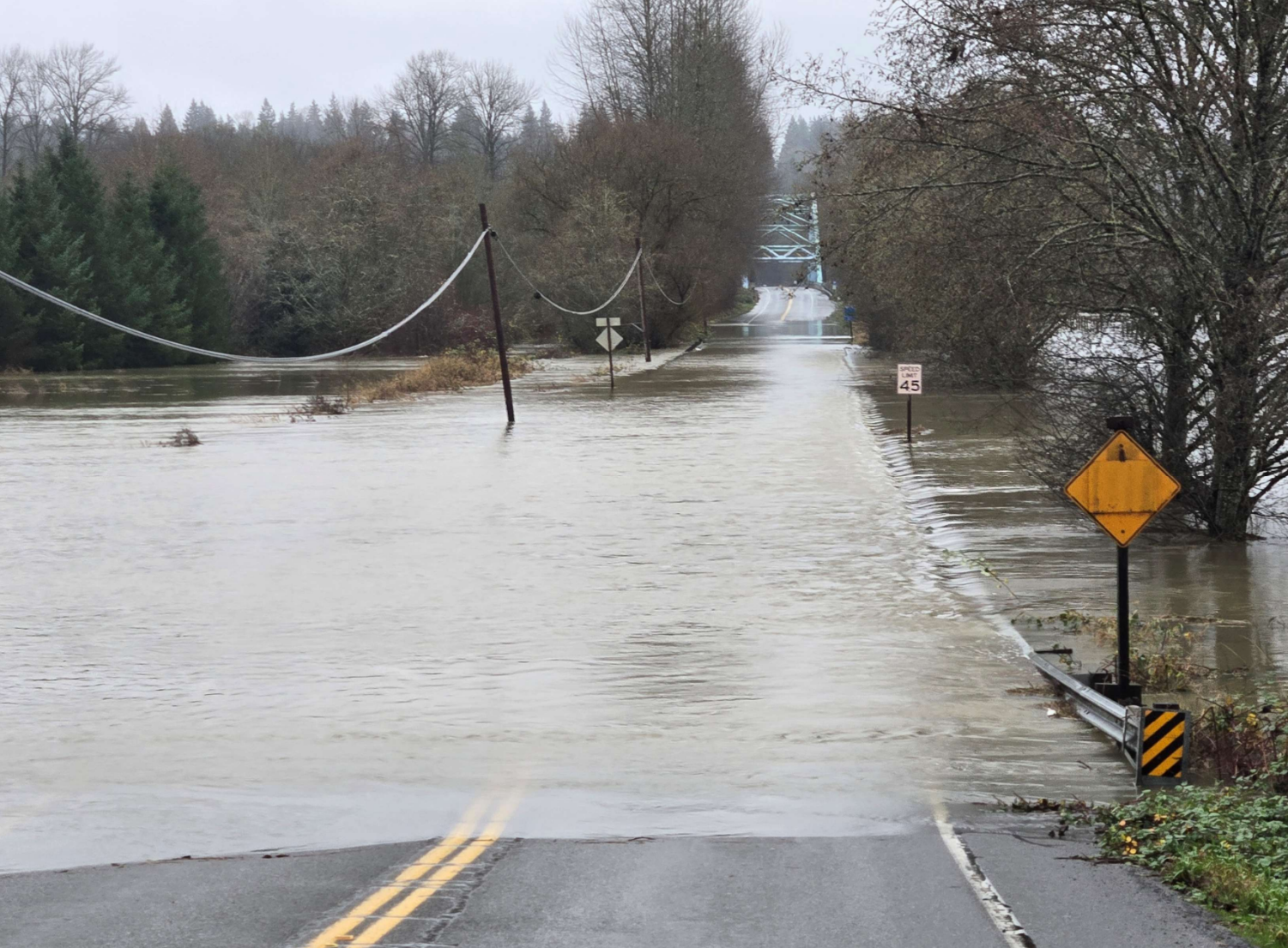
While broad agreement exists over the need to provide funding for King County's Road Services division, the issue of kicking back a portion of a new 0.1% sales tax to local cities caused more consternation. A one month delay is set to translate to six months of lost revenue.
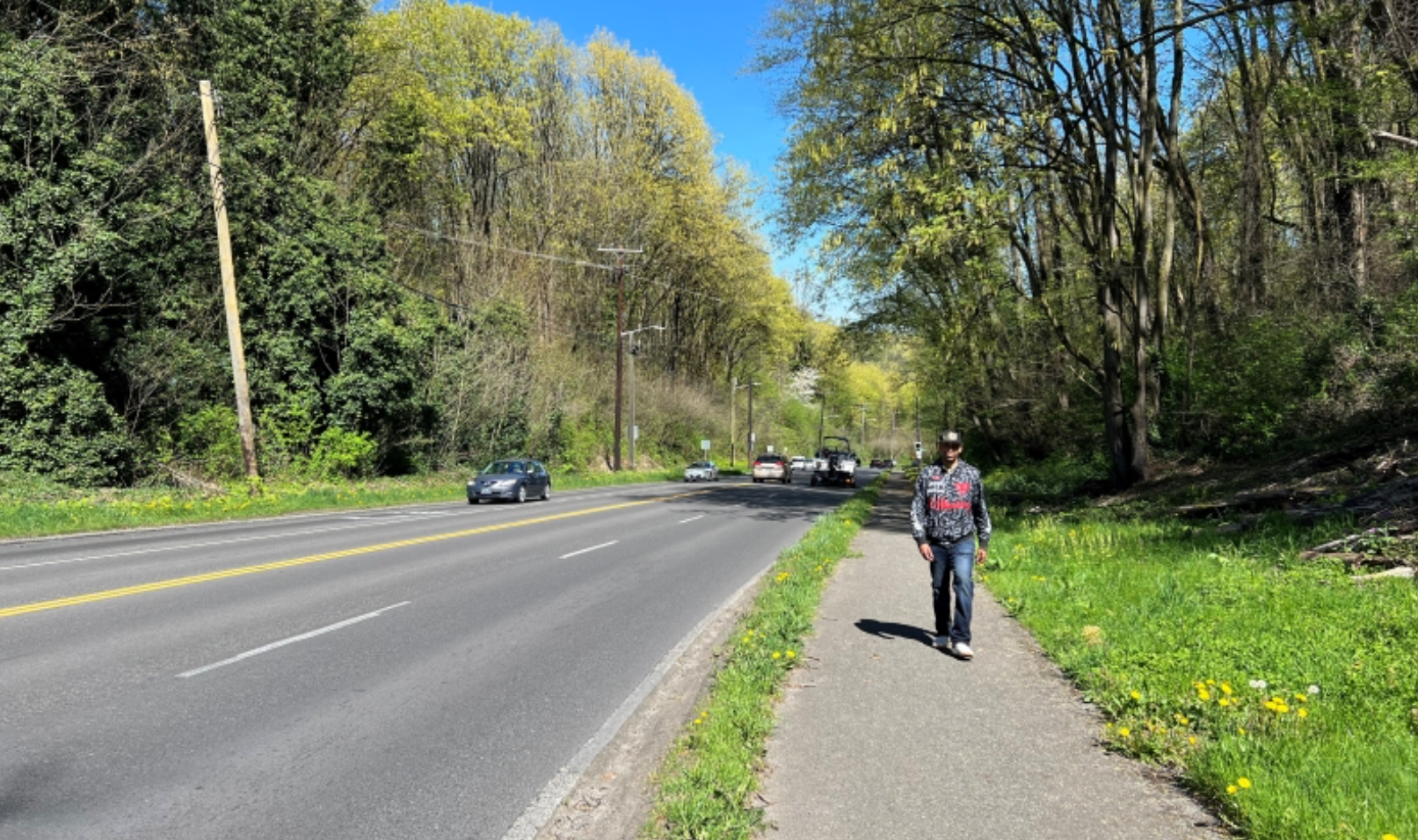
A safety project along a busy four-lane road in West Seattle would be a catalyst project for neighborhood accessibility. But it's run into significant push back from residents wary of losing a lane of traffic.
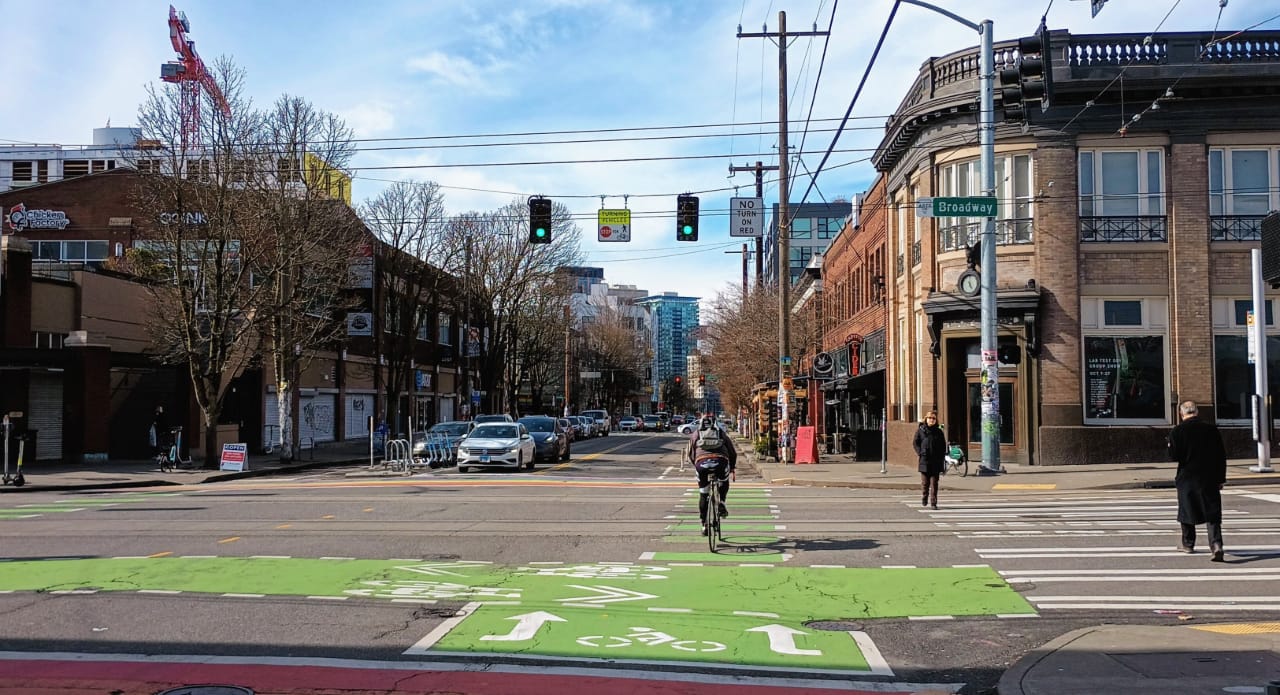
Lake City, Capitol Hill, Georgetown, and South Park will see upgrades intended to decrease air pollution and boost transit, walking, and biking, via $8 million in transportation levy funding. So far, proposals are still high level, with plans being developed over the rest of 2026.
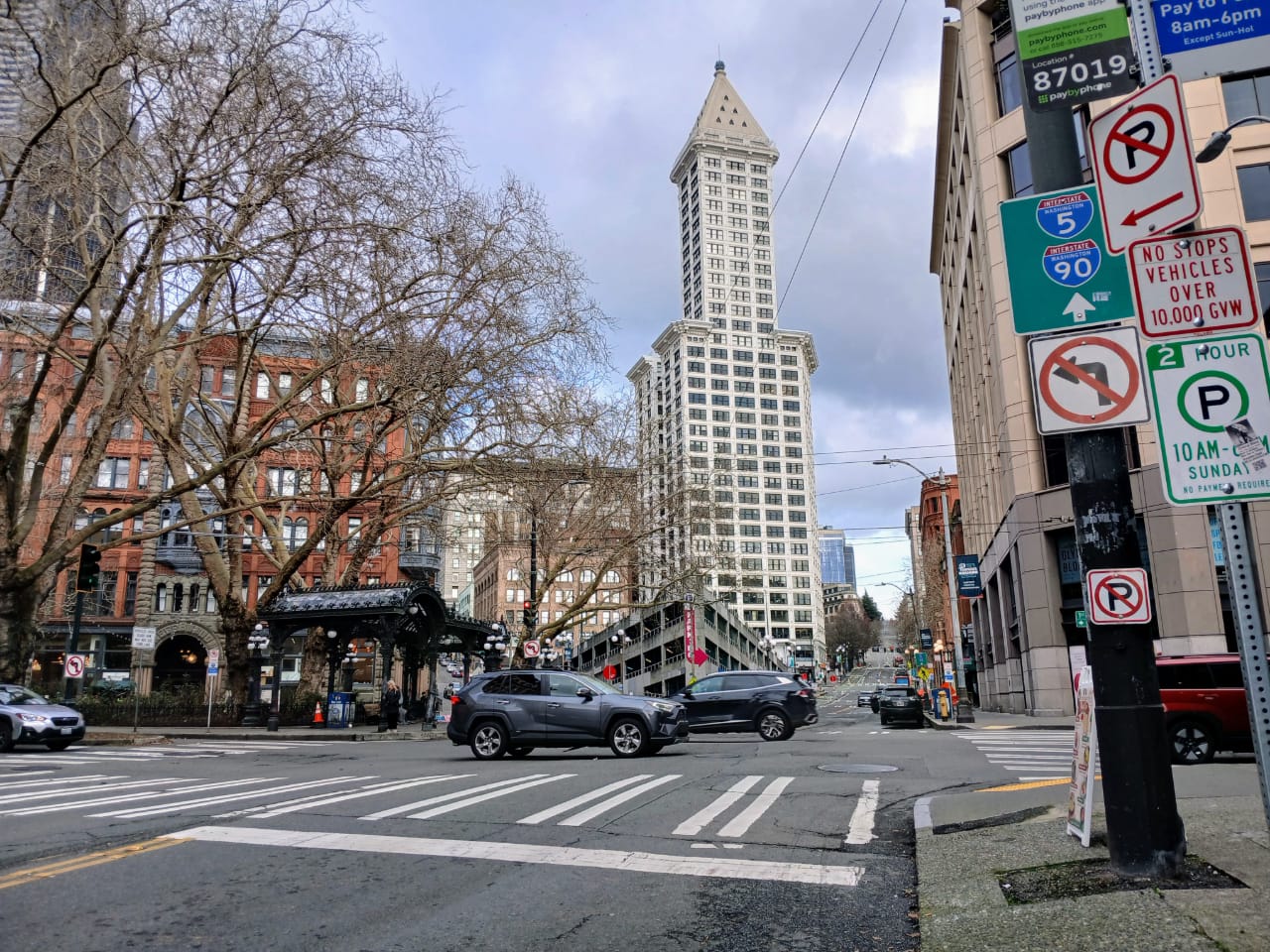
The City of Seattle is planning 21 on-street bike corrals in place of illegal parking spots abutting intersections. But a debate over the aesthetic impact on Pioneer Square could overshadow the proposal’s benefits and derail the project.
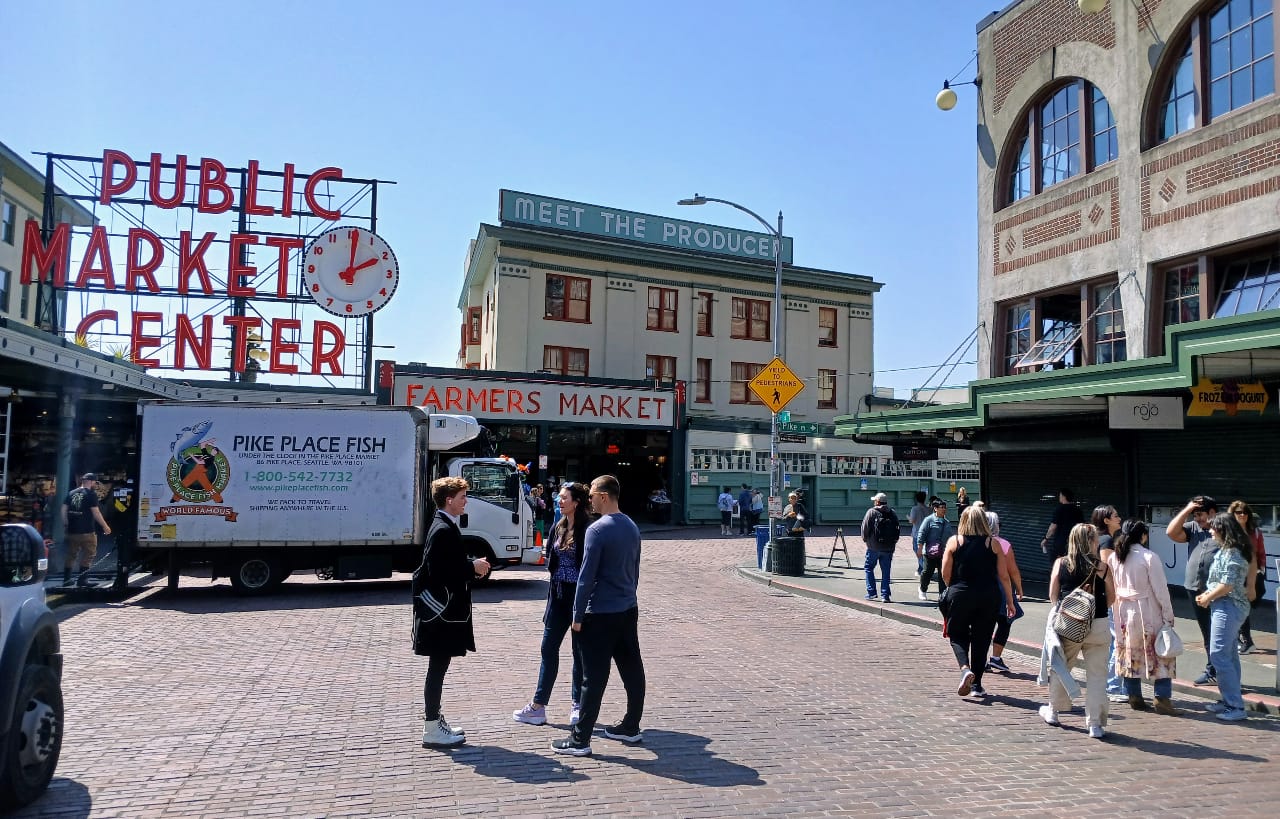
SDOT’s plan for adding barricades ahead of this summer’s World Cup leans heavily on planters and movable barricades. While the infrastructure could ultimately form a template for longer-term upgrades, these changes look to be quick and dirty and aimed at protecting pedestrians as Seattle opens itsel
The full list of 430 levy-funded projects across Seattle was mostly assembled before Mayor Katie Wilson took office. But it contains significant opportunities for the new administration to shape transportation investments over the years ahead.
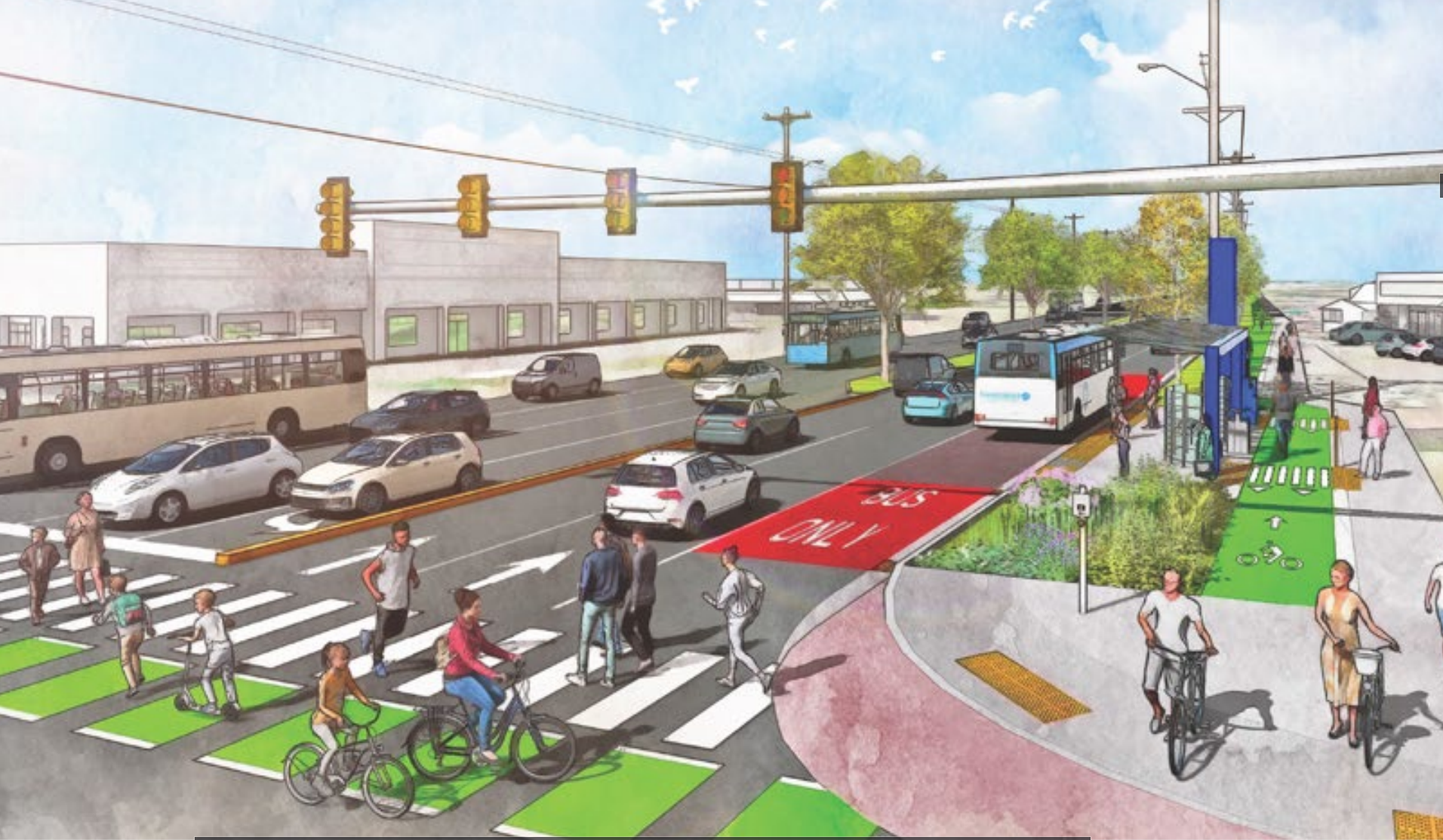
While the upgrades wouldn’t happen all at once, and would only go in as other maintenance work occurs, the proposed concept sets a strong baseline for one of the state’s most dangerous surface highways.
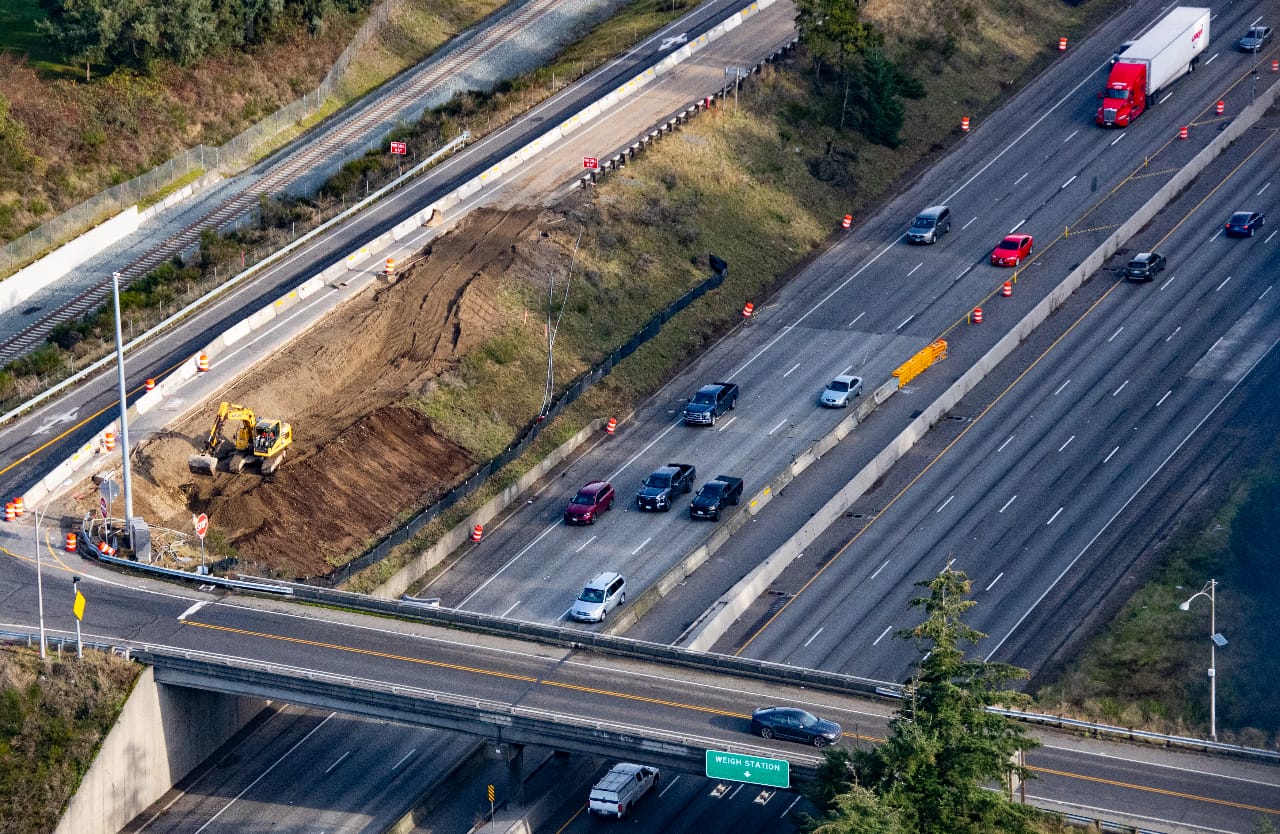
The governor’s proposed $3 billion in bonds would add onto a Washington state transportation budget that already allocates nearly 12% to debt service. With a 60% vote needed to authorize, the idea will likely face considerable skepticism at the state legislature.
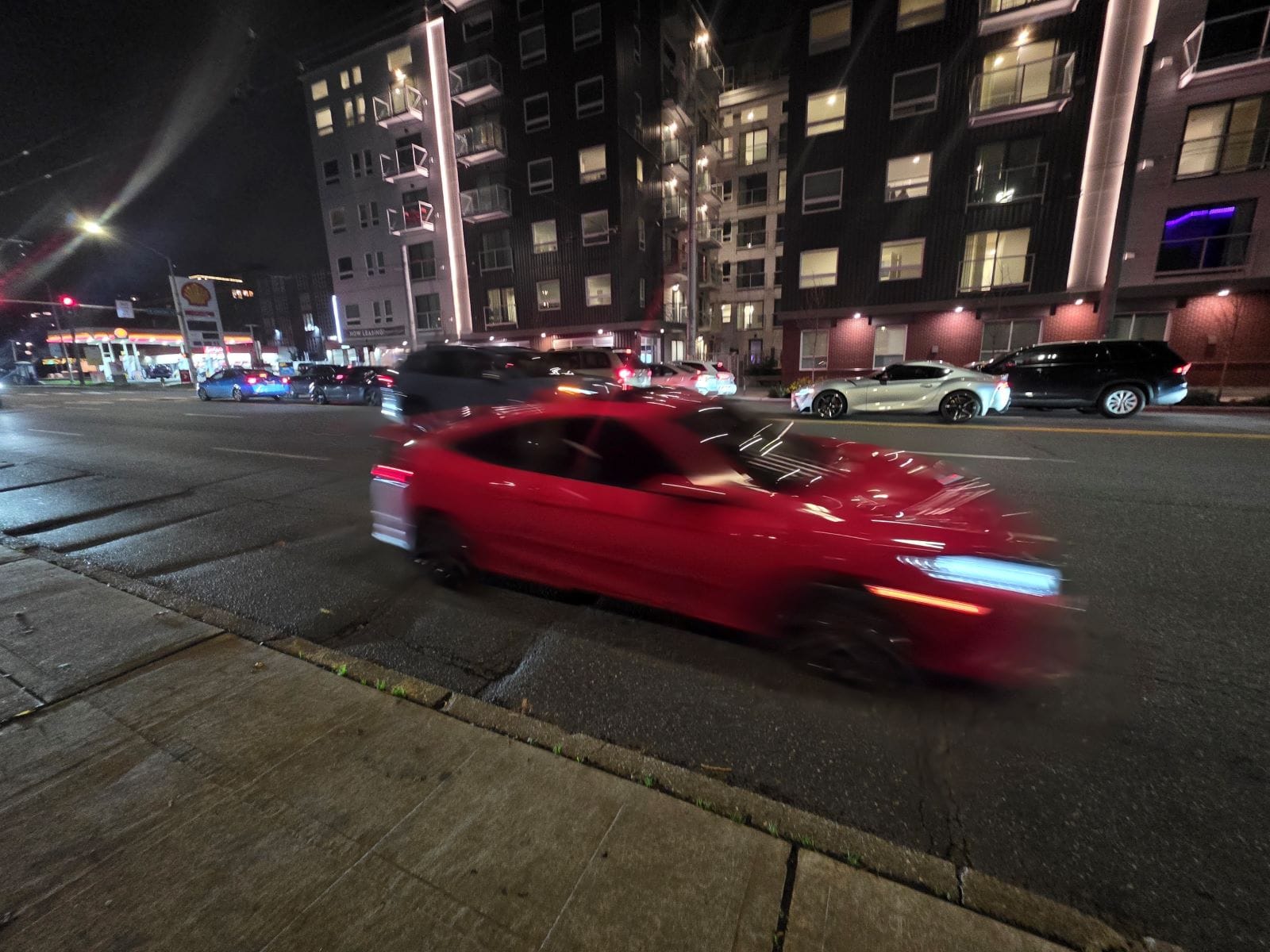
Rainier Avenue has too many cars traveling at dangerous speeds, but conventional planning practices make it hard to change that and design a future where Rainier Avenue thrives. Let’s stop making harmful assumptions, Anna Zivarts writes.
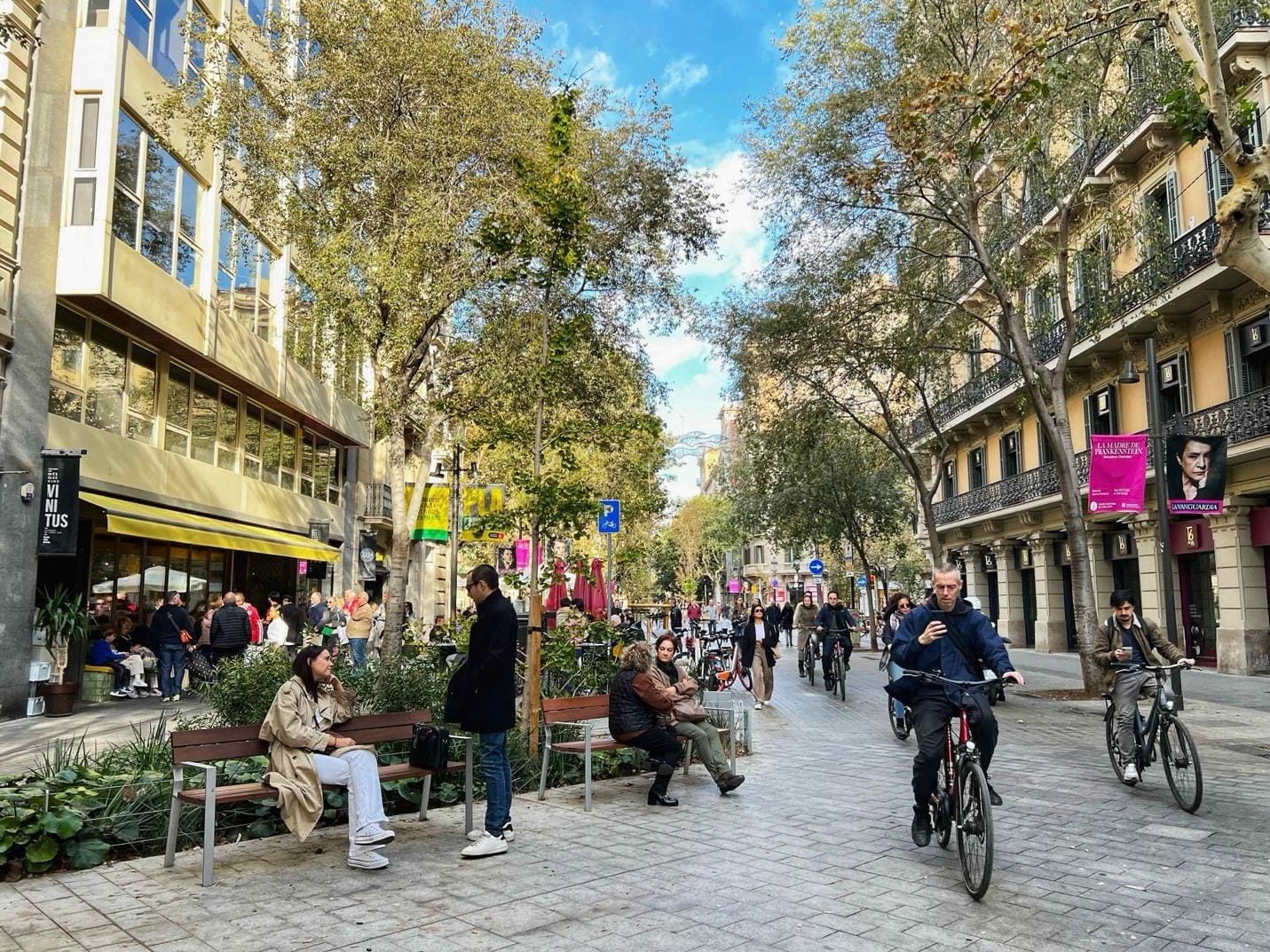
A trove of documents obtained from City of Seattle through public disclosure requests shows work is proceeding gradually but steadily inside the transportation department to take advantage of Washington State’s new Shared Streets Law. Pedestrianizing a number of streets could be around the corner.
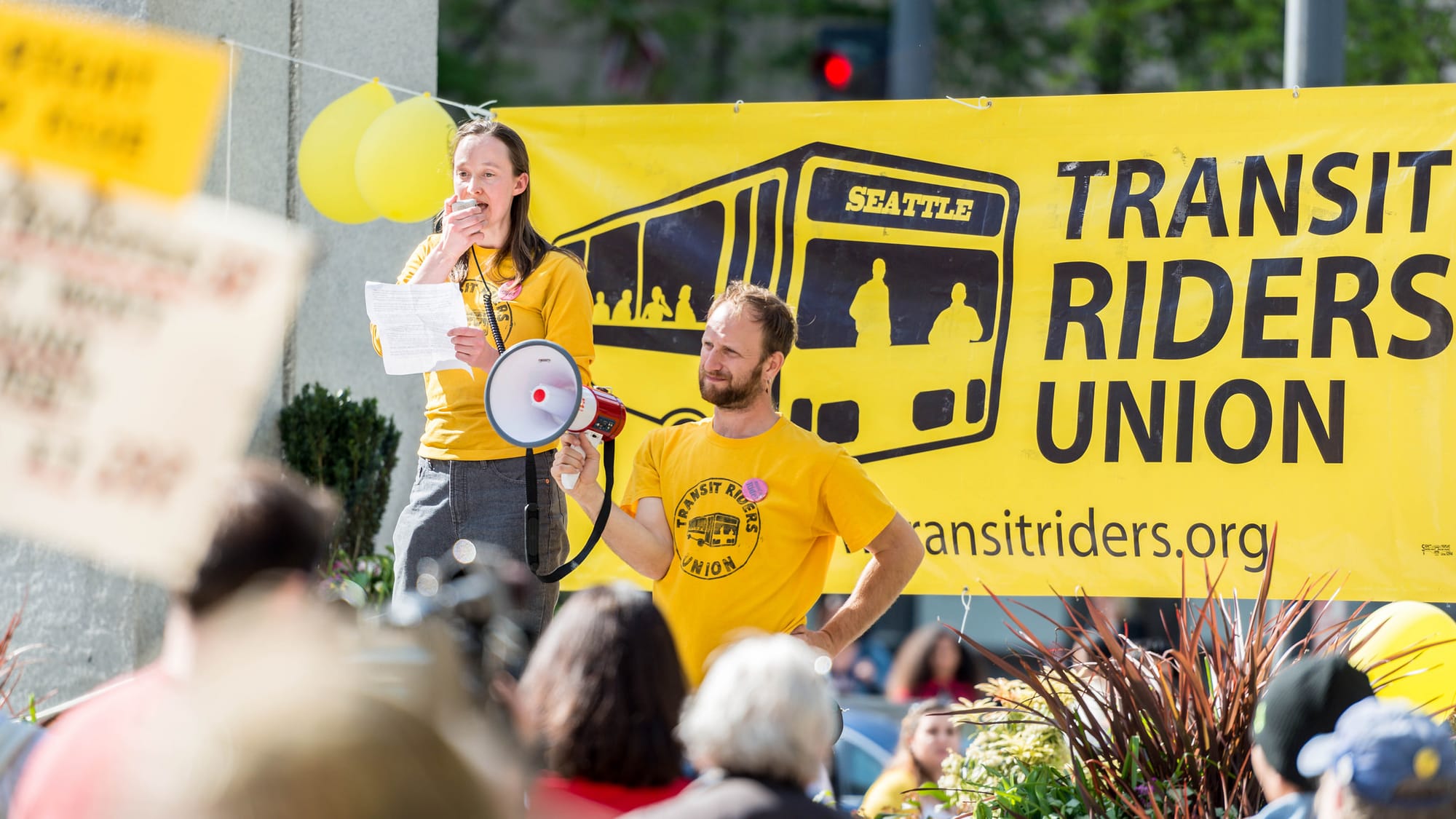
Seattle Mayor-Elect Katie Wilson’s transportation platform is bold and visionary, and she will need ongoing community support to achieve it. Seattle Neighborhood Greenways shares some ideas on how she can get started.
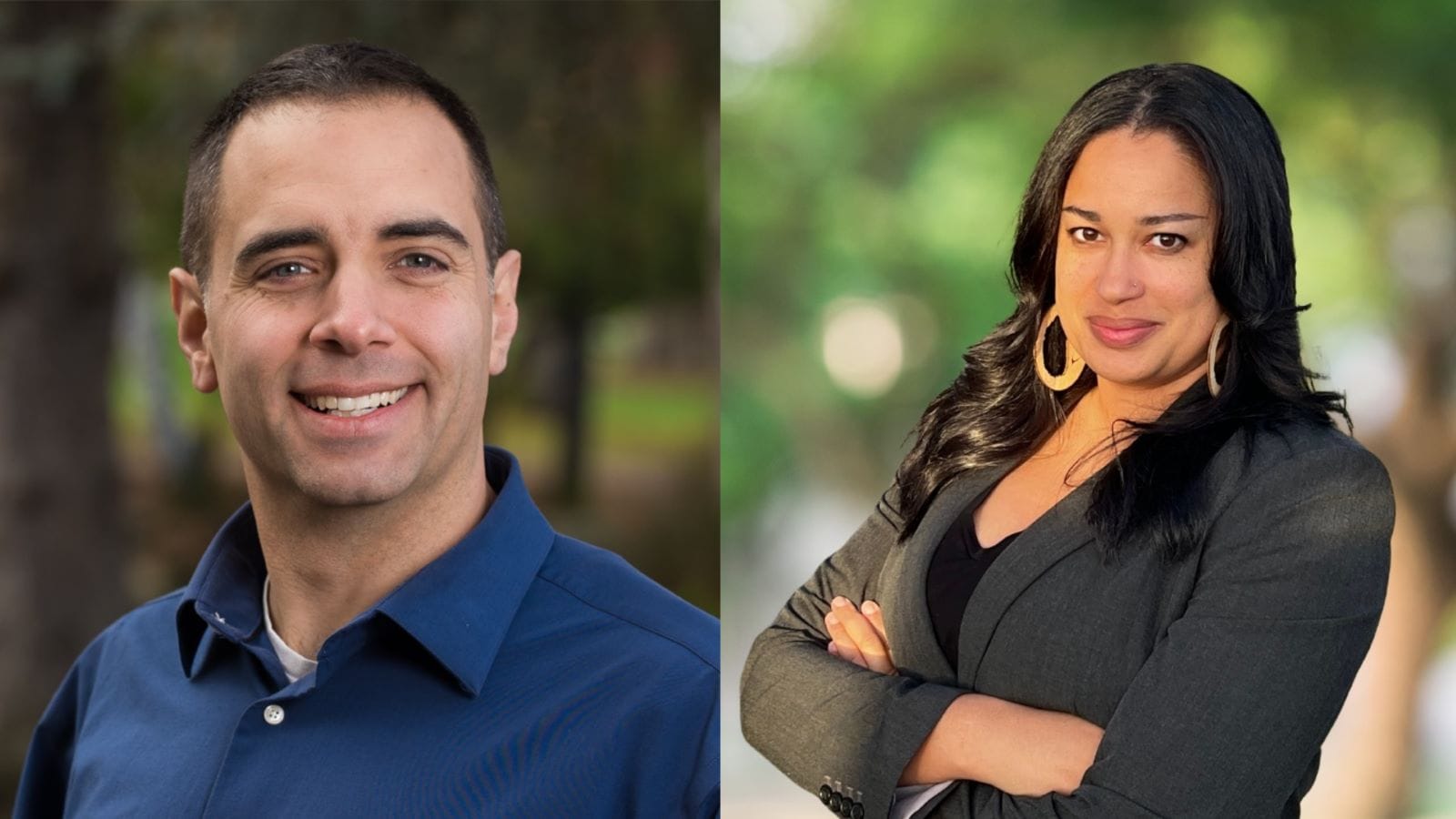
Tacoma’s recent election elevated two urbanist-backed progressives, which could buoy efforts to expand housing, roll out street safety upgrades, and improve transit. The Urbanist chatted with Tacoma Mayor-Elect Anders Ibsen and incoming Councilmember Latasha Palmer about their plans.
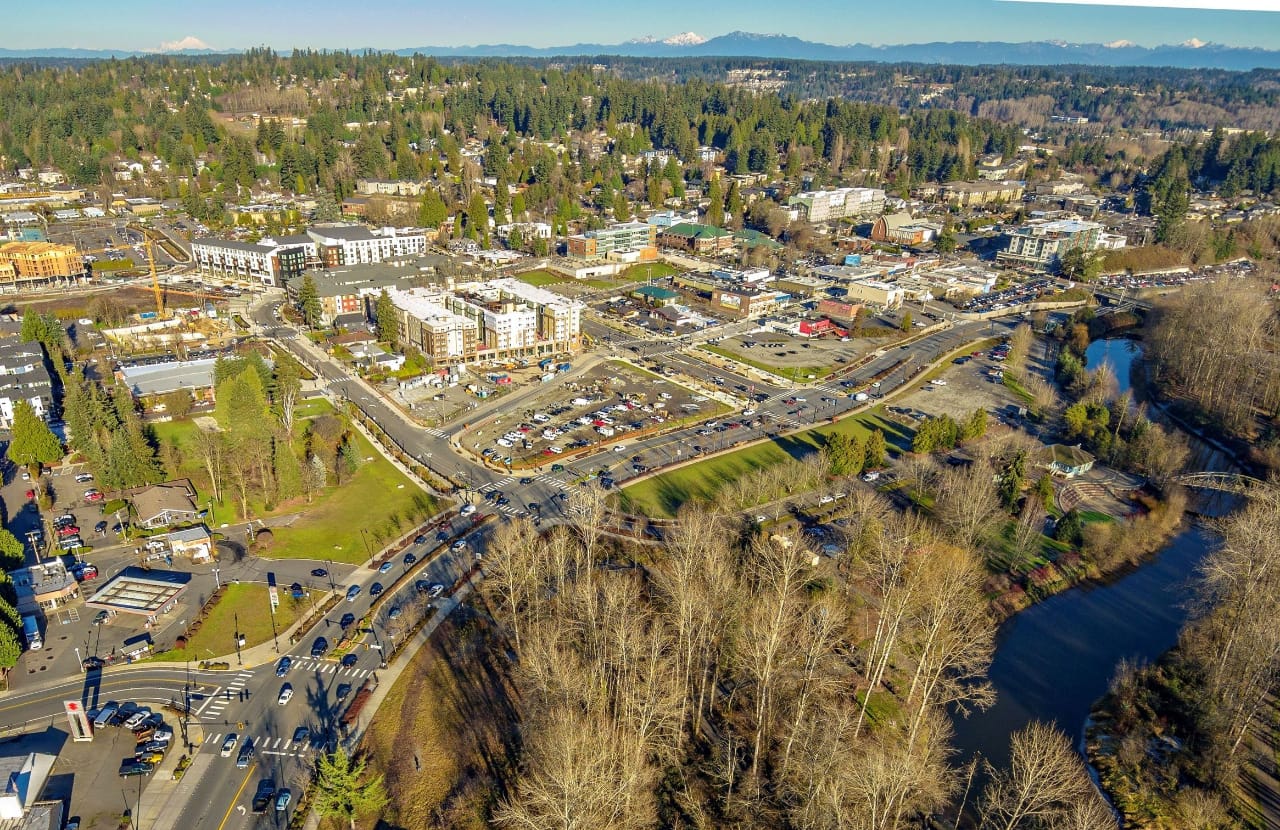
Lowering speed limits on residential streets to 20 mph has already been implemented in cities like Seattle, Portland, and Tacoma, and has been associated with a significant drop in high-end speeding. The Bothell City Council endorsed making the change citywide, pushing back on the idea of implementi
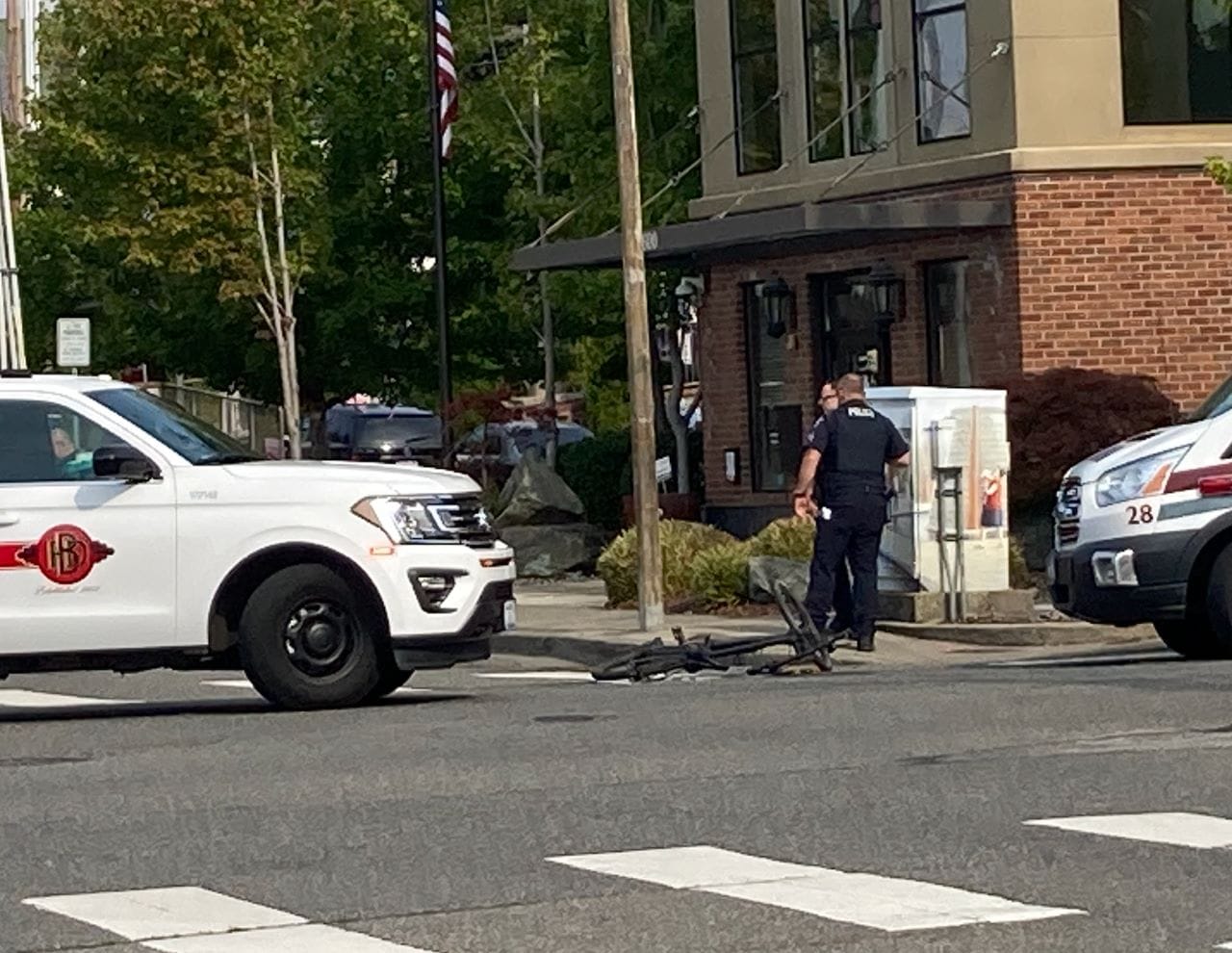
Which Washington cities have the deadliest streets and roads may surprise you. Puyallup, Lynnwood and Olympia are by far the most dangerous cities for people walking and biking based on per capita serious crash rate. Travis Merrigan breaks down the data.
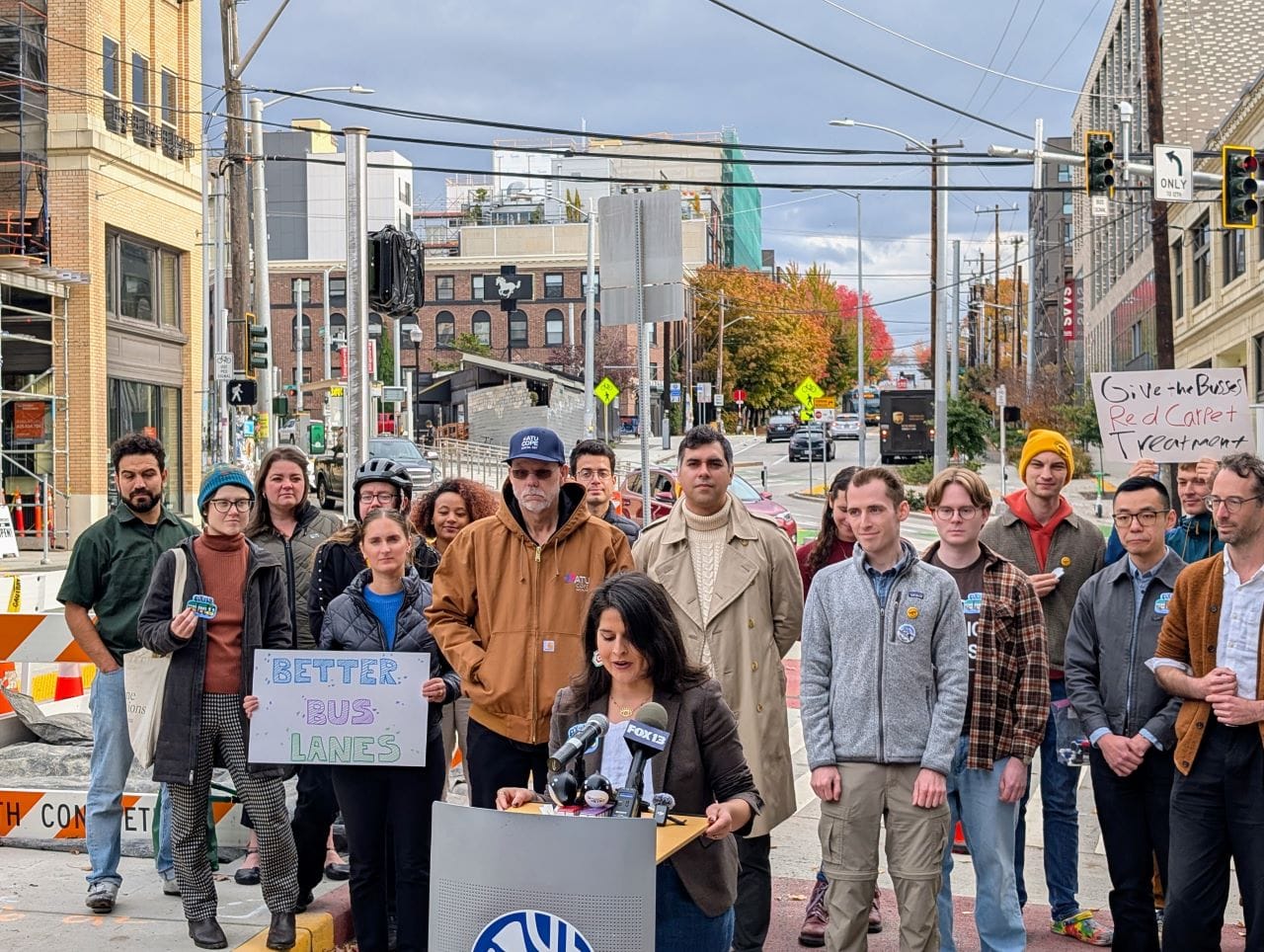
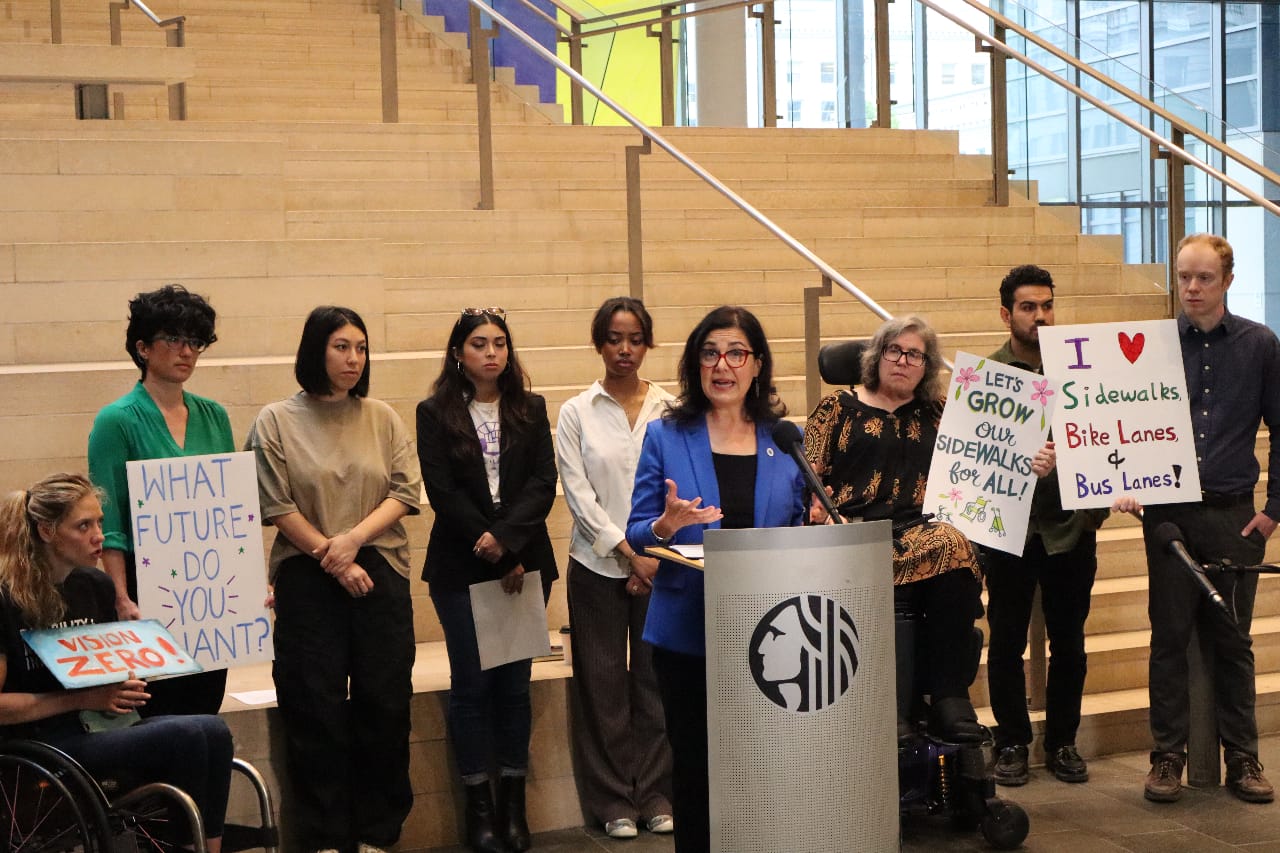
Flanked by a crowd of transit advocates, Seattle Councilmember Alexis Mercedes Rinck announced a “Better Bus Lanes” campaign on Wednesday, demanding expanded and improved bus lanes on the city’s busiest routes. The press event took place at the site of a recent victory by bus advocates: a new bus la
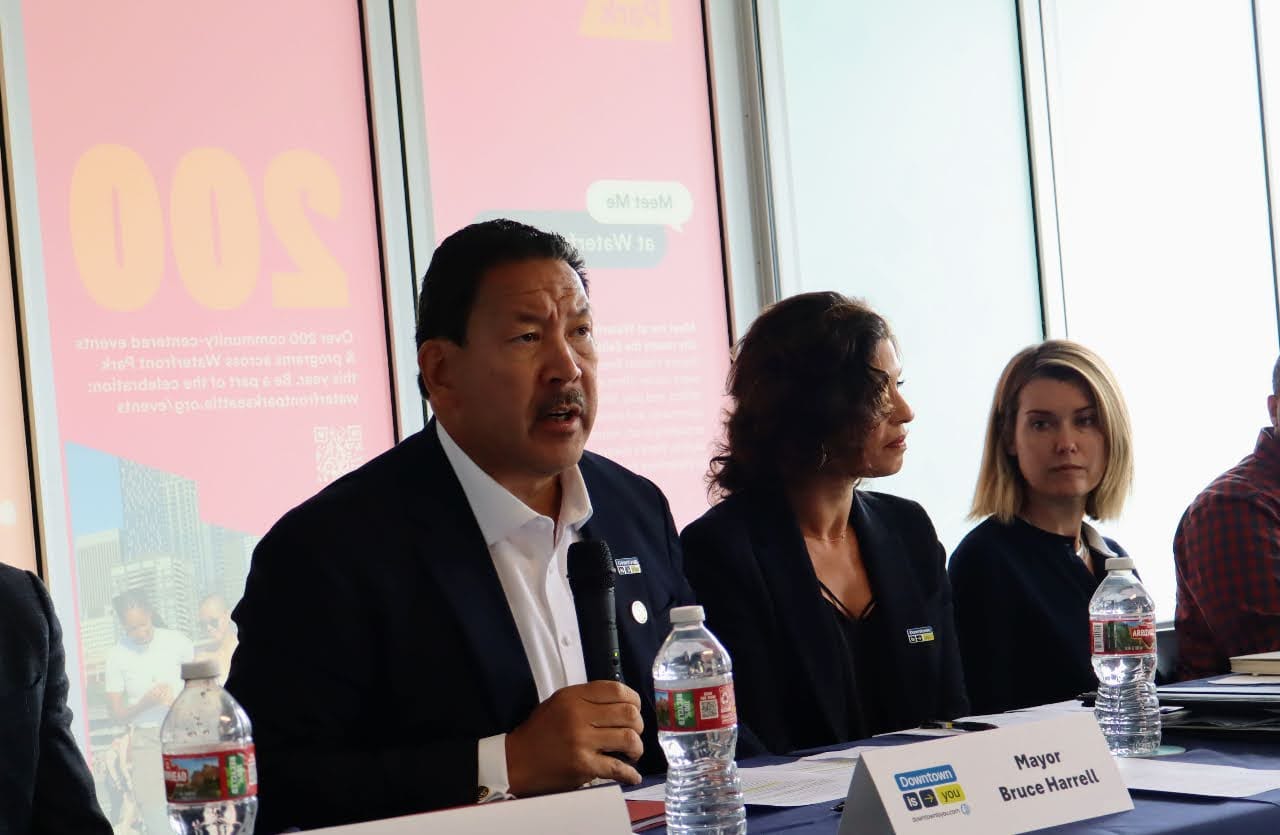
While Bruce Harrell is touting a drop in the number of pedestrian deaths in Seattle last year, that number has shot up again in 2025. And despite his promotion of safety spending in a newly approved transportation levy, his legacy on the issue of traffic safety likely won’t be known for years.
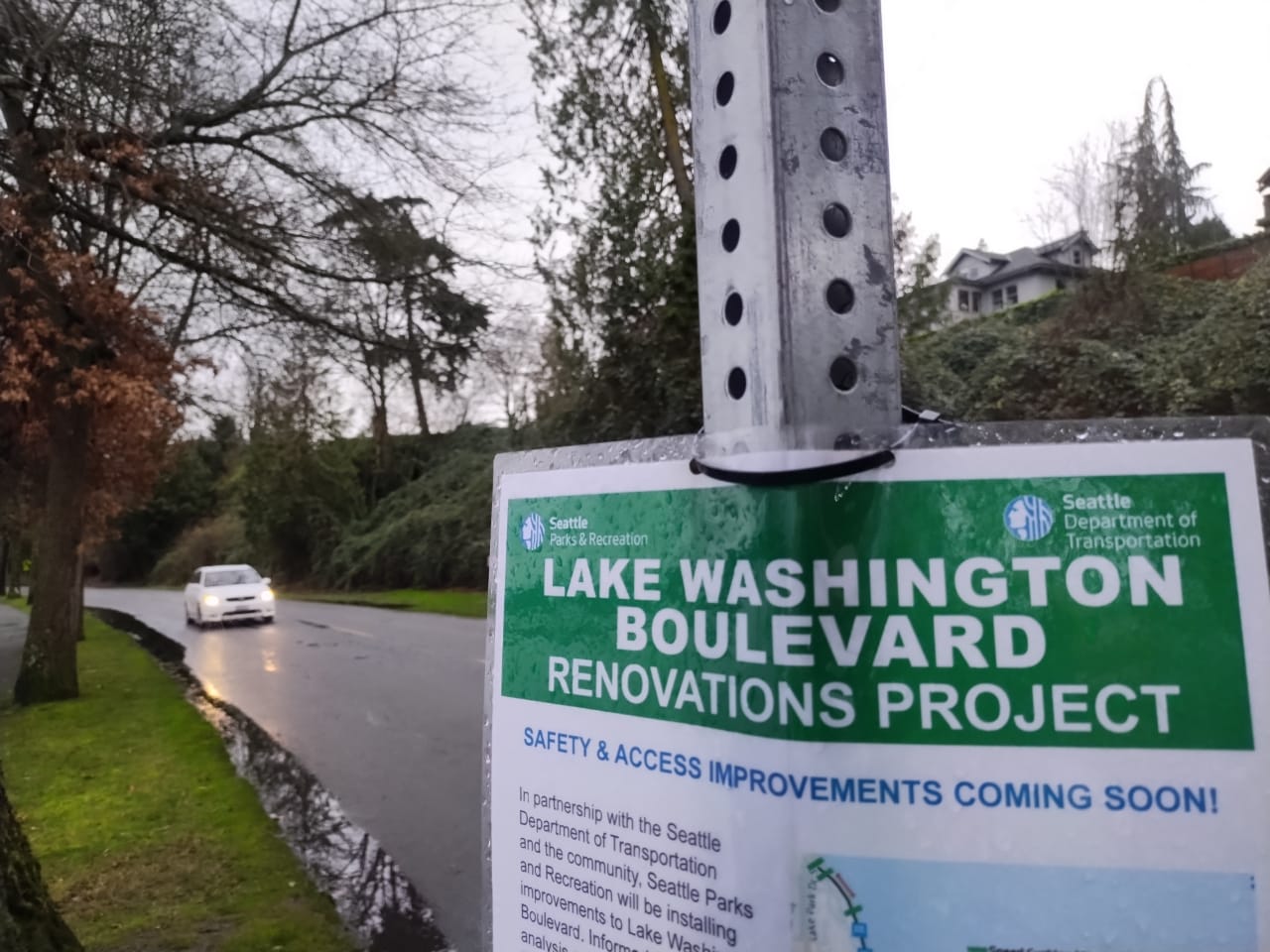
A major intersection redesign near Seward Park was ready to go to construction with a Mayor’s Office review the only impediment, records show. The exchanges reveal what was happening behind the scenes as the public was kept in the dark about the future of upgrades on the high-profile corridor.
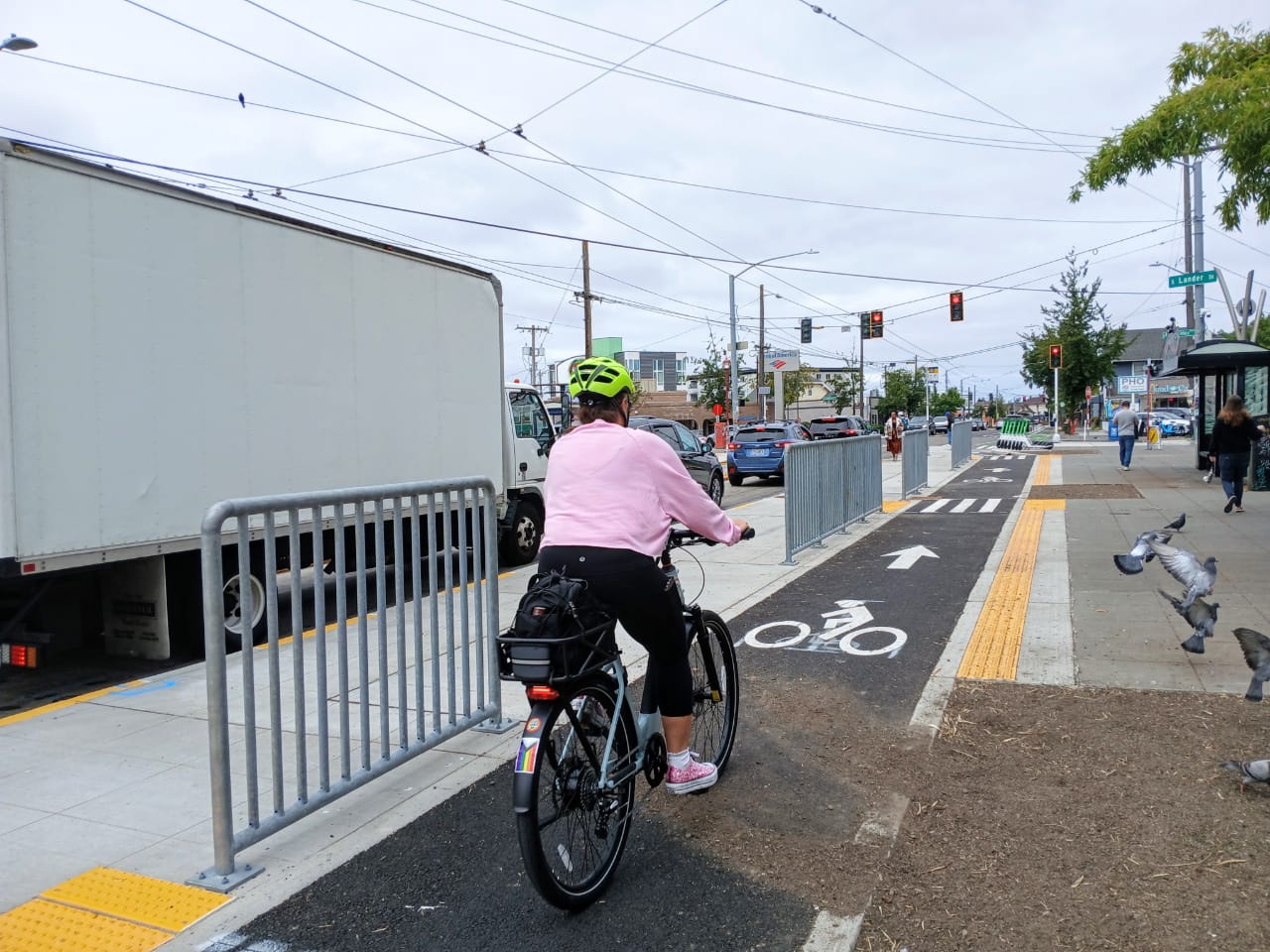
People on bikes can finally connect from Little Saigon to Jefferson Park in their own protected lane, with future connections planned to the north and south. Concerns about lost parking on 15th Avenue S almost doomed the project.
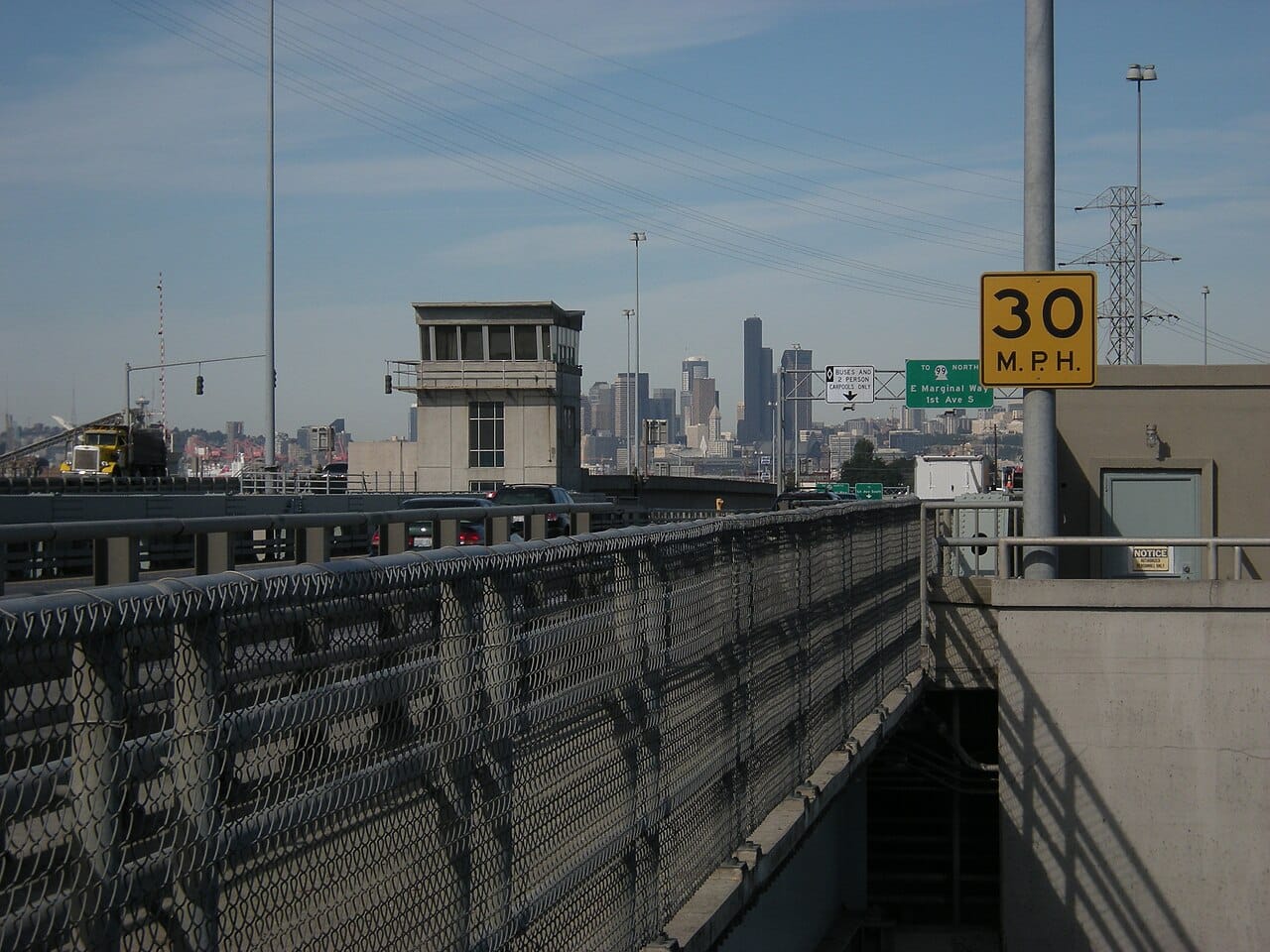
An extension of the Georgetown to South Park Trail and a new two-way protected bike lane on E Marginal Way would finally provide a safe connection to the First Avenue S bridge. The project is an early litmus test for the new Seattle Transportation Levy.
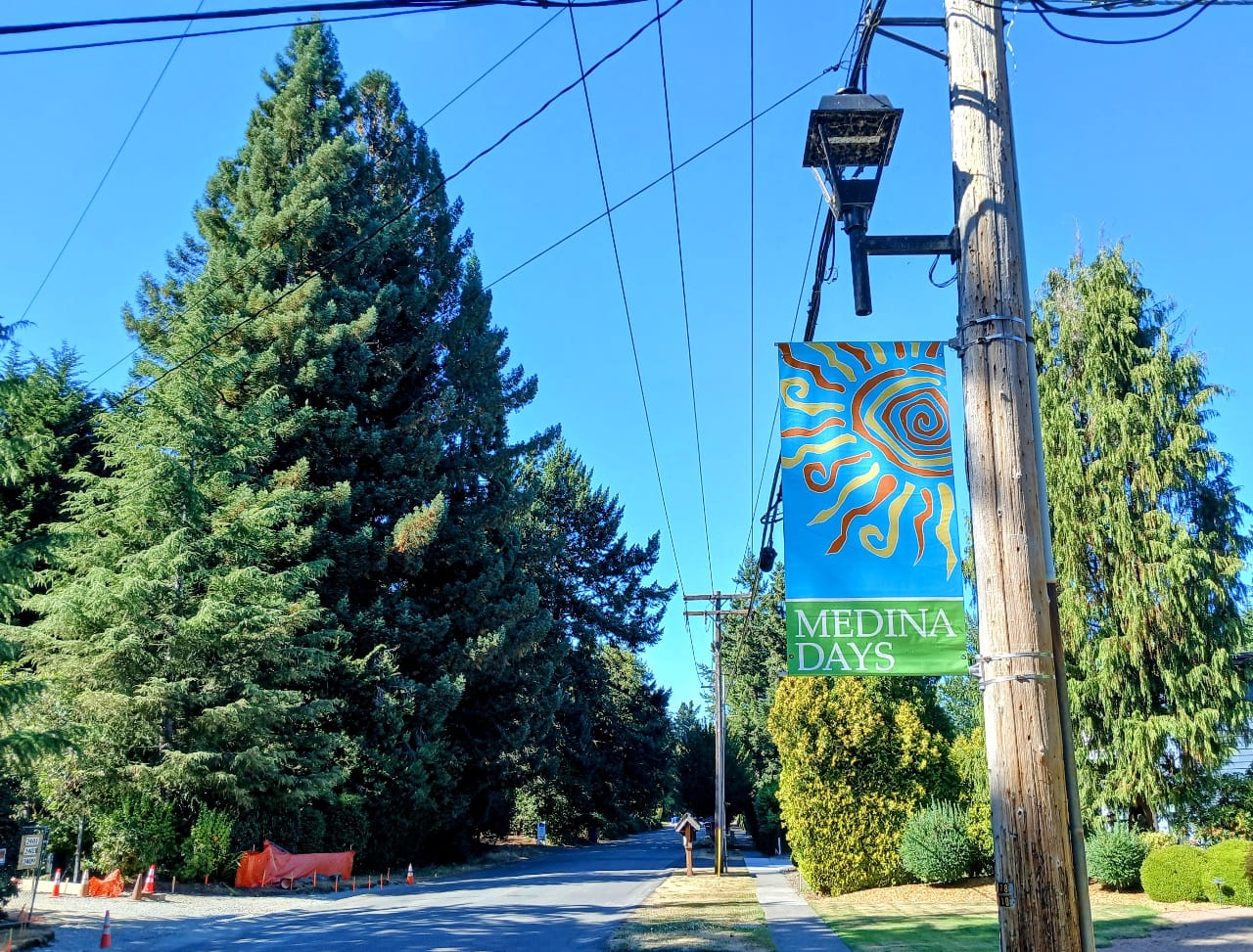
In pushing back on a requirement to adopt a Complete Streets ordinance to compete for infrastructure grant dollars, Medina’s leaders clearly saw a threat of changes being forced on the city. The wealthy enclave doesn’t appear to want to change.
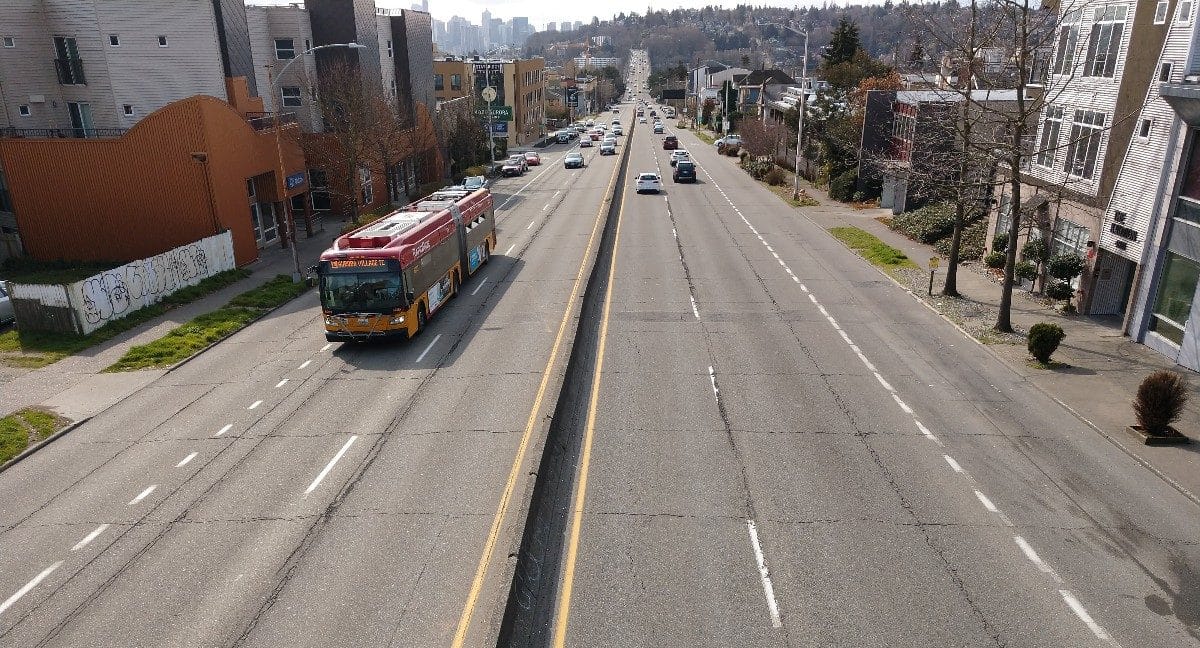
SDOT’s latest report indicates the agency is envisioning the future of Aurora Avenue N to look nearly exactly the same as it has for the last 100 years: a dangerous, high speed, six- to seven-lane highway. Seattle needs to do better.
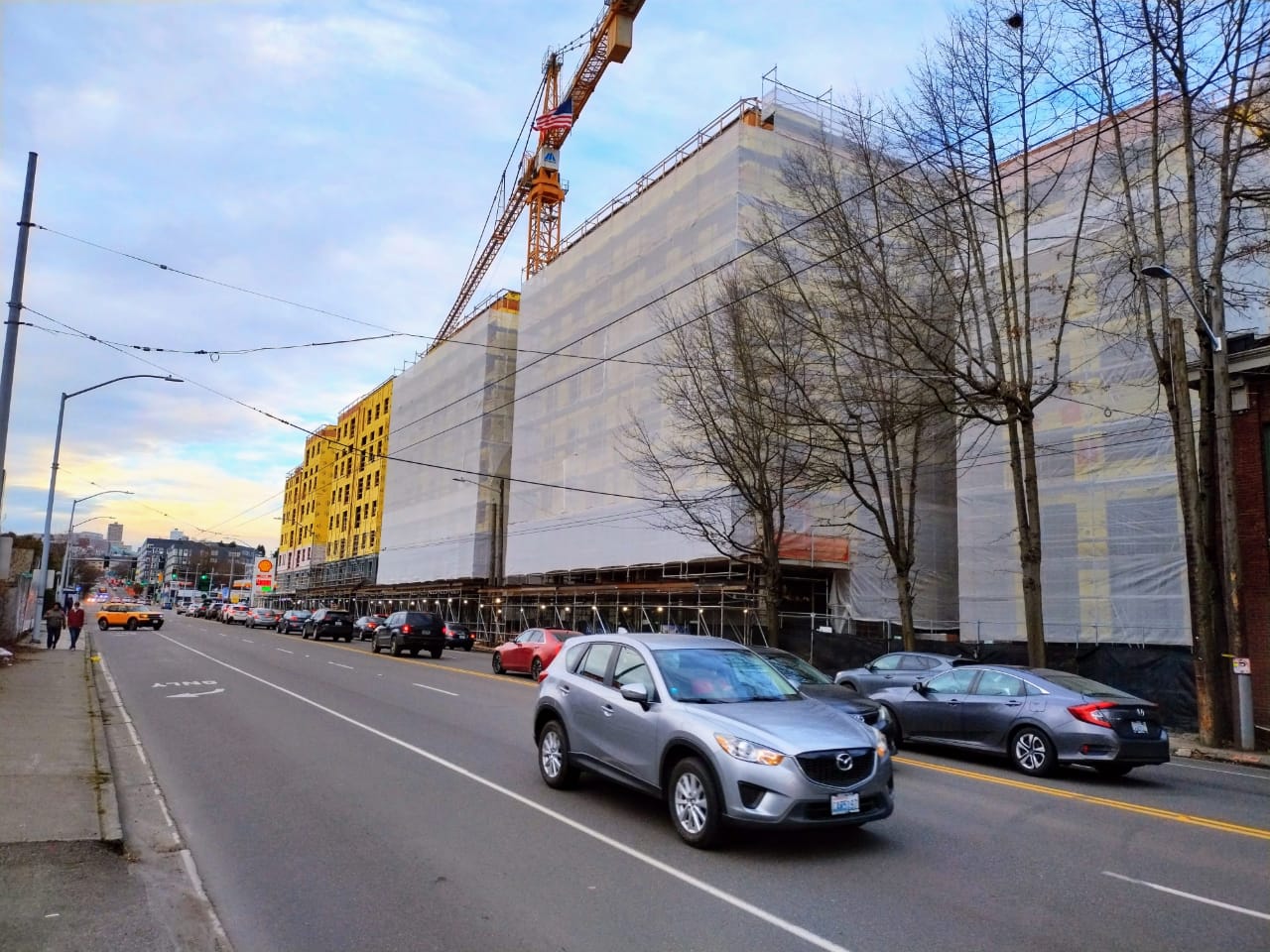
Over 1,500 people have been seriously injured or killed in crashes along Rainier Avenue S in the last decade. The upgraded transportation levy approved by voters last fall represents an opportunity to truly transform the street… if city leaders grab it.
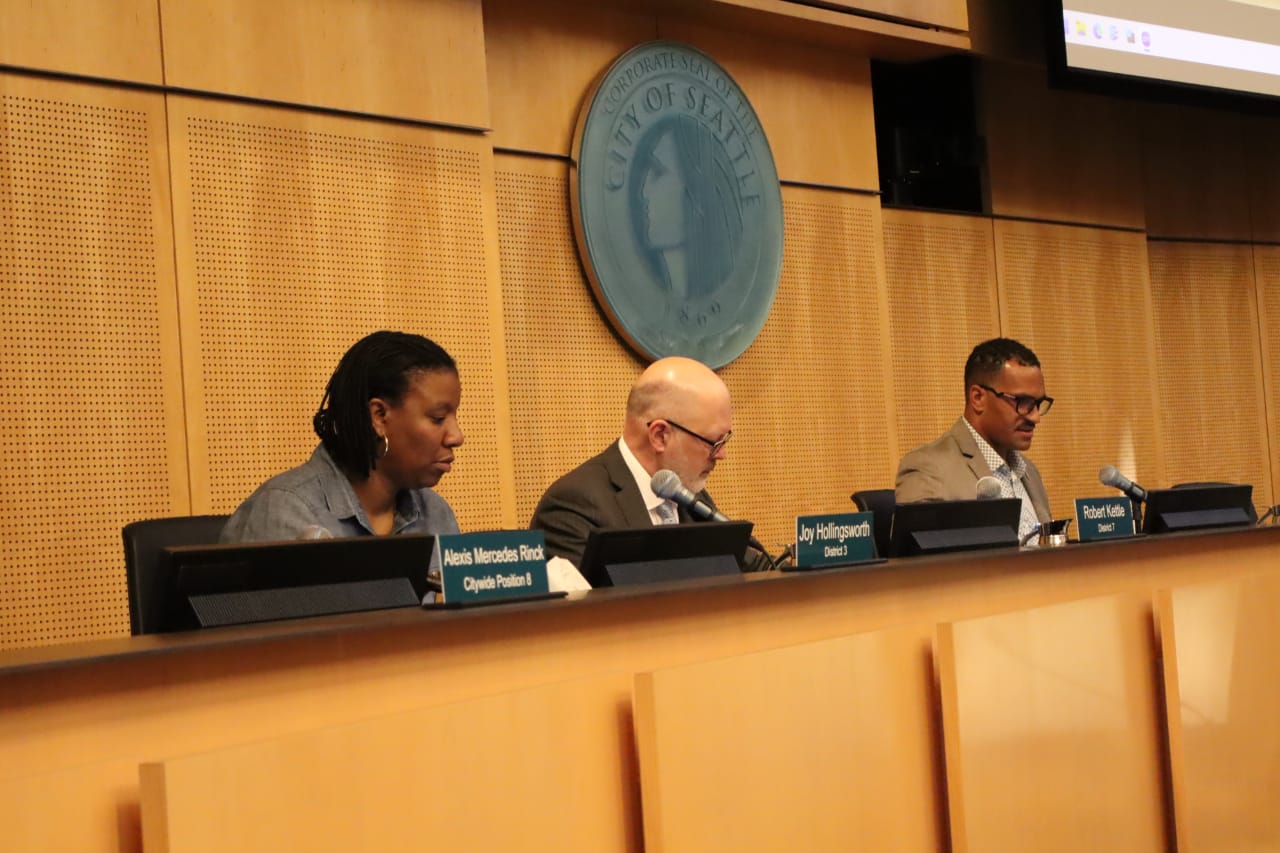
Since the 2023 Seattle council elections, a new dynamic has been taking shape in which extra deference is given to policy decisions made by the seven district-based councilmembers within their own district. If that shift continues, it could have dramatic impacts on how projects and programs are prio
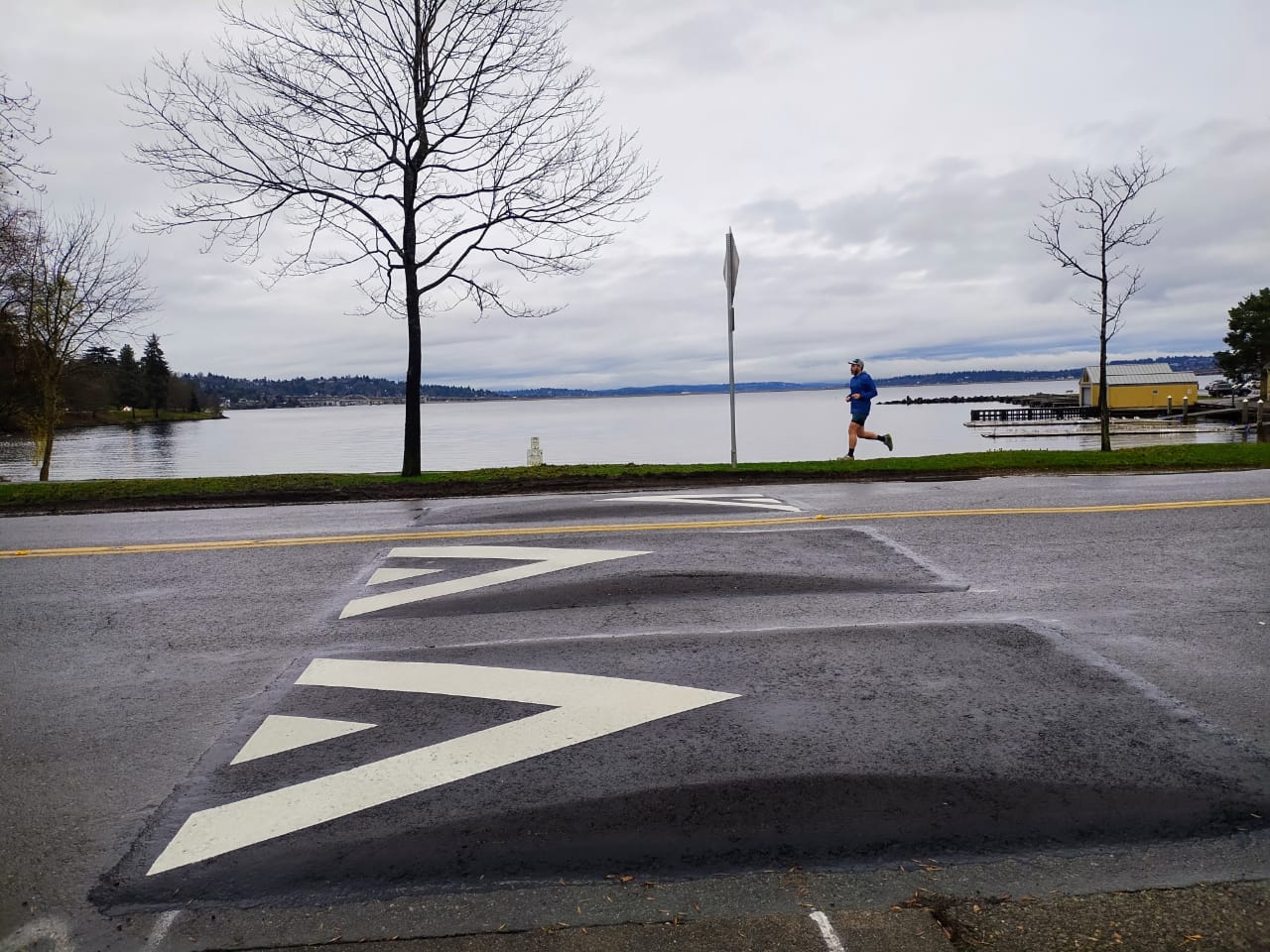
The City of Seattle quietly dropped speed cushions and other traffic safety treatments from long-made plans after months of radio silence. The backpedal received swift pushback from some District 2 city council candidates.
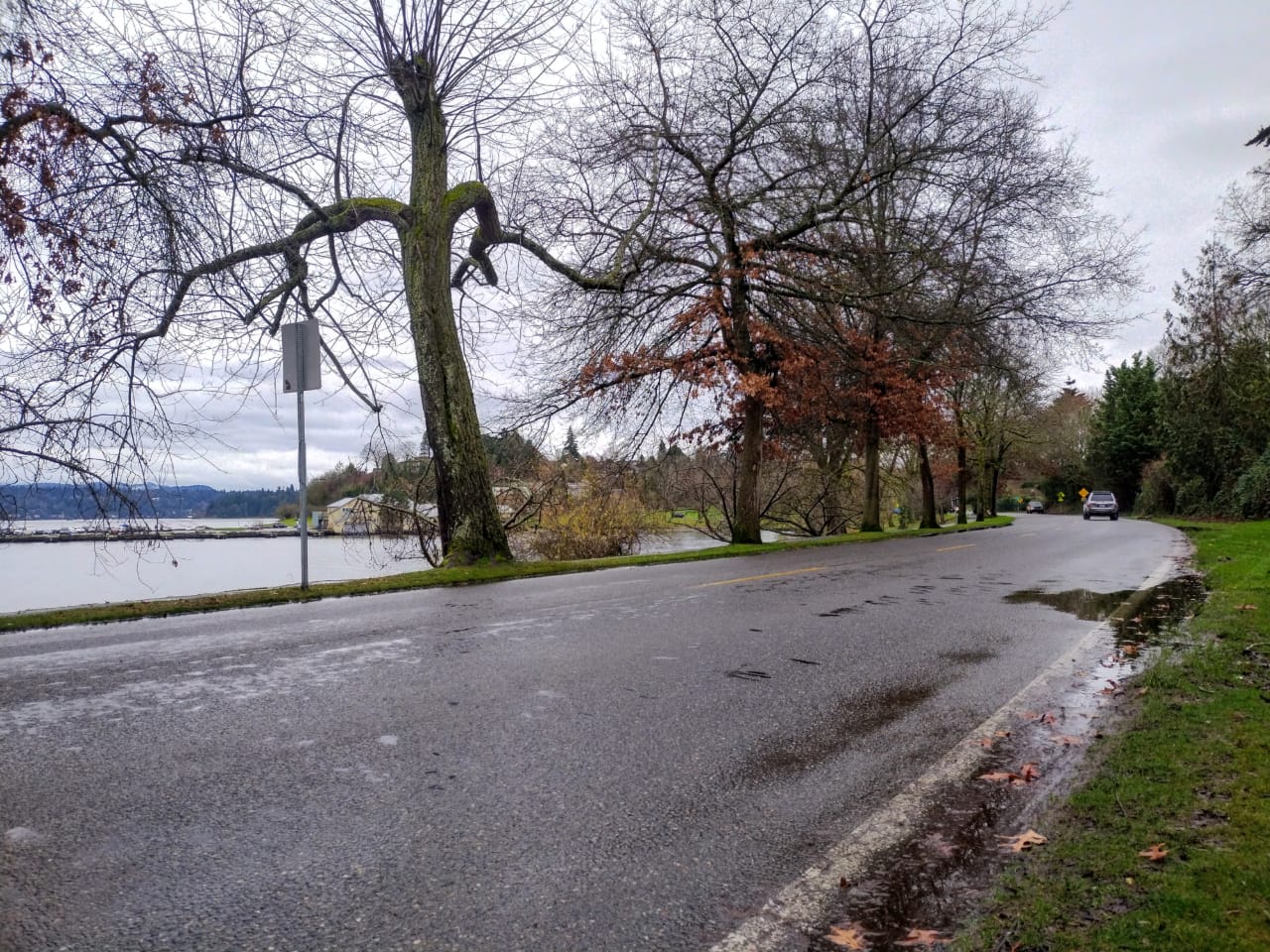
Seattle Parks and Recreation rolled out plans to add traffic calming to Lake Washington Boulevard last year. But traffic safety advocates are pushing for answers after installation of those upgrades stopped midway through without explanation.
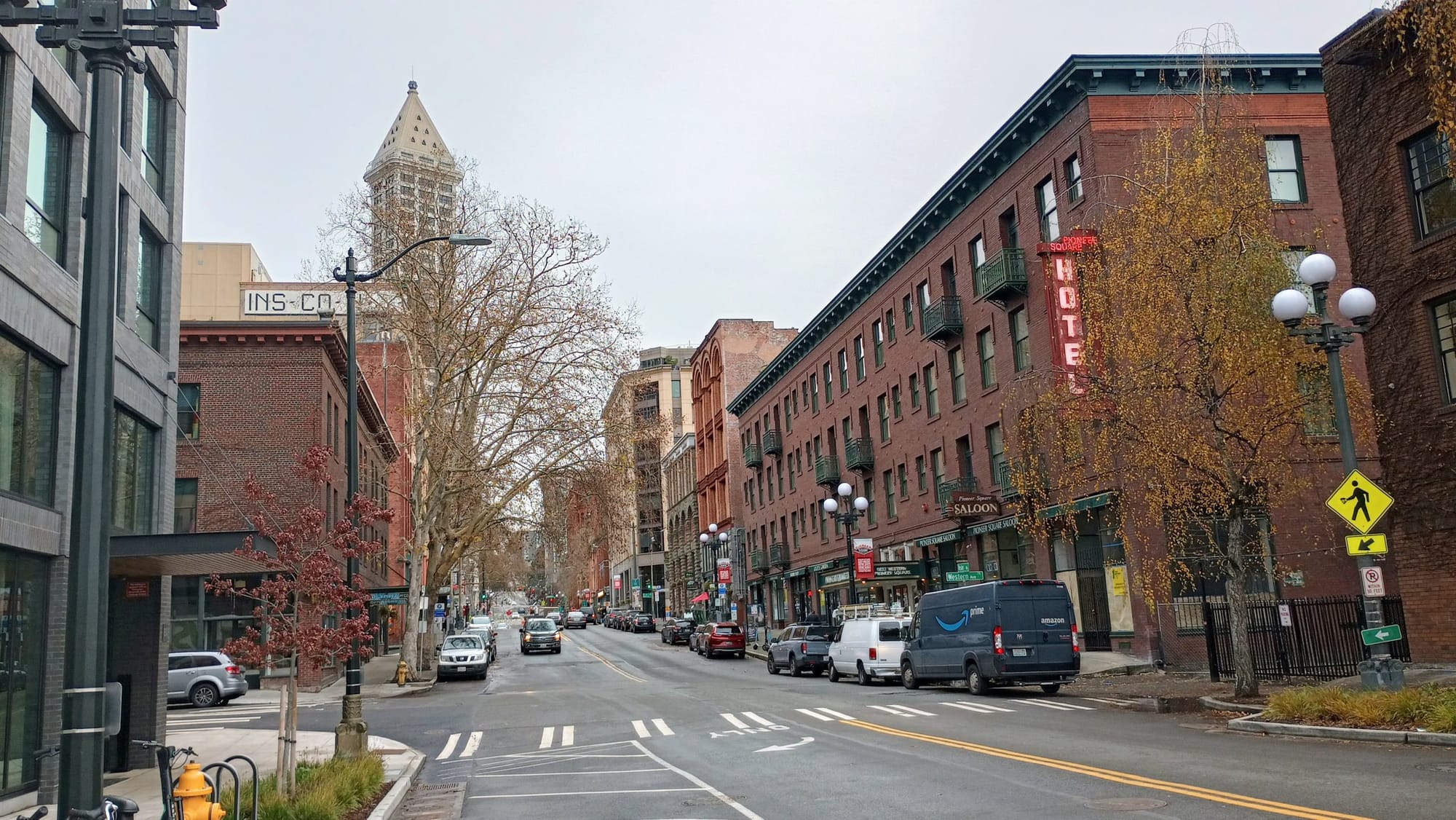
As the city prepares to celebrate the grand opening of the full Seattle Waterfront revamp, the only planned direct connection between downtown and the waterfront is set to remain uncompleted. At the center of the issue is an antiquated traffic signal.
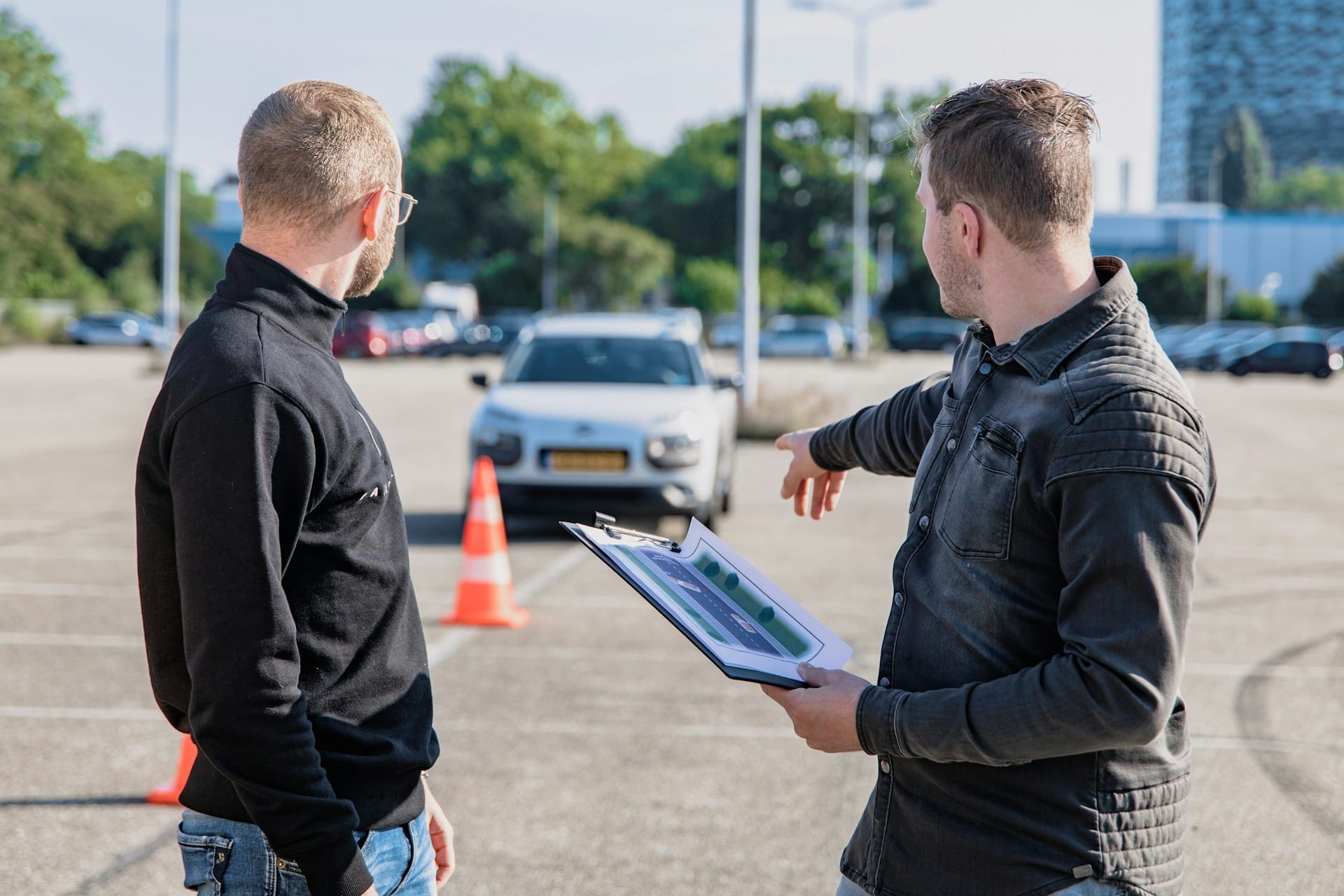
A newly signed Washington State law aims to “improve safety for young drivers” by expanding access to driver’s education and raising the minimum age at which new drivers can get a license without completing a formal driver’s education course.
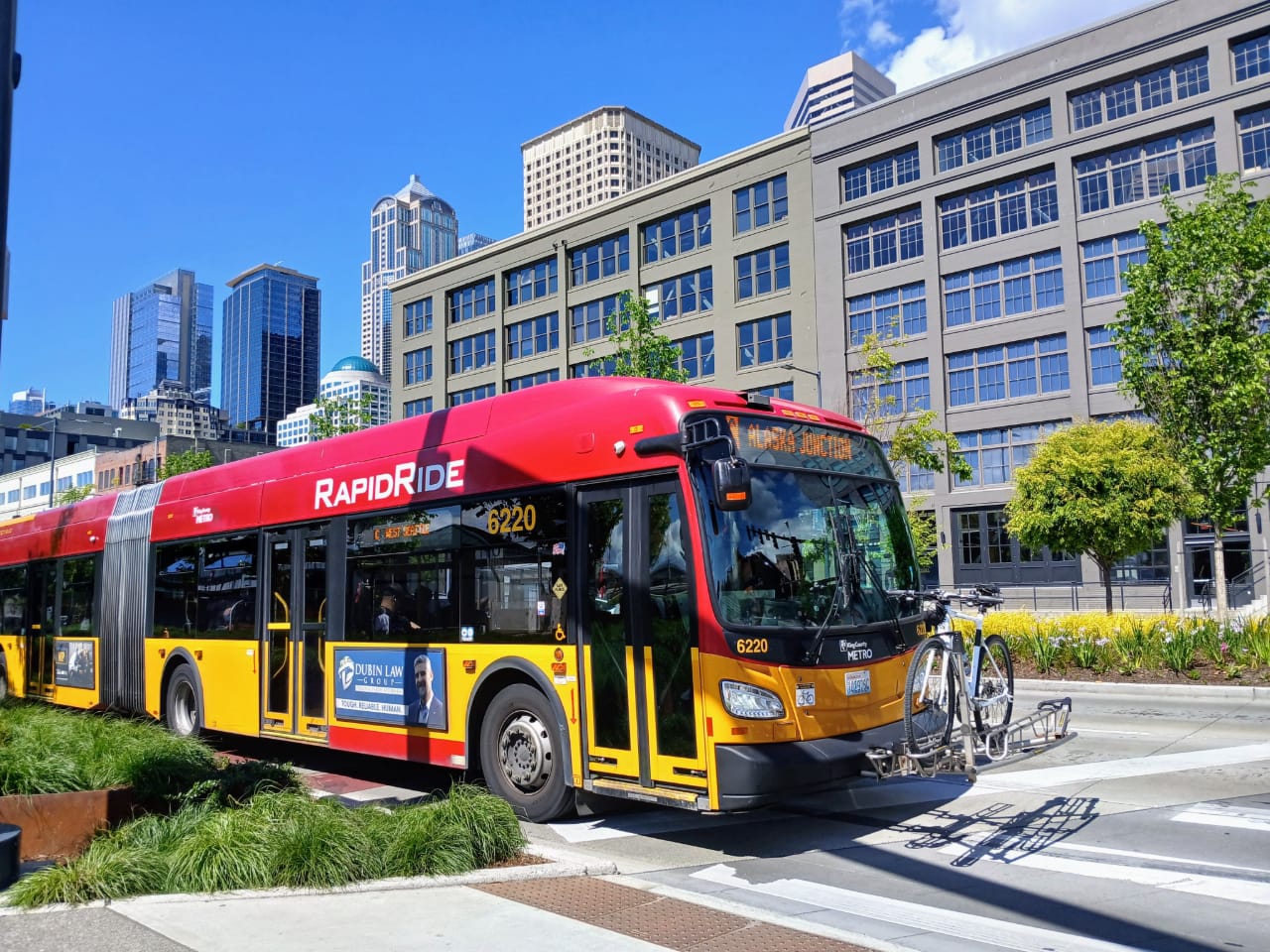
The proposal for a 0.1% sale tax hike comes in response to structural issues with King County’s budget, and would generate around $100 million annually. Half would fund maintenance on unincorporated roads, and the other half is likely to go to safety upgrades at Metro.
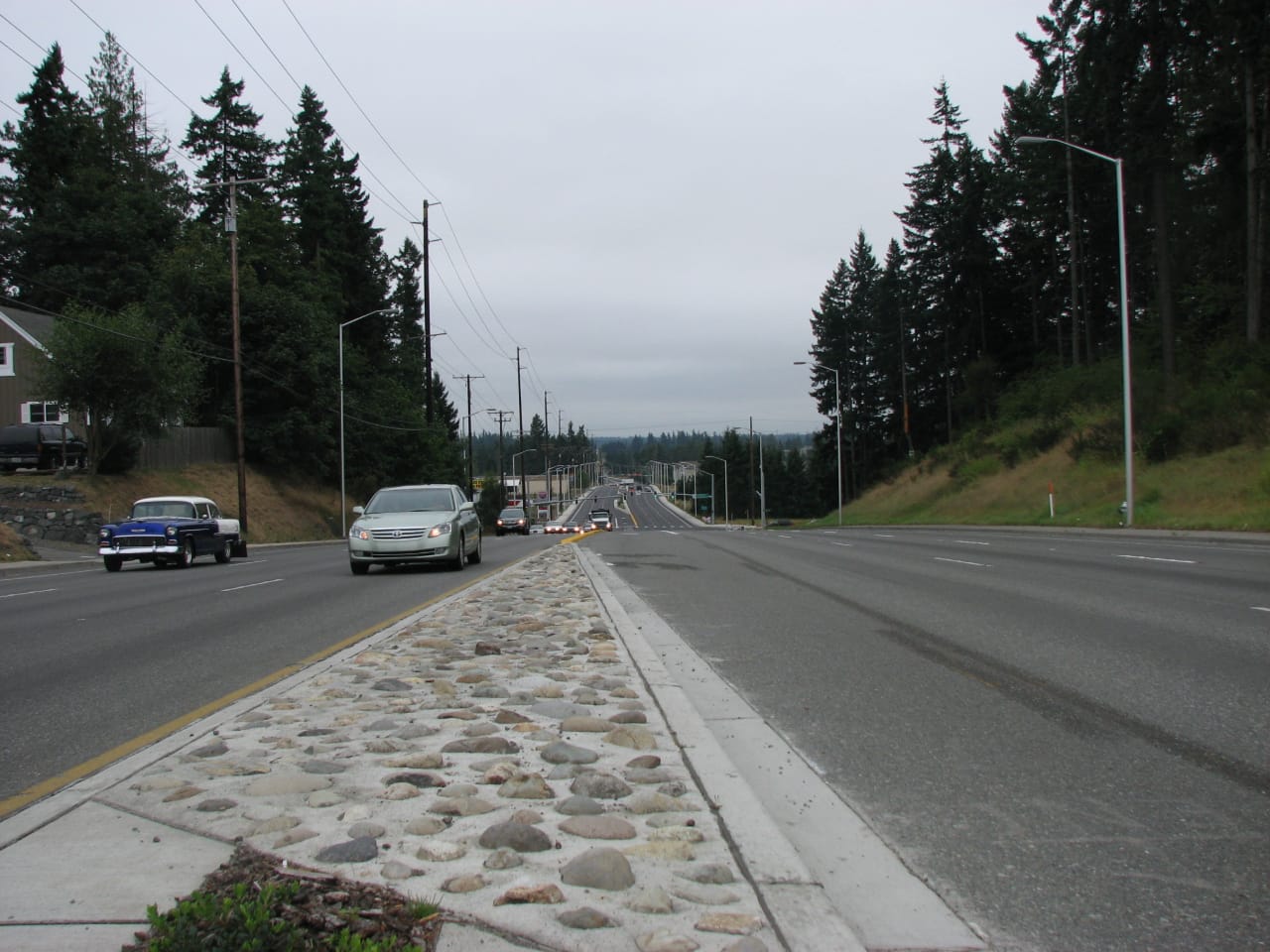
The fully completed plan, intended to provide an array of strategies that would advance Pierce County toward a goal of eliminating deaths and serious injuries by 2035, was only approved by a 4-3 vote last week.
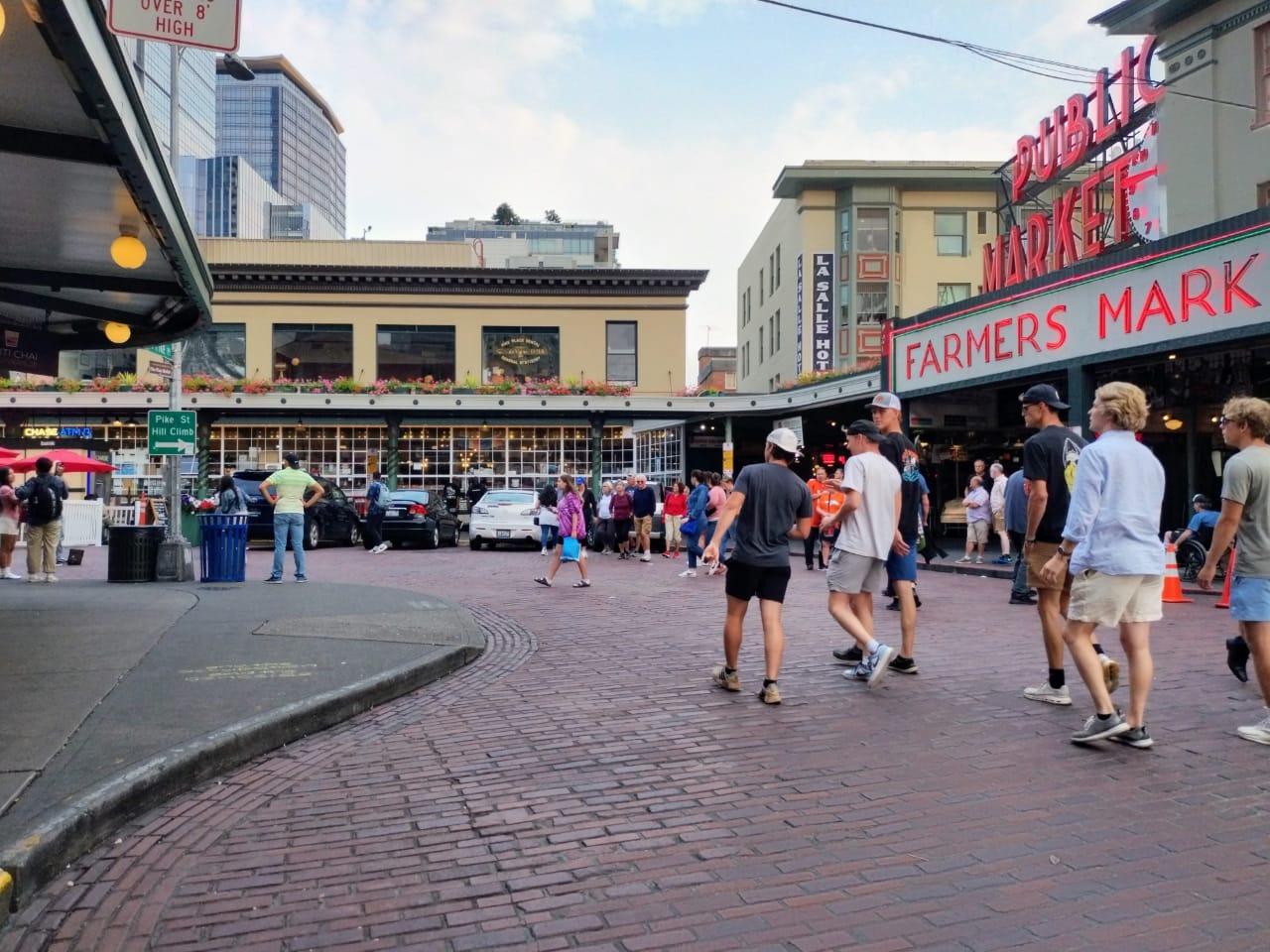
Car access to Pike Place’s main corridor will be restricted to loading vehicles, emergency access, and people accessing ADA parking. The Market is calling the move a “test and learn” opportunity that could open the door to long-term pedestrianization.
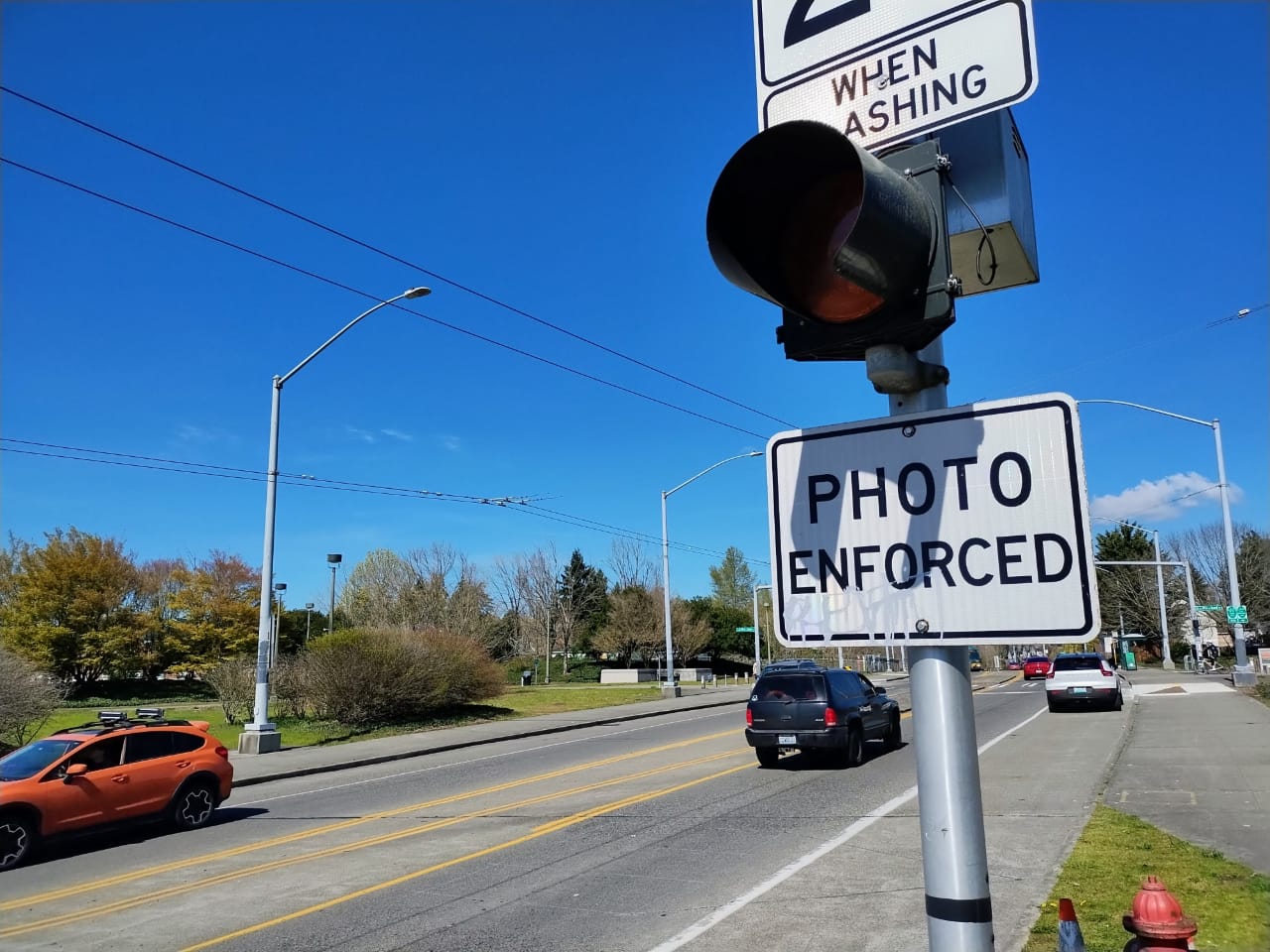
New types of traffic cameras allowed by the state legislature have the potential to lead to big safety gains in Seattle — but a potential clash over how those cameras are deployed could be on the horizon. SDOT and transportation chair Rob Saka are not seeing eye to eye.
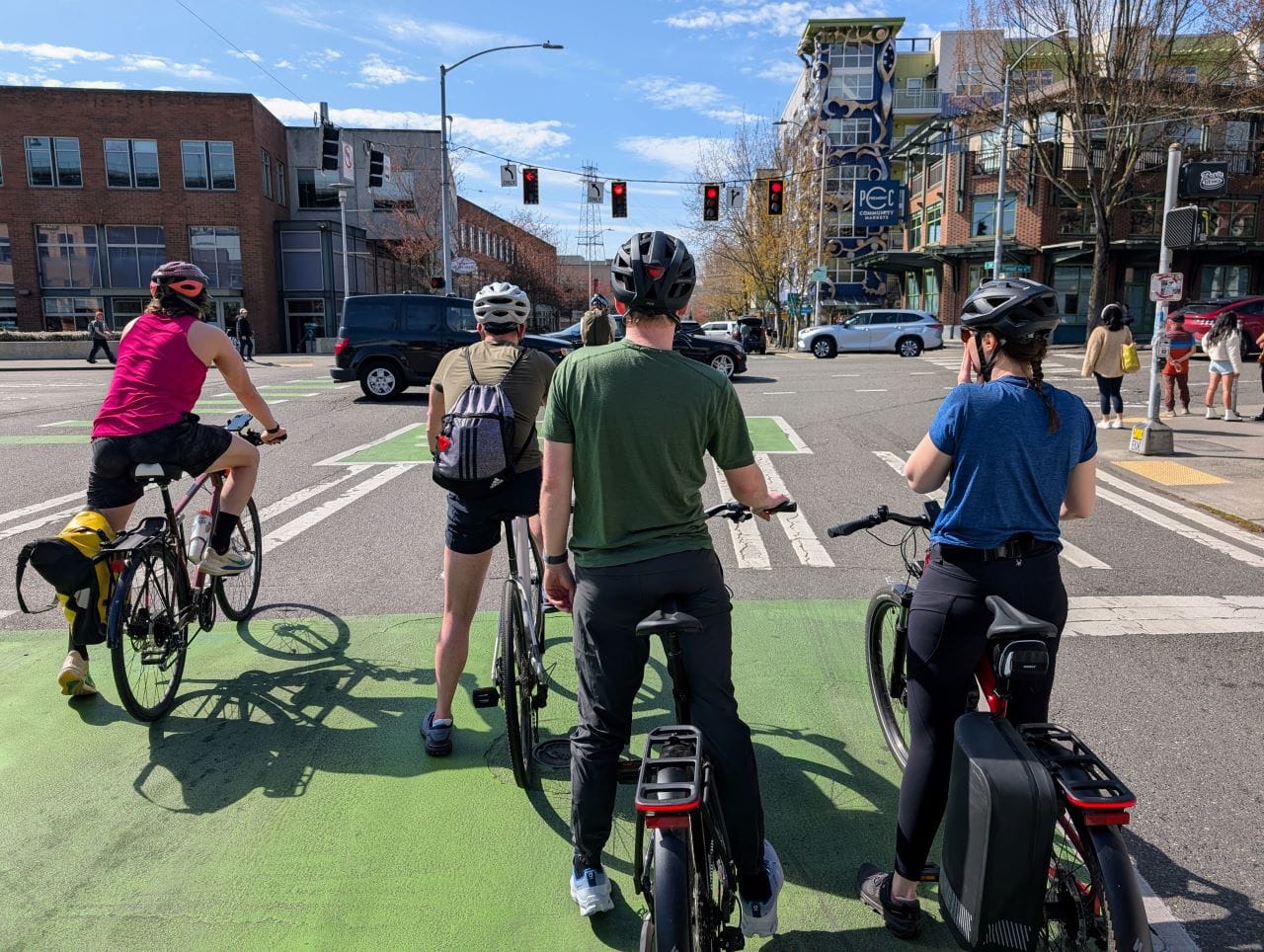
Lori Markovitz shares how House Bill 1596 could have saved her son by requiring anti-speeding technology for motorists with records of reckless driving. The bill needs to pass the state Senate by Wednesday to avoid a cutoff and become law in Washington state.
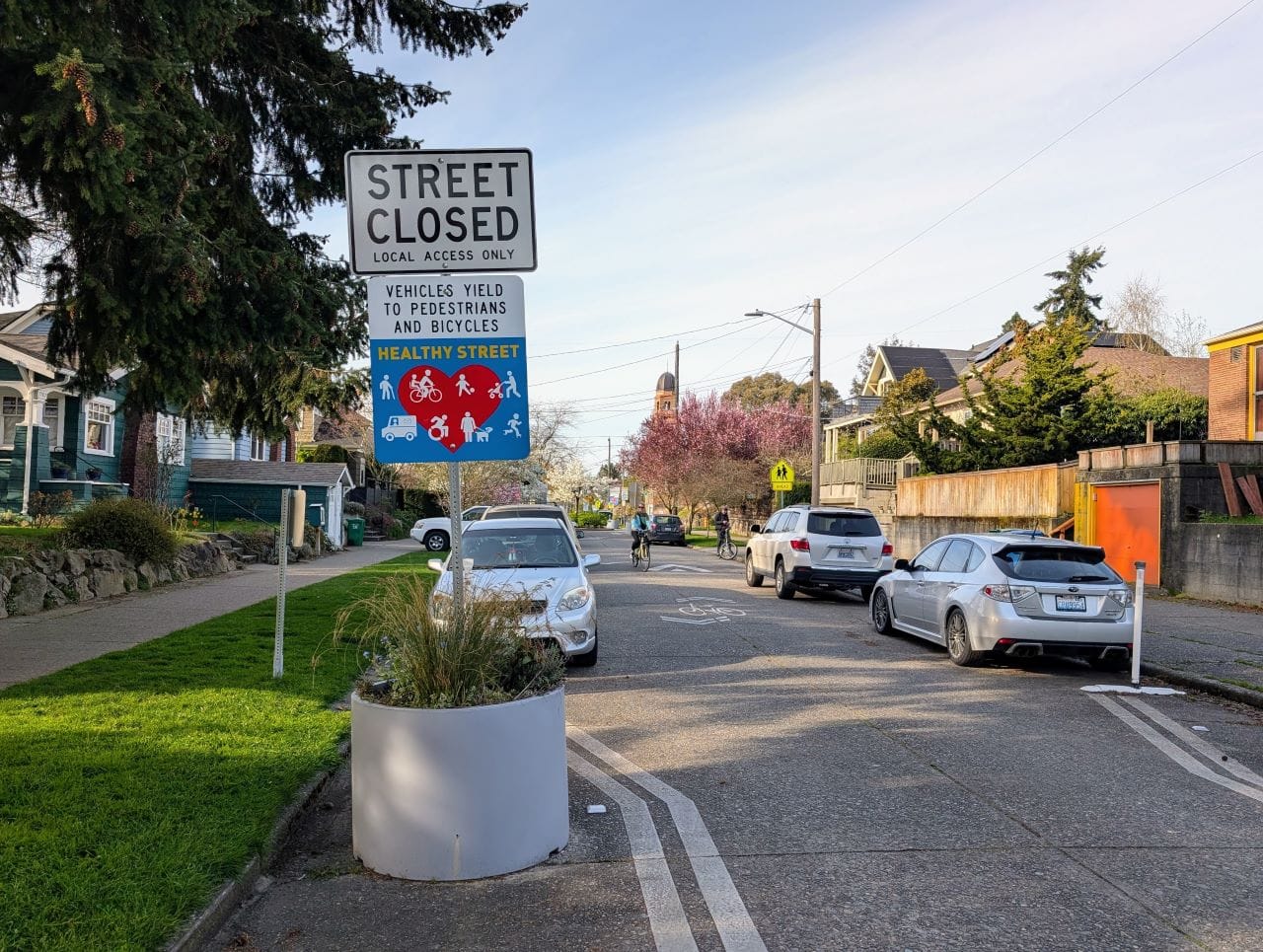
New legislation in Olympia could help us rethink and reclaim the street as a true public easement. If passed and its provisions delivered, we can look forward to streets that are not only more welcoming of public life, but a lot less deadly to all users.
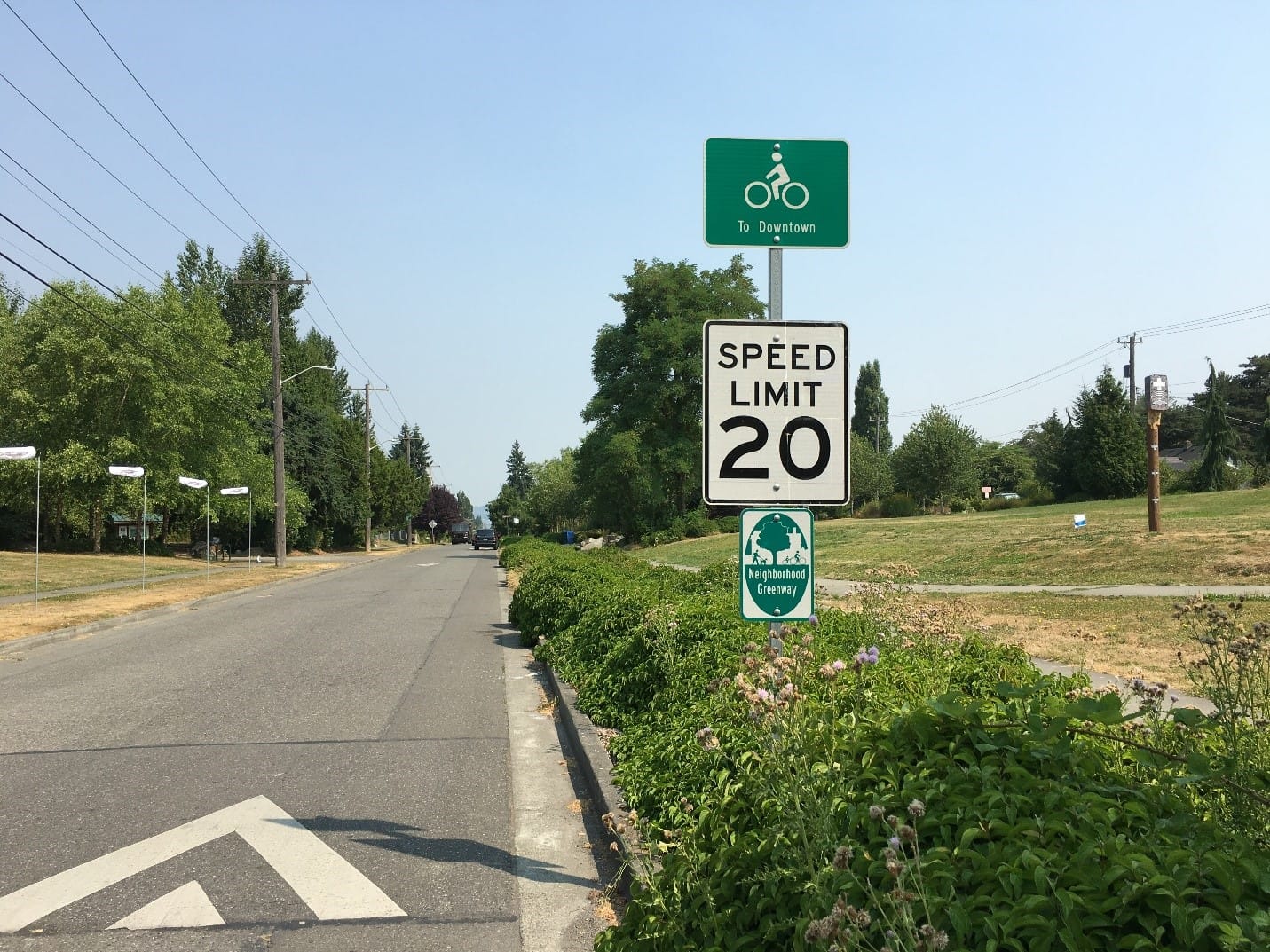
In 2020, Rob Saka advocated against proposed safety infrastructure along a critical greenway in West Seattle. This week, the issue resurfaced, and Saka, now a city councilmember and chair of the transportation committee, again railed against traffic diverters.
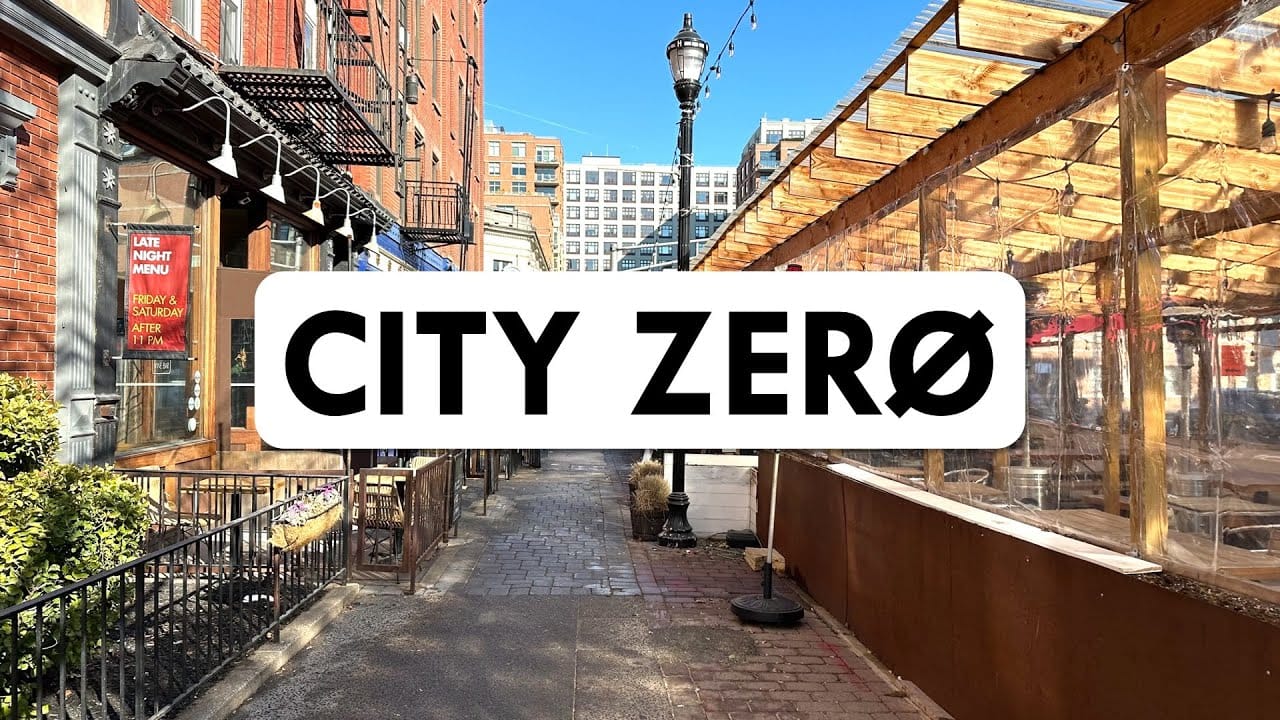
Ray Delahanty of CityNerd takes a look at what Hoboken, New Jersey has been doing on safety. Across the river from New York City, the city hasn’t been a road fatality since 2019 and has worked hard to implement Vision Zero redesigns on streets citywide.
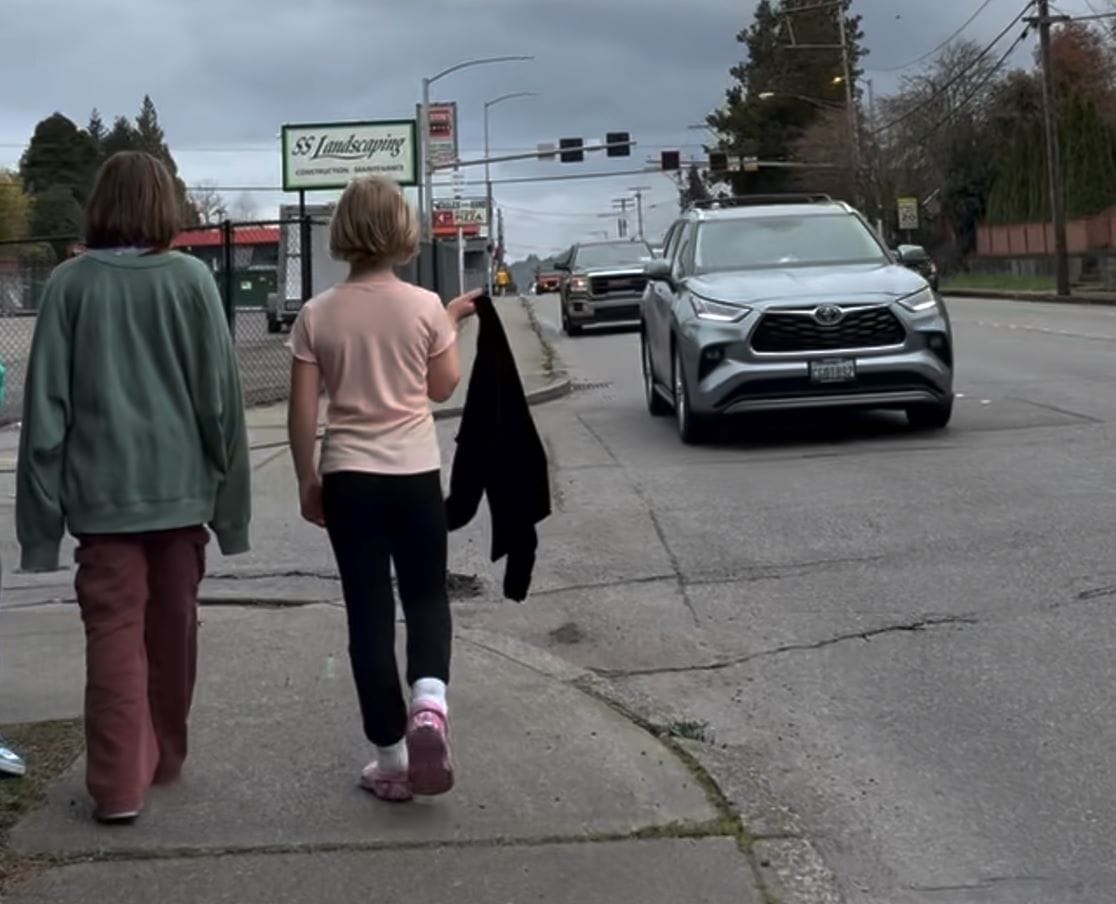
Bremerton Mayor Greg Wheeler has presented car-centric preliminary designs for the 6th Street project, with no alternative building sidewalks and bike lanes to state safety standards. Travis Merrigan argues the Bremerton City Council should press the City to study such an option.
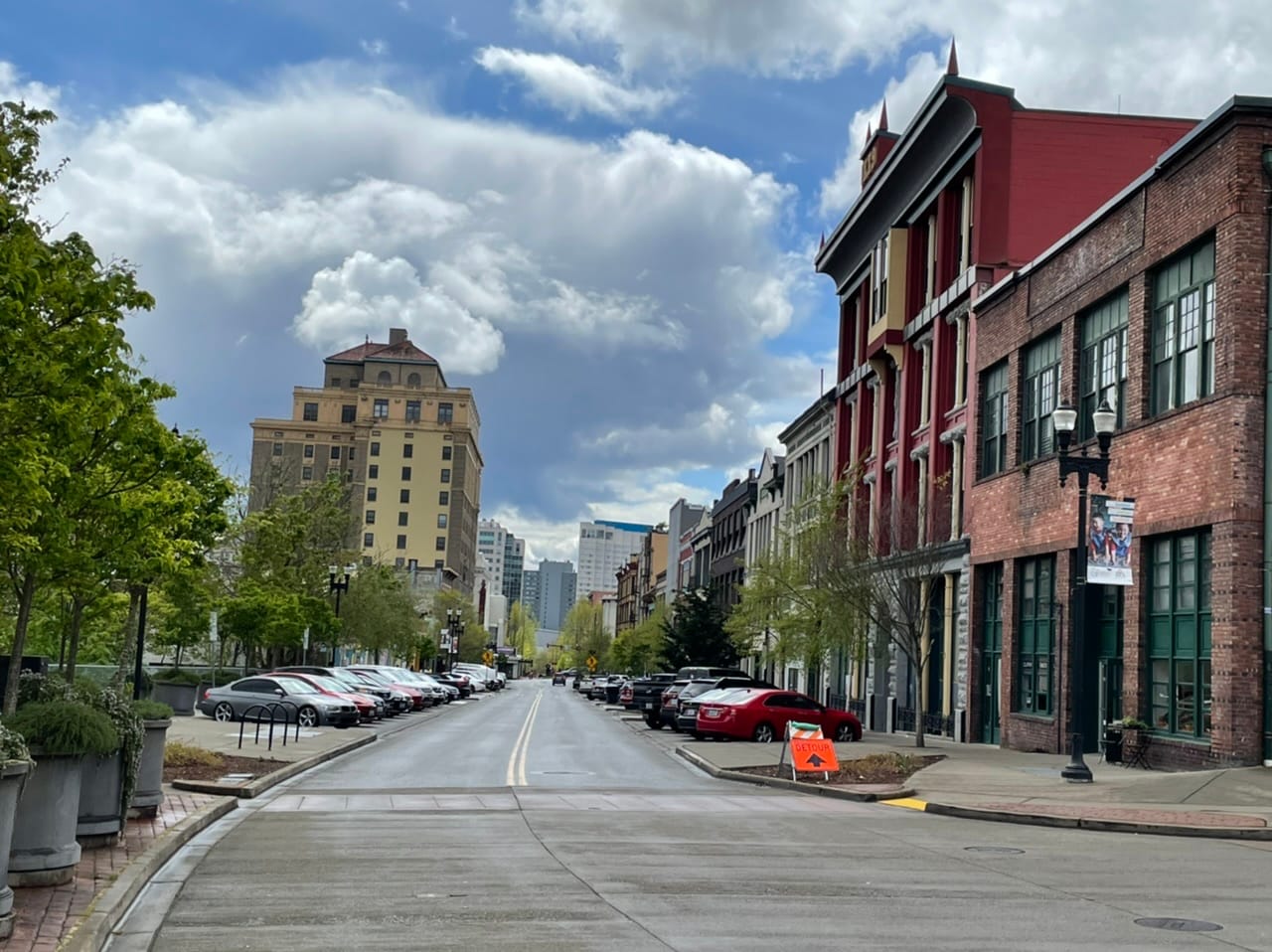
The permanent renewal of Tacoma’s Streets Initiative would enable the city to make significant progress on overhauling its most dangerous streets, and significantly expand safe bicycle infrastructure. The ballot measure goes to voters in an April 22 special election.
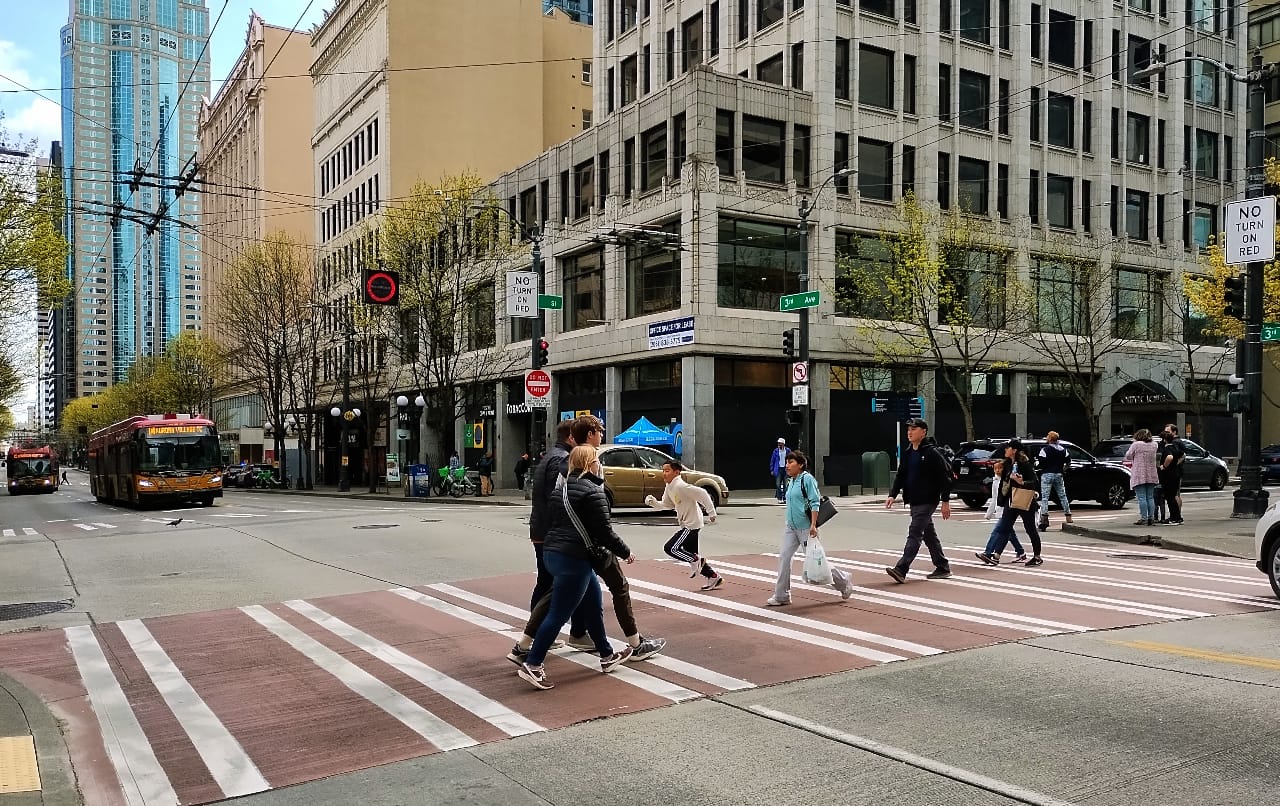
A recent peer-reviewed study of identical twins illustrated the value of living in a walkable neighborhood, showing a strong correlation between walkable neighborhoods, time spent walking, and positive health outcomes. Simply put, it appears that people tend to lead healthier lives in walkable neigh
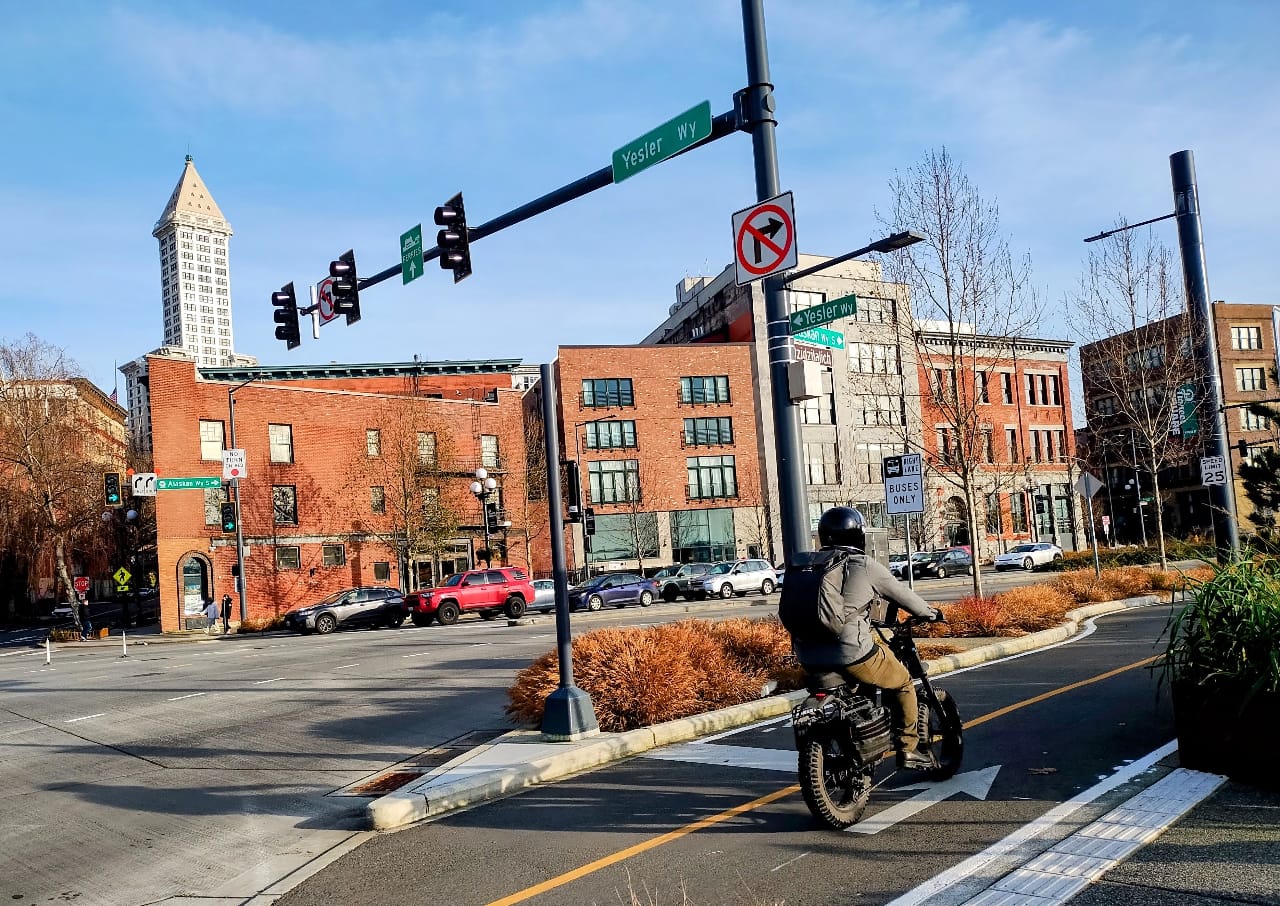
The 2025 delivery plan for the first year of the Seattle Transportation Levy spells out a broad array of projects that will enter the pipeline this year.
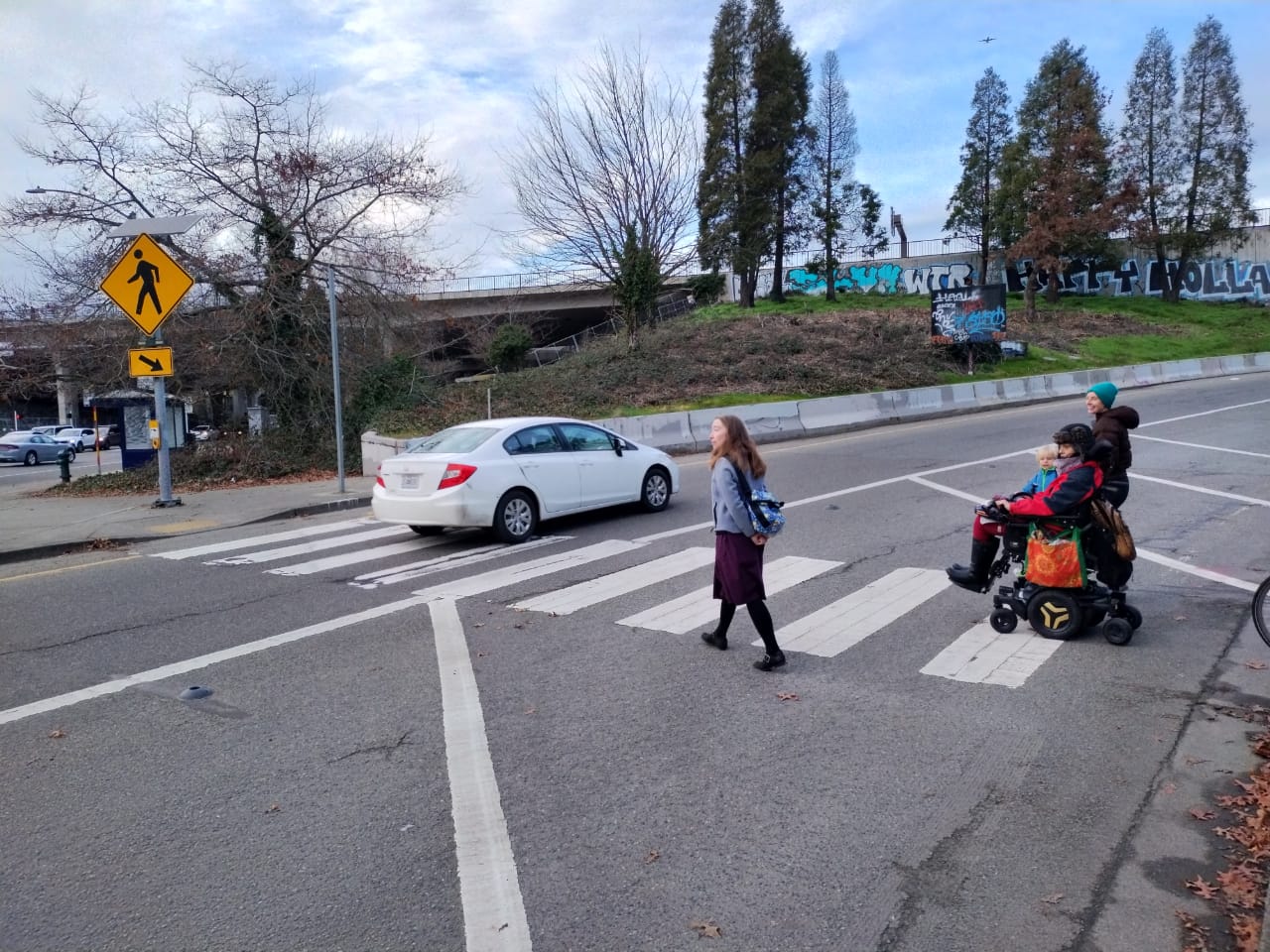
Raised crosswalks and flashing beacons are set to be installed this summer at Judkins Park’s I-90 ramps, which are steps from the forthcoming light rail station.
The idea of slowing drivers along one of the city’s most scenic waterfront routes had been seen as the compromise position, in the face of competing visions for Lake Washington Boulevard. But behind-the-scenes, the upgrades have been under attack.
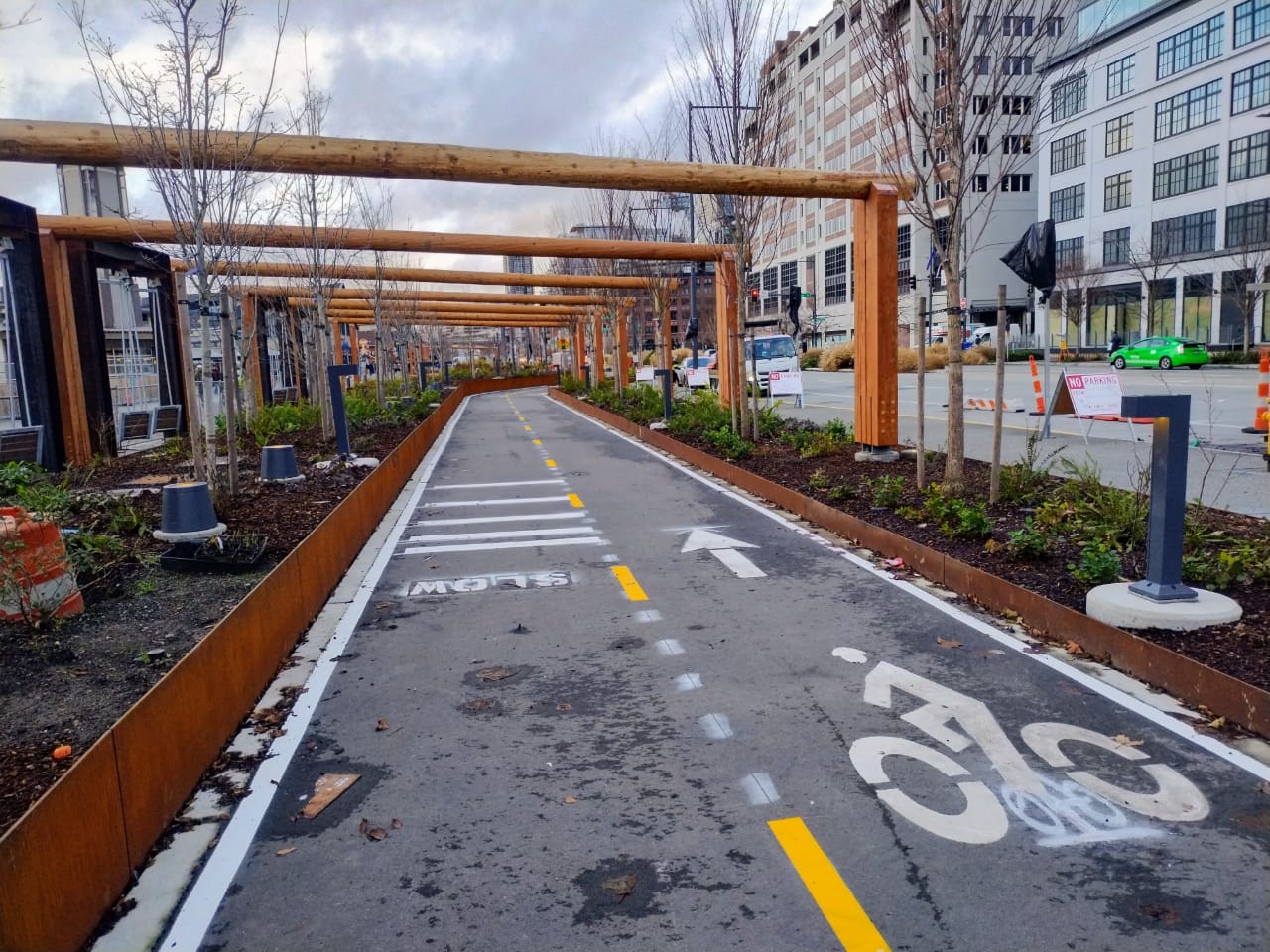
Bike and scooter riders have been waiting a long time for the separated pathway along Downtown Seattle’s waterfront to open. The wait is set to continue for another few months.
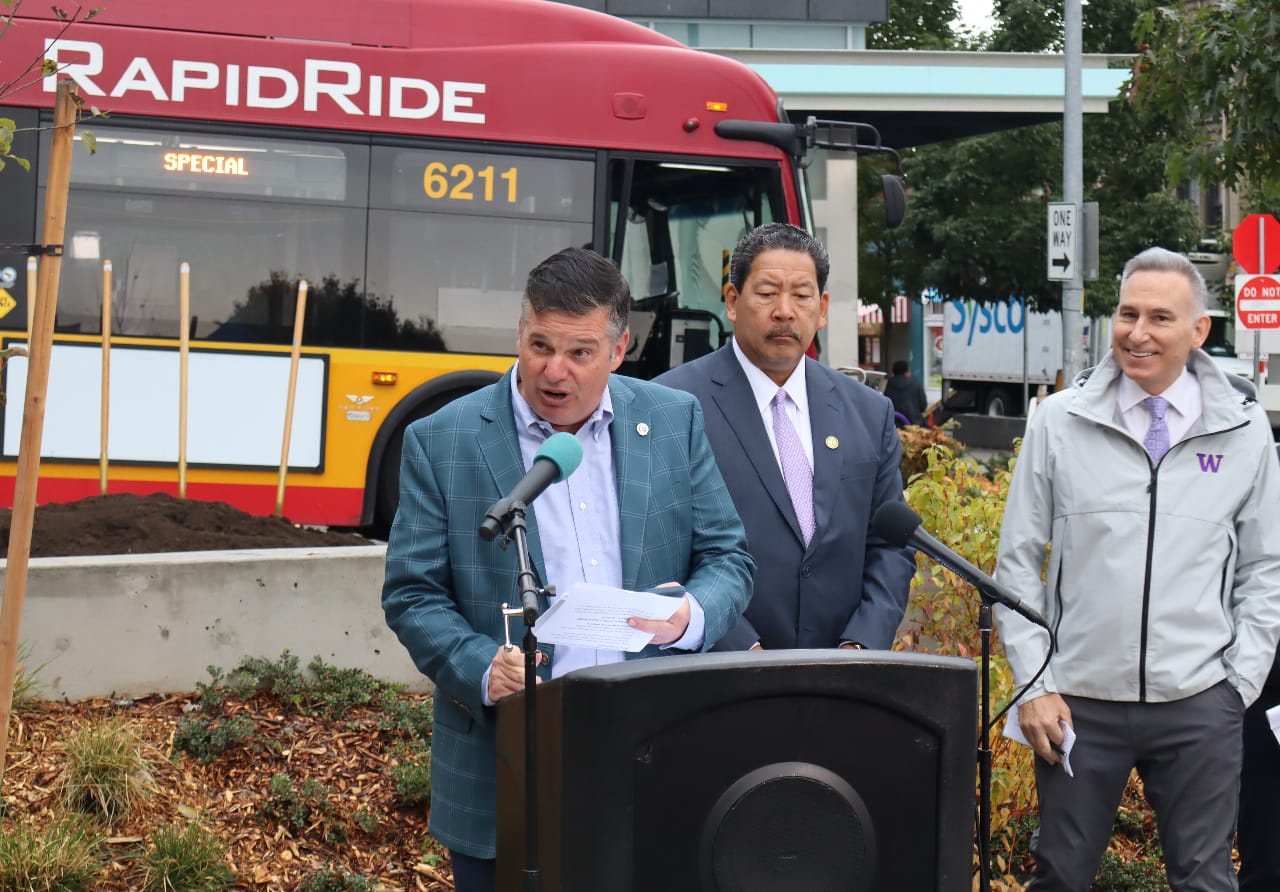
Greg Spotts is the latest SDOT Director to leave the city after a short stint, departing after overseeing a strong finish on the $930 million Levy to Move Seattle.
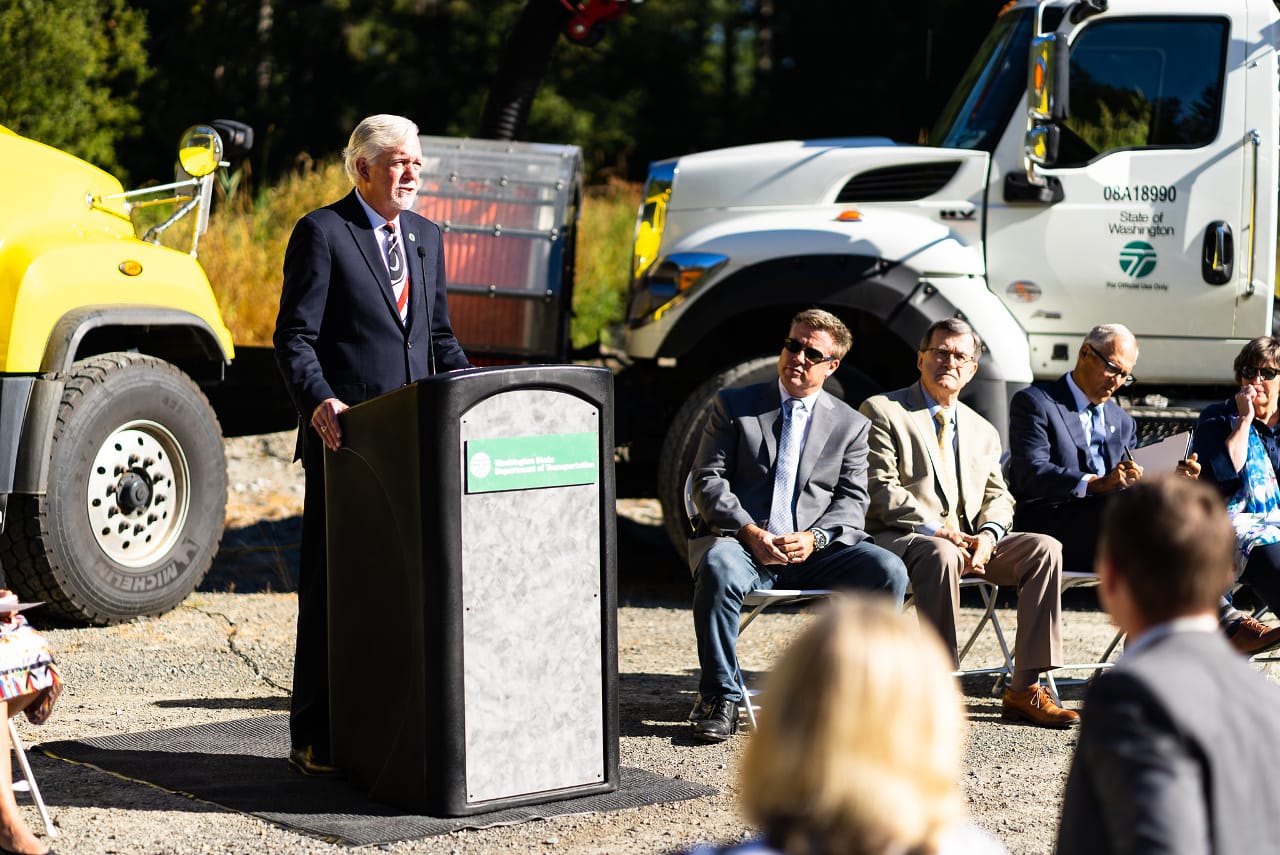
Washington State could be set to pay a significant price for decades of underinvesting in basic maintenance of the state transportation system, outgoing WSDOT head Roger Millar said.
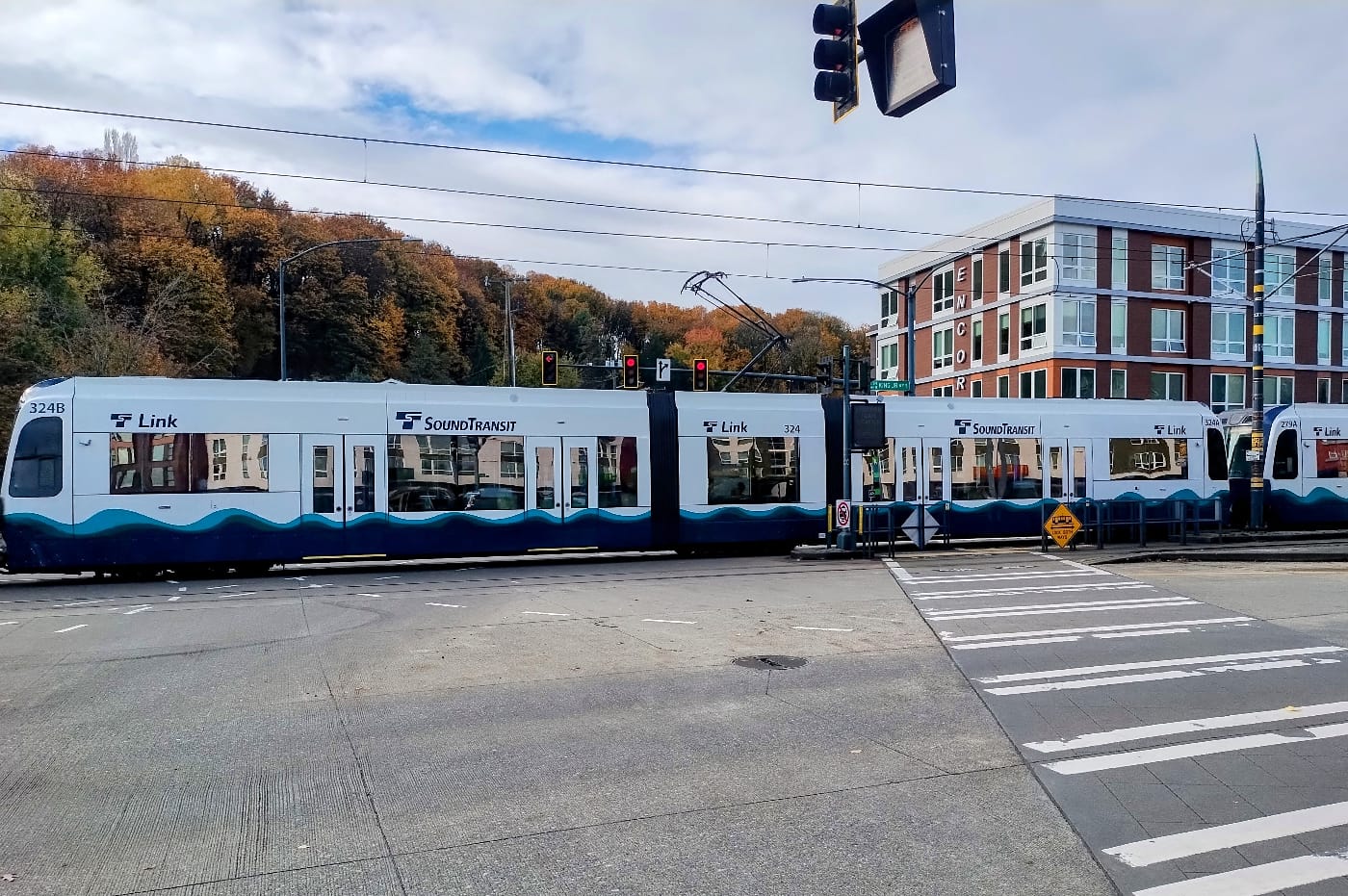
Sound Transit plans to make a series of spot improvements over the next few years intended to improve safety at its at-grade stations in the Rainier Valley. But multiple board members are pushing the agency to think much bigger.
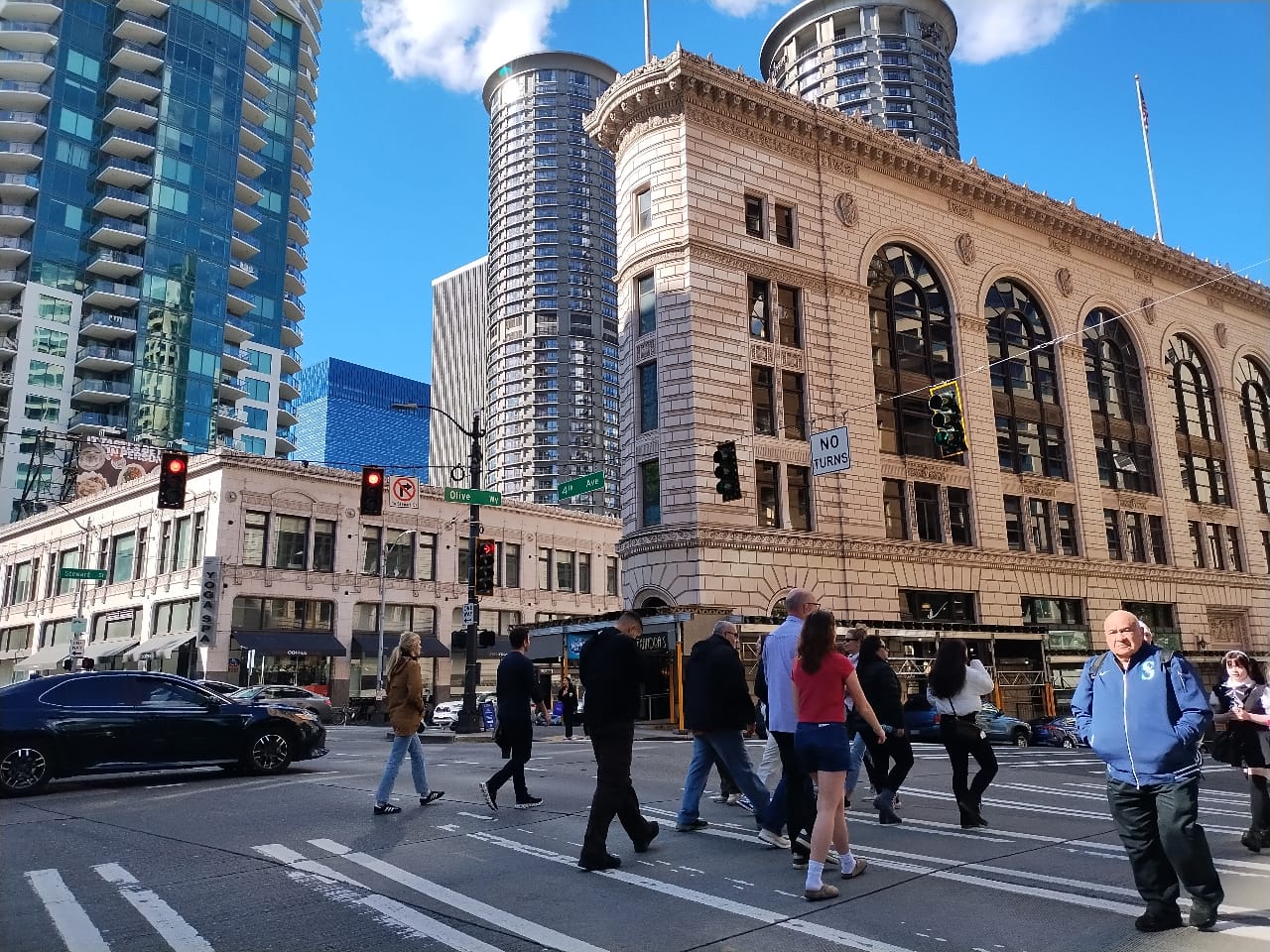
A new “Target Zero” safety roadmap for reducing serious injuries and fatalities on Washington’s roads includes some clear, evidence-based recommendations. But implementation could be challenging given political realities.
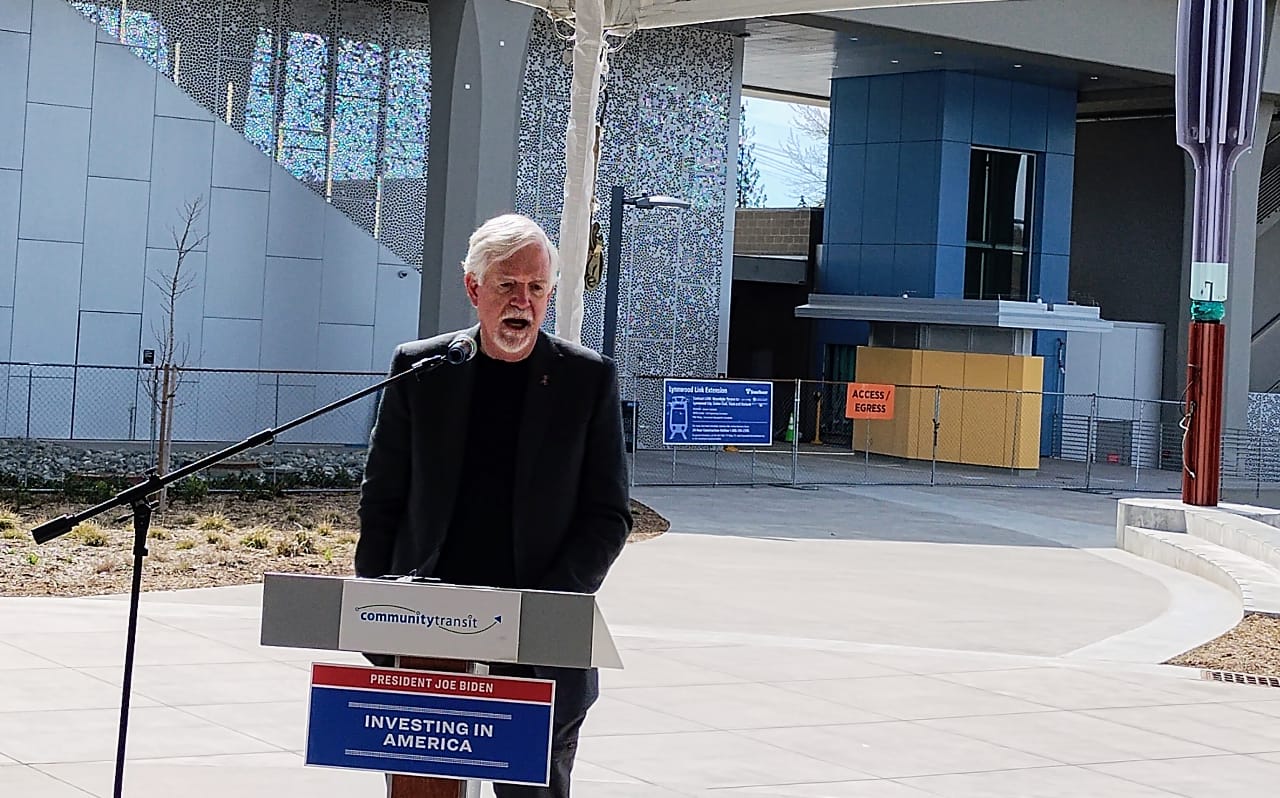
Washington State’s transportation chief Roger Millar is out after eight years, as Governor-elect Bob Ferguson prepares to take office. Widely recognized as a leader in progressive transportation policy, Millar will be tough to replace.
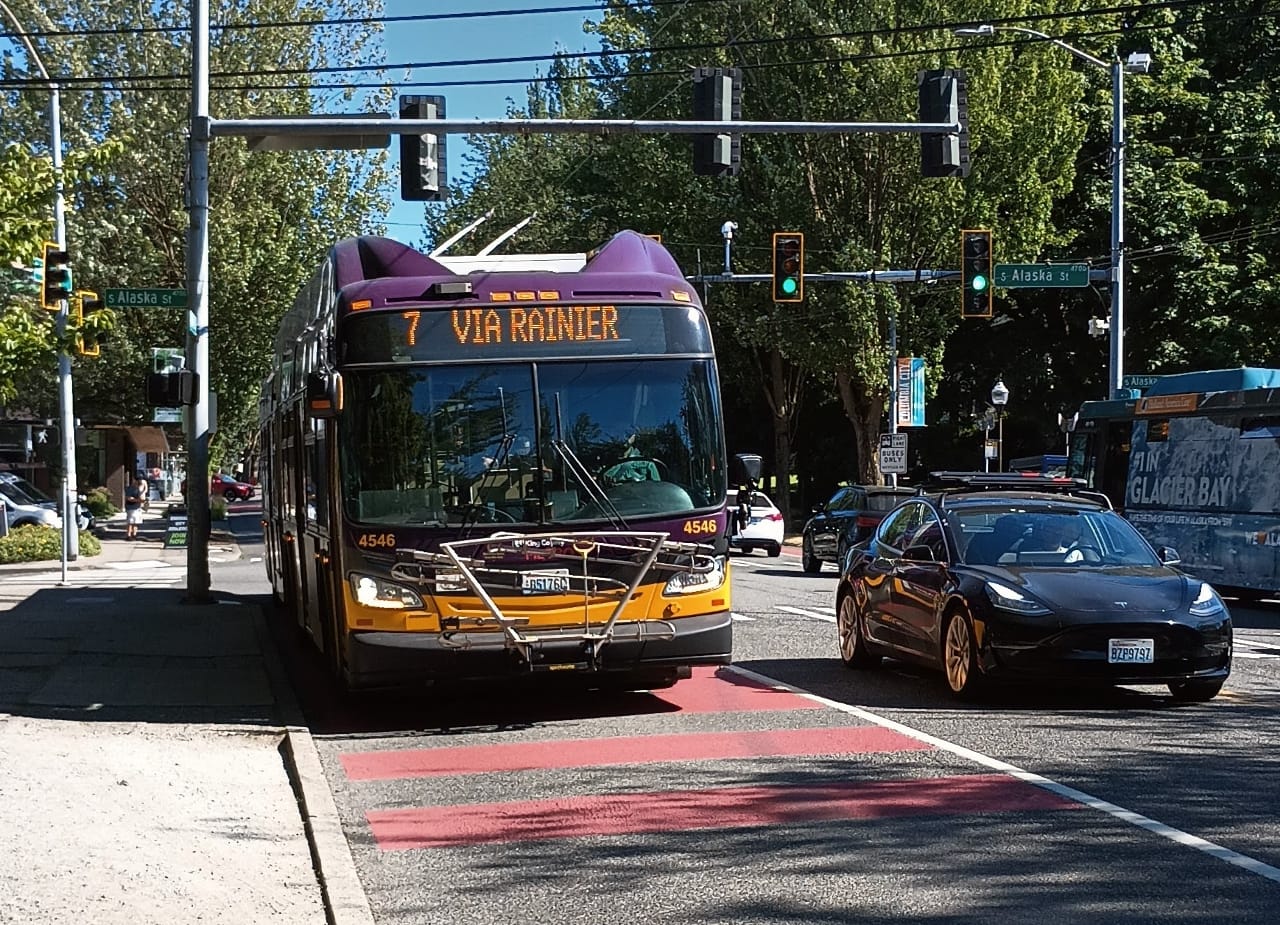
King County Metro is testing out on-board cameras that capture license plates in order to issue citations for violations of bus only lanes. It’s the first transit agency in Washington to try out this technology.
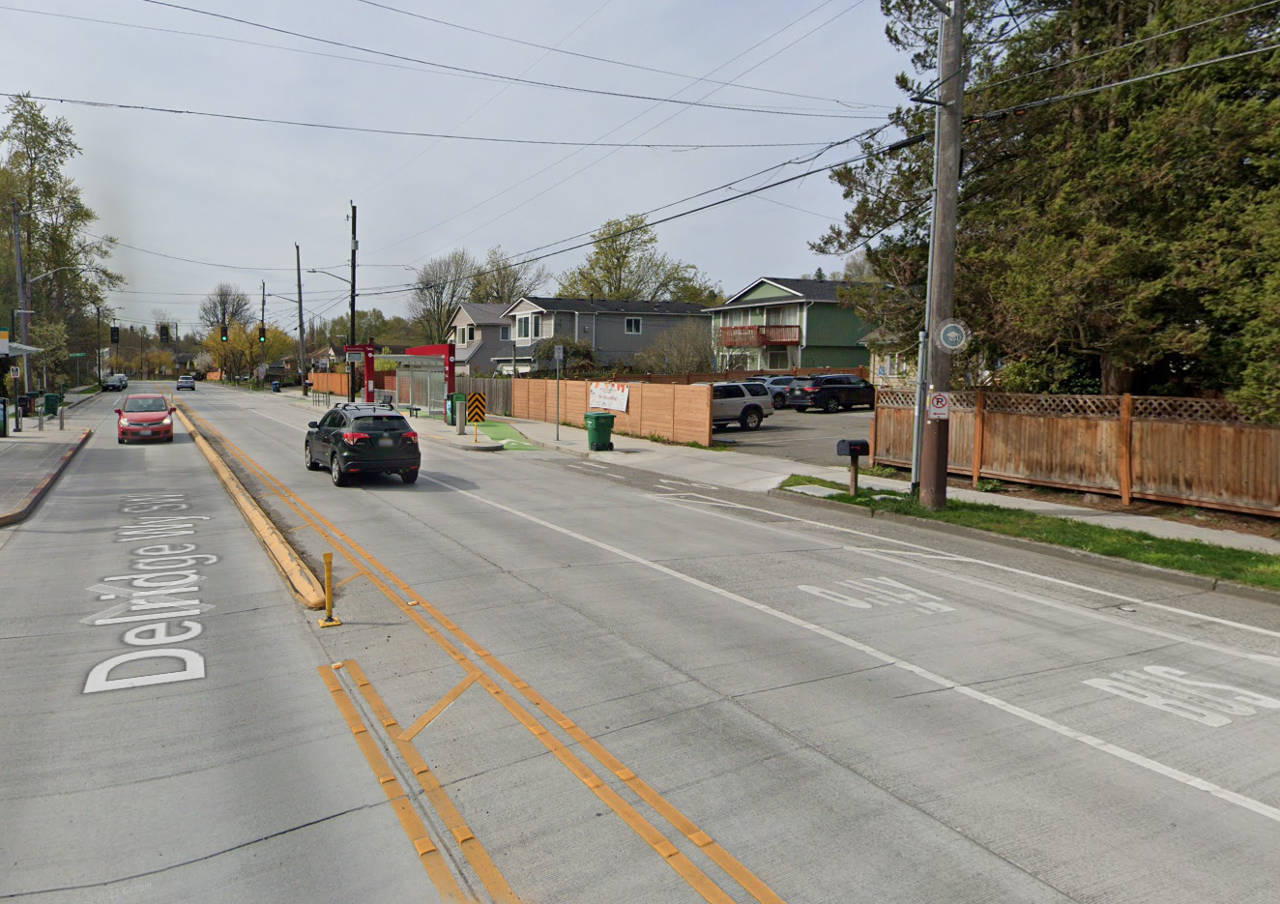
Saka is pushing to earmark $2 million in existing funding to remove a hardened barrier on Delridge Way SW, providing left turn access to a preschool used by Rob Saka’s family. The proviso is apparently Saka’s top priority this budget, but would reduce street safety.
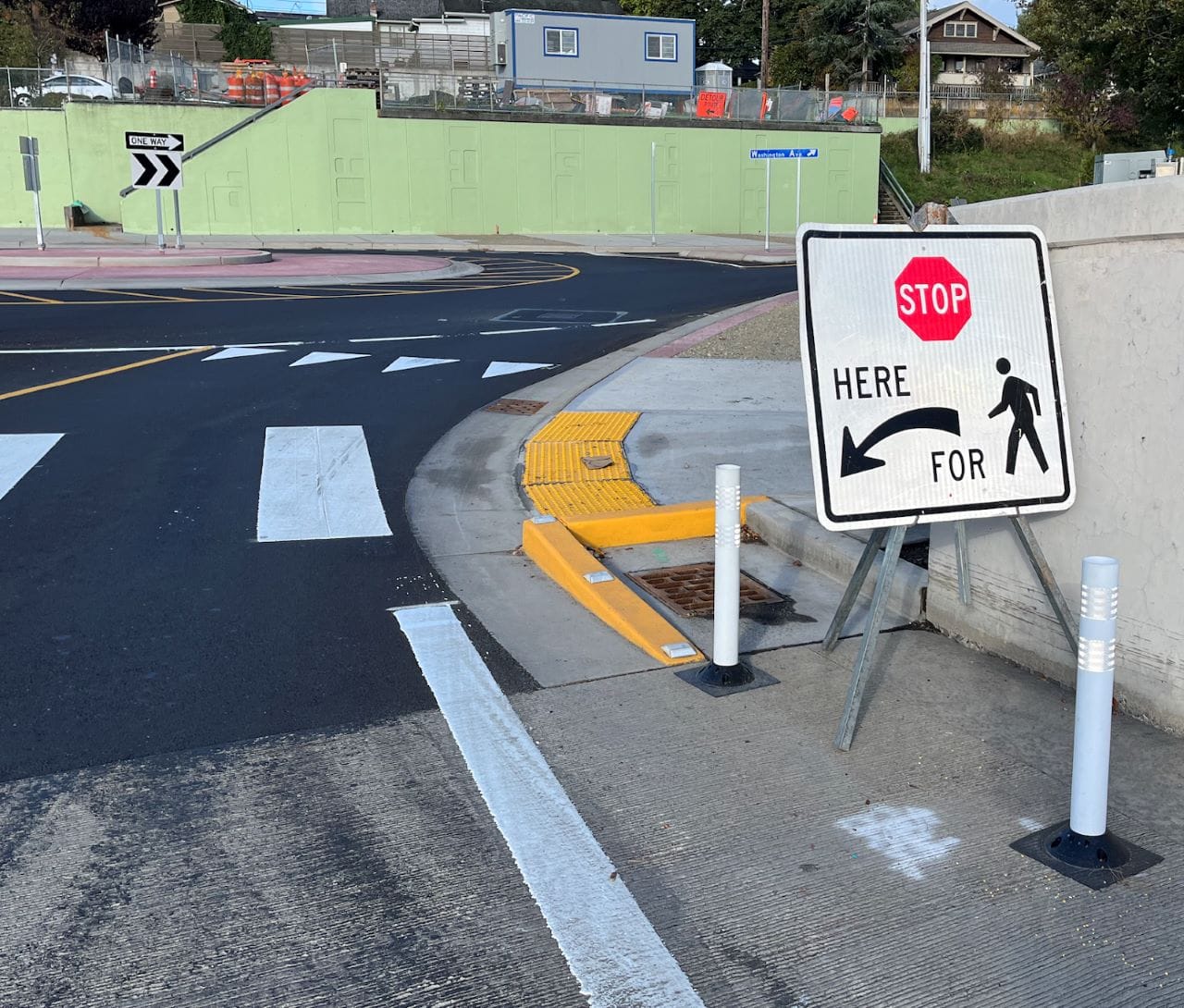
Recently completed Bremerton street projects have fallen well short of modern safety standards. The projects fail to shorten crosswalk distances, slow traffic speed, or protect cyclists with more than paint.
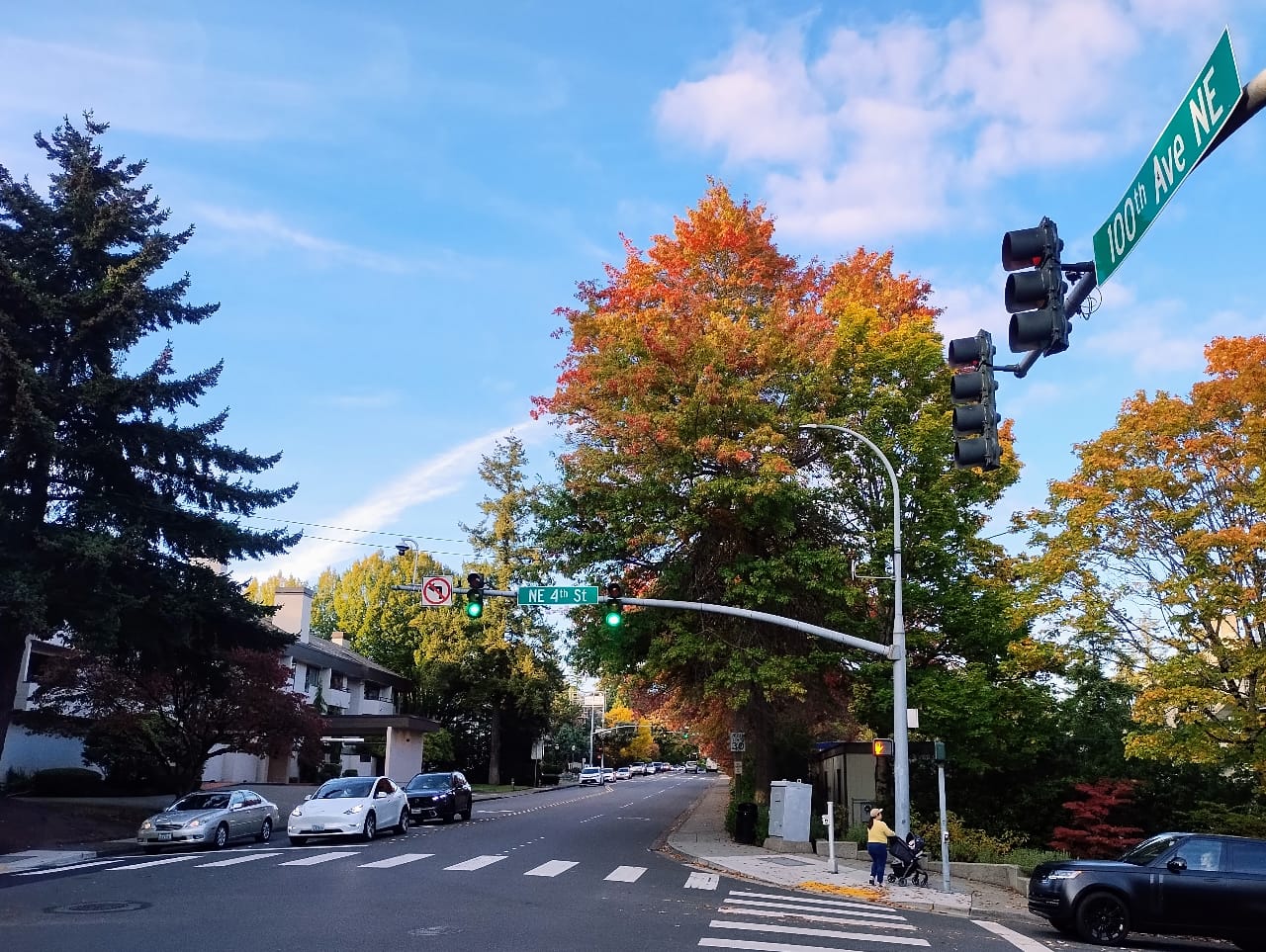
The Bike Bellevue plan was set to repurpose a lane on a minor downtown street to create a safe space for people on bikes. Then Kemper Development got involved.
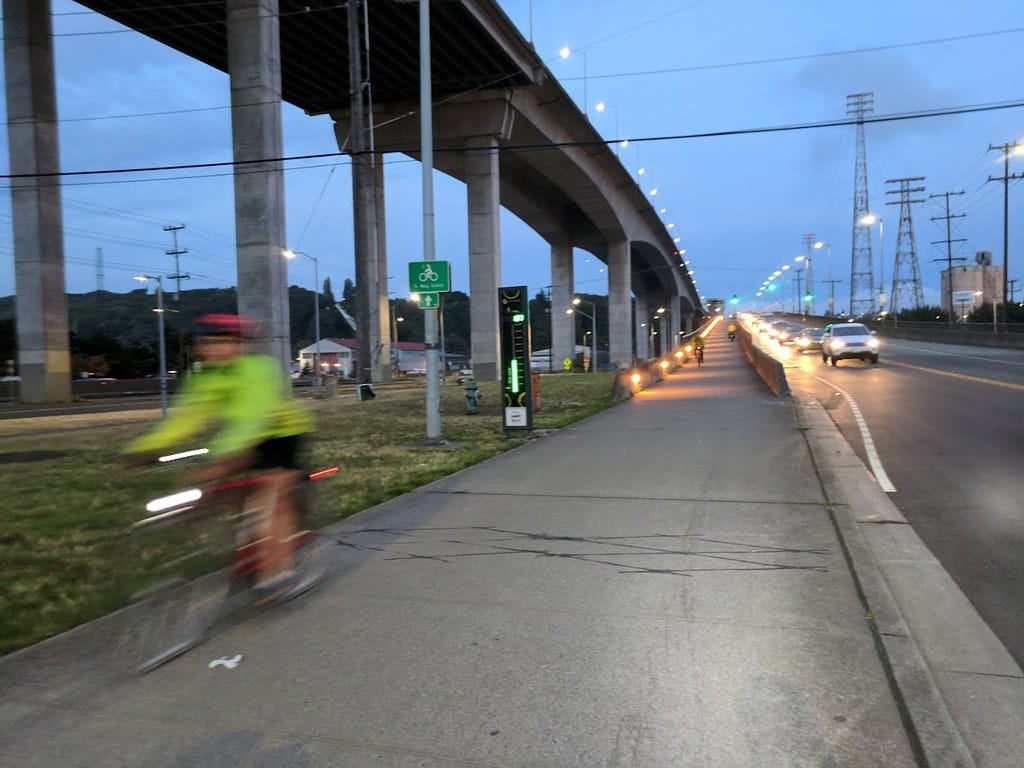
Cyclist Steve Hulsman died after being struck by an SUV in West Seattle on December 21. His widow, Rita Hulsman, urges Seattle residents to vote YES on the Keep Seattle Moving levy to prevent future deaths.
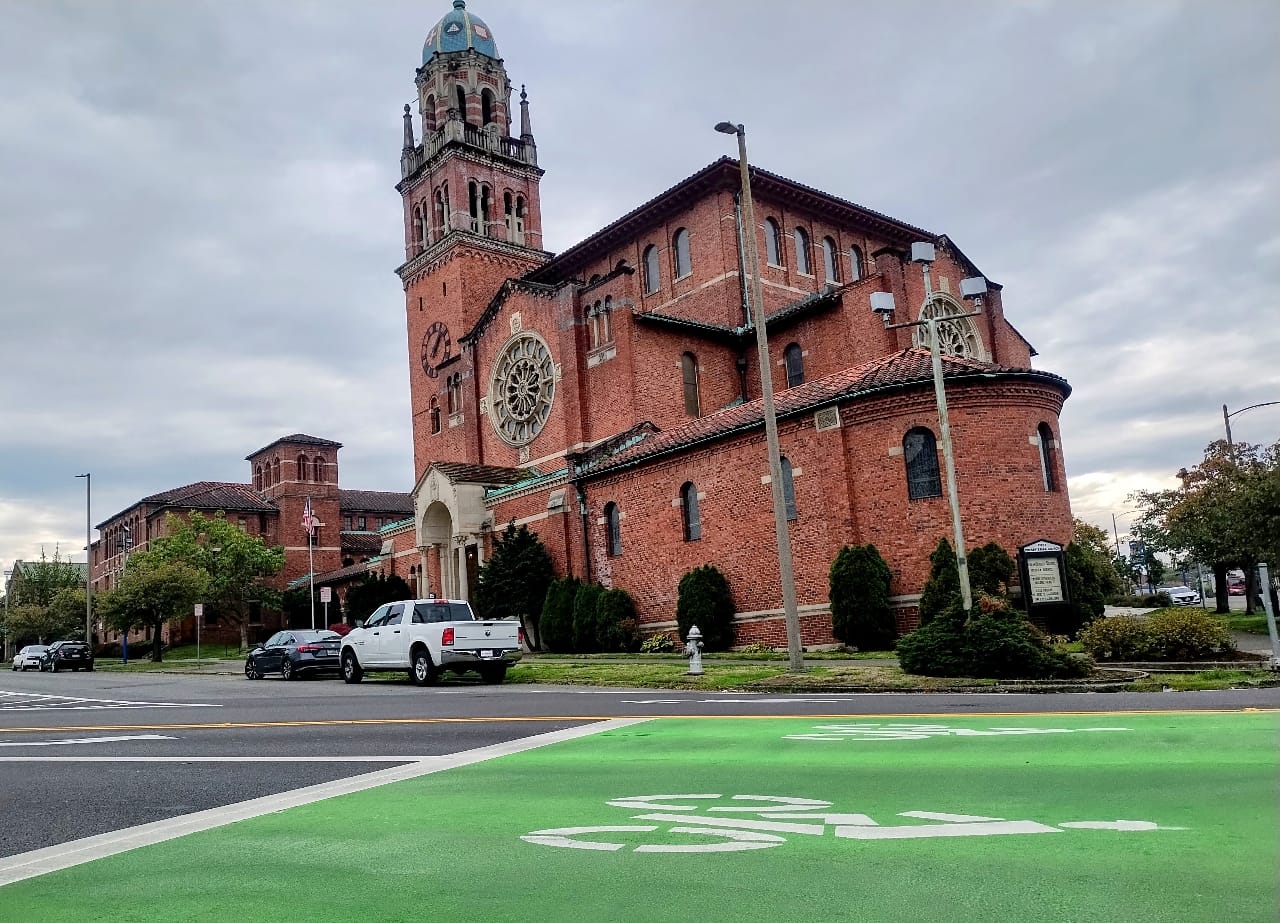
Tacoma’s $900,000 budget for Vision Zero is set to be slashed to $90,000 as the City prioritizes other areas for funding, leaving the Grit City without a dedicated revenue source for safety upgrades.
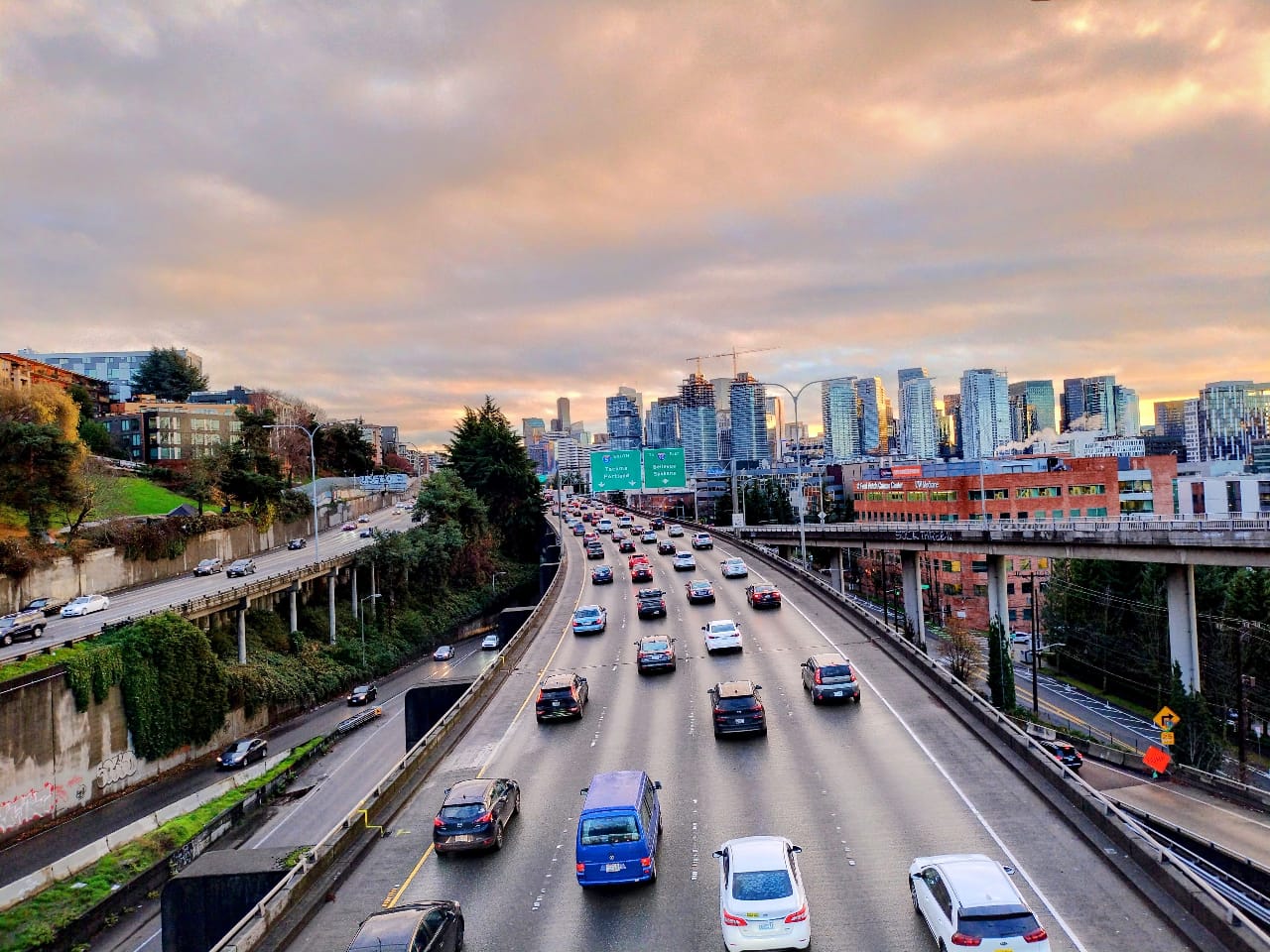
Several high profile officials are pushing for the next update to the central Puget Sound’s Regional Transportation Plan to be more transformative than it might otherwise have been. The plan sways which projects get grants.
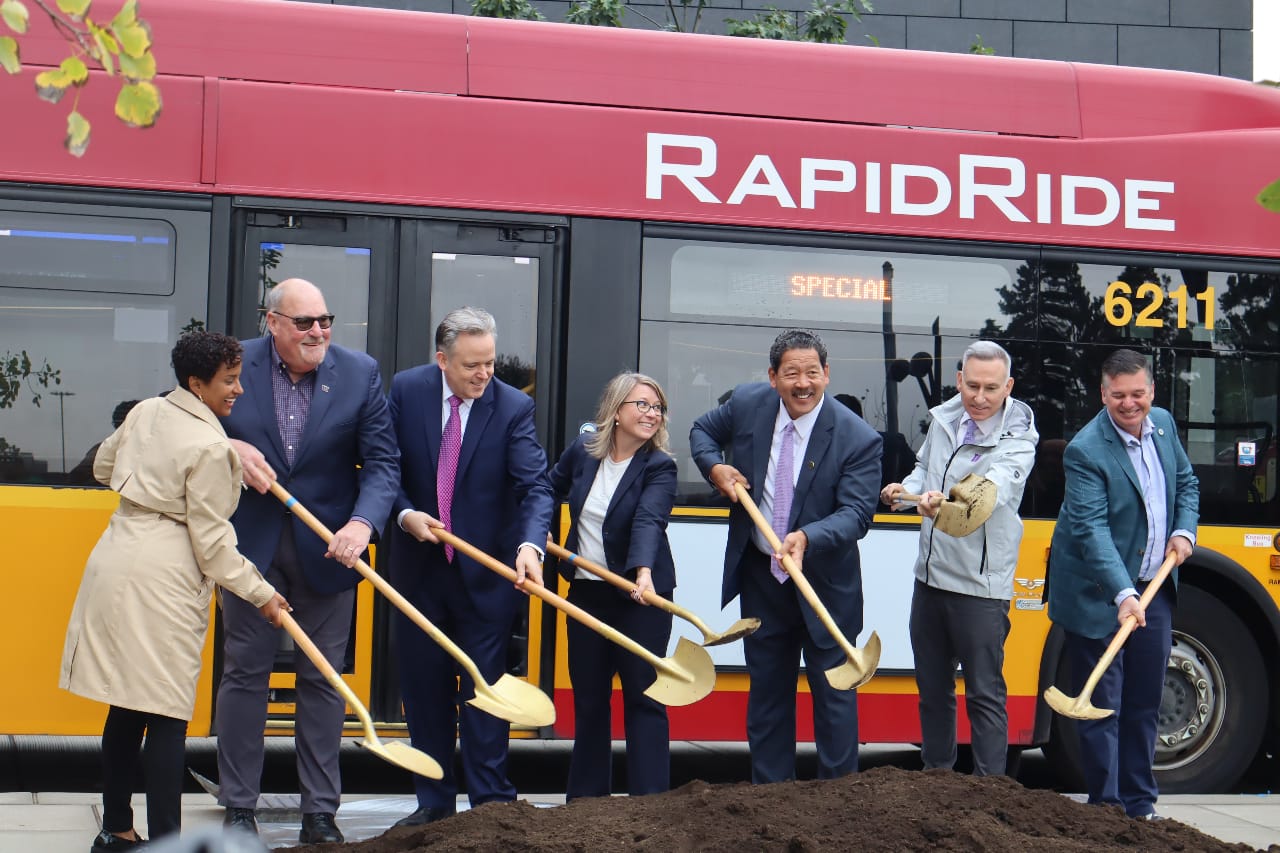
The groundbreaking for the RapidRide J between Downtown, Eastlake, and the U District marks the last RapidRide project scheduled to open in Seattle this decade.
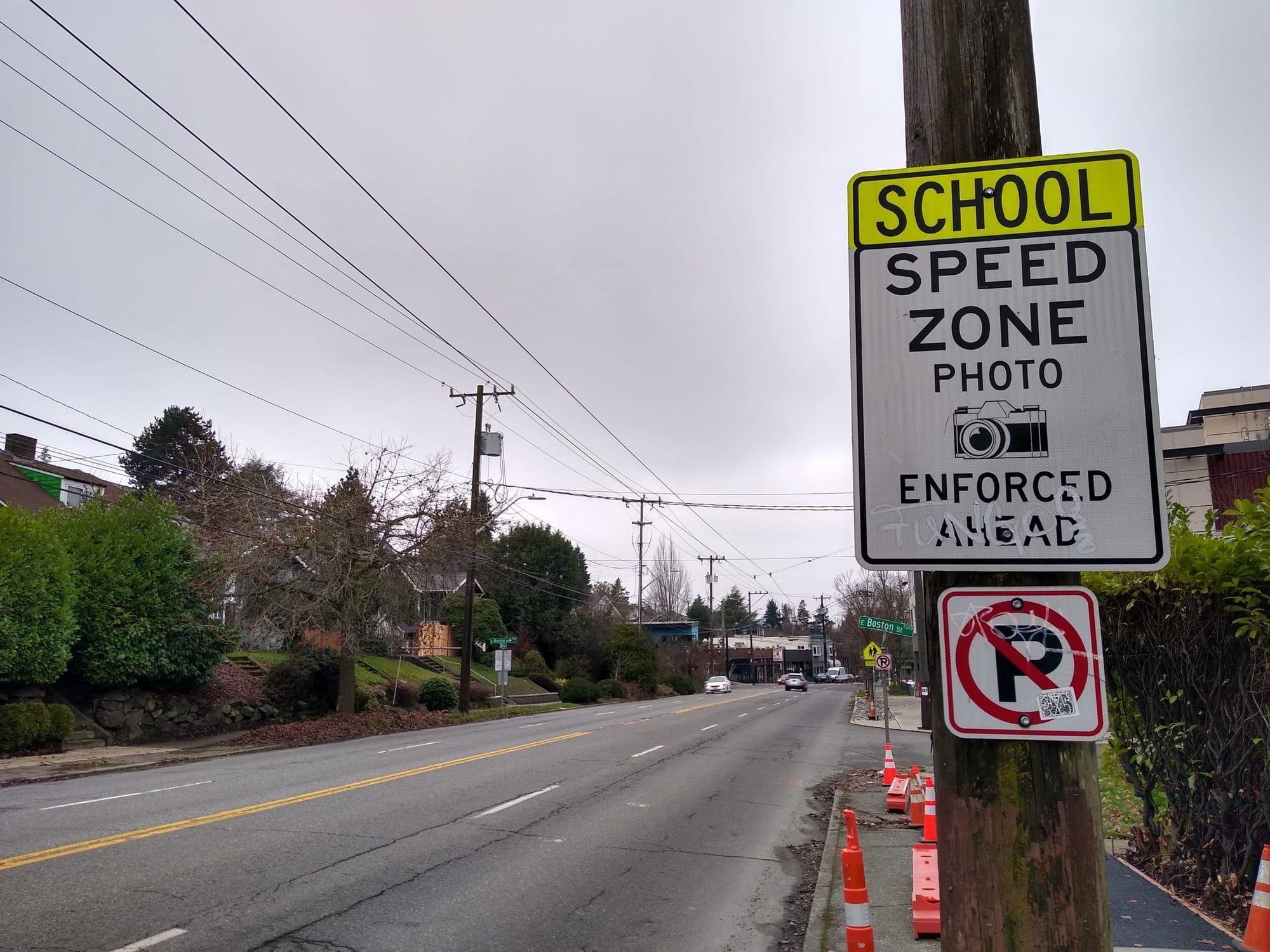
A plan to expand the number of school zone speed cameras has been in the works for nearly two years. But Councilmember Rob Saka is raising questions about the idea and funds allocated to make it happen.
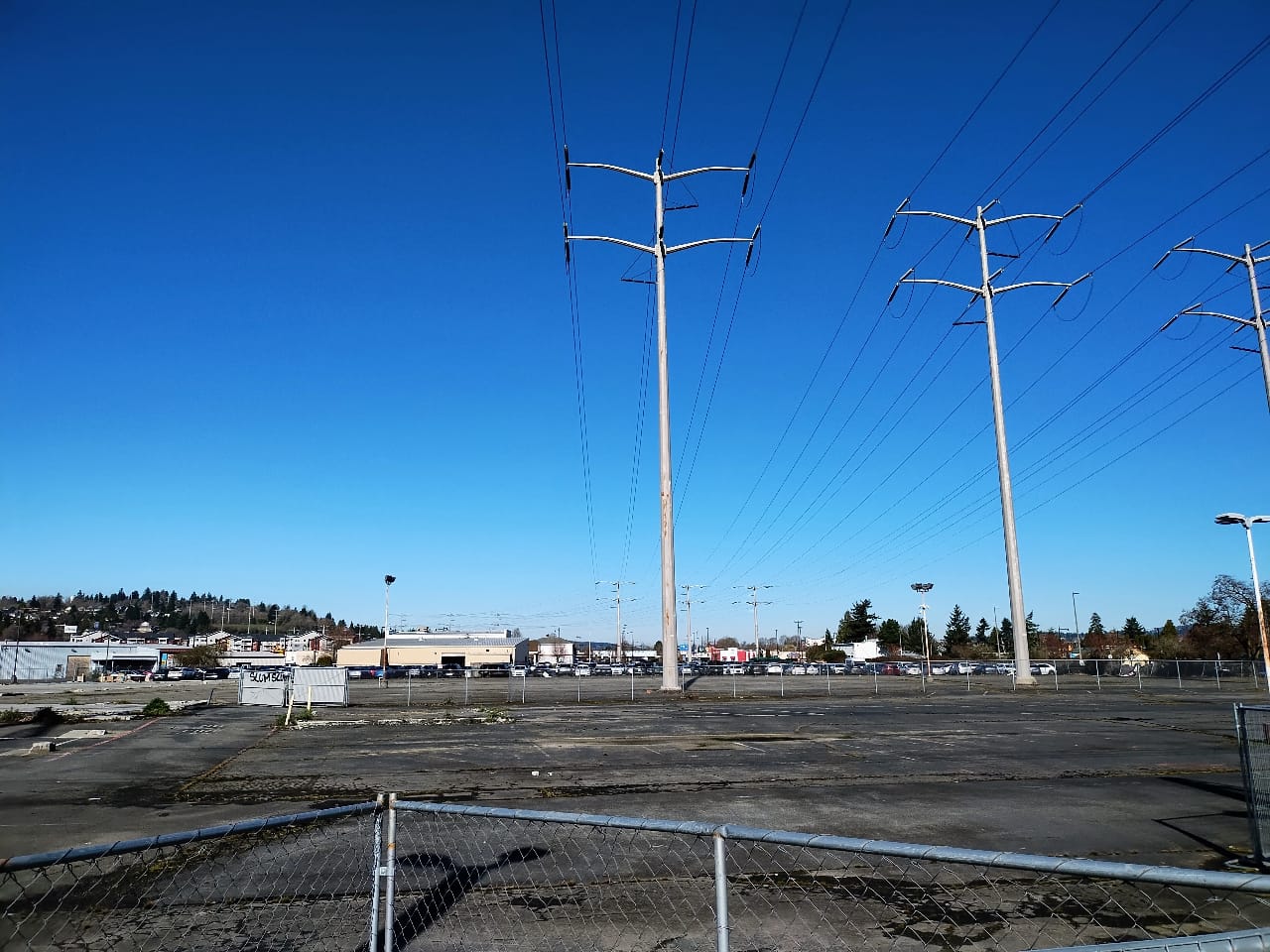
Renton wants to spur development around the planned Sound Transit bus rapid transit station in South Renton. But considerable hurdles stand in the way of creating a truly multimodal neighborhood in that location.
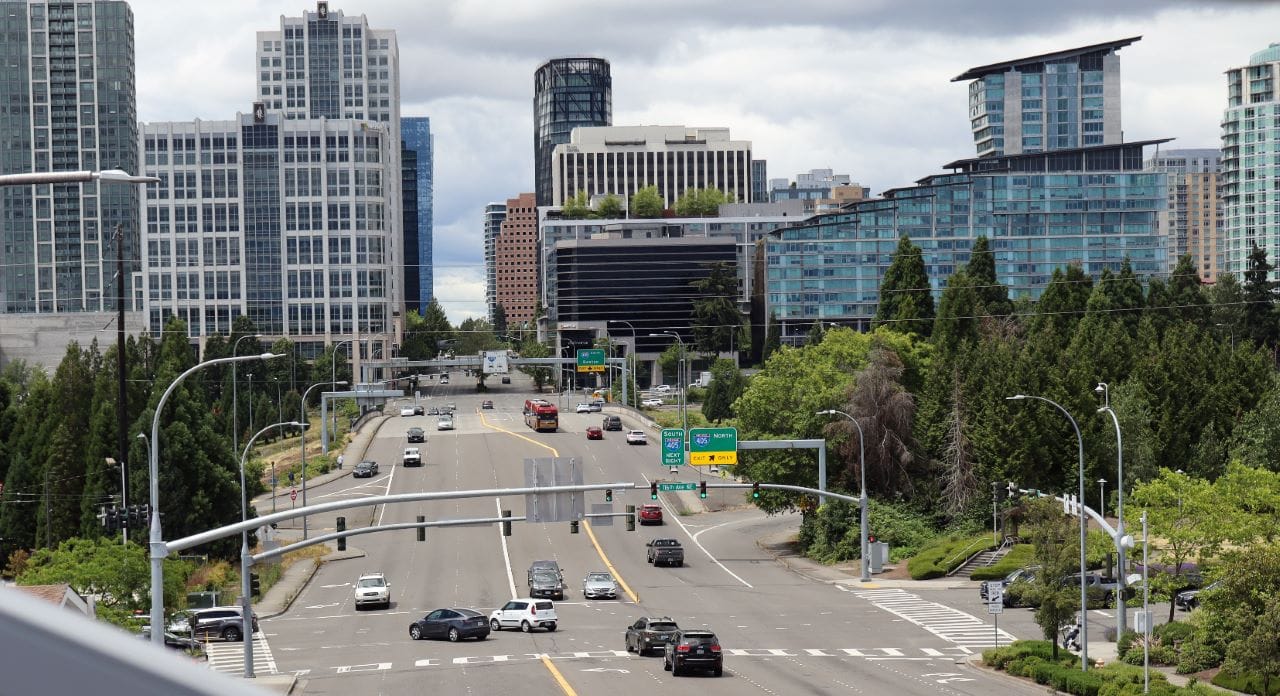
Bellevue is positioned to lead on traffic safety so long as it makes investments in safer roads. This fall’s budget is a great time to start.
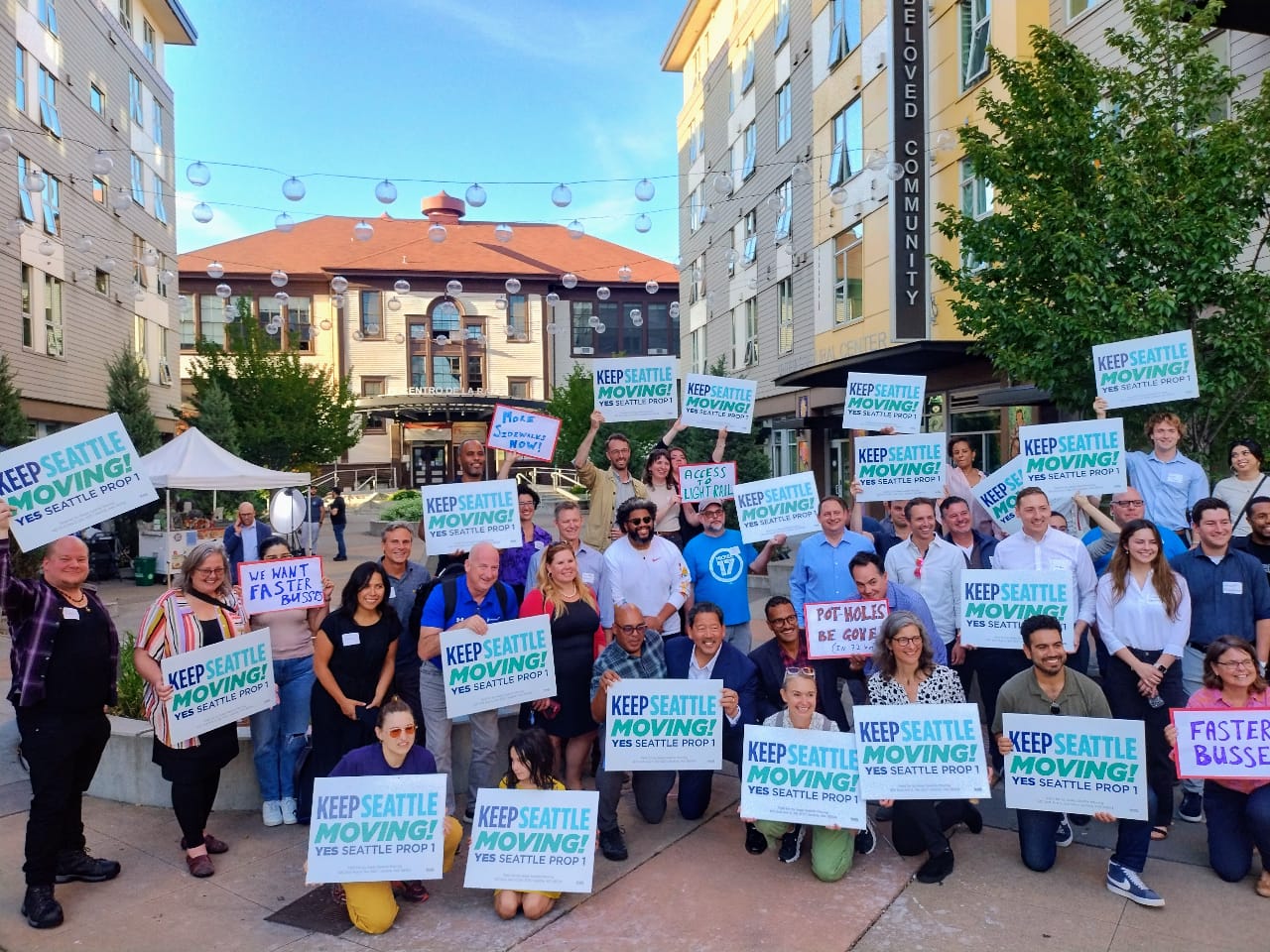
Transportation advocacy and business groups alike are supporting Seattle’s Prop 1, the $1.55 billion renewal of the city’s transportation levy.
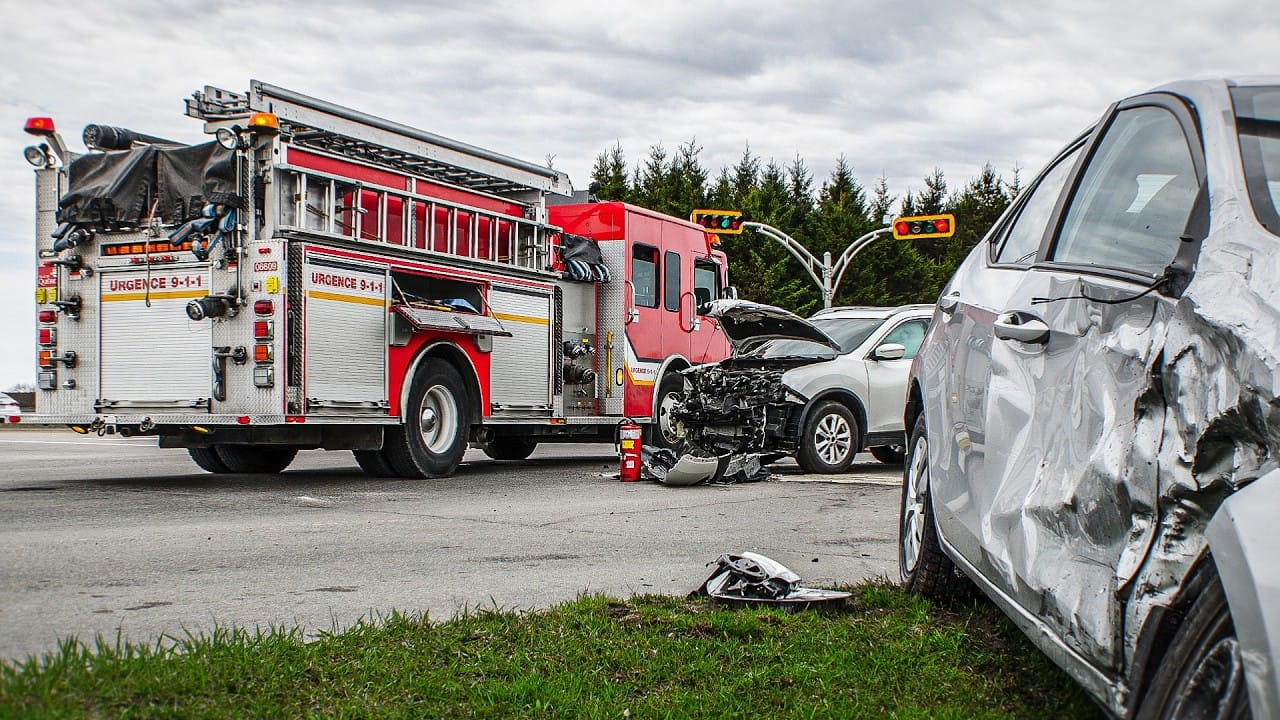
Fire departments rightly get high praise for fighting fires, rescuing people, and saving lives. But North American fire departments have been resistant to change when it comes to the vehicles they use and street design. As a consequence, they’re getting people killed, Jason Slaughter at Not Just Bikes shows.
Ryan Packer broke down local “Vision Zero” traffic safety campaigns on a recent episode of the Hacks and Wonks podcast.
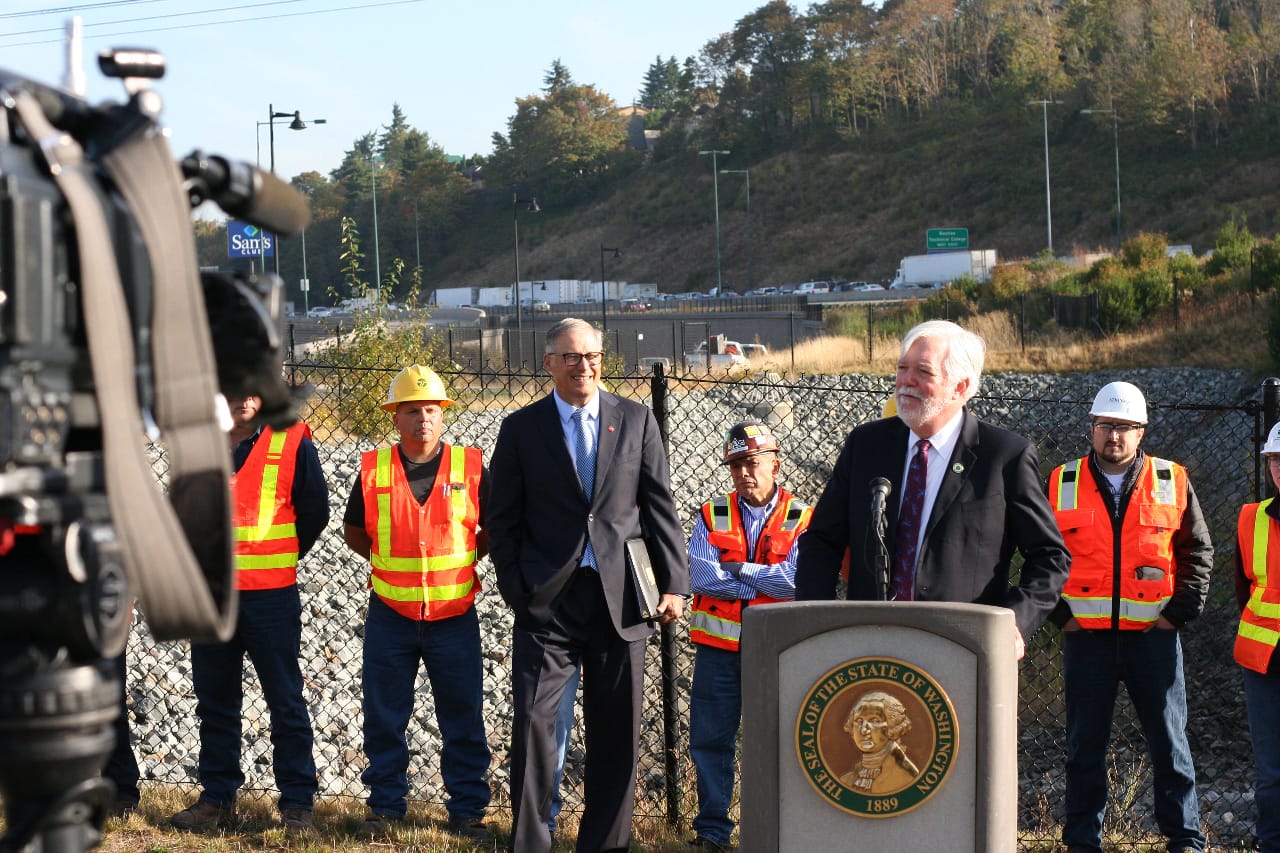
WSDOT Secretary Roger Millar is asking for a dedicated funding source to fix the most dangerous state highways in Washington, laying down a $150 million per year benchmark.
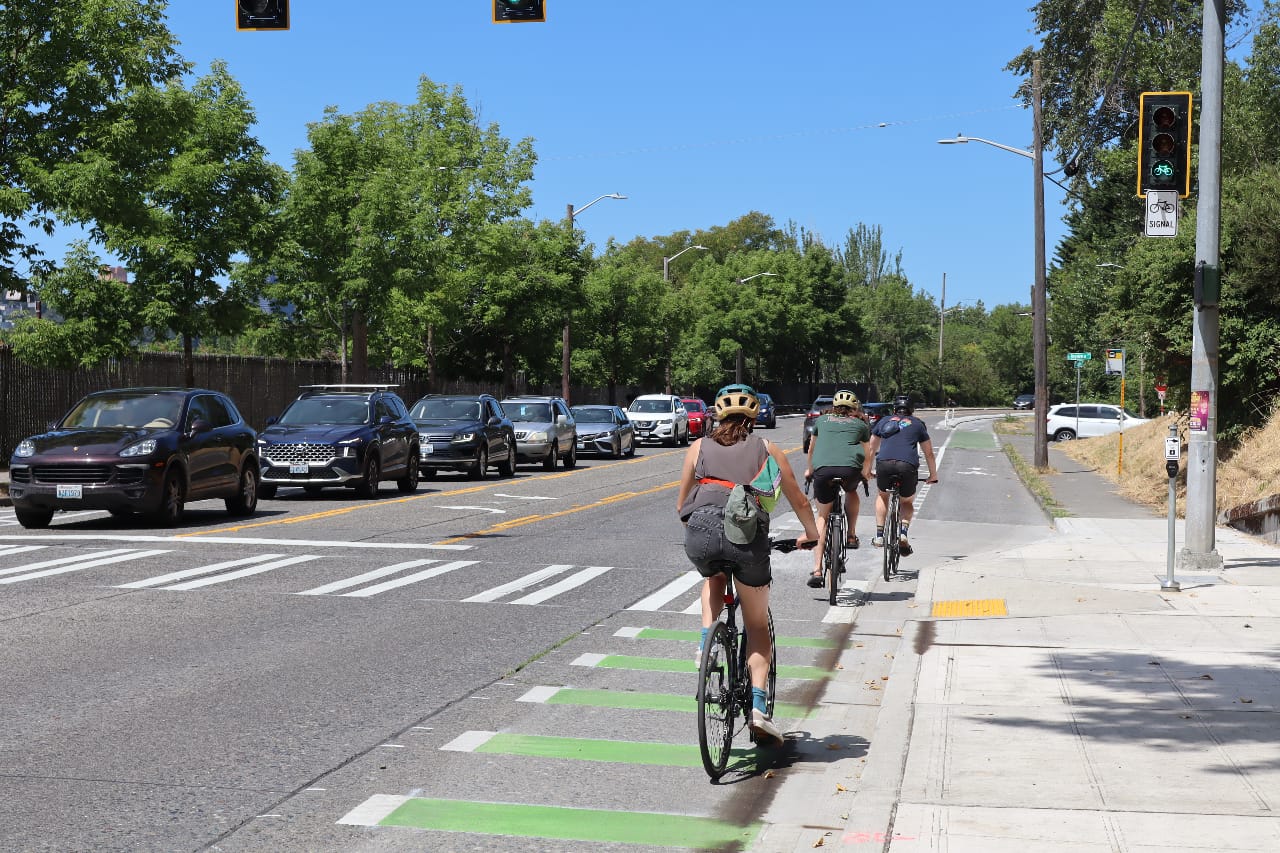
The Seattle Department of Transportation has wrapped up work on a new bike connection between Judkins Park and Mount Baker. Its roots can be traced back to a vision the Seattle City Council moved forward in 2019.
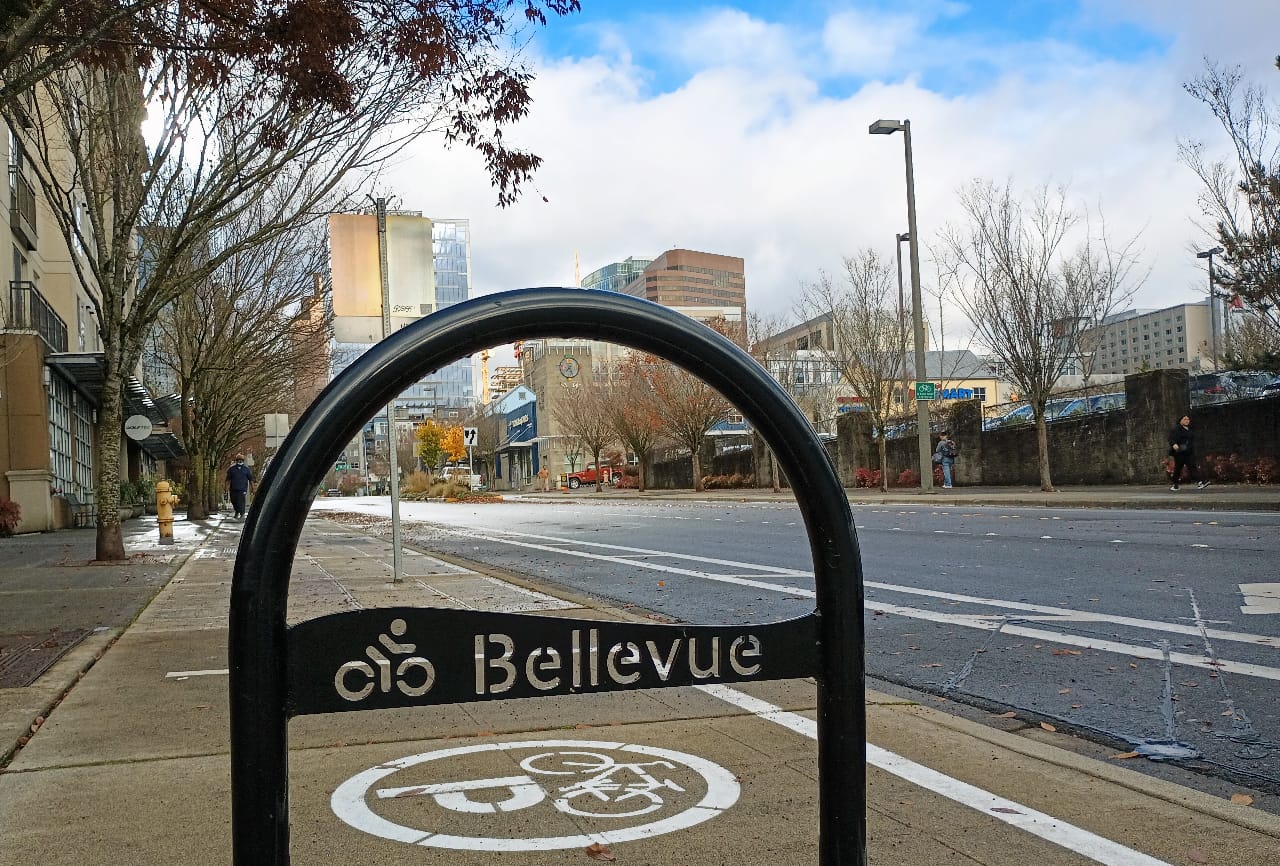
It had looked like the idea of reallocating street space to bike lanes was off the table in Bellevue, but a city council discussion last week restarted the debate.
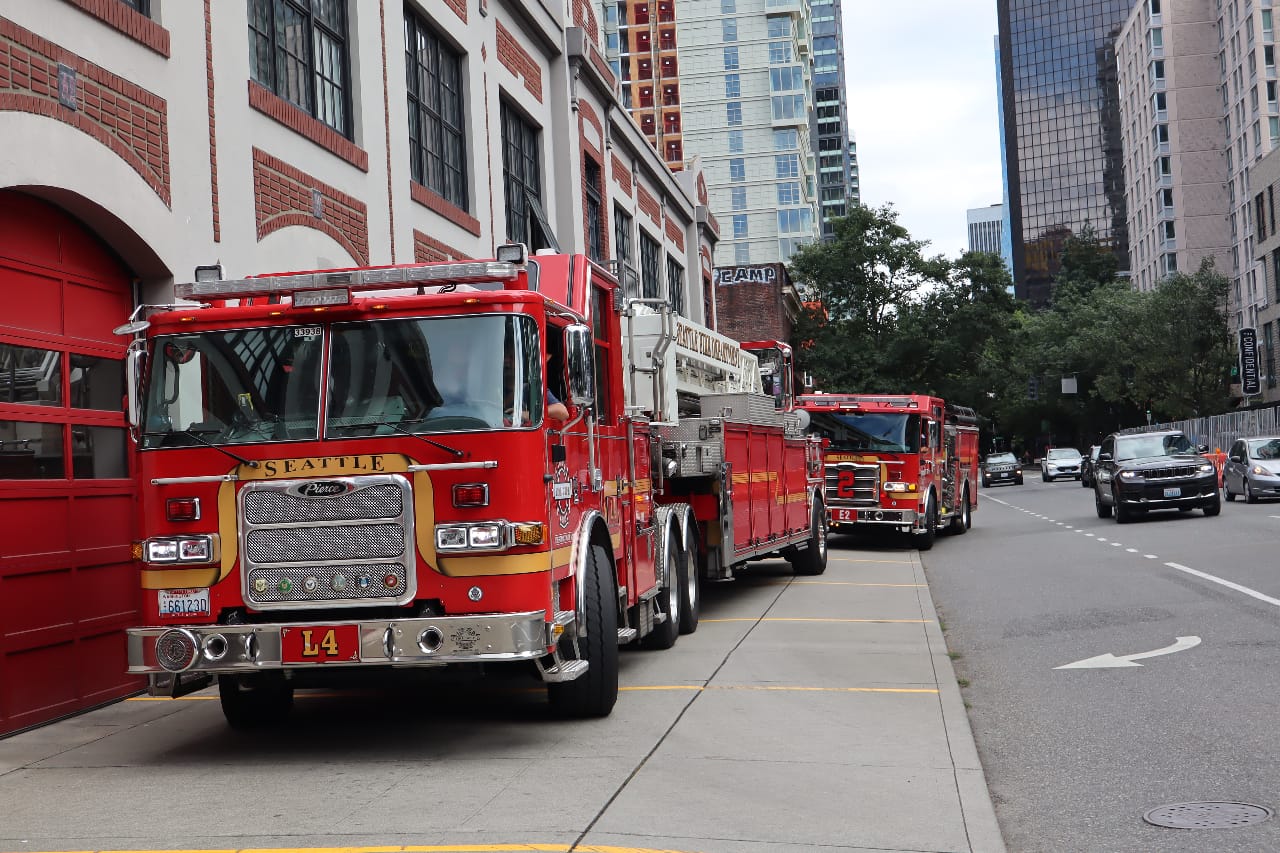
Seattle Councilmember Bob Kettle has asserted that projects intended to improve traffic safety can negatively impact emergency response. The data to back it up is not there.
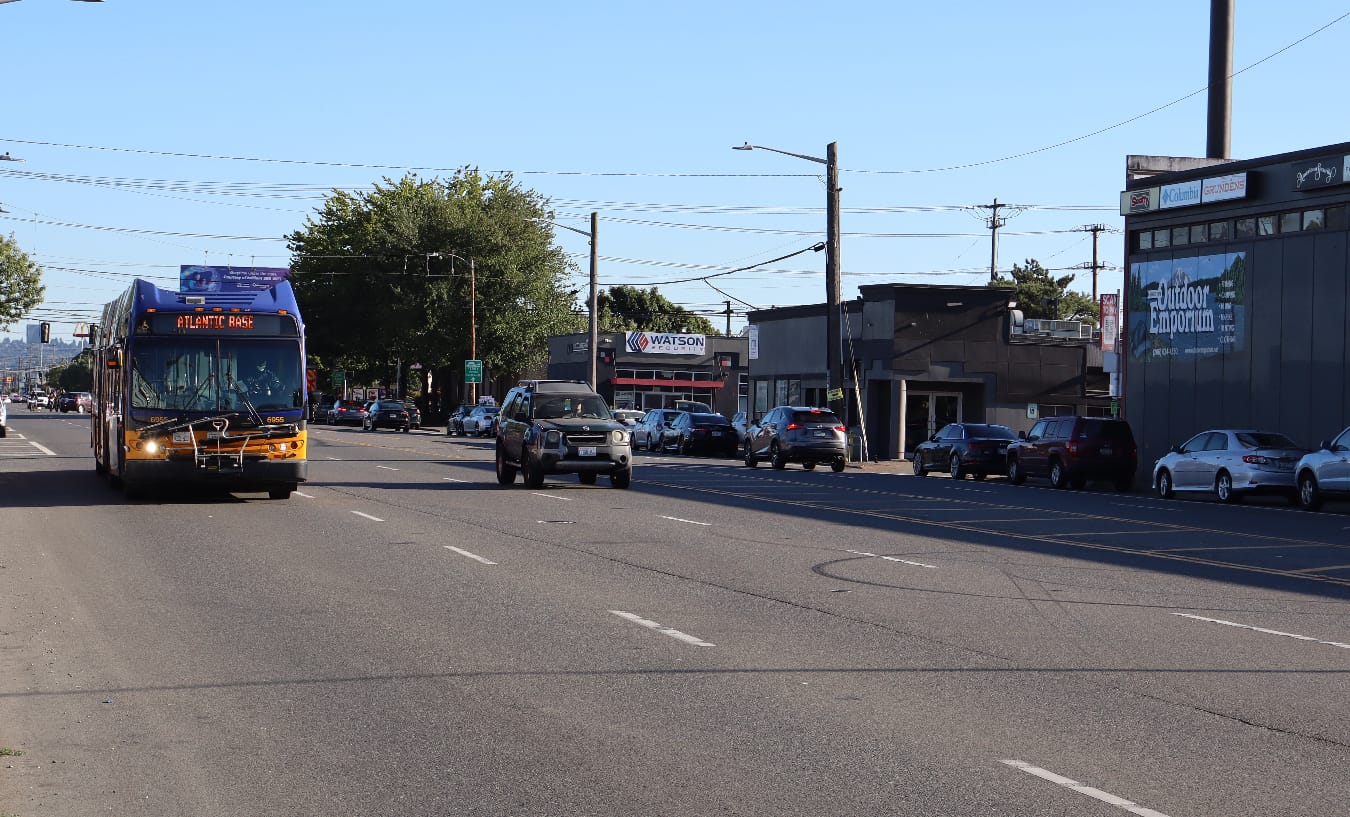
With the loss of the SoDo Busway for Sound Transit light rail expansion, 4th Avenue S in SoDo will have to accommodate dozens of additional buses per hour. The Seattle Department of Transportation is pushing for a plan that won’t worsen safety on the street.
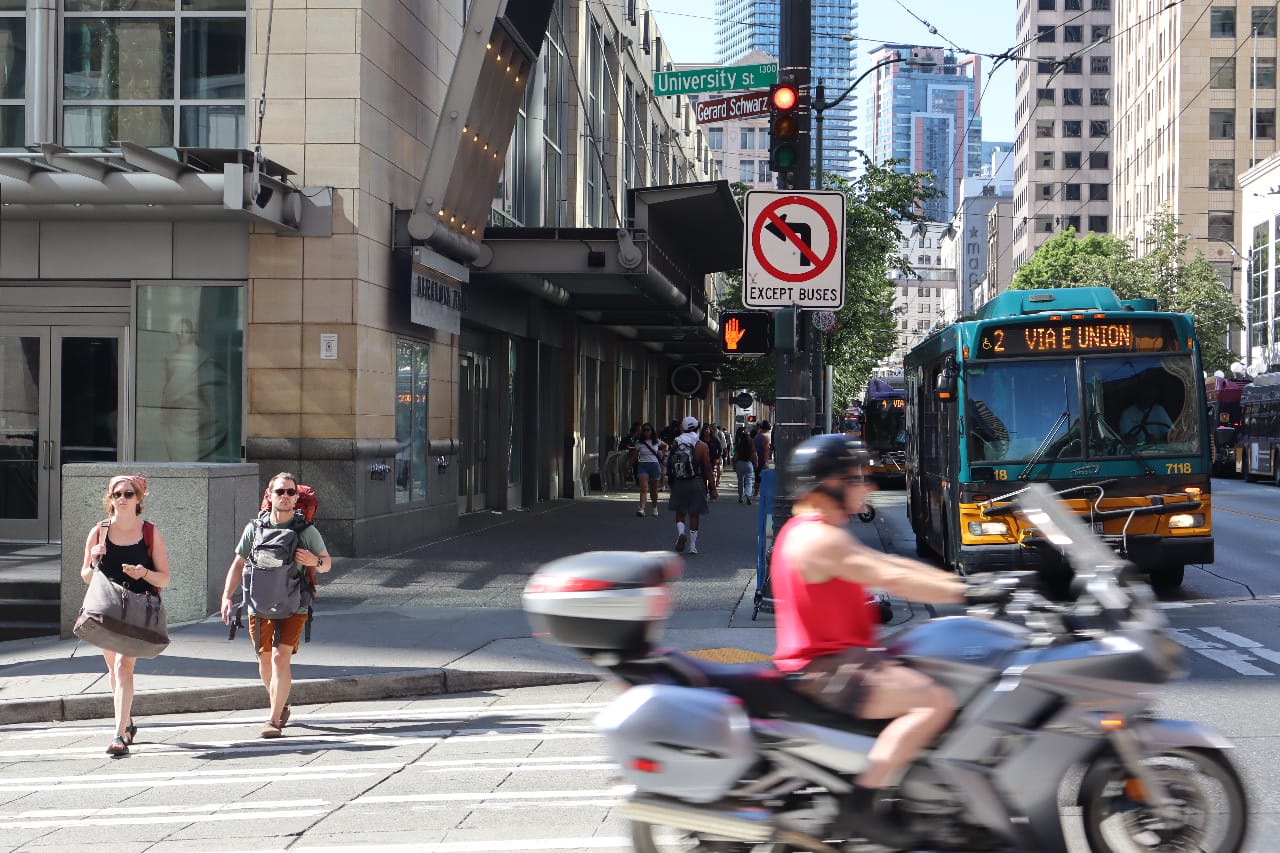
A “Safe Systems” motion from King County Councilmember Claudia Balducci would prompt county government to harness the power of every department to help reduce deadly and serious-injury traffic crashes.
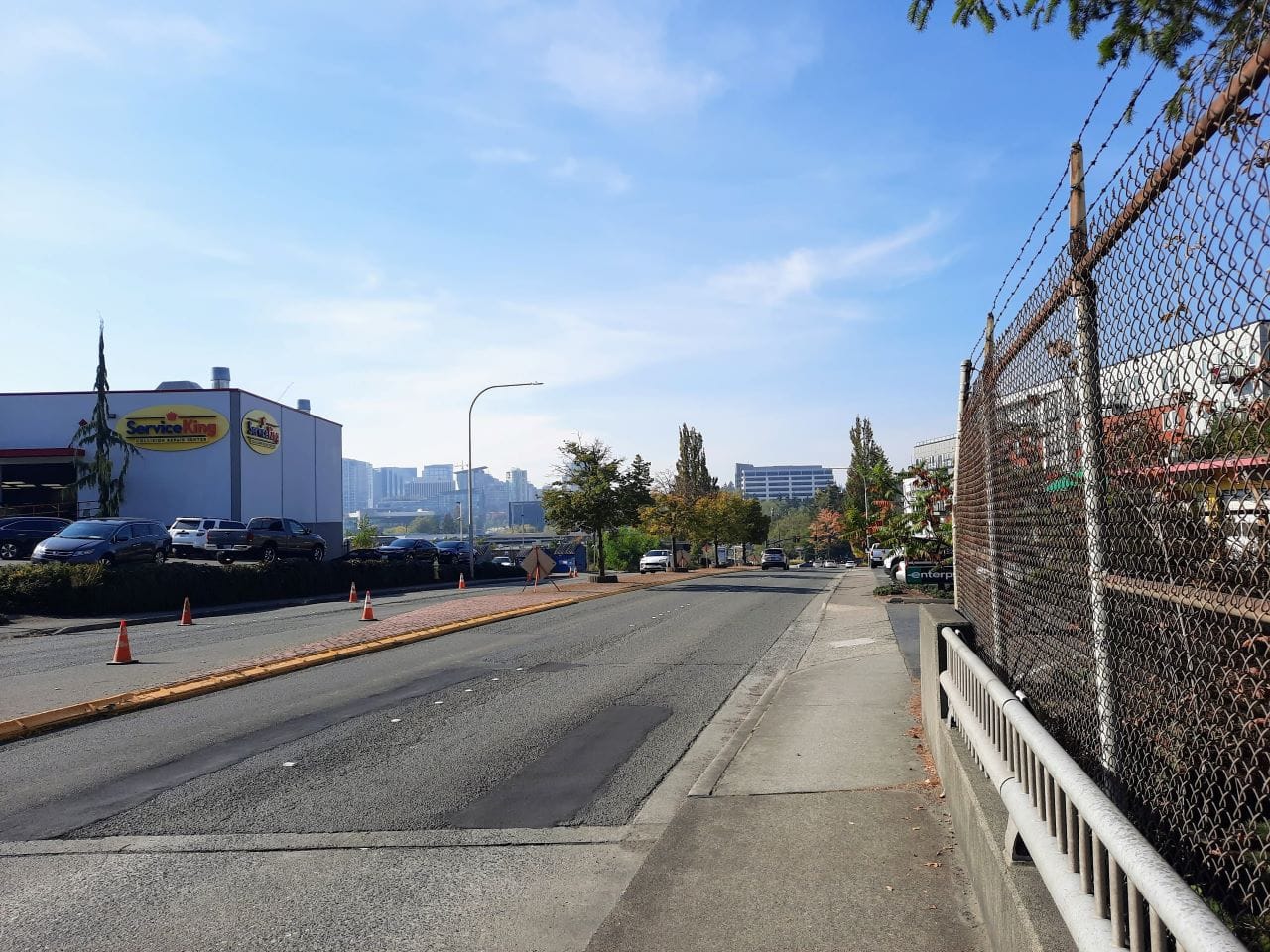
Safety-focused changes to busy Bel-Red Road, an unavoidable corridor for many Bellevue residents, were taken off the table by a 3-2 vote of the Bellevue Transportation Commission last week.
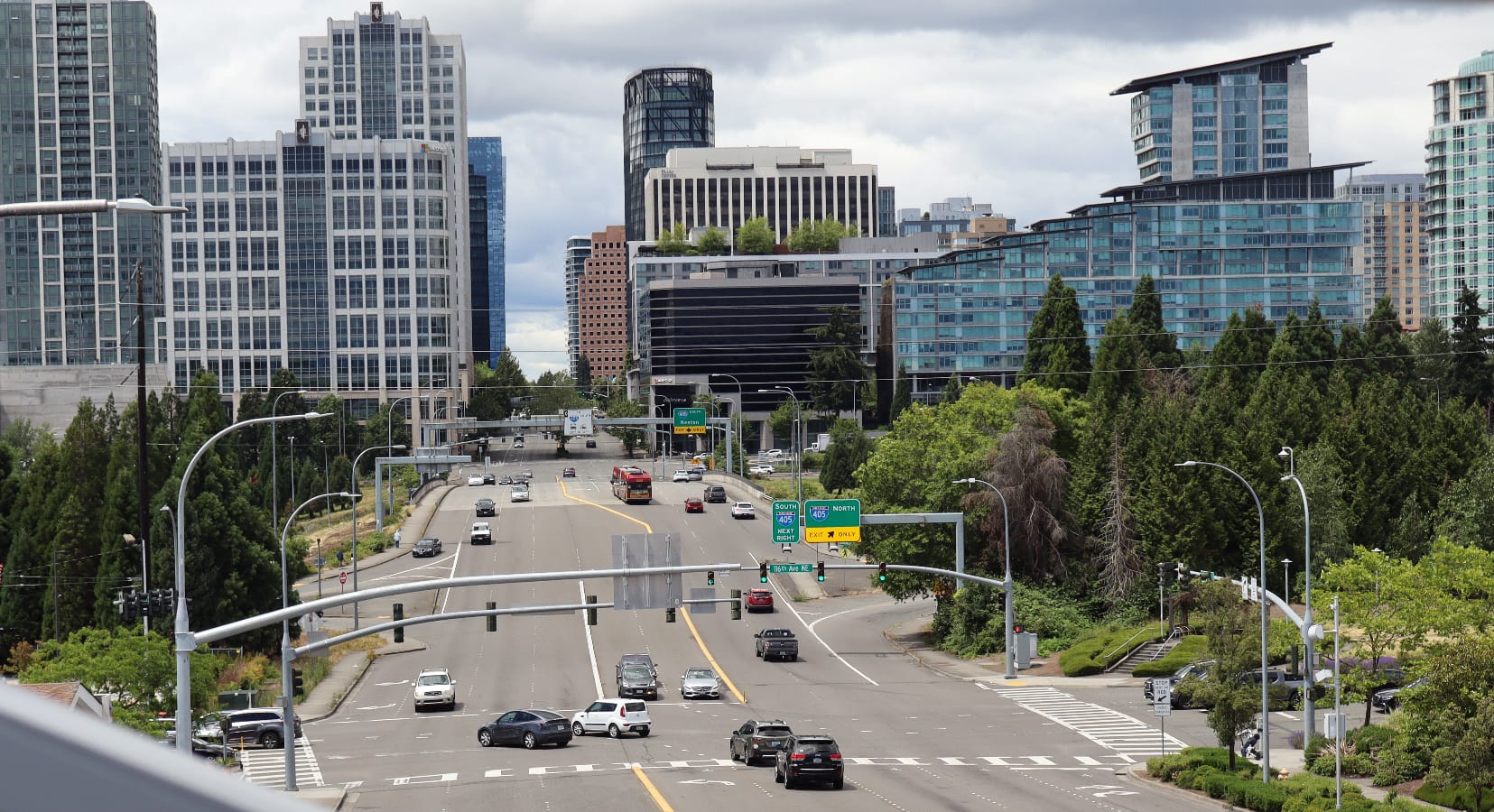
With Bellevue backsliding on many of its prior commitments to improve safety and multimodal connectivity, a coalition of advocates are trying to get things back on track. The group is seeking bigger investments in the city’s next biennial budget.
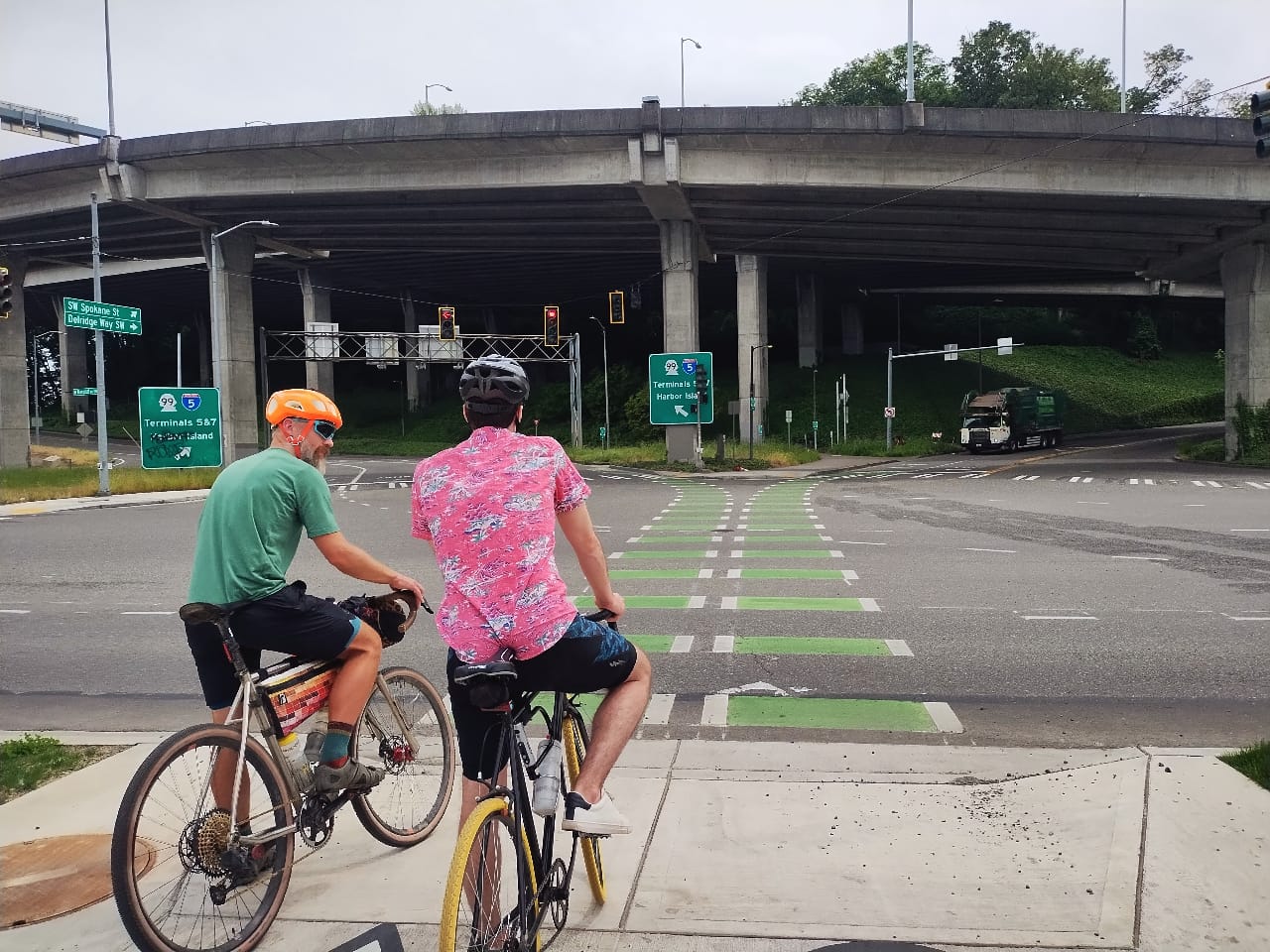
It’s official: Voters this fall will get to weigh in on whether Seattle should invest $1.55 billion over eight years to improve transportation infrastructure, with most funding allocated to road and bridge maintenance.
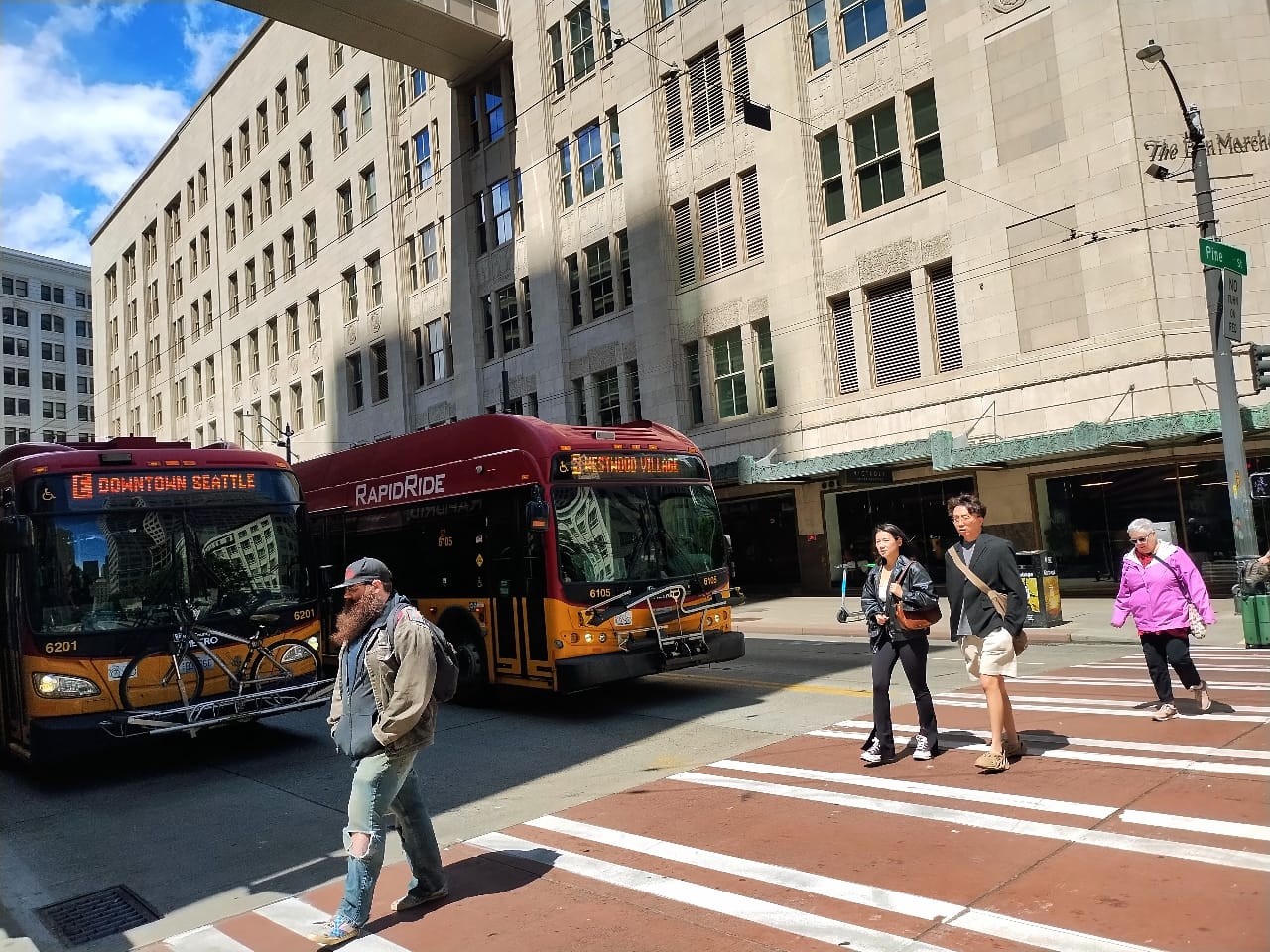
The transportation levy on Seattle ballots this fall won’t grow beyond $1.55 billion, despite a push by transportation advocacy groups to go bigger. A Morales-backed amendment to increase the levy’s size failed Tuesday.
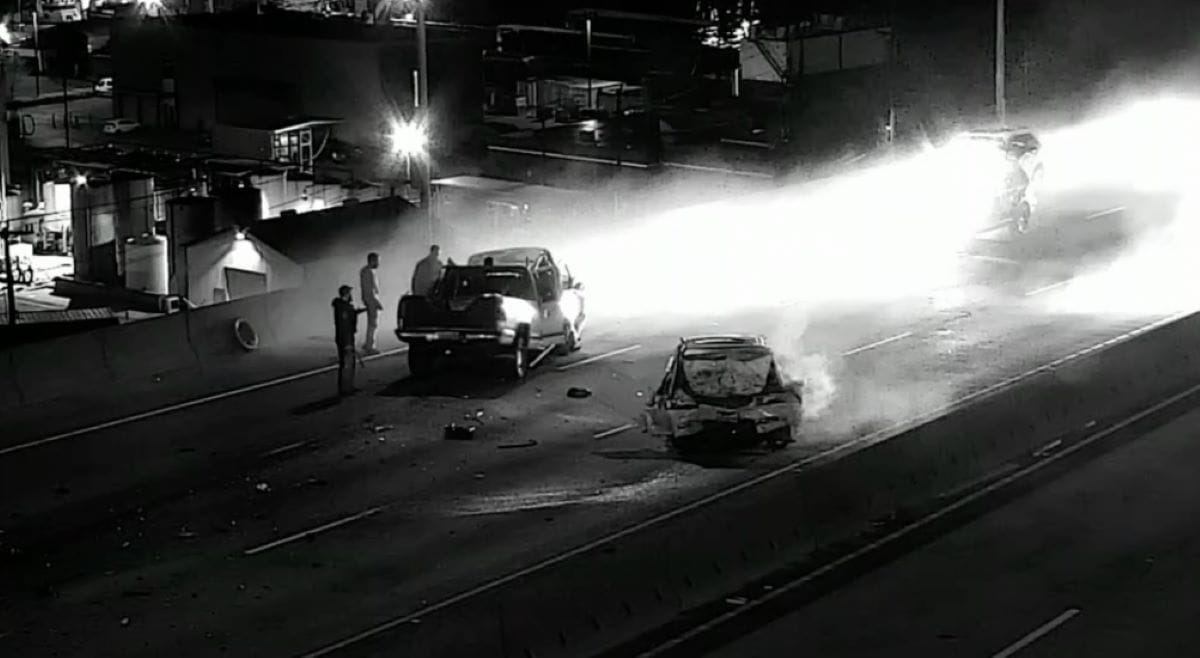
Since Ann Davison took over as Seattle City Attorney, the office has been much slower in prosecuting drunk drivers. While her office blames the state toxicology lab, it appears her office is not making DUI cases a priority.
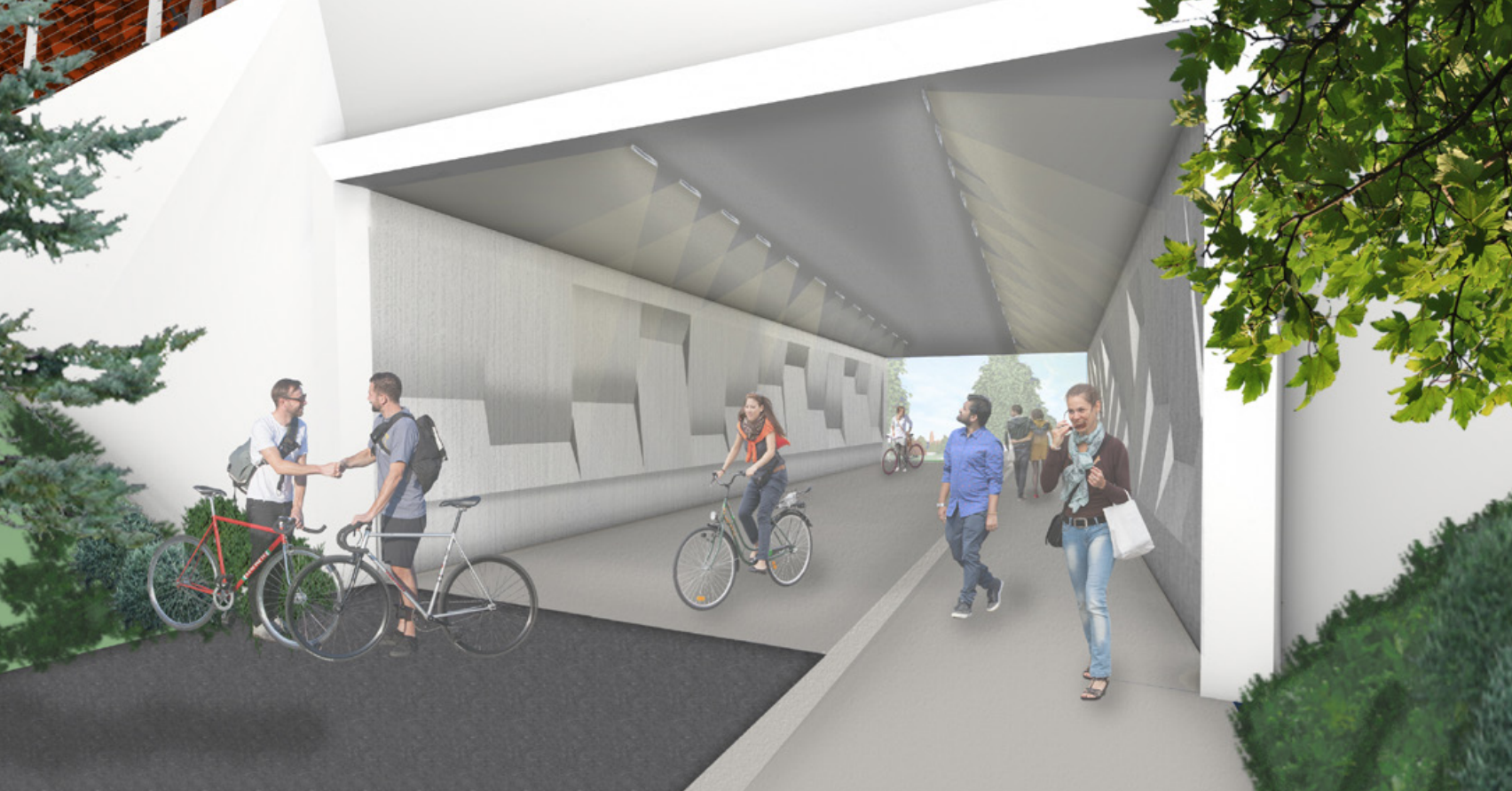
WSDOT is scrapping the planned SR 520 bike and pedestrian tunnel, forcing people who travel outside cars into dangerous territory. It’s not too late to push back and contact policymakers.
Councilmember Tammy Morales offered a new proposal Thursday for a $1.7 billion transportation levy that increases spending across a broad array of programs. None of her colleagues have yet backed the proposal.