

Staff Biography
Ryan Packer
Ryan Packer has been writing for The Urbanist since 2015, and currently reports full-time as Contributing Editor. Their beats are transportation, land use, public space, traffic safety, and obscure community meetings. Packer has also reported for other regional outlets including BikePortland, Seattle Met, and PubliCola. They live in the Capitol Hill neighborhood of Seattle.Recent Articles
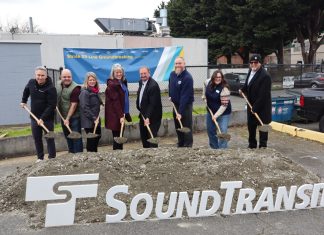
Sound Transit Breaks Ground on Stride S3 Bothell-to-Shoreline Bus Line
When it opens in 2028, the S3 rapid bus line will provide riders across Bothell, Kenmore, Lake Forest Park, and Shoreline with a more frequent, reliable transit option and extend the reach of Sound Transit's light rail network.
Neighborhood Cafe and Corner Store Bill Fails for Third Straight Year
The failure of HB 1175 to make it to the state Senate floor mirrors a similar fate two years ago. Bill sponsor Mark Klicker placed the decision to let the neighborhood cafe bill die squarely on Local Government Committee Chair Jesse Salomon.
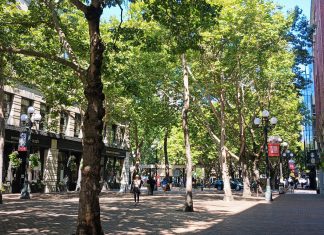
‘Existential’ Budget Cut Would Wipe Out State Urban Forestry Program
The proposed state House operating budget would zero out the Washington State Urban and Community Forestry program, which cities across the state rely on to leverage federal dollars for trees. The effects of those cuts could be wide-reaching.
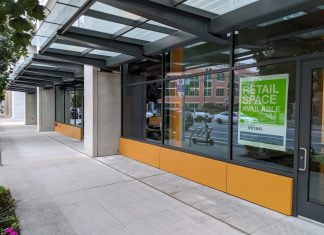
Legislation Targeting Ground-Floor Storefronts Gets Overhauled in House
After concerns were raised by city officials around removing flexibility to create vibrant and walkable neighborhoods, the version approved by the House local government committee sets a 40% cap on mixed-use zones where ground-floor retail spaces can be required.
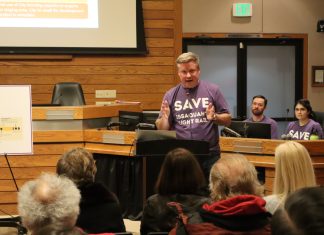
Eastsiders Pack ‘Save Issaquah Light Rail’ Rally
The crowded community meeting was the first step in an advocacy campaign intended to persuade members of the Sound Transit board about the value of continuing light rail expansion on the Eastside. Issaquah city leaders are bringing ideas to the table they say could cut costs.