Urbanist Podcast: Final Push in Olympia and Candidate Launch Updates
The Urbanist's Ryan Packer, Amy Sundberg, and Doug Trumm discussed recent news out of Olympia, candidate campaign rollouts, and King County transportation funding woes.
The proposed $410 million levy is around 50% higher than the 2019 library levy, adjusted for inflation. With a focus on maintaining hours and modestly expanding services, the package doesn't include many big ticket items.
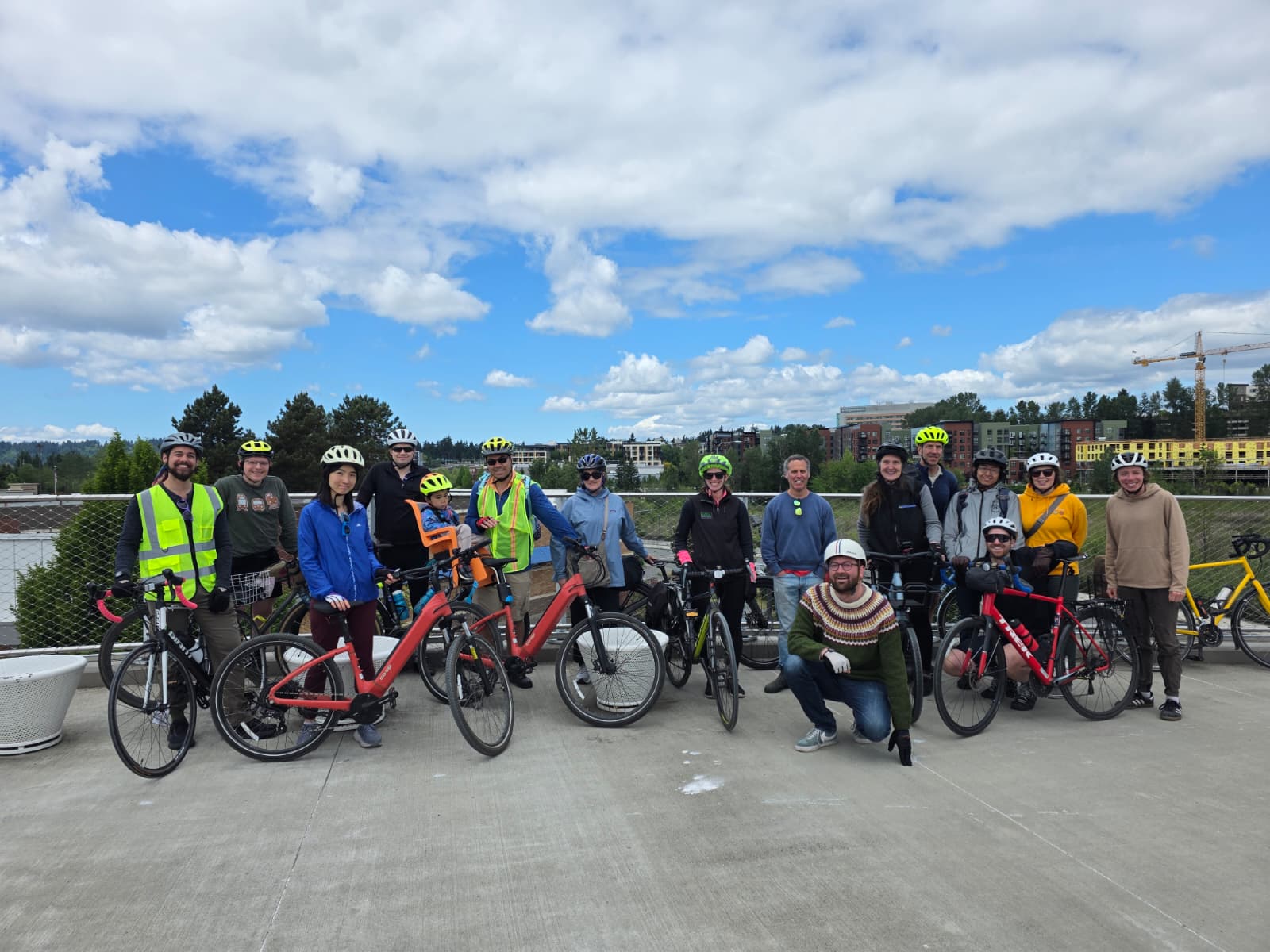
Join The Urbanist for our March socials, including riding the 2 Line across the lake with us on March 28th!
Washington's Court of Appeals will decide whether the legislature left a major loophole in place when it passed recent laws to prevent zoning changes that increase housing capacity in cities from being mired in lengthy legal appeals.
2026 had been an opportunity to get Seattle and King County on the same page when it came to sustainable, long-term funding for Metro. But King County leaders are signaling they need more time.
Claim membership perks, explore the new website layout, and support The Urbanist as we roll out our Spring Membership Drive.
The Seattle City Attorneyβs Office is grappling with a large case backlog of more than 5,000 cases left by the previous administration run by Republican Ann Davison. Successor Erika Evans is hoping to tighten up practices to trim the backlog.
Hannah Sabio-Howell is taking on State Senator Jamie Pedersen in the 43rd LD. As a young Millennial renter and labor movement leader, she is stressing an affordability agenda and contending the incumbent is too cozy with corporations.
Ferry advocates had been hoping that expanded authority to create passenger ferry districts could allow them to supplement state ferry service in more areas. But changes to the bill in the state Senate could significantly undermine that goal.
At UWβs OpenThePaths conference, elected officials, advocacy leaders, and researchers brainstormed strategies to transform streets to be safe, sustainable, and accessible for all. While overcoming decades of car-centric policymaking wonβt be easy, speakers pointed to new momentum and advocacy tools.