

The D5 special election could determine control of the council.
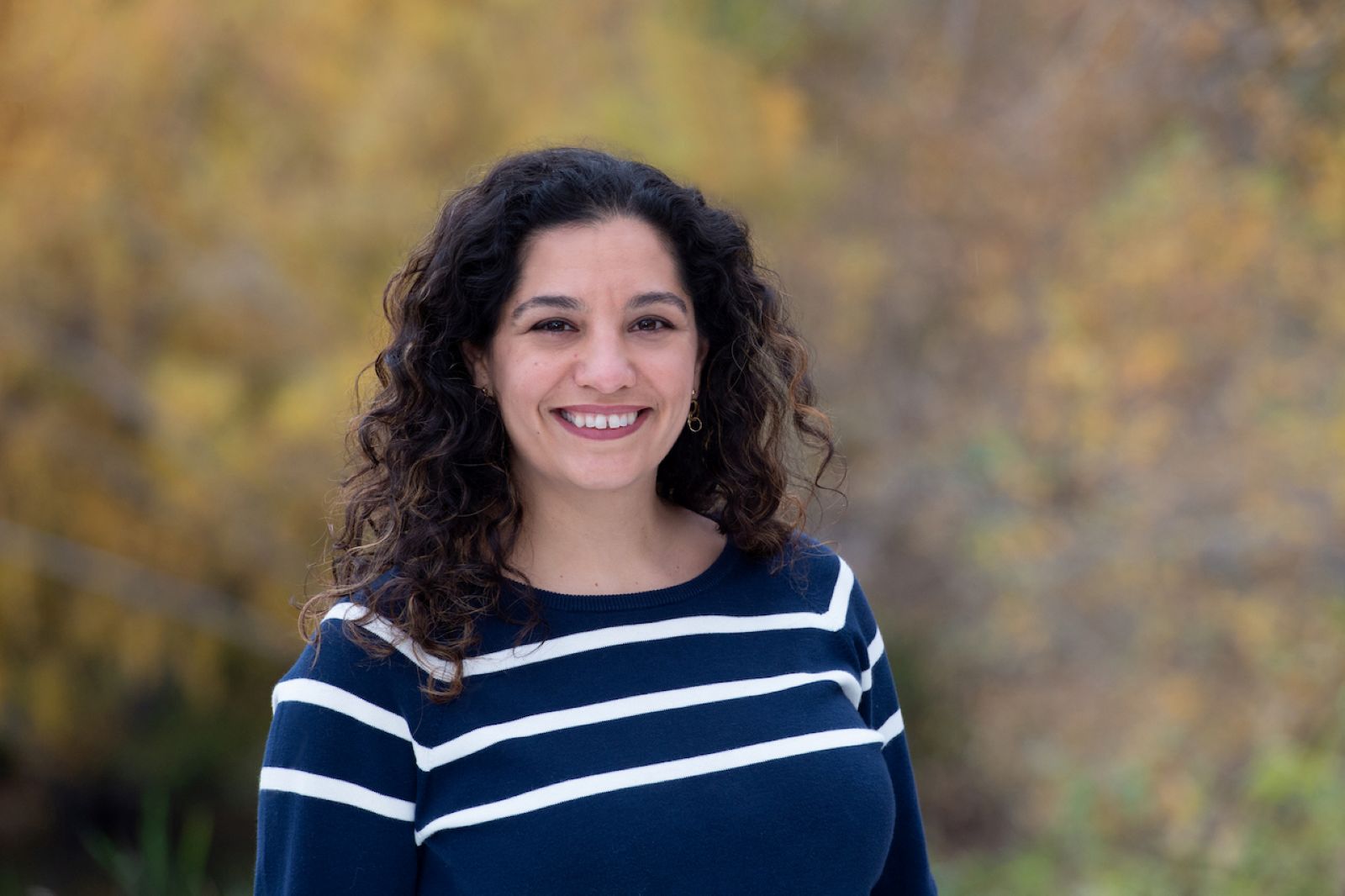
Nilu Jenks is running for the open seat in Seattle City Council’s District 5, hoping to advocate for climate action, democracy, affordability, and community safety.
As a first-generation American whose parents immigrated from Iran, Jenks was inspired to run by the climate emergency and the urgency of uplifting environmental justice in Seattle, which runs the gauntlet of issues from affordability to transit and pedestrian infrastructure to child care. Jenks also spoke of the importance of strengthening democracy in our country and wanting to show that Blue cities can deliver on meeting people’s needs and providing a good quality of life for everyone.
“I want people to have faith in our democratic process and our institutions, and build trust in them,” Jenks told The Urbanist. “I think community is where a lot of our answers lie, but we need a system that supports that, where we get to come together and hang out and talk to each other and have real discussions rather than just labeling each other.”
Jenks ran for the same seat back in 2023, earning The Urbanist’s endorsement, but she came in third place in the primary behind Cathy Moore. Moore cruised to victory in the moderate lane, defeating equity consultant ChrisTiana ObeySumner, who ran in the progressive lane, by nearly 30 points.
Normally the District 5 seat wouldn’t be up for election until November 2027, but Moore resigned from her seat last summer, narrowly missing the deadline that would have triggered a replacement election later that same year. Moore cited “health and personal reasons” for her decision to resign, although the announcement came close on the heels of her controversial push to weaken the ethics rules that govern the council’s behavior.
The council chose to appoint Debora Juarez, who had held the District 5 seat from 2016 to 2023, to serve on an interim basis until the election this November. Juarez has indicated she would not seek reelection.
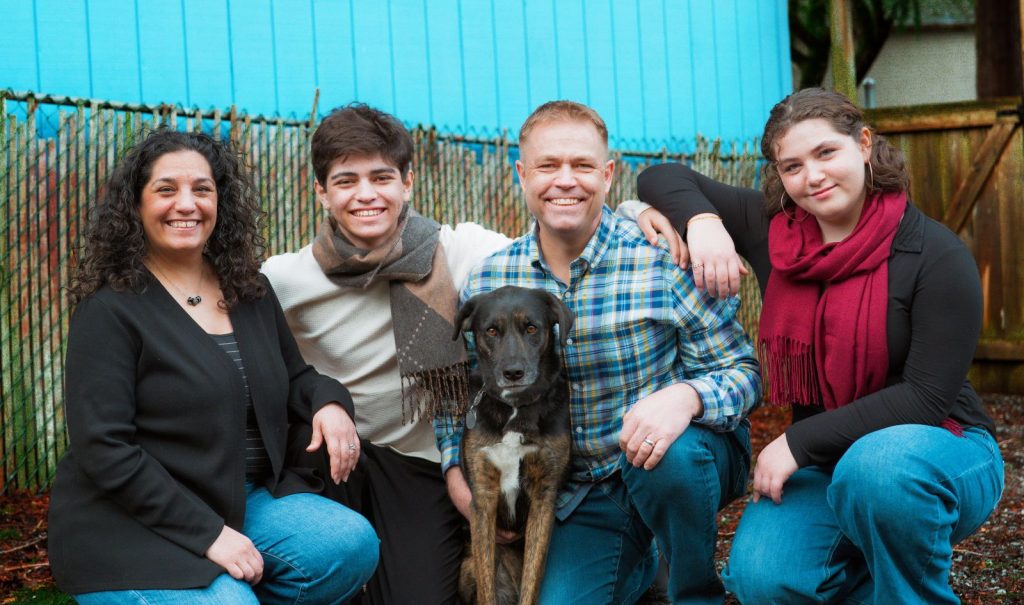
Jenks is a mother of two teenagers and has a long history of community organizing. For the last few years she has worked as the Political and Partnerships Director at FairVote Washington to advance voting reforms that foster a more inclusive and representative democracy. She’s also spent a lot of time advocating within the schools, including serving as a board member of Roosevelt Alumni for Racial Equity (RARE) and a PTA Advocacy Chair at John Rogers Elementary School.
Jenks is the first person to declare her candidacy for the District 5 seat. The outcome of the race could swing control of a closely divided council to progressives, or keep centrists narrowly clinging to power, if progressives again fail to win the seat. The victor will serve only the remainder of the term (13 months) before facing reelection.
Affordability and climate friendly policies
Jenks voiced support for adding more density to Seattle and said she supports Councilmember Alexis Mercedes Rinck’s Comprehensive Plan amendment from last year to add back eight new neighborhood growth centers.
“Density where humans live is where we need to be denser to protect, and that’s a climate-makes-sense policy, and it’s important to translate to the public the why,” Jenks said. “We can do this and make it work and have a really fun city.”
Jenks is also interested in making public transit, walking, and biking safer in District 5, especially for children. Safety and reliability are keys to making more people choose public transit over cars, she said.
Citing the importance of reliable ways to connect to light rail, Jenks wants to focus on safety improvements like protected bike lanes and good pedestrian access for the new Pinehurst light rail station at NE 130th Street and the other two stations in District 5. She also pointed out how difficult it is to travel from east to west in the city, emphasizing the importance of regular and reliable buses to address this issue.
Jenks framed the new “food desert” in Lake City created by the closure of the neighborhood’s Fred Meyer grocery store as an urgent issue. Jenks lives in Lake City and emphasized how the neighborhood is also a pharmacy desert without any 24-hour pharmacies where people can get their medications filled easily.
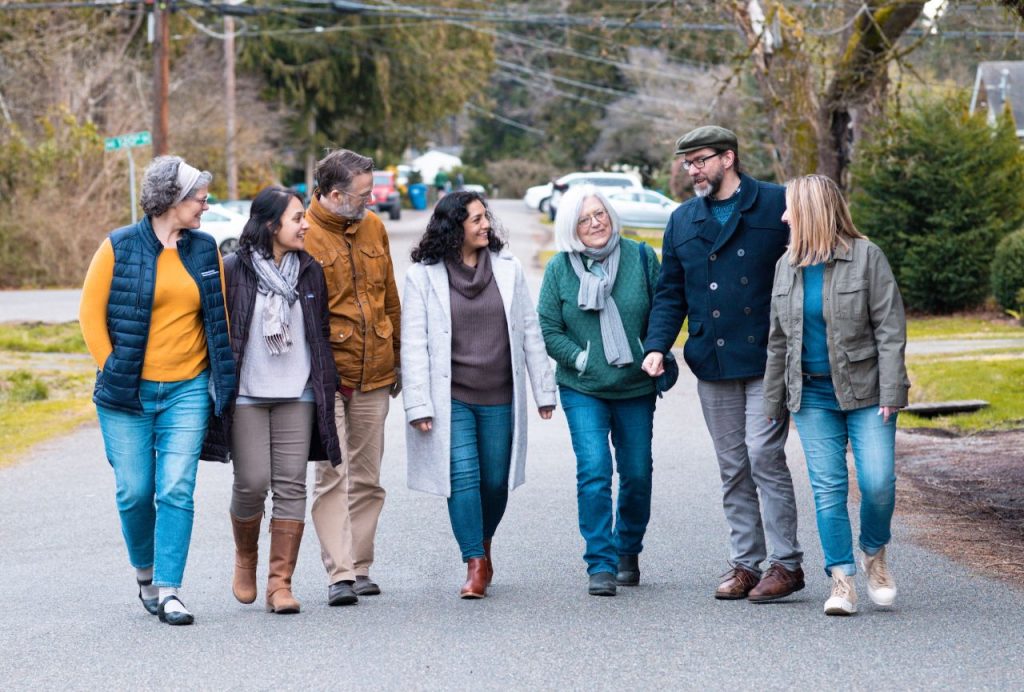
Adjusting zoning and permitting to make it easier to open grocery stores is something Jenks would like to pursue, as well as working with UFCW 3000 (the region’s largest union) to see what can be done to bring more grocery stores back to the market. She also supports farmers’ markets and the idea of direct buying from farmers’ stalls to offer an alternative to big corporate grocery stores and provide access to fresh produce.
Jenks mentioned the importance of supporting smaller stores in Lake City that meet people’s needs, such as Goodies Mediterranean Market.
If elected, Jenks says she will champion 1,000 new units of affordable housing in the district during her term. She wants to support new Mayor Katie Wilson in her affordable housing goals while also exploring ways to prevent displacement.
“You know, as we build up, the light rail stations opening have a really big impact in community,” Jenks said. “I think we saw that on the south end, and maybe that growth wasn’t managed as well. So how can we protect people that live here out of the upzone and make sure that they have the ability to return back to their communities and neighborhoods as things change, or give them the ability to buy into some of the housing? Because this is a community.”
Jenks is also interested in working with the state legislature to find a way to make a land value tax work for the state. Proponents argue a land value tax would spur urban development and raise revenue in a fairer way compared to conventional property taxes.
The importance of safety
Jenks said she was motivated to announce her run early in this election cycle because of the brutal actions of U.S. Customs and Immigration Enforcement (ICE).
“I just couldn’t watch my neighbors now being kidnapped or killed by ICE, and feel like maybe I could do something and not let people know that’s my intention,” Jenks said. “Very much so it’s my intention to protect all our neighbors and expand the definition of safety from unsheltered to undocumented, and yes, that includes sex workers too, and their neighbors. It’s all of us.”
Jenks herself has birthright citizenship, and there was a time when her parents became undocumented before obtaining citizenship themselves.
Jenks wants to see if there’s anything the City can do to notify people when ICE kidnaps a family member. She believes in the importance of a strong relationship with state electeds, mentioning her support of the current bills banning face coverings for law enforcement and regulating license plate readers. She mentioned community policing and the idea of hiring police officers who live in the communities they serve.
“I do know that there’s a lot of limitation on what we can do over federal government, but what we can do is train each other,” Jenks said. “You know, all these whistle trainings that you’re seeing out of Minneapolis, it’s happening in Seattle on a smaller scale. I’d love to see a bigger community response in that regard, so that we know what to do ahead of time.”
When asked about her thoughts about the surveillance expansion vote last year in council, Jenks was unequivocal in her opposition: “I actually emailed them at the time and said, ‘Please don’t do this.’ This is not the time when we’re falling into authoritarianism. It’s not the time. We don’t have the federal protections in place for us to decide that we can do this the right way.”
She mentioned the disproportionate impact these surveillance tools have on immigrants and people of color.
After the Parkland High School shooting in 2018, Jenks helped organize the largest gun buy-back program in the nation in San Mateo County, and she plans to bring a gun violence prevention lens to the council.
Jenks emphasized that over 50% of gun deaths in the U.S. are suicides, making it important to provide adequate mental health supports for folks. She also supports additional gun safety legislation at the state level.
When asked about the Stay Out of Area Prostitution (SOAP) orders championed by her predecessor Moore, Jenks said she wants to see the data, but thinks it hasn’t been supportive so far. She wants to speak more with the people most impacted, particularly workers in the sex industry.
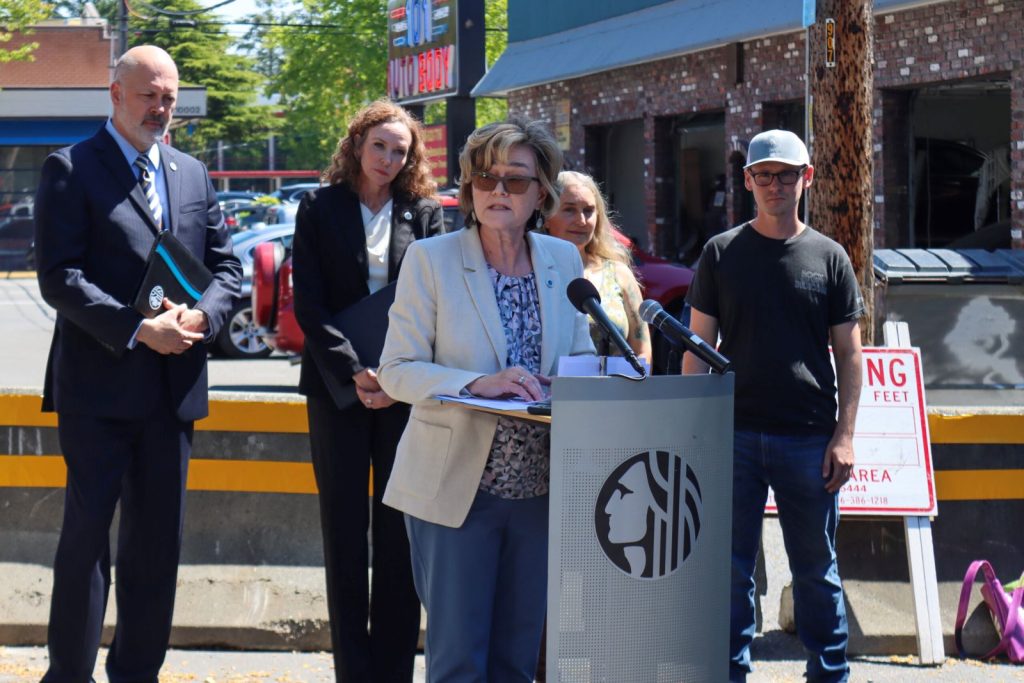
“I think part of it is, how do we provide more resources to that community? And, you know, build up Aurora to be more of a neighborhood,” Jenks said. “I don’t think it was the right move. I think there were other ways that we could have done that didn’t involve, again, relying on criminalization, and where you can go, where you can just move around, right? So at this point, I’m like, well, show us the data, and let’s work with the community.”
Strengthening democracy
Seattle will be implementing ranked choice voting for the first time in 2027, and Jenks is ready to be a champion on the council around this process. In addition to working on voting reform in her day job, she sits on the King County Ranked Choice Voting Advisory Committee.
Jenks said it will be important to engage in a lot of voter education next year around ranked choice voting, as well as ensuring Seattle’s Department of Neighborhoods has the appropriate funding to facilitate such education while not leaving anyone out. She also spoke of attacks on democracy at the federal level and how proportional ranked choice voting can act as a remedy for some of the curtailments the U.S. Supreme Court might make on the Voting Rights Act.
“It’s very important for Seattle to get this right,” Jenks said.
The D5 race is only just getting started, and Jenks has already received several progressive endorsements, including from Washington State representatives Darya Farivar, Julia Reed, and Brianna Thomas, House Our Neighbors co-executive director Tiffani McCoy, and Seattle School board members Liza Rankin and Vivian Song.
“The two things I think we need leadership on this council […] is the climate and democracy and understanding how that relates to us on a local level, from local journalism to implementation of RCV (ranked choice voting) and how climate can actually guide us towards justice for people living in the streets who don’t deserve to live in smoke,” Jenks said. “I talk about democracy, but really what I mean is trust that these institutions can serve you and also that you have a right to your voice.”

Amy Sundberg is the publisher of Notes from the Emerald City, a weekly newsletter on Seattle politics and policy with a particular focus on public safety, police accountability, and the criminal legal system. She also writes science fiction, fantasy, and horror novels. She is particularly fond of Seattle’s parks, where she can often be found walking her little dog.