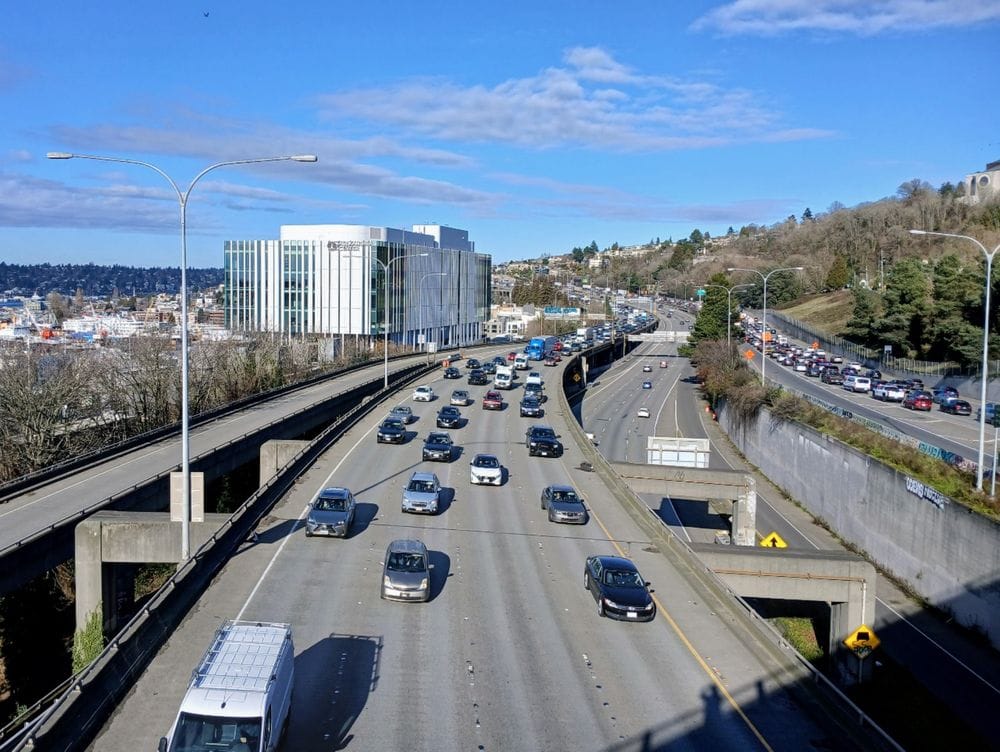
Leaders in the state Senate’s transportation committee have jumped on board with a proposal to issue new state bonds to bolster spending on basic highway maintenance and preservation work, an idea that Governor Bob Ferguson put forward in December. The budget released early Monday is on a fast track for committee approval later this week. It would authorize the state to issue $2 billion in debt in order to increase spending on transportation basics without a new tax bump.
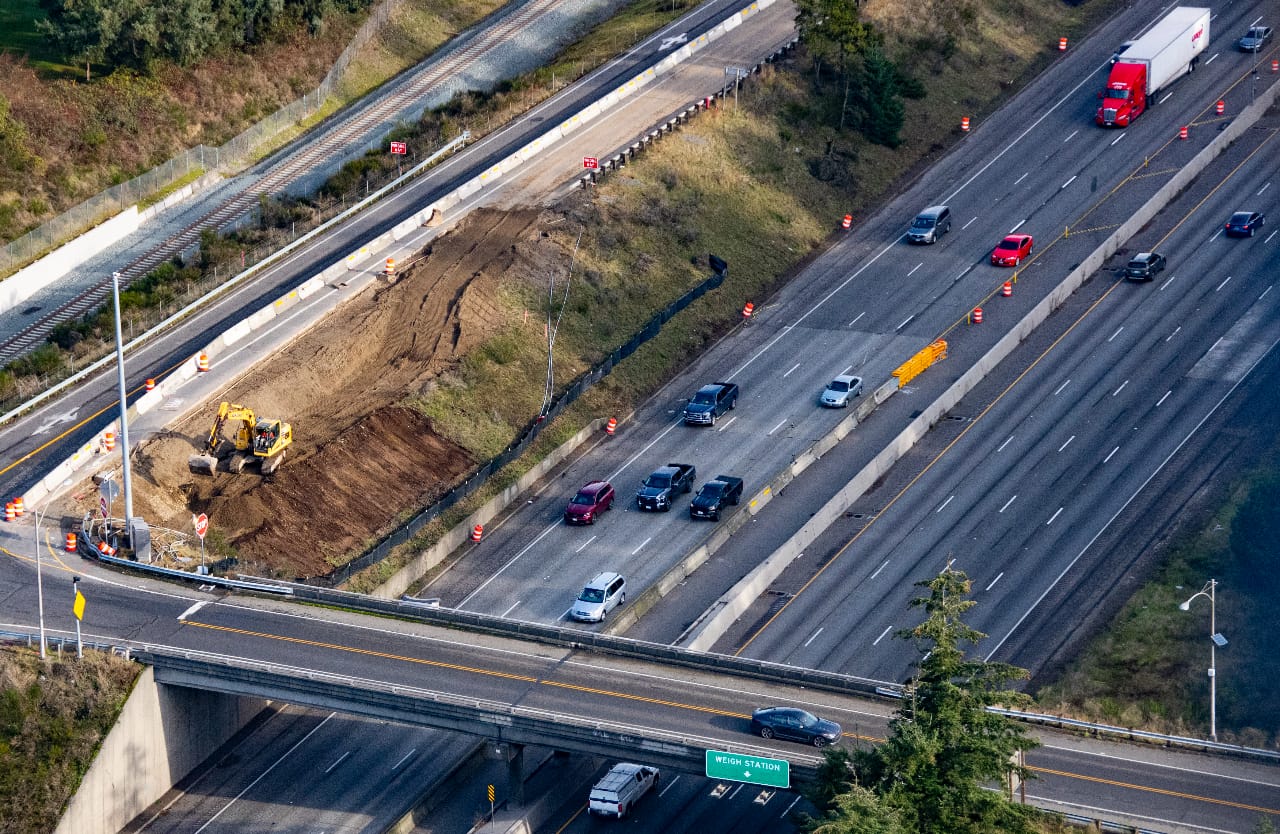
On top of $1.215 billion for highway and bridge maintenance and preservation, the new bonding would unlock $225 million for maintenance on deteriorating highway facilities like buildings and vehicle yards, and $100 million for maintenance work at Washington State Ferries.
An additional $100 million would go toward highway overhauls on the state’s “high risk corridors,” the surface highways where a disproportionate number of fatal and serious injury crashes take place. While that money wouldn’t be committed until the 2029-2031 biennium, it would double a $100 million that has already been committed to safety-related upgrades starting in 2027.
The backing for this new debt would come from a slate of funding sources that the legislature approved in 2025, including a 6-cent increase to the state gas tax, higher rental car fees, a luxury vehicle sales tax, and a 3% charge for credit card transactions on ferries. Along with a need to make up for declining fuel usage, those increases were largely approved to accommodate cost increases on a handful of highway expansion projects across the state, including the 520 bridge replacement project, the North Spokane Corridor, and the twin highway extensions between Seattle and Tacoma that have been dubbed the Puget Sound Gateway.
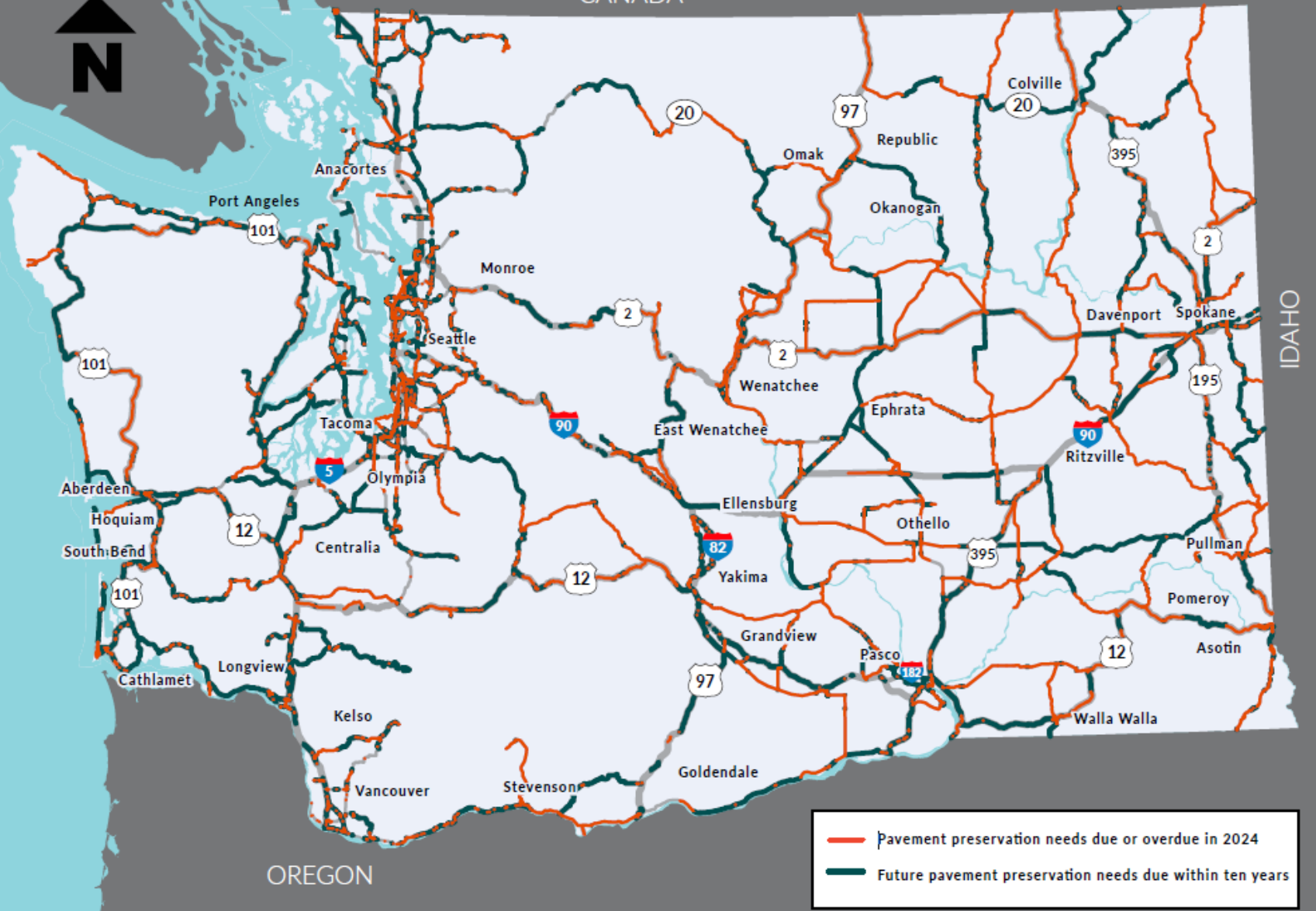
It’s highway projects like those that have caused basic highway maintenance to take a back seat in state transportation budgets over the past few decades, leading to the need to invest $8 billion over the next 10 years in order to keep the state system in a state-of-good repair. These new dollars will make a dent in that deficit, but at a cost of increased interest payments for future transportation budget writers.
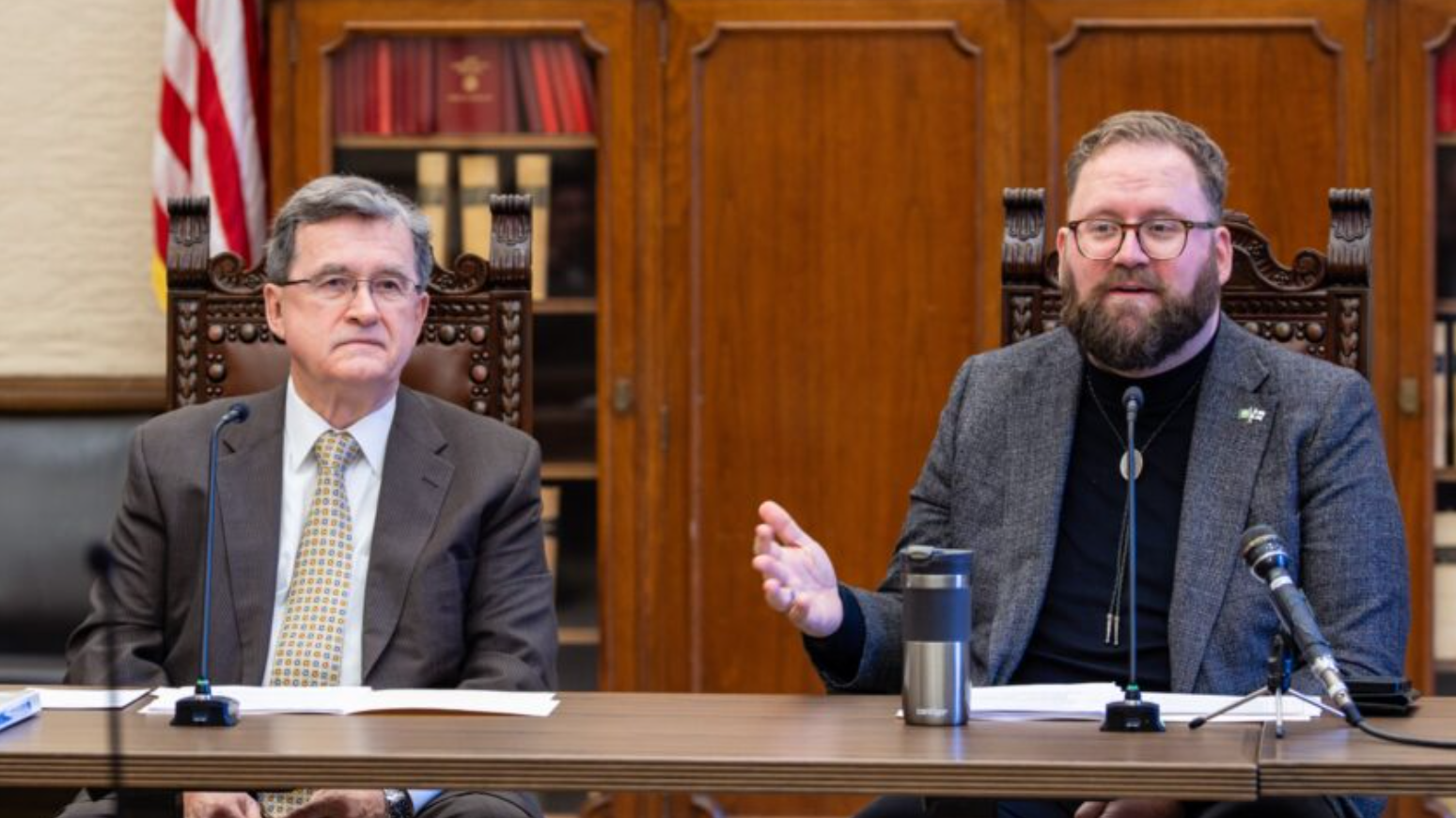
“The supplemental budget focuses fundamentally on three core priorities: preservation and maintenance of our transportation system, safety on our system, and creating jobs across Washington state,” transportation committee chair Marko Liias (D-21st, Mukilteo) told reporters in a briefing minutes after the budget was posted online. “We are focused both on preservation maintenance of our state highways and our state bridges. We are also focused on preservation and maintenance of our state ferries, and then we’re also focused on dealing with the unprecedented damage caused by the flood event last fall, both at the state and local level.”
Debt service already eats up nearly 12% of the state’s transportation budget, more than the combined operating and capital budgets for the entire Washington State Ferries system. Despite the fact that the bill authorizing the new bonds is set to get a vote on Thursday in committee, as of Monday, the bill did not yet have a fiscal note attached to it that could give the public a sense of how much higher that number might potentially climb.
A plan to divert 0.1% of the state’s 6.5% sales tax into the transportation budget, also approved last year, will stay in place under the Senate’s proposal and be further established in state law by permanently dedicating a “significant portion” of that sales tax to state ferries. That tax diversion, which grabs funding that might otherwise fund schools and social services, has been causing heartburn among legislators.
The House budget, also released Monday, rejects the idea of issuing new debt. Without that new money, it includes much fewer sweeping changes to the budget the legislature approved last year, though it would add $770 million for maintenance and preservation leveraged using the state’s existing bonding capacity.
“We don’t need to authorize more bonds to invest more in preservation and maintenance; at least, not now,” House transportation chair Representative Jay Fey (D-27th, Tacoma) said in a release Monday. “By using existing bond capacity and smoothing funds across biennia, we are able to add $335 [million] to preservation and maintenance this biennium, and $435 [million] in 2027-29. Bonding can help deliver major infrastructure projects, but it must be used carefully. We need to look at funding decisions across the entire biennium and ensure we’re not over-committing future budgets.”
After years of warnings from previous state transportation secretaries about budget writers’ lack of attention on preserving deteriorating highways, Ferguson has jumped on the issue since taking office in 2025. His office has seized on recent emergency closures like the shuttering of the Carbon River Bridge near Mount Rainer and the temporary closure of the White River bridge along State Route 410 to make the case that the state needs to be doing more to invest in basic maintenance, but Ferguson has not called for significantly reprioritizing spending decisions that have already been made.
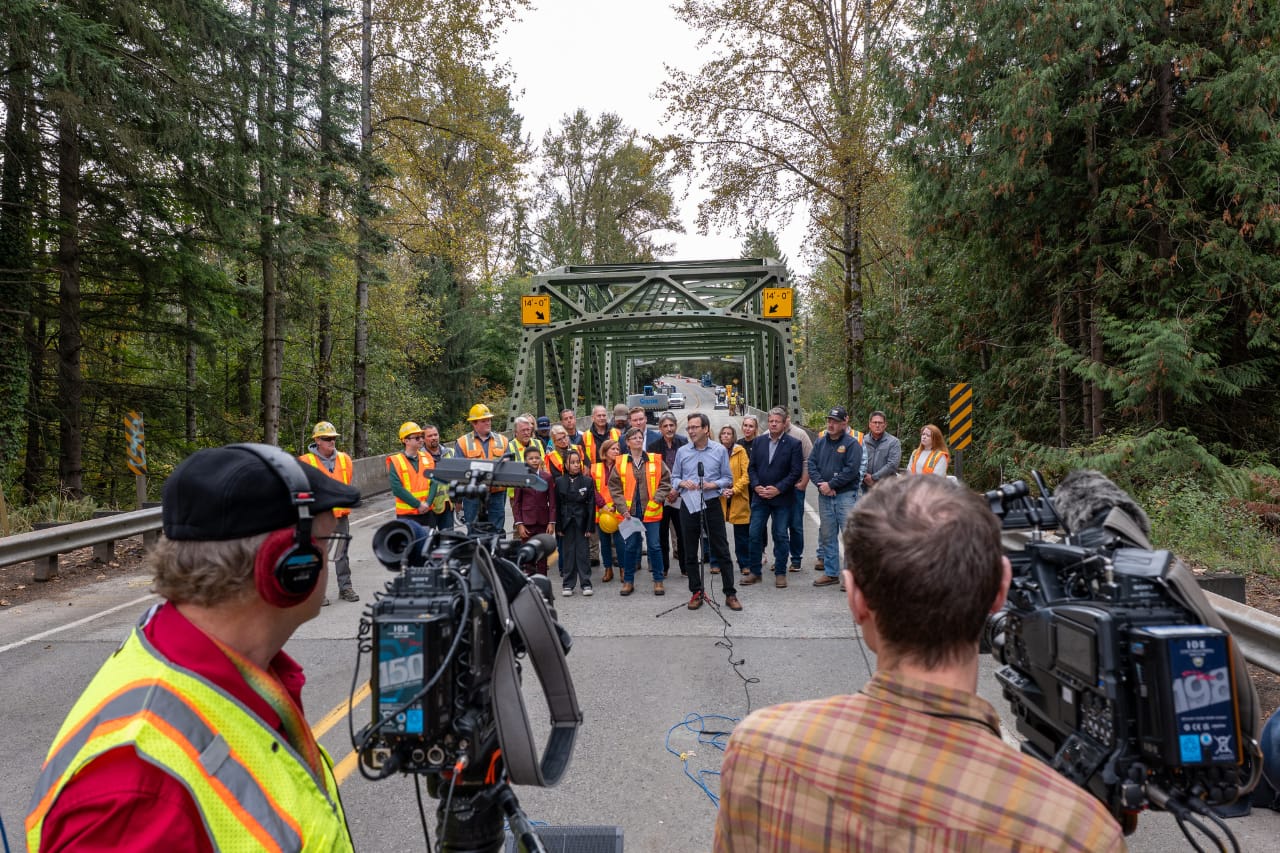
The bond proposal allowed the new Governor to mostly evade that issue, while he has supported keeping highway expansion projects like the North Spokane Corridor on track during his first 14 months in office.
Transit funding is essentially a footnote in either chamber’s budget, though the legislature is advancing a proposal to allow Sound Transit to lean more heavily on debt as well, extending bond terms to 75 years for some of the agency’s most long-lasting assets.
The Senate proposal did ditch Ferguson’s idea of issuing another $1 billion in debt to accelerate construction on three new vehicle ferries for the state fleet. Liias defended the move as one that will allow the state to focus on delivery of the three new boats that are currently on order, when Ferguson’s proposal would have gotten six into the queue.
“When we look at this, between now and 2031, we feel like the budget has a lot of ferry construction work in it. As we come back in 2027, we’re going to have to talk about what steps we take beyond the first three [boats] but for the supplemental [budget] we’re focused on fully funding the first three vessels. That’s our priority,” Liias said. The governor presented a ten-year plan, so he did talk about those next vessels. I think I see a lot of merit in his proposal, but we want to sort of take more time on figuring out those next steps.”
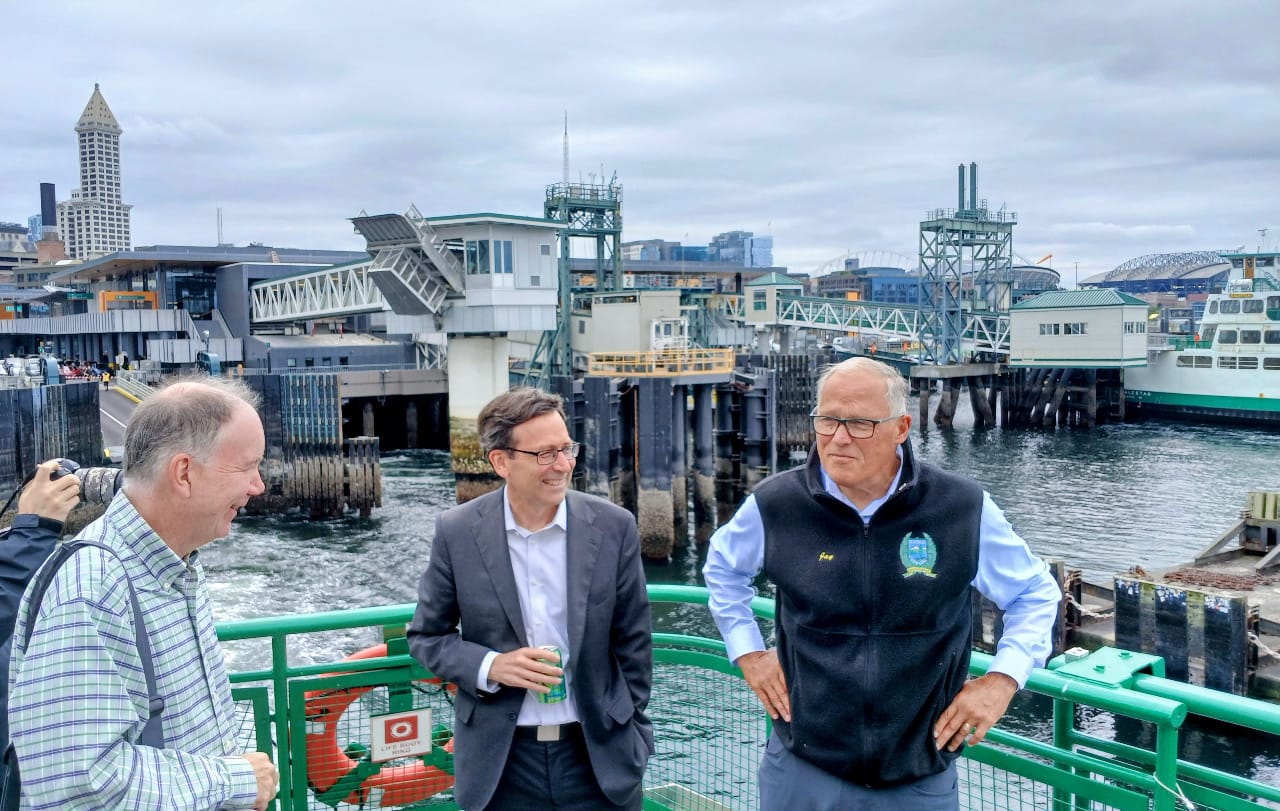
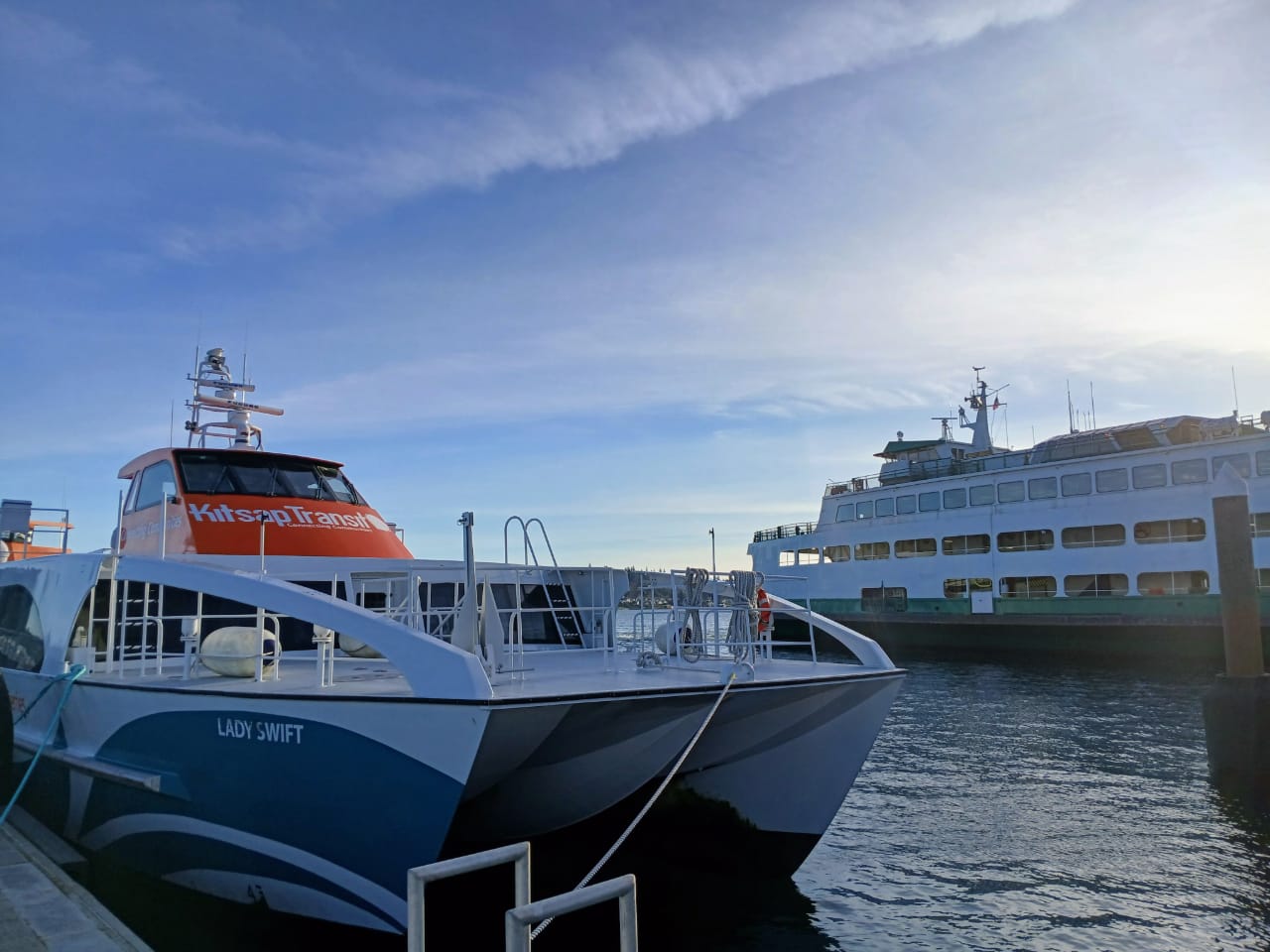
Liias also defended a pivot away from supplemental passenger ferry service funding, which the legislature had invested in as the state ferry fleet rebounded from the depths of the pandemic. While temporary funding was provided to King County to help continue mid-day and Saturday service to Vashon Island, the Kitsap Transit fast ferry between Bremerton and Downtown Seattle no longer operates on Saturdays through the offseason.
“Because we’re now at full operating capability — obviously, occasionally there’s some hiccups when we have vessels that hit logs and things like that, but generally speaking — the system, absent that Sidney run, is at full domestic service,” Liias said. “And so for that reason, our commitment was that once we got full domestic service restored, that those sort of temporary relief mechanisms would go away. We’re continuing forward with that policy.”
Last year, the Mosquito Fleet Act, a bill from Representative Greg Nance (D-23rd, Bainbridge Island) that would have empowered local governments to take actions to fund passenger-only ferry systems on their own, died without getting a vote in Liias’s committee. Nance has been undertaking a second push to get that bill through, with a pivotal hearing this Friday back in the same committee.
Both the House and the Senate transportation committees are set to approve their respective budgets by the end of this week, with a conference committee to reconcile the two proposals almost certain to come after that. The final proposal will need a vote before the legislature adjourns for the year on March 12.