

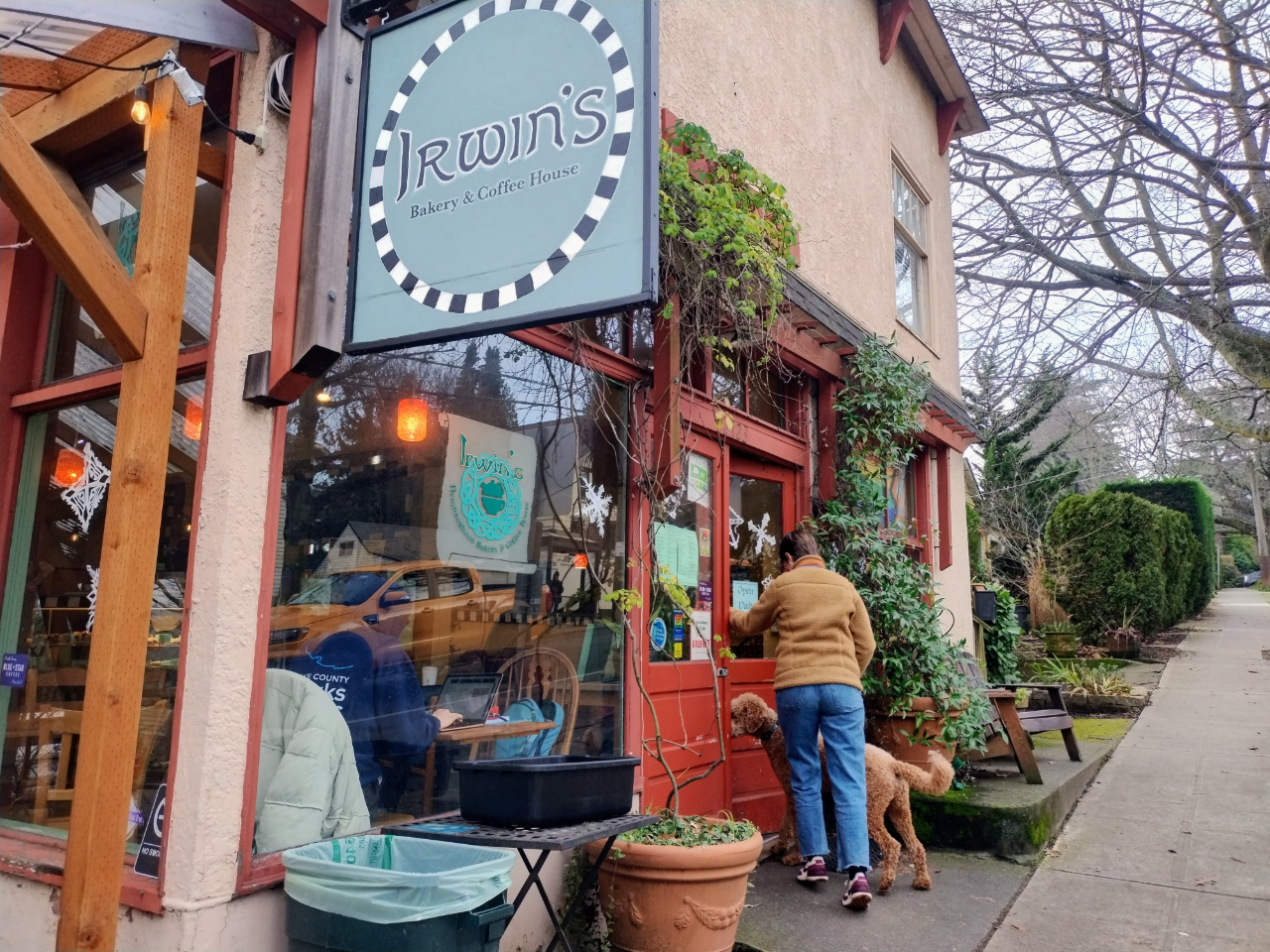
A proposal that would have opened the door to more small commercial storefronts within residential neighborhoods across Washington has once again stalled out at the state legislature. It marks the third year in a row that such legislation has ended up on the cutting room floor, with the state Senate’s Local Government Committee once again proving to be a roadblock on the path to legalizing neighborhood cafes and corner stores.
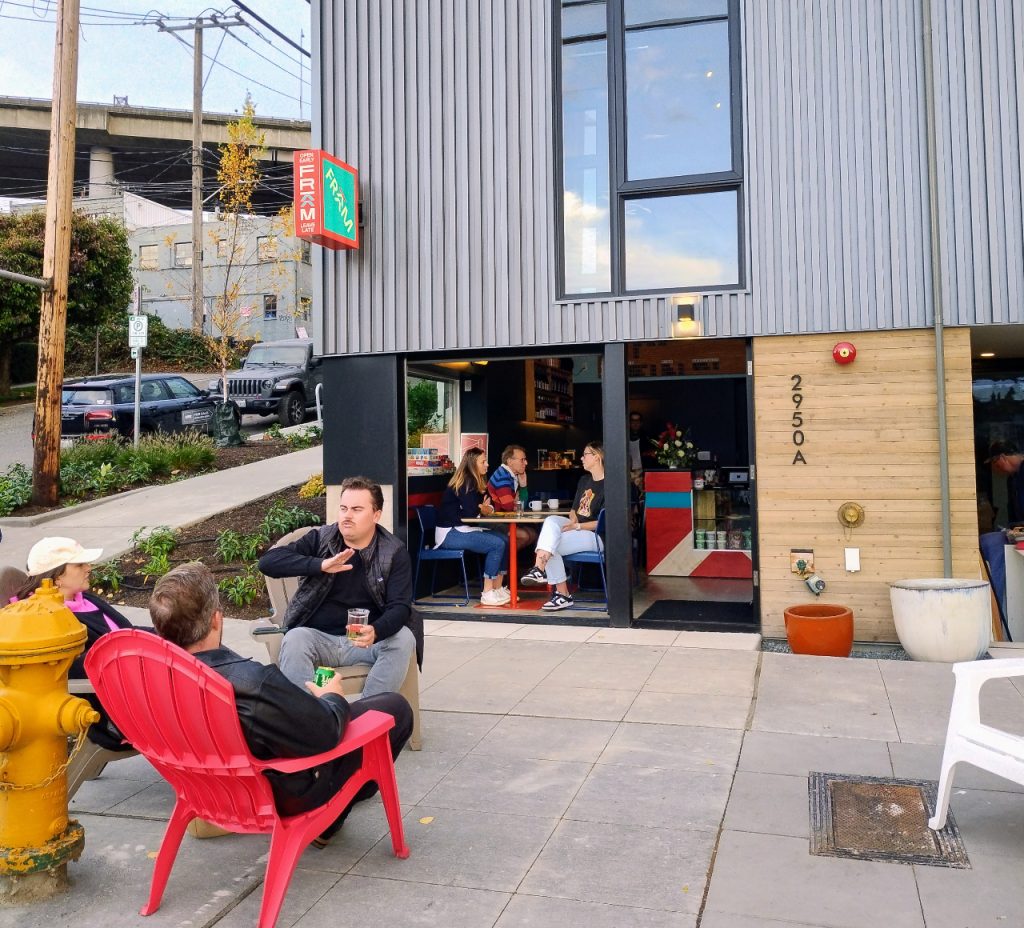
House Bill 1175, sponsored by Representative Mark Klicker (R-16th, Walla Walla), would have opened the door to a wide range of commercial uses within residential zones in most Washington cities, with the goal of allowing more corner coffee shops and bodegas to open within walking distance of homes. According to the bill, a cafe is defined as an establishment with at least 500 square feet of gross floor area that must serve food along with any alcoholic beverages, and “neighborhood stores” would be able to sell a broad range of items “not limited to” food, beverages, and household items.
In a conversation with The Urbanist, Klicker placed blame for the bill’s failure squarely on Jesse Salomon (D-32nd, Shoreline), the Local Government Committee’s chair. Despite being approved by the Washington House on a 94-2 vote just four days into the start of the legislative session on January 15, it was never given a public hearing on the Senate side after being referred to Salomon’s committee.
According to Klicker, Salomon communicated concerns around the sheer number of other bills that the legislature has approved in recent years that have given local governments a mandate to overhaul their land use codes, including legalizing middle housing in most single family zones, accessory dwelling unit (ADU) reform, and parking mandate reform. This session, the legislature is likely to add another mandate onto the state’s medium and large cities that will require them to reduce barriers to building housing units in commercial and mixed-use zones. Officials in cities large and small have complained about the timelines to implement these bills and the increased workload they’ve placed on planning staff.
“Senator Jesse Salomon chose he didn’t want to run it. The excuse that he said [was], ‘Well, there are just too many mandates with all the bills,'” Klicker told The Urbanist. “That was his choice, and his choice alone, to decide to do it that way.”
A state senator since 2019, Salomon faces a strong opponent in his bid for re-election this year in Representative Cindy Ryu. Ryu’s challenge against an incumbent was an early signal of the number of left-leaning primary challenges legislators are likely to face this year, with Redmond City Councilmember Jessica Forsythe’s challenge of moderate Democrat Representative Amy Walen (D-48th, Kirkland) coming soon in its wake with others likely on the way.
Two years ago, the Local Government Committee gutted Klicker’s previous version of the bill, under the leadership of then-chair Liz Lovelett (D-40th, Anacortes). Lovelett’s changes, intended to allow the bill to survive until it got to the Senate floor, switched the framework from a mandate on local cities to an opt-in, at the same time potentially outlawing a number of existing corner stores around the state that sell alcohol.
Those changes essentially doomed the bill, prompting Klicker to retool the idea in 2025 and introduce HB 1175, a proposal that was more explicit about the types of businesses that would be legalized in neighborhoods but with some big concessions to local governments. They can set the maximum size of a cafe or corner store — with a minimum set at 500 square feet — and regulate parking “provided that the regulations are not infeasible,” whatever that means. Hours of operation could be limited to half of the day, putting the kibosh on the ability for businesses to be open later in the evening.
HB 1175 was approved in a House committee last year but the session ended before it could get a floor vote.
Salomon’s office provided a very short statement to The Urbanist. “There were, unfortunately, not enough votes to move the bill out of committee this session,” it read.
Despite the fact that it’s repeatedly stalled out, Klicker’s attempt to push this issue may actually have elevated it and prompted local governments around the state to take up the charge. An updated Comprehensive Plan in Shoreline legalized neighborhood commercial uses across most of the city’s blocks, with updated regulations in Burien and Everett soon following.
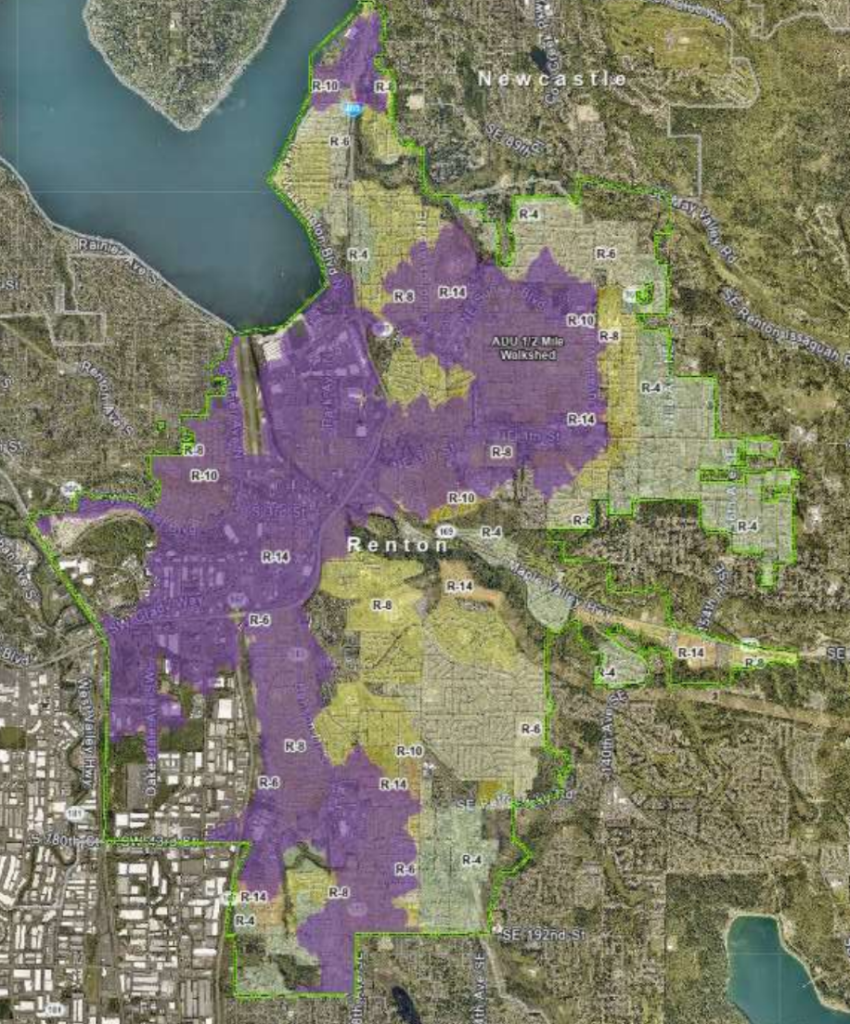
The latest city to jump on the corner store bandwagon looks to be Renton, which is advancing a proposal that would allow neighborhood commercial throughout approximately half of the city by targeting areas within a half mile of a bus rapid transit stop. But stores would only be allowed on literal corner lots, limiting their potential significantly and stopping well short of what HB 1175 would have required.
A survey Renton conducted last year showed a staggering 86% of respondents agreeing with the idea that there should be neighborhood retail stores and services closer to where they currently live, with 39% of those same respondents saying that cafes and corner stores should be allowed on all residential lots, more than double the number that said they should only be allowed on corner lots (17%).
Seattle now allows cafes and corner stores citywide, after successful advocacy to broaden regulations proposed by former Mayor Bruce Harrell that would have only allowed them on corner lots as is proposed in Renton.
“Every neighborhood deserves places for community members to gather, buy essential goods, create art together, and build a community. But right now, that kind of commercial and community space can be hard to find or afford. Legalizing corner stores would help bring these services and community spaces to every neighborhood,” read a 2025 petition created by Seattle Neighborhood Greenways, Futurewise, and the Greater Seattle Business Association. Those groups’ advocacy was ultimately successful, with new regulations adopted in December.
In lamenting his bill’s failure again this year, Klicker also referenced the issue of community, noting that residents of Washington’s large cities are more likely to be missing out on the benefits that his bill would have brought, compared to residents of the smaller towns in a district like his where walking distances tend to be much shorter.
“People are losing out on community. Really, that’s what it is, that sense of community people are yearning for,” Klicker said. “I probably wouldn’t have pushed and pursued this bill so much, but when you get, you know, emails and calls to my office, everything over the last couple years, I mean, people begging for this. Sure, there are people that don’t want it because they don’t understand what this would be. They worry that it might be a big thing that is going to bring all these crowds in, and it’s not that whatsoever. It’s just very simple neighborhood, little things that people are looking for.”

Ryan Packer has been writing for The Urbanist since 2015, and currently reports full-time as Contributing Editor. Their beats are transportation, land use, public space, traffic safety, and obscure community meetings. Packer has also reported for other regional outlets including BikePortland, Seattle Met, and PubliCola. They live in the Capitol Hill neighborhood of Seattle.