

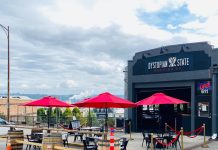
Street Cafés Becoming a Permanent Amenity in More Puget Sound Cities
It’s becoming increasingly difficult to remember, but prior to the onset of the Covid pandemic, street cafés, sometimes called streateries, were few and far...
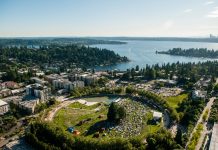
Catch Up on Bellevue’s Park Development Spree and Incoming Parks
Alongside a flurry of commercial and to a lesser degree residential development, the City of Bellevue has been improving and expanding its park system...
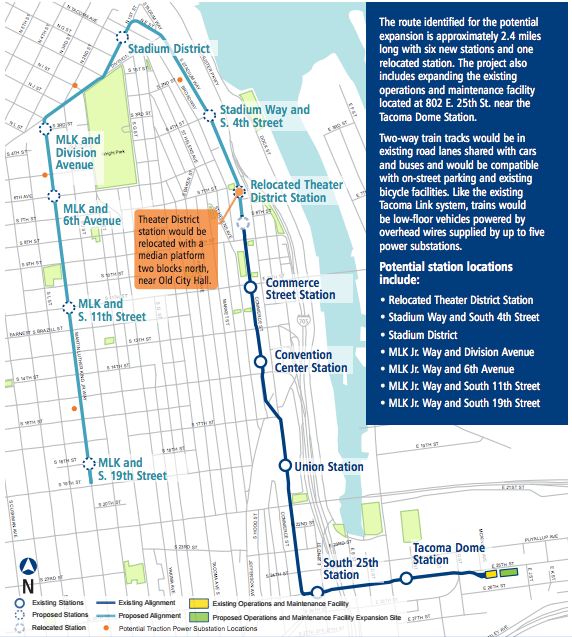
Tacoma Link Extension Receives Final Approval
Tacoma Link is set for a significant expansion thanks to final approval by the Sound Transit Board of Directors. At a meeting yesterday, the...
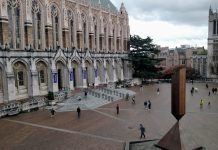
UW Should Fully Cover ORCA Transit Passes for Its Employees
If you work for King County or the City of Seattle, an unlimited ORCA transit pass comes with your job. Same thing if you...
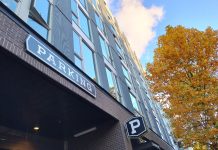
Seattle Set to Double Down on Arbitrary Parking Mandates
Despite being a longtime parking reform leader, Seattle is set to require off-street parking, even as it unlocks significant housing capacity near transit. This will make housing harder to build.
Seven Takeaways On The Recommended Plan For Seattle 2035
Seattle’s major comprehensive plan update is entering its final stages before final adoption mid-year. Mayor Ed Murray released his Recommended Plan last week, which...
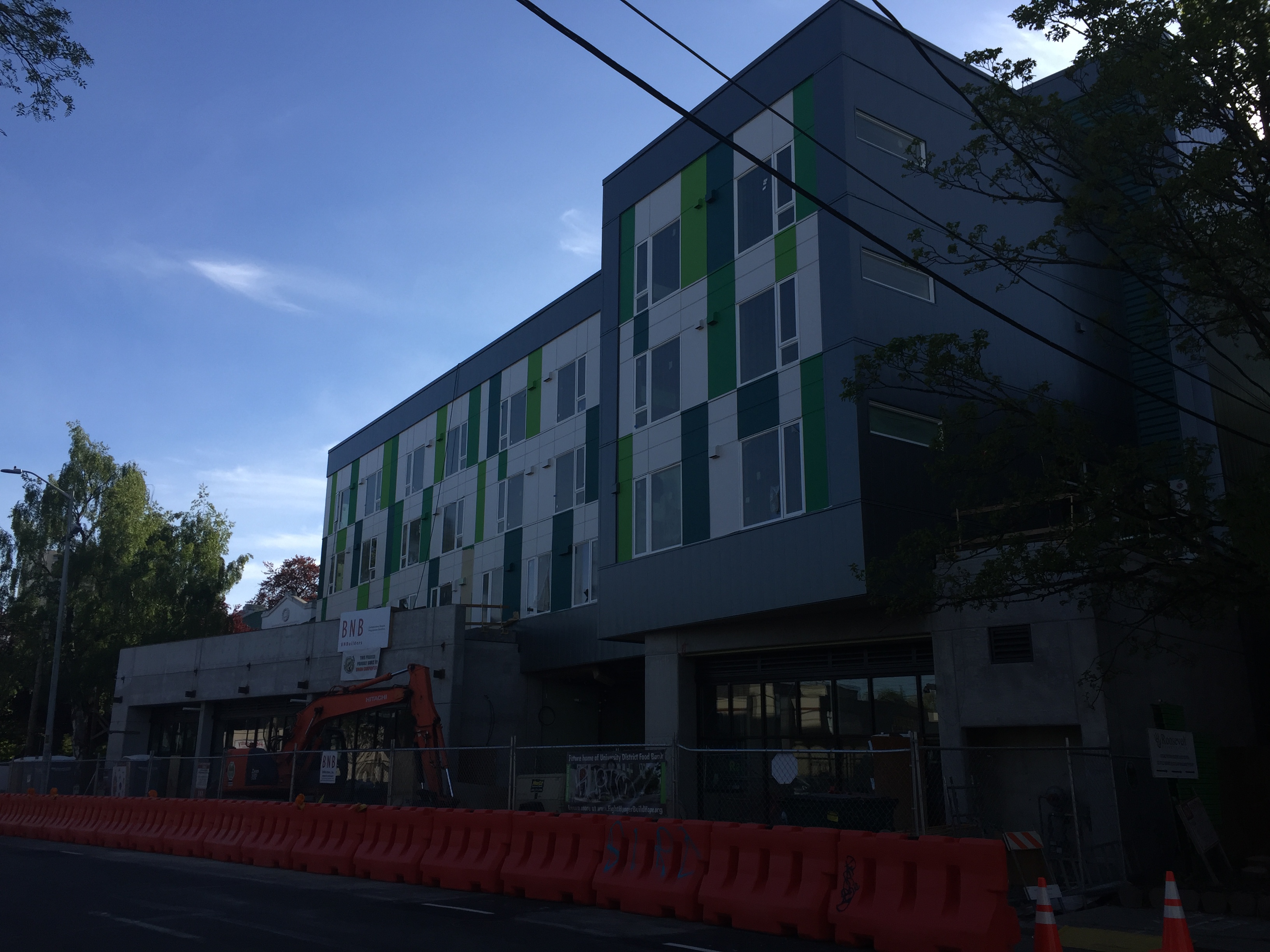
University District Rezone Proposal: A Deeper Look At Incentive Zoning, Historic Preservation, And Affordable...
Seattle's Office of Planning and Community Development (OPCD) released draft recommendations on the University District rezone and urban design proposal in late May. The...
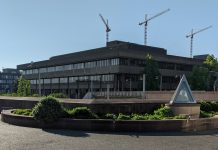
Highrises Spread into UW Campus – U District Development Spree Part 3
With highrises emerging from the University District, neighboring University of Washington (UW) is also preparing to join in on the developing skyline. Of the...