

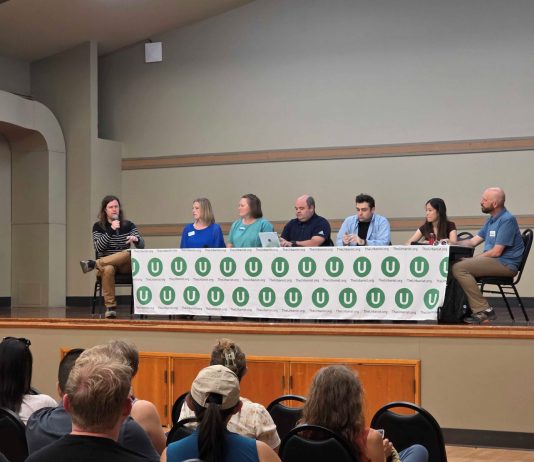
Join us for our January socials in Seattle and in Redmond, plus a special North Sound event recapping the 2025 election and looking to the political battles ahead.
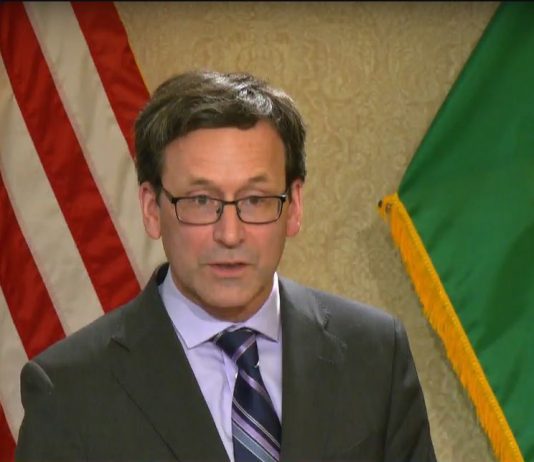
Washington Governor Bob Ferguson is again focused on cuts to close a state budget shortfall, estimated at $2.3 billion for 2026. While he did signal support for an income tax on millionaires, his proposal would not begin collecting revenue until 2029. In the meantime, students at public schools and universities would bear the brunt of fiscal belt tightening.
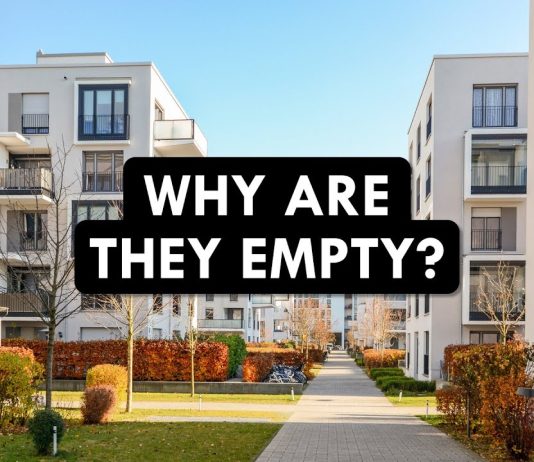
Ray Delahanty of CityNerd debunks the myth that vacant homes could single-handedly solve the housing crisis, explaining with data why America doesn't have anywhere close to 15 million homes readily available to fill the national housing shortage.
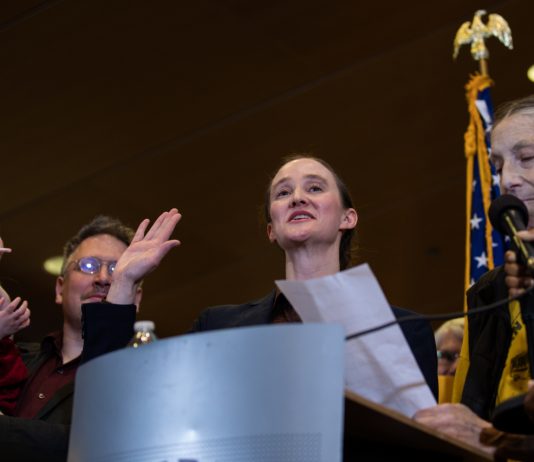
In remarks after being sworn in as Seattle's 58th mayor, Katie Wilson painted a vision of improving the daily lives of residents that was explicitly urbanist: focused around livability and ensuring that no one gets pushed out of the city.
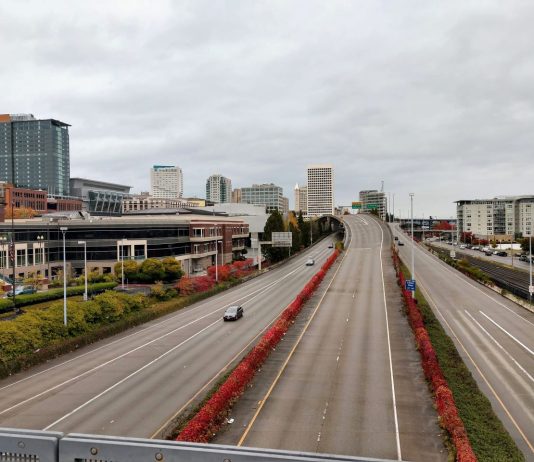
Tacoma's new impact fee regime, which goes into effect next summer, will charge developers based on expected generation of car trips. Despite work to delicately calibrate the new fees, the proposal still drew criticism when it comes to adding costs to needed housing development.
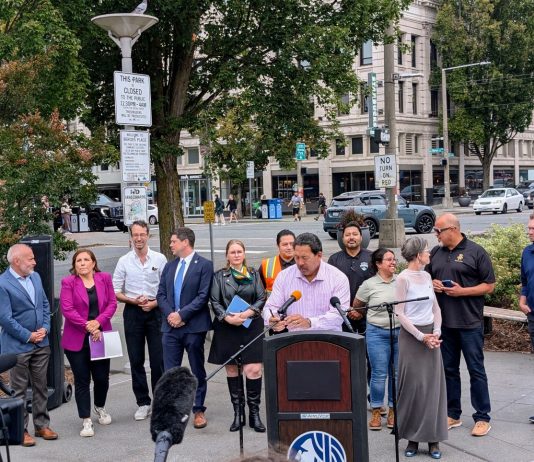
The most read stories at The Urbanist last year included coverage of high speed rail, light rail, shared streets, housing growth appeals, and parking mandates.

Ring in the new year with free transit on King County Metro, Sound Transit, Seattle Streetcar, Pierce Transit, Community Transit, Everett Transit, and Intercity Transit.

Funded inclusionary zoning unlocks the benefits of inclusionary zoning while offsetting its harms. It’s a path to more market-rate housing and more subsidized affordable housing. While funded inclusionary zoning risks creating a dangerous rift in our pro-housing coalition, amending this policy to allow for funded in-lieu fees would sidestep this issue, argues Ron Davis.
Advertisement