The year of 2025 was a pivotal year for the Seattle region and for The Urbanist. Voters elected more urbanists to office than ever before. We scored significant housing victories and repealed or eased parking mandates in a number of cities. As these stories unfolded, The Urbanist was on the scene, with leading coverage that boosted advocacy efforts and drew the connections that helped fit the story into a larger narrative about what makes cities work and thrive.
At the start of the year, things were not looking particularly promising for urbanists. America had just elected a corrupt autocrat with a fetish for fossil fuels, suburban sprawl, and turning back the clock on racial progress. Seattle’s mayor was preaching placation and collaboration rather than pledging to stand up and fight back.
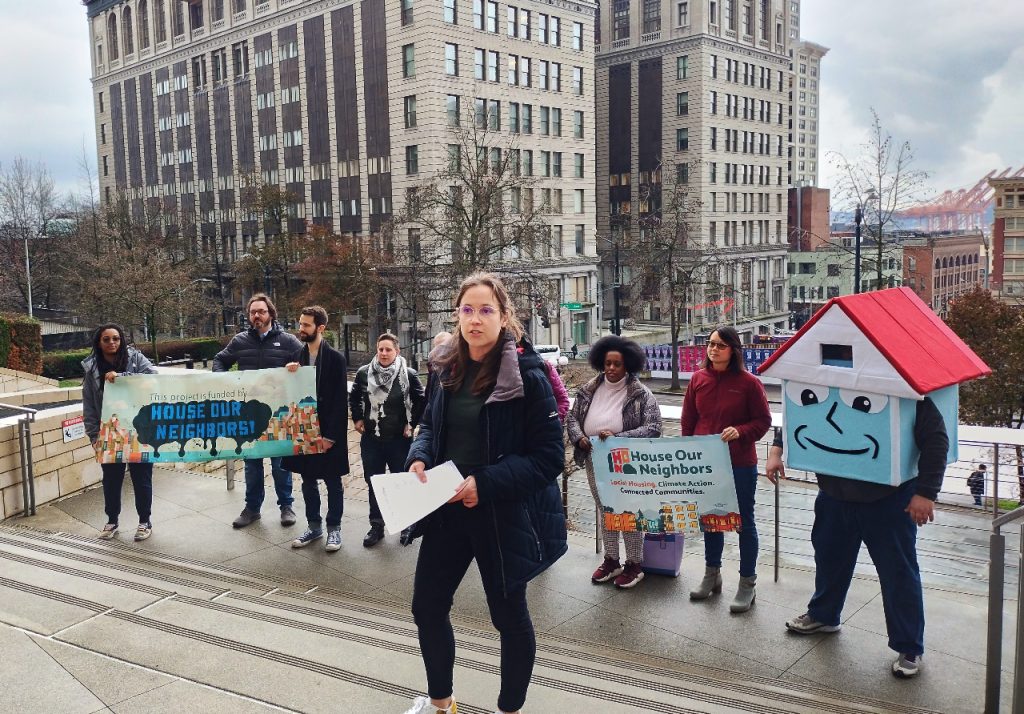
Like Trump, Seattle Mayor Bruce Harrell appeared disinclined to tax the rich, or challenge the status quo of car-centric streets, parking mandates, and apartment bans pervading much of the city. Harrell’s housing growth plan arrived both late and severely watered down, like many major initiatives in his administration, and he opposed a funding measure for Seattle’s fledgling social housing development authority, which was put forward by grassroots advocates and passed by a wide margin despite the mayor’s efforts.
Nonetheless, the pundit class considered Harrell a shoe-in for reelection — too well-funded to fail.
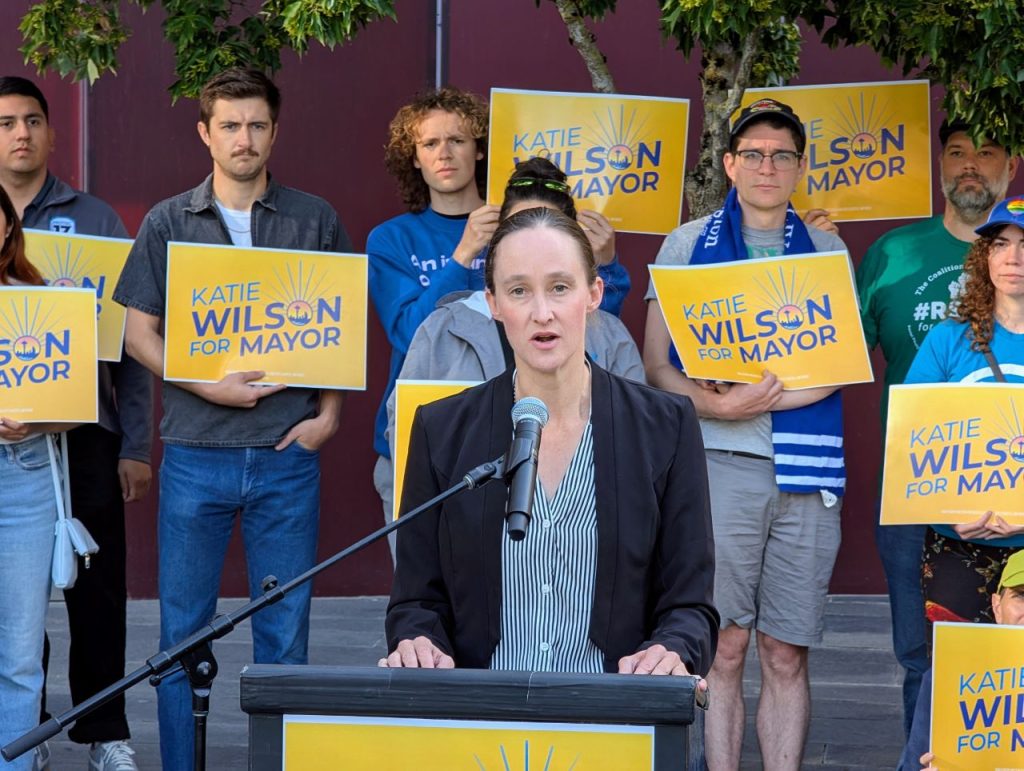
But, an amazing thing happened over the remainder of 2025. Transit Riders Union leader Katie Wilson emerged as a viable urbanist alternative to Harrell and she rode into office in November on a wave of enthusiasm, largely from tenants, urbanists, and younger folks sick of being shut out of financial stability in Seattle’s supercharged market for housing, childcare, education, and other basic necessities. In addition to 15 years of organizing for progressive change, Wilson’s credibility was built on her thoughtful writing, including a “Policy Lab” column in The Urbanist.
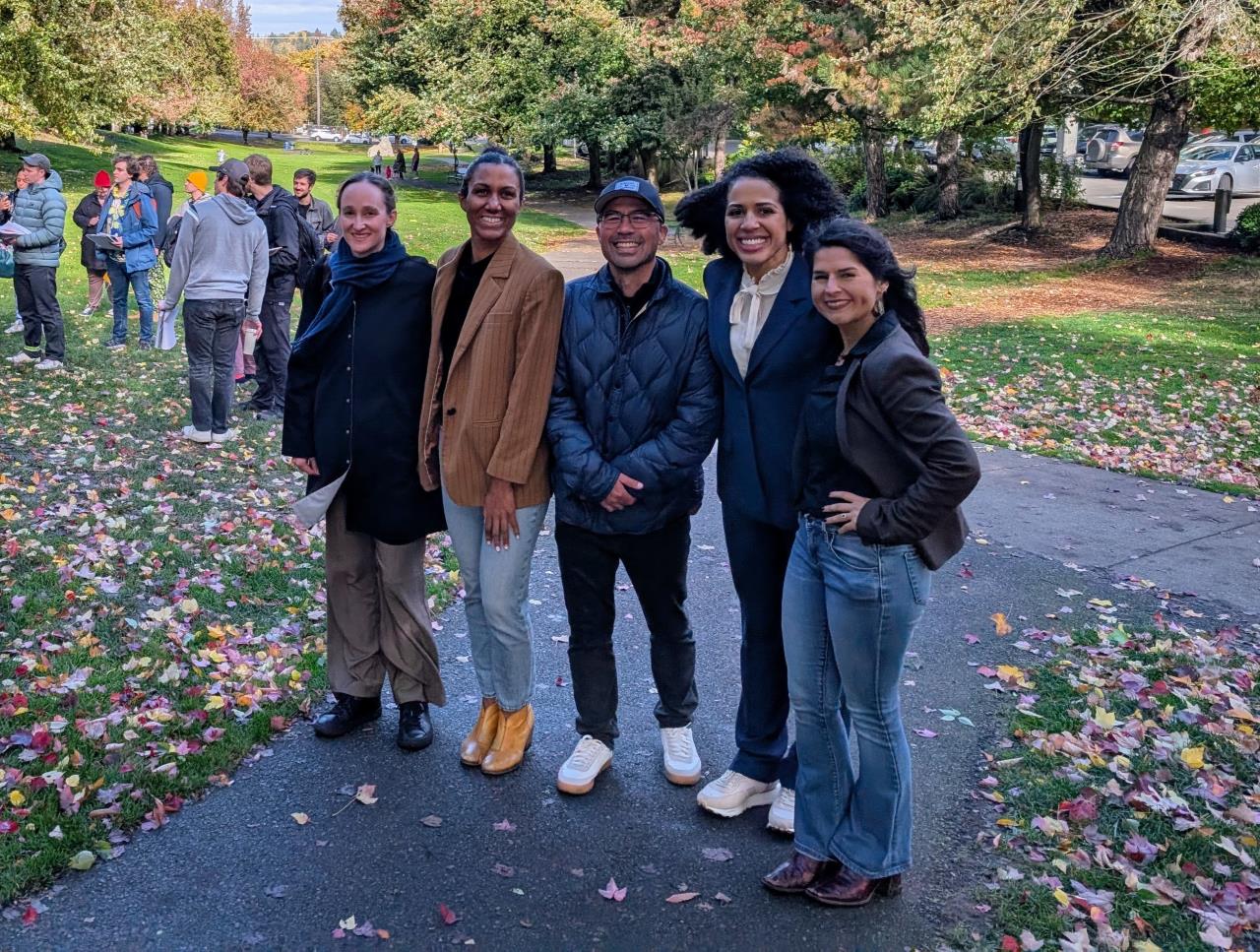
While Wilson’s victory was a squeaker, other Seattle urbanists dominated against weaker opponents. Resounding victories for Eddie Lin and Dionne Foster mean urbanists have picked up two seats on the Seattle City Council. These wins could swing outcomes toward housing abundance as Seattle takes up phase two of its growth plan in 2026. Likewise, Seattle has more champions for transit and safe streets at the helm as the City contemplates a renewal package for the Seattle Transit Measure, set to go before voters in 2026, and decides how to invest transportation levy dollars.
Outside of Seattle, urbanists made big strides, too. Progressive urbanists swept the Burien election, winning control of a city council that had fallen to regressives hellbent on scorched earth policy to dealing with homelessness. Urbanists beat back an anti-housing backlash in Kirkland, winning three of four races, and dispatched a similarly regressive effort in Woodinville.

Organizationally, The Urbanist has never been stronger, as we integrated more members into our team and reinvigorated our programming. In January, Diego Batres joined our team as Director of Events and Development and set to work expanding our events offerings, hosting nearly 40 for the year, and working on a wide variety of other projects. One thing we have up our sleeve for 2026 is a website overhaul with new features for subscribers, thanks to Diego’s tireless efforts.
At its core, however, The Urbanist will remain a trusted, independent news source with no paywall. To make that feasible, we rely on reader support. Please keep us in your year-end giving plans and consider becoming a member or upping your monthly subscription.
Donations to our 501(c)(4) nonprofit are not tax-deductible. However, readers can make tax deductible contributions to our 501(c)(3) supporting organization, The Urbanist Fund, which can also benefit from corporate matches.
Thanks to steady reader support for our freelance program, Amy Sundberg also expanded her beat as our public safety and city hall reporter. And of course, our Contributing Editor Ryan Packer continues to be this region’s go-to reporter for transportation and housing issues and all the shades in-between, serving as a watchdog for an astounding number of local city councils and agencies. Overall, we produced more than 600 articles in 2025 and set new readership records.
Even with all that output, we still could not get to all the stories happening across the region. One goal we have for 2026 is to hire another reporter to help us reach more stories.
We have big plans for 2026 and we have huge opportunities with a growing group of allies in office. But it takes resources to keep reporting and trumpeting the virtues of urbanism. With your help, you know we’ll keep sleuthing and sounding the horn.

Doug Trumm is publisher of The Urbanist. An Urbanist writer since 2015, he dreams of pedestrian streets, bus lanes, and a mass-timber building spree to end our housing crisis. He graduated from the Evans School of Public Policy and Governance at the University of Washington in 2019. He lives in Seattle's Fremont neighborhood and loves to explore the city by foot and by bike.