Washington State Ferries is at a precarious spot. While the nation’s largest ferry system has made recent gains toward stabilizing service levels in recent years, the number of active boats in the fleet means disruptions could start cascading at any time. The average age of a WSF boat has grown to 35 years, and many of the boats are more than 50 years old.
The issues with aging vessels aren’t expected to improve anytime soon, even as the agency starts to receive its next new vessels, expected by 2030.
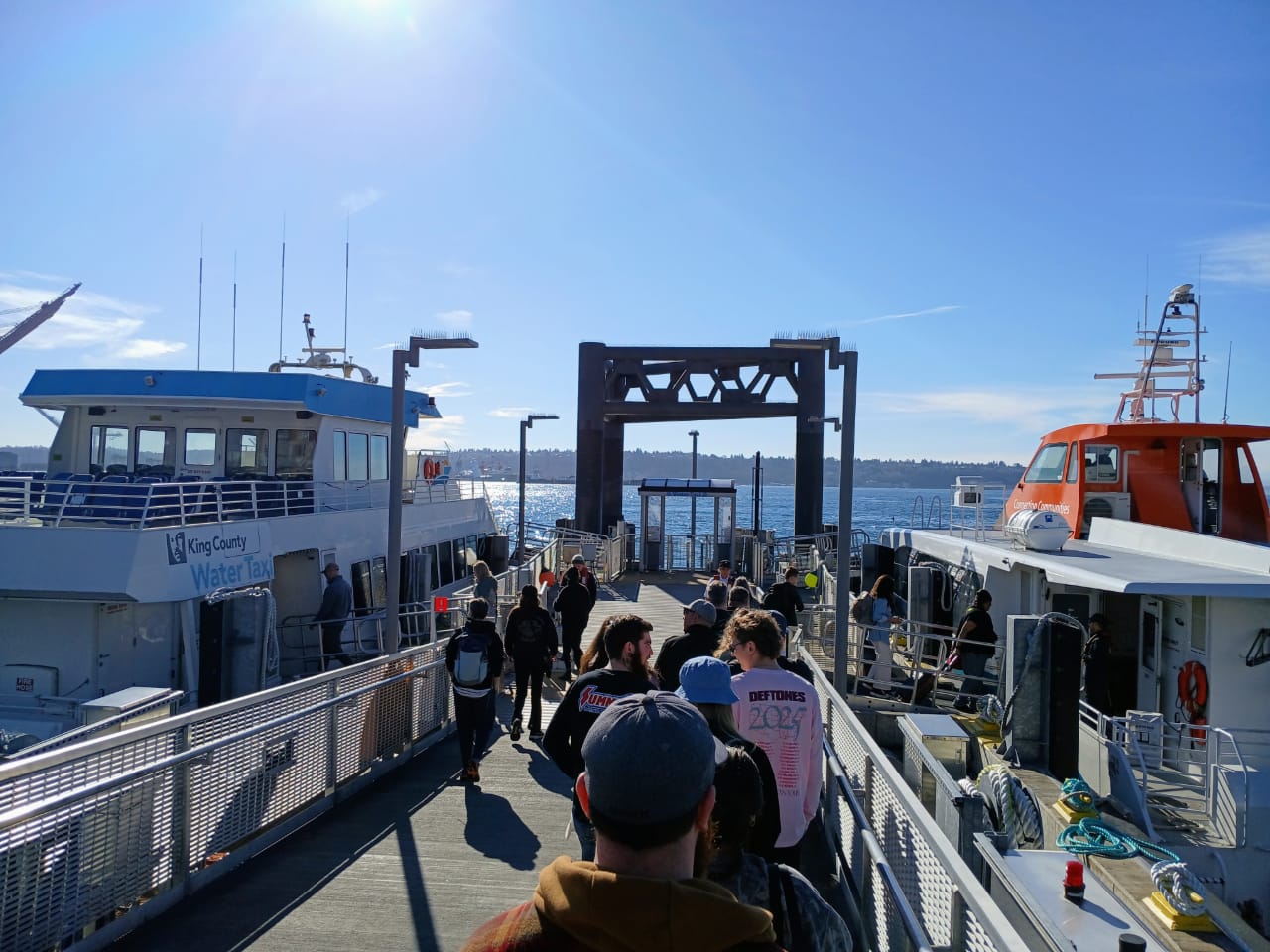
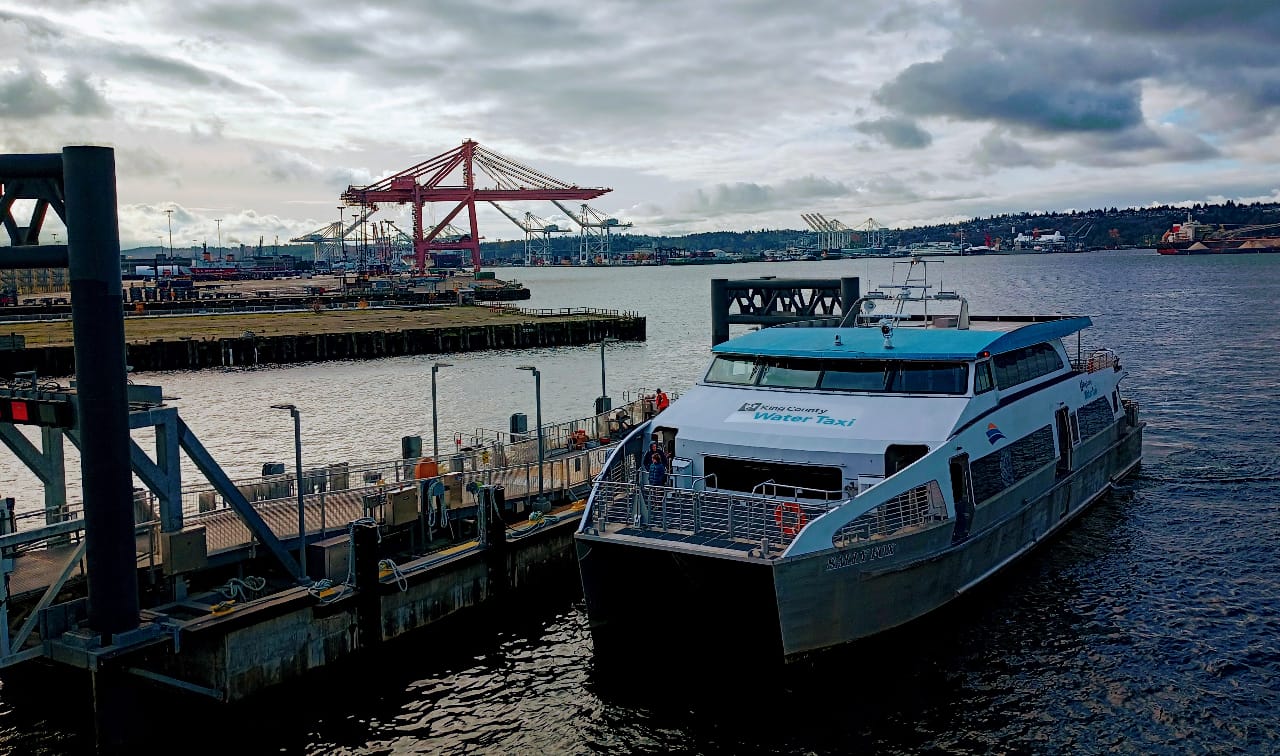
That’s why Representative Greg Nance (D-23rd, Bainbridge Island) introduced House Bill 1923 — the Mosquito Fleet Act — last year. Under current state law, only a limited number of local governments, specifically King County and Kitsap Transit, are able to operate foot ferries, despite clear opportunities for new routes across the state. It would empower other transit agencies, counties, cities, port districts, and even Sound Transit to set up their own passenger-only ferry (POF) districts, giving them revenue tools including a dedicated sales tax and commercial parking taxes, along with all of the other revenue tools normally available to transit agencies, such as the ability to charge passengers and lease advertising space.

The bill’s name is a reference to the era of marine travel during the late 19th and early 20th centuries when passenger boats were so plentiful they looked like a swarm of mosquitos, criss-crossing Puget Sound and other bodies of water throughout the state including Lake Washington and Lake Sammamish.
With this new authority, potential new routes including Friday Harbor to Bellingham, Whidbey Island to Everett, and Olympia to Tacoma could be on the table. While any new taxes would need to be approved by the voters within a ferry district, right now state law prevents them from getting on the ballot in the first place. Though there may be governments in other areas interested in looking at passenger ferry service, right now the Mosquito Fleet Act would be limited to those touching Puget Sound or Grays Harbor.
The Mosquito Fleet Act passed the House last year on a landslide 87 to 8 vote, but it’s back again awaiting a House floor vote by this Tuesday, after getting hung up in the Senate’s transportation committee. Despite a public hearing that brought out more than a dozen local elected officials and representatives of port districts from up and down Puget Sound in support, the bill died without getting a committee vote on the Senate side.
(Update: the Mosquito Fleet Act was approved by the House on an 84 to 11 vote Monday, and now heads back to the Senate transportation committee.)
In a conversation with The Urbanist, Nance was forthcoming about the fact that his bill had broad support on the Senate side, but not from that committee’s Chair, Marko Liias (D-21st, Mukilteo).
“It was very clear that there was actually a lot of support from committee members, but unfortunately, not the support we needed from the Chair to actually bring in for executive action,” Nance said.
He’s hoping to galvanize even more support behind the Mosquito Fleet Act this year to avoid a repeat performance.
“I want this to be the kind of thing where the Chair, if he says, ‘Look, we’re not going to do this,’ at least bring it to a vote, rather than quietly pocketing this like last year,” Nance said. “There should be a political cost to killing legislation that would help several communities and hundreds of workers around the sound.”
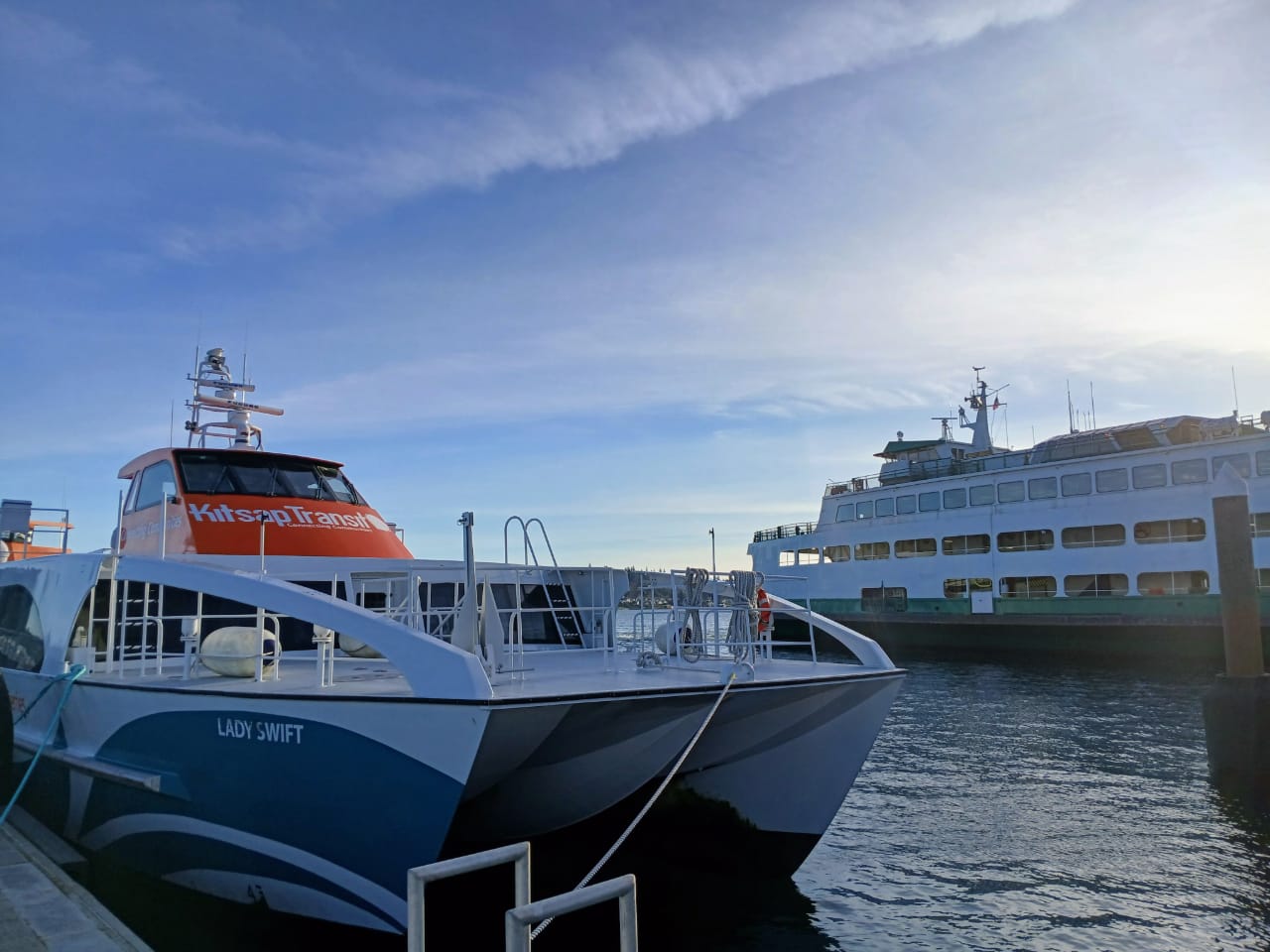
In making the case for the Mosquito Fleet Act, Nance points to the short lead time that can be involved in setting up a passenger ferry system, compared to the long holding pattern that the state ferry system is in. In November of 2016, Kitsap Transit went the voters for authority to start running passenger ferries between Seattle and Bremerton — a service that had previously been offered by the state until budget cuts over a decade earlier — and was able to start running boats by the next July.
“What’s really come into clear fidelity [over] the last year is we don’t have the operational slack at WSF to actually maintain the 17 boats we have, and that’s really, really troubling,” Nance said. “We’re facing a really tough math problem, and we need to quickly flip the script there, and part of how we’re not going to do that is by magically snapping our fingers when it comes to auto ferries. However, we do have far more supply locally of passenger ferries, and we have shipyards that will testify that they want to be building more, want to be training more apprentices.”
Another potential landmine for the Mosquito Fleet Act is the bill’s fiscal note. An assessment of the hit the state’s own coffers would take if the bill passed, the note was unusually high for a bill that only unlocks potential local taxing authority, thanks to a prediction around the number of state employees needed to help set up that authority. Nance thinks those assumptions are way too broad, and is working on potential amendments that would help bring them back to earth.
“I think they’re using a very ambitious set of adoption measures here. Because in reality, this is not going to be 20 cities and six counties and 30 ports greenlighting a mosquito fleet. We’re going to start much, much, much more modestly,” Nance said.
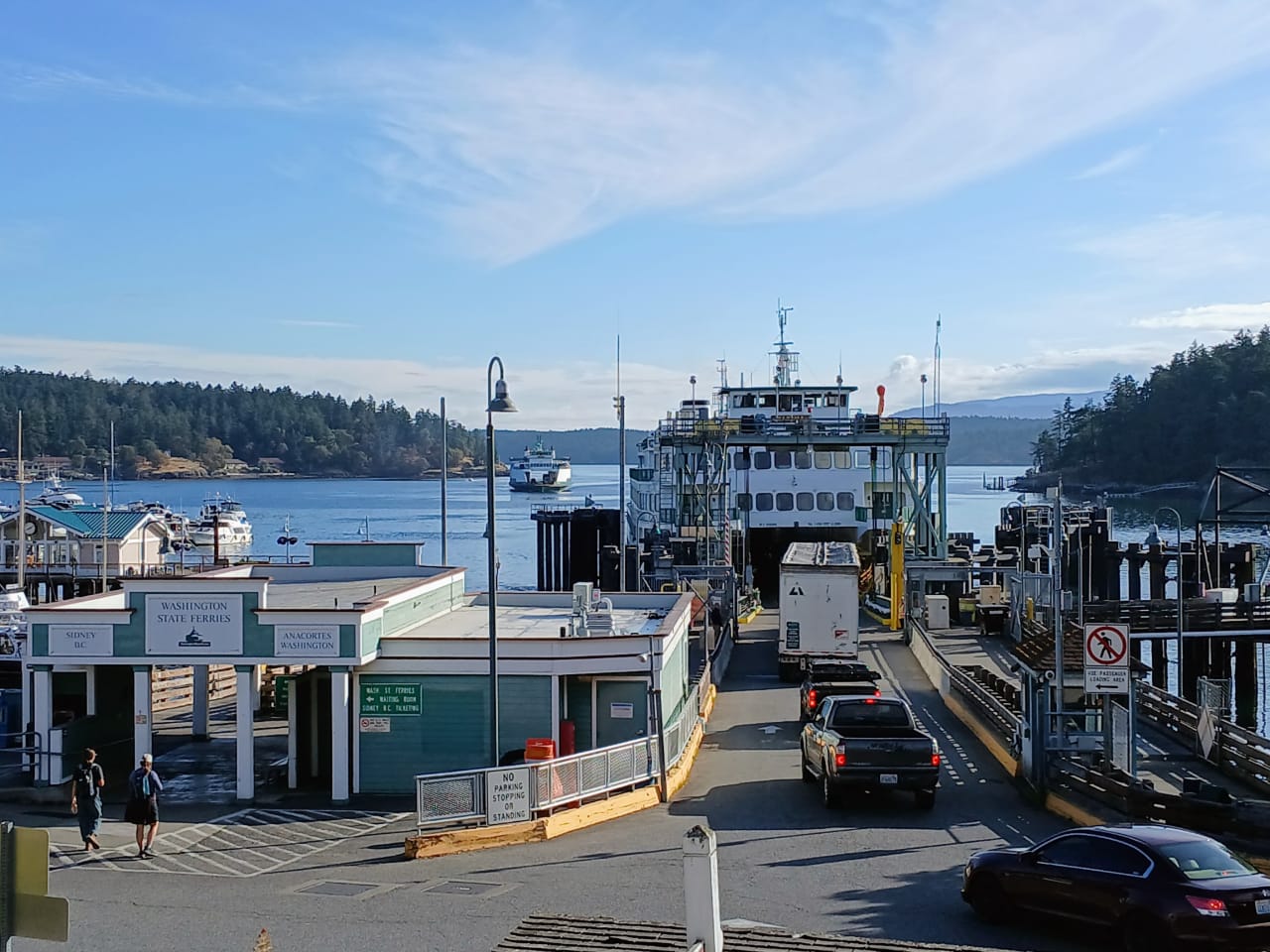
Nance is also hopeful that with the Mosquito Fleet Act, the state can help find a way to restore the longstanding ferry connection between Sidney, British Columbia and Anacortes as well as Friday Harbor, a route that has been suspended since 2020 with no expectation of restoration before 2030, according to Washington State Ferries.
“I am bummed and embarrassed that our state has dropped the ball to the point where we can’t maintain this vital link that is also responsible for about 30% of small business revenue for San Juan County. What a devastating hit for these guys to take and there doesn’t seem to be any urgency at all to actually restore that,” Nance said. “It’s not as if this is some impossibility. We’ve just got to think outside the box a little bit.”