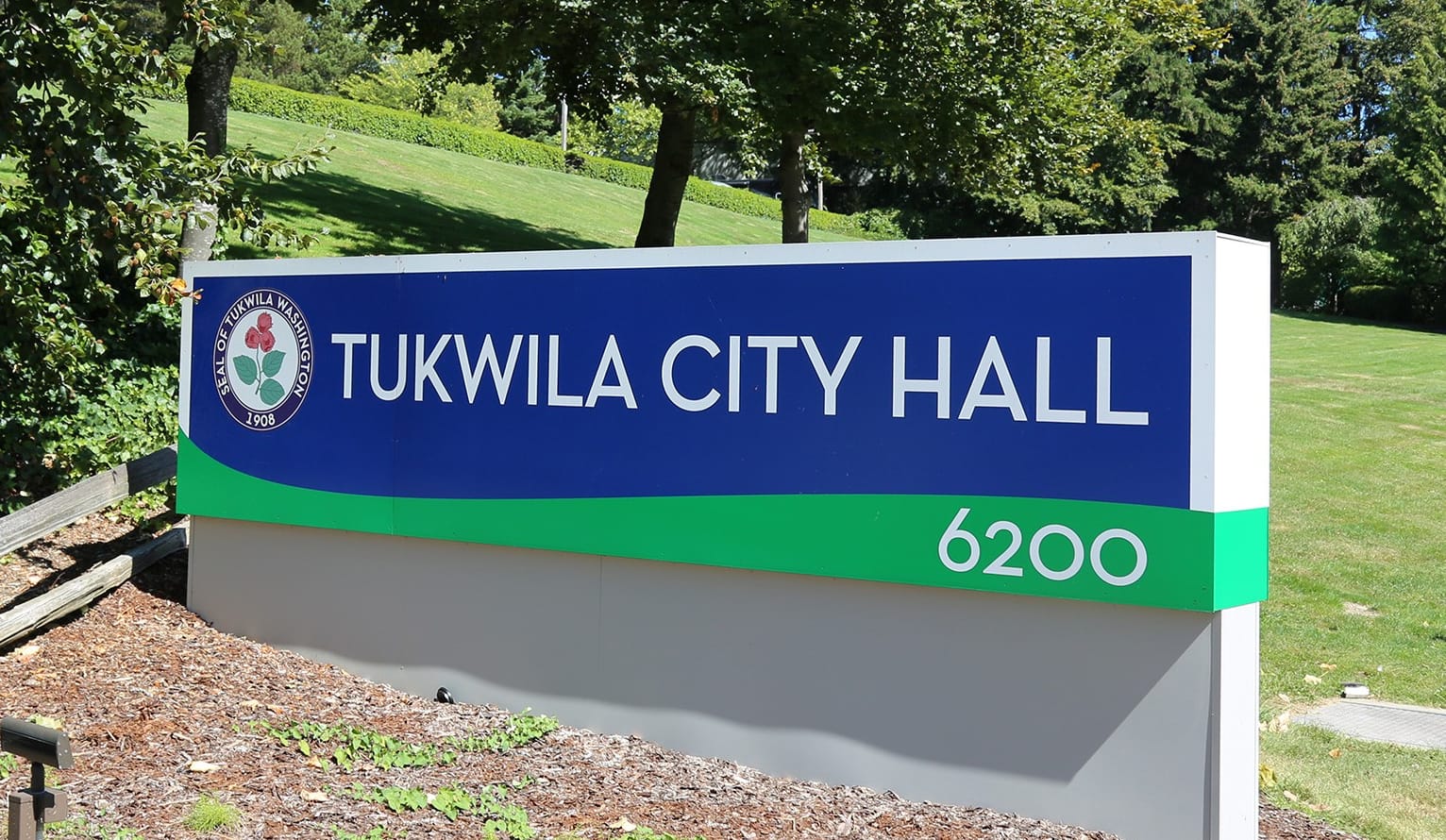
A unanimous vote of the Tukwila City Council Monday night blocked permits for new detention centers or correctional institutions, a move taken in direct response to Trump regime efforts to dramatically expand detention center capacity nationwide. Tukwila’s move follows a similar vote in nearby SeaTac on February 10, with Renton, Burien, Seattle, and King County all considering similar moratoria in the coming weeks.
The wave of emergency actions follows reporting by WIRED and other outlets that the Department of Homeland Security (DHS) and its Immigration and Customs Enforcement (ICE) arm are advancing plans for dozens of new outposts and expanded offices in the wake of a dramatic increase of billions in funding thanks to last year’s H.R. 1. Late last year, DHS released a notice of pre-solicitation for a “facility close to Seattle and with proximity to airport services providing for comprehensive detention, transportation and food services for detainees.”
That notice is expected to be followed by a Request for Proposals (RFP) that has not yet been released, leading to cities like Tukwila trying to cut DHS off at the pass. A six-month moratorium is the easiest tool available to local governments under state law, and can be extended as many time as a city deems necessary within certain parameters — in other words, the “temporary” measure could last indefinitely.
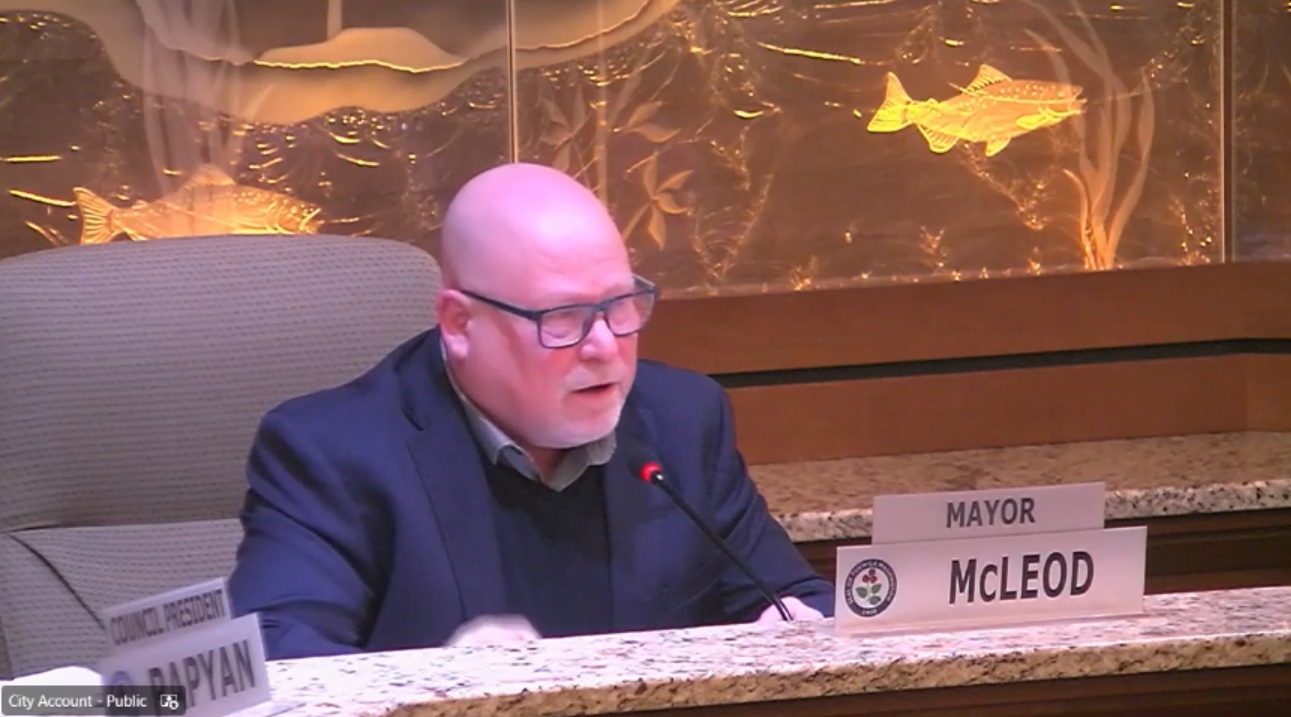
“There is no permit pending with the City of Tukwila. There has been no application, nor has the federal government awarded any type of facility to operate within the city of Tukwila or within the a city in the greater Seattle area,” Brandon Miles, Tukwila’s Director of Strategic Initiatives and Government Relations, told the Council Monday night.
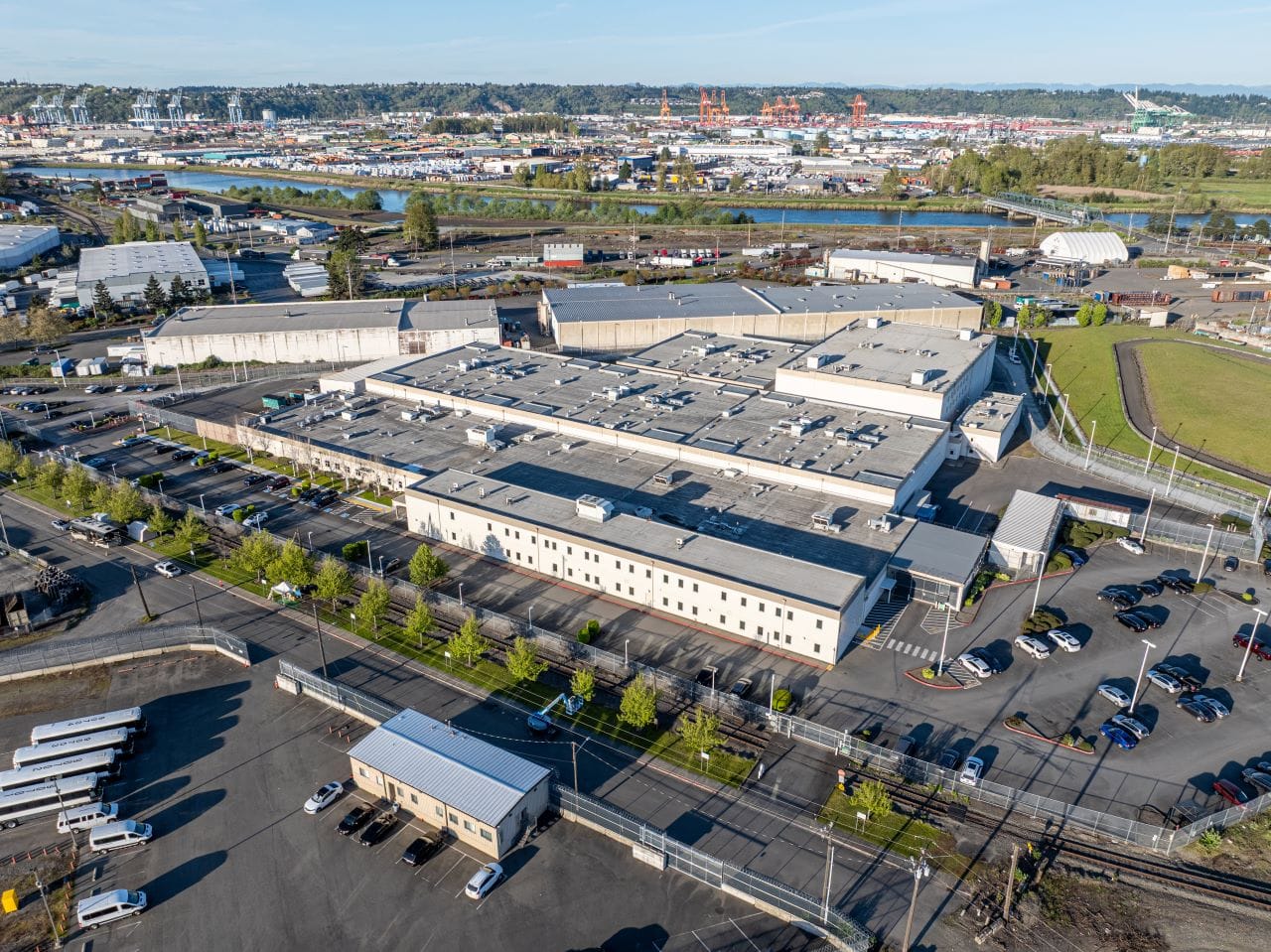
On top of the high-profile Northwest ICE Processing Center in Tacoma, Tukwila has been an epicenter for immigration enforcement activity across Puget Sound. Last year, notices went out to a number of immigrants around the region — with legal status to remain in the U.S. — to check in at an ICE field office at 12500 Tukwila International Boulevard, an incident that led to a number of detentions.
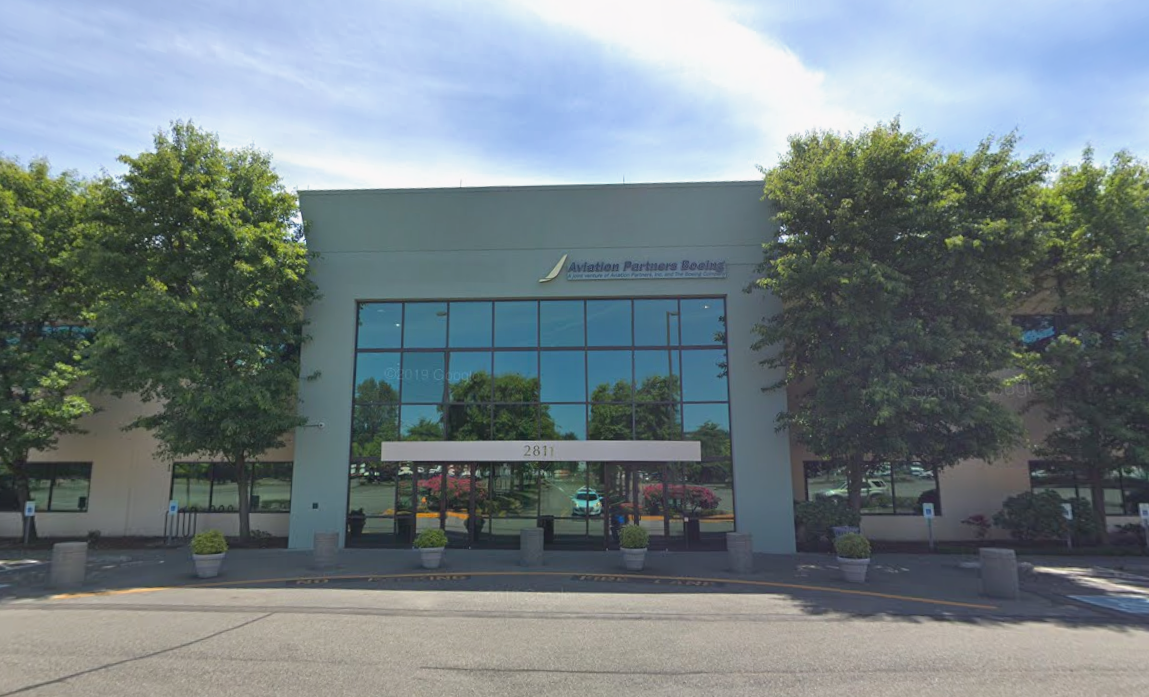
WIRED’s reporting indicated that ICE was eyeing a different Tukwila site, at the Riverfront Technical Park on S 102nd Street, for a detention center. That site, controlled by the Sabey Corporation, includes office space that is currently available for lease, along with current health care and engineering tenants.
“Two weeks ago, we heard of this article that was in WIRED. We were not pleased to read it. We reached out to the Sabey Corporation just to verify is this true, and they told us we could take at face value what we saw. We immediately moved into action,” Tukwila Mayor Thomas McLeod said Monday.
Nothing in the moratorium would prevent ICE from expanding its office footprint within Tukwila, a potential avenue for the agency to skirt zoning requirements. But Tukwila staff noted that substantial upgrades would be required to overhaul space permitted for office use into a detention facility.
Local governments looking at their zoning regulations as a tool to block what they see as federal overreach is only expected to ramp up. A new report by Yonah Freemark, Will Curran-Groome, Lydia Lo, Jorge González-Hermoso, and Rick Su at the Urban Institute looked at how attempts to regulate federal activity at the local level may play out in a new report.
“State and local governments cannot ‘unduly interfere’ with a core function of the federal government. While it’s too early to know how a court might rule if ICE asserted immunity from local zoning laws for its detention centers, there is a strong chance that courts will consider immigration detention to be a core federal function,” their report noted. “Consequently, regulations that entirely prohibit such facilities may be viewed as an unconstitutional obstruction of that function.”
Conditions at Tacoma’s ICE facility, maintained and operated by the private Geo Group, Inc., have been widely reported to be substandard. Last week, The Urbanist‘s Amy Sundberg covered a newly filed lawsuit seeking damages for the treatment provided to three Black men who were detained there in 2024, during the Biden administration.
“The report documents a laundry list of horrifying conditions, including violations of constitutional due process rights, overcrowding, inadequate emergency medical care, inhuman and degrading treatment by guards, insufficient and poor quality of food, and more,” Sundberg wrote. “A man sexually groped out of view of the security cameras during a standard pat down procedure. A man slammed into the concrete floor for objecting to his cell being ransacked, another violent blow inflicted after being handcuffed, only to be placed in solitary confinement and stripped of his clothing on video. A man who asked to be able to review legal documents pertinent to his immigration case being retaliated against by being beaten so badly he had to be carried away on a stretcher.”
“This is a first step. What else we can do? I don’t know. We’ll find it, because, you know, one council member does not have the power to make change. It takes a group of us, but I know as one person, I am committed to making sure that this doesn’t happen under my watch,” Tukwila Councilmember Verna Seal said ahead of the vote. “I am more than in favor of us passing this tonight, and figuring out what else we can do, because it’s not going to stop here. It’s not going to stop here, so we just have to keep it up.”