

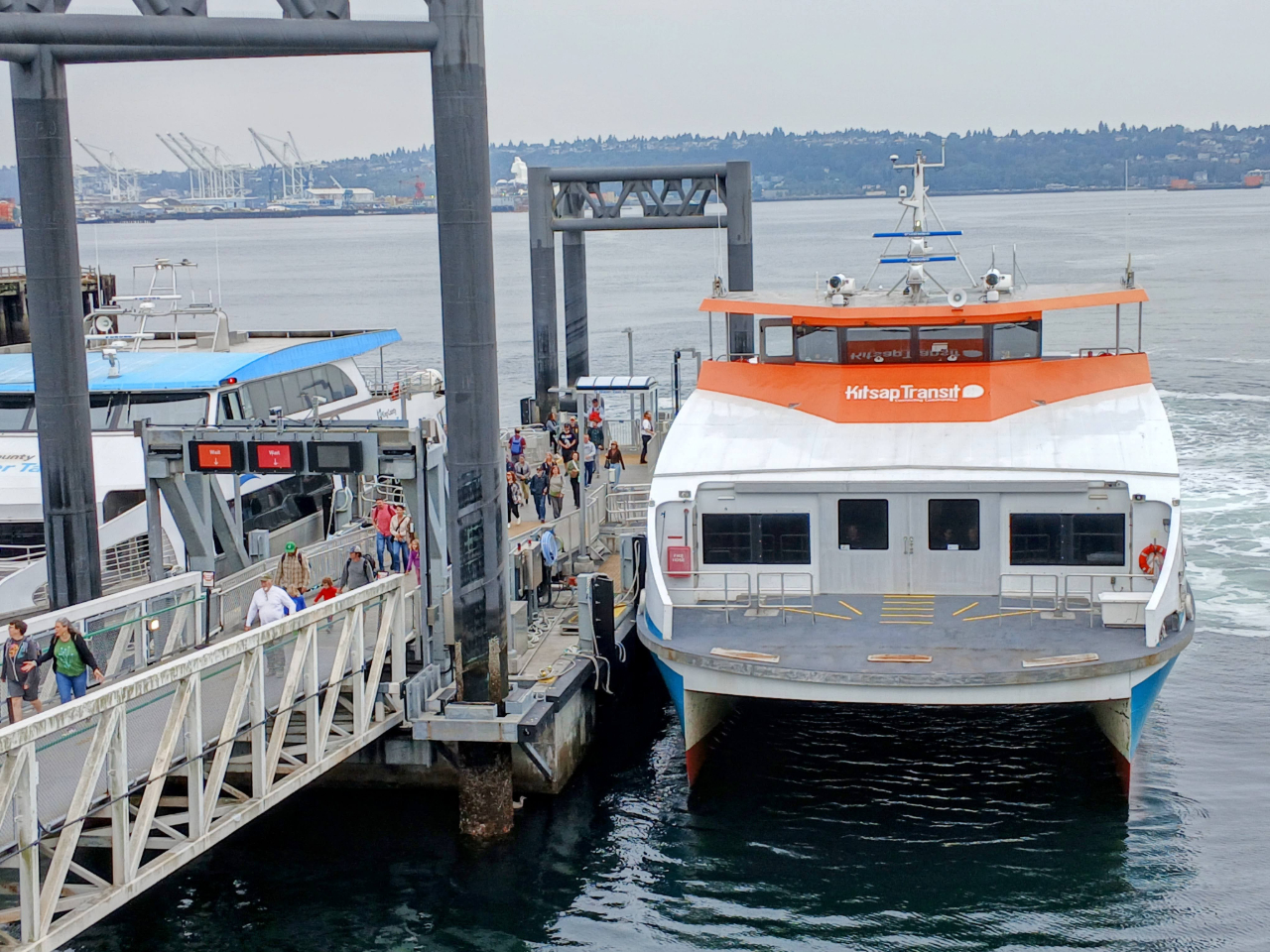
This past Friday, the Washington Senate approved a bill expanding the number of local governments across Puget Sound and Grays Harbor that could advance new passenger ferry routes, but with a number of provisions that ferry advocates are warning could significantly limit its potential.
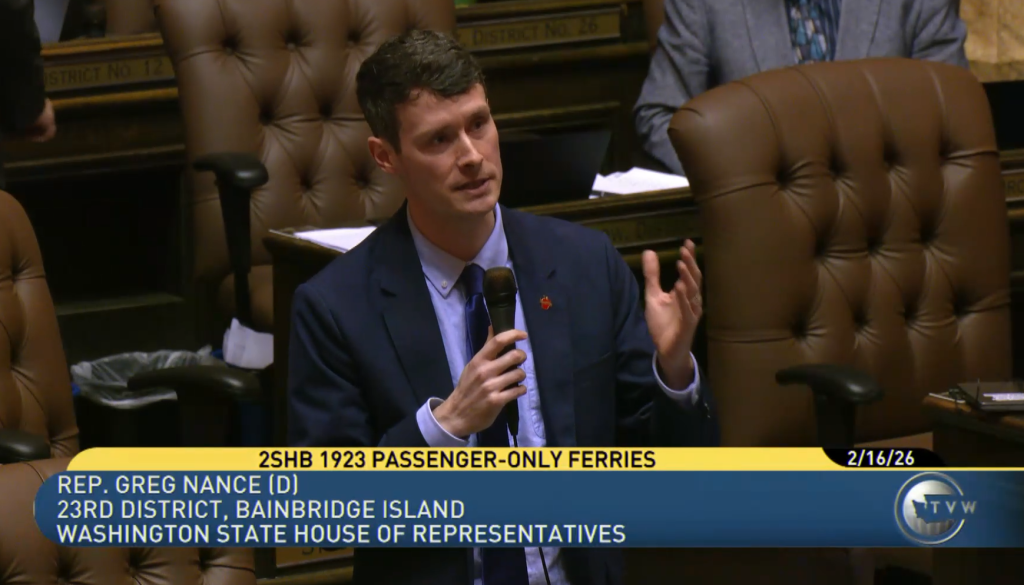
House Bill 1923, sponsored by Rep. Greg Nance (D-23rd, Bainbridge Island) and dubbed the Mosquito Fleet Act, would have allowed water-adjacent cities, counties, transit agencies and port districts from Olympia to Friday Harbor to set up their own passenger-only ferry (POF) districts. Unlocking the ability to go to the voters for funding to establish new routes, the field of potential ferry districts would be dramatically expanded beyond Kitsap Transit and King County, who currently have specific carve-outs in state law to fund and operate their ferry systems.
Despite an overwhelming 84-11 vote in the Washington House in mid-February, the version approved by the Senate last week is essentially a different bill, following a striking amendment put forward by Senate transportation committee chair Marko Liias (D-21st, Mukilteo). Striking amendments replace all of the text of the bill, causing advocates to scramble to understand the implications of the new language.
Liias’s amendment adds requirements for new passenger-ferry districts to only procure vessels made in Washington State, to only operate zero-emission vessels, and includes a ban on all state funding for passenger ferry districts starting in just two years. It restricts new POF districts from being able to utilize the sales tax funding that current districts use, instead switching them over to a potential property tax.
The new Senate version would also require passenger ferry districts to not overlap and be “mutually exclusive” — language that appears to prevent multiple jurisdictions from being able to coordinate on establishing POF districts. San Juan County Commissioner Jane Fuller told The Urbanist she’s concerned that this means they wouldn’t be able to work with the Port of Friday Harbor or nearby Whatcom or Skagit Counties on setting up potential new ferry routes between Friday Harbor and Bellingham and/or Anacortes.
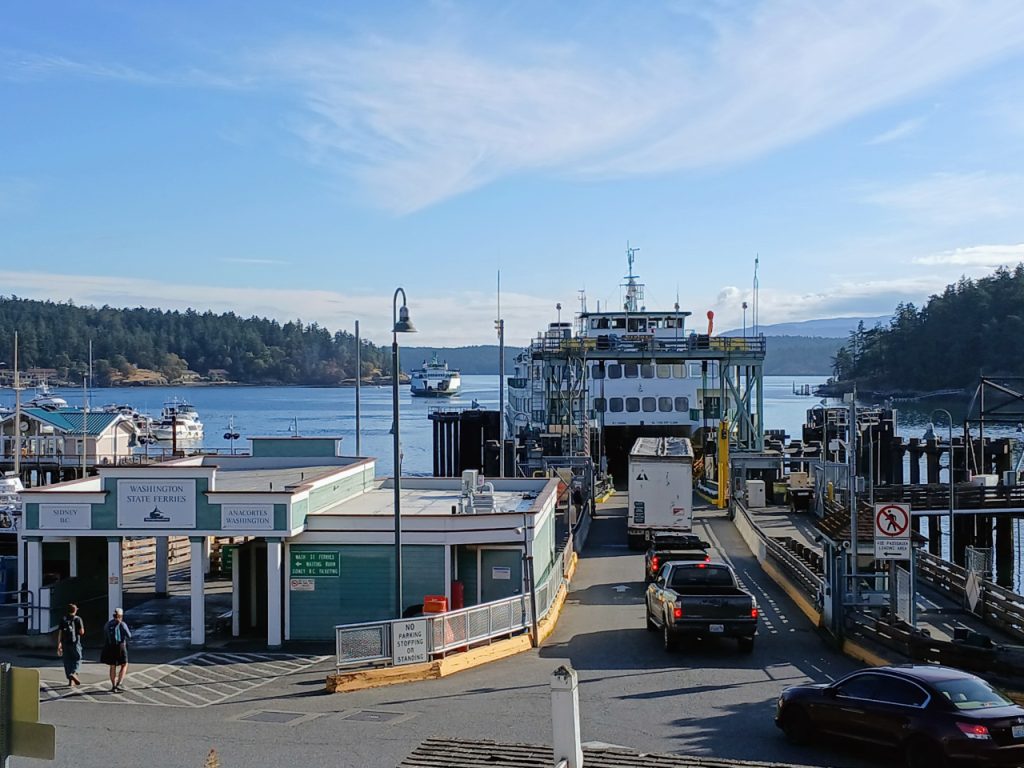
“I am concerned that the changes will significantly impact the ability of local jurisdictions to move forward with setting up passenger-only ferry service,” Fuller said. “It’s so impactful as to call those amendments — from my vantage in San Juan County, and knowing the situation and other counties that have chosen to be a part of the new county ferry caucus — render the bill in that form, something of a non-starter for local jurisdictions to do passenger-only ferries.”
“We have sister counties that are quite well endowed, like Skagit, like Whatcom, that are interested in partnering with this county on some passenger-only ferry options. So that’s a difficult pill to swallow,” Fuller said.
Nance, who first put forward this bill last year after seeing his district struggle with unplanned service disruptions on the state ferry system, also blasted Liias’s changes.
“The intent of the Mosquito Fleet Act is to let local communities get boats on the water as quickly and cost-effectively as possible,” Nance wrote to The Urbanist via email just before the Senate’s floor vote. “Every single one of Marko Liias’s proposed changes makes things slower, more expensive, and less power for local communities. It makes projects impossible. Zero relief for commuters, zero help for communities, zero jobs under Liias’s proposed amendment.”
Peter Philips, a marine transit advocate and former publisher of Fishermen’s News and Pacific Maritime Magazine, told The Urbanist that he reacted the Senate’s amendments with a combination of confusion, disbelief, and extreme disappointment.
“I don’t understand why this bill did not just sail through with universal approbation. It’s this very simple, elegantly written bill that allows communities to take independent action and fund that independent action on their own,” Philips said. He noted that the requirement to build new vessels, a provision that would likely make new passenger ferry districts ineligible for federal funding, would be incredibly counterproductive.
Last year, the legislators faced pushback from labor groups over Governor Bob Ferguson’s decision to procure the first three new vehicle ferries built in decades from a Florida-based manufacturer, dollars that will now not be spent in state. But the manufacturing landscape for new passenger ferries is very different, setting aside any hypocrisy on the legislature’s part.
“Concerns by labor over Build In Washington mandates for the big ships is justified. However, with small passenger-only ferries, no other state would build these boats,” Philips said. “Gulf coast yards would not be competitive, because the cost to bring those boats around to Washington State would make it cost prohibitive for those yards to bid on the work competitively. There are no other new build yards on the West Coast of the United States that can do this. There are at least nine shipyards that I know of in Washington State that have the ability and expertise to build passenger-only ferries, so there’s no need for Build In Washington mandate.”
In remarks on the Senate floor, Liias described the changes made as being in search of a compromise, while outlining clear reservations about the idea of scaling up ferry service that would compete with Washington State Ferries (WSF) vehicle ferry service.
“My concern, not as a boat lover, but as the chair of the transportation committee, is our state ferry system has tremendous capital needs on the horizon. We need to spend at least $3.5 billion dollars over the course of the next decade to acquire new vessels to replace our aging fleet. And so my priority across time has been to make sure that our state ferry system is healthy and functional and strong,” Liias said. “I’m concerned that creating expectations to create a new system of passenger ferries will create obligations for us to help stand up and fund these activities at a time when we haven’t yet funded our own ferry system.”
If a battle between WSF and future passenger ferry systems is seen as zero-sum as he described, then the policy changes included in his striker take on a new light, and could be seen as less aimed at achieving their objectives and more about kneecapping systems that have the ability to be much more nimble.
Liias was not available for an interview with The Urbanist ahead of the publication of this story.
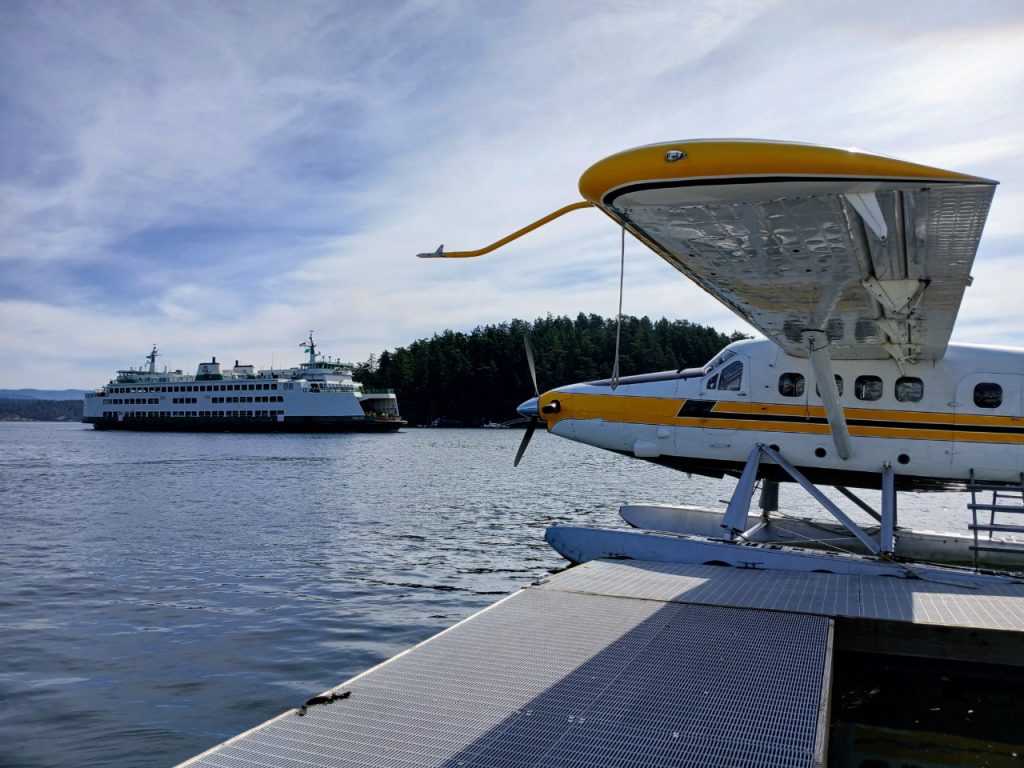
“This feels like tremendous overreach on what many of us, as jurisdictions impacted by WSF service, would like to be doing in terms of empowering ourselves and coming up with solutions that will offset the impacts to our local economies and our communities of very beleaguered service of WSF,” Fuller said. “It feels like the state is putting its hand in its way and inhibiting any flexibility we may have to be creative about how we do that, including finding cost-efficient ways of doing this by partnering with other other jurisdictions.”
Fuller noted that state ferry service has improved in recent months as the agency has made gains in crew availability and made strategic decisions around how to maintain service on the San Juan Islands specifically. But framed the idea of curtailing additional mobility options as short-sighted given the long timescale to potentially fix the major issues that the state ferry system faces, including a dozen aging ferry vessels set to be retired and in need of replacement by 2040.
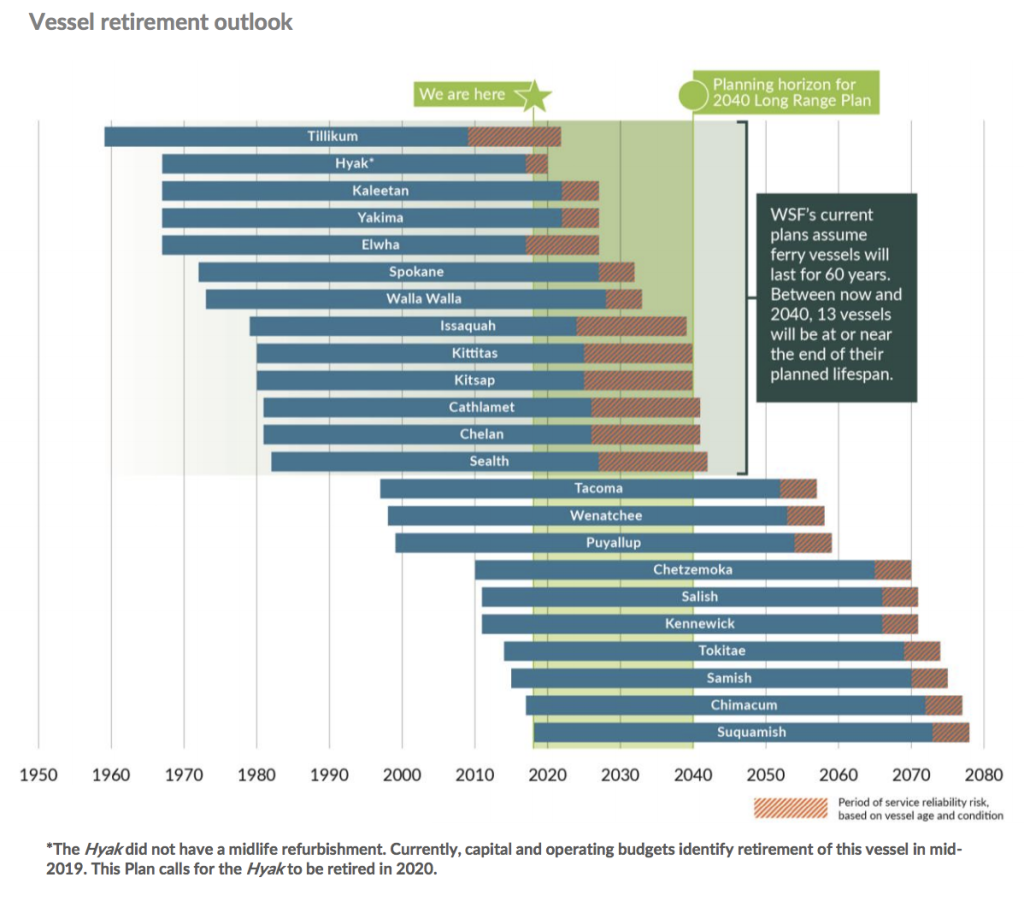
Under current ferry construction timelines, WSF will not have all three of the new vessels it recently procured ready for service until 2032, with legislators this year turning down the idea of issuing bonds to get the next three new boats into the construction pipeline.
“We are seeing some positive change. I will be the first to say that, and others would echo that,” Fuller said. “However, we cannot do anything about the fact that vessels are beyond their lifespan, that vessels are needing to be replaced, and that they can’t possibly be replaced, at least in a reasonable timeframe, and consequently we’re going to have more and more crises facing us in times ahead.”
Nance is hopeful that the bill can be fixed after it heads back to the House. That chamber can force the Senate to vote on receding from all of its amendments, but if that vote fails, the bill would head to a conference committee. With just four working days left until the end of the session on March 12, time is of the essence.
“The future of ferries hangs in the balance,” Nance wrote.

Ryan Packer has been writing for The Urbanist since 2015, and currently reports full-time as Contributing Editor. Their beats are transportation, land use, public space, traffic safety, and obscure community meetings. Packer has also reported for other regional outlets including BikePortland, Seattle Met, and PubliCola. They live in the Capitol Hill neighborhood of Seattle.