Op-Ed: Seattle Needs Car-Free Streets
The state passed a shared streets law in 2025, and it's time for Seattle to seize the opportunity and reclaim streets for people. Half measures aren't cutting it.
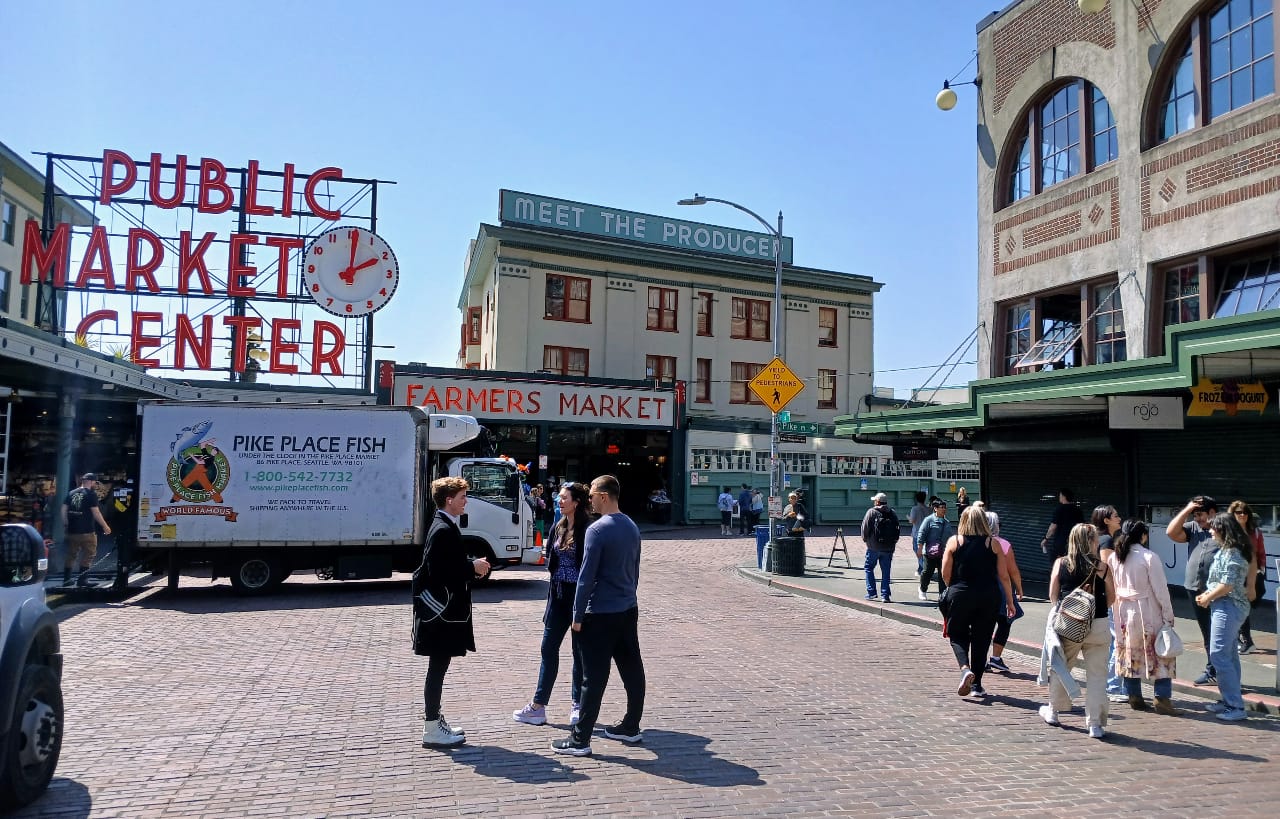
In the wake of news of increased sales across Pike Place Market after a pedestrian pilot was implemented, the advocacy group Friends of the Market is attempting to poke holes in that data. But the evidence for "worrisome trends" is paper thin.
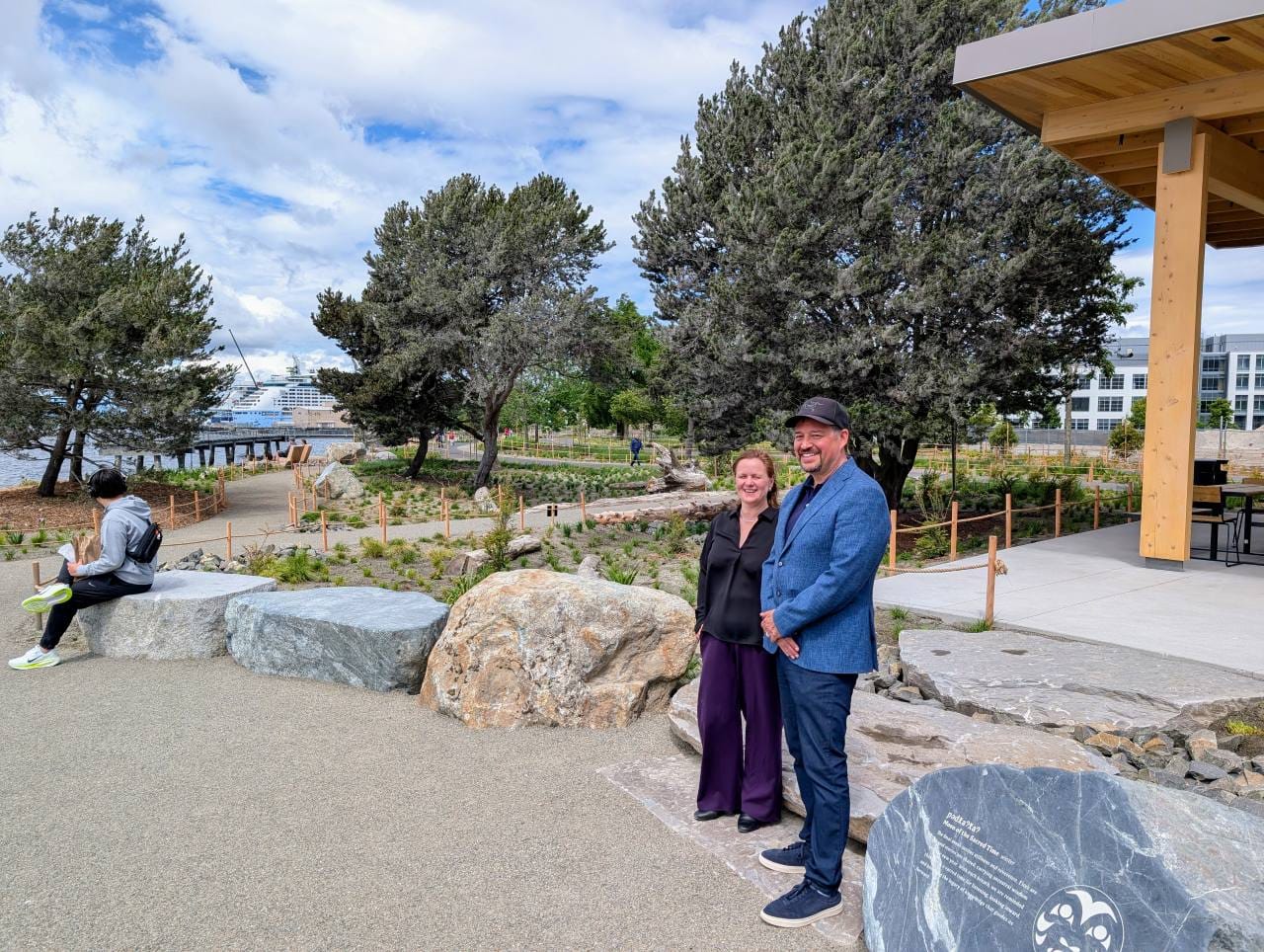
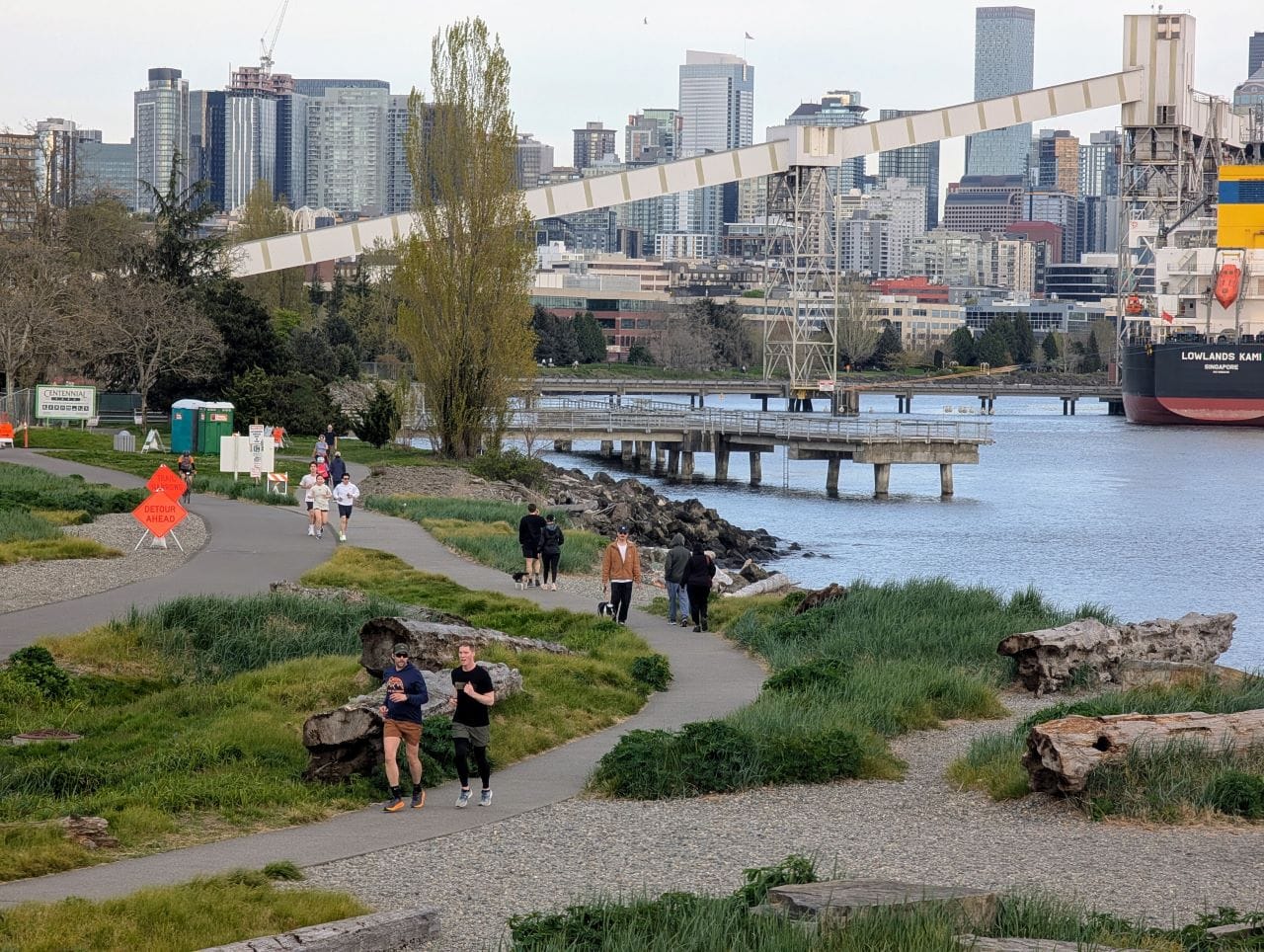
Seattle just celebrated the grand reopening of Myrtle Edwards and Centennial Parks, with upgrades fueled with $56 million in private donations. The overhaul included several nods to the land's Indigenous people and their Salish culture.
To unlock a novel funding source intended to fund 15% of the cost of a new pedestrian bridge, Bellevue needed five different levels of government to sign off. This week, the final vote at the King County Council put the City on the path to approval.
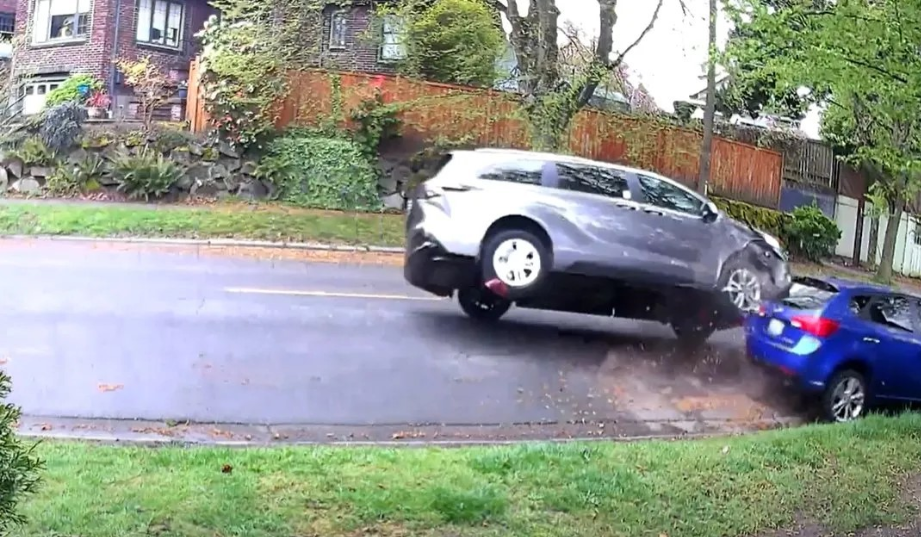
"It may take a few generations to solve the problem," Walsh told his colleagues, seeming to blame people hit by drivers while walking in Federal Way. His comments are far from being an outlier in the pedestrian-hostile city.
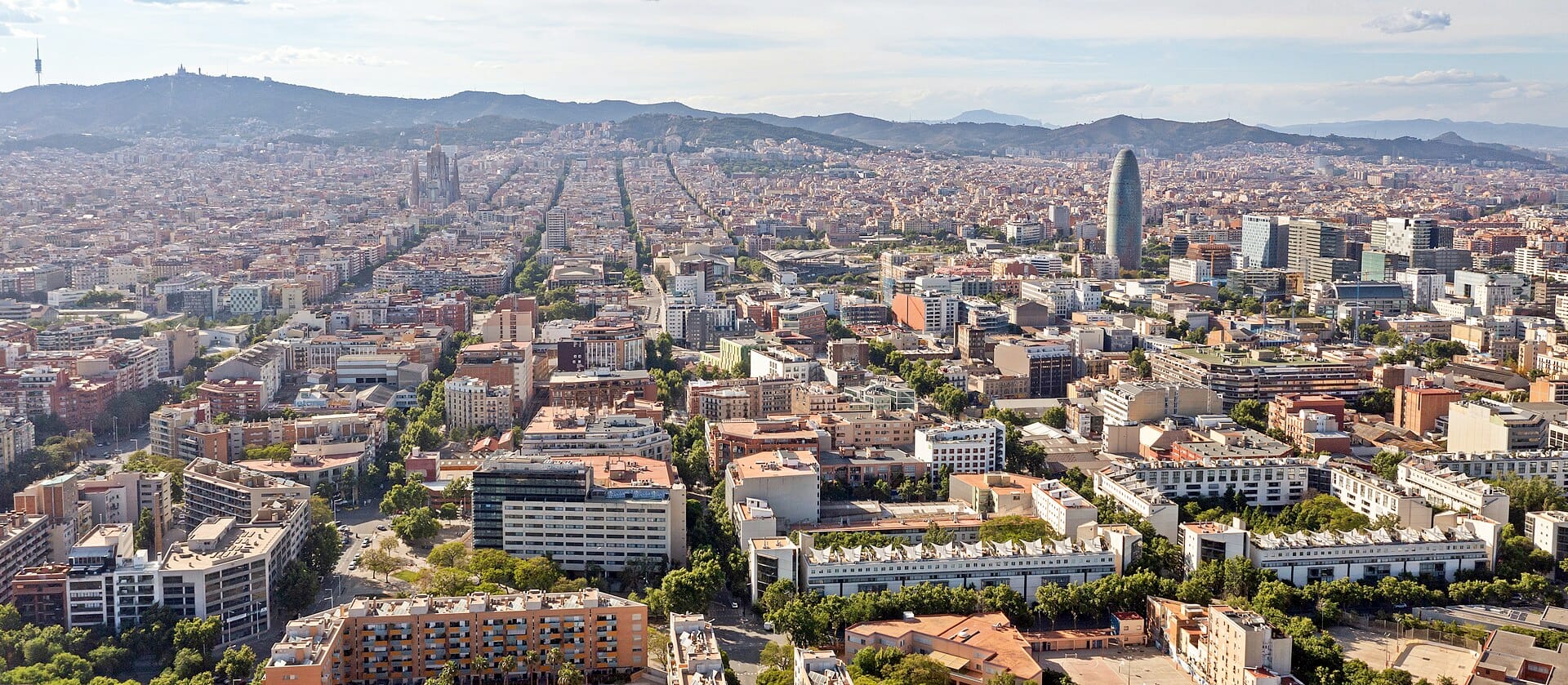
From pedestrian superblocks to a betterment tax, proven policies from Barcelona to Bogotá could help the Seattle region maximize communal benefits of light rail buildout.
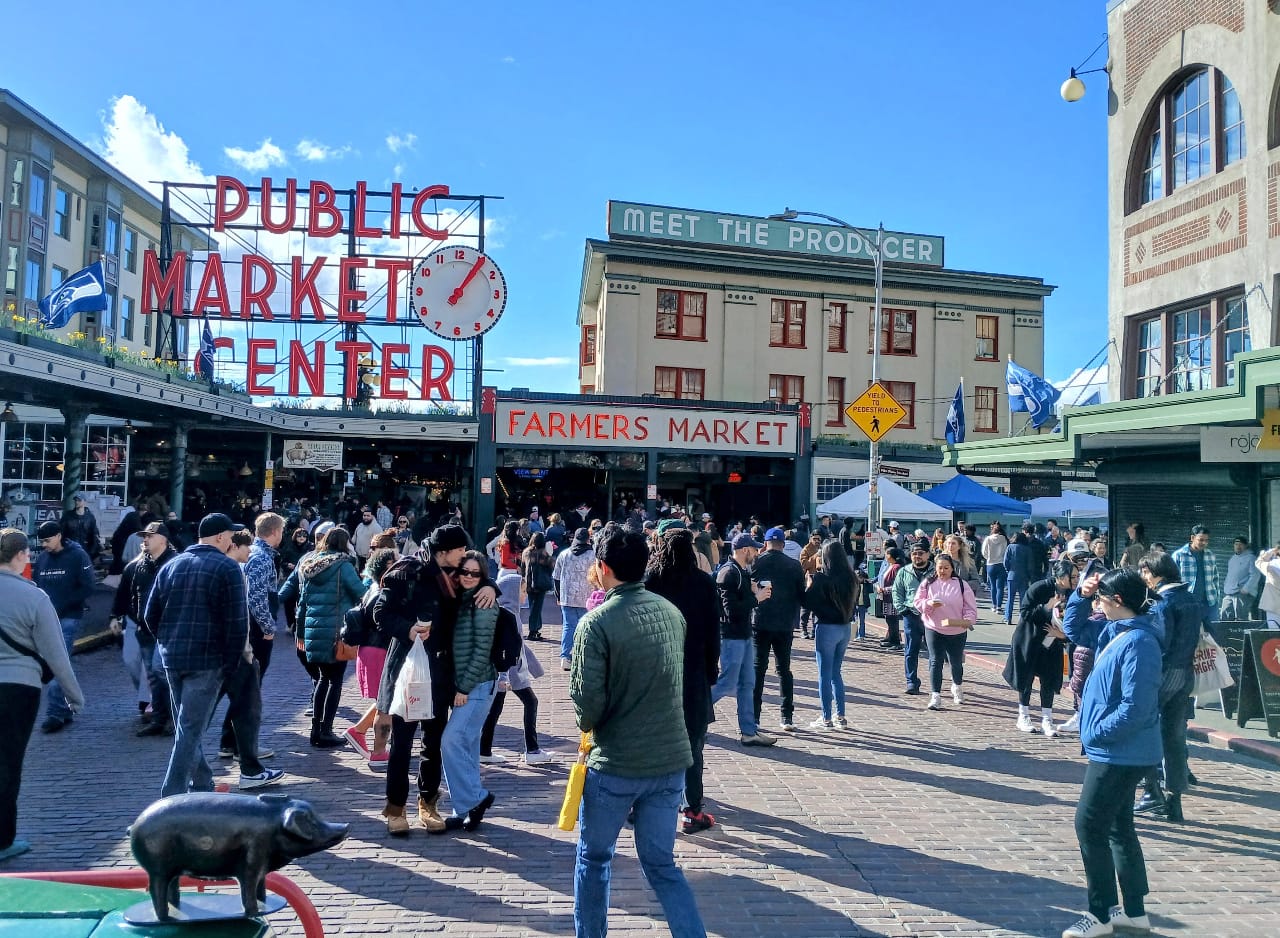
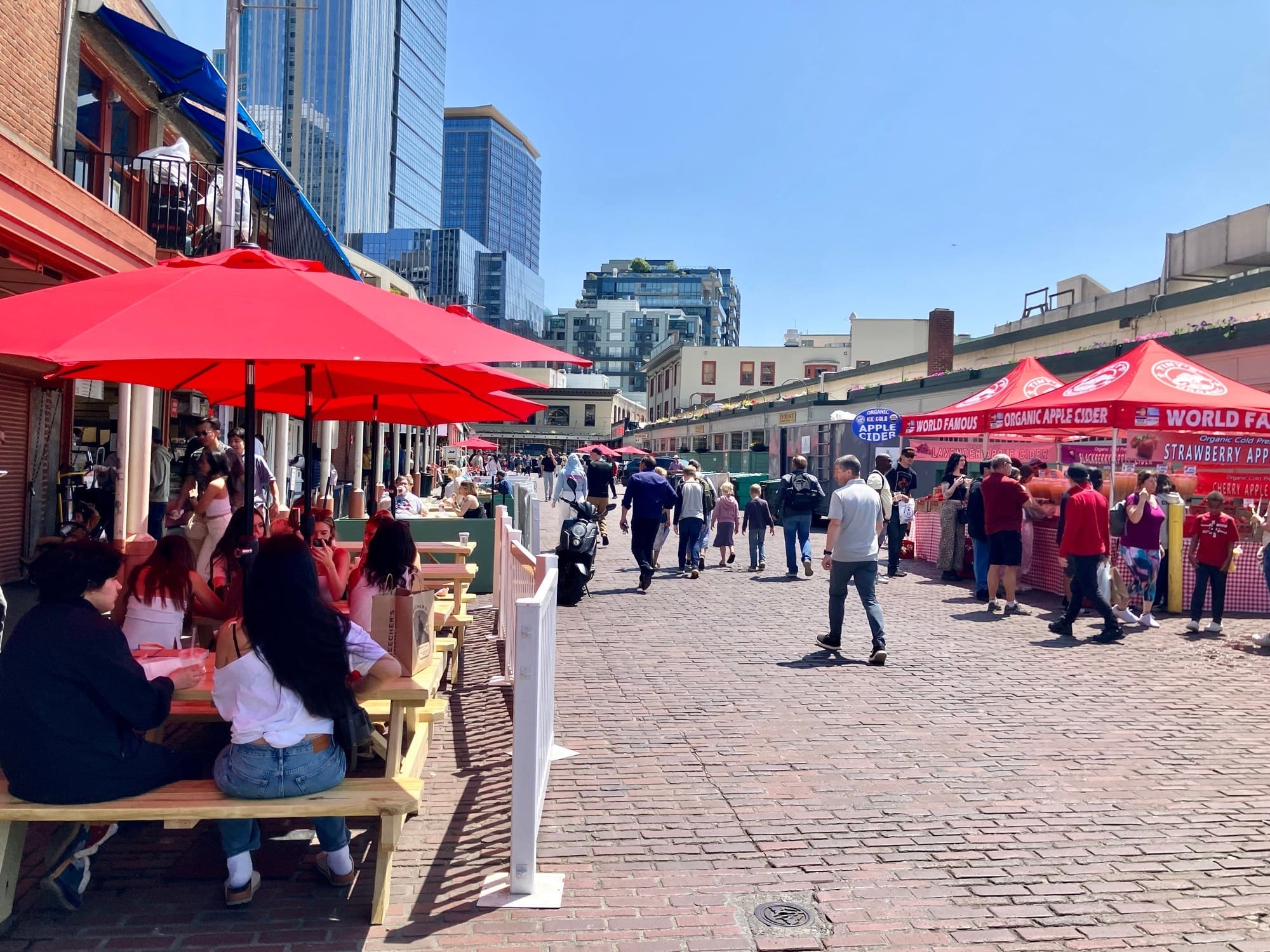
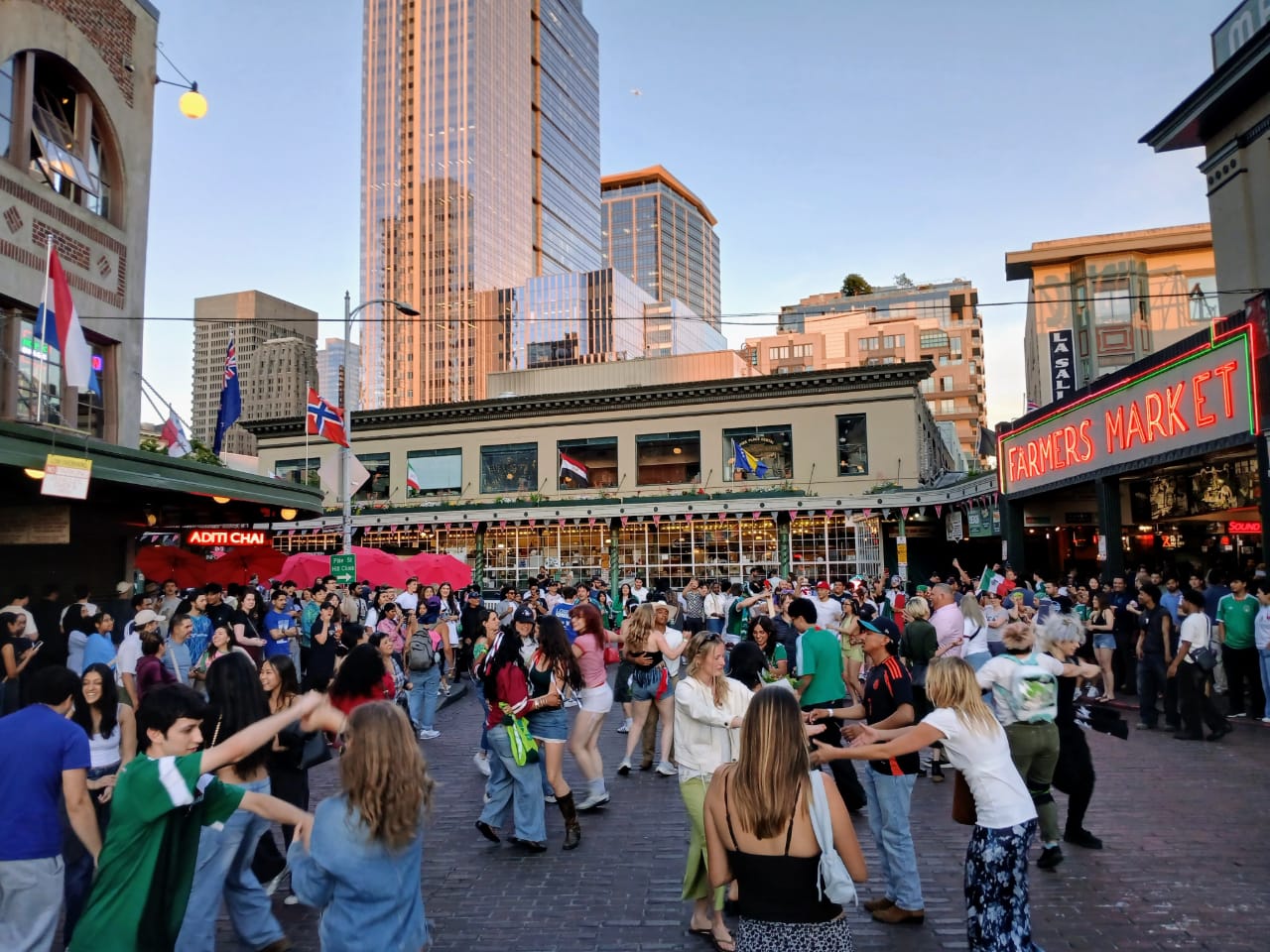
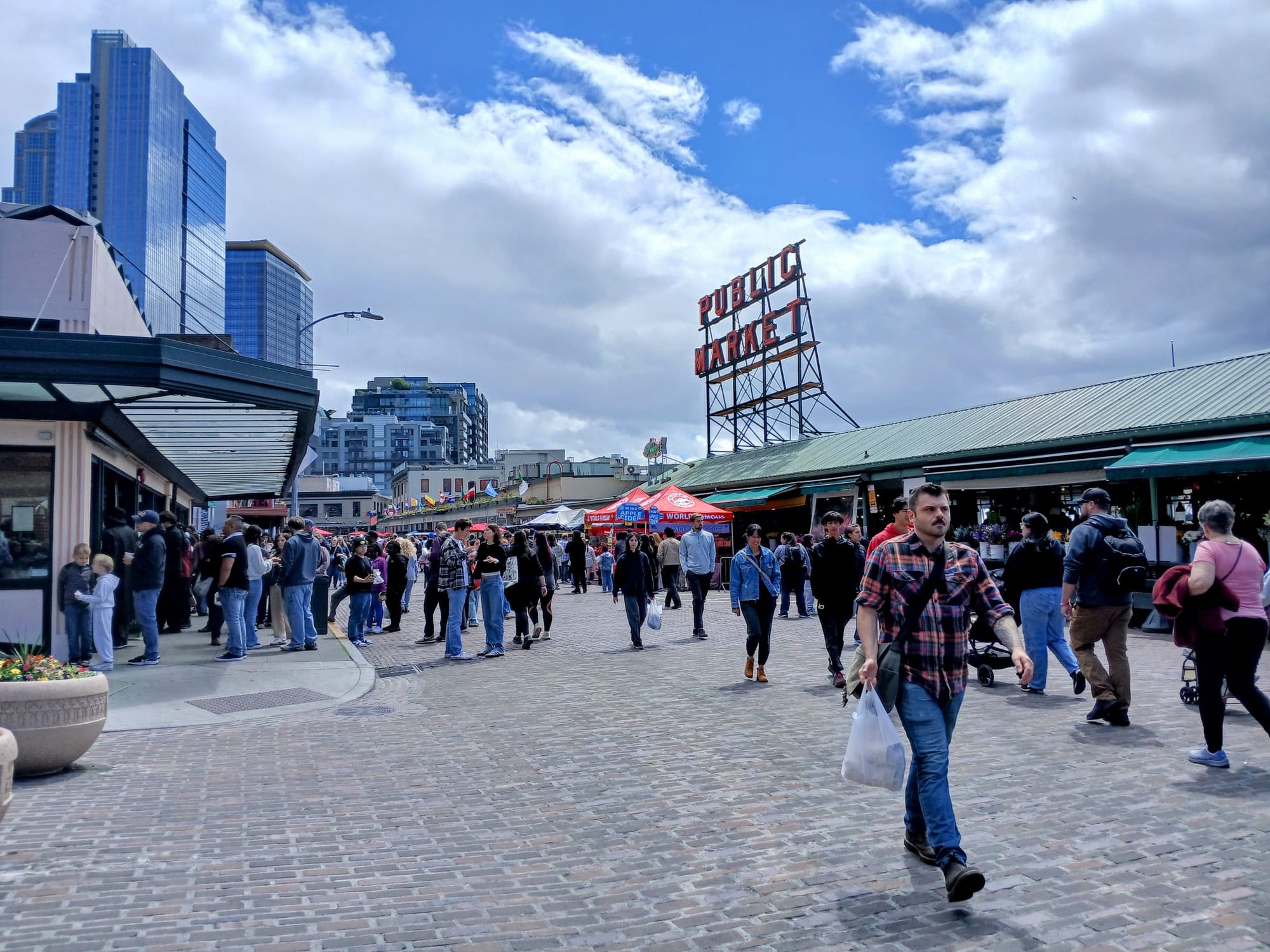
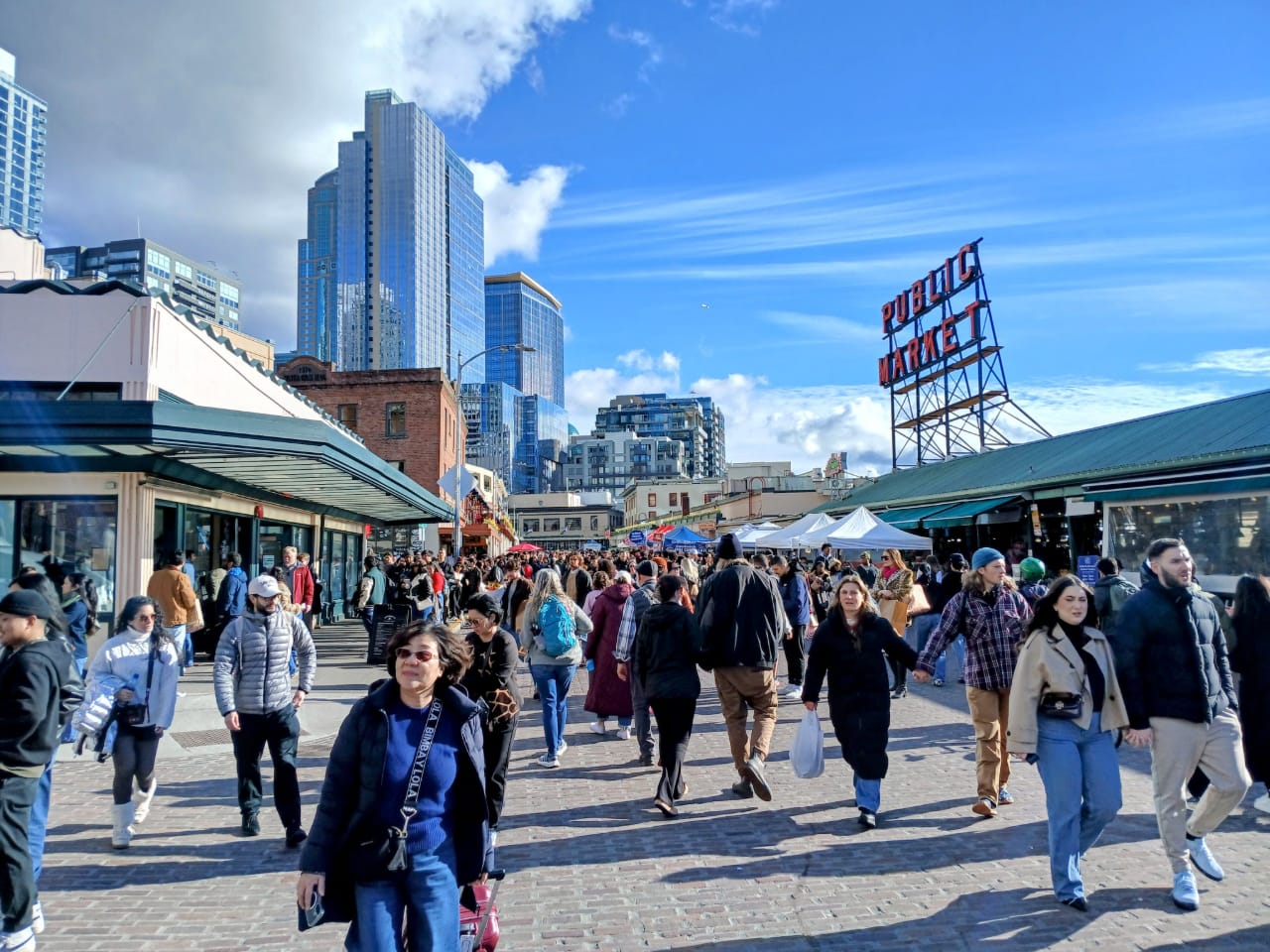
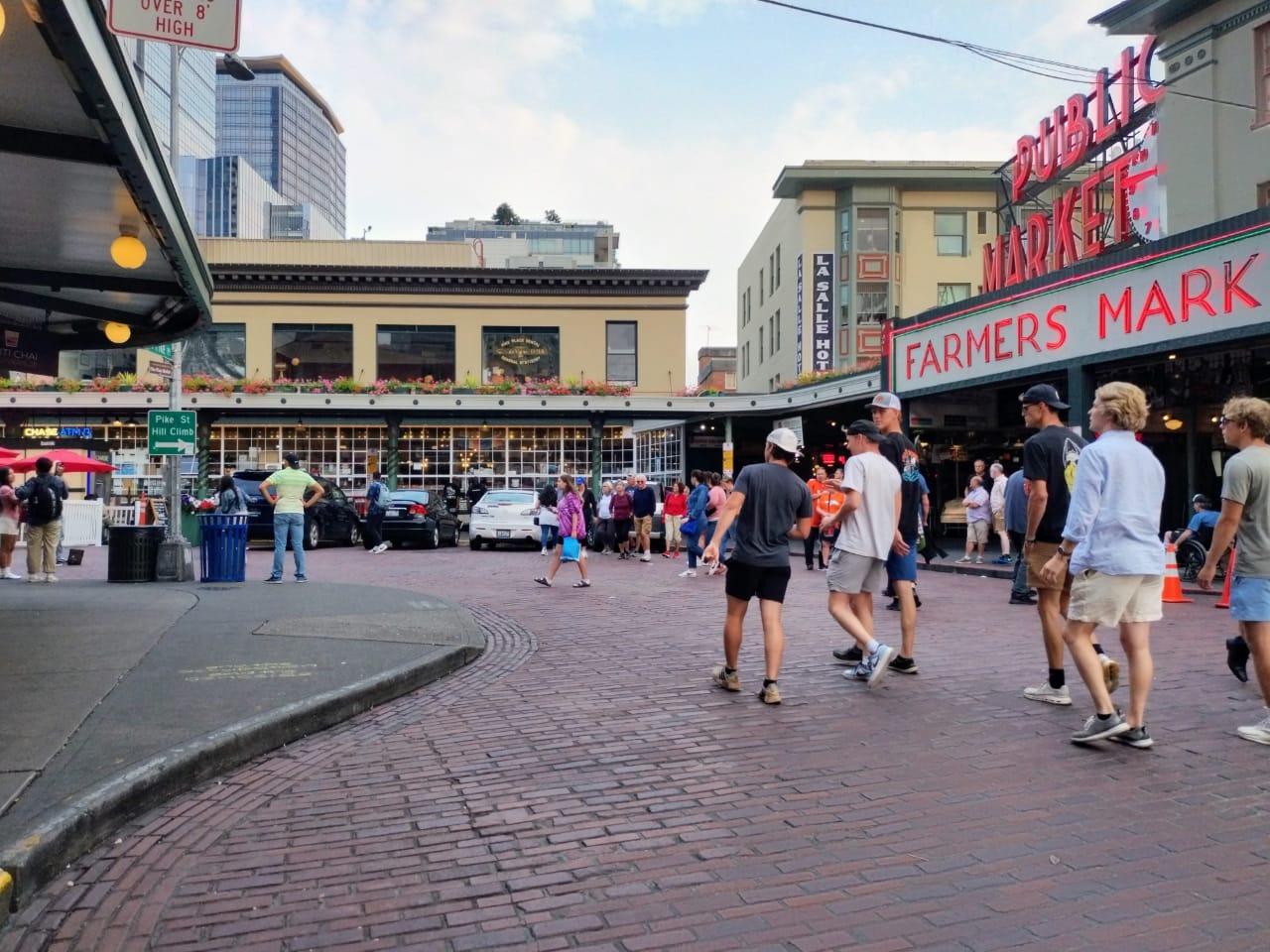
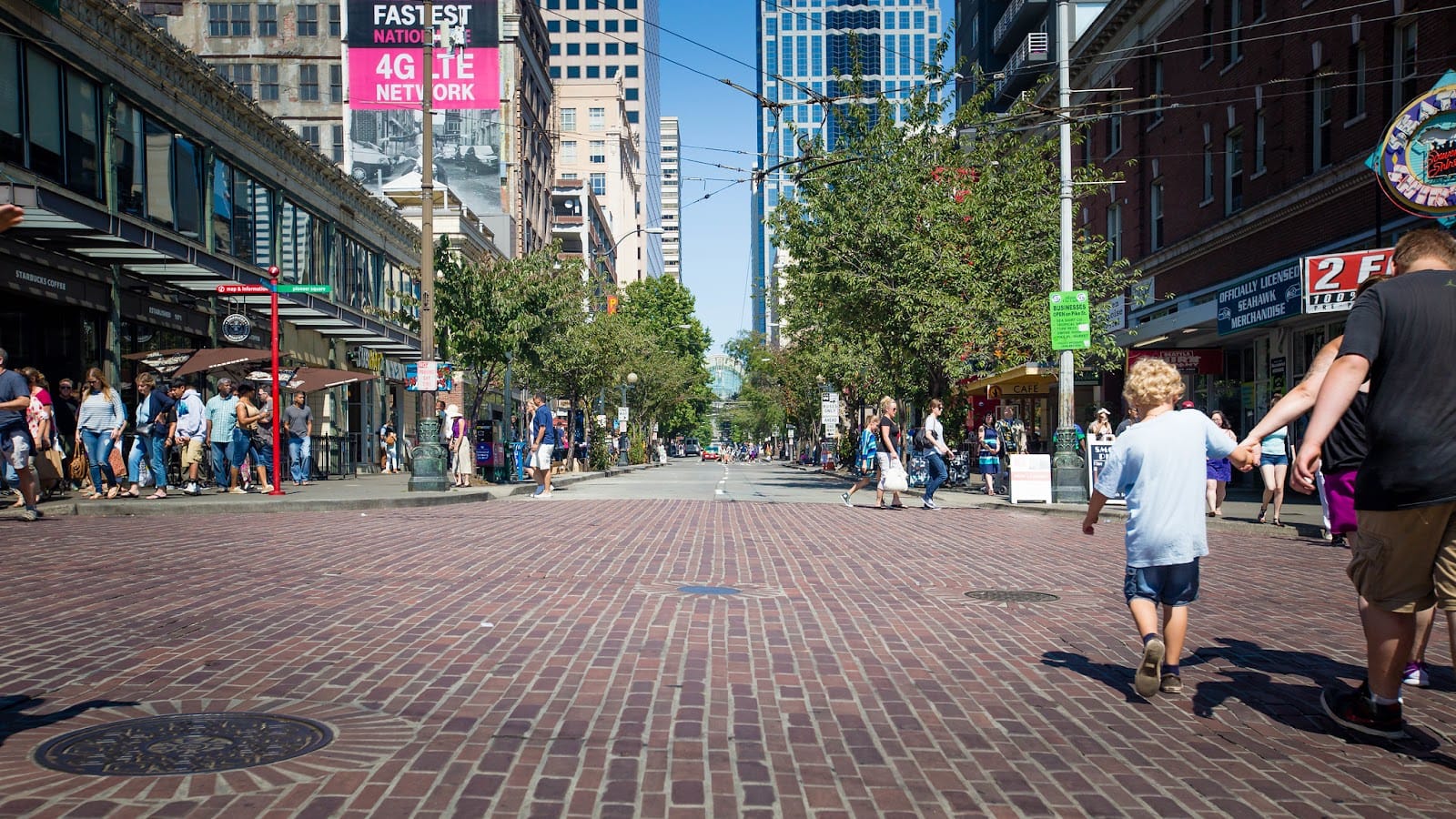
All signs point to Seattle's pilot program limiting car access to Pike Place being a success: sales were up 6.5% in 2025 compared to 2024, and the number of local visitors jumped by 5.6%. As the City considers permanent changes, a pedestrianized Pike Place still has its detractors.
Despite committing to eliminate deaths and serious injuries on city roadways by 2030, the numbers in Seattle aren't declining. Though a recent call for a performance audit has attracted attention, it will ultimately fall to Katie Wilson to orient SDOT toward safety.
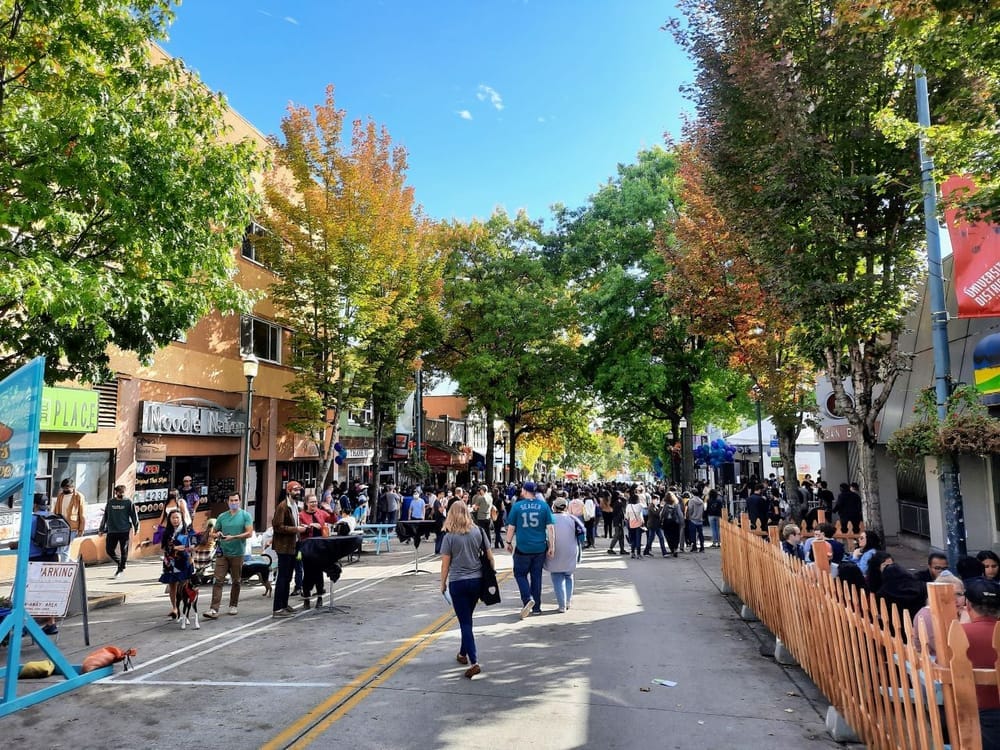
All day for three Saturdays in May and June, one block of Seattle's University Way NE will become pedestrian-only, as a first step toward implementing a goal that advocates have been pushing for decades.
By framing a reduction of reliance on Russian oil as a matter of national security, Latvia offers a useful example of how to reduce car dependency and make real our climate goals. Latvia's ubiquitous and frequent transit network was on display during my recent visit.
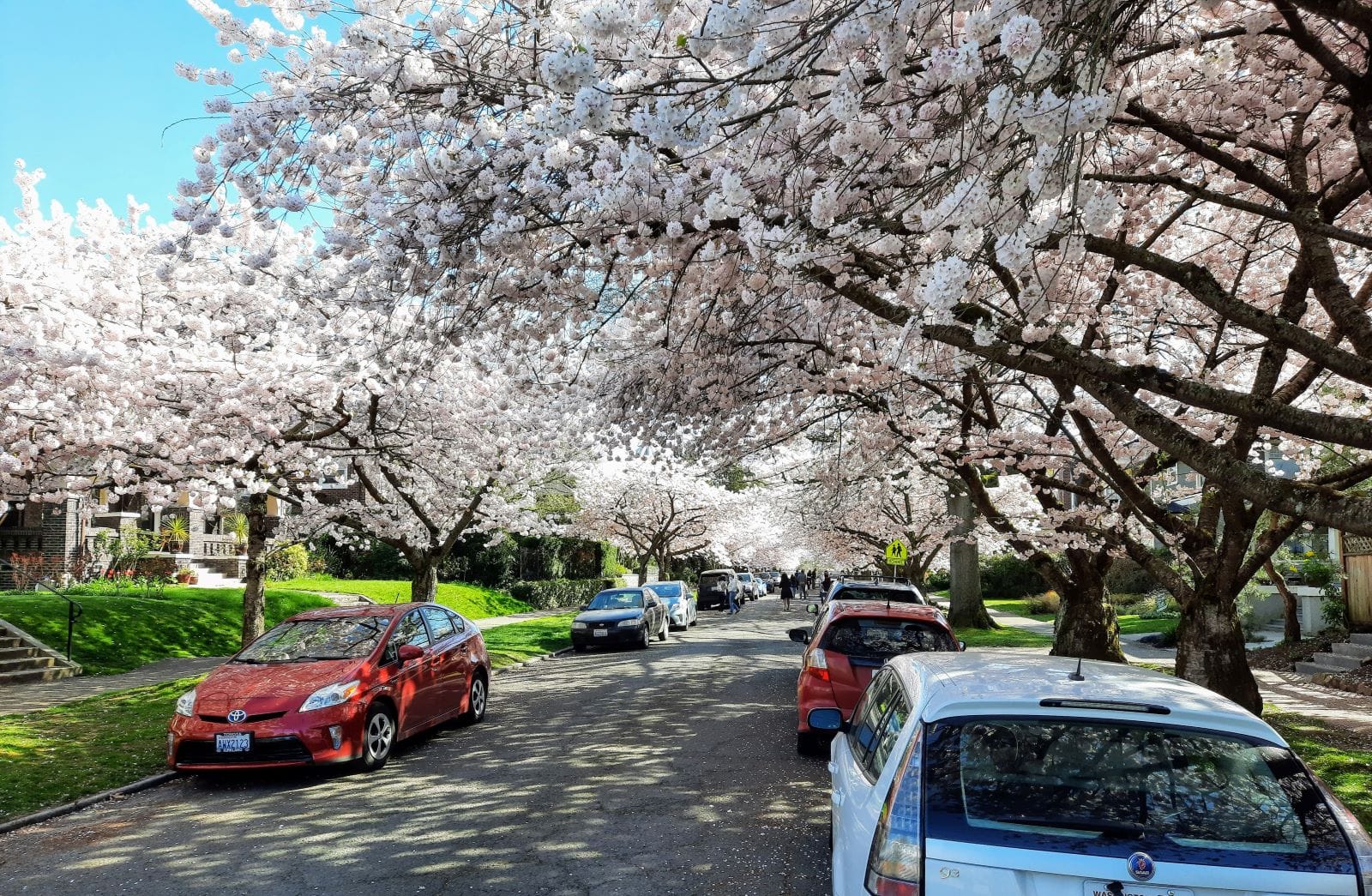
Sakura is upon us, and the cherry blossoms are all around us. Our interactive map of all 45,000+ of Seattle's documented flowering stone fruit trees is your guide off the beaten track to find hidden gem blossom spots.
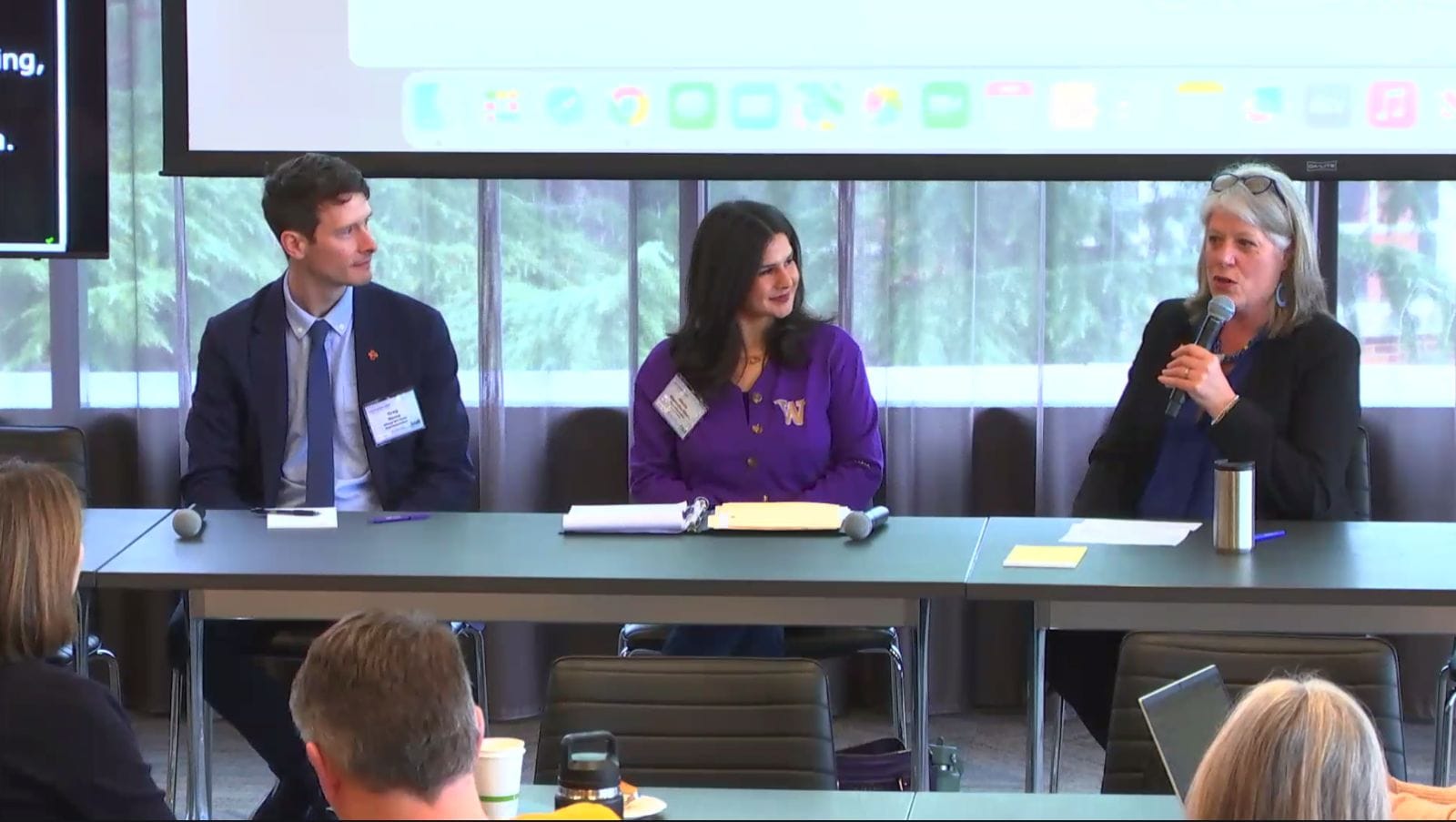
At UW’s OpenThePaths conference, elected officials, advocacy leaders, and researchers brainstormed strategies to transform streets to be safe, sustainable, and accessible for all. While overcoming decades of car-centric policymaking won’t be easy, speakers pointed to new momentum and advocacy tools.
After 15 years fighting for safe streets, Seattle Neighborhood Greenways is excited to become Seattle Streets Alliance to more accurately reflect the nature of our grassroots organization’s mission. Here’s what this changes means.
SDOT’s plan for adding barricades ahead of this summer’s World Cup leans heavily on planters and movable barricades. While the infrastructure could ultimately form a template for longer-term upgrades, these changes look to be quick and dirty and aimed at protecting pedestrians as Seattle opens itsel
Panelists at a recent Tacoma On the Go event laid out ways that the Grit City could break car dependence and become a city of walkable 15-minute neighborhoods.
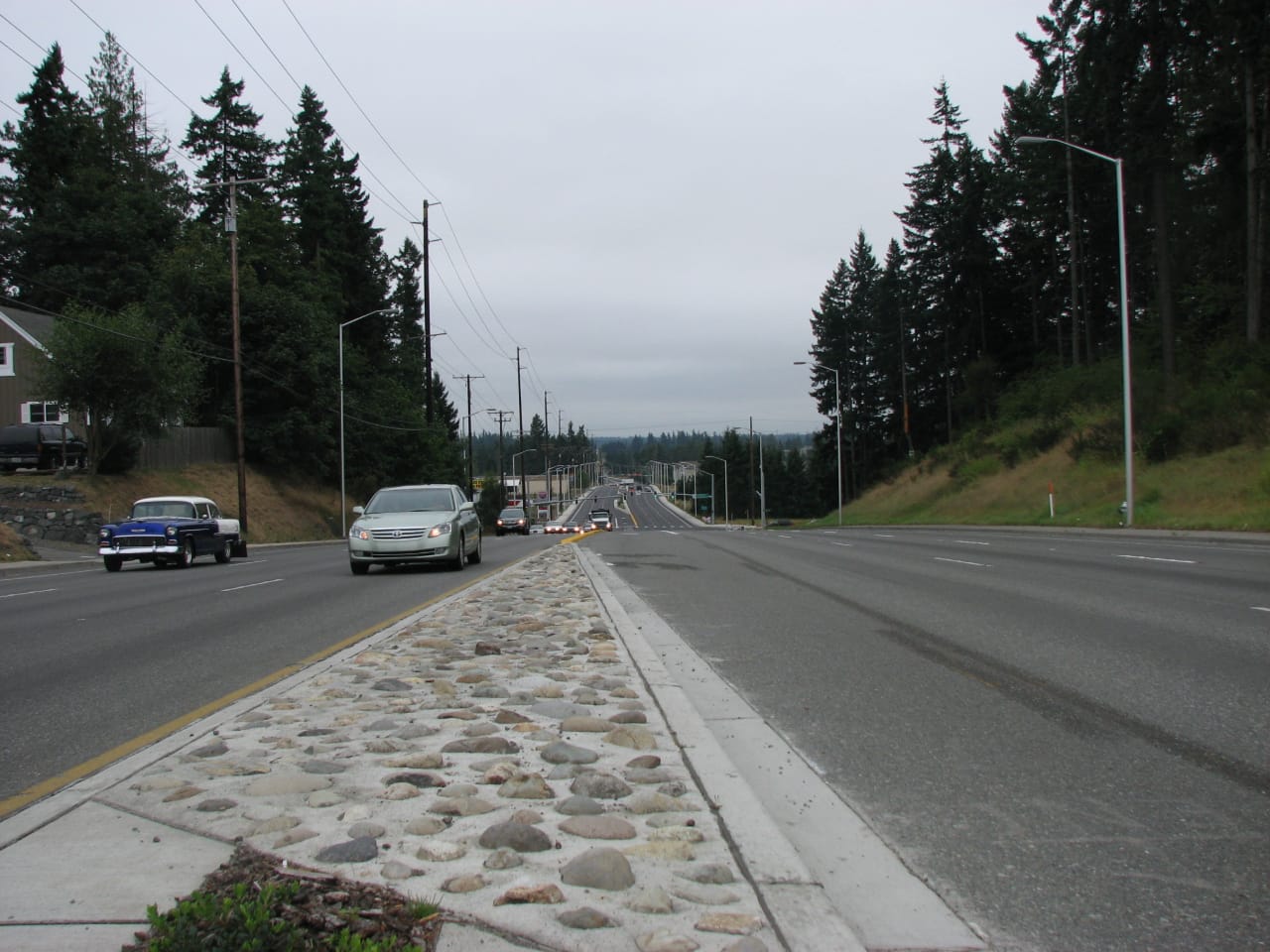
While the upgrades wouldn’t happen all at once, and would only go in as other maintenance work occurs, the proposed concept sets a strong baseline for one of the state’s most dangerous surface highways.
Rainier Avenue has too many cars traveling at dangerous speeds, but conventional planning practices make it hard to change that and design a future where Rainier Avenue thrives. Let’s stop making harmful assumptions, Anna Zivarts writes.
Seattle is missing thousands of blocks of sidewalks. But the lower-cost sidewalk alternatives being advanced by the Seattle Department of Transportation don’t always live up to what’s expected in neighborhoods that have lacked basic infrastructure for decades.
A trove of documents obtained from City of Seattle through public disclosure requests shows work is proceeding gradually but steadily inside the transportation department to take advantage of Washington State’s new Shared Streets Law. Pedestrianizing a number of streets could be around the corner.
Seattle Mayor-Elect Katie Wilson’s transportation platform is bold and visionary, and she will need ongoing community support to achieve it. Seattle Neighborhood Greenways shares some ideas on how she can get started.
Which Washington cities have the deadliest streets and roads may surprise you. Puyallup, Lynnwood and Olympia are by far the most dangerous cities for people walking and biking based on per capita serious crash rate. Travis Merrigan breaks down the data.
Occidental Avenue is the first major “People Streets and Public Spaces” project to move forward under the new transportation levy. Potential improvements have been mostly shaped by conversations with downtown power players behind closed doors.
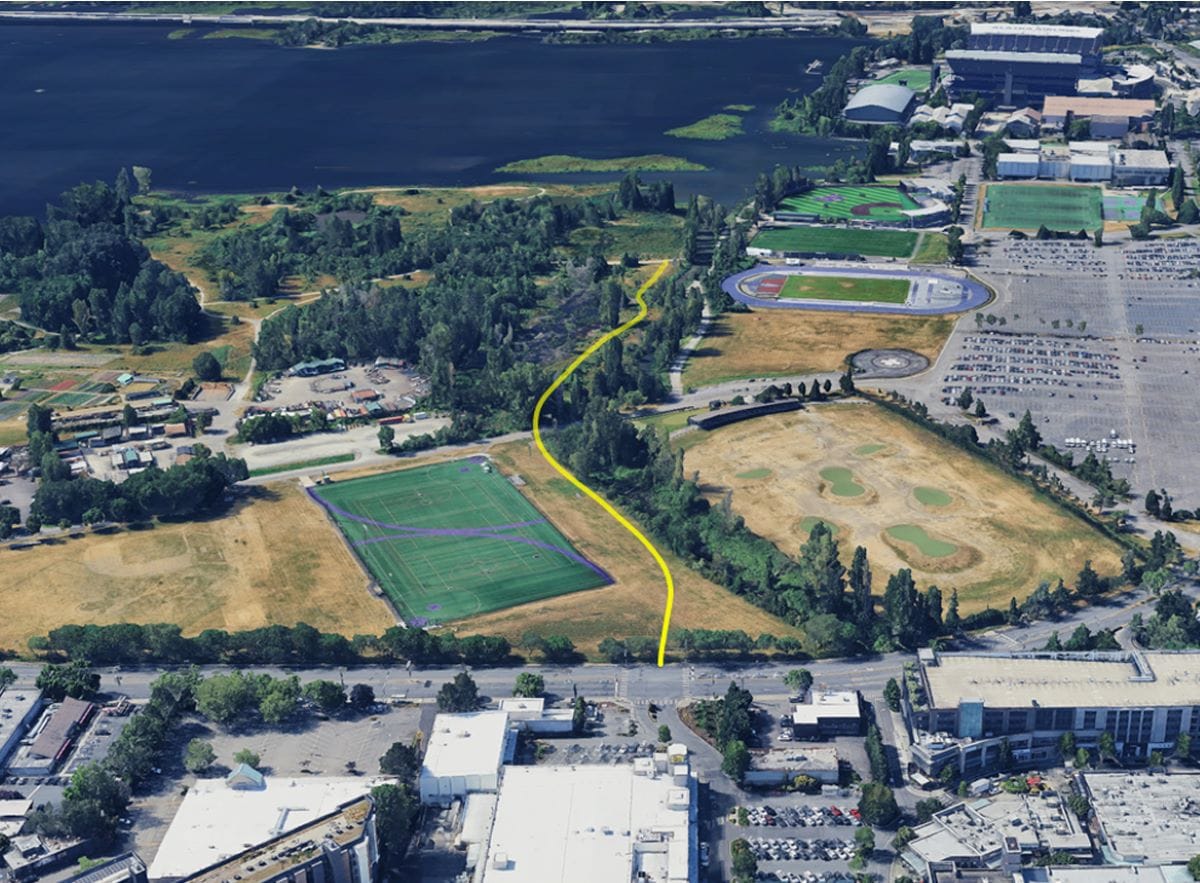
The Union Bay Natual Area is 74 acres of public open space with miles of trails, but the University of Washington has rebuffed advocates pushing to remove a fence and add a trail to improve access. Here’s why they should reconsider.
A major intersection redesign near Seward Park was ready to go to construction with a Mayor’s Office review the only impediment, records show. The exchanges reveal what was happening behind the scenes as the public was kept in the dark about the future of upgrades on the high-profile corridor.
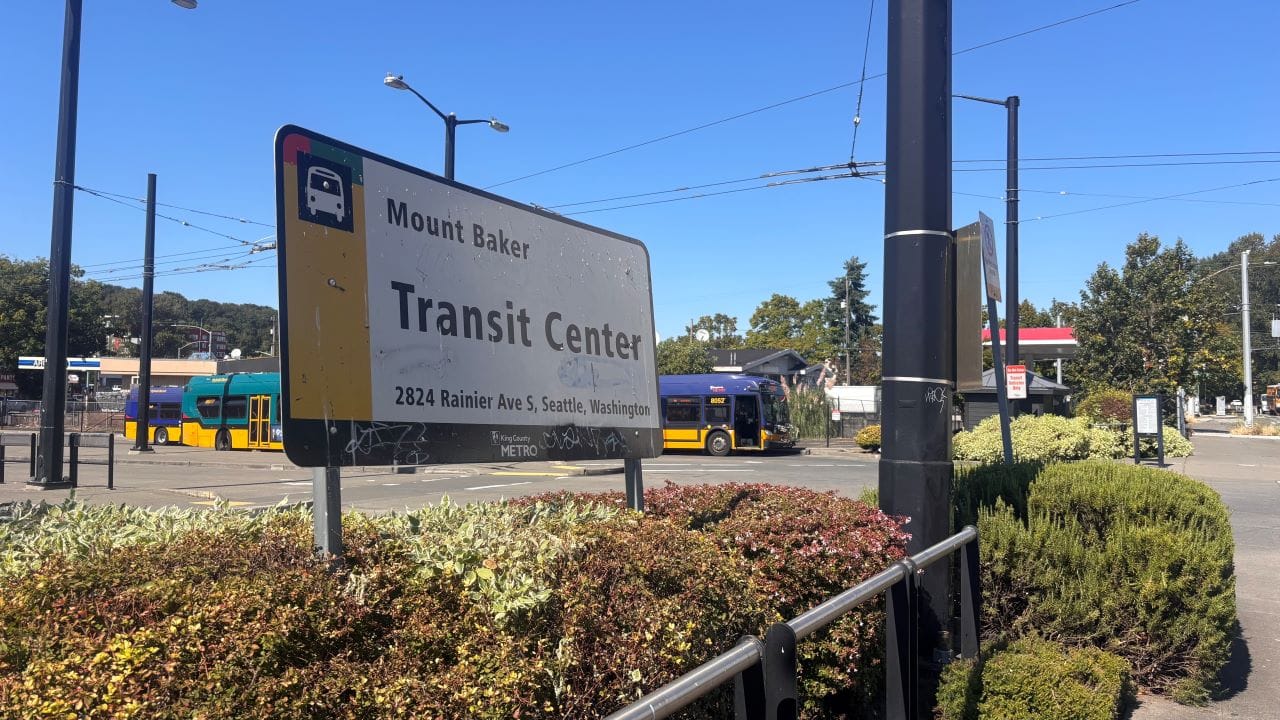
A thriving Mount Baker Transit Center requires pedestrian upgrades, a revitalized commercial district, and plenty of housing nearby. Unfortunately, the City of Seattle is investing elsewhere, with North Rainier an afterthought.
The Seattle Department of Transportation is eyeing seven neighborhoods with high rates of pollution, low car ownership rates, and high collision intersections, such as South Park, Lake City, and Capitol Hill, for its low-pollution pilot program. The list will ultimately be whittled down to three pro
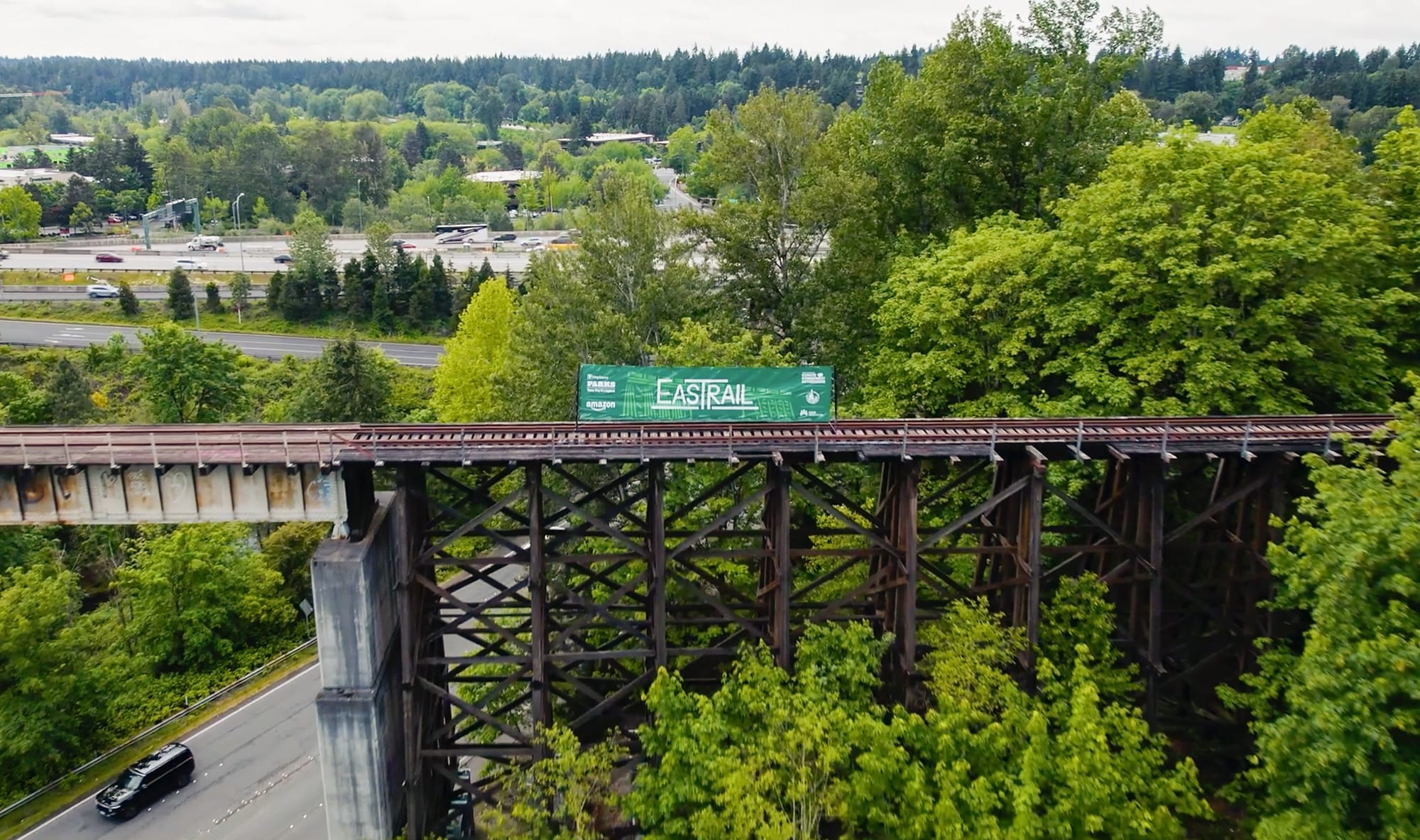
The City of Redmond cut the ribbon on the Redmond Central Connector trail on Friday. The trail’s final 1.6-mile segment opened earlier this summer, finally connecting Downtown Redmond directly with the 42-mile Eastrail corridor that will ultimately stretch from Renton to Snohomish County.
An extension of the Georgetown to South Park Trail and a new two-way protected bike lane on E Marginal Way would finally provide a safe connection to the First Avenue S bridge. The project is an early litmus test for the new Seattle Transportation Levy.
SDOT’s latest report indicates the agency is envisioning the future of Aurora Avenue N to look nearly exactly the same as it has for the last 100 years: a dangerous, high speed, six- to seven-lane highway. Seattle needs to do better.
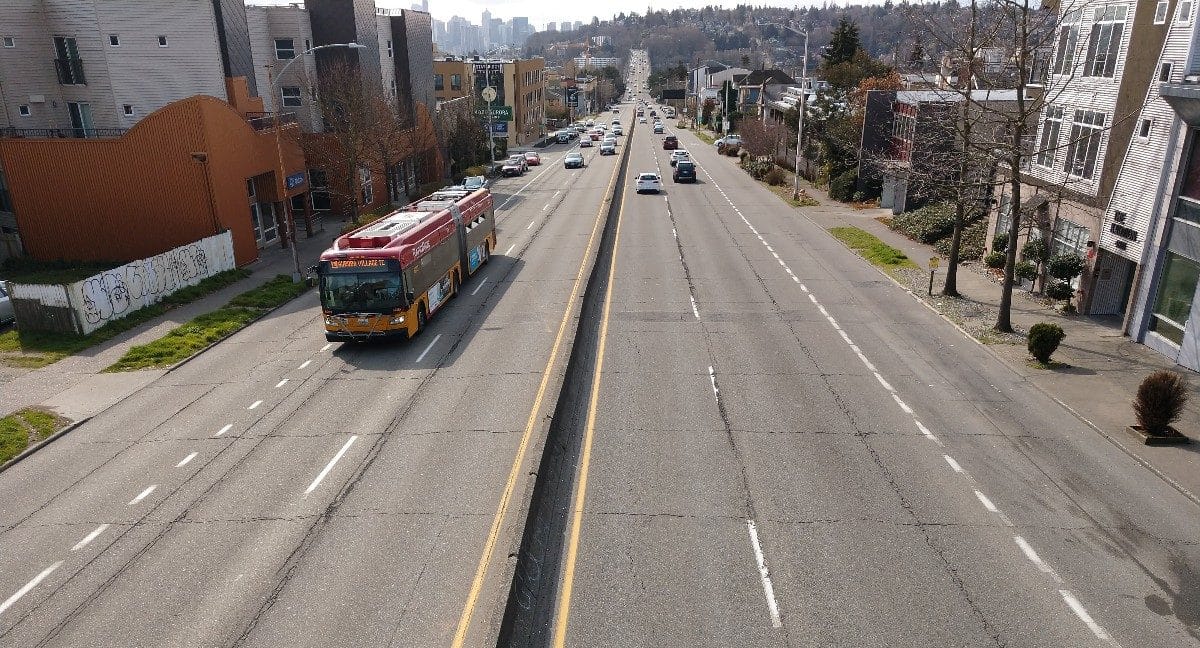
Over 1,500 people have been seriously injured or killed in crashes along Rainier Avenue S in the last decade. The upgraded transportation levy approved by voters last fall represents an opportunity to truly transform the street… if city leaders grab it.
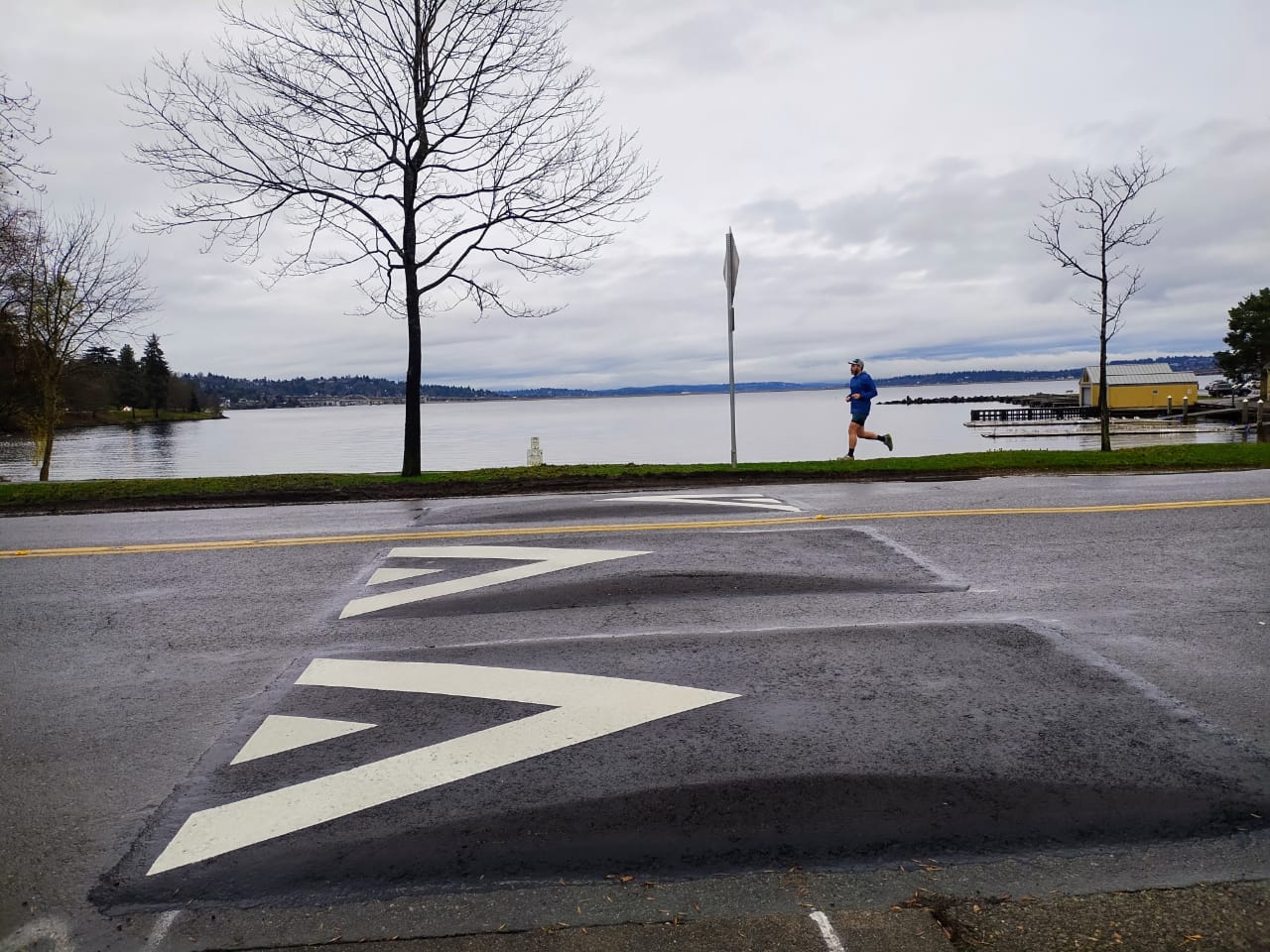
The City of Seattle quietly dropped speed cushions and other traffic safety treatments from long-made plans after months of radio silence. The backpedal received swift pushback from some District 2 city council candidates.
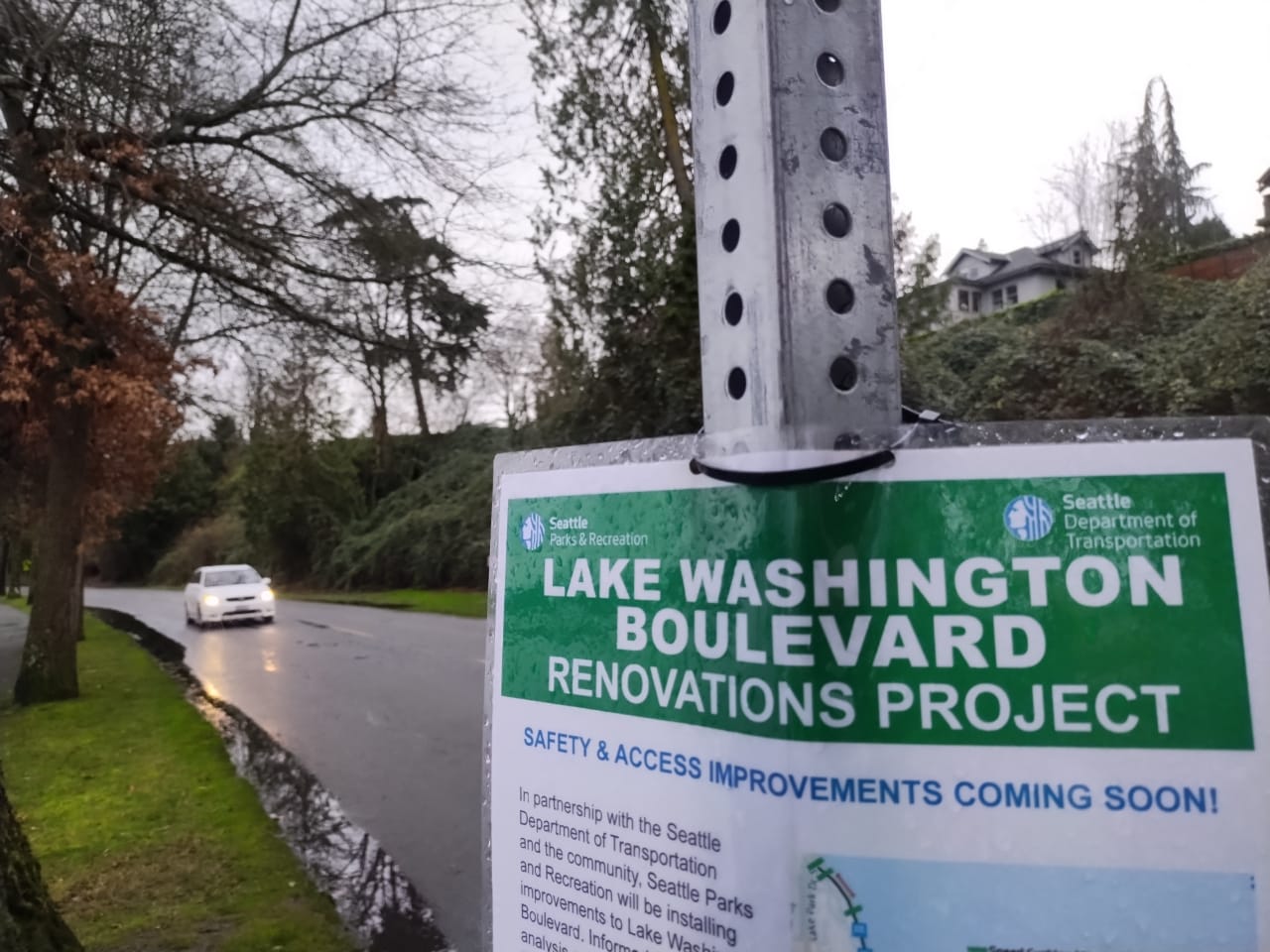
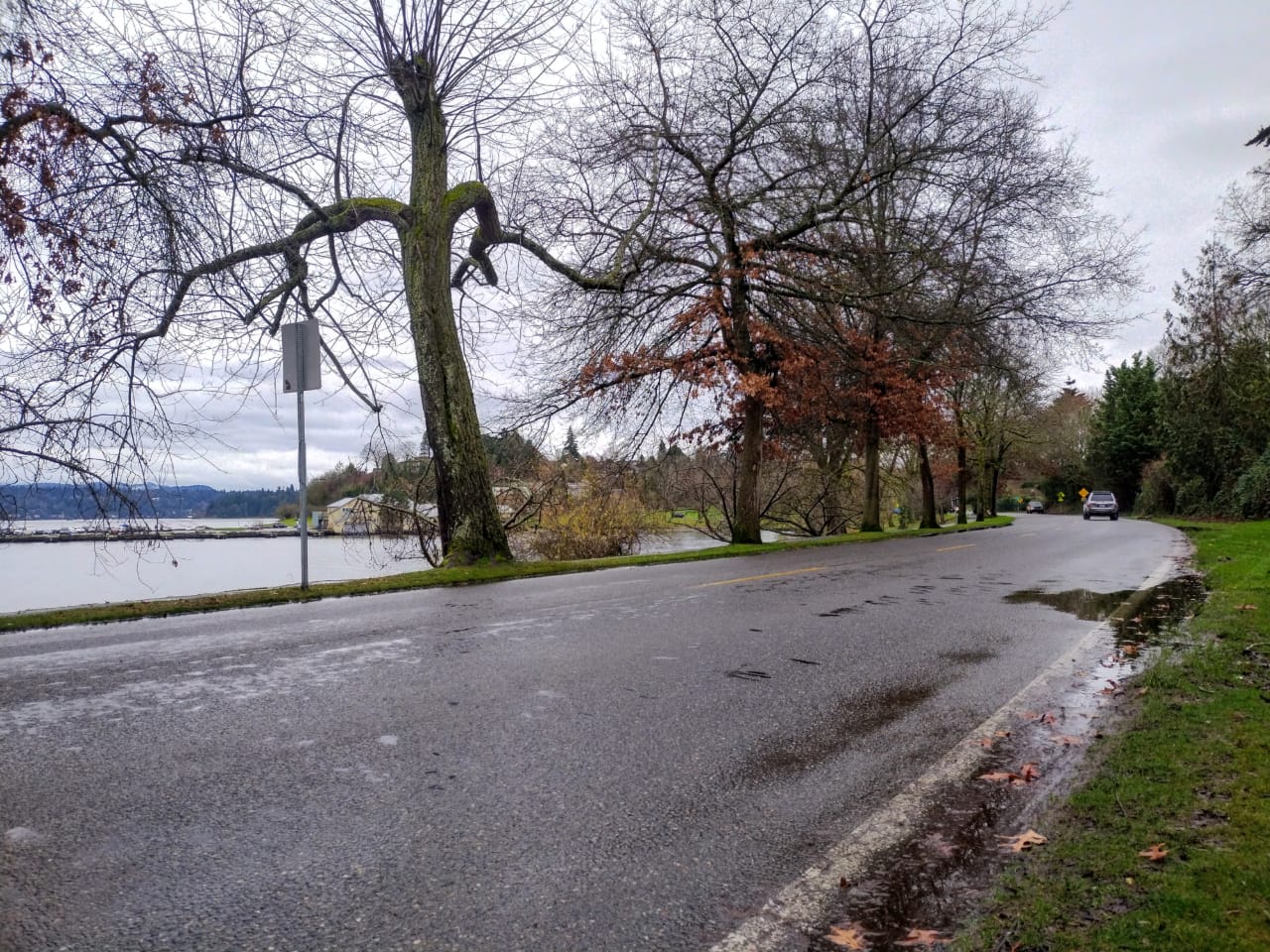
Seattle Parks and Recreation rolled out plans to add traffic calming to Lake Washington Boulevard last year. But traffic safety advocates are pushing for answers after installation of those upgrades stopped midway through without explanation.
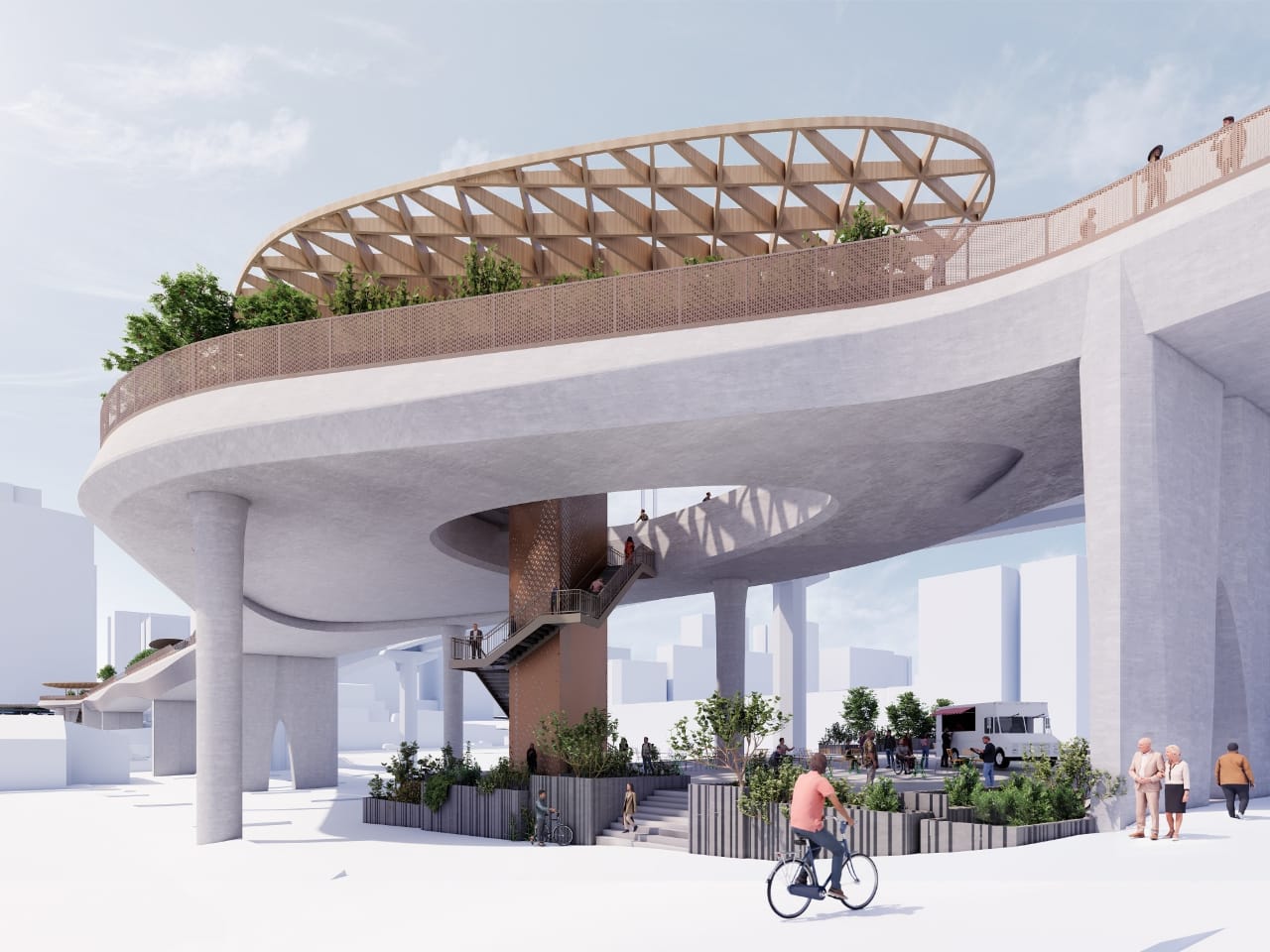
Former Seattle permitting director Nathan Torgelson will lead the new city department, intended to advance an ambitious plan for a new bike and pedestrian bridge over I-405. One of the largest capital projects in city history, it’s also intended to be a major placemaking project.
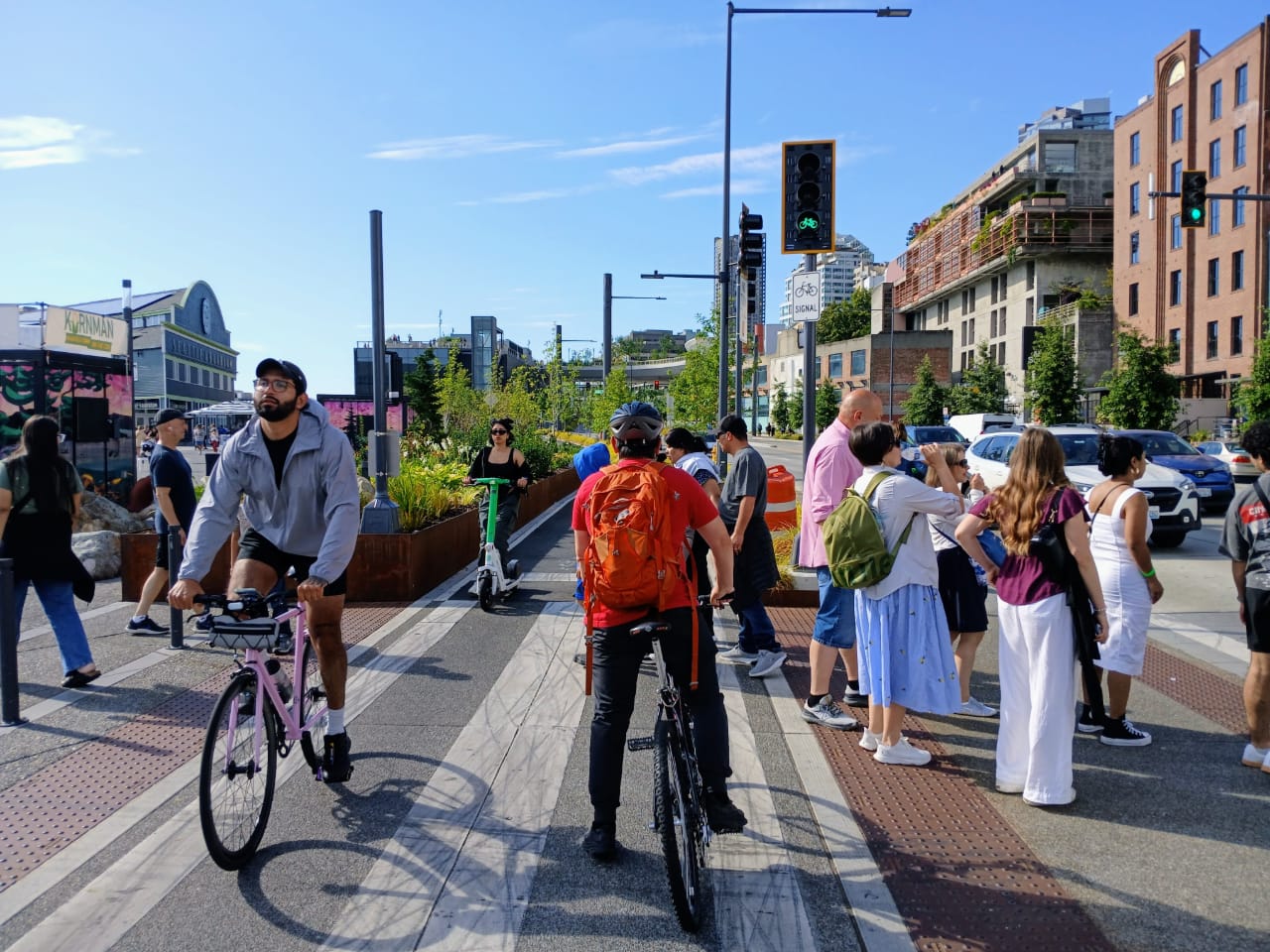
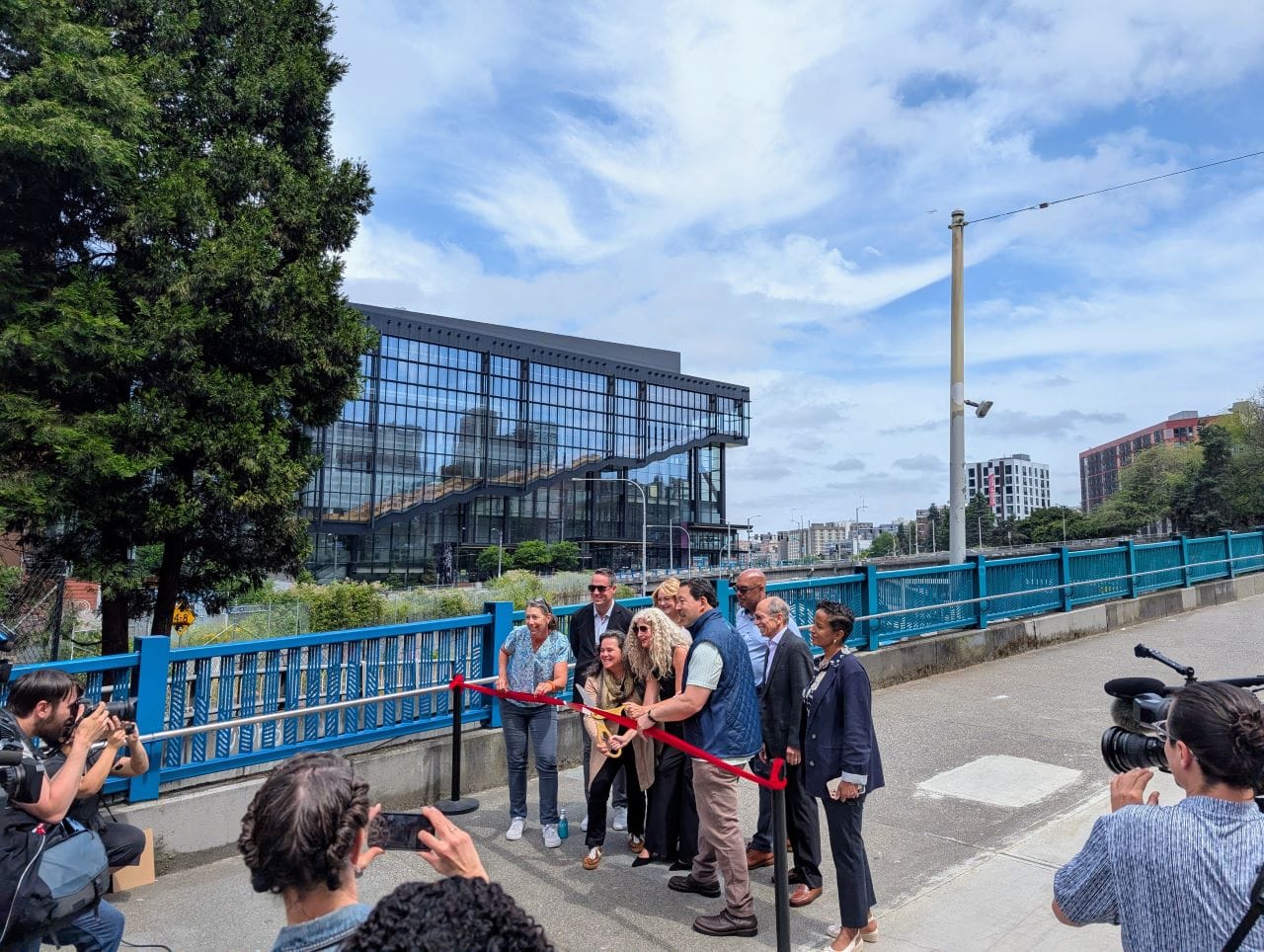
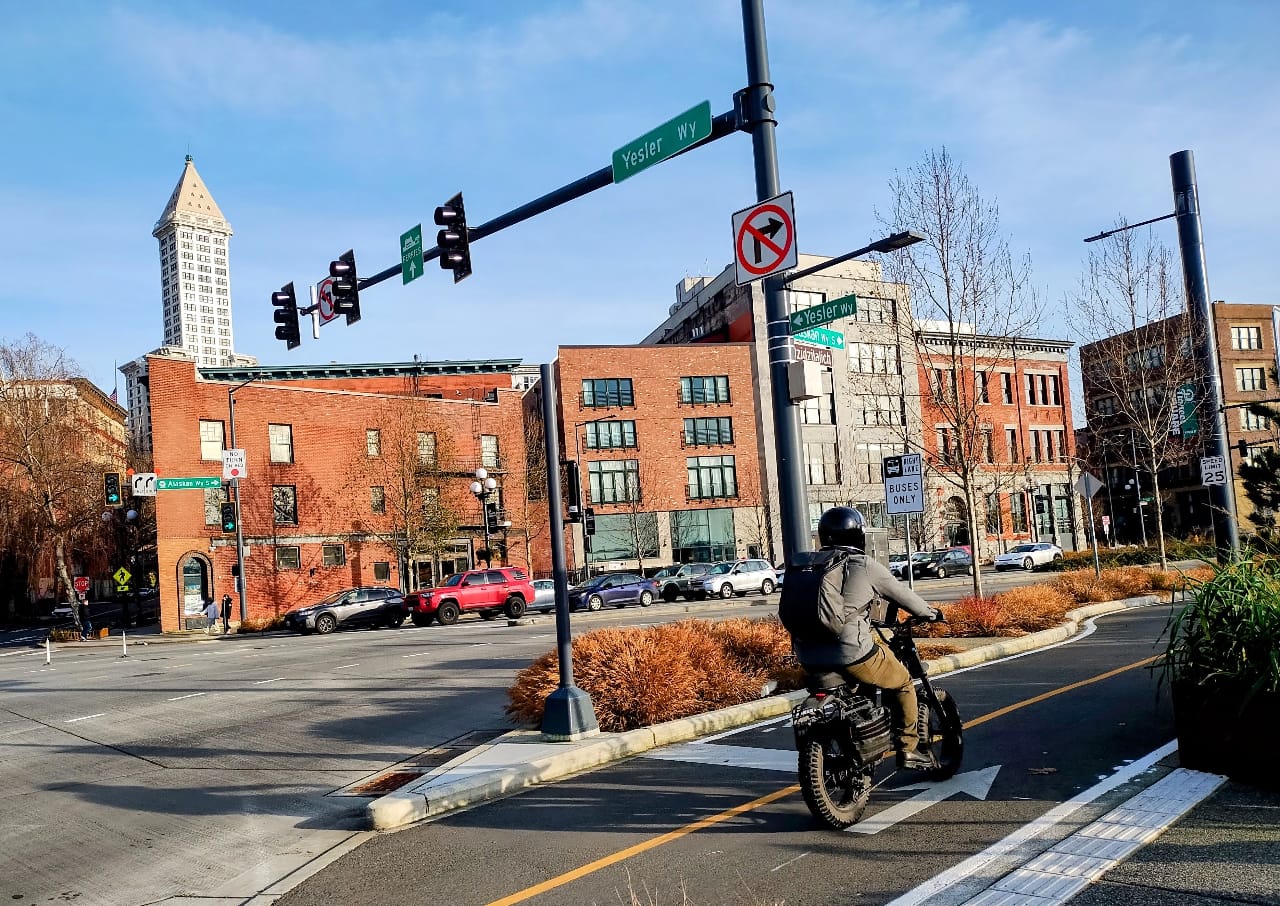
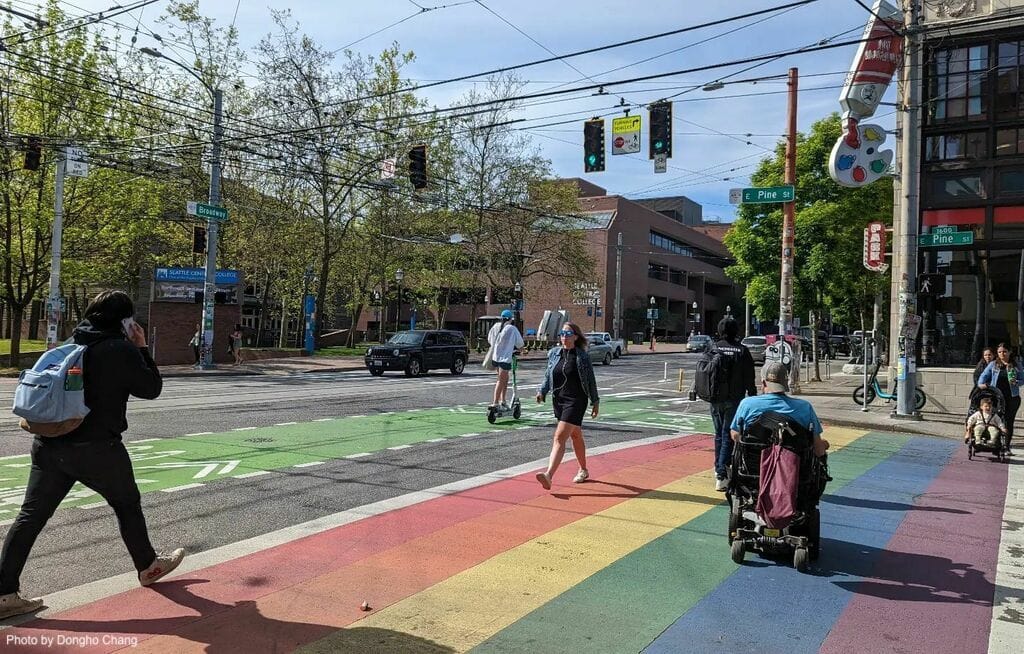
On June 11, Seattle officials celebrated the completion of a major overhaul of Pike Street and Pine Street, improving connectivity between Downtown and Capitol Hill. The project features planter-protected bike lanes, wider sidewalks, public art, and a one-block pedestrianization near the Market.
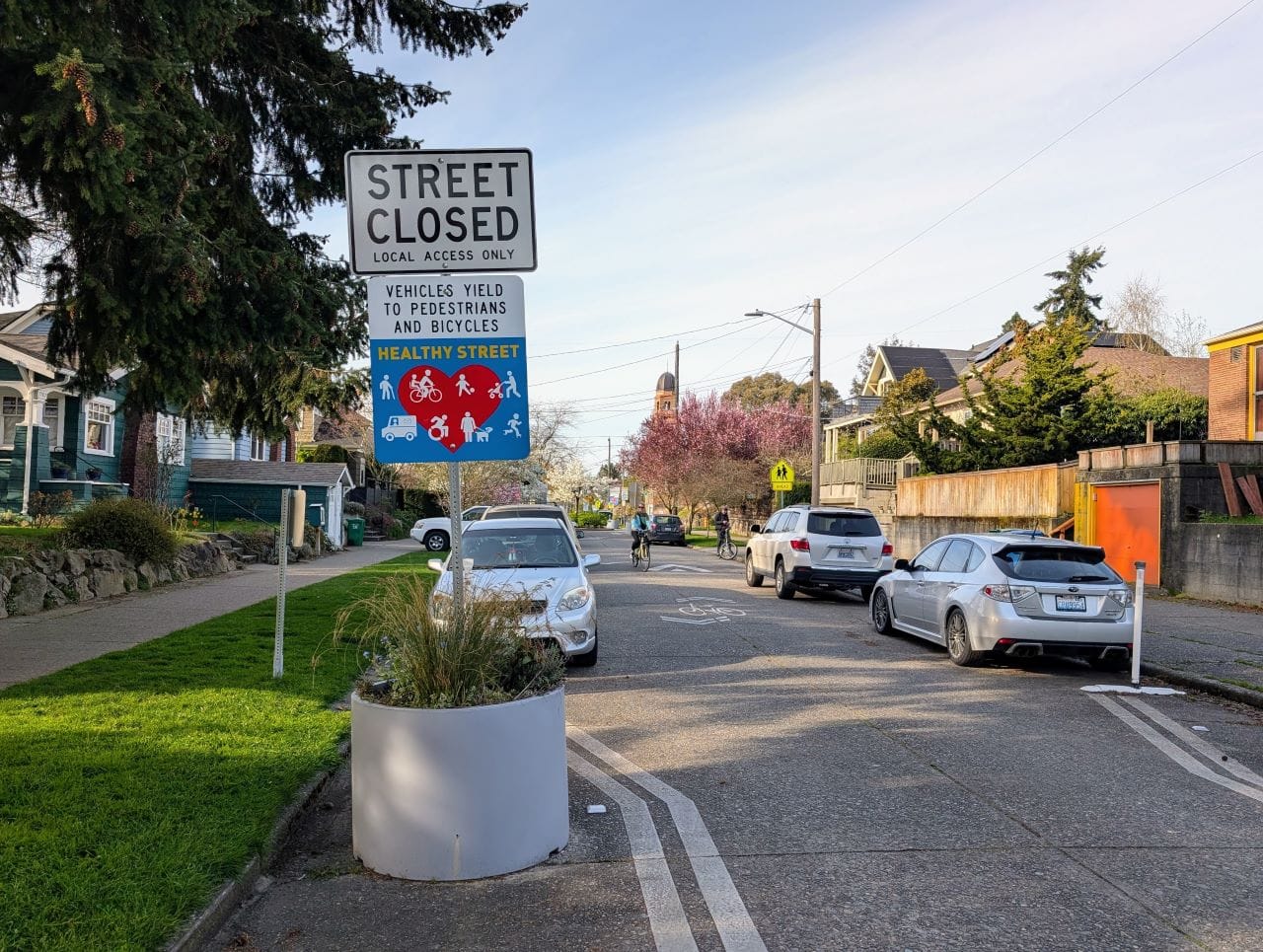
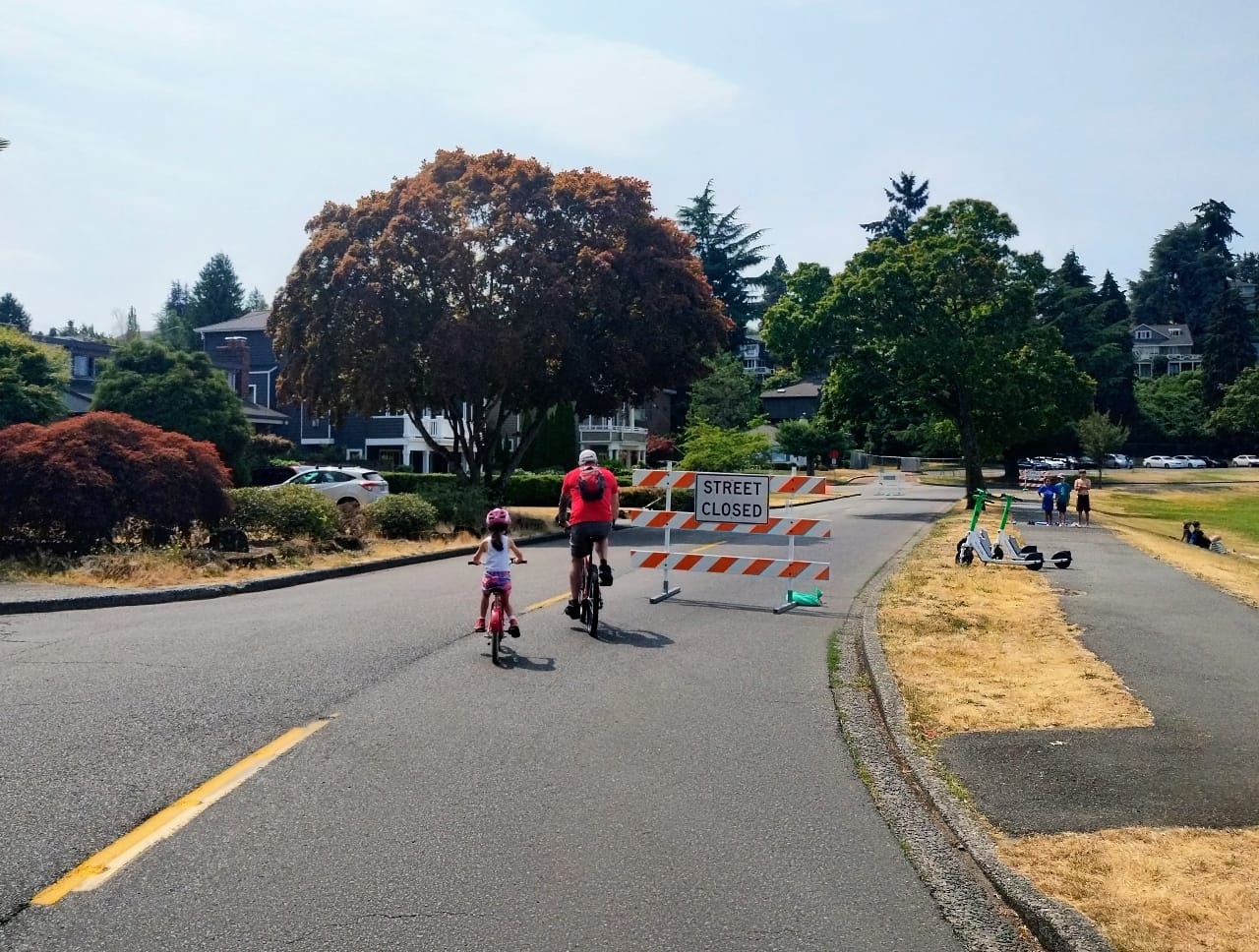
Cities in Washington will have the legal authority to create shared streets, which feature much lower speed limits and put pedestrians first, under Senate Bill 5595. Governor Bob Ferguson signed the bill into law Saturday. It will go into effect on July 27.
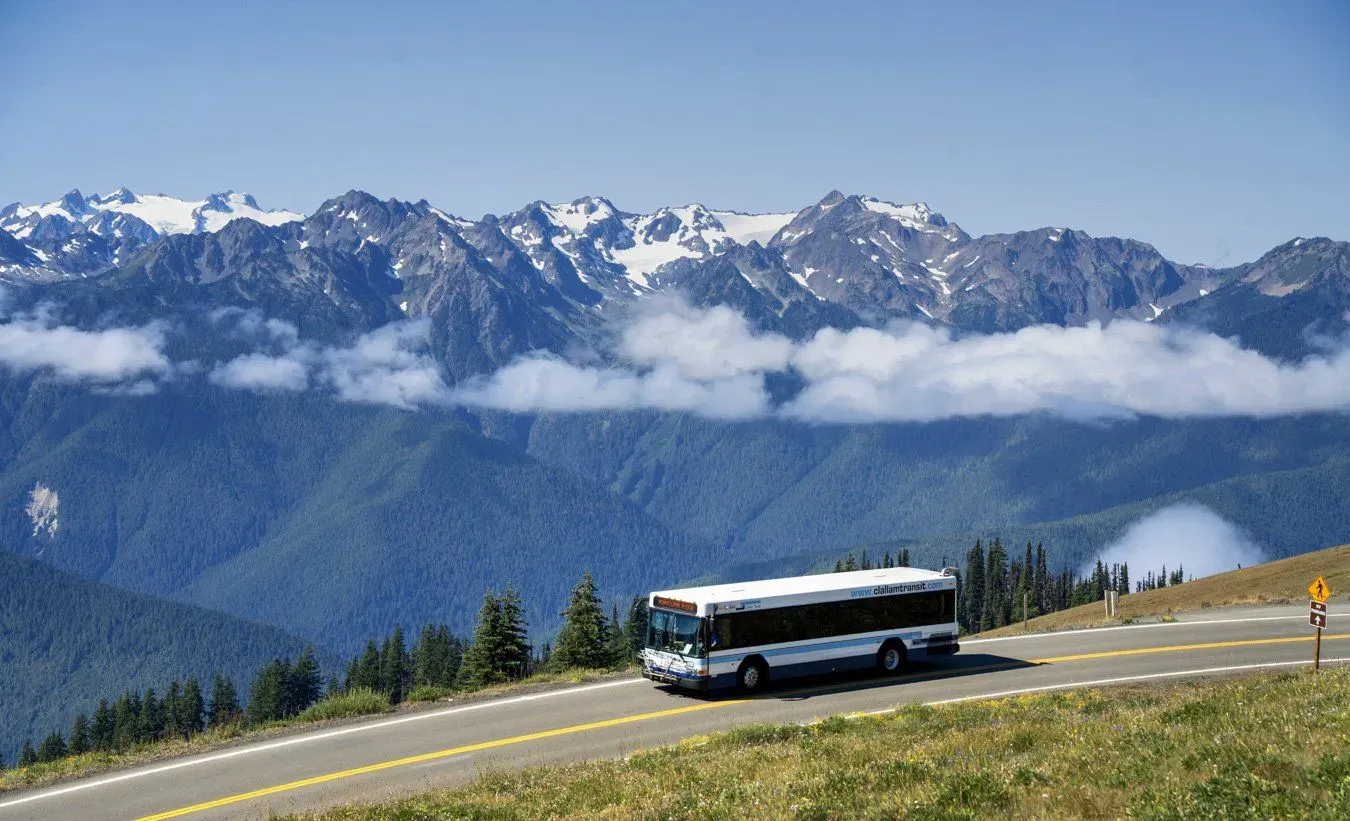
Summer in Puget Sound means the return of Trailhead Direct, Bicycle Weekends, Seattle’s free Waterfront Shuttle, and the Hurricane Ridge Shuttle.
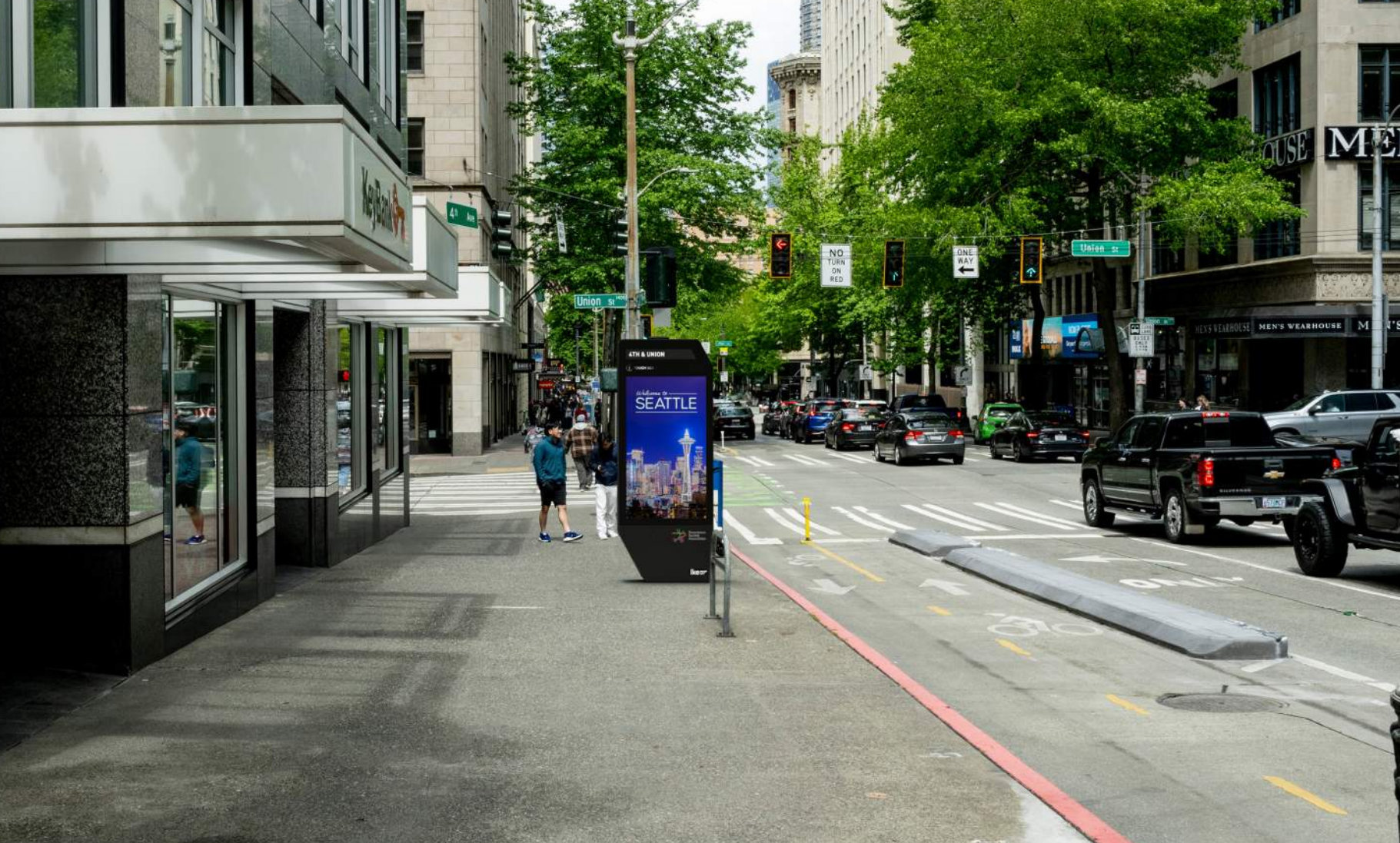
The kiosks, scattered around downtown and eventually other busy business districts, would provide ad revenue for groups like the Downtown Seattle Association. Last year, the Seattle Design Commission rejected the proposal as half-baked and suggested a smaller pilot instead.
The fully completed plan, intended to provide an array of strategies that would advance Pierce County toward a goal of eliminating deaths and serious injuries by 2035, was only approved by a 4-3 vote last week.
Tacoma voters balked at the price tag of the Streets Initiative II levy. That leaves Tacoma officials scrambling to come up with plan B to grapple with street safety and maintenance needs.
Seattle’s waterfront bike path from Expedia Park to Myrtle Edwards Park is closed for renovations through August. A detour to the waterfront pedestrian path is offered, but people biking must yield to pedestrians. The pedestrian path will be closed for renovations after the bike path work is complet
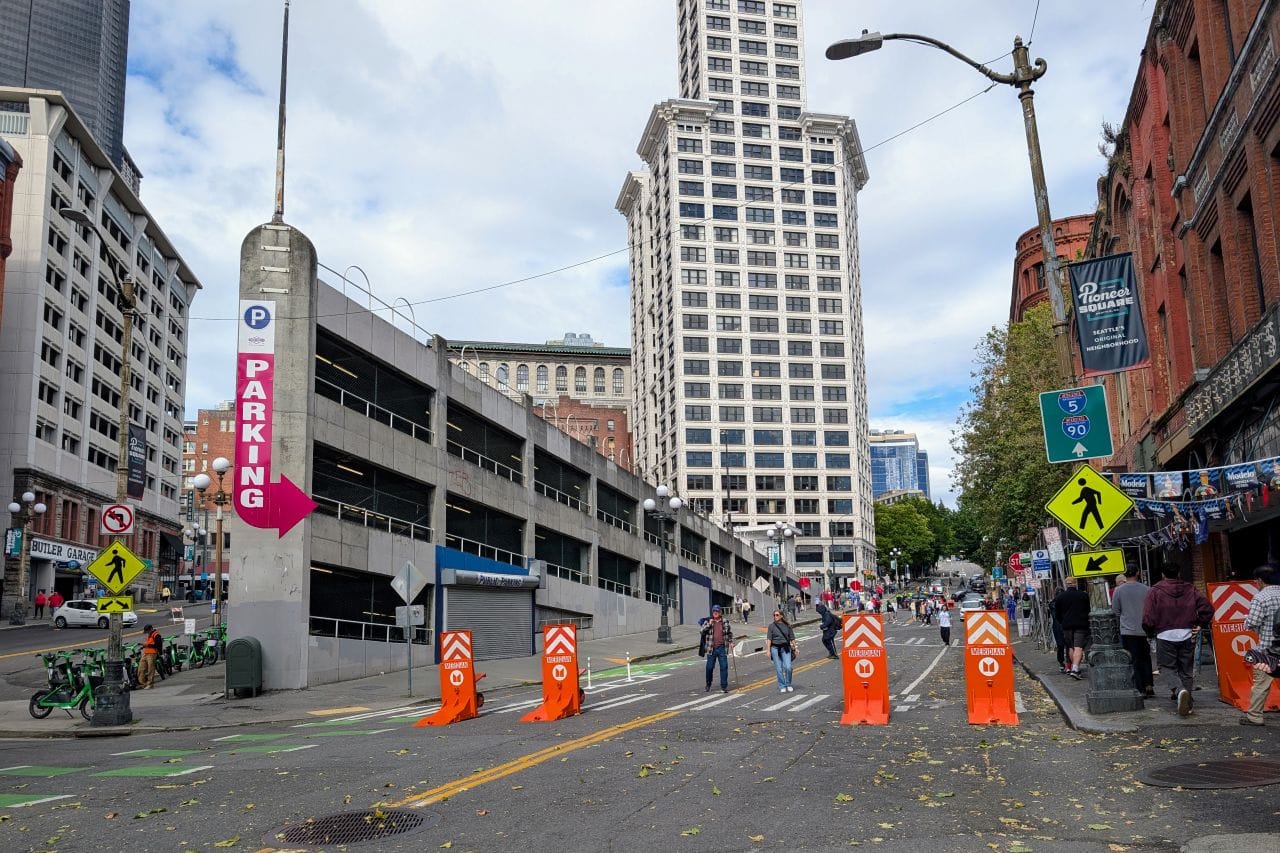
Car access to Pike Place’s main corridor will be restricted to loading vehicles, emergency access, and people accessing ADA parking. The Market is calling the move a “test and learn” opportunity that could open the door to long-term pedestrianization.
New legislation in Olympia could help us rethink and reclaim the street as a true public easement. If passed and its provisions delivered, we can look forward to streets that are not only more welcoming of public life, but a lot less deadly to all users.
Bremerton Mayor Greg Wheeler has presented car-centric preliminary designs for the 6th Street project, with no alternative building sidewalks and bike lanes to state safety standards. Travis Merrigan argues the Bremerton City Council should press the City to study such an option.
Our map of cherry blossoms hotspots covers more than 44,000 flowering stone fruit trees across Seattle. Check it out to plan your flower tour.
The permanent renewal of Tacoma’s Streets Initiative would enable the city to make significant progress on overhauling its most dangerous streets, and significantly expand safe bicycle infrastructure. The ballot measure goes to voters in an April 22 special election.
Seattle Mayor Bruce Harrell teased a few urbanist-minded initiatives as he delivered his annual state of the city speech on Tuesday, putting support behind a push to pedestrianize Pike Place and launched a new “Northern Lights” vision to remake Aurora Avenue. Exactly when either change would occur r
A recent peer-reviewed study of identical twins illustrated the value of living in a walkable neighborhood, showing a strong correlation between walkable neighborhoods, time spent walking, and positive health outcomes. Simply put, it appears that people tend to lead healthier lives in walkable neigh
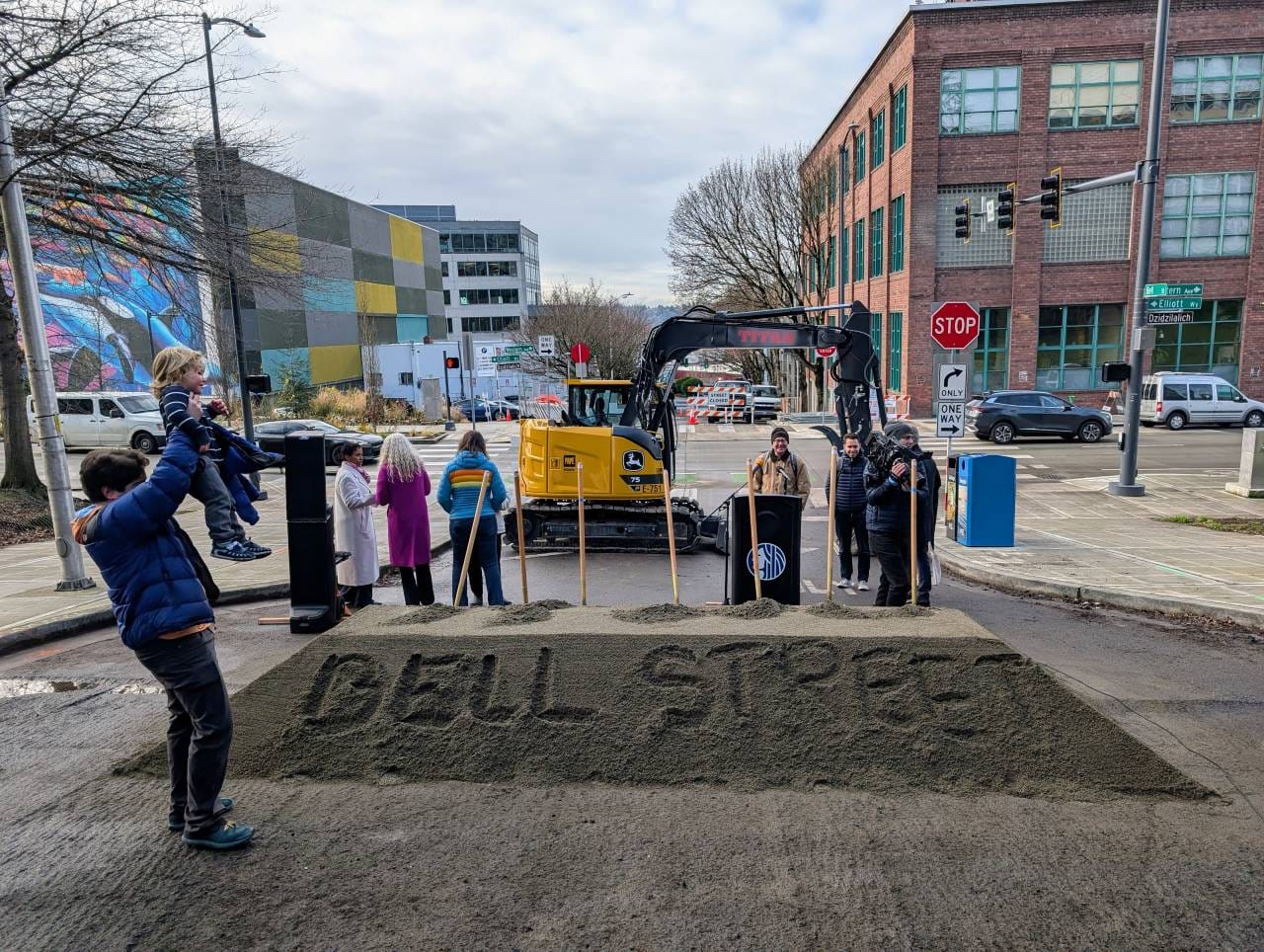
A $5.2 million project overhauling two blocks of Bell Street adds a protected bike lane and pedestrian upgrades, but stops short of full pedestrianization.
The 2025 delivery plan for the first year of the Seattle Transportation Levy spells out a broad array of projects that will enter the pipeline this year.
The idea of slowing drivers along one of the city’s most scenic waterfront routes had been seen as the compromise position, in the face of competing visions for Lake Washington Boulevard. But behind-the-scenes, the upgrades have been under attack.
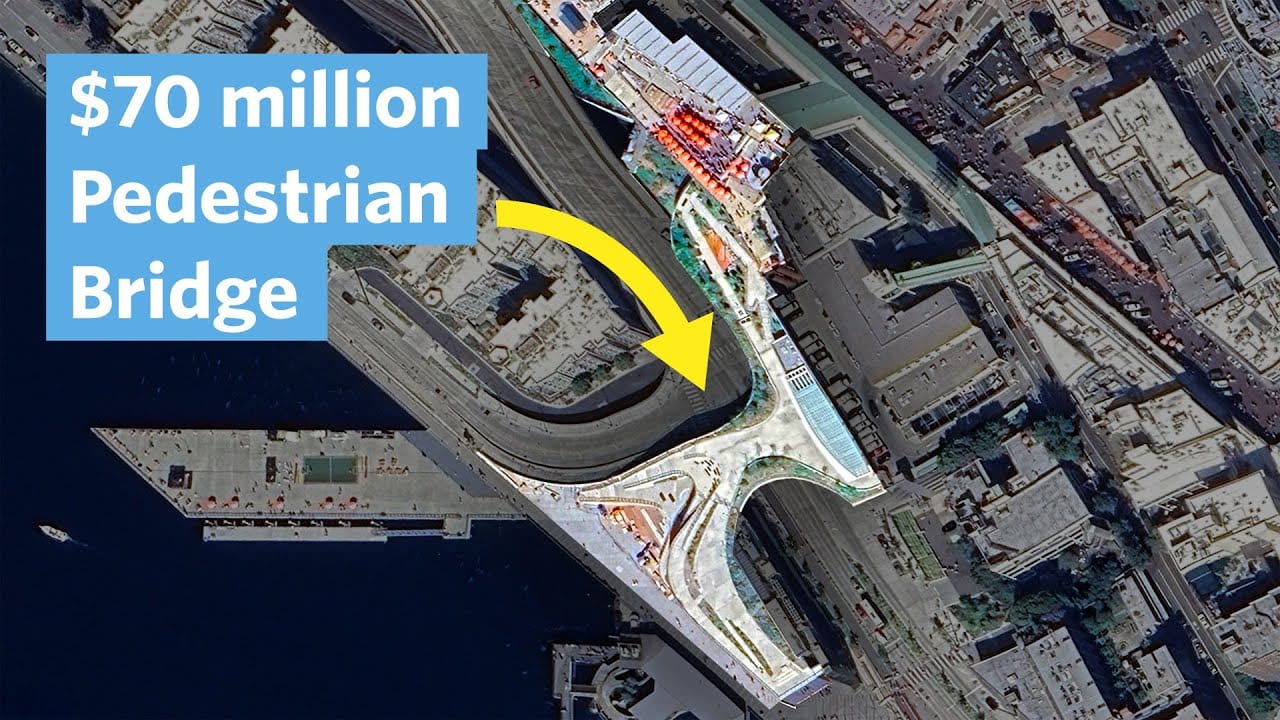
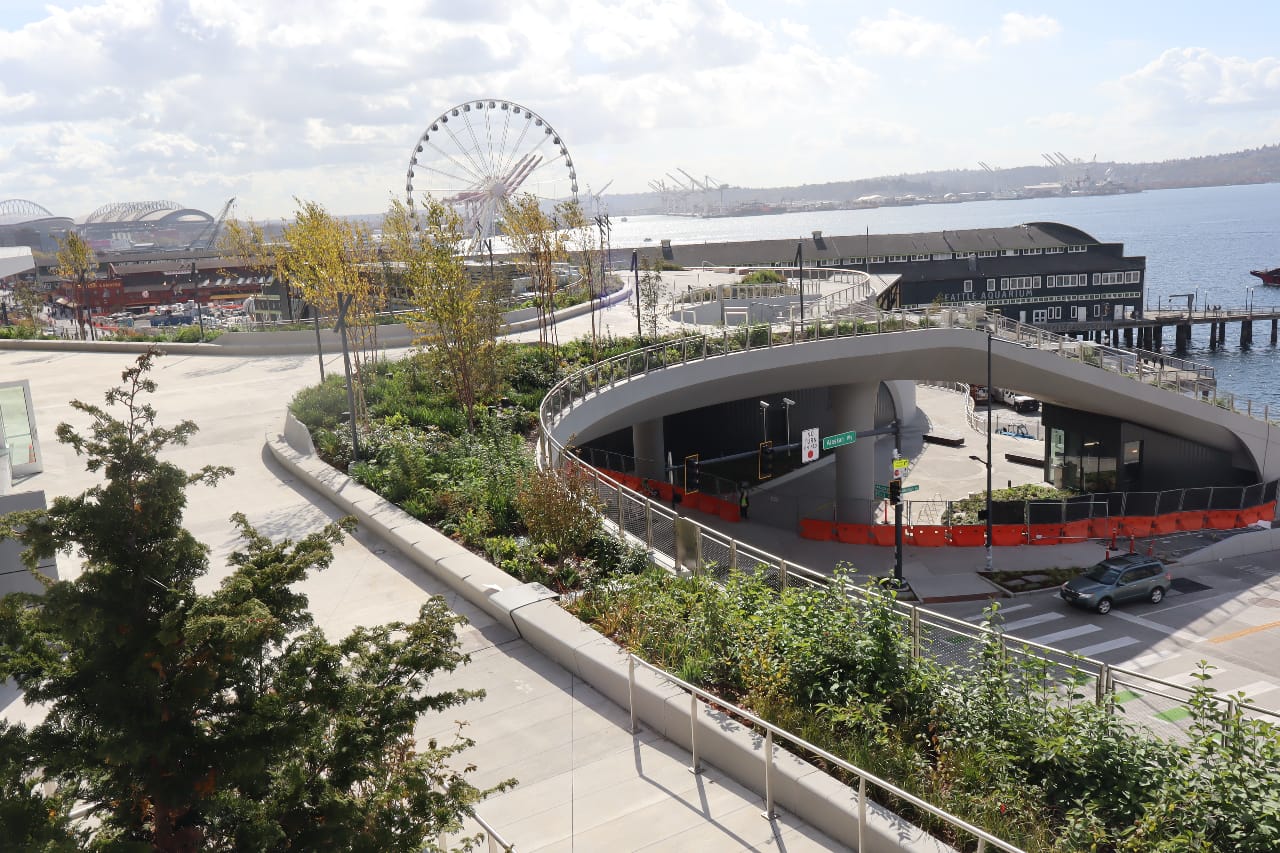
City Beautiful reviews Seattle’s new Overlook Walk pedestrian bridge on the revamped waterfront and really likes what they saw.
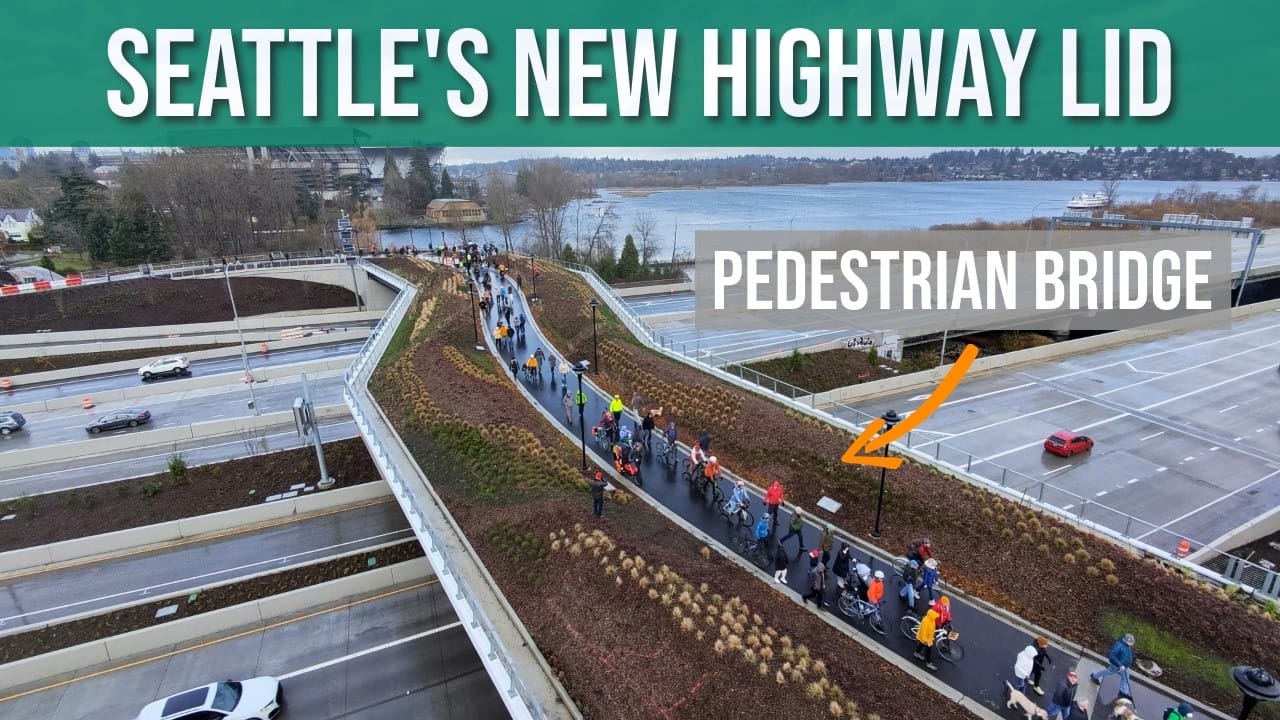
Best Side Cycling was on hand for the grand opening of the Montlake Lid and pedestrian bridge over SR 520 on December 14. Check out this great new connection.
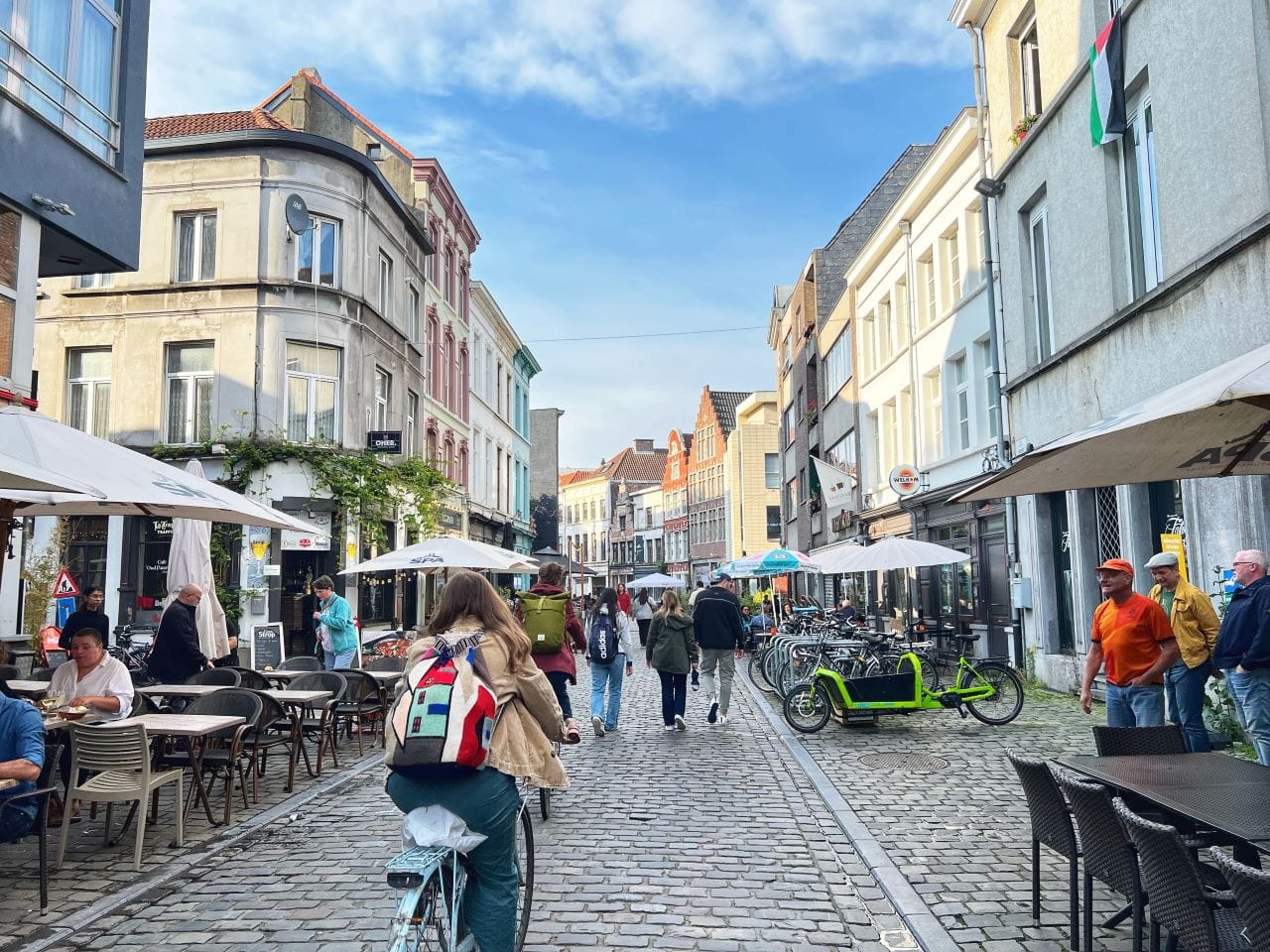
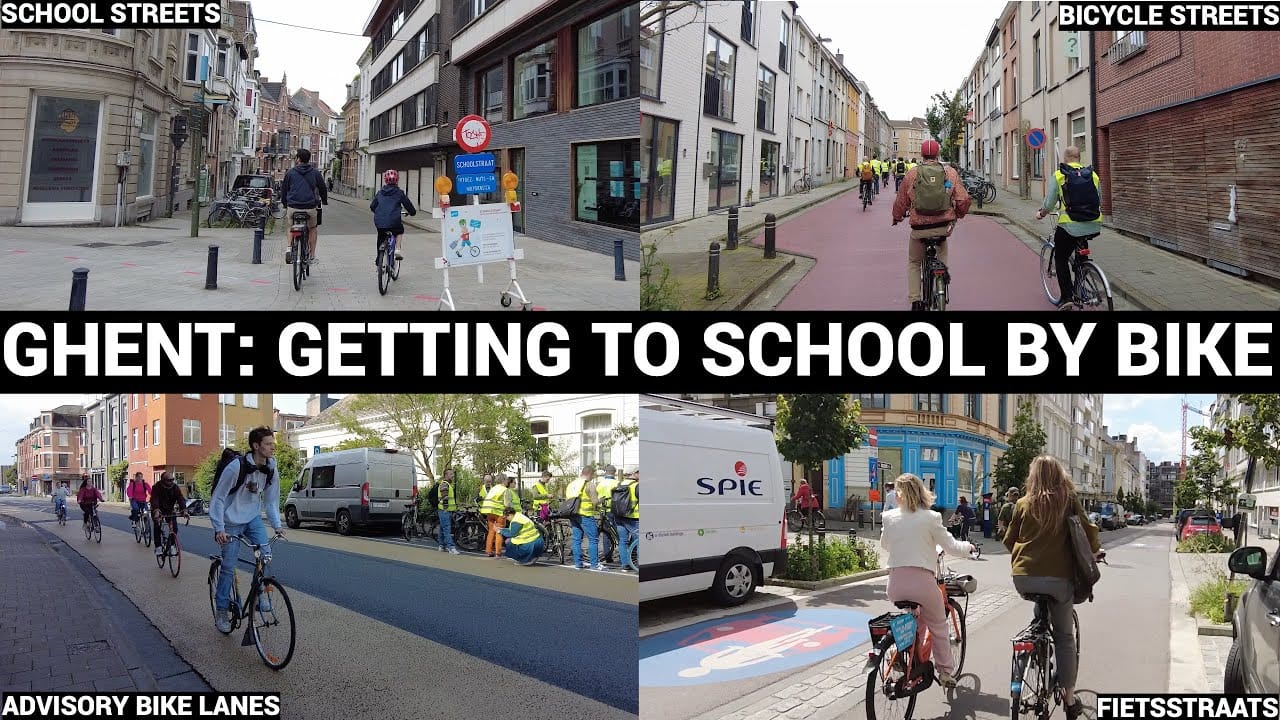
Streetfilms highlights how Ghent (Gent), a city in the Flemish north of Belgium, is making streets safe so that kids can walk and bike to school. The city has rolled out bicycle streets and school streets. Ghent was the host city for this year’s Velo-city Conference.
Passage of Seattle’s transportation levy was all but assured Tuesday night, after initial returns showed two-thirds of voters in support.
Recently completed Bremerton street projects have fallen well short of modern safety standards. The projects fail to shorten crosswalk distances, slow traffic speed, or protect cyclists with more than paint.
Plans for a new connection between Wilburton and Downtown Bellevue are coming into view, as the City starts to look at how it can keep the project moving forward.
The privately funded project to upgrade pedestrian and bike facilities in Seattle’s north downtown waterfront has reached final design. Here’s what’s planned.
The new pedestrian connection, park, and gathering space all in one was envisioned as a key component of Seattle’s new waterfront since work started on the project over a decade ago.
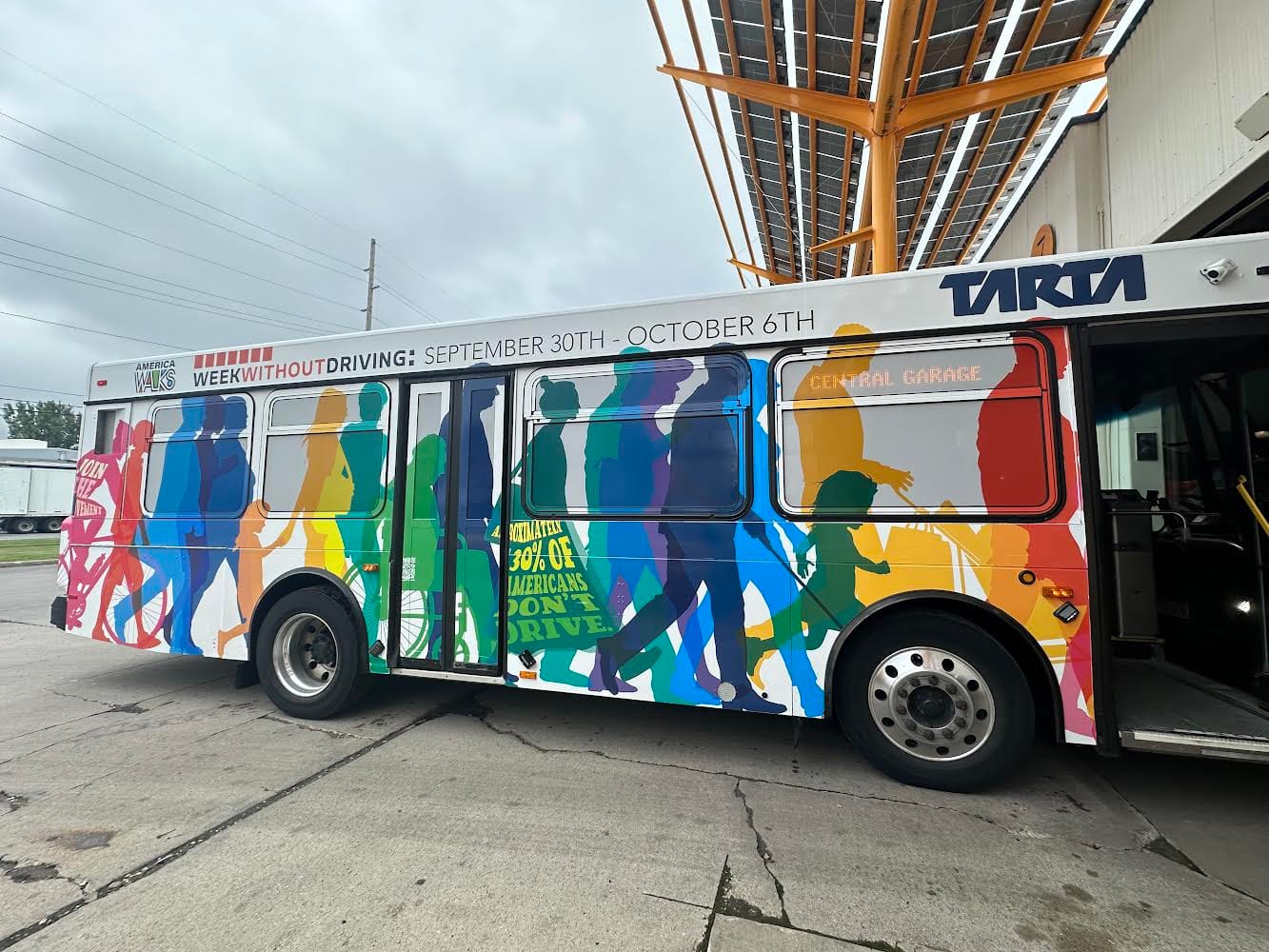
In four years, the Week Without Driving Challenge has grown from a small event with a dozen elected leaders in the Puget Sound area to a national event with participants in all 50 states. Founder Anna Zivarts shares her thoughts on that journey.
Nondrivers are more than a quarter of the population, but often an afterthought in policy discussions. Recognizing their needs, as the national Week Without Driving challenge strives to promote, can help improve outcomes for everyone.
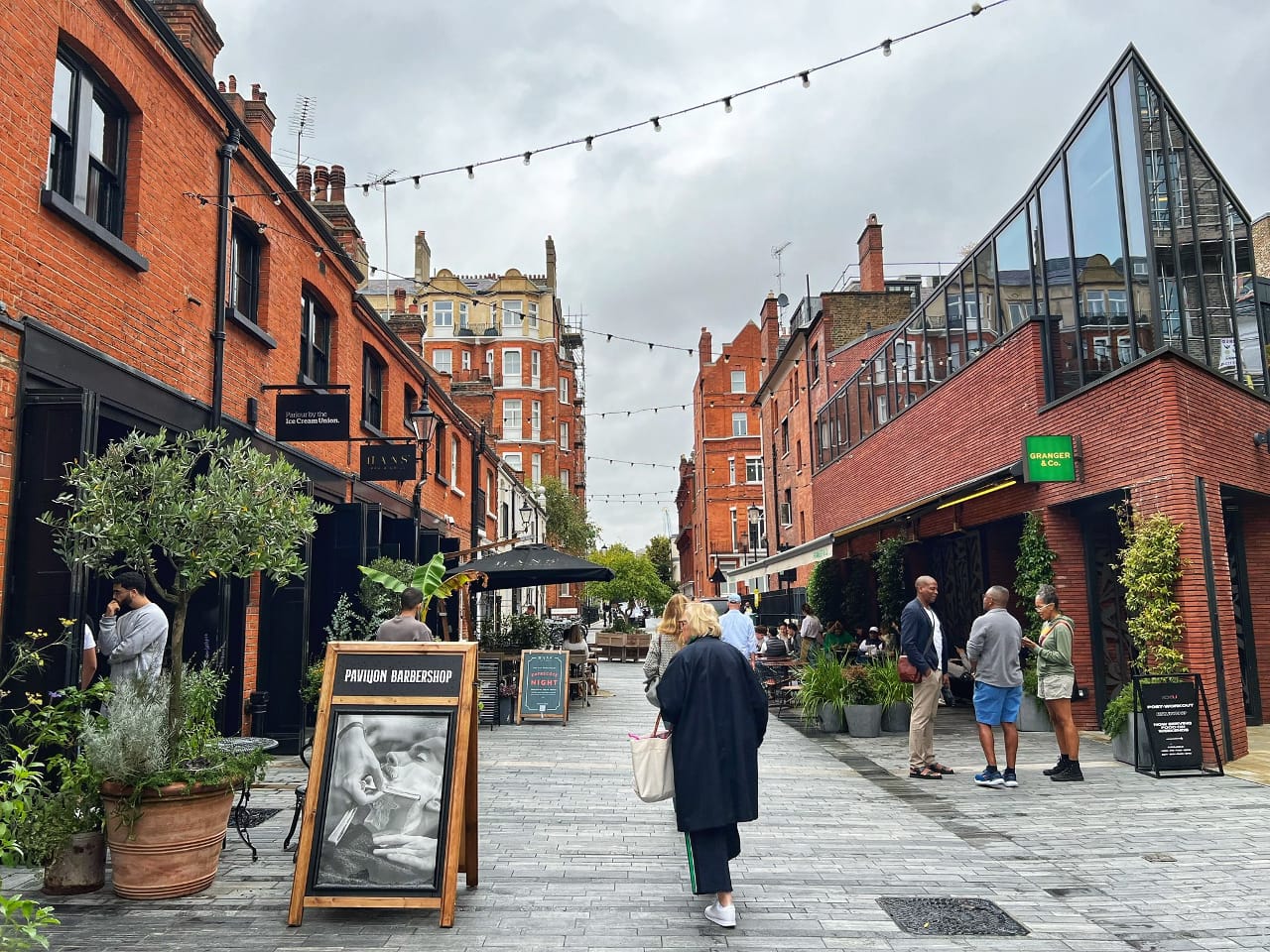
London’s Pavilion Road, fully pedestrianized in 2021, represents a strong contrast with Seattle’s plans to reduce pollution by transforming streets, still stuck in the planning stage despite nearly seven years of work.
In voting against the IKE digital advertising kiosks proposal, the Seattle Design Commission cited concerns about clutter and a lack of public buy-in. The Seattle City Council may ultimately approve the program even without that recommendation.
Bellevue is positioned to lead on traffic safety so long as it makes investments in safer roads. This fall’s budget is a great time to start.
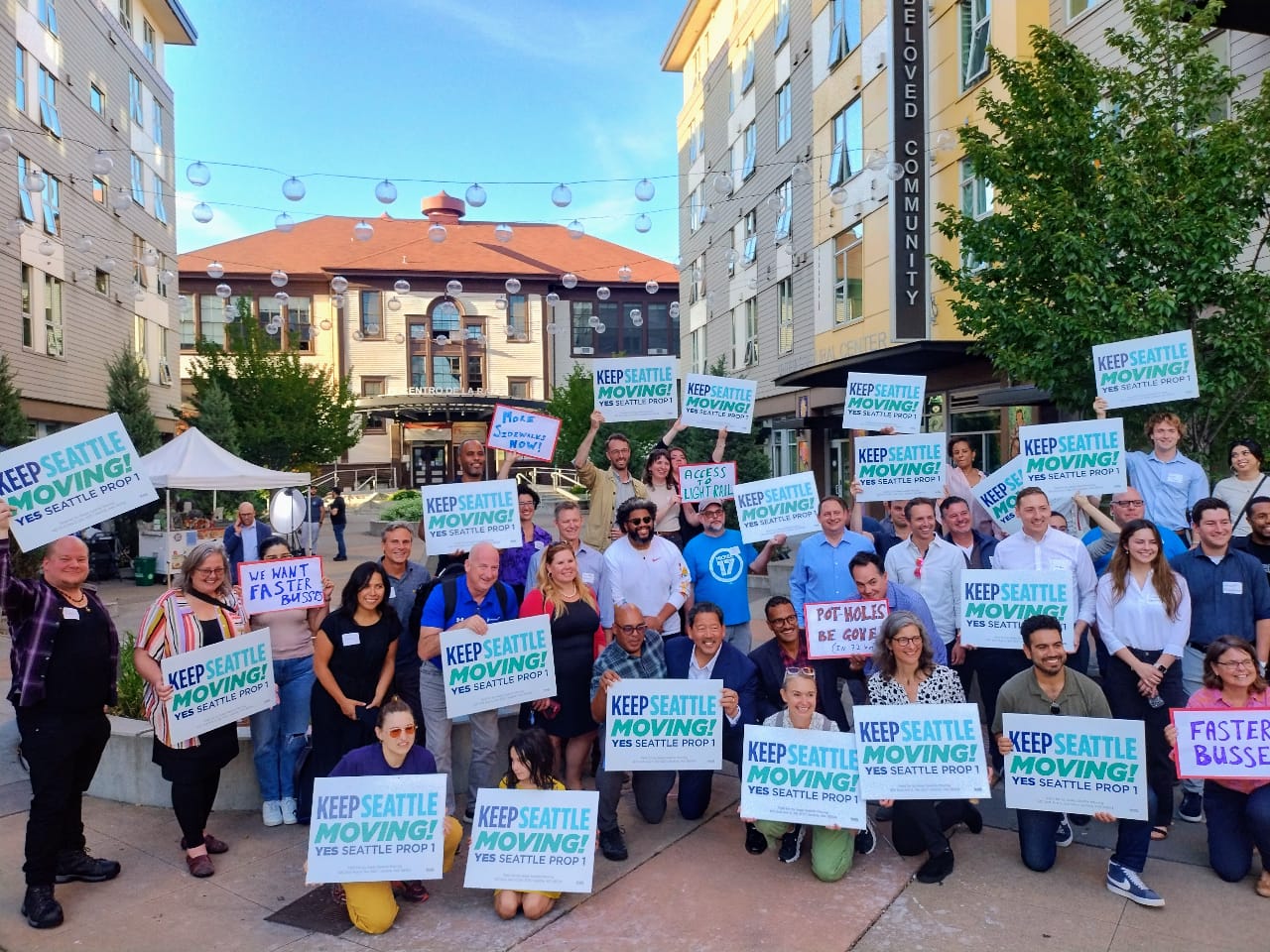
Transportation advocacy and business groups alike are supporting Seattle’s Prop 1, the $1.55 billion renewal of the city’s transportation levy.
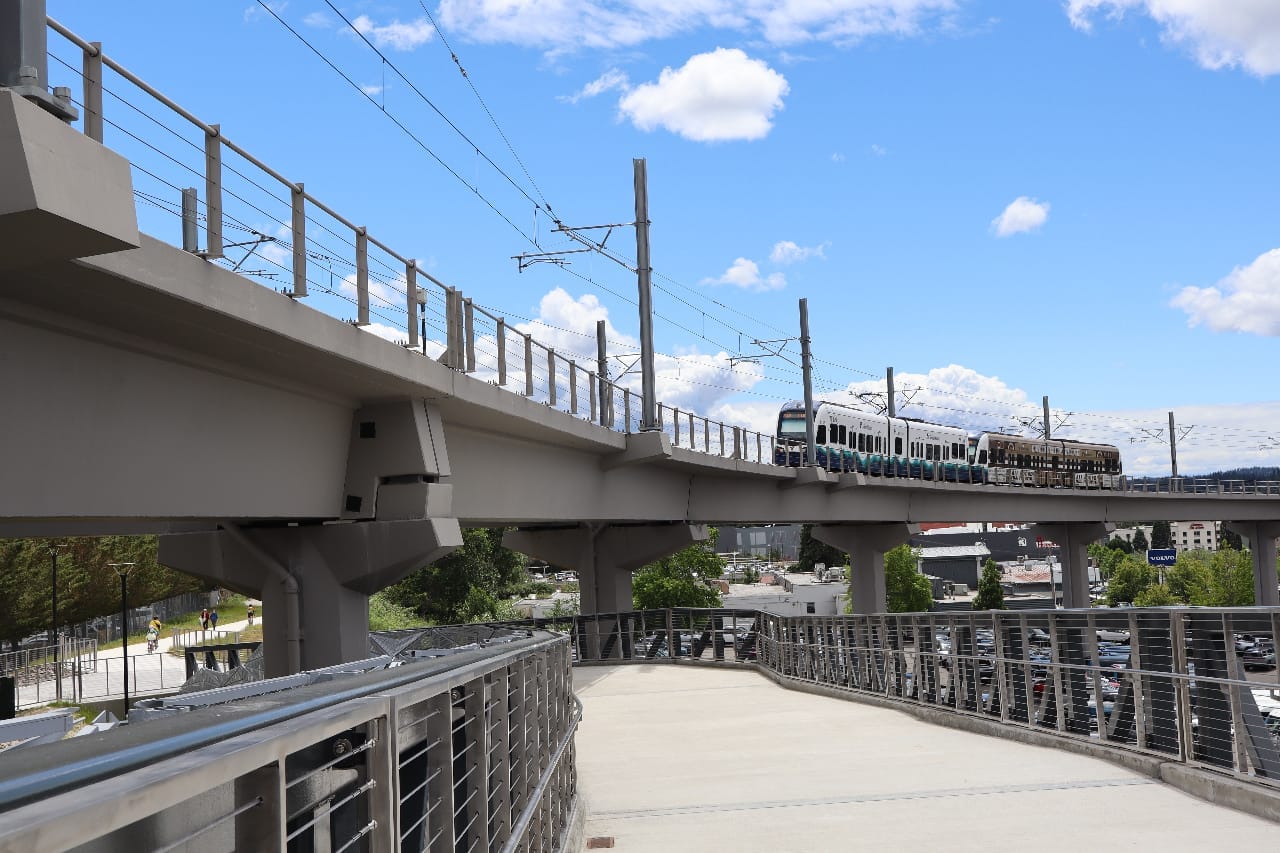
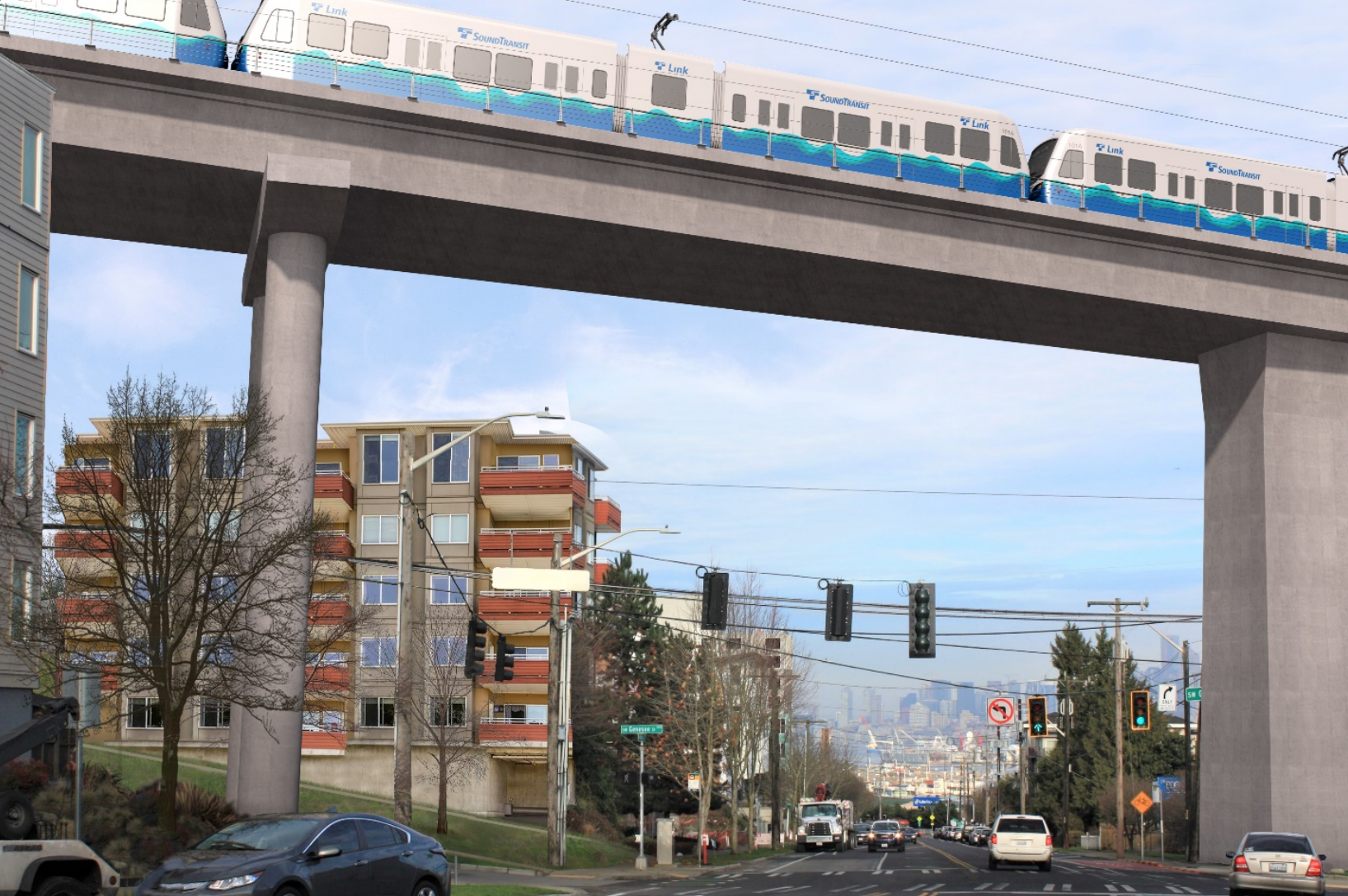
With construction on West Seattle Link’s four stations set to start as early as 2027, the City of Seattle is starting to look at how people will access the stations via walking, biking, and transit on redesigned local streets.
Dave Amos of City Beautiful discusses non-motorized paths in the suburbs. Could these facilities provide more than just a recreational amenity to suburban neighborhoods? And how can they work best to offer suburban communities a sustainable and safe way to get around without a car? Amos discusses th
Traffic safety improvements including crosswalks and speed cushions are coming to Lake Washington Boulevard. But they stop short of the transformation many Seattle residents want to see in the corridor.
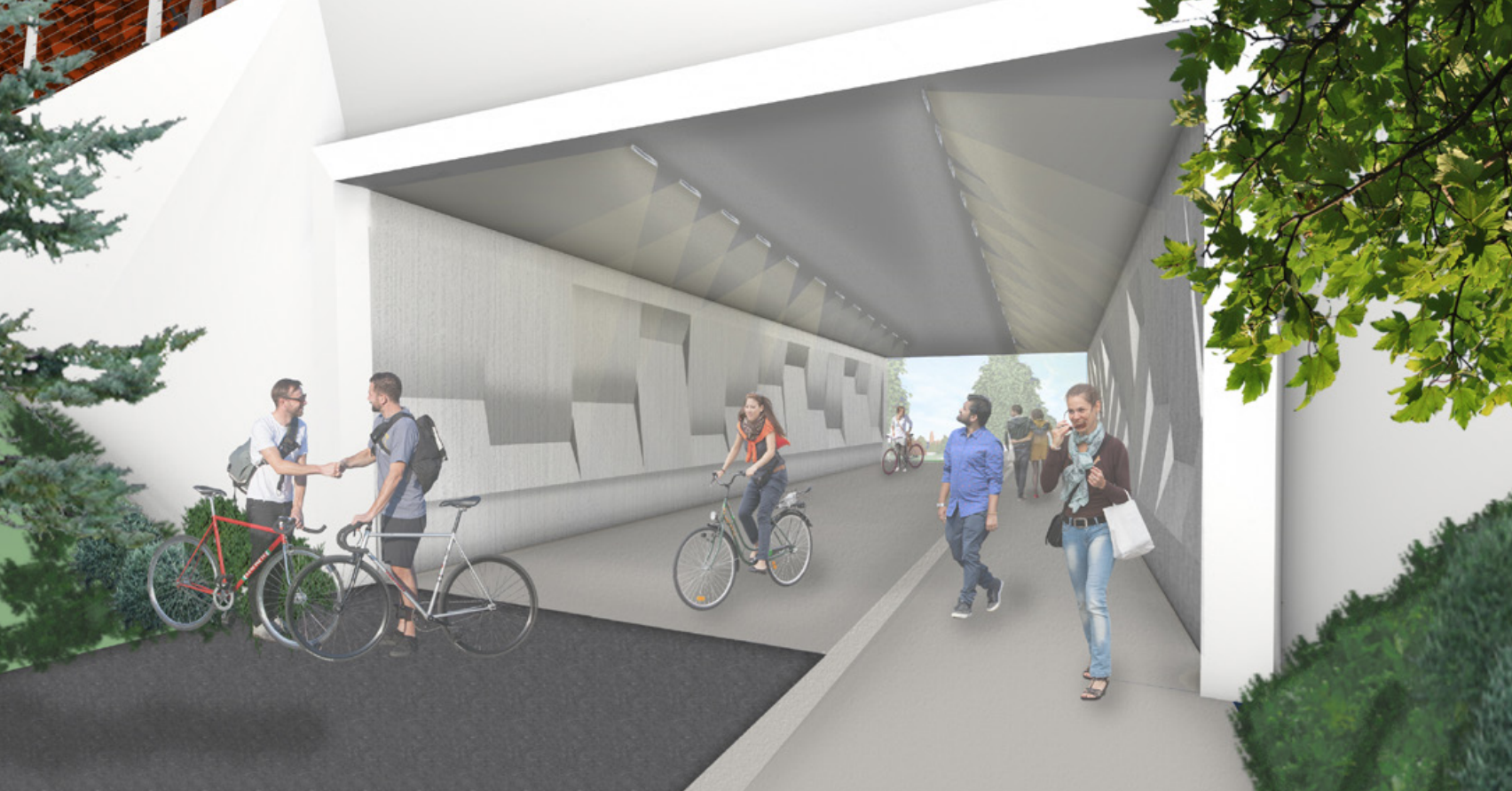
A bike and pedestrian tunnel underneath 10th Avenue E has been restored after advocates fought a cost-costing move to drop it from highway lid plans in North Capitol Hill,
What is a 15 minute city and how might Seattle be able to get closer to achieving it? Other cities around the world offer a model.
With Bellevue backsliding on many of its prior commitments to improve safety and multimodal connectivity, a coalition of advocates are trying to get things back on track. The group is seeking bigger investments in the city’s next biennial budget.
It’s official: Voters this fall will get to weigh in on whether Seattle should invest $1.55 billion over eight years to improve transportation infrastructure, with most funding allocated to road and bridge maintenance.
For decades, the Interurban Trail in North King County and in Snohomish County have been disconnected, with a state highway between them. There’s new momentum to change that.
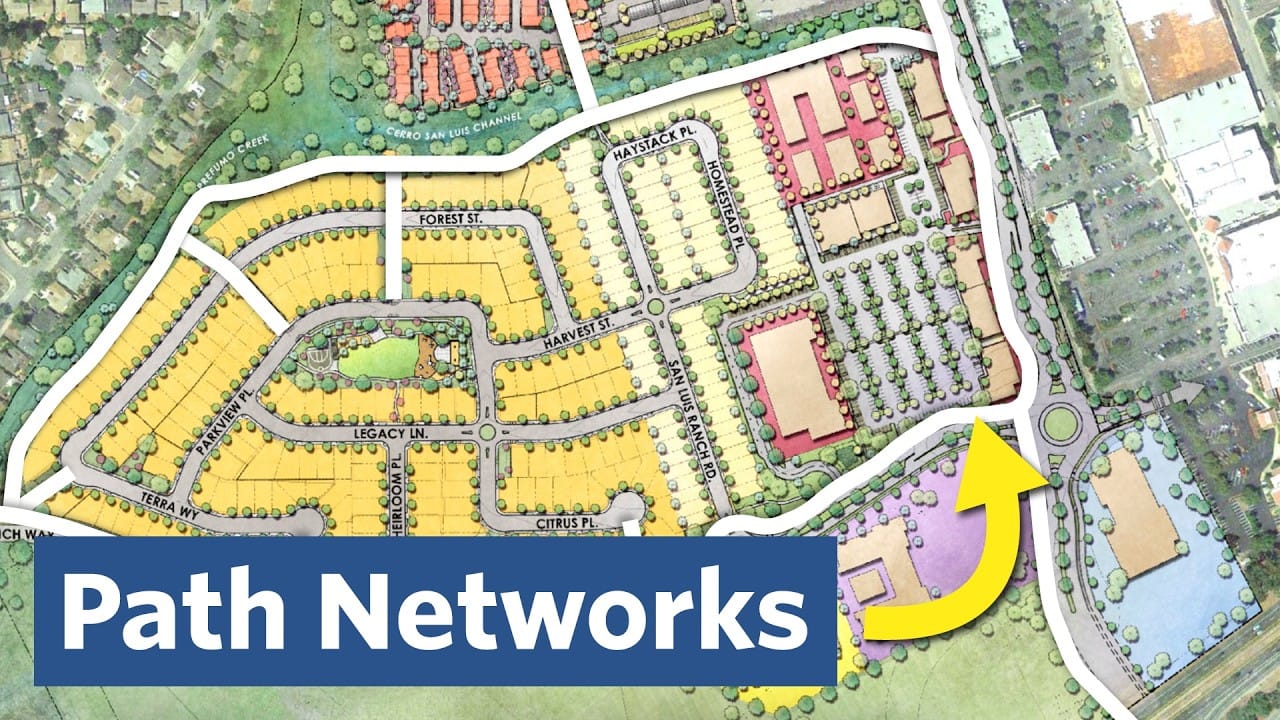
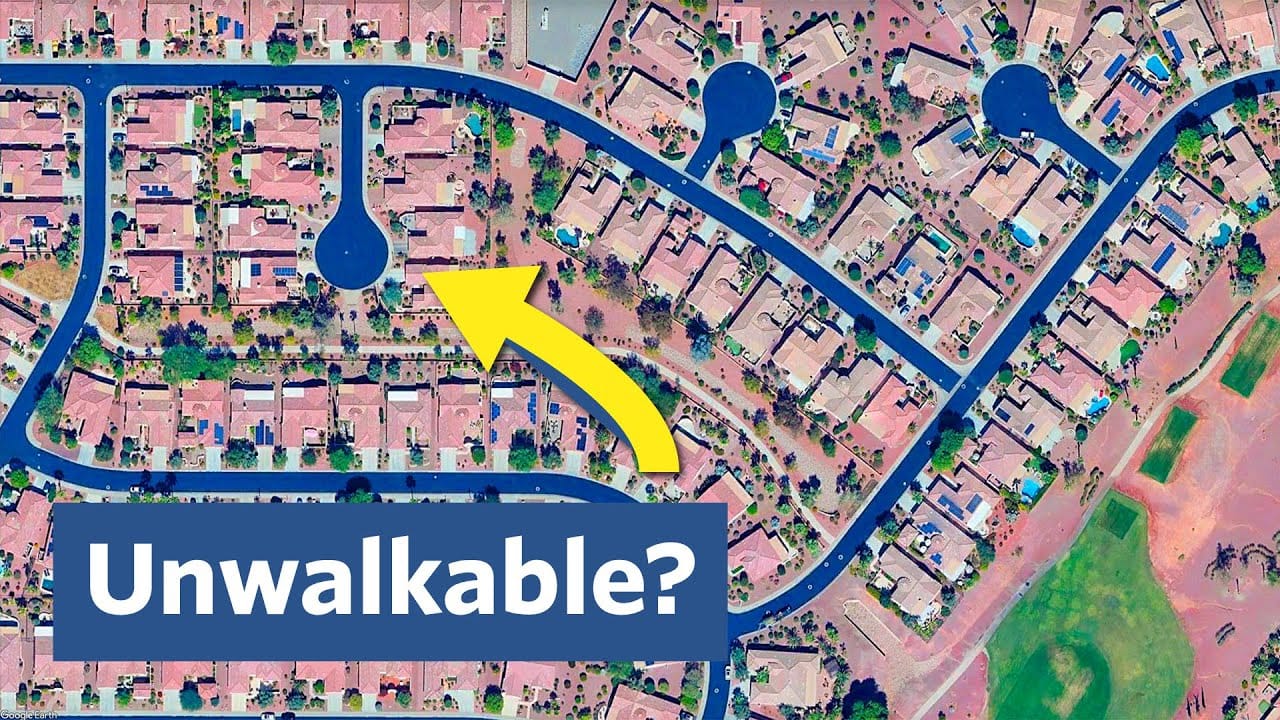
For decades, America’s road networks have become increasingly less gridded and connected, degrading the ability to walk and bike in communities. That’s been the consequence of America’s sprawling suburbs that emphasize the cul-de-sac. Is it still getting worse? Dave Amos of City Beautiful tries to a
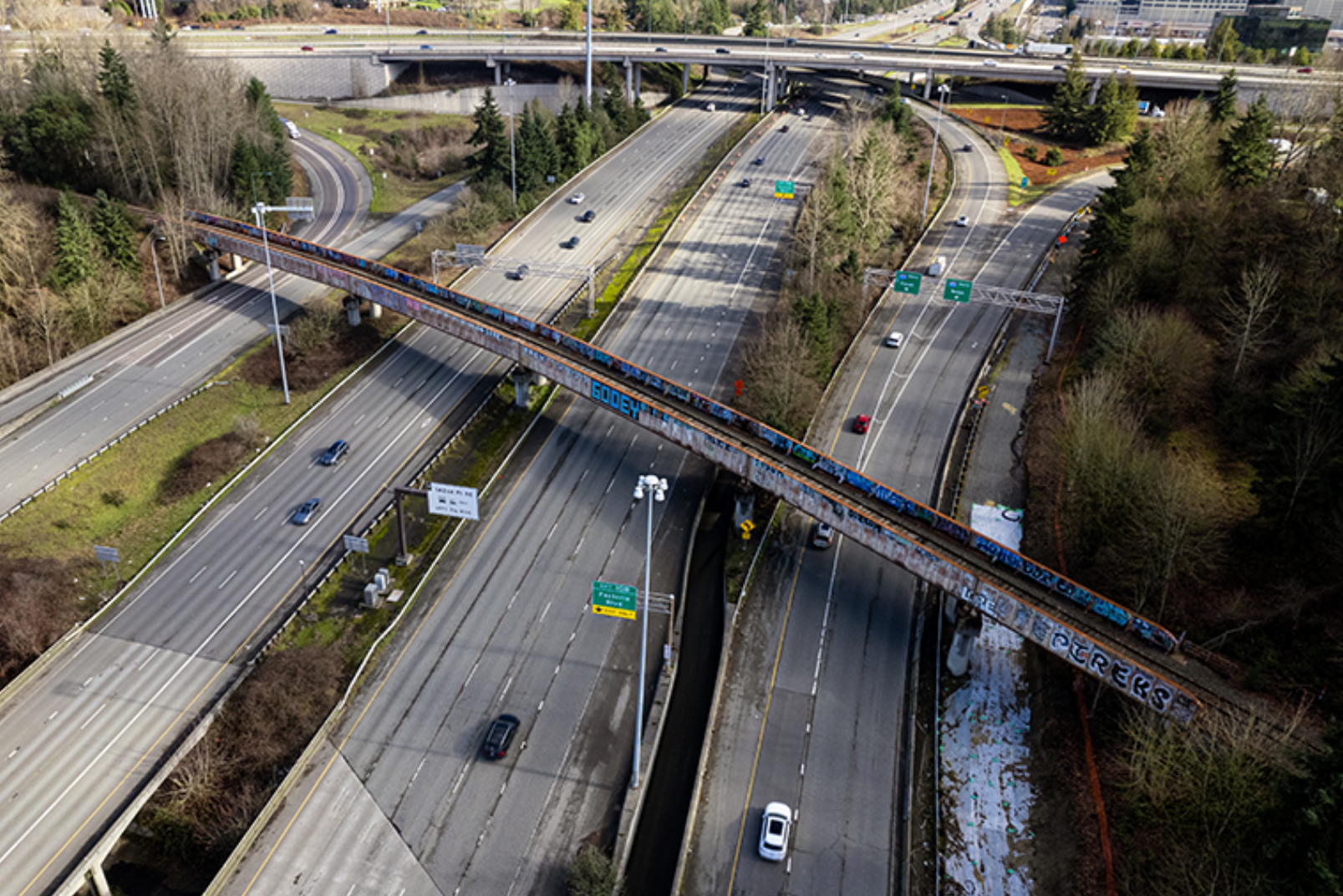
WSDOT is scrapping the planned SR 520 bike and pedestrian tunnel, forcing people who travel outside cars into dangerous territory. It’s not too late to push back and contact policymakers.
Councilmember Tammy Morales offered a new proposal Thursday for a $1.7 billion transportation levy that increases spending across a broad array of programs. None of her colleagues have yet backed the proposal.
Anna Zivarts recently published When Driving Isn’t an Option with Island Press, a book outlining her experience as a low-vision nondriver and shining a light on the frustrating, dangerous, and sometimes deadly situations involuntary nondrivers face every day. This is a letter she wrote in response t
A proposed amendment to the next Seattle transportation levy pushes the city to build 500 blocks of new sidewalks in five years. However, SDOT says that goal likely isn’t achievable without more funding and broader changes.
The feds are awarding $25 million to nearly close the funding gap for a segment of Eastrail over I-90 and $5 million to advance design on the last segment of the trail in Woodinville.
The new bridge linking Wilburton’s light rail station with the neighborhood to the south also includes artwork highlighting the history of Bellevue’s Japanese-American community.
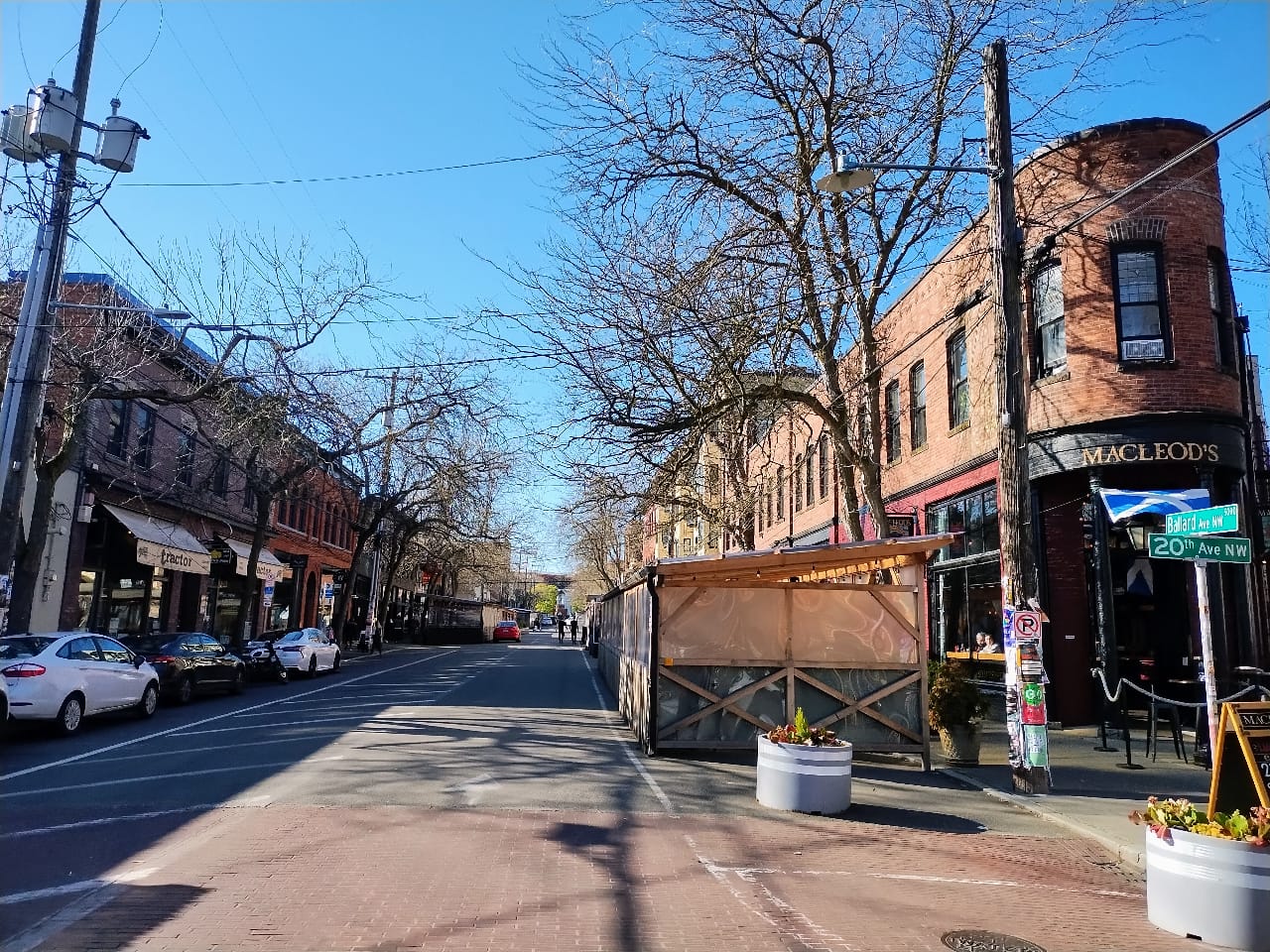
Seattle councilmembers are seeking to amend the $1.55 billion transportation levy proposal in a number of ways, including boosting sidewalk repair funds, closing a few gaps in protected bike routes, and further revamping the Ballard Avenue cafe street. Council will discuss amendments Tuesday in comm
After initially announcing an expanded schedule for Bicycle Weekends, Seattle Parks walked it back. Internal emails reveal why.
SDOT seems to assume Aurora Avenue cannot accommodate pedestrians, bicyclists, transit, cars, and freight simultaneously, but this design proposal that will do just that. In the process, it’d make the deadly corridor much safer for all users.
A planned overhaul of Shoreline’s 175th Street is prompting a call for a reset after complaints over tree removals. City leaders don’t appear ready to back off the planned multimodal improvements.
A new report analyzed traffic safety data, finding that the U.S. recently reached a 40-year high for pedestrian deaths. Pedestrian fatality rates vary widely across the country, with Seattle ranked 64 highest out of 101 metros studied.
King County’s trail network is a great resource for getting around without a car, but outdated rules limiting access are getting overhauled to allow greater use.
Last week, King County celebrated the start of construction on a $37 million project to upgrade Bellevue’s Wilburton Trestle and create one of the most pivotal and scenic spans of the Eastrail. The Eastside walking and biking trail will ultimately stretch 42 miles between Renton and Woodinville.
Melanie LaPlant Dressel Park opened on April 11 as a beautiful park far away from the rest of the city. An elevated, wide ribbon of concrete — the roaring I-705 freeway — separates the park from its users. Tacoma should remove this barrier.
The Seattle Department of Transportation’s project delivery is ramping up in 2024. What does that tell us about where the department is heading under a new levy?
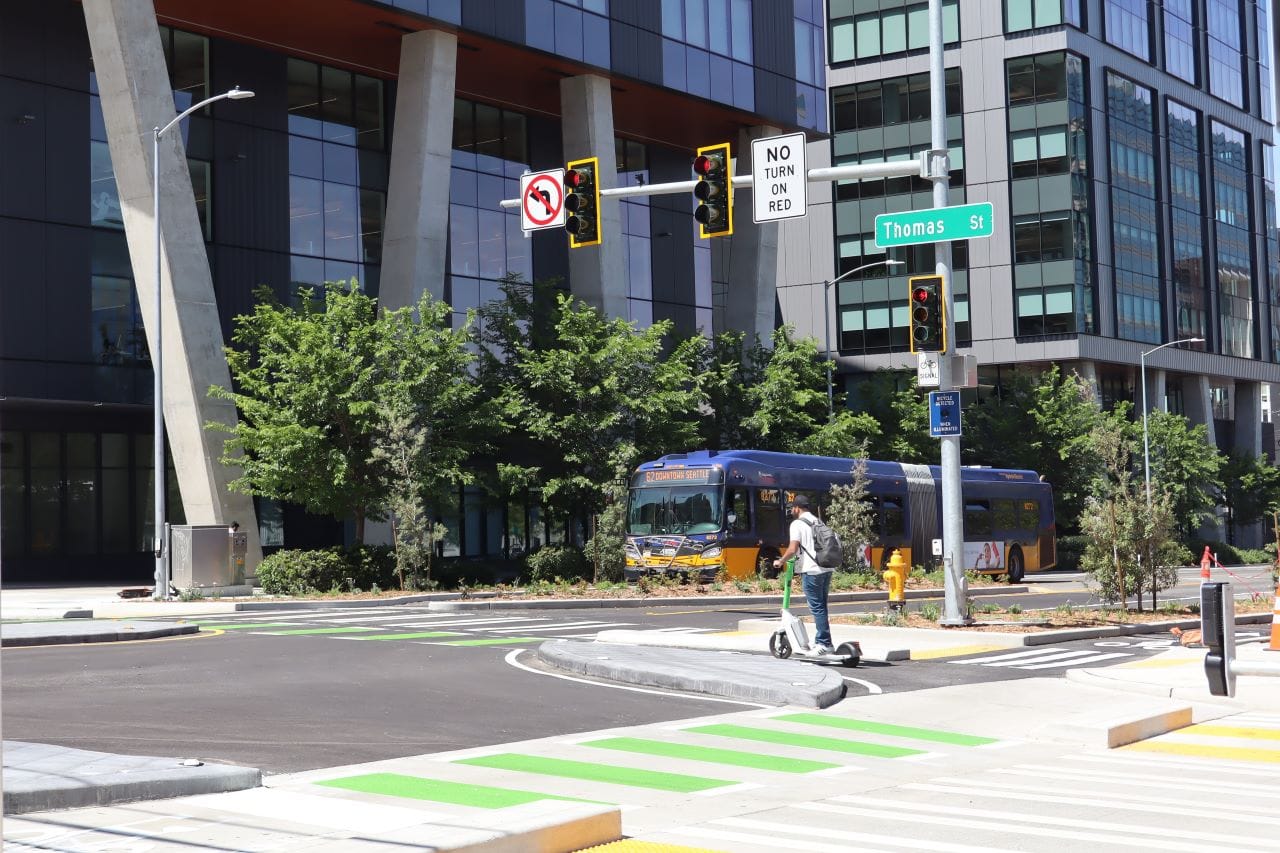
People biking, walking, rolling, and driving through the busy intersection of Dexter Avenue and Thomas Street are now interacting in a new way, with protection that research shows cuts down on the risk of collisions.
State highways like SR 900 in Skyway are missing safe places to bike and walk. A mandate to fix that could be expedited by an ambitious $100 million grant that the state is seeking from the EPA.
A long-planned 10th Avenue underpass intended to enable easier walking and biking trips is set to be dropped from one of the state’s biggest highway megaprojects as a cost-cutting measure.
Seattle Times columnist Danny Westneat put himself on the case of fixing Downtown Seattle’s Third Avenue by axing its bus mall. There’s just one problem: he has absolutely no idea what he is talking about.
Responding to pushback that his $1.35 billion levy proposal was too small and car-focused, Mayor Harrell added another $100 million in pedestrian, bike, and transit investment.
The 10 weekends of Bicycle Weekends for 2024 have been announced, with only 32 hours of opening up the street for walking, biking and rolling each weekend.
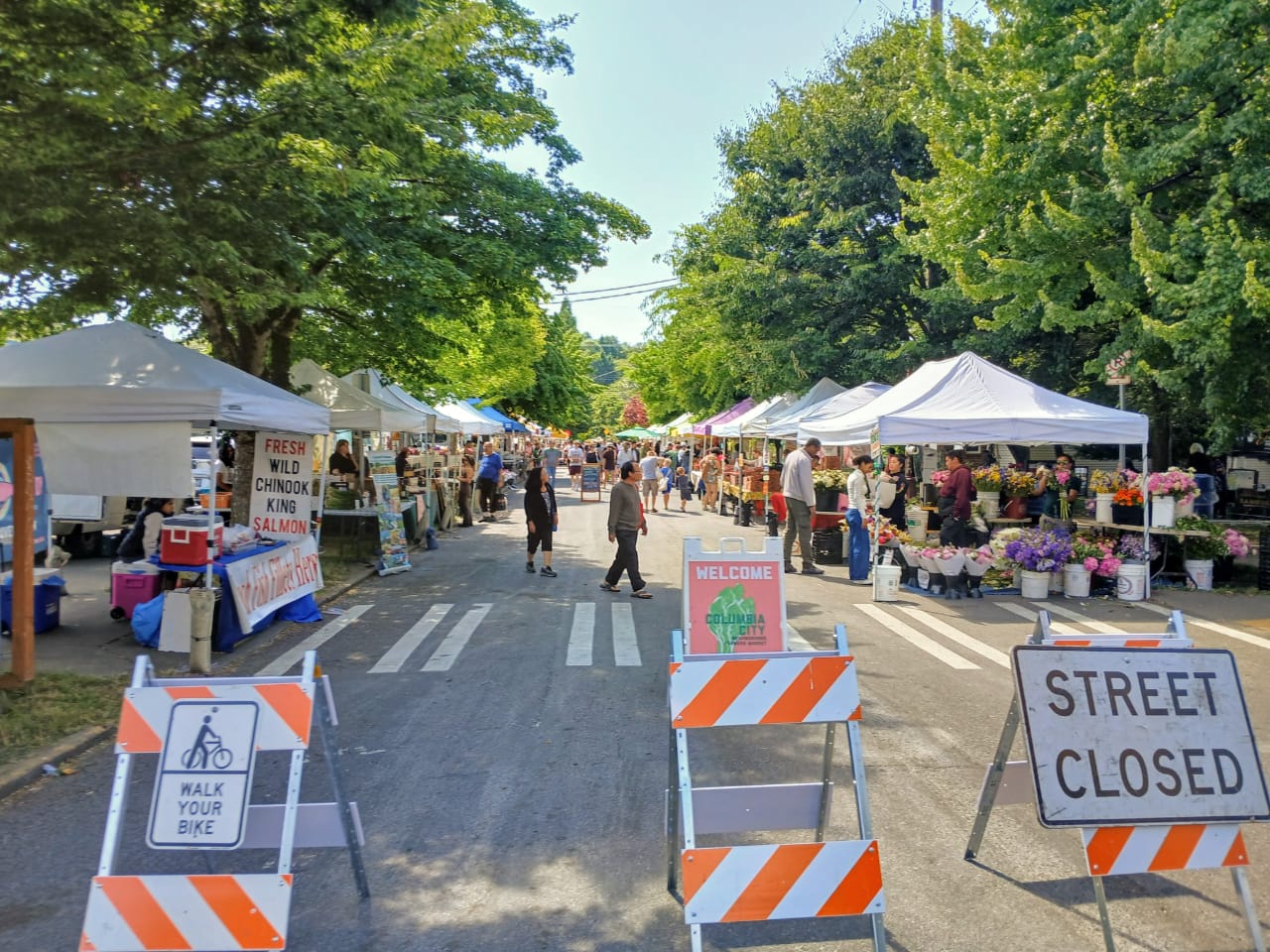
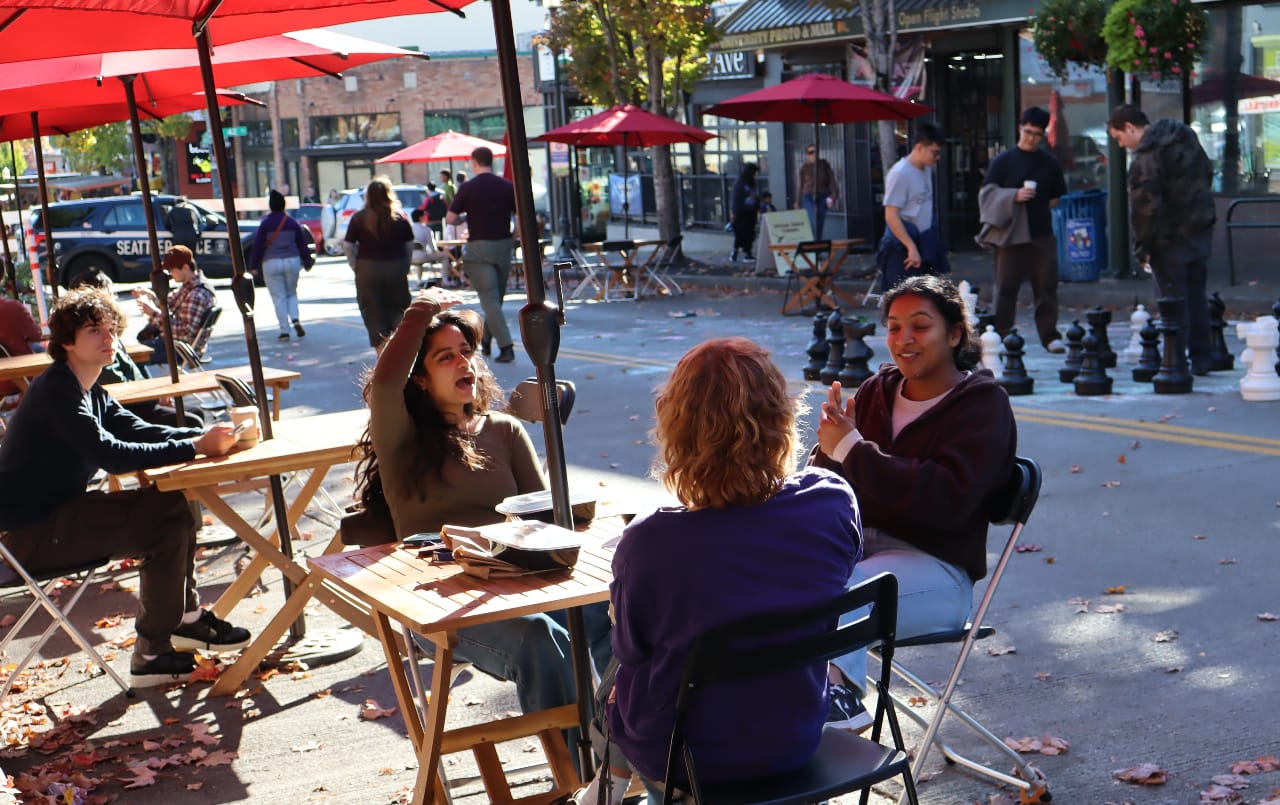
Following the successful implementation of a pandemic-prompted street patio in Columbia City, a group of community members formed Friends of Ferdinand Festival Street and are trying to find a way to make it permanent.
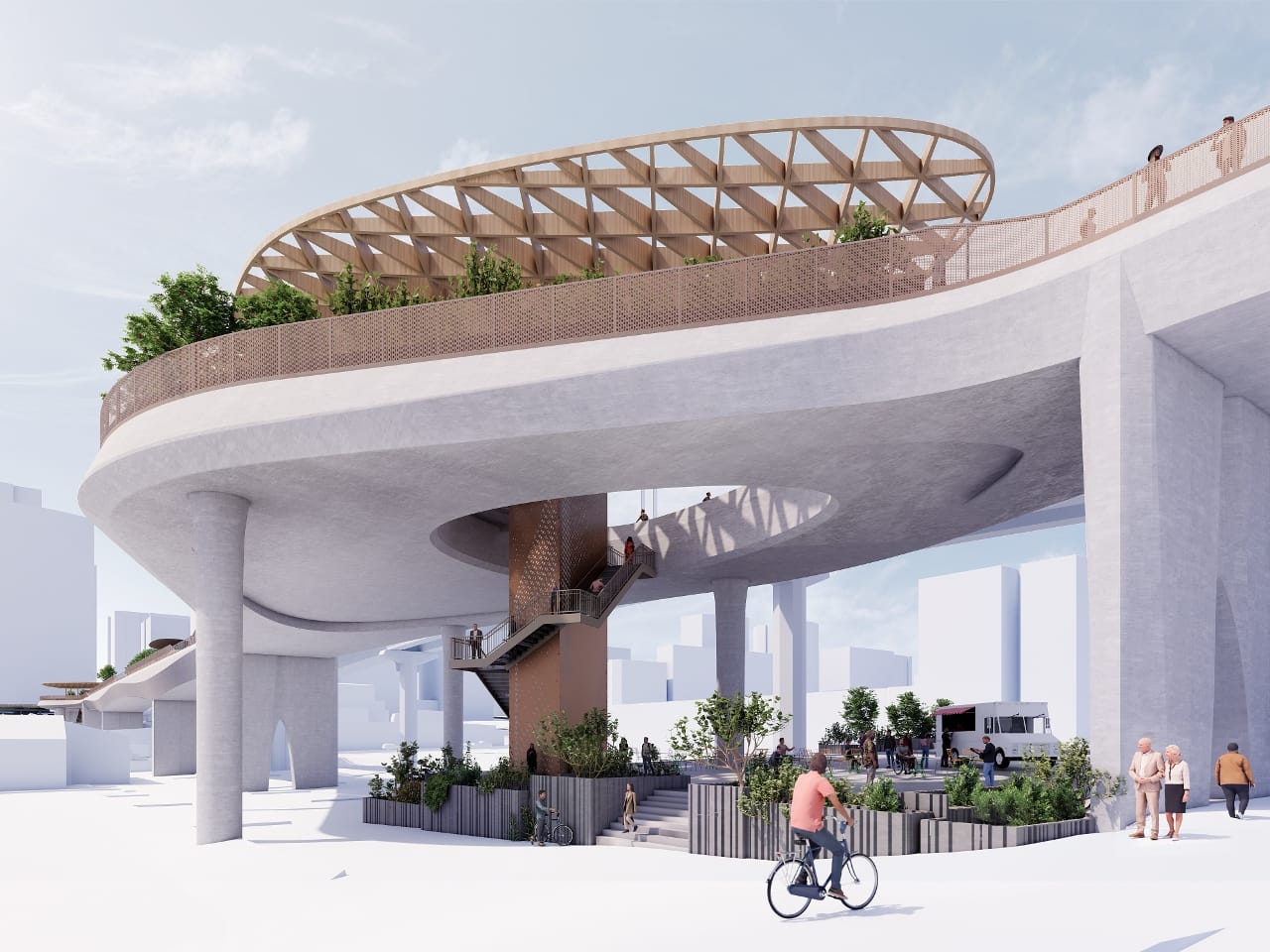
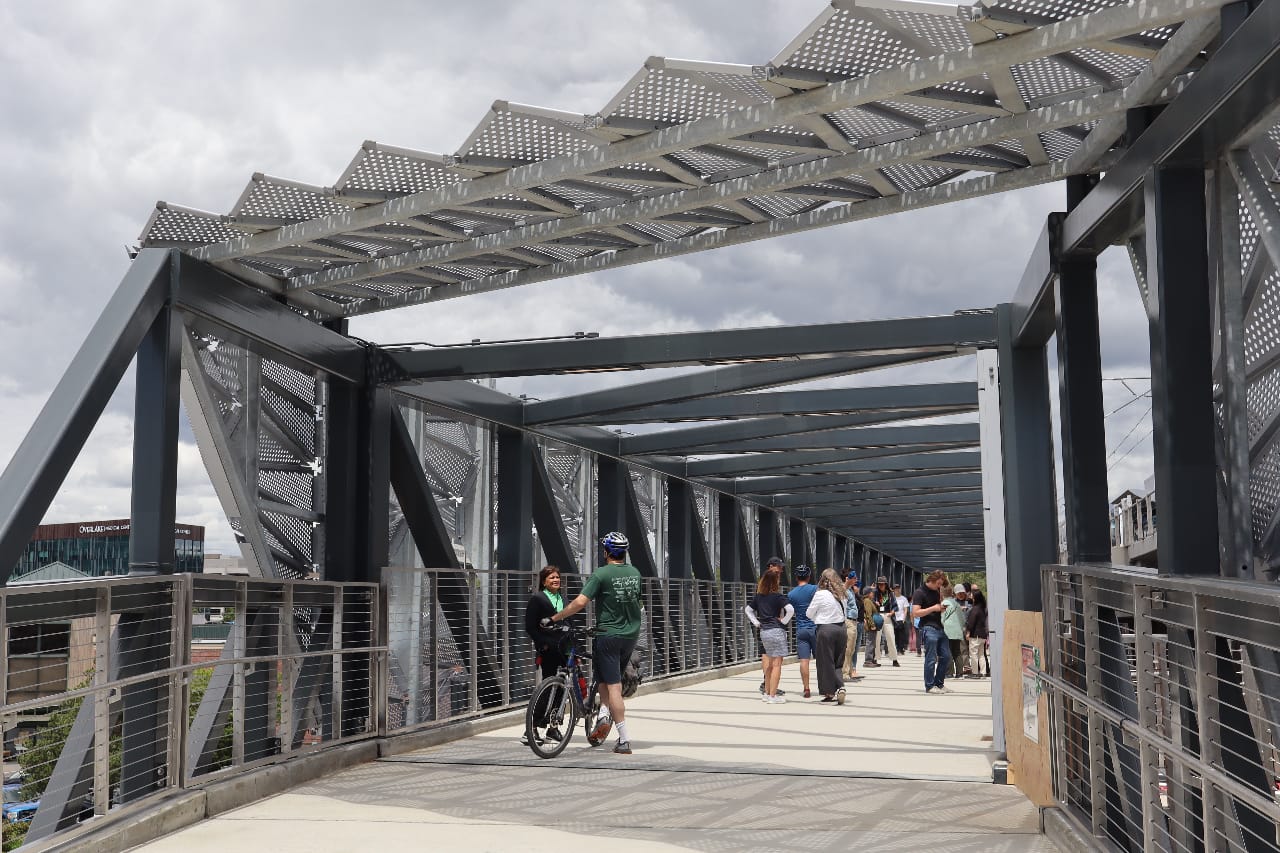
The new Redmond Technology Station pedestrian bridge opened Monday. It will significantly shorten multimodal trips in the Overlake area and provide a direct connection to the SR 520 Trail.
250 blocks of new sidewalks was a big win from the Move Seattle levy. Now it’s seen as the new baseline, with the 27% of missing blocks citywide being put front and center in the levy debate.
The transportation levy proposed this month by the Harrell Administration would overhaul at least 15 corridors around the city. Here’s what’s on the table when it comes to changes on those streets.
A UW student is seeking to spark a community conversation about finally pedestrianizing The Ave after decades of dreaming.
The mayor’s levy proposal is focused on preserving the existing car-focused system rather than promising transformative changes. Advocates asked for at least $1.7 billion focused on pedestrians, bikes, and transit, but didn’t get it.