

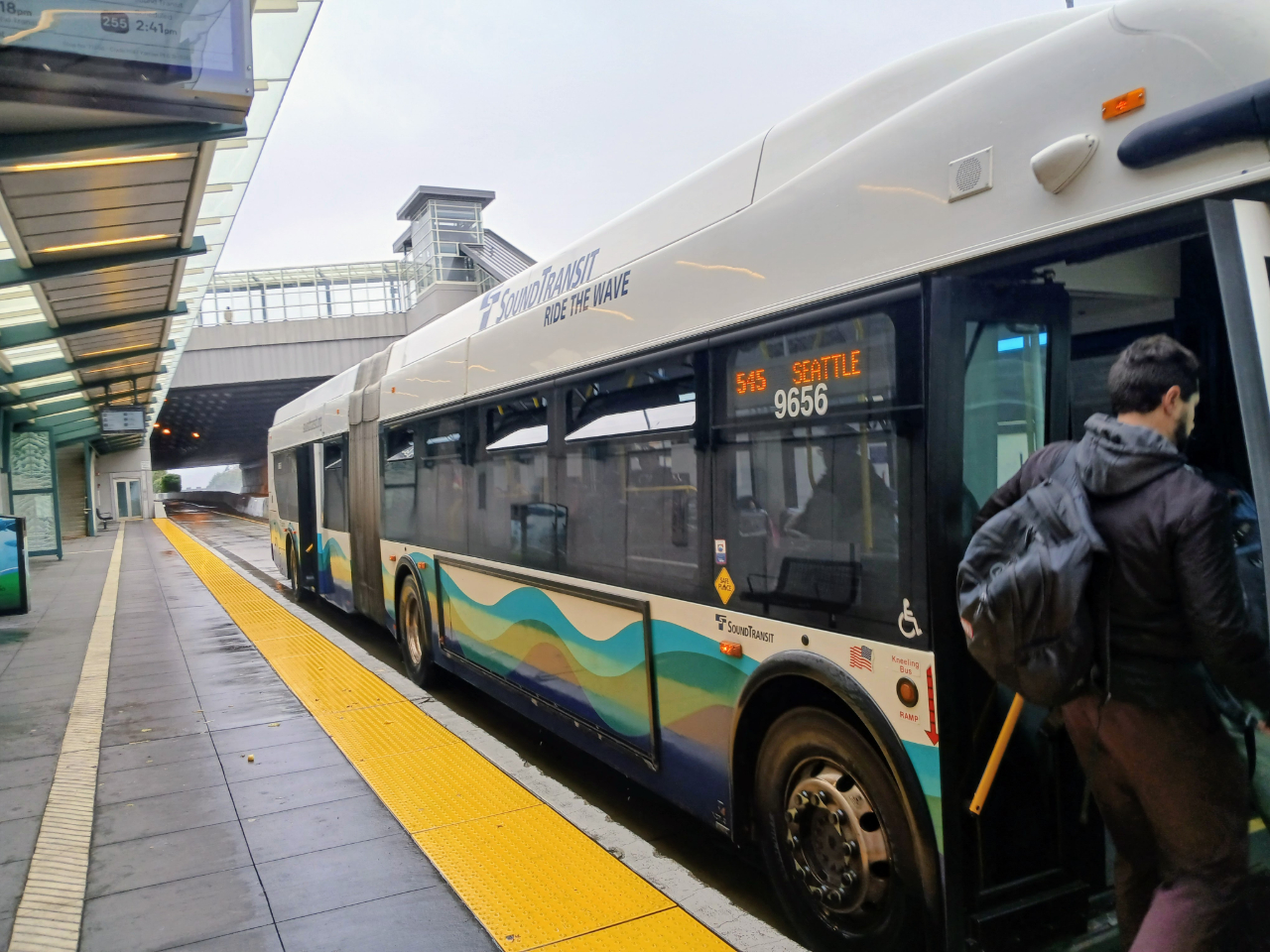
Sound Transit plans to experiment with overnight shadow bus service between Downtown Seattle and SeaTac Airport this spring, CEO Dow Constantine announced Thursday. Launching March 28, the new service will provide approximately 30-minute service between midnight and 4 am seven days per week.
The express bus will provide riders who aren’t able to connect with 1 Line light rail with the option to get to the center city and make additional connections via King County Metro’s Night Owl bus network.
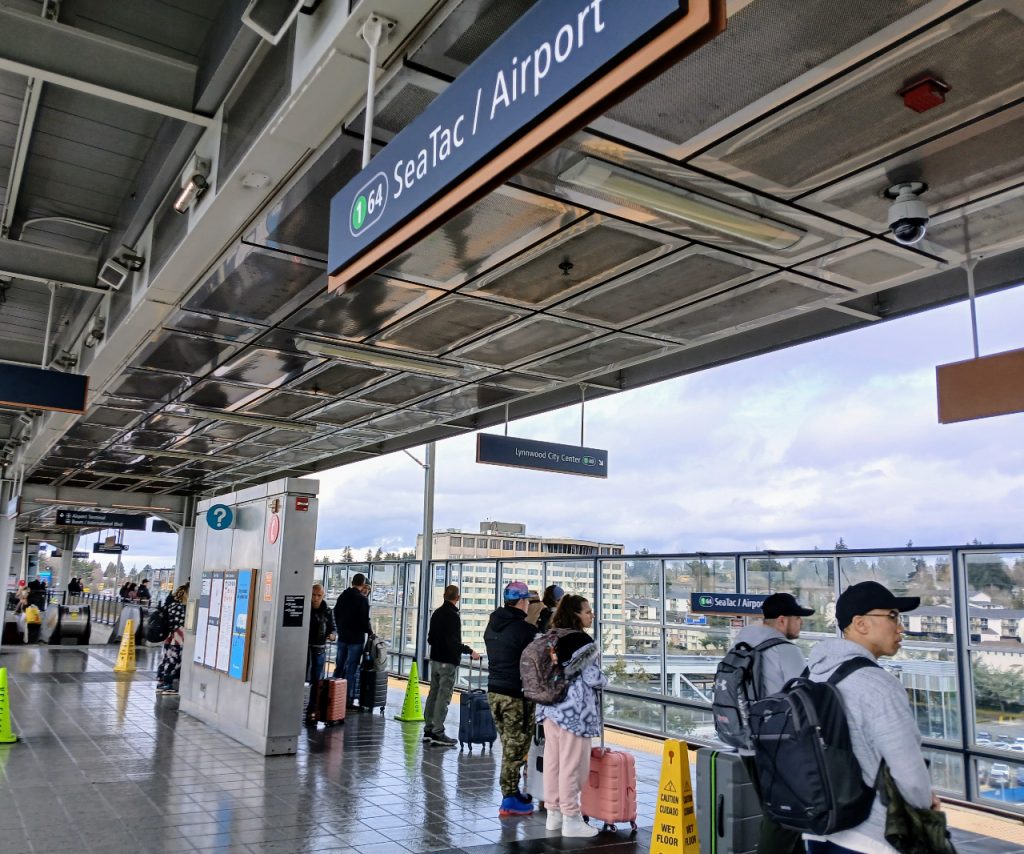
Currently, Seattle-bound riders heading from the airport must catch a 1 Line train by 12:05 am on weekdays and Saturdays and by 11:02 pm Sundays in order to access most stations on the north end of the light rail network, including downtown. Later northbound trains drop riders off as far as Beacon Hill on the way to Sound Transit’s operations and maintenance base in SoDo, but the very last train leaves SeaTac at 12:57 am, 12:12 am on Sundays.
Northbound 1 Line service resumes at 4:51 am from the airport station, except Sunday, when that pushes back to 5:50 am.
While riders have been clamoring for later trains for years, the Sound Transit has regularly pushed back on those requests, asserting a need to maintain an overnight maintenance window for the light rail network. In recent months, the agency has begun implementing early light rail closures to expand that maintenance window on select evenings, a move that it has lauded as providing big benefits to being able to make headway on deferred system work.
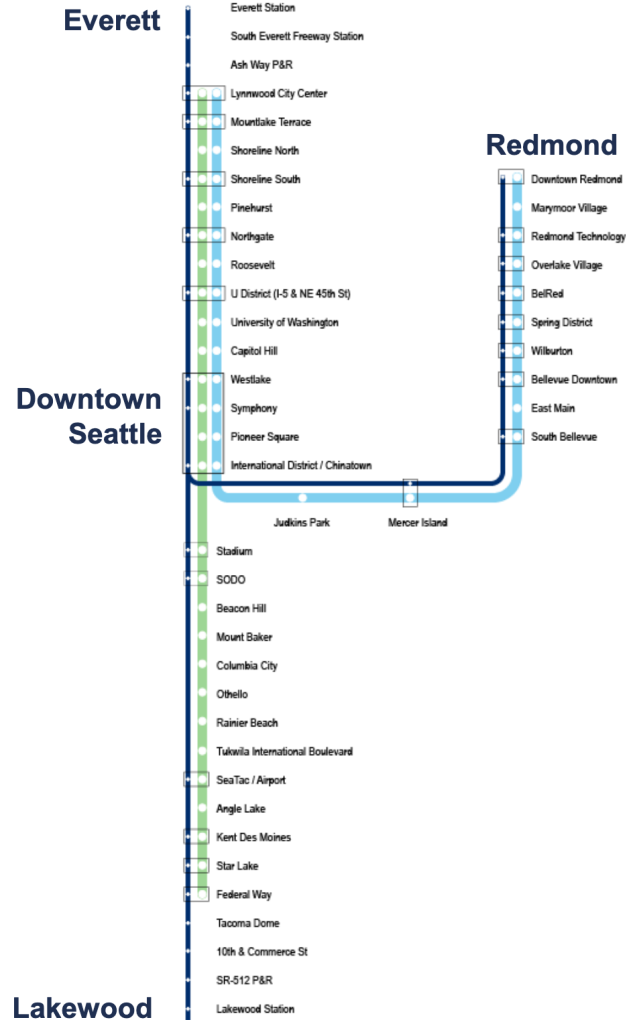
This one-off change would come in advance of the planned roll out of a new overnight service network this fall, set to be implemented along with changes to the broader ST Express bus network that are intended to allow riders to take better advantage of new light rail connections to Federal Way and the Eastside. The overnight network is expected to include three new routes starting in Everett, Redmond, and Lakewood that all terminate in Downtown Seattle. This new pilot would get things started with a short line to both SeaTac and Tukwila International Boulevard Station that will ultimately get extended in the future.
Constantine announced the pilot program at the Sound Transit board’s rider experience and operations committee. A follow-up release from Sound Transit noted that the SeaTac overnight bus will include stops “near SODO, Stadium, International District / Chinatown, Pioneer Square, Symphony, and Westlake,” but that an exact route is still being developed.
“This overnight pilot will ensure 24-hour transit access from Seattle to the airport,” Sound Transit CEO Dow Constantine said in the release. “While our proposed regional overnight bus network is still in development, adding this pilot now provides expanded flexibility for airport passengers and employees as we prepare to welcome the world during the FIFA World Cup.”
With the existing piecemeal overnight bus network really lacking in regionally connectivity, the news of the proposed early-morning bus routes have been greeted enthusiastically by riders since it was announced last year. Initial outreach by Sound Transit showed close to 90% support for more overnight buses, while feedback on some of the other changes proposed to the ST Express network this fall has been more mixed.
Ultimately, being able to fully implement the overnight network is going to depend on Sound Transit’s ability to leverage its partnerships with the three transit agencies who will directly operate the buses: Community Transit, Pierce Transit, and King County Metro. If Sound Transit is able to fully implement the network this fall as intended, the service will likely turn into one of those elements of the regional transit network where it’s hard to imagine what life was like without it.

Ryan Packer has been writing for The Urbanist since 2015, and currently reports full-time as Contributing Editor. Their beats are transportation, land use, public space, traffic safety, and obscure community meetings. Packer has also reported for other regional outlets including BikePortland, Seattle Met, and PubliCola. They live in the Capitol Hill neighborhood of Seattle.