Seattle’s courts face a simple challenge: more cases than available courtroom hours.
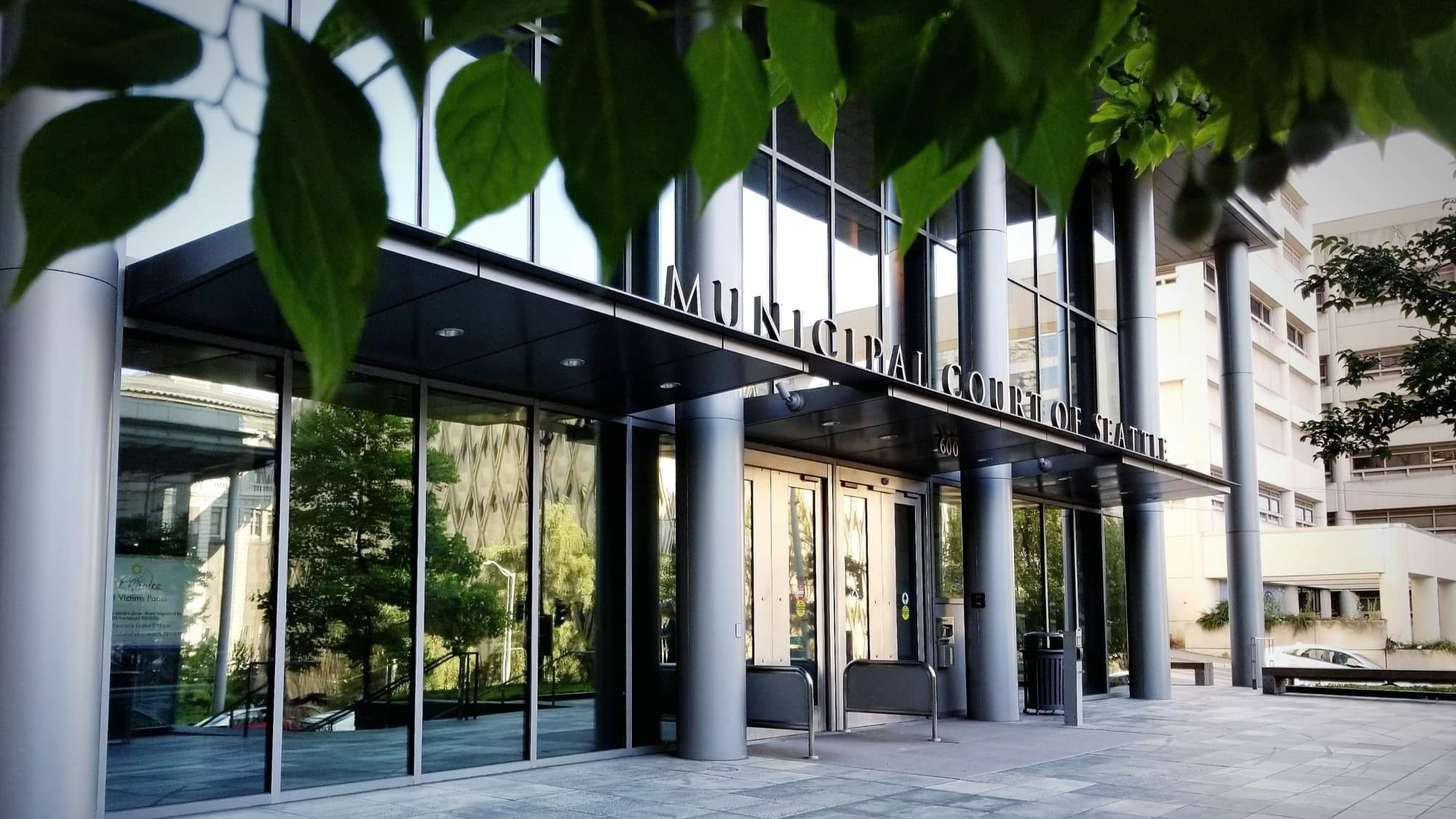
Seattle Municipal Court is the largest court of limited jurisdiction in Washington, handling misdemeanors, gross misdemeanors, traffic offenses, and city-code violations for the state’s largest city. Yet like many urban courts, it must manage significant caseloads within a traditional weekday schedule.
One practical solution, which has been used successfully in other major cities, is night court: evening court sessions that expand the hours when cases can be heard. Implemented thoughtfully, night court could help Seattle move cases more efficiently, improve access to justice, and ensure compliance with Washington’s strict speedy-trial requirements.
The Caseload Challenge
Municipal courts handle a tremendous number of cases. In Seattle, criminal filings alone historically average around 7,500 cases per year, not including the large volume of infractions and specialty-court hearings that also occupy courtroom time.
These numbers matter because criminal cases must move quickly under Washington law. The right to a speedy trial, guaranteed by both the Sixth Amendment and Washington court rules, is enforced through our local “speedy trial” rule, which governs criminal cases in courts of limited jurisdiction.
Under that rule:
- Defendants in custody must be brought to trial within 60 days of arraignment
- Defendants not in custody must be brought to trial within 90 days
If those timelines expire without lawful exclusions, the case must be dismissed with prejudice. For courts and prosecutors managing large dockets, maintaining sufficient courtroom capacity is essential to prevent cases from aging out of the system.
Simply put: justice delayed can become justice denied—not only for victims and defendants, but for the integrity of the legal process itself.
A Proven Model: Manhattan’s Night Court
Seattle would not be the first city to explore expanded court hours. In 1907, New York City introduced one of the nation’s earliest night courts in Manhattan, originally to address a practical issue: individuals arrested after normal business hours were forced to remain in custody overnight simply because courts were closed.
The results were immediate. Within its first year of operation, Manhattan’s night court processed more than 46,000 arraignments, representing roughly a quarter of the borough’s total arraignments at the time.
The Urbanist is a nonprofit newsroom powered by reader support. Become a member, get perks, and support local journalism.
Today, the system remains central to New York City’s criminal courts. In Manhattan, evening arraignment sessions commonly run from roughly 5 p.m. until after midnight, allowing courts to process dozens of cases each night. By distributing proceedings across more hours of the day, the system allows judges to move cases through the earliest stages far more quickly.
In a city where tens of thousands of criminal cases pass through the courts each year, those additional hours make a measurable difference.
Why Night Court Works
Night court improves court operations in several important ways.
First, it expands capacity without building new courtrooms. By adding evening calendars for short proceedings—such as arraignments, review hearings, and negotiated resolutions—courts can free daytime hours for longer hearings and trials.
Second, it improves access to justice. Many people appearing in municipal court work hourly jobs, hold multiple shifts, or lack flexible schedules. When court only operates during standard work hours, appearing in court can mean lost wages or job risk. Evening sessions allow working residents to participate in the justice process without sacrificing their livelihoods.
Third, it moves cases forward earlier. Early appearances—particularly arraignments and compliance hearings—often determine whether cases resolve quickly or linger on crowded dockets. Handling these proceedings sooner can reduce delays throughout the system.
A Practical Step for Seattle
Night court is not a cure-all. Courts still need adequate staffing, resources, and coordination with prosecutors, public defenders, and law enforcement.
But the concept is simple: expand the hours when justice can happen.
More than a century after Manhattan first experimented with evening court sessions, the lesson remains relevant. When caseloads are high and courtroom hours are limited, expanding access to the courts—even by a few hours each evening—can help keep cases moving and ensure the justice system keeps pace with the city it serves.
For Seattle, night court may be a practical way to deliver something the public expects and the law requires: timely justice.
Lindsay Calkins is a candidate for Seattle Municipal Court Judge. The daughter of a U.S. Air Force flight surgeon, she was raised in communities across the country. She graduated with honors from Princeton University and earned her law degree from The University of Chicago Law School, where she was a member of The University of Chicago Law Review. She and her husband, Ryan, are longtime residents of Seattle’s Capitol Hill neighborhood, where they are raising their three children.