With the 2026 legislative session in the rear view and election season fast approaching, we’re pleased to announce The Urbanist Advocacy Agenda that we’ve been working towards during session at the state level, will continue to advance locally with your help, and will be asking prospective candidates about in the endorsement process.
Our advocacy agenda has proven to be successful with some big wins across the board in 2025: Seattle saw its biggest upzone in decades with single family zoning going up to essentially four floors and corner stores (with trees and stacked flats galore); social housing won funding and the Seattle Shield Initiative to make our local tax code more progressive; and we had other big electoral wins from Kirkland to Burien and Tacoma to Bellevue.
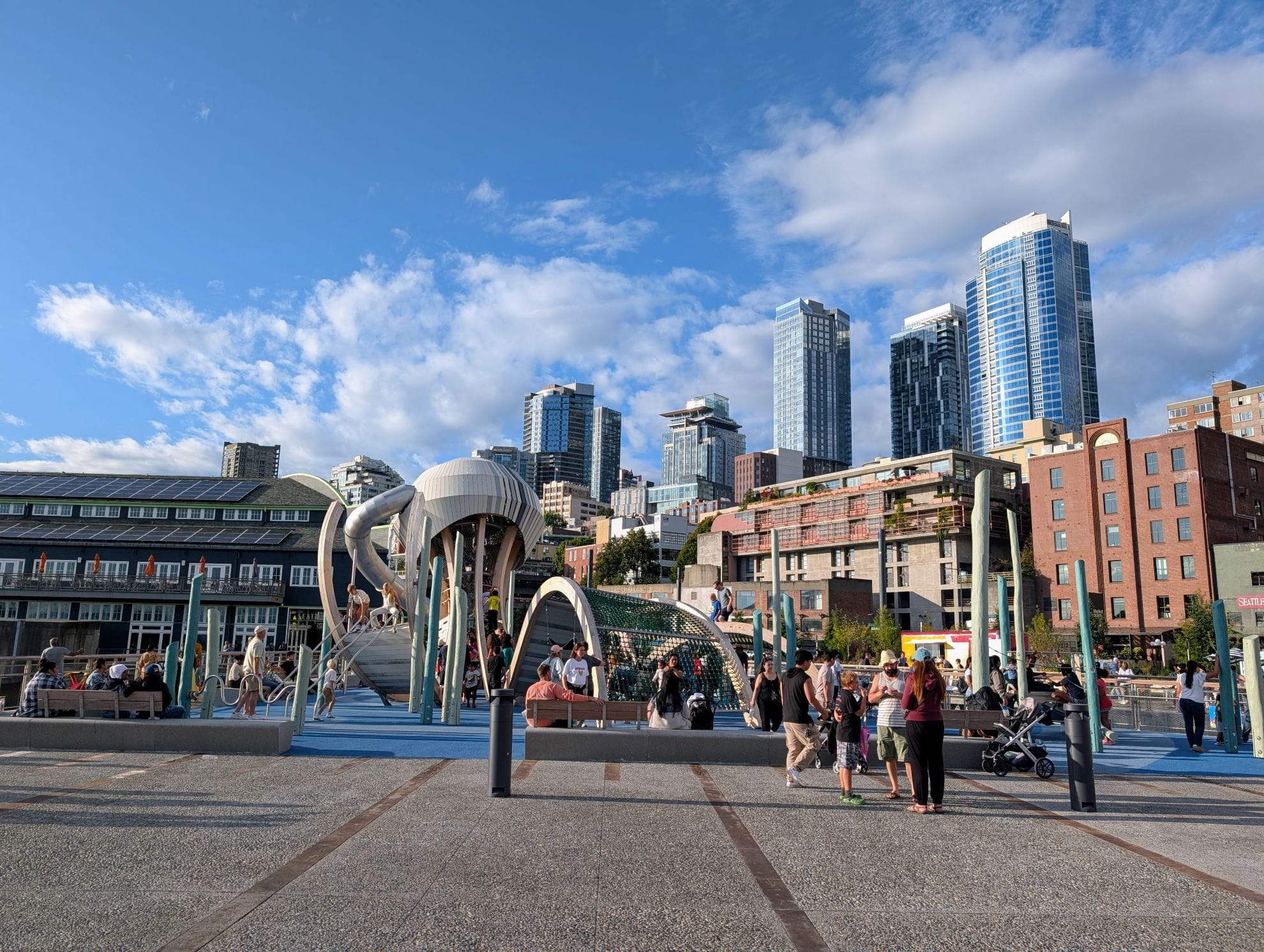
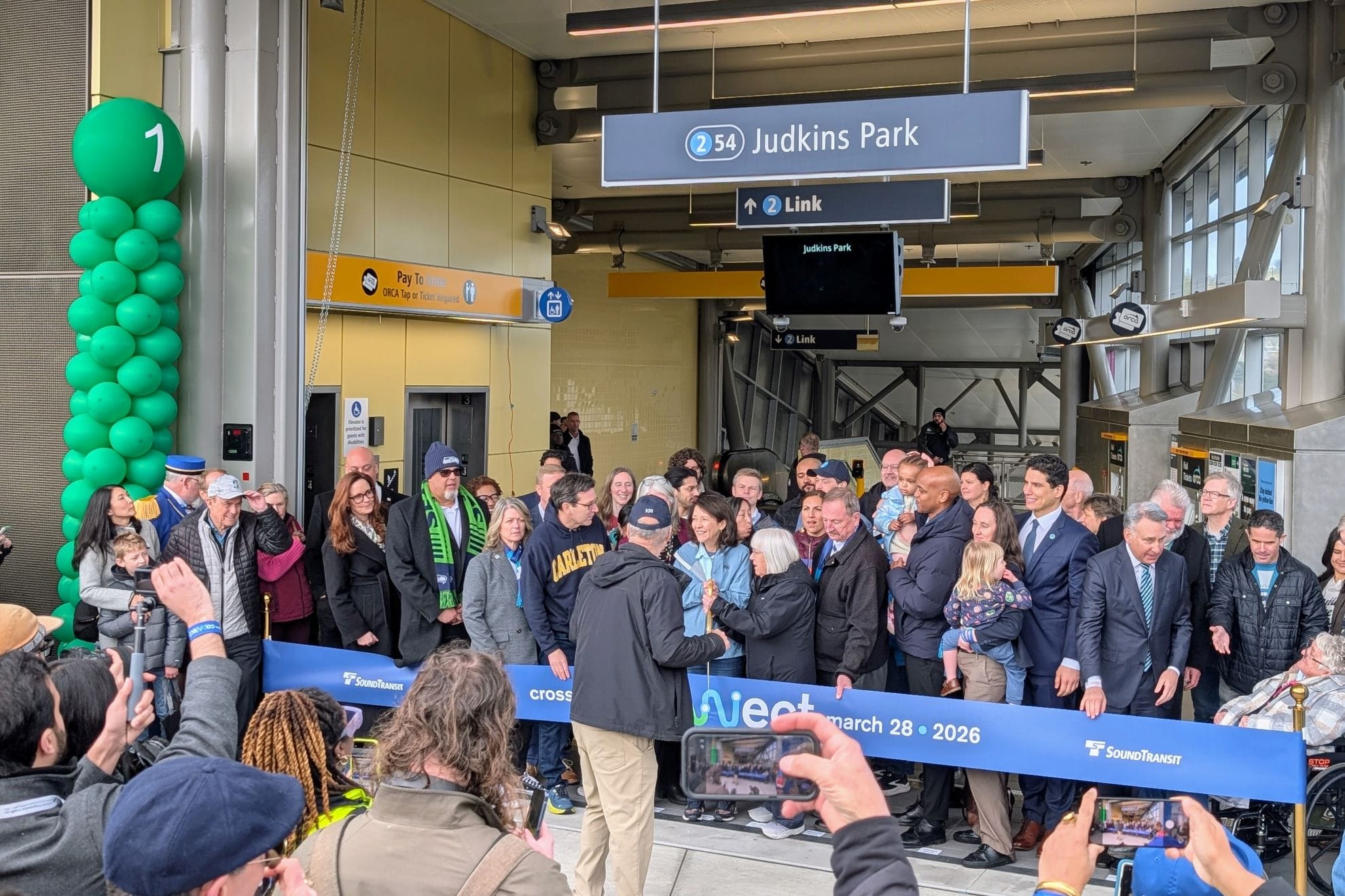
We’ve had huge infrastructure projects cross the finish line with Redmond, Federal Way (and now cross-lake light rail connections) alongside Seattle Waterfront Park openings.
When housing opponents blocked a Plymouth supportive housing project in Kenmore, Redmond expedited permitting and local leaders pushed back to overcome opposition. We’ve seen more connected and protected bike lanes, while Bothell and Bremerton eliminate parking mandates. Statewide transit-oriented development and parking reform bills won big and this year is where we implement them — with your help.
Without further ado, here’s what’s next for 2026, and we can’t wait to keep pushing forward together with you.
Advocacy Agenda - 2026
The Urbanist’s mission is to tell stories that inform and influence the public and their leaders — and win them to our vision of people-centered cities in the Puget Sound region.
Our 2026 Advocacy Agenda extends from our Policy Principles, identifying timely policy initiatives and guiding our year-long advocacy efforts. Through articles, meetings with key decision makers, action alerts, and events, we aim to advance our priorities, support aligned organizations, and hold elected leaders to account. We strive to mobilize support, constructively shape debates, and promote practical solutions to foster abundant housing, sustainable transportation, a just economy, and stable communities for all.
Abundant & Affordable Housing
Housing should be available in such abundance that safe, healthy, high-quality, and stable housing is affordable to everyone. This will require increasing supply, subsidy, and stability — building more homes near jobs, transit, and opportunities; increasing funding for social and affordable housing; and protecting people’s ability to stay in their homes. Land use regulations should allow for substantial growth in existing urban areas, while preventing sprawl and protecting wild and agricultural land. Mixed-use neighborhoods, which allow people to live more of their lives close to home, should be permitted widely.
In 2026, The Urbanist will:
- Advocate for updated zoning regulations to implement transformational Comprehensive Plans that increase housing capacity and decrease development costs across the Puget Sound region.
- Support efforts to increase funding for affordable and social housing at the local, regional, and state level. Protect federal funding for permanent supportive housing and housing vouchers.
- Support well-calibrated inclusionary zoning requirements that create affordable housing while ensuring private development is economically feasible.
- Support the sustainable operations of affordable housing and social housing.
- Support policy efforts to ensure property and liability insurance is widely available and accurately reflects climate risks.
- Oppose the imposition of unnecessary and burdensome fees and regulations on homebuilding.
Sustainable & Safe Transportation
Cities must be designed so that everyone is able to get around safely, quickly, and cheaply without a car. Cities should prioritize investments and street space to meet the needs of people biking, walking, and rolling. Cities should work to end car dependency and reduce pollution and vehicle miles traveled by investing in frequent, reliable, public transit, repurpose land allocated to parking to other uses, and ensure mobility access for people with disabilities.
In 2026, The Urbanist will:
- Advocate for the planning, siting, and expansion of light rail to maximize ridership, rider experience, and opportunities for equitable, community-based development.
- Advocate for the rapid expansion of pedestrianized streets, bus lanes, protected bike lanes, and street trees, including through pilot projects.
- Prioritize safety and health in transportation policies and investments. Mitigate the hazards and health impacts of living near major arterials.
- Support the efficient delivery, adequate maintenance, and effective stewardship of transportation infrastructure.
- Support increased countywide and local transit funding.
- Ensure transit is convenient, safe, and reliable, through rider-centered bus restructures, an operational focus on riders, and evidence-based approaches to ensure safety for all users and workers.
- Support road decongestion pricing, parking charges, and accountability through traffic and parking enforcement.
- Support efforts to eliminate parking mandates at the local level.
- Protect state and federal funding for transit and other multimodal investments.
Just Economy & Stable Communities
People who work in the city should be able to live and thrive in the city. Cities must foster belonging for all people and remove barriers to opportunity wherever possible. Everyone should be and feel safe in the city and enjoy the benefits of urban life. Governments must act boldly to raise progressive revenue to provide universal access to a wide range of public services.
In 2026, The Urbanist will:
- Advocate for expanding holistic, evidence-based approaches to public safety, including unarmed community safety officers, community violence intervention, diversion, mental health treatment, drug treatment, and crisis response facilities.
- Expand progressive revenue sources to increase public services and avoid cuts to the safety net.
- Support urbanism-oriented economic development opportunities, especially for small businesses, arts and culture, and basic needs.
- Preserve and cultivate inclusive and accessible public spaces that support diverse year-round uses.
- Support anti-displacement strategies and investments.
- Oppose infrastructure designed for excessive surveillance, for internment, and for mass deportation.