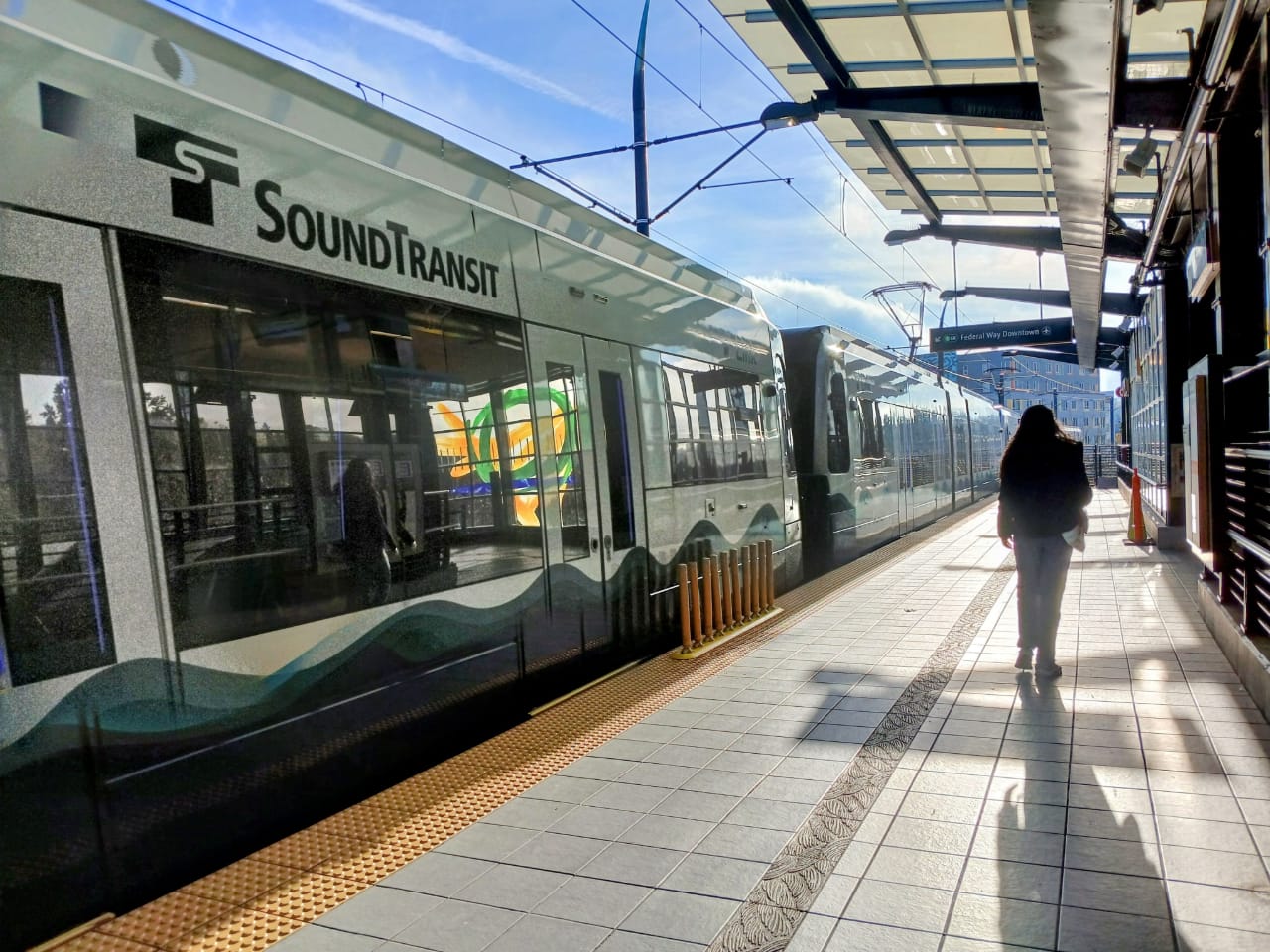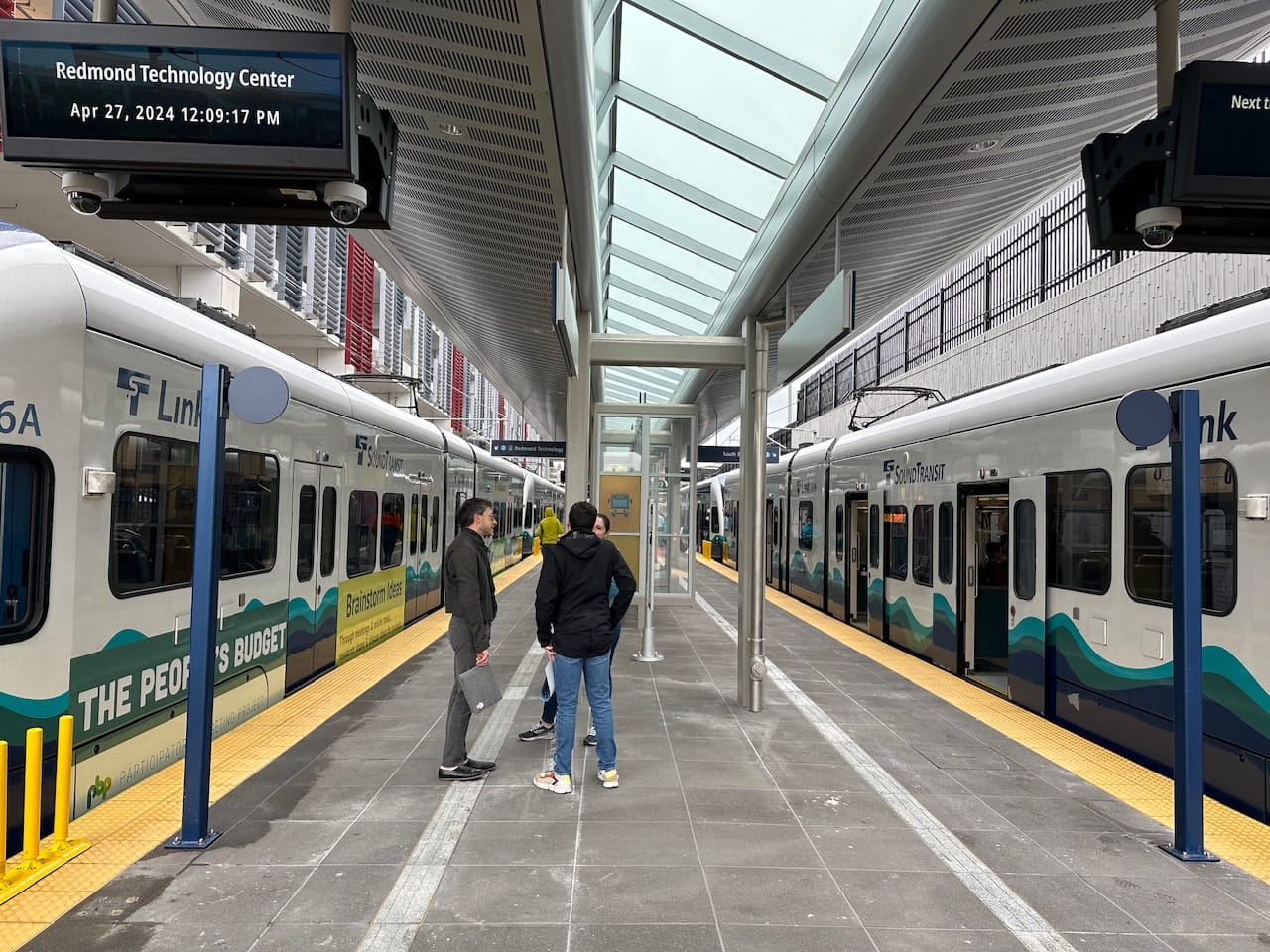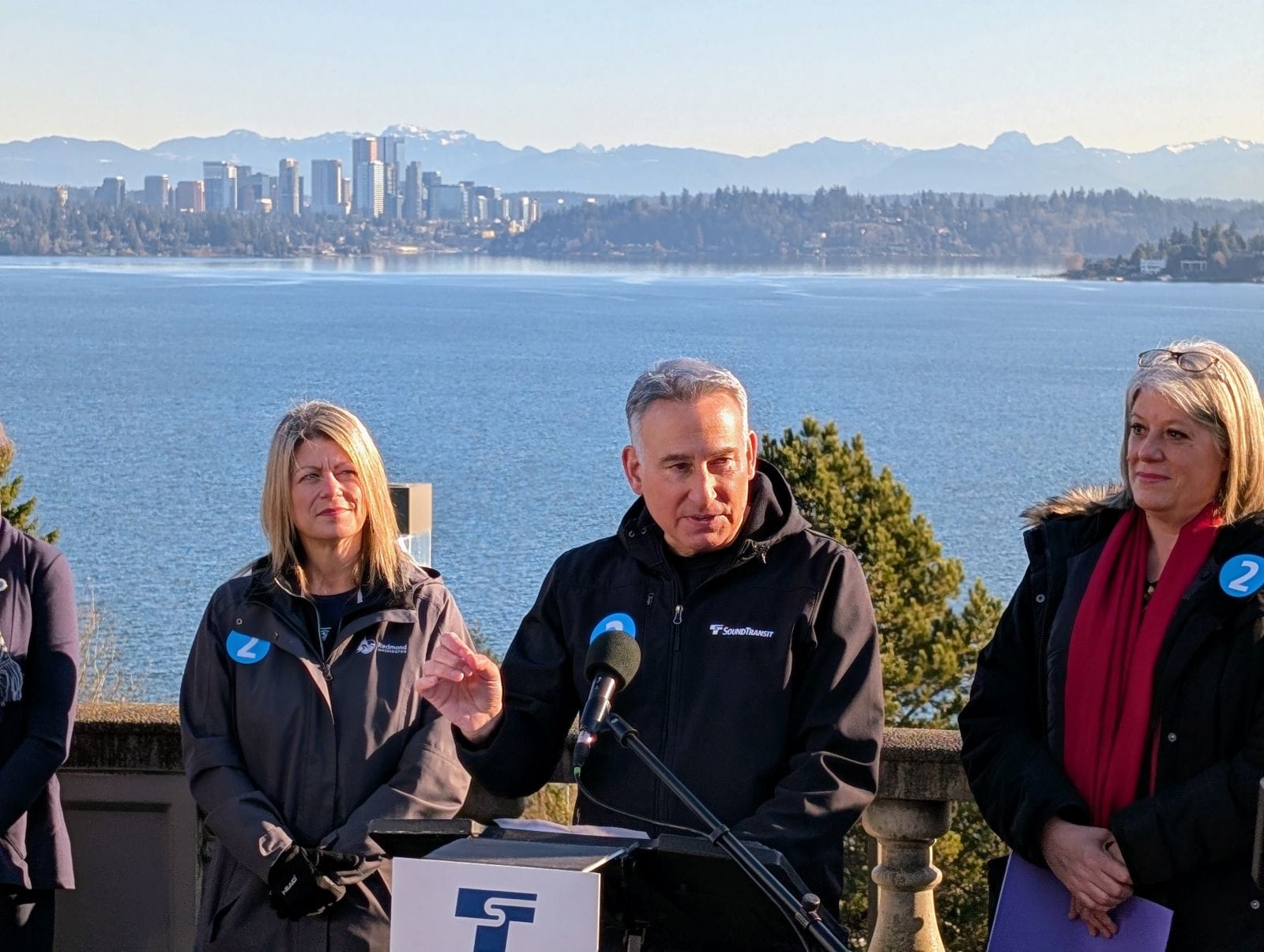
Sound Transit could soon get a big leg up in its ability to permit long-planned light rail projects, if a set of reforms advancing at the Washington State Legislature are able to make it across the finish line in the coming weeks.
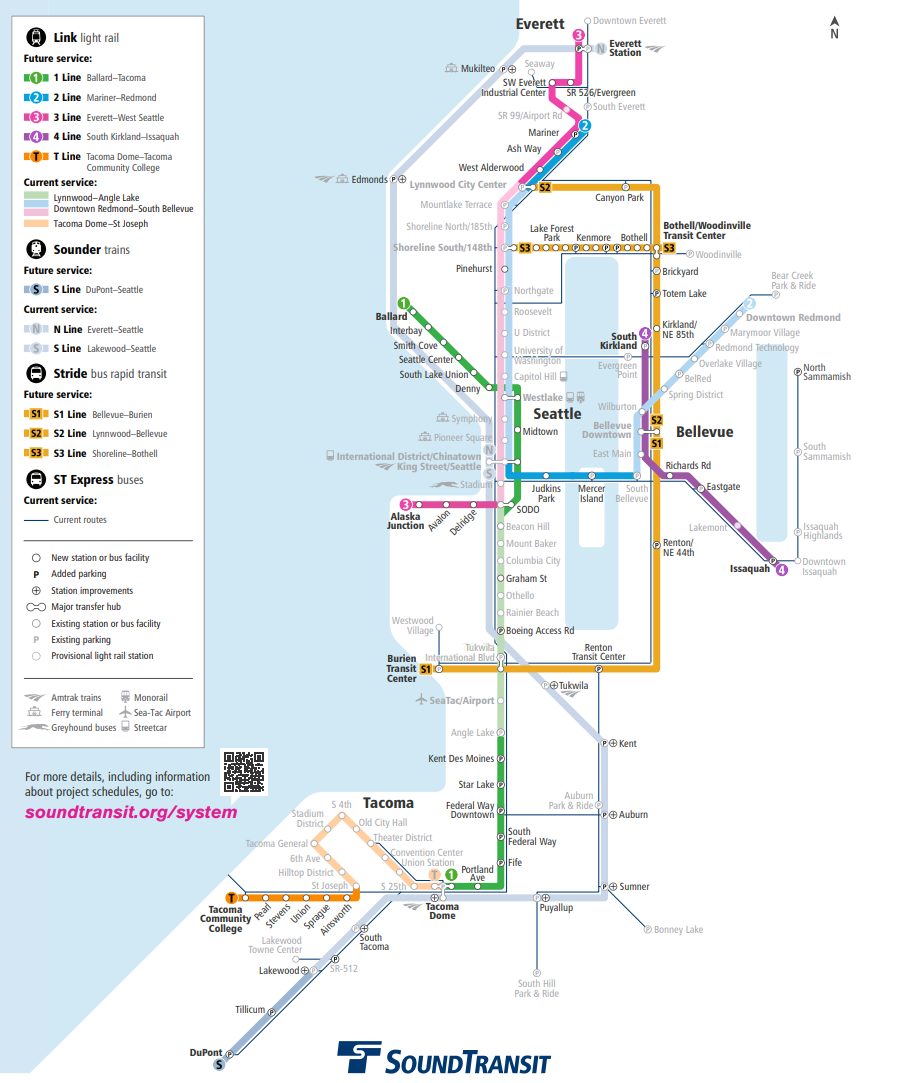
Despite receiving voter approval to build its projects — which are deemed essential public facilities under state law — Sound Transit regularly runs into delays when it comes to local permit approval. Those delays, which have been most acute in cities where local leaders have been either hostile or indifferent to participating in the expansion of the regional transit network, have added years to Sound Transit projects, which in turn translates to wasted dollars as inflation makes projects more expensive. That’s a problem that a pair of bills that advanced this week aim to address.
House Bill 2517, and its companion Senate Bill 6309, wouldn’t completely change the game when it comes to Sound Transit’s need to get local approval to build its projects. But they would remove hurdles that don’t align with Sound Transit’s unique status as an agency working across multiple jurisdictions.
Currently, the agency isn’t allowed to apply for construction or technical permits that impact properties that Sound Transit doesn’t yet control, despite the fact that eminent domain authority means that it’s only a matter of time before those properties get transferred over. Without authority to start submitting permits, Sound Transit can be held up by a small number of property owners pushing back.
The bills also grant Sound Transit the ability to start applying for construction permits before a local government makes an official land use decision — permits that would then be in the queue to be approved when everything is ultimately greenlit. Guardrails added via amendments this week would ensure that property owners are notified when Sound Transit submits a permit related to their property.
“The biggest thrust of this bill is to try to make sure that some of those processes can happen concurrently and not sequentially. When there’s so many boxes that you have to check to get something like this built, it can really drag out the timelines in an extraordinary way if they all have to happen sequentially,” said Representative Joe Fitzgibbon (D-34th, West Seattle), the prime sponsor of the bill’s House version, last month in presenting it to the local government committee. “The goal here is, when we have a tens of billions of dollars, multi-generational investment, let’s be as efficient as possible, and how government lets other governments build infrastructure that we hope will a big difference for the economic connectivity of the Seattle metropolitan area for generations to come.”
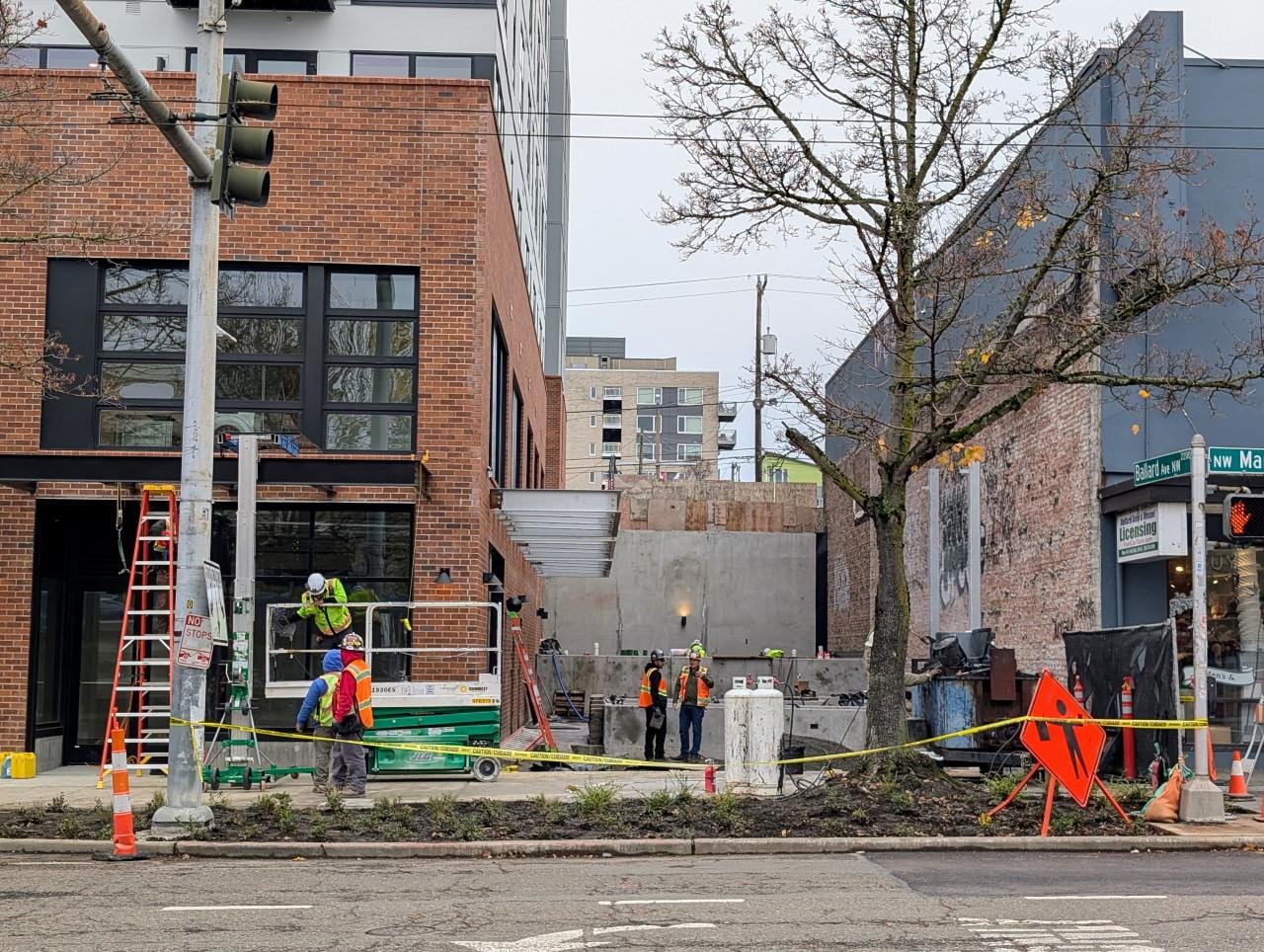
With these updates to state law, Sound Transit would also be able to override local development standards that weren’t built with light rail in mind, including height limits and setback requirements, as long as the agency “complies with those development regulations to the extent practicable.” Those development regulations often create a hodgepodge of bespoke requirements that require significant resources for Sound Transit to navigate. In Seattle, for example, special legislation had to be crafted unifying development standards for light rail in anticipation of the city’s next two projects to Ballard and West Seattle, which collectively will pass through 19 different zones, each with unique standards.
Sound Transit representative Mike Shaw, speaking to the House local government committee last month, estimated that the changes taken as a whole could save the agency up to nine months on some of its projects, a total that would likely translate into tens of millions of dollars saved.
“We’re hoping to save us some money, be a little easier on our partners, and get the service going faster,” Shaw said.
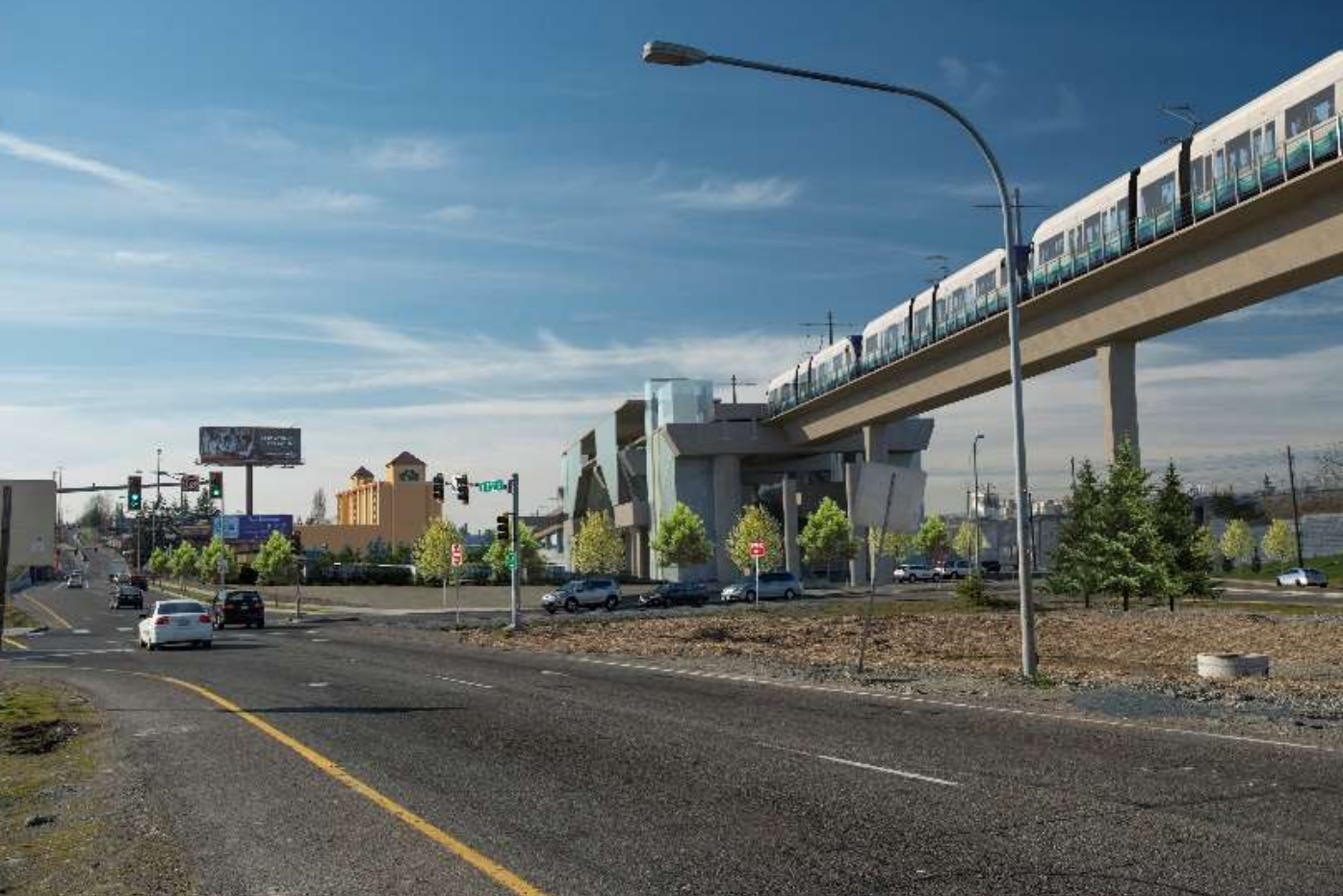
Many Puget Sound transit advocates have urged the legislature to go much further and grant Sound Transit its own permitting authority, a move that would significantly diminish the role local governments play in enabling transit projects.
“Ultimately, local permitting processes do not add much value to Sound Transit projects. More often than not, they simply slow projects down — sometimes to a near-halt — and heap new costs onto Sound Transit,” The Urbanist‘s senior reporter Stephen Fesler wrote in an 2024 op-ed in advocating for bolder permitting reform. “The agency already has comprehensive design and construction standards and voters have repeatedly approved Sound Transit expansion projects, giving their consent to the full scope of the Sound Transit 2 and 3 programs. There’s no reason to keep bogging down agency capital expansion programs.”
But with the work of Sound Transit so bound up with that of local government — all of the members of the Sound Transit board are local elected officials, except for the state transportation secretary — and the revolving door between the state legislature and municipal leadership so active, such a major move remains a pipe dream under today’s political reality.
So far, the votes on these bills have been closely divided along party lines, with any direct animus for Sound Transit from Republican lawmakers being couched behind concerns over impacting private property rights. “I do believe the private property owner is still the one left holding the bag here,” Rep. Dan Griffey (R-35th, Allyn). “I get what Sound Transit’s trying to do and why they want to do it. My problem is, I don’t think there’s enough protection for the private property ownership rights. I think they’re going to get railroaded in this.”
Far from a sea change, these reforms likely represent the lowest-hanging fruit when it comes to getting Sound Transit out of the permitting fray — with the question of how much money could have been saved if these reforms were enacted sooner lingering in the air.
“With increasing growth in Puget Sound and strong ridership recovery since the pandemic, we must deliver transit expansion as fast as possible. The people are asking for it. Sound Transit’s role in providing additional transportation options in our region is a vital element to addressing our gridlock and our system resilience,” Tacoma Councilmember and Sound Transit board member Kristina Walker told the Senate’s local government committee in supporting the proposal. “Senate Bill 6309 is a tremendous step in the right direction towards efficiently delivering regional transportation, specifically transit investments, ensuring our communities have access to jobs, schools and services they deserve.”
These bills aren’t the only pieces of legislation that Sound Transit is banking on this session to help the agency advance its portfolio of projects. SB 6148 would let Sound Transit issue bonds that are much longer than the ones it has relied on in the past, with terms as long as 75 years. That idea is getting mixed reception among transit advocates, wary of adding on the cost of additional debt service to the agency’s financial plan — dollars that will ultimately be paid back by future generations.