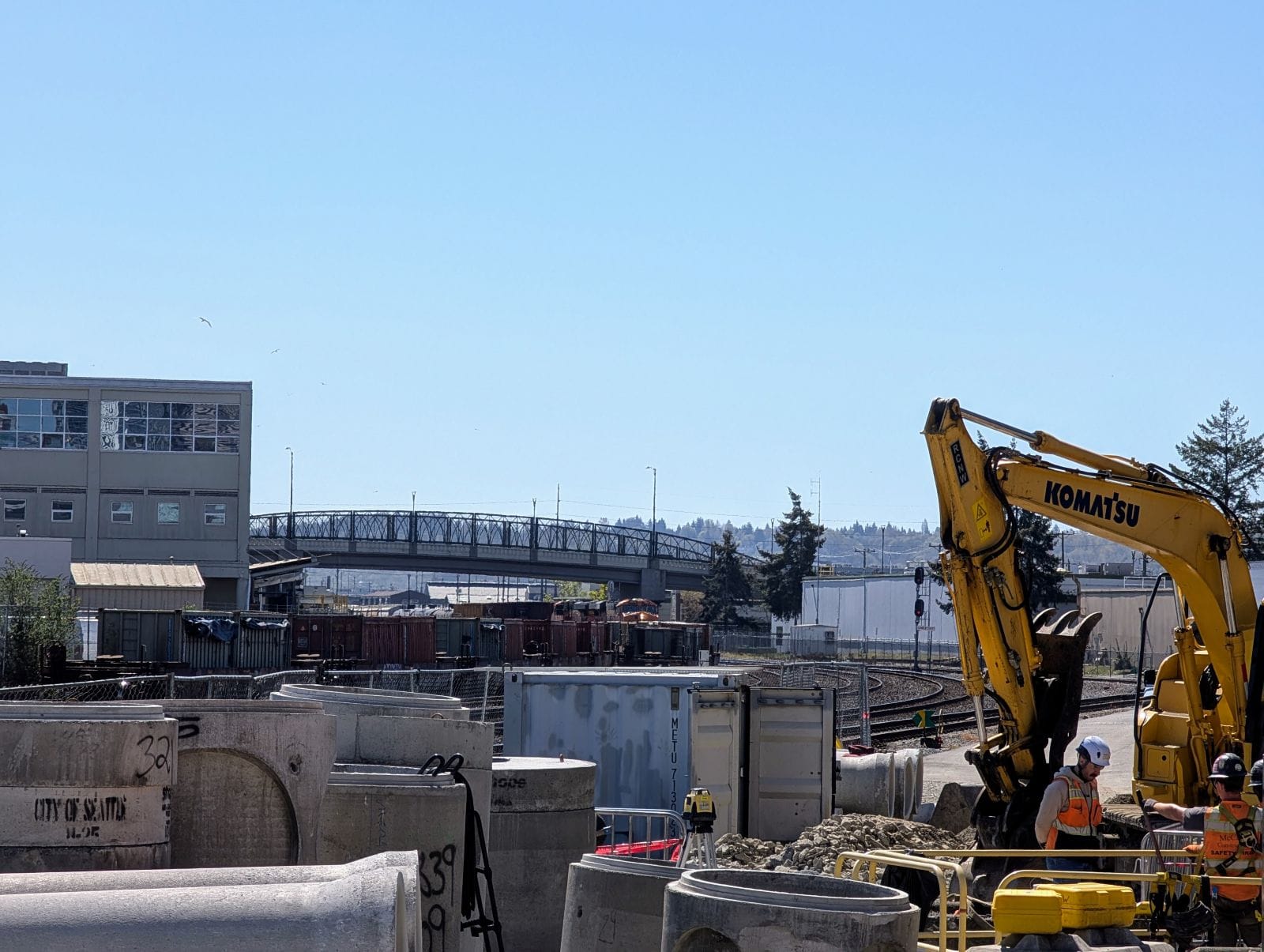
Amtrak's $300 million expansion of its Seattle trainyard is on budget and on track to hit its targeted 2027 opening, the agency announced this week. In celebration of hitting the 50% construction completion mark, Amtrak welcomed local media for a tour of the SoDo facility, which will host its fleet of next-generation Airo trainsets.
Some top brass flew in for the event, including Amtrak executive vice president for capital delivery Laura Mason, communications director Kyle Anderson, and senior program director Teffin George.
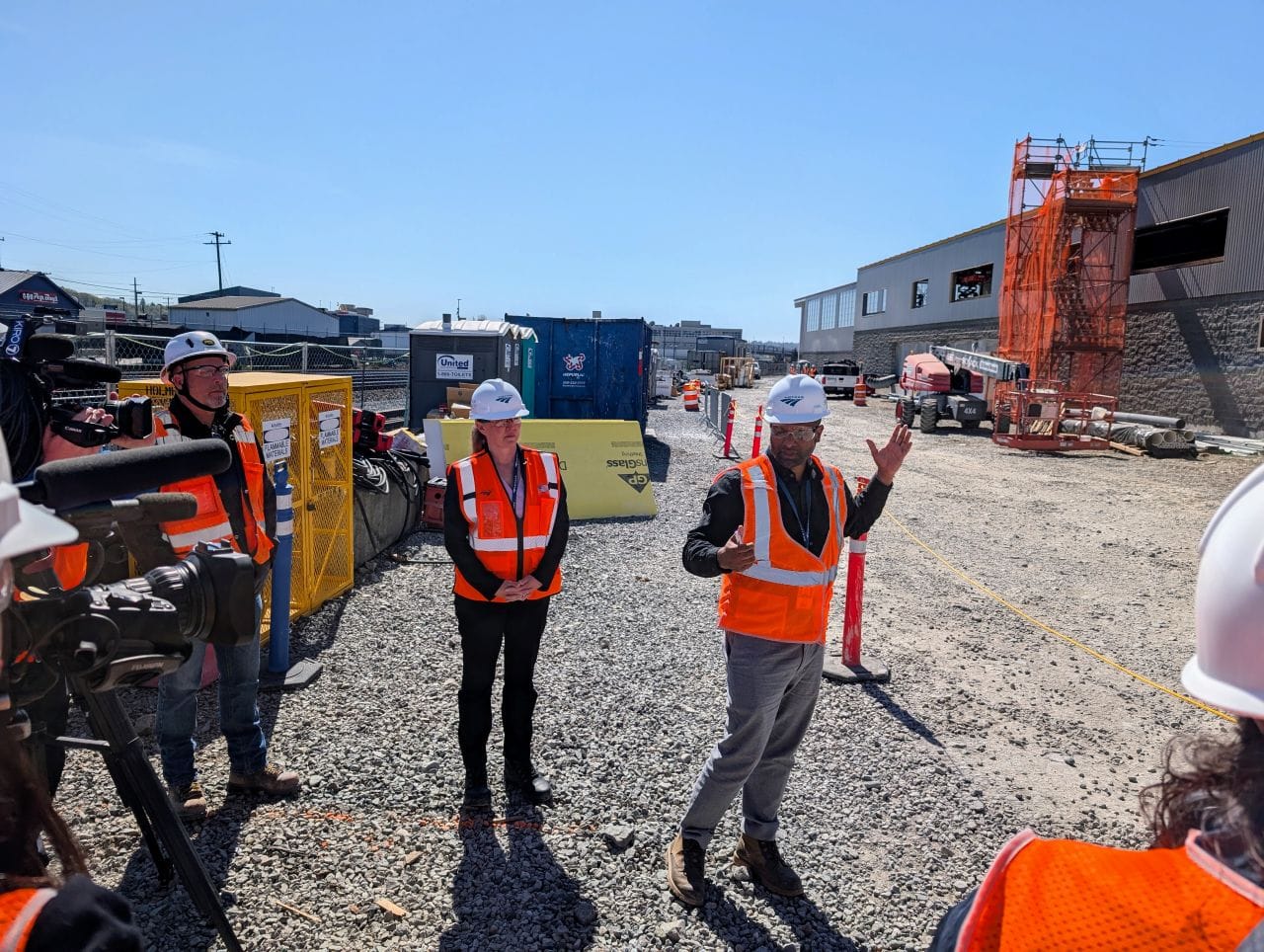
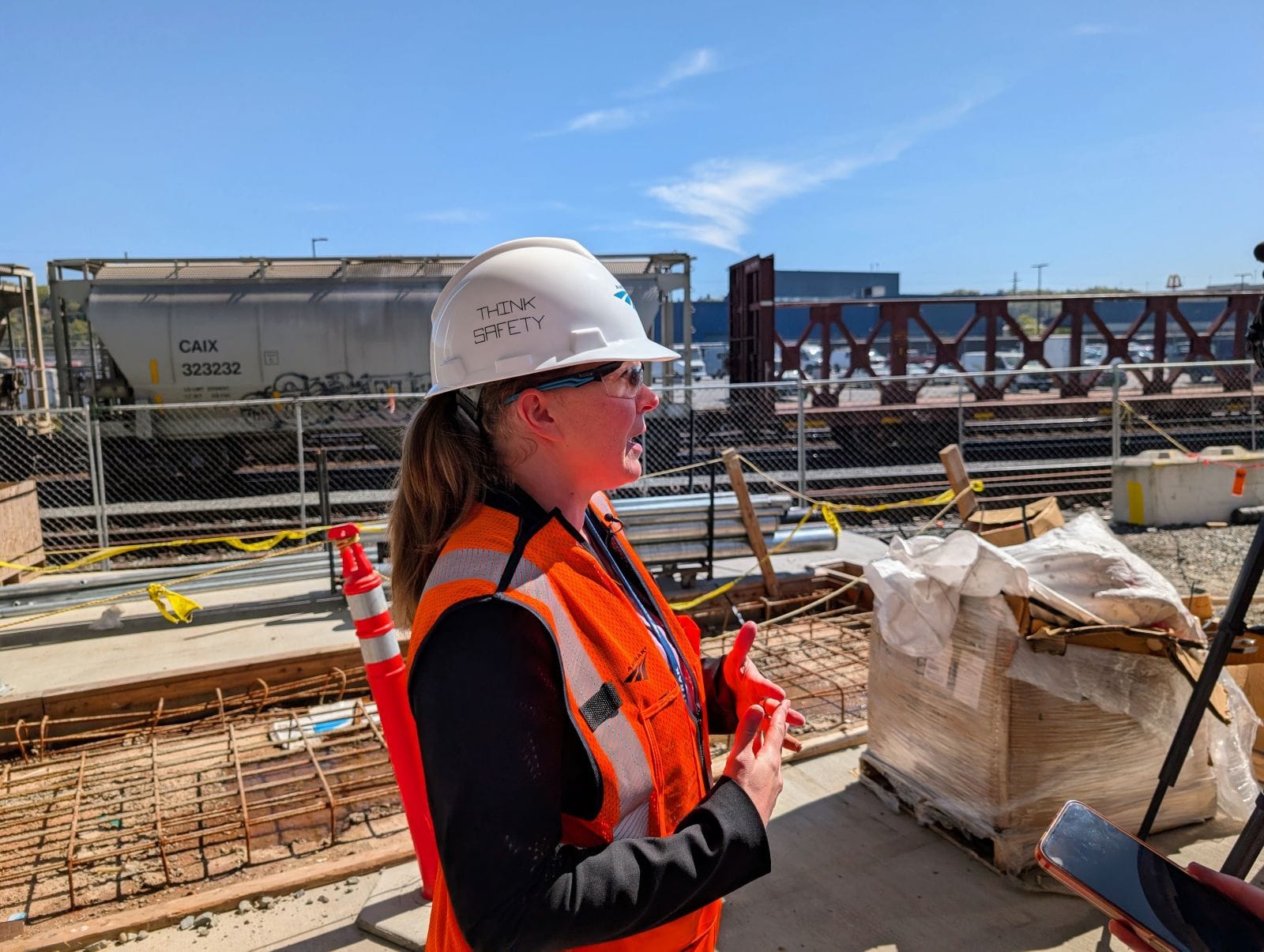
"With this new modern technology on the [train] car side, we need more modern maintenance facilities," Mason said. "Facilities actually designed to maintain this fleet, to do so in a way that allows us to turn trips quickly, have more uptime, keep this equipment in service longer, faster, and really just transform how we experience passenger rail."
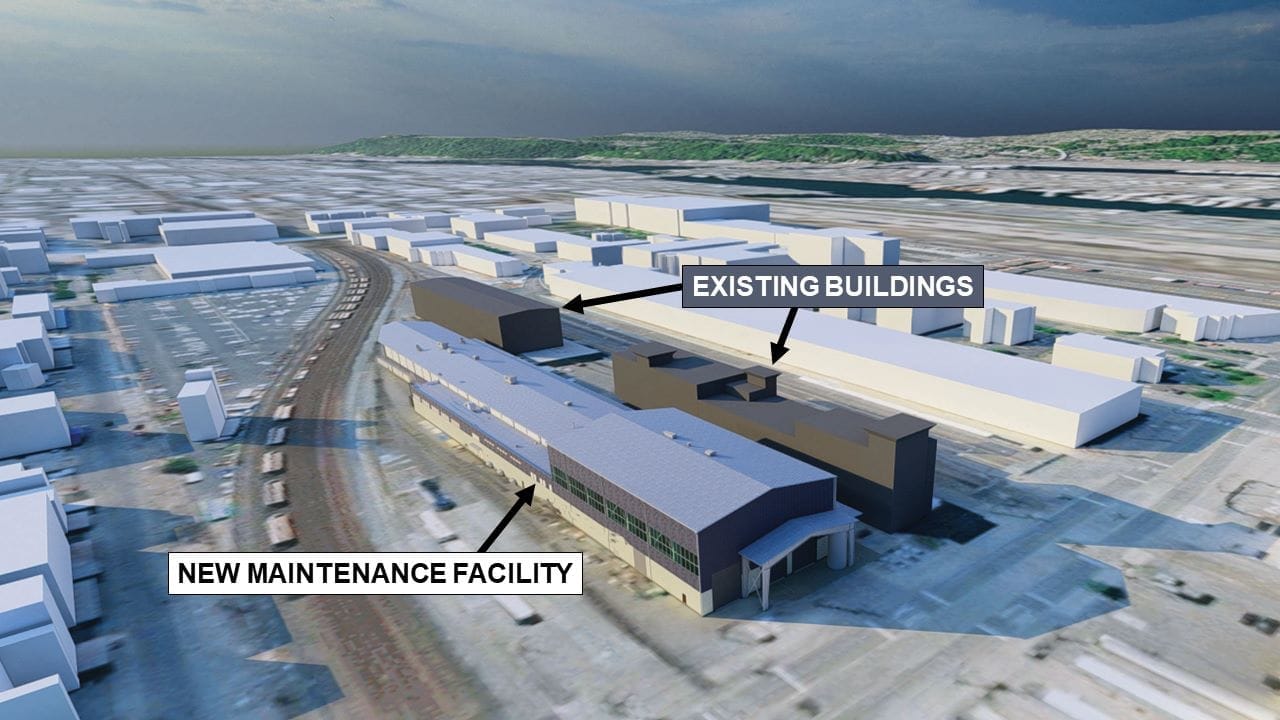
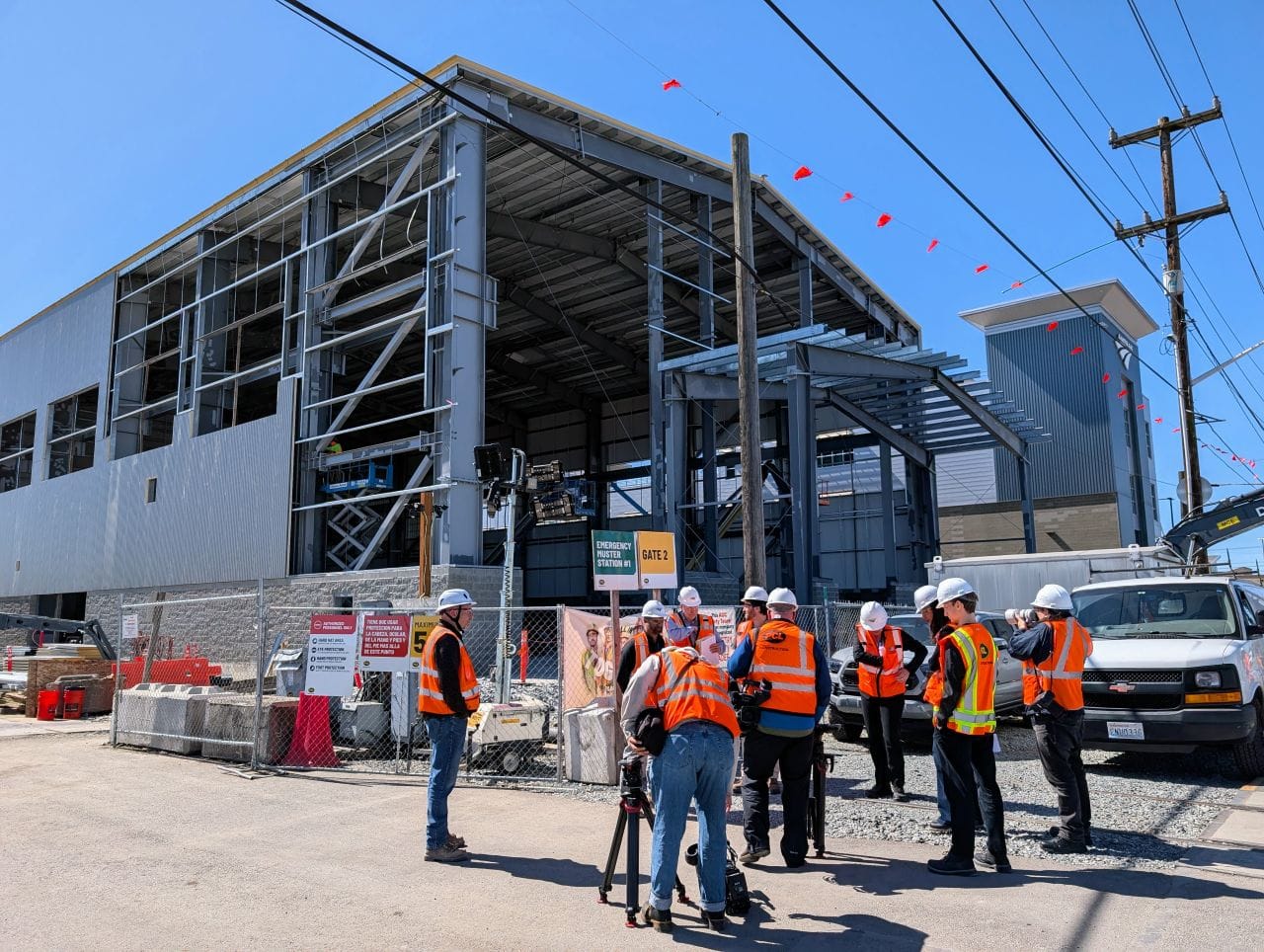
Located just south of Amtrak's existing SoDo trainyard, the new warehouse includes two maintenance bays, one service and cleaning bay, and a new parking deck. Funded by the 2021 Infrastructure Investment and Jobs Act, the facility is designed specifically for Amtrak's new integrated Airo trainsets, which won't decouple like older models. Hence, the yard needs more space for maneuvering them.
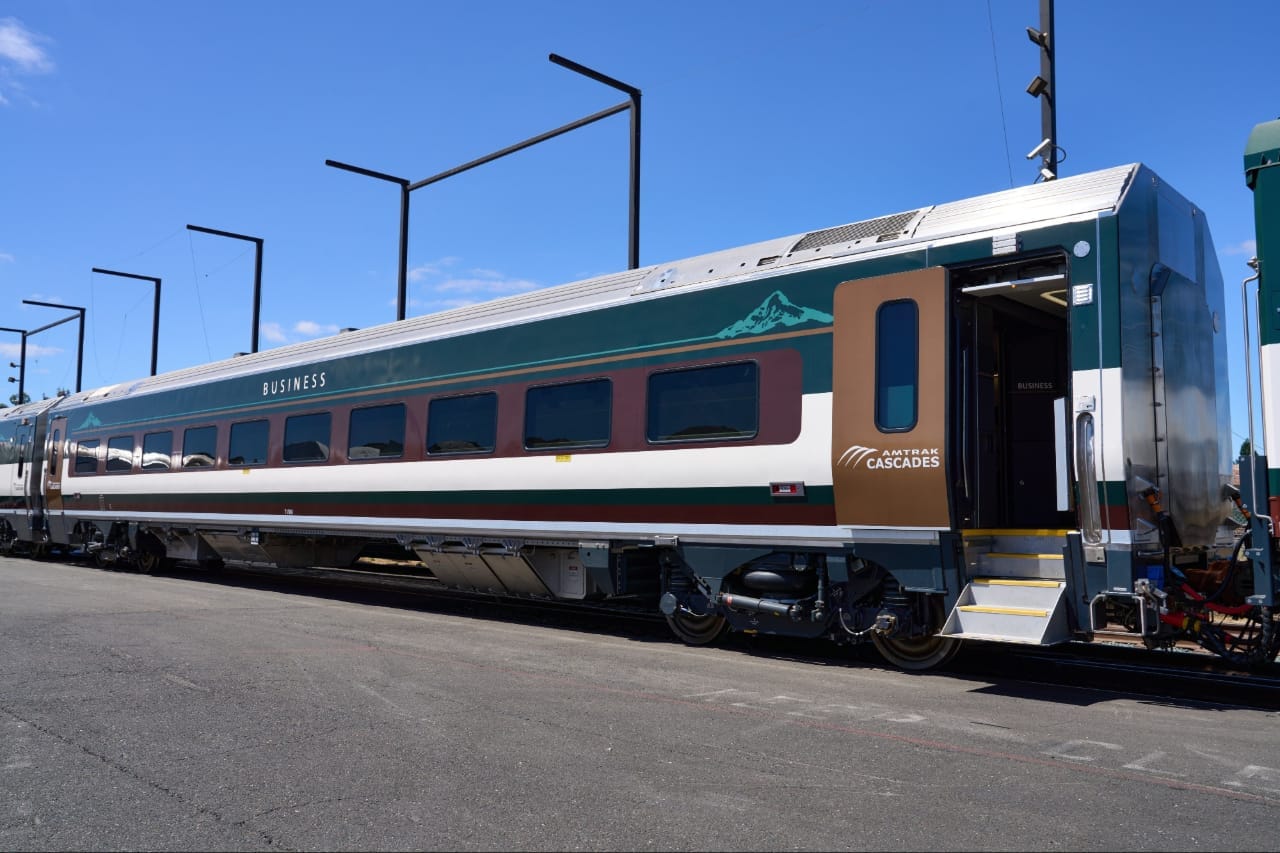
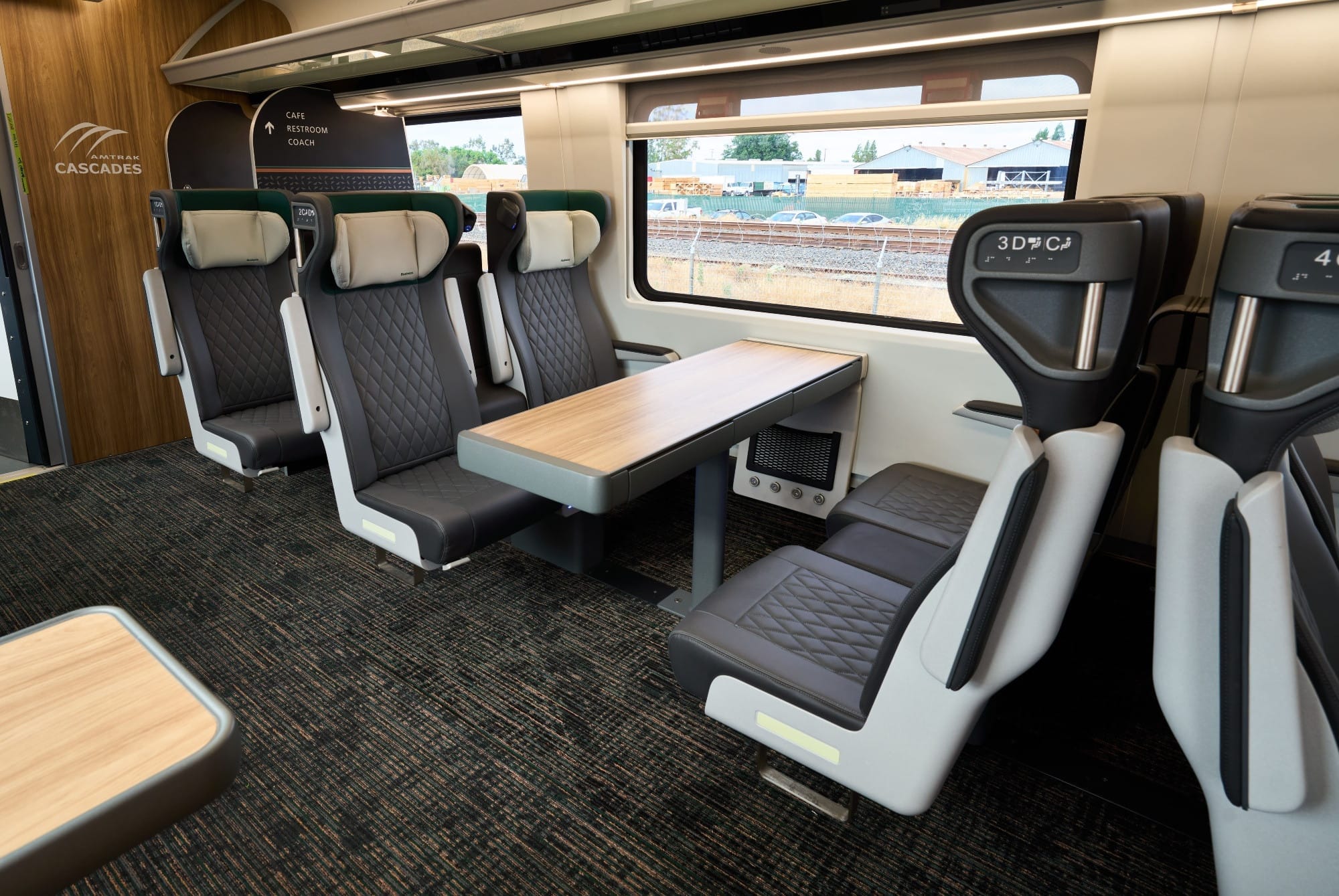
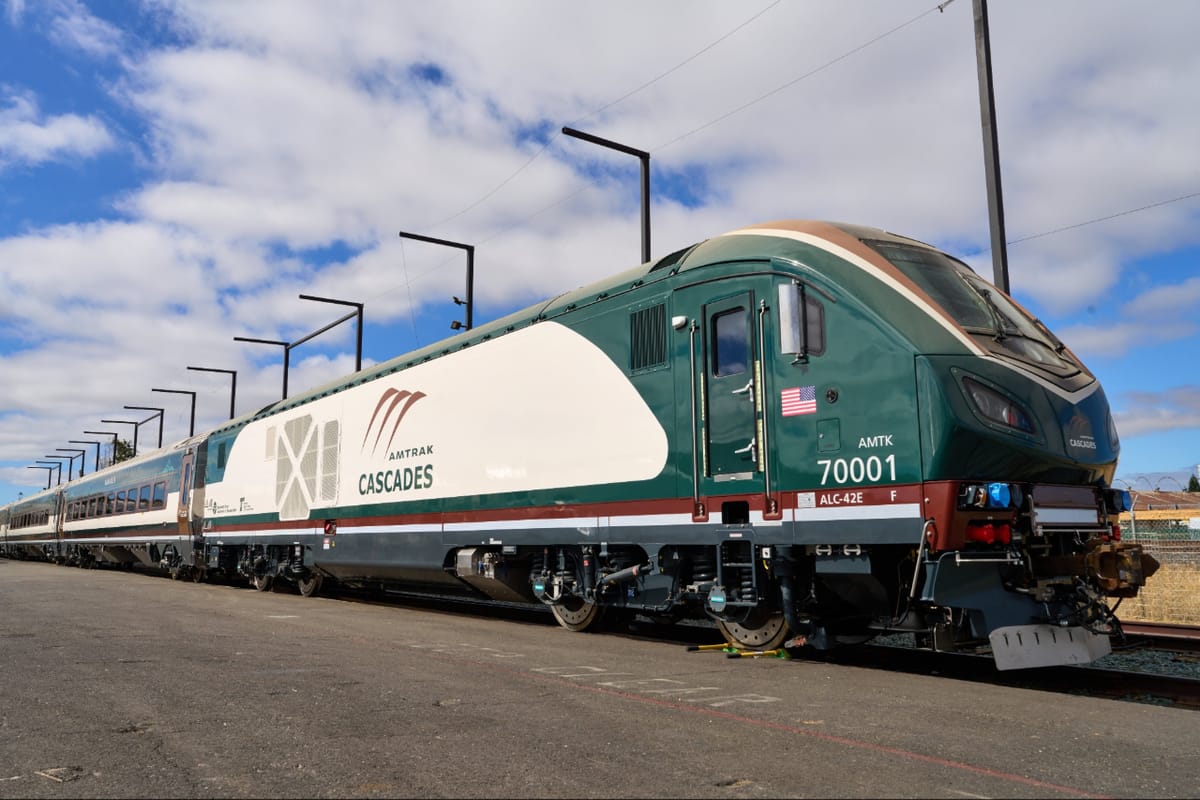
In 2025, shiny new Airo cars headed off the line of Siemen’s Sacramento factory and headed to Colorado for testing. The new trains feature plush seats with extra leg room in business class. (WSDOT)
Mason credited PCL Construction, who won the design-build contract for the SoDo trainyard, saying they found creative solutions for keeping the project on budget and schedule – even in a time of rampant cost escalation, exacerbated by tariffs driving up the cost of steel. The project requires tons of steel, in part due to poor soil conditions in SoDo, which was largely tideflats before being filled in to host Seattle's industrial growth a century ago.
"The soil is not really that conducive to what we're trying to build," George said. "Seismic requirements required that we go with deep piles. So these are 24-inch casings that we drove down 150 feet. We drove 14 miles of these."
The Urbanist is a nonprofit newsroom powered by reader support. Become a member, get perks, and support local journalism.
Anderson added the following construction stats illustrating the immense scale of the undertaking:
- 439 total driven piles (11 miles in length)
- 132 total drilled piles (3 miles in length)
- 2.4 million pounds of concrete reinforcement weight
- 12 million pounds of structural steel shapes
- 16,000 total cubic yards of concrete
- 4,000 total lineal feet of rail
- 250,000 total anticipated labor hours
To add further complications, the project requires work to proceed right next door to a busy freight and passenger rail corridor.
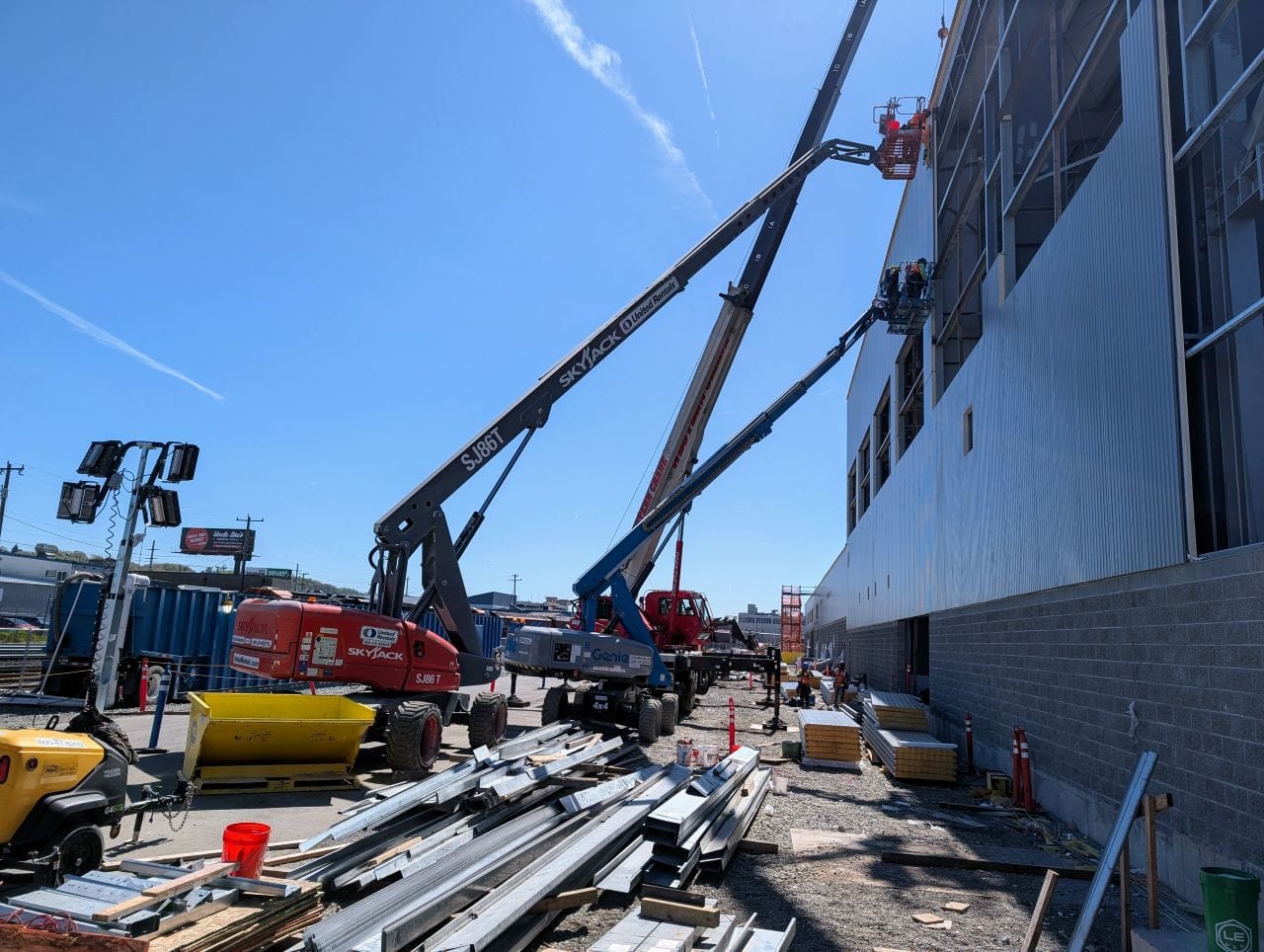
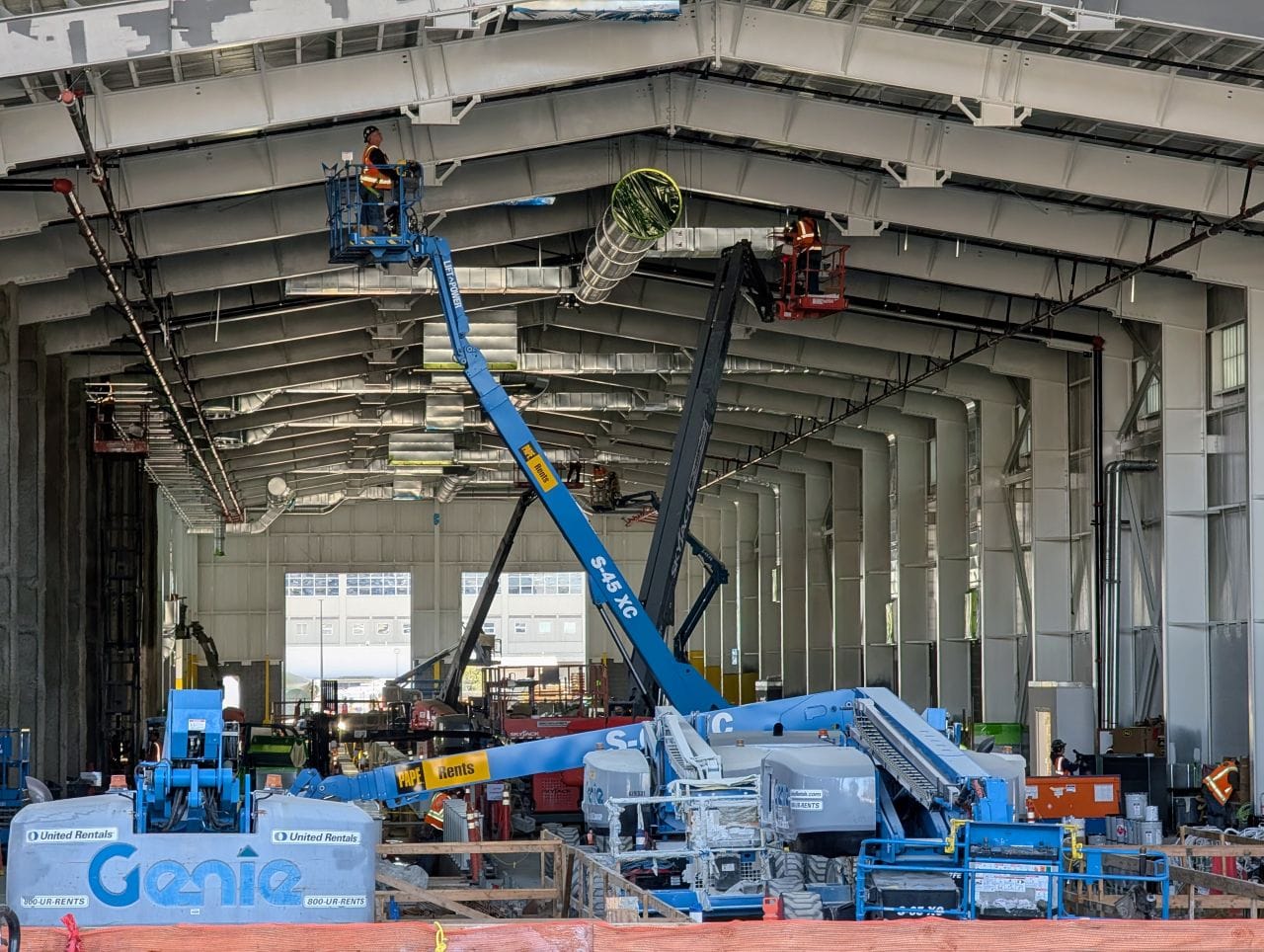
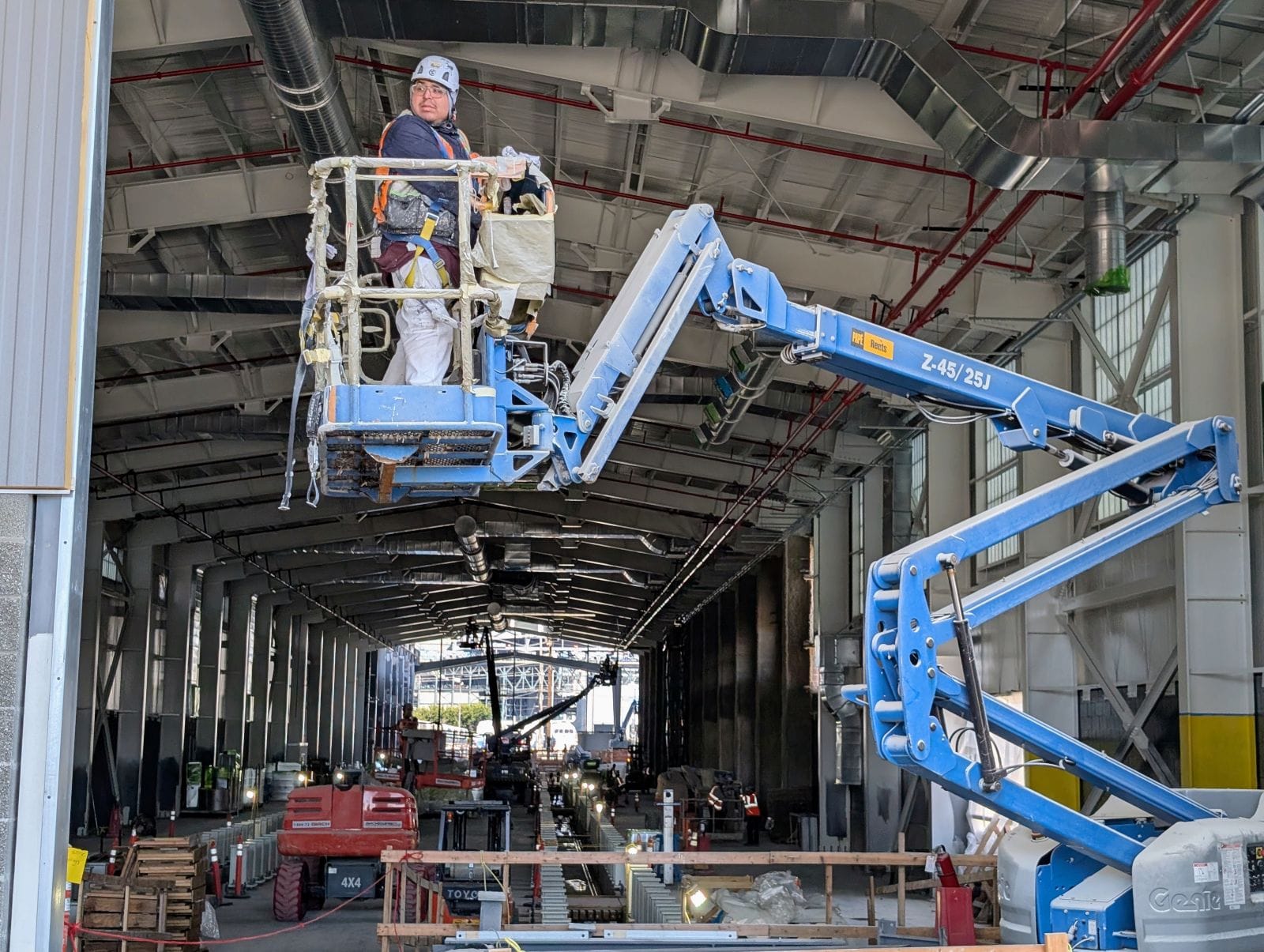
Construction crews are working to finish siding and add plumbing, electric, and HVAC systems to the ceiling of the new spacious maintenance facility. (Doug Trumm)
Seattle's Cascades corridor will be the first to see Airo trainsets starting late this summer, Amtrak officials said.
"We already have the new Airo trains in testing on the East Coast, on the Northeast corridor, and we are working through that testing process, and the trains look really good," Mason said. "We are very excited about this project, and can't wait to share it with our passengers. We will wrap up testing later this summer, and then we will bring the trains out here to the Cascades route to Seattle, we will start training."
The integrated Airo trains will be more accessible and ADA-friendly – in addition to being more comfortable for passengers and more efficient to maintain for staff.
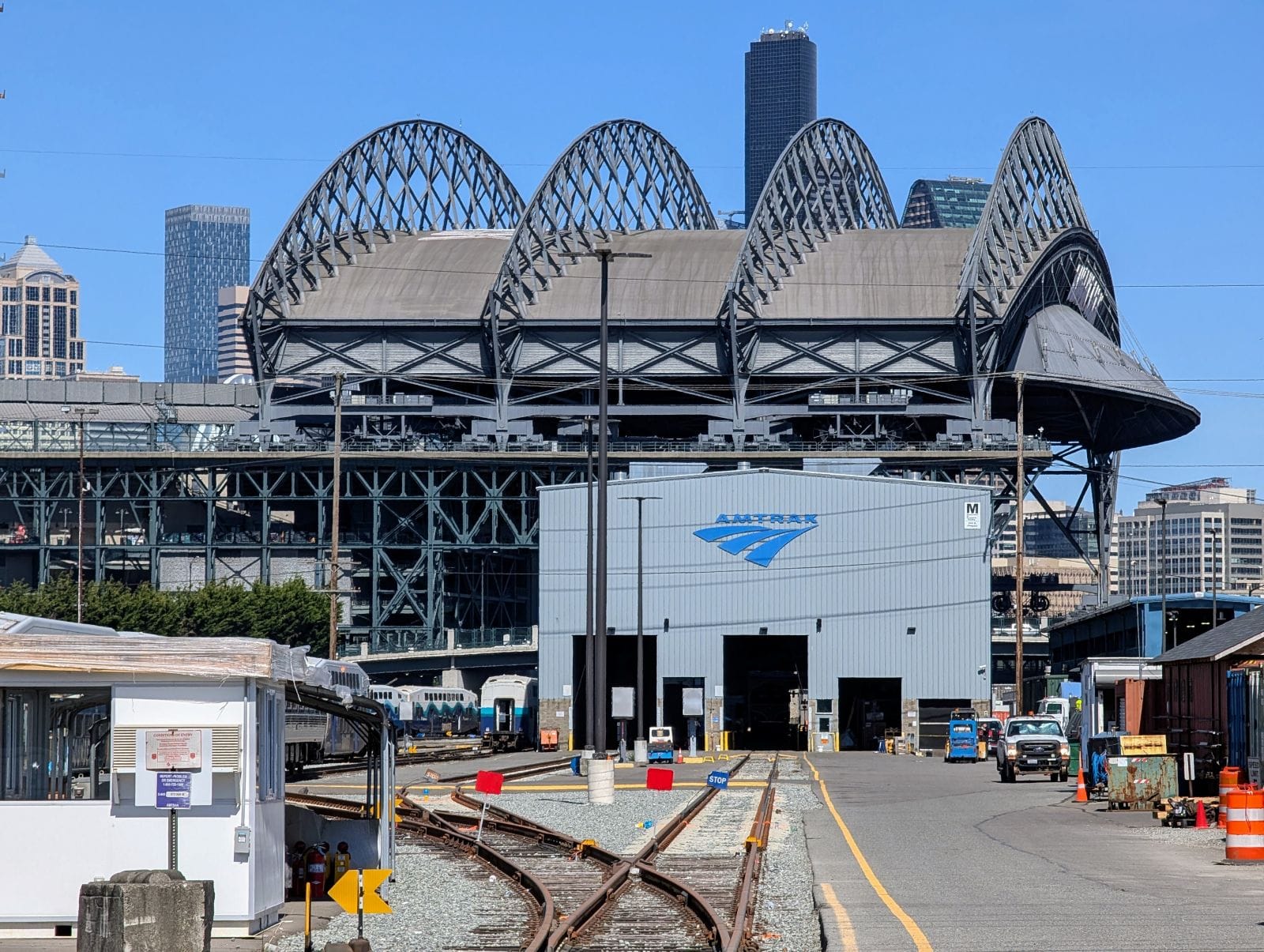
Amtrak will be maintaining the first Airo trainsets in their older trainyard with its comparatively tiny maintenance bays, but the new facility will be essential to operating a full fleet of Airo trains and maximizing "uptime", industry lingo for the ratio of time trains are in service, rather than in maintenance. That will be important to keep up with demand.
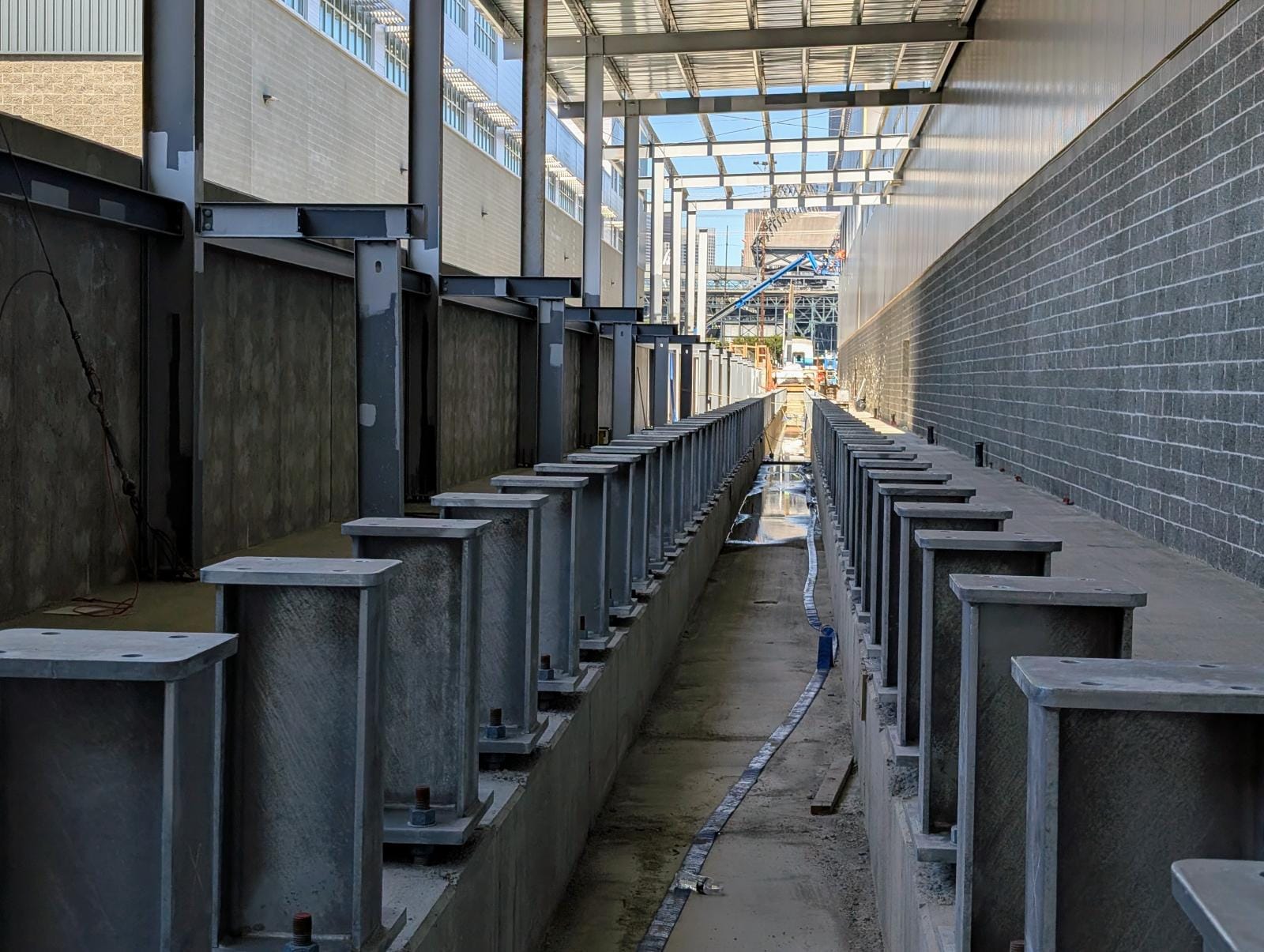
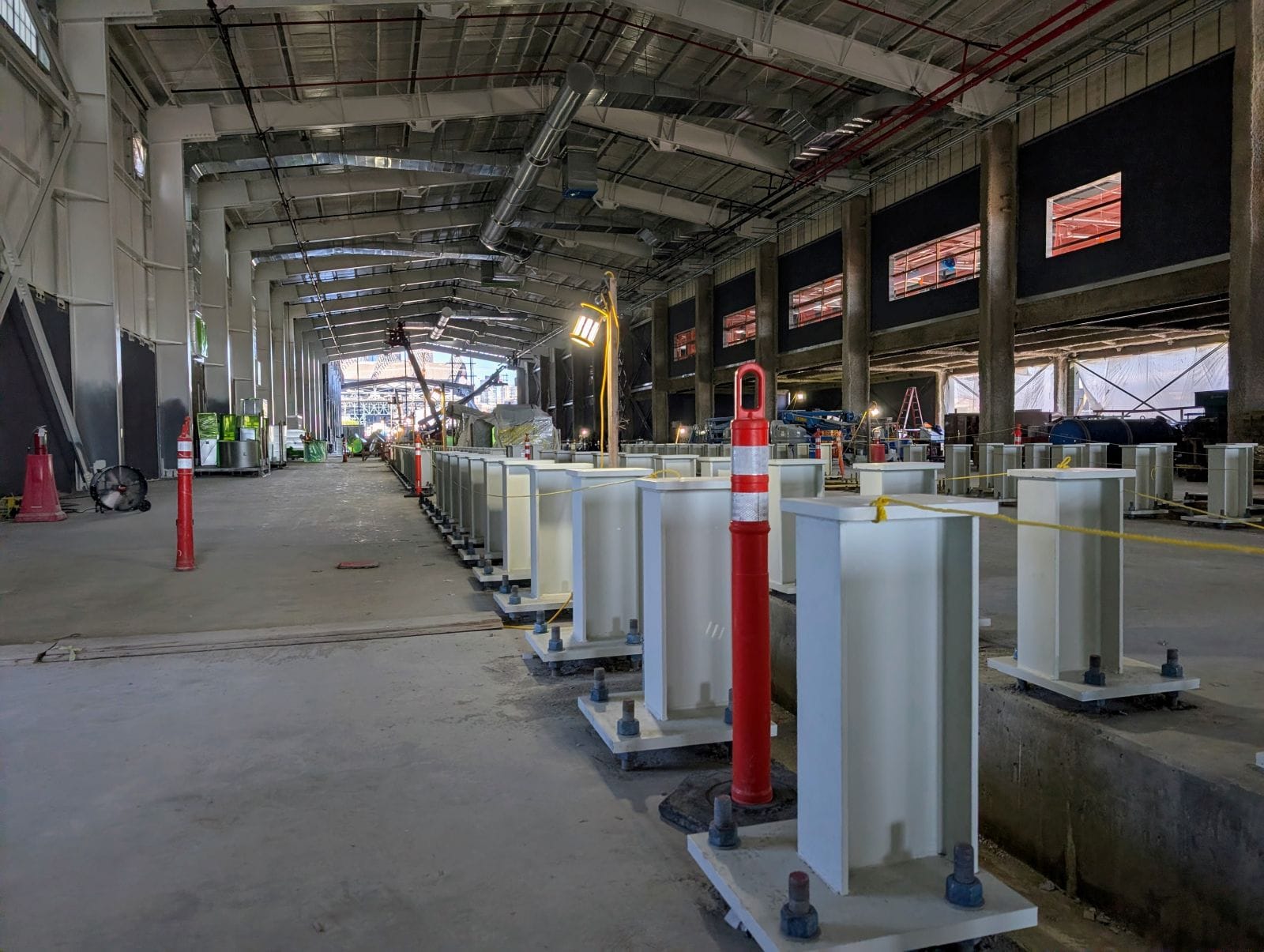
To speed turn around times, the new SoDo trainyard is designed with elevated tracks that will allow maintenance workers to easily access the undercarriage of trains, while cleaning staff have access points above. (Doug Trumm)
"Our crews do really extraordinary work without really the facilities they need to do that," Mason said. "Most of the time here in Seattle, they're trying to maintain the trains out in the elements. It rains, it's cold, often it's dark, and they are trying to do the best they can. This facility will allow them to do their work while well lit, undercover, and for that heavy work [to be done] in an air-conditioned environment."
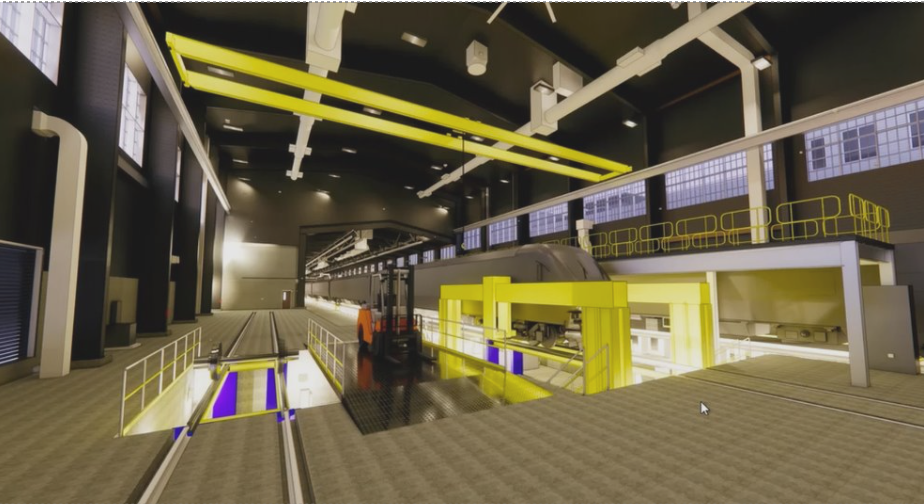
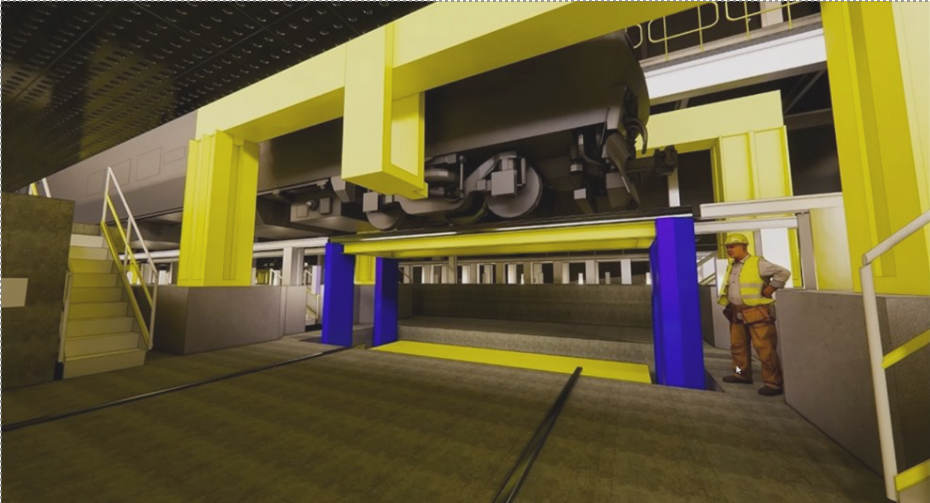
Renderings show how trains will fit into the maintenance bays, giving crews access to all parts of the cars. (Amtrak)
Amtrak expects its Cascades service, which runs from Vancouver, British Columbia, to Eugene, Oregon, to soon break the one million annual ridership mark for the first time, Anderson said. In 2025, Amtrak announced ridership was up 5% nationally, and Cascades was on the cusp of one million, providing just over 950,000 rides over the previous year.
The new facility has the capacity to handle a lot more trains.
Siemens is manufacturing Amtrak's new fleet of Airo trains and scaling up to meet demand. Amtrak's contract allows them to more than double the procurement order – if they're able to locate the funding and local interest.
"The Airo fleet will be manufactured by Siemens, primarily in their Sacramento facility, although they have moved some of their production to their North Carolina facility, which opened just last week officially. They see a real big opportunity to increase manufacturing jobs here in America," Mason said. "By adding that extra site, we can really increase production. We have 83 train sets on order, as well as options for 130 more – should we be able to find the funding and the partners that wish to expand their service."
Half a dozen trainyard upgrades like Seattle's were locked in and funded under the Biden administration. Biden's $1.2 trillion Infrastructure Investment and Jobs Act also funded more than $7 billion in Amtrak fleet modernization, which backed the Airo train orders. (Of course, the bulk of federal infrastructure funding still went to highways; have no fear, motorists.)
In February, Amtrak released a hype video for its trainyard expansions in Seattle, Boston, New York City, Upstate New York, D.C., and Philadelphia.
Beyond ongoing projects funded under Biden, the outlook is murky for the next round of Amtrak capacity-building efforts. The Trump administration has been much stingier with transit grants, and in fact has even sought to illegally claw back awarded funding for a number of projects, including the Hudson tunnel project in New York City, which was aimed at improving the Acela corridor, Amtrak's busiest by far.
Nonetheless, Mason told The Urbanist she was optimistic that Amtrak could maintain momentum and continue expanding.
"We are working very closely with the Department of Transportation and with the Federal Railroad Administration to keep projects moving," Mason said. 'They have been very supportive of a lot of the projects we have, and they are supportive of passenger rail, really focused on safety, on reliability, on fiscal responsibility. And so we have done some great work with them to continue the investment that we started and really drive a new era of passenger rail serving all of America."
For their part, lawmakers in Cascadia have been slow to put their money where their mouth is. In 2025, Washington state lawmakers officially charted goals for more frequent and reliable regional train service, but funding to get it done has yet to materialize. Washington State Department of Transportation (WSDOT) studies have repeatedly found high demand for service, with an expected sweet spot of 16 daily runs on the Cascades corridor, more than double today's service levels.
On Thursday, Amtrak officials said the expanded SoDo trainyard would be ready to support additional service expansion. To get the most out of the soon-to-open facility, state lawmakers are going to need to invest.
 Ryan Packer