


Let’s Talk Inclusionary Zoning: An Interview With Nico Calavita
Below is an interview transcript with Nico Calavita. This transcript is part of a series of interviews that are meant to shed light on...

Call To Action: Support The U District Rezone
A five-year process could finally be coming to fruition Tuesday as the Seattle City Council votes on the University District Rezone and Urban Design Proposal at...
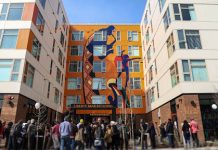
City Reflects on Seattle’s Affordable Housing Progress in 2019
Our city is facing a housing crisis. Before the onset of the pandemic, when the economy was humming and jobs were bountiful, we had...

Oops: Seattle Finds $3.7 Million In Incentive Zoning Couch Cushions
Seattle Councilmember Mike O'Brien revealed today that Seattle's incentive zoning program has been shortchanged by $3.4 million due to inaccurate reporting, discovered via an investigation by...
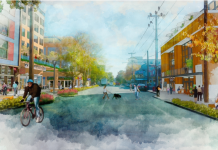
Uptown Development Regulations Push Affordable Housing And Open Space
Last month, I provided a high-level overview of the Final Environmental Impact Statement (EIS) for land use changes in the Uptown neighborhood. To realize...

Four Exciting Urbanist Data Points From Seattle’s MHA Study
The City released a large study about implementing Mandatory Housing Affordability (MHA) in all of the city’s urban villages, some urban centers, and many...
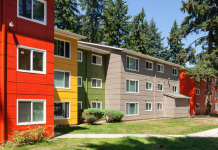
Majority of Bellevue Residents Support Inclusionary Zoning, Worry About Affordable Housing in New Poll
In a survey of 475 Bellevue residents commissioned by the Bellevue Housing Research Coalition and conducted by Change Research, 68% of those polled said...
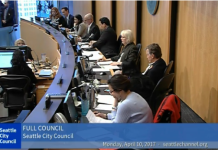
Council Passes Downtown Rezones, SEPA Infill Modifications
Two major land use bills were passed by the Seattle City Council on Monday. Large swaths of Downtown and South Lake Union will receive...