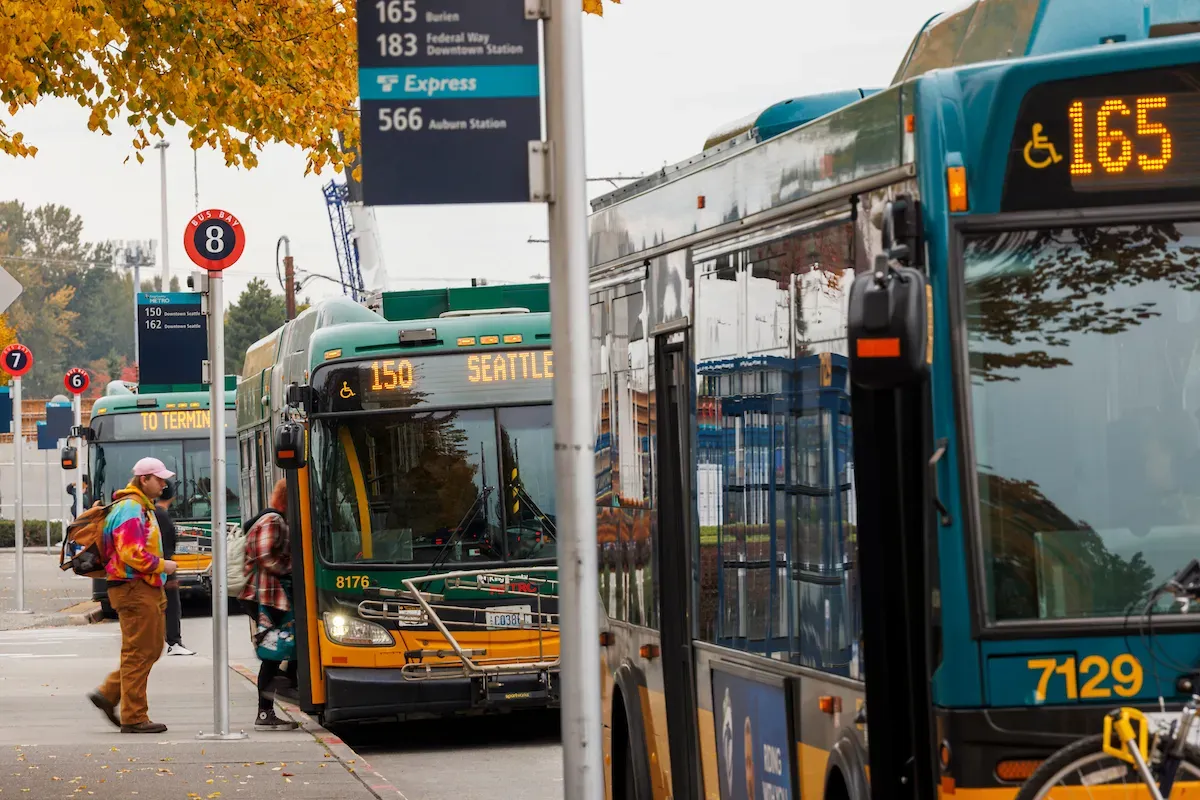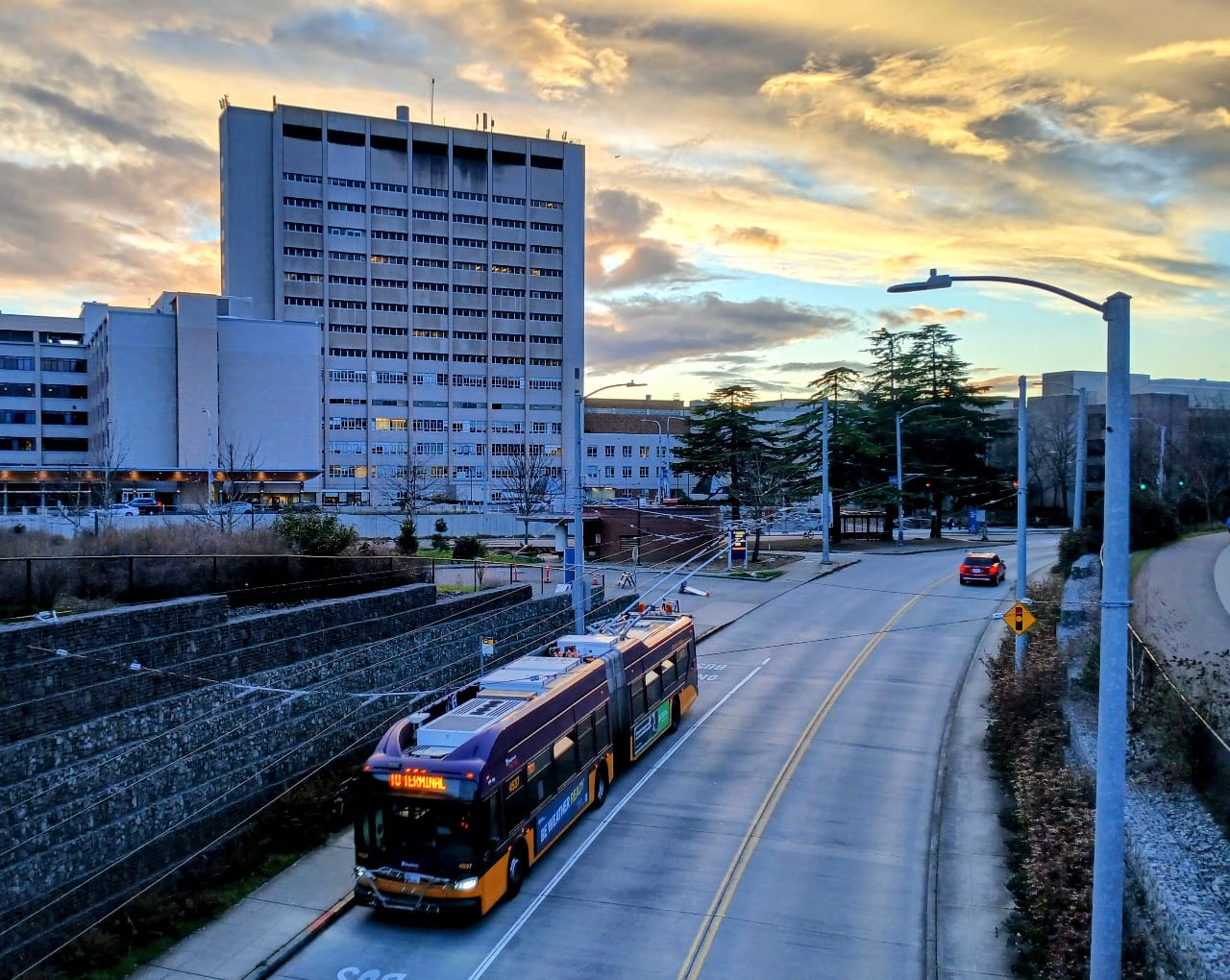
Local transit advocates were hopeful that this could be the year that the King County and the City of Seattle finally unite around a unified vision to sustain King County Metro and boost bus frequencies, but those immediate prospects now appear dim.
For years, the King County Council has kept a direct source of new funding for Metro in its back pocket, as Seattle continues to provide extra dollars for bus trips within its borders. The Seattle Transit Measure expires next spring, making 2026 an opportune time to consider whether a countywide funding measure makes more sense than a Seattle-specific one, or works better as a complement to that city measure.
But with only a few months for the incoming administrations of new King County Executive Girmay Zahilay and new Seattle Mayor Katie Wilson to get on the same page, it's a tall order.
Now King County Councilmembers are signaling a pivot toward approving a dedicated road funding measure this spring, leaving any decision around additional funding for Metro to a future year. King County's beleaguered roads department, chronically underfunded for decades, faces a new challenge via more than $10 million in new repair needs thanks to last December's record flooding. Those costs come on top of an annual funding gap of more than $200 million.
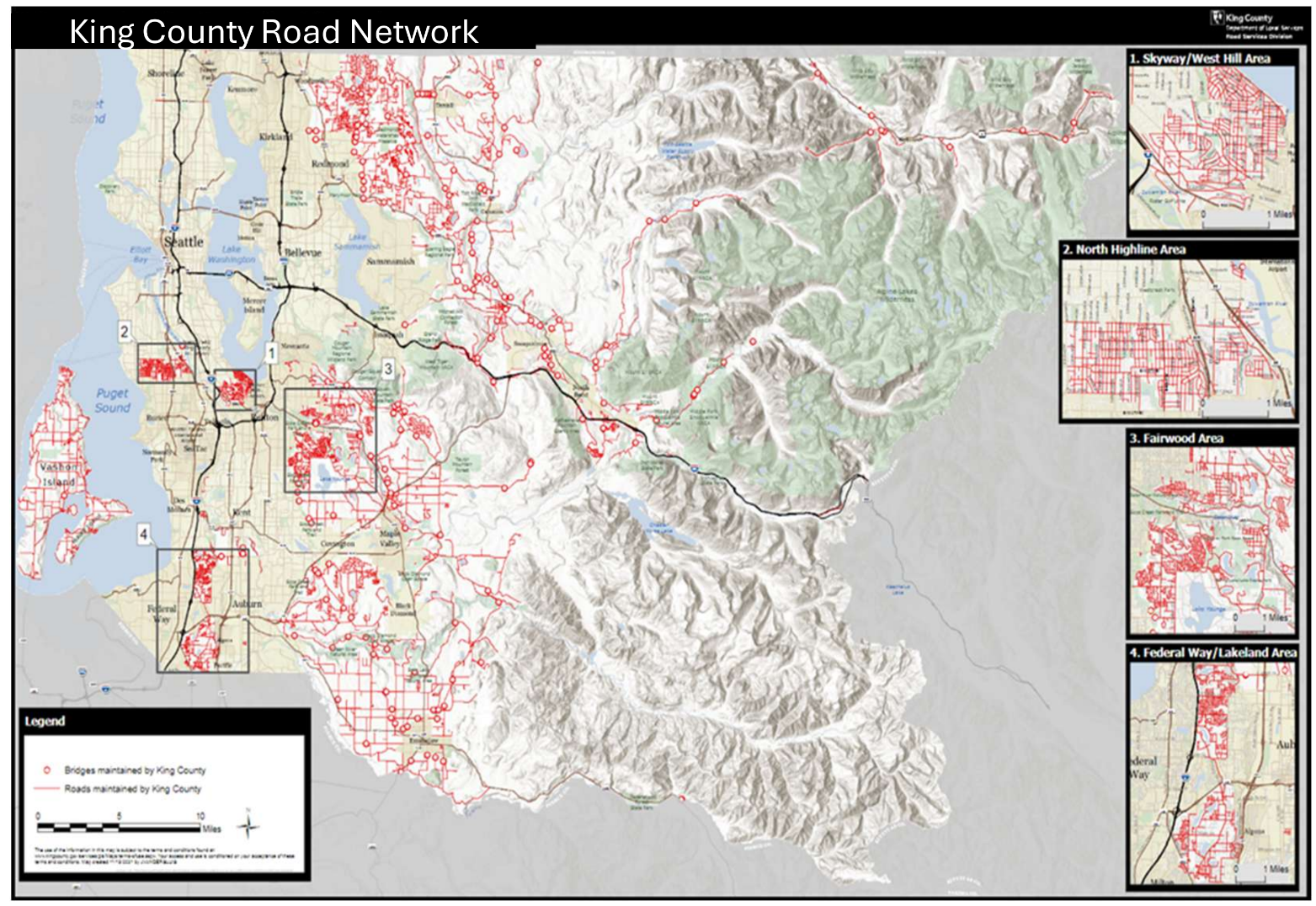
King County's roads network stretches around 1,500 miles, primarily across the eastern portion of the county but also in areas like White Center, Skyway, Fairwood, and the entirety of Vashon Island. The County also controls 193 bridges, with around half of those bridges aged past their expected useful lifespan.
Approving a 0.1% sales tax increase, which the County Council can do under state law without going to the voters, would be expected to yield $100 million per year in new revenue. And such a move would still leave another 0.2% sales tax increase on the table for transit that could be presented to county voters in the future.
Without an infusion of roads funding, King County is expected to completely halt traffic safety work, respond less quickly after events like storms and landslides, and ultimately impose weight limits on bridges or even close them altogether.
"My proposal is going to be to my colleagues to vote for the first tenth of a cent sales tax, and use that money for roads specifically, because they are in such dire straits and it's urgent. We just can't wait any longer. We've waited about as long as one could without being completely irresponsible," King County Councilmember Claudia Balducci, who chairs the King County Transportation District board, told The Urbanist. "But then we can't just sort of say, 'done here' and walk away. Because even though Metro's needs aren't quite as clear, there are really serious needs for Metro."
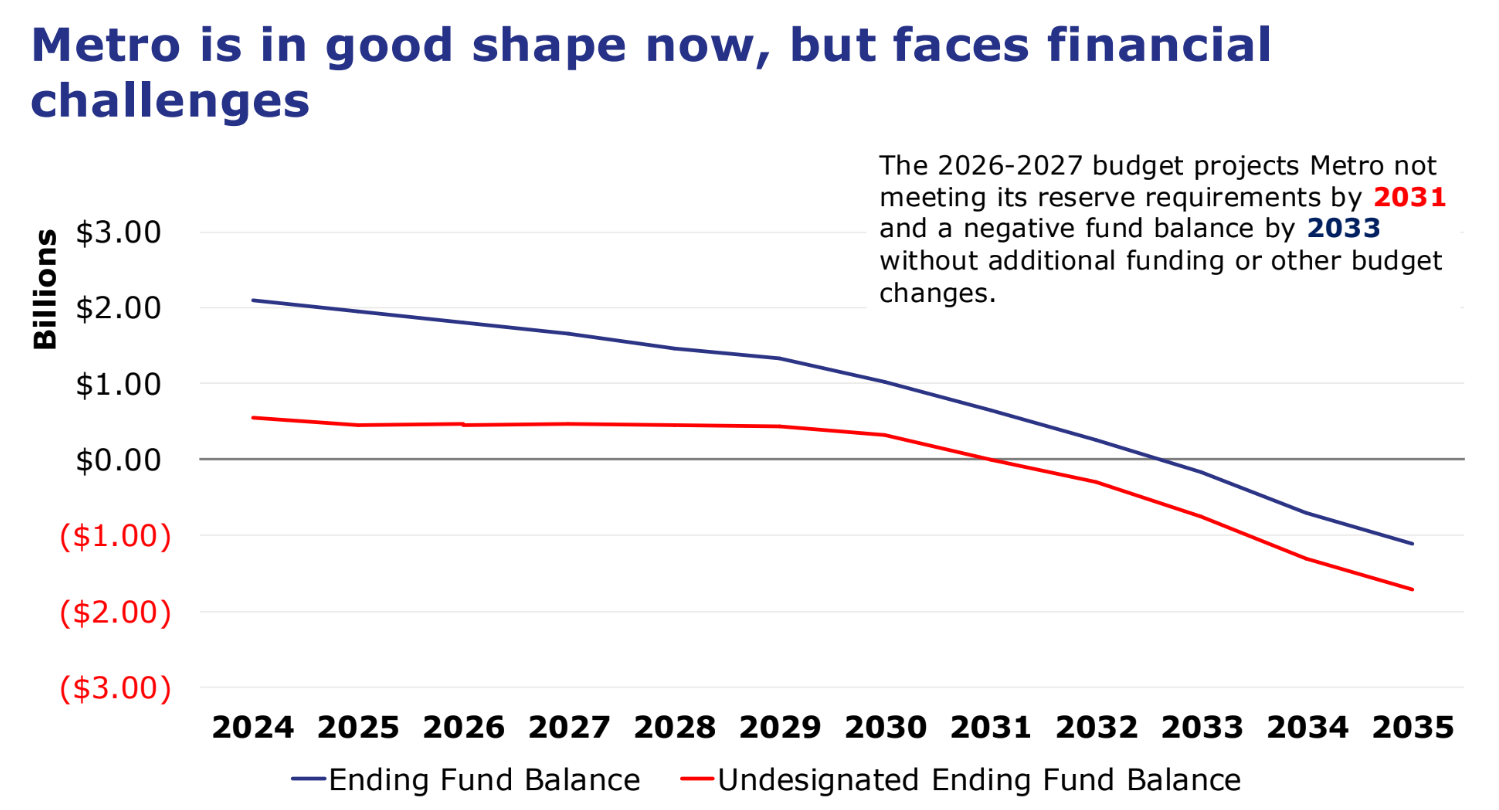
While King County Metro's funding needs are less pressing, expenditures still outpace revenues. The agency is expected to have trouble meeting its reserve requirements by the early 2030s, even after some significant projects to transition to an all-electric fleet were put on hold last year.
"Without new funding, there's very difficult policy choices ahead," Metro Chief of Staff DeAnna Martin told the County Council on February 25. "We'll have to begin exploring, in the next budget cycle, possible delays to expanded service growth, or potential service reductions. We might have to propose further reductions or slow down additional pieces of our capital program, such as planned RapidRide or further delays to the electrification of our next bus base. These changes would only postpone the eventual need for future funding and additional revenue is clearly critical to sustain the investments we're making in these next two years and maintain them over time."
Those long-range funding needs might get exacerbated soon thanks to actions in Olympia. Senate Bill 6346, attracting significant attention for its 9.9% tax on incomes of Washington households who earn over $1 million annually, also includes a repeal of a sales tax on services approved by the legislature last year. In addition to flowing to the state, local governments including King County Metro have been receiving those dollars, and a repeal of that revenue source represents a setback.
If implemented by 2030, as included in the current version of SB 6346, that repeal would balloon Metro's projected deficit through 2035 from $1.75 billion to $2.1 billion, or around $70 million per year. An amendment on deck in the House this week to align the bill with Governor Bob Ferguson's priorities would move that back to 2029, increasing its impact on Metro.
When Seattle's city-funded transit measure last came up for renewal in 2020, transit advocates expressed significant interest in taking the measure countywide. But the onset of the COVID-19 pandemic that spring put the kibosh on that idea, and Seattle ultimately went to the voters with a measure that scaled back the city sales tax rate from 0.2% to 0.15% – with Mayor Jenny Durkan actually proposing 0.1%, a move that was countered by an amendment by Council President Lorena González.
2026 was the next opportunity to have that conversation.

"Speaking just for myself, I've always thought this was a good opportunity for us to kind of bring the service planning and service delivery decisions back together in one regional place, as opposed to having some people buying the services that they think are important versus the services that the county wants to provide," Balducci said. "To make that happen, we'd need to have a really solid relationship with the City [of Seattle] so we were meeting everybody's needs. With all the change in leadership on both sides of the street, it would have been an incredible lift for either the Executive or the Mayor to really figure that all out this year."
Simply taking Seattle's transit funding measure countywide is easier said than done. The 2020 Seattle Transit Measure (STM) funds many more line items apart from Metro bus service, including street improvements to benefit transit riders, ORCA passes for tenants in affordable housing, streetcar operations, and a significant portion of the city's Sound Transit 3 team. That means that Seattle was always likely to go to the ballot this year, even if the measure was scaled back.
"I do understand that he is not prepared to push forward a transit measure this year, and I don't know his position on a transit measure in future years, yet," Balducci said of Zahilay.
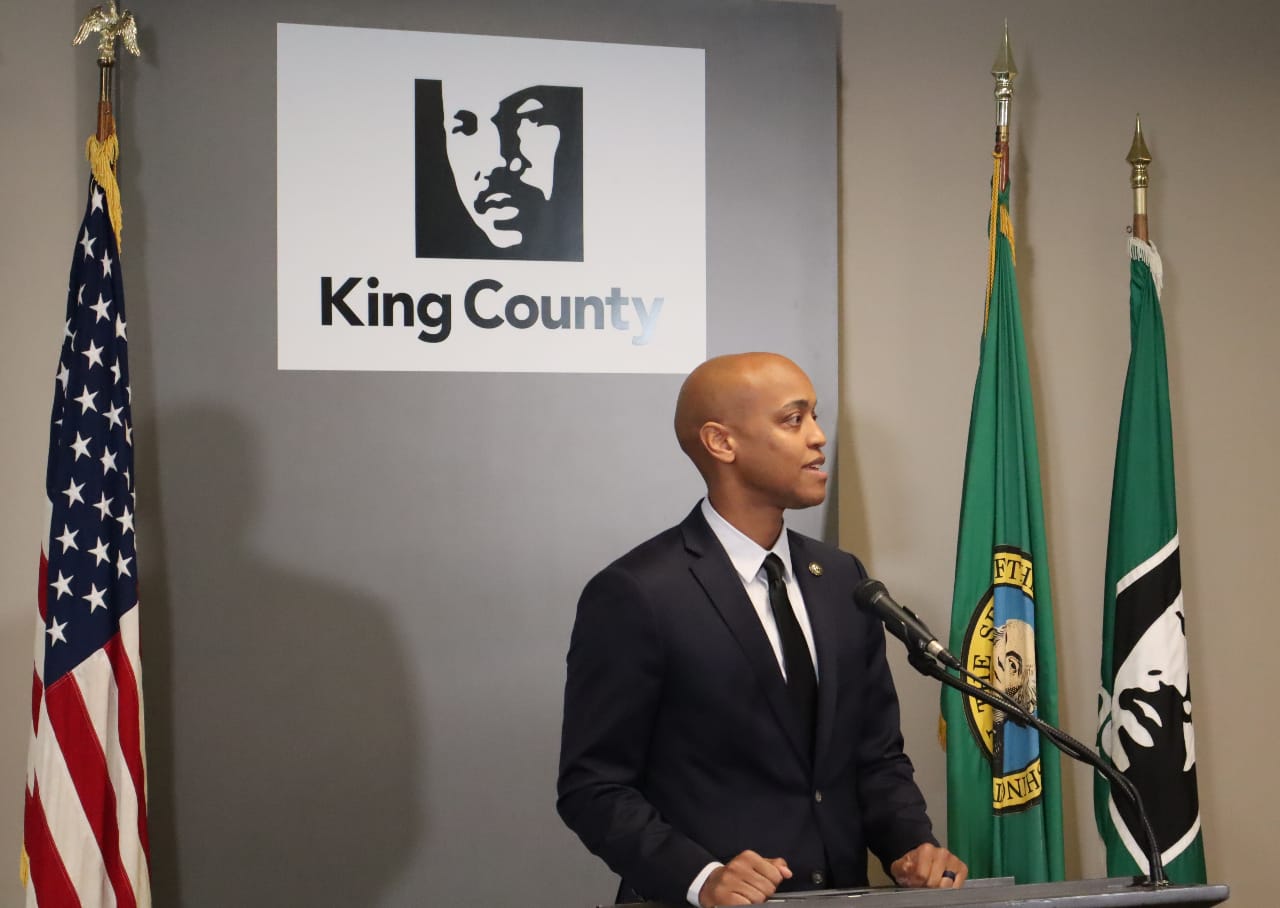
Zahilay's public statements have been much more broad and non-committal. 100 days into his administration, Zahilay has not yet made any major moves in the area of transit, keeping Metro General Manager Michelle Allison in place as the agency's head and advancing projects that had been in the works before he took office, like the major bus restructure in South King County planned for later this summer.
"Executive Zahilay recognizes the significant funding needs ahead to maintain and preserve essential infrastructure like roads and bridges and deliver safe, reliable transit service. Our office is currently evaluating and discussing all revenue options on the table with Councilmembers to support our road and transit systems," Executive's Office spokesperson Callie Craighead told The Urbanist. "We will continue to follow the Transportation Benefit District’s public engagement process and work closely in partnership with Councilmembers to support mobility needs across our region."
Seattle Mayor Katie Wilson's office was not able to provide a statement on any coordination between the City and the County when it comes to transit funding ahead of the publication of this story.
"We have learned from transit agencies across the country that those who have reduced their service have continued to lose ridership and revenue – they're dying systems," Martin said. "And we don't want to be that. Our current and future riders and the communities we serve are depending on us. Rather than make the choice to shrink, we prefer additional and sustainable sources of revenue that allow us to keep doing the great work we're doing, providing value to a growing number of riders."
 Ryan Packer
 Ryan Packer