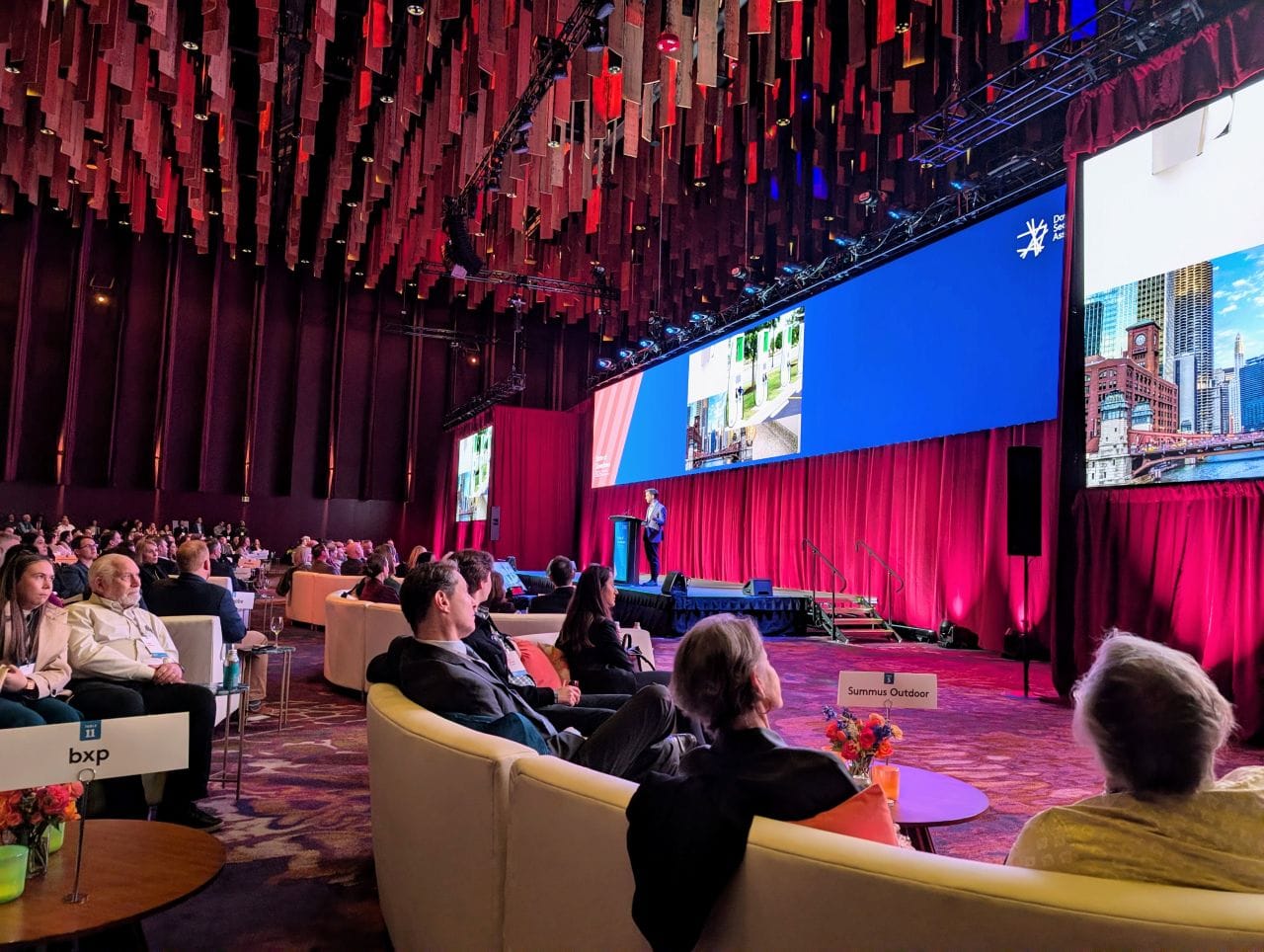
Abundance was the theme of the Downtown Seattle Association's annual "State of Downtown" summit last week, with Atlantic writer Derek Thompson, who co-wrote the book "Abundance," the keynote speaker.
Thompson celebrated Seattle's ability to buck the trend of slow housing growth in big U.S. cities, while still offering his abundance prescription to continue to cut red tape to encourage more homebuilding and make it easier to complete infrastructure upgrades.
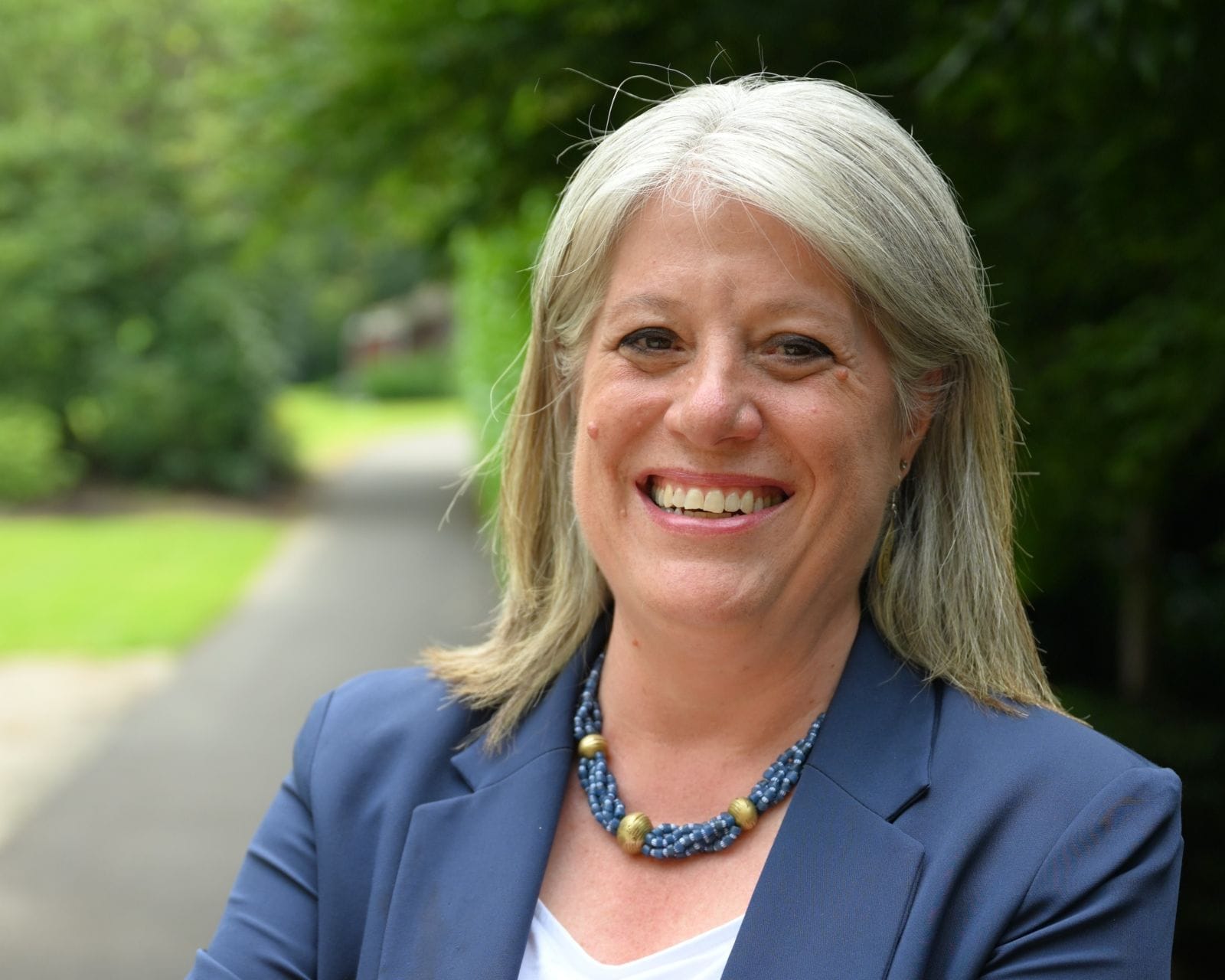
Seattle Mayor Katie Wilson and King County Executive Girmay Zahilay also spoke at the event before Thompson took the stage. While Wilson shares Thompson's goal of boosting housing production, she noted she doesn't fully buy into Thompson's framework.
“Some of you might know that in my prior career, in addition to being a community organizer, I was also a columnist who’s written for some of our local publications, and I’m sure that if I hadn’t been running for office last year, I would have found time to write my critical take on the abundance framework,” Wilson said. “Now I’m in a role where I have to muzzle myself a little bit, so I’m going to resist the temptation, having an audience with Derek, to give my Abundance TED Talk.”
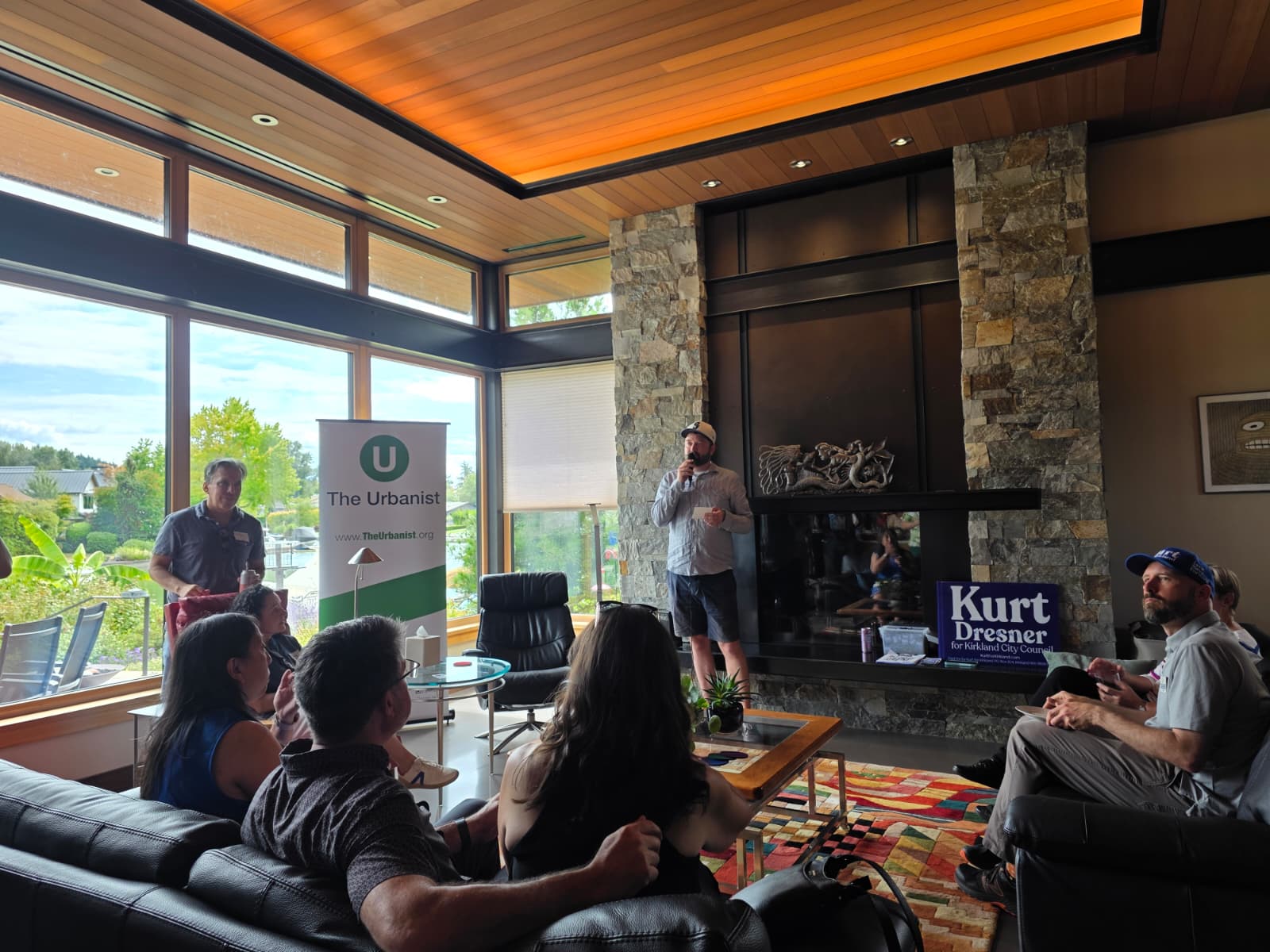
The Urbanist was among the local publications that Wilson wrote for before she ran for office. Thompson comes at "abundance" from a libertarian angle, but Wilson noted many Seattle's progressives support pro-housing growth policies.
"Here in Seattle, we have a well established urbanist movement that's been pushing for changes to our regulatory environment to allow for more housing for quite some time," Wilson said. "And while some of you in this room may have points of disagreement with Seattle's progressive left, I'm proud to say that I think compared to some other cities, this is a project that, broadly speaking, many of us have been on board with for a long time."
Wilson reiterated her pledge to go beyond her predecessor, Bruce Harrell, in rezoning to promote housing growth, including with broader transit corridor upzones.
"It really feels like we're at a political tipping point right now," Wilson said. "In part, I think thanks to Seattle becoming a city that's majority renters, where it's really becoming possible to move local land use zoning and permitting policies in a good direction. Some of this work, of course, has already been done, but I believe we can go much further, and I'm excited to be in a position to help with that over the next four years."
More immediately, Wilson must work to close a $140 million budget hole she inherited from her predecessor. She signaled some openness to cuts, though it's not clear if she had the same cuts in mind as the Downtown Seattle Association (DSA) crowd.
"As a progressive and as a socialist, I believe it's very important for people to have faith in their government, and that means, among other things, being able to trust that it is a good and effective steward of our collective resources," Wilson said. "We can't be afraid to stop funding things that aren't working well."
She also seemed to reassure the room that raising taxes on businesses would not be the first lever she pulled to solve budget issues, without fully taking it off the table.
"I campaigned on raising new progressive revenue as one strategy to help stabilize the city budget and potentially fund new programs that address aspects of our crisis," Wilson said. "I maintain that commitment, but I also want to let you know that I very much appreciate that it is not ideal for our tax environment for businesses to be wildly out of step with neighboring jurisdictions, and I will be keeping that in mind as we look at options, and my administration is committed to engaging DSA and other business stakeholders..."
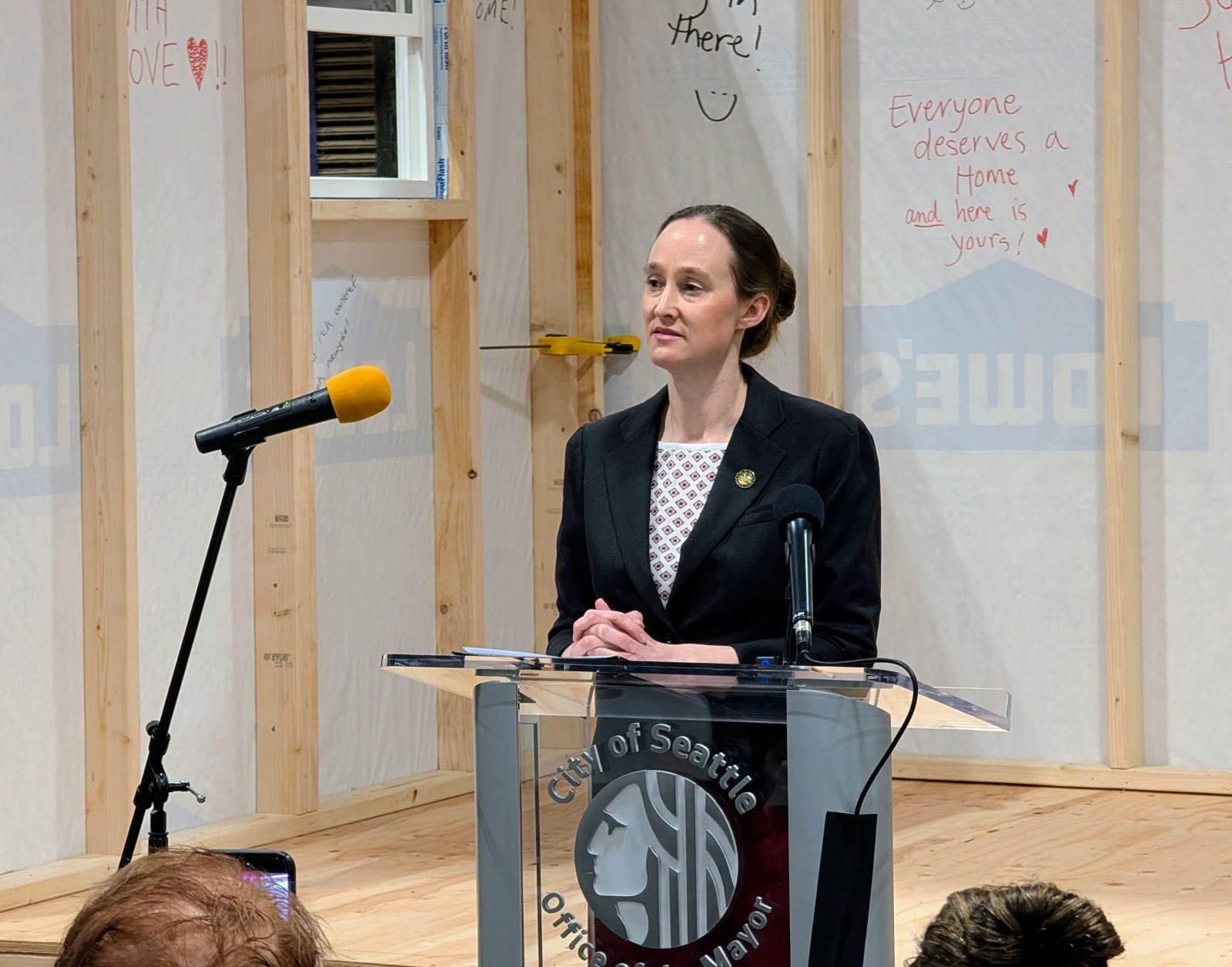
Areas also exist where Wilson clearly wants to invest more. She pledged bolder moves to expand emergency housing for people who are homeless, including recent legislation to cut regulatory hurdles, a body of work which she thanked the DSA for partnering on. Wilson has pledged 4,000 units of new emergency housing over four years, which likely would require additional funding.
Downtown economic stats
The "State of Downtown" event was timed with the release of the group's annual economic report, which included a mix of positive signals and a few negative ones.
One of the bright spots in the report was the decline in overdose deaths: "Fentanyl-involved overdose deaths in the downtown core declined 27% from 2024 to a total of 64 in 2025 — a sharp decrease from the 131 seen in 2023 and a sign of progress in this ongoing health crisis."
Buoyed by an increase in return-to-office policies, worker foot traffic was up 4% downtown, but hotel stays declined for the first time in the post-pandemic era. Even with the gain, worker foot traffic sits at 64% of the 2019 pre-pandemic benchmark. DSA reported some negative momentum on that front, saying Downtown experienced an estimated loss of 13,000 jobs in 2025, with some of those jobs shifting to Bellevue.
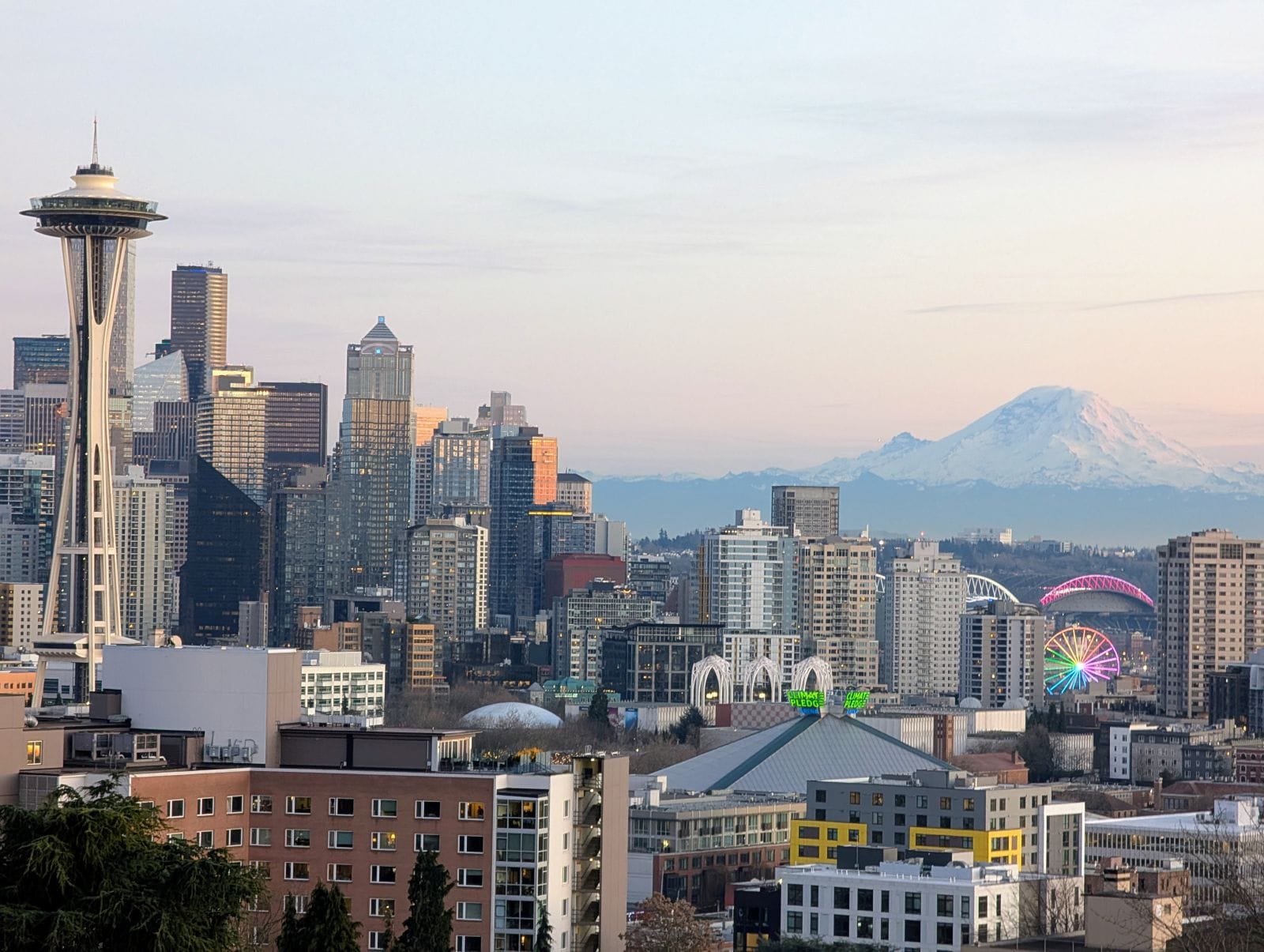
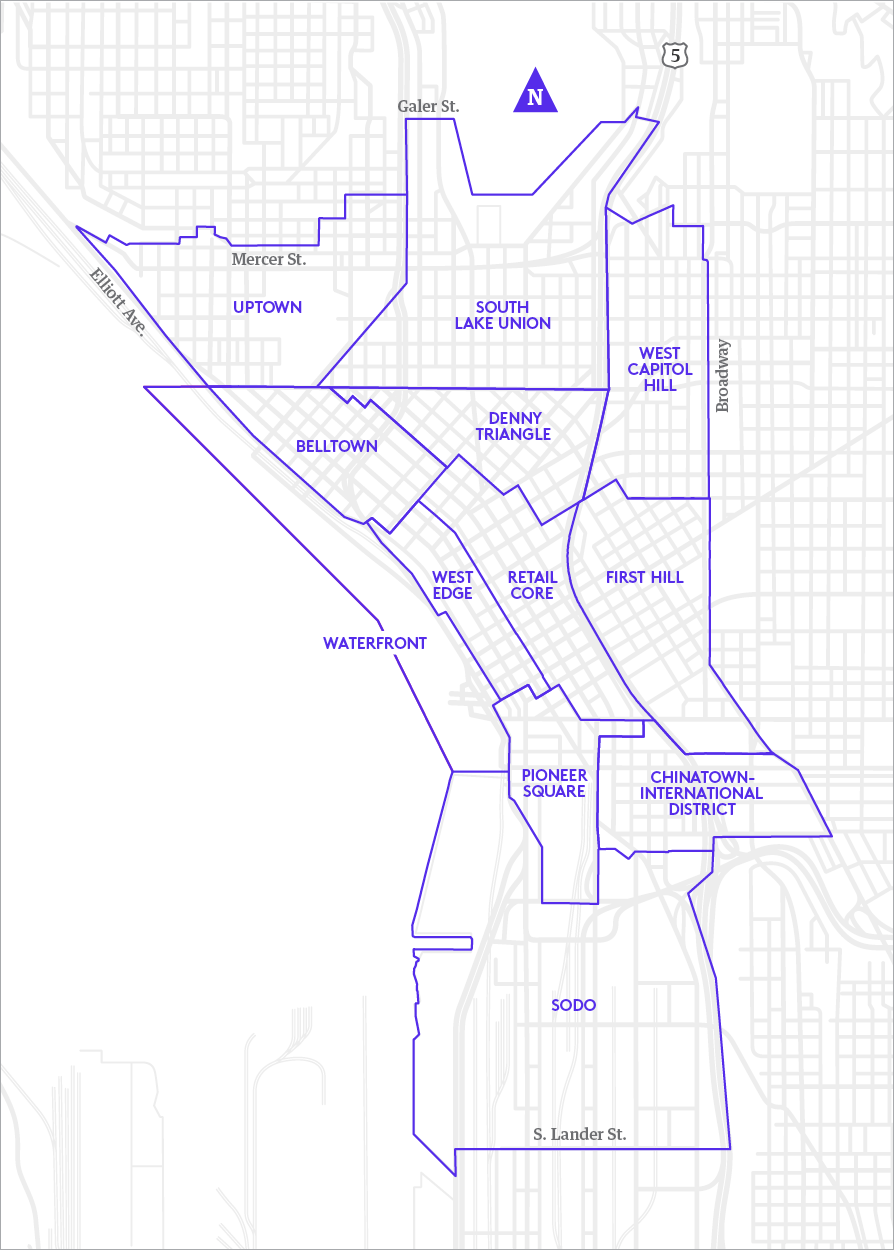
While office occupancy has not fully recovered from pandemic losses, downtown's residential population climbed to new heights. Led by recent housing booms in Belltown and South Lake Union, Seattle's downtown core grew to just shy of 110,000 residents.
The DSA defines "downtown" broadly to include twelve neighborhoods in and around the central business district, like Belltown, South Lake Union, Lower Queen Anne, Chinatown-International District, First Hill, and even West Capitol Hill. Between 2010 and 2025, resident population in this area increased 80%, nearly four times the rate of the rest of Seattle, which stood at 21%, the DSA reports.
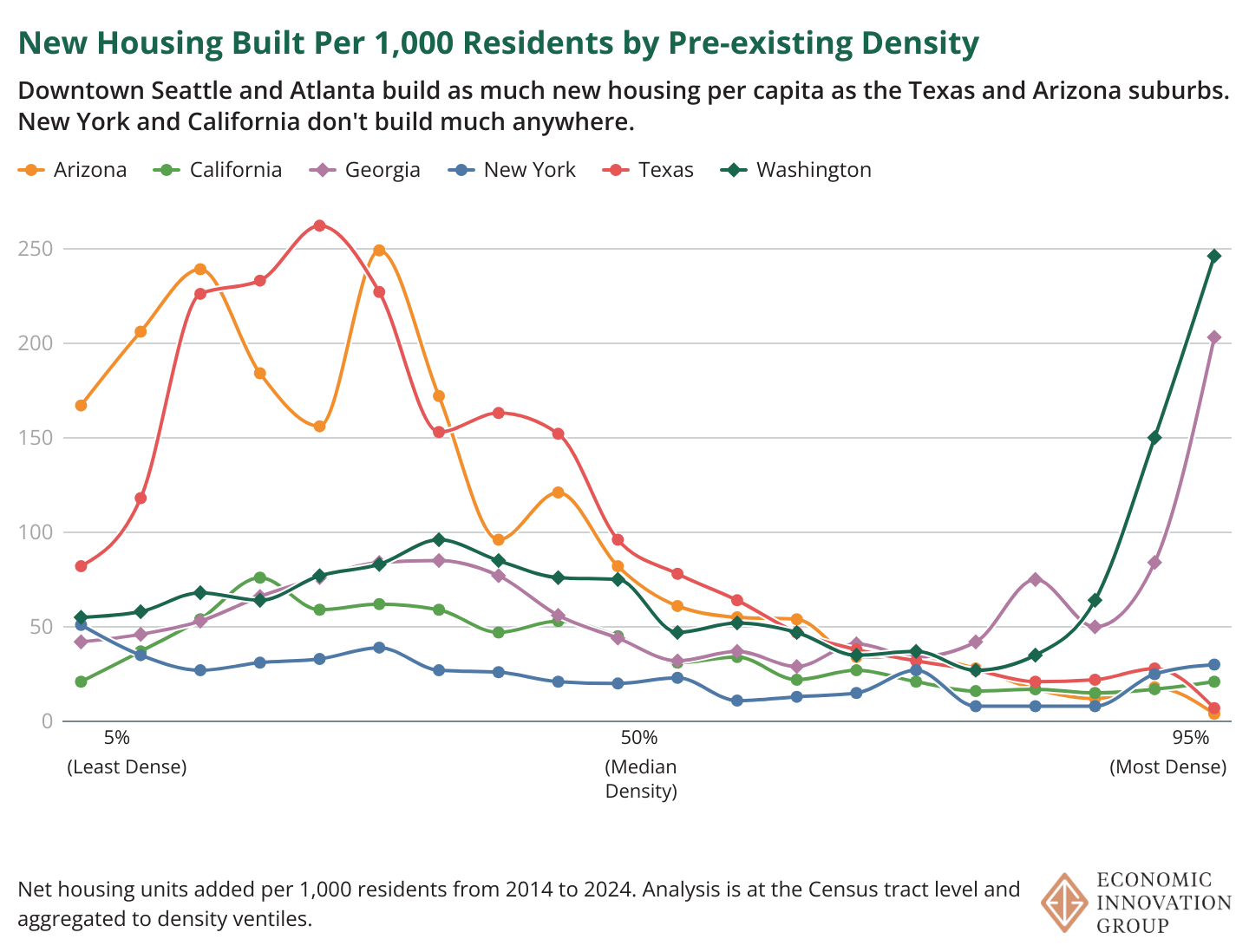
Thompson highlighted this dense housing growth as nation-leading in his talk.
"In the last few years, the city has done a good job as just about anywhere adding people to already populated areas, and they have done it with an all-of-the-above strategy: apartments and mixed use neighborhoods rising over parking lots, improvements to transit-oriented development, reducing zoning limitations," Thompson said. "And as a result, as you can see, Seattle has added more people to high-density neighborhoods than any other city in America in the last 20 years, while at the same time pushing housing spending as a share of income slightly below the national average."
On the other hand, the Abundance co-author cautioned against getting out the "mission accomplished" sign, noting declining housing starts and the risk of a major construction downturn.
"You've already seen the last few years, the construction industry has faced a lot of challenges, and housing starts in Seattle, like so many other cities, have turned down," Thompson added. "This is about interest rates. It's about declining immigration, it's about things that are happening at the national level. But that doesn't mean that you cannot find local solutions."
Zahilay touts zero-base budgeting
King County Executive Girmay Zahilay offered up us some conservative-coded management-speak that one might have expected to get the room full of business leaders roaring with applause, given their long-standing advocacy on these issues, particularly when progressives are in power. However, the response was relatively muted.
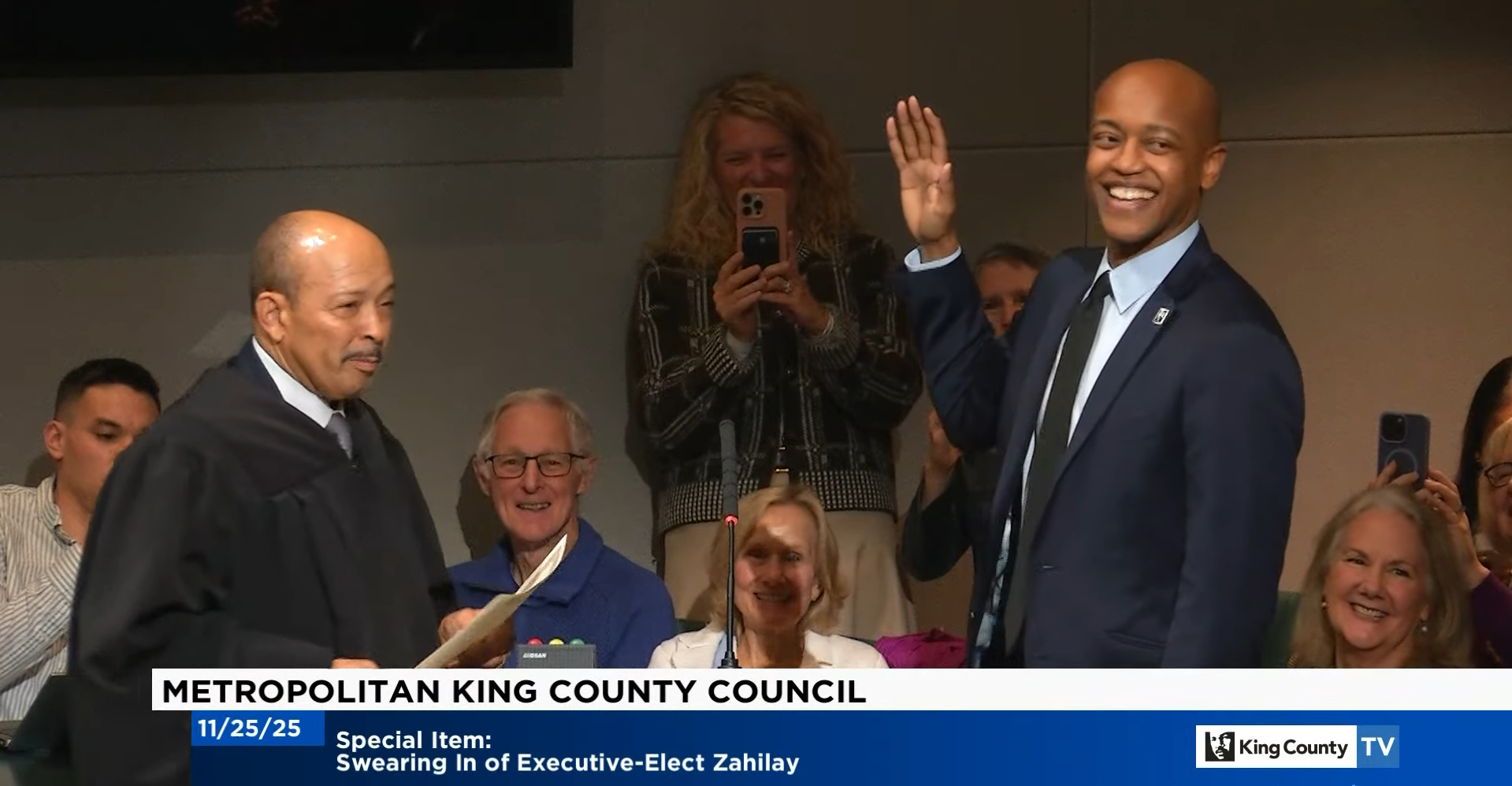
"We've hired an internal audit director. We've set up a cabinet of senior leadership who is 24/7, 365 days a year going to be focused on accountability and performance, and for the first time in King County's history, on an enterprise level, we are going to do a base budget analysis," Zahilay said to mild applause.
"That means for the first time, we're not just going to roll over 90 or 95% of our budget from one biennium to the next," Zahilay added. "Instead, we're going to build our budget from the ground up, identifying the programs and the strategies that are most effective, and investing in those and moving away from strategies that are not producing the results that we intend."
DSA President Jon Scholes shared a 'government overspending is the problem' talking point that's similar to what other business leaders have voiced.
"The City of Seattle's general fund is 80% bigger than it was 10 years ago," Scholes told reporters. "I'm not sure there's anybody in the city that would say the set of services we're getting are 80% better, or the homelessness problem is 80% better."
That 80% larger general fund talking point conveniently overlooks that inflation was about 40% over that time period, and Seattle's population growth was nearly 20%. By multiplying inflation by population growth, one might expect Seattle's budget to grow by two-thirds in that decade. In other words, 80% budget growth is not quite the shocker that it's framed to be. Still, budget fixes will need to be found.
Zahilay's promised zero-base budgeting exercise could find some opportunities to slow budget growth at the County. Given the large deficit she faces, Wilson may be forced to do some similar belt-tightening at the City. No matter how many performance metrics and management frameworks, executives are armed with, cuts are not likely to be easy. Slashing programs could be particularly painful in a time of federal upheaval and disinvestment, and of course every program has its constituency, making a lot easier to float frameworks than to see through all the political consequences of implementing them.
King County's Civic Campus
Zahilay concluded his speech on a pledge to continue work to reimagine and eventually redevelop the County's campus on the southern edge of Downtown.
"King County owns much of the land and many of the buildings in the southeast corner of Downtown, and we want to work with all of you here to transform that area from a nine-to-five business park to a 24/7 neighborhood that is full of housing and restaurants and retail. Let's do that together."
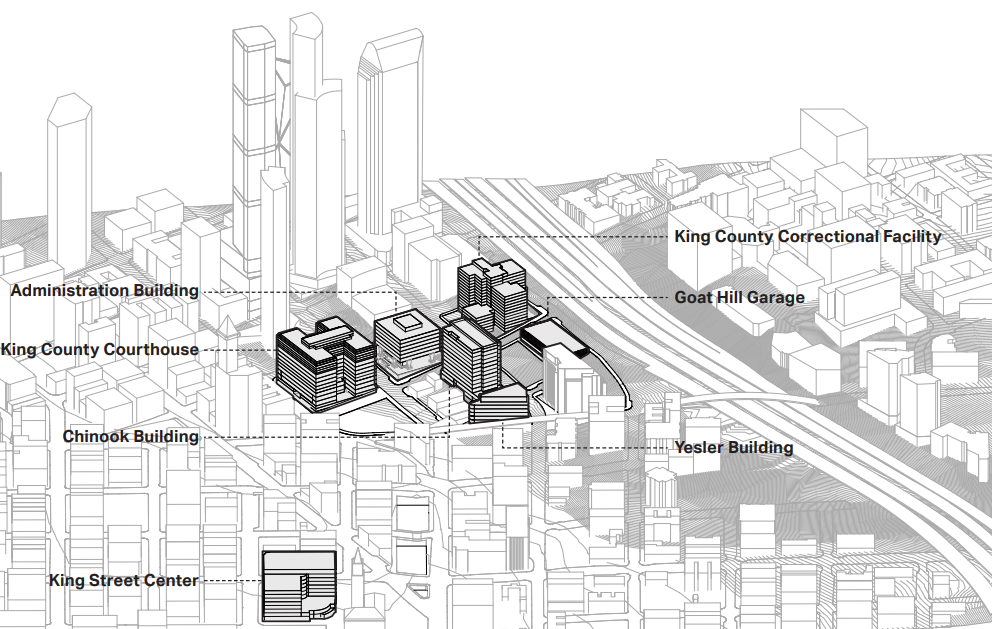
The pandemic has taken some wind out of the sails, as building high-risk highrises at this point in the business cycle not appearing particularly appealing to financers. One would have to look no further than the empty "Civic Square" pit across from Seattle City Hall to see such projects take a long time to come to fruition. A few different proposals have stalled out there, the latest for a 57-story residential tower. Hence, we are left with an empty pit for 21 years.
In fact, Scholes himself pointed to the Civic Square pit as a reason to approach the Civic Campus project cautiously and with patience during a recent appearance on the Seattle Nice podcast.
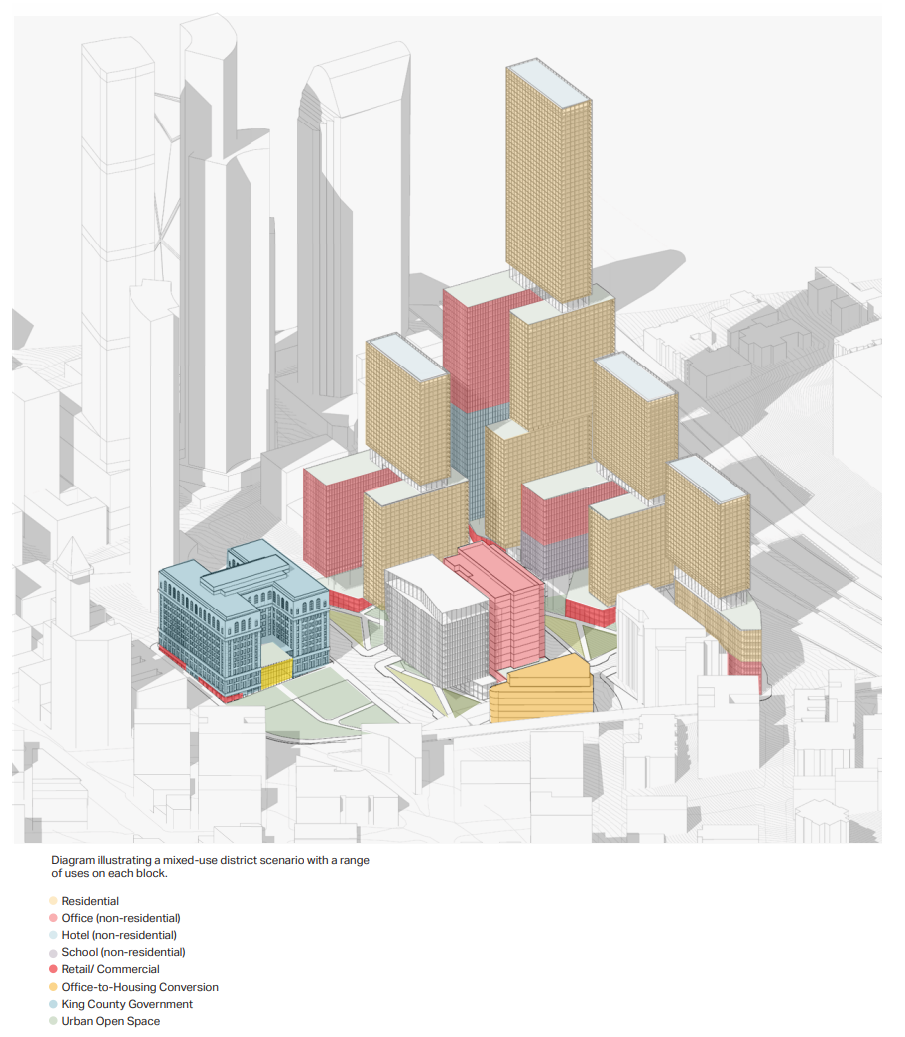
In the press scrum after his gala speech, Scholes was a bit more sanguine.
"It's an exciting opportunity to maximize that part of town for people to live and work and shop and play, and for the county to be considering its real estate, I think, is wise, so I'm glad that he's sort of picking it up from the previous exec and to see what's what's possible," Scholes said. "It's, I think, very likely, a kind of a phased in, a longer term play. It's not going to happen overnight or in one fell swoop, but neither did the waterfront. That was a 25-year sort of vision that we kind of chipped away at, and I think that's possible at the south end of downtown as well."
 Doug Trumm