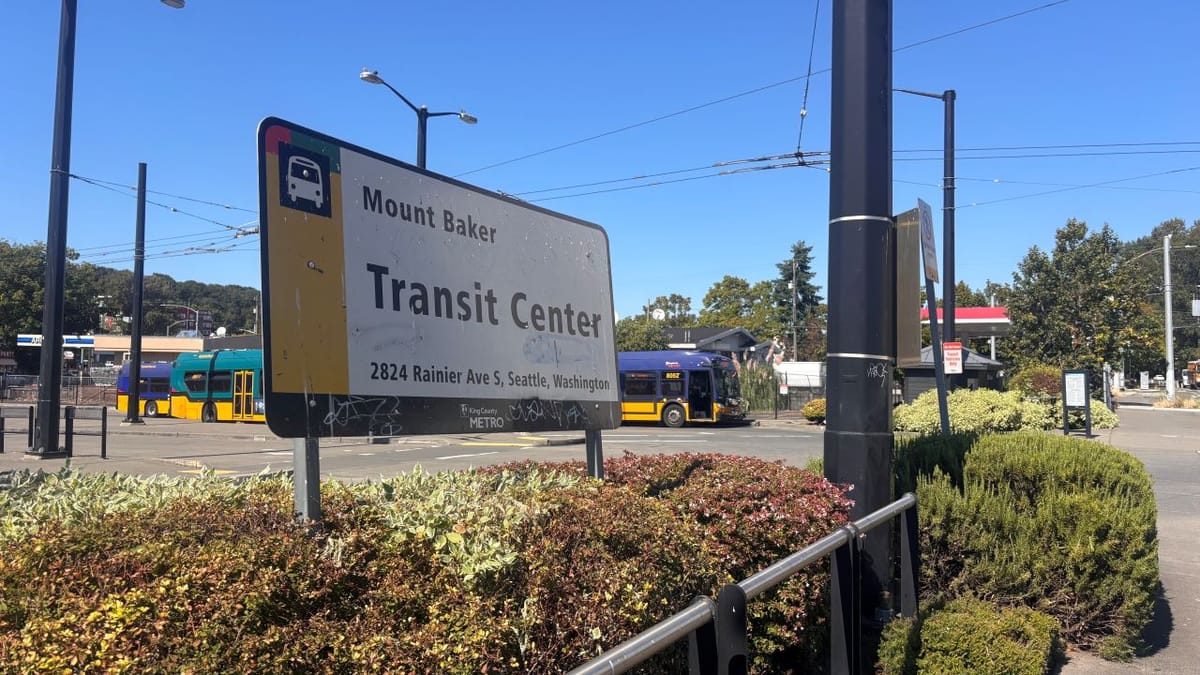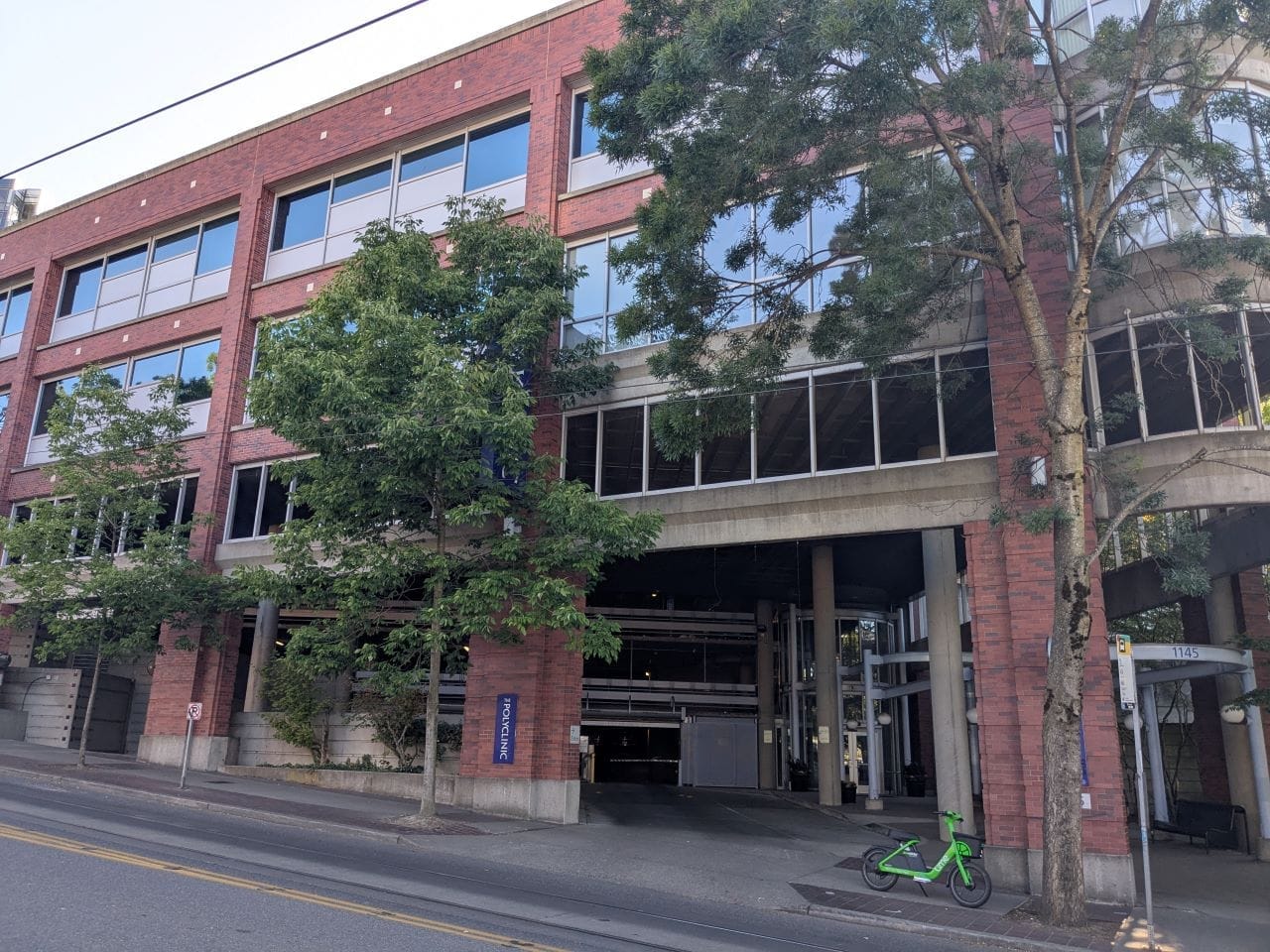
Two Sound Transit-owned parcels close to Mount Baker Station could be redeveloped as the agency finally moves to declare them surplus, 17 years after the light rail station opened to passengers. A resolution approved Thursday by the Sound Transit board's system expansion committee gives the green light for redevelopment plans to move forward, though the pair of sites will likely advance on very different timelines.
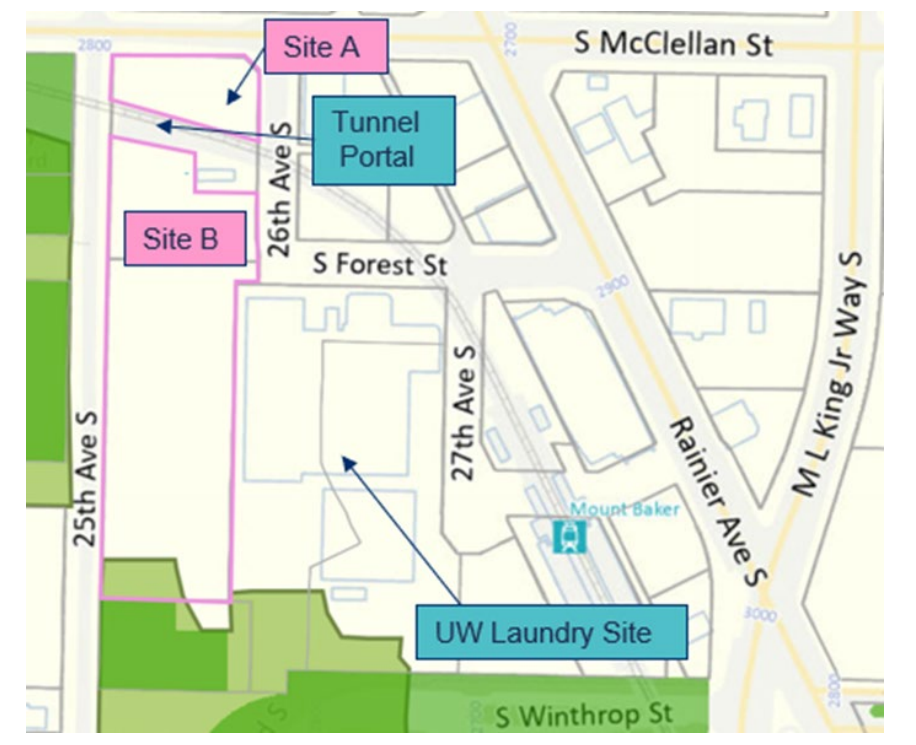
The smaller of Sound Transit's two sites in Mount Baker, to the north of the Beacon Hill rail tunnel portal, would be offered to the City of Seattle's Office of Housing via a discounted transfer. Located along S McClellan Street, that parcel is expected to be developed as four to eight townhomes or stacked flats, according to a Sound Transit staff report.
Those homeownership projects will come on the heels of other Office of Housing projects on former Sound Transit parcels in the Rainier Valley, including eight four-bedroom townhomes being built by African Community Housing & Development at MLK Jr Way S and S Edmonds Street and a 16-unit condo building being built by Homestead Community Land Trust one block away, at MLK and S Angeline Street.
Those two nonprofit builders were selected last fall, after the Sound Transit board signed off on property disposition plans in 2020. On the other hand, the larger site in Mount Baker, to the south of the tunnel portal, is set to be sold for market-rate development.
At around 100,000 square feet, Site B is massive, with several hurdles that could stand in the way of transformation into a large housing complex. With dozens of mixed-use projects across the city currently on hold due to high interest rates, rising construction costs, and hesitant investors, a redevelopment project may not move forward quickly even if Sound Transit is able to find a buyer soon.
If the property had been offered for sale at the height of Seattle's development boom, odds are the project could have moved forward more swiftly and aggressively.
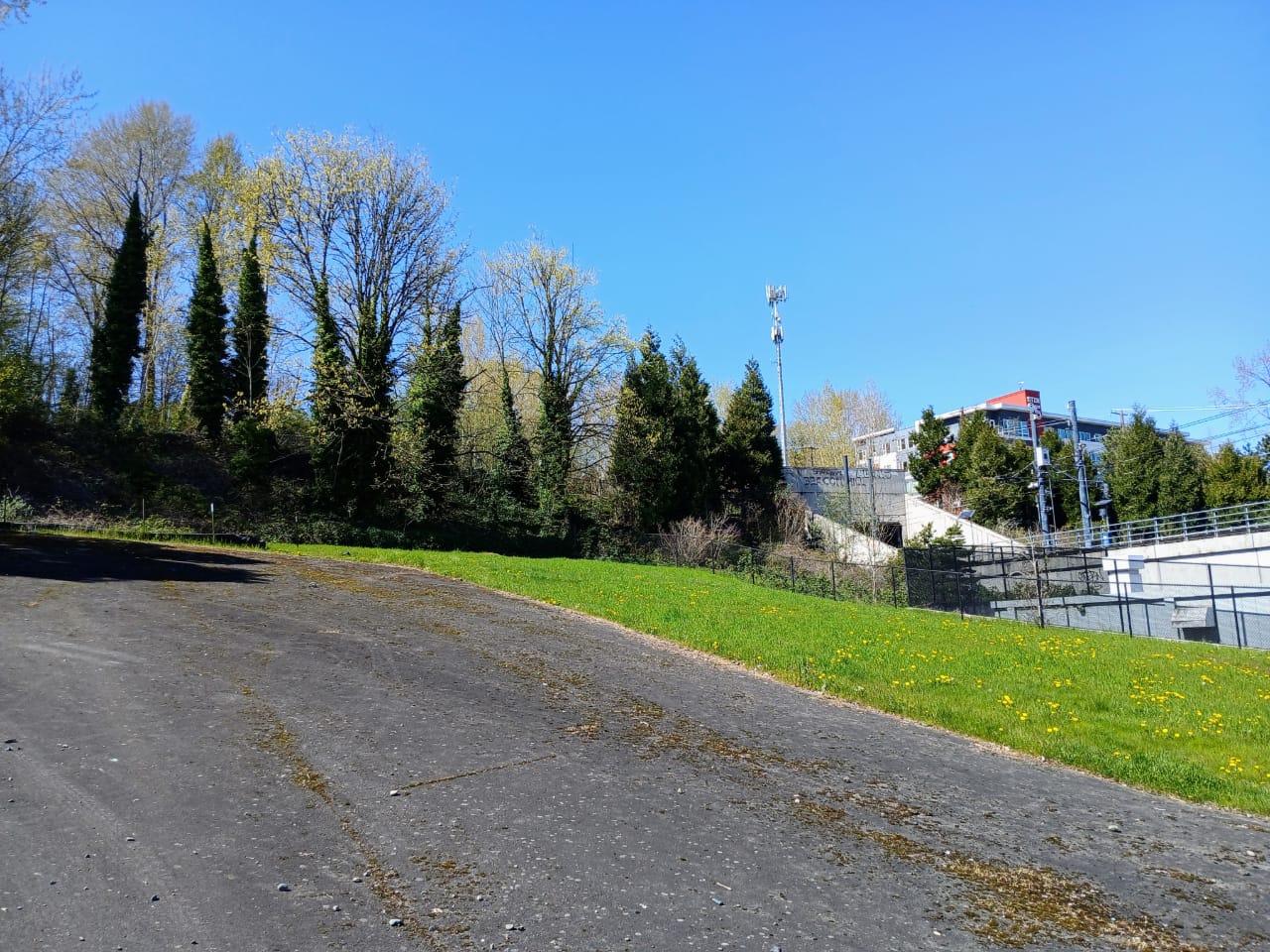
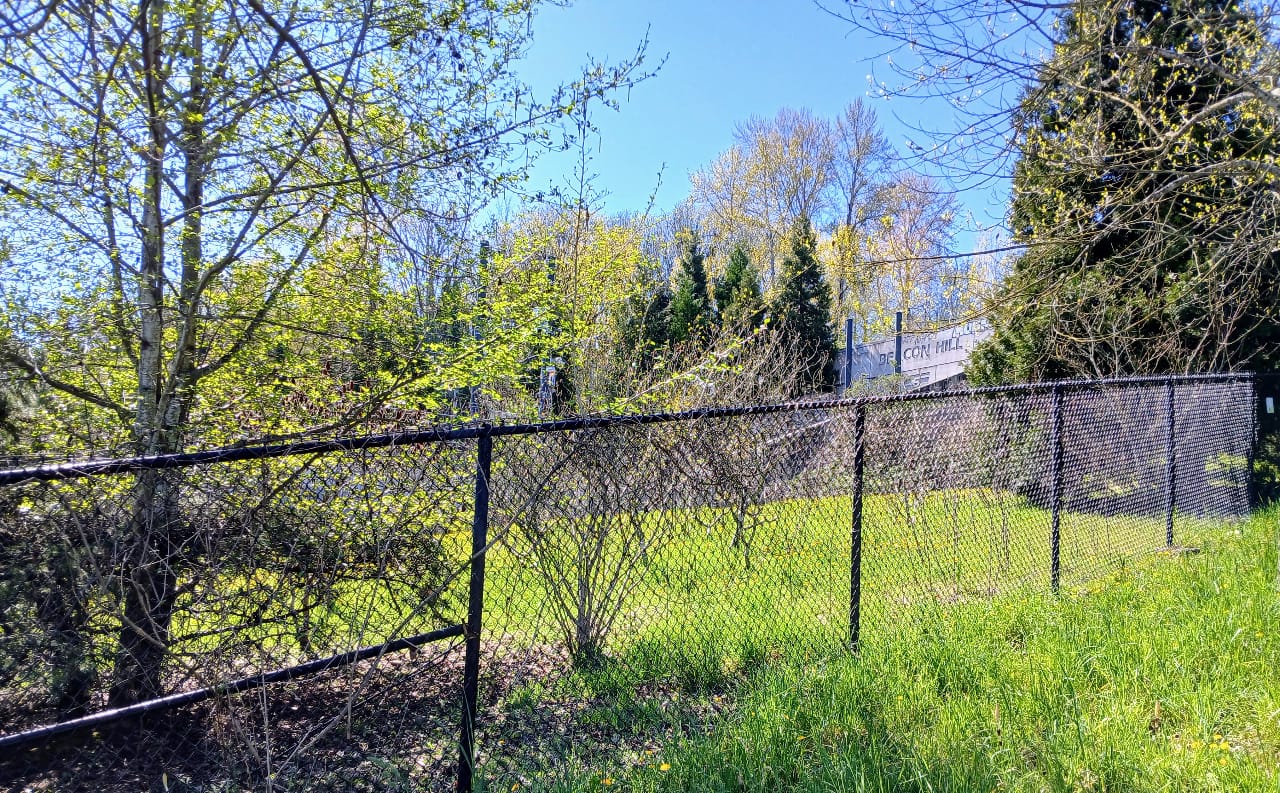
"Mount Baker Site B is challenging to develop due to its steep slope, with grades more than 40% at points, which increases the complexity and cost to build," a Sound Transit staff report produced for Thursday's meeting noted. "Additionally, the southernmost portion of the South Site is designated a Wildlife Environmentally Critical Area (ECA) by the City of Seattle, which requires a future development to mitigate any impacts to the ECA. These constraints present development challenges that would strain the feasibility of an affordable housing development, including but not limited to increased infrastructure costs. However, feasibility studies show Site B is developable and can support multifamily development."
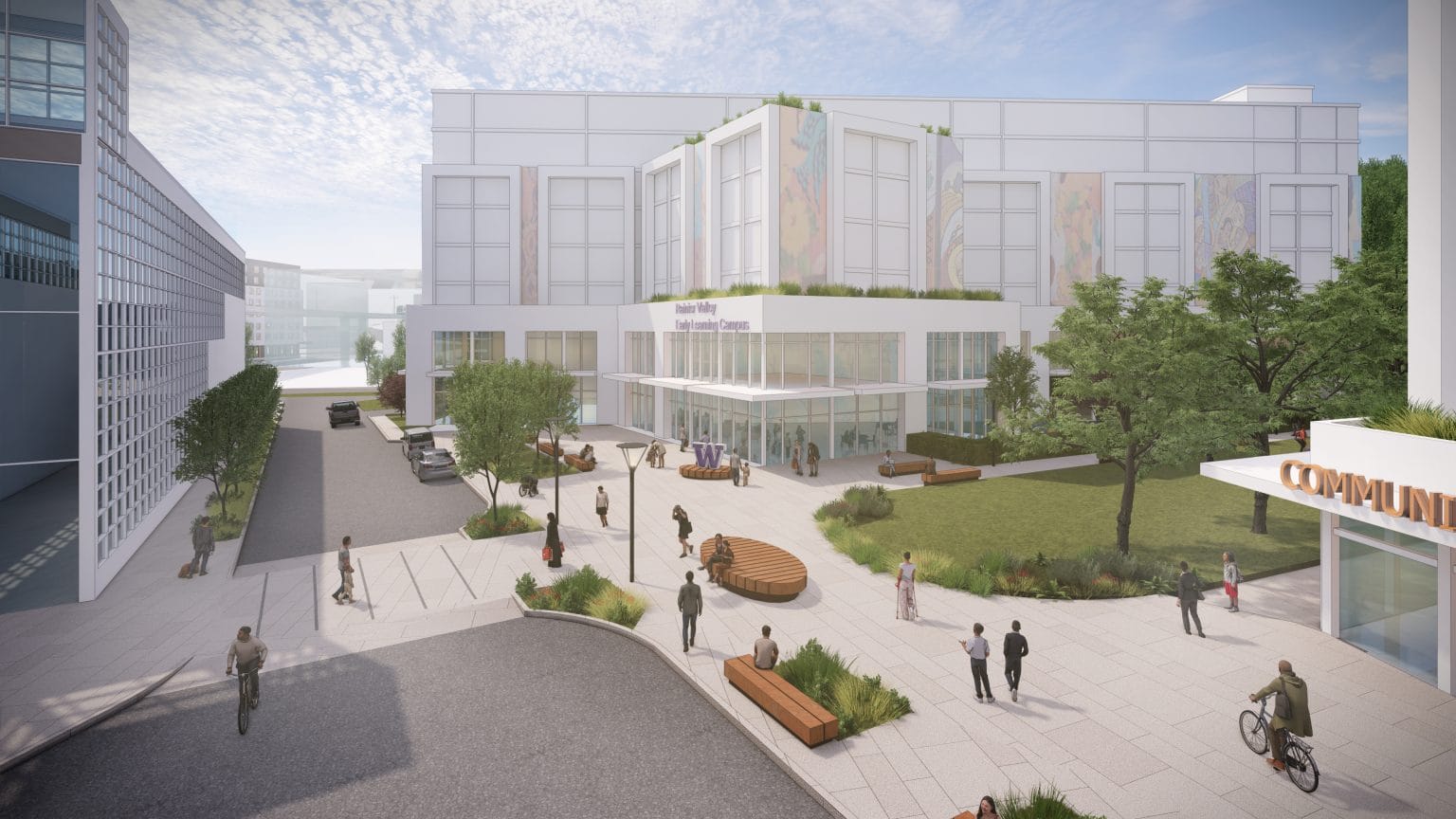
For years, the focus at Mount Baker Station has been on the former UW Medical Center laundry site, steps from the station's entrance. Acquired by the City of Seattle in 2020, the future of the 3.7-acre site was advanced forward in 2024 when El Centro de la Raza and Mercy Housing were selected as development partners for a two-phase project that will ultimately add 431 affordable units as well as an early learning center.
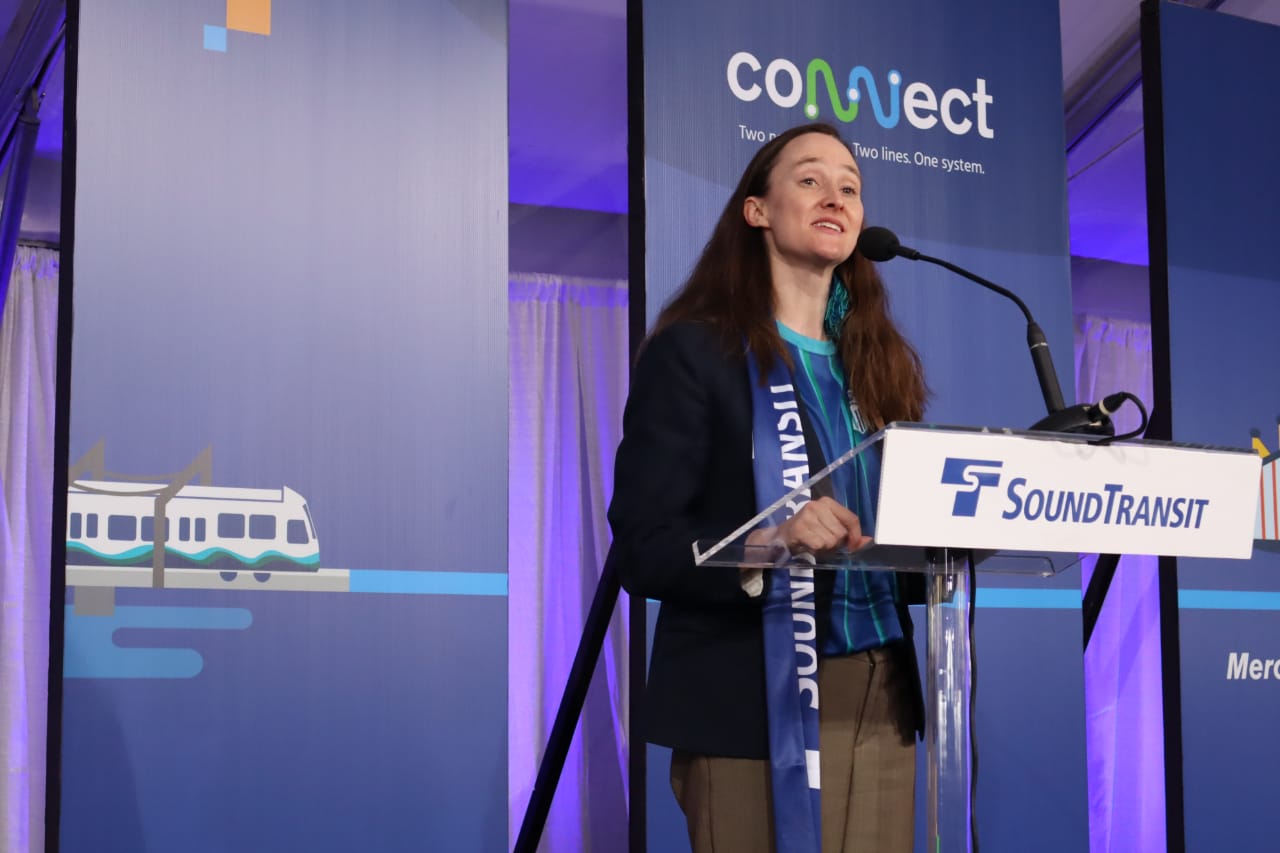
"[Site B's] constraints, including steep slopes, make development complex and expensive, challenging an affordable housing outcome. And when we studied our sites together, the Seattle Office of Housing determined that the large flat adjacent UW Laundry site on its own provided the best scale and investment of spare housing dollars. Sound Transit cannot discount land for public outcomes beyond affordable housing development," Mara D'Angelo, the Acting Director of Sound Transit's Community Development Office, told the committee. "Second, community engagement showed support for mixed-income, activated station area. A market-rate outcome on Site B would play an important role in realizing this vision alongside the affordable rental at UW Laundry and the affordable homeownership on Mount Baker Site A."
Like the UW Laundry site, Site B is zoned SM-NR 95, which allows building up to 95 feet tall with a generous 6.25 floor area ratio limit. That means the 100,000 square foot site has a maximum capacity of 625,000 square feet of developable space, enough for more than 600 homes.
Heather Burns, a Senior Project Manager for transit-oriented development (TOD) at Sound Transit, also noted that Sound Transit's site is set to be used for staging for construction on the UW Laundry, set to commence this fall.
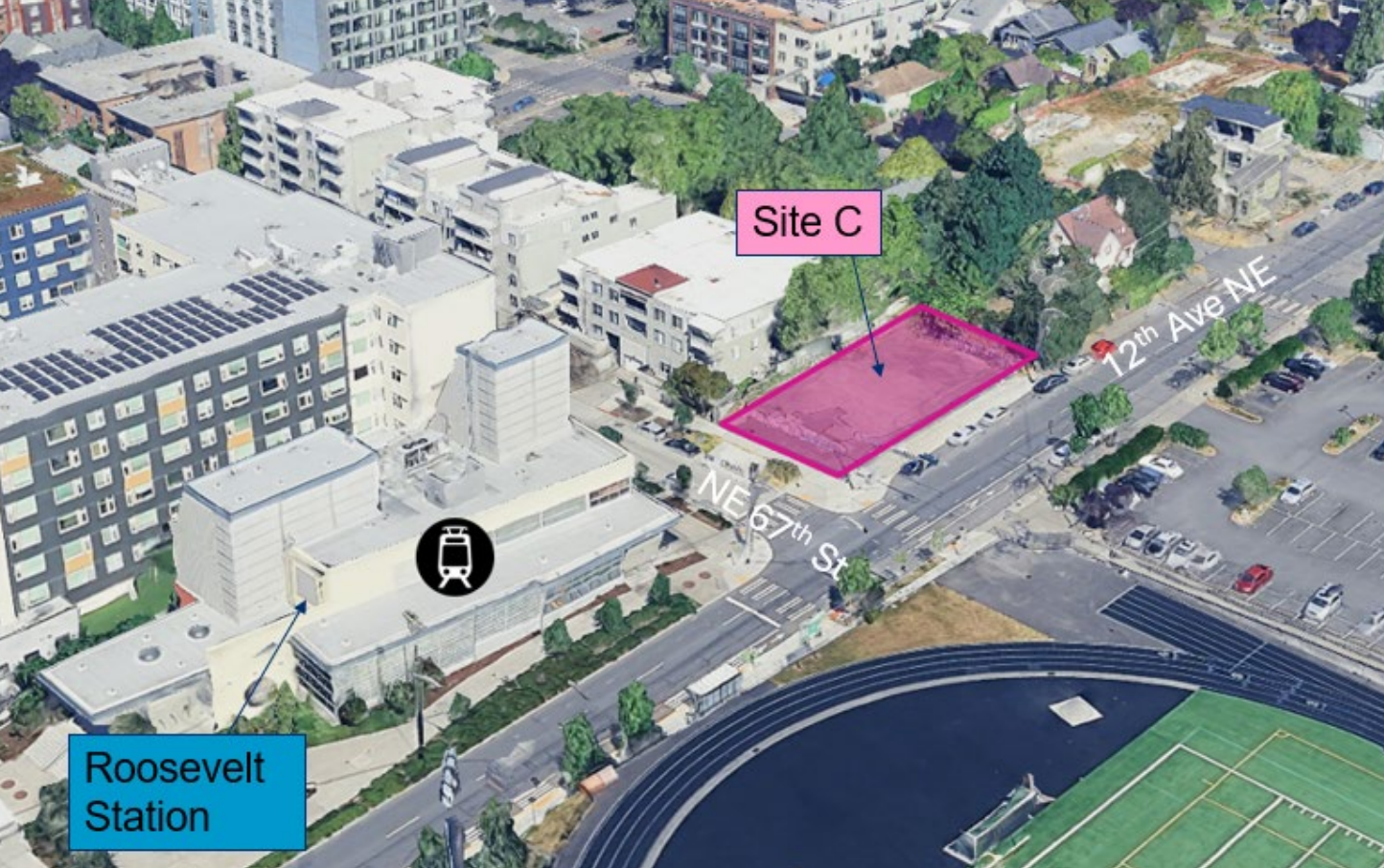
Thursday's resolution also advances a third site, at Roosevelt Station, toward being surplussed. That 6,000-square-foot site north of NE 67th Street had been utilized for staging for the nearby 254-unit Cedar Crossing project, a joint development between Bellwether Housing and Mercy Housing that opened in 2022 directly adjacent to the Roosevelt Station headhouse.
Sound Transit spokesperson Amy Enbysk offered The Urbanist an explanation for the long process to dispose of the Mount Baker sites, noting that the agency's Real Property Utilization Committee (RPUC) has to sign off on a parcel, with that committee's review not beginning until five years ago.
"The Mount Baker parcels began the RPUC review in 2021 and were declared surplus by the CEO in late 2022. The Roosevelt site was reviewed by RPUC in 2016 and in 2017 the CEO and Board declared that contingent upon the completion of the Northgate Link Extension, it would be surplus. For simplicity, this set of actions asks the Board to surplus all three sites, although technically the Roosevelt site had previously been given that designation by the Board," Enbysk said. "The offering strategy takes years of preparation as it is informed by due diligence, planning, community engagement, and other work. It isn’t uncommon for the RPUC step to be completed years in advance of the Board approving the package of actions that advance a TOD property to the offering stage."
Under state law, Sound Transit is required to make the vast majority of the properties it acquires for station and guideway construction available for the construction of affordable housing. Referred to as the "80-80-80" policy, 80% of surplus properties must be "first offered" for affordable housing creation, with 80% of created units affordable to households making at or below 80% of the area median income, or around $97,000 for a family of two in King County.
Sound Transit has significantly exceeded this goal, with 96% of its surplus parcels utilized for affordable housing, and 100% of the units developed as a result meeting the income criteria. But the agency's long-range financial plan also expects to gain $180 million from the disposition of properties from the 2008 Sound Transit 2 ballot measure, with $88 million of that amount either secured or already under contract. While the current fair market value of the Mount Baker site B isn't yet known, its sale is expected to bolster that number.
All told, Sound Transit's transit-oriented development program has led to the creation of more than 3,700 homes across the three-county taxing district since it was created.
 Urbanist Staff
 Anna Zivarts