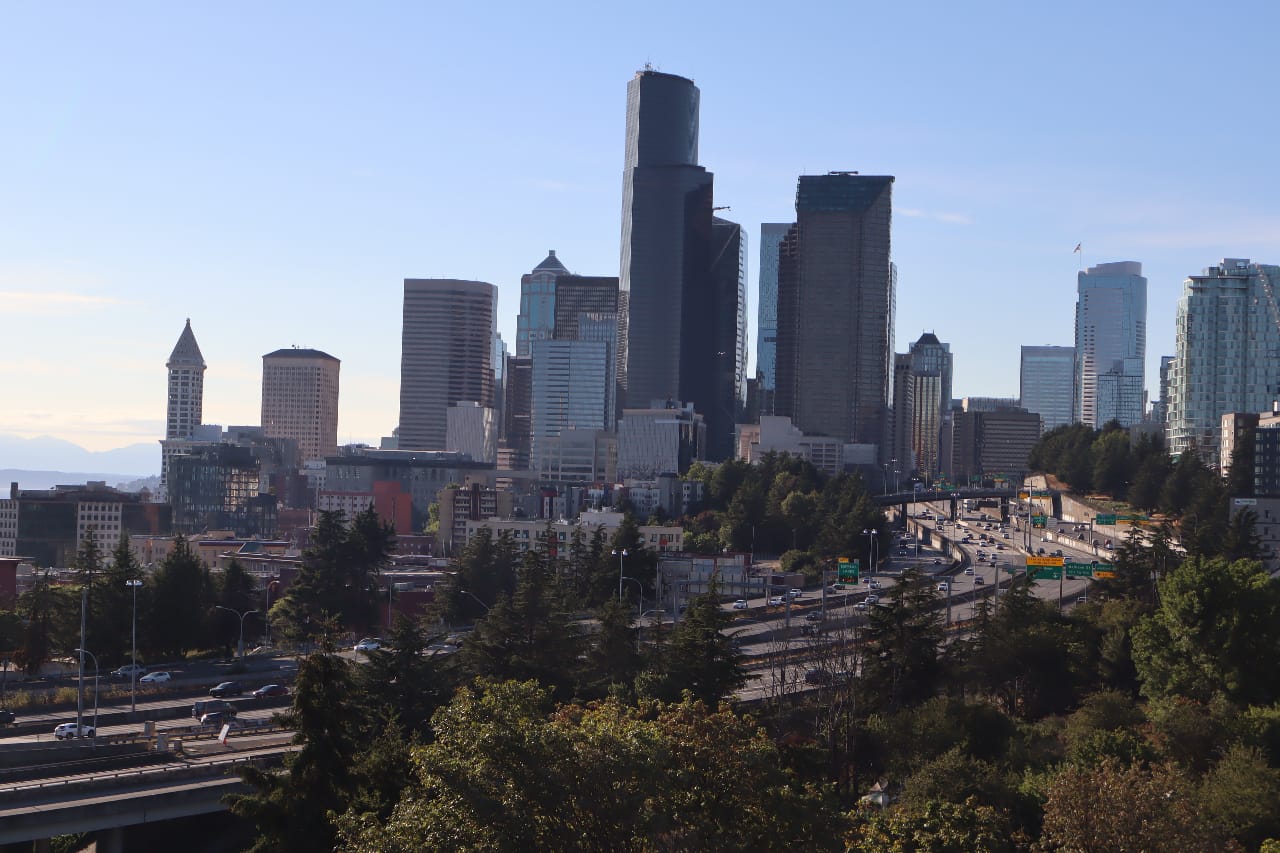
A long simmering fight over the environmental review behind Seattle’s long-range growth plan entered a new phase last week, with a number of local environmental conservation groups joining a push to press an appeal intended to force the City back to the drawing board.
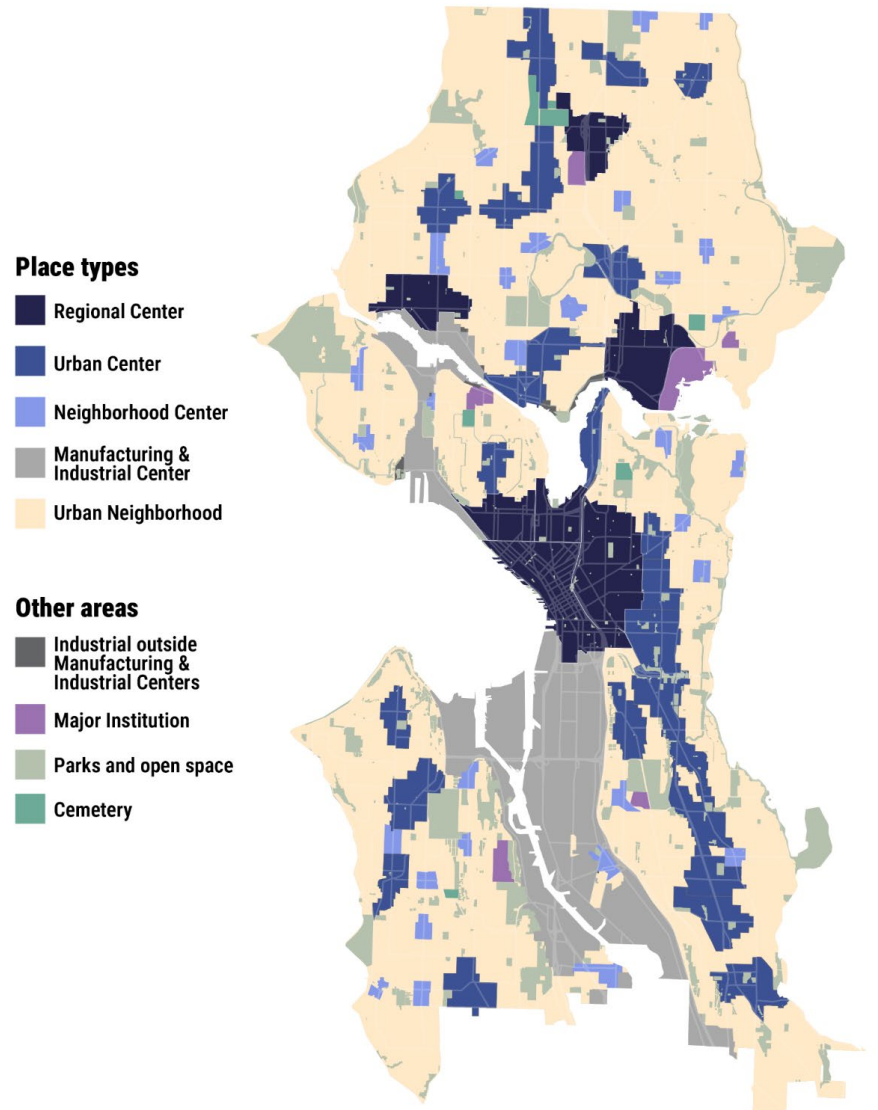
The appeal in question dates from last winter, one of six that were filed against the environmental impact statement (EIS) conducted on Seattle Mayor Bruce Harrell’s “One Seattle Plan.” The updated Comprehensive Plan spells out which areas will see additional housing density as the Emerald City prepares to accommodate at least 112,000 new homes through 2044, and the policies the city will follow as it stewards that growth.
All six appeals alleged that the city didn’t conduct enough analysis on the future impact of housing and job growth, with environmental advocate Jennifer Godfrey’s appeal focusing on the potential impacts to Puget Sound’s population of Southern Resident orca whales from increased stormwater runoff due to tree removal.
Thanks in part to recent updates to Washington’s State Environmental Policy Act (SEPA), adopted by the legislature with the goal of eliminating predatory appeals that slow down the production of infill housing, all six appeals were dismissed at the city level last April. But Godfrey, along with the group “Friends of Ravenna Cowen” and Mount Baker resident John Cary, appealed that decision to King County Superior Court. After those two appeals were also dismissed, the group elevated their appeal to the state’s court of appeals.
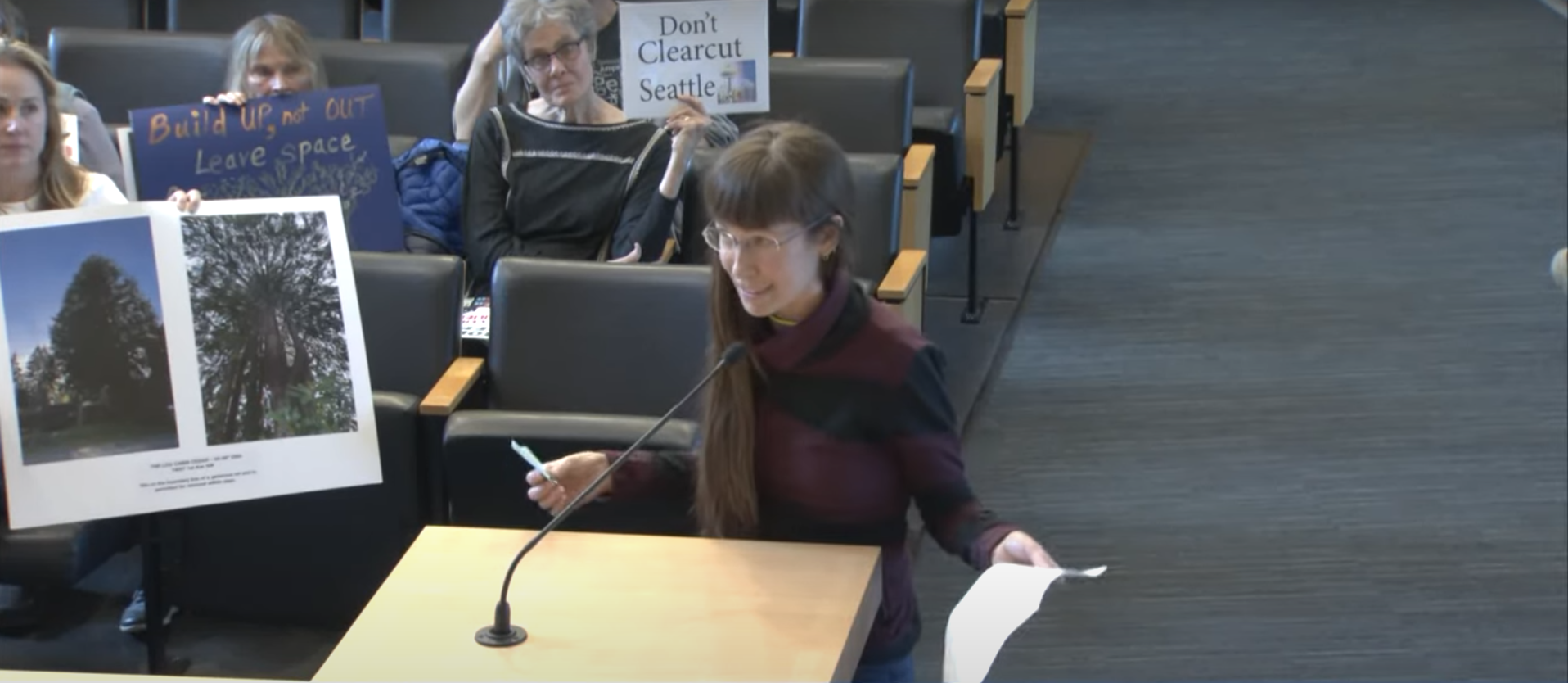
A hearing on the two appeals, consolidated into one, had been scheduled for early March, but last Wednesday City Attorney Erika Evans’ office filed a motion to dismiss the case as moot, given the fact that the plan has now been fully adopted by the city and is in effect. The filing asserts that if the groups want to appeal the plan, the avenue to do so is the state Growth Management Hearings Board, which has “exclusive jurisdiction.” A 60-day clock to file that appeal started in mid-December.
In response, a coalition of conservation groups are now publicly pushing for City leaders to drop their fight against the appeal and allow it to proceed, despite the high likelihood of dismissal at the hearing, with the appellants directed to the state hearings board. A January 21 press release from Orca Nexus, a group Godfrey founded last spring after filing her initial appeal, contained a “call for accuracy in Seattle’s Comprehensive Plan environmental review.”
Among the organizations signing on were Birds Connect Seattle (formerly Seattle Audubon), Thornton Creek Alliance, Orca Conservancy, the Puget Sound Chapter of the American Cetacean Society, and the Oceanic Preservation Society. A form letter has been directing those calls to stop fighting the appeal to Mayor Katie Wilson, despite the fact that the Seattle City Attorney is an independent office that is separately elected.
“Trees filter pollutants, cool waterways, and reduce stormwater flow. Yet the City’s adopted plan fails to accurately assess the increased runoff and raw sewage overflows that would likely result from replacing tree canopy with concrete,” the release stated. “The One Seattle Plan will further reduce canopy coverage following years of the City’s failure to achieve canopy goals. According to the appellant, this dismissal effectively removes the public right to use the long established appeal process on an inadequate EIS, setting a dangerous precedent.”
Just before Christmas, those same groups filed an amicus brief in Godfrey’s appeal, contending that a dismissal would set a “set a dangerous precedent” that could make it harder “to ensure that the City’s compliance with SEPA and the [Growth Management Act] will include dependable, scientifically competent analyses of likely impacts at future stages of regulatory development and project permitting.” The group argued that the citywide analysis conducted on the plan was not robust enough to prevent environmental impacts that will get approved later, when builders head to the city to get their permits.
Ultimately, the brief encapsulates a split between environmental groups when it comes to the issue of urban development. Many old-guard organizations focused on conservation argue for local governments to more intensely micromanage growth and its potential impacts, a position that puts them at odds with environmentalists who argue such micromanagement slows down urban housing production that reduces greenhouse gases and limits pressure on the fringe of the urban growth area, where development has a much higher environmental cost.
“One of Godfrey’s main concerns is the unnecessary increase in impervious surfaces resulting from the removal of large trees to accommodate higher density housing,” the brief stated, bringing up regulations around tree preservation that predate the most recent update to the City’s regulations that occurred in 2023. “[We] are very familiar with this issue and believe the City has failed to update its tree ordinance to actually ‘protect trees.’ For example, an interdepartmental team did a careful evaluation of the City’s tree code in 2016–2017 and determined that the City’s ‘Current code is not supporting tree protection.'”
To date Godfrey has raised around $4,500 from a Gofundme page set up to fund the legal appeal, with longtime Seattle density opponent (and former aide to Councilmember Alex Pedersen) Toby Thaler handling the appeal’s legal filings.
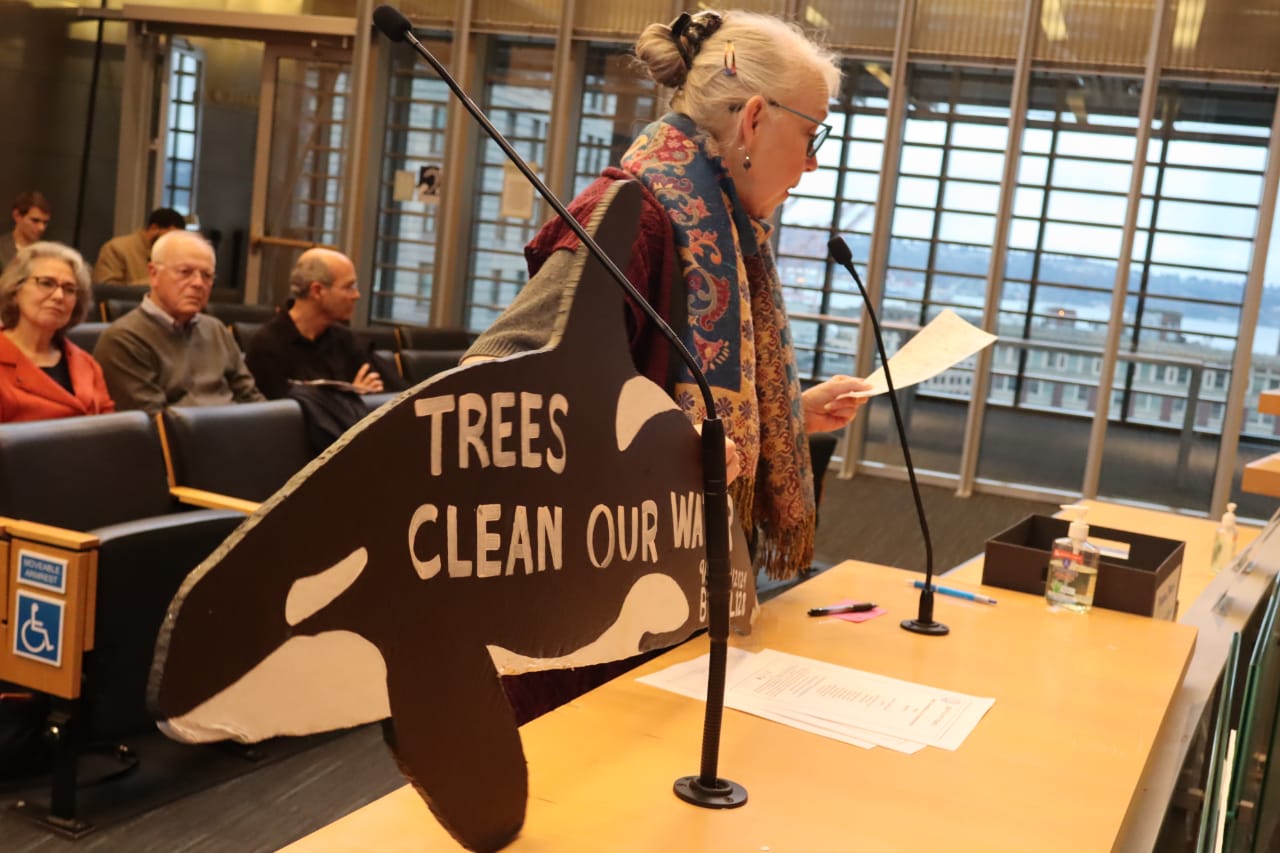
“Seattle’s growth should not come at the expense of the last remaining 74 Southern Resident Killer Whales,” Godfrey said in the release. “This plan will literally pave over orca recovery efforts. It will increase hardscape and facilitate indiscriminate removal of the large trees that provide vital stormwater filtration, without requiring effective mitigation or honest analysis of the ecological consequences. At the same time, the plan will not produce the quantities of low income housing needed to solve the ‘housing affordability crisis.’”
Tree Action Seattle, a group that had turned out in force to Comprehensive Plan hearings to push for amendments that would reduce flexibility for homebuilders in the name of tree preservation, also joined the fight this week via an Instagram post. That prompted a response from Sierra Club Seattle Chair Robert Cruickshank, who made the case for increasing density within the city being a net benefit for orcas in an op-ed in The Urbanist last year with Futurewise advocacy director Jazmine Smith, who also serves on The Urbanist board of directors and elections committee.
“Building new housing is one of the most important things we can do to help our orca population survive,” Cruickshank said. “Density actually helps orca populations. That’s because it reduces the amount of pollution in stormwater that harms salmon and the orca that depend on the salmon runs. Now, what is in that stormwater that harms salmon and orca? It’s runoff from cars. It’s oil, it’s bits of tires. It’s the shavings off the brakes when you hit the brakes, when you’re driving. Stuff like that that gets into the stormwater, runoff goes into the sound, kills salmon and hurts orcas, and it’s exacerbated when we build sprawl, when we cut down forests and pave over farmland that destroys salmon habitat that orcas depend on, it also means more people are driving. So what we need to do is build dense cities.”
If the state court of appeals sides with the City of Seattle, the appeals could be dismissed as soon as this week… but that likely won’t be the end of the story.