Sound Transit faces a $34 billion shortfall and a narrow window to decide what gets built. That is a problem. But it is also a chance to rethink how transit gets delivered in this region. Issaquah wants to show what that looks like: a line that costs less, a station area that generates ridership through housing rather than garages, and a city that is ready to share the work with Sound Transit rather than just make demands.
A cheaper line is a buildable line
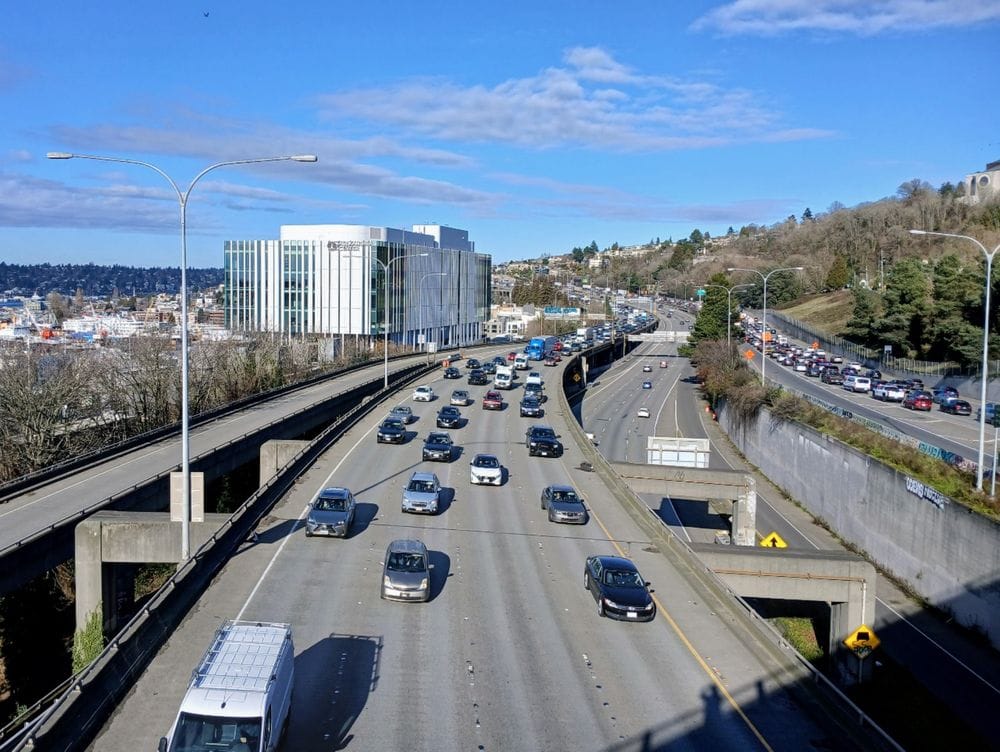
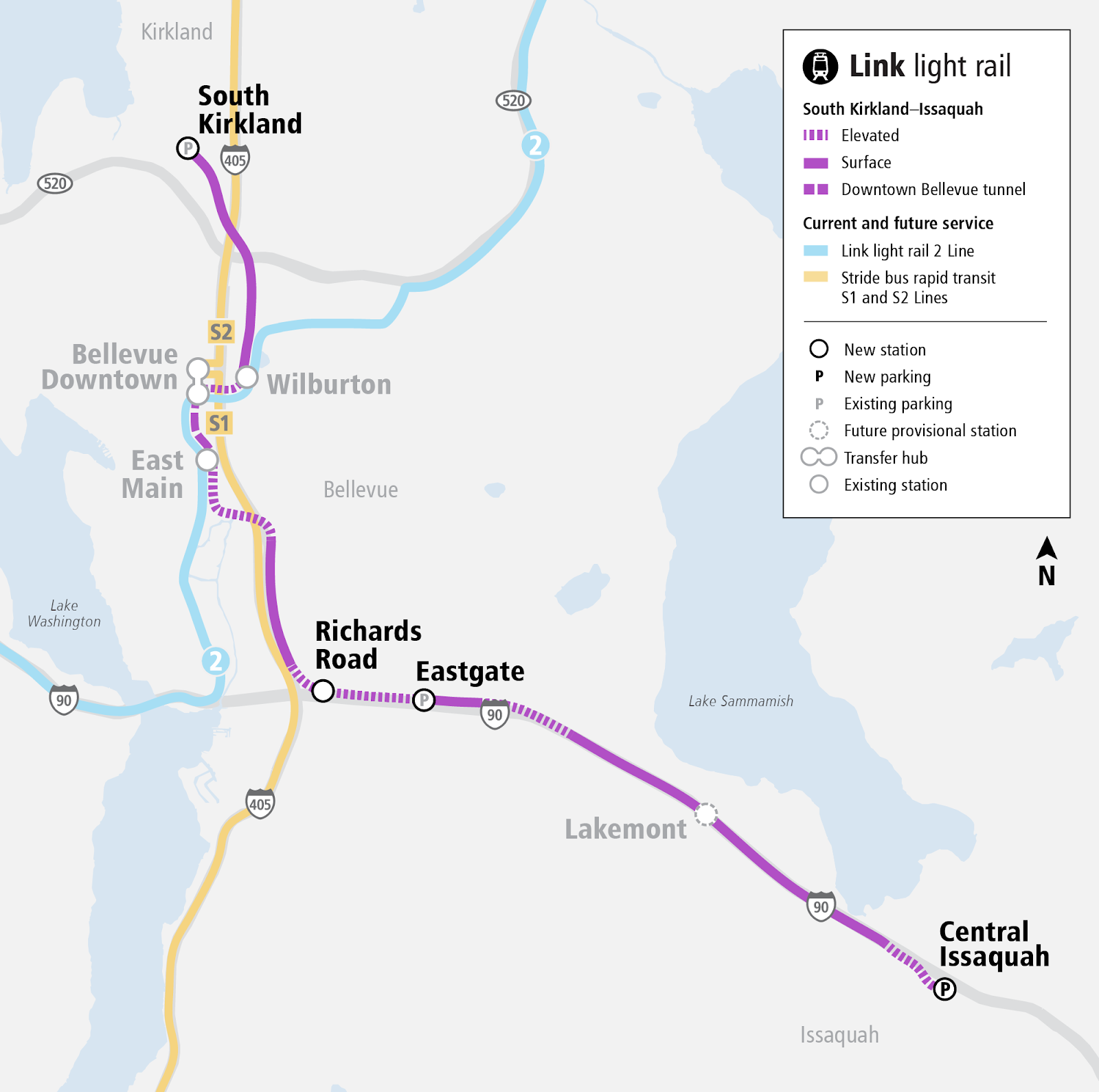
The Bellevue-to-Issaquah corridor is one of the most straightforward segments in ST3. Most of the alignment can run at grade in the I-90 median, within the existing right-of-way owned by the Washington State Department of Transportation (WSDOT). That means lower land acquisition costs, simpler construction, and a fraction of the expense of the tunneled and elevated segments elsewhere in the system.
Our proposal starts with cutting parking garages. Structured parking is among the most expensive and least effective ways to generate ridership – a single garage can cost as much as an entire station. Eliminating garages from the project scope would free up substantial capital while producing a better outcome, because what replaces them (housing) matters more.
We are also prepared to partner directly with Sound Transit on project costs, including sharing the expense of land acquisition for construction staging. We have already begun working with Sound Transit staff, WSDOT, and the Puget Sound Regional Council to evaluate station area options, prioritizing cost and feasibility over perfection.
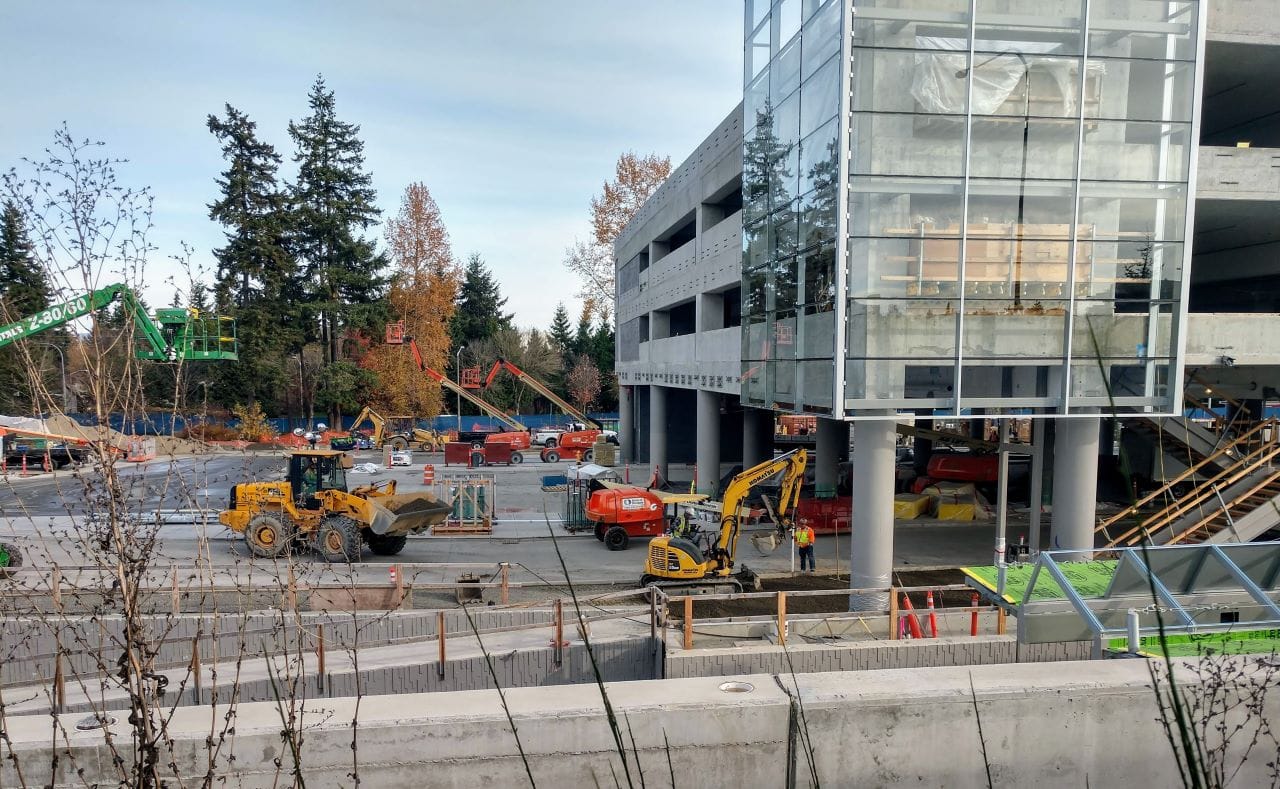
This is the approach Redmond took with its 2 Line stations: settle the route early through transparent engagement, do the hard work upfront, and be ready when the money is available. The result was stations that opened under budget and ahead of schedule, surrounded by new housing and jobs.
Housing, not garages
Here is the part that should matter most to this readership: Issaquah is serious about the land-use changes that make light rail worth building.
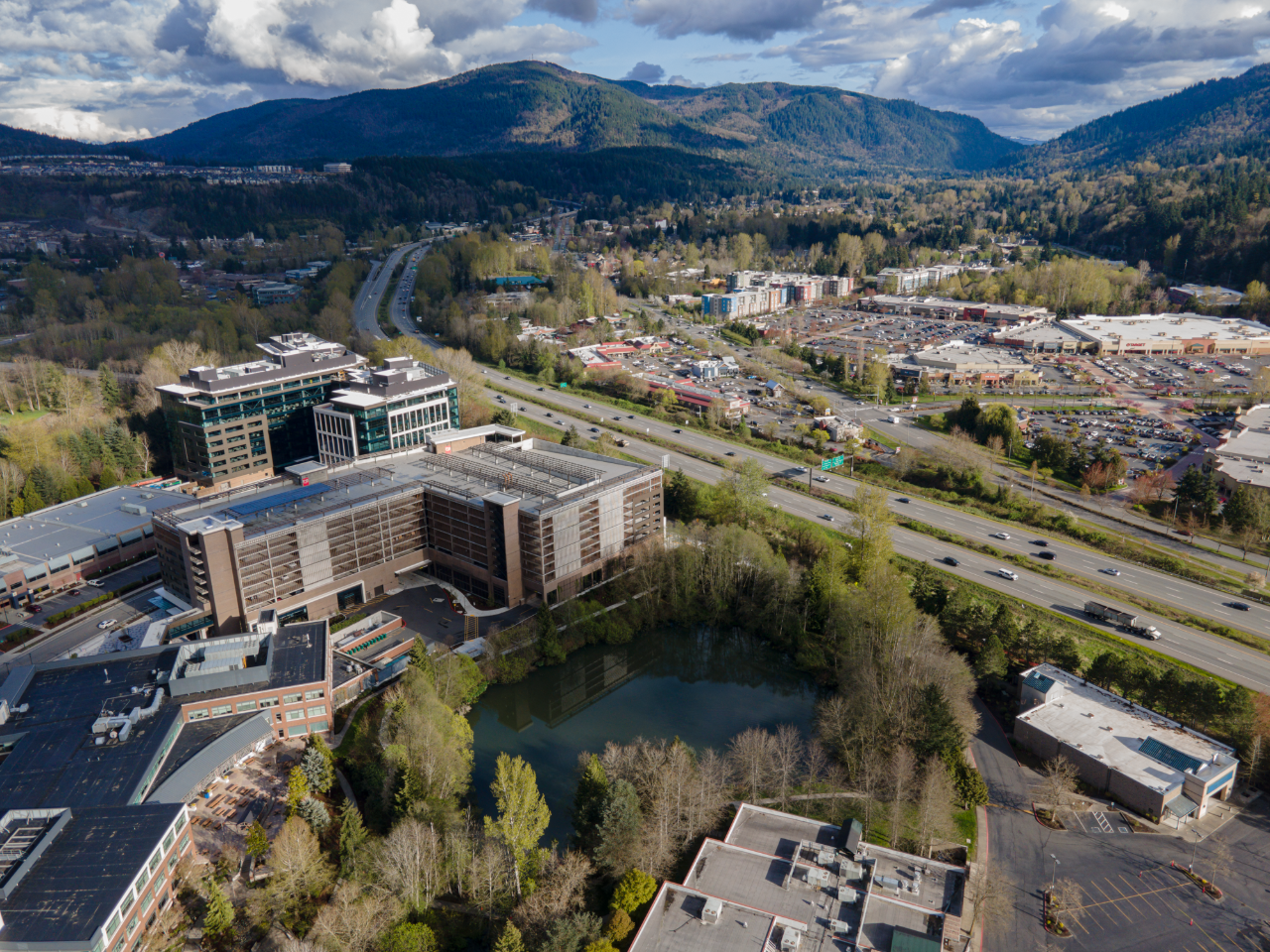
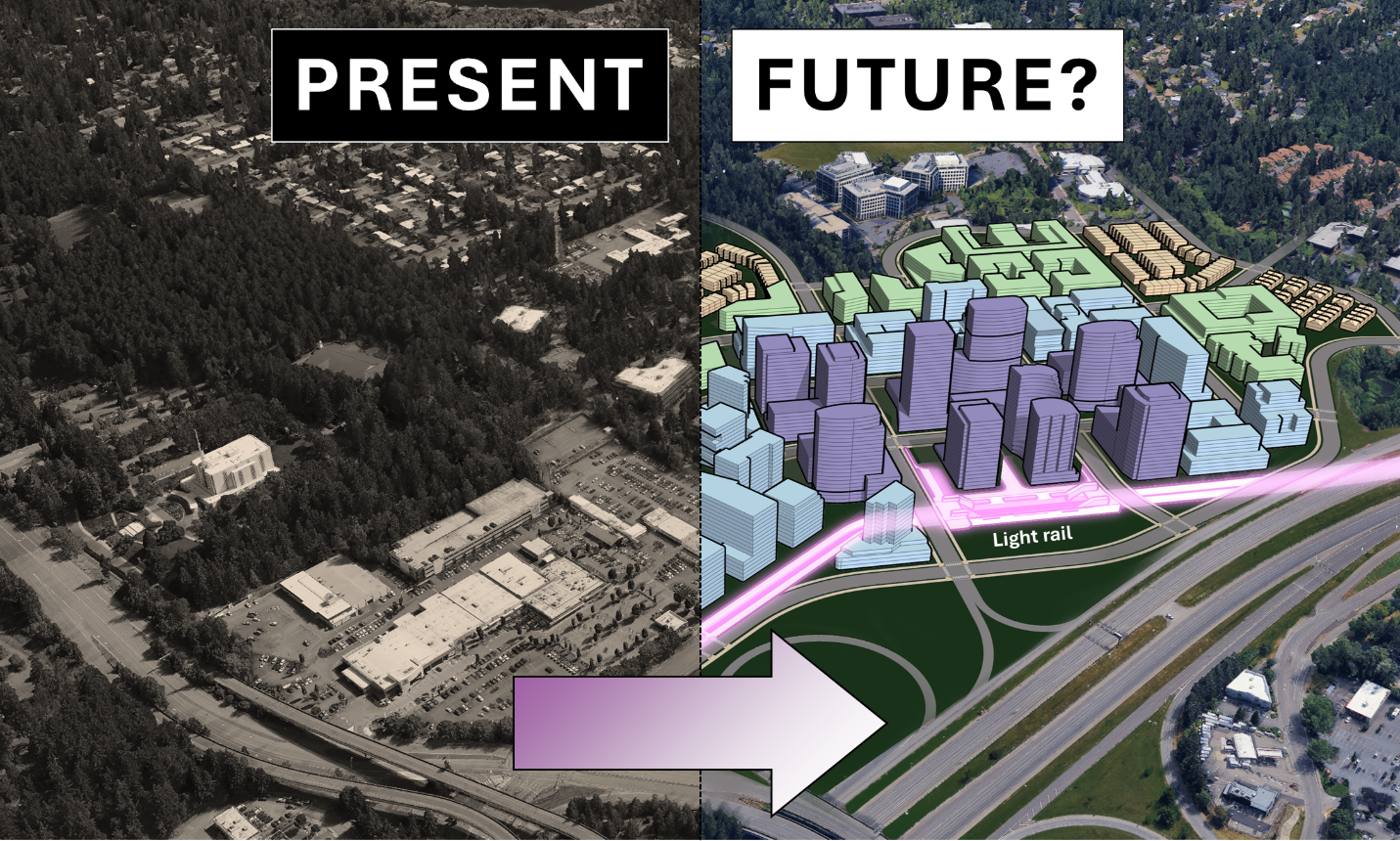
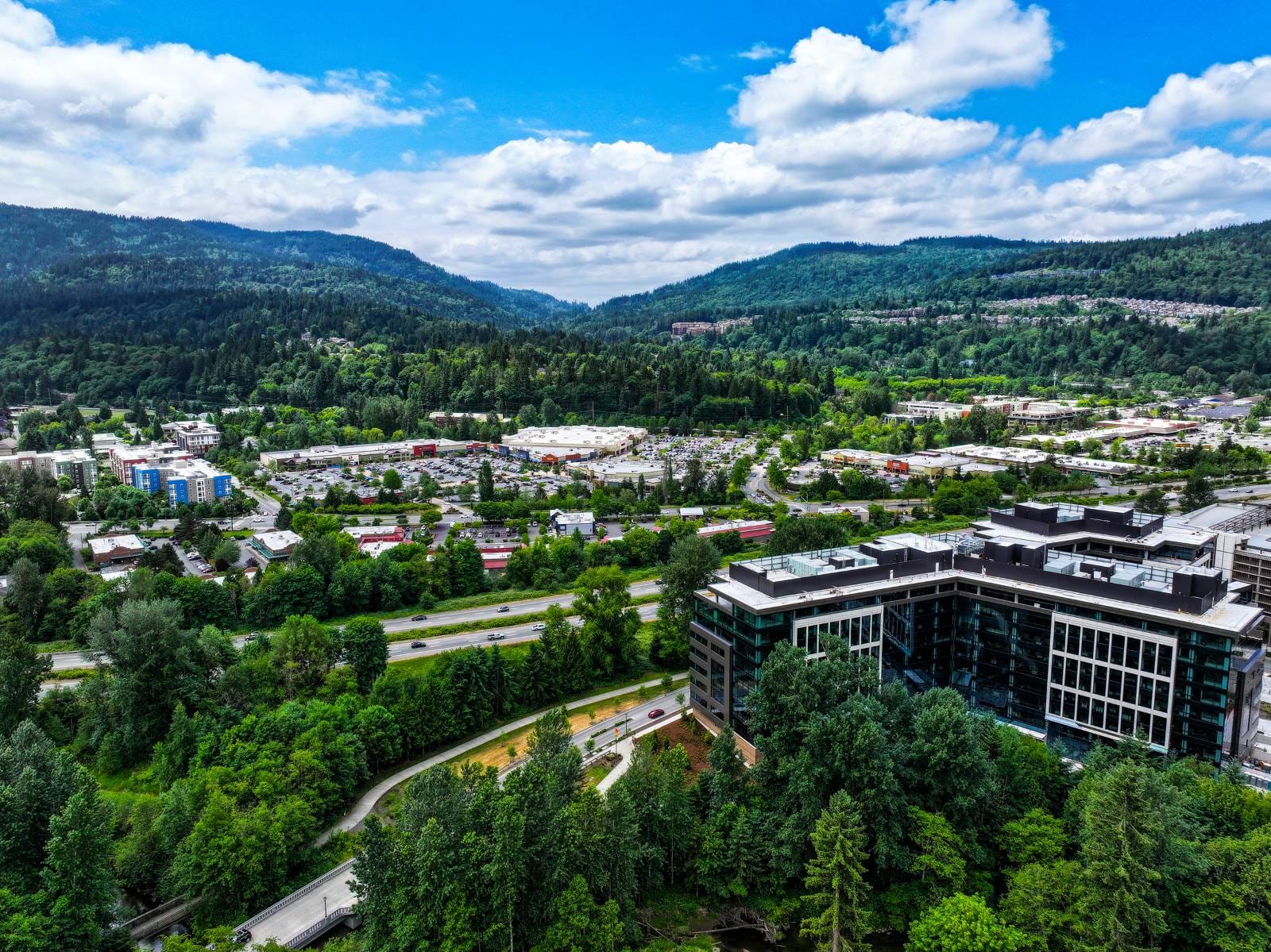
Central Issaquah today is dominated by big-box retail and surface parking. It was planned decades ago around car access. But the bones of the area are good: it is flat, centrally located, adjacent to I-90, and surrounded by major employers. The vision for housing is already in the plan. What has held it back is a development code with outdated requirements, costly standards, and permitting processes that make building impractical.
We can’t speak for every member of the city government, but the direction is clear. At the city council’s recent public retreat, housing in Central Issaquah was identified as a top priority for 2026. The mayor’s office has echoed that urgency. A station surrounded by walkable, mixed-use neighborhoods rather than parking structures is not just a compromise, but also a better project.
This is the piece that critics of the 4 Line consistently overlook. Ridership projections for the corridor are based on moderate extrapolations from today’s land use and ridership areas: the big-box stores, the parking lots, the office parks. However, infrastructure is generational. The question is not what Central Issaquah alone looks like now. It is what the Eastside overall looks like in 50 to 100 years with this connection versus without it.
Bel-Red was an industrial district before Sound Transit committed to running the 2 Line through it. Today, it is one of the fastest-growing urban villages on the Eastside.
A node, not an endpoint
A station in Central Issaquah should not be thought of as the end of the line. It is a hub where bus rapid transit from Sammamish, Snoqualmie, North Bend, and Maple Valley could connect into the regional light rail network. For families, workers, and students in those communities, there is currently no realistic transit alternative to driving.
By 2044, Issaquah’s major employers, including Costco’s world headquarters, REI, and Swedish Hospital, are expected to add thousands of jobs. Many employees at nearby Eastside companies already live in Issaquah. The demand is real, it is growing, and the 4 Line’s value extends far beyond the riders it serves on day one.
Trust is fragile
Issaquah’s precincts passed the Sound Transit 3 (ST3) ballot measure by just 50.5%. We do not take that support for granted. Deferring voter-approved projects to a hypothetical ST4 would erode the public trust on which all future transit measures depend. We recognize that once trust is gone, winning it back is extraordinarily difficult.
Every month of delay makes costs higher and the political case harder. But Issaquah is not asking Sound Transit to keep the line on the schedule and hope for the best. We are offering to help solve the problem: cheaper construction, shared costs, and the land-use commitments that make the investment worthwhile. If Issaquah can show that cities and transit agencies, working together, can deliver projects faster, cheaper, and better, that model strengthens the case for transit investment across the entire region.
The Sound Transit Board will hold a retreat on March 18 and make key decisions on the ST3 system plan later this year. If you believe the Eastside deserves this connection, now is the time to show up.
Let’s build the thing.
Mark Mullet is the Mayor of Issaquah. Kelly Jiang and Kevin Nichols serve on the Issaquah City Council.