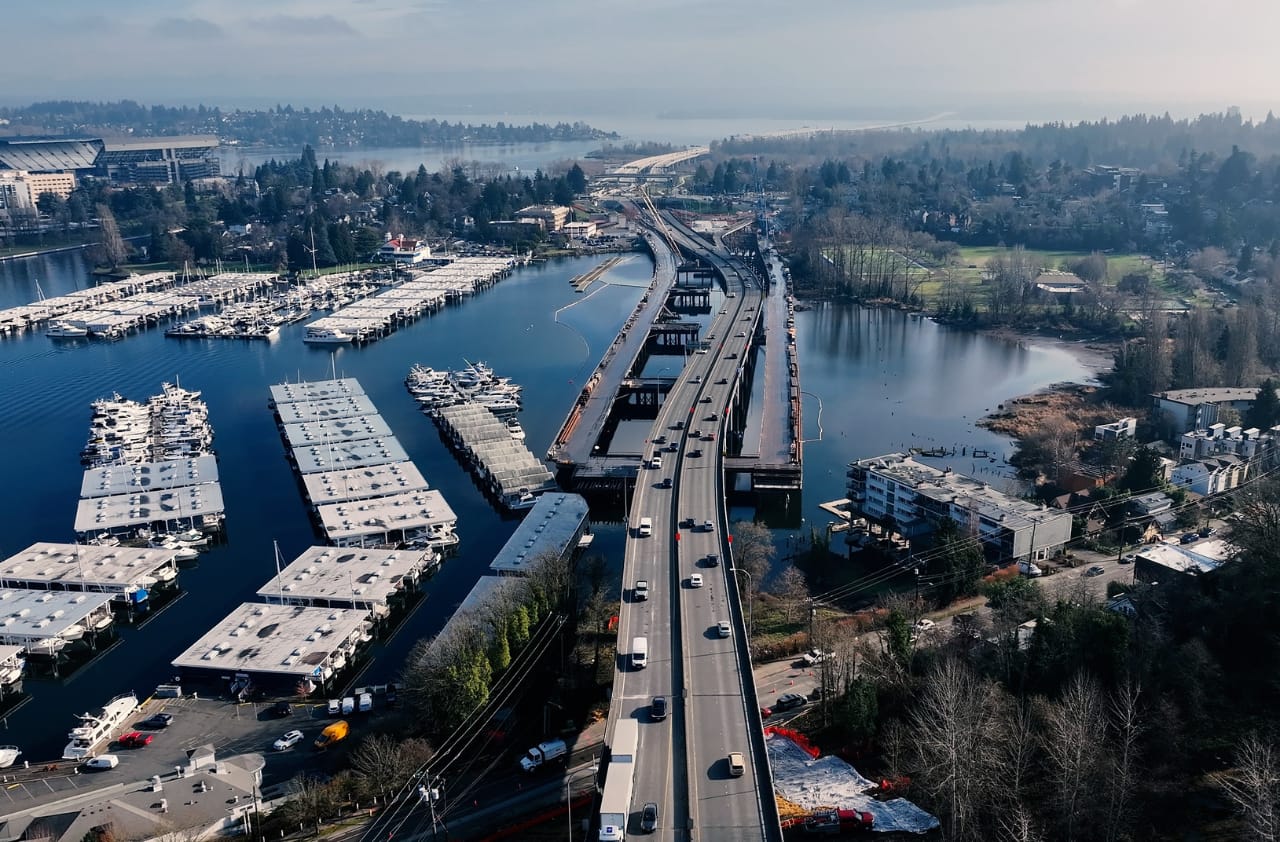
Governor Bob Ferguson's proposal to bolster state transportation spending by issuing $3 billion in new bonds came out of the other end of the legislative process looking much more svelte. In approving supplemental budgets before adjourning for the year on Thursday, legislators authorized $1.3 billion in new bonds as part of a $16.6 billion two-year transportation budget.
Those new bonds include an additional $500 million to cover cost increases on the 520 Bridge Replacement project, and $800 million for broader highway and bridge preservation work. Unlocking that new debt allowed lawmakers to earmark just over $1.5 billion in new dollars for highway upkeep over the next eight years, including a small set aside for the state ferry fleet.
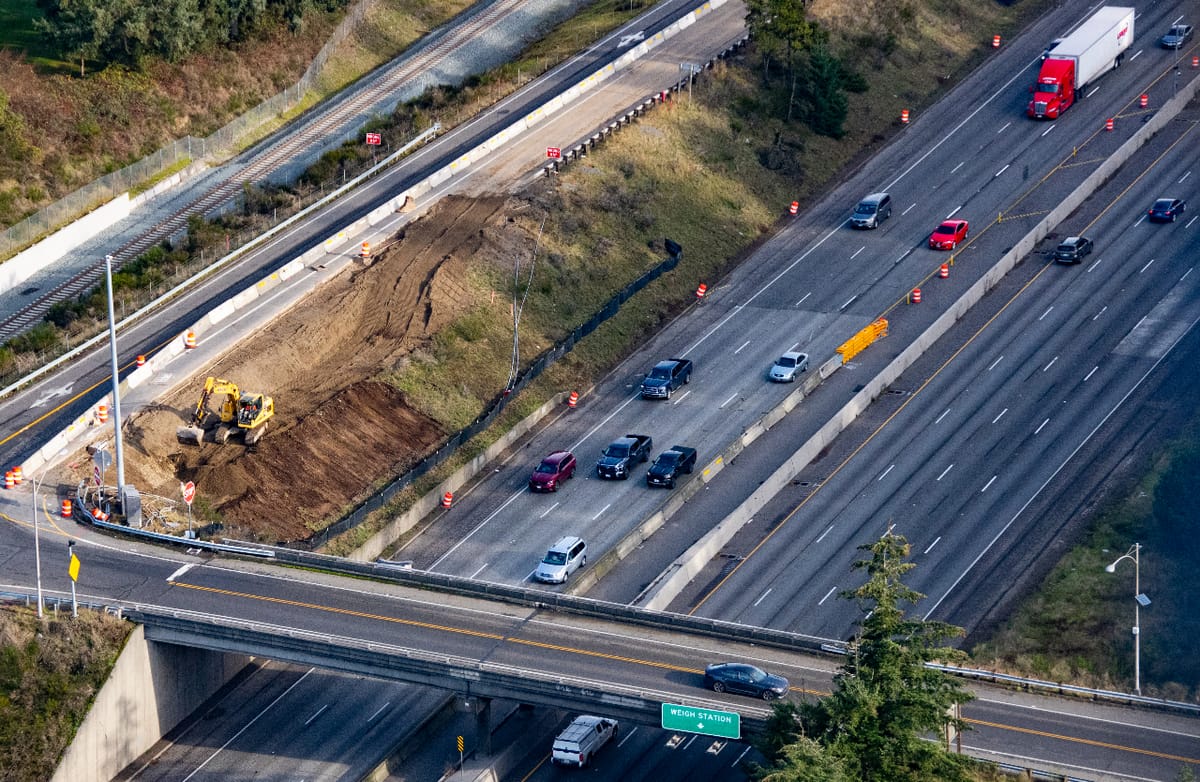
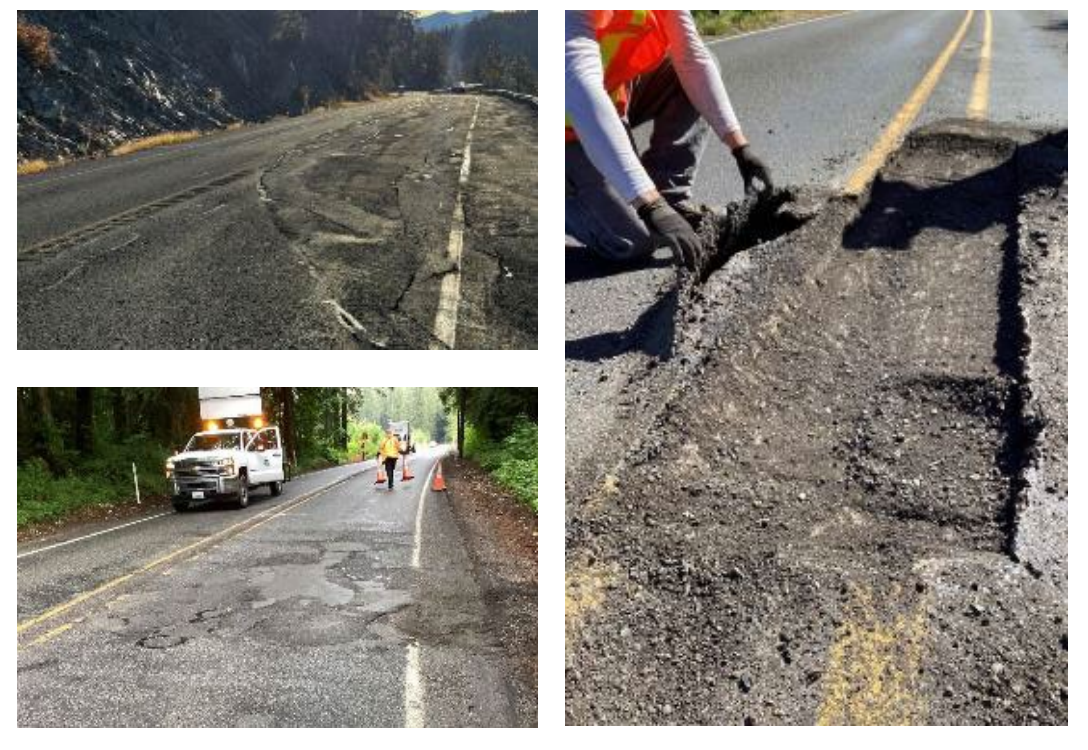
Putting $300 million in new funding on deck for state highway preservation work in the budget, and scaling it up to $500 million each over the next two budget cycles, is an acknowledgement of the degree to which past budgets have neglected basic maintenance of the state's infrastructure.
More than 7,900 miles of state highways in Washington are overdue for preservation work that will keep them in a state of good repair, with another 9,000 miles set to come due within the next decade, according to the Washington State Department of Transportation (WSDOT). In contrast with maintenance activities, which respond to issues as they arise, preservation work is preventative, extending the life of infrastructure.
But these new cash injections still fall short of the expected need by around a third, as the state continues to juggle an array of projects geared toward expanding highway capacity – a significant priority over the past few decades ahead of other programs including public transit, passenger rail, and projects that make it easier to walk and bike.
The new debt will spin up interest payments for future budget writers to deal with. Debt service payments were already costing state residents more than twice the budget of WSDOT's public transit division, and just under 12% of the overall transportation budget.
Even so, lawmakers have been unwilling to take a look at deferring their biggest-ticket highway expansion projects like the North Spokane Corridor, budgeted $784 million through 2029, or the Puget Sound Gateway, allocated $1.32 billion over the same time period.
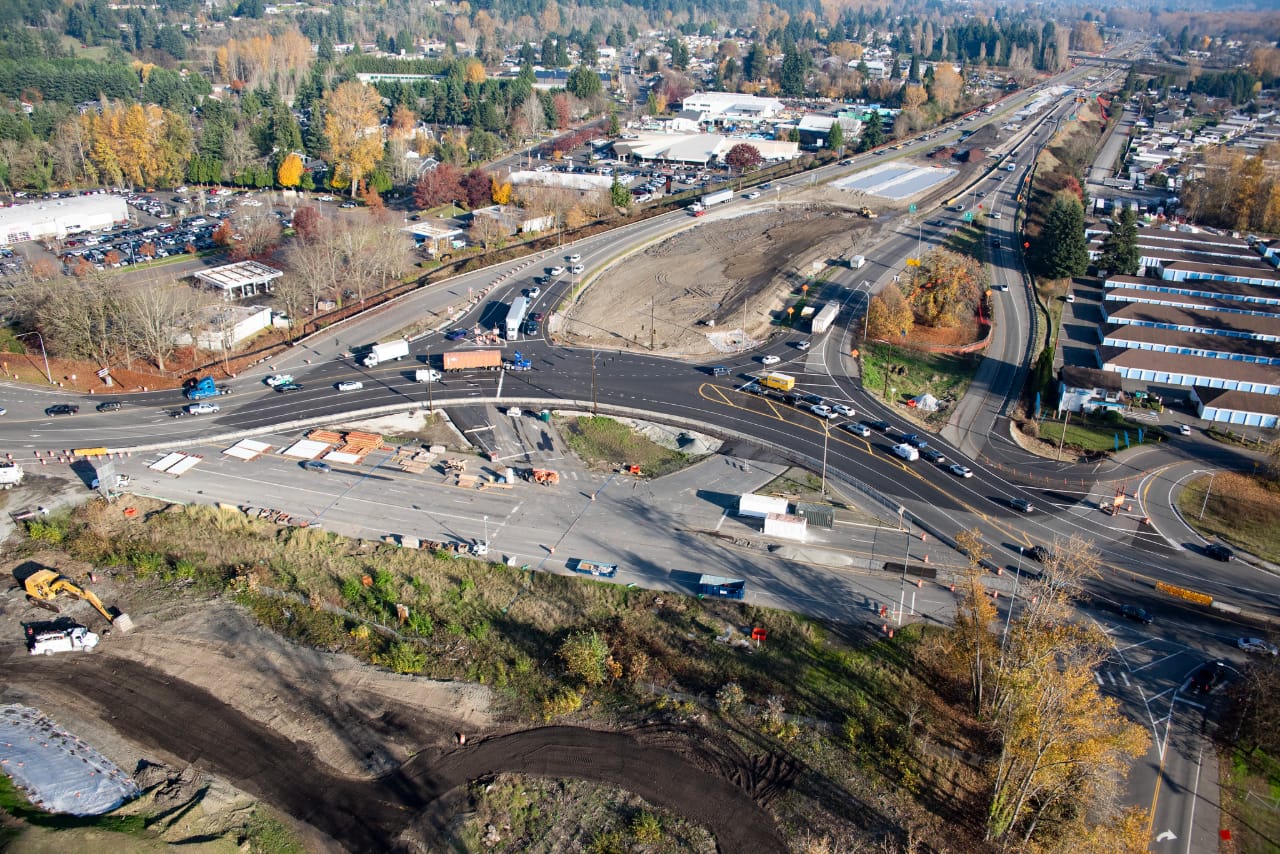
What exactly to do with the state's biggest expansion project, the 10-lane replacement for I-5 between Portland and Vancouver, remains a question for a future legislative session, even as costs are expected to climb exorbitantly.
Ferguson's $3 billion opening offer, put forward in December, would have also included a full billion in direct funding for the state ferry system, to get three additional vessels into the pipeline to replace the rapidly aging ones currently on the water. Three boats are currently being built by a shipbuilder in Florida – much to the chagrin of Washington labor groups – and Ferguson's proposal would have doubled the current pipeline.
The legislature also punted on the question of whether to resume planned ferry electrification work, after converting just one boat. The initial commitment had been to convert six boats, but that work now looks unlikely given the precarious state of the existing fleet. A decision to wind down electrification work came at the same time that the Senate attempted to mandate all new passenger ferries brought online in Washington be zero-emission (and built in-state), requirements that helped to scuttle the second attempt to pass the Mosquito Fleet Act.
While the Senate was more interested in the idea of using bonds to make a dent in the highway maintenance backlog – Senators approved a budget adding $2 billion in debt in February – House leaders were reluctant, and had hoped to stay within the constraints of existing bonding capacity. In the end, they agreed to the $800 million number, while putting another $500 million on the credit card for the 520 project, which will be paid back via tolling instead of general transportation revenue.
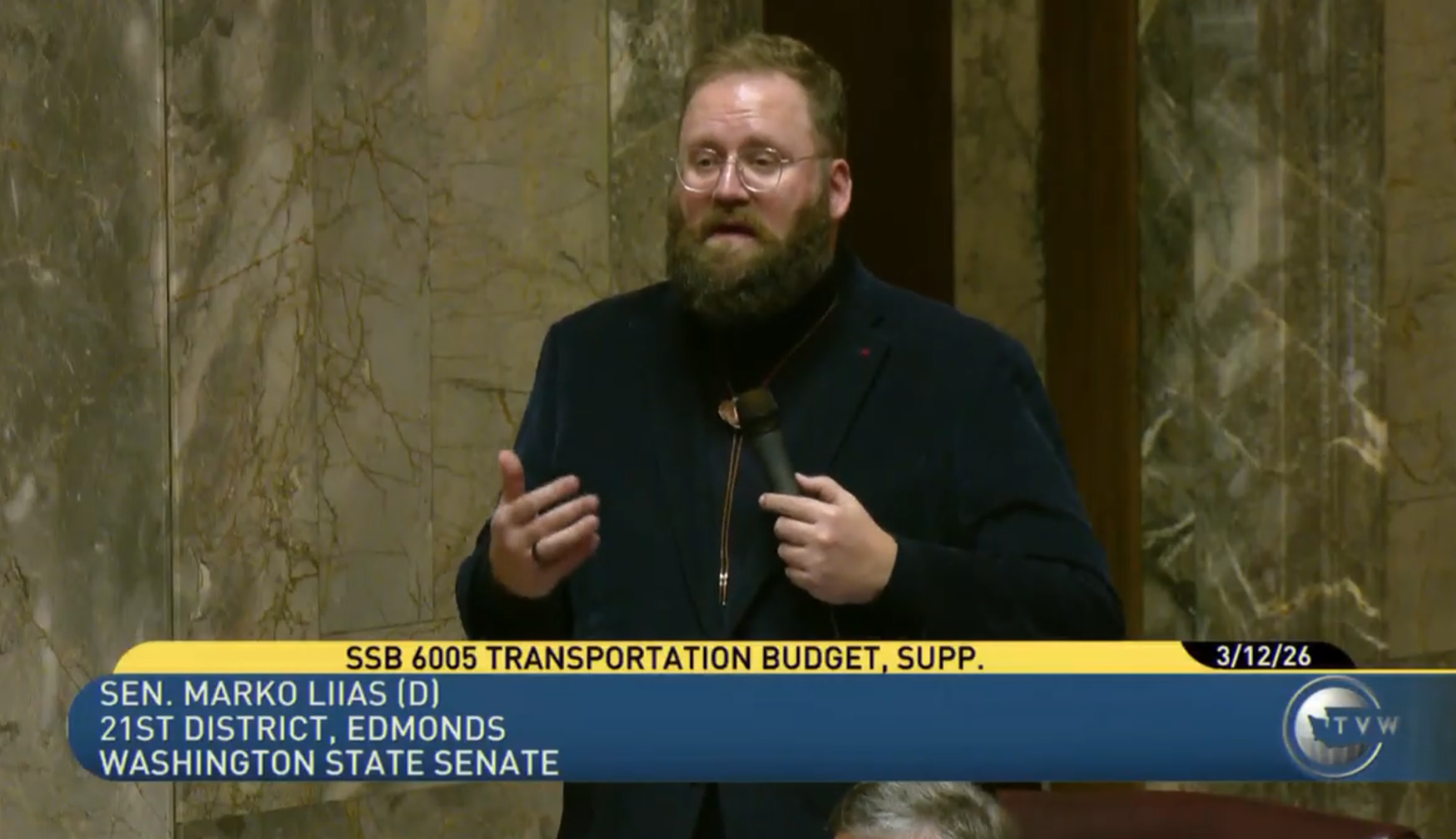
"While the House and Senate disagreed on many things over the course of session, we never disagreed on the urgency of investing more to maintain and preserve our assets across the state," Marko Liias (D-21st, Edmonds), chair of the Senate's transportation committee, said ahead of the budget's final approval. "This is our roads, our bridges, our ferries, our entire system that Washingtonians depend on, whether you drive or not, the products you use, the services you depend on, need a healthy and strong transportation system, and we have not been investing enough."
"This is the amount that we've negotiated with the folks in the other body," Jake Fey (D-27th, Tacoma), the chair of the House's transportation committee, said ahead of the vote in that chamber.
Fey echoed the concerns he had raised around adding more debt, constraining the ability to deal with cost increases on projects down the line: "We thought we could do with existing resources, but when you compromise, there's always puts and takes, and this will not increase substantially our budget this biennium – but it does have implications for the next two biennia following this."
In a statement released after the session ended, Ferguson downplayed the elements of his proposed budget that legislators left on the cutting room floor.
"In my budget, I proposed $1.5 billion for maintenance and preservation of our roads and bridges over the next six years, without raising taxes. I appreciate the Legislature adopting that historic level of funding," Ferguson's statement read. "The need is urgent — in Washington state, 342 bridges are 80 years or older, the typical lifespan for a bridge. We have 212 bridges in poor condition — meaning they have serious deficiencies such as deterioration, cracking or even damage to the primary structure. Our state has been underfunding preservation and maintenance work for decades. This puts critical transportation corridors at risk, and leads to more costly repairs down the line. This $1.5 billion investment is an important first step in taking care of our roads and bridges – which is good for individuals, communities and our economy."
Those numbers ultimately leave out the infrastructure outside of direct state control, like the 185 bridges owned by King County, 74 of which have exceeded their expected useful lifespan. Caps on property taxes and sharp restrictions on utilizing other revenue tools have prevented local governments from grappling with those infrastructure needs for decades – frameworks that state leaders control.
Even with the new bonds, the state transportation budget's future is far from rosy. Gas tax revenues continue to decline – with increased prices due to Trump's war in Iran likely to accelerate that decline, at least temporarily. A 6-cent gas tax bump last year, along with an array of transportation-related hikes including new fees on credit card transactions on ferries, had boosted projected revenues by $4.4 billion though 2031. But since that time, expected revenue has been creeping down as gas usage continues to wane: 20% of that $4.4 billion has already vanished, or $842 million.
When it comes to a more sustainable source of transportation funding, the legislature spent another session punting on the idea of a potential road-usage charge, the most likely contender to replace the gas tax.
Turning to bonds was a lever that legislators clearly felt comfortable pulling, with the transportation budget passing unanimously in the Senate and 69-26 in the House, with no Democrats opposed. But it likely creates more problems for future legislatures, even as it fails to truly meet the scale of today's issues.
 Ryan Packer
 Ryan Packer