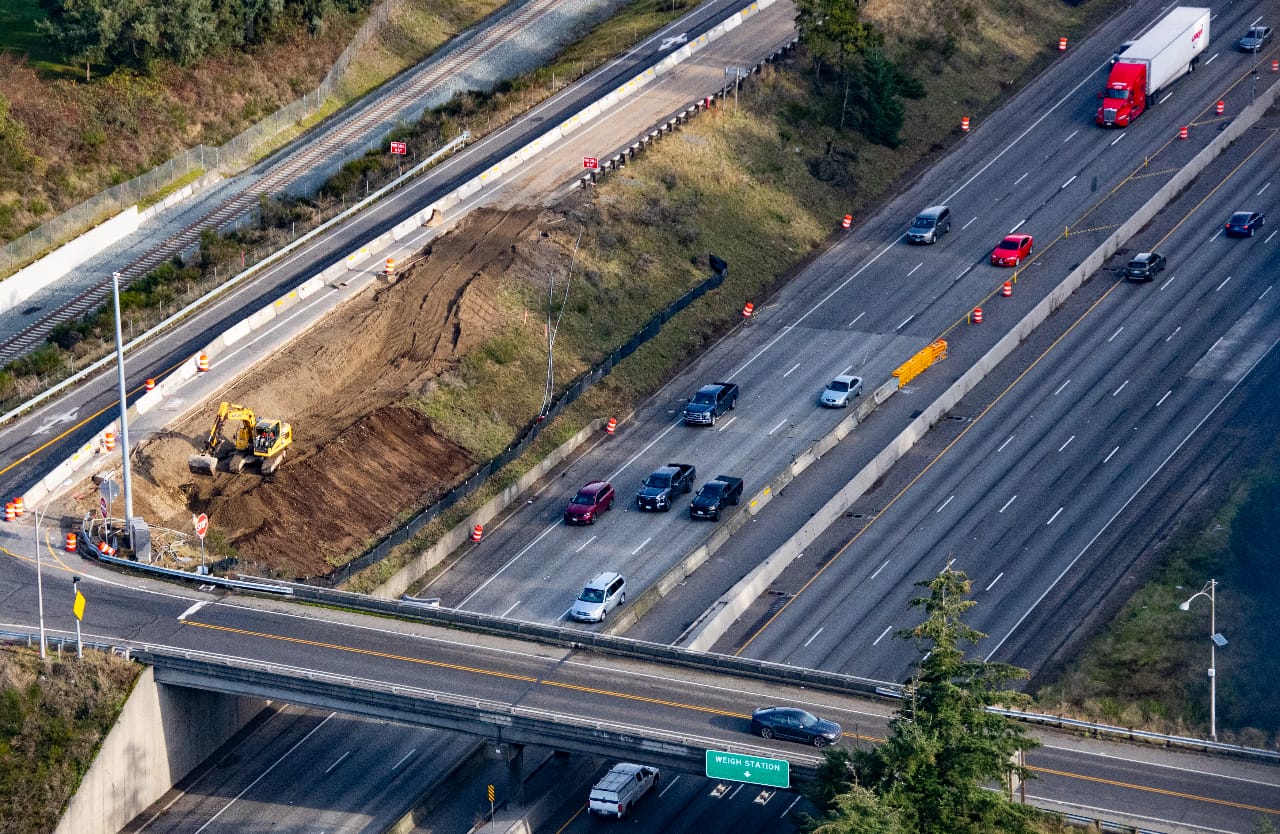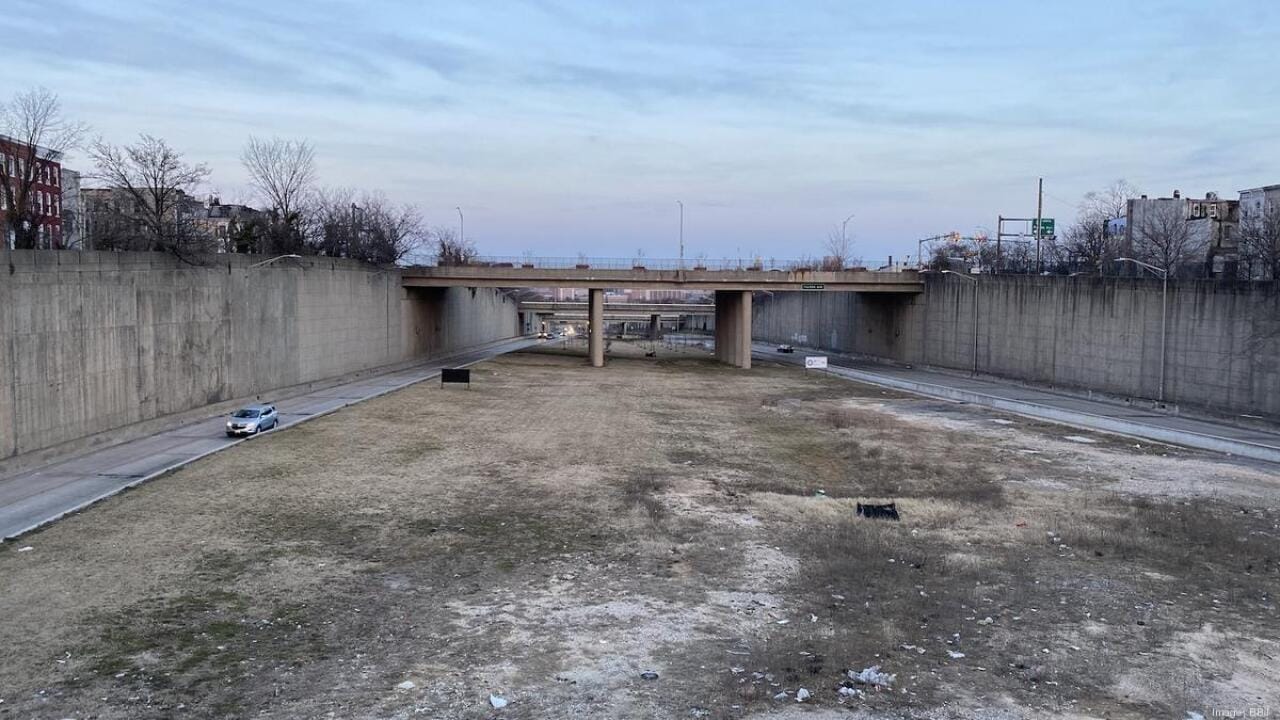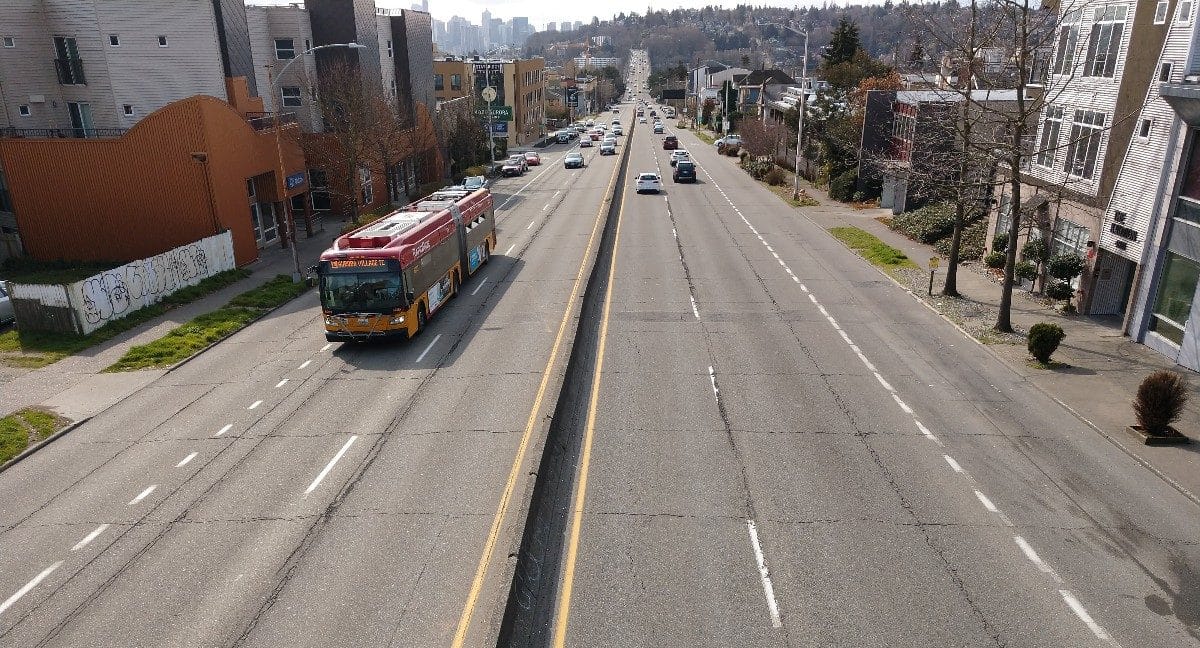
Sunday Video: Putting 12 Urban Freeways Out to Pasture
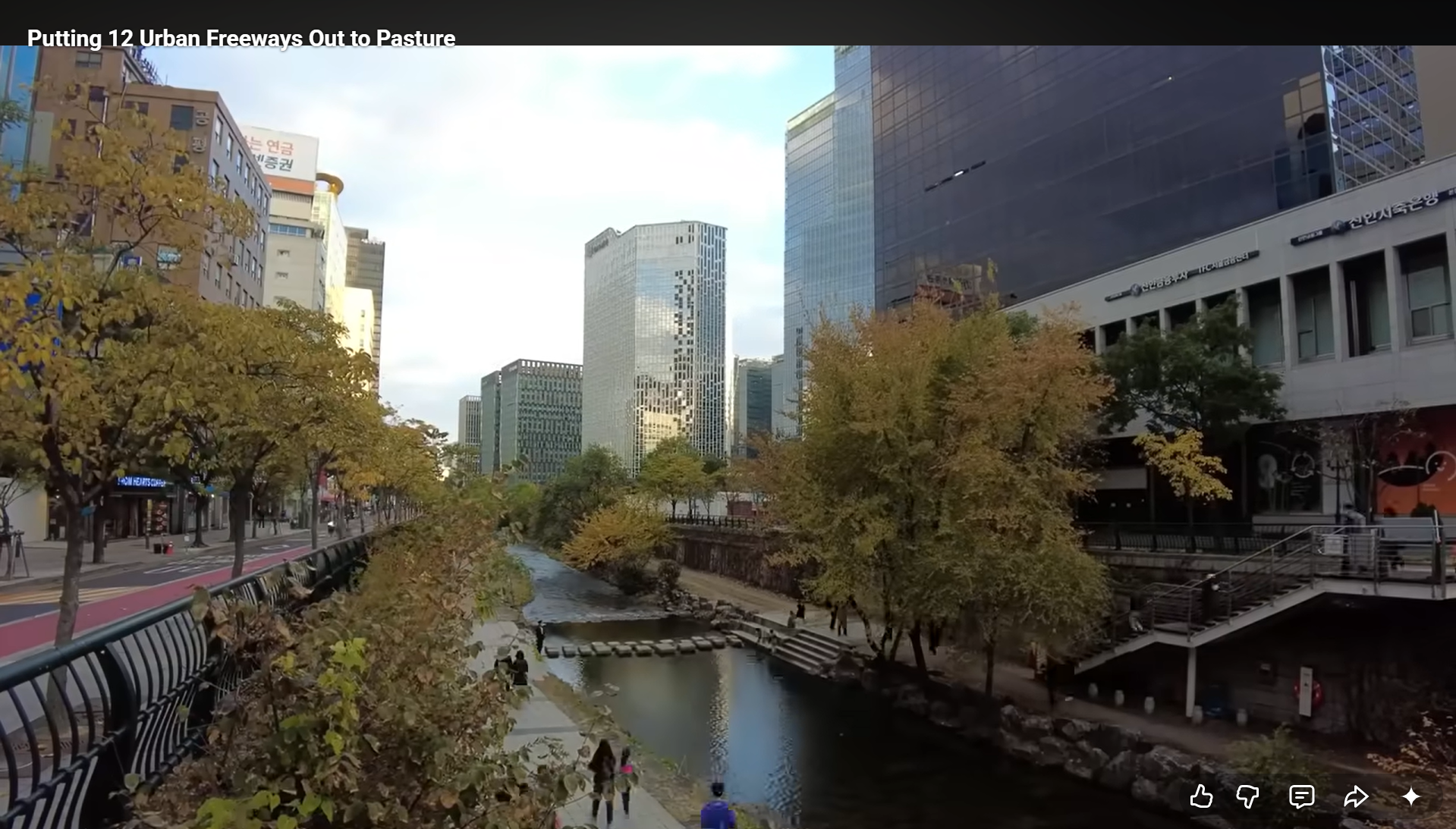
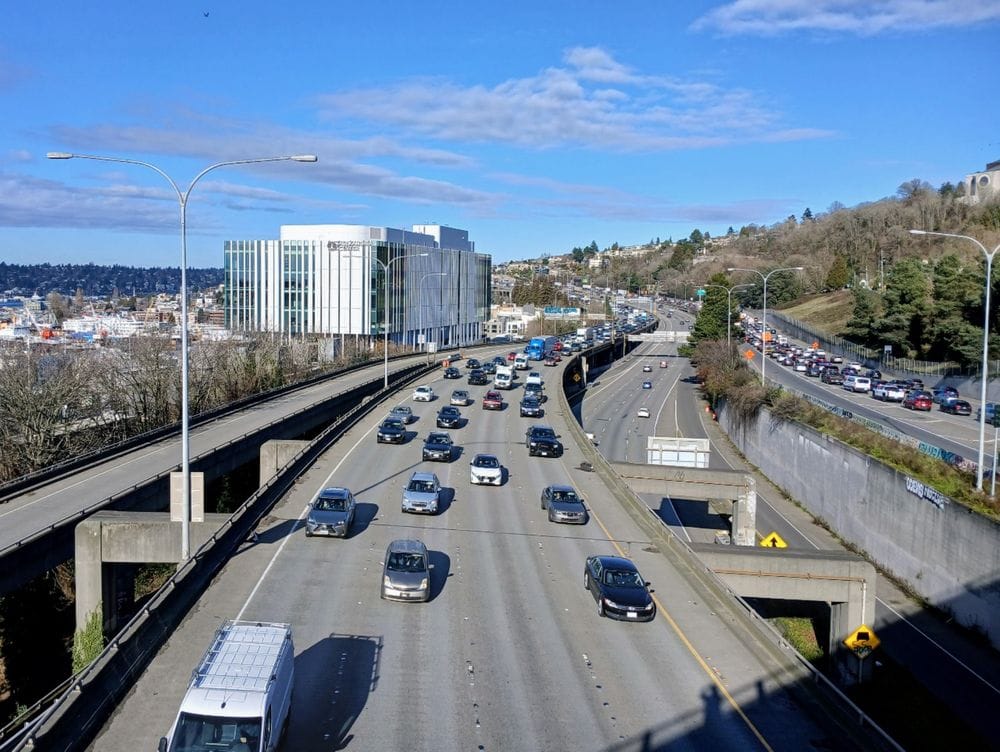
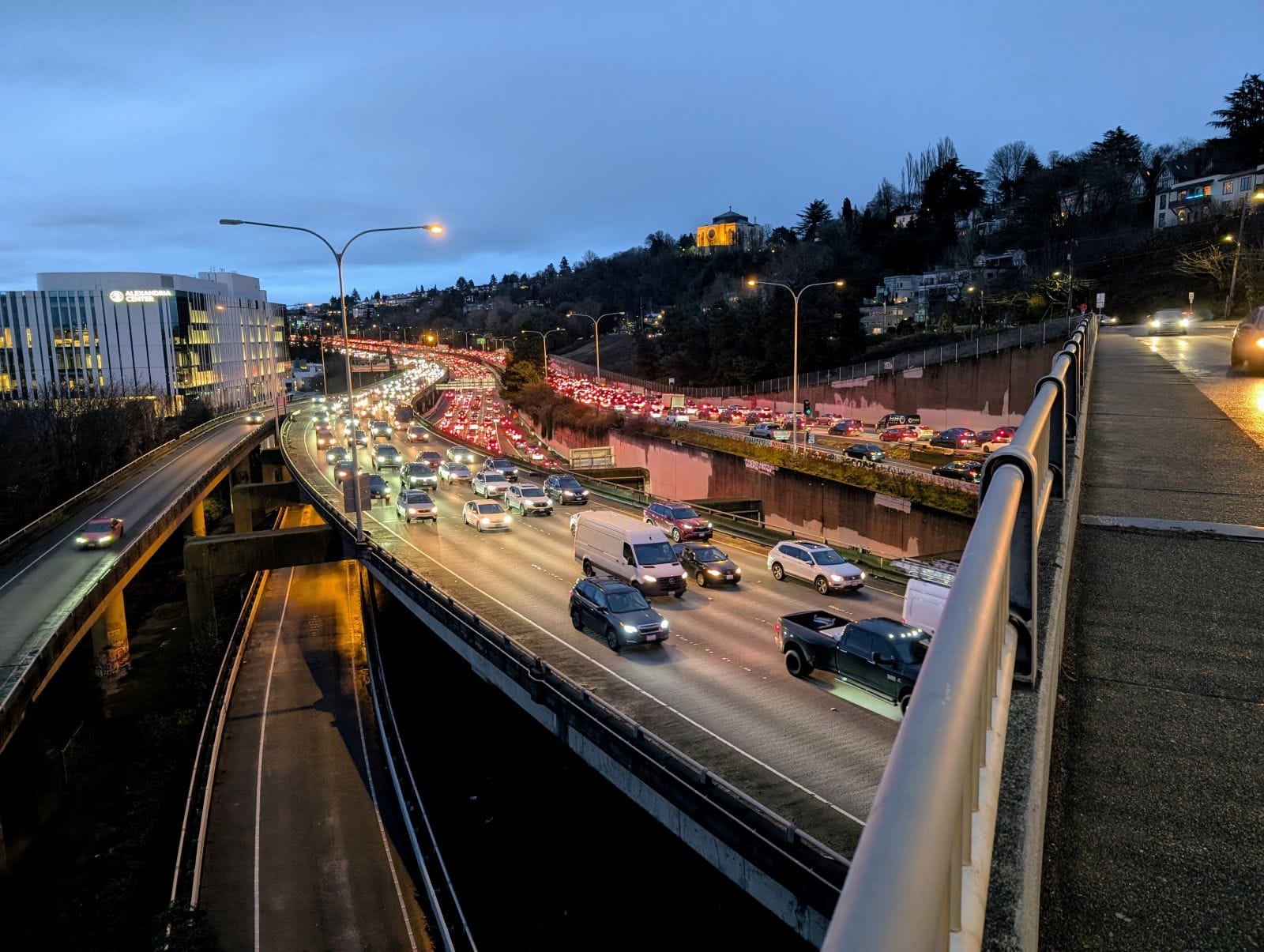
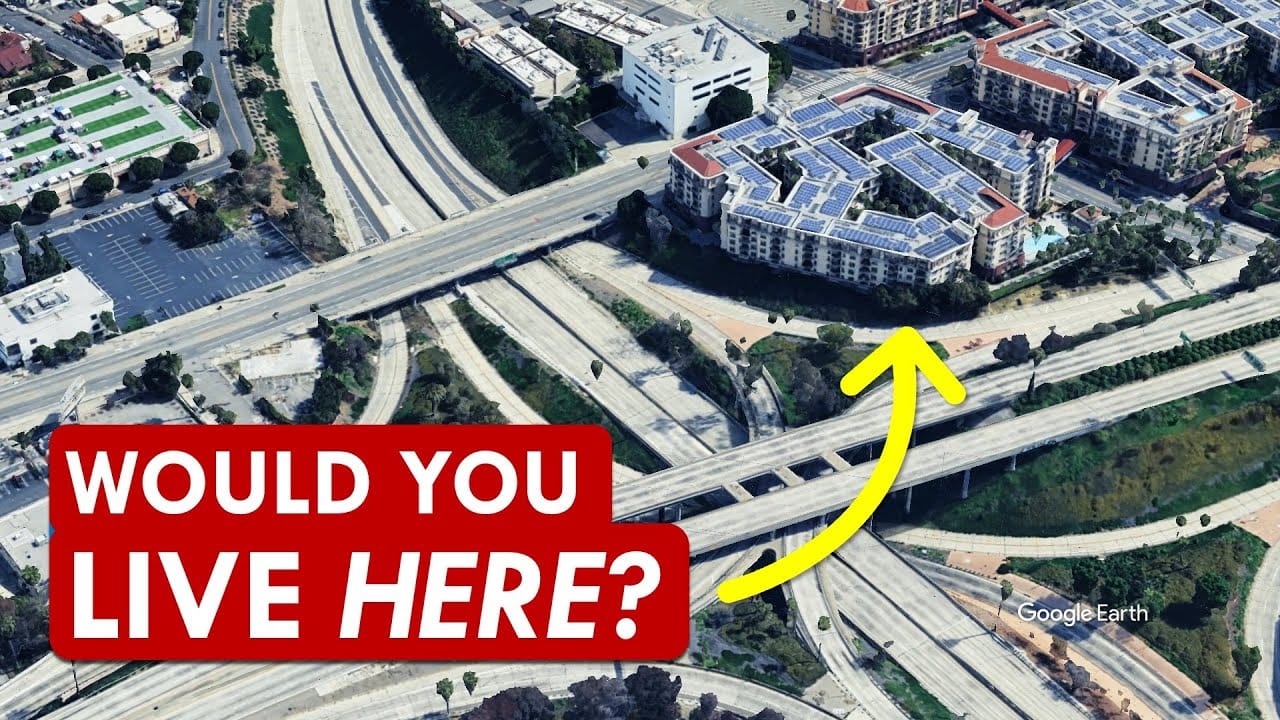
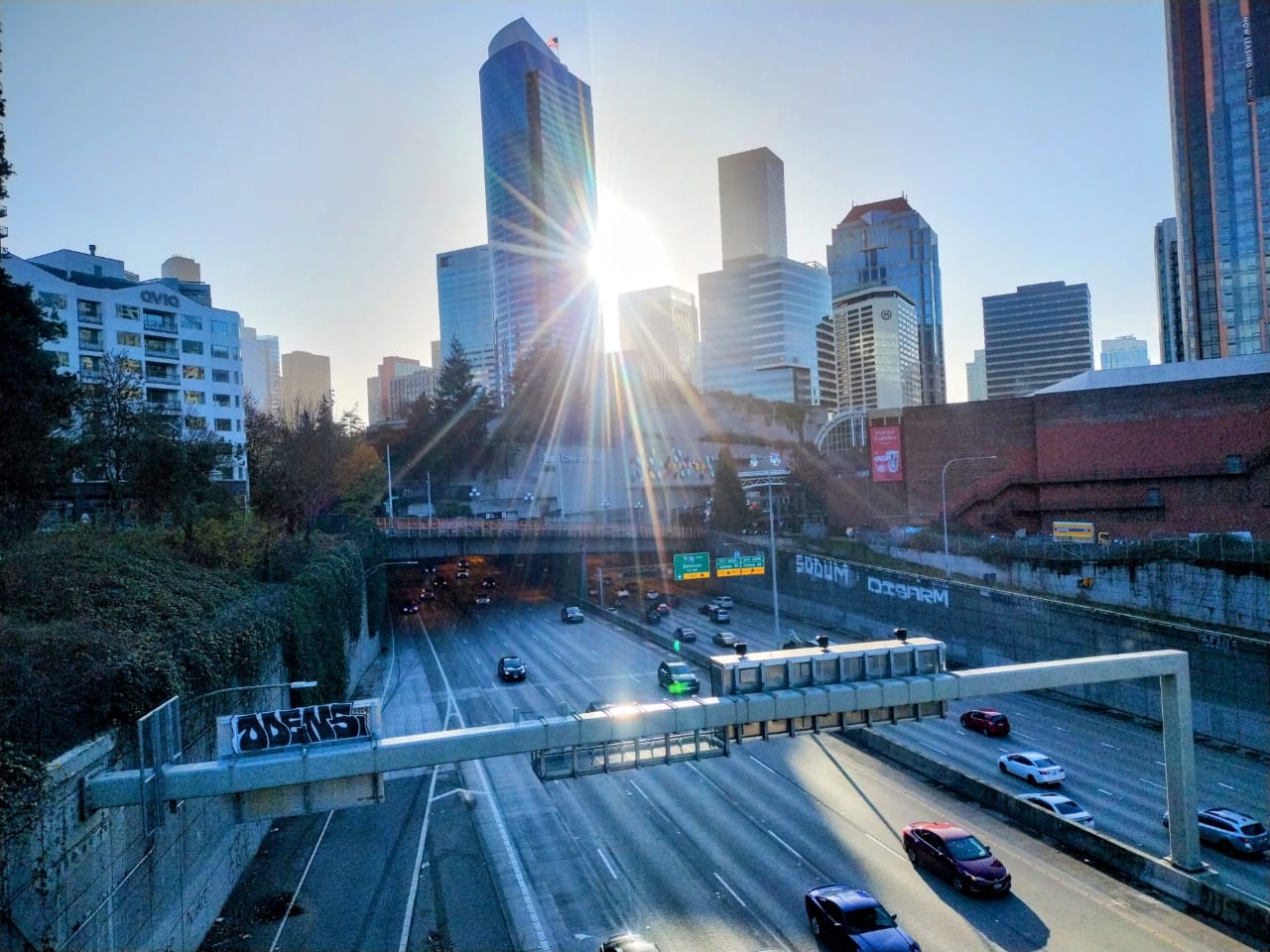
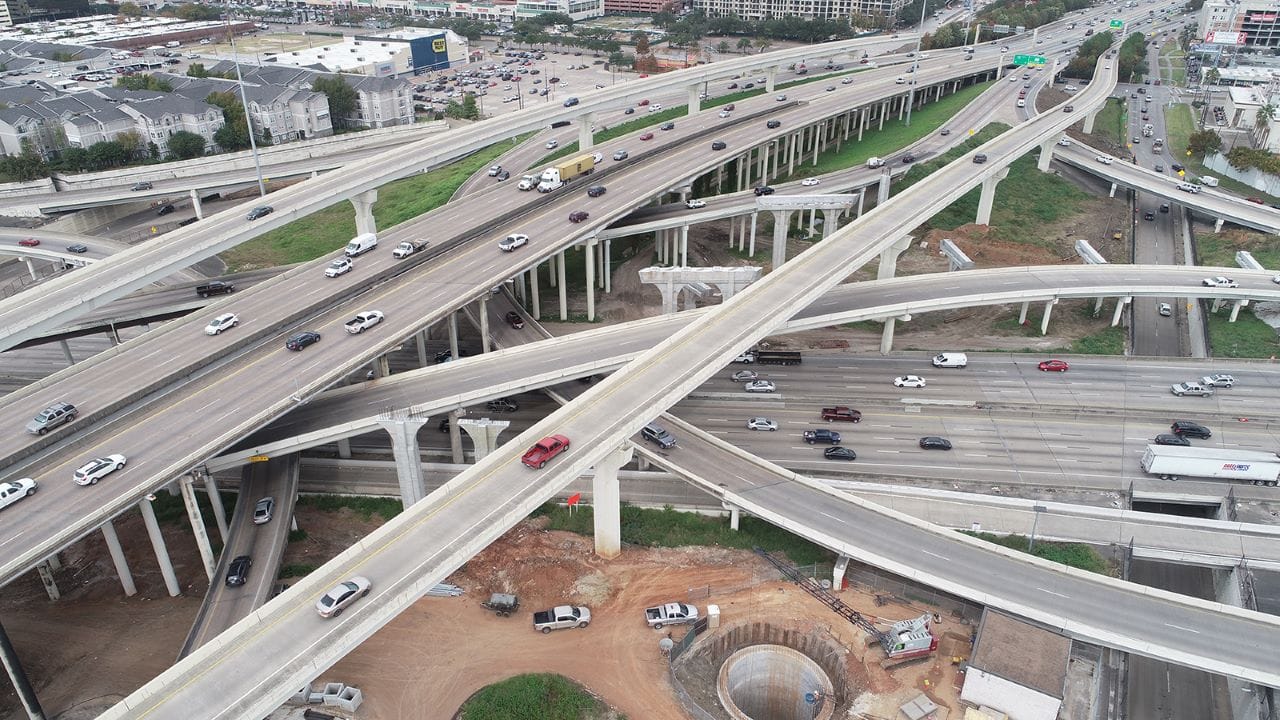
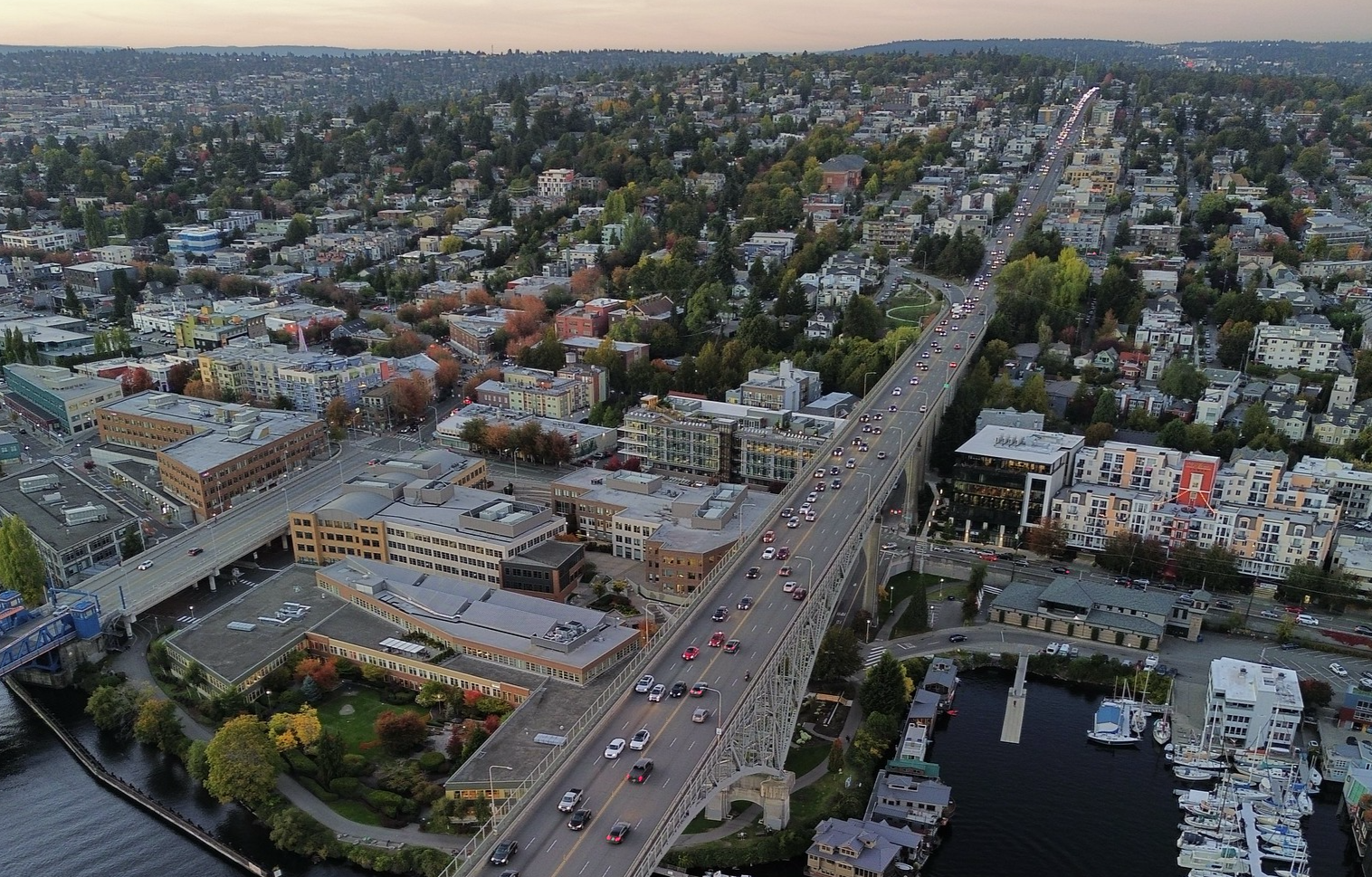
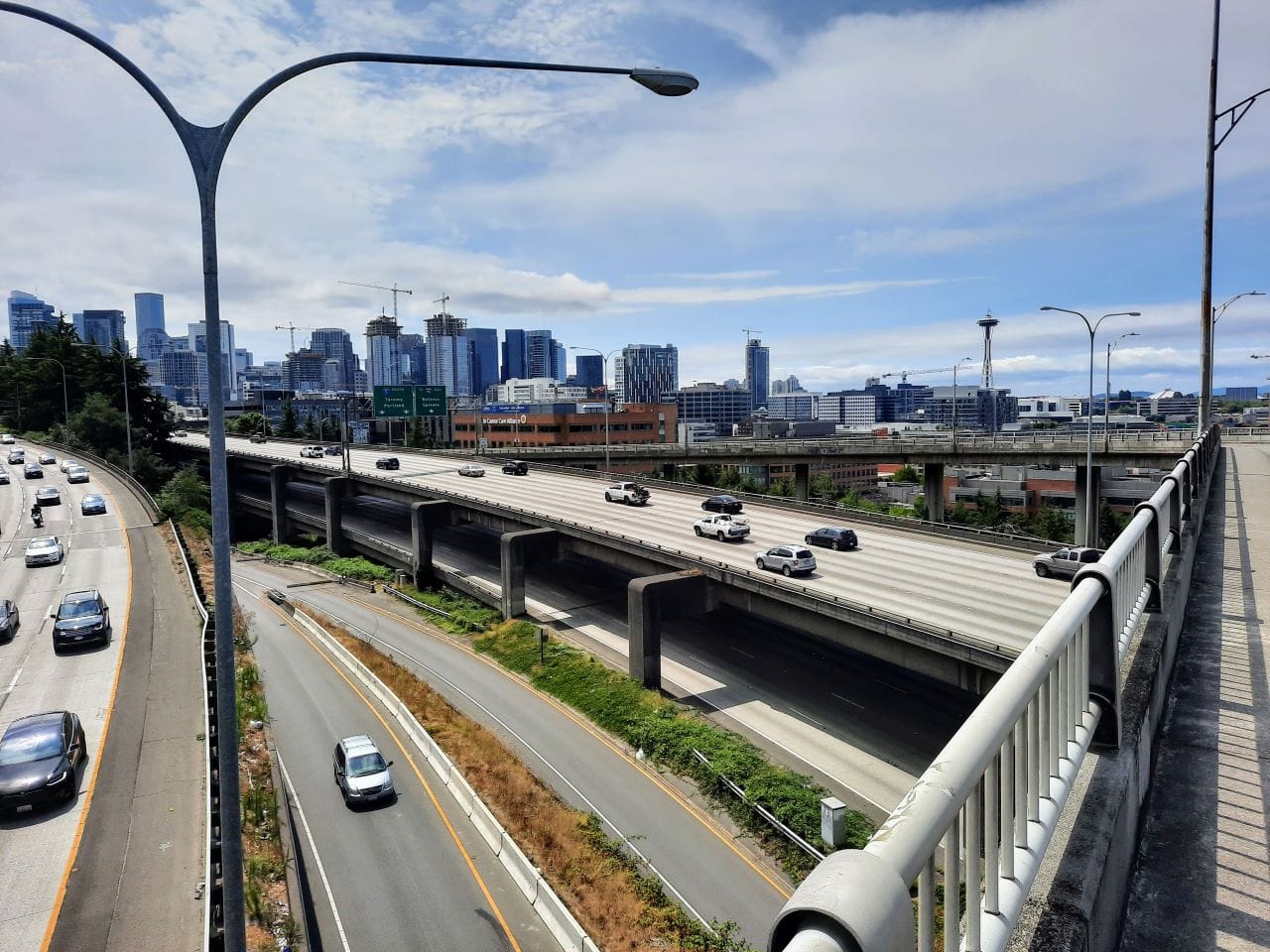
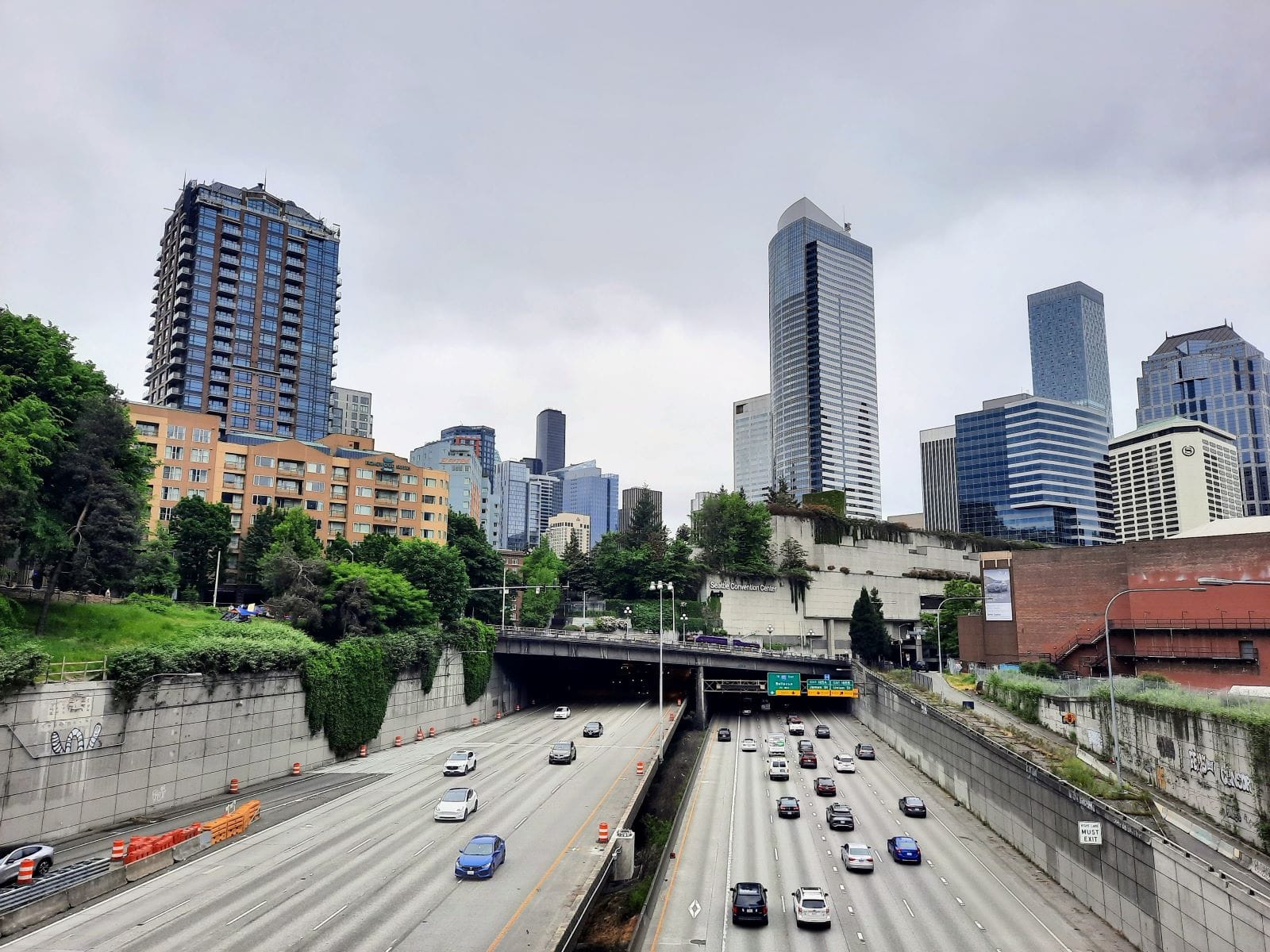
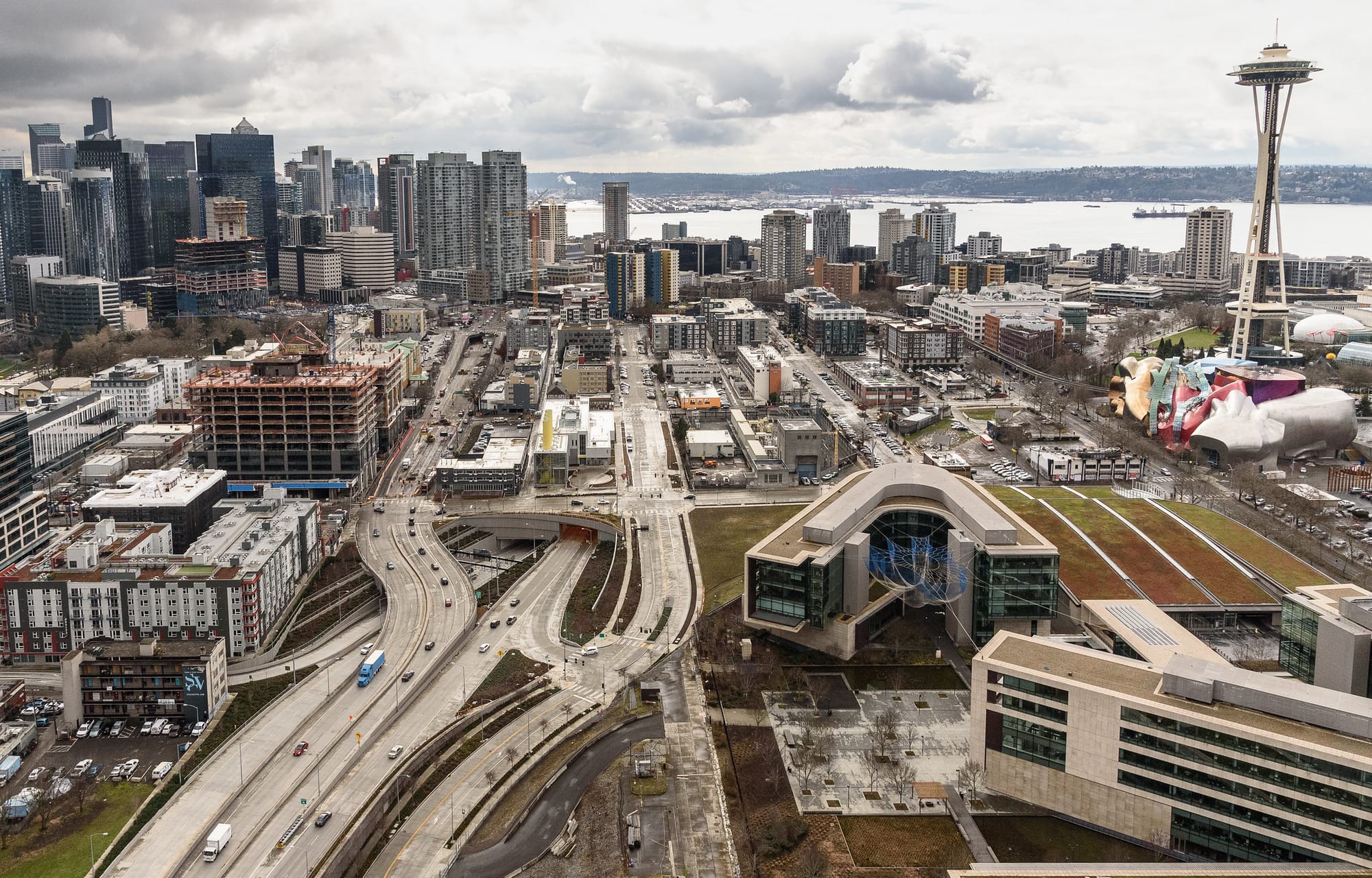
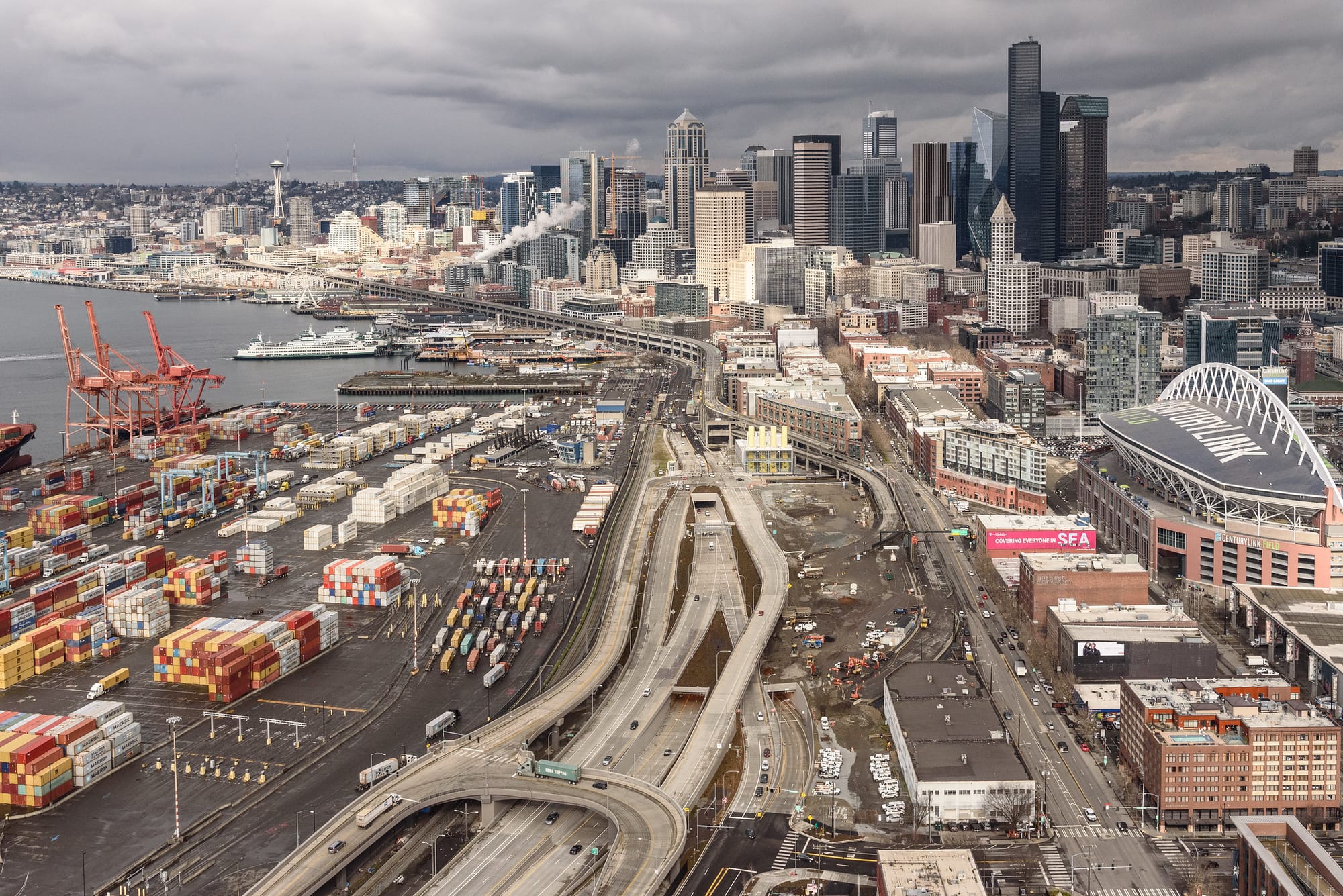
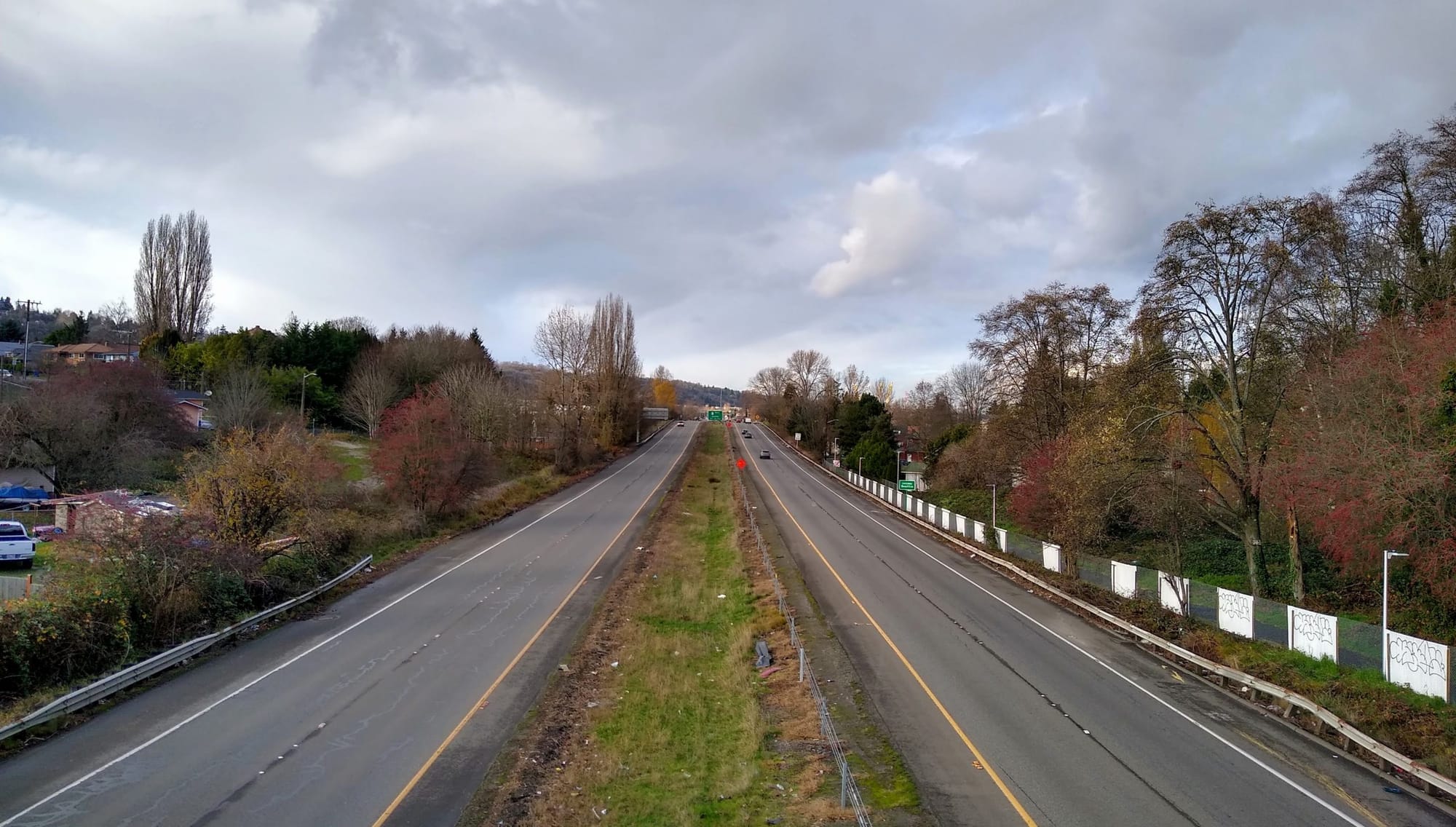
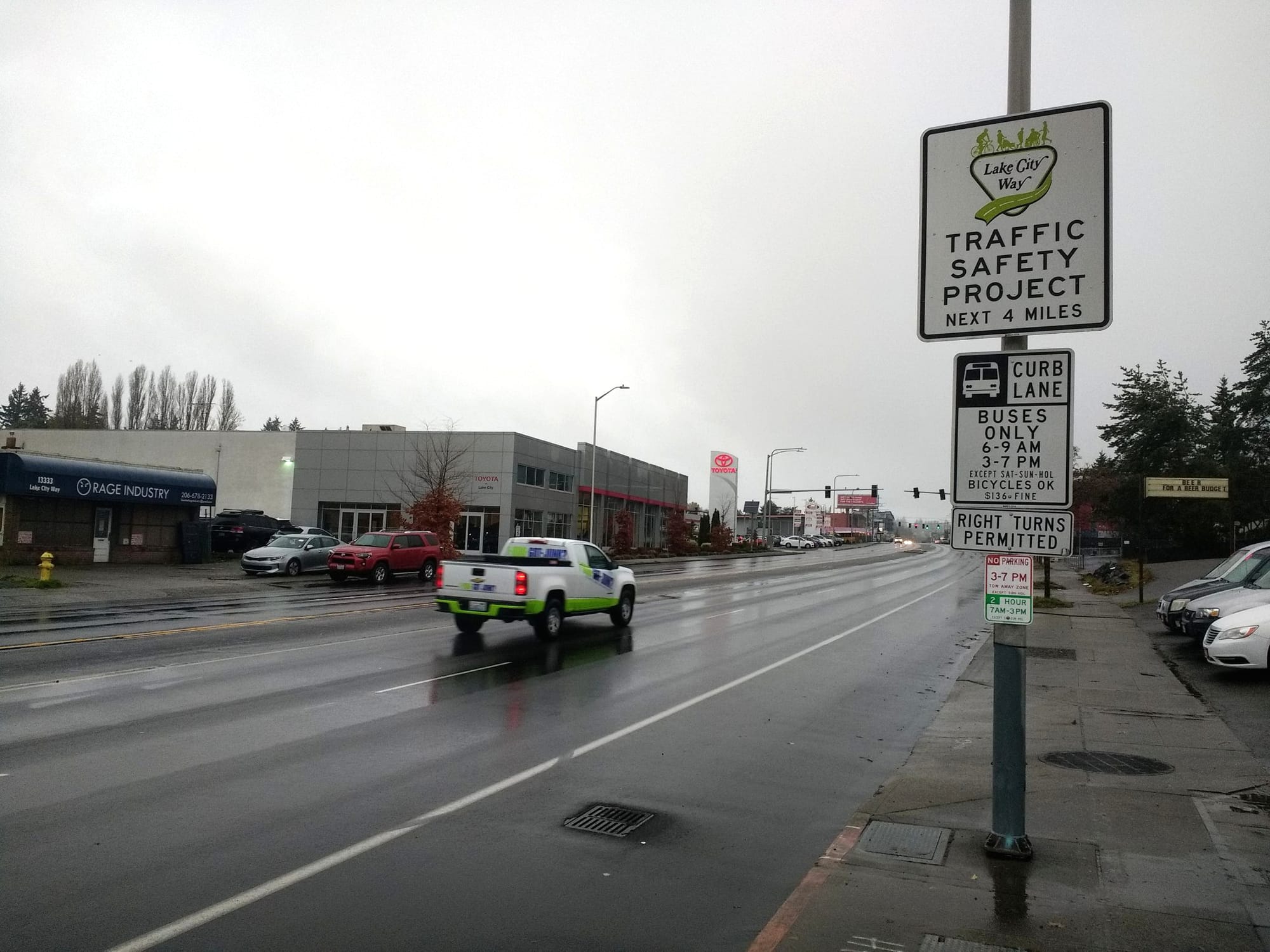
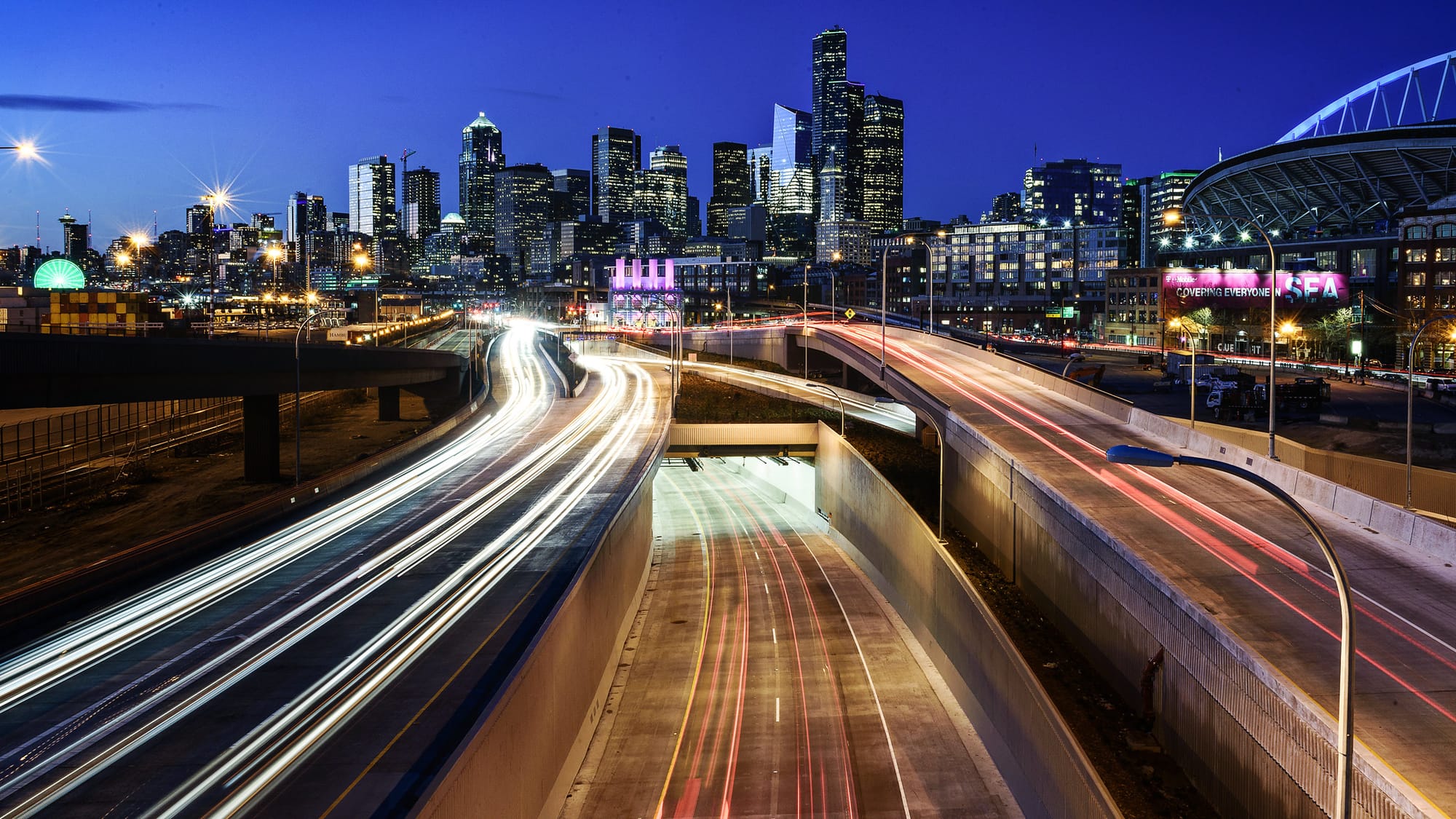
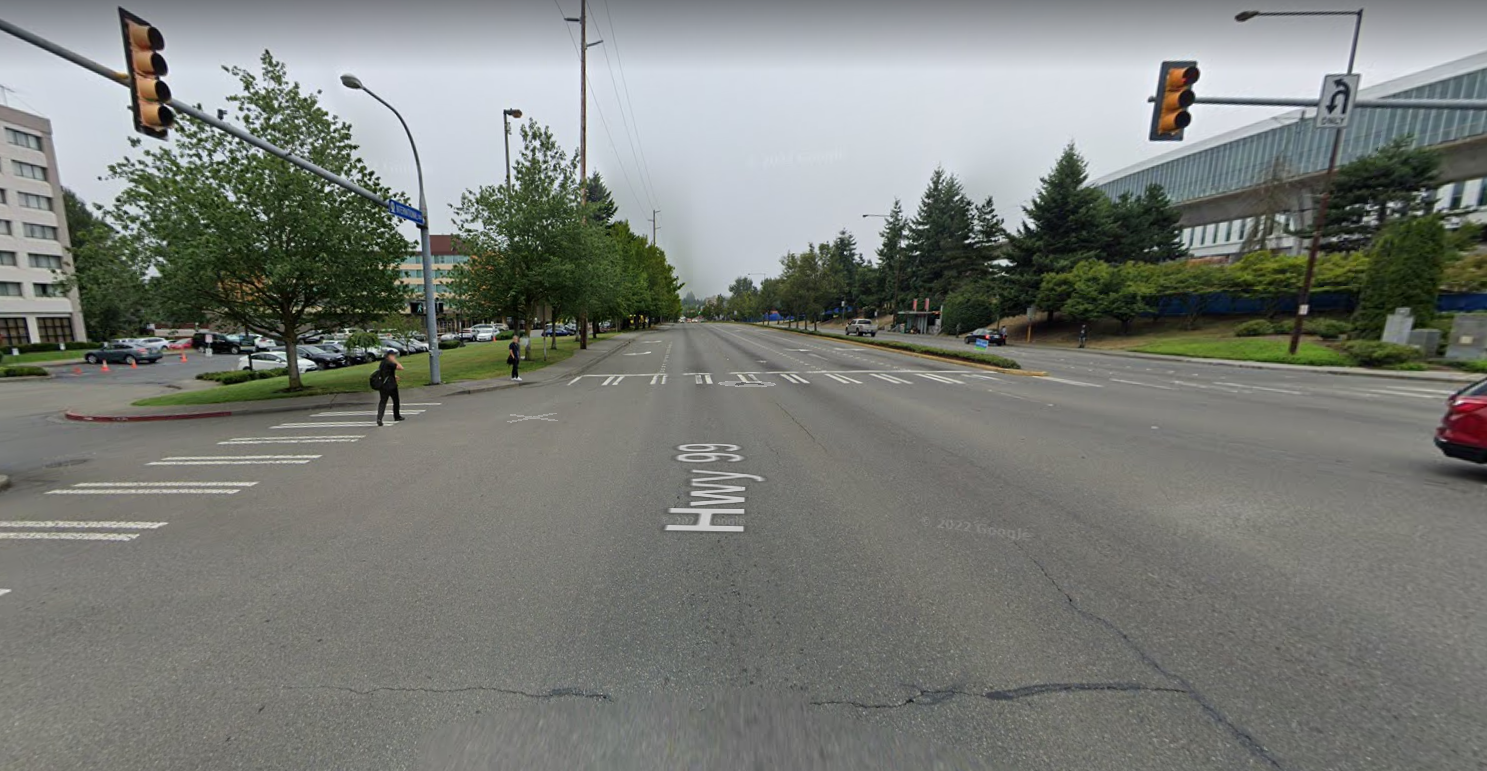
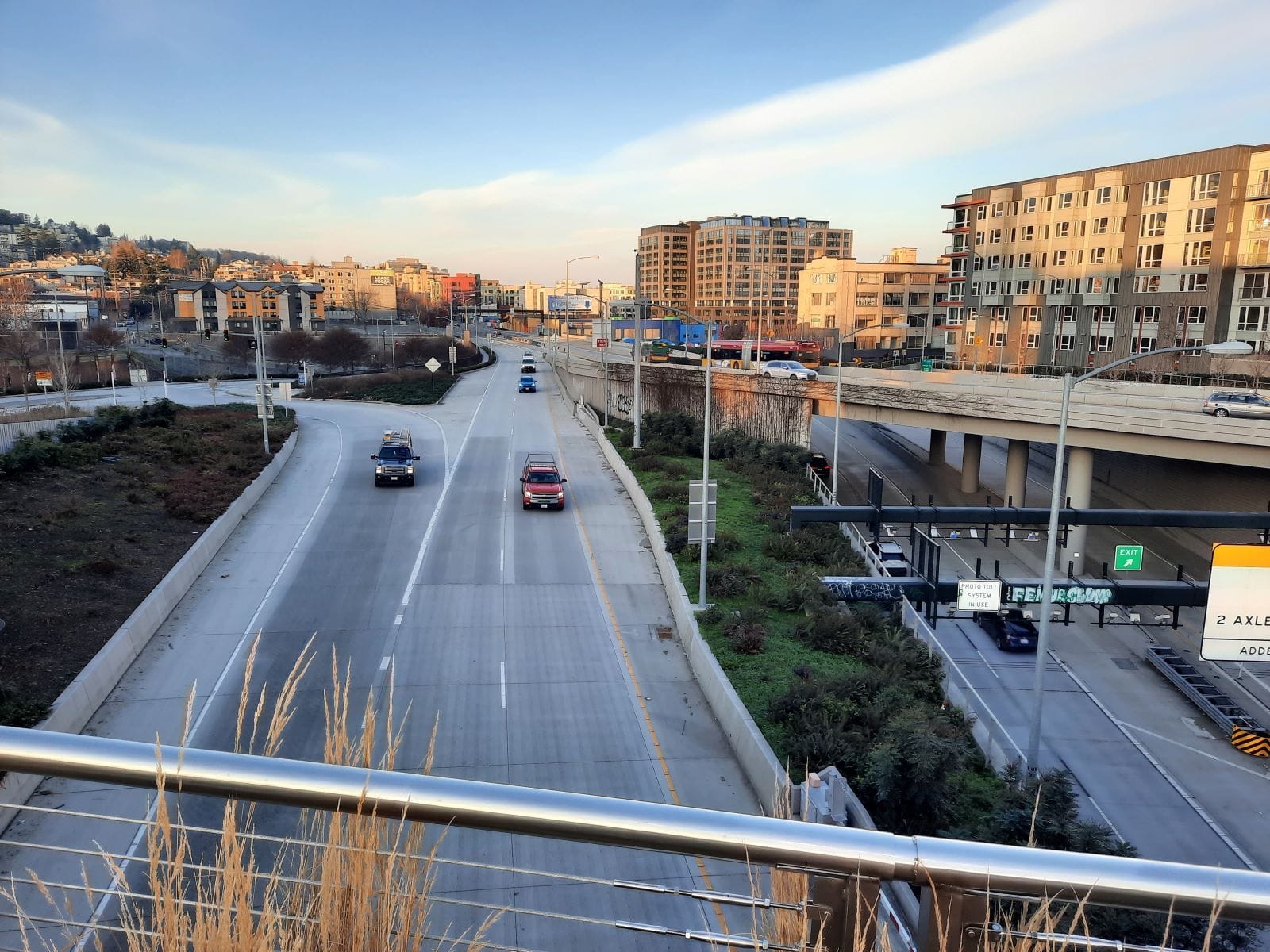
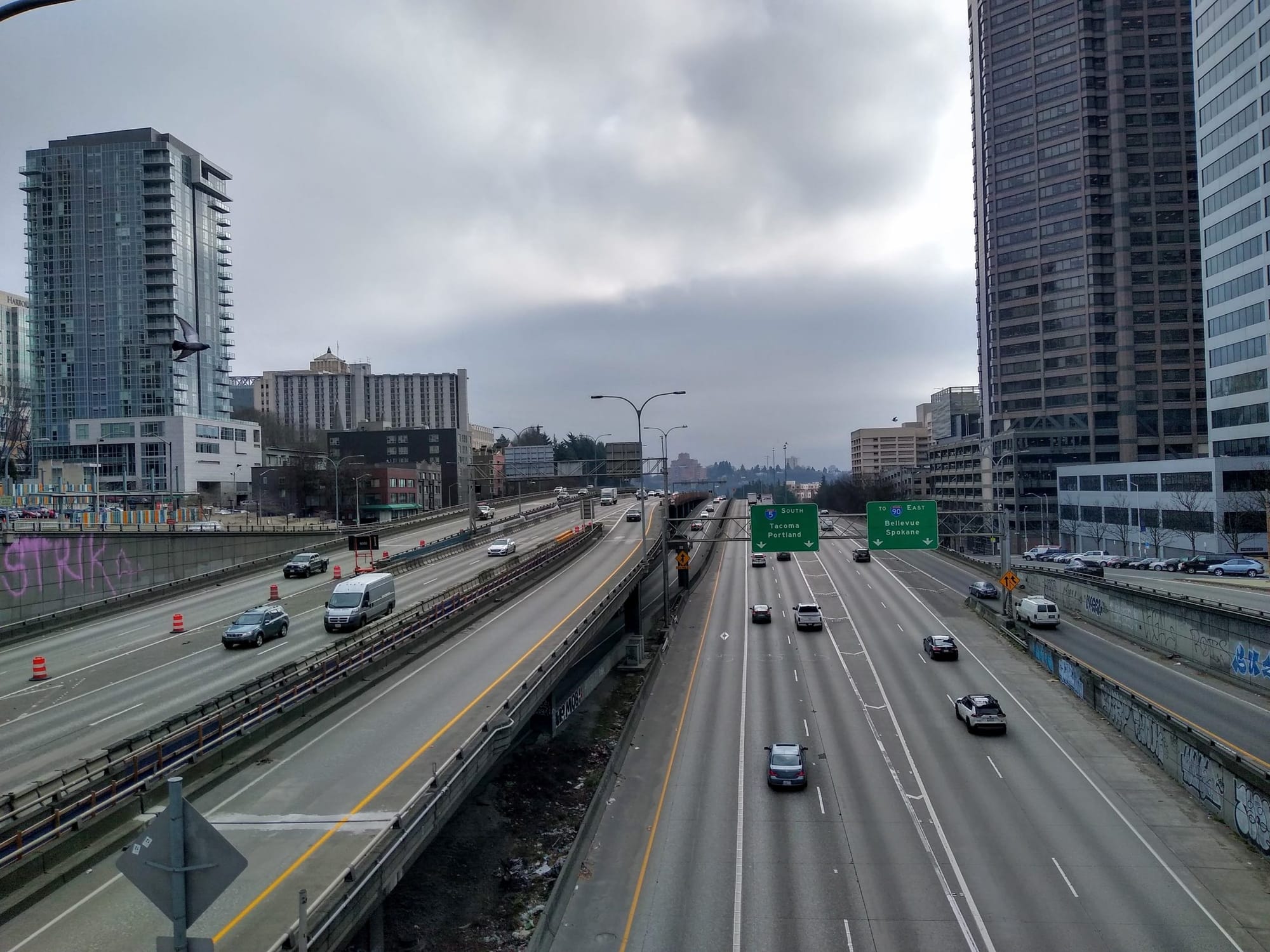
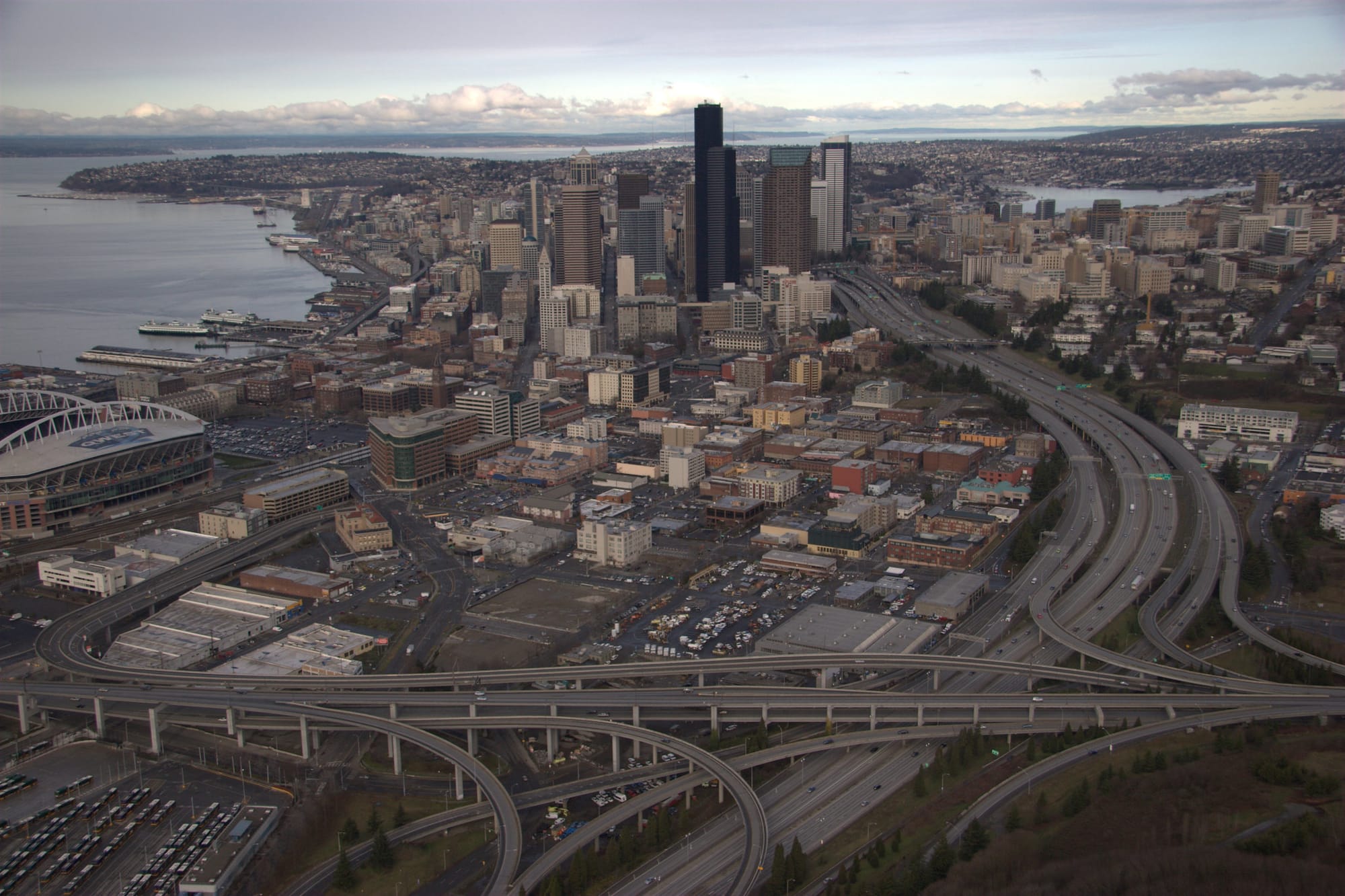
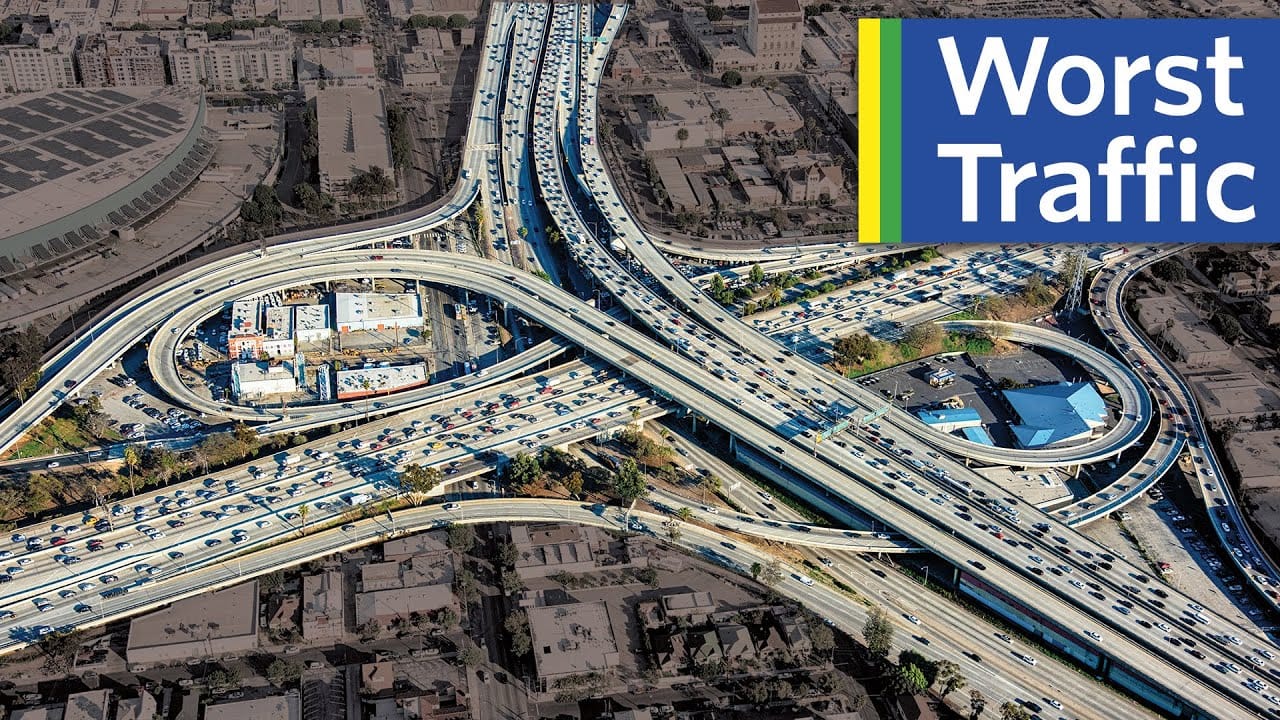
By popular demand, Ray Delahanty of CityNerd released a top 12 urban highways that should be slated for removal to improve the cities that surround them. Seattle made the list.
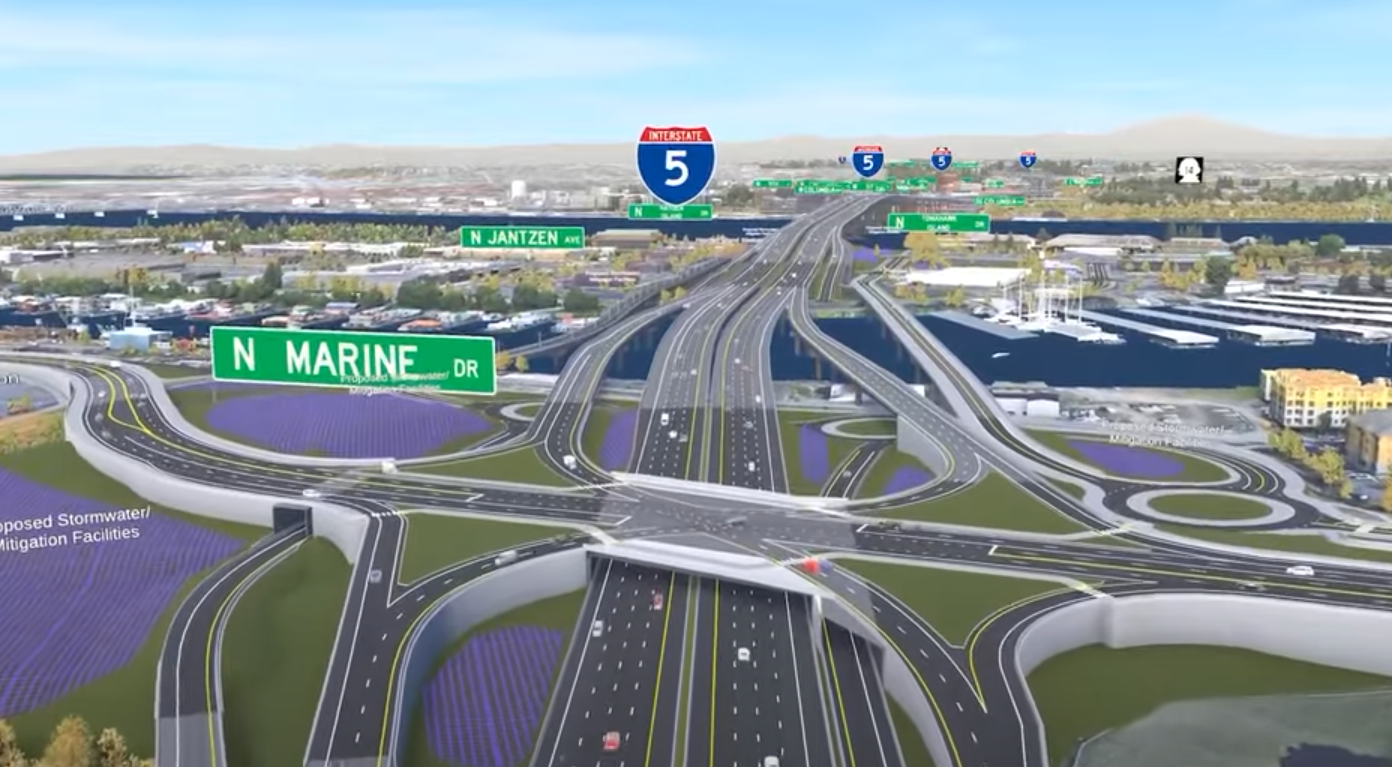
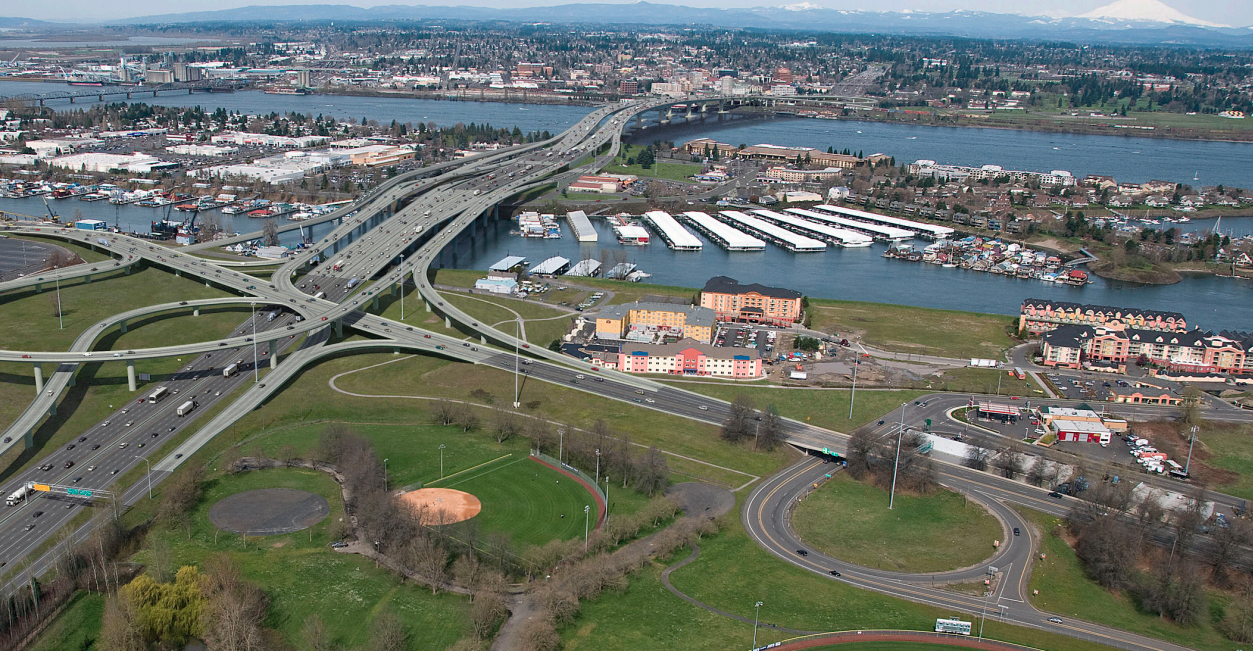
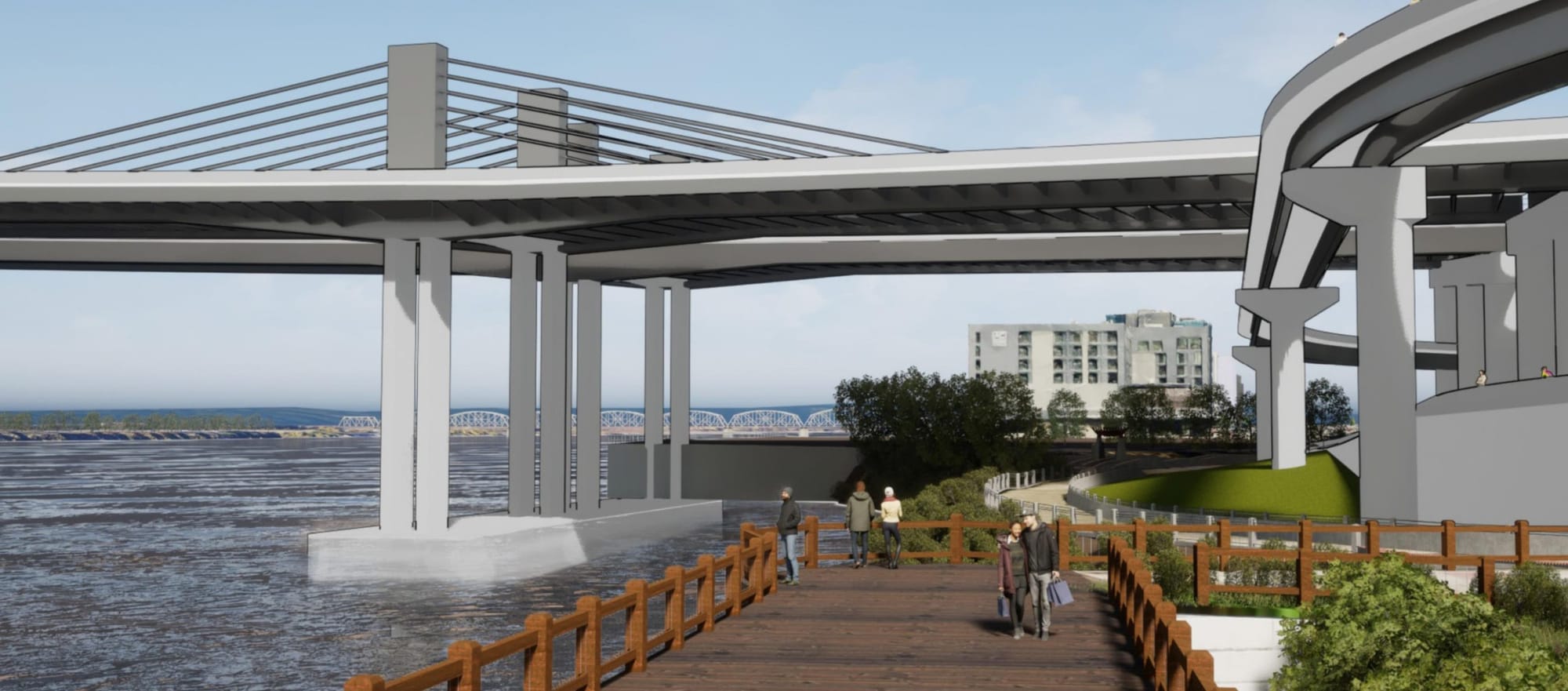
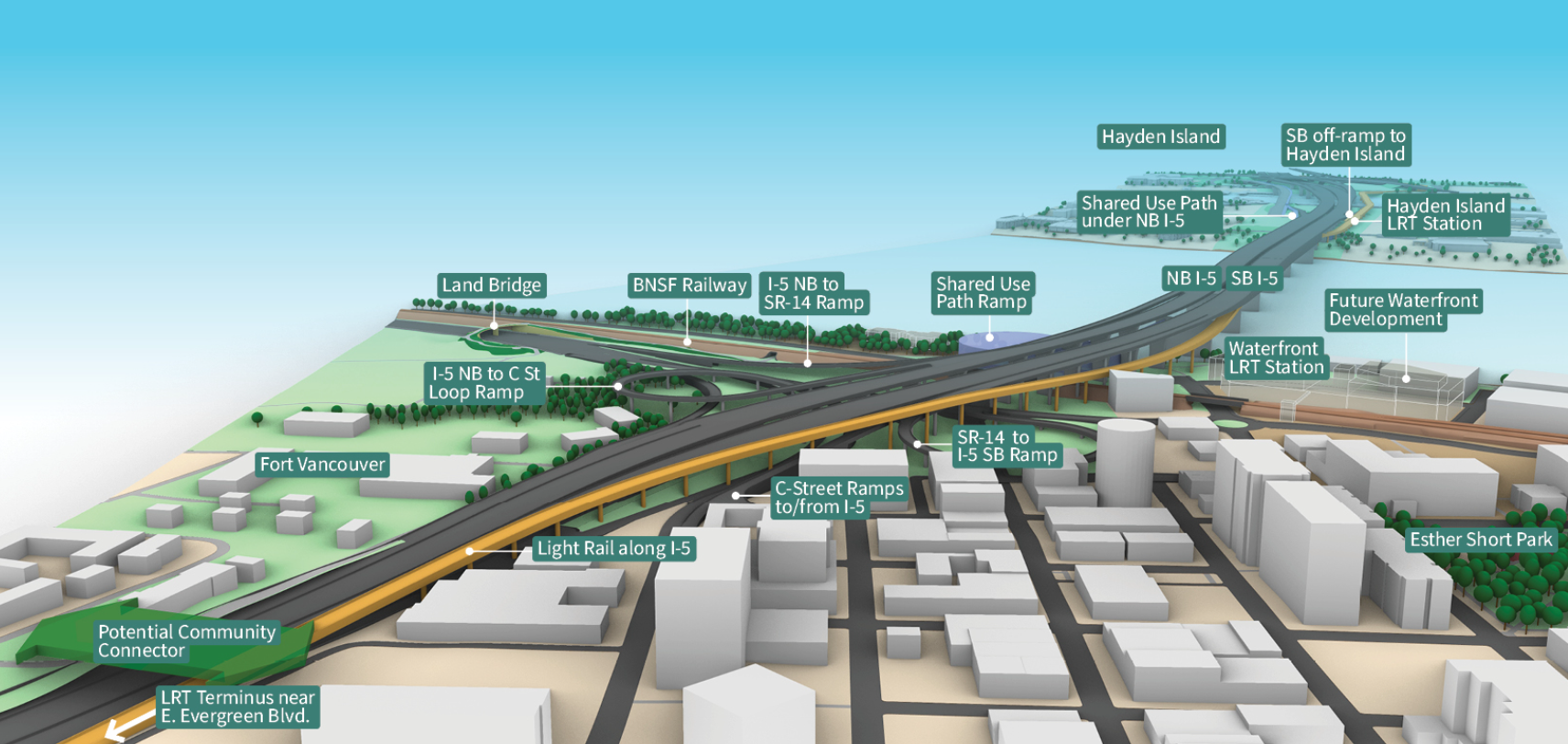
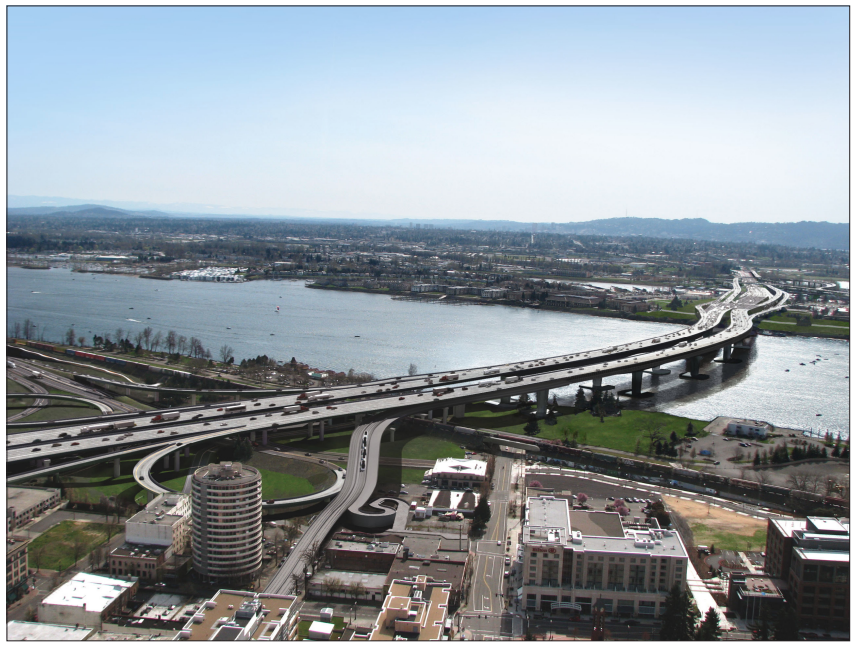
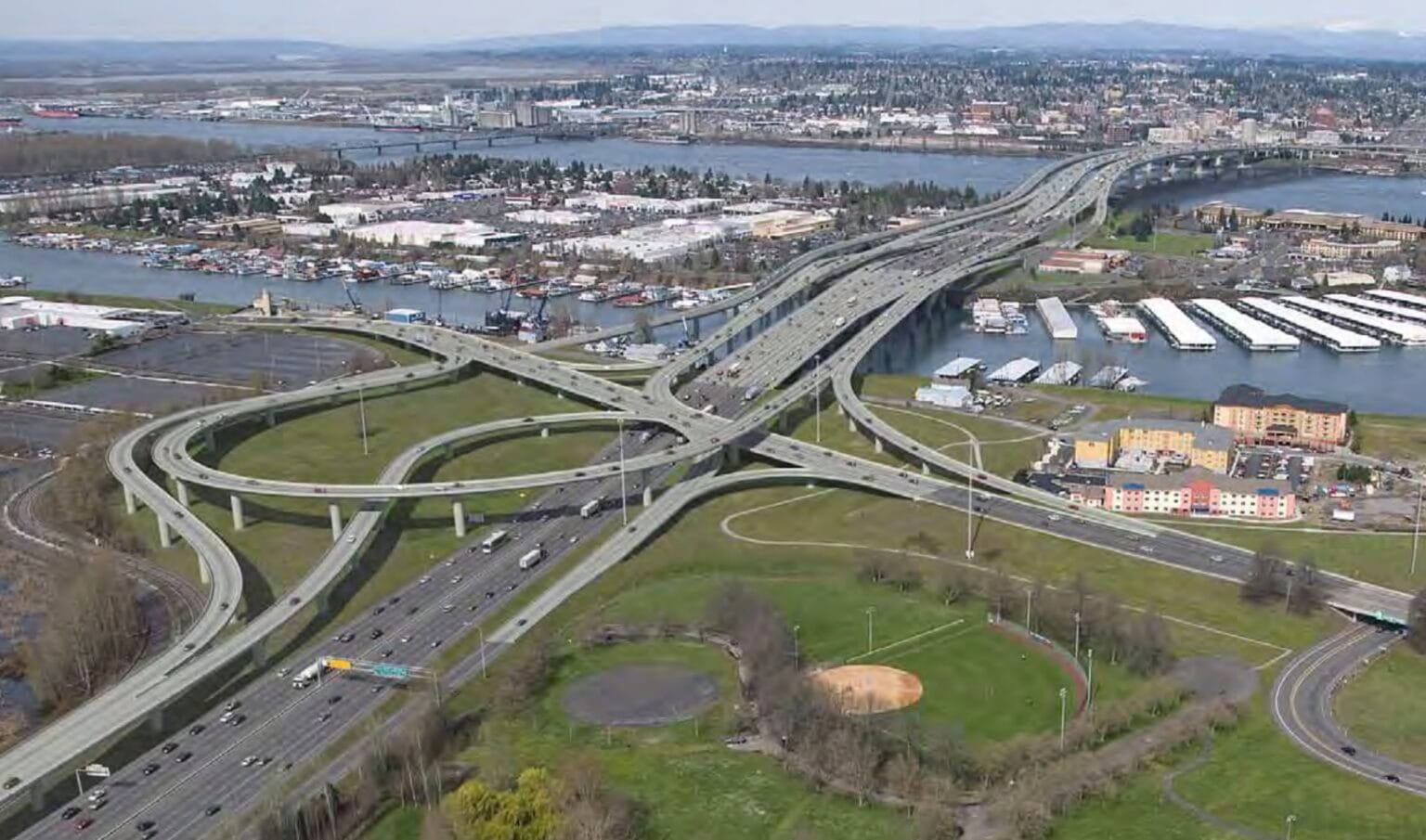
Washington and Oregon will focus on replacing I-5's twin Columbia River bridges with a new freeway bridge ready to carry light rail to Downtown Vancouver, Governor Bob Ferguson announced Wednesday. The project is still facing a budget gap that could stretch into the billions.
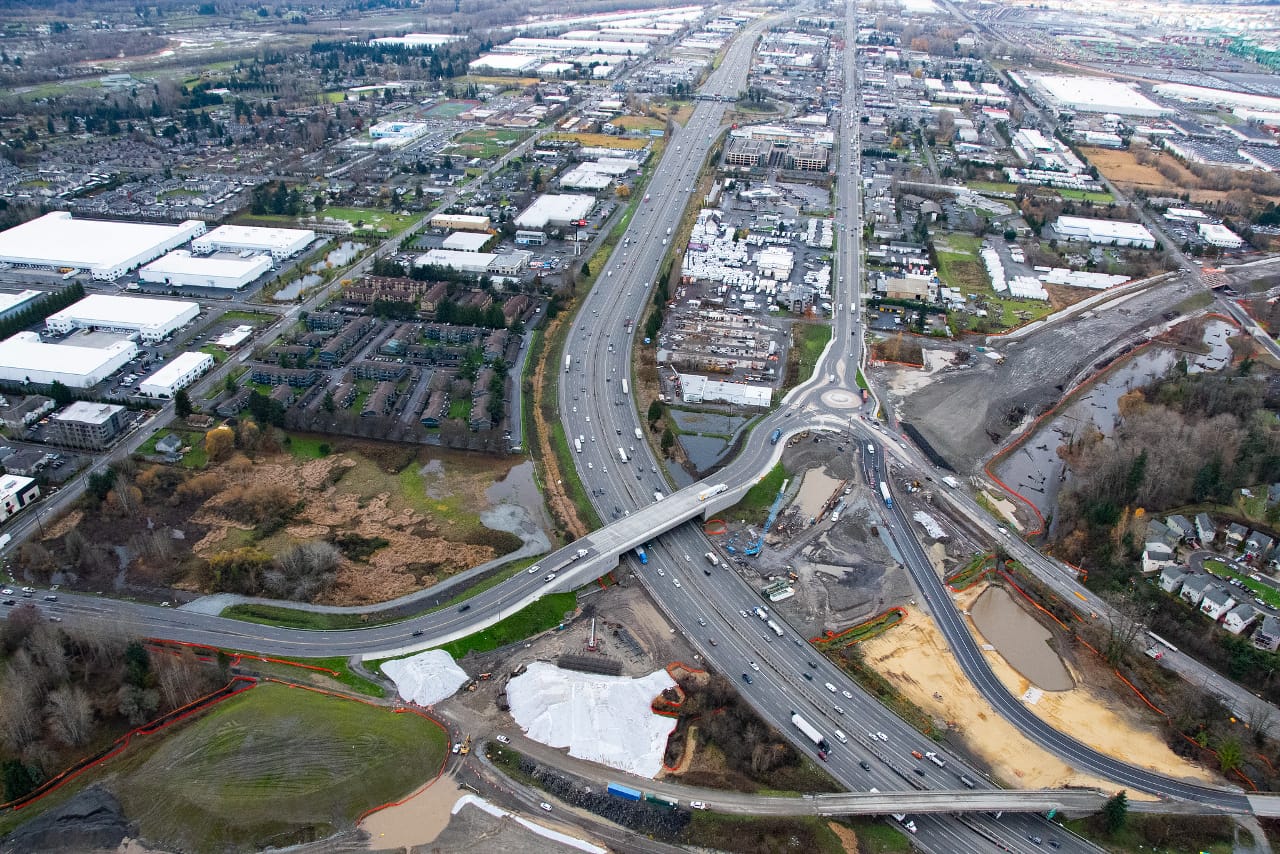
The pressure to invest in degrading state highways pushed legislators to turn to $1.3 billion in bonding, a move necessary due to so many dollars being tied up in highway expansion projects like the North Spokane Corridor and the Puget Sound Gateway.
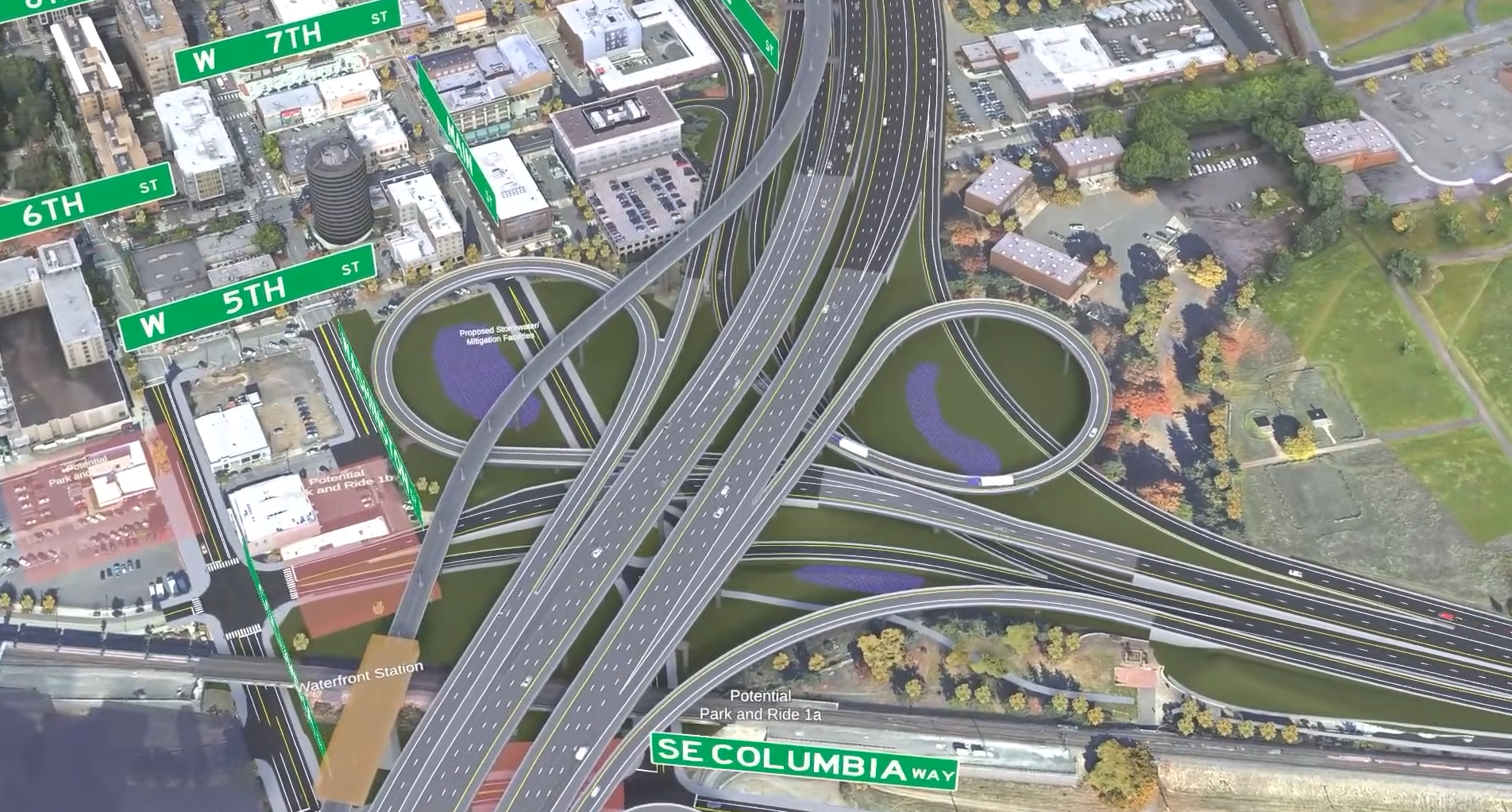
WSDOTâs concept would remove the northbound ramp from I-90 onto Rainier Avenue and improve safety at the other freeway ramps. A clear step in the right direction, the unfunded plan is not as bold as some transportation advocates would like to see near such an important light rail station.
Cities must commit to downsizing their highway networks if they intend to meet climate and livability goals and expand housing in a healthy and equitable manner. Seattle must lead the way.
The $2 billion in new bonding in the Senateâs transportation budget would help bolster the stateâs highway and bridge maintenance spending, which has lagged due to longstanding prioritization of new highway projects. But the debt load could create problems for future budget writers.
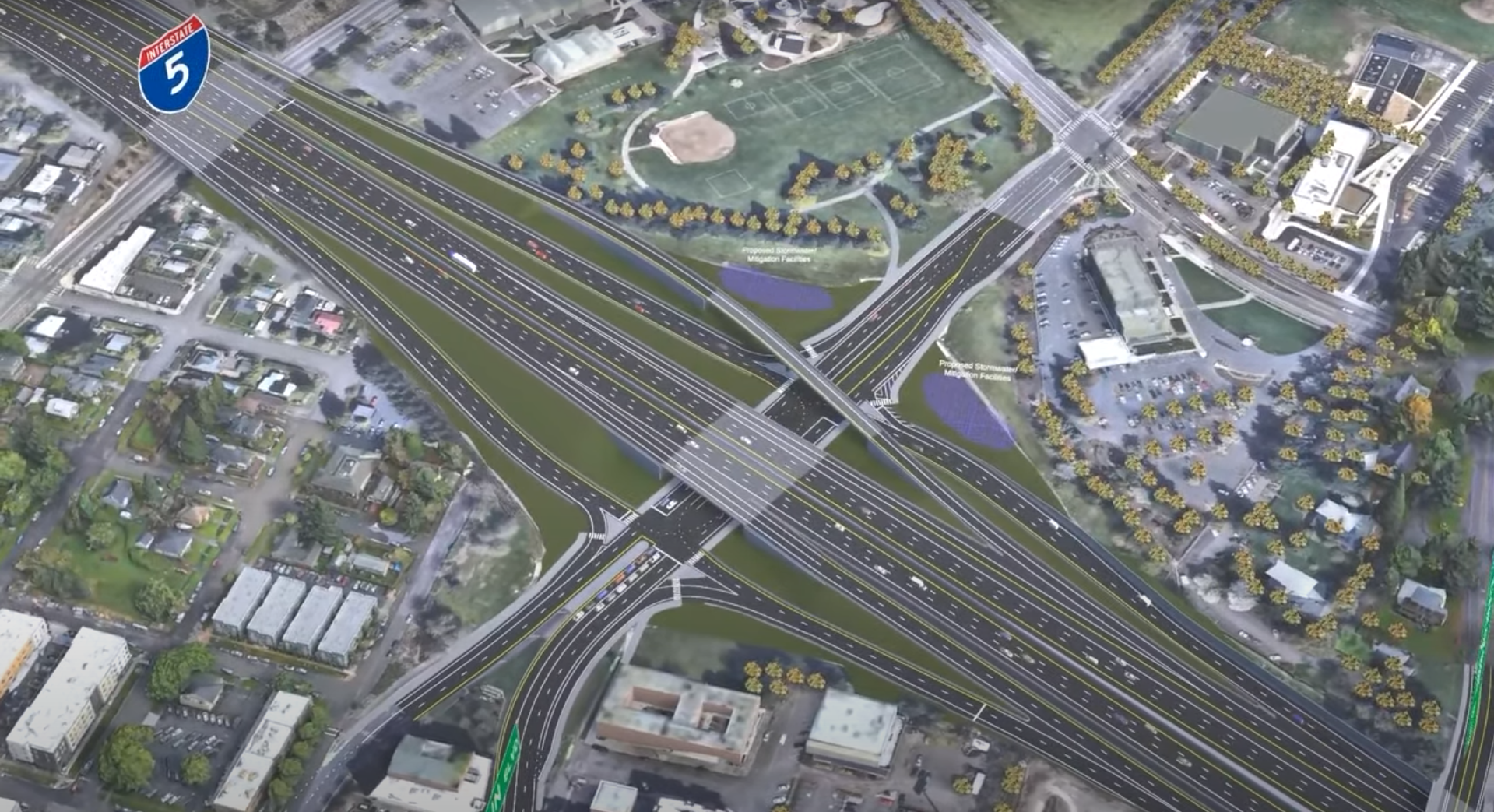
Revive I-5 is a once-in-a-generation opportunity to reduce car dependency and encourage transit, walking, rolling, and biking, but the Seattle region is letting it slip between its fingers. Itâs not too late to fix that, opines Kadie Bell Sata.
In this podcast, The Urbanist newsroom previews Washingtonâs state legislative session and breaks down the huge setback dealt to the I-5 Interstate Bridge Replacement project, a highway boondoggle with a ballooning budget. Plus, Amy and Doug recounted their first interview with Seattle Mayor Katie W
New cost estimates on the long-planned Interstate Bridge Replacement over the Columbia River reveal a funding gap that could range from $5 billion to a staggering $13 billion, an amount that neither Washington nor Oregon is prepared to absorb.
The governorâs proposed $3 billion in bonds would add onto a Washington state transportation budget that already allocates nearly 12% to debt service. With a 60% vote needed to authorize, the idea will likely face considerable skepticism at the state legislature.
Road to Nowhere author Emily Lieb is speaking at Elliott Bay Books on November 20. Hereâs a sneak peek at her book, which covers the plight of the Rosemont neighborhood of West Baltimore, as it was victimized by grand highway schemes.
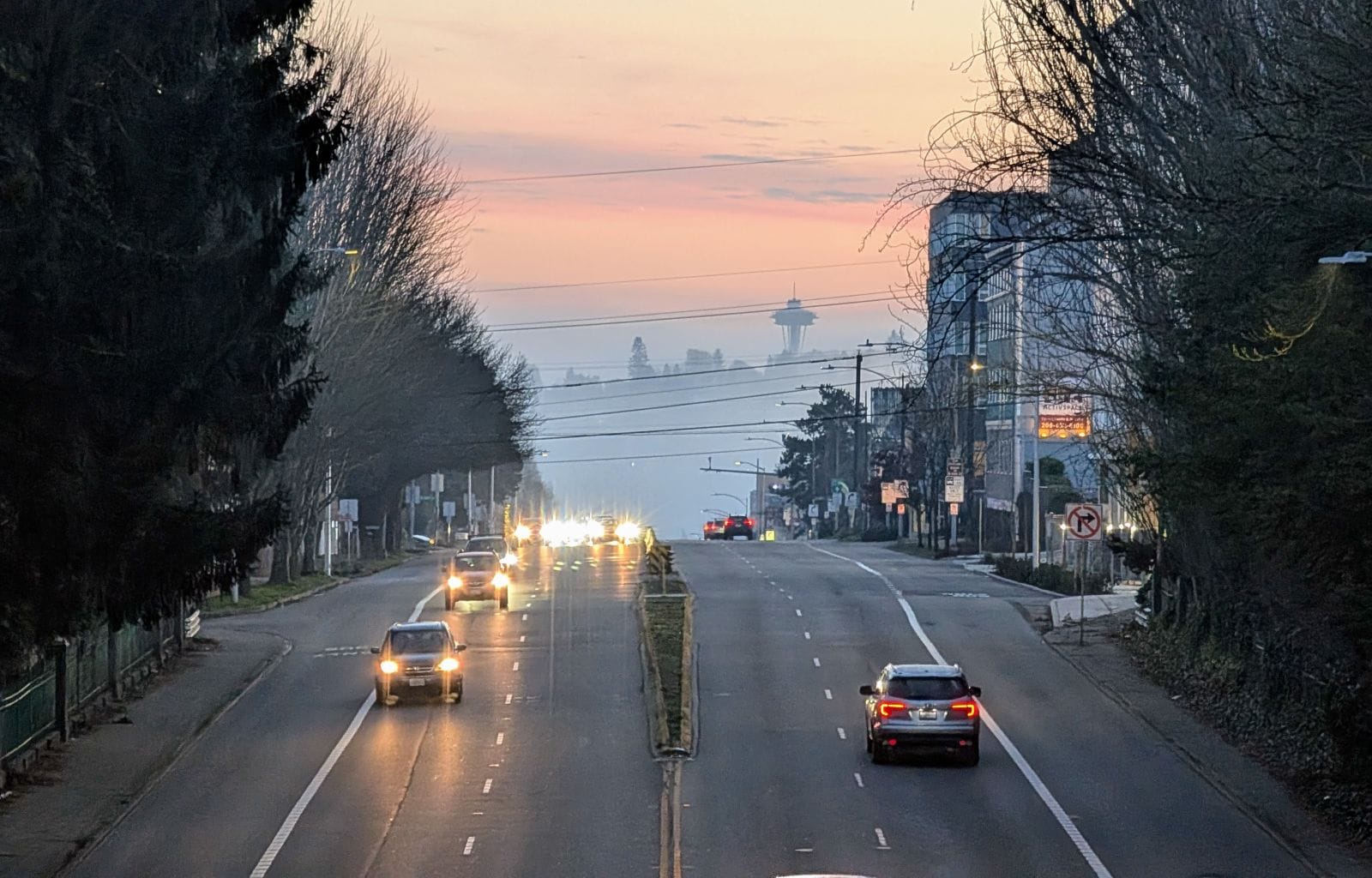
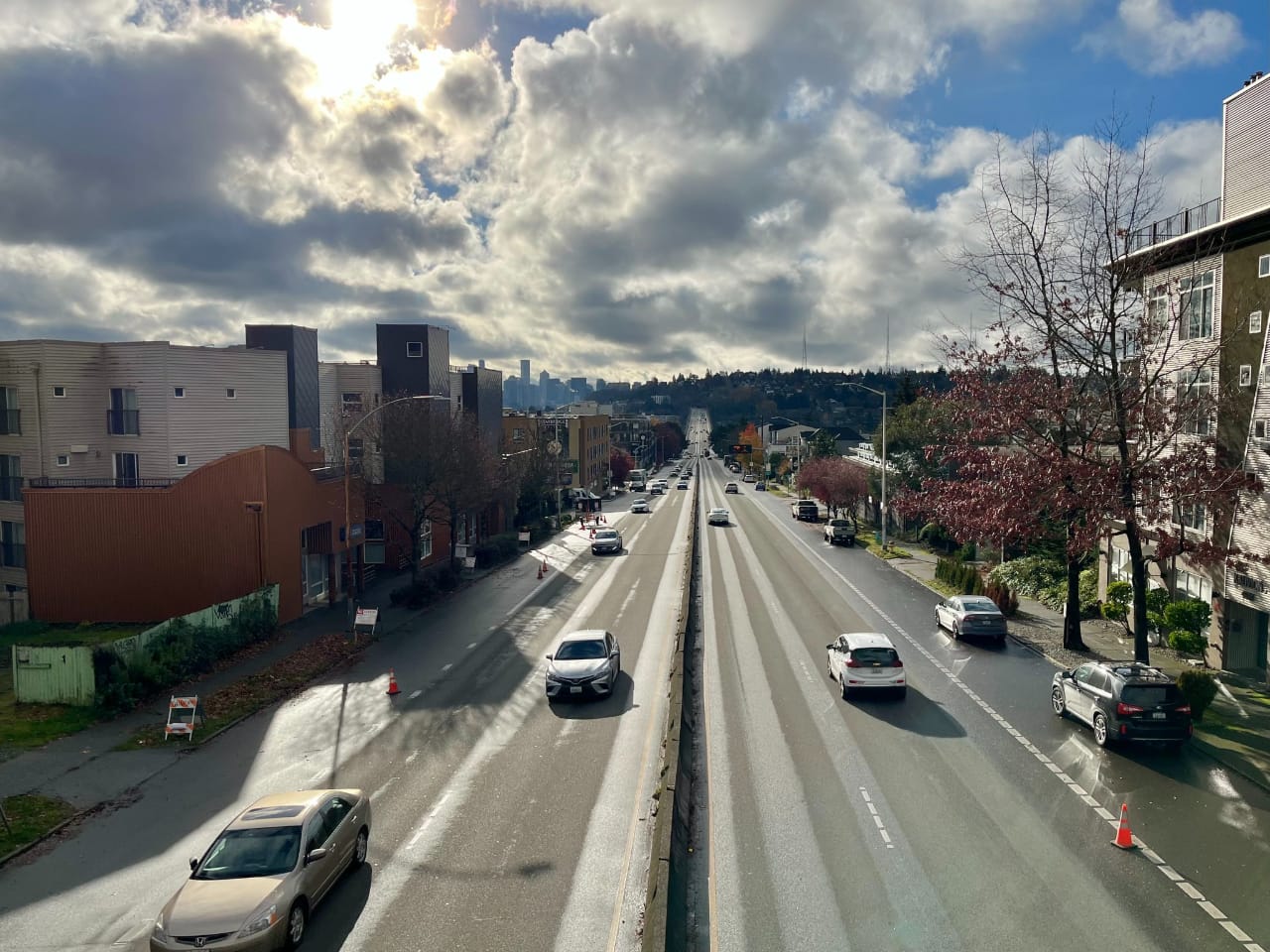
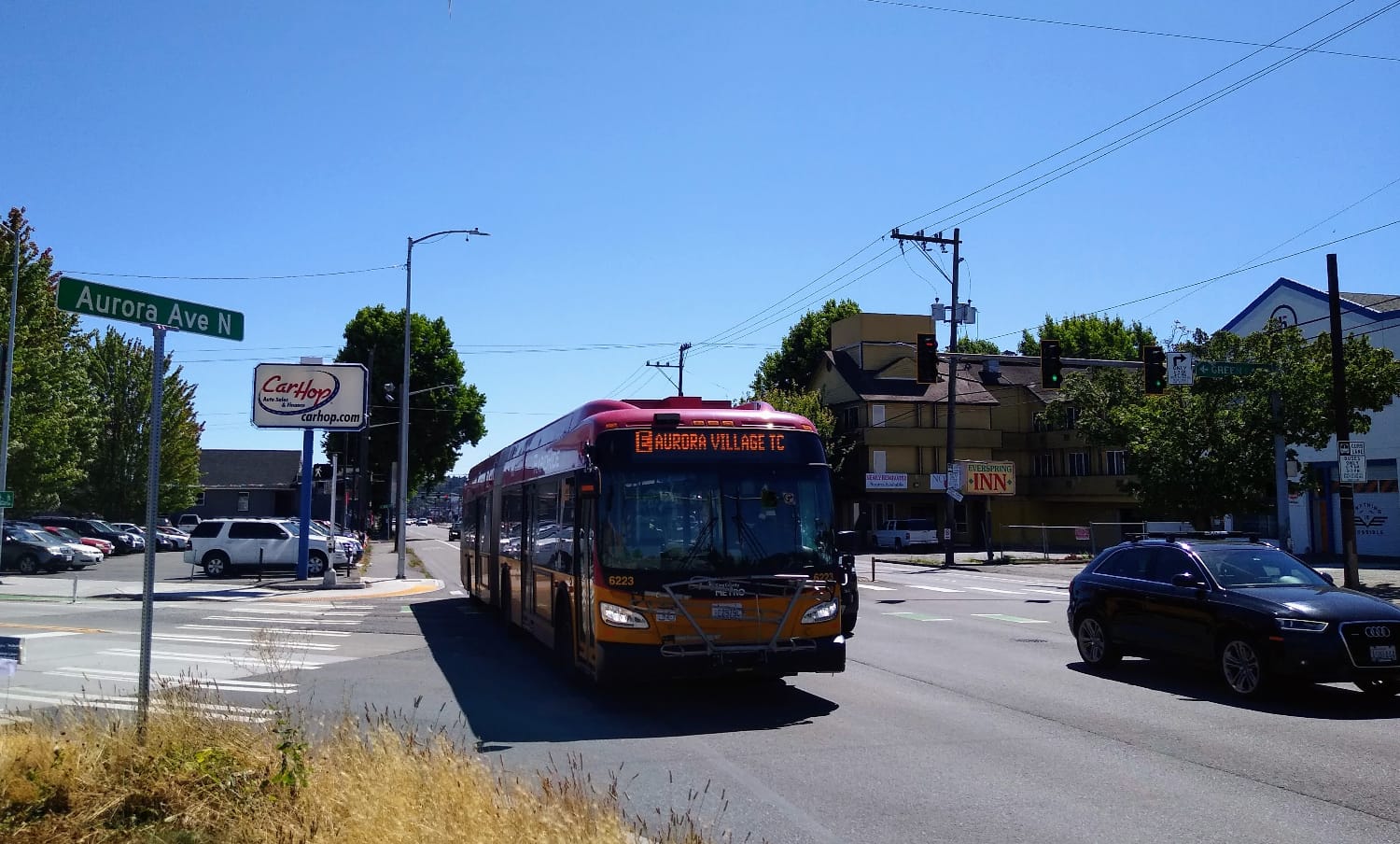
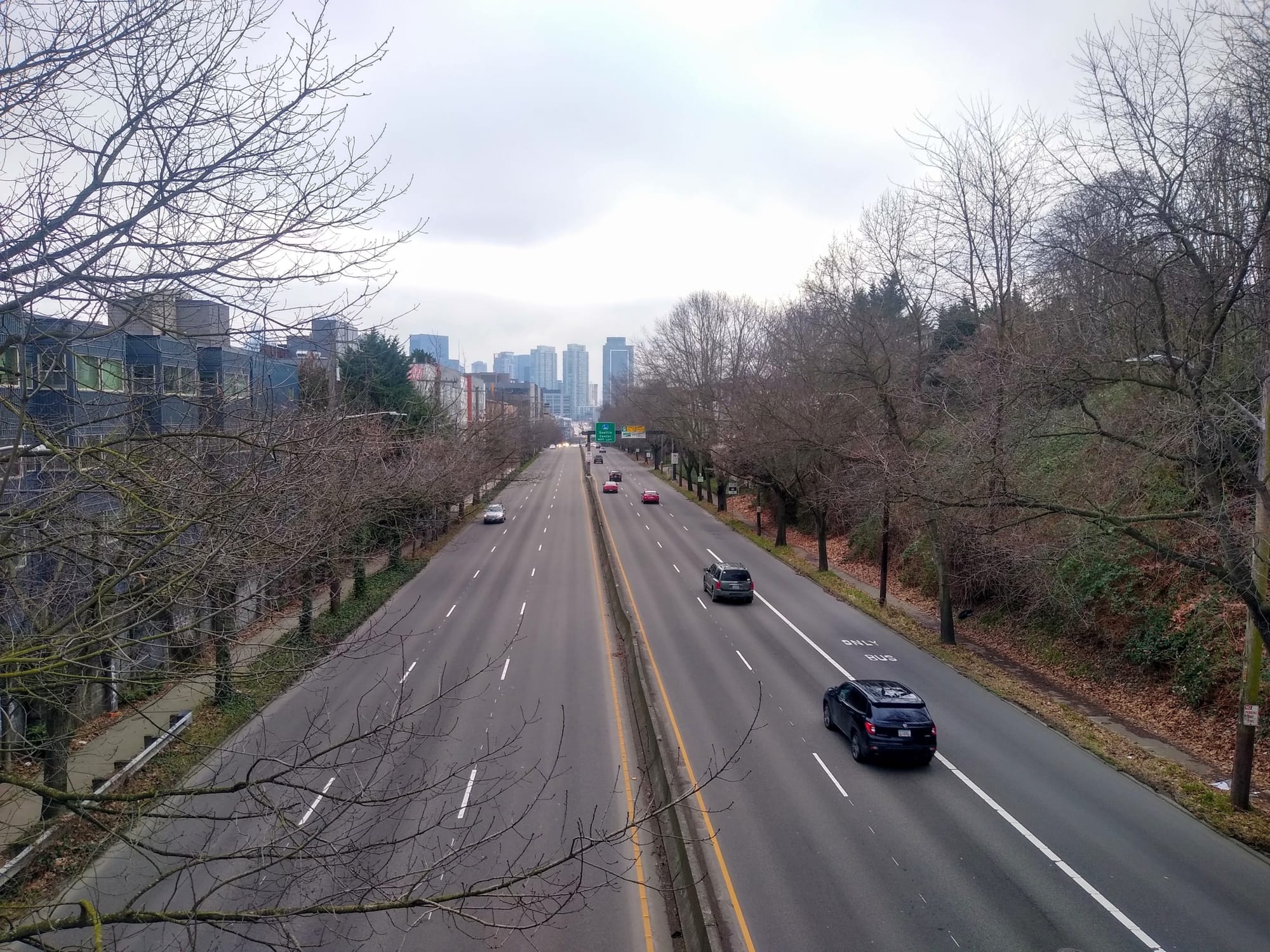
SDOTâs latest report indicates the agency is envisioning the future of Aurora Avenue N to look nearly exactly the same as it has for the last 100 years: a dangerous, high speed, six- to seven-lane highway. Seattle needs to do better.
Despite heavy attention on challenges funding transportation at the state level, shortfalls are projected to hit transit agencies and city transportation networks hardest. With few tools available to raise progressive transportation revenue at the local level, the future looks bleak without reform.
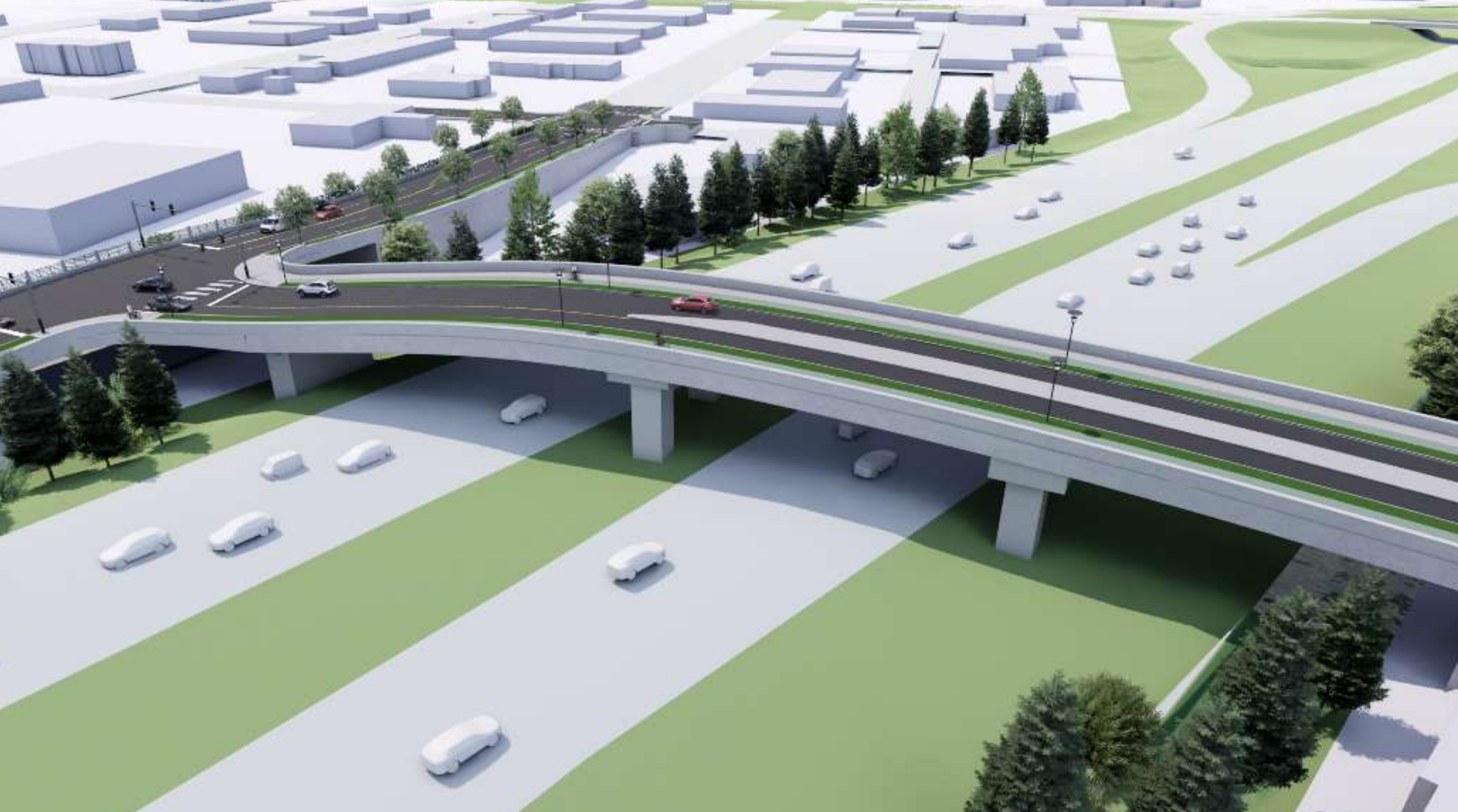
The preferred concept for an I-90 bridge in Central Issaquah would cost at least $110 million, and is seen as an essential component of creating a more connected neighborhood around a future light rail station. Councilmembers are wary about jumping in with both feet.
Peak-only bus lanes will be converted to all-day operation between Fremont and N 115th Street as soon as next week. The move was initially planned in response to major construction work on I-5, which has mostly been delayed to 2026 and 2027.
More than one-third of WSDOTâs two-year budget is set to go toward highway widenings and extensions, in the face of a significant maintenance backlog impacting Washingtonâs state and local roads.
While the Washington State Senate budget includes additional taxes on e-bikes and fees for public transit, the House budget includes cuts to transit and climate work. Both budgets are in agreement on the need to double down on a number of highway megaprojects.
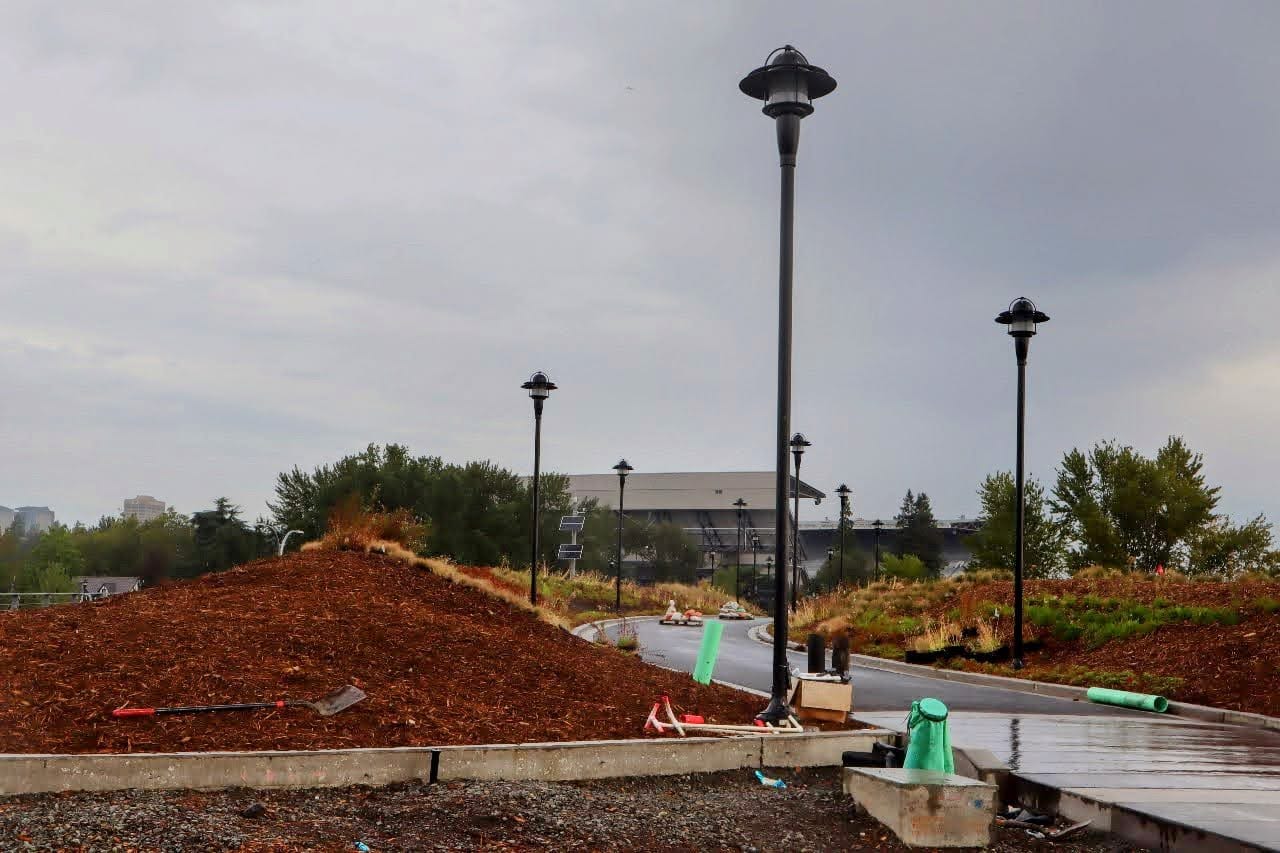
In choosing how to fill a $1 billion budget hole over the next two years, Washington State lawmakers are being forced to take a hard look at deferring or even cancelling some long-planned highway capacity projects.
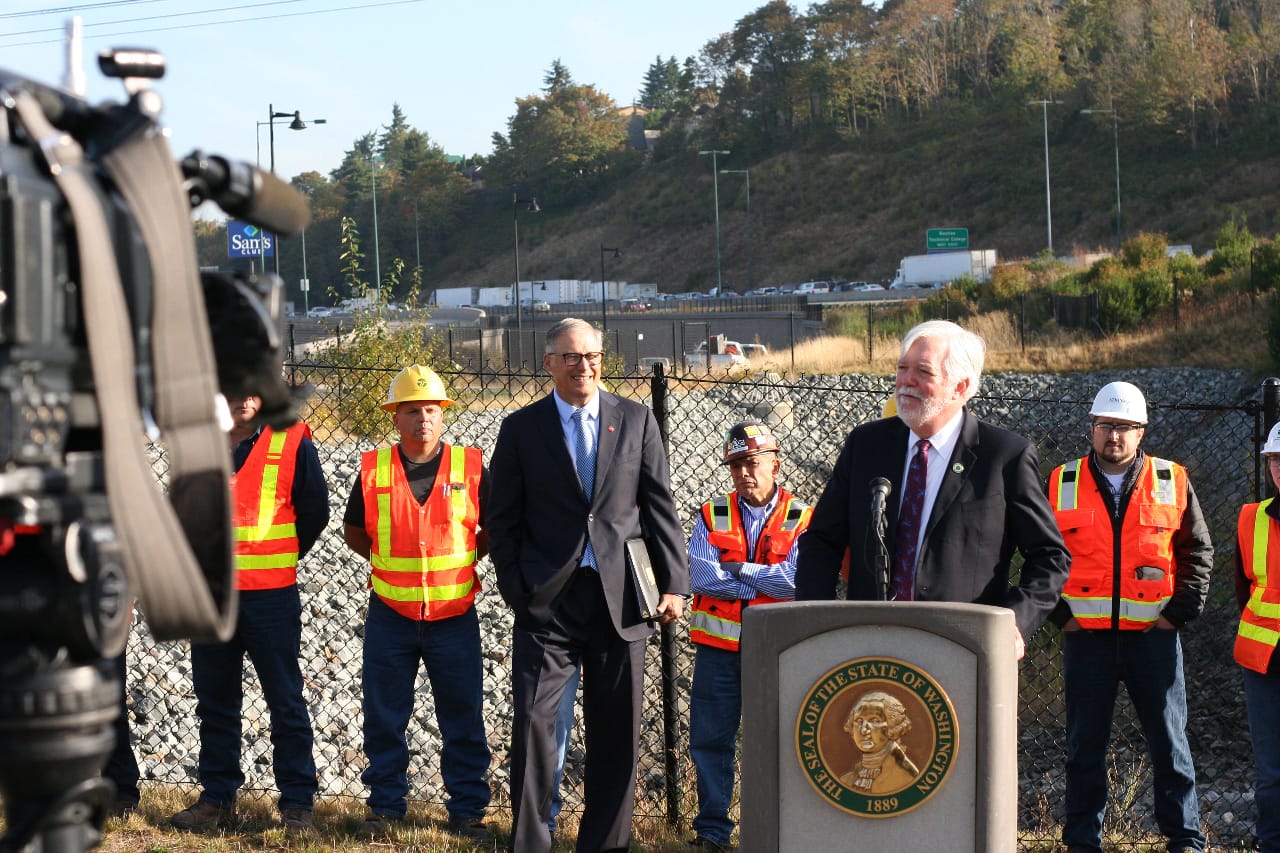
Seattle Mayor Bruce Harrell teased a few urbanist-minded initiatives as he delivered his annual state of the city speech on Tuesday, putting support behind a push to pedestrianize Pike Place and launched a new âNorthern Lightsâ vision to remake Aurora Avenue. Exactly when either change would occur r
In this video, CityNerdâs Ray Delahanty digs into the public health effects of freeways. Pollution impacts fall most heavily on people who live near freeways.
As other states start to reassess their prioritization of expanding highway capacity in the face of ambitious climate goals and other transportation needs, Washington is still in denial mode.
A new report shows most states continue to funnel money toward highway expansion, locking in climate pollution, despite new tools to fund transit and other forms of climate action. This is a losing strategy for both the environment and increasing mobility options.
To keep buses moving as lanes are set to be shut down on I-5 over a three-year period, the Seattle Department of Transportation is set to convert peak-hour bus lanes to all-day. But the city isnât calling the change permanent.
Declining state transportation revenue and increased project costs are on a collision course. Long-promised highway projects, court-ordered fish culvert removal, and badly needed investments in transit, active transportation, and traffic safety are all fighting for a shrinking pie.
Washington State could be set to pay a significant price for decades of underinvesting in basic maintenance of the state transportation system, outgoing WSDOT head Roger Millar said.
Washington Stateâs transportation chief Roger Millar is out after eight years, as Governor-elect Bob Ferguson prepares to take office. Widely recognized as a leader in progressive transportation policy, Millar will be tough to replace.
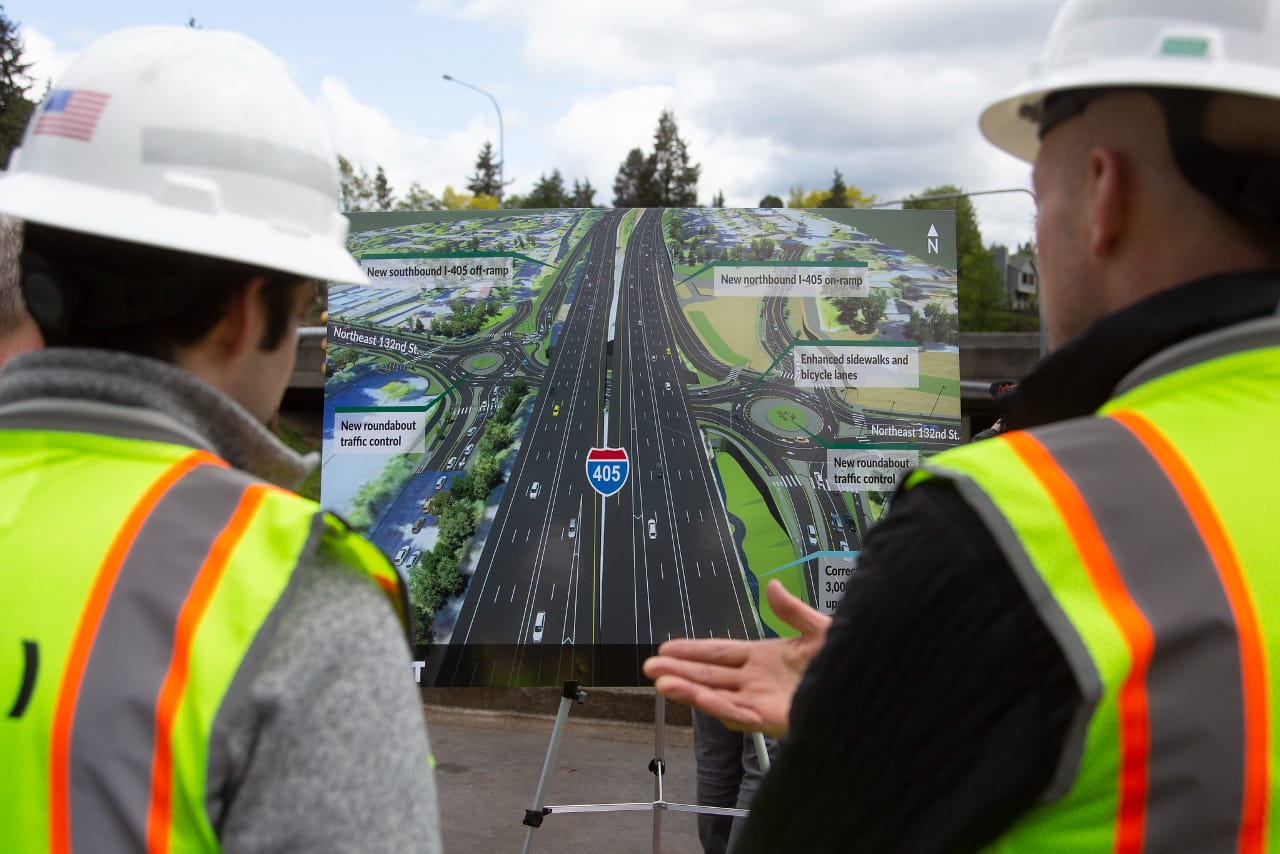
Proponents of a $7.5 billion project to widen I-5 and replace the Columbia River bridge are ignoring induced demand, creating faulty traffic models that obscure its real environmental impact.
The yearslong project to transform the area around SR 520 in Montlake is finally set to open this fall, including several exciting bike and pedestrian facilities.
WSDOT Secretary Roger Millar is asking for a dedicated funding source to fix the most dangerous state highways in Washington, laying down a $150 million per year benchmark.
SDOT seems to assume Aurora Avenue cannot accommodate pedestrians, bicyclists, transit, cars, and freight simultaneously, but this design proposal that will do just that. In the process, itâd make the deadly corridor much safer for all users.
A citywide coalition has proposed a $40 million package to advance ongoing projects like designing I-5 lids in multiple neighborhoods (supporting new street connections, parks, and affordable housing), remaking Aurora Avenue for safer crossings, and reconnecting the Duwamish Valley community around
Melanie LaPlant Dressel Park opened on April 11 as a beautiful park far away from the rest of the city. An elevated, wide ribbon of concrete â the roaring I-705 freeway â separates the park from its users. Tacoma should remove this barrier.
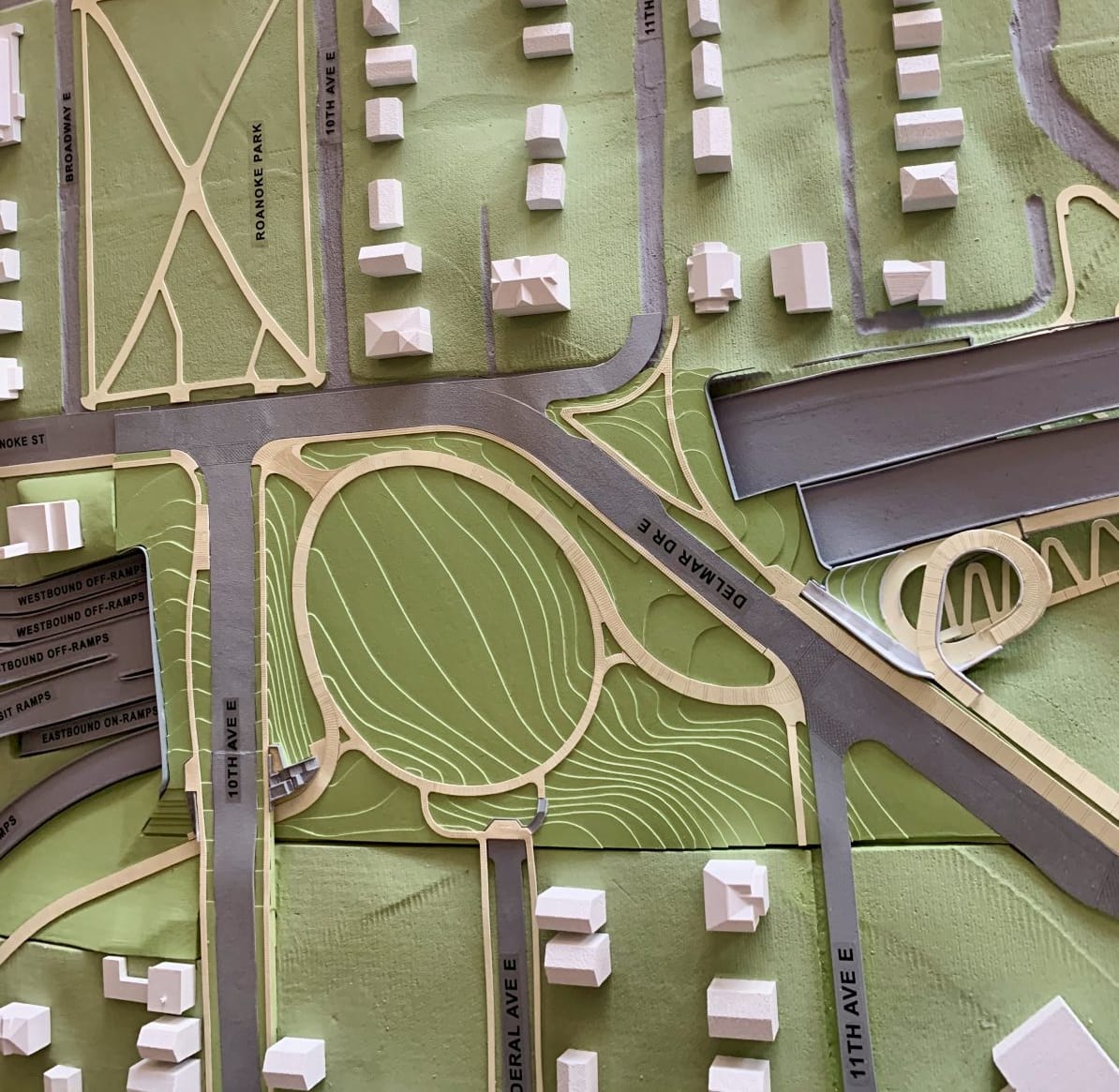
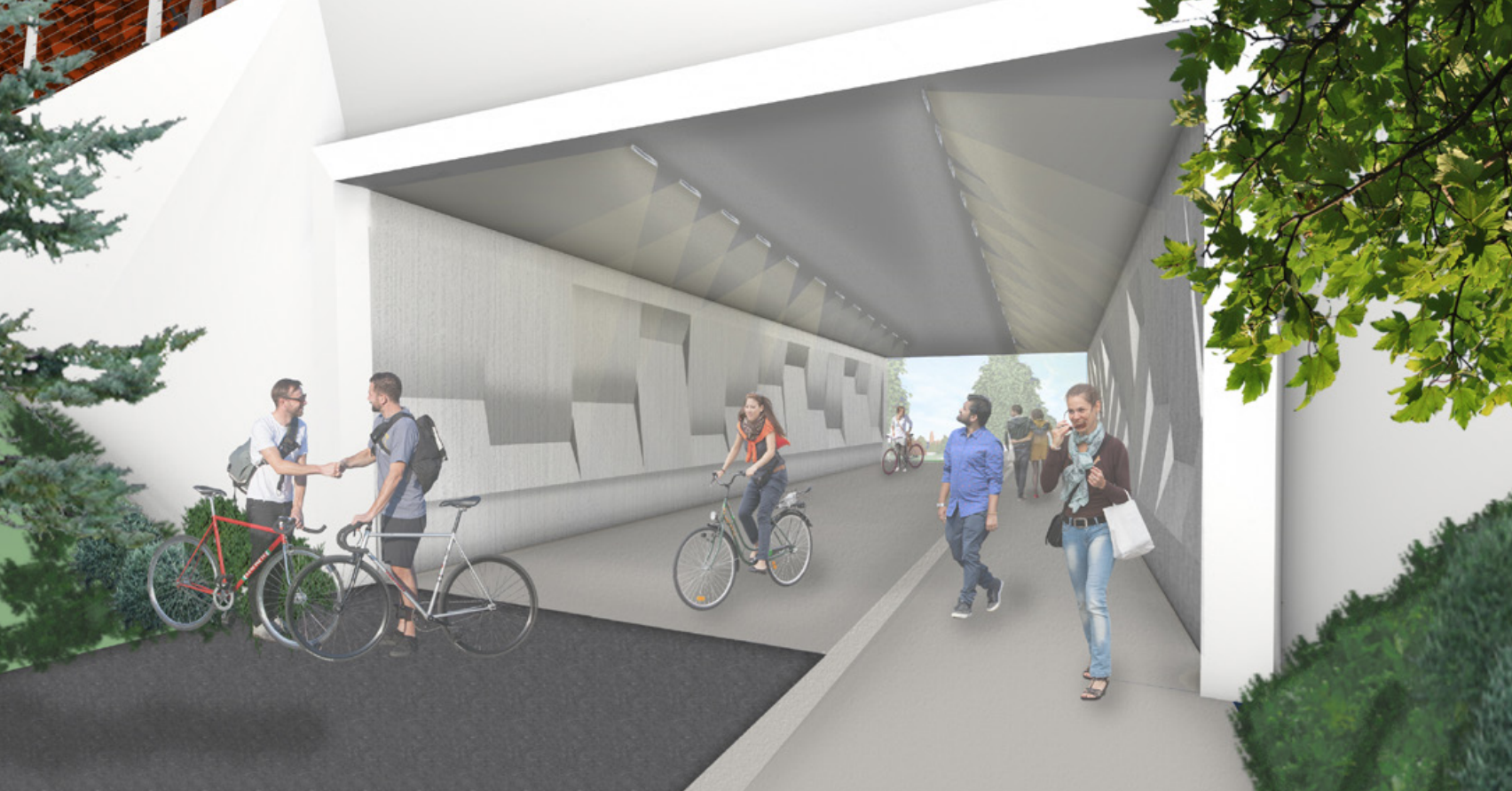
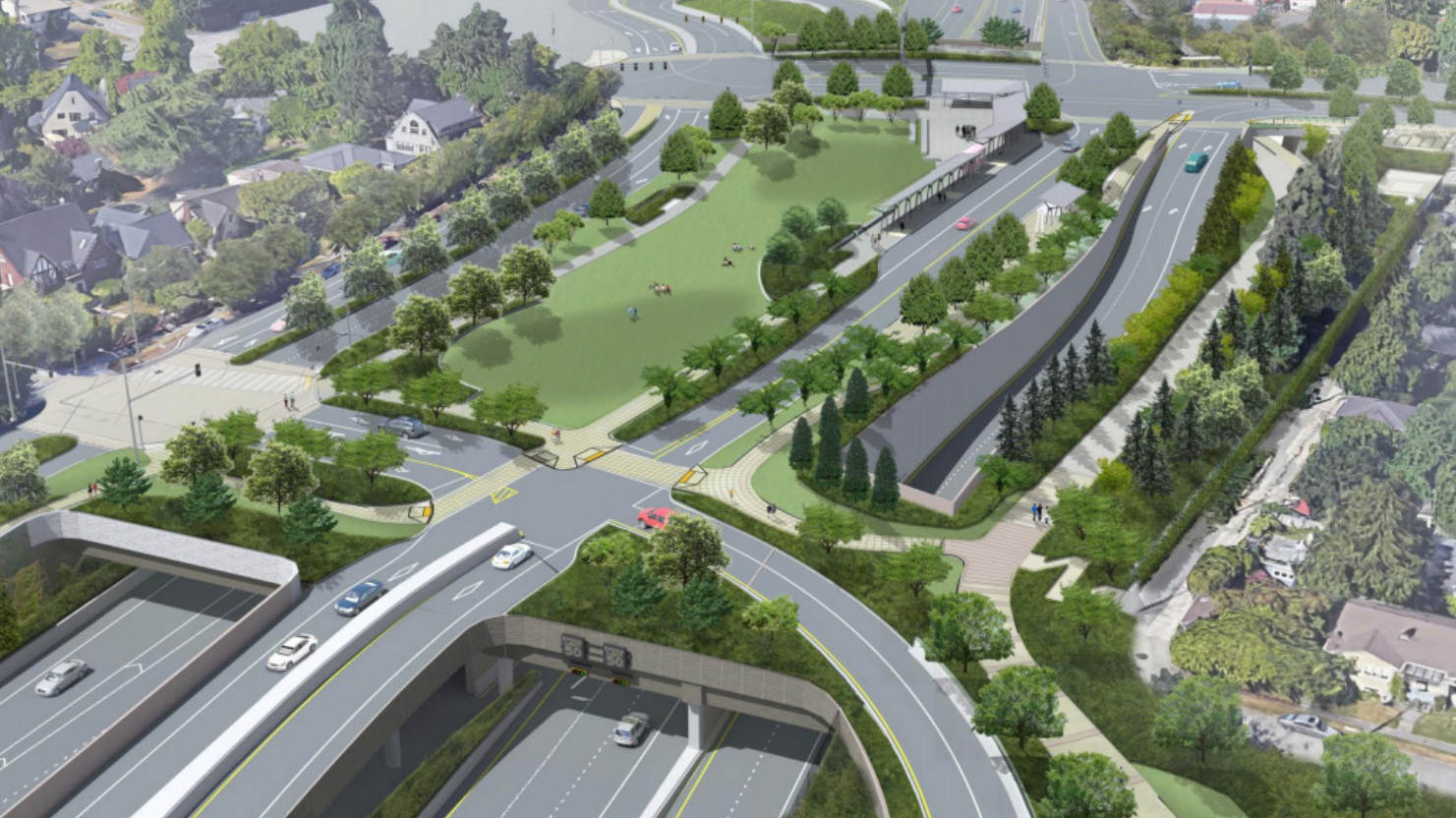
WSDOT is set to delete the 10th Avenue E tunnel underpass from Seattleâs planned Roanoke Lid despite only saving around 10 to 15 million dollars.
A long-planned 10th Avenue underpass intended to enable easier walking and biking trips is set to be dropped from one of the stateâs biggest highway megaprojects as a cost-cutting measure.
The final piece of the decades-long replacement of the SR 520 bridge will move forward thanks to funding authorized this year, but Washington Stateâs overall transportation budget is on rockier ground.
The current attempt to reshape how Aurora Avenue operates represents a phenomenal test for the City of Seattle. Is its pledge to end traffic deaths real or just for show?
Aurora Avenue should have a continuous design with safe sidewalks, crossings, bike lanes, and center-running bus lanes to speed up the E Line. Aurora Reimagined Coalition had a design that does all that. Fill out SDOTâs survey to back the idea.
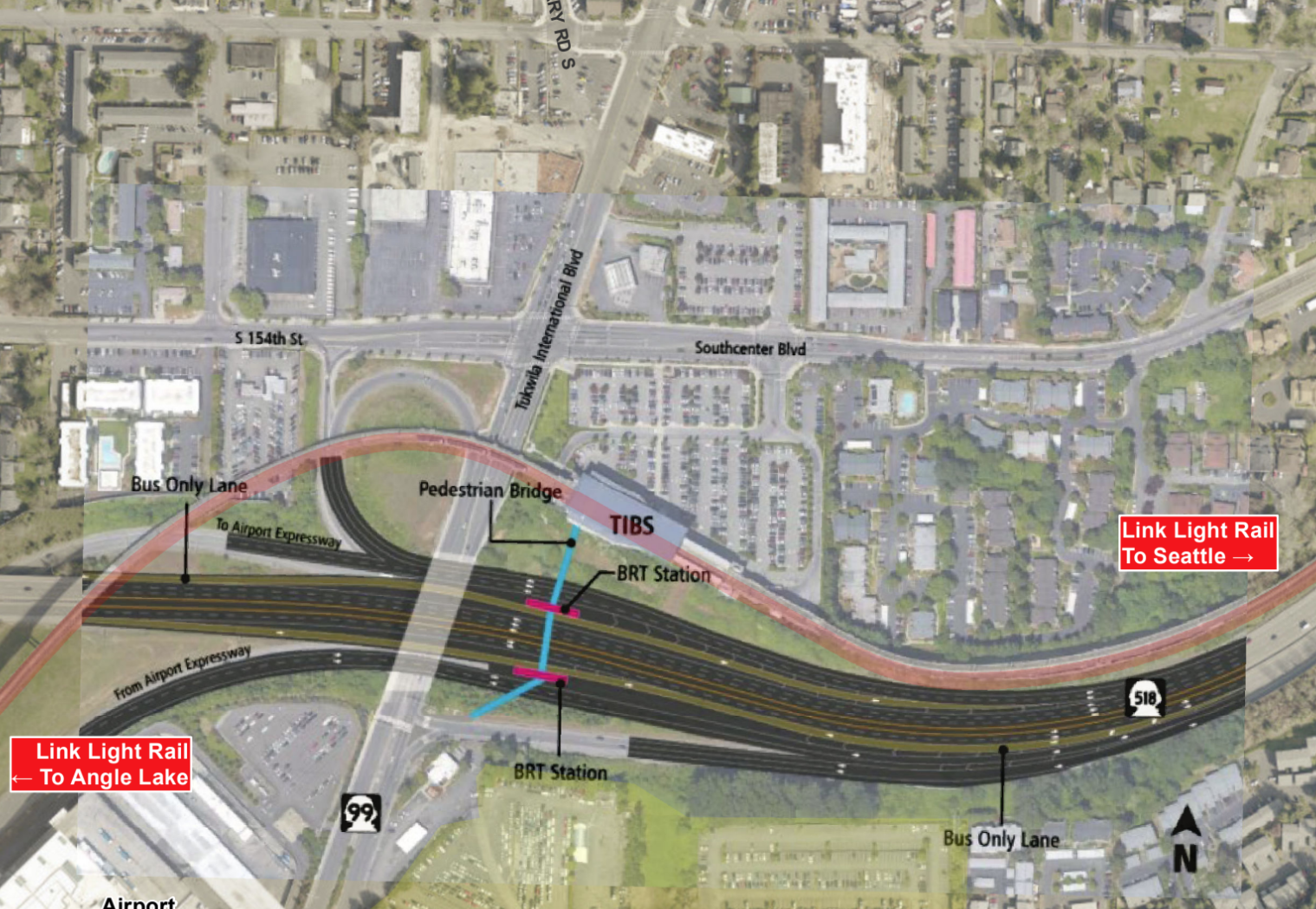
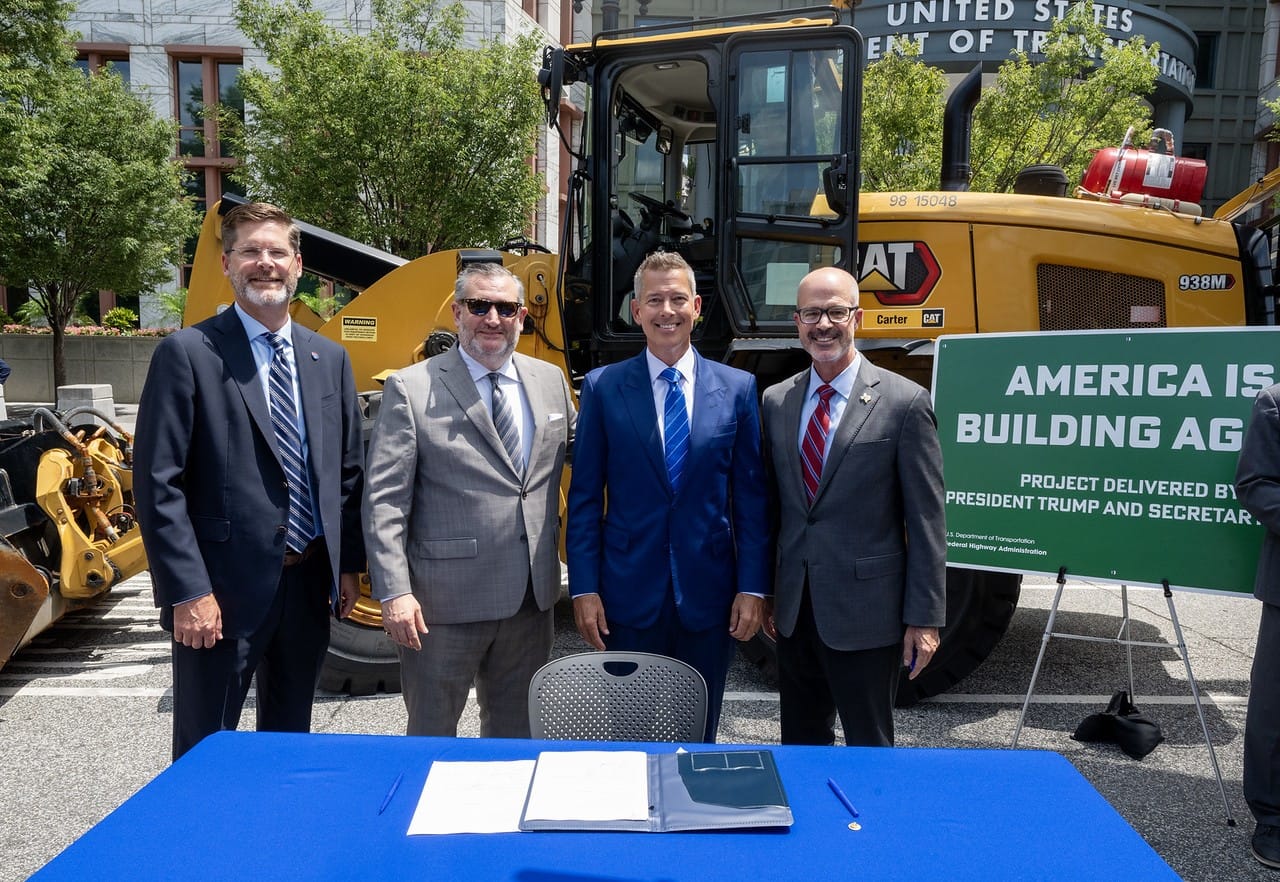
The federal programs are aimed at repairing past harms from transportation infrastructure, but the two long-planned Stride stations leave much unrepaired. Sound Transit has been awarded a $68.9 million dollar grant by the US Department of Transportation (USDOT) to fund completion of two planned stations in Tukwila and Renton
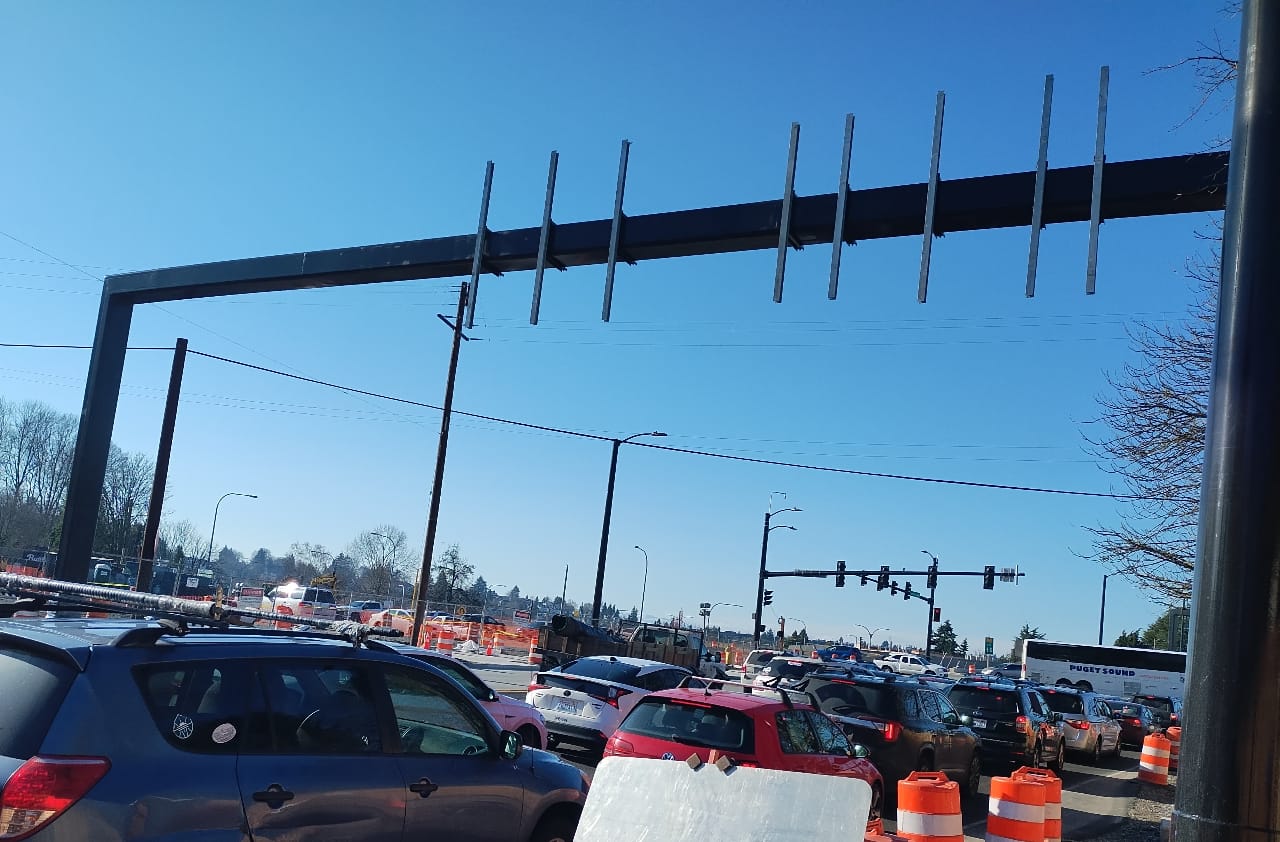
Large highway signs that prompted pushback from nearby residents when they were installed last year around SR 520 in Montlake are getting a second look. The state has $750,000 in tweaks planned that would scale back the size of new road signage.
Washington continues to build new highways even as maintenance, safety, and community needs continue to grow. America Walks is pushing for a nationwide reconsideration of continued highway expansion.
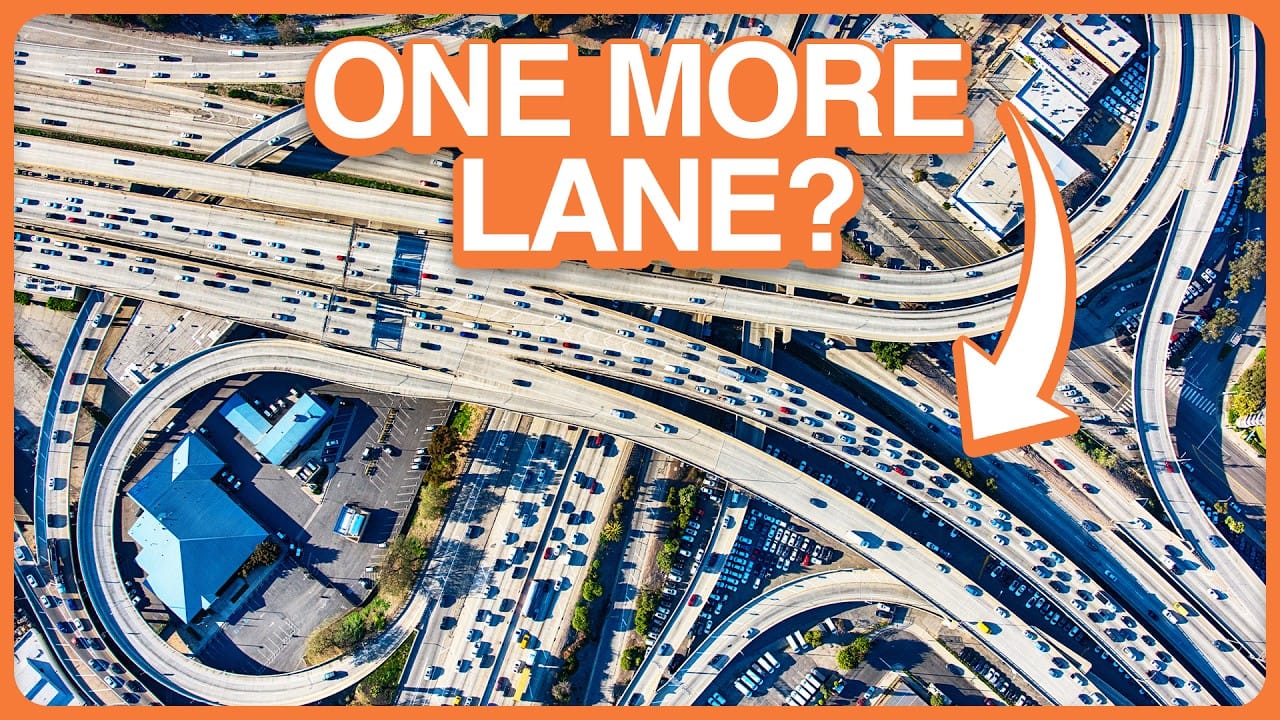
Will one more car lane really fix congestion? Jason Slaughter from Not Just Bikes digs into all those promises made by highway departments to reduce congestion and improve the environment by expanding roads.
Protests that recently shut down I-5 have reignited a debate that goes back to the freewayâs beginning. Complicating the narrative of critics who believe major American thoroughfares should remain free of protest is the inconvenient fact that Interstate 5 was steeped in it from the beginning. A few years
Washington State highway expansion plans are billions over budget and soaking up resources from maintenance. Despite a state transportation system full of unmet needs, the 60-day legislative session that started last Monday will likely see lawmakers spend the lionâs share of the time they devote to transportation spending discussions
Even in the face of ambitious greenhouse gas emissions goals that remain out-of-reach, elected leaders in central Puget Sound arenât ready to rethink the process around how federal dollars are used to boost local transportation projects and de-prioritize projects that increase driving and pollution. This week, members of the
A small change around regional grant funding criteria could prove a bellwether for transportation policy in Puget Sound. Everywhere from Lynnwood to Puyallup, from Auburn to Silverdale, the long-range transportation plan for central Puget Sound calls for a significant expansion of the regionâs roadways over the coming decades, even
Barreling toward a boondoggle? Money piles up for freeway project, but key questions remain unanswered. Late last week, three members of Washingtonâs congressional delegation announced a $600 million grant that will fund the Interstate Bridge Replacement (IBR) project, a five-mile expansion of Interstate 5 that includes replacing the two
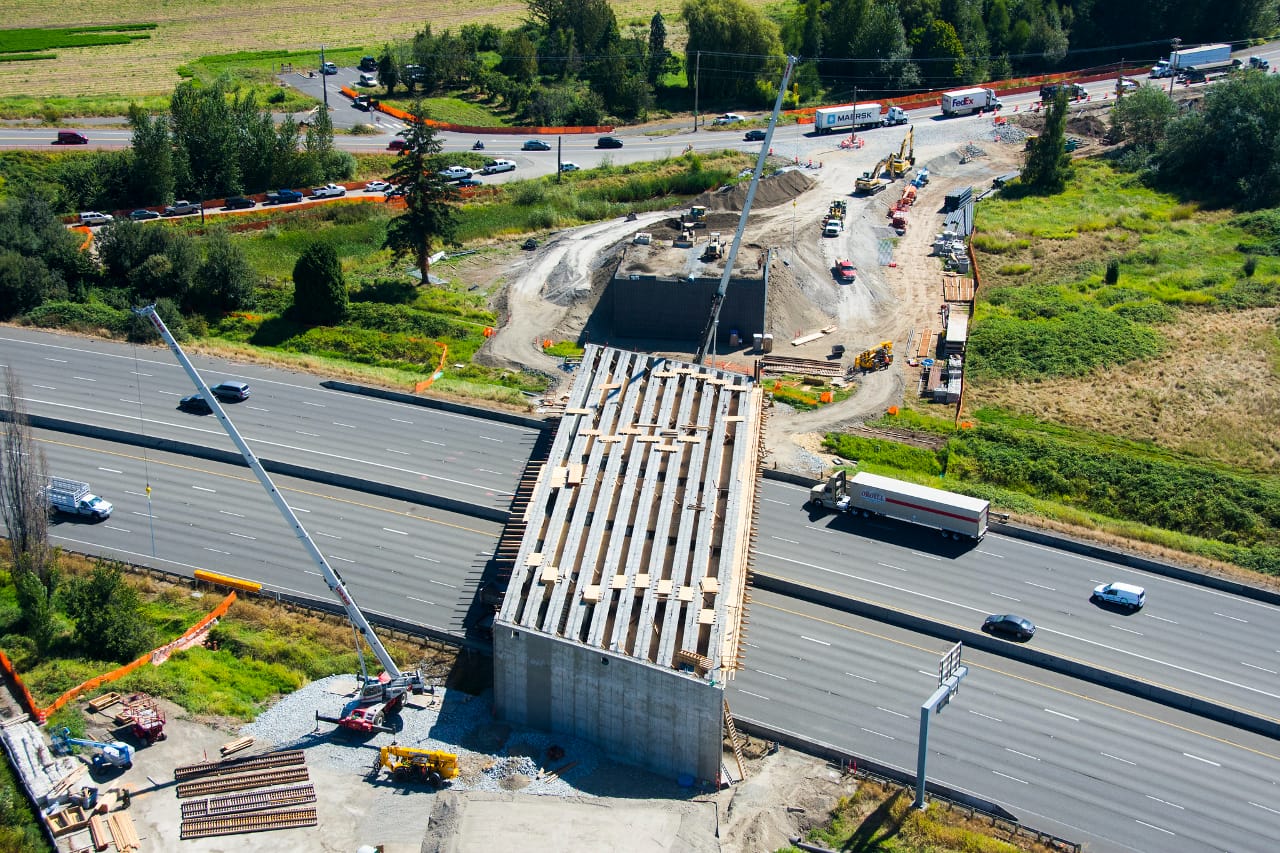
A 70% cost overrun is jeopardizing the Roanoke lid and the bike and pedestrian benefits it would bring. A megaproject that was set to transform the area around Seattleâs North Capitol Hill neighborhood with a new highway lid over State Route 520 has hit a major snag, with a
WSDOT wants to quit its highway expansion ways and adopt a fix-it-first policy. Will the legislature listen? Washington State Department of Transportation (WSDOT) Secretary Roger Millar is fond of reminding people that there are two things that he doesnât get to do as head of WSDOT: appropriate money or
On July 6, the Puget Sound Regional Council (PSRC) launched their Legacy of Structural Racism Interactive Report. While this report is far from the first piece of literature to connect policies such as single-family zoning to structural racism, it provides a high-level overview and collection of resources on this history
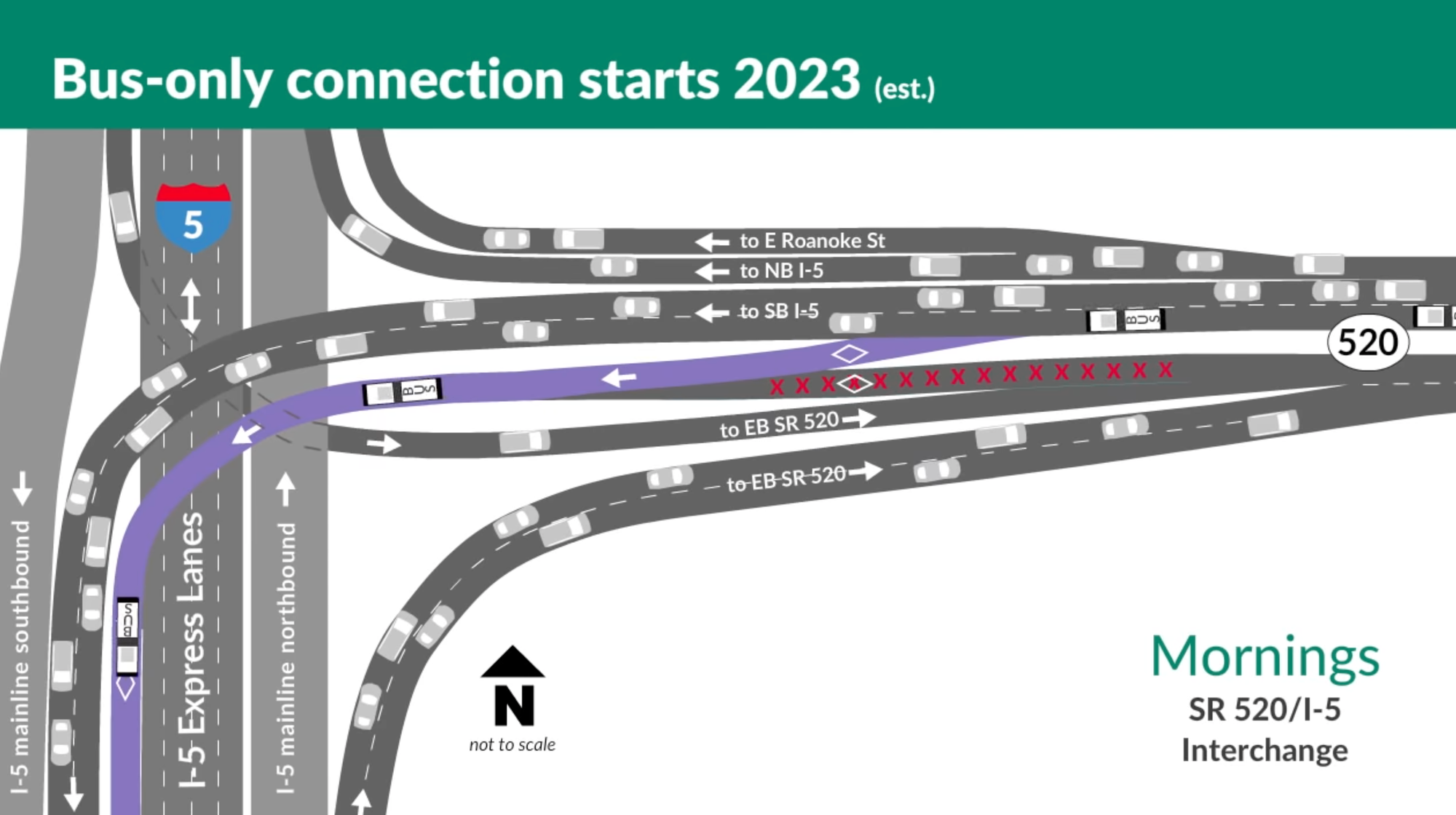
The Washington State Department of Transportation (WSDOT) has announced that it no longer plans to open a direct access ramp for buses between the I-5 express lanes and State Route 520 this year as originally planned, punting its grand opening until after the next major phase of the 520 bridge
A new poll found 82% of voters donât believe highway expansions are the best solution for reducing congestion. America runs on highway sprawl and car commercials, but ample reason exists to think most Americans are seeking a different way to tackle transportation and growth issues. A new national poll
Often after Rosa Lopez picks up her son from school, they walk under a highway and half a mile to the South Park Community Center. She pointed to their route on a wooden display of the western Duwamish Valley, a mapping tool designed by the University of Washingtonâs Department
Thanks to a significant cash transfer from the state legislature and a reduction in operating expenses, the near-term financial outlook for the State Route 99 deep bore tunnel in Seattle is looking much rosier than dire economic forecasts suggested as recently as last year. But even these significant aids to
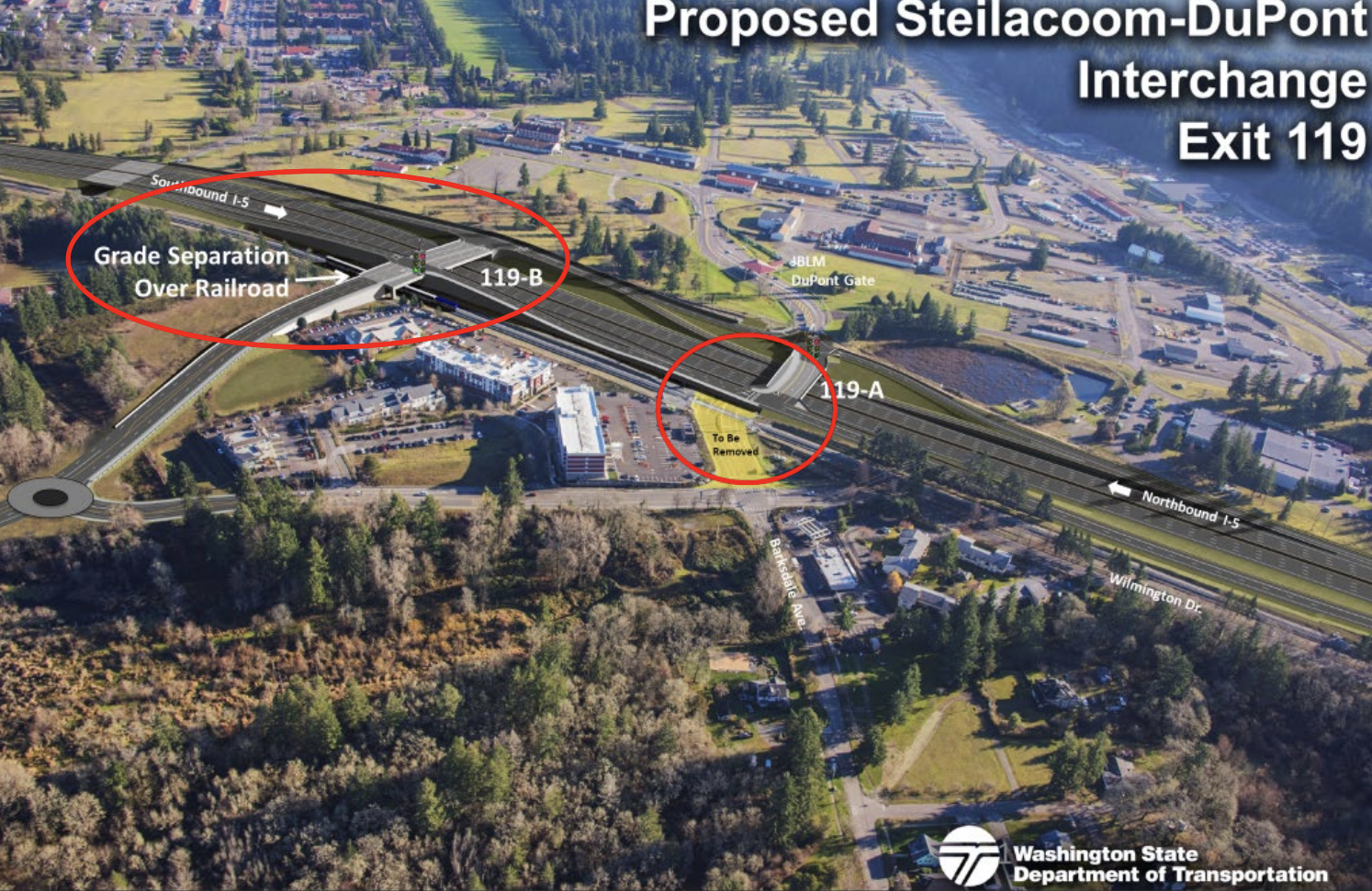
Sound Transit is partnering with the Washington State Department of Transportation (WSDOT) for a grade-separation project in Pierce County. The project is being led by the state transportation department as part of freeway expansion efforts near Joint Base Lewis-McChord (JBLM) and will benefit a railway that Sound Transit owns. The
Some commuters to pay as much as $30 per day. Tolls donât need to be this high to manage congestion, argues City Observatory. This article originally appeared City Observatory Under the new Oregon Department of Transportation (ODOT) toll plans, driving from Wilsonville to Vancouver, WA, will cost you as
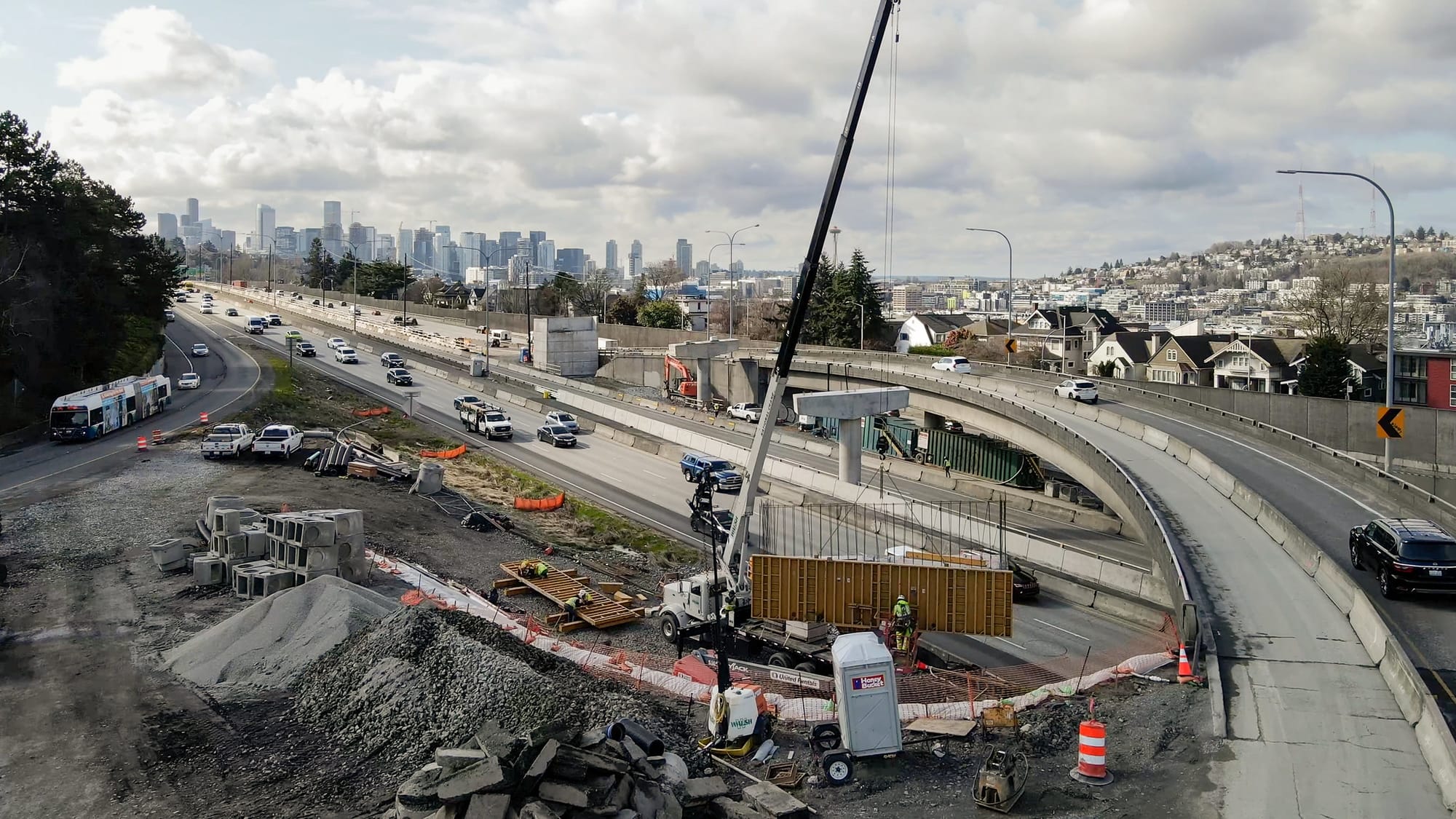
Fewer corners of Seattle are set to look more starkly different between the beginning of 2023 and the end than the area around SR 520 in Montlake. More than a decade in the works, crews with the Washington Department of Transportationâs contractor, Graham Construction, have been making steady progress
Restarted by Governors Inslee and Brown in 2019, the IBR has been on a glidepath toward repeating the mistakes of the failed Columbia River Crossing project. When state lawmakers from both Oregon and Washington met earlier this month to discuss the latest updates on plans to replace Interstate 5 over
To stem a widening revenue gap impacting the SR 99 tunnel tolling program, the Washington Transportation Commission is poised to ask the state legislature for additional funds to make up for toll revenue. Tolls on the deep bore tunnel underneath downtown Seattle were originally set to contribute $200 million toward
As the Washington State Department of Transportation (WSDOT) moves forward on construction of the extension of SR 167 to the Port of Tacoma in Pierce County, elected officials on the Pierce County Council are voicing skepticism that even more roadway expansion in the area is actually aligned with the countyâ
The work to modify roads in Washington State to make them accessible to people who walk or bike is an enormous undertaking. Most cities and counties are significantly lacking in the resources needed to make those streets safer and more attractive to people who walk and bike. This includes the
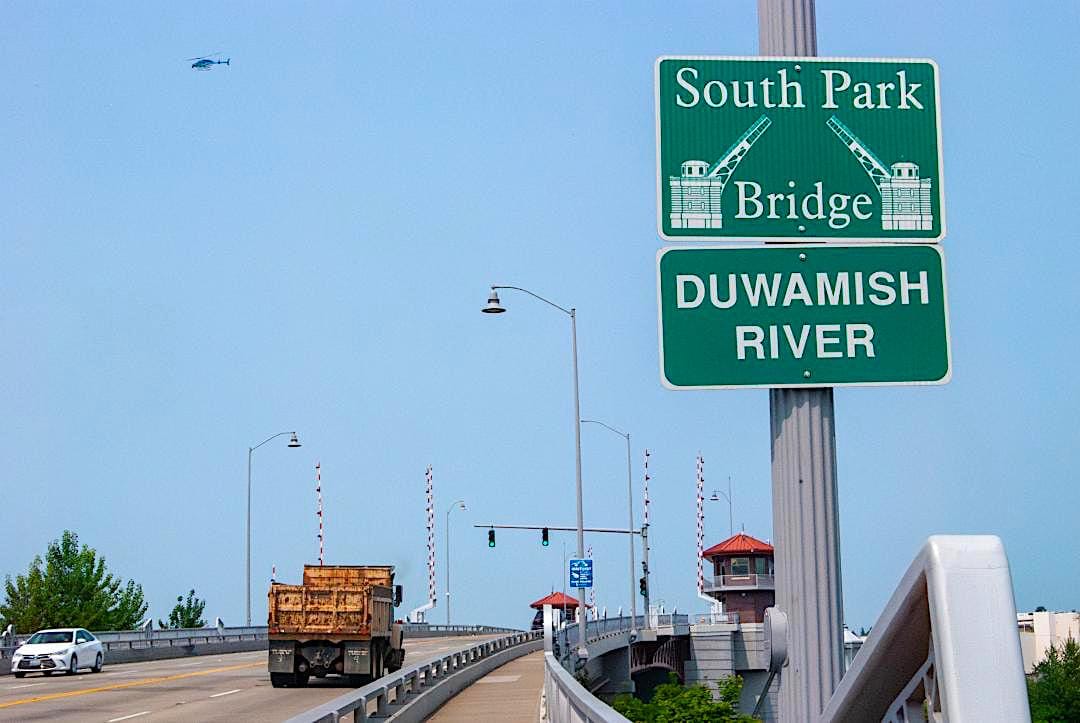
Momentum has been building around Reconnect South Park, a community-led effort to address how SR 99 slices through the neighborhood located near the Duwamish River in southwest Seattle, separating residents from their own community center, library, and elementary school. But one of Washingtonâs highway megaprojects, SR 509 âcompletionâ project,
A new policy included in Move Ahead Washington could vastly improve bike and pedestrian access and safety on state highways. When the Washington State Department of Transportation (WSDOT) repaved the entirety of Seattleâs Lake City Way, also known as State Route 522, between I-5 and cityâs northern limit
The state treasurerâs office brought some bad news to the Washington Transportation Commission this week regarding the revenue forecast for the Washington State Department of Transportation (WSDOT) SR 99 tunnel underneath downtown Seattle. Given current trends, the financial models predict that the SR 99 tunnel wonât be able
Just before midnight on February 28, Cholly Elopre, a 61-year-old airport worker living in Federal Way, was crossing six lane International Boulevard in SeaTac at S 212th Street, adjacent to the Radisson Hotel. While crossing east in the crosswalk, she was struck by someone behind the wheel of an SUV
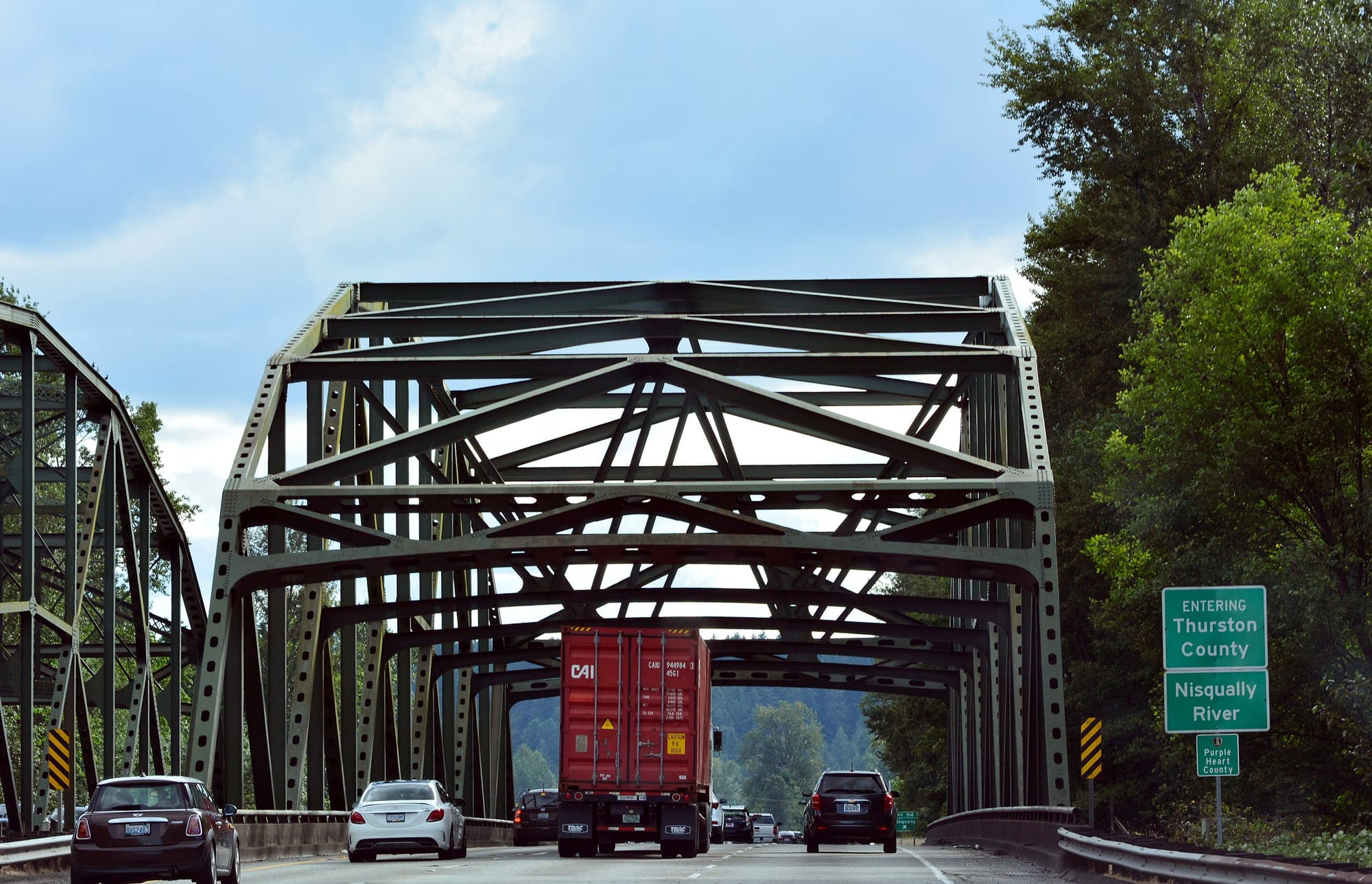
On Monday, Governor Jay Inslee boarded a small boat with U.S. Senator Maria Cantwell and Representative Marilyn Strickland to tour the mouth of the Nisqually River in Thurston County. Interstate 5 crosses the Nisqually at the southern edge of the Billy Frank Jr Nisqually National Wildlife Preserve, close to
When it comes to highway projects in Washington, the legislature holds all of the authority to decide how to allocate transportation funding. But while the Washington State Department of Transportation (WSDOT) designs, builds, and maintains projects but doesnât technically select them, there are a lot of ways that WSDOT
The Seattle Times editorial board recently published a take on the Seattle Waterfront, and, while the Blethen gang being wrong isnât news, itâs also a great opportunity to talk about what actually makes a great street and public space. Spoiler: Itâs not nine lanes of traffic. But
The City of Shoreline has been working diligently to prepare for the arrival of Link light rail in the city, as Sound Transit works toward opening two local stations in 2024. Along with substantial land use changes to accommodate new residents along Shorelineâs transit corridors, a number of transportation
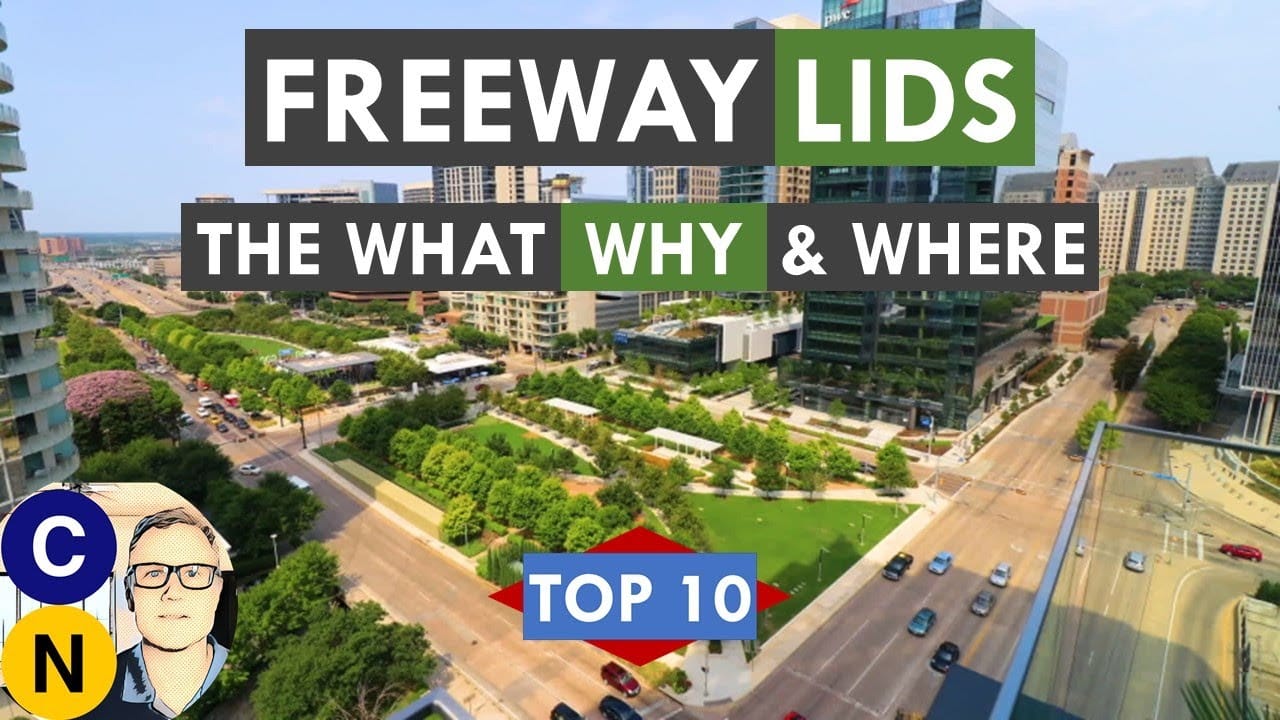
CityNerd takes a dive into some of the most interesting freeways lids in the United States. Several freeway lids in the Seattle area make appearances.
The $16.9 billion Move Ahead Washington transportation package faces a large funding gap after State House passed a version of the bill Tuesday that cut a controversial exported fuel tax, which had earned the ire of leaders from Oregon and other nearby states but had raised $2 billion in
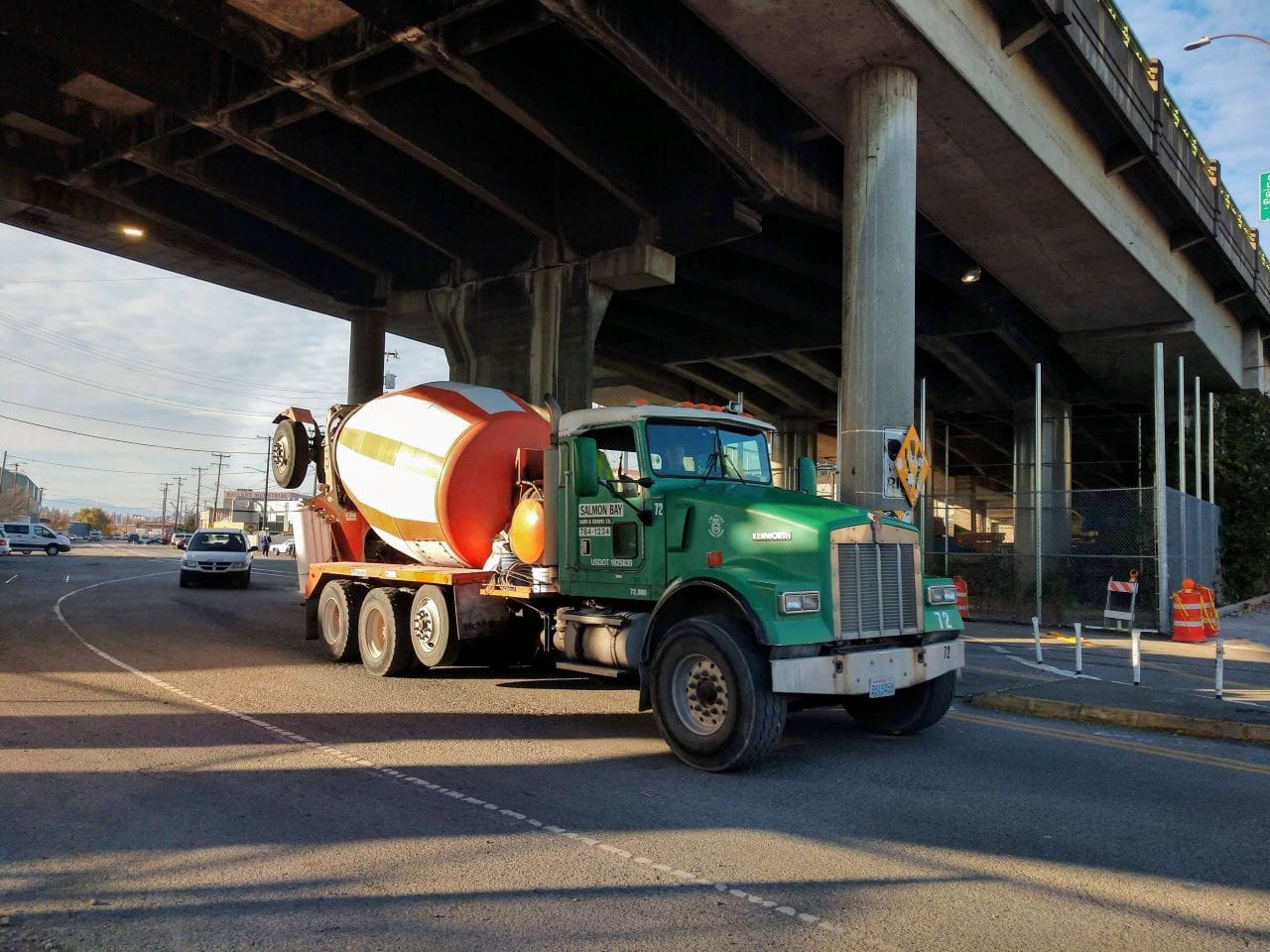
Concrete is not flowing in King County and several high-profile infrastructure projects threaten to be delayed as a result. Concrete mixer drivers are striking for higher compensation on par with other building trade unions and a health plan that lowers cost for retired members, but the six largest concrete companies
As the House and Senate transportation committees prepare to get their unified Move Ahead Washington transportation package through their respective houses, they are also moving to update the stateâs two-year biennial transportation budget adopted last year. Some of the biggest changes align Governor Insleeâs proposed modifications to that
Unlike Tesla, the Washington State Department of Transportation (WSDOT) and our state legislature have designed an effective autopilot â an autopilot that, instead of driving cars, drives roadway expansion. The agency justifies large highway projects with claims of reducing congestion, improving safety, or adding pedestrian or multimodal features. These claims and
State Democrats propose diverting $2 billion from the general fund to fund their highway package, but this money would be better spent on affordable housing. Move Ahead Washington is a big improvement over past state transportation packages but it still doesnât do enough when it comes to addressing the
In advance of the legislative session, Sen. Emily Randall (D-Bremerton), whose 26th Legislative District is located on the Kitsap Peninsula, introduced a remarkable bill. SB 5488 proposed to allocate $773 million from the stateâs general fund not to maintain existing infrastructure or complete new improvements, but to pay off
On Tuesday, the Washington State Legislatureâs Democratic caucus unveiled a $16 billion proposal funding a suite of transportation projects intended to be completed over the next 16 years, through 2038. The proposal represents both a dramatic shift from the proposals of years past, with a significant increase in the
Highway 99 has 99 problems. Aurora Avenue is an unsettled mix, part street where people interact with businesses and part highway shunting vehicles through at high speeds. It doesnât work well for anybody; not for drivers, not for the 100,000 people living in its proximity, not for businesses,
Boosters of the SR-99 tunnel replacing the Alaskan Way Viaduct promised transit improvements to Seattle voters, hoping to win their favor. It turns out, however, the opposite was true. No King County Metro buses use the tunnel, even three years after its opening, and now the tunnel is complicating plans
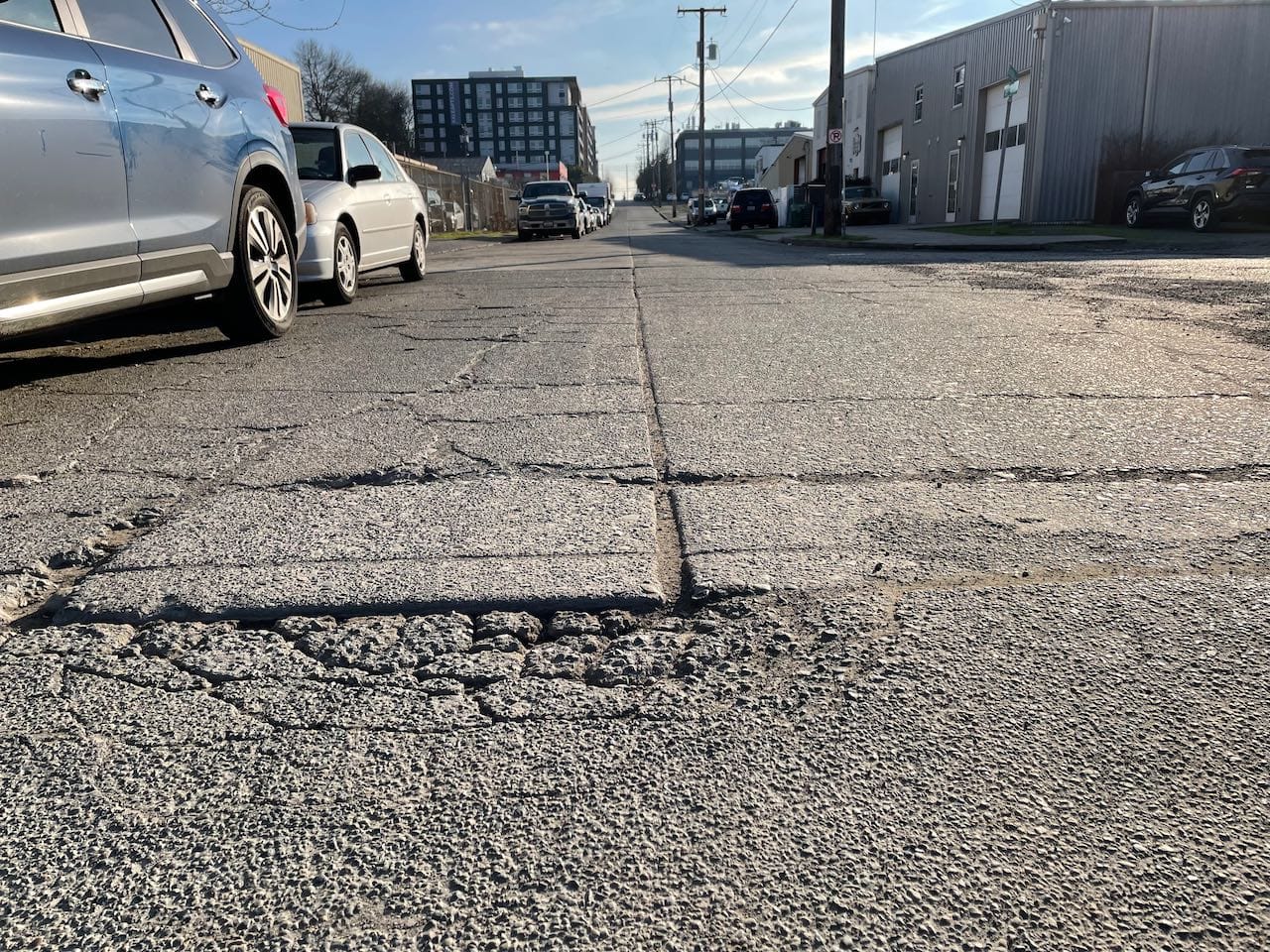
Build roads for freight, bikes, and transit, not peak cars Streets in Seattleâs industrial neighborhoods show massive disinvestment in the basic maintenance of curbs and pavement. Itâs a discrepancy that the freight industry shares with cyclists and pedestrians in the city. The immense cost to maintain the largest
The Puget Sound Regional Council (PSRC) has released a draft of the latest update to the central Puget Soundâs regional transportation plan. Required to be updated every four years, this version extends to 2050 and is intended to align with the regionâs growth strategy, adopted in 2020, called
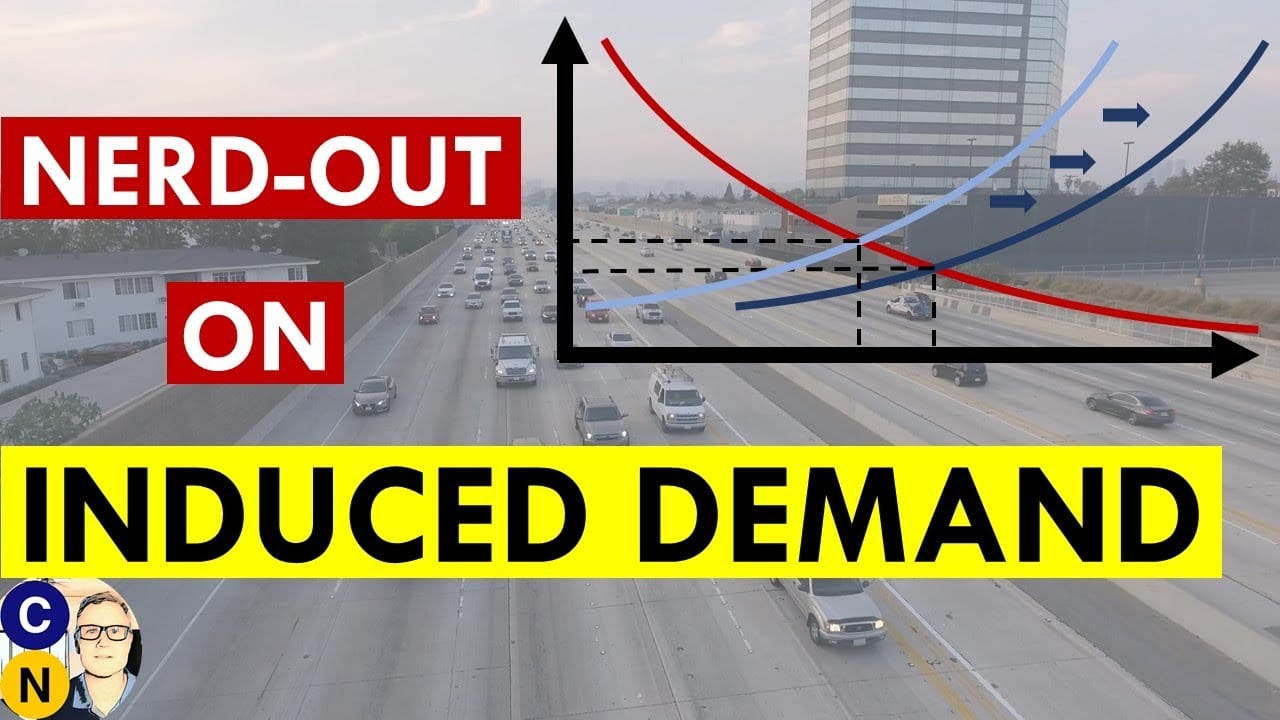
CityNerd walks through the very wonky topics of induced demand (or better described as âinduced trafficâ) and the methods for justifying road widening projects.
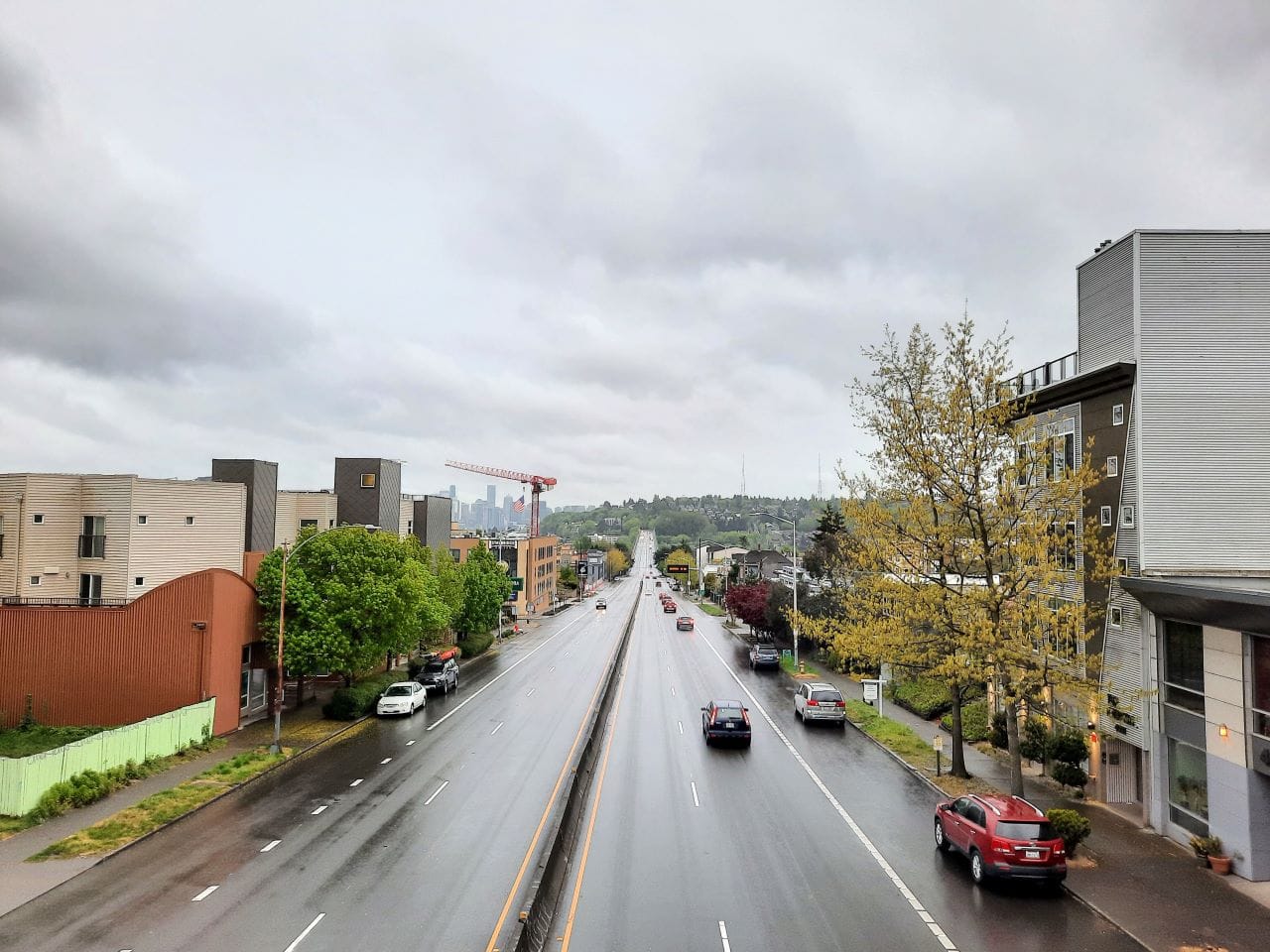
As Governor Jay Inslee proposes a dramatic increase in state subsidies for electric vehicles in Washington State in his supplemental 2022 budget update, his proposed budget for the Washington State Department of Transportation (WSDOT) also includes funding to fill in a number of large budget holes on some of the
Every year in advance of the state legislature convening for its new session, cities around the state update their agenda. The Washington State legislatureâs 2022 session will be short next year, with just 60 days to advance any legislation that didnât pass during the 2021 long session or
The $1.2 trillion Infrastructure Investment and Jobs Act includes more than $7 billion for Washington State transportation infrastructure â most of it highways.
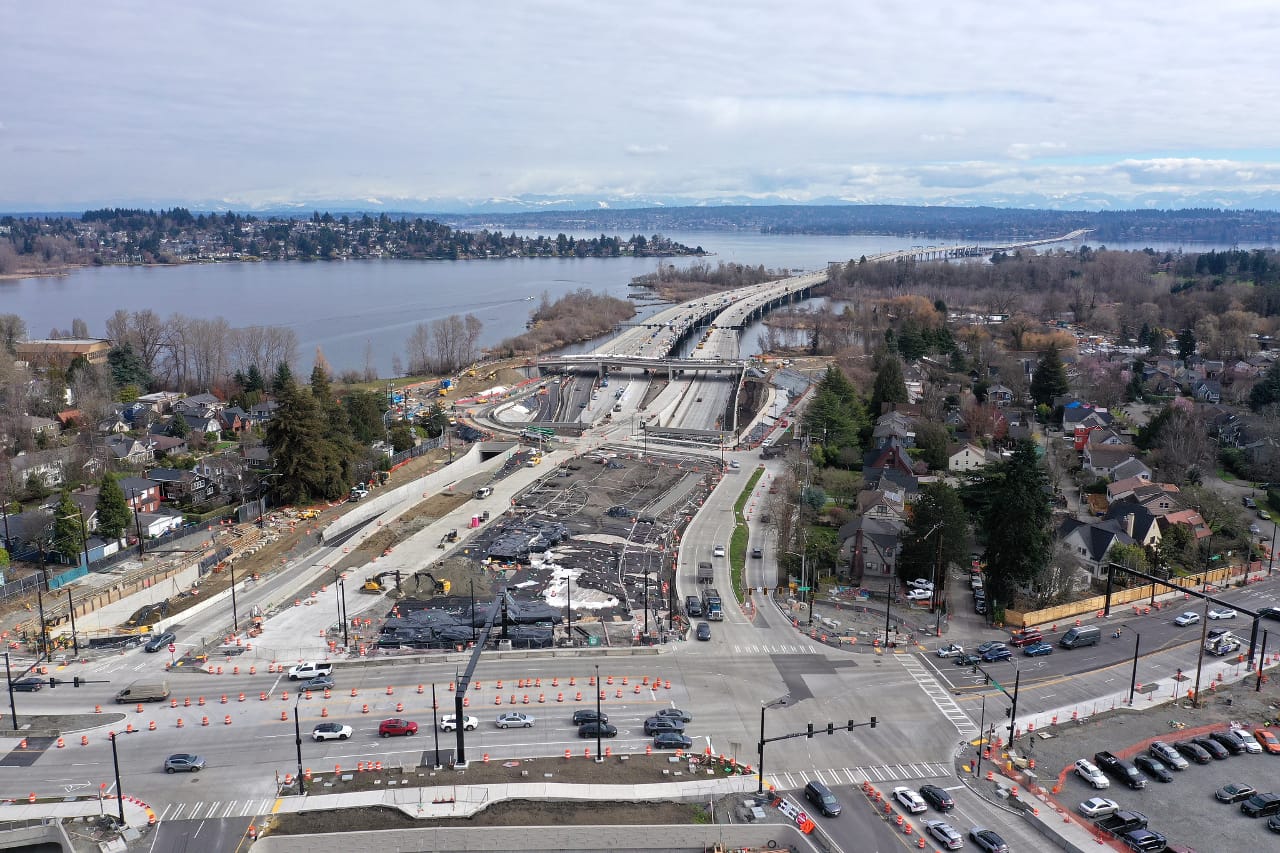
When President Joe Bidenâs $2.25 trillion jobs plan proposed $20 billion for a Reconnecting Communities fund that could be used for urban freeway removal and mitigation efforts in American cities, it felt too good to be true. Urbanists arenât used to getting big wins like this from
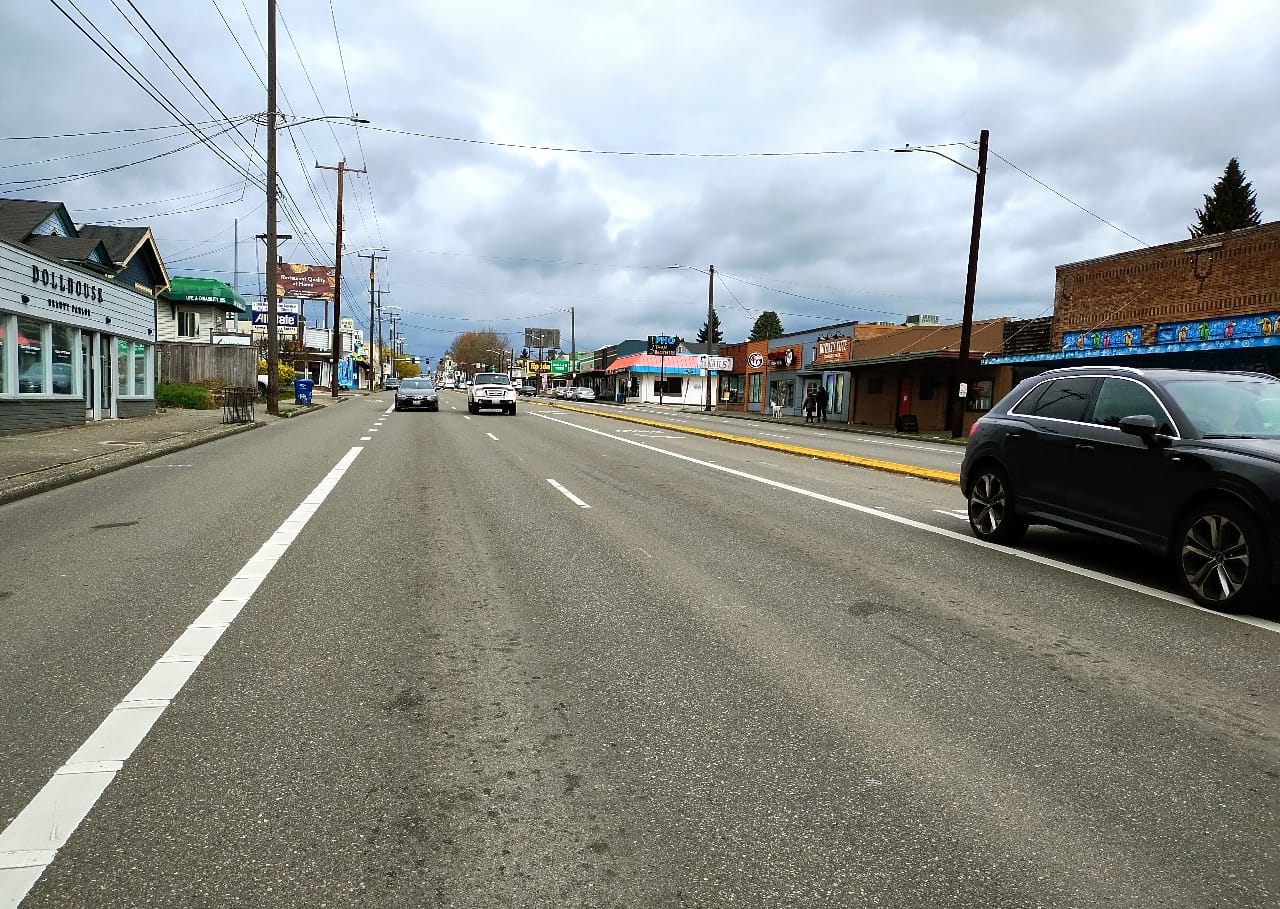
Why are American streets so dangerous and what can we do about them? PBS looks at the growing American epidemic of dangerously designed streets and visits Atlanta on what can be done.
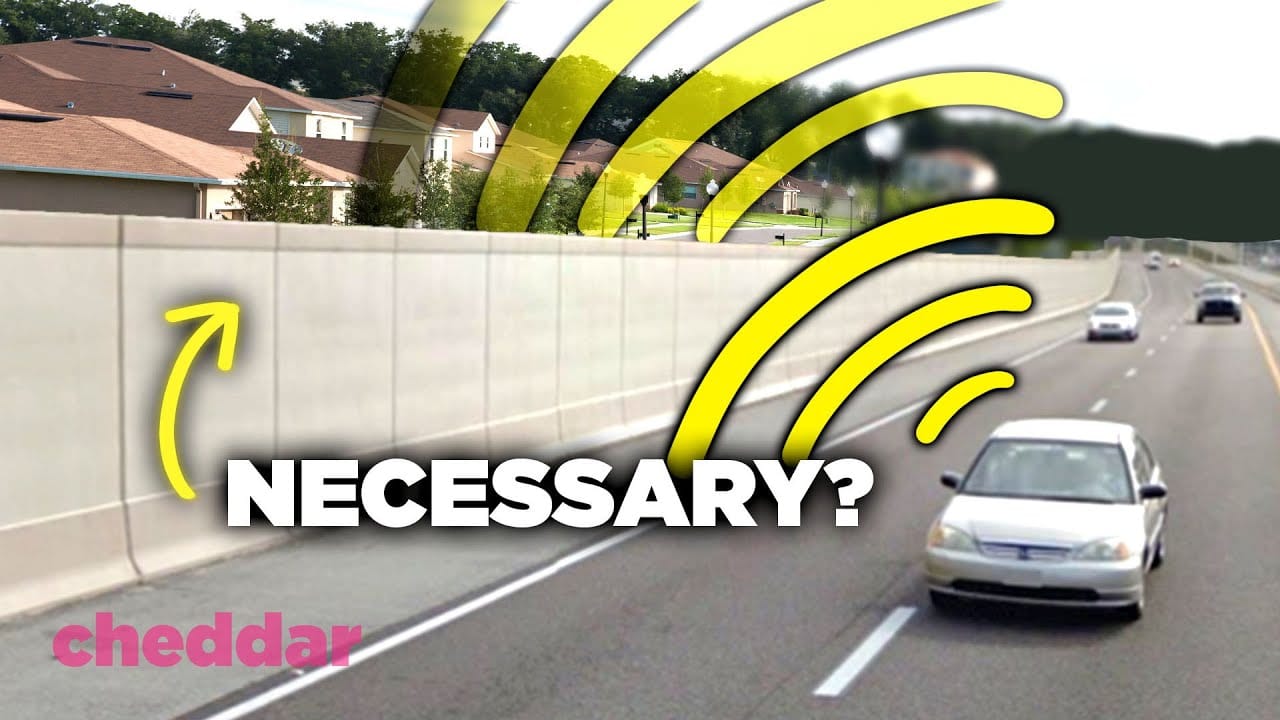
Highways are the bane of cities creating all kinds of awful pollution, including noise pollution. To mitigate noise, sound barrier walls have been installed in some areas. However, theyâre by no means a panacea and can make noise pollution worse in some cases. Cheddar explains the problem and other
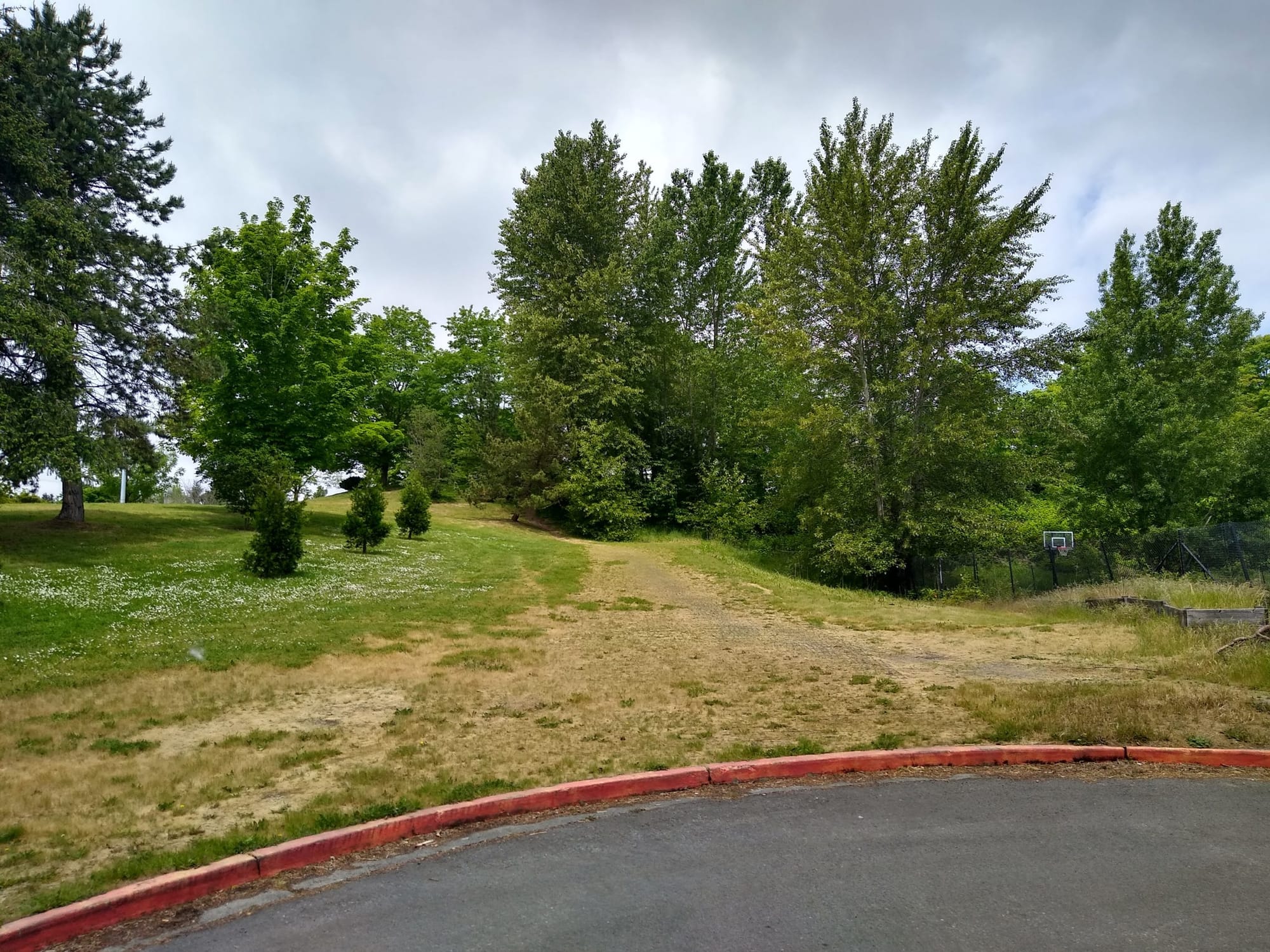
The Rainier Valley Neighborhood Greenway is the longest continuous greenway in Seattle, running over five miles from Rainier Beach to Mount Baker. Completed in 2018, the greenway takes a large of number of twists and turns to provide a signed, relatively calm walking and rolling route between and within Rainier
The Washington State Department of Transportation has awarded a $68 million contract to Walsh Construction to build a new ramp connection between SR-520 and the I-5 reversible express lanes. This will allow transit â and eventually carpools â to have direct access to the I-5 reversible express lanes. Currently, vehicles only have
The Washington Post covered the national highway systemâs maintenance backlog and State Senator Steve Hobbs (D-Lake Stevens) was heavily featured. Despite a record of favoring highway expansions and skimping on maintenance and multimodal investments in walking, rolling, biking, and transit, Hobbs portrayed himself as a maintenance first guy. Washington
Today, Washington Governor Jay Inslee signed the Climate Commitment Act (CCA) and Clean Fuels Standard passed by the Washington State Legislature, but vetoed provisions delaying implementation of either law until passage of a statewide transportation package. Inslee also inked a bill limiting use of certain plastic products with Seattle Aquarium
It is time for America to get off the highway hamster wheel. Our dull-eyed pursuit of building more highways is a disaster for the climate and the urban environment for little return to even the motorists the highways are supposed to serve best. The empirical data shows that adding or
Dave Amos explores the history of Los Angelesâ highway building and the ways that traffic in the region is so bad. It isnât just the congestion and air pollution thatâs so awful.
Last Wednesday, as the Washington State Senateâs transportation committee was preparing to vote to send its $17.8 billion transportation spending package to the full Senate, several amendments to the package were proposed. One amendment proposed by Senator Mona Das (D-Kent) would have increased the amount allocated to state-selected
When Governor Jay Inslee held a press conference with Washington State Secretary of Transportation Roger Millar and other area officials at the Lake Washington Ship Canal in March, one word was emphasized: maintenance. âWe need to make the investments first, and I emphasize first, in maintenance of our existing transportation
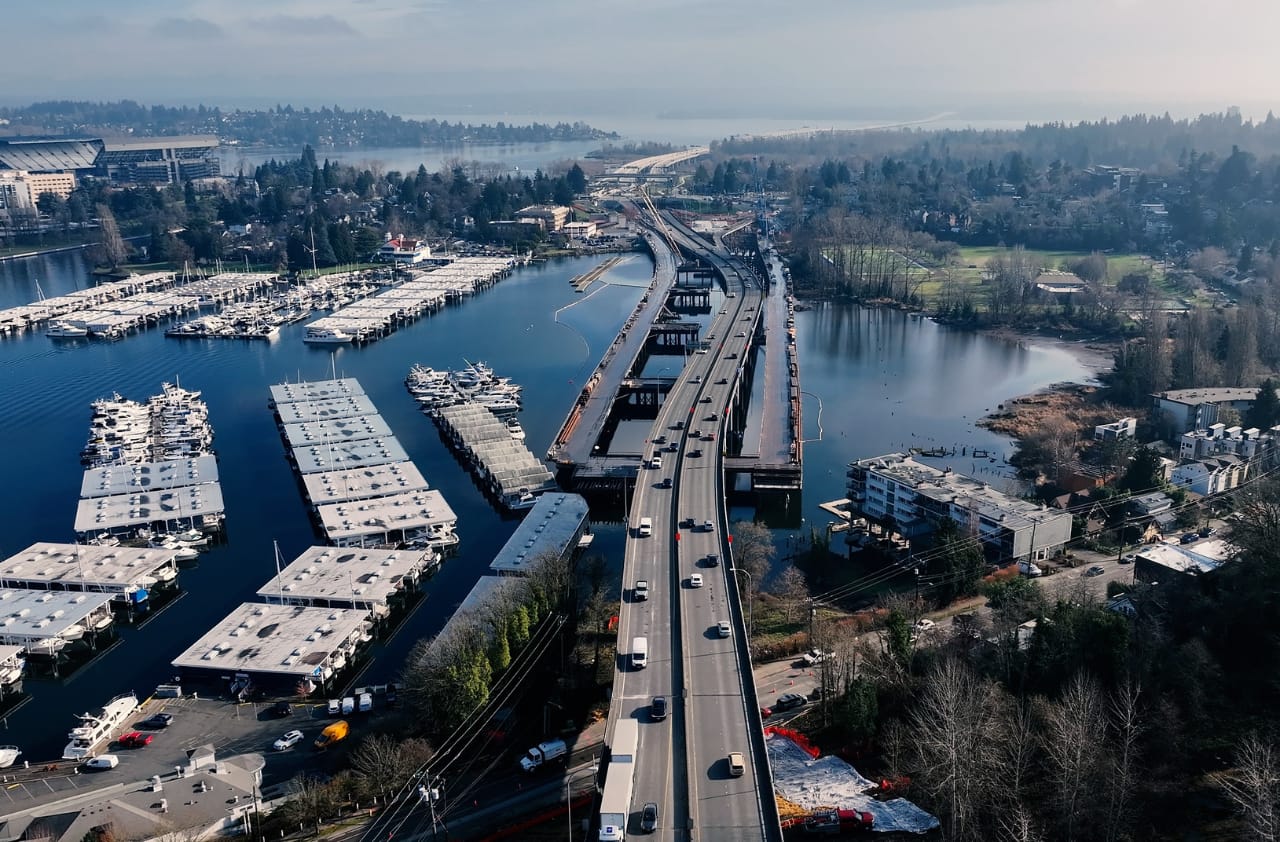
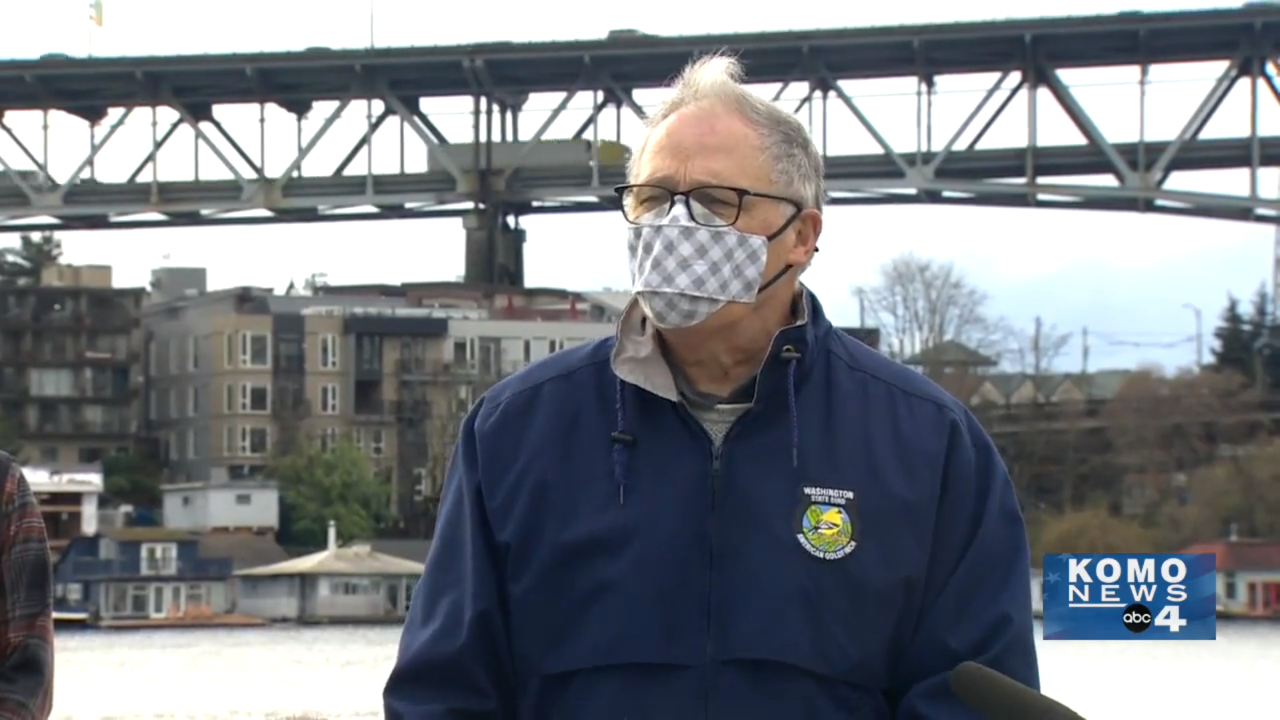
On March 5th, Governor Jay Inslee stood in front of the I-5 Ship Canal Bridge in Seattle and urged the state legislature to pass a transportation package this session. Just what should be in the package is less certain, but we at The Urbanist wanted to join the clarion call
Cities across the country have poured billions and billions into ineffective road infrastructure projects that are leaving them deep in traffic and even deeper in debt. Here in Seattle, weâve expanded so many roads thinking that traffic would gradually disappear after each ribbon-cutting (Iâm looking at you, Mercer
Vox examines how building more highways just leads to more congestion rather than solving any particular transportation problem.
On Tuesday, Washington House Democrats revealed an ambitious transportation package exceeding dueling senate proposals by more than $10 billion. The 16-year package would raise $26 billion, with $8 billion set aside for carbon reduction projectsâ$17 billion, meanwhile, is in a highway-related category. The bill relies primarily on increases to
The car is an amazing machine. So amazing, that with a little help from cheap portable fuel and a flood of public investment in smooth, wide, and straight (ish) roads (thanks Ike), our car dependent form of living has come to dominate a whole continent. This dominance is so complete,