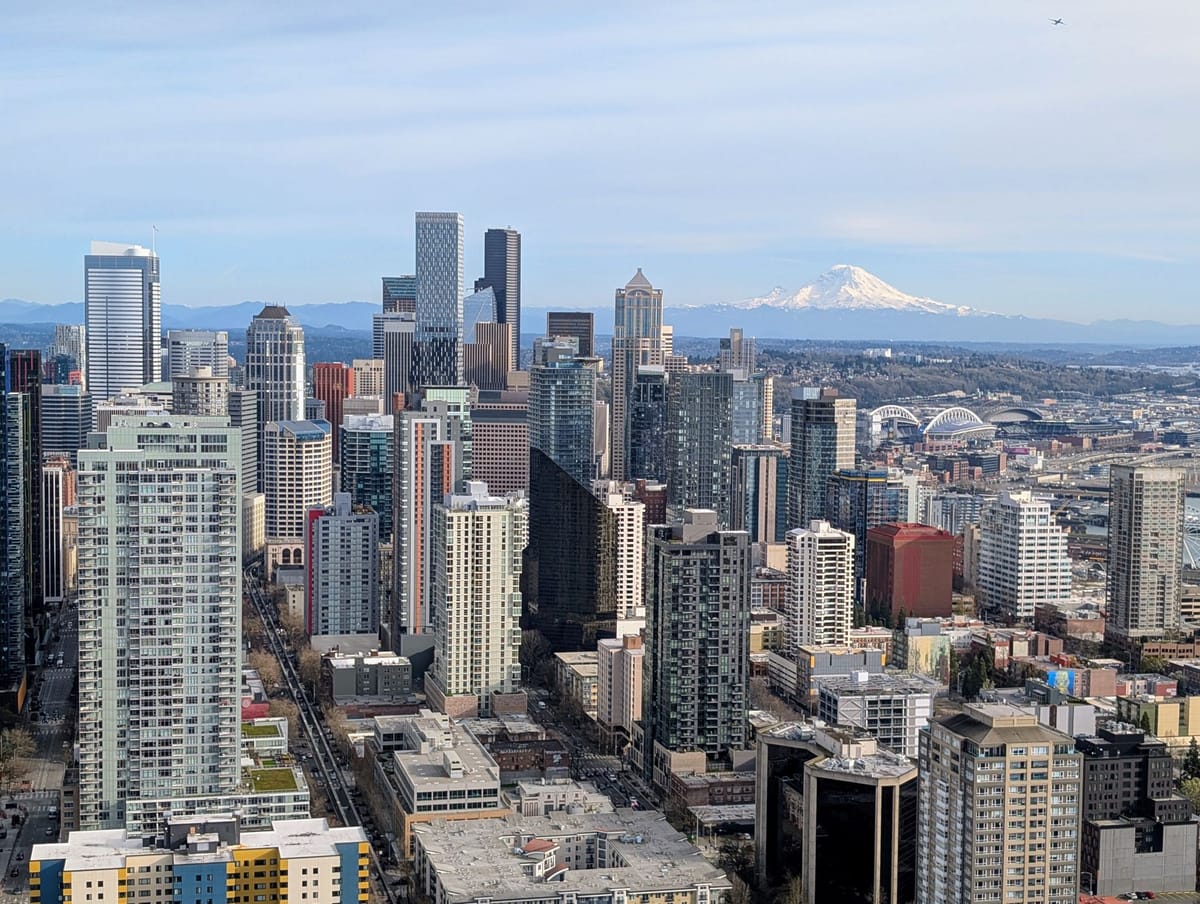
We all know how hard it is for working families to afford to live in Seattle. Residents, especially communities of color, young families, and our elders, are regularly priced out of town or pushed onto the streets. Almost everyone in Seattle will tell you that they want to change this, but what can we do to make that happen?
Seattle's Comprehensive Plan update is a once-a-decade opportunity to address a core aspect of our housing affordability crisis - exclusionary zoning. Exclusionary zoning prevents lower-cost housing in much of the city by limiting how much housing can be built on a single lot of land.
In Phase 1 of the Comprehensive Plan, the Seattle City Council took some meaningful steps to address this. With emphasis on affordability, they passed a bold new Neighborhood Residential zoning code, including stacked flat bonuses, and social housing and affordable housing bonuses that all mean greater density in much of Seattle’s formerly single-family residential zones.
Moving forward, the City Council has a chance to build upon this progress and pass an ambitious plan that meets the political moment we are in. In doing so, they would not only take meaningful action on our housing affordability crisis, but also in addressing our rapidly accelerating climate crisis. A crisis that has contributed to relentless wildfire smoke, deadly heat domes and the recent historic flooding that saw one person die and caused nearly $200 million dollars in damages this past winter.
Between our rising rates of homelessness and continued climate chaos, the need for bold planning is more important than ever.
What does a bold Comprehensive Plan look like?
A bold Comprehensive Plan prioritizes affordability, vibrant and connected communities, and climate action. It does this in a few key ways.
First, it allows more housing in more places. This limits suburban sprawl and helps cool the cost of housing. If we don't build enough new homes of all types, we will only continue to see the rents go up and more people will be priced out of our city. We must ensure that the parts of our city that have historically been zoned to prevent lower-cost housing are rezoned to allow for denser, more affordable housing.
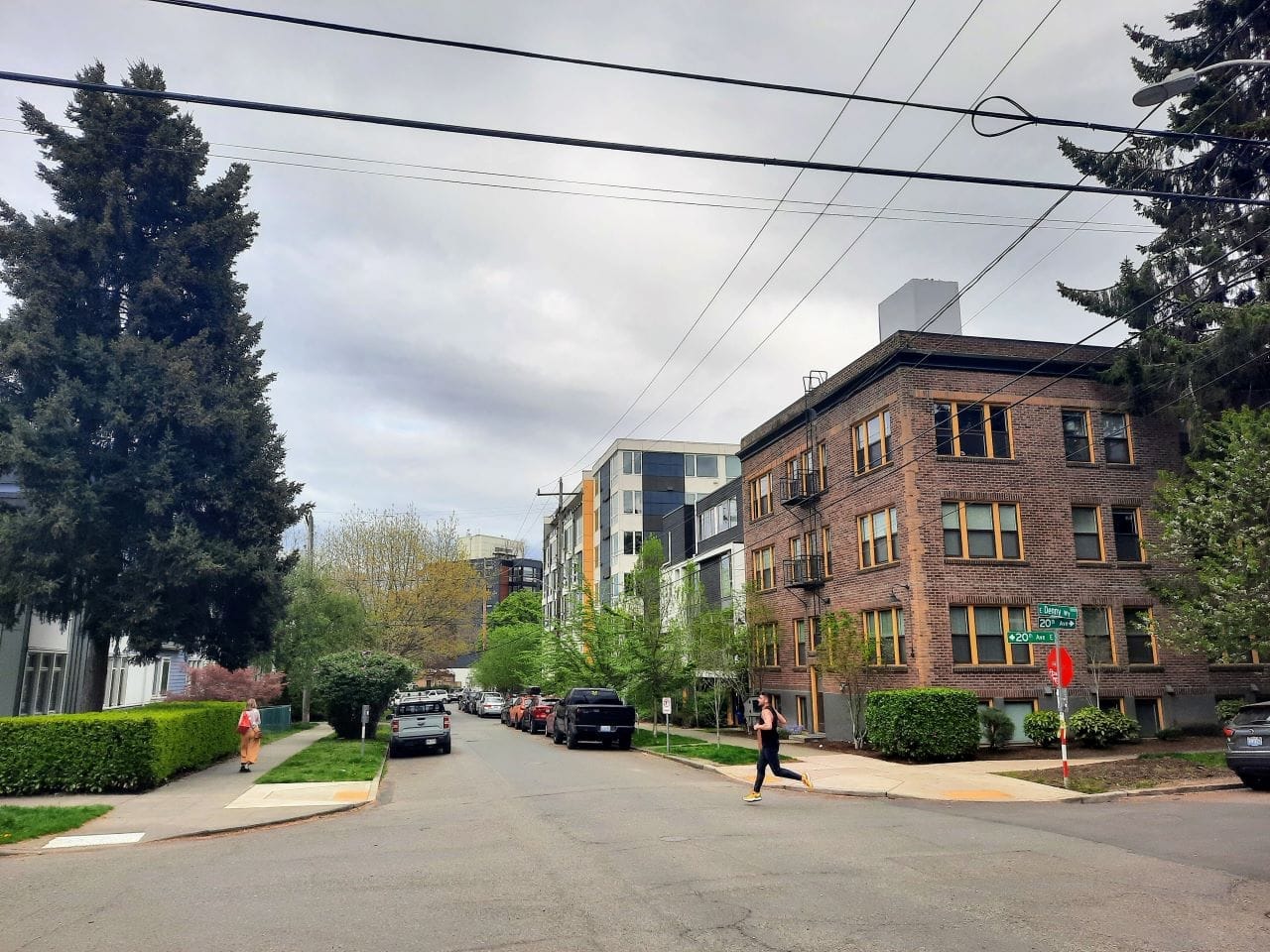
Second, it provides incentives and bonuses for the kinds of housing we want most. This means housing that is affordable to working people, is sustainably built, and is near amenities like schools, parks and local stores. These changes will encourage housing with space for a whole family that provides areas for children to play and trees to grow, and that creates vibrant and beautiful neighborhoods where people want to live.
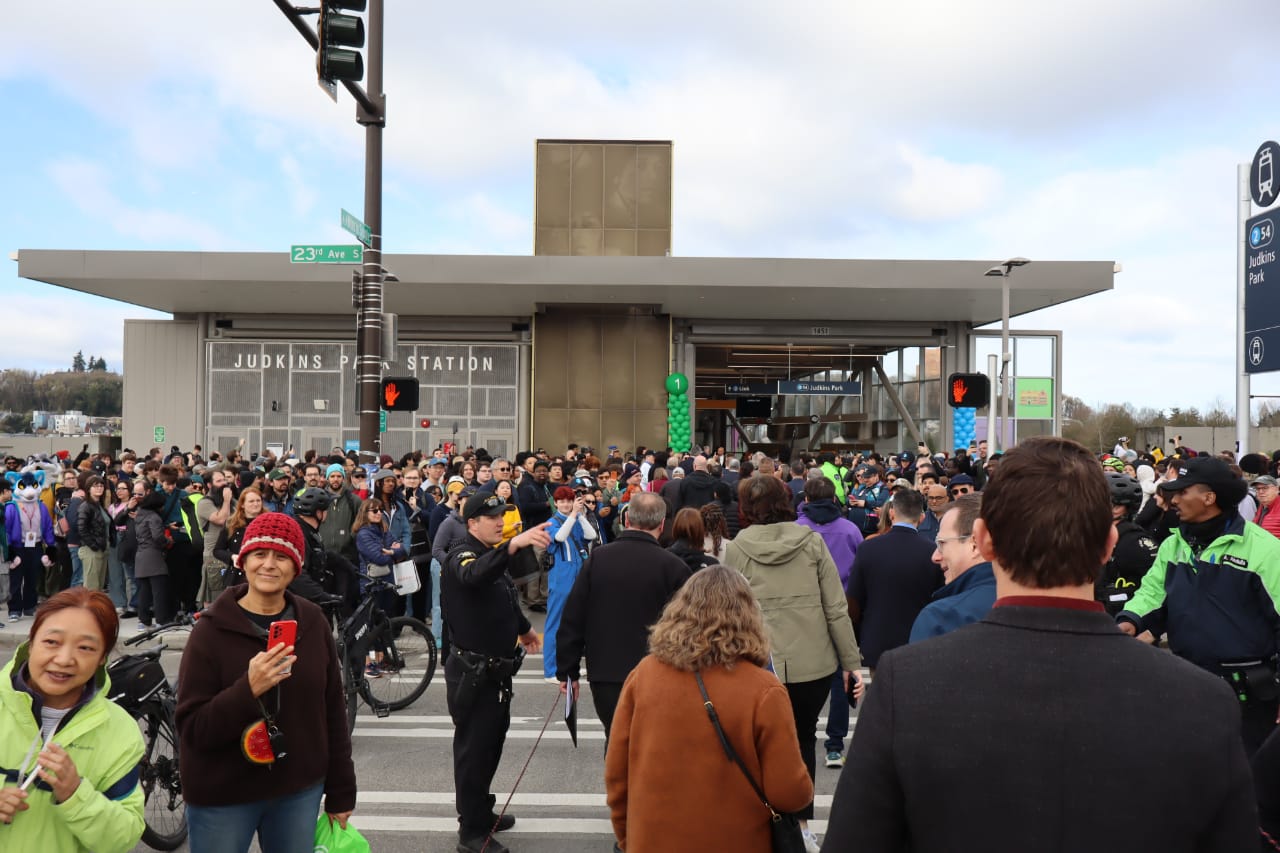
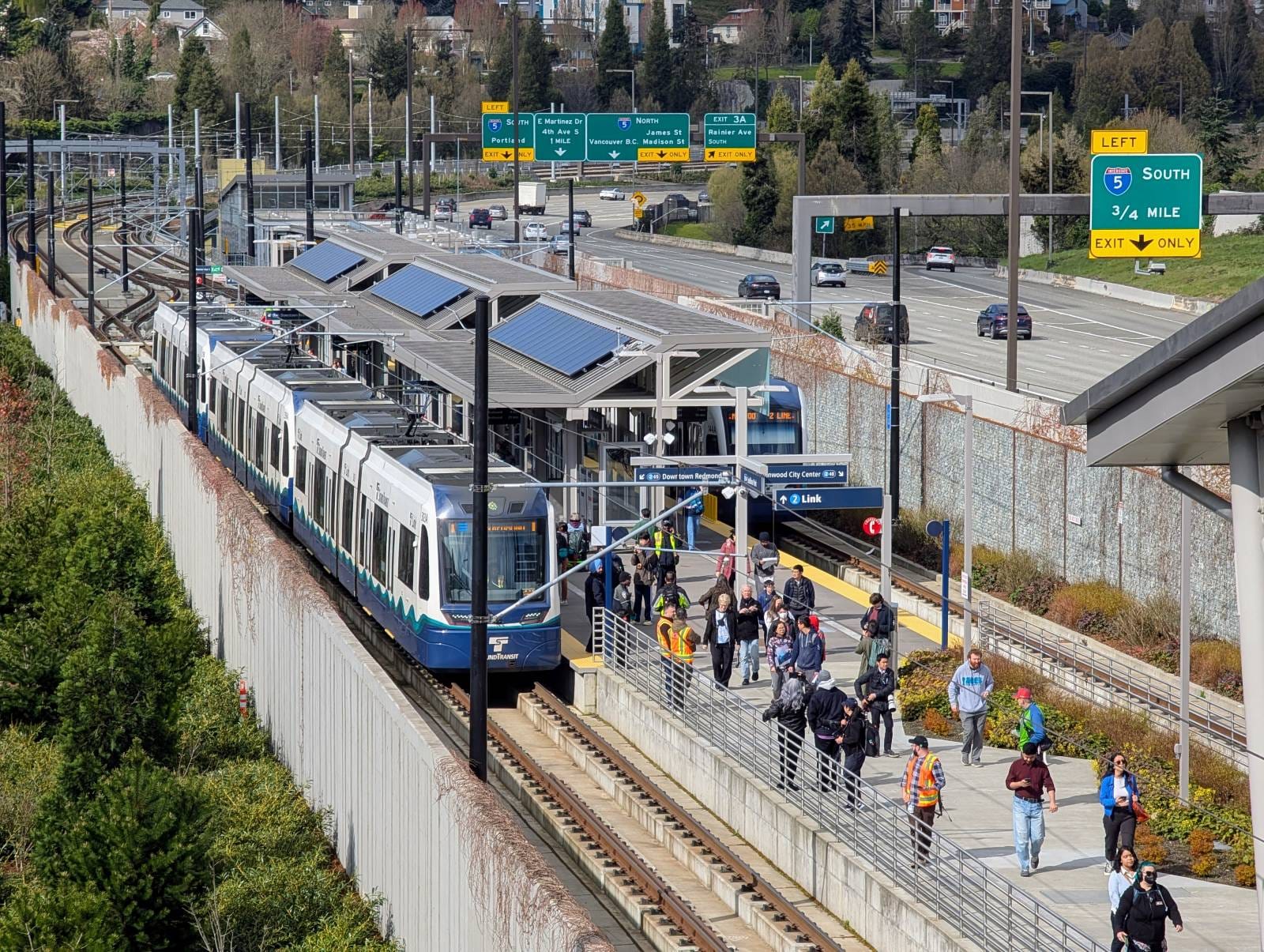
Finally, it makes sure much of our new housing is built in places that have, or will soon have, access to frequent public transit. We have to reduce car dependency to have a chance at tackling the climate crisis and ensuring mobility for all as we grow. It’s also crucial for tackling the affordability crisis. Especially with soaring gas prices, cars are an expense that a lot of working families simply can’t afford. Making sure more new homes can be built near transit gives folks the option to drive less and save significantly.
How can the Comprehensive Plan do this?
There are many mechanisms within the Comprehensive Plan that the City Council can use to turn this vision for a more affordable, sustainable, and welcoming city into a reality.
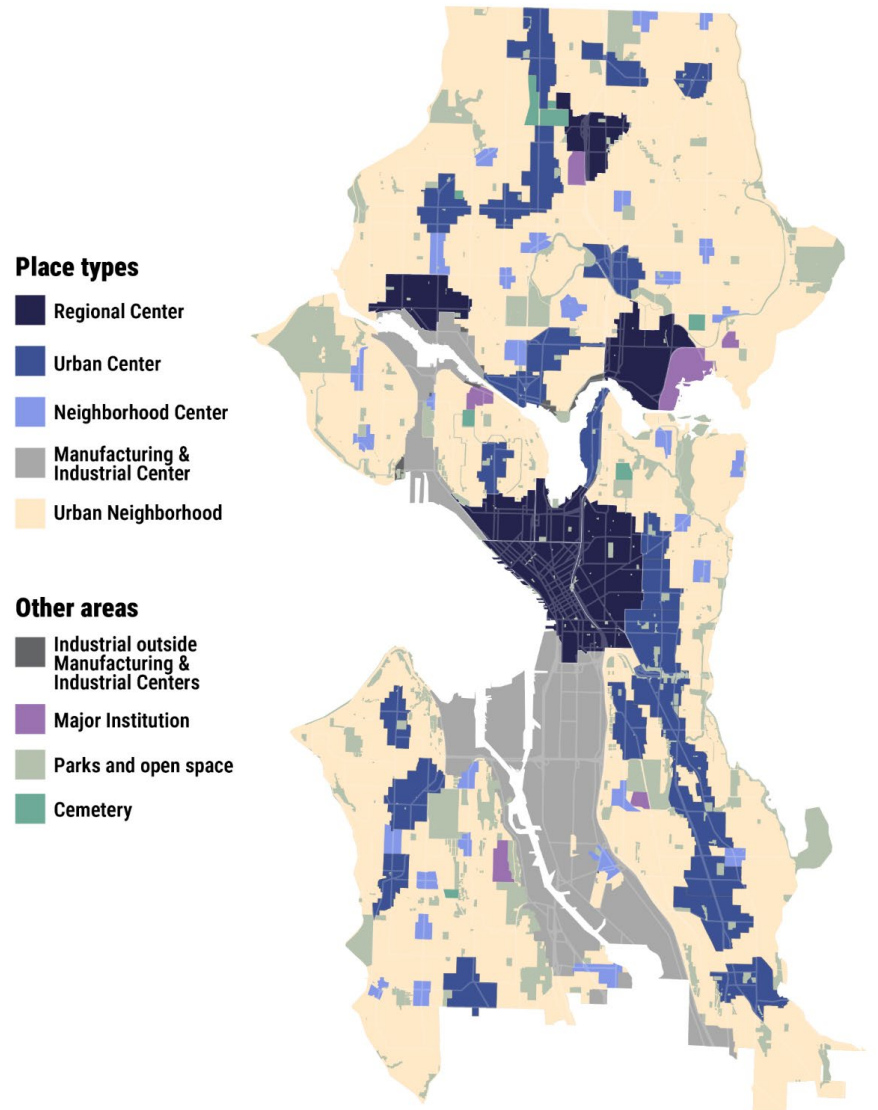
The bare minimum that City Council should do is to make sure our new Neighborhood Centers and Urban Centers are zoned to accommodate growth. That means fixing our low-rise and mid-rise development standards to incentivize more housing in these areas and allowing more local businesses to open up and operate with greater flexibility.
Beyond the basics, they should add in density bonuses for the kinds of housing we want to see. A density bonus for Passive House construction would encourage desperately needed sustainable development that drastically reduces utility costs for residents. The Seattle Social Housing Developer has pledged to build their new housing to Passive House standards, so this will also support the delivery of permanently affordable housing to working families in more parts of the city.
In addition to affordability and sustainability, we also want vibrant, livable neighborhoods that encourage community connection. City Council should pass a courtyard block bonus that would give density bonuses and flexibility in lot use to any development that reserves at least a third of the lot for green courtyards. Courtyard block housing creates space for large trees to grow, space for kids to run around and play, and for neighbors to connect with each other and build community.
Affordable, sustainable, and vibrant housing is all important, but it will only go so far if we don’t build this housing in the right places. To achieve that, the City Council needs to make sure we build our new housing in the places where people want to live -- namely amenity-rich neighborhoods near frequent transit.
A few different things need to happen to allow for this.
First, Council should expand transit corridor upzones way beyond the tiny strip immediately on arterials that former Mayor Harrell proposed. Anywhere within a 10-minute walk of both our current, and future, frequent transit stops should be zoned to accommodate more housing so families can save money by driving less and using transit more, without having to live directly on noisy and polluted arterials.
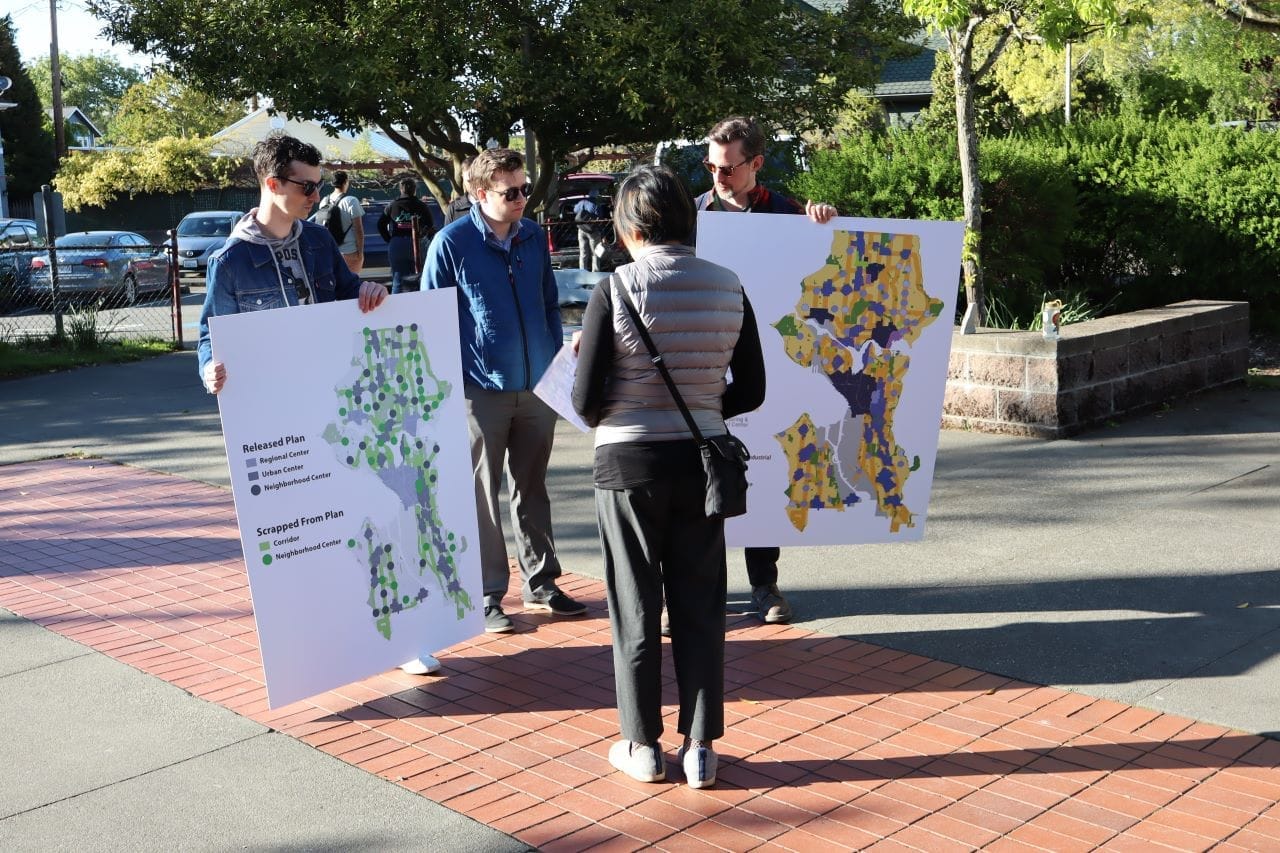
Next, Council should add back the Neighborhood Centers that Harrell removed in his preferred alternative, and consider adding even more. Let's put our new housing near small businesses, libraries and other amenities to grow our local economy and make sure folks can walk, roll or bike to get the things they need.
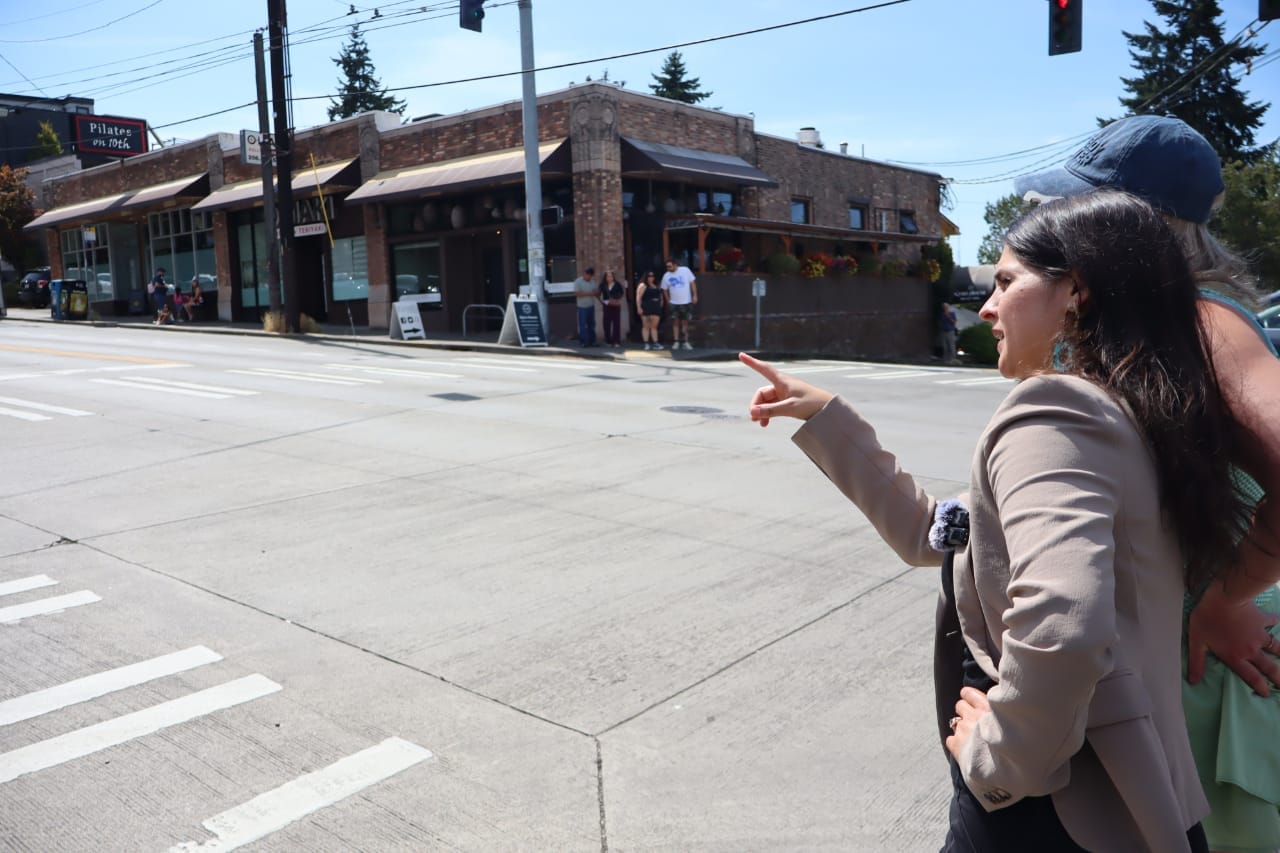
Council should also ensure the areas around major parks and schools allow for more housing, and incentivize family-sized units through additional density bonuses like those passed in Phase 1. This will help get Seattle closer to being a city that values and welcomes families, where children have all they need to learn, play, and grow.
How do we make all of this happen?
The City Council is currently working on Phase 2 of the Comprehensive Plan, which is focused on Neighborhood and Urban Centers and the proposed Transit Corridors. Much of our vision can happen in this phase, but the City is somewhat limited by the former mayor’s milquetoast proposal which in turn limited the City’s environmental analysis, a necessary step for changes to our city’s zoning code.
Fortunately, our new Mayor has just announced that she will be pushing forward a bold supplemental Environmental Impact Statement (EIS) fast. This is great news and brings us one step closer to making our vision for Seattle a reality.
That supplemental EIS won’t impact Phase 2 though, and City Council still needs to decide that they want to do as much as they can to deliver greater affordability and sustainability for Seattle in this phase as possible. That is where you come in!
Seattle is a city of strong values. We believe everyone deserves a dignified place to live, and our children and grandchildren deserve a livable planet to grow up in. We need to make sure the City Council knows that this city wants a bold Comprehensive Plan that delivers on these values, which means it is crucial they hear directly from you so they know the people are watching. We have two steps you can take to make your voice heard.
First, email the City Council using this link and tell them that you support the vision that the Complete Communities Coalition has laid out in our priorities for this phase of the Comprehensive Plan.
Next, sign up for public comment at the City Council’s first public hearing on Phase 2 of the Comprehensive Plan on Monday, April 6th! You can comment remotely in the morning or join us at City Hall to speak in person in the afternoon. We will be providing food and holding a rally outside City Hall at noon to send a strong message that Seattle wants affordable, sustainable and vibrant housing throughout our entire city. The Mayor and other special guests will be joining us, RSVP here!
This is our chance to plan for a future Seattle that delivers on the progressive values our people believe in. It’s up to all of us to show up and make sure that it becomes a reality. See you at City Hall!
 Doug Trumm