Lake City, Capitol Hill, Georgetown, and South Park will lead the way in implementing a "Low-Pollution Neighborhood (LPN)" pilot, the Seattle Department of Transportation (SDOT) announced last week. Funded via a $8 million allocation from the Seattle Transportation Levy, the program has been a long time in the works and is intended to bring infrastructure upgrades that decrease air pollution and spur walking, rolling, biking, and transit use.
Despite having a climate action plan in place since 2006 that spells out the need to transition the transportation sector away from fossil fuel use, it took a 2017 commitment to get Seattle on a path toward trying out neighborhood-scale pollution reduction measures, even on a pilot basis. That pledge, made by interim Mayor Tim Burgess during a 71-day stint leading the city, promised to make a "major area" of Seattle zero-emission by 2030.
At the time, Seattle was joining major city governments around the world – including London, Barcelona, Bogota, Paris, and Tokyo – in committing to accelerate work creating green and healthy streets via C40 pledges. These pledges were intended to maintain climate action as President Donald Trump pulled the United States out of the Paris Climate Agreement in 2017 and again in 2025, weakening climate actions at the federal level.
Those other C40 cities have mostly sprinted ahead, while Seattle's commitment languished in the planning stage under Mayor Jenny Durkan, and advanced only slightly further under her successor, Bruce Harrell.
Last year, SDOT had announced they had narrowed the field of potential neighborhoods by looking at areas where residents are overburdened by air pollution, along with other factors like higher-than-average traffic crash rates and lower-than-average rates of car ownership.
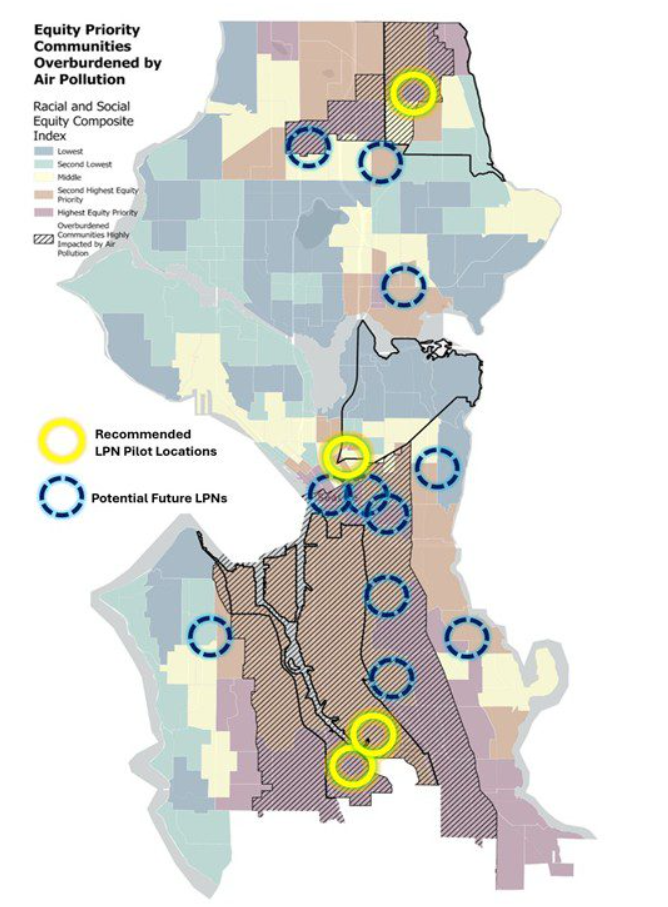
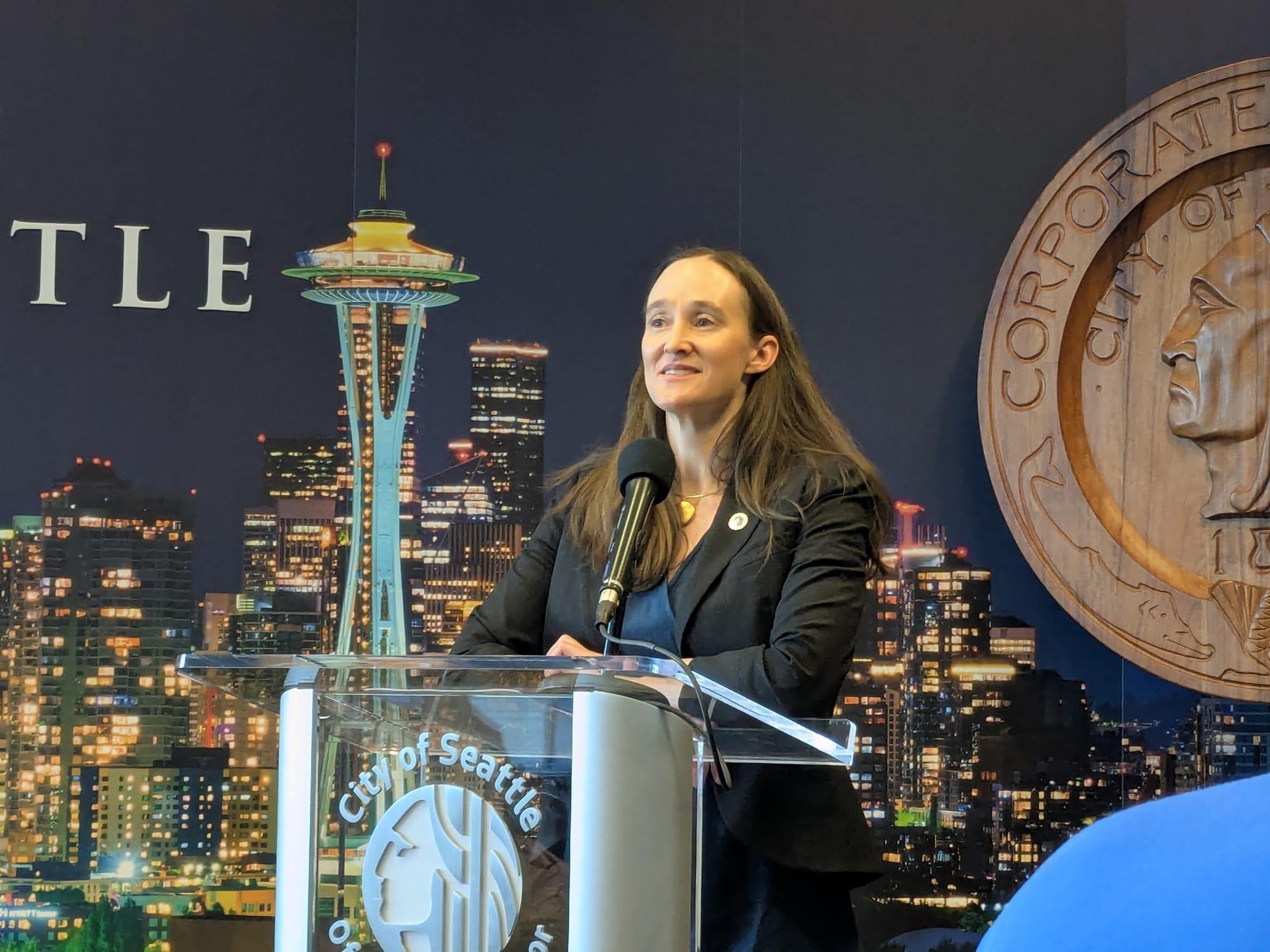
"Through LPNs, we are responding to a few key challenges," Jaya Eyzaguirre, the program manager for the Low-Pollution Neighborhood program, told the city council's transportation committee last week. "The first is that transportation is the largest source of climate pollution in Seattle. Secondly, the impacts of those pollution and climate risks are not evenly distributed across Seattle neighborhoods. And thirdly, that many of the City programs that do currently address these issues are not aligned in the same place. Low-Pollution Neighborhoods are our way of bringing these efforts together. We think of them as designated areas where the City can coordinate actions to reduce pollution and strengthen climate resilience."
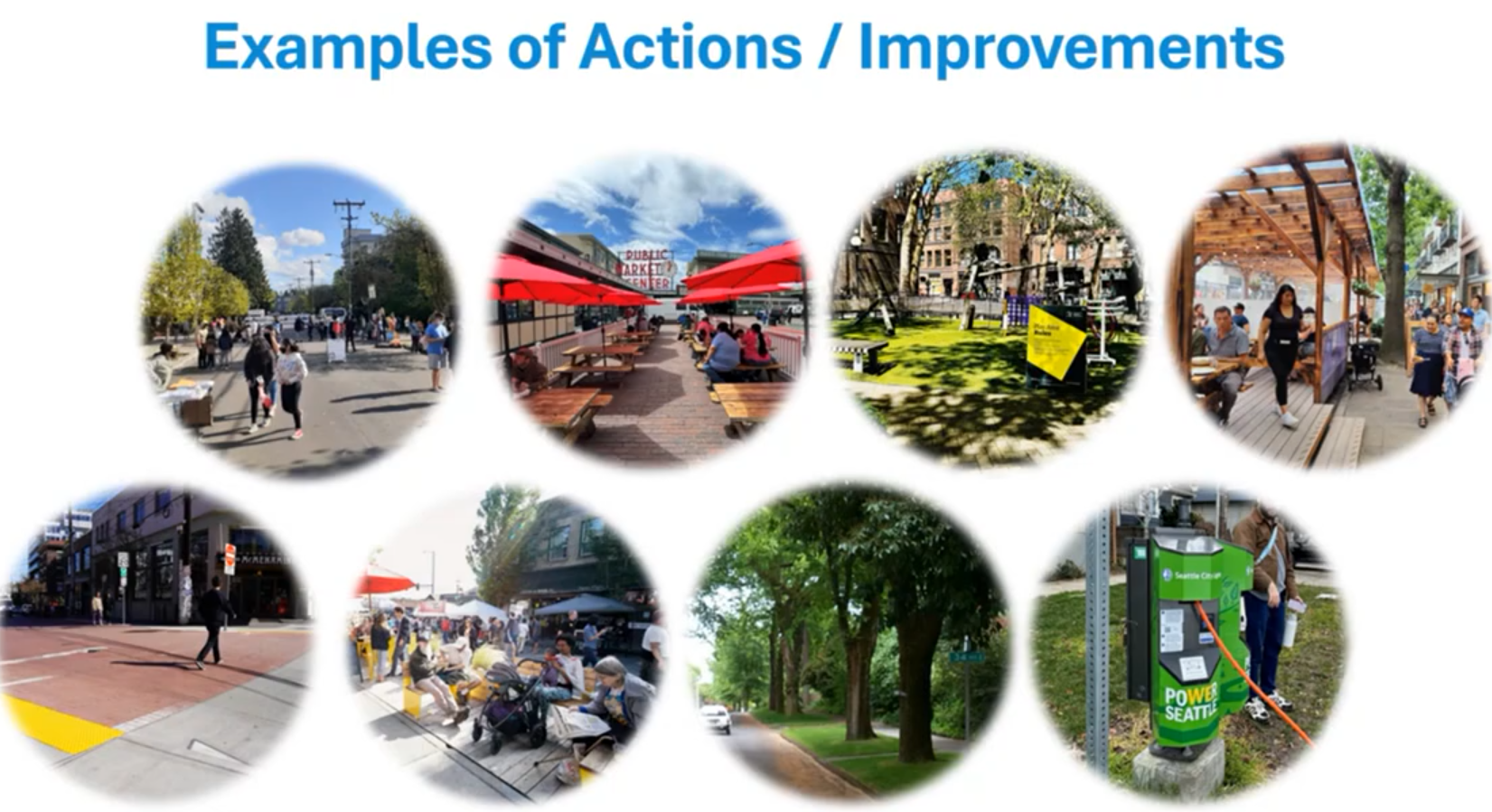
So far, details on what strategies could be implemented in LPNs have remained high level, ranging the gamut from electric vehicle charging infrastructure to curbside plazas and pedestrian streets. This year, the City intends to develop a "practical toolkit" that can be expanded to other neighborhoods, but many questions remain about how that will unfold in practice. After the planning phase wraps up, changes will be implemented in 2028, just in time to meet the C40 pledge deadline at the end of the decade.
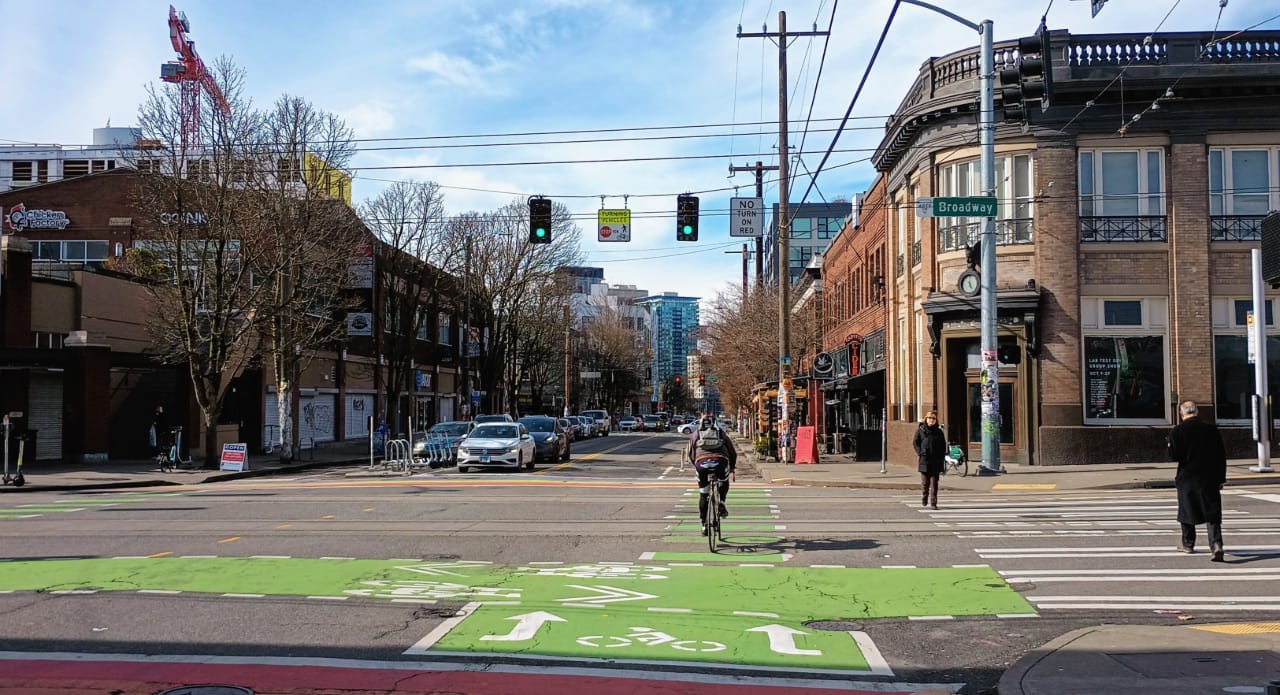
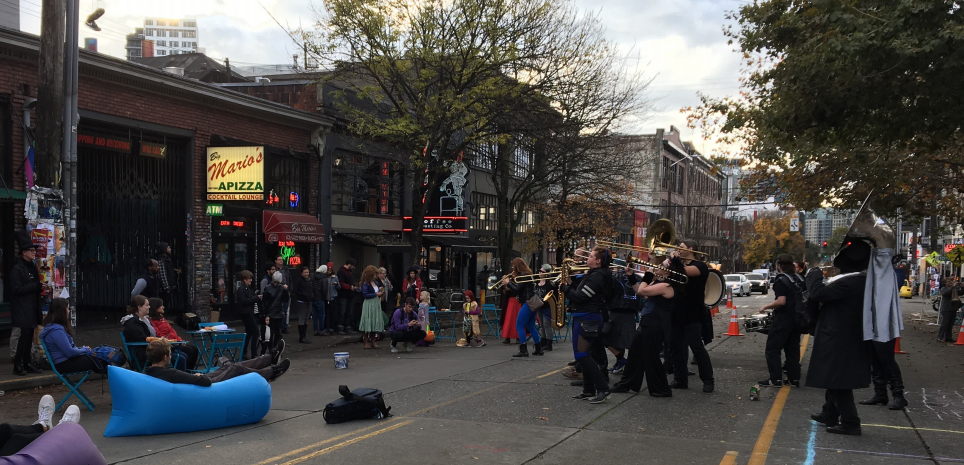
In Capitol Hill, the goal of pedestrianizing streets around Pike and Pine to create a counterpart to a Barcelona "superblock" has been an urbanist dream and brass ring for many years, with past pilot "people streets" never actually paving the way to full-scale pedestrianization. The idea of advancing the superblock was most recently revived in 2022 by former Councilmember Teresa Mosqueda, but quickly pulled back after Pike Pine businesses raised concerns around losing direct customer access.
At last week's council committee meeting, Councilmember (and Capitol Hill resident) Alexis Mercedes Rinck asked about the superblock concept directly and how it might tie into the planned LPN.
"The work with community in Capitol Hill over their priorities and needs is really going to be central," Megan Shepard, SDOT's levy program manager, told Rinck. "There isn't a presupposed outcome. We know that [the superblock] is a priority and an interest of a lot of community members, and now with the resources from LPN, we can reengage and walk through that process with community."
The Capitol Hill superblock is likely to be a priority of another neighborhood resident – Mayor Katie Wilson.
"I look at what Mayor Hidalgo has achieved in Paris, and I think that, and some of the mayors in Spanish cities, progressive, socialist mayors in Spanish cities, and the transformation of public space into walkable, people-oriented places where you want to be, it’s just so important," Wilson told Capitol Hill Seattle during last year's campaign. "I really think that’s definitely going to be a big focus of my administration because if you travel to places like that where that kind of transformation has been achieved, you just feel like, 'This is a place that I want to hang out.' It makes me feel good. It makes me feel like part of the city. I can meet people, talk to people, and there’s so much potential in Seattle for creating more of those spaces, and Capitol Hill is one of those places of potential."
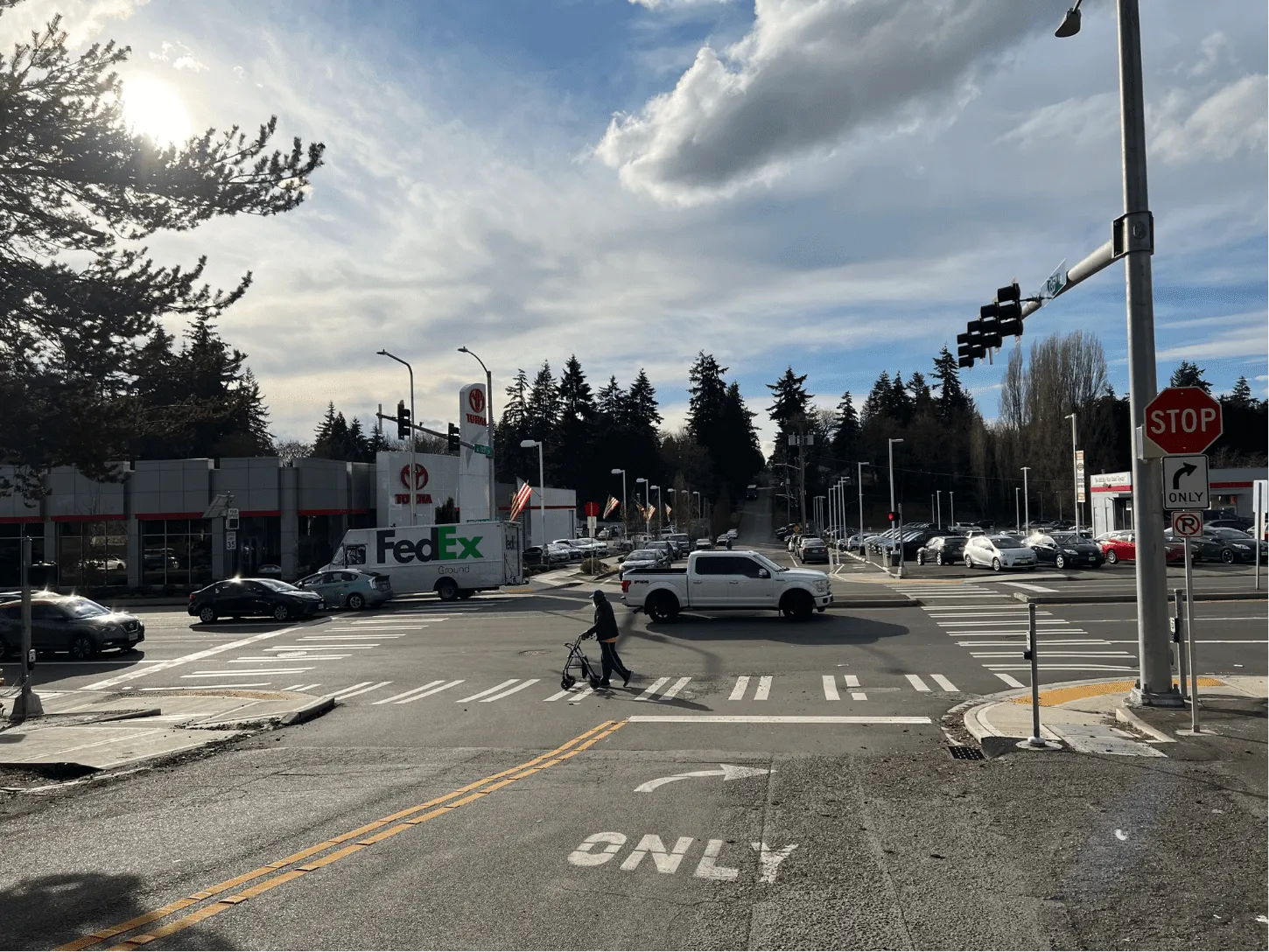
Pledging implementation will be carefully tailored to each neighborhood, SDOT will have to be cognizant of disparities between the final products in any of the four areas. Pedestrianizing streets in Capitol Hill while offering a lighter touch in Lake City or Georgetown isn't necessarily a path toward equitable outcomes. Changes to Lake City Way, the biggest source of pollution in that neighborhood, don't seem to be on the options block as a state highway, with SDOT instead calling out potential neighborhood traffic calming there instead.
In the Duwamish Valley, work is already underway to expand bike infrastructure to fill in some key gaps, but many of the major roadways in South Park and Georgetown are freight corridors where substantive overhauls will likely face push back from maritime and industrial advocates. SDOT is signalling upgrades in those two neighborhoods will focus on access to transit, improving tree canopy, and upgraded stormwater infrastructure.
Ultimately, the neighborhoods where a real shift toward decarbonization will be toughest to implement are likely to be the same places where the dividends would be greatest.
While $8 million certainly won't be enough to truly transform any neighborhood into a pollution-free ecodistrict, the work advanced under the Low-Pollution Neighborhood program could provide a path toward significant longer-term climate gains – if city leaders grab the chance.
 Ryan Packer