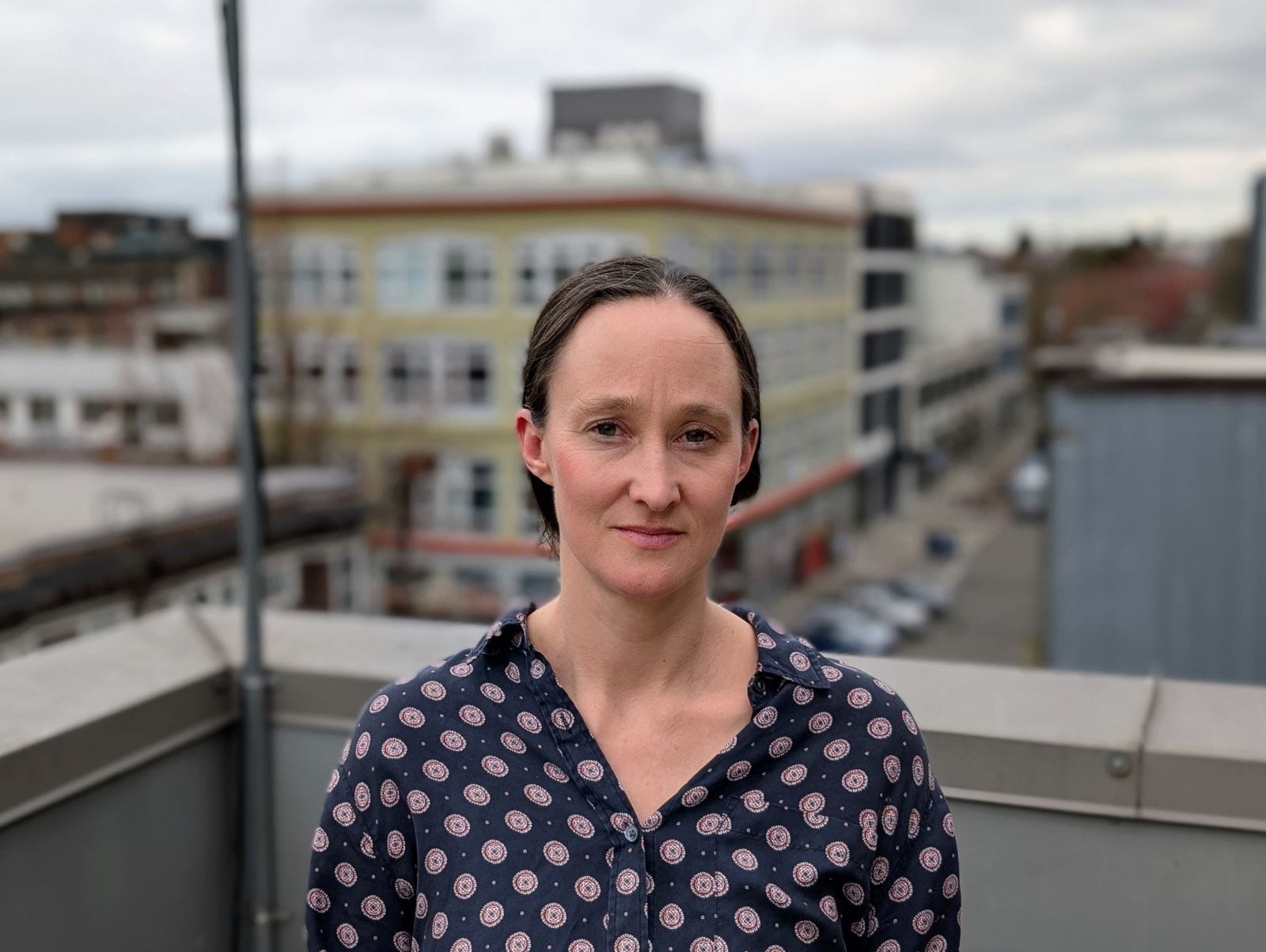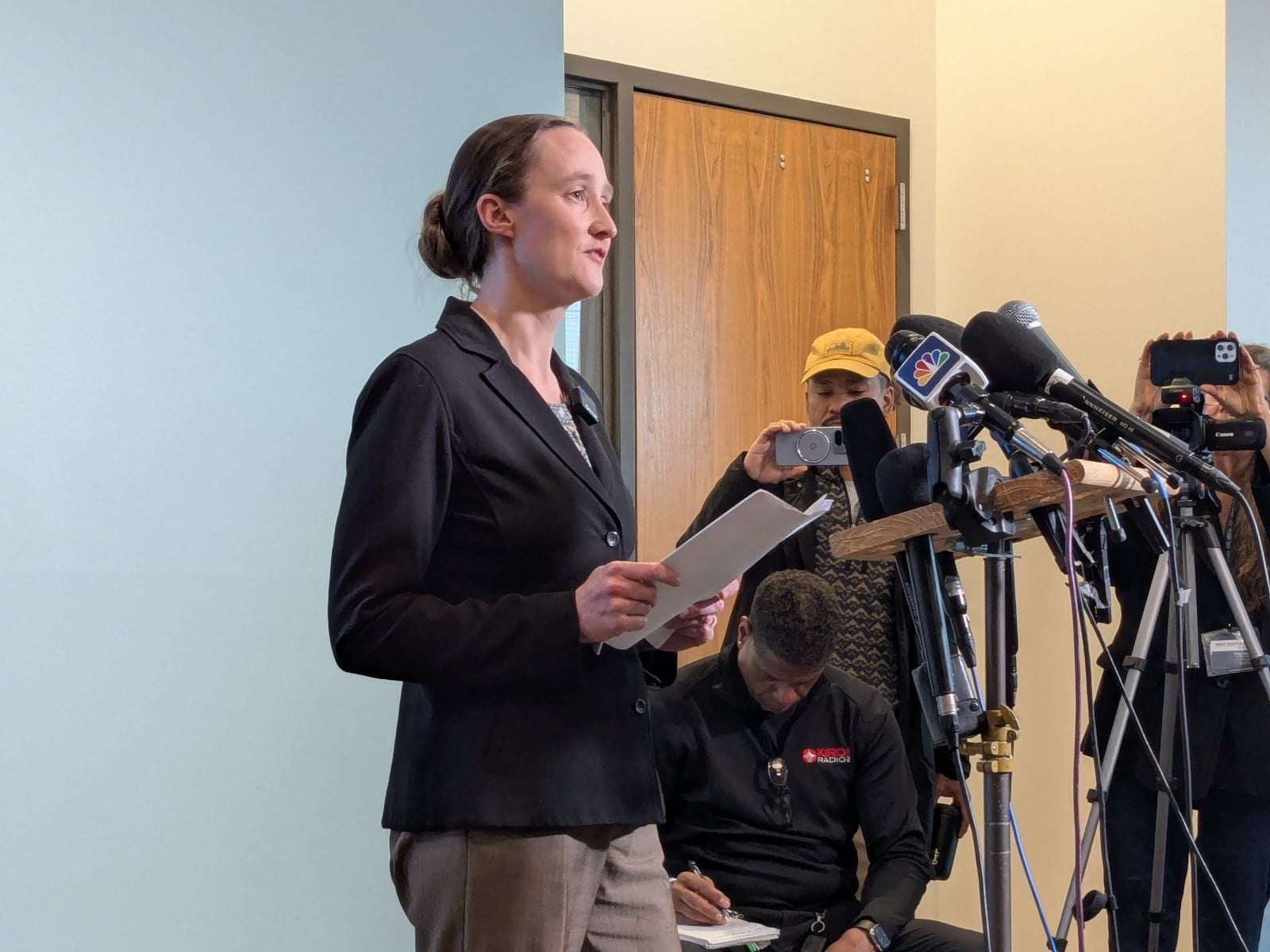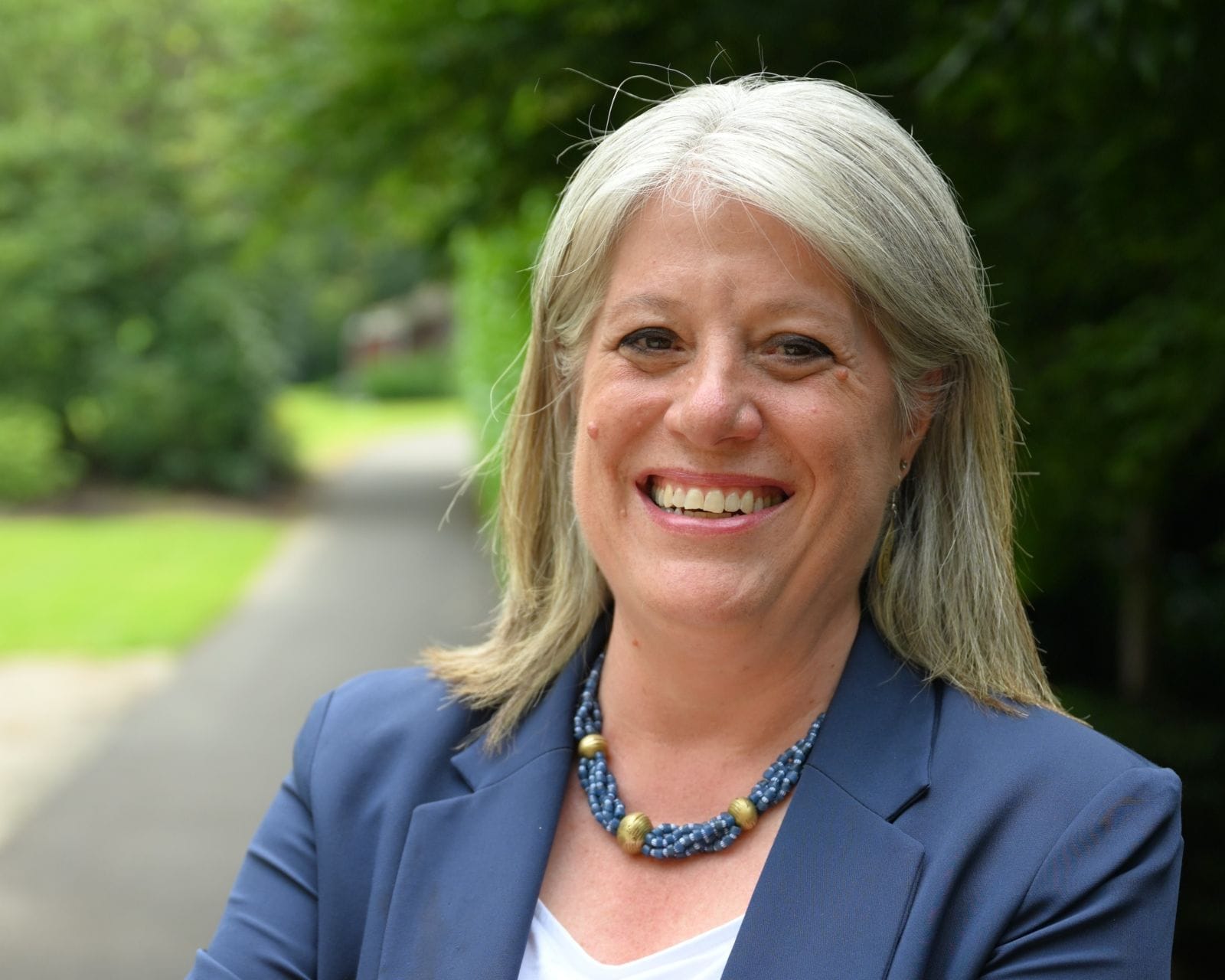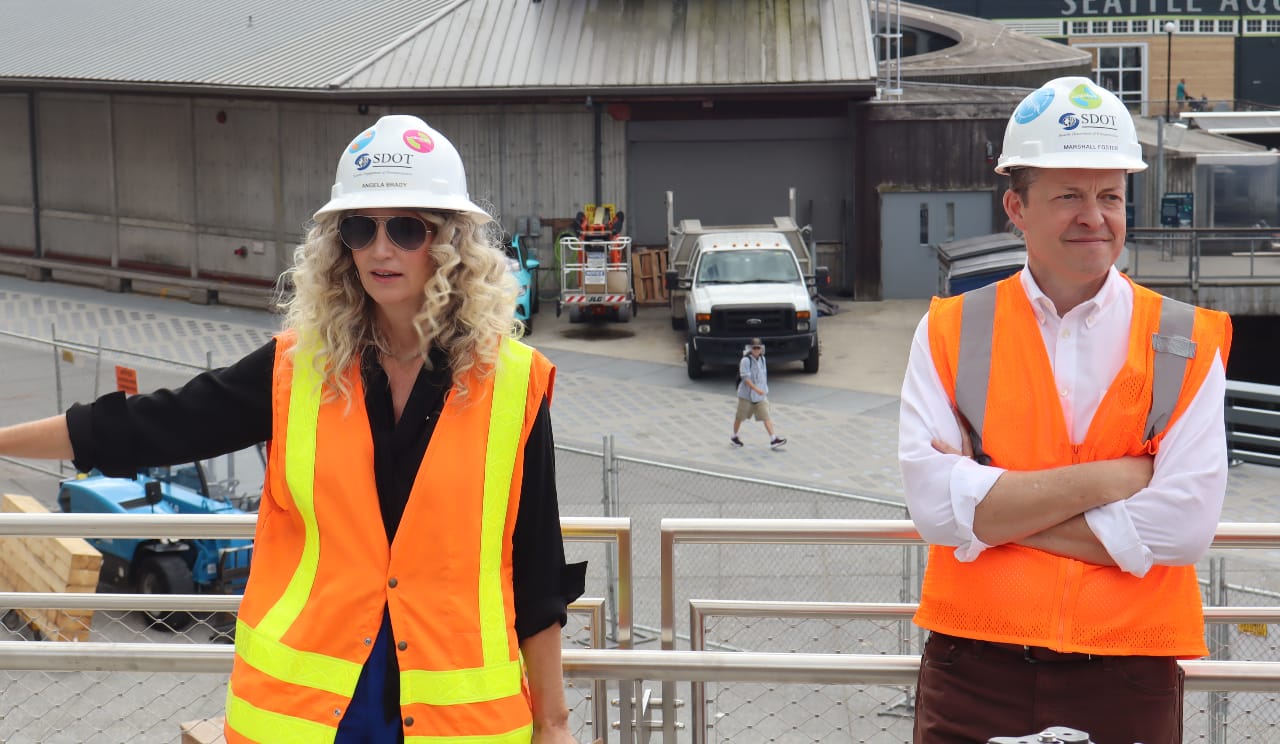
Seattle Mayor-elect Katie Wilson has selected Angela Brady, who currently heads the city’s Office of the Waterfront, Civic Projects and Sound Transit, to be Interim Director of the Seattle Department of Transportation (SDOT), her transition team announced Wednesday. Brady will replace Adiam Emery, who had been outgoing Mayor Bruce Harrell’s Deputy Mayor before being tapped to lead the department on an interim basis earlier this year. The incoming administration will consider candidates to fill the permanent job at a later date, sources inside the Wilson transition team confirmed to The Urbanist.
The move marks Wilson’s first major leadership change at a city department, clearly illustrating the importance of transportation issues to the incoming mayor, who is the former head of the Transit Riders Union.
“My administration is committed to building a transportation network that allows every person in every neighborhood to safely and reliably get where they want to go, whether they use transit, walk, bike, roll, or drive. We have the opportunity to move quickly to shape Seattle’s transportation future in line with this vision,” Wilson said in a release touting the news. “Angela is committed to addressing our maintenance backlog, and shares my vision of world-class transit, a citywide network of protected bike lanes, safe and accessible sidewalks, great pedestrian spaces, and housing-rich neighborhoods packed with amenities.”
Earlier this month, Wilson announced her intention keep a slate of other public-safety focused department heads in place for the time being, including Seattle Police Department Chief Shon Barnes, Community Assisted Response & Engagement (CARE) Department Chief Amy Barden, and Seattle Fire Department Chief Harold Scoggins. Those announcements came on the heels of the roll out of Wilson’s top leadership team, which includes Brian Surratt as Deputy Mayor.
Making a leadership change at SDOT is far from an unexpected decision. Virtually every mayor going back to SDOT’s creation in 1997 has chosen to install their own director to implement their customized vision for Seattle’s transportation system.
“I am honored to be selected for this critical role with the new administration, particularly at such a pivotal and exciting time for our city,” Brady said in a statement. “I have worked tirelessly through many years of community engagement, planning, design, and construction to successfully deliver on major investments that will forever shape Seattle’s waterfront and our city’s identity and I am thrilled to be able to offer my leadership and expertise toward delivering on SDOT’s commitments to the public as part of the Seattle Transportation Levy and so much more.”
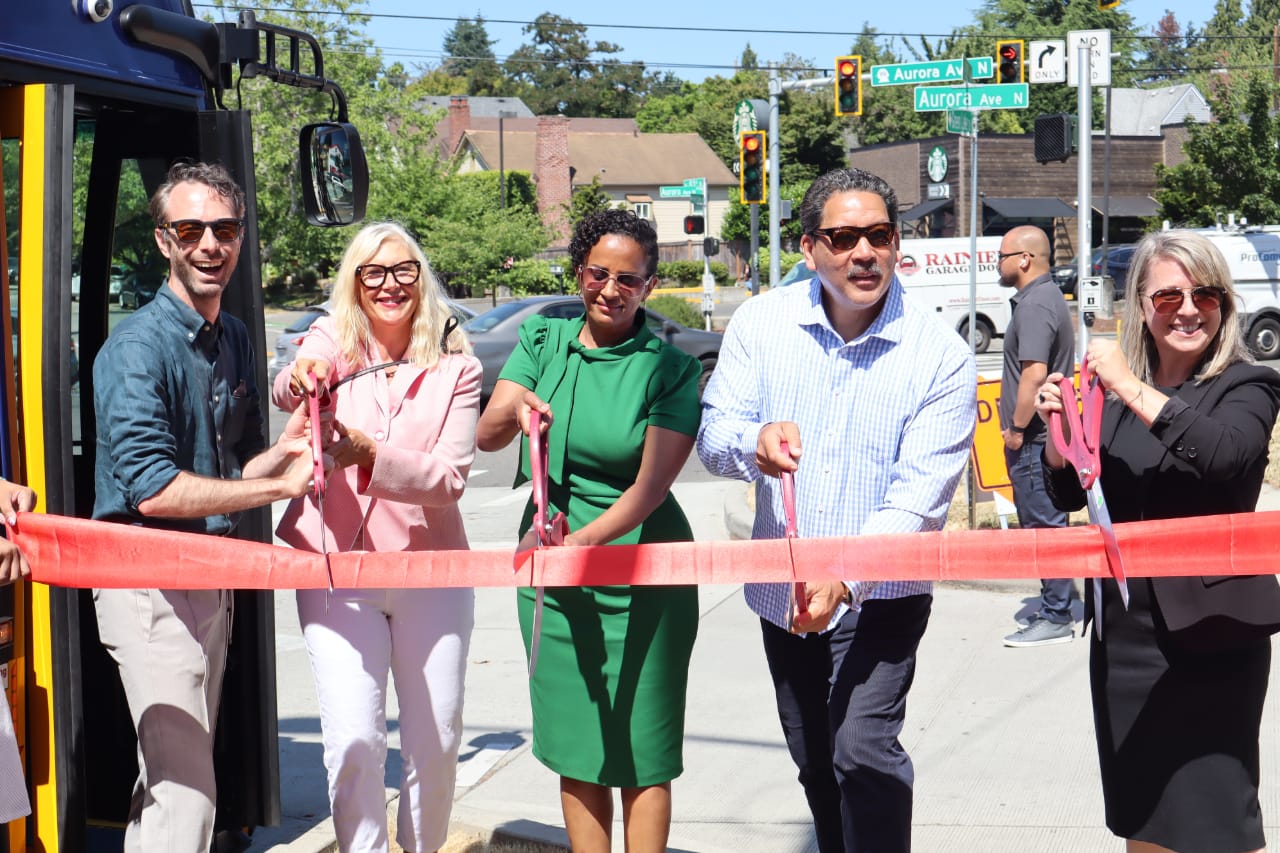
Rather than ask the Seattle City Council to appoint Emery as permanent SDOT Director, Harrell kept her in the role as an interim head, a move that was seen as hedging against the looming November election. By serving as Harrell’s Deputy Mayor from 2022 to 2025, Emery had tied herself much more strongly to the policy priorities of the current administration than her predecessor as SDOT Director, Greg Spotts, who Harrell appointed in 2022 following a national search.
While in the Mayor’s Office, Emery was heavily involved in the development of the 2024 Seattle Transportation Levy, which raises $1.55 billion over eight years to fund street improvements and maintenance. However, the levy faced significant criticism from the city’s multimodal advocates as a step back from ambitious goals for expanding the bike network and upgrading transit corridors, which the previous levy had pursued more vigorously.
As the former head of SDOT’s Traffic Operations division, Emery developed a reputation for in-the-box thinking around traffic engineering that is somewhat out-of-step with Wilson’s vision for a less car-oriented transportation system. Under Emery, the department tried to rule out the idea of building a bus lane along an infamous stretch of Denny Way that delays the infamously late Route 8, a project that Wilson has made clear she wants to advance.
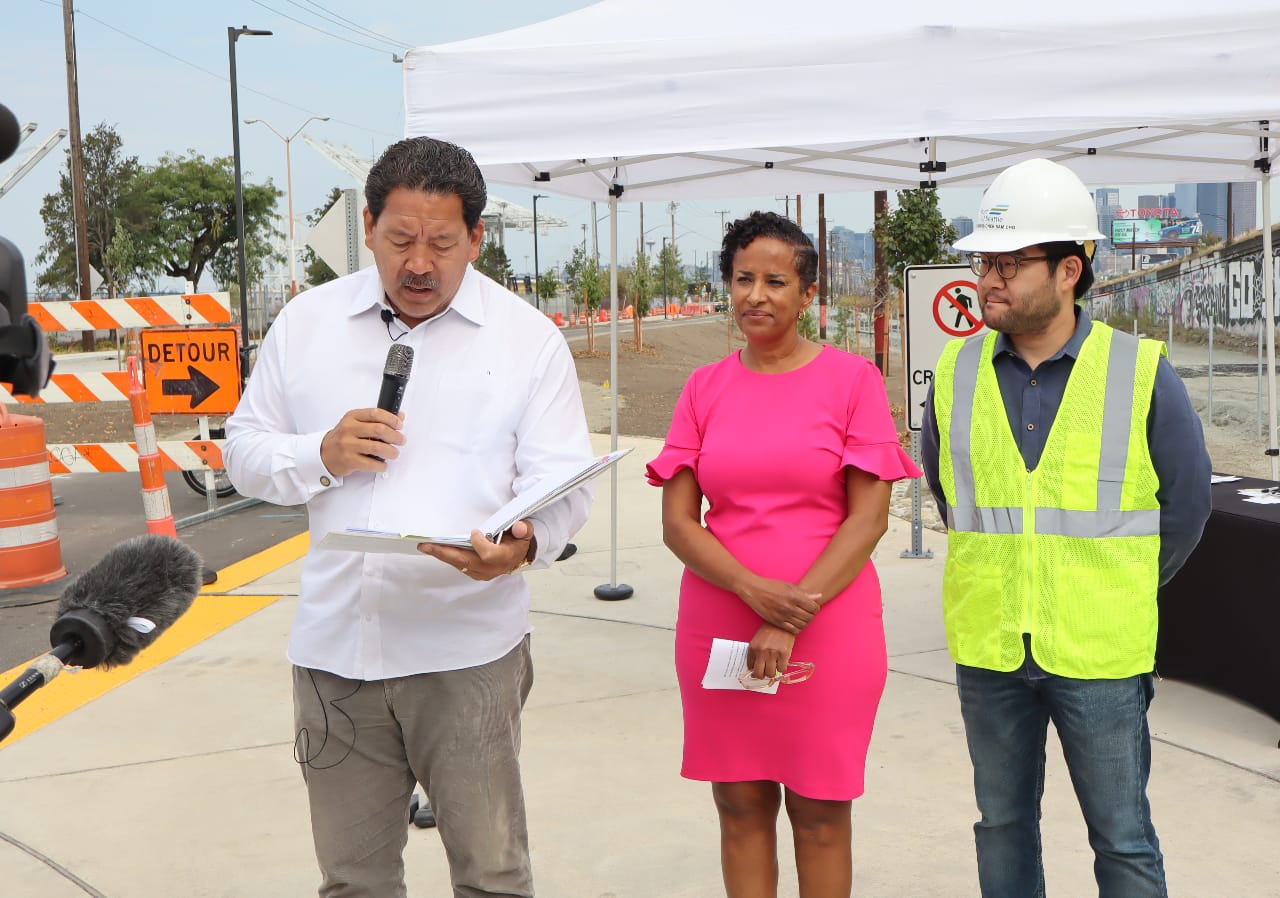
Brady has been a city employee since 2004, making the jump in 2012 from being a program manager at SDOT to working on the waterfront revamp, before the Office of the Waterfront was even officially formed. From that post she shepherded the design of $835 million project replacing the Alaskan Way Viaduct under Waterfront Director Marshall Foster, taking over for Foster in 2022, when he was appointed Director of Seattle Center.
Foster is also set to transition to a new role in 2026, announcing last week that he is departing the City to become a development director at Sound Transit. The Seattle Center department, which oversees the operations and maintenance of the waterfront park as well, will be led on an interim basis by current Deputy Director Diamatris Winston.
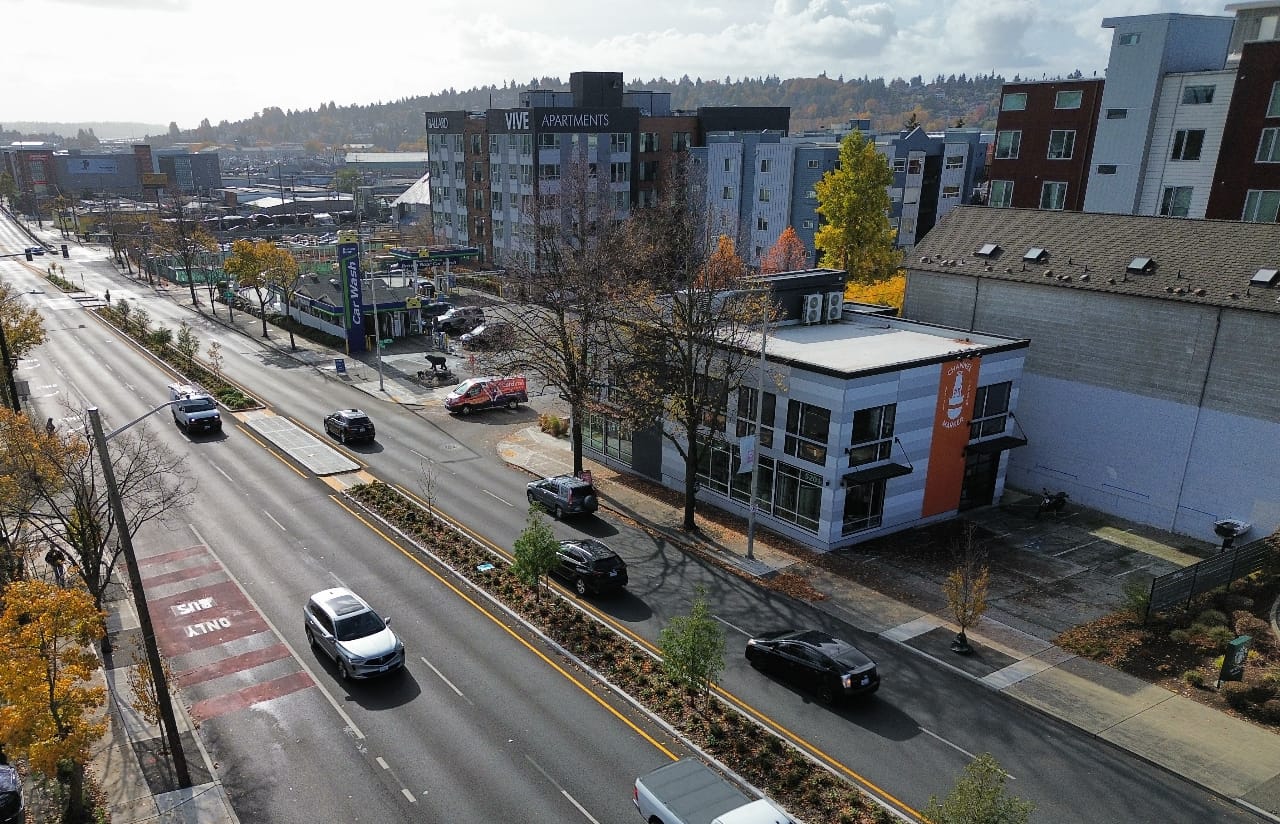
Brady’s work on the waterfront project does make her a slightly controversial pick to head SDOT under the city’s first progressive mayor in over a decade, even if on a temporary basis. While broadly acknowledged as an upgrade over an elevated highway, the waterfront is seen by many urbanists as a missed opportunity that remains too focused on maintaining vehicle throughput. While many aspects of the overall footprint — including eight travel lanes near Colman Dock — were prescribed by an agreement between the City and the State of Washington, other elements of the design that the city had more direct control over have also been lamented.
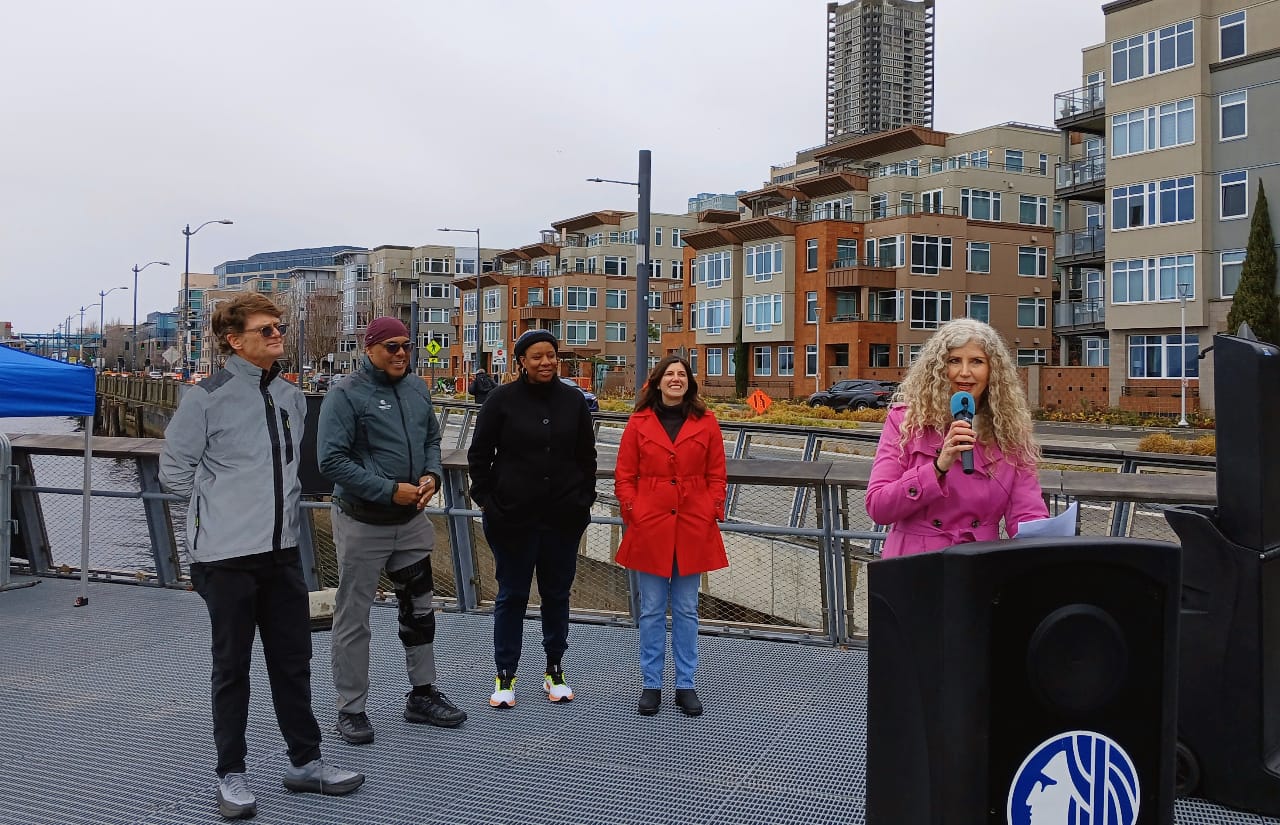
On the other hand, the waterfront’s protected bike trail ended up becoming much narrower than initial designs shown by the project team suggested it would be, with twists and turns in place that drivers in the nearby traffic lanes don’t have to deal with. The bike connections to the rest of the city were also a significant miss, with no direct connection between the waterfront and the rest of the downtown bike network still in place despite a ribbon cutting months ago.
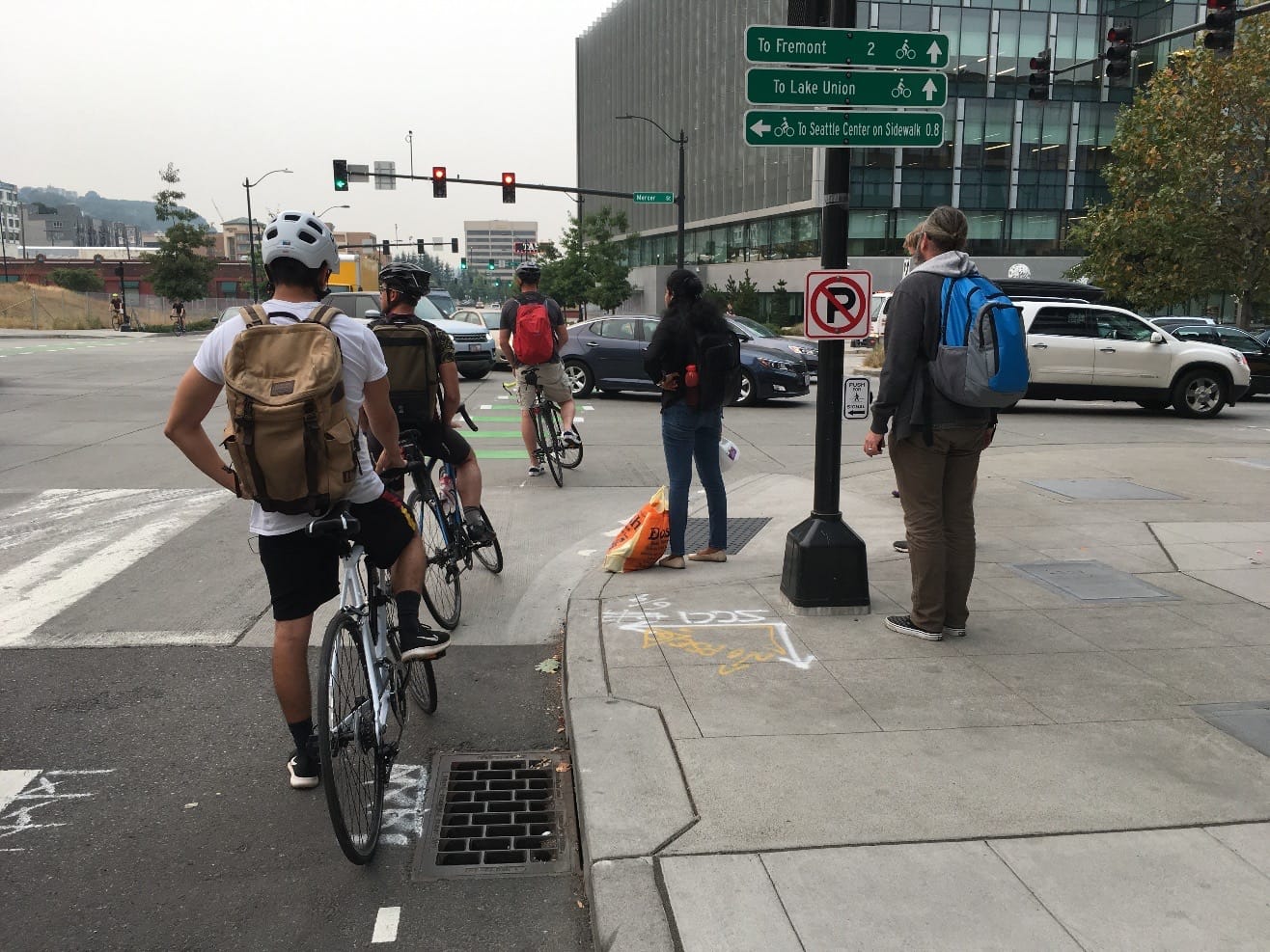
During her time at SDOT, Brady served as project manager on the Mercer Street corridor project, a full rebuild of one of South Lake Union’s most infamously unpleasant corridors that had the goal of improving traffic congestion. Funded with the help of federal dollars, the Mercer Street project is seen as another missed opportunity within the urbanist community, with “adaptive” traffic signals that heavily favor motorists over pedestrians and only a small stretch of protected bike infrastructure installed in the corridor under SR 99. As a frequently car-choked street, crosswalks and key north-south bike routes are often blocked with cars. It’s hard to see the outcome on Mercer as a positive one when it comes to advancing the city’s supposed multimodal vision.
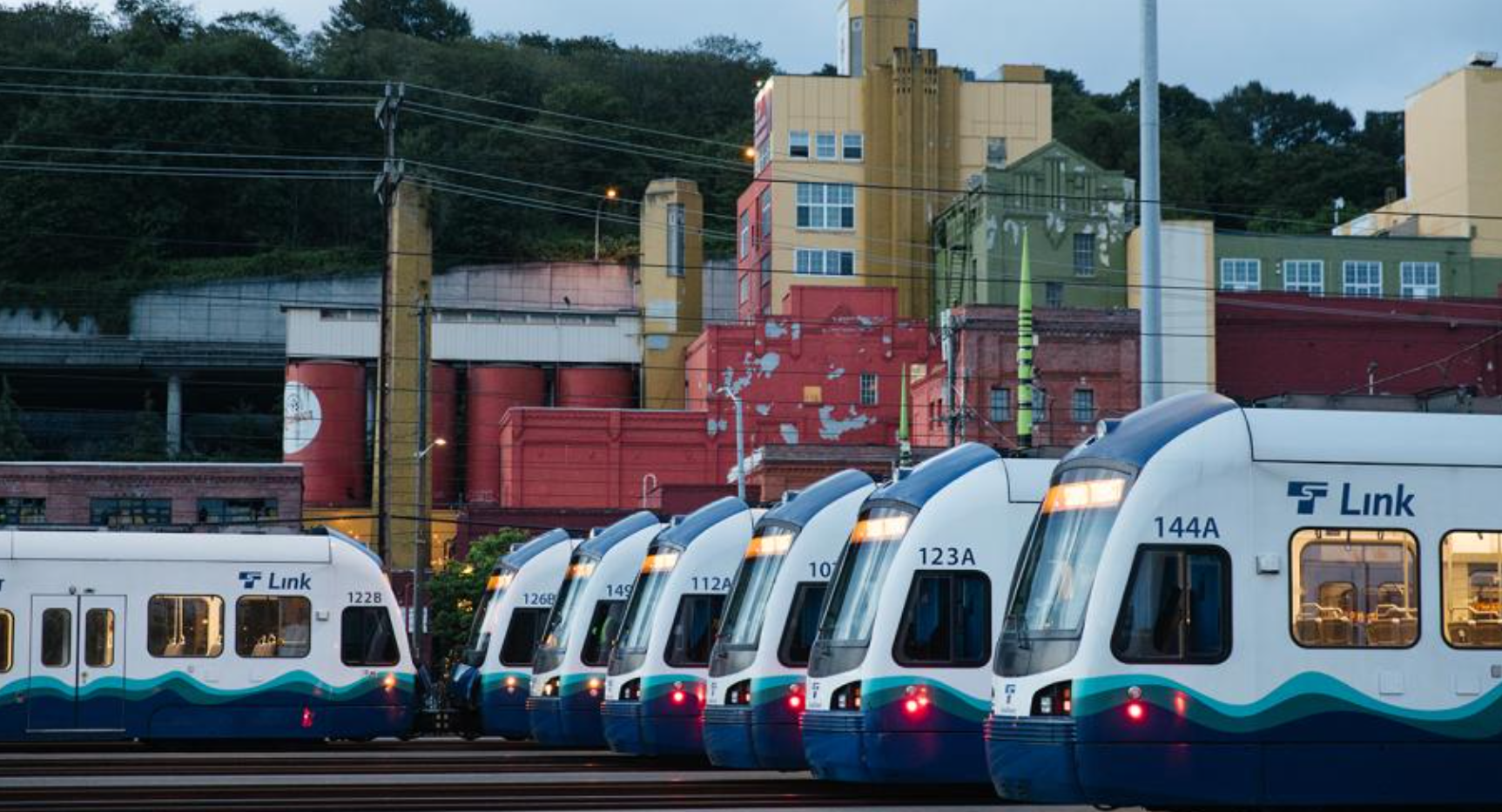
Brady’s new role also means Wilson has another position to fill: the “designated representative” to Sound Transit on the city’s Sound Transit 3 (ST3) expansion projects. A role created by a 2017 agreement between the City and Sound Transit, the designated representative serves as the sole point of contact on coordinating the Ballard and West Seattle Link extensions. After Harrell initially tapped Elliot Helmbrecht, a staffer in his office, as the ST3 representative, he named Brady to the role as part of expanding the Office of the Waterfront’s portfolio to include Sound Transit coordination. It’s unclear if Wilson will choose to continue with that structure.
Now is a very critical time for coordination with Sound Transit, as the board is set to consider scenarios to address an estimated $34 billion budget shortfall over the next two decades that could impact the scope and delivery timelines on both of Seattle’s planned lines. As is customary for a Seattle mayor, Wilson was appointed to the Sound Transit board earlier this month, along with King County Councilmember Teresa Mosqueda, who is expected to be a champion for the lower-ridership West Seattle extension in particular.
Wilson has already tapped Alex Hudson, former Executive Director at Transportation Choices Coalition and Commute Seattle, to serve as an advisor on transportation and other urban planning-related issue areas. Hudson is poised to help get the new administration up to speed on the behind-the-scenes machinations around Sound Transit decisions, on top of laying the groundwork for a renewal of the city’s transit ballot measure that is set to be on the ballot next November.
Wednesday’s announcement indicates that Wilson has big intentions around the issue of transportation, though that exact vision will become clearer with the choice of a permanent SDOT Director in the months to come.