Three proven policies from Barcelona to Bogotá could help the Seattle region maximize communal benefits of light rail buildout.
As the Sound Transit 3 project continues to break ground across the Seattle metropolitan area, the massive, multi-decade expansion of the regional transit system forces a generational question: will this $50+ billion investment transport people faster or will it finally transform our daily life, from the air we breathe to how we get around and interact socially?
We do not need to invent answers to this question. It is already written. The most resilient urban futures, as seen in Barcelona, Bogotá, and Medellin, are not built around cars or concrete. They are built around the local inhabitants, their health and equity.
Barcelona superblocks boost liveability and accessibility
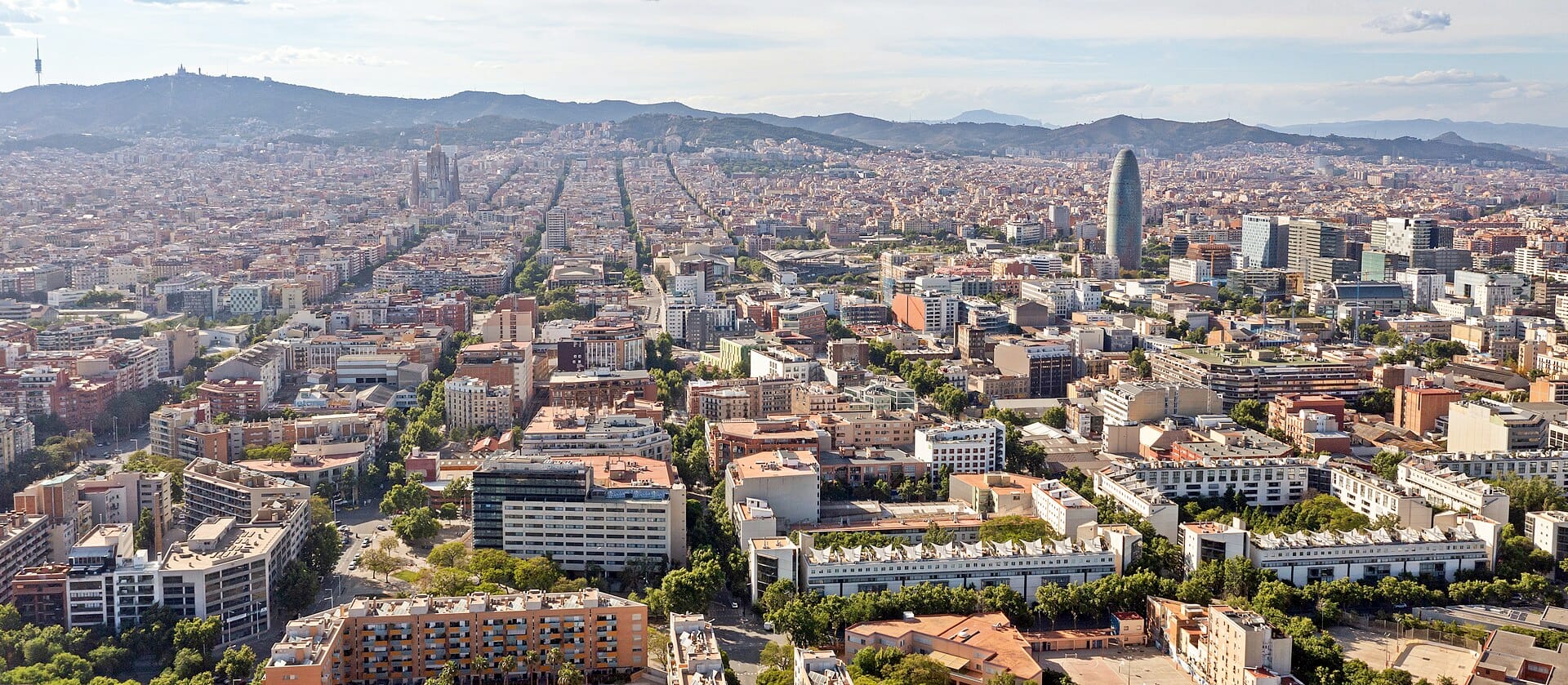
Barcelona's superblock or "superilla" model offers a bold starting point, backed up by the data. Barcelona pioneered the superilla model in pilot neighborhoods such as Poblenou, Sant Antoni, and Horta, achieving remarkable results by restricting through-traffic across nine-block grids, reclaiming asphalt for pedestrians, greenery, and community life. Despite initial controversy and slow implementation, Barcelona's expanded superblocks across much of the city, and the strategy has shown positive impacts on the environment, health, and quality of life of the residents living there.
Streetfilms takes a look at what it’s like to live in Barcelona’s vibrant pedestrian-oriented superblocks or superilles. (Streetfilms)
The city of Barcelona treated its streets as a public health infrastructure for its people. As a result, the superblock improved air quality, reduced noise, increased social interaction, and provided better rest for residents in these blocks.
A comprehensive Health Impact Assessment carried out in 2011 by the Barcelona Institute for Global Health projected that a full citywide rollout of the remaining 503 super blocks could prevent nearly 700 premature deaths yearly, alongside significant drops in cardiovascular and respiratory hospitalizations. These gains are documented. For instance, a quarter decline in nitrogen dioxide pollution and a 17% reduction in levels of dangerous PM10 pollutants was recorded near Sant Antoni super block. Residents reported increased tranquility, improved sleep quality, and better social interaction.
Barcelona’s superblock strategy has also cut noise pollution significantly. A drop of 10 decibels is widely recognized by acousticians as cutting perceived loudness in half. With that knowledge, the three- to seven- decibel reductions in noise that was documented in Barcelona is significant, though it does not reduce noise by half, the 3- to 7- decibel reductions translates to meaningful quieter streets, better sleep, and measurable stress relief for residents living on congested arterials.
Combine noise reductions with more permeable surfaces that reduce urban heat, and what you get is a multi-system public health intervention disguised as urban design.
Yes, through-traffic will reroute. Redirecting car traffic might cause some delays, particularly as they adjust to new patterns. But when paired with protected bus corridors, commercial loading windows, and transparent community co-design, super blocks can be implemented to improve quality of life without disrupting essential accessibility.
The choice is not between mobility and livability. The superblock model shifts urban space from serving single-occupancy vehicles to supporting public health and community life. This is especially urgent in dense, pre-car neighborhoods like Capitol Hill, Ballard, and the Chinatown International District, where street space is fiercely contested and residents have long lacked adequate public green space within walking distance.
Preventing displacement with social housing
Expansion of transit systems to make streets more livable for the residents means little if it prices out the communities it is meant to serve. Making a street "livable" usually increases property values. For instance, if the government builds a great new train line but doesn't control rent, the original low-income residents will be forced to move out because they can no longer afford to live there.
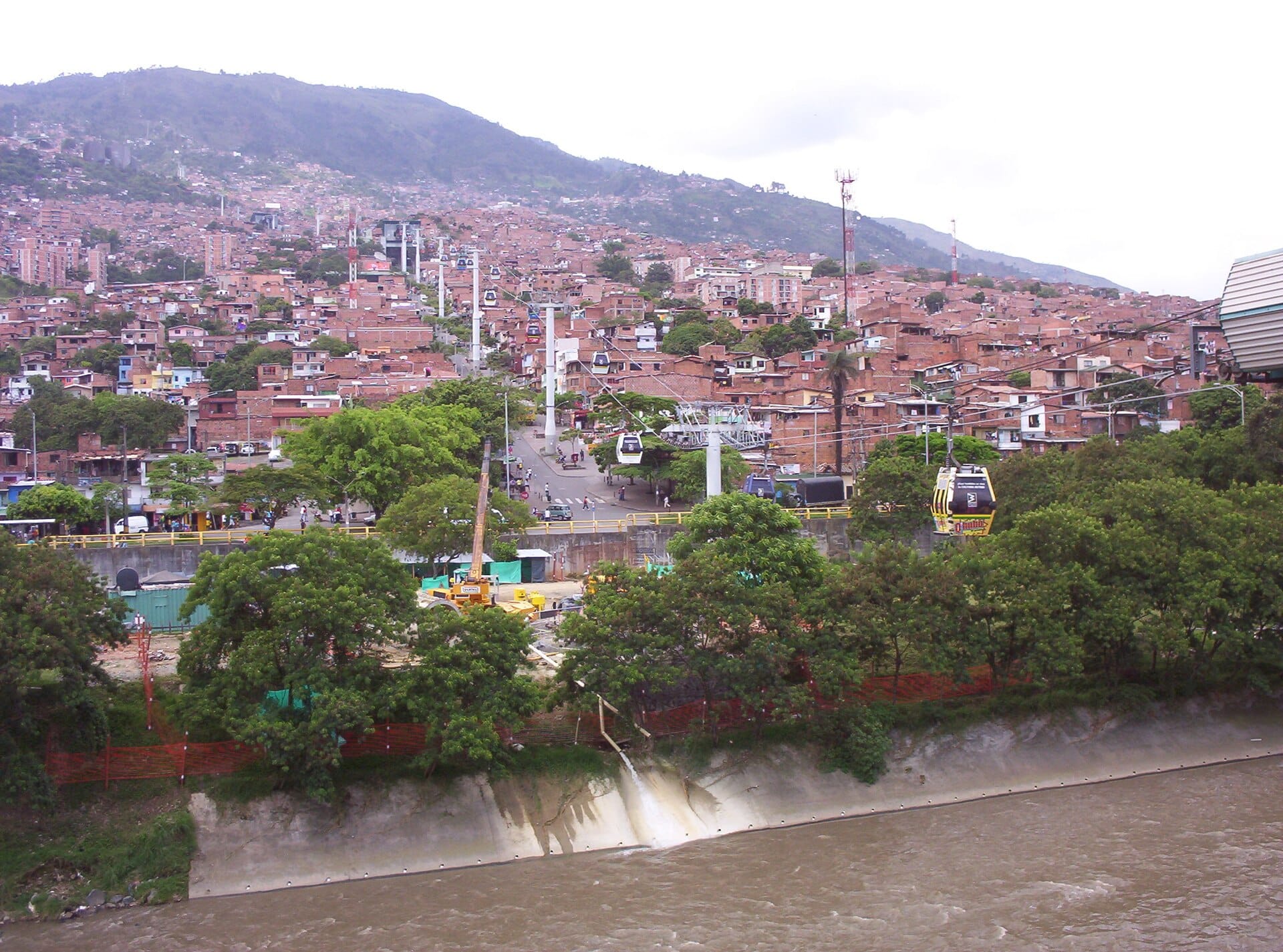
Latin America's mobility revolutions teach us this clearly. Medellín's metro cable didn't just connect isolated hillside communas or slums to the city's metro. It was part of a bigger plan, a "social urbanism" strategy that was accompanied by the construction of world-class libraries and parks at the station, community-led housing upgrades that helped the residents fix their homes instead of tearing them down, and a firm no-eviction policy to preserve the existing social fabric.
Similarly, Bogotá's TransMilenio, a high capacity and affordable bus rapid transit proved that transit expansion can function as an economic lifeline for low-income workers. It connected marginalized neighborhoods to jobs, education, and healthcare.
Contrast this with Indonesia's capital city, Jakarta, where the construction of new rail lines triggered rent prices to skyrocket which resulted in mass displacement because laws to ensure housing affordability were considered an afterthought. Landlords immediately increased the cost of rent to profit from the new convenience, forcing thousands of low-income residents to move away just as the "improvement" arrived. The same mistake is being repeated in Puget Sound, such as in the Rainier Valley, and the results are predictable and painful for local residents.
When the Sound Transit light rail arrived, connectivity improved. But without proper anti- displacement protections such as rent caps, social housing, or community land trusts put in place, speculative pressure followed. Longtime residents, small legacy businesses, and community anchors were forced to leave their homes as property values and commercial rents decoupled from local incomes. Transit unmoored from equity policy, becomes a vector for displacement.
We need a more comprehensive approach to transit development, investing not just in transit, but also the communities that surround it. The arrival of light rail should not mean that neighborhoods become unaffordable to all but the wealthiest.
And we should aim higher. As the Organization for Economic Co-operation and Development documented, in Vienna, Austria the government houses roughly 42% of its population in social housing, a catchall term for non-profit housing owned and managed by government entities, non-profit organizations, or resident cooperatives, designed to provide permanently affordable housing. A robust social housing supply keeps rent low for everyone, including the middle class. It treats shelter as a public good rather than a speculative asset.
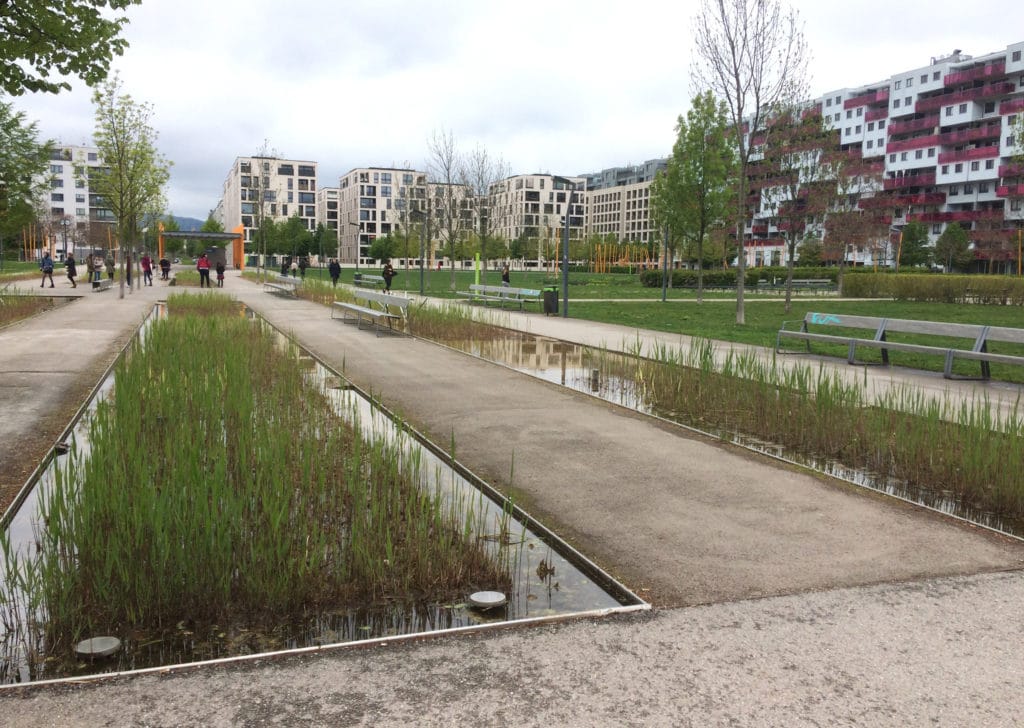
We won't replicate Vienna's municipal land bank overnight. But a robust social housing strategy can begin to decommodify housing around transit corridors and shift the regional baseline from market-rate default to community- controlled affordability.
Funding social investment with a Bogotá-style betterment tax
Progressive urbanism requires progressive financing. Every time a government plan suggests a great project, the first thing the people say is, "We can't afford it; it costs too much." But Bogotá has run a decades-long proof-of-concept to show the world that this excuse is wrong. They have used a special financial system called the valorazación, a "Betterment Tax". This is how it works: When government projects raise the value of a nearby property, a portion of that windfall is captured and reinvested into community infrastructure.
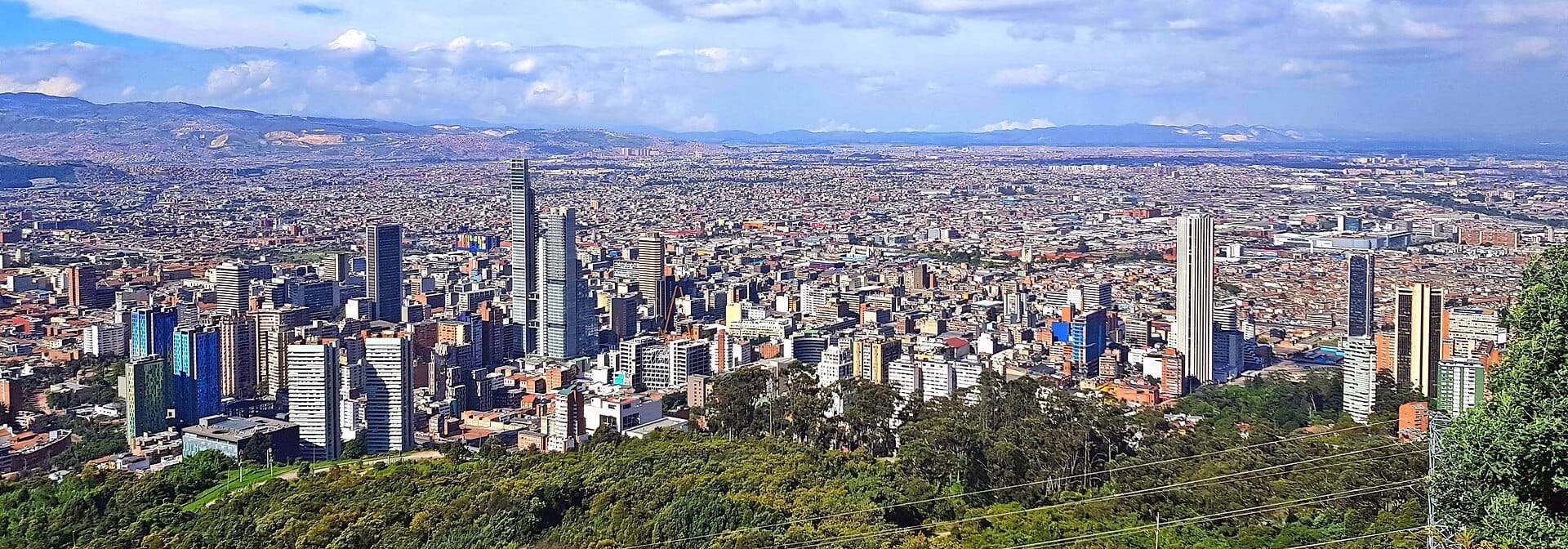
For instance, when the city builds a beautiful new park next to your house. Suddenly, your house is worth $50,000 more just because the park is constructed there. The city captures a small percentage of that "free" profit via a one-time property tax assessment and uses it to build the next park or train line. At its peak, this mechanism funded over 25% of Medellin's municipal budget and consistently delivered double-digit shares of Bogotá's revenue. The World Bank has long recognized Colombia's value capture system as a model of fiscal continuity for capital-intensive urban projects.
For a region which is about to experience an increase in property value because of transit. Land-value capture isn't just fiscally responsible, it's ethically necessary. King County Assessor trends and regional market analyses consistently show that properties within a half-mile of new rail stations appreciate 20-30% faster than in comparable corridors without rapid transit. That means hundreds of millions of dollars in new wealth are going into the pockets of private landlords and developers rather than toward the common good. Without policy intervention, we're basically subsidizing private speculation with public dollars.
Critics will no doubt brand land-value capture as gouging taxpayers. It isn't. Traditional property taxes fund ongoing municipal services like police, fire, and schools every year. A betterment levy captures a one-time or phased portion of the increased value created directly because your property's value went up as a result of the public project. You only pay if your asset appreciates because of a public investment. It's like the city saying, "We just added $50,000 to your land's value; we're taking a small slice of that bonus back."
To address legitimate concerns, the system must include deferral programs for fixed-income homeowners, assessment caps to prevent payment shock, and transparent tracking of how captured funds are reinvested.
Will it be administratively complex? Most definitely. Bogotá's own struggles with property tax compliance remind us that we will need modernized assessment systems, integrated digital portals, and independent oversight to prevent revenue leakage. The administrative challenge of implementing value capture is a design challenge that, if managed effectively, creates a virtuous cycle where public investment increases land value to fund further improvements for the local community instead of real estate speculators.
When deployed as a single, cohesive framework, the following policies can collectively strengthen Puget Sound. A blueprint the region needs as we enter the Sound Transit 3 era:
1. Seattle: Should launch a pilot superblock program in two places; Capitol Hill and the Chinatown International District. The super blocks should be strictly "Bus Only Superblocks" to integrate with existing Link light rail stations and ST3 construction mitigation. This initiative must fully involve residents in its design, fully supported by enhanced local bus service, and evaluated using public health metrics, specifically particulate pollution (PM2.5) levels, pedestrian mode share, and resident wellbeing surveys.
2. King County & Sound Transit: Codify a 'TOD+ Equity Standard' that goes where the 80-80-80 policy cannot. Unlike the current statute, which governs only surplus agency land, this standard would extend binding affordability targets and enforceable community benefit agreements to all station-area development, include a fixed social housing target (e.g., 20% permanently affordable units), and lock in permanent maintenance funding.
3. Washington State Legislature: should authorize a pilot program testing a betterment tax to capture land value increases along transit corridors. The pilot must feature independent oversight, modernized assessment tools, and a clear deferral mechanism for low-income and senior owners to accrue tax liability only upon sale. This isolates the tax on speculative windfalls while safeguarding fixed-income residents from displacement.
We have the resources. We have the proven models. We have the urgency. What we lack, besides the political courage to stop building for traffic and start building for people, is the administrative machinery to execute. We must build the capacity to deliver, or these good policies will simply die in a permit backlog.
Umar Ibrahim Agaie is a writer, researcher, and urbanist, a mind out of the ordinary. He writes on public health, arts, housing, and community wealth building, connecting people-centered policy to lived experience.
 Doug Trumm