The Sound Transit board looks to be moving full speed ahead on West Seattle Link, eager to start construction on the only Sound Transit 3 project in the pipeline that has received the federal go-ahead. With the green light to start work potentially coming as soon as the end of the year, there's a lot of work happening behind the scenes to get ready. One major piece of that work is preparing for the permanent closure of the SoDo busway, a corridor that carries hundreds of buses per day, with the Seattle Department of Transportation (SDOT) getting ready to accommodate all of those buses on Fourth Avenue instead.
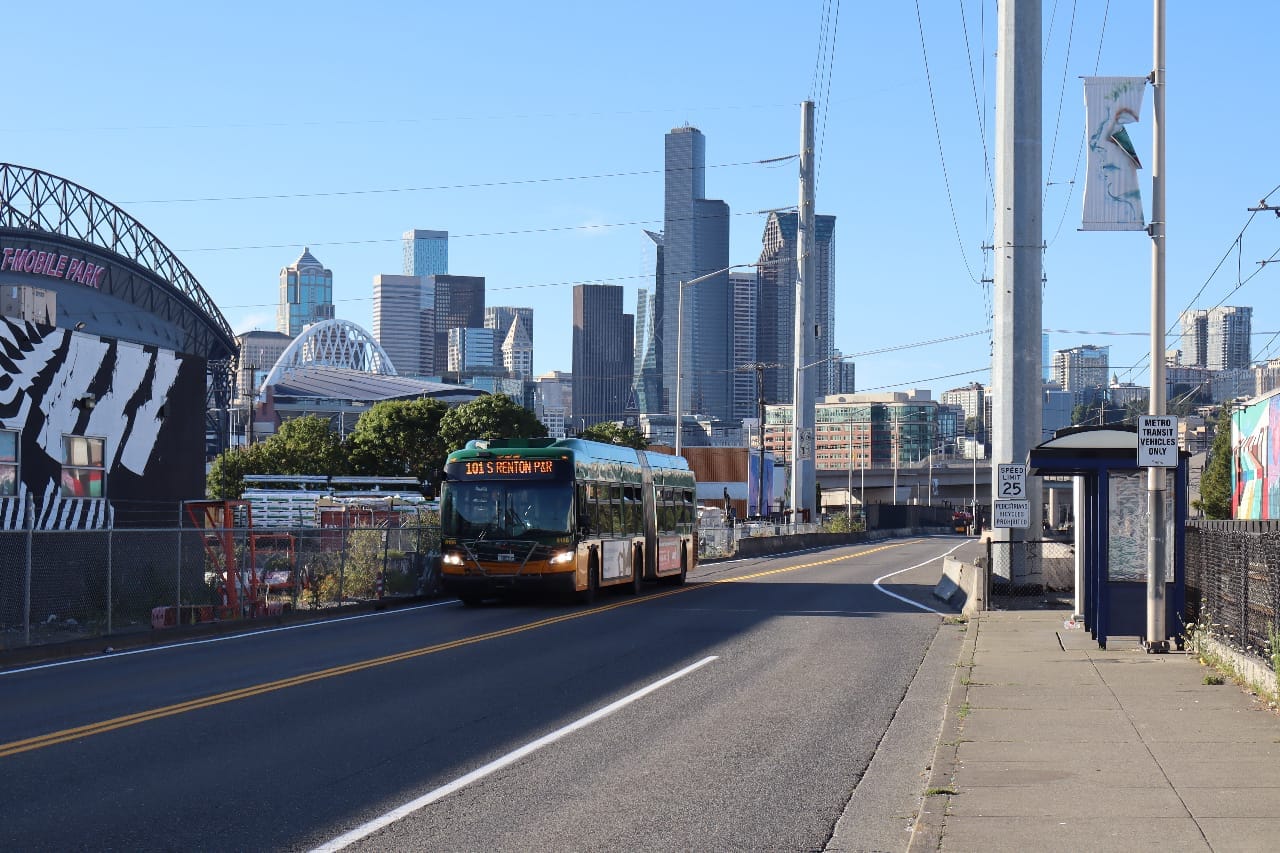
The SoDo "E3" bus way between Royal Brougham and Spokane Street is a quiet workhorse of Seattle's transit system, providing a dedicated pathway for local and regional buses through South Downtown, but Sound Transit will be building a light rail guideway in its place, connecting to West Seattle and ultimately a second rail tunnel underneath Downtown to be built as part of Ballard Link.
While at least one alternative in front of Sound Transit board members right now to deal with a $34.5 billion shortfall would see the 4.1-mile light rail line to Alaska Junction indefinitely deferred, Seattle officials have a strong appetite to keep the project moving. Without work on West Seattle Link getting underway, Sound Transit likely wouldn't see another rail line open until 2035.
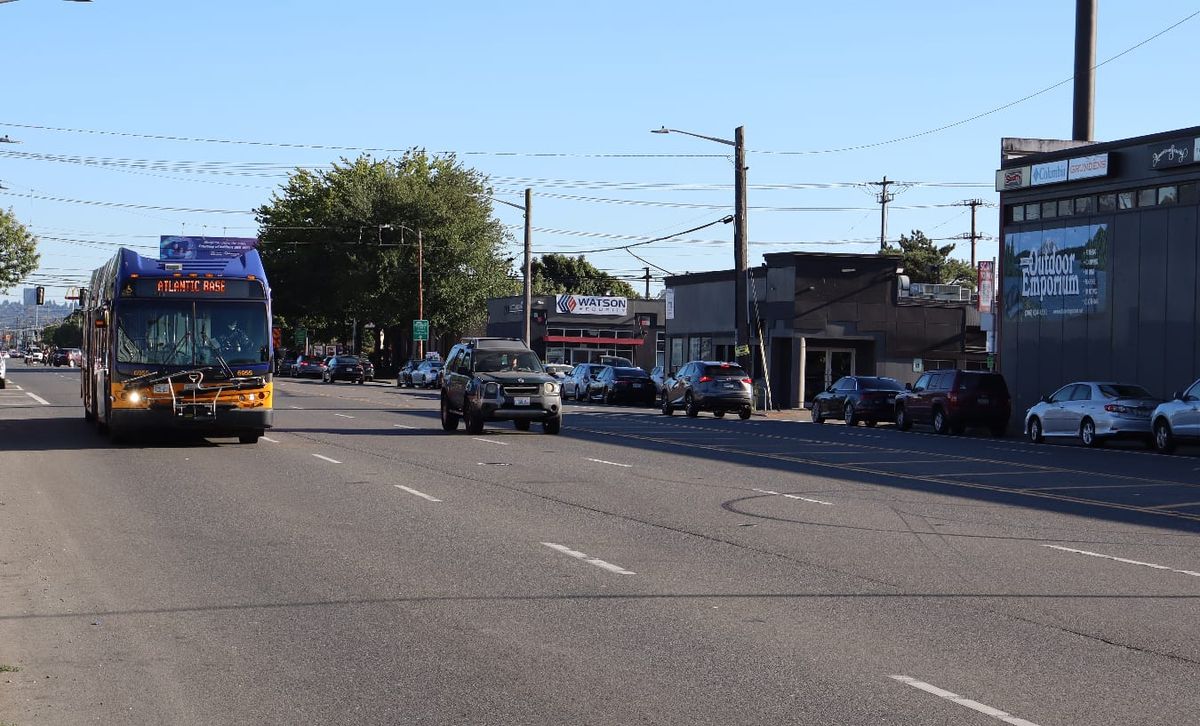
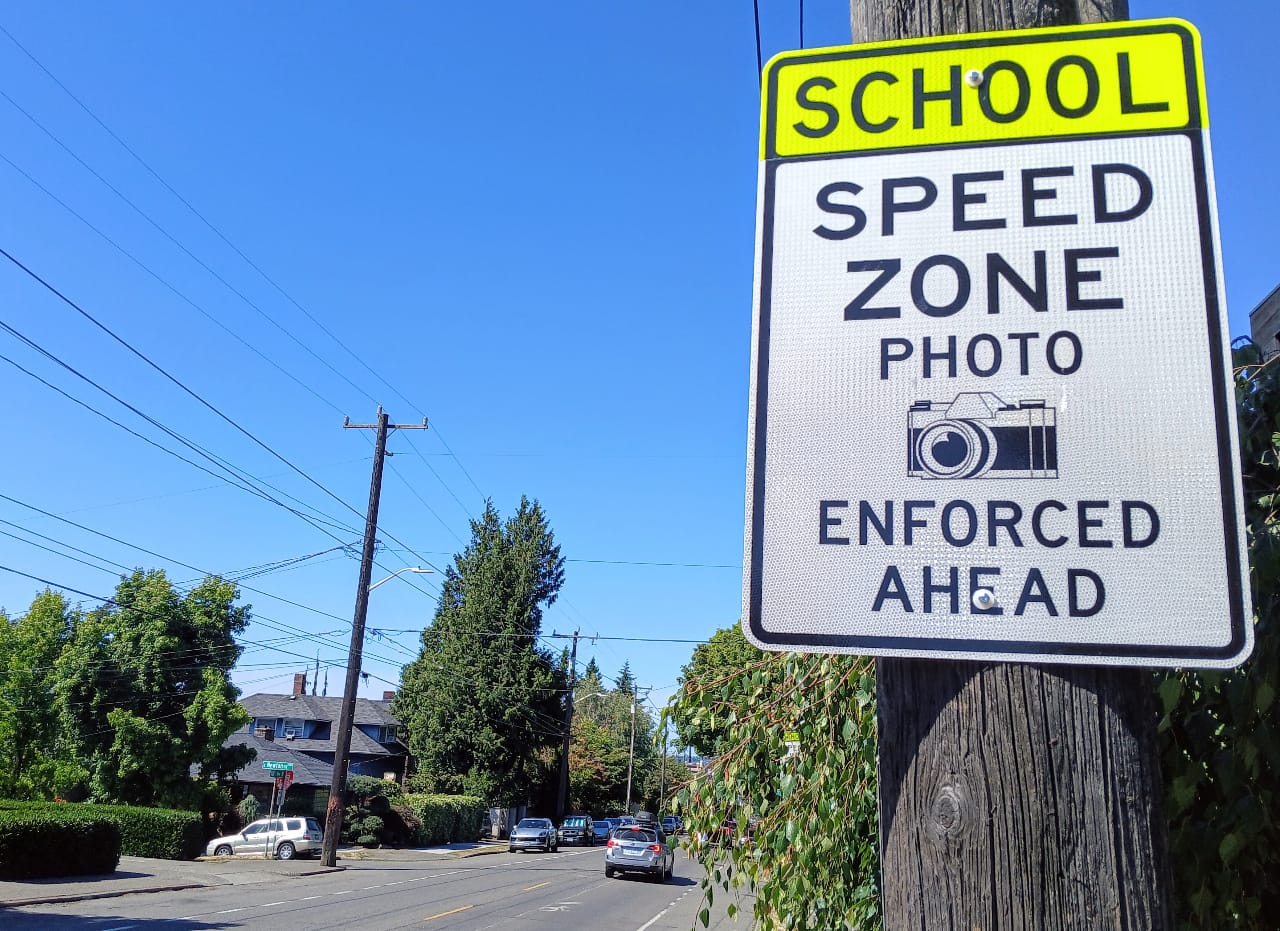
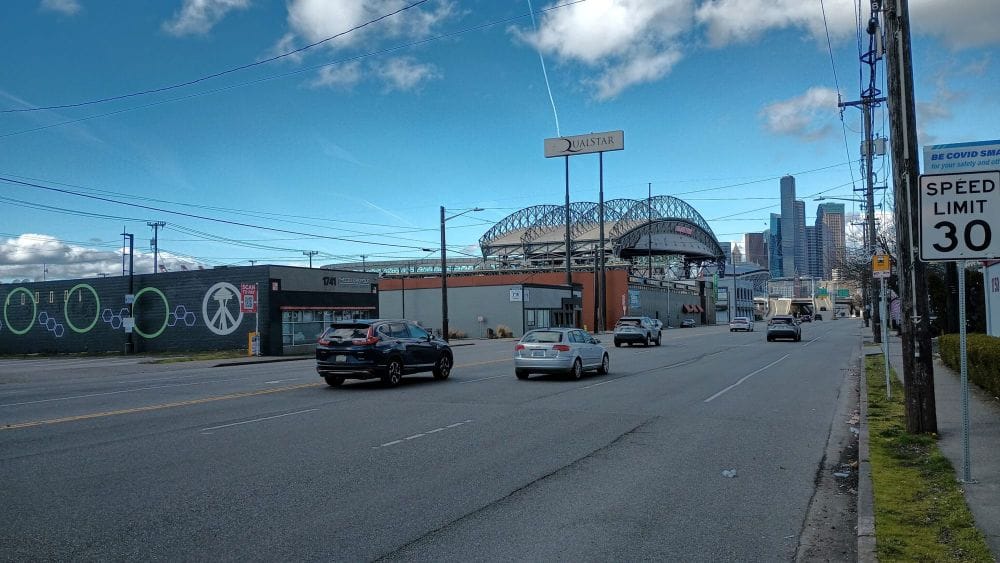
Shifting all of the riders currently using the busway onto Fourth Avenue, one of Seattle's most dangerous streets, clearly can't happen without some upgrades. The street features very narrow sidewalks, virtually no bus stop infrastructure like shelters or benches, and long stretches without marked crossings.
While just 12 buses per hour use Fourth Avenue now, that's expected to jump to 60 when the busway closes.
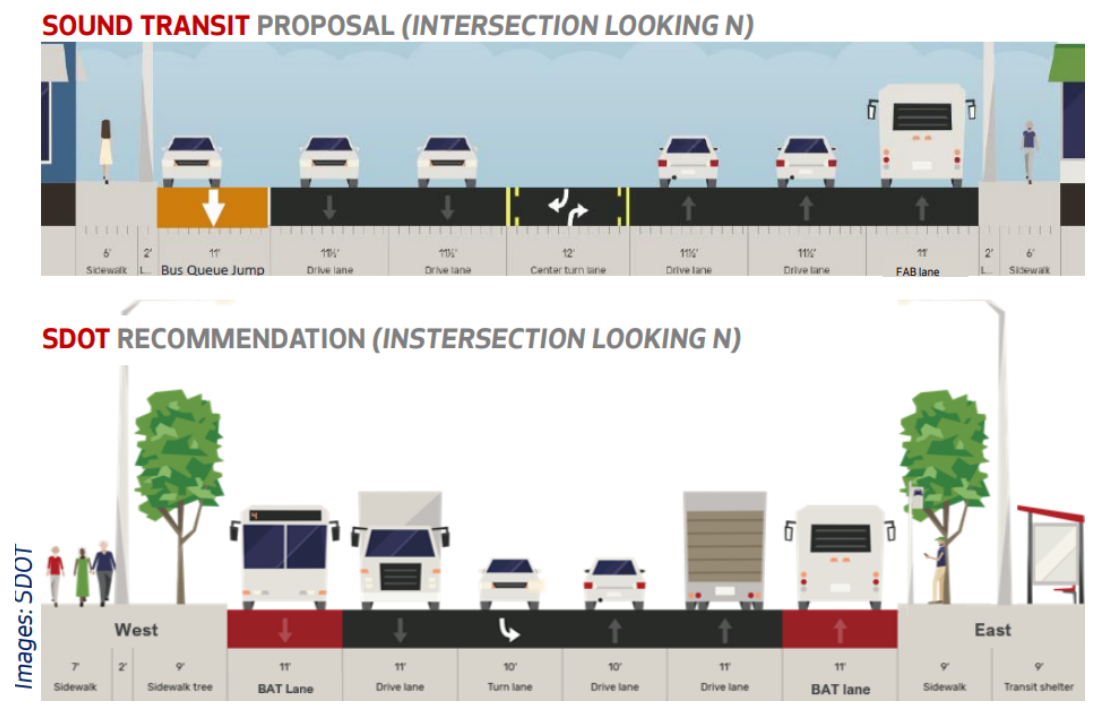
In 2024, The Urbanist exclusively reported on negotiations taking place between SDOT and Sound Transit over the future of Fourth Avenue, with the city pushing back against the regional transit agency's proposed design. Sound Transit's only expected upgrades included a northbound freight-and-bus lane, with queue jumps for transit vehicles added in the southbound direction.
"Sound Transit’s proposal prioritizes mobility for freight, transit, and general purpose, but worsens conditions for safety," a 2024 presentation created by SDOT noted. Instead the City wanted to widen sidewalks and extend a bus lane up and down the street in both directions. And while the details surrounding a full revamp of the street remain opaque, SDOT is now moving forward with upgrades that will start to establish that vision for a safer Fourth Avenue, aided by nearly $3 million in grant funding from the state Transportation Improvement Board (TIB).
As part of this first phase of work, which could start as soon as this fall, SDOT will add four-way traffic signals at both S Walker Street and S Forest Street, spots where buses currently stop but that lack pedestrian crossings. Bus bulbs and curb bulbs will extend the sidewalk zone and reduce the amount of time it takes for pedestrians to cross the vast expanse of Fourth Avenue. SDOT will also add street lighting and street trees, helping to mitigate the current dismal experience of waiting for a bus at these two stops.
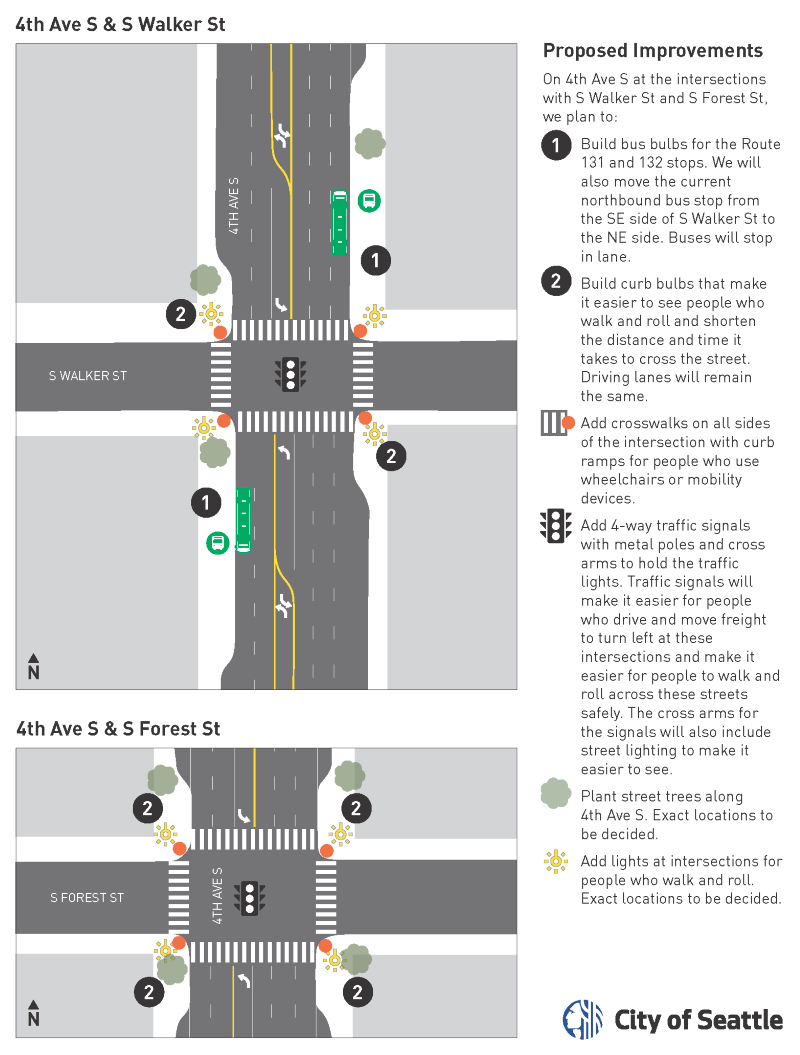
"The addition of new traffic signals with protected left turns in key areas supports people who move freight and will help travelers during construction of Sound Transit’s West Seattle Link Extension," SDOT spokesperson Ethan Bergerson told The Urbanist. "Plus, the traffic signals along the corridor will be upgraded with technology to allow communication between signals, prioritizing buses and improving traffic management during events or traffic disruptions."
On the northern segment of the corridor, SDOT already added a freight-and-bus lane for northbound traffic in 2025, but more upgrades are clearly needed to accommodate the amount of bus traffic that the street is set to see. Those future phases will be handled directly by Sound Transit, as part of light rail mitigation work.
The Urbanist is a nonprofit newsroom powered by reader support. Become a member, get perks, and support local journalism.
"Sound Transit is currently expected to lead additional phases of work for potential corridor enhancements, which will include bus stop and intersection improvements at S Royal Brougham Way, S Holgate St, S Spokane St, and S Lander St," Bergerson said.
Though Sound Transit board members, including Seattle Mayor Katie Wilson, are clearly anxious to start construction on West Seattle Link, the closure of the E3 busway wouldn't be immediate. But given that it will be such a major change for so many riders, there's clearly a need to get out ahead of this change, and the upgrades SDOT is set to implement will be a good start.
 Ryan Packer
 Ryan Packer