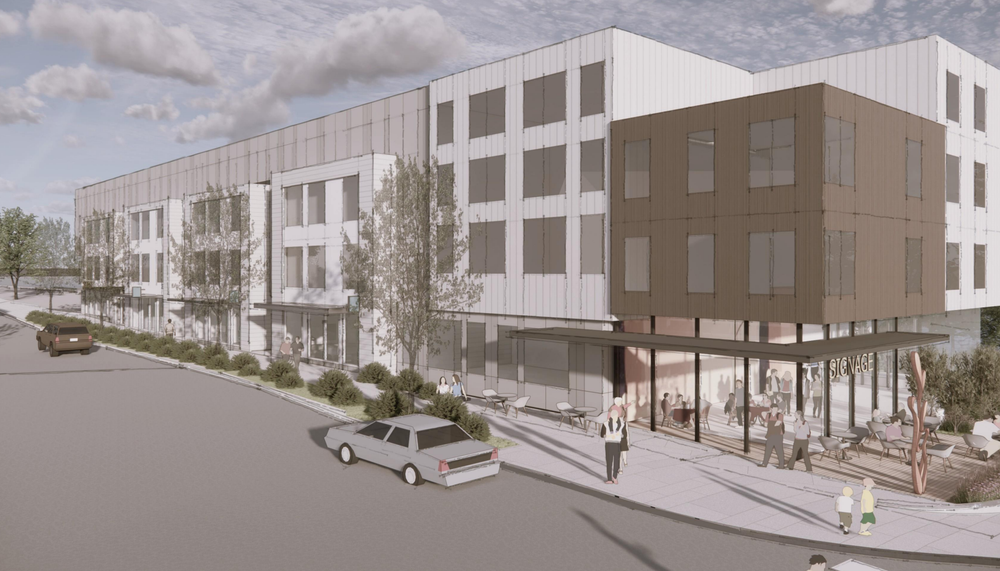
An appeal seeking to send the City of Bainbridge Island back to the drawing board looking at the impact of affordable housing projects within a small slice of Bainbridge's downtown was dismissed Wednesday. Targeted at zoning changes intended to pave the way for construction of a 92-unit workforce housing development across the street from the Bainbridge Island Museum of Art, the dismissal could open the door for that project to move forward.
The dismissal comes a few weeks after a lengthy hearing on the appeal, ultimately stretching across six different days between January 28 and February 13. At question was whether Bainbridge Island dotted its i's and crossed its t's when it issued an environmental approval on a temporary upzone for 100% affordable housing projects just like the one proposed by the Low Income Housing Institute (LIHI) at 625 Winslow Way.
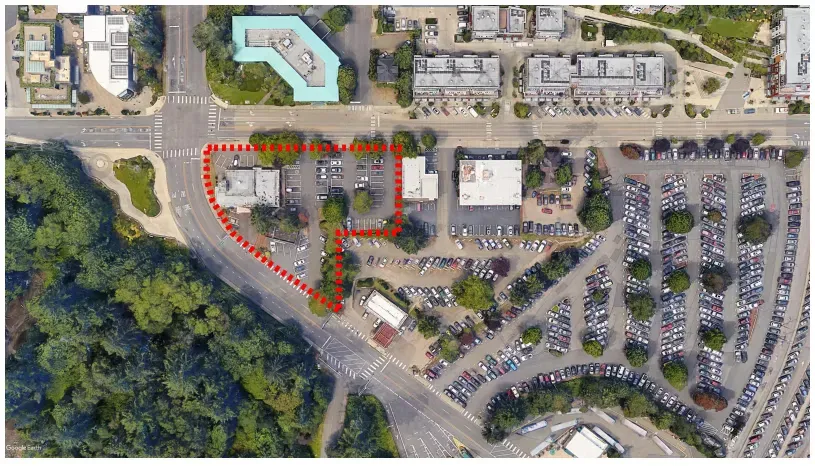
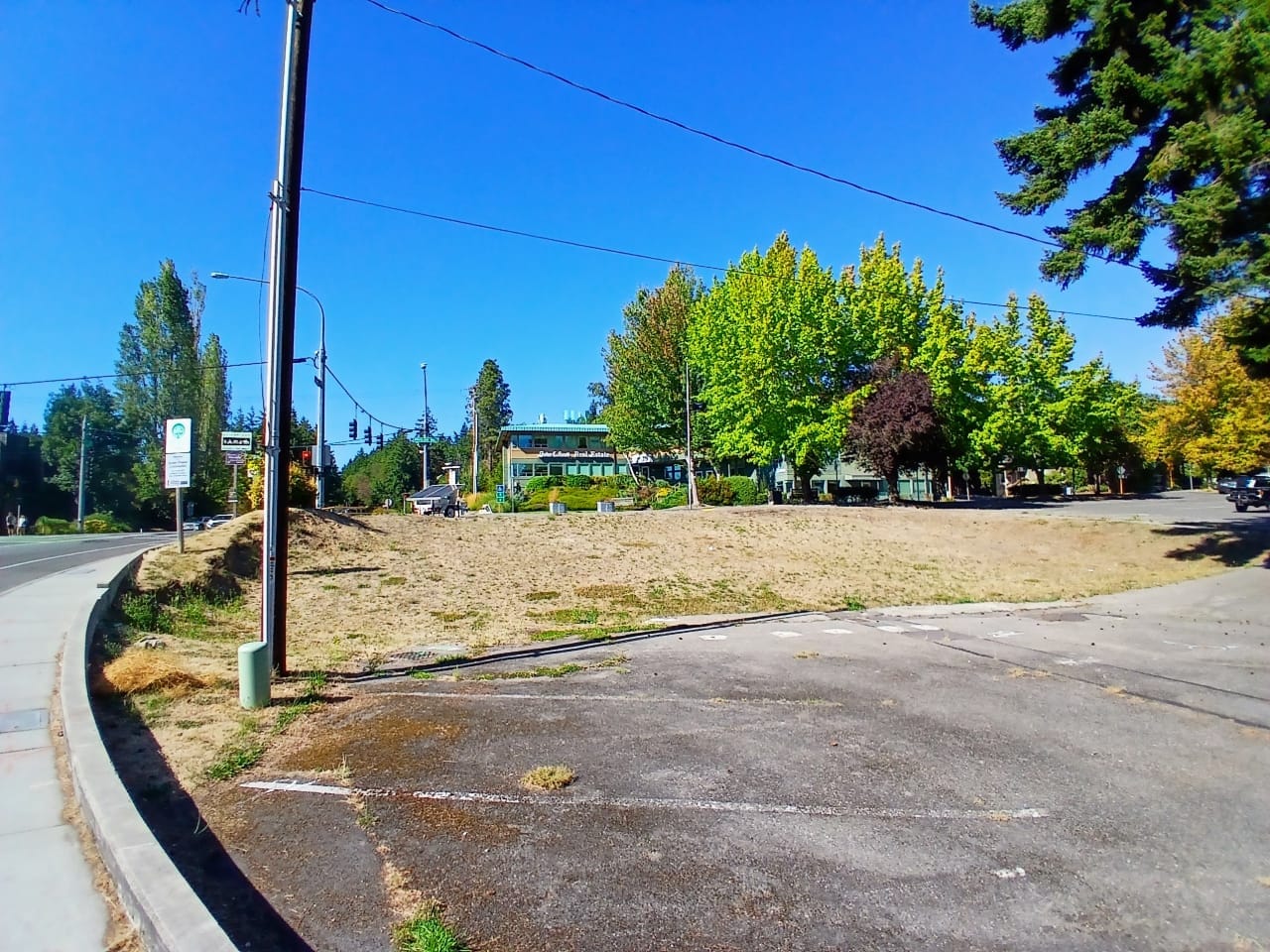
Targeted at residents making around half of Kitsap County's median income, the LIHI project is intended to provide badly needed units for Bainbridge Island's workforce, many of whom commute in from outside the city due to high housing costs. Set to go in on the site of a former police station, the project was able to advance due to the City donating the land, as well as $3 million in public funding.
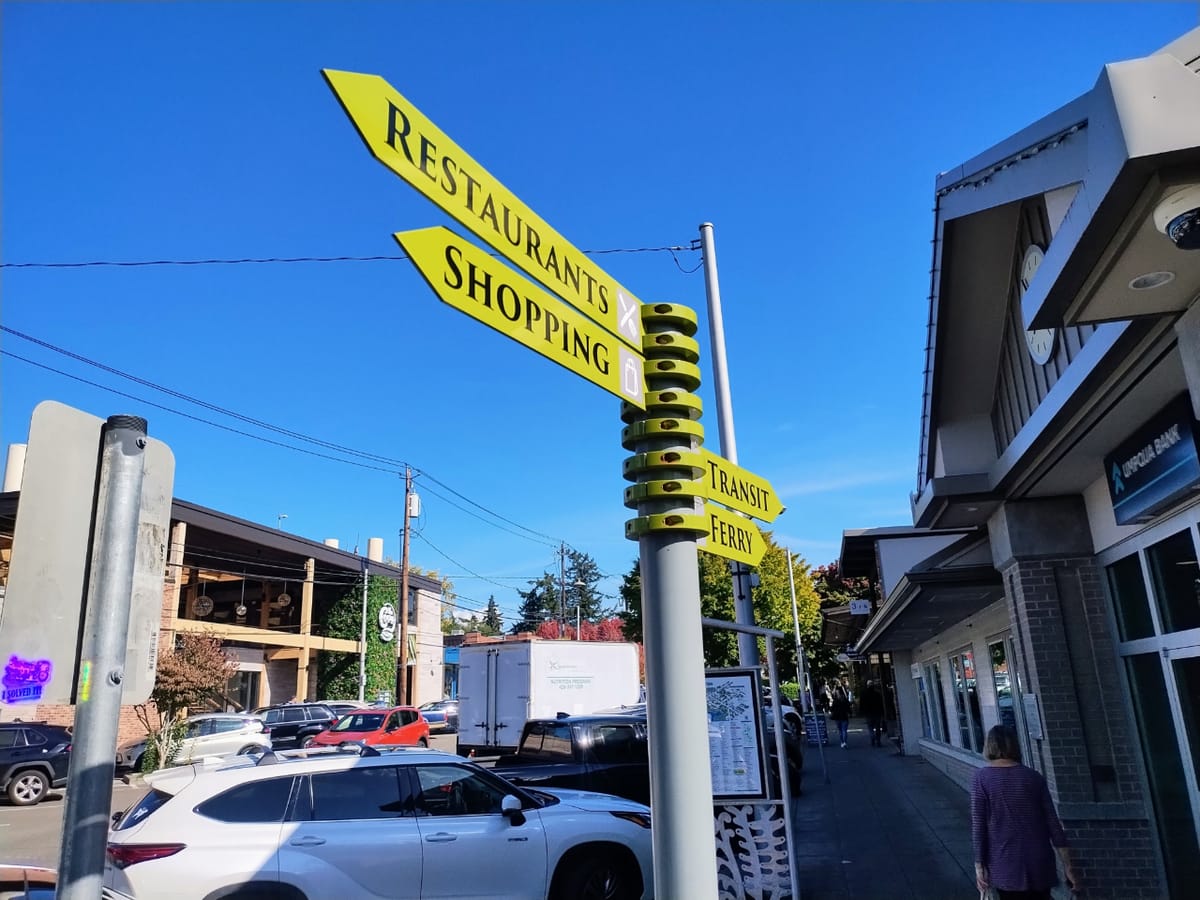
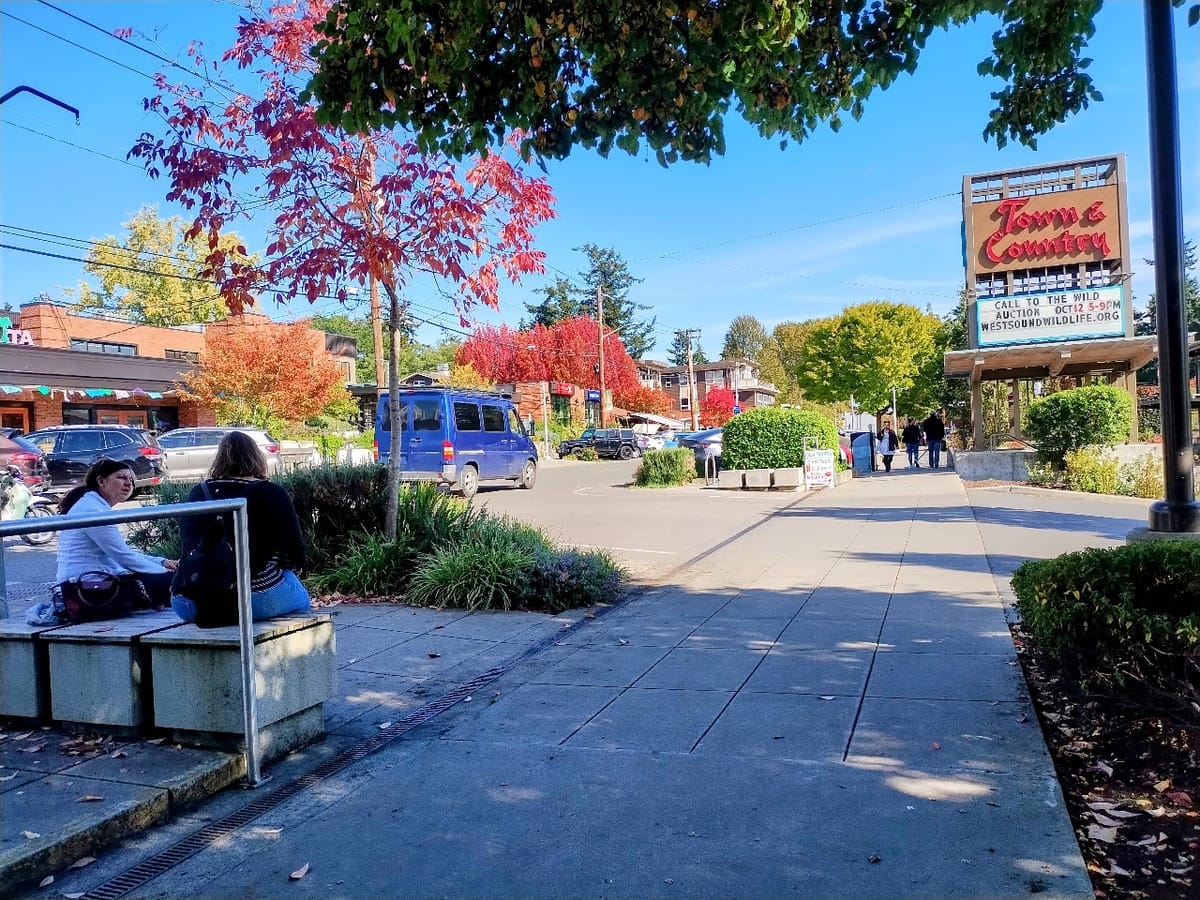
But the project has been the subject of intense opposition within Bainbridge Island, including an orchestrated campaign to "Save the Corner," a reference to the site's prominence at a highly-trafficked entrance to the city's picturesque downtown of Winslow. The appeal was filed in September by former Bainbridge Island Parks commissioner Dawn Janow, and kept the council from acting on the zoning change ahead of an October deadline to apply for state housing funds, a core component of LIHI's overall funding strategy.
Without a path to move forward under the current zoning, state officials passed over the project when doling out affordable housing grants, forcing LIHI to wait another year to apply for funding.
The LIHI project has become a lightning rod in Bainbridge, a symbol of the type of land use changes that the city has resisted for decades – ones that have resulted in rental housing making up just 19% of Bainbridge's housing stock as of 2020, compared to 32% in Kitsap County and 37% in Washington more broadly. Attitudes toward affordable housing in Bainbridge were encapsulated in comments that Janow, an unsuccessful candidate for Council in 2025, made to the Seattle Times earlier this spring. Janow worried working class residents wouldn't be able to afford Winslow's upscale grocery store.
“We’re talking about adding 300 residents at a lower income level. They may need services that we just don’t currently have,” Janow told the Times. “No one living (at the project) is going to buy a $9 pear at the Town & Country.”
The targeted zoning change was necessary only because Bainbridge Island is months behind schedule in adopting a larger state-mandated update to its citywide growth plan, almost certain to come with an increase in housing capacity in and around Winslow that would allow affordable housing projects like this one. So while the Bainbridge Council could take action on the ordinance now, they're much more likely to wait for that larger zoning update, on a fast track for completion at the end of June to avoid state sanctions that include the loss of grant funding for infrastructure projects.
In a statement released on its website, the City of Bainbridge Island said that the Council will determine next steps, "including whether to schedule a new public hearing" for the zoning ordinance.
In dismissing the appeal, Bainbridge Island's Hearing Examiner found that newly enacted exemptions to the State Environmental Policy Act (SEPA) intended to streamline infill housing development clearly applied in this case. Janow's lawyer had argued that even though the zoning update is broader than the one 625 Winslow project, it couldn't be separated from that project and that the City should have done a more targeted review of the impacts of LIHI's project.
That argument didn't hold any water, and the Examiner ultimately didn't address the actual arguments put on the table during the lengthy hearing.
”Counsel for both parties have focused heavily upon whether Ordinance No. 2025-21 is a non-project action. That issue is irrelevant,” Hearing Examiner Phil Olbrechts wrote. “There also is no legislative intent that suggests that ordinances subject to [the law] must be nonproject actions. The face of [the law] exposes a legislative preference to subject legislative actions to the statute in addition to other nonproject actions. Practically speaking, the legislative and nonproject classes of decision making delineated by the statute effectively ensure that project-level environmental impacts of specific projects are still addressed under SEPA. Even the project-level impacts of the 625 Winslow project of this appeal will still be addressed if development permit applications are submitted for review.”
That conclusion is similar to the one that Seattle Hearing Examiner Ryan Vancil came to last year, when he dismissed a set of appeals targeting the environmental review of the 20-year growth plan of Washington's largest city. That decision, which allowed an overhaul of the city's growth framework to advance and be adopted last December, was ultimately appealed to the state Court of Appeals with a hearing heard just last month.
The court is now grappling with the question of whether the legislature left a large loophole when it comes to infill housing exceptions to SEPA – a loophole that could ultimately open the door for other appeals such as Janow's in Bainbridge Island.
Bainbridge Island is also facing direct state scrutiny under a new law, the Housing Accountability Act. The largest jurisdiction to be subject to a "targeted review" of its growth plan and housing regulations, the door could ultimately be opened to any affordable housing project to move forward on Bainbridge Island, regardless of zoning, due to a provision that has been referred to as the "builder's remedy." That provision is providing Bainbridge city leaders with another big incentive to get an updated growth plan adopted by this summer.
If that happens, the door is set to permanently open for the 625 Winslow Way project, and any others like it.
 Ryan Packer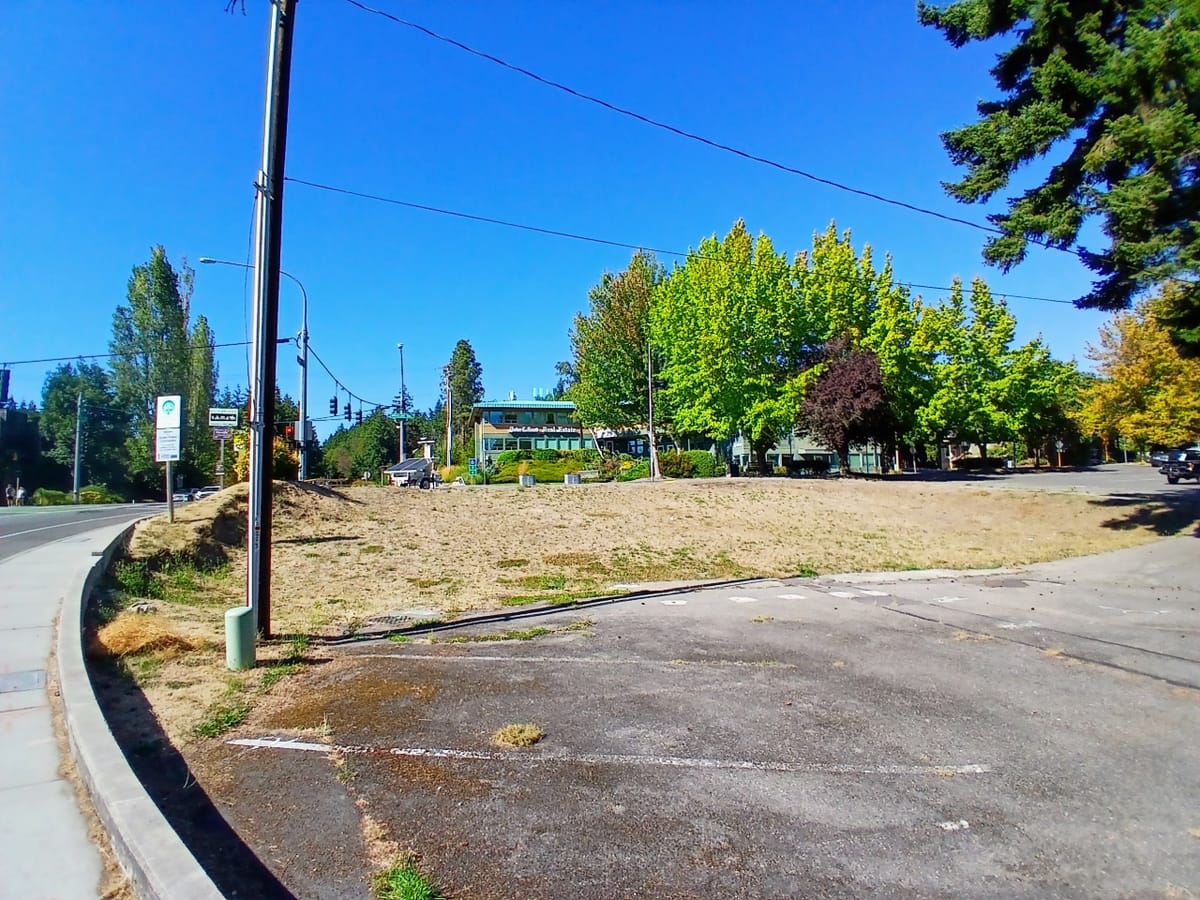
 Ryan Packer