
Op-Ed: Seattle’s Utility Fee Policy Echoes Redlining
Due to the location of water mains and sidewalk gaps, Seattle often heaps more fees on homebuilders in formerly redlined communities, echoing racial discrimination of the past.
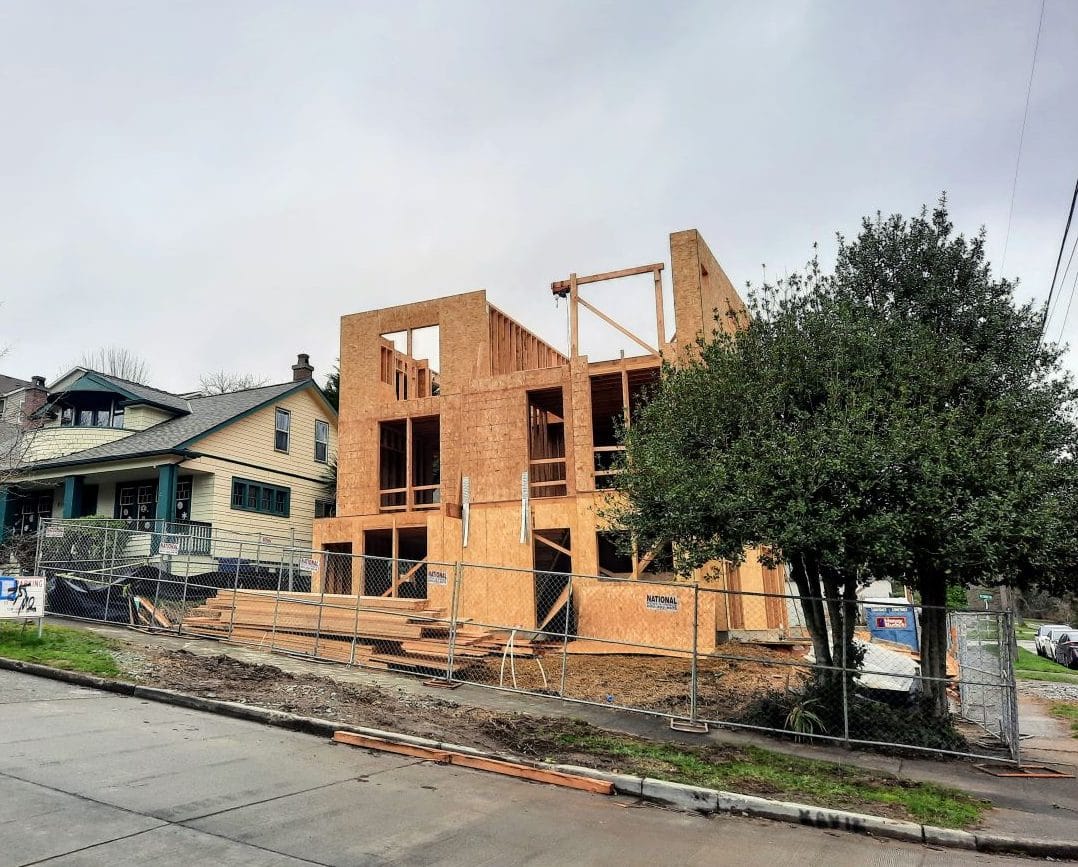
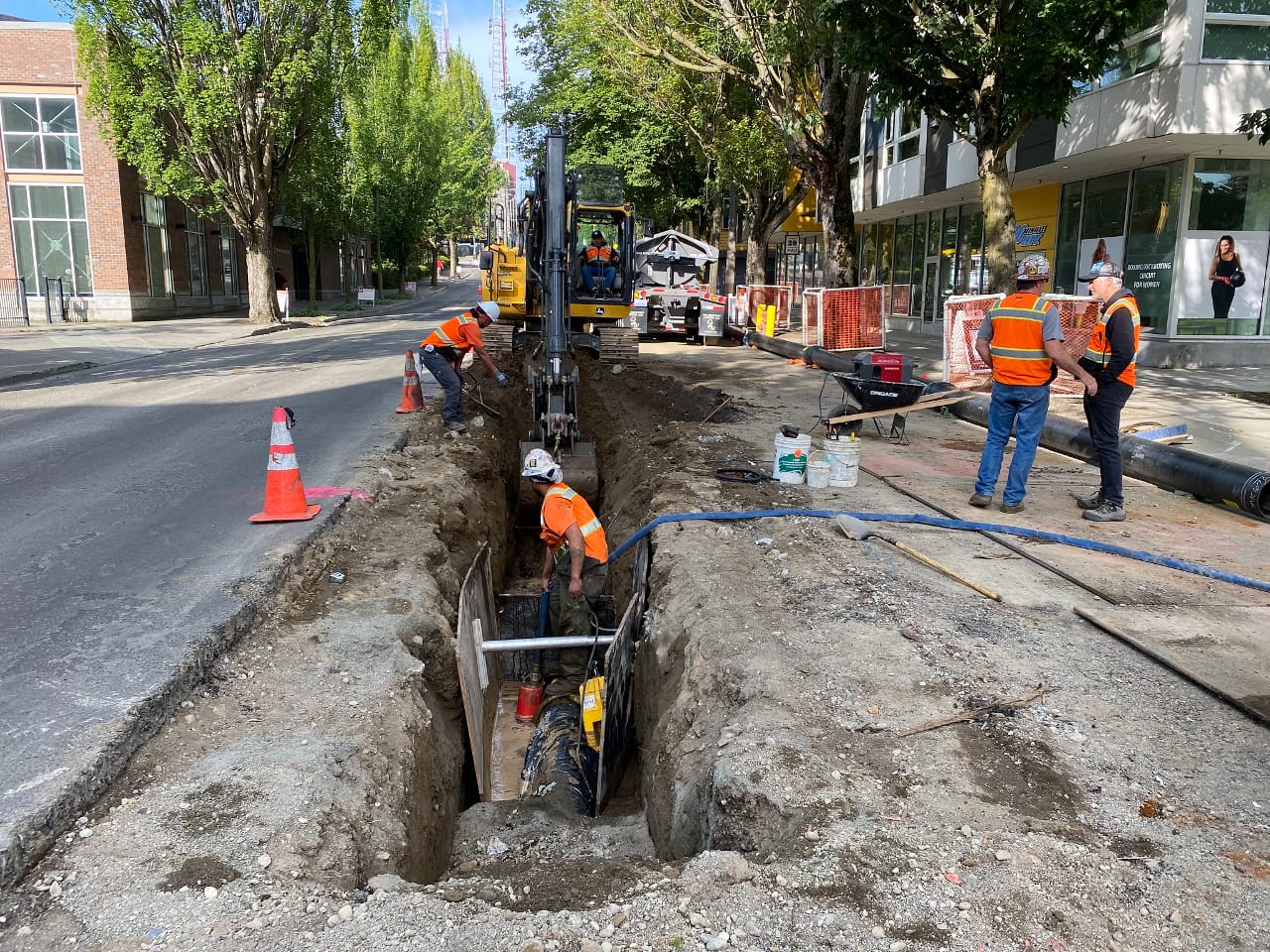
Civil engineer Donna Breske argued Seattle Public Utilities misguided water hookup policies lead to unequal outcomes, effectively downzoning much of the city where fees are too high to make projects feasible.
Onerous requirements for new water infrastructure that go further than Washington state law are a part of the problem when it comes to encouraging home building in Seattle.
SPU’s practice to target developers with unsubstantiated fees to upgrade public assets for the water system continues unchecked. For the year 2023 more than 100 building permit seekers received such requirements as a condition of approval for new water service.
Seattle Public Utilities is using “No Tap” water mains to extort homebuilders for system upgrades. The gauntlet created by Seattle Public Utilities (SPU) for access to the public water system is taking a toll on new housing, including accessory dwelling units (ADU) infill projects. Only 37% of ADU permits submitted
A City stakeholder meeting on May 25 holds the prospect of improving processes around water system upgrades and permitting. The Urbanist has covered before how water main requirements can be a huge burden on homebuilders and sink projects, and there is the prospect of help on the horizon. The Seattle
SPU oversteps their authority per state law and overcharges developments for new water service connections. Here’s how to fight back. It is time to take action to prevent Seattle Public Utilities (SPU) and and other agencies from mandating egregious and non-code-supported project-crushing exactions. Those seeking to
SPU’s justification for water main extensions relies on misunderstanding of Seattle Municipal Code. The results can be absurd: $800,000 in water main work for a $700,000 duplex, for example. Permitting systems exist to ensure consistent and predictable outcomes, a benefit for applicants, neighbors, and the city as
Project requirements suggest a pattern of double charging, which nearly sunk a 160-unit affordable housing project in Beacon Hill. Navigating the Seattle permitting system is arduous, unpredictable, and unnecessarily difficult. To make matters worse, hidden within the overall building permit process is a Seattle Public Utilities procedure that places
Bioretention was approved over six years ago by the Washington State Department of Ecology for use as a stormwater treatment facility. Yet King County lags behind in accepting it for use. Bioretention is a versatile stormwater management facility and the only known water quality treatment method to address 6PPD, a