The opening of Judkins Park Station is a big step forward, but Seattle's South End must not be left behind in the next round of expansion.
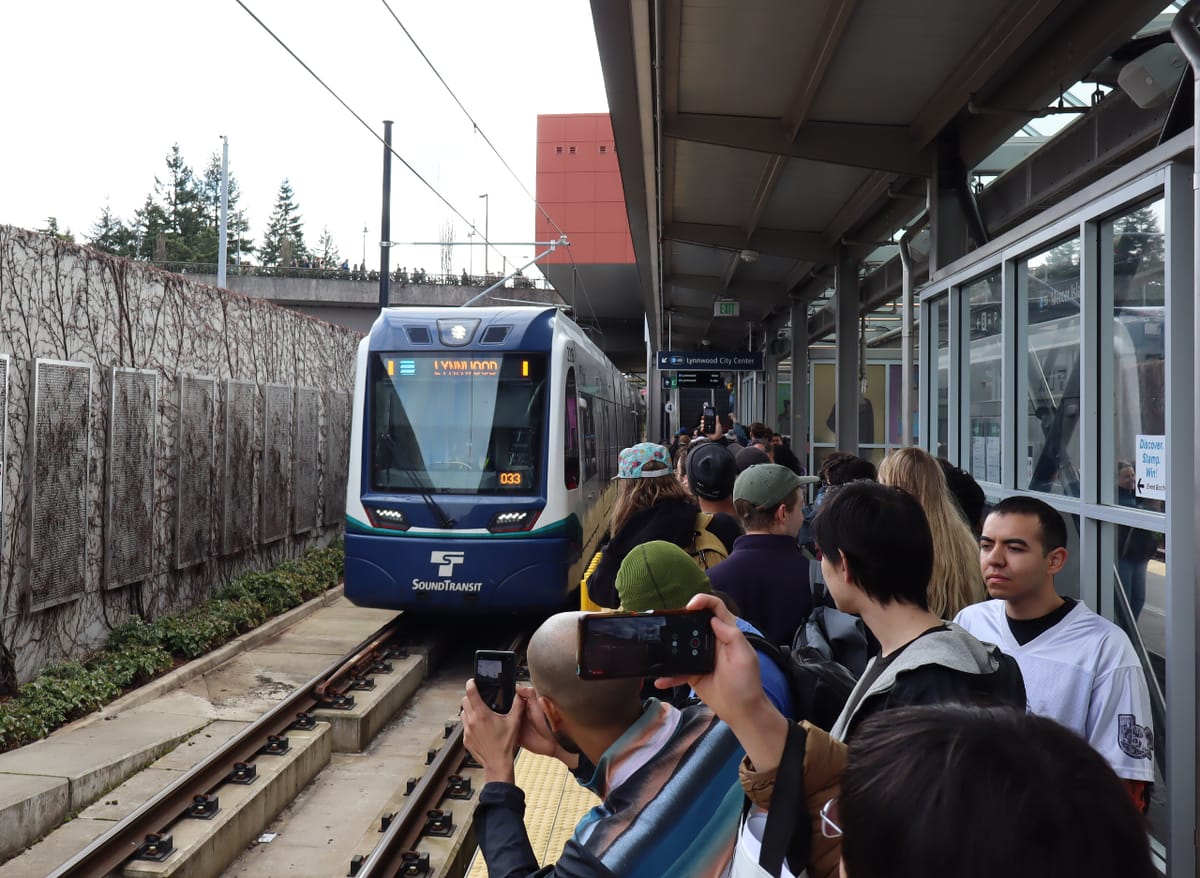
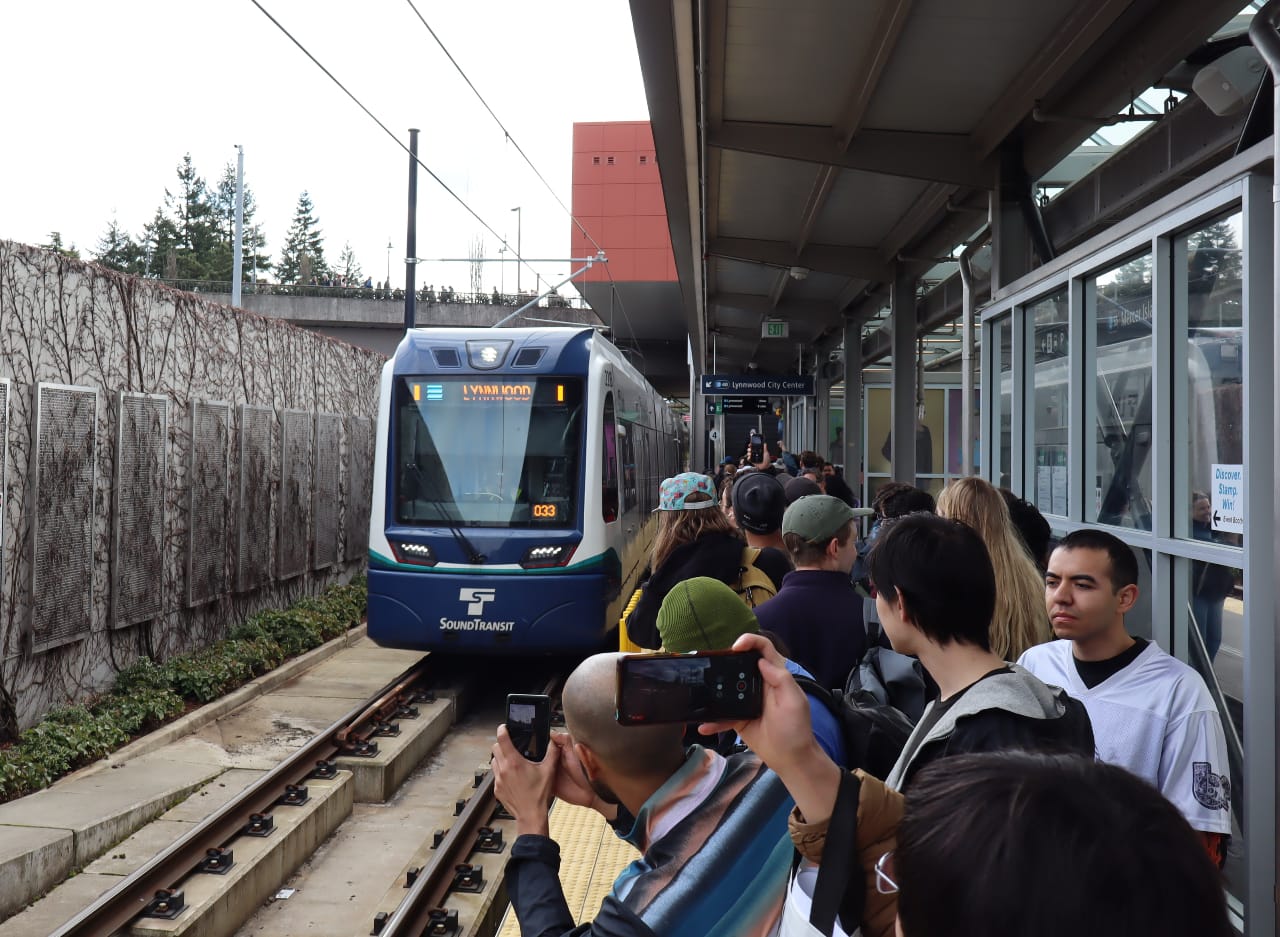
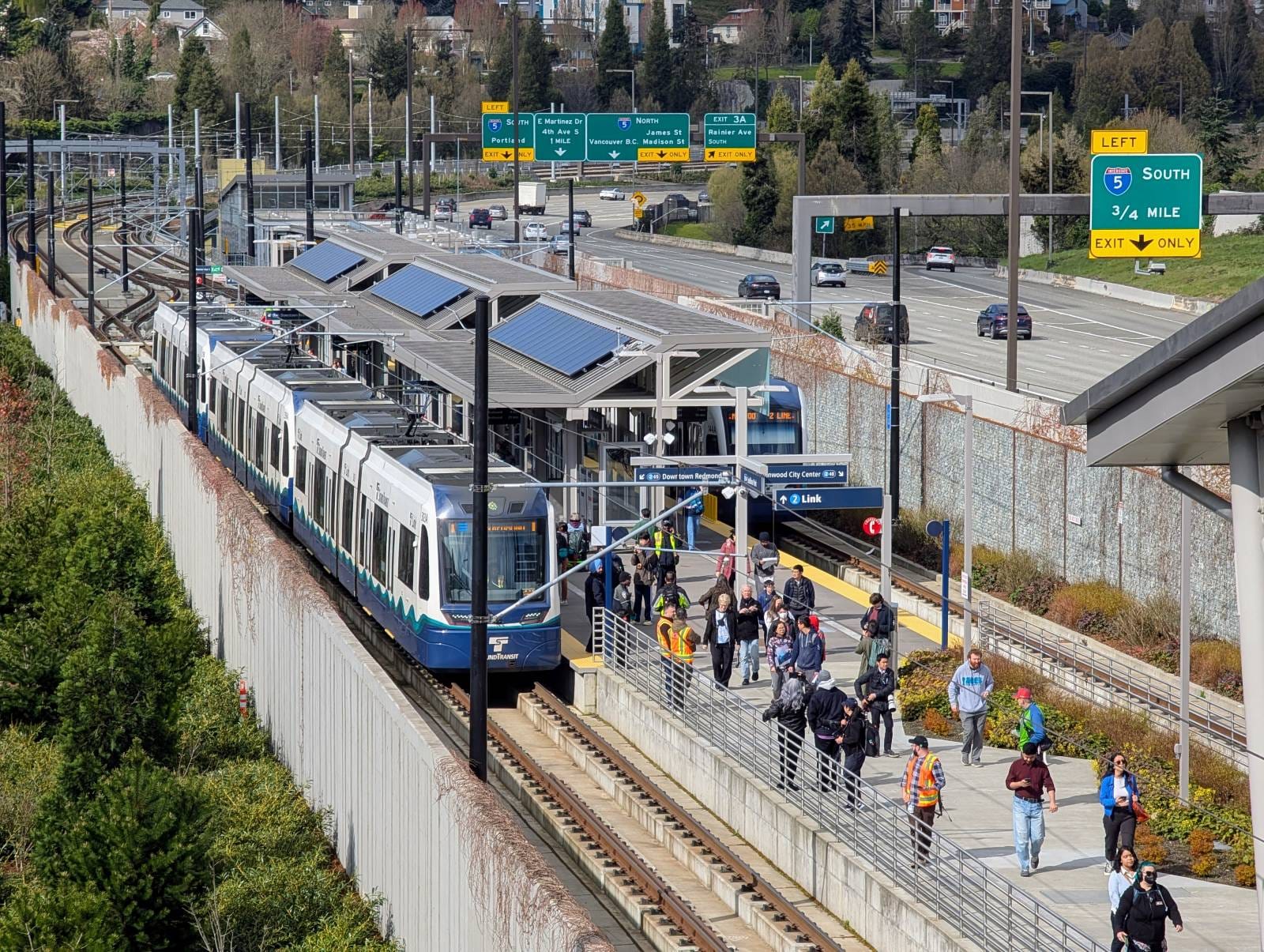
The historic grand opening of the Judkins Park light rail station marked a significant moment of progress for Central and South Seattle. It sits at the edge of the Central District and the gateway to the city’s South End, connecting communities who share a legacy of diversity and belonging, as well as one of separation and exclusion. Now, one of the region’s most important transit investments is opening in the heart of King County Council District 2.
It’s a marvel to think about what a difference three generations make. More than a century ago, my grandfather came to the “Yesler Hill” area in search of opportunity. Redlining made this one of the few neighborhoods he could live in. He moved in alongside Black families who were also confined here by racist zoning laws. That history shaped the neighborhoods many of us still call home today, even as displacement pressure has pushed many families farther south.
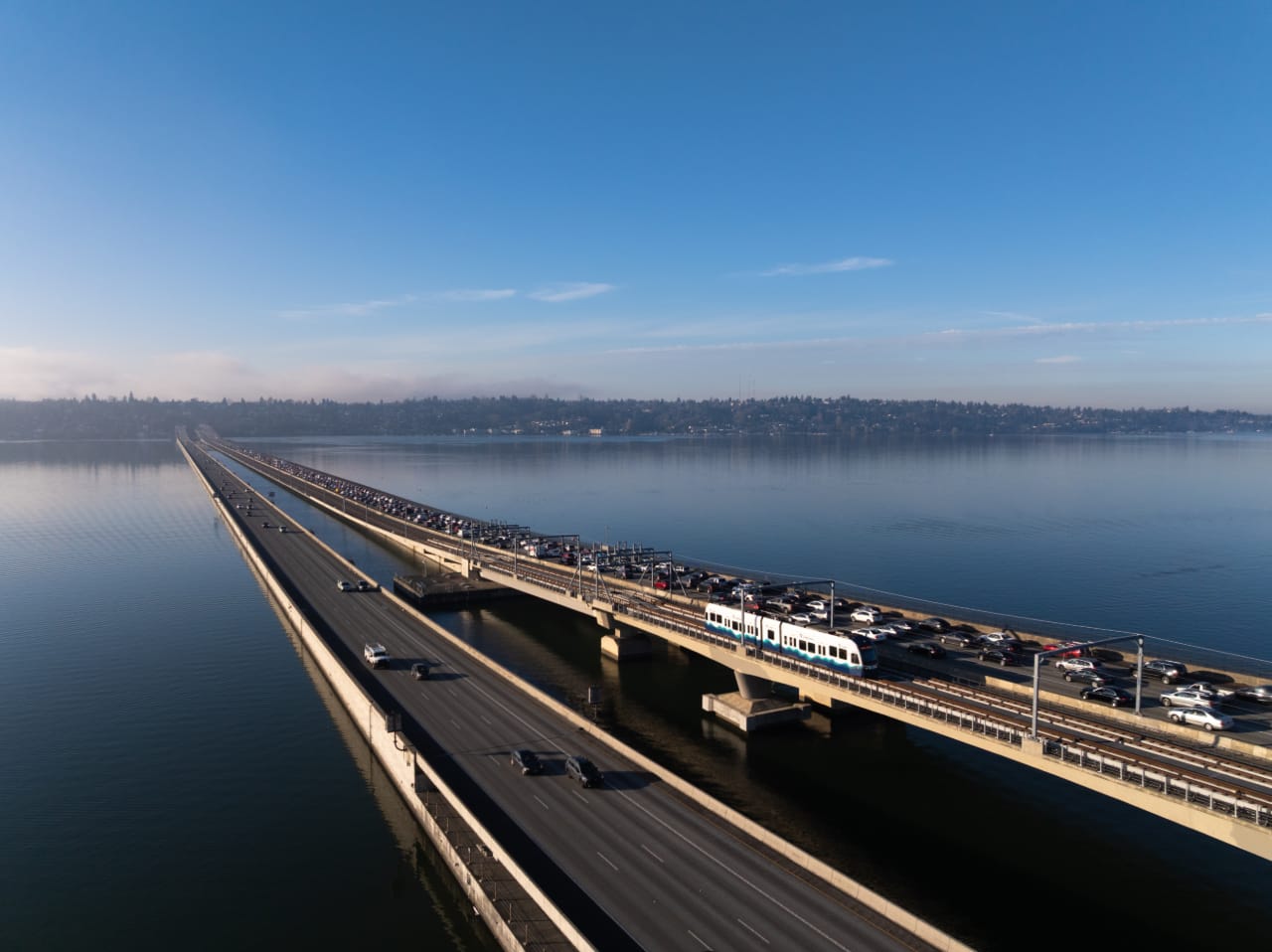
Now, for the first time, this neighborhood will be directly connected by rail to the Eastside, to downtown Seattle, and to SEA Airport. For workers, students, elders, and small businesses, that kind of connectivity is transformative. This safe, accessible segment of our light rail highlights how far we’ve come to create better transit infrastructure for historically underserved neighborhoods.
Judkins Park Station represents a major investment in safe and reliable transit infrastructure near the Central District, yet the story looks very different just a few miles south.
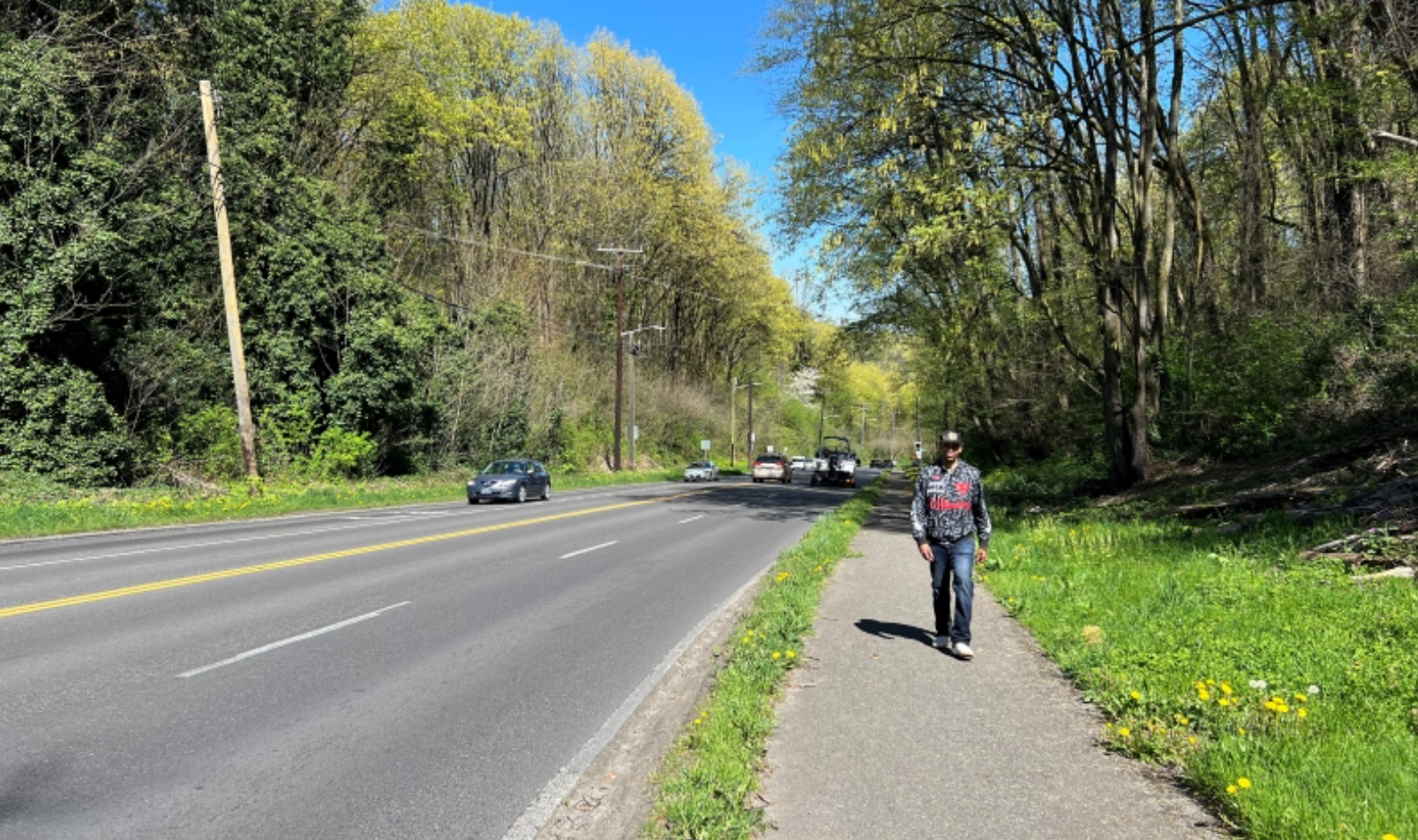
For most sections, the light rail’s tracks run either underground or on elevated guideways to avoid having the train run alongside cars and through pedestrian areas. However, in the Rainier Valley, a 4.5-mile stretch of track runs through four lanes of traffic and multiple pedestrian crosswalks. Putting the light rail on the road, or “at-grade,” created what Sound Transit identifies as the highest risk segment of the entire system.
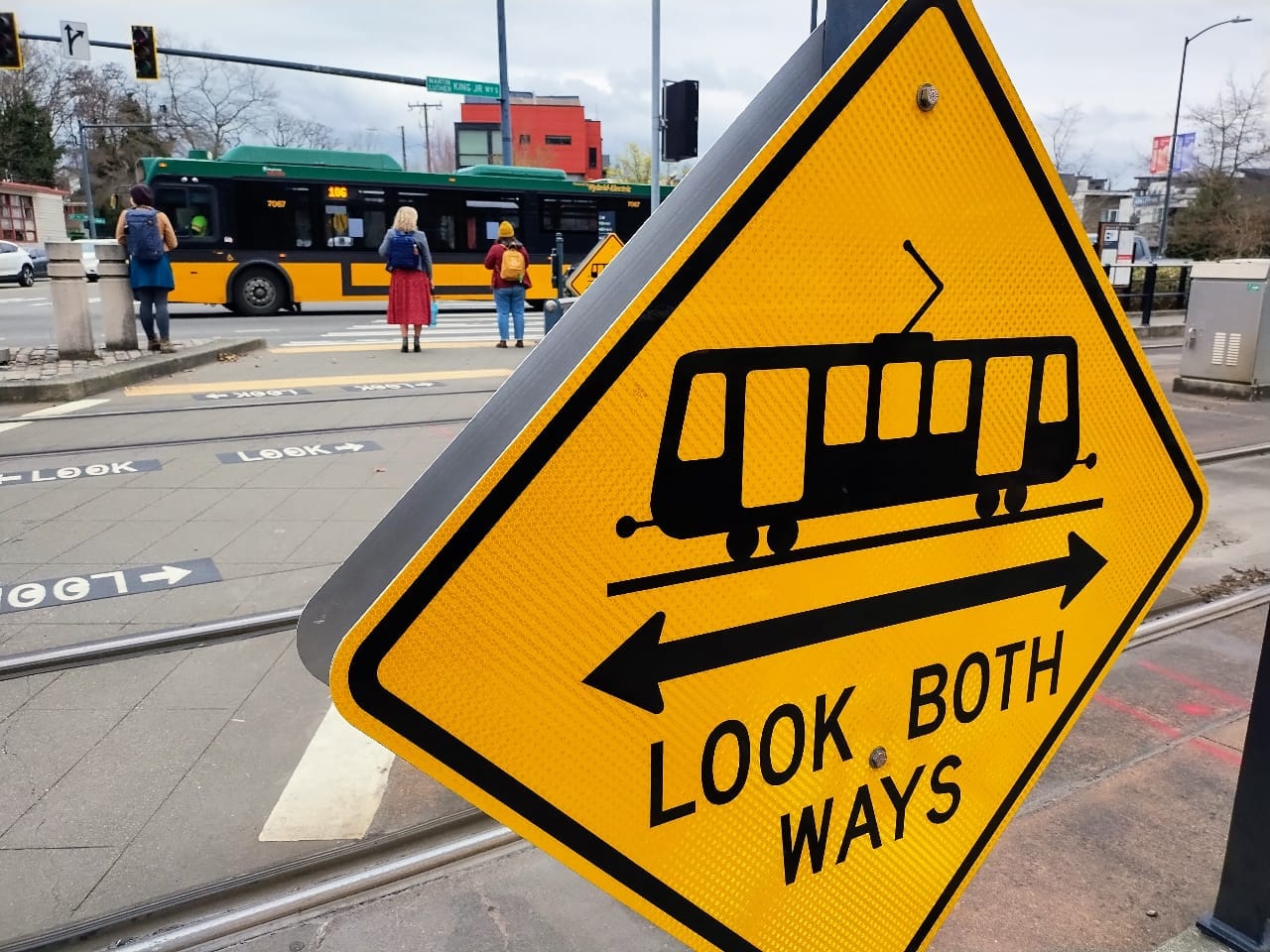
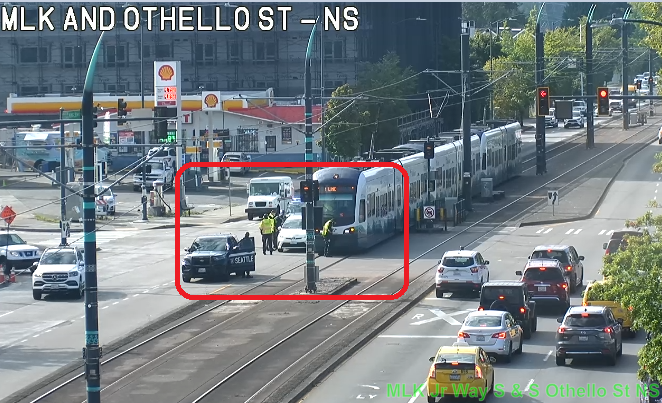
Over the years, train collisions with bikers and pedestrians, with tragic consequences, have become all too common in the Rainier Valley. In response, King County enacted some Vision Zero policies aimed at eliminating traffic deaths, and Sound Transit is developing safety projects on MLK Jr. Way S. But none of this rectifies the original decision to prioritize cost savings over safety and neighborhood cohesion in the South End. Today, our community members pay for that decision with their lives.
I’m running for King County Council District 2 as a strong transit advocate for our communities. That means paying close attention to the unintended consequences of transit projects, such as some of the proposals associated with Judkins Park Station, which may usher in a major shift in the system that many riders may not yet realize.
As the 2 line connects the Eastside to the network and as northern extensions move forward, Sound Transit is preparing to “break the spine” of the current 1 Line. Instead of one continuous north-south route, the system will split into two separate lines. Trains from Redmond will continue north to Everett, while trains from Ballard will run south to Sea-Tac International Airport before terminating at the Tacoma Dome. Once Ballard Link opens, many North and South Seattle riders will need to take two trains instead of the former “one-seat rides” they enjoyed on a single line.
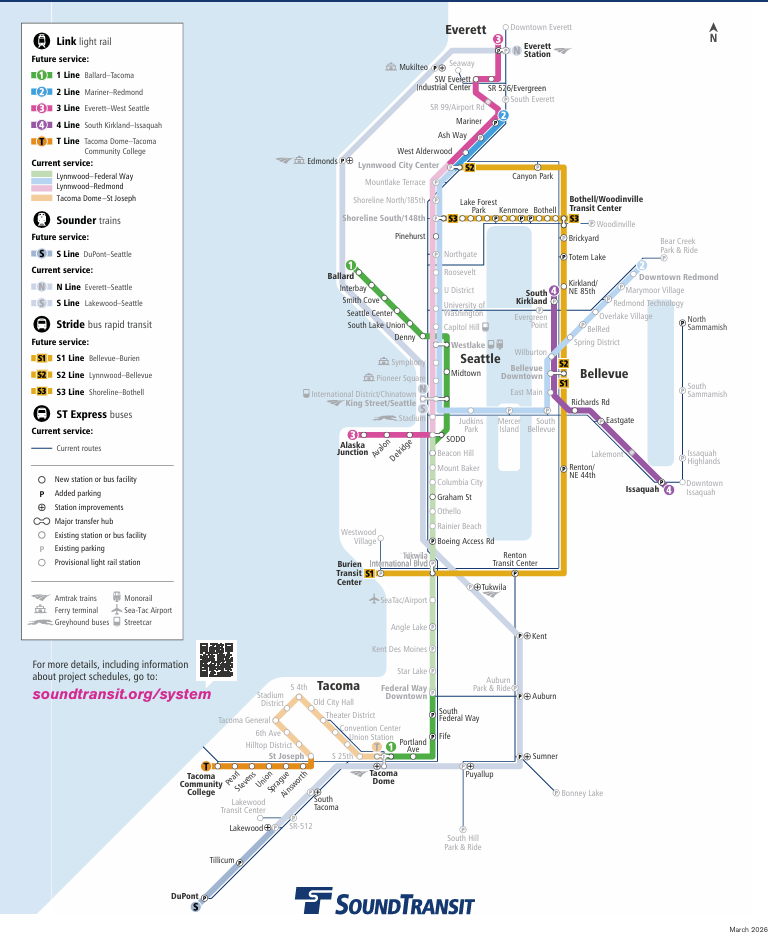
Parents traveling from Capitol Hill to the airport will transfer trains while juggling bags and kids. First-generation college students from the South End will lose their direct commute to the University of Washington. These inconveniences could deter ridership and undermine the goal of enticing people out of their cars and onto mass transit.
Sound Transit argues that breaking the spine will help contain delays so that disruptions in one part of the system do not ripple across the entire network. But what they’re actually containing is the at-grade corridor in South Seattle. In an attempt to mollify South End riders, Sound Transit has promised increased train frequency, with arrivals every 6 minutes. But what the region and especially the South End needs is systemic improvement.
Unfortunately, existing plans do not go far enough. Earlier this month, Sound Transit published cost-cutting scenarios for the Sound Transit 3 (ST3) package, the next phase of system expansion.
Only one of the alternatives included the Graham Street in-fill station, which was supposed to be placed at MLK Jr. Way and S Graham Street, closing a gap between the Columbia City Station and Othello. Despite nearly three decades of advocacy from South Seattle communities, once again Sound Transit has signaled our community is not a priority.
We must demand that Sound Transit addresses the disparate impacts of their planning. The southern segments of the 1 Line carry enormous ridership and serve some of the most transit-dependent communities in the region. Sound Transit board members should be focused on solving the safety issues on MLK Way and delivering light rail expansions as soon as possible, not cutting a promised station in the Rainier Valley.
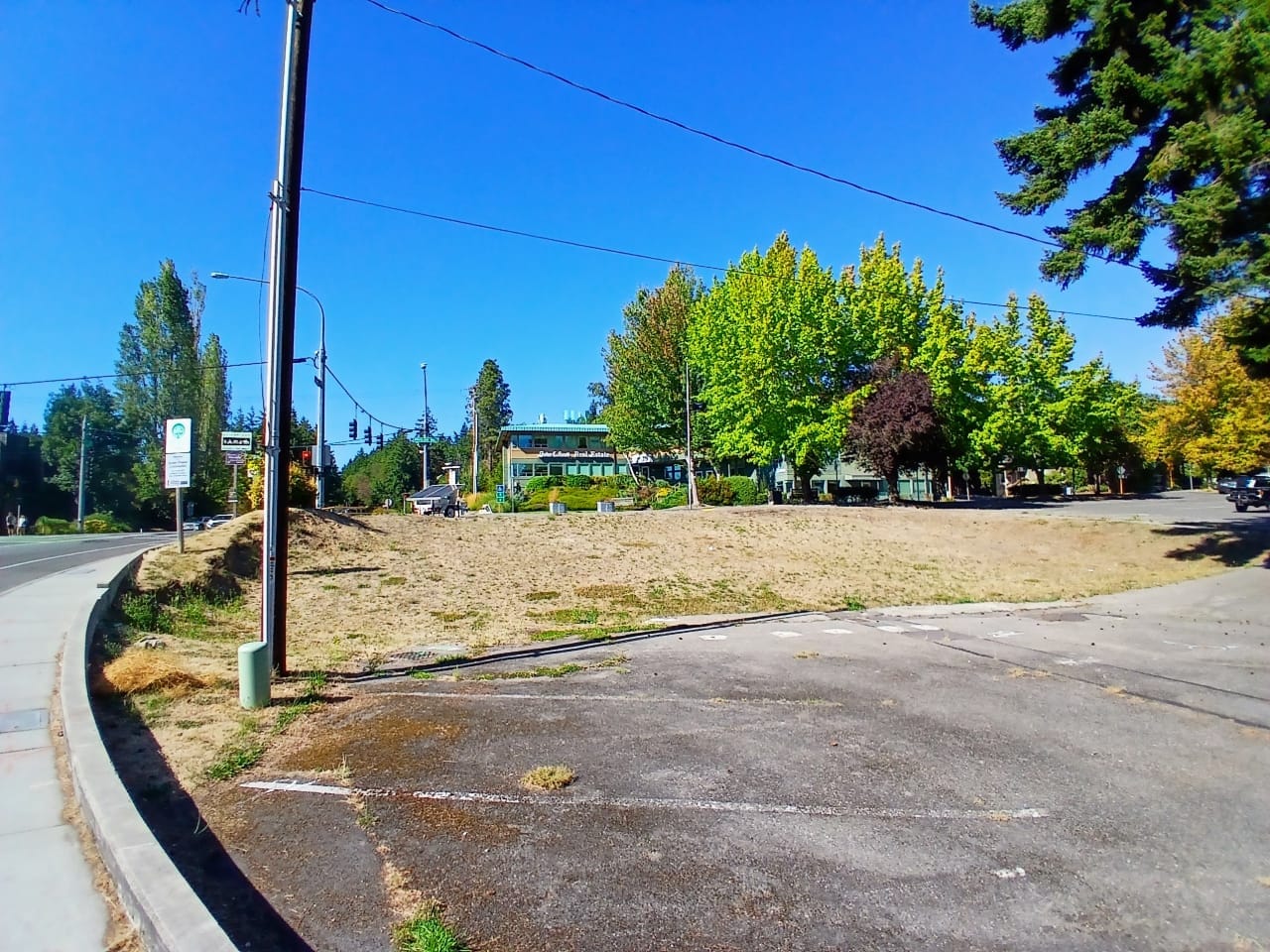
Judkins Park station gives us a chance to dream bigger about what meaningful transit-oriented development can look like. If we do this right, the neighborhoods around this station can become communities where families can affordably live close to transit, childcare, parks, and local businesses. We can ensure that the people who built this community are not pushed out of it.
So while we celebrate the trains arriving at Judkins Park, let us recommit ourselves to improving South End transit so we’re riding in the right direction.
 Ryan Packer