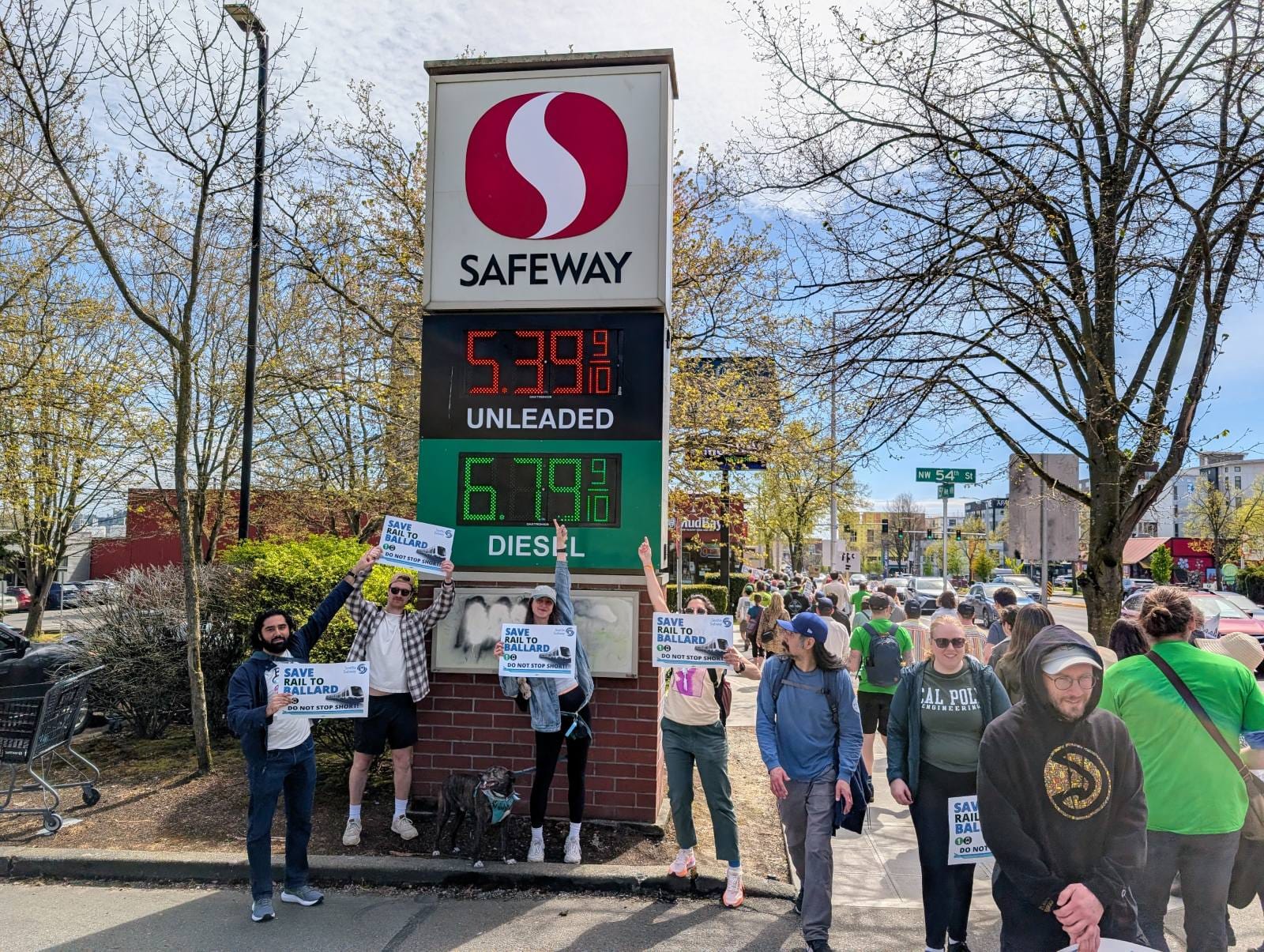
Every week gasoline prices just go up and up, with no relief. In King County, the price for gasoline has increased 16 cents a gallon from just one week ago, now exceeding $5.94. It is no surprise that oil company profits rise hand in hand with gas prices.
Forecasted increases in profits for U.S.-based oil companies total $63 billion for this year. Exxon alone is projected to earn between $25 billion and $30 billion in extra revenue. That’s on top of the $29 billion in profits which Exxon accrued in 2025.
None of the profit increases are targeted to expand drilling and output. That process typically pushes prices lower by adding more supply to the market. Instead, 45% of the increased cash flow will go to shareholders. A stagnant supply for oil helps increase the profit margins of the oil oligopoly…. just what Trump promised in his campaign two years ago.
Indeed, the petroleum industry funded Trump’s campaign big time, and they're among the few interests significantly benefitting from this on-again off-again war against Iran. Keeping the Strait of Hormuz closed pushes up global and U.S. oil prices and profits even more.
We tend to think that oil prices are a global and national issue. But these prices hurt us at the state and local level. The neoliberal “facts” start with the assumption that market goods are simply controlled through the give and take of “free enterprise.” That’s how neoliberal economist Milton Friedman has infiltrated and poisoned any policy discussion in which democracy can set rules for the private market.
Can we do anything else, rather than just sit and watch helplessly as we pay for one tank of gasoline with four hours of our wages, literally buying into this neoliberal “fact” that perverts both our economy and our democracy? Yes, we can. And in so doing, we can make this our issue, not Exxon’s.
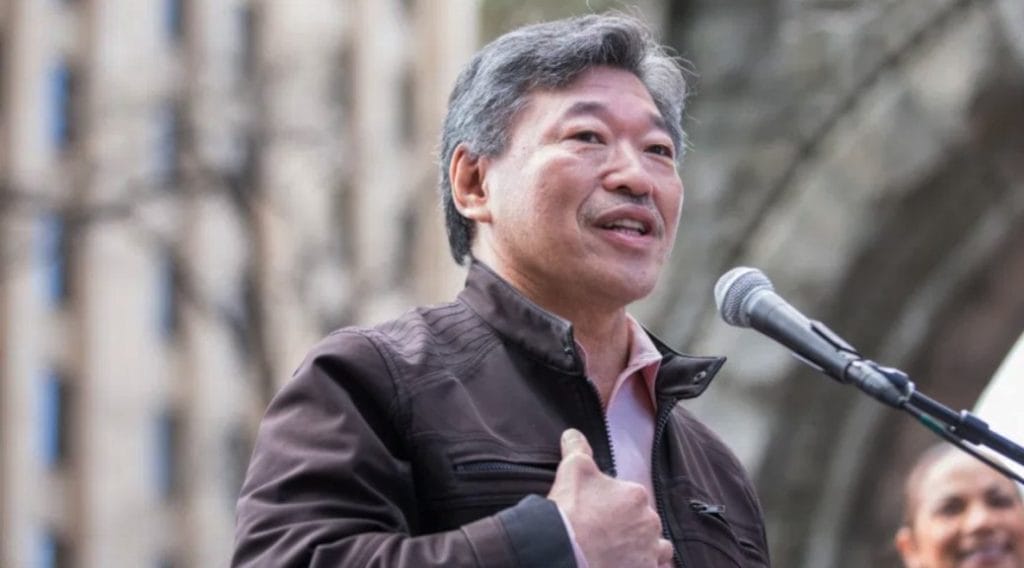
We have been through this before. After Hurricane Katrina in 2005, nationwide gasoline prices skyrocketed. In Washington state, prices increased 25%. While most legislators were wringing their hands about what to do, Represenative Bob Hasegawa (D-Seattle, 11th Legislative District) introduced a windfall profits tax on Big Oil, with the proceeds going to clean energy and environmental protection. This would have enabled the “community reinvestment of oil windfall profits”.
Hasegawa introduced this concept in legislation in 2006, 2007, and 2010. (Note, in 2013, Hasegawa was elected to the state senate, where he still serves.) In 2006, when the retail price of gasoline was $2.30, it was estimated to result in $400 million in new revenue each year. The state Legislature, timid and cowed by Big Oil, did nothing.
The Legislature or the City of Seattle could institute a similar windfall profits tax on major oil companies now. Statewide retail gasoline prices averaged $3.78 in January 2026. The increase in the price exceeds $2 for every gallon. Starting with Hasegawa’s legislative template, we could take the average price for gasoline for all of 2025, $4.23, as a baseline, and scale up a tax of 5% of net profits based on each increment of 25 cents above that baseline. At $5.80, the tax would amount to 30% on net profits apportioned to our state, which would result in revenue exceeding $800 million a year. That would be $8 billion in a decade.
Wouldn’t the oil companies just increase prices to make up for the tax? This would be difficult to do, as the tax would be determined by the average price the previous year compared to the average price of the year before that. The concept is akin to how California’s proposed wealth tax would capture wealth generated in previous years regardless of current residency.
Our tax on oil company windfall profits would look back two years. This makes price manipulation difficult and unwieldy. Further, it increases taxation more based on such price manipulation.
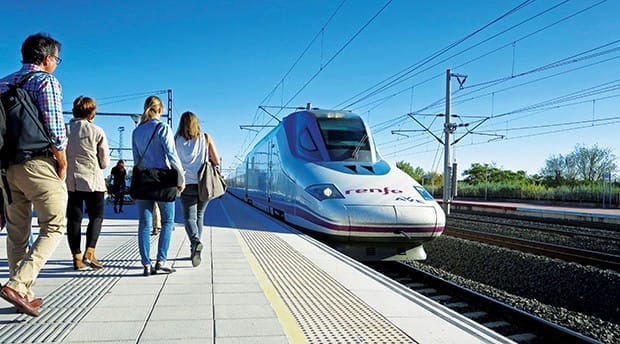
Let’s assume a windfall profits tax on Big Oil becomes law in our state. With this revenue, the state could rebate $250 to all households in our state, ameliorating the cost of energy. Alternatively, the state could invest these revenues in high speed rail, east to Spokane and north and south along Puget Sound, lessening our dependence on gasoline for transportation.
With a similar taxing mechanism, the City of Seattle could rebate energy costs or build its own fund for actual light rail expansion, rather than waiting 20 years for a Ballard-Downtown-West Seattle line to maybe come to fruition.
There are many possible iterations of this tax and the dedication for the revenues it would produce. Do our elected leaders have the political will and interest in developing such iterations and passing a windfall profits tax on Big Oil into law? Let’s hope so – it is a lot better than just sitting and watching, as victims of corporate oligopolies.
 Ryan Packer