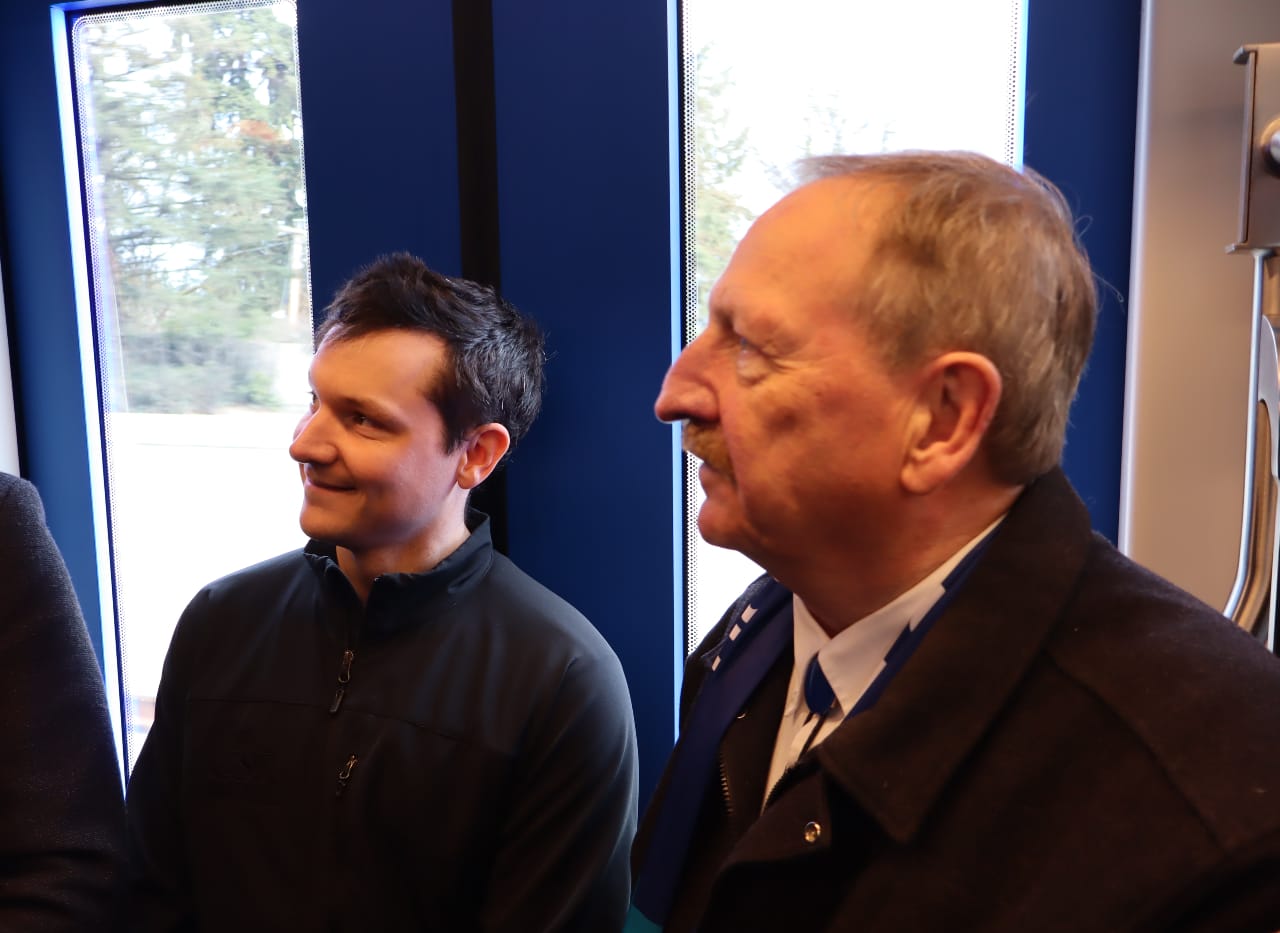
Sound Transit board chair Dave Somers has put forward his proposed path to balancing Sound Transit's system expansion plans in the face of a significant revenue shortfall over the coming decades. Set to be discussed at a board committee meeting tomorrow, Somers' plan would keep Sound Transit focused on building the light rail "spine" to Everett Station and Tacoma Dome, but defer or delay other key projects from the 2016 voter-approved ST3 plan.
West Seattle Link, a project touted as "shovel-ready" after receiving federal approval last year, would advance but a planned line between South Kirkland and Issaquah would be pushed to 2050 – nine years later than the previous target. Ballard Link, as the most expensive ST3 project but also highest-ridership one, would see its three northernmost stations deferred, stopping well short of Ballard until additional revenue is available. Completion of an infill station at Graham Street in the Rainier Valley (previously tabbed for 2031) would also be thrown up in the air.
The Somers plan does improve on the three alternatives put in front of board members at a high-profile retreat in March, with several projects given clear completion dates that are nonetheless much further out in time than many Puget Sound residents would like to see. Now it will fall to the broader 18-member Sound Transit Board of Directors to barter on tweaks to this proposal ahead of a self-imposed deadline to adopt a new ST3 plan before the end of this month.
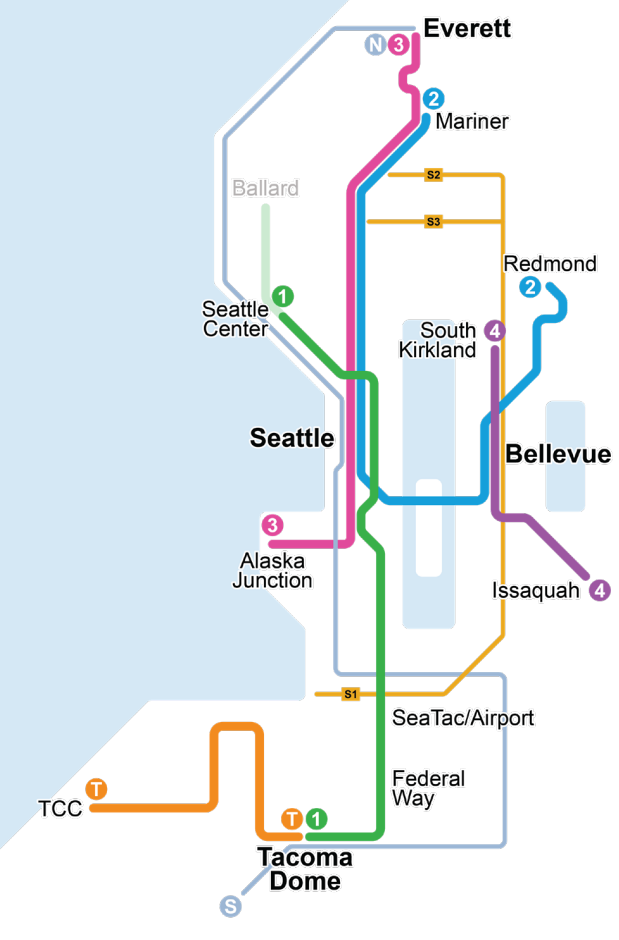
Somers, the Snohomish County Executive, had long signaled a focus on delivering rail further north and south before prioritizing any other projects, and has shied away from pushing for Sound Transit to consider creative moves that could allow more projects to be advanced. As it stands, his proposal ultimately leaves Snohomish County more well-positioned than pretty much any other subarea within the Sound Transit taxing district, with even South King County – where the system is already largely built-out – seeing a planned infill station near Boeing Access Road deferred, with no projected completion date instead of the previous 2031 target.
The Sounder N Line, providing commuter rail between Everett and King Street Station with stops at Mukilteo and Edmonds, would cease operations in 2033, however, well before Everett Link opens.
In Pierce County, where getting the 1 Line extended to Tacoma Dome has been an intense focus for its board delegation, an extension of the T Line streetcar to Tacoma Community College would be pushed out to 2043, with a Sounder extension to the southern reaches of the Sound Transit district in DuPont deferred indefinitely.
Sound Transit already has demonstrated the ability to shave off substantial costs from initial high-level estimates, taking West Seattle Link from a nearly $8 billion project to just over $5 billion over the course of a year and a half. The agency's capital team will get a chance to do that with numerous projects that have made it onto the deferral list, including the entirety of Ballard Link and the Rainier Valley infill stations.

Even if timelines can be improved in the future, losing a date on the calendar for a ribbon cutting 10 years after the approval of ST3 will be a hard pill to swallow for many corners of the Sound Transit taxing district.
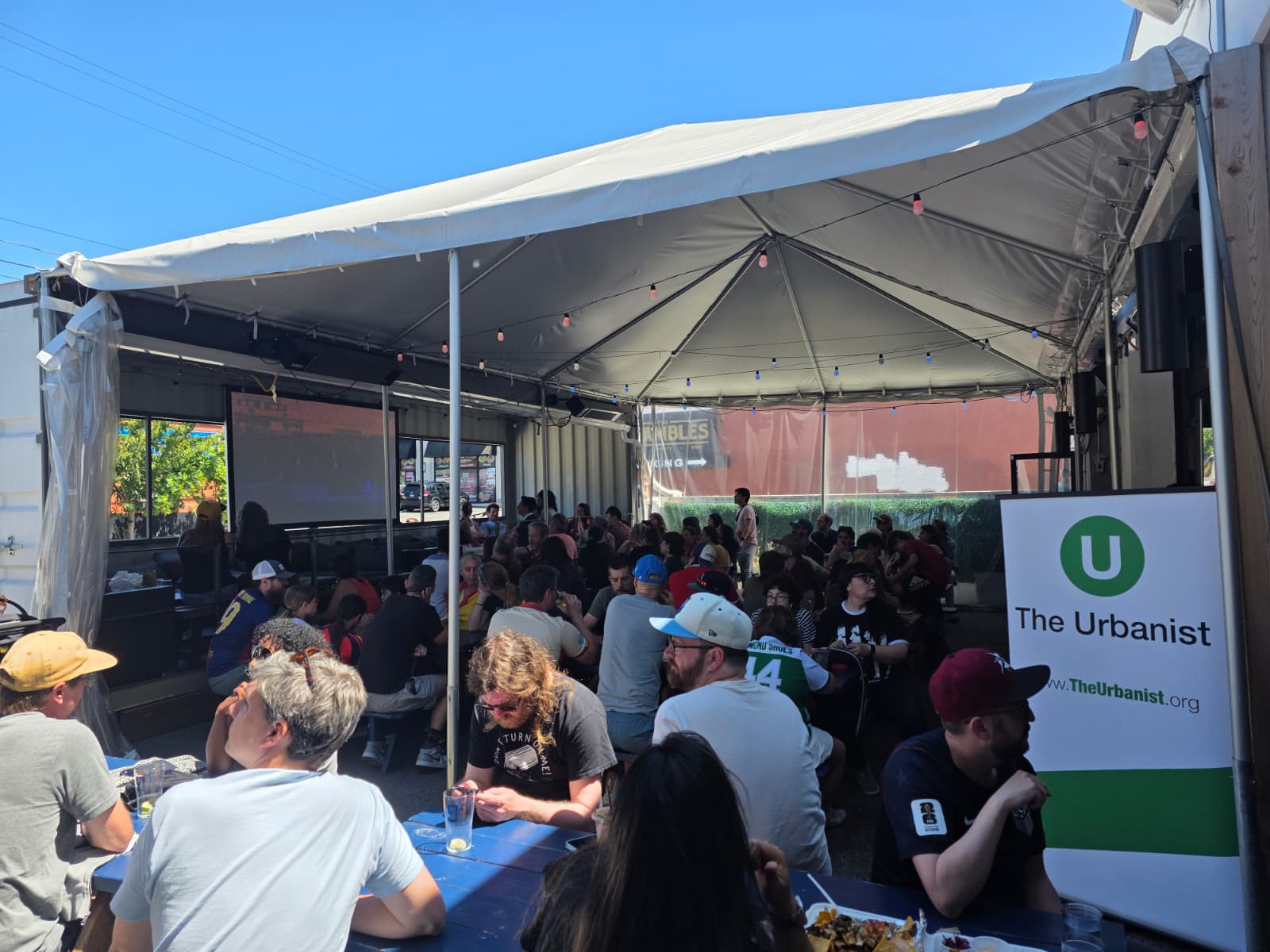
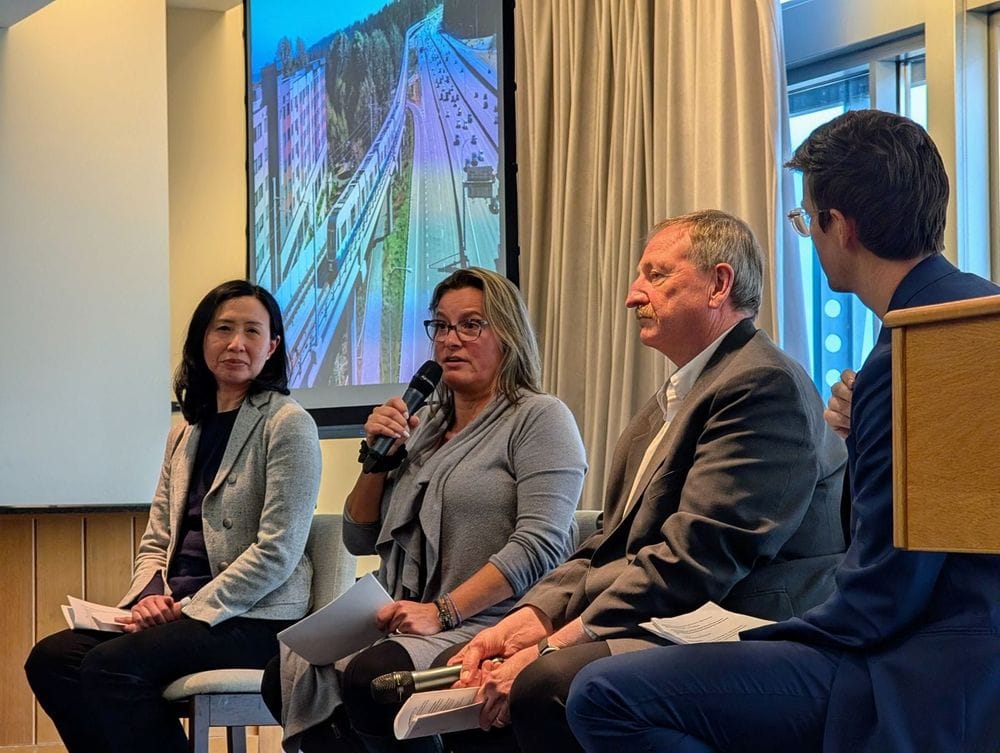
On Tuesday night, before Somers' proposal had been made public, members of Seattle's Sound Transit board contingent hosted a town hall at Seattle City Hall, with numerous board members making it clear that they aren't going to settle for projects being deferred.
"We recognize that there is a 20-year plan, that we have as a requirement that we have to make balance, but we're saying that pie is not big enough, and we're not satisfied with the financing tools that we have," King County Councilmember Teresa Mosqueda told the packed room of more than 200 people. "So if you're telling us that it doesn't fit, we're going to broaden out the pie. We're going to go to Olympia, we're going to use all these tools. We're going to invent new ones. We're going to ask our local partners to help us with this, because we don't want the outcome of this May conversation to be a deferred list."
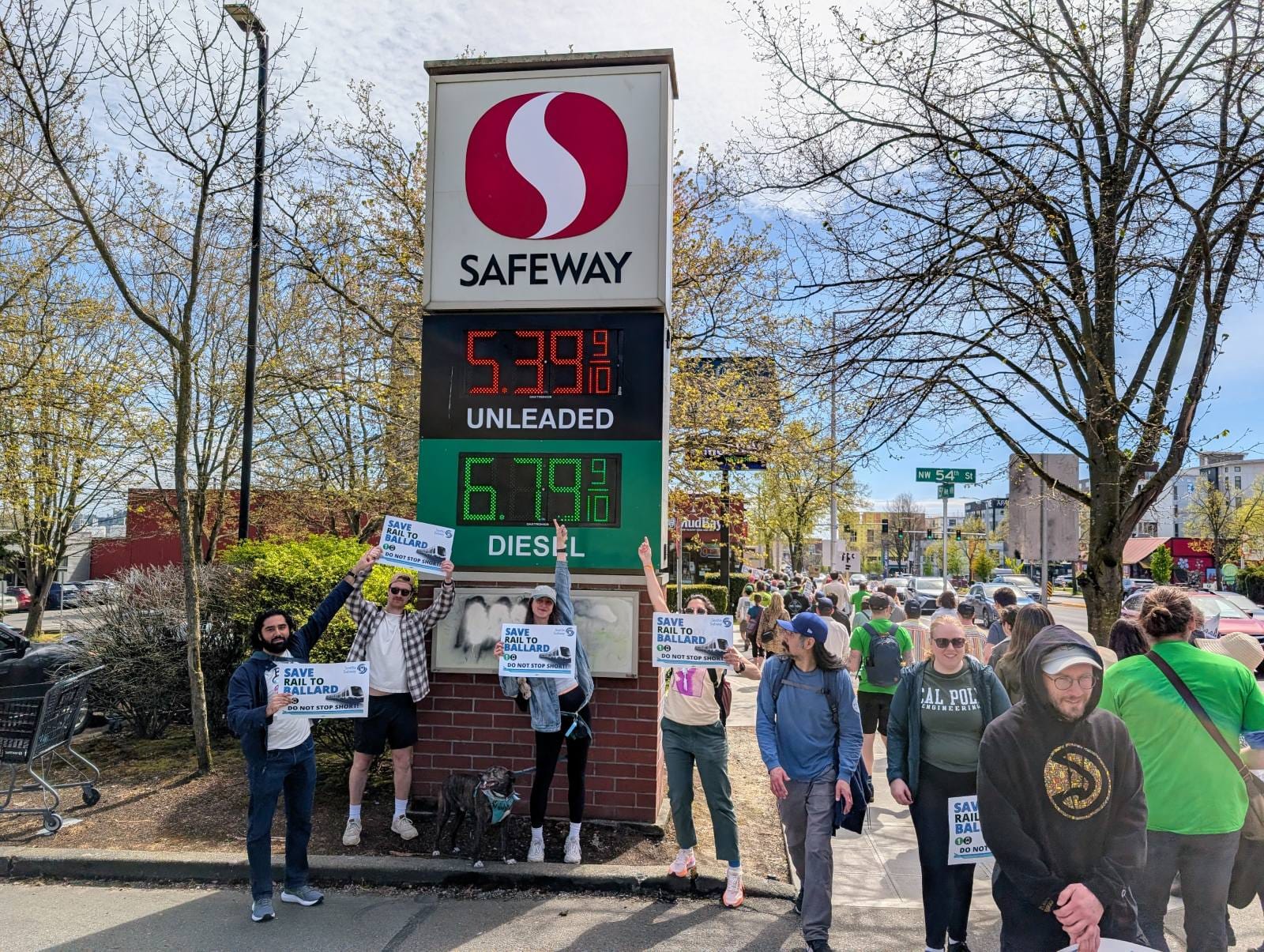
If a portion of Ballard Link is deferred, the issue of where its first phase terminates will also likely be a major topic of conversation at the board over the coming weeks. A Seattle Center terminus, as Somers' proposal includes, could be incredibly disruptive to many of Seattle's biggest regional destinations located around the Seattle Center and also be hard for King County Metro buses to effectively serve to extend the light rail connection's reach. Terminating at Seattle Center would subject the area to two major construction disruption periods: once when constructing the truncated line and again when resuming construction to extend it to Interbay and Ballard as funding allows.
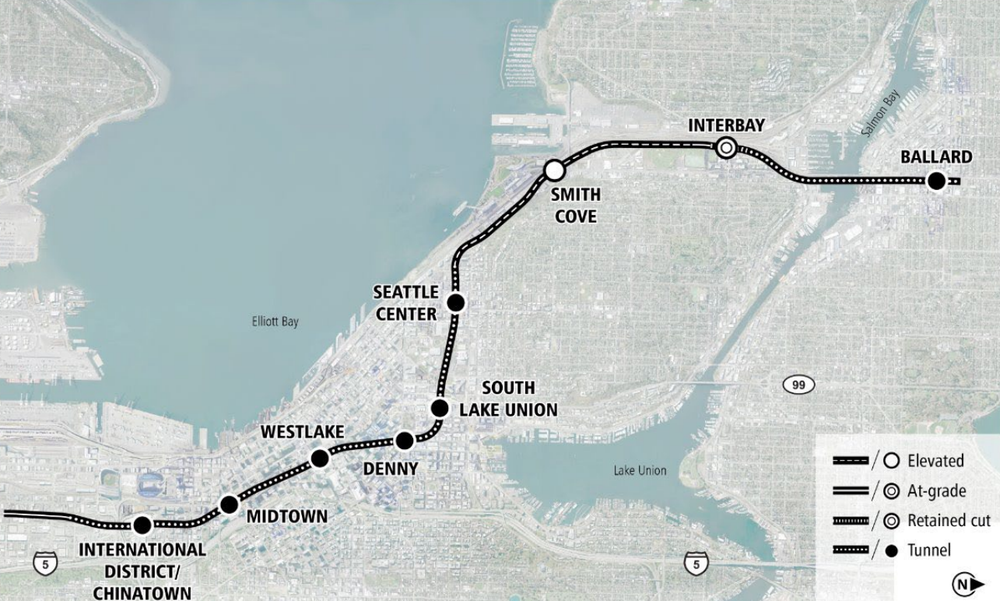
Seattle City Councilmember Bob Kettle, who doesn't sit on the board but does represent the district where most of a second rail tunnel under Downtown Seattle would be built, also underscored the need for the state to assist in aligning Seattle's regional transit plans with its long-term growth plans, in a comment to The Urbanist Monday. Kettle pushed for Sound Transit to find a way to get to the Interbay station at W Dravus Street.
"We have to get to Ballard. It is the regional center. All the data points in terms of ridership and so forth, point [to the fact] that should be the priority. And so for Sound Transit not to follow through on that is wrong, to be blunt. And I recognize they have their cost pressures, and I know that there's other communities that want it, but we need the state to step up," Kettle said. "Sound Transit, I believe, needs to step up, and based on the ridership pieces, really get to a Ballard. If not Ballard, Dravus. If going underneath the [Lake Washington Ship Canal] cut, if that's a big issue. Okay, Dravus."
The number of financial tools that Sound Transit can directly turn to for additional revenue without changes in state law – or once again returning to the voters – are limited. An increase in the rate of a rental car tax Sound Transit is authorized to collect is likely on the table, but given a substantial lopsidedness of where that revenue is generated (in South King County, where SeaTac Airport is located) those dollars would likely get earmarked for the Boeing Access Road infill station rather than being spread around the entire taxing district.
Issaquah Mayor Mark Mullet is pushing for a reconsideration of Sound Transit's current debt capacity limit, capped at 1.5% of the total value of the agency's assets. Raising that limit would be able to happen with a 60% vote within the taxing district, and wouldn't involve any new taxes.
"I think it's mixed, but the positives are that, I think, Issaquah stayed on the funded list, and I think really the focus for our community now is just making sure we get some money for better design now to figure how to lower the cost of a future line on the Eastside," Mullet told The Urbanist Wednesday. "I think the window to get the voters to add some flexibility on the debt capacity is the November of [20]28 election, and I think we need to have something concrete we can say to voters: look at how we've lowered the cost of lines. Give us some flexibility in our debt, and we can deliver them quicker. We can deliver them cheaper."
With such a short timeline to adopt a new plan – just three weeks remain before the May 28 board meeting where a vote is expected – major changes from Somers' proposal aren't likely. But that doesn't mean the process to get to that vote will be easy, with board members from across the region likely to be stepping up to loudly defend the projects that had been promised to voters in their districts.
Doug Trumm also contributed reporting to this story.
 Doug Trumm
 Ryan Packer