Seattle has been committed to climate action for 20 years, but remains far behind targets.
Seattle’s history of ambitious statements on climate change have long existed in response to the same kind of national abandonment of climate action that we’re seeing today. In fact, Donald Trump’s decision to force America to about-face and renege on the international targets it signed onto in the 2015 Paris Agreement — and the response of cities and states in the U.S. reaffirming their commitment to those goals — mirrors a moment two and a half decades earlier.
In 1997, 192 countries struck a treaty called the Kyoto Protocol that Bill Clinton and Al Gore helped steward. In it, governments agreed to reduce their emissions by 5% relative to 1990 levels come 2012: a meager goal but one that, if achieved, would have created the momentum for greater progress in the future. Despite its tepid aspirations, George W. Bush pulled the U.S. out in March 2001.
Within four months, Seattle’s City Council responded by unanimously affirming the city’s support for the protocol, and four years later, then-Mayor Greg Nickels rallied together more than 100 cities to commit to carrying out the Kyoto Protocol themselves, even if the nation no longer would — a critical commitment given the world’s metropolises contribute some 70% of global emissions. Seattle then cemented its aims in its first-ever citywide climate action plan in September 2006.
Even at the time, however, some leaders felt these goals lacked all luster. The internationally agreed upon trajectory still allowed plenty of room for a dangerous accrual of climate pollution — greenhouse gasses that warm Earth’s climate and oceans, imperiling ecosystems, destabilizing weather patterns, threatening agricultural productivity in many regions, feeding deadlier storms, and intensifying life-threatening heat waves. A broad consensus of scientists warned that without more aggressive efforts to eliminate planet-warming pollution, the world was careening toward catastrophe, with famine, disease, conflict, and mass extinction increasingly likely the longer world leaders delayed.
A pivotal moment demanding ambition
“The Kyoto Protocol was a small and largely symbolic first step when it was presented in 1997,” said University of Washington atmospheric scientists Marcia Baker and Robert Charlson in comments submitted to former city councilmember Peter Steinbrueck in 2007. “The magnitude of the problem we face has subsequently grown considerably.”
“Since the long-term reduction goal is now so much larger,” they continued, “a reassessment of [the Seattle Climate Action Plan] is timely.” Such a call was well warranted given an assessment of Seattle’s carbon footprint found that, in 2005, emissions in the city were already down 8% relative to 1990 levels — exceeding the Kyoto goals before the Climate Action Plan was even established. Still, it took the City a half decade to update its plans and objectives.
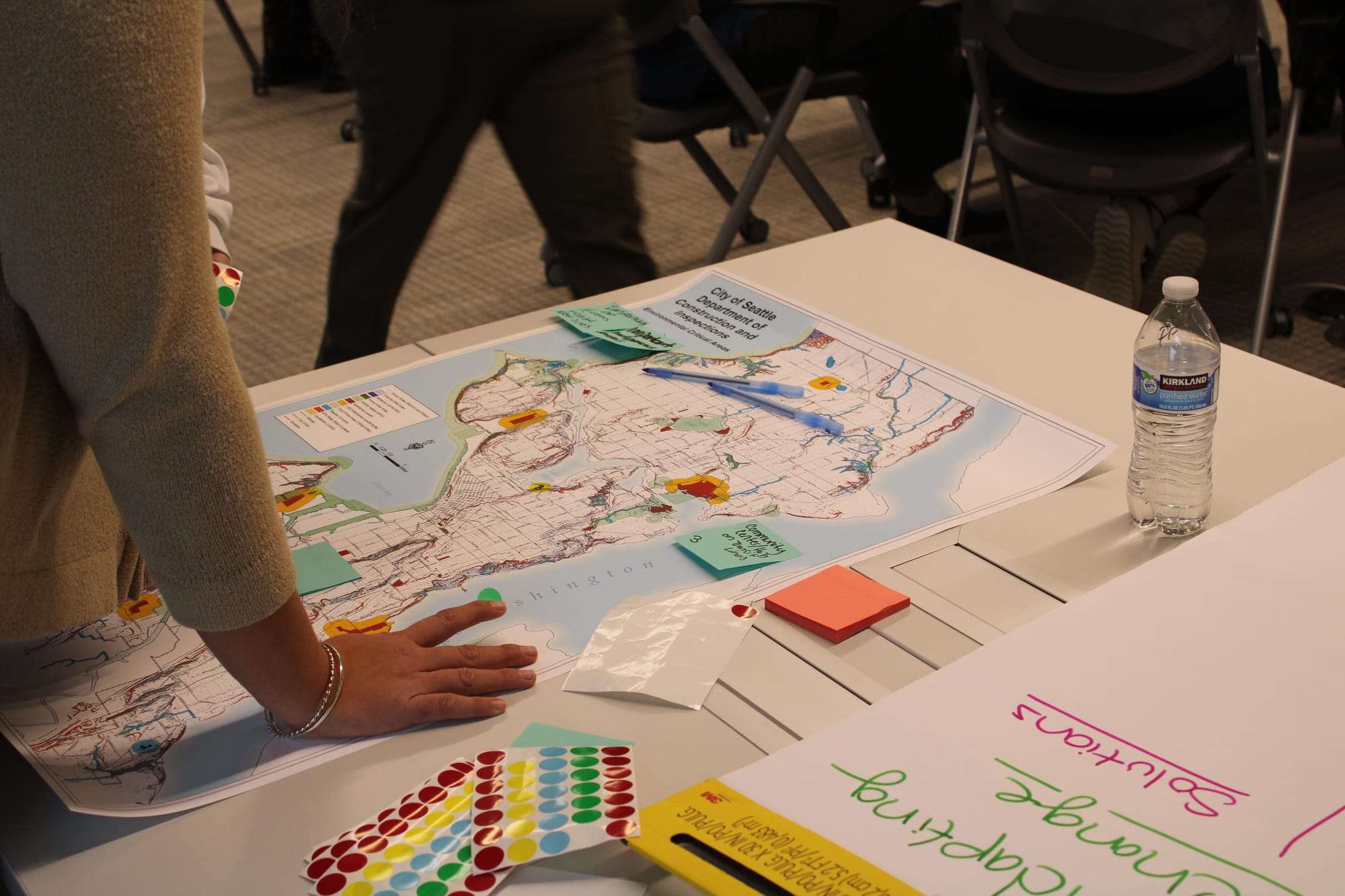
When the City declared its intention in 2010 to go carbon neutral by 2050, it triggered a multi-year process to develop an updated climate action plan that would map the trails to follow to reach the peak of sustainability. The city council voted to adopt the updated plan on June 17, 2013.
“There was a ton of good energy” that day, said former councilmember Mike O’Brien. Many of Seattle’s locally bred climate leaders talked about how important the action was and the importance of Seattle’s leadership in the climate movement, which is also where O’Brien rose to prominence with Sierra Club’s Seattle chapter. The overwhelming sentiment, O’Brien added, was: “This is just words, we need to take action.”
As the City today eyes an update to its climate action for the first time in 13 years and makes an honest reflection on the progress made in that time, it’s become clear that words have outweighed actions. Every other year, Ani Krishnan, the climate data and policy manager in Seattle’s Office of Sustainability and Environment (OSE), inventories the planet-warming gases produced within city limits. Based on what he’s seen, “we're far away” from our targets, he said.
As of 2022, Seattle has lowered its emissions by just 12% relative to 2008. Given the world emitted 17% more that year than it did in 2008, the progress Seattle has made is meaningful — especially in light of robust population growth, with the city jumping from around 600,000 in 2008 to nearly 800,000 by 2022.
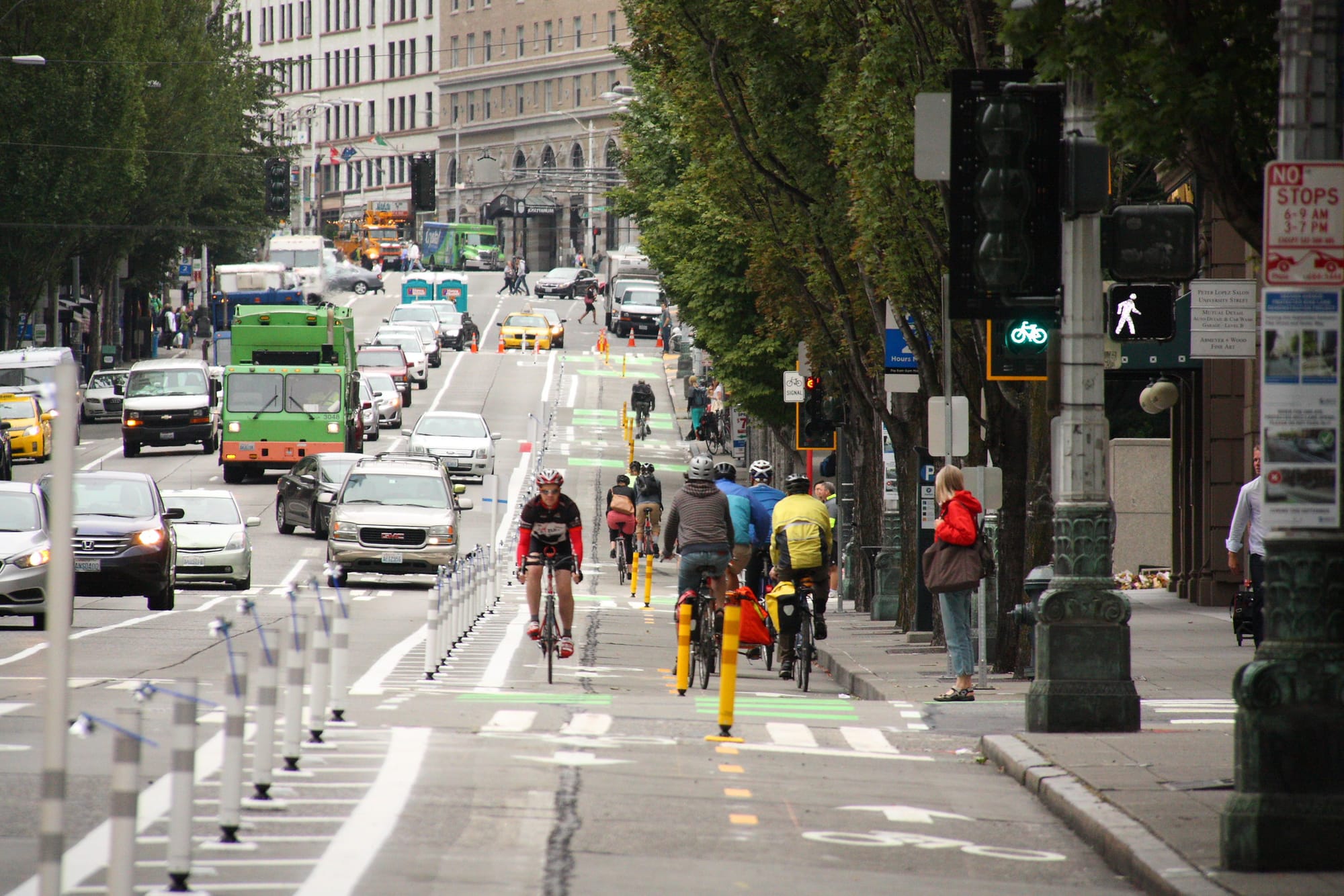
Nonetheless, if Seattle is to fulfill the goals cemented in its 2013 plan, emissions must plunge to 58% by the end of the decade. “We need bold, transformational action” to make that happen, Krishnan said.
Right now, Narita Ghumman, OSE’s project manager in charge of the climate action plan, is convening leaders from across City departments to devise an updated climate agenda that cuts across bureaucratic siloes, regional governments, and other agencies to make that transformational action possible. But embedding that boldness into the city’s strategy will ultimately require understanding both what’s enabled Seattle to make progress as the world at large regressed, and what’s held Seattle back from achieving its greatest ambitions.
Clean energy grid is a bright spot
Seattle’s electric grid serves as its greatest climate-action enabler. Abundant hydropower sourced from rivers dozens to hundreds of miles distant has coursed through the city’s power lines for generations. That, paired with solar and wind alongside a sliver of nuclear delivered by Bonneville Power Administration, allowed Seattle City Light in 2005 to stake its claim as the nation’s first carbon-neutral utility.

“We're lucky,” said Yonn Dierwechter, a professor of urban studies at University of Washington, Tacoma. “We have the green energy. We have the hydropower. We're not in West Virginia where we have to use coal. Our dams and our hydropower makes it easier.”
Anything in the city that can tap a wire instead of burning oil or gas — whether that be a car, a boiler, a bus, or a ferry — will represent an immediate emissions reduction. Given the United States sourced 82% of its power from fossil fuels as recently as 2024, the Emerald City has a distinct advantage in its bid to rid itself of greenhouse gases.
This advantage, however, has allowed sister cities with similar climate commitments to make, on paper, significantly more progress on their own relative scoreboards by addressing a challenge that Seattle solved decades ago. San Francisco, for instance, boasts quite a feat. It has so far reduced its emissions by more than 40% relative to 1990 levels. Most of that progress, however, came from limiting the fossil fuels feeding the city’s grid: In 2010, only 40% of their energy came from renewables; by 2020, that figure was over 80%.
Meanwhile, New York City set itself a goal in 2014 of cutting emissions by 40% by 2030, and they’ve managed just a 12% reduction as of 2024 while confronting the same challenge San Francisco did: a grid dominated by natural gas. As a result, the electricity consumed in the city represents a major chunk of New York emissions. But where San Francisco managed to make a swift shift to carbon-free energy, New York has moved in the opposite direction. Methane — the primary component of natural gas — jumped from providing 57% of energy in 2014 up to 78% in 2024, almost entirely because nuclear represented nearly a third of the NYC energy mix throughout the 2010s and has since been phased out. When the Indian Point nuclear plant shuttered in 2021, all of that supply was backfilled with fossil fuels.
Although Seattle need not worry about cleaning up a dirty grid, it does face the challenge of meeting a rapidly expanding electricity demand purely by purchasing solar or wind energy at a time when Washington is struggling to build clean energy, largely because the Bonneville Power Administration, the federal entity that controls most of the regional electricity infrastructure, has been slow to approve new transmission infrastructure. Bonneville Power, however, has said that they are working to accelerate their approval process.

Thankfully, the slow-to-grow green energy supply didn’t present a significant hindrance to the goals of the 2013 climate action plan, which prioritized things like energy efficiency and shifting mobility toward bikes and buses, but it will be a critical action area in the years ahead as the emphasis on electrification continues to grow.
Building emissions pose a challenge
The increased emphasis on electrification is necessary to address the laggard progress in reducing building emissions. In 2013, the city called for reducing emissions from the city’s building stock by 39% by 2030. Today, it’s gone down just 6%. What success Seattle has achieved curbing building emissions can largely be attributed to the energy codes that the Seattle Department of Construction and Inspections updated between 2015 and 2021, which requires new multifamily and commercial construction to heat both water and rooms with all-electric appliances.
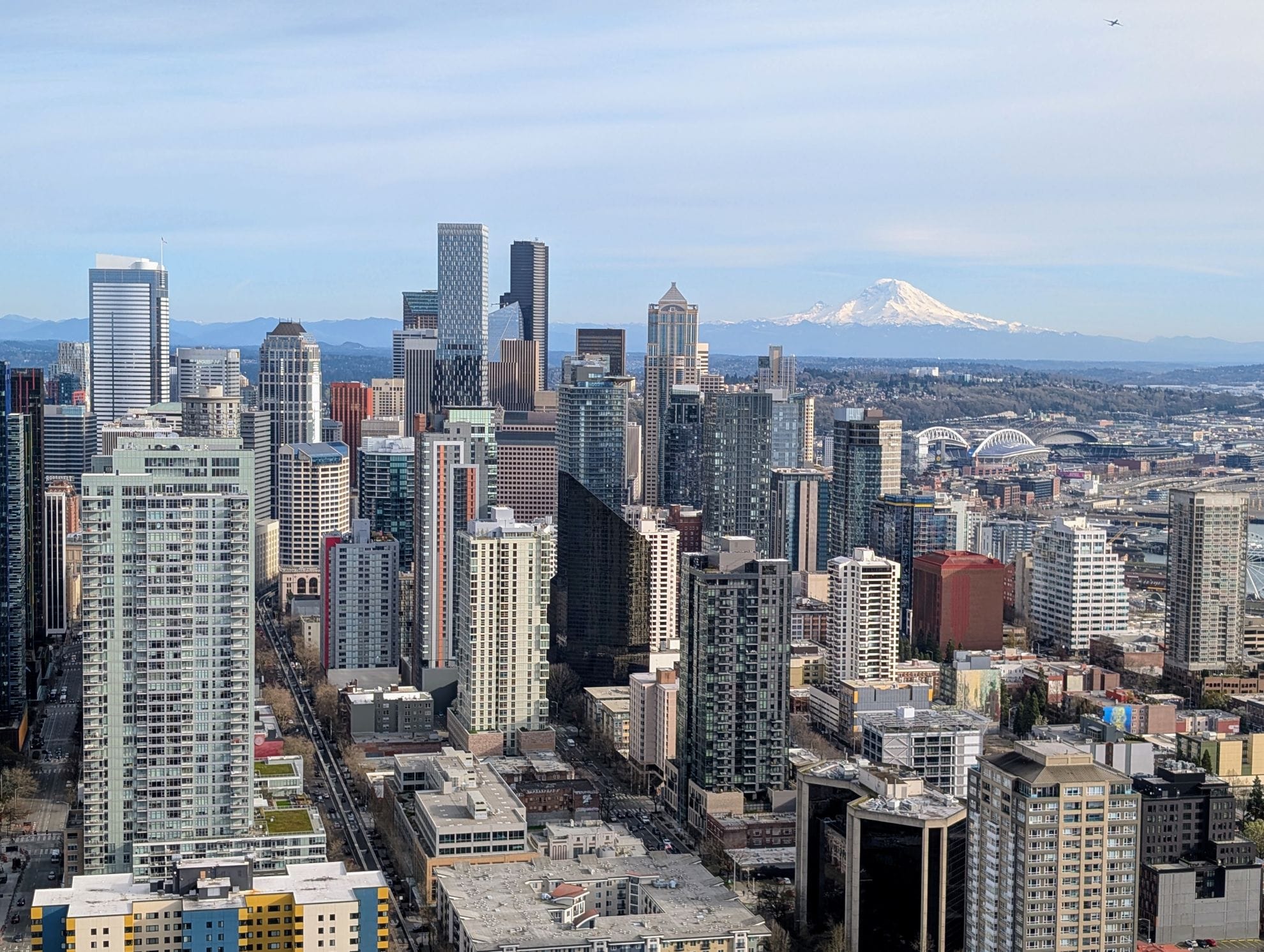
And while the foundation has been laid for more progress going forward thanks to the building emissions performance standards that will mandate commercial real estate to start reducing their carbon footprints in 2031, the policy will make emissions just 27% lower by 2050. Much more will be needed to reach the mid-century target of an 82% reduction. But jurisdictional limitations present a major hurdle.
Right now, the state retains authority over energy codes for single family homes, which has prevented the city from mandating that a third of its housing stock reach the same standards that apply to the rest of its buildings. As part of its bid to make progress despite this constraint, the City developed multiple incentive programs to help low- and moderate-income households weatherize their homes and switch to clean heat.
Going forward, Seattle will also have to contend with the ballot initiative that narrowly passed in 2024, preventing cities and the state from adopting laws that would mandate a phase out of fossil gas. That law, however, is currently facing a challenge in the courts. A King County Superior Court judge ruled against the initiative last year, and the Washington State Supreme Court is now reviewing it after an appeal.
Taming Seattle's top pollution source: transportation
Legal limitations have also created an obstacle for some of the solutions Seattle has considered to address the number one source of urban emissions: transportation. For example, some have interpreted current state law as dictating road congestion pricing schemes must pass a public vote before being implemented, which is not how the policy has been implemented successfully elsewhere. Clearing this hurdle could require a change to state law.
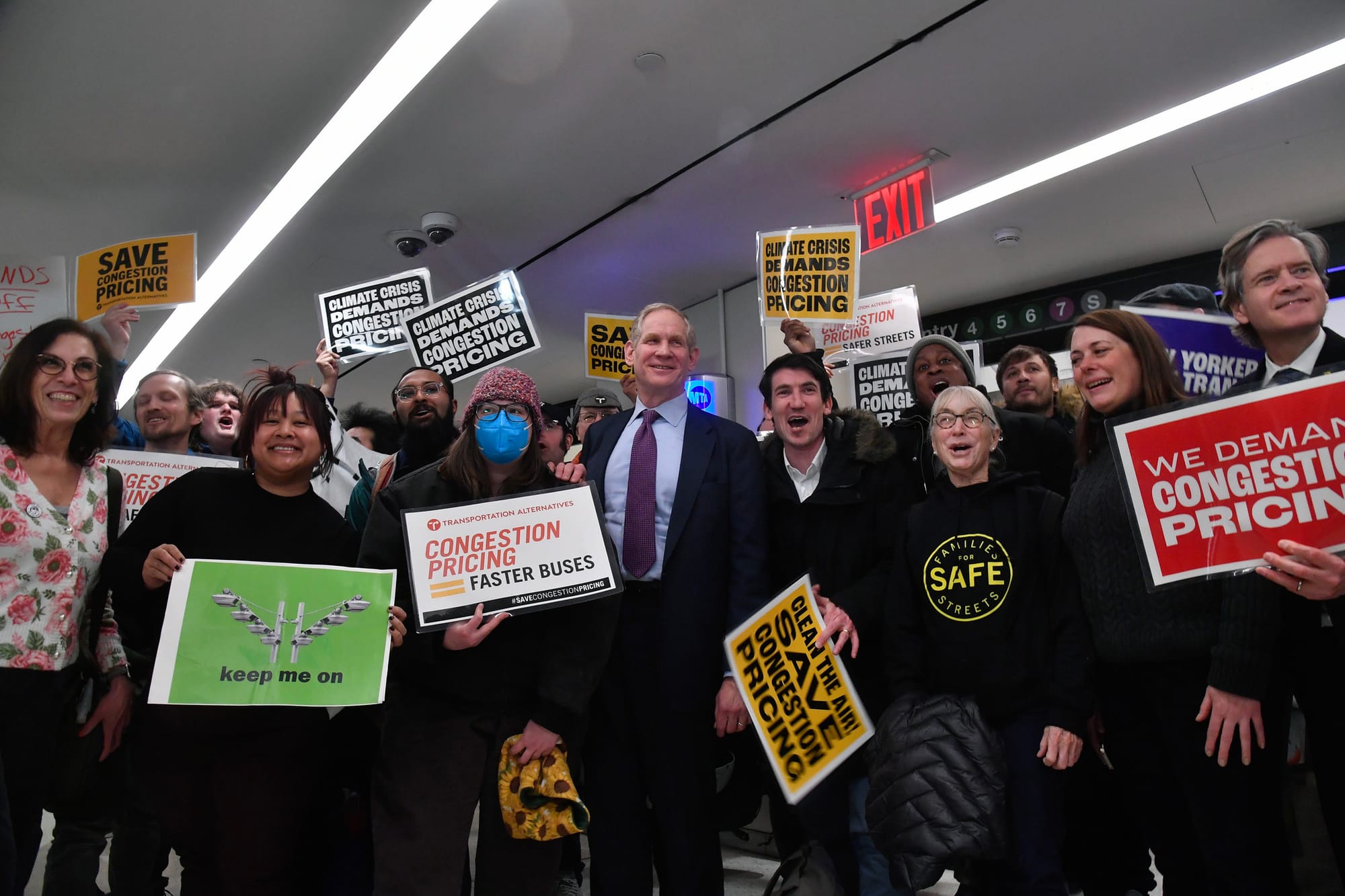
To contend with emissions, a transportation advisory group convened by the City in 2011 listed its number one recommendation as “advocate for regional congestion pricing.” The policy, if implemented, would have been akin to the “congestion relief zone” that NYC and the Metropolitan Transit Authority (MTA) instituted in Manhattan last year, which saw immediate benefits for air quality, emissions, and transportation funding. It took some 18 years of organizing and an MTA financial crisis for the New York State Legislature to pass the laws that enabled MTA and the city to begin devising the road pricing program in 2019.
For Seattle to institute its own version of such a program and use the funds to support King County Metro or Sound Transit, the Washington State Legislature would also have to pass a law authorizing such a program. The road to such a program is indeed long.
“When we started the work with the American Cities Climate Challenge,” said Kristin Brown, OSE’s communication manager, “a lot of the cities said it takes 10 years from start to finish to get a pricing policy in place.”
In 2019, the Seattle Department of Transportation conducted a Phase 1 study to begin that work, but during the pandemic, the program was put on hold and has yet to be revamped. “But it's not off the table,” Brown said.
Transit advocates often argue for congestion pricing not least because transportation is a major source of emissions in any city — it’s 58% Seattle’s greenhouse gas pie — but also because putting a price on roadways is a good way to reduce vehicle miles traveled and clear congestion bottlenecks that slow buses while directing more funds to mass mobility.
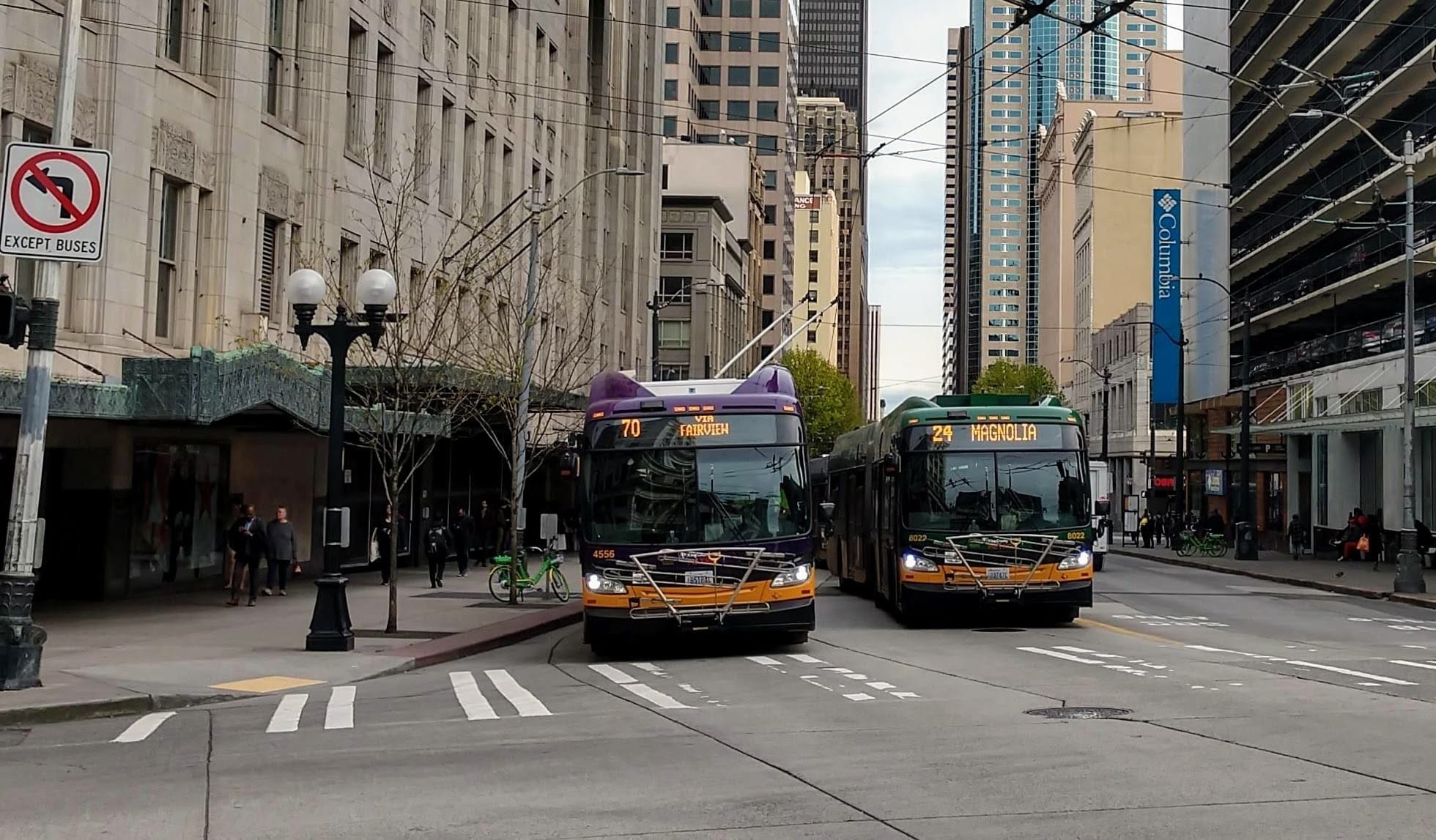
In its 2011 recommendation document, the transportation advisory group for Seattle’s climate action plan wrote that congestion pricing “is the highest impact and most cost-effective strategy for reducing GHG emissions in the transportation sector.” They even estimated that such a program could have generated between $1.9 billion to $6 billion every year for transit depending on which roadways were priced.
Even without such a program, the city has made some progress but fallen well short of its stated aims. The goal: Cut emissions of passenger vehicles by 82% by 2030. The reality: Just 14% reduced as of 2022. While a significant chasm yawns between ambition and achievement, this progress was made during a decade in which the population grew by well over 100,000. So, by another metric, the trend was far more significant: per capita transportation emissions are down by roughly 32%.
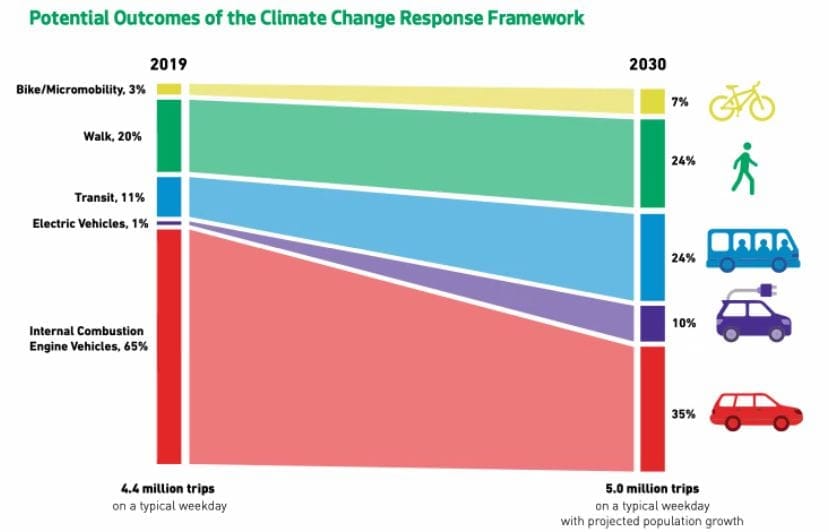
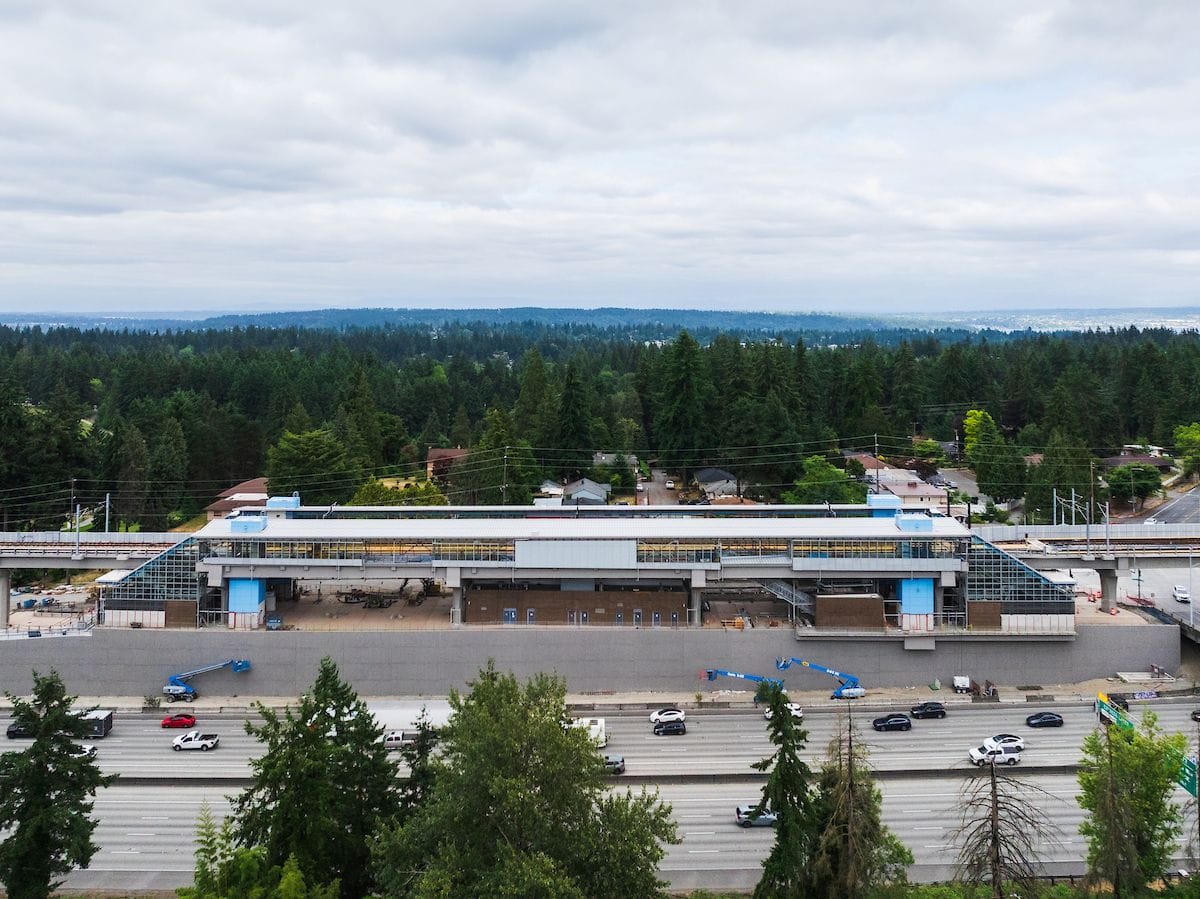
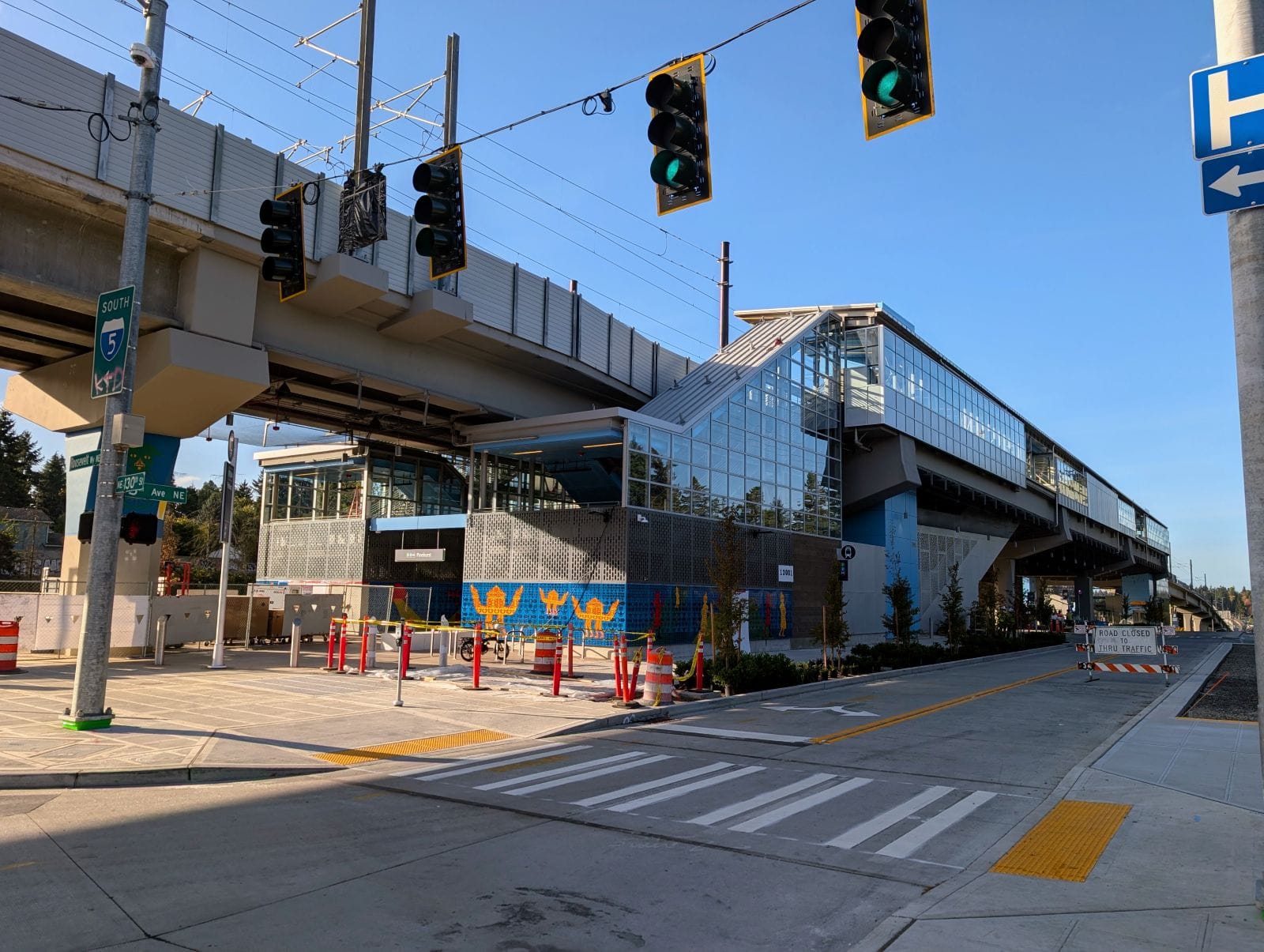
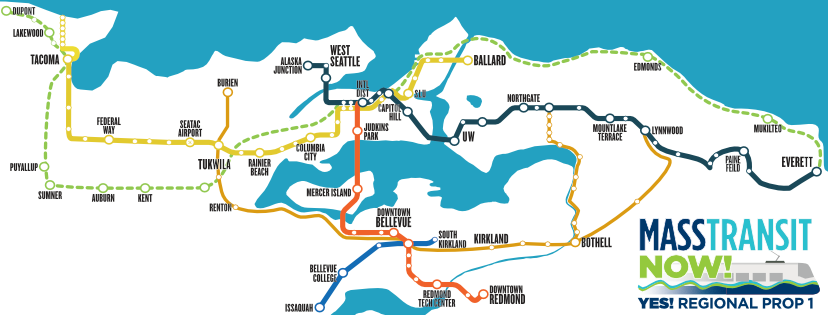
The expansion of enhanced “RapidRide” bus lines across the city and the slow but steady broadening of the light rail system have enabled this downward trend and are increasingly poised to help those emissions plummet — especially as the City and state continue to prioritize transit-oriented development. The Seattle region’s Sound Transit 3 package approved in 2016 is among the most ambitious rapid transit expansion happening anywhere in the U.S., rivaled in scale only by Los Angeles’ Measure M.
For years, these upgrades and improvements to the city’s mass-transit infrastructure kept the volume of cars on Seattle’s roads relatively stable even as the number of people living and working in the city grew, according to the Seattle 2024 Traffic Report, with much of the difference being captured by increased transit ridership — though the pandemic took quite a toll on the volume of people buses and trains shuttled about. King County Metro bus ridership is sitting around two-thirds of 2019 levels.
Together, transportation and buildings account for roughly 98% of emissions that the city has authority over. Air traffic and maritime activity are ignored in the City’s reports, which creates a blind spot in the analysis. And Seattle has certainly made important steps on both counts, but the hardest work is yet to come.
Swift climate action requires cross-sector cooperation
Seattle sits in a difficult position on climate change. It has long positioned itself as a climate champion and set ambitions that, on paper, undergird that reputation; but, based on its own metrics and measures, and based on the demands of its climate-conscious denizens, it has thus far failed to live up to its own hype. At the same time, when measured against other cities across the country, the Emerald City is nonetheless a successful example of what municipal governments can achieve even when national support is stuttering at best.
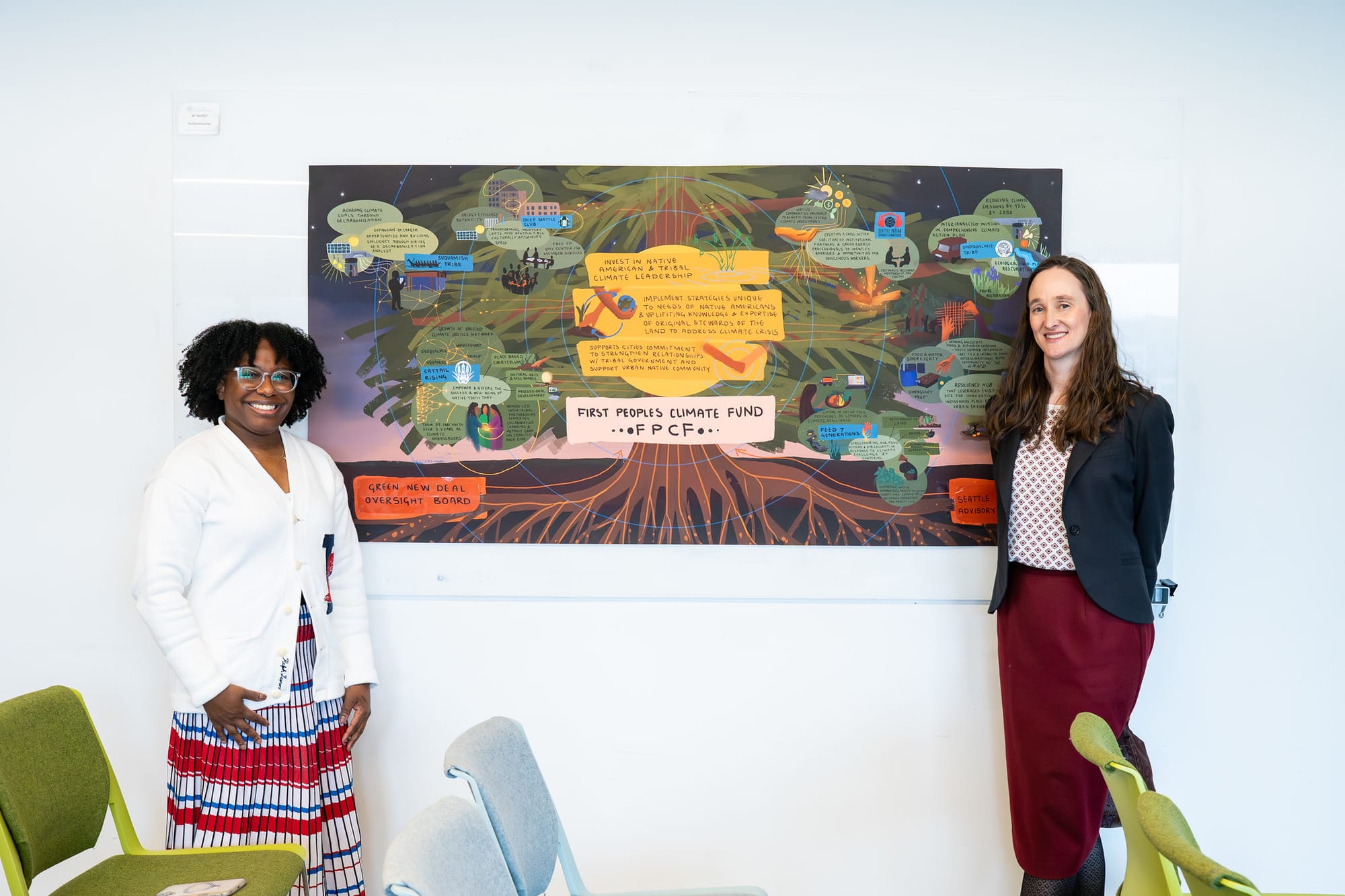
“We need to move a lot faster and we have a lot more work to do. But we have actually achieved a lot in the same measure,” Brown said. “There are cities out there that haven't even done benchmarking yet.”
Many of Seattle’s troubles are not of its own making. A cooperative federal government and binding international agreement would certainly expedite action.
“Seattle cannot solve the global, atmospheric challenge of carbon loading,” Dierwechter said. “But they do it anyway. [...] There’s limits to what [Seattle] can do without support.”
It’s unrealistic to assume that a single city tucked into the upper-left corner of the continental United States could overcome, on its own, a universal challenge that requires cooperation from countless parties both inside and outside of city limits.
“We got to make it cheaper for people to transition off fossil fuels,” O’Brien said. “We’ve got to make it easier for folks to walk, bike, and take transit. And that costs money.”
Given that Seattle has recently been grappling with budget shortfalls, that kind of money is hard to come by, which makes support from county, state, and federal governments all the more important. It’s already been clear what that support can do. Federal grants under Biden helped fund light rail expansions, Amtrak improvements, and upgrades to existing buses, and without continued support, big strides will be harder to make.
“It's not easy to make progress,” Dierwechter said. “And so any progress you do make, you think: Well done. I mean, it's a tough project.”
At the same time, not only does Seattle — and the world writ large — both want and need to reach net-zero carbon emissions by 2050, “how we get there is super important as well,” said Krishnan. “We're emitting along the way, and the sooner we drop it, the better the outcomes for our constituents.”
O’Brien and his colleagues understood that as well even back in 2011 when they passed the resolutions that set the city on its current trajectory. “We went for beers [after the resolution passed], and everyone's like, it's not enough. 2050 is too late. We need it sooner,” O’Brien said. “We're celebrating. We're happy, and yet we're like: Ah, it's not gonna make it.”
While the overwhelming feeling of insufficiency and inadequacy is somewhat justifiable based on the data alone, there’s nonetheless a necessity to not give up, to push for greater and greater ambitions. “The largesse of the issue requires everybody to see themselves in the solution,” said Lylianna Allala, the director of OSE. And that’s what Seattleites have long continued to do.
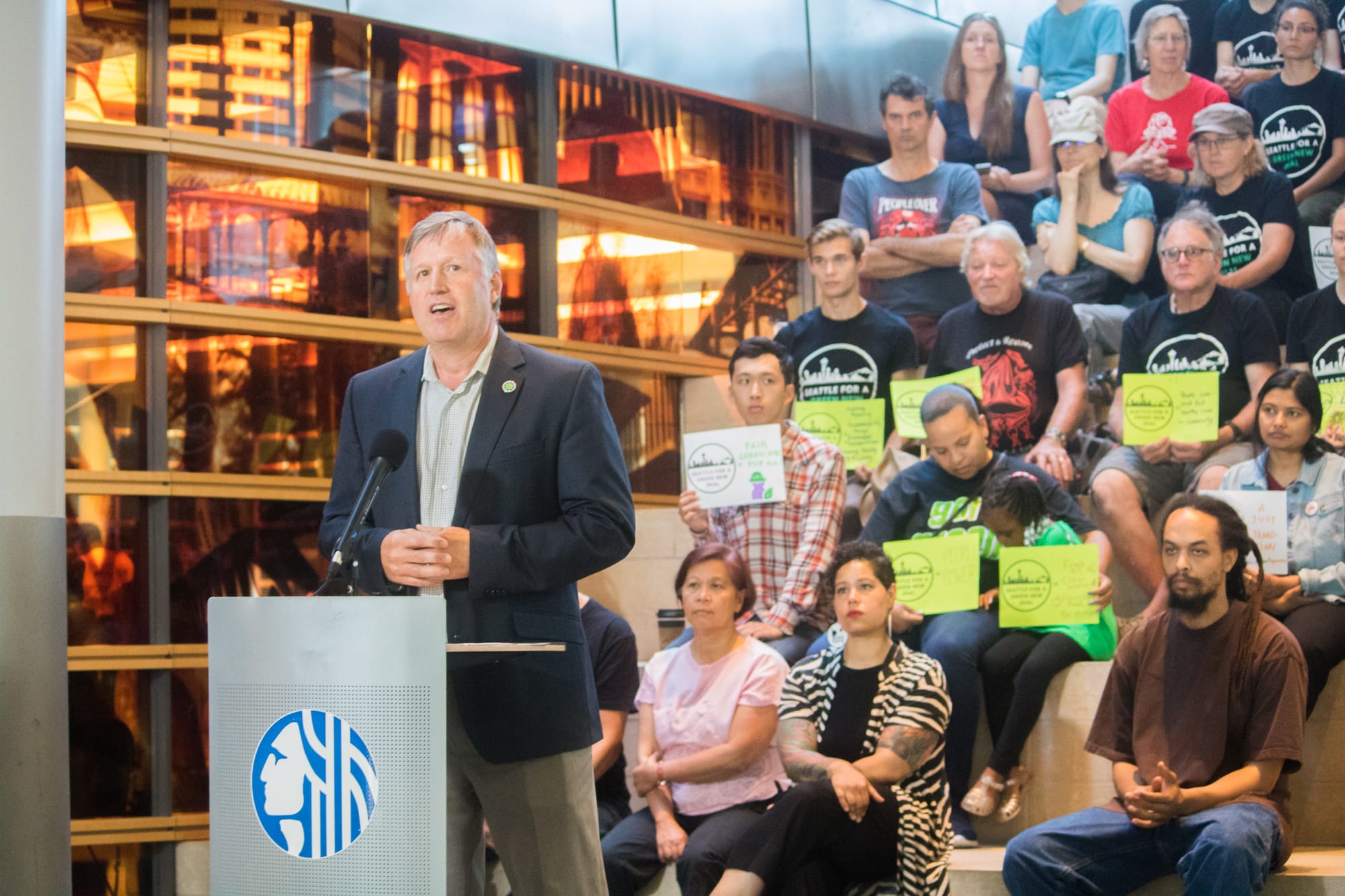
During O’Brien’s tenure, the climate movement swelled in Seattle around the desire for a Green New Deal that demanded the city set more aggressive climate goals, establish a funding stream specifically to support those actions, and give community leaders — particularly those from groups and neighborhoods coping with the brunt of climate impacts — a direct voice in the way those funds are spent and in the policies and programs that the city prioritizes. Still, the city has fallen short of meeting the moment in the way it wants to, and rectifying this will take a lot of effort from all departments across the City.
“Offices of sustainability, historically, have been like flags without countries,” Dierwechter said. “They're trying to coordinate everybody else's stuff. And I think those offices are learning how to do that.”
Seattle’s Office of Sustainability and Environment is regularly convening both departmental directors and staff members from across the city government, and even roping in representatives from regional agencies, in an effort to get everyone aligned on the same vision with a sharper focus on accelerating climate actions. Success won’t come easily, Allala acknowledged, because transformational change will inherently require significant breaks from the status quo.
As Allala put it, this is the key challenge: “We have to retrain ourselves to think about the issue differently and the solution differently, and the pathways to get to those solutions.”
If you would like to have your voice heard as the city updates its climate action plan, OSE released a survey that is open to the public from April 23 until the end of June. You can respond to it here.
Disclosure: Reporting for this story was funded by the Seattle Office of Sustainability and Environment, with the understanding that Syris Valentine and The Urbanist will be allowed editorial independence on the contents and language of the published story.
 Syris Valentine