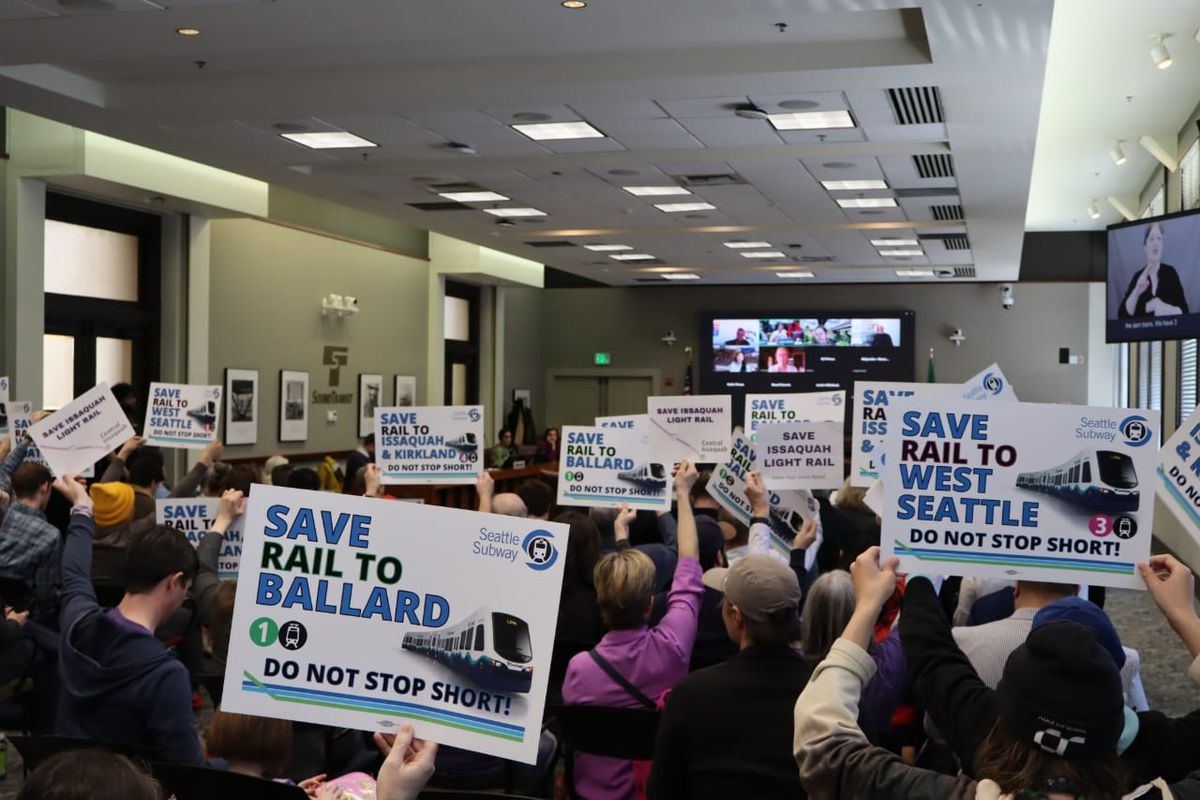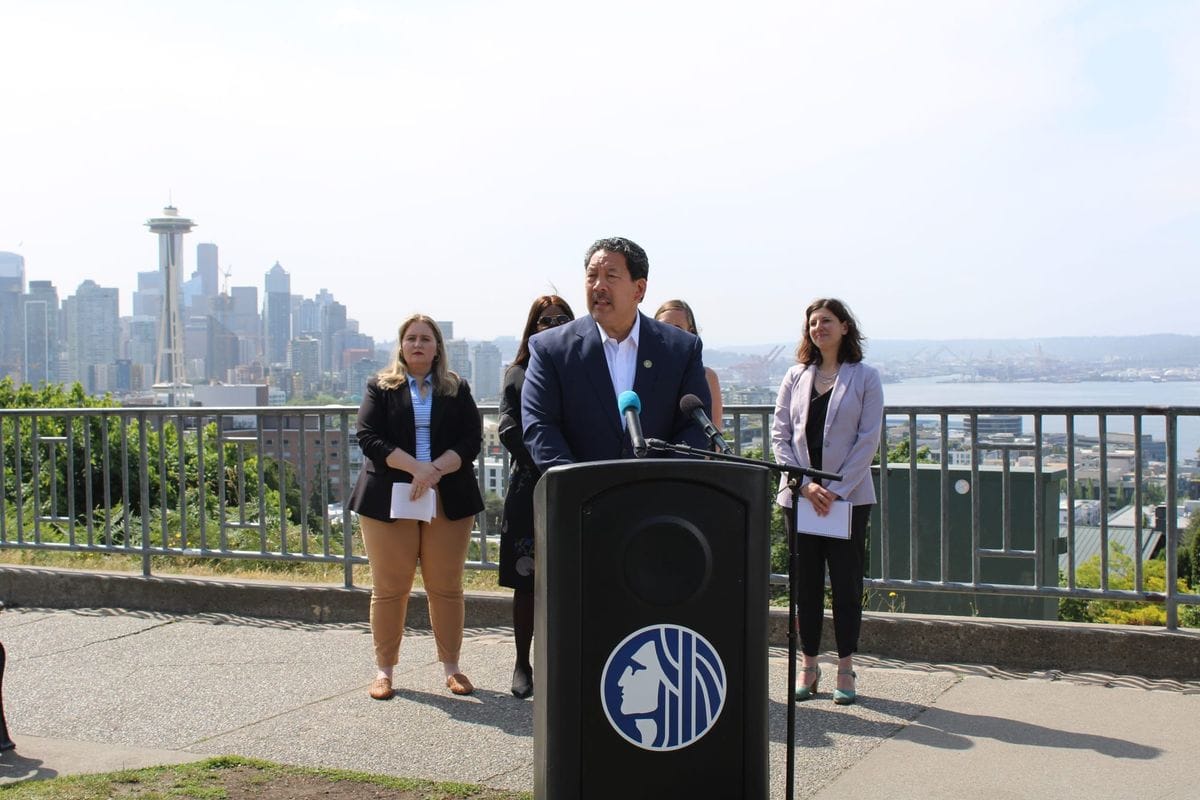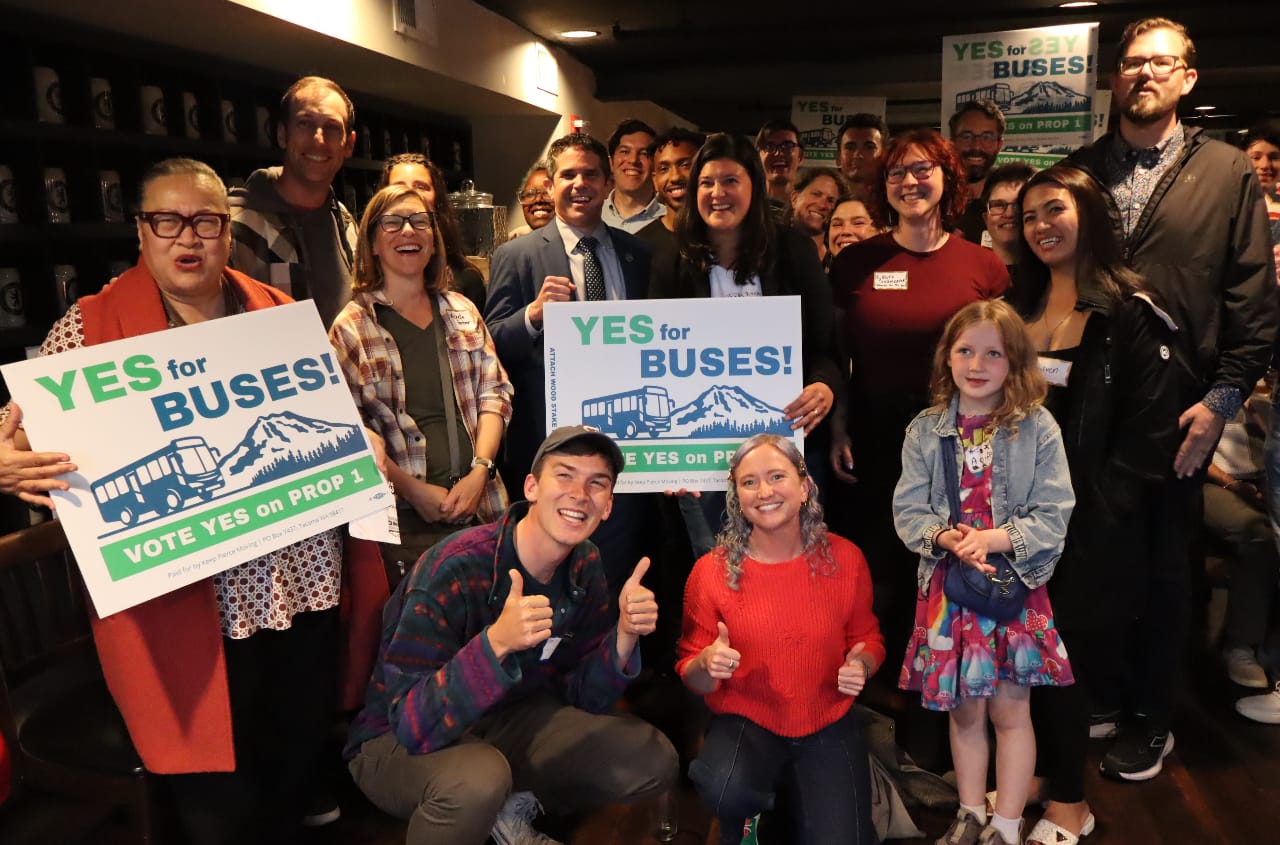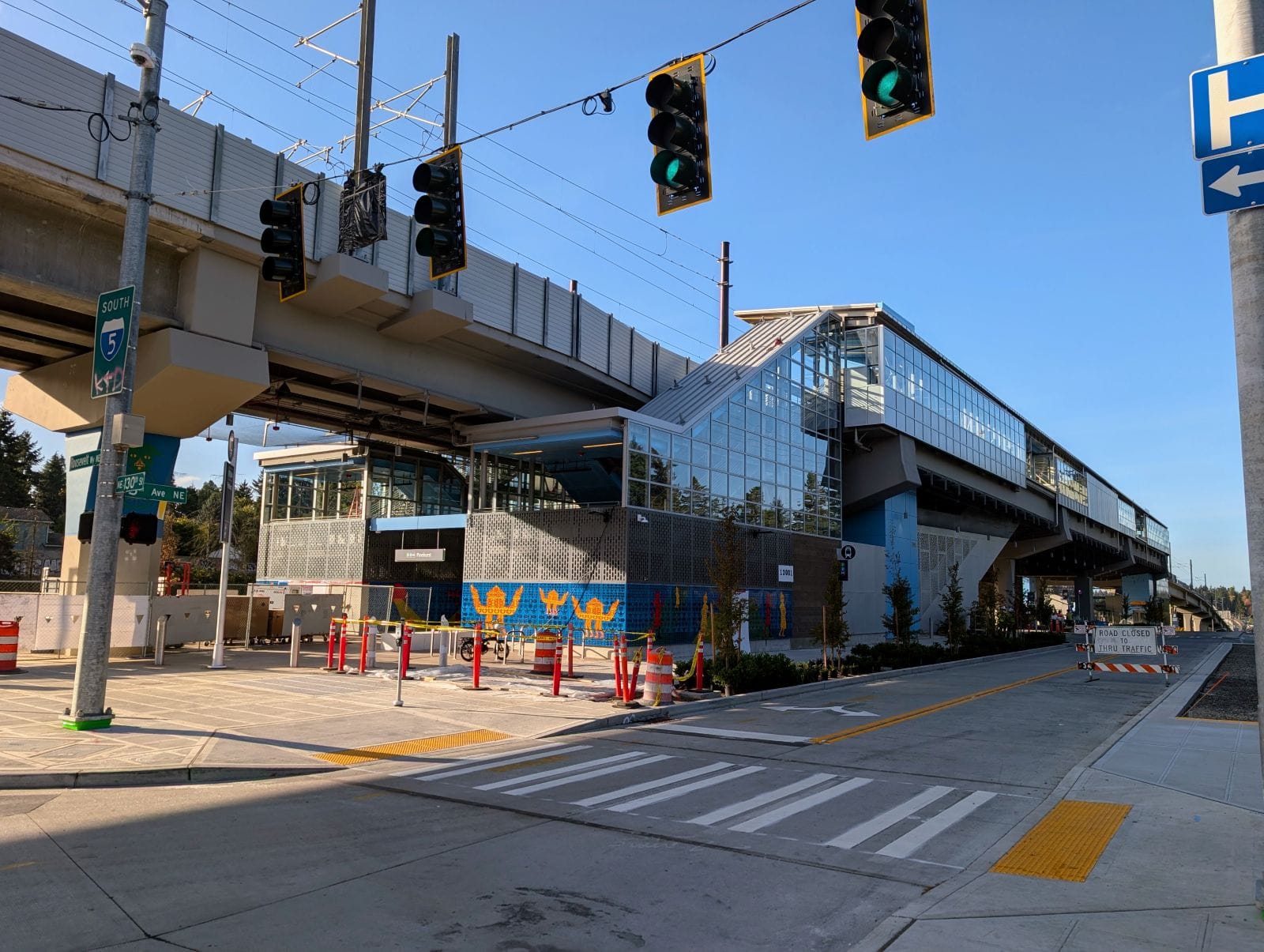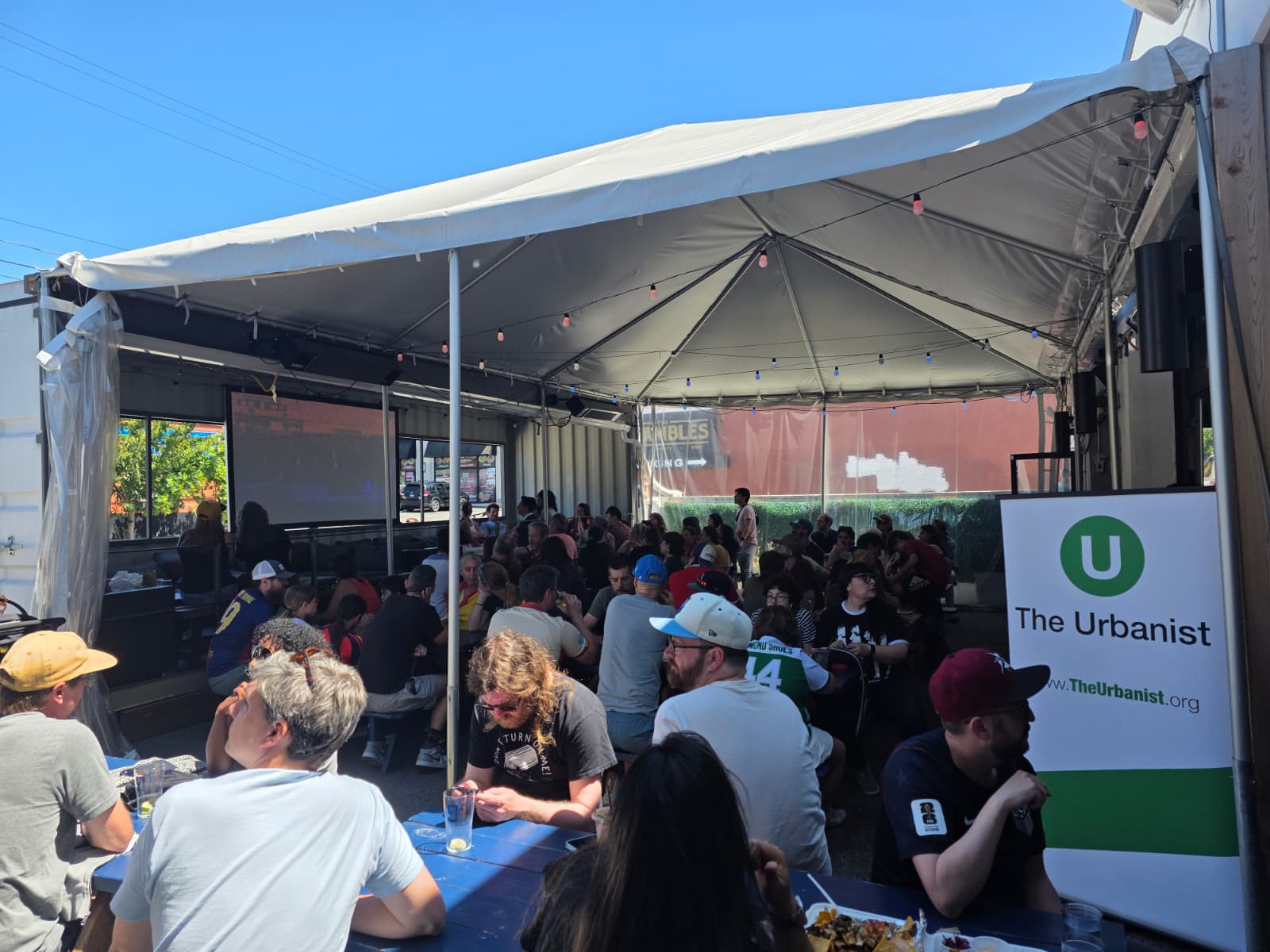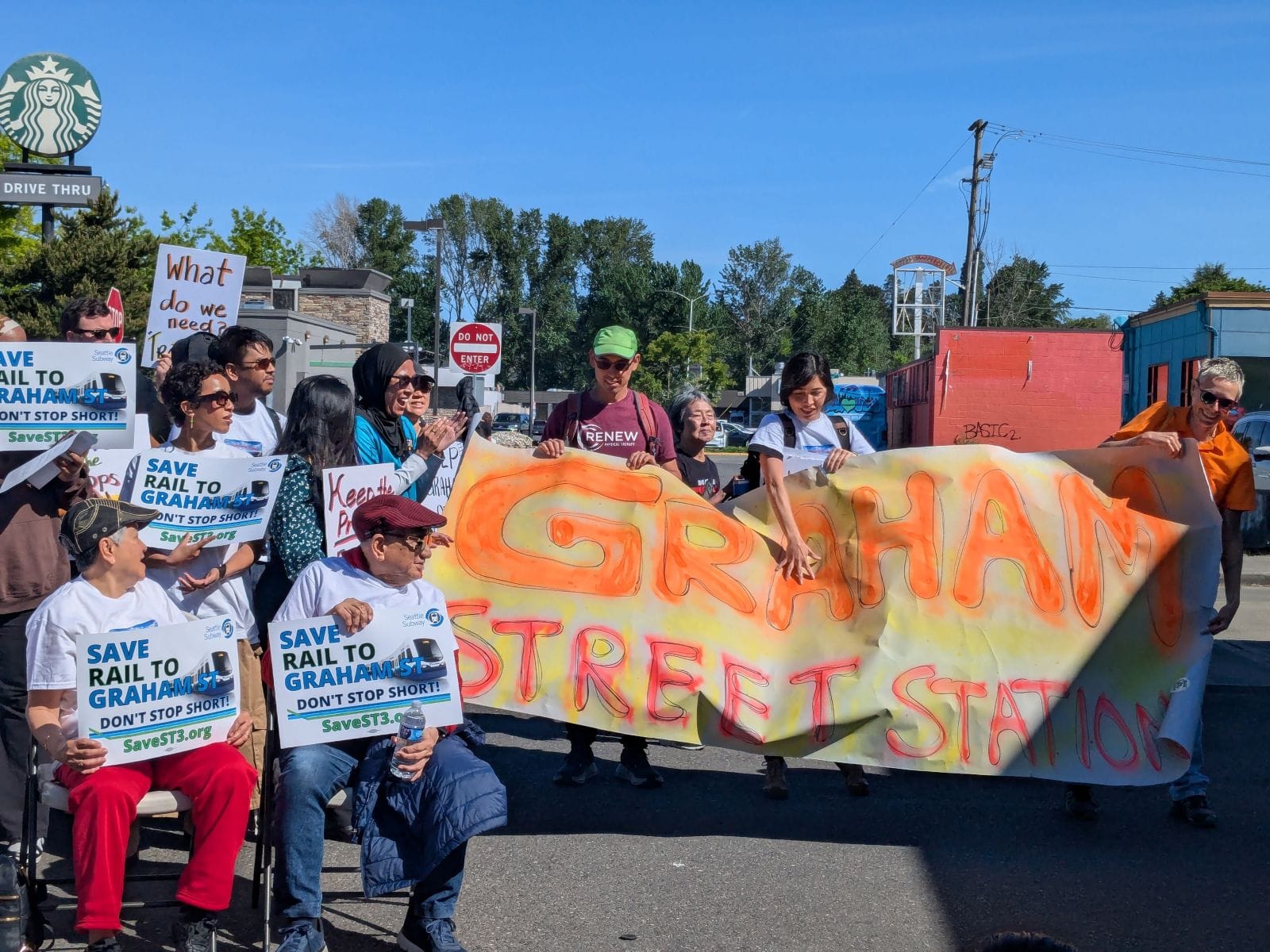
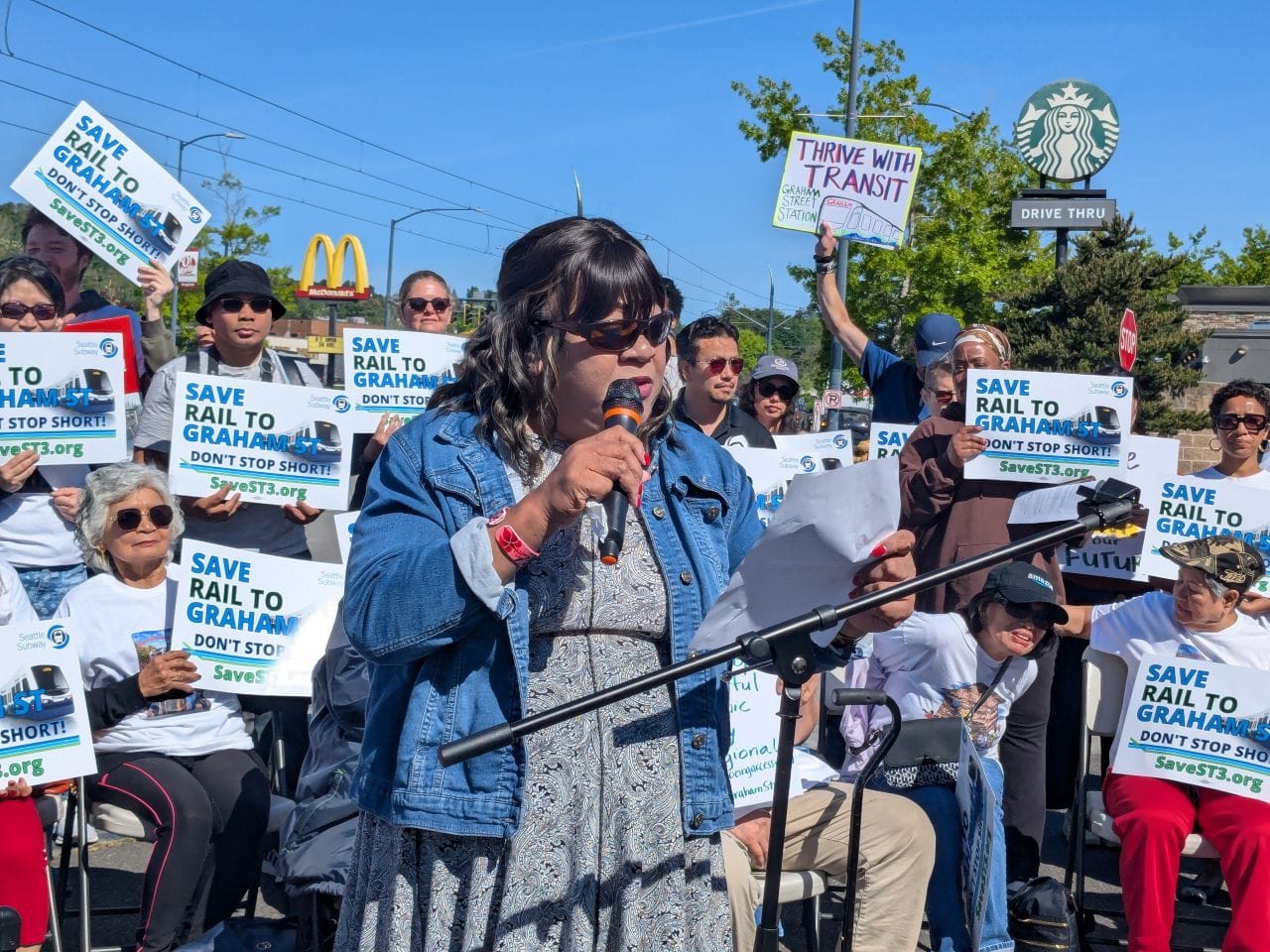
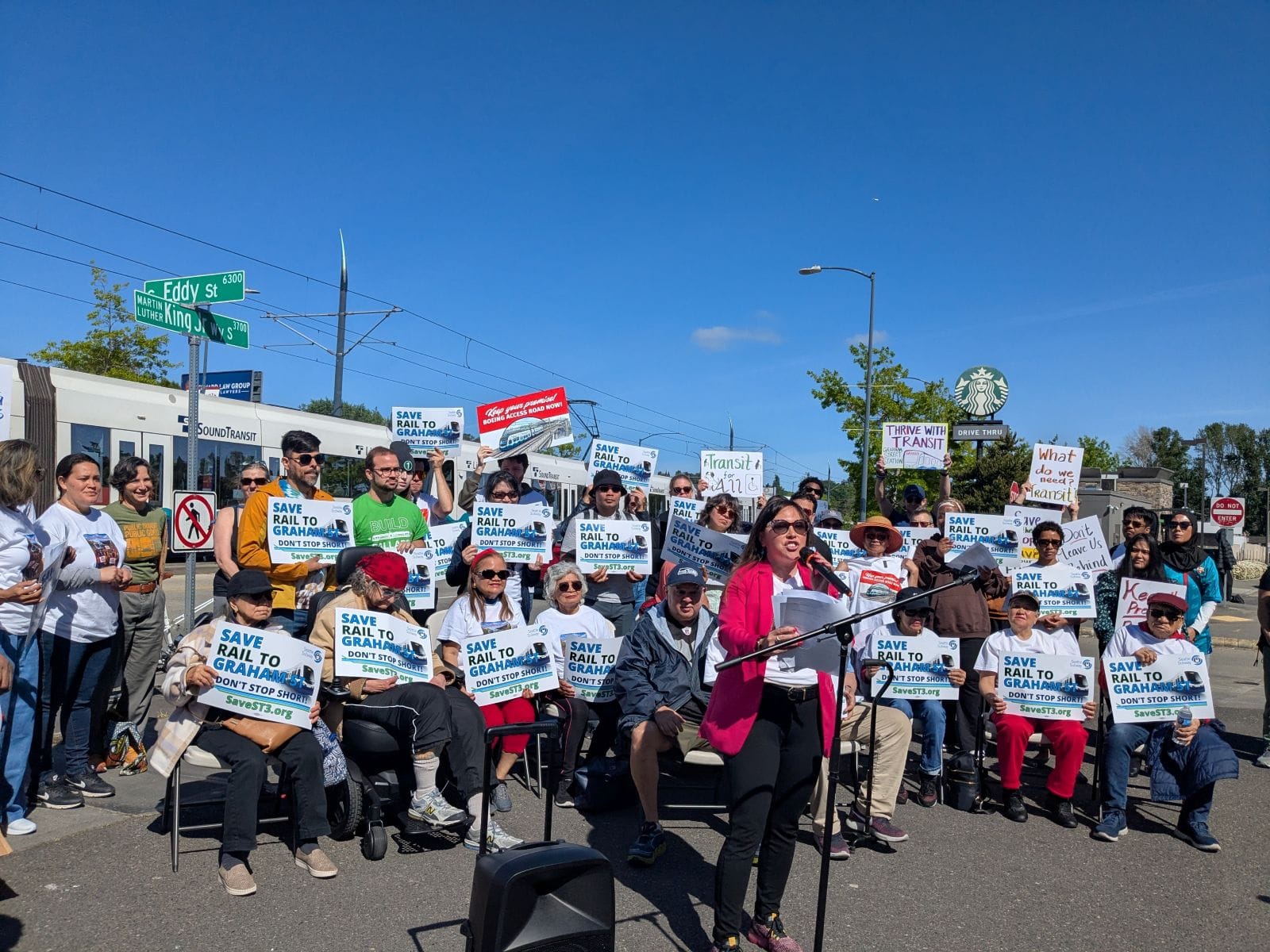
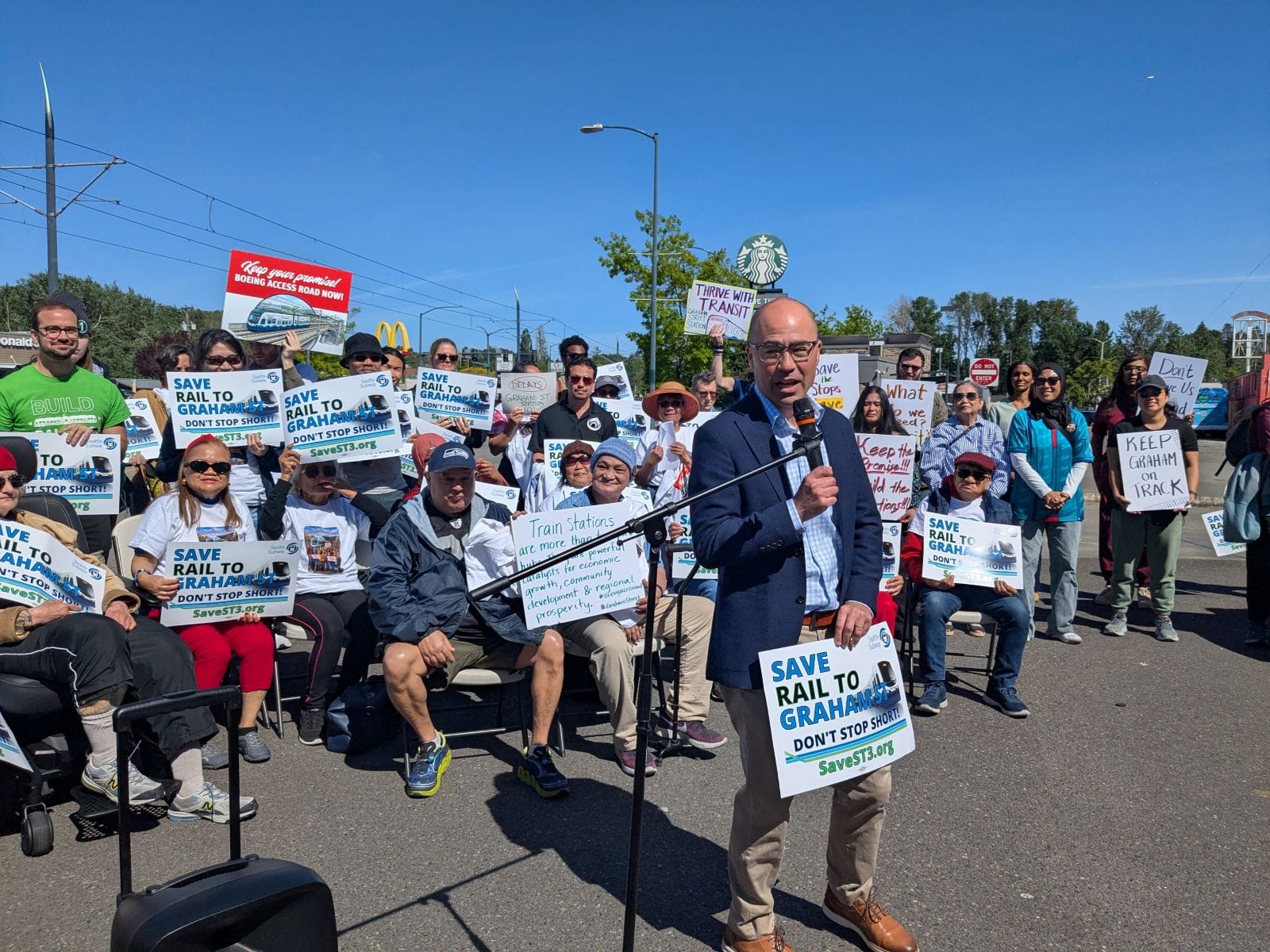
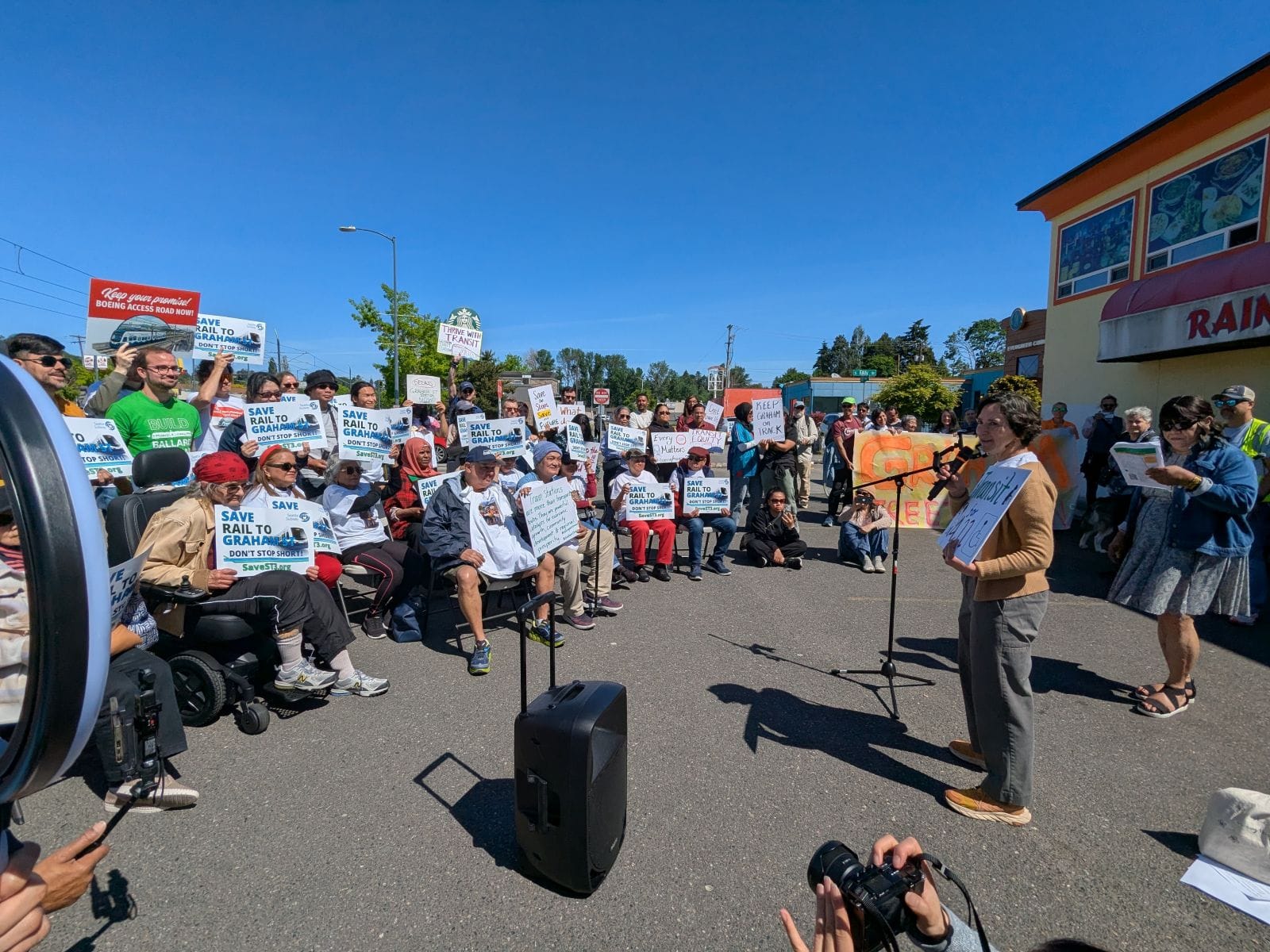
The Southend Transit Justice Coalition hosted a rally on Monday near the site of the long-planned Graham Street light rail station to demand Sound Transit not cut the infill station from a rebalanced Sound Transit 3 (ST3) plan.
Well attended by local elected officials, non-profit organizations, and community members, rally members insisted that Sound Transit “build the damn trains.” Advocates also pushed back against plans to cut the Boeing Access Road infill light rail station in Tukwila. If built, both would add stops of today’s 1 Line, filling two of the longer gaps between stations.
In addition to the Monday march, the coalition hosted a town hall on Tuesday evening.
With a scheduled Sound Transit board vote on the new rebalanced plan scheduled in two weeks, pressure is mounting on neighborhood transit advocates, who see the indefinite deferral of the two South End stations as another in a series of compromises and broken promises.
In an effort to address a $34.5 billion funding gap through 2046, Sound Transit board chair Dave Somers introduced his “affordable ST3” plan last week. In addition to deferring the two South King County infill stations, the plan would focus on building the light rail “spine” and the shovel-ready West Seattle extension, while delaying other projects and deferring the Interbay and Ballard segment of the SoDo to Ballard line.
“If we're going to do ST3 100%, we gotta get to Ballard,” said Seattle City Councilmember Dionne Foster. “We gotta get to West Seattle. But we need to build Graham Street. We cannot tell communities we're going to get you next time and not get you next time, right? This is about building confidence. This is about trust.”
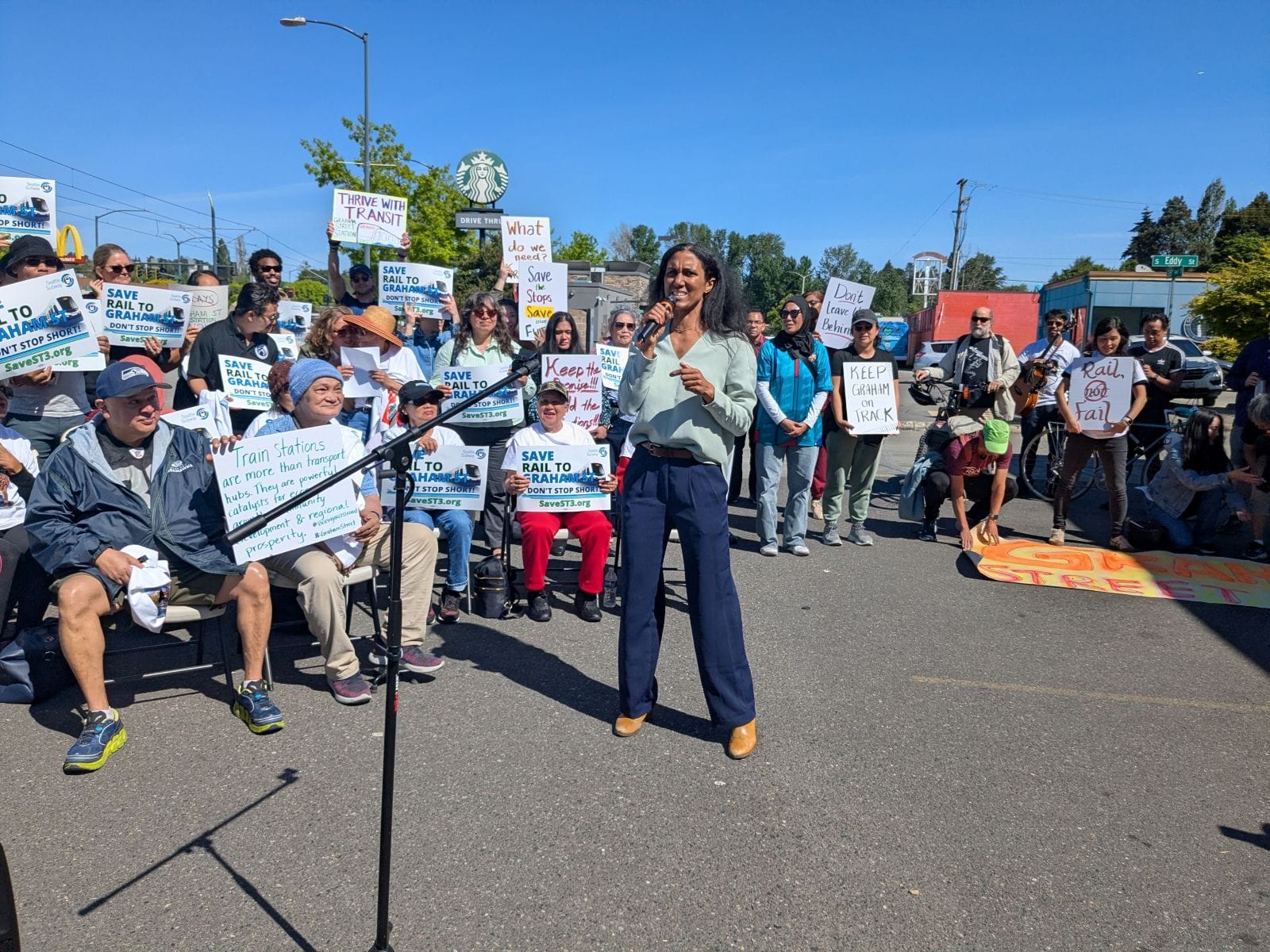
Seattle Mayor Katie Wilson has also spoken about the importance of building the Graham Street station.
The Graham Street station is expected to cost between $175 million and 200 million, while the Boeing Access Road station is expected to be much more expensive at $425-475 million.
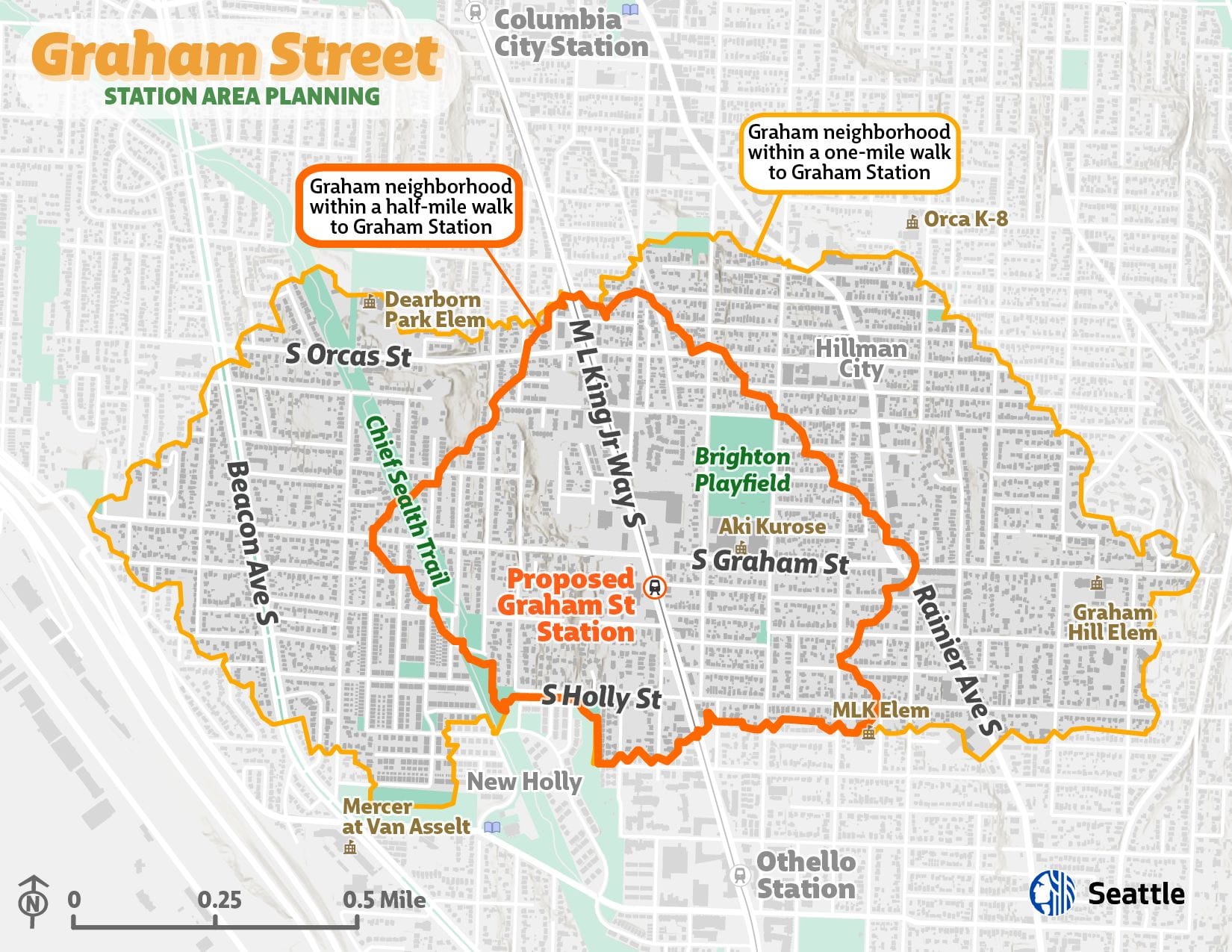
Sound Transit’s modeling predicts 4,100 daily riders at Graham Street, and it reported in 2015 that 8,200 residents lived within half a mile, projected to grow to 10,200 by 2040. Boeing Access Road station, on the other hand, is predicted to serve 2,100 daily riders, with 1,600 residents living within a half mile in 2016 and a projected population of 1,900 by the year 2040.
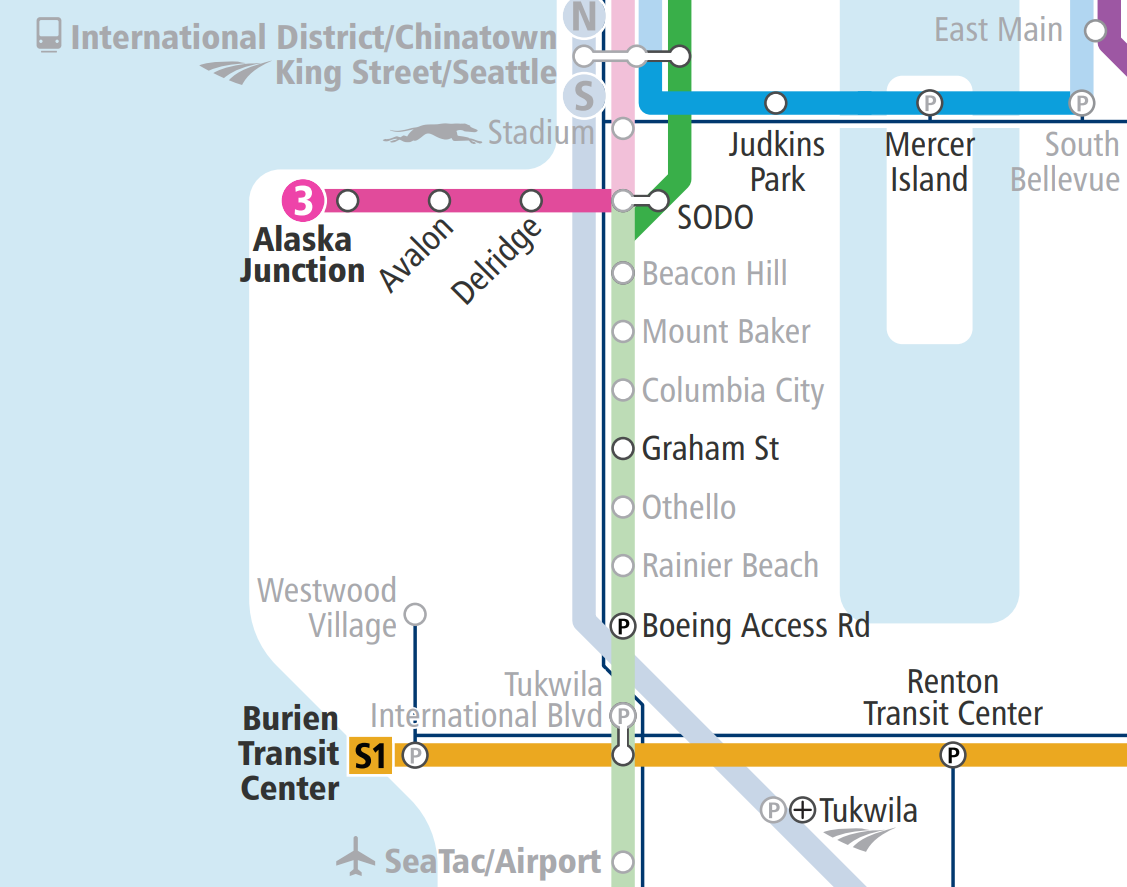
“I know it's not obvious to some who don't live in the neighborhood because there's already light rail running down MLK [Way], but the distance between Columbia City and Othello station leaves a real gap for people who live, work, pray, shop, gather and move through the Graham neighborhood every day,” said community member Jessica Ramirez. “That distance matters, especially for elders, disabled riders, the youth who just go to school just down the street, for [...] working families and transit dependent communities. At the end of the day, communities should not have to continuously fight for infrastructure they were already promised.”
For many years, the non-profit organization Puget Sound Sage has been deeply involved in working with other community groups to create a neighborhood vision around the new Graham Street station that would minimize displacement and create new opportunities for communities of color. Called the Graham Street Community Action Team (CAT), this coalition has helped to plan new equitable development development projects that would benefit from easy transit access.
Projects that have received funding from the City of Seattle include a mixed-use affordable housing and community facility project by the Somali Health Board, the Tubman Health Center, and the Filipino Community Village with low-income housing for seniors and a science-technology-engineering-arts-math (STEAM) program for youth.
While residential development around the Boeing Access Road station site is limited, transit advocates see the station as a critical jobs connector due to its proximity to the North Tukwila Manufacturing and Industrial Center. It would also improve bus-to-rail transfers for some riders, though earlier dreams of adding an accompanying Sounder commuter rail infill station next door never came to fruition.
Light rail as an issue of racial equity
Violet Lavatai, the founder and executive director of Tenant Organizers & Advocates, said the deferral of the two stations is not just a transportation issue, but a racial equity issue that impacts historically underserved communities in south King County.
“We are calling for equitable investment, meaningful engagement, and immediate action to ensure Graham Street and Boeing Access Road receive the attention and funding they deserve,” Lavatai said. “Our communities have waited long enough, and we will continue organizing until transit justice and racial equity are reflected in the decisions that save the future of Seattle.”
The communities around the proposed Graham Street and Boeing Access Road are both racially diverse. The 2016 American Community Survey found that 42% of the Graham Street neighborhood was Asian and 25% was Black. Around the Boeing Access road, 67% of the community are people of color, with 40% foreign born.
Toshiko Hasegawa, current Commission President at the Port of Seattle and a candidate for the King County Council’s District 2 seat, said the transit-dependent community, which has been waiting for the Graham Street station for almost 30 years, shouldn’t have to beg for basic infrastructure.
“Equity is a bold commitment to level the playing field by doing what it takes to right the wrongs of the past,” Hasegawa said. “It begins by acknowledging that historical wrongs have occurred, economic, academic and health disparities exist, and that advancing equity is a budget decision. Equity infrastructure, it's about who gets connected and who gets cut off. And if Sound Transit is serious about advancing racial equity, then advancing these two stations is the clearest way to prove it.”
At last week’s Sound Transit Board’s Executive Committee meeting, Tukwila Mayor Thomas McLeod objected to the agency failing to run the “affordable ST3 plan” through its racial-equity toolkit. At the time of the meeting, there was no intent to do so before the board votes on the plan later in May.
Seattle Councilmember Eddie Lin told The Urbanist he thinks Sound Transit didn’t want to do the racial-equity toolkit.
“I think it would show that this is a top priority in terms of transit justice, in terms of racial equity justice,” Lin said. “And so the frustrating thing is, it's understandable that they have huge cost drivers that they need to address. This is not going to save anything. If anything, [Graham Street] is one of the most efficient stops in terms of cost per rider. It's also been promised for a long time. Again, from an equity standpoint, it's absolutely essential.”
Sound Transit had not responded to The Urbanist’s request for comment by the time of publication.
Hasegawa said that the stretch of the light rail through the Rainier Valley was built at grade with vehicle traffic and pedestrian crossings in order to save money, just as these two South End infill stations are now being deferred to save money. Many other segments of the Link system are elevated or buried underground to separate them from traffic. The lack of traffic separate has meant collisions involving trains have occurred on a near monthly basis in this segment.
“Today, Sound Transit itself identifies this quarter along MLK Junior Way South as the highest risk segment in the entire system, and today, people continue to pay for those cost savings with their very lives,” Hasegawa said. “These are the hard truths. These are the reverberating repercussions of institutional racism and infrastructure planning, when communities of color are treated as places where the corners can be cut, where safety is compromised, where investment can wait, where promises can be delayed.”
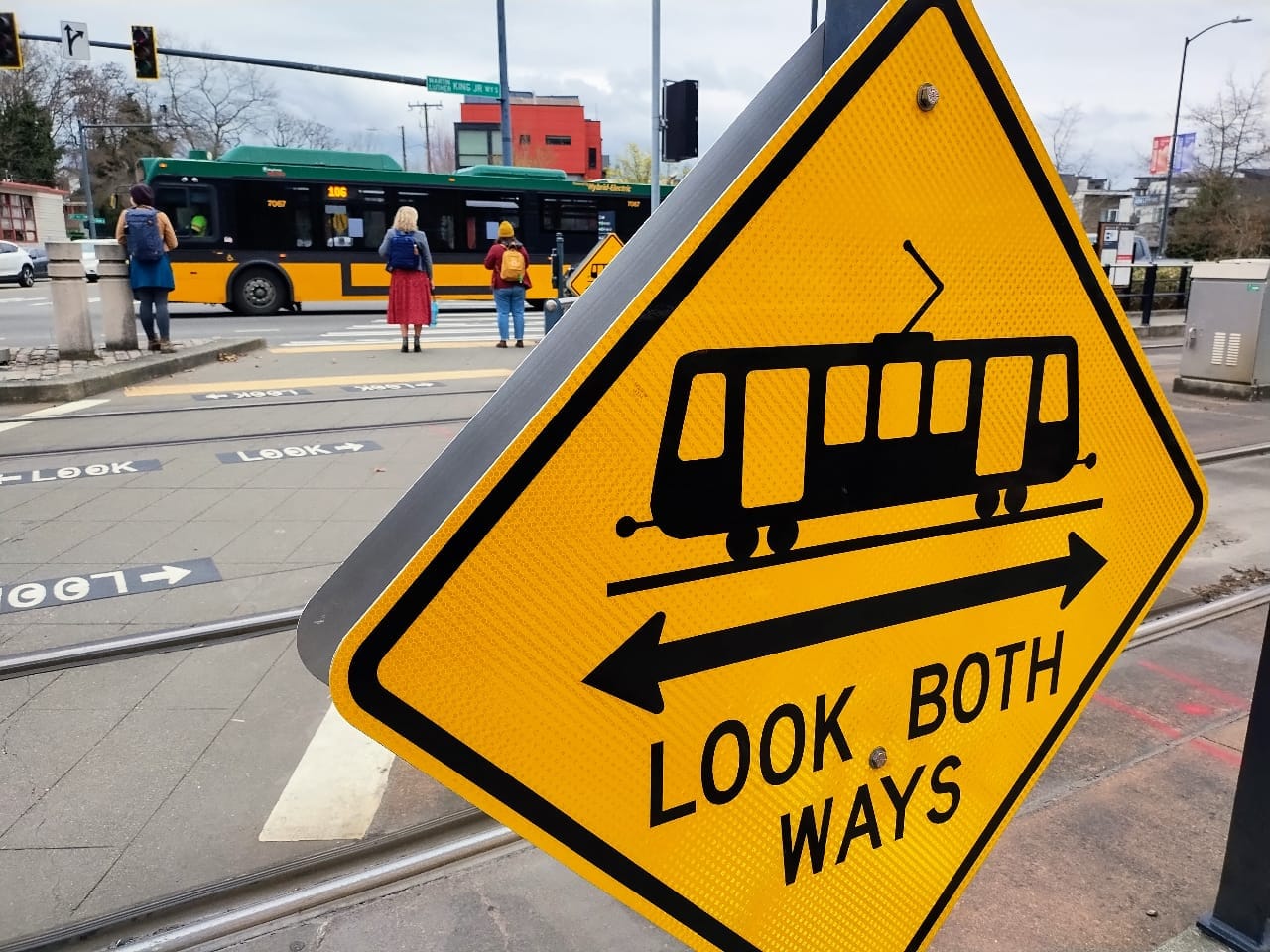
Safety issues along the at-grade section of the light rail have been so bad, Sound Transit has generally opted to either elevate or bury future light rail routes.
What’s next
Tukwila Council President Armen Papyan expressed anger that when he’d tried to provide feedback at a recent board meeting, he wasn’t even given one minute to speak.
“The Sound Transit proposal that we're working on at the City of Tukwila was approved before I was even born,” Papyan said. “Think about that for a second. And it's been deferred already once, and now they're basically asking for it to be deferred again.”
The Sound Transit board’s Executive Committee will be hosting a special meeting on Thursday, May 14 from 1:30-4:30pm to give members of the public another chance to weigh in on the new ST3 plan.
Advocates have made clear that they find any plan that further defers the Graham Street and Boeing Access Road stations to be unacceptable. While the coalition has said they don’t want to see communities pitted against one another, there are also clear feelings that the South End is once again getting the short end of the stick.
“I am tired of making my community suffer and be patient while other communities get all of the amenities and step in line before us,” said Rep. Sharon Tomiko Santos (D-37th Legislative District, Seattle).
Amendments for the rebalanced plan are due this week, and the board is scheduled to vote on the plan on May 28.
Meanwhile, hope remains that Sound Transit’s funding gap may shrink further, both from potential cost savings as projects progress through the design process and from potential new funding, whether that be from the federal government or from additional revenue tools provided by the state legislature, including possible permission to issue 75-year bonds.
State Senator Rebecca Saldaña (D-37th LD, Seattle), who is now running for the open King County Council District 2 seat, is already thinking about next year’s state legislative session.
“It’s this coalition that's going to go back to the legislature next year to make sure that we get the partnerships that we need, but when Sound Transit just sends their suits down there, we know that that's not the kind of organizing that will get the response that we need,” Saldaña said. “So our communities are going to organize to make sure Sound Transit keeps their promise, and then we're going to keep on organizing to make sure that we deliver the station on time.”
 Ryan Packer
 Ryan Packer