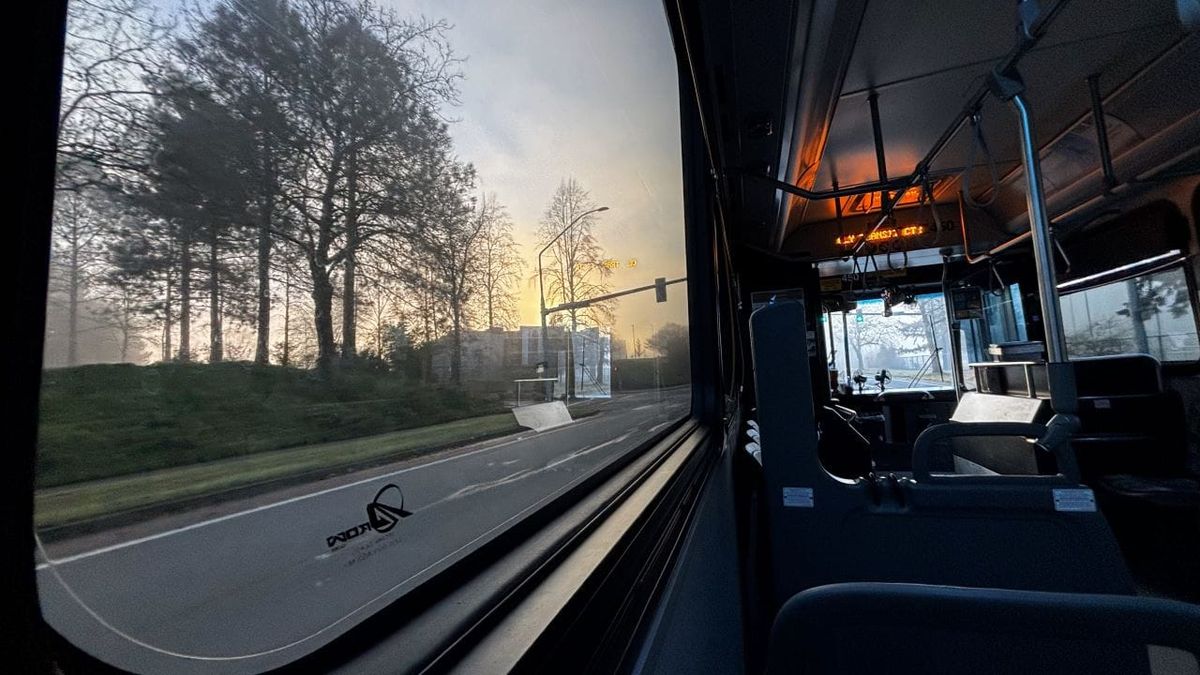
Riding the bus regularly can help officials make better policy decisions.
Welcome to Week Without Driving 2026. Now in its sixth year, the annual event has grown from the participation of a few dozen elected leaders in Washington State to an international initiative. Last year, more than 600 organizations from all 50 states, four Canadian provinces and Australia joined us to host events and invite participation in their local communities.
At its core, Week Without Driving makes the lived experience of nondrivers visible, helping elected officials understand the experience of their constituents who can’t drive or can’t afford to drive. (A new ABC News poll conducted in late April found that 44% of Americans have reduced how much they drive because of high gas prices).
By doing so, Week Without Driving helps win policies and resources to support transportation access across both rural and urban communities and everywhere in between.
More than a third of the U.S. population cannot or do not rely on driving to meet our daily travel needs. We are disabled people who cannot drive, people who can’t afford a vehicle, maintenance or gas, have suspended licenses or lack documentation to get a license. We are people who are too young to drive, choose not to drive or who have aged out of driving.
But we are often invisible. We are told that “everyone” drives and therefore it’s not a priority to build smooth sidewalks, to slow down cars for safer crossings, to fund more reliable transit service or comfortable bus stops.
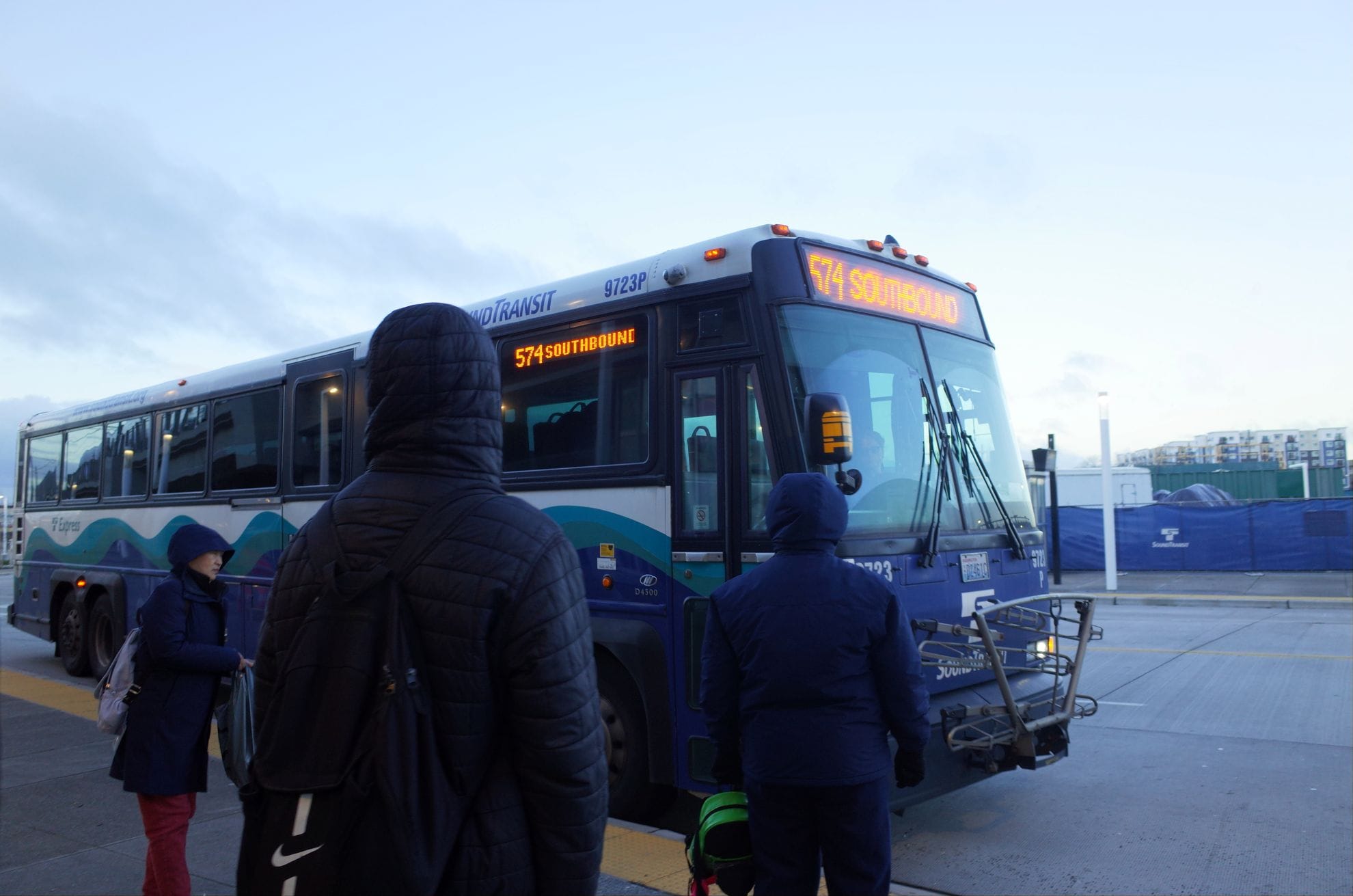
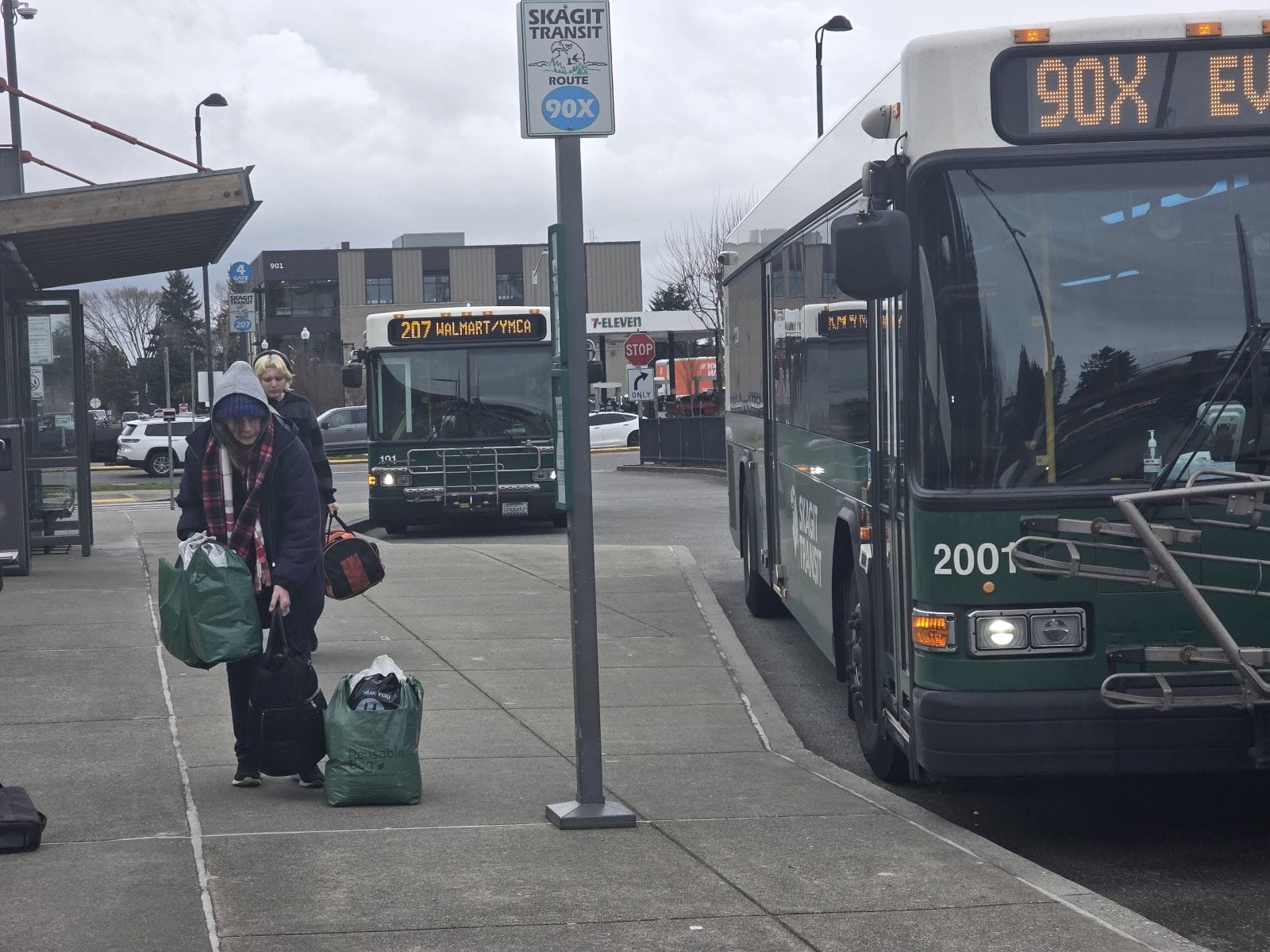
This year, the Nondrivers Alliance is focusing our Washington State Week Without Driving organizing to engage with elected leaders who serve on transit boards across our state.
In previous years, we often heard from invited elected leaders that there was no way for them to participate in the Week Without Driving because there was no transit service in their community. We hope to avoid that argument by focusing on elected leaders who serve on transit boards, and therefore represent an area with transit service.
The first step in our engagement is a survey we distributed in March that asked every transit board member two questions: When was the last time you rode transit in your service area? And how often do you ride transit in your service area?
You can review the responses here.
The Nondrivers Alliance pie chart above shows responses to the question of how often transit board members rode transit in their service area. Nineteen percent rode yesterday, 16% last week, 22% in the last month, 14% in the last six months, 7% in the last year, 14% longer than a year and 10% haven’t yet ridden transit in their service area.
To the question of how often transit board members ride transit in their service area: 4% reported daily ridership, 25% weekly, 26% monthly, 16% yearly, 16% once every couple years, and 12% haven’t yet ridden transit in their service area.
The bar graph showing response rates (as a percentage) of board members on each transit agency board in Washington state who responded to our ridership survey. Many are below 40%.
We’re using this survey as a jumping off point to begin our outreach for Week Without Driving. While we recognize that going a full week without driving might not be realistic for every elected official, there are other less intensive ways to participate – for example, joining a bus or paratransit ride along with a constituent or joining a tour of sidewalks, crossings and bus stop infrastructure.
We’re inviting every elected leader in Washington State who serves on a transit board to join us in participating in Week Without Driving by riding the bus. And inspired by our colleagues at the DC’s Transit Equity Network, we’ll be tracking who accepts the invitation.
That’s where we need your help! Check if the elected leaders on your transit board have responded to the survey! If they haven’t, let us know and we’ll connect you with them to send a reminder.
The Nondrivers Alliance believes it’s important for people who guide our transit agencies to be regular transit users. We’d love to see every transit board member tell us that they make time to regularly ride transit, and we’d love to see transit agency general managers and executive directors lead by example, using transit and encouraging other staff to do the same.
Until we get boards and transit agency leadership that ride and rely on transit themselves, so that they can speak to how the system is working and are familiar with the people it serves. We believe our systems will be improved if we have people in decision-making roles who are transit riders. That’s why we’re continuing to advocate for transit agencies to add transit riders as voting members of their boards.
When decisions are getting made that impact our ability as nondrivers to get to work, to get to school, to the doctor, to church or to meet with friends, we want to know that someone in the room understanding the weight of these decisions and remember that we, as transit-reliant community members, exist and rely on transit and paratransit service to be included in community.
Transit can and should be something that works for all of us, no matter if we live in a big city, the suburbs or a small rural community. We’re fighting for a Washington state where this is true.
Anna Zivarts is executive director of Nondrivers Alliance. The Week Without Driving is Oct 1 to 8.
 Anna Zivarts