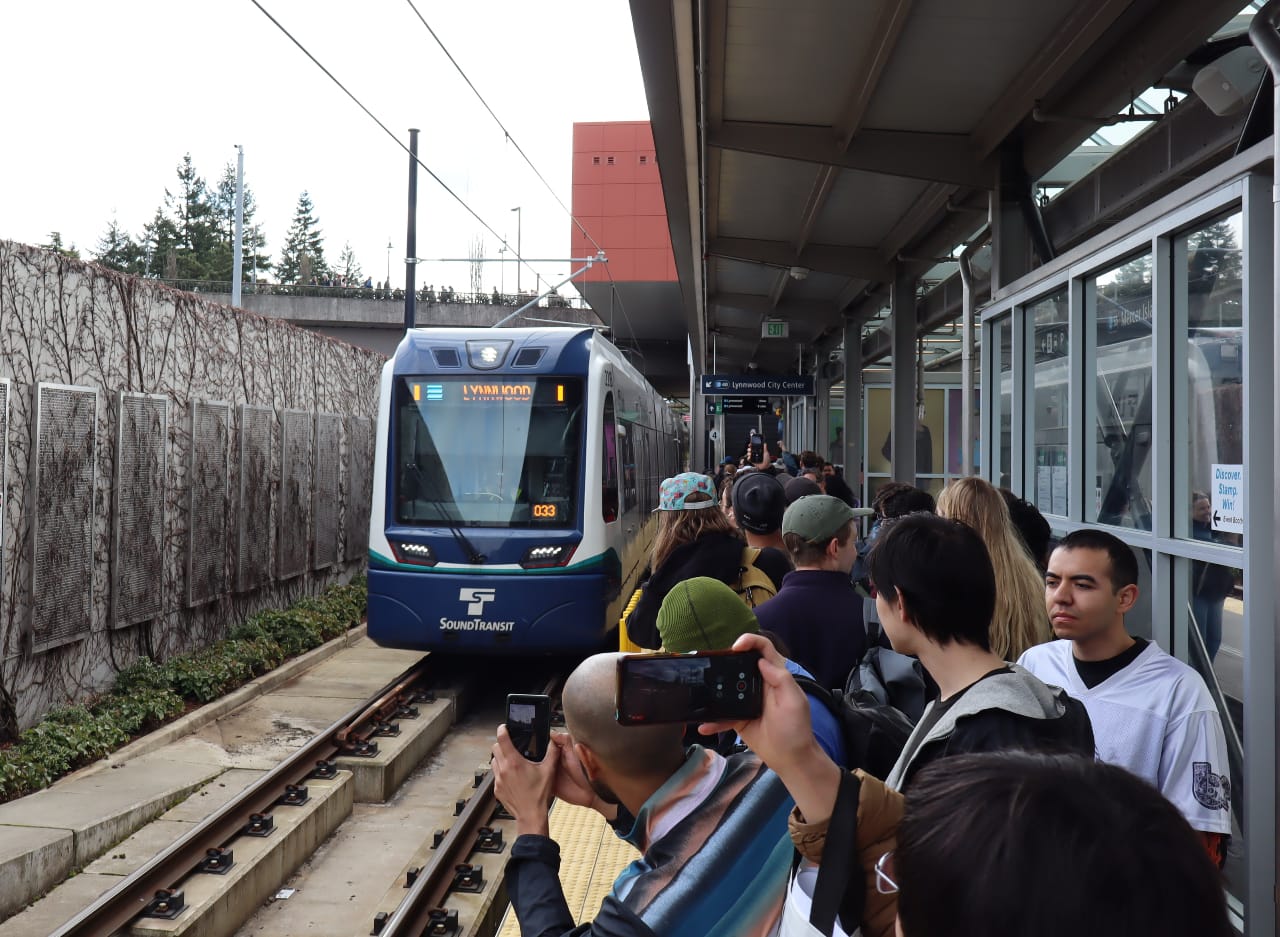
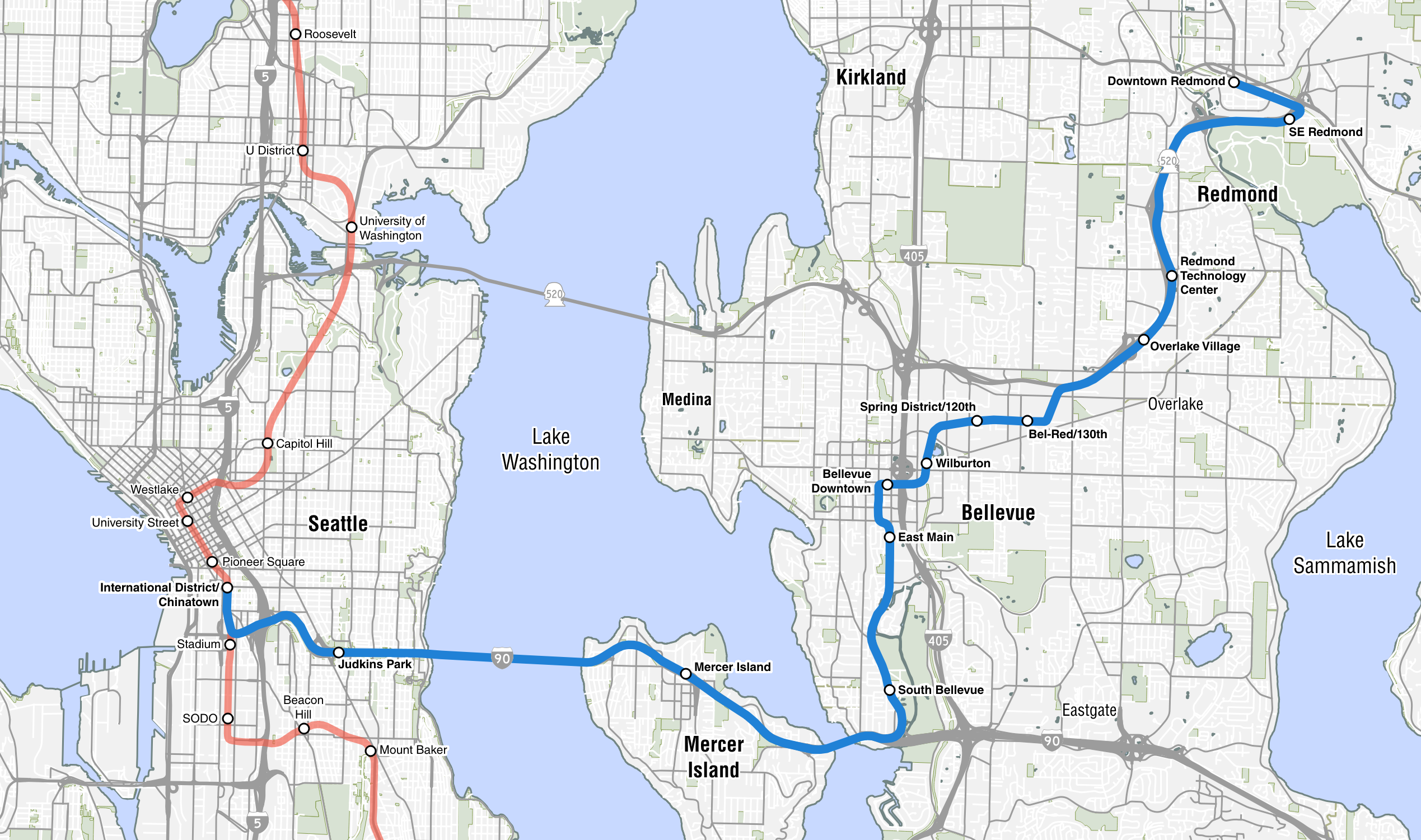
Picture in your mind, how many people would turn out to celebrate the opening of a light rail line in Seattle. Then double it. That gets closer to the crowd that turned out Saturday to get a chance to ride one of the first trains across the I-90 floating bridge, as Sound Transit finally launched service on the full 2 Line between Redmond and Lynnwood.
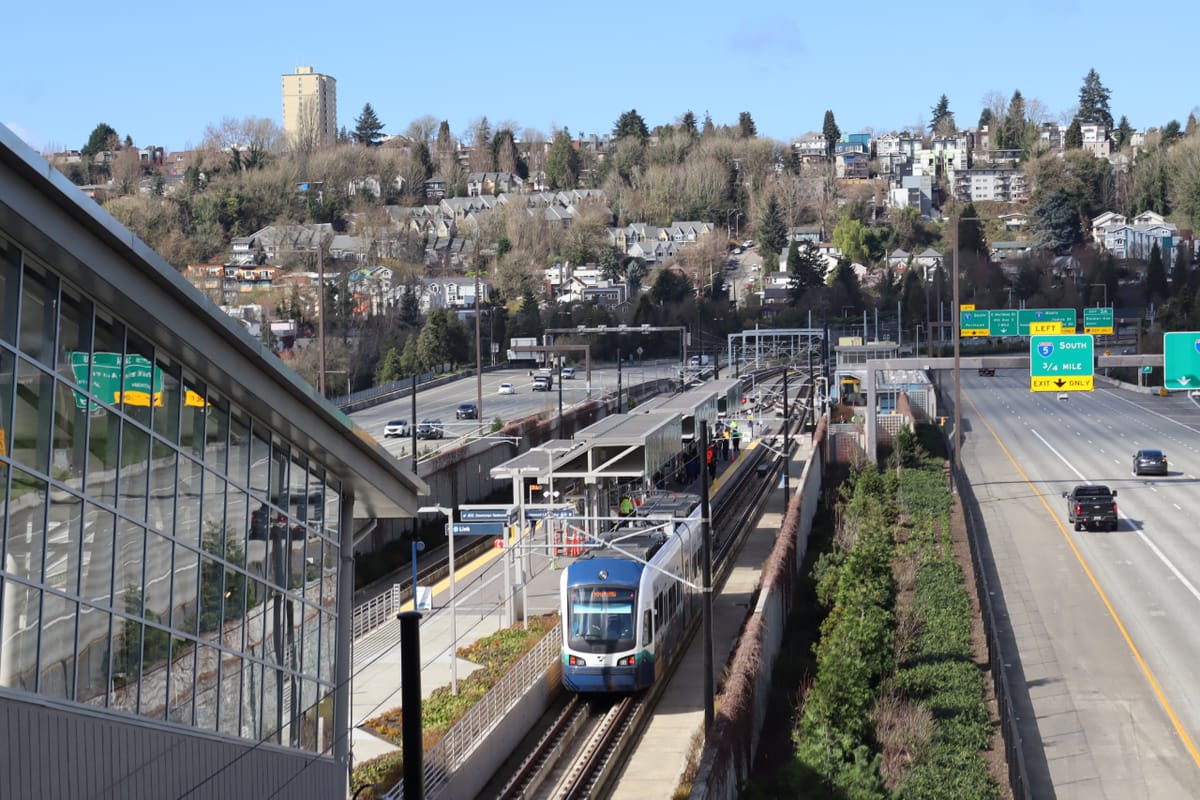
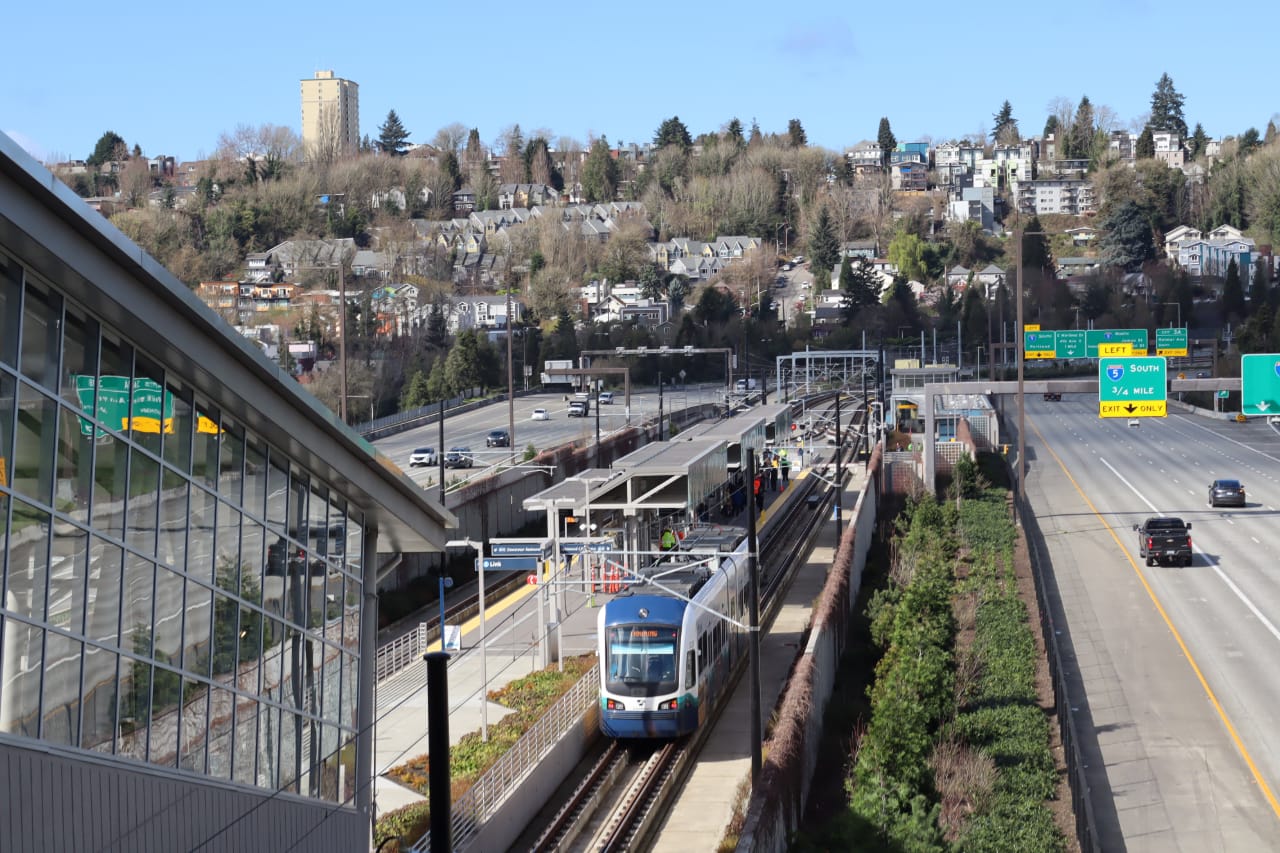
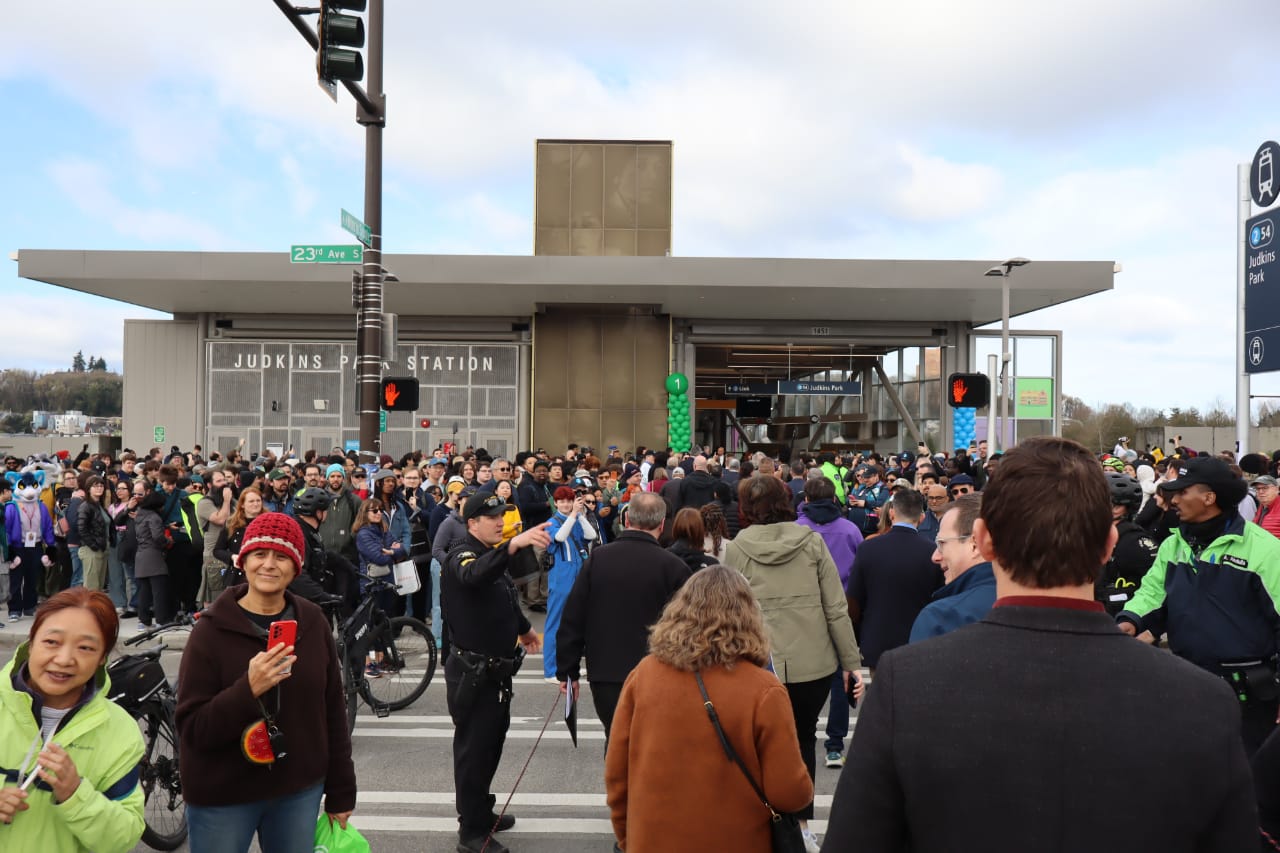
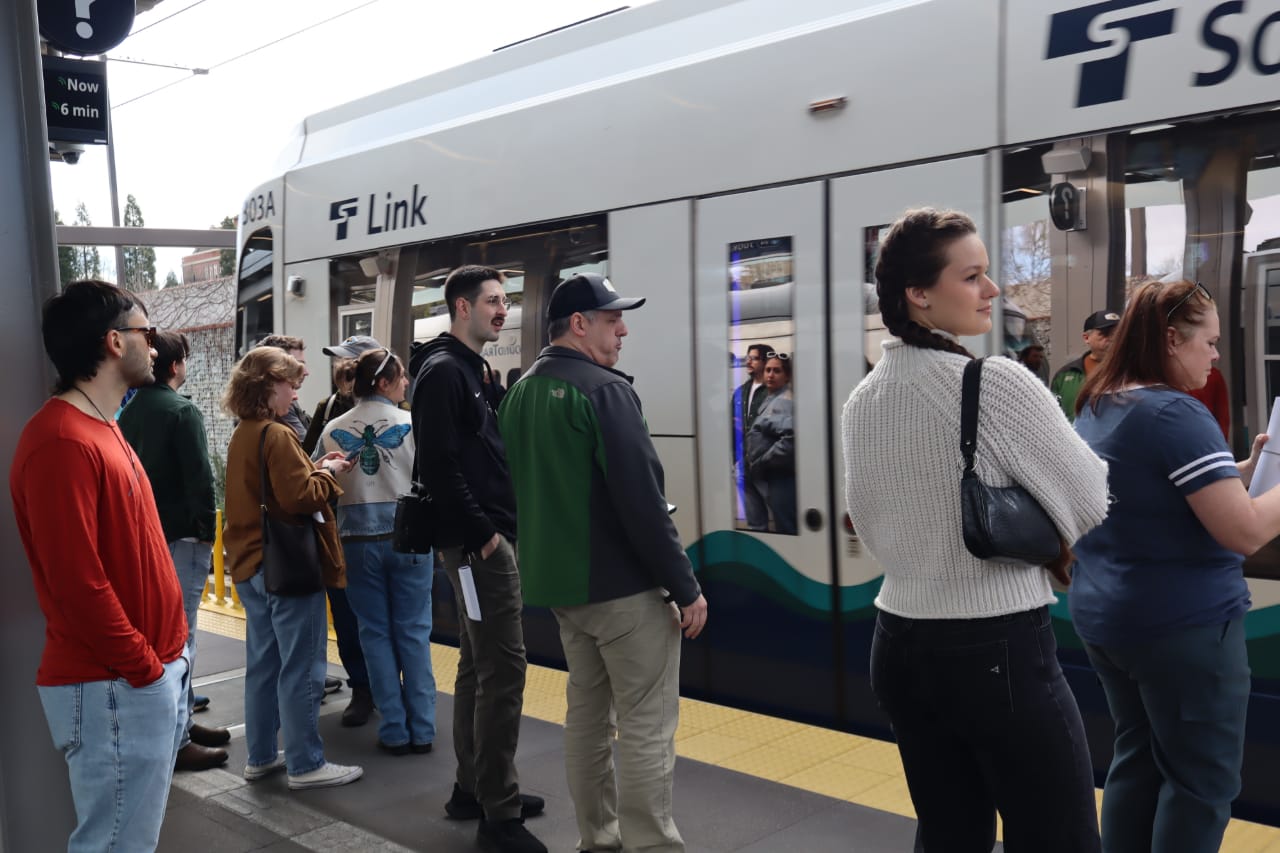
At Seattle's Judkins Park station, the epicenter of this weekend's festivities, the line to board a train snaked all the way from the station entrance at 23rd Avenue, down the I-90 Trail, and all the way to the other entrance of the station at Rainier Avenue. To maintain the flow of riders, that station remained closed until crowds dissipated... that was initially expected around 10:30am – but didn't actually happen until after 3pm.
With a massive "No Kings" later in the day and a Mariner's game during opening week in the evening, Saturday is likely to rank as a top ridership day for Sound Transit, likely even rivaling last month's Super Bowl victory parade and its 225,000 riders.
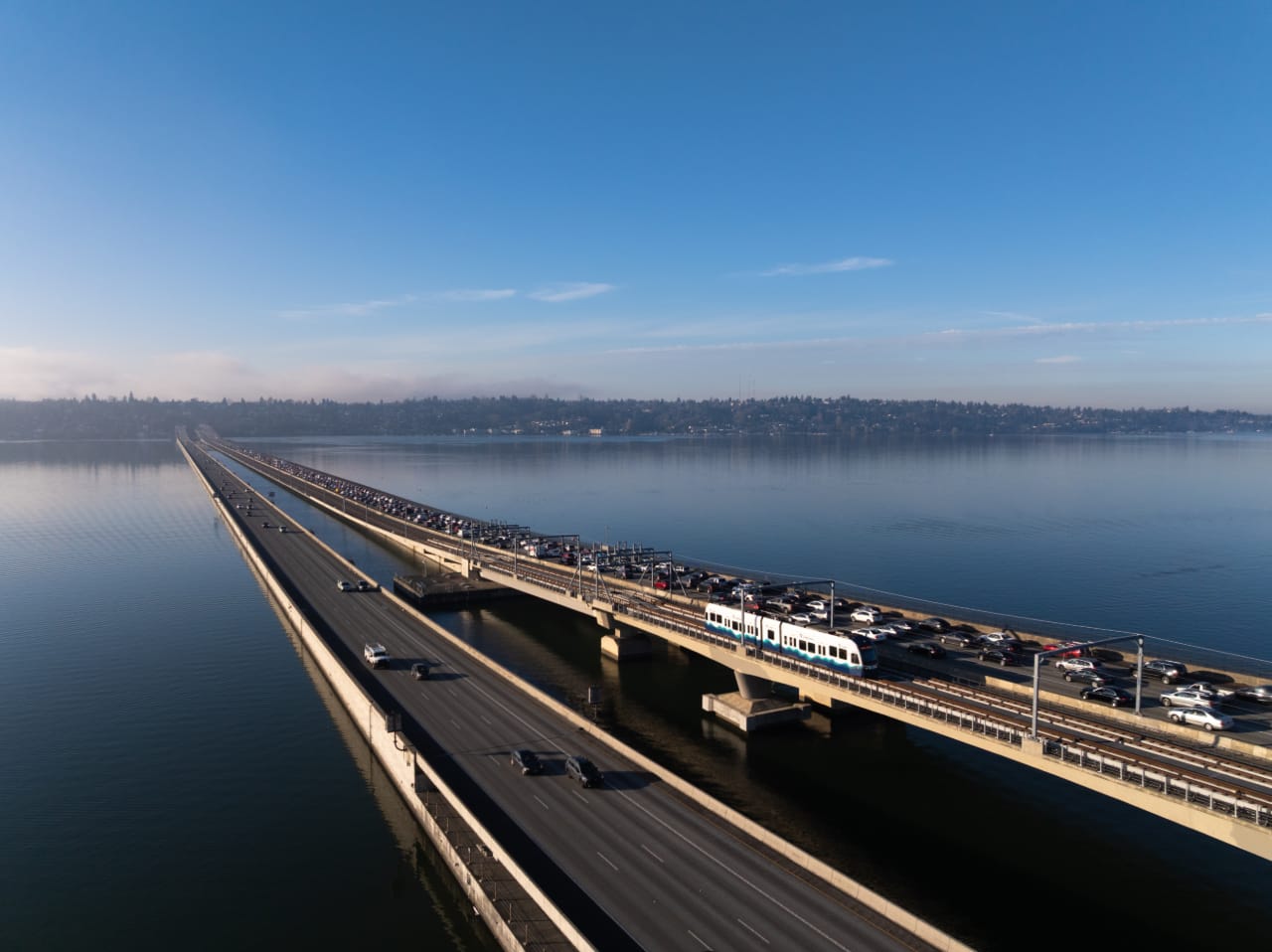
The moment was certainly crowd worthy. The idea of running light rail across the I-90 floating bridge between Seattle and the Eastside had been decades in the making. It was baked into the initial design of the Homer M. Hadley floating bridge in the 1980s, advanced by Sound Transit when the agency was still in its infancy in the late 1990s, and fully funded by the 2008 Sound Transit 2 ballot measure.
The full 2 Line is OPEN
— Ryan Packer (@typewriteralley.bsky.social) 2026-03-28T17:19:19.142Z
"Today is a day when our transit system gets so much better, thanks to the vision and hard work of people here today and many, many others," Seattle Mayor Katie Wilson told the crowd of dignitaries and onlookers gathered ahead of the ribbon-cutting Saturday morning. "Today is a huge day, and there is also so much more to do to actually deliver frequent, reliable, affordable transit to people across Seattle and across our region. Having a car should not be a requirement to enjoying and building the life of one's choosing."
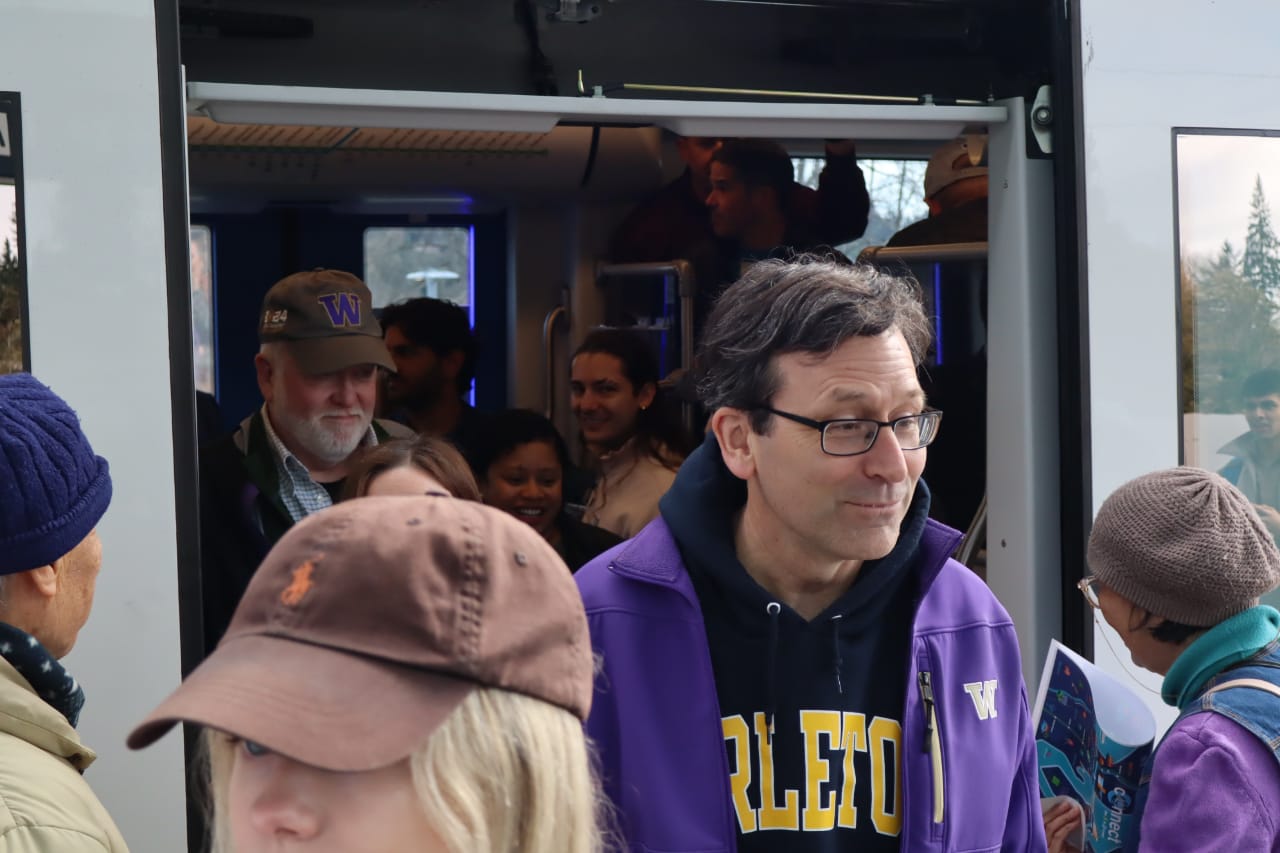
Even Washington Governor Bob Ferguson, who has not been a staple at transit openings since taking office early last year, was on hand to celebrate the 2 Line's final connection. Ferguson has a complicated history with Sound Transit, winning his first campaign for the King County Council in 2004 against a strident agency supporter, at a time when – much like today – major cost overruns threatened project completion.
"I've got three thank yous to three groups. First to the visionaries who conceived it, who believed in it, and who stuck with it. Give them a round of applause for this day," Ferguson said Saturday. "Number two, to the public who said yes to that vision. Without their support, this day does not happen. Give them a round of applause. And third, and most importantly, to the workers who built this bridge, who improved this bridge, who maintained this bridge, who operate this bridge, year after year, decade after decade, give them the biggest round of applause."
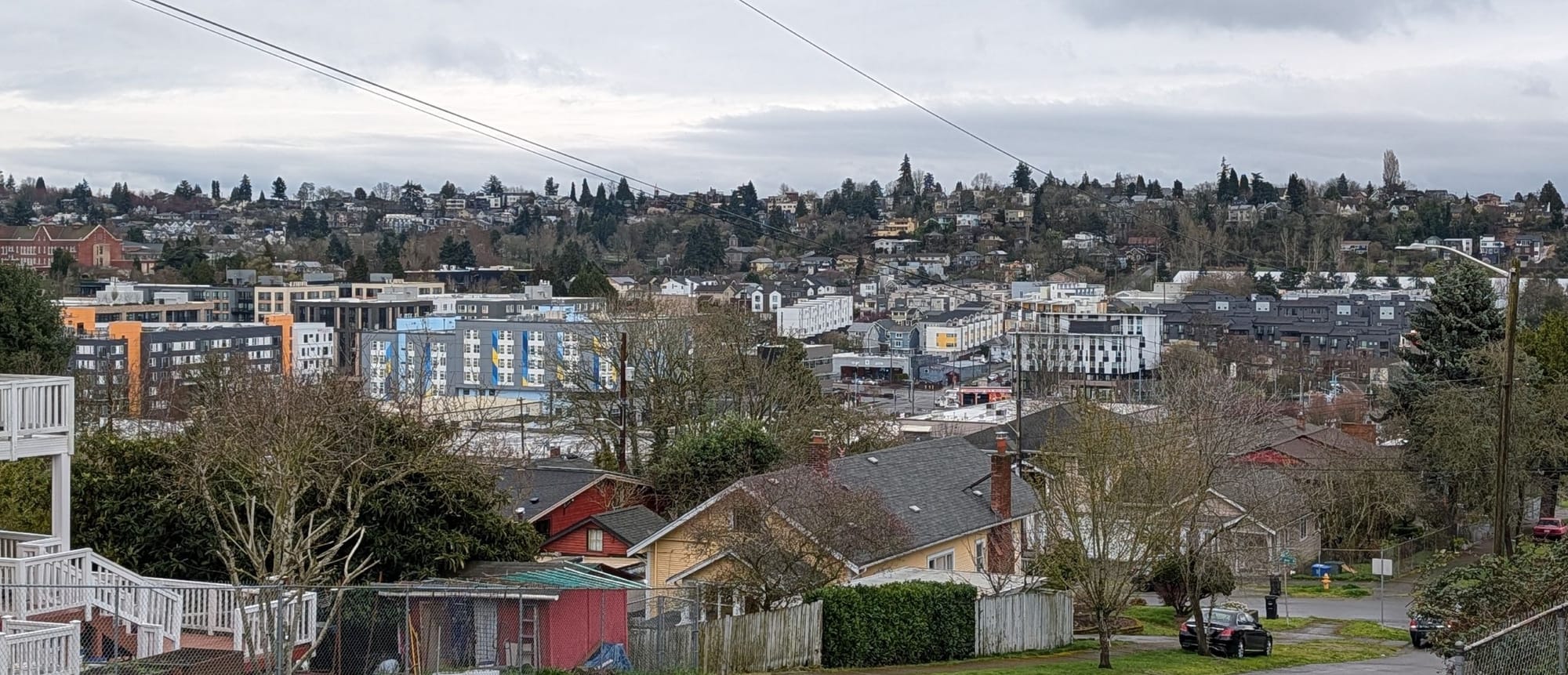
Redmond and Bellevue, now connected to Seattle and other parts of the region with an all-day traffic-free, high-capacity transit option, have been planning for this moment for years. Downtown Redmond, with its 2 Line stop stitched into the urban fabric in a way that rivals many Seattle stations, is unrecognizable from the suburb that it was just a few decades ago.
Bellevue, which successfully advocated for bringing the 2 Line away from the 520 highway through BelRed and the Spring District, is set to add thousands of new homes near its stations. In between, at Microsoft, a major campus expansion project has oriented one of the region's biggest employers directly around light rail. (Mercer Island is a different story.)
"For years, the most reliable cross-lake transportation plan has been: leave early and hope. And the only thing really connecting Bellevue and Seattle was a shared frustration with I-90 and 520 traffic," Bellevue Mayor Mo Malakoutian said. "Today we are upgrading our relationship status to 'officially connected.'"
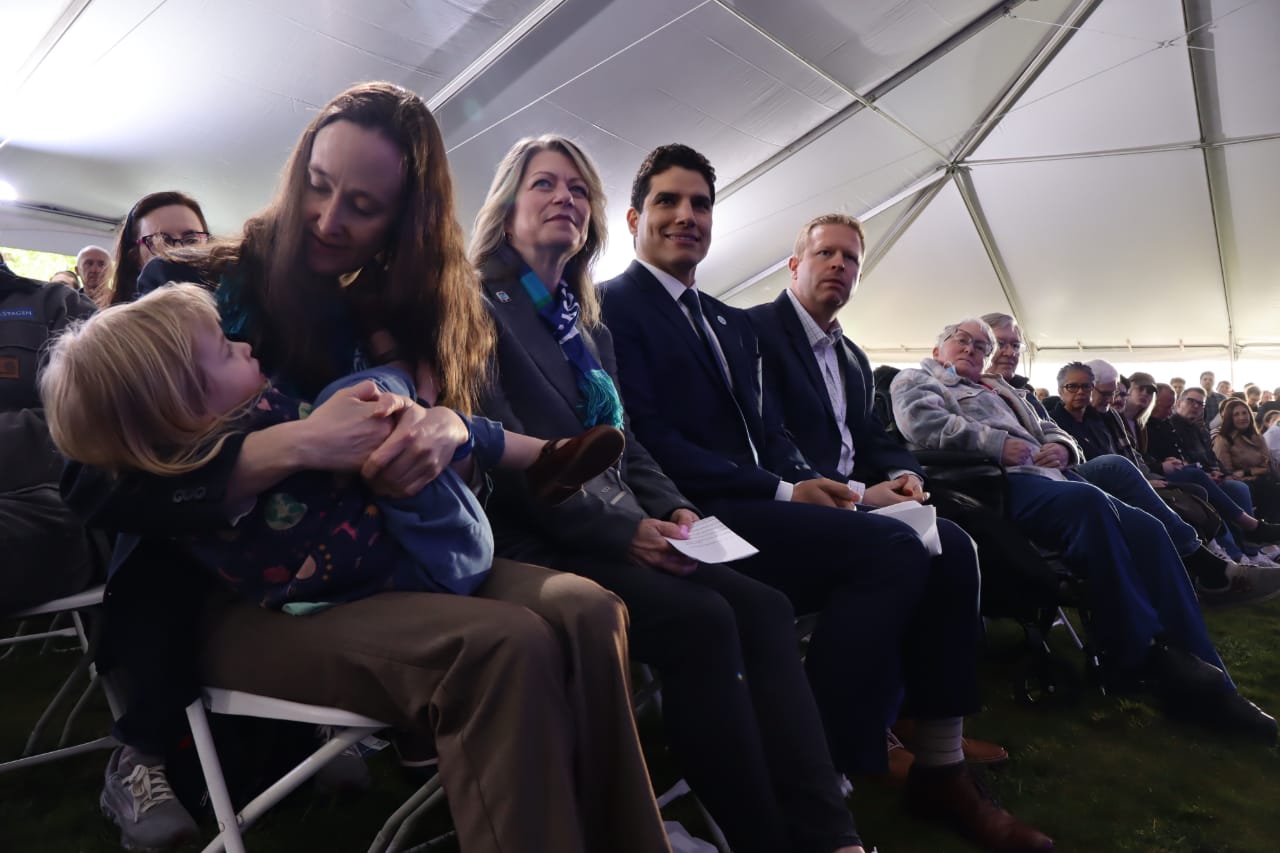
Sound Transit CEO Dow Constantine was days from his one-year anniversary as head of the agency that he oversaw for more than a decade on the board. He framed Saturday's ribbon cutting as the culmination of a vision established long before there even was a Sound Transit. Constantine is very fond of referencing civic leader Jim Ellis, and his 1965 speech at the Seattle Rotary Club calling rapid transit an "essential link" in the region's future transportation system. That speech was a major precursor to the failed 1968 and 1970 Forward Thrust ballot measures.
"For 50 years, we have been working toward this goal. And visionaries have carried it forward, like Ruth Fisher, like Joni Earl, like Greg Nickels and so many more," Constantine said. "We have lamented for so long how far behind our region has been on transit, how we missed our chance back in the day, but no more. As of today, we will have 50 light rail stations across 63 miles and multiple counties, and we are just getting started."
With the 2 Line now fully open, the rapid pace of light rail openings that the region has gotten used to will slow considerably. Later this year a new stop for 1 and 2 Line trains at Pinehurst will open, filling in a long gap between Northgate and Shoreline's NE 148th Street. But after that, new stations at Graham Street and Boeing Access Road won't open until 2031, and recent options put in front of the Sound Transit board to deal with a significant budget crunch could result in those stations being pushed out even further.
West Seattle Link, the next full extension set to open in 2032, could also be in jeopardy as that budget gap gets closed. But numerous Sound Transit board members have raised real concerns about deferring the only project currently in the queue with federal approval, a fact that makes it "shovel-ready."
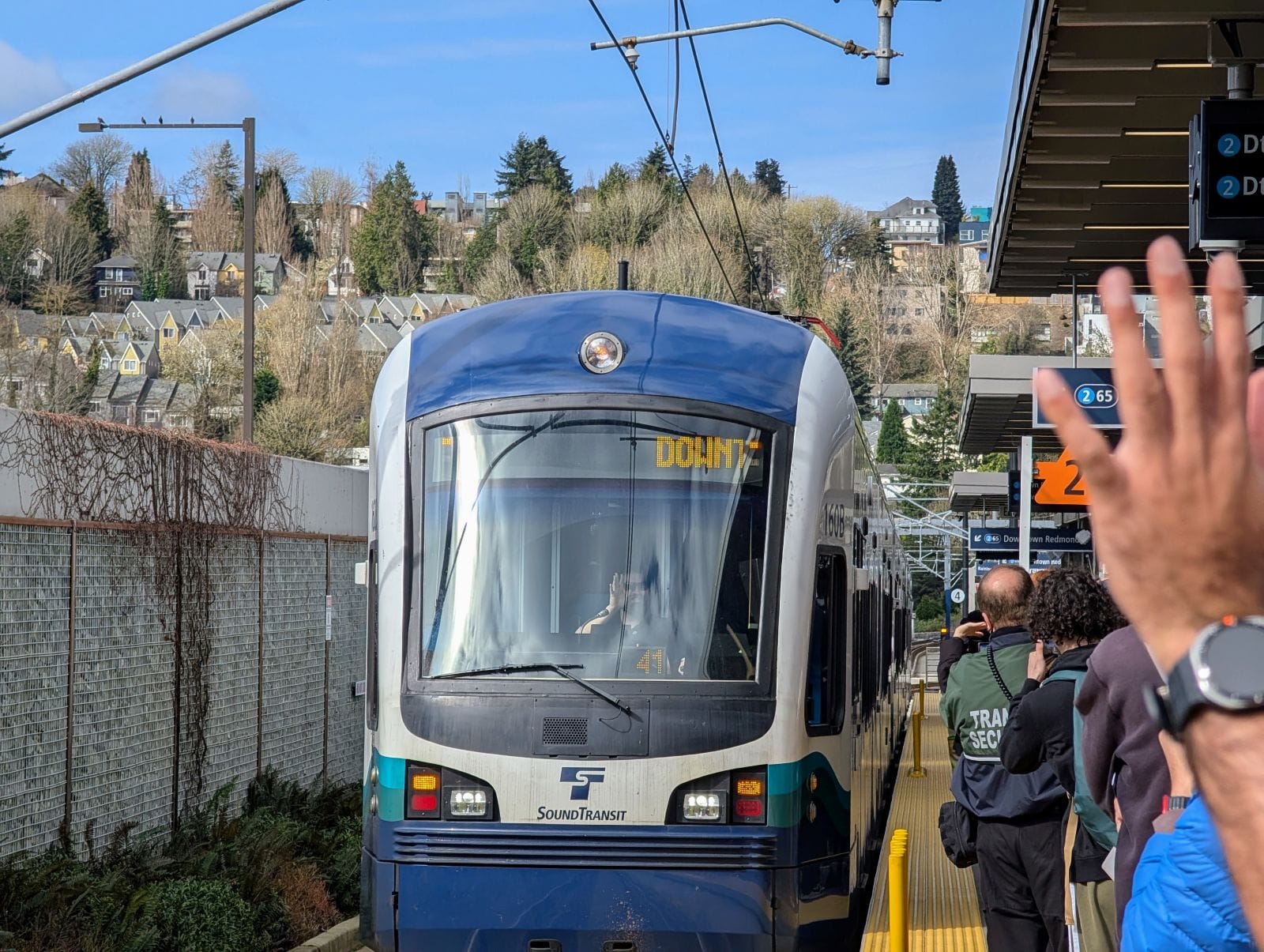
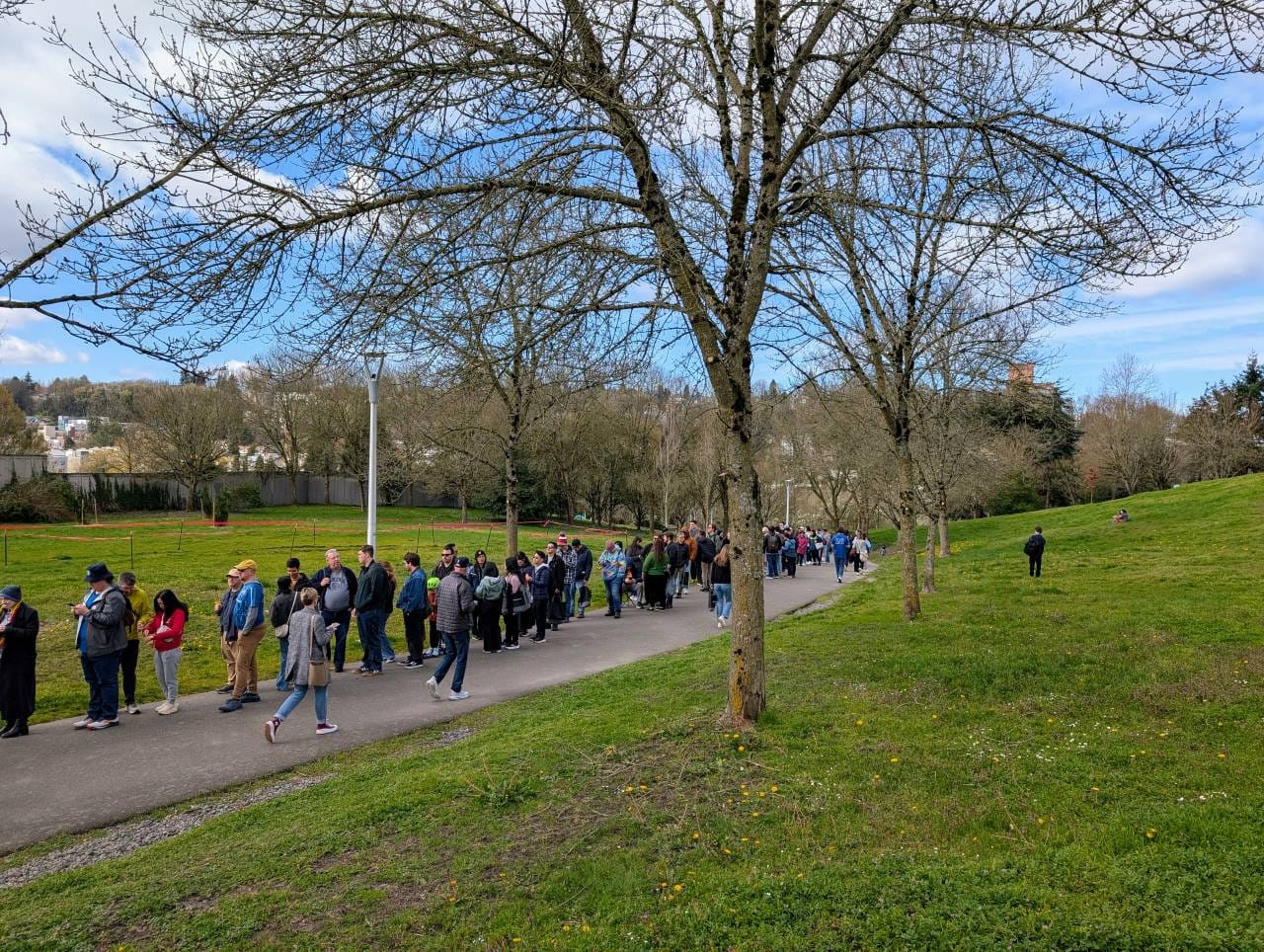
Some riders waited more two hours or more to get a chance to ride one of the first trains leaving Judkins Park Station, with the line stretching nearly a mile down the I-90 trail. (Doug Trumm)
Keeping those ribbon-cuttings coming is a broad priority for elected officials around the region, not just to meet the demand for additional multimodal options that was clearly put on display Saturday, but to bring jobs for residents in their communities. Expect that consideration to be put front-and-center as the board realigns the ST3 plan, approved by voters a decade ago, with current financial reality.
With Downtown Seattle and Downtown Bellevue now just a 20-minute ride apart, the region is stitched together in a way that will have a generational impact. And thousands of riders will be able to say they were there on day one.
 Ryan Packer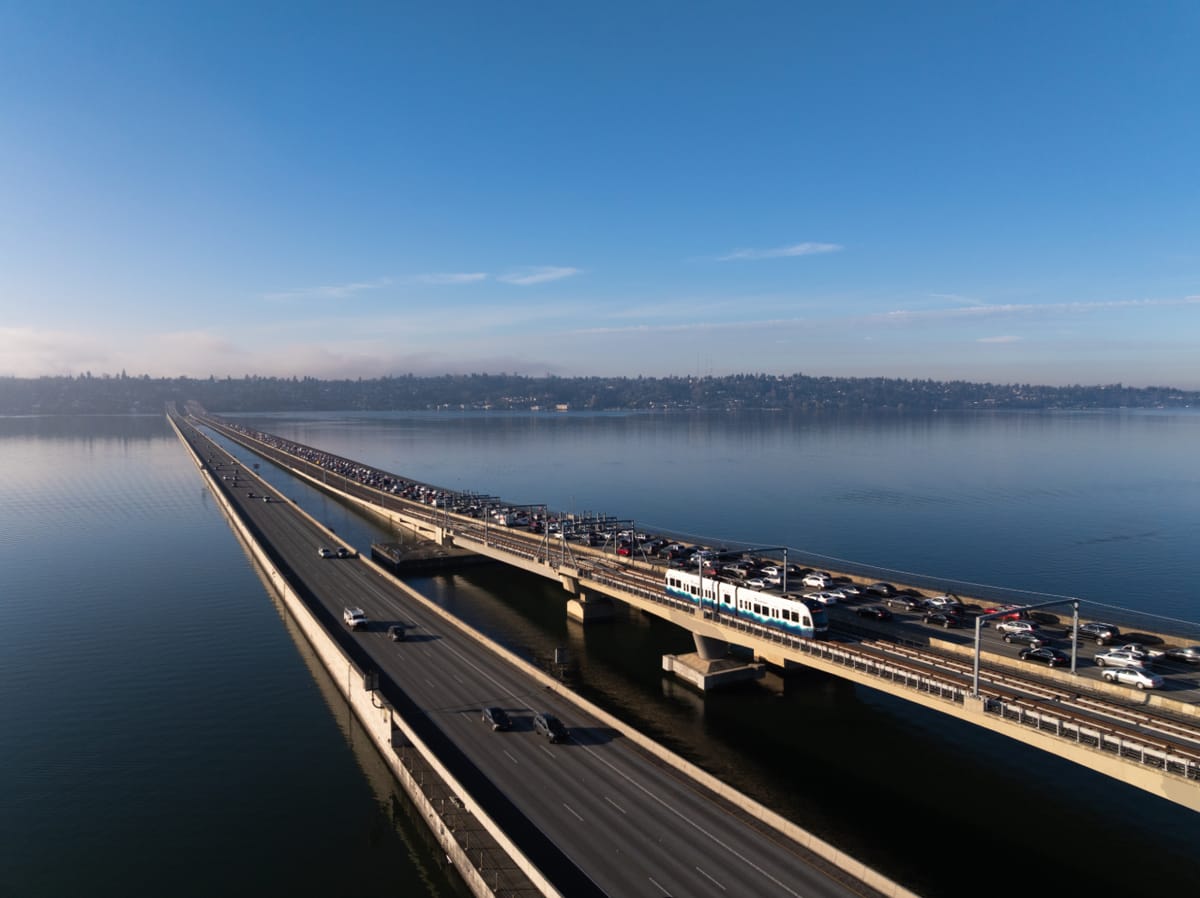
 Doug Trumm