On Tuesday, King County Executive Girmay Zahilay unveiled a "Breaking the Cycle" initiative that aims to tackle the housing and homelessness crises, potentially including a countywide affordable housing levy that could go before voters as early as 2027.
The levy is only a vague sketch at this point, and the first tangible step is setting up an exploratory committee, dubbed the Breaking the Cycle Work Group, to begin hashing out the package, but the announcement could signal a big shift in policy down the road.
Traditionally, the City of Seattle has been the most aggressive local government in funding affordable housing and permanent supportive housing, with the County more hesitant. Seattle voters approved a $970 million housing levy renewal in 2023, which the city levy dating back to the 1980s. But, a successful countywide levy could be a stake in the ground, signaling commitment to tackle the housing and homelessness crisis across the region.
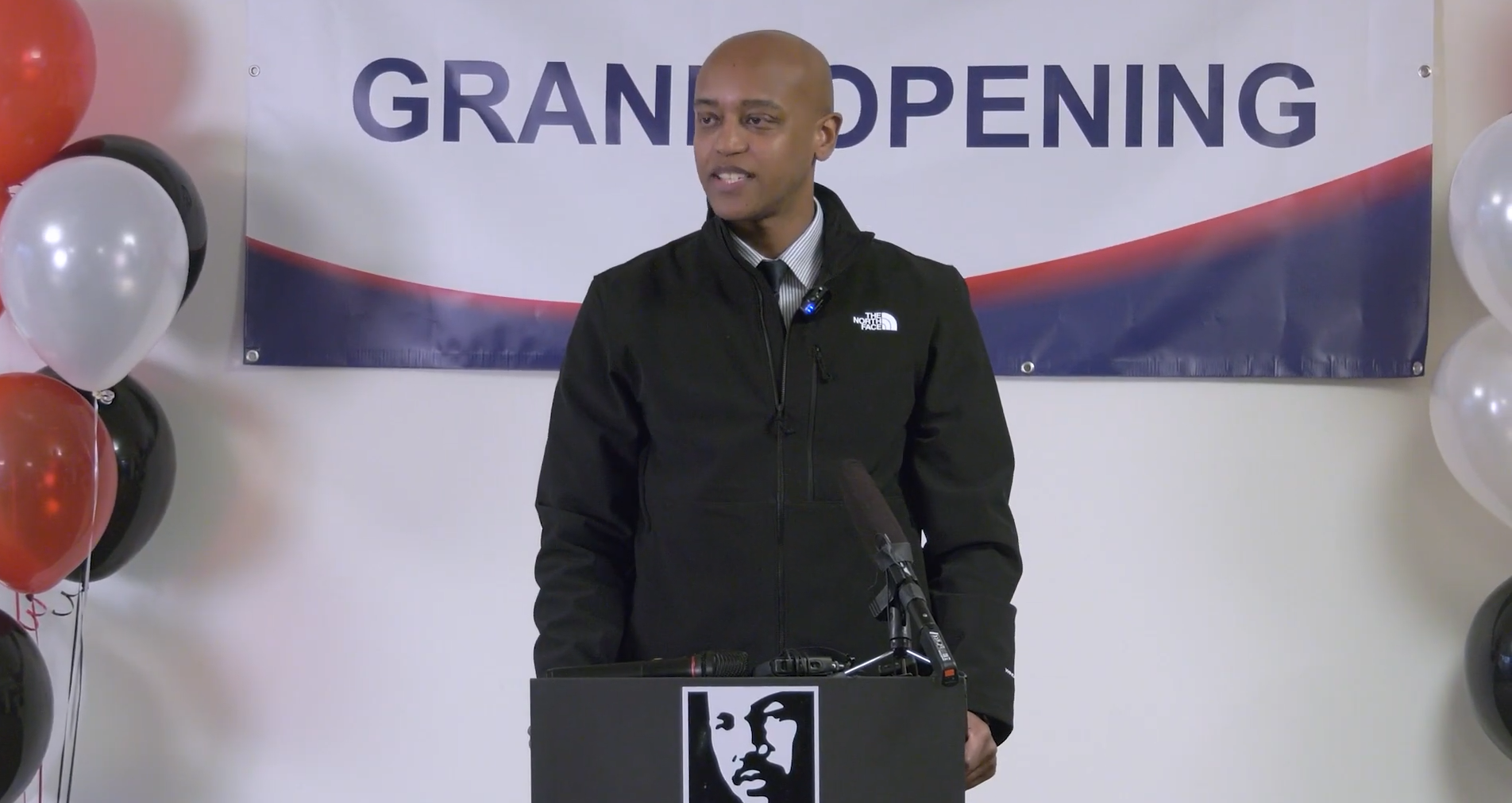
Zahilay announced an executive order launching initiative at press conference in the morning at Chief Seattle Club’s Sweetgrass Flats, which opened in 2025 and provides 84-units of permanent supportive housing. The property received capital funding through the county’s Housing Finance Program and operating funding through the Health Through Housing Initiative, Zahilay's office noted.
Funded by a 0.1% sales tax approved in 2020, Health Through Housing aims to establish 1,600 units of permanent supportive housing by 2028, targeted at individuals directly exiting homelessness who need the most intensive level of services. As of the end of 2024, King County reported that it had already opened 1,434 of those units, with more on the way.
As an immediate goal, Zahilay's order sets the goal of opening 500 units of shelter and housing in 500 days: "The Executive’s Office will work with the Department of Community and Human Services (DCHS) and the King County Regional Homelessness Authority (KCRHA) to quickly fund, site, and develop 500 new units of emergency shelter, permanent supportive housing, and subsidized affordable housing. 500 units is not the final goal, but a tangible start to show how King County is acting with urgency to address the current shortage of available shelter and affordable housing."
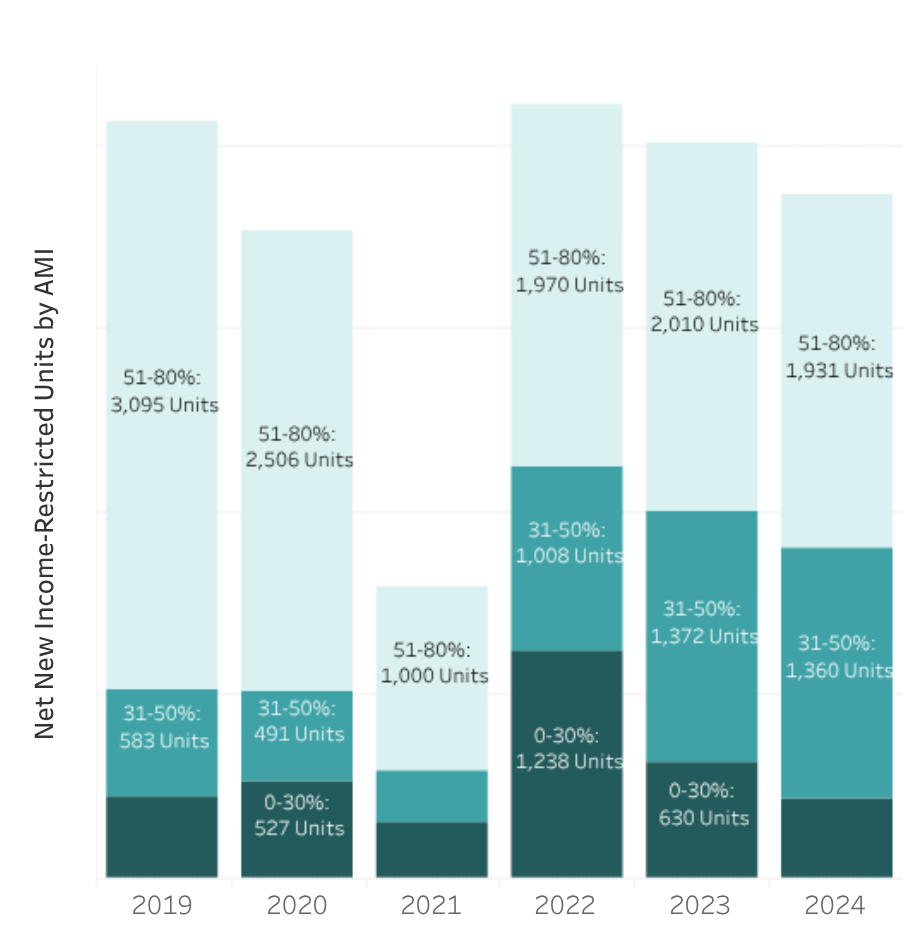
According to King County's Regional Affordable Housing Dashboard, around 3,500 net new subsidized units were built per year between 2019 and 2024 in King County, funded by all levels of government. Depending on how exactly these new units are counted over the next 16 months, 500 units could be an easy bar to clear.
On top of projects like Sweetgrass Flats and Federal Way's Booker House, another 86-unit permanent supportive housing facility that celebrated its grand opening earlier this year, there are a number of supportive housing projects currently in the pipeline. Those include a revamped La Quinta Inn in Kirkland set to open soon, and the contentious Plymouth Housing project in Redmond under construction right now that had previously been rejected by the City of Kenmore.
At the press event, Zahilay was flanked by nonprofit housing leaders, including Patience Malaba, executive director of the Housing Development Consortium (HDC), which advocates on behalf of the whole affordable housing industry.
“We need to end the cycle of crisis that sends vulnerable neighbors repeatedly through emergency rooms, jails, shelters, and back onto the streets without finding stability or recovery,” Zahilay said. “This Executive Order will take concrete steps to align partners, actions, and funding across the continuum to help more people rebuild their lives and create healthier, safer communities across King County.”
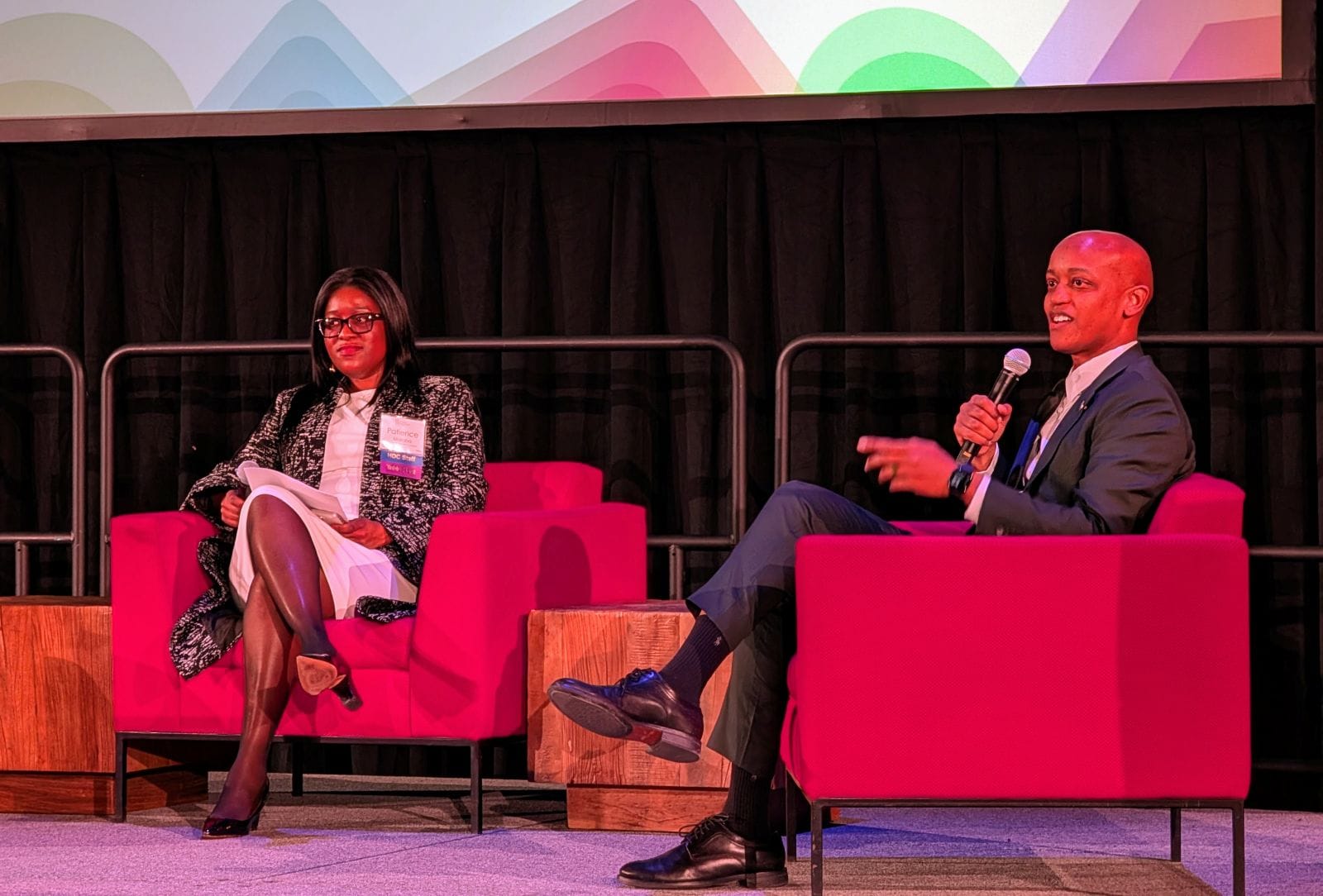
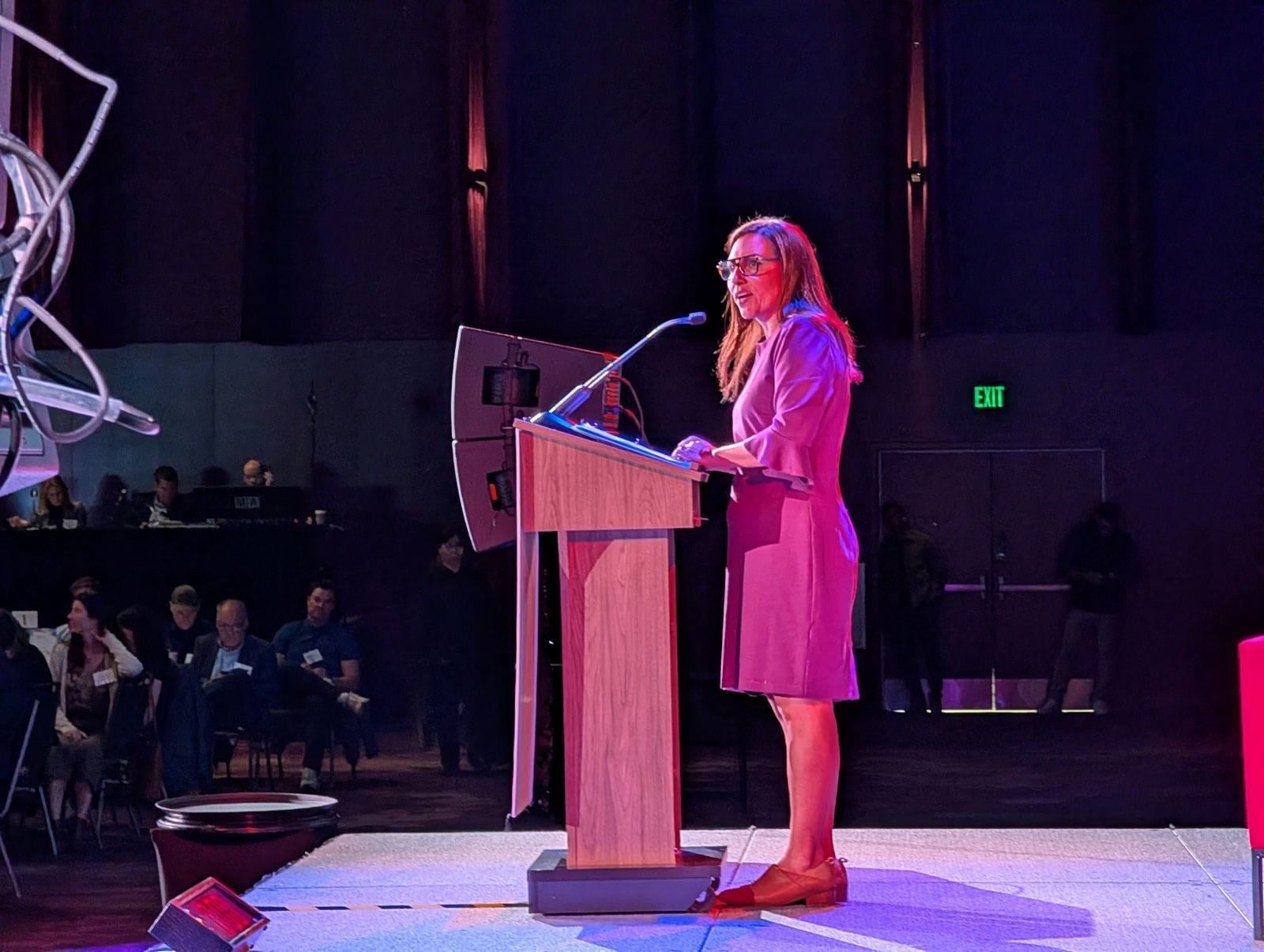
Later in the day, Zahilay also took the stage at the HDC's annual luncheon at the state convention center, plugging his early levy proposal and stressing the importance of affordable housing. The recently elected executive shared his personal motivation and connection to providing affordable housing and homelessness services.
"I spent some of my childhood in a homeless shelter in the Chinatown-International District run by Union Gospel Mission, and so there is no Girmay the King County Executive without the work that all of you have done to provide stability and a roof over the heads of my family, a family that came over as refugees who didn't have much," Zahilay said. "You allowed us to be able to go to school and get education. Allowed my mom to leave her kids in a safe place as she went off and went to work. So, I begin by saying thank you, and I understand the critical work that you all do, and it is a top priority for our administration."
Eventually a levy proposal will need to decide how much money to put toward homeless shelters and tiny home villages versus permanent supportive housing versus affordable housing versus affordable homeownership opportunities intend to rectify the legacy housing discrimination.
"We also need a broader work group of our county partners, our city partners, and much more to really identify: what is the size, what is the scale? How do we distribute the resources amongst the various top priorities that we have? I think we need to support the full spectrum of housing, right? We need emergency housing and shelter. We need permanent supportive housing. We need home ownership. We need all of it," Zahilay told the HDC luncheon crowd. "And so those announcements about who's going to sit on this work group are going to be made soon. It will be staffed, likely, by our policy director, who is here. We're also forming a Breaking The Cycle policy team in the executive office focused on housing and behavioral health and the intersections of the criminal justice system."
For now, the first draft of the idea is trying to do a bit of everything. One thing that went unmentioned, however, is workforce housing targeted at middle-income earners, which had been the focus of the billion-dollar bonding proposal Zahilay floated in 2024. A report quietly released in 2025 poured cold water on the idea – at least in the absence of a dedicated funding source to back the bonds. A levy could potentially open up avenues to bond, although those opportunities have not been officially raised so far.
Malaba pointed out crises around homelessness, behavioral health, and housing affordability are interconnected, hinting that solutions have to be multi-faceted, too.
“The housing crisis and the behavioral health crisis are deeply interconnected, and we cannot truly solve one without addressing the other,” Malaba said in a statement. “Our members see this every day: people caught in a cycle between homelessness, emergency rooms, and jails because the housing and behavioral health supports they need simply don’t exist at the scale required. Breaking that cycle demands coordinated action across county departments, cities, courts, and providers, and it demands dedicated, countywide revenue to sustain it. HDC is ready to work alongside Executive Zahilay and leaders across King County to get this done.”
Part of the appeal of a countywide measure is broader investments and more skin in the game across the region. A number of King County cities have lagged behind when it comes to funding low-income housing projects, or even in citing projects in their jurisdictions funded by other levels of government.
“The Eastside is the most expensive subregion in King County, but right now there is very limited local funding available to make affordable housing pencil here," said Yi Zhao, President of Imagine Housing, in a statement. "We see families every day who work in our communities but cannot afford to live in them. A countywide levy would change that equation, giving us the local dollars to pair with federal tax credits and close the financing gaps that keep affordable homes from getting built on the Eastside and across the county."
Limited funding commitment outside of Seattle has kneecapped what the KCRHA can achieve as regional convener of homelessness response, as some skeptics predicted when the entity was first set in motion at the turn of the decade. But a countywide levy could change that.
Zahilay is hoping the County's initiative can spur commitments from other City governments and potentially partners in the philanthropic and private sectors.
"Executive Zahilay has called on cities, providers, and community partners to participate in a collaborative, data-driven process to determine feasibility, priorities, and investment levels," HDC noted in a press release. "Leadership of the broader effort will be facilitated by King County in partnership with HDC and regional leaders."
The order indicates that the Executive will "convene a workgroup made up of housing, labor, philanthropy, labor, private sector, and government partners to explore a dedicated revenue source to support the building, siting, preservation, maintenance, and operations of emergency shelter and affordable housing in King County."
Several King County Councilmembers have already expressed support for Zahilay's initiative, including District 8's Teresa Mosqueda, District 2's Rhonda Lewis, and District 1's Rod Dembowki.
"You can’t have stability, health, or healing without the basic necessity of a place to call home — and too many across our county are facing just that reality. Today’s Executive Order sets up King County and our partners to act, collaborate, and identify tools at our disposal to create the housing and shelter our communities need," Mosqueda said in a statement. "I commend Executive Zahilay for his leadership and vision to initiate this process."
Affordable housing needs in King County are sizable. The 2025 King County Housing Needs Assessment found the county needs approximately 172,000 additional homes affordable at less than 80% of the area median income (AMI) over the next 20 years, with over 120,000 of these homes needed at less than 30% of AMI, as Zahilay's office cited.
No one policy of levy can solve that housing gap on its own. But a dedicated countywide funding source would be a seismic shift in working toward that solution.
 Doug Trumm
 Ryan Packer