In Friday's editorial calling for "no more closed-door City Hall meetings on Seattle growth strategies," the Seattle Times editorial board dropped a line about us, noting the stakeholder meeting included "...a representative of The Urbanist, the builders' media mouthpiece."
The idea that The Urbanist is beholden to builders is a lie. It’s also a tell.
The lie part is easy. A full third of our revenue comes from ads on our website. The rest comes from individual readers, small recurring donors, and grants. We have turned down partnership money from companies that wanted influence over our coverage. The Urbanist Fund (our 501(c)(3) supporting nonprofit) and The Urbanist 501(c)(4) nonprofit both publish financial summaries; the numbers are not a secret.
“The builders’ mouthpiece,” as the Times calls @theurbanist.org, is entirely funded by ads on the site (about a third of our revenue) and our incredible readers. Join us and help win a better city: theurbanist.org/donate
— Rian Watt (@rianwatt.bsky.social) May 8, 2026 at 7:48 AM
[image or embed]
If we were getting tens of thousands of dollars a year from developers to push their policy agenda, we would have a bigger team, a nice office (an office, period), and frankly a much cushier job. We are reader-funded, and our reporting priorities are set by our newsroom, not real estate investors.
The tell is more interesting.
A long pattern of opposing housing
The Seattle Times editorial board did not invent this framing last Friday. It is their latest move in a long-running posture toward housing in this city, and toward anyone who covers housing honestly.
In 2015, when the City’s Housing Affordability and Livability Agenda committee floated modest changes to single-family zoning, the Times ran a column framing it as the elimination of Seattle's "strong neighborhood feel," a feel that the column suggested had defined the city for "a hundred-plus years." This is a neat trick given that zoning did not meaningfully exist here until the 1920s, with big-lot single family zoning that has proven so restrictive and detrimental to affordability not becoming widespread until 1957.
Instead of pushing to end apartment bans to encourage housing abundance, Seattle Times columnists like Brier Dudley argued single family homes and the restrictive zoning enshrining them were actually the key to affordability.
The pearl clutching in the pages of the Seattle Times wasn’t just dramatic. By stirring up backlash, it also helped set back the city a decade in reforming single family zoning to allow more housing. In fact, it ended up requiring state legislation to light a fire under the City’s butt to phase out single family zoning, replacing it with fourplex base zoning.
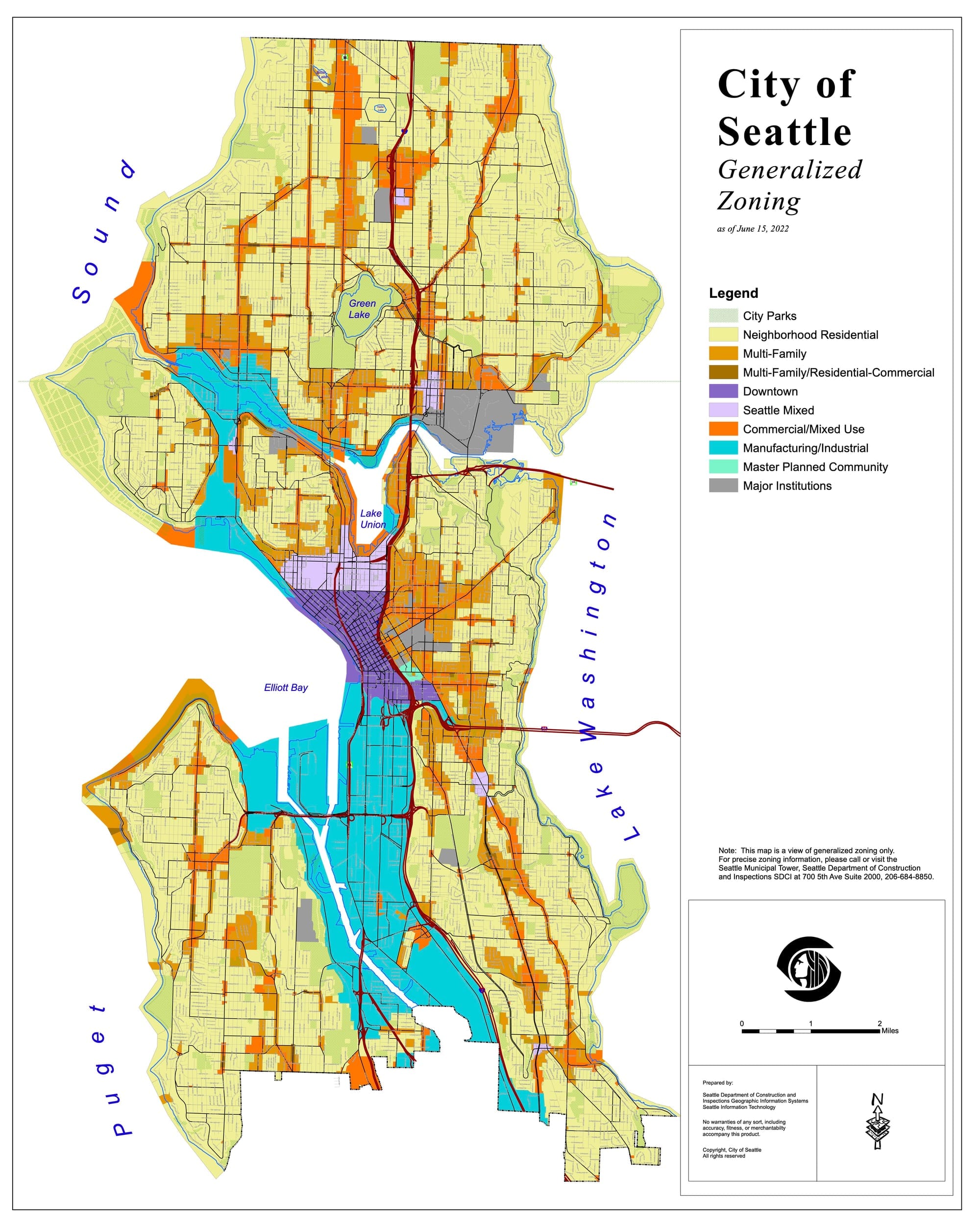
In 2016, when the Seattle Times editorial board helped block the earlier attempt at overhauling single family zoning, the median Seattle home price was just over $600,000. A decade later it’s approaching $900,000. Seattle preserved single family zoning and the affordability Times columnists promised did not result.
With multiplex zoning the law of the land, a new proxy war is taking place over trees.
Last year, a Times opinion columnist published a hit piece on six new townhomes in South Park, claiming the development was a cautionary tale of "more concrete, less green." A publicly available arborist's report, which the columnist (who still serves on the editorial board) could have read at any point in the year prior, showed the project would add a dozen trees to the lot. The homes are listed at under $500,000, which in this market makes them accessible to bus drivers, library associates, and surgical techs. The Times called this a warning. We called it a win.
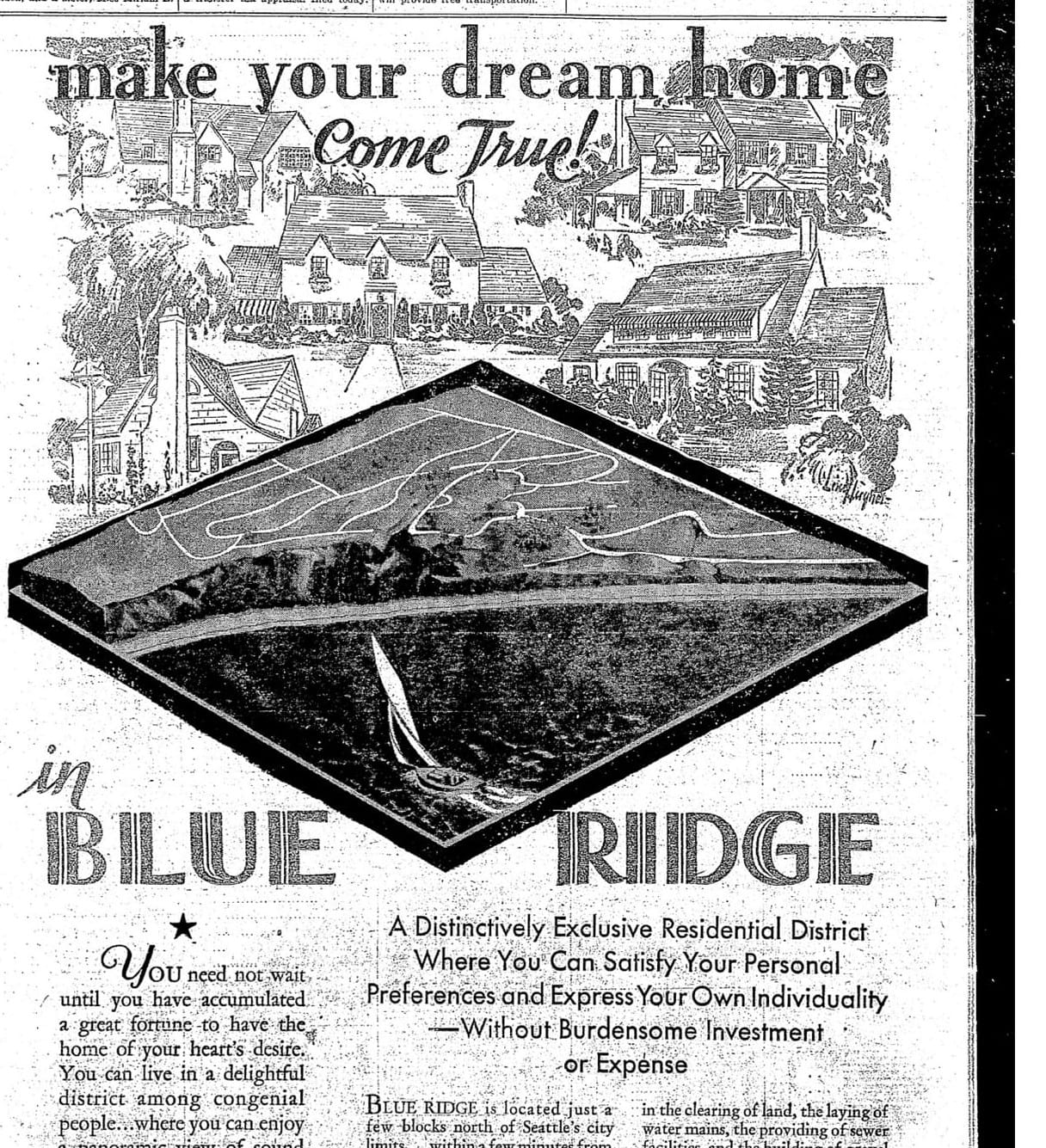
And for decades before any of us were writing about housing, the Seattle Times itself profited from selling exclusion: pages of real estate ads for "restricted neighborhoods" with racial covenants, Blue Ridge and View Ridge and Innis Arden, classifieds that ran the phrase "reasonable restrictions" into 1970. That history sits oddly next to their current posture of speaking for the neighborhoods.
While The Urbanist is not a mouthpiece for any particular special interest, the Seattle Times cannot say the same thing.
For starters, the editorial board is dominated by the Blethen family, which has owned the paper since 1896, with their own unique place in this debate. Seattle Times publisher Ryan Blethen recently inherited the position from his father, Frank Blethen Jr., who still sits on the editorial board, along with Ryan and William Blethen, another relative who ran the paper for a spell. The owner of a mansion in the wealthy enclave Mercer Island, Frank Blethen shot his neighbor’s dog with a pellet gun, which put his own personal exclamation point on his paper’s “get off my lawn” editorial stance.
When it’s on their terms, the Seattle Times is happy to take corporate money and turn it into a “Traffic Lab” or “Education Lab” or “Project Homeless” reporting series. In fact, to do these series, the Seattle Times has taken developer cash, including from Kemper Freeman Development, one of the kingpins of downtown Bellevue real estate with a long checkered past and (like the Blethens) a history of opposing Sound Transit expansion measures. So long as developers have similar politics as the Blethen family, letting them bankroll your masthead is considered no big deal.
So when the Times calls us the "builders' media mouthpiece," it is definitely a double standard, and it’s not making a new argument. It is doing what they have done for a long time: protecting a particular vision of Seattle, and treating anyone who challenges that vision as suspect.
What the Times editorial actually wants
Read Friday's piece carefully and the substantive argument falls apart fast.
The framing is procedural: a closed-door meeting, an exclusive invitation list, residents left out. Those are real concerns, and the editorial quotes real people raising them. Lois Martin of the Black Homeowners Policy Council on the exclusion of Central Area families. Rebecca Bear of the Seattle Parks Foundation alleging the 130 grassroots groups under their umbrella weren’t invited to the conversation. Friend of the Waterfront philanthropist (and University of Washington regent) Maggie Walker on the participatory process that helped shape the waterfront – at least when community-backed plans weren’t being watered down at the last minute.
The growth plan will certainly have more outreach and Seattle process down the road. But process quibbles are not what the Blethens’ editorial is actually about.
What the editorial is actually about is the "Taller Denser Faster” phase of Mayor Katie Wilson's Comprehensive Plan work. The piece warns that increased density will raise prices, strain water systems, pollute the Salish Sea, cut down trees, and create heat islands. It singles out new Neighborhood Centers in places like Wedgwood, Phinney Ridge, Madison Park, and Alki. It worries that those centers might be "expanded even further."
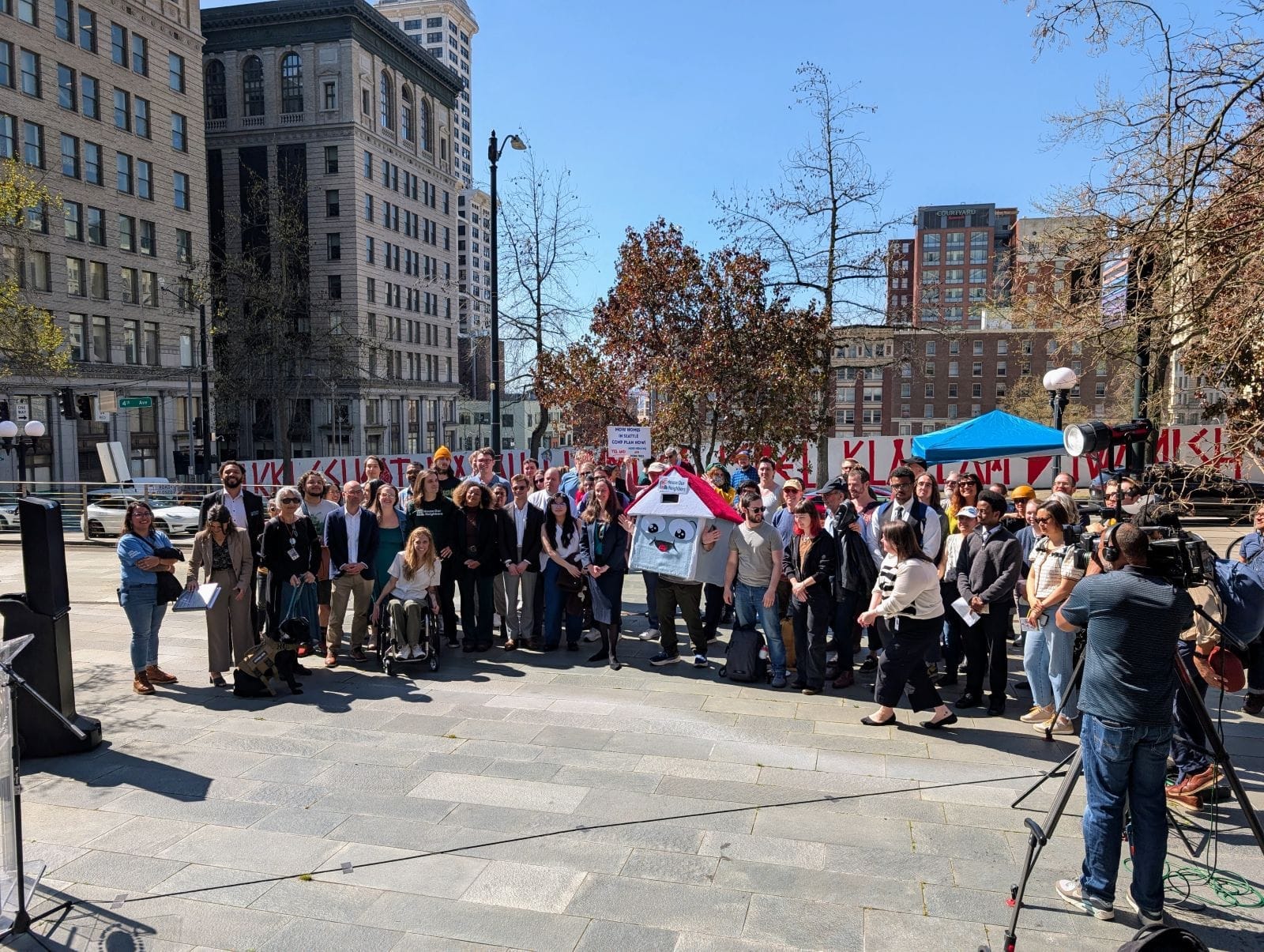
That’s not a process complaint. That is a substance complaint dressed up as a process complaint. The editorial is not, in the end, arguing for a broader conversation. It is arguing against the conversation reaching the conclusion it has already reached, which is: Seattle needs to grow.
The editorial treats density as the threat to neighborhoods. The actual threats to neighborhoods in this city are the people priced out of them. The families who left because million-dollar homes became the norm across much of the city, as two thirds of the land was set aside for single-family homes. The teachers and bus drivers and nurses who commute in from somewhere they can afford. The Central Area families Lois Martin works with did not get displaced because Seattle built too much housing. They got displaced because, for a hundred years, we built too little, in too few places, for too few kinds of people.
Refusing to build more housing – especially in wealthy enclaves like Wedgwood, Laurelhurst, Phinney Ridge, Magnolia, Montlake, and Madison Park – is a big reason why so much displacement pressure has been mounting on lower-income families in places like the Central District.
Elections have consequences
Here is what is also true.
Last November, Katie Wilson won the mayor's race running on housing abundance. Eddie Lin and Dionne Foster won City Council seats. The shift is happening outside Seattle, too. Urbanists swept Burien, took three of four in Kirkland, and dispatched a regressive slate in Woodinville. The Seattle Times endorsed candidates who lost.
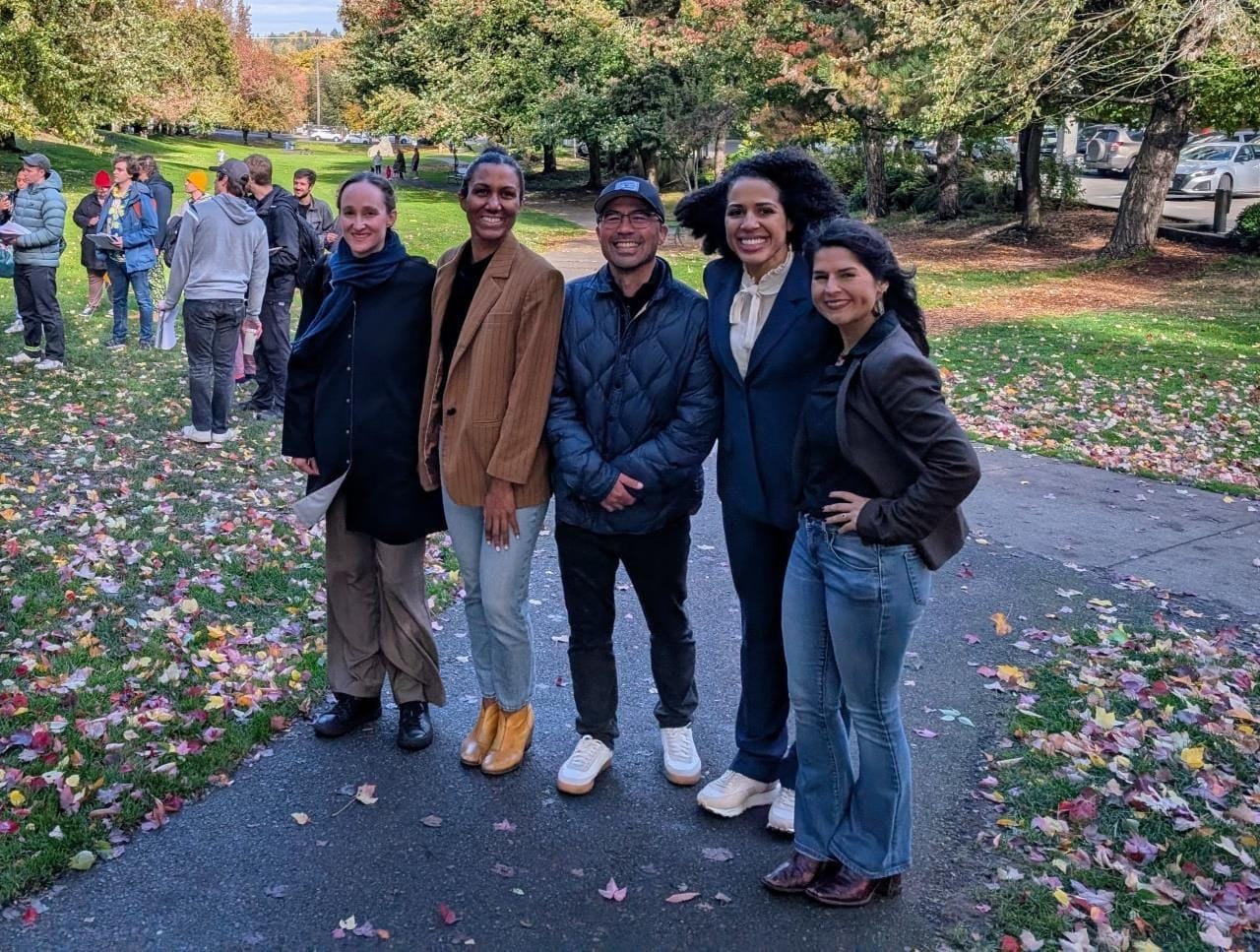
We covered all of it. Not because any real estate moguls paid us to. Because it mattered, and because we have spent years building the reporting infrastructure to cover this region's housing and transportation politics seriously, race by race, vote by vote.
The Times editorial board can call us a mouthpiece. The voters of this region keep electing candidates who tend to agree with us more than the Blethen family. At some point the editorial board has to ask whether the people they are speaking for are actually the people they think they are.
It’s not a new pattern for them. The Seattle Times editorial board opposed Sound Transit ballot measures in 2008 and 2016. Both passed overwhelmingly in Seattle and handily regionwide. They have repeatedly opposed Seattle transportation levies that have passed rather easily. Last year, they opposed a social housing funding measure that passed by 26 points. It’s hard to say the Blethen gang has their finger on the pulse of the median Seattle voter at this point.
Our way of life
There is a phrase that does a lot of work in arguments like this one, even when it is not said out loud. "Our way of life." "Neighborhood character." "What makes Seattle Seattle."
Those phrases are not nothing. People love their neighborhoods. They love the maple on the corner that turns orange in October. The view of the Olympics from the porch. The coffee shop they walk to on Saturday mornings. The school their kids can get to on foot. The forests up Highway 2, the farms in the Skagit, the orca whales in the Salish Sea. These are real things, and they are worth preserving.
We are trying to preserve them.
A walkable neighborhood with a corner store and a bus that comes every 10 minutes is not a threat to a way of life. It is one. The kid who can bike to school instead of being driven, the grandmother who can age in her home because the pharmacy is three blocks away, the family that can afford to stay in the city where their parents grew up: those are ways of life too, and the current rules in our region have made them harder, not easier, to live.
The trees are part of this. Seattle's tree canopy is not equally distributed; it never has been. The wealthiest neighborhoods, the ones long zoned exclusively for detached single-family homes, hold a disproportionate share of the city's mature canopy. The neighborhoods where most of the city's renters and lower-income homeowners live hold far less. Large trees are not just pretty to look at; they provide a wide variety of benefits, including lowering temperatures in nearby blocks during heat waves.
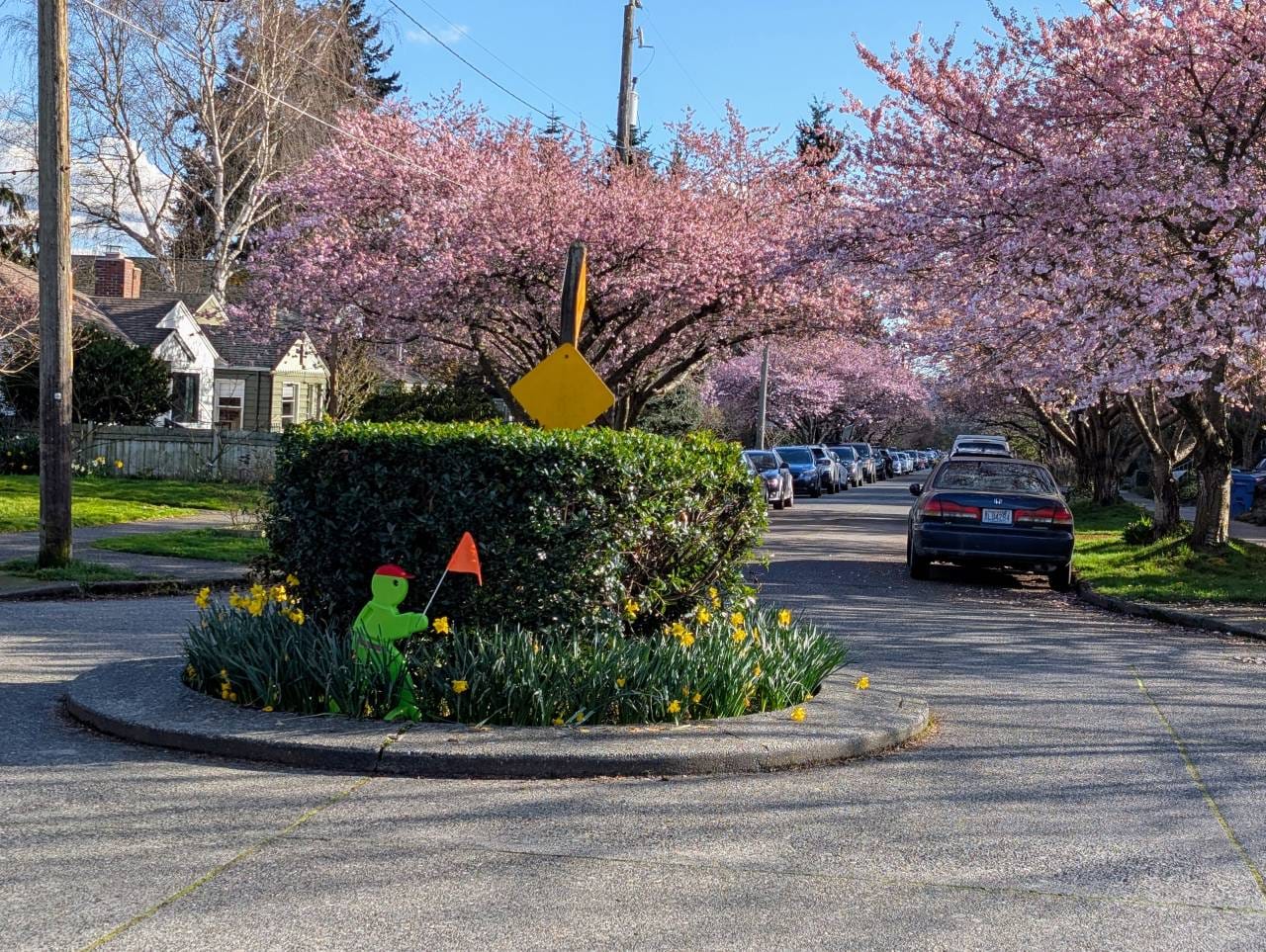
A city that builds more homes near transit and jobs, on lots that have always been zoned for housing, is a city that does not have to bulldoze a forest in Snohomish County to make room for the next generation. Sprawl cuts down more trees than density ever will. Farmland lost to subdivisions in Pierce and Skagit and Snohomish counties is farmland that is gone. Forests cleared for cul-de-sacs in the exurbs are forests that took a century to grow.
The choice in front of this region is not whether to grow. The choice is whether to grow up, near transit and schools and the places people already work, or to grow out, across the farms and forests and watersheds that make this corner of the country what it is.
Urbanists are not the enemies of trees, or quiet streets, or strong neighborhoods. We are arguing for the version of those things that more people, and more of the natural world, can actually have.
The Times editorial board and the readers who agree with it are not our enemies either. Many of them care about the same things we care about. The disagreement is not about whether those things matter. It is about who gets to have them, and whether the version of Seattle worth preserving is the one that already exists for some, or the one that could exist for many more.
Calling us a "mouthpiece" is a way of avoiding that conversation. It is easier to question someone's funding than to engage their argument.
What this fight is actually about
The Urbanist exists because a region this beautiful, this consequential, and this contested deserves journalism that takes its choices seriously.
The choices in front of us are not small. Whether the kids growing up here can afford to stay. Whether the farms in the Skagit Valley and the forests in the Cascades survive the next 30 years of population growth. Whether trees grow in spaces everyone can access. Whether the bus comes often enough that a single parent can get to work without a car. Whether a teacher, a nurse, or a firefighter can live in the city they serve. Whether the trees on the public boulevard outlast the trees behind the private hedge. Whether Seattle becomes a place where more people get to have the life its current residents already love, or a place that pulls the ladder up behind itself.
These are not builders' questions. They are everyone's questions, and they are being answered right now, in city halls and county chambers and state legislatures across this region, often in rooms most people never hear about. Someone has to be in those rooms, and someone has to tell you what happened there. For more than a decade, that has been us.
We are not the builders' mouthpiece. We are the publication that has spent a decade arguing that this region can house its people, protect its land, move its workers and students, and preserve what makes it worth loving, all at the same time, and only if we are honest about the tradeoffs.
If that argument sounds like one you want made, and made well, become a member. Independent journalism that fights openly for a better city is not free to produce, and the people who would prefer we go quiet are not subtle about it. We do not have a paywall, and we are not going to. We rely on readers who believe this work matters.
We are not going anywhere. Neither, we hope, are you.
The Urbanist is a nonprofit newsroom powered by reader support. Become a member, get perks, and support local journalism.
 Doug Trumm
 Doug Trumm