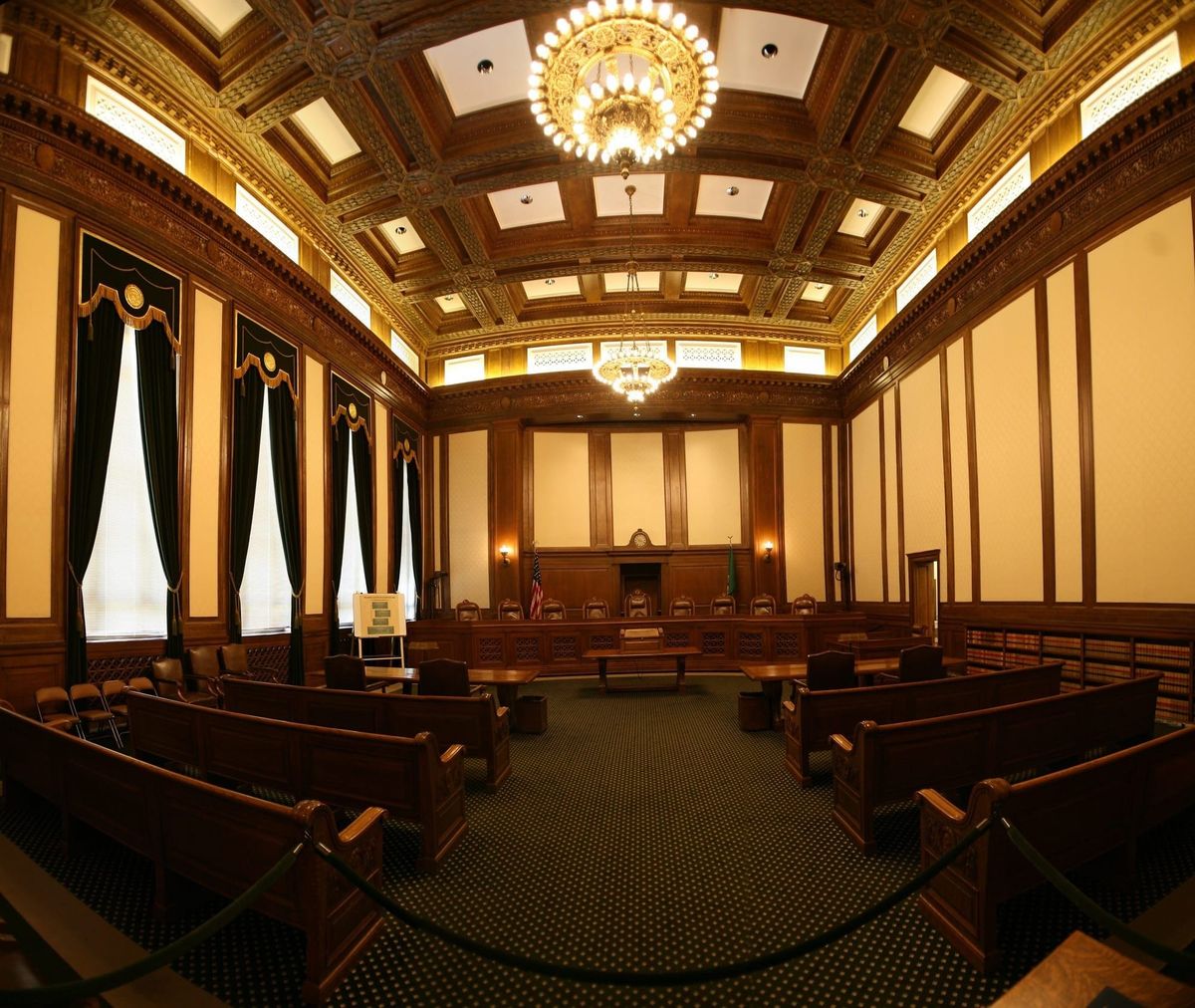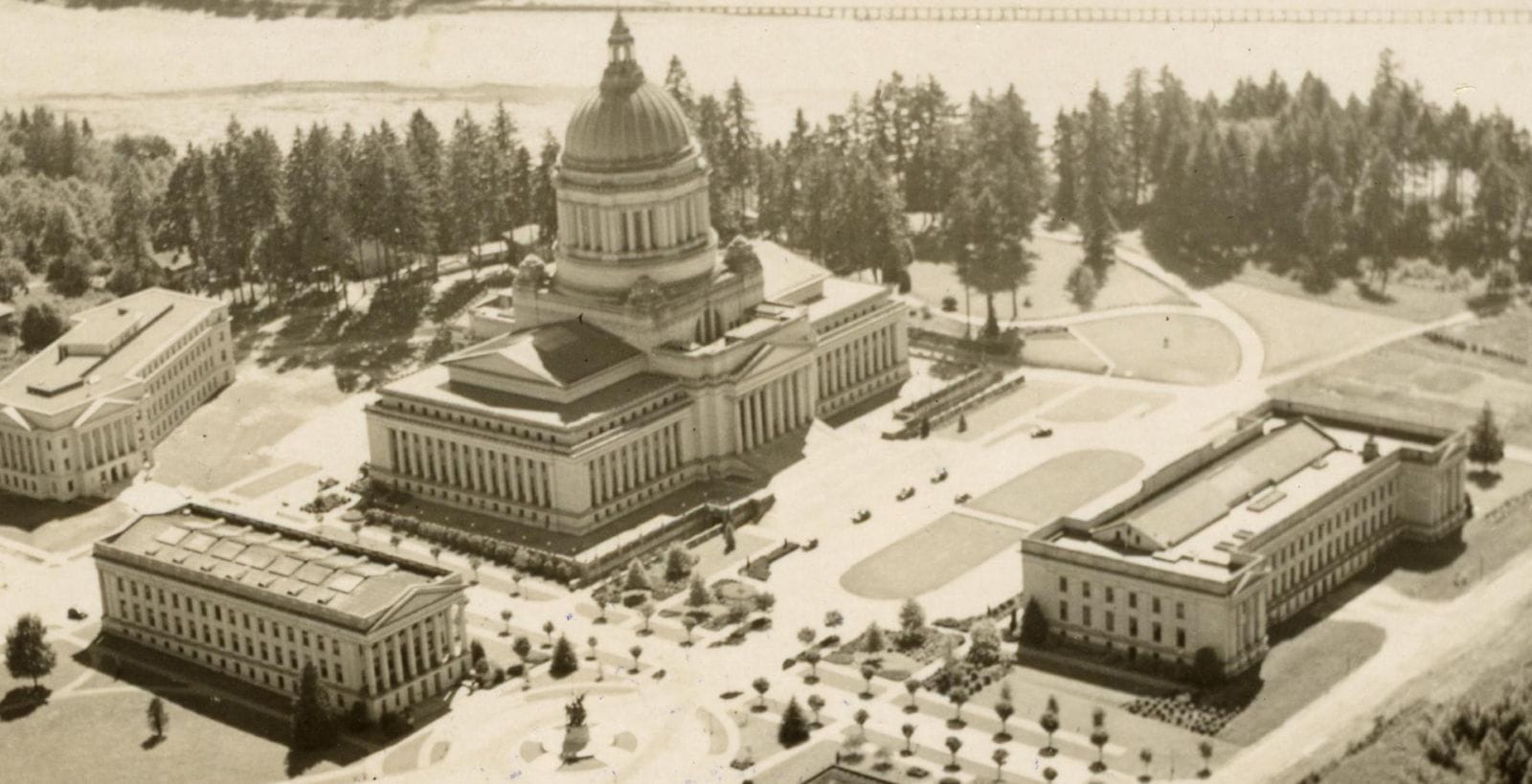
In 2024, wealthy conservative political operatives tried to use dark money to install their handpicked candidate, Dave Larson, on Washington state’s Supreme Court. This year, those same wealthy conservatives are spending hundreds of thousands of dollars backing five state Supreme Court candidates, all of whom are also endorsed by the Washington Republican Party: Judge Sean O’Donnell, Scott Edwards, Judge David Stevens, Dave Larson, and Todd Bloom. Don’t let the wealthy buy Washington’s highest court.
Of these dark-money candidates, Judge O’Donnell seems to have the best shot at winning — despite his strong ties to Washington Republicans. He began his career as an aide to Republican Senator Slade Gorton, a staunch income tax opponent. The two remained close, Judge O’Donnell even led a prayer at Gorton’s funeral. Former Republican Attorney General Rob McKenna, another Gorton protégé, is also supporting Judge O’Donnell.
Powerful corporate interests are backing Judge O’Donnell, too. He’s raised $493,769.68 from donors like David Zapolsky, a top Amazon executive who led the effort to crush a warehouse unionization drive in Staten Island, and Bruce McCaw, a telecommunications heir who generously donates his ample inheritance to Republicans.
Judge O’Donnell is also benefitting from a $476,000 independent expenditure campaign primarily supported by three organizations. Balance Washington, funded by a wealthy millionaires’ tax opponent, has kicked in about $88,000. Citizens for Working Courts – funded by “Jobs PAC” which is backed by, among others, oil companies, tobacco companies, and Amazon — has contributed about $294,000.
Meanwhile, Concerned Taxpayers of Washington State — funded by prominent local Republicans including Brian Heywood, a prominent Trump donor who’s leading the fight against the millionaire’s tax and trans kids, and Steve Gordon, one of Washington’s top donors to Trump’s inaugural fund — has spent over $100,000 supporting Judge O’Donnell.
Judge O’Donnell’s opponent, Judge Ian Birk (endorsed by The Urbanist Elections Committee, on which I serve) has raised reasonable questions about Judge O’Donnell’s deep personal, political, and financial ties to wealthy local conservatives — prompting a furious and misleading rebuke from the Seattle Times Editorial Board. After Judge Birk released a fundraising email pointing out Judge O’Donnell’s Republican affiliations, the Times accused Judge Birk of unethical “gutter” campaigning.
The Times later expressed alarm that Judge Birk was receiving support from a political action committee funded by “public sector unions, a personal injury firm, and an attorney for a personal injury firm.” The Times was particularly angry about Judge Birk’s support from personal injury attorneys, who successfully sued the State for $614 million last year, insinuating that their support for Judge Birk represented a conflict of interest. Overall, the Editorial Board groused, “Birk has all but stamped a blue “D” on his forehead.”
The Board’s misleading arguments make little sense. By their own logic, if Judge Birk — a widely respected jurist who boasts endorsements across the ideological spectrum — has a “D” on his forehead, then Judge O’Donnell has amply earned an “R” on his. And by relentlessly focusing on Judge Birk’s campaign donors while ignoring Judge O’Donnell’s massive cash infusions from wealthy conservatives, the Times Editorial Board could be credibly accused of the same “gutter” politics they claim to abhor.
Further, the Times’ attack on personal injury attorneys is an attack on the rule of law itself. Wealthy conservatives have disparaged personal injury attorneys for decades because they provide legal services to working people. The vast majority of Americans cannot afford lawyers. 51% can't afford healthcare. Personal injury attorneys, who typically do not charge unless their client receives a settlement or a favorable verdict, are some of the few private attorneys who represent vulnerable clients.
For example, those $614 million in legal settlements the Board is so mad about? 80% of those costs come from claims against Washington’s Department of Children, Youth, and Families, which oversees foster care and juvenile detention. DCYF has been battered by accusations that department staff were complicit in hundreds of cases of sexual abuse and neglect, a scandal rivalling those of the Catholic Church and the Boy Scouts. The Times Editorial Board — which has consistently supported youth incarceration — should be less concerned about the cost of those lawsuits, or the lawyers supporting Judge Birk, and more concerned with justice for abused children.
The Editorial Board is right about one thing, though: Washington’s courts should be fair and apolitical. But electing a Supreme Court justice with deep ties to Trump donors and powerful corporations will not depoliticize the Court.
The only way to depoliticize Washington’s courts is to return control over tax policy to the legislature. In 1933, five Washington Supreme Court justices seized control of taxation, delivering a political win for their wealthy supporters by overturning a popular income tax. That initial political decision created an unjust, unpredictable tax system and subsequently forced the Court to intervene in everything from school policy to capital gains taxation.
Depoliticizing the Court, then, requires returning political decisions, like taxation, to the politicians in the Legislature. We don’t know if Judge Birk will do that, but we can be reasonably sure, given his history and his connections, that Judge O’Donnell won’t. Don’t vote for Judge O’Donnell or the rest of the conservative dark-money slate.
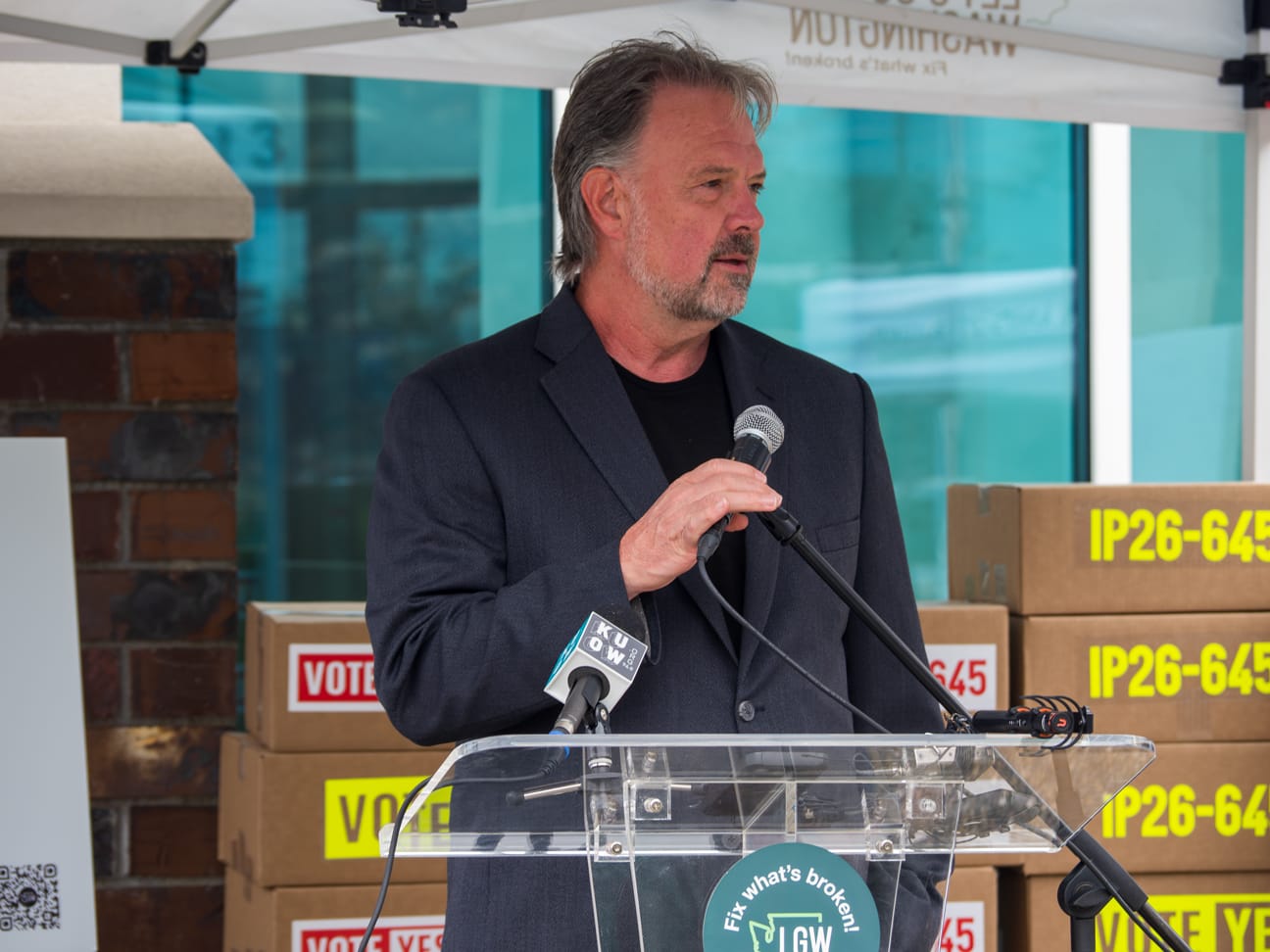
Austin Field is an attorney and the Election Chair for the public defense chapter of SEIU 925. The views expressed are not those of his employer.
 Elections Committee

 Amy Sundberg