At a special meeting Monday, the Seattle City Council unanimously approved two pieces of legislation targeting the issue of traffic safety, but transportation committee chair Rob Saka's "SAFER Streets Act" package remains incomplete. A third bill, targeting the authority of officials at the Seattle Department of Transportation (SDOT) to make upgrades relating to safety, remains in limbo.
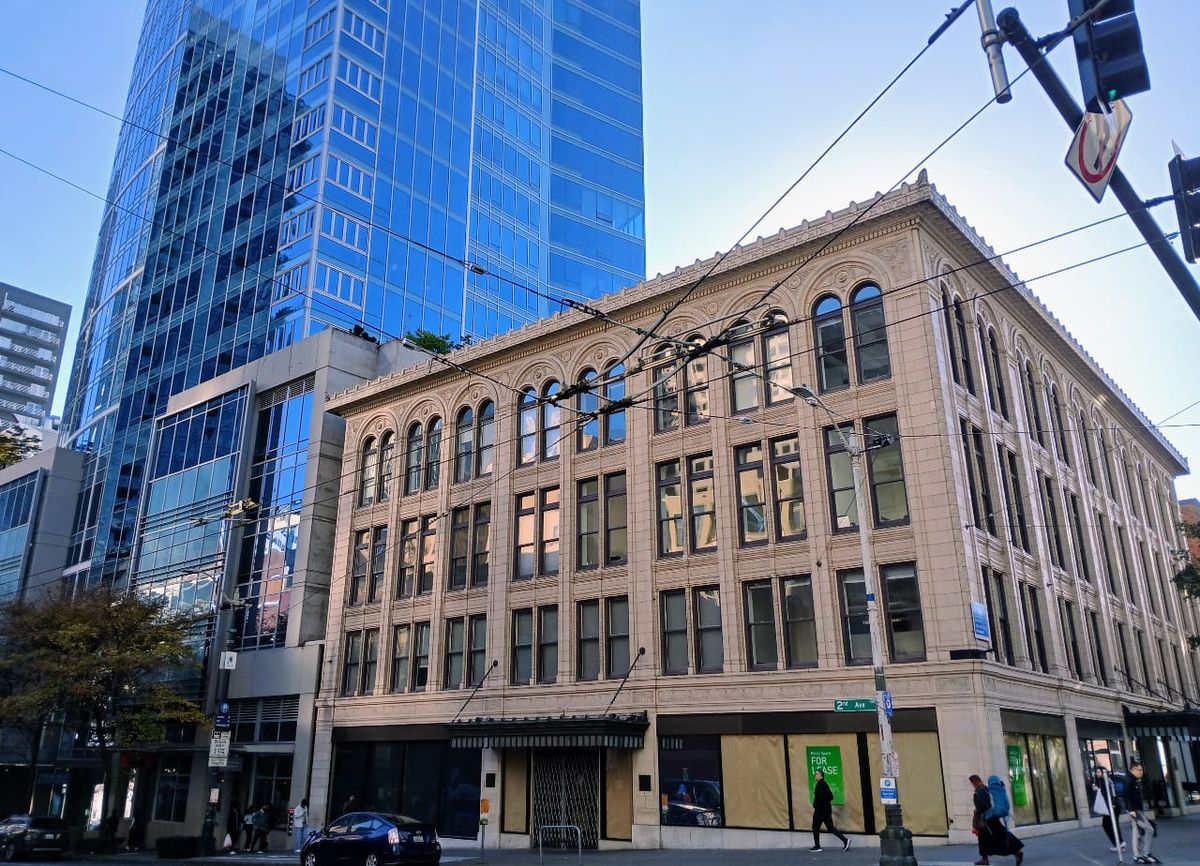
Council Bill 121296 had been a fairly innocuous proposal until an amendment from Councilmember Alexis Mercedes Rinck turned it into a lightning rod. Amendment 16, approved on a 3-2 committee vote last month, added a provision allowing Seattle's City Traffic Engineer to make certain changes within the city's historic districts without approval of the boards that oversee those districts.
If approved, adjustments that include "traffic control devices and spot design changes" would be exempt from landmark designation, and SDOT would be able to construct "traffic control devices" in historic districts without needing a certificate of approval, which is appealable. The change has been praised by traffic safety advocates, but the amendment quickly drew push back from preservation advocates, including members of the historic district boards themselves.
But CB 121296 doesn't appear to be in limbo because it lacks the vote to pass; despite the compressed timeline to consider amendments ahead of the committee vote, amendment 16 required additional analysis under the State Environmental Policy Act (SEPA) given its scope. With that review expected to take several months, some councilmembers have reportedly pushed for an earlier vote that would be paired with another amendment entirely nullifying Amendment 16, but that hasn't occurred.
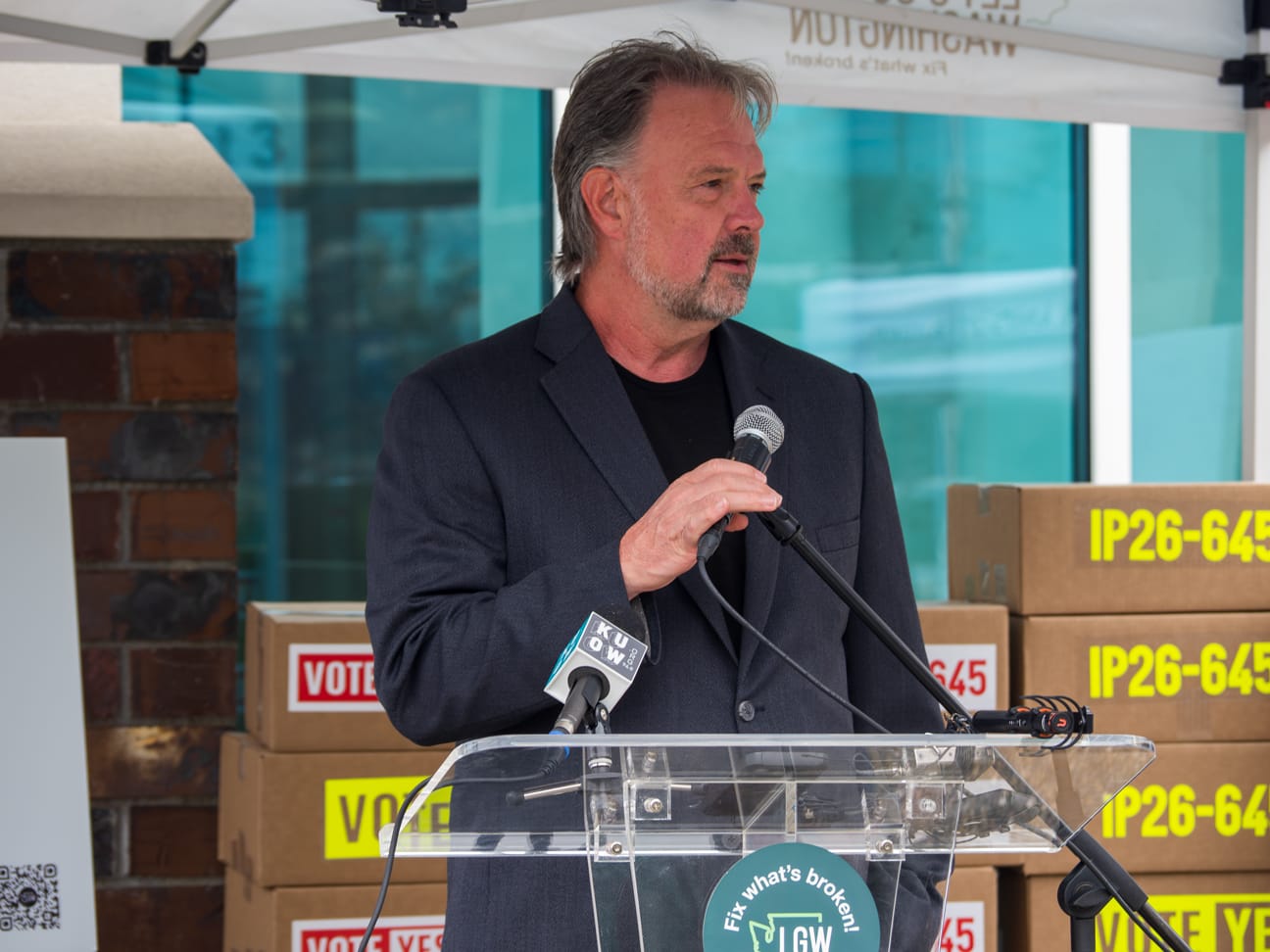
"We're working through, there's some legal challenges, legal concerns," Saka told The Urbanist at a press conference Monday, ahead of the vote on the other two SAFER Streets Act bills. "We're we're hoping to resolve that with that third bill, which is why we're we're not ready to vote on it today."
Though Saka cited a potential vote on November 10, that decision ultimately rests with Council President Joy Hollingsworth.
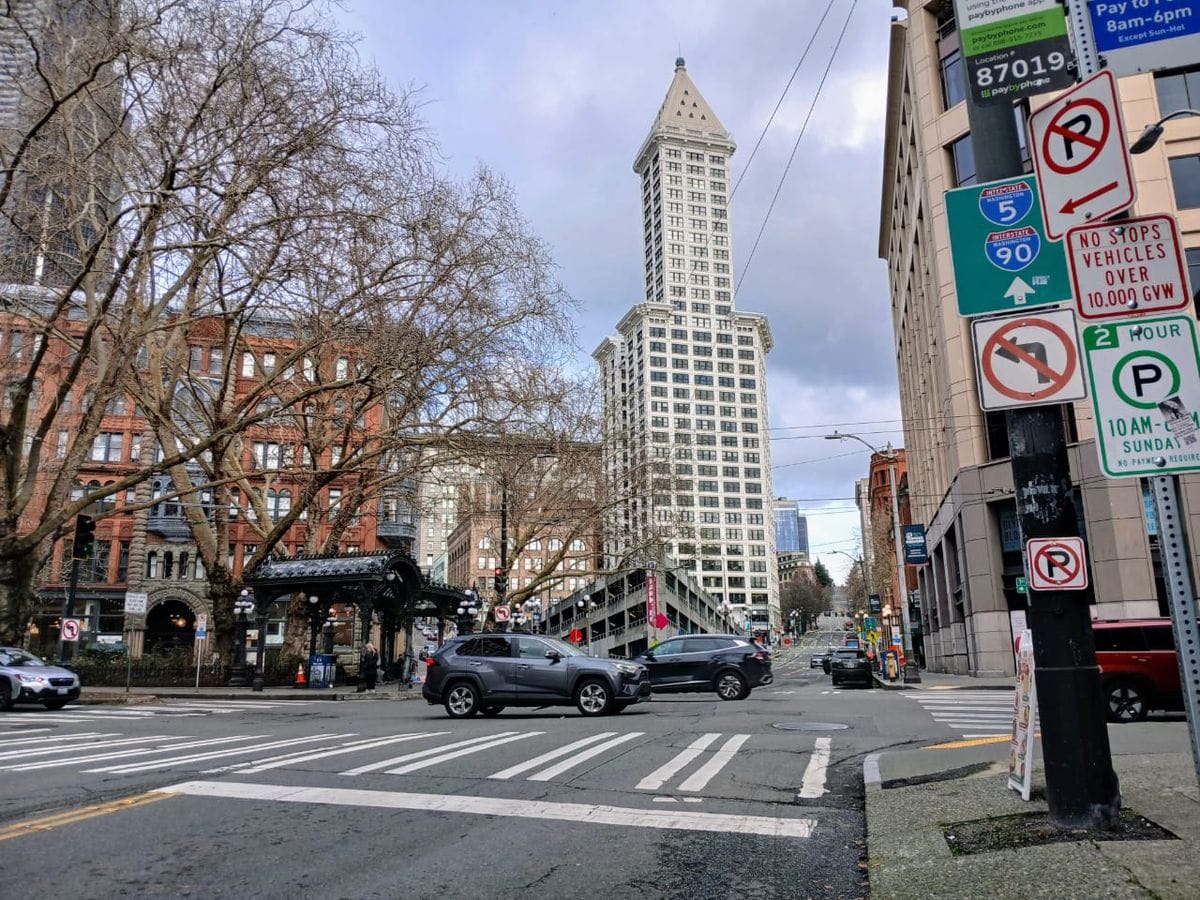
As it stands today, the approval process to make street upgrades in Seattle's eight historic districts provides leverage to slow and stymie those changes that simply doesn't exist in other neighborhoods. Though the adjustment would not give SDOT carte blanche to implement transportation changes in those districts – bollard installation wouldn't be covered under the amendment, for example – targeted upgrades related to safety would be able to be put on an expedited track.
One recent incident is taking center stage in the discussion around Amendment 16. Earlier this year, SDOT presented a proposal to add on-street bike and scooter corrals to 21 intersections across Pioneer Square, providing space for parking off the sidewalk in a way that also improves intersection visibility. With seven more on sidewalks, the corrals would have provided parking for around 300 bikes and scooters while only eliminating one or two legal parking spaces.
But business owners around the neighborhood came out to oppose the plan, with the advocacy group Alliance for Pioneer Square contending that the proposed design was "fundamentally misaligned with the character and the knowledge of the neighborhood." The group has argued Pioneer Square needs custom (higher cost) bike racks designed to look vintage, but also questioned the need for more racks and intersection daylighting.
Several months later, on the eve of being able to install the corrals in advance of the World Cup, SDOT returned with a proposal that only added three on-street corrals.
On October 14, the Pioneer Square Preservation District Board approved a motion to write a letter officially opposing the amendment, following a discussion on specific concerns.
"When everyone was concerned about the 30 corrals that were coming to the neighborhood, I think we wanted to slow SDOT down and ask them to get community feedback, and that process was great," said preservation board member Henry Watson, Development Manager at Urban Villages, which owns the RailSpur development. "A lot of business owners showed up. A lot of people who were concerned, and I think we got a lot better outcomes."
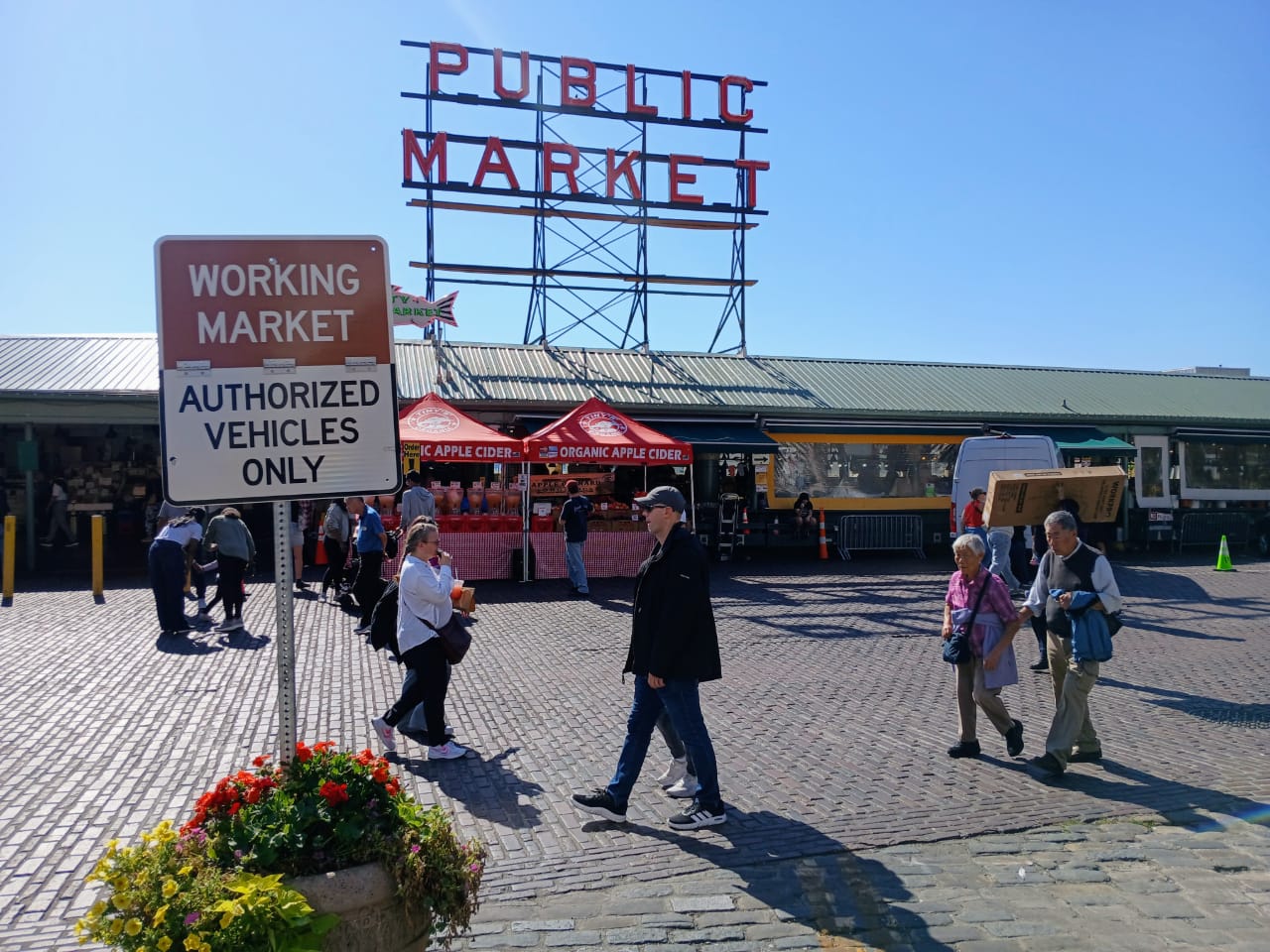
On the other end of downtown, the Pike Place Market Historical Commission is set to formally weigh in on Amendment 16 at a meeting later this week. The advocacy group Friends of the Market, which dates to 1964 and was formed to prevent the Market's demolition, has come out opposed to the change.
"The defining issue of Amendment 16 is not safety, which everyone can support. The issue is how to make decisions that promote safety while still respecting the protections afforded to special places by the careful judgments of the Boards and Commissions tasked with overseeing changes to the public spaces they know best," Friends board member Christine Vaughn wrote in the group's monthly newsletter. "Preservation and safety concerns can work hand-in-hand when Commissioners and SDOT collaborate to find solutions that fit within each district, but also meet the needs of traffic safety."
Maureen Elenga, an architectural historian and chair of the Pioneer Square board, portrayed supporters of Amendment 16 as being misinformed about the process to approve changes in historic districts.
"This is a group of people [who] complained to the city councilperson that special review districts aren't concerned with pedestrian safety, and they responded with this, which is, I think, not the appropriate way to conduct city policy," Elenga said. "We all know that that's not what happened. What happened was the process that is designed to happen. And if they if they want to come to us and discuss certain things that could be done administratively, sure, we can have that discussion. But just this wholesale trying to just remove our purview to review the right-of-way is not appropriate."
And yet, the proponents of the change include traffic safety advocates who have followed SDOT's process to implement projects for years, and are deeply familiar with the way that changes to streets within historic districts get approved... or delayed.
"If you're walking downtown on First Avenue headed south, the person with the ultimate responsibility for whether you're safe or not is [City Traffic Engineer] Venu Nemani, until you hit Columbia, and all of a sudden it becomes a preservation board," Gordon Padelford, Executive Director of the Seattle Streets Alliance, told councilmembers ahead of the committee vote on Amendment 16. "And that doesn't quite sit right when we're talking about public accountability, we're thinking about public safety. There needs to be someone with authority to make sure that our streets are safe."
Even if CB 121296 makes it across the finish line with Amendment 16 intact, the tension between the goals of the preservation boards and broader city aims around improving safety and mobility is definitely not going away.
"One of the things that everyone loves about Pioneer Square is how pedestrianized it is. It feels safe. It's great. This board is not against any of that. I think that's why everyone loves Pioneer Square," Watson said. "But I think the purpose of these discussions is to slow these things down."
 Ryan Packer
 Ryan Packer