It cost me three dollars to get to City Hall the day I joined many others to fight for the future of Seattle transit. An Uber would have been a little faster but much more expensive at twenty dollars. I could've used a Lime bike, but it would've taken longer and, again, would have been more expensive at around fifteen dollars. Maybe I could've driven, but like 20% of households in Seattle, I don't own a car. I shudder to think how much purchasing one for that drive would've set me back.
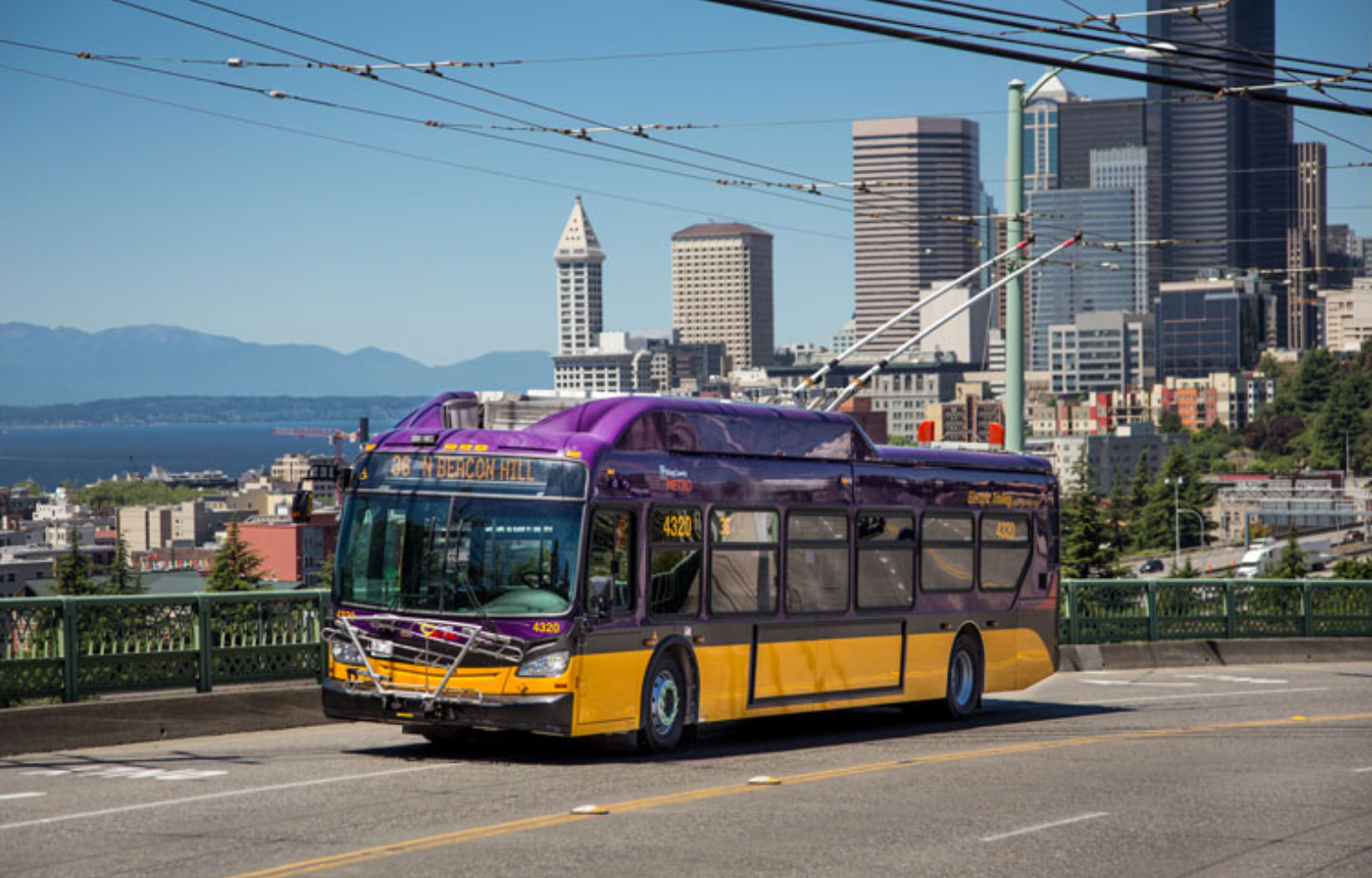
So, I left the cafe I was working from and despite having recently missed a bus, I had to wait only seven minutes until the next one arrived. I hopped on the Route 7 and in about twenty minutes I was at City Hall along with dozens of others to advocate for a strong Seattle Transit Measure renewal in front of City Council. The trip was affordable, safe, fast, and easy.
After listening to over an hour of public testimony, it was clear that transit advocacy was only scratching the surface of reasons folks relied on the bus. I heard workers in tech, healthcare, service, public works, manufacturing, and trade describe the route they relied on to get to work. I heard seniors who could not afford to or who were unable to drive speak glowingly of the bus that took them to groceries, healthcare visits, and to resource centers. I heard union workers speak to what working for the transit system meant to them and their families. Speaker after speaker remarked on how they would not be able to afford to get to the places they needed to go without the bus. Finally, I heard a commenter describe how they relied on the bus for love, taking it to a first date – drawing the loudest cheer from the crowd of the day.
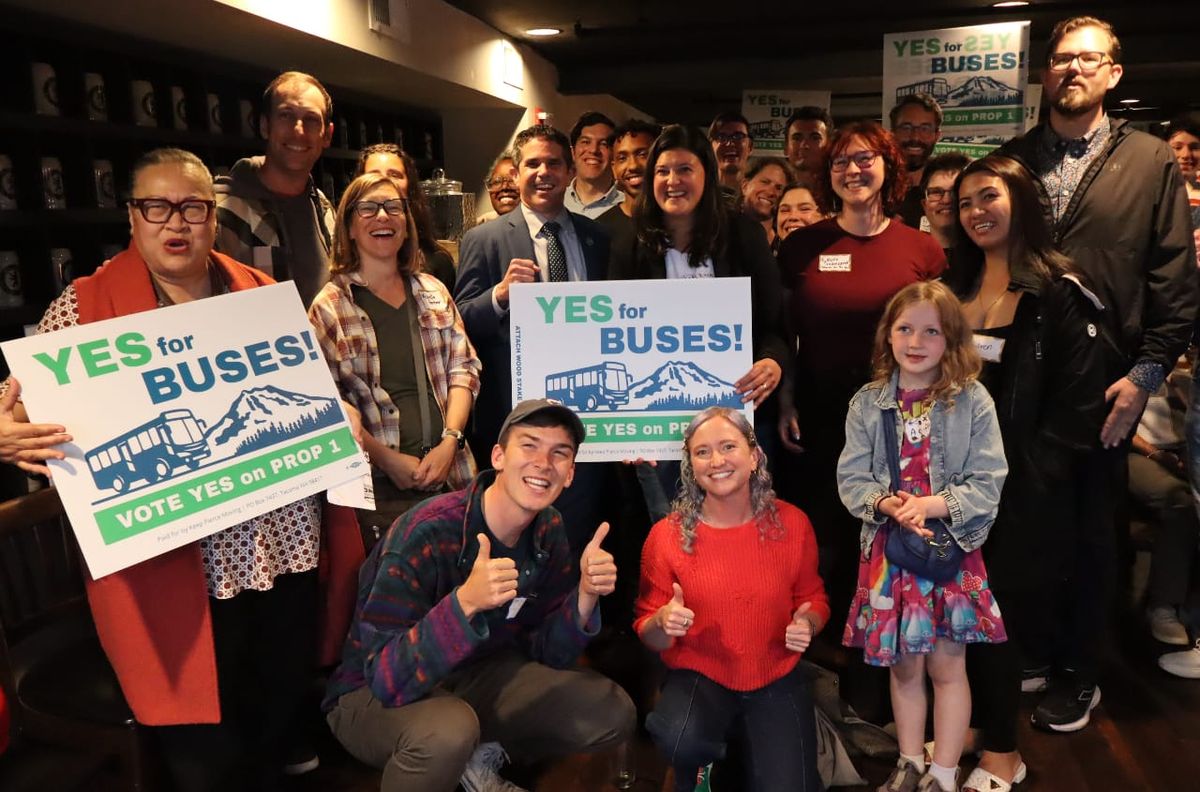
The advocacy that day succeeded. The measure we were fighting for survived being watered down and is now on your ballots. For a more affordable, sustainable, and accessible city, and for every person, I heard that day, and in the many days since, I’m voting yes on Proposition 1 to renew the Seattle Transit Measure and to expand and improve our incredible transit system.
Before asking you to do the same, perhaps some background context would be helpful. The Seattle Transit Measure (STM) renewal will authorize the city to collect a 0.3% sales tax for 10 years, collecting approximately $138 million annually. This is an increase from the current STM which is a six year sales tax (2020 to 2026) at a 0.15% sales tax rate, generating around $50 million annually. These funds will be spent on a variety of transit-related investments, but will be primarily used to bolster bus service in Seattle.
I believe passing this measure will improve the lives of every Seattleite. I have faith in this prediction as the best predictor of the future is the past, and by every metric, the current STM has been a massive success. It passed in 2020 with a staggering 80% of the vote! But its electoral success does not matter as much as what it actually did. The enormous faith voters placed in the measure has more than paid off, and renewing the measure will continue to build on that momentum. We can see this by breaking down what that money was spent on and what it achieved.
Bus Service
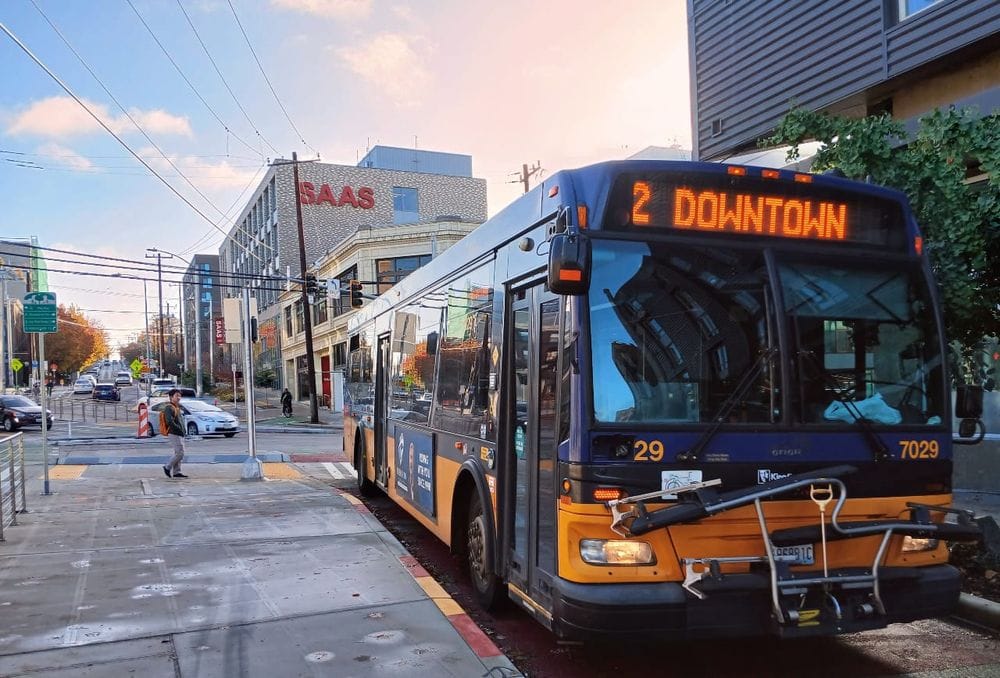
While bus service is provided by King County Metro and thus funded by a county-wide 0.9% sales tax, demand for transit service in Seattle has been higher than the baseline service Metro provides. This is the primary reason why the Seattle Transit Measure was first passed in 2014, passed again overwhelmingly in 2020, and why it should be approved again now.
One out of every 15 buses (approximately 180,000 annual trips) that run in Seattle are currently funded by the STM. That is a massive amount of trips that the STM has delivered every year of its existence.
More buses are better for everyone. For transit riders, increased frequency and reliability means more flexibility and less stress. Frequency is freedom and expanding when and how often a bus runs makes transit more viable as a primary mode of transportation. That makes things better even for drivers as the more people that take the bus– with fewer driving cars, the roads will be safer and less traffic-heavy.
Finally, more transit service is a necessity. From a sustainability standpoint, reducing the total number of vehicles on the road is the single most impactful thing our city can do to reduce its emissions. From a logistics standpoint, the city keeps growing, adding thousands to its population every year. However, we have limited street space. There simply is not room to add more cars to this city at the rate people currently drive. To continue Seattle's growth, we need to make transit a more viable mode of transportation. The current STM has made enormous strides in this regard. Unfortunately, it's still not enough.
Seattle wants more transit service because it needs more transit service. Due to funding issues caused by the Covid-19 pandemic as well as funding and operator availability issues from King County Metro, total bus service is actually at a lower level than it was pre-pandemic in 2019. We are down from 70% of the city having access to ten minute frequency service to approximately 53%. Transit demand has shifted, no longer only commute-based, but also with greater demand being seen for increased frequency on weekends, evenings, and nights. Late night service remains sparse. SDOT's Frequent Transit Network (FTN), its aspirational goal in service of addressing these shortcomings, is still not fulfilled.
This is where the STM renewal comes into play. The renewal, with its increased funding, will almost double the amount of bus trips added by the current STM, going up to 275,000 trips added annually. It will focus on filling gaps in the FTN, adding additional trips on key routes on off-peak hours. Seattle is a city that does not only exist to go to work and this measure will help make transit a more viable option for every transportation need at all times of the day.
Seattle residents won’t have to wait years to see the benefits. If this measure passes, these additional trips will be phased in relatively quickly as part of Metro's twice-yearly service changes. Metro has confirmed that it is coming out of the operator shortage it has been facing the past few years and stands ready to not only increase its baseline level of service but also fulfill the additional trips that Seattle would be purchasing should STM be renewed. Every additional bus trip funded means that the most affordable transportation option becomes more viable for more people.
It's also important to note that King County Metro, as the operator of the buses, is most directly responsible for safety and security on those buses. By purchasing all this additional bus service, a portion of every transit service purchase goes directly to Metro's safety and security programming. In 2025, 6.3% of STM funds were spent on Metro's safety initiatives. The renewal, by increasing investment in bus service, will continue and expand this investment and continue to make the safest mode of transportation even safer.
Capital Projects
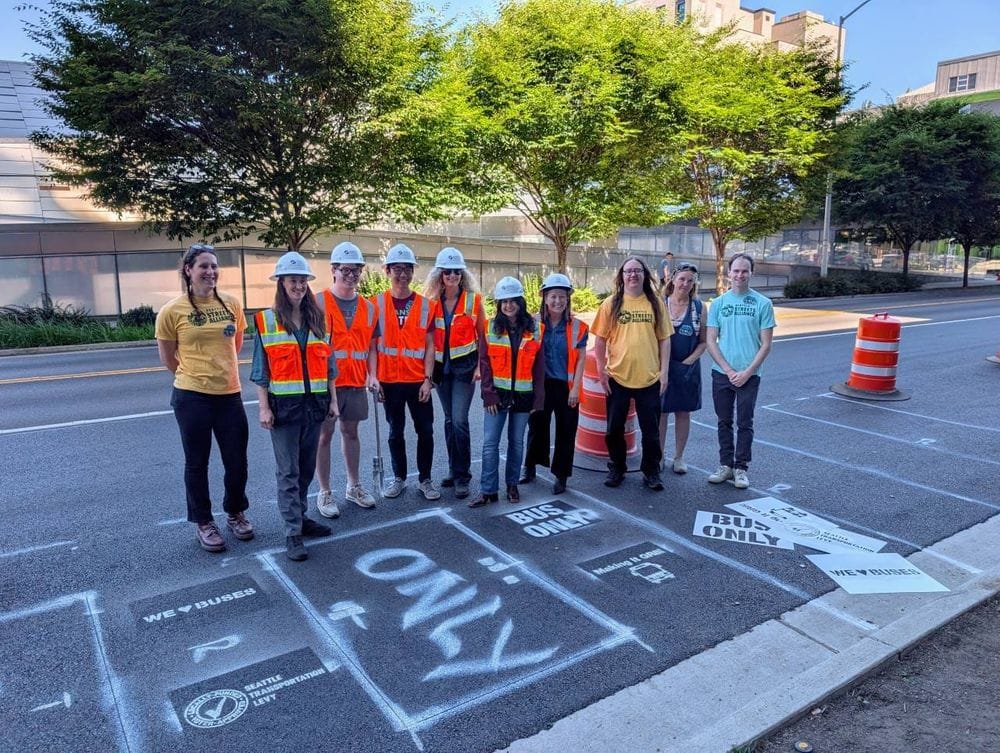
On top of bus service, the STM has funding for capital projects to unlock more transit service and make it safer and more reliable. The current STM funded projects such as adding bus lanes on Rainier Ave (which increased performance for riders of the Routes 7, 48, and 106) or contributing funding to the RapidRide J line. While not directly funded by the STM, the recent Denny Way Bus Reliability Project, is another example of the immediate relief that targeted capital projects can provide, having quickly and effectively improved the reliability of both the Route 8 bus. The STM renewal will continue to have funding for capital projects such as these to ensure that buses can run faster, making every dollar invested in transit service go farther.
Transportation Access Programs
The current STM also expands access to transit by ensuring that those who need assistance the most can afford to use it. Through the Transportation Access Programs (TAP), STM currently provides around 10,000 free ORCA cards for residents of Seattle Housing Authority, Seattle Promise Scholars, and Seattle Preschool Program families who attend tuition free.
The STM renewal would more than double the amount of ORCA card recipients, going to 22,000 total. While transit is already vastly more affordable than owning and operating a personal car (which now costs an average annual amount of over twelve thousand dollars nationwide and shows no sign of decreasing, as gas prices continue to climb), there are still many in this city to whom the cost is a barrier. STM and its renewal do not only expand transit, they expand access to transit, which is just as essential.
Other Transit Services
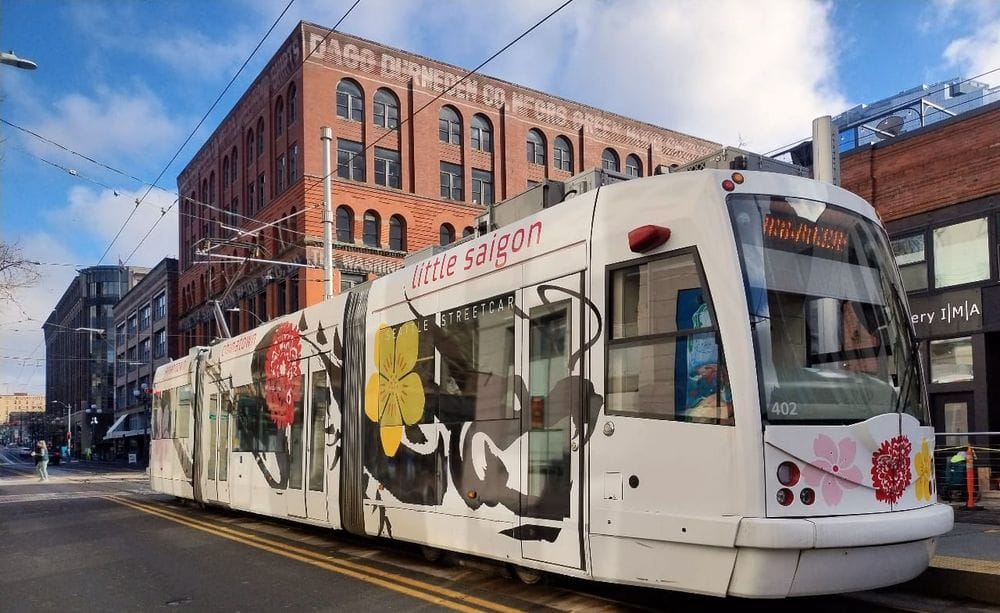
While buses consist of the majority of transit investments, the STM also funds essential transit services such as the First Hill and South Lake Union Streetcars, Trailhead Direct, and on-demand Metro Flex services.
The STM renewal will continue these investments to ensure that transit access is spread as far as possible.
The Bottom Line
The STM is a great piece of legislation. It has delivered immediate returns to the taxpayers that overwhelmingly voted it in and its renewal will make its investments even stronger. Investing in stronger, more accessible transit service pays dividends for affordability, safety, livability, and local economy. The more people can afford to safely get where they live and work and play, the better our city becomes.
The impact of an increase to an already high local sales tax cannot be ignored. Unfortunately, until state law changes, sales tax is the most viable method of funding transit service. The STM renewal and its increase of 0.15% to the sales tax rate would be estimated to cost the average Seattle median two-person household an additional $29 per year - even less for many single-person and lower-income households. In an earlier op-ed, the MASS coalition put this cost into context by comparing it to 4 hours of parking, one hour of riding a Lime, a 30 minute uber, a tank of gas, or one week of car ownership.
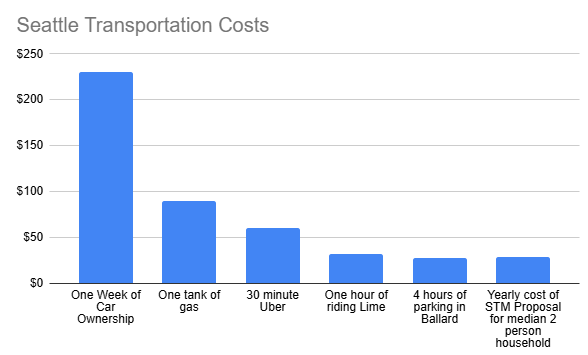
The purpose of such a comparison is not to make light of what a tax increase means to people at a time where every dollar needs to go the furthest it possibly can. On the contrary, the comparison shows what a good investment the STM renewal truly is and how affordable investment in transit is when compared to other transportation options. If we do not renew the STM, we will face drastic guaranteed transit service cuts. The hit to transit service and the increased cost of relying more on other modes of transportation will far outweigh the cost of the measure.
Seattle is a world-class city with world-class transit, but it can be even better. Good public transit is not free, but it does bring freedom. Freedom to work, to shop, to seek help, to play; freedom from traffic and from never-ending car payments. Transit connects our city and connects people to the places they need to access in order to live their lives.
Sometimes in this city there is a sense that the Seattle Process™ can overwhelm us, slow things down, make it seem like actually changing anything is impossible. That building things is no longer feasible.
It is.
We can build, and not only that, we can build quickly and efficiently. Should the STM be renewed, its benefits will not potentially be felt a decade from now. It will be felt within months. Whether you are an avid transit user, driver, both, neither, or anywhere in between, vote Yes on Proposition 1 to renew the Seattle Transit Measure and help build our transit network to make this city more affordable, safe, and easy to navigate.
 Elections Committee
 Ryan Packer