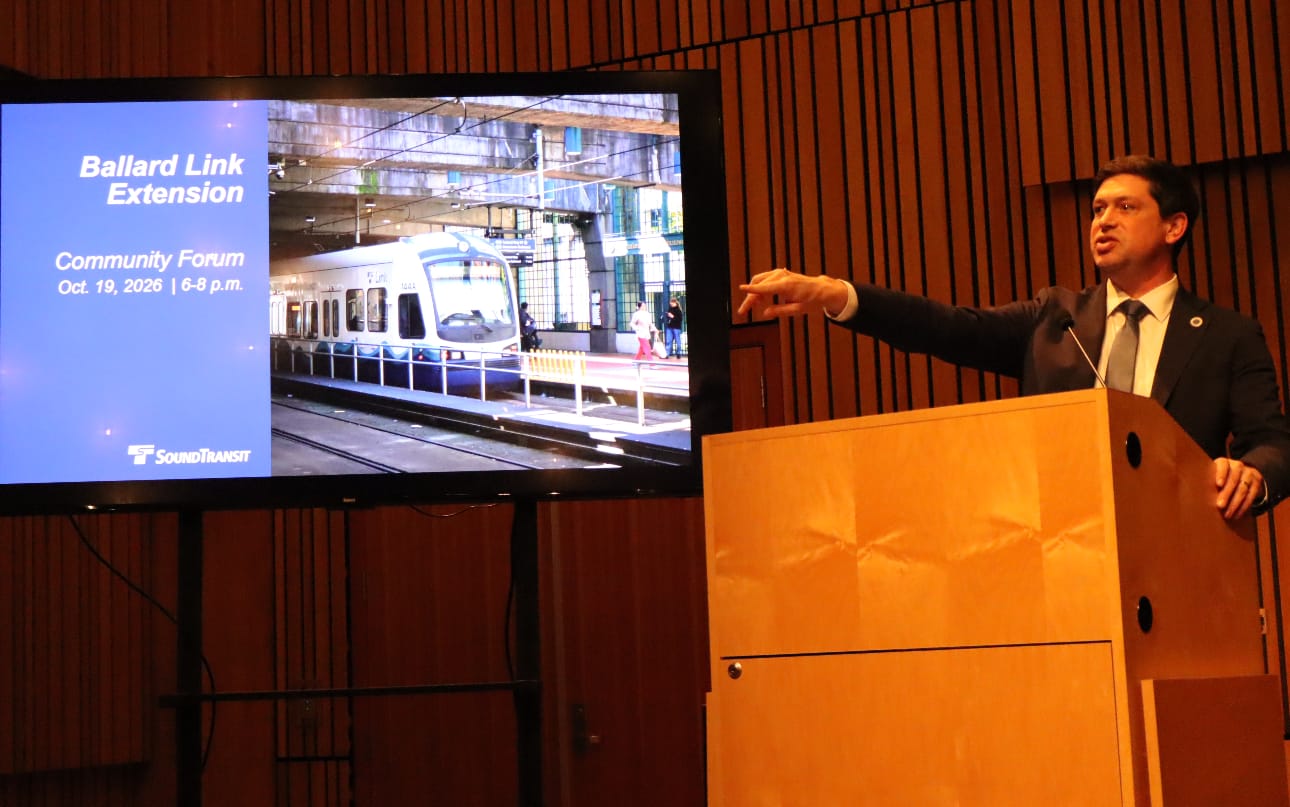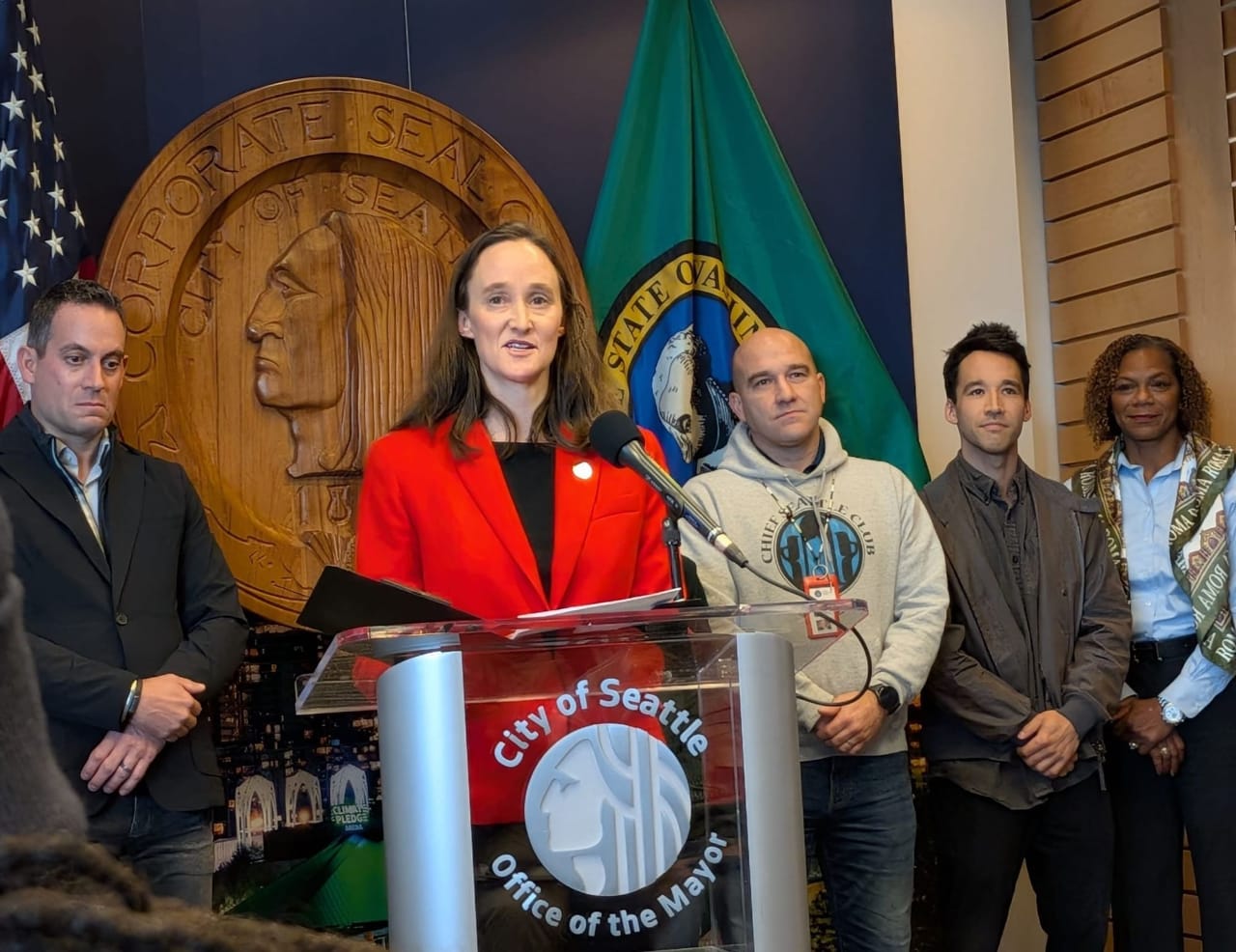
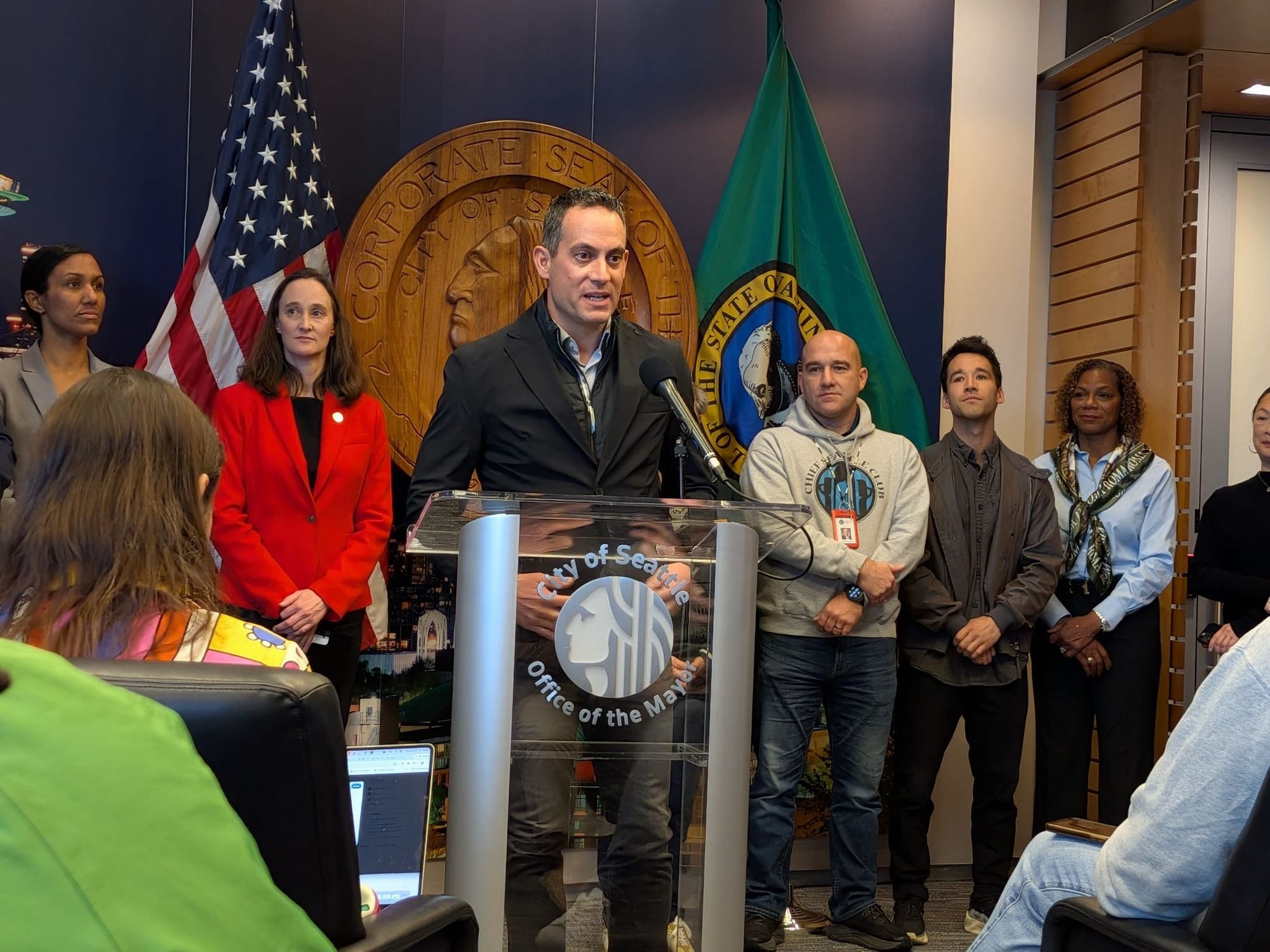
This week, Seattle Mayor Katie Wilson announced a shift in the City’s strategy for addressing homelessness by executing a “neighborhood-centered, by-name” framework to help most effectively use the new shelter spaces that will continue to open next year.
By the end of this year, Wilson’s administration is on track to open over 400 new shelter units, with the promise of reaching almost 1,000 by the end of 2027.
“For years, mayors and their teams have come and gone, but the moral outrage of homelessness in one of the wealthiest cities in the richest country in the world has only worsened,” Wilson said at a press conference. “In the four years before I took office, unsheltered homelessness increased by over 50 percent. This is unacceptable”.
Wilson’s predecessor, Bruce Harrell, only added a net 13 units of shelter during his entire four-year tenure.
Similar outreach practices, based on the framework developed by non-profit Community Solutions, were used in the City’s JustCARE program developed during the Covid-19 pandemic to some success and the Washington Transportation Right of Way Encampment Resolution Program, which was also considered to be successful but took significant cuts from Washington state in its 2025-2027 budget.
Wilson plans to emulate the recent success of a small pilot implemented to get unhoused people living in Pioneer Square into shelter before this summer’s World Cup games. Of the 80 people identified by outreach workers, 47% had been homeless for more than three years and 77% suffered from addiction or mental illness. Even so, 70 of those 80 people were placed into shelter.
“The partners used a by-name list, identifying every individual living unsheltered in that area and offering wraparound support instead of repeatedly referring people between disconnected parts of the homelessness response system,” Wilson said. “This program was highly centralized, zeroing in on specific barriers that specific people faced and connecting them to the appropriate resource. And it was also successful because of space available at Bayside, the first major new site in my shelter acceleration initiative, which opened up in June.”
Lisa Daugaard, the co-executive director of Purpose Action Dignity (PDA), shared with The Urbanist that 78.3% of participants in the Pioneer Square pilot remained in shelter and off the streets four months later, with over 20% able to move on to permanent housing, showing a notable level of sustainment achieved by the approach.
The relative success of this pilot, a partnership between the Downtown Seattle Association and service providers such as PDA and REACH, showed that when a more focused effort was brought to bear to make appropriate offers of assistance, unhoused people in Seattle were willing to accept shelter and services.
“This idea that we have a lot of service-resistant people in our city I think is a myth, and it's not a thing,” said Jon Scholes, president and CEO of the Downtown Seattle Association. “If we offer the right thing, we offer the right service, if we understand who's out there, if we don't offer a one-size-fits-all, we can bring people inside instead of chasing them around the corner, down the block, or to the next park. So we know what works, and the big shift here is building on that, not making it the exception for how we address homelessness in this city, but making it the rule.”
Instead of doing another targeted pilot, Wilson is taking a bigger swing with her attempt to utilize this framework city-wide, with a neighborhood allocation of high support shelter spots. Neighborhood leaders and service providers will prioritize individuals with the greatest challenges who come to their attention for the new spots. This approach is only possible because of the high number of new shelter spaces expected to open within the next year.
Both Wilson and Scholes pointed out that the status quo of homeless sweeps, emergency room visits, and jail stays is very expensive, and providing the right kind of shelter and services, while also pricey, will ultimately save the City money.
Homeless sweeps planned to continue
Wilson referenced the success of Denver in using the Community Solutions framework to reduce their homelessness population by 64% in three years, which The New York Times recently touted as the right way to fix homelessness. But Denver paired the framework discussed above with greatly increased police enforcement, with some homelessness advocates going as far as to warn other cities away from using Denver’s approach.
Advocates in Seattle have mixed feelings about Wilson’s plan.
“Obviously, this is better than our current approach,” Jay, a regular volunteer with Stop the Sweeps, told The Urbanist. “It sounds like moving in the right direction. It's by no means stopping the sweeps.”
Jay said that Stop the Sweeps has always made the argument that while sweeps are cruel, inhumane, and possibly unconstitutional, they are also ineffective as an outreach method and a real waste of money. “I do think more and more people are starting to realize this,” Jay said.
But while Jay thinks that more coordination between outreach services, local businesses, and neighbors could lead to better service matching, they emphasized that the City continues to spend a large amount of money on simply sweeping unhoused people from place to place.
Wilson has committed to continuing the City’s sweeps.
“Our Unified Care Team has continued doing encampment removals at basically the same rate that they were doing removals before I entered office. We anticipate that the Unified Care Team will continue that work,” Wilson said. “As we're opening up new sites, the Unified Care Team is going to be able to make more meaningful offers of shelter and services to people in encampments all across the city. So I would expect and hope that means that we will have higher rates of navigating people into that shelter as opposed to them moving to the next block.”
But as Josh Feit in PubliCola reported, the Unified Care Team has actually done more than 150 full encampment removals so far this year, compared with 112 at this point in Harrell’s first year.
Lack of alignment with the City Council
Councilmembers Dionne Foster, Bob Kettle, and Eddie Lin all attended Wilson’s press conference and expressed support for her plan – and the $37 million allocated in next year’s budget to pay for the new shelter the plan requires.
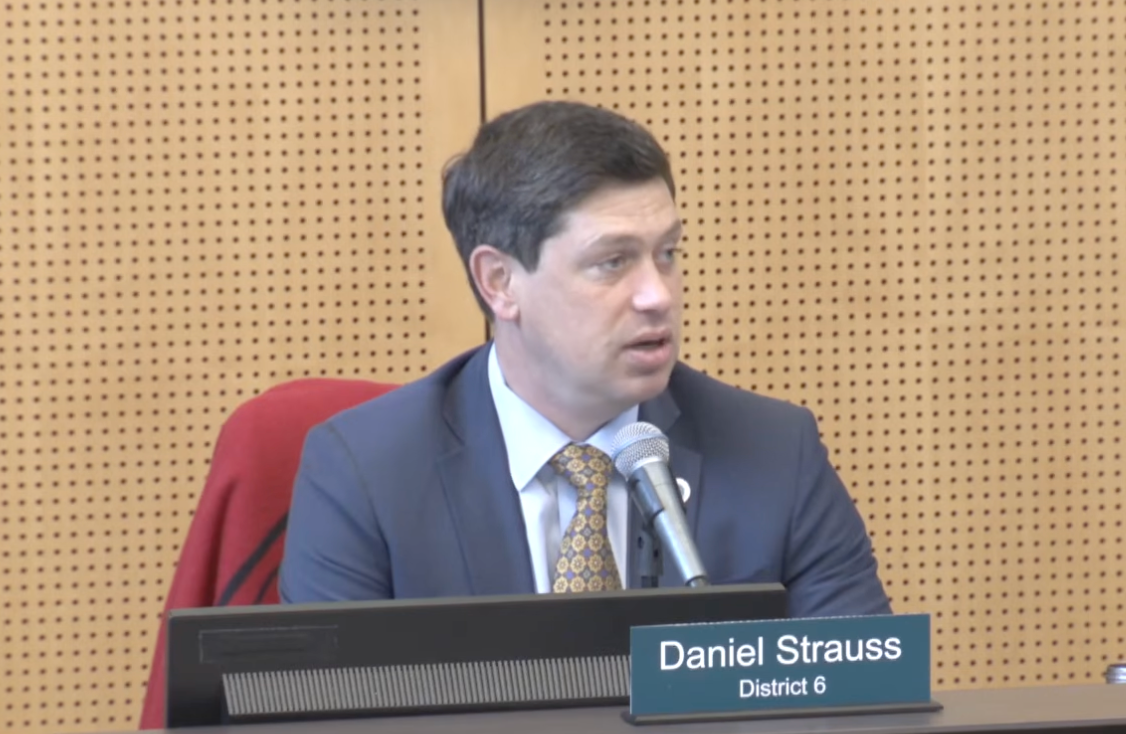
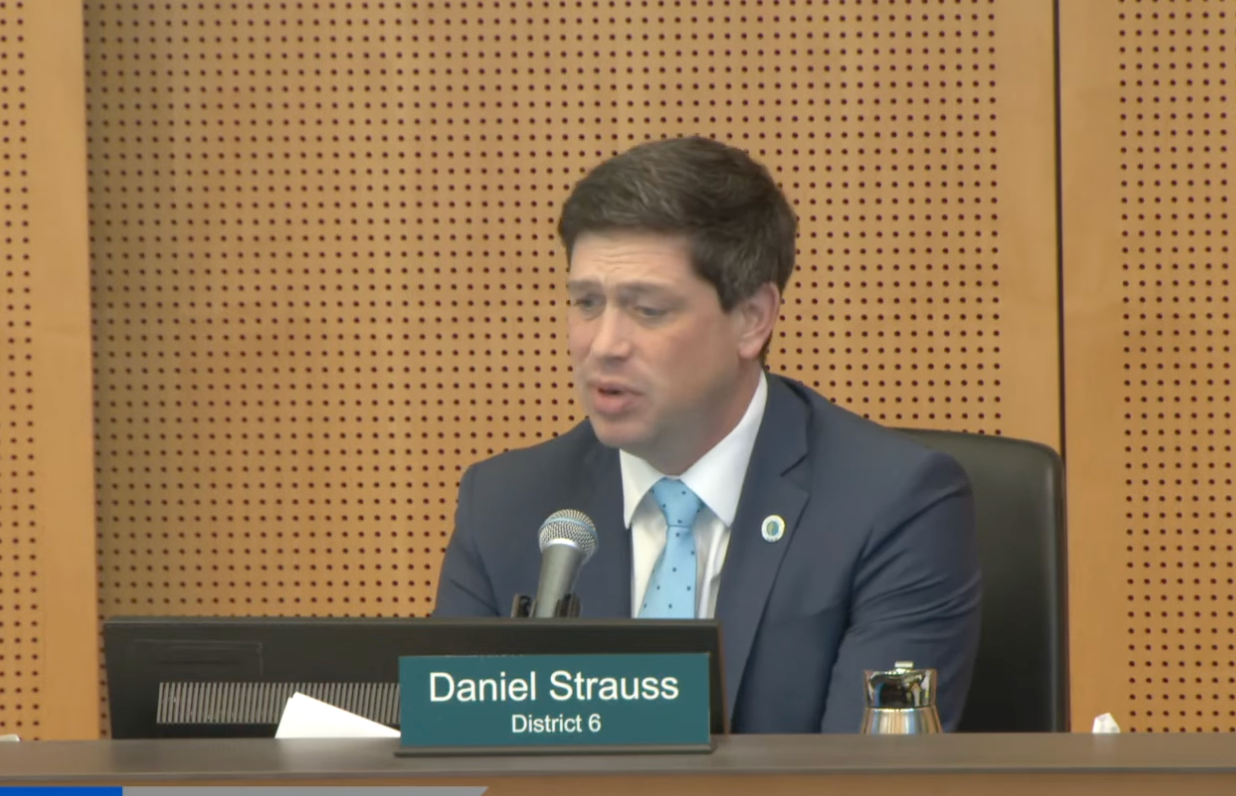
But just the night before, the Seattle City Council passed a suite of bills with the ultimate goal of making it nearly impossible for people to live in their RVs in Seattle. Sponsored by Councilmember Dan Strauss, this new legislation would initiate a new RV permitting program with many requirements and a one-time census to allow people to apply. As passed, people who miss the census will have no future opportunity to apply for an RV permit.
The legislation would also provide RV storage and open a second safe lot. Glassyards Commons, a site offering a combination of a safe lot and tiny homes, is planned to open next month.
Wilson did not provide all the funding for Strauss’s proposal in her proposed 2027-2028 budget, a decision about which Strauss said he is “highly disappointed”, even as he has indicated his intent to introduce a budget amendment to allow his legislation to be implemented as planned. He also claimed Wilson is “uncomfortable” addressing homelessness, in spite of the issue being central to her mayoral campaign last year.
At the city council meeting on Tuesday afternoon, Strauss touted his RV proposal as centering humans.
“The resulting package strikes an important balance between creating new resources to help people build pathways to housing, cutting red tape that often leaves us waiting for years for services to come online, and updating our regulations to better meet the moment our city is in,” Strauss said.
But advocates have said the permitting program is likely to increase the number of people unhoused and on the streets, which would directly work against Wilson’s efforts to reduce the number of people in Seattle without access to any shelter.
In response to the legislation’s likely passage, King County Councilmember Reagan Dunn expressed his intent to propose new legislation at the county level to “prevent Seattle’s homelessness crisis from spilling into neighboring communities.”
“The rest of King County is getting a signal from Seattle,” Jay told The Urbanist. ”If Seattle can pass this, everyone else is going to pass it.”
Indeed, at the beginning of September, after the Seattle city council had already begun discussions of Strauss’ proposal, the City of Kirkland passed a city-wide ban of RVs on public streets.
The bills related to Seattle’s RVthe permitting program passed 6-3, with the council’s three progressives – Councilmembers Foster, Lin, and Alexis Mercedes Rinck – voting against it.
When asked about the RV bills during the press conference, Wilson expressed several concerns, including legal risk, cost, and the challenges of implementing a complicated new program.
“I also have concerns about the human impacts,” Wilson said. “If this solution is something that basically is going to result in more people getting into unsheltered homelessness or simply being pushed out of the city, then that is not a success. So I'm committed to working with Councilmember Strauss and my other colleagues on the City Council to get to a workable solution.”
The RV permitting program is not planned to go into immediate effect, and Wilson expressed a desire to engage in a process to make some changes to the program.
Another possibility would be for Wilson to veto the legislation. While the relevant bills passed with a veto-proof majority, the council will be welcoming a new District 5 colleague onboard at the end of November once election results are certified. If Nilu Jenks, who is running in the progressive lane, assumes the seat, it’s possible the veto-proof majority will no longer exist.
However, the timeline might be too tight for this strategy to bear fruit, with Wilson having 10 days to act on the legislation once she receives it. Were Wilson to veto, the council would then have 30 days for a vote to reconsider the matter.
Regardless, Wilson is banking her future in politics on her success in grappling with a homelessness crisis that has stymied several of her predecessors.
“This is the kind of striking progress that we're going to make here in the Emerald City,” Wilson said. “Change is in the air.”
 Amy Sundberg
 Amy Sundberg