A small number of cities across central Puget Sound are pulling along the entire region when it comes to keeping pace with long-term housing growth targets, according to new data released by the Puget Sound Regional Council (PSRC). Of the 40 cities across King, Pierce, Snohomish and Kitsap Counties that are expected to accommodate the largest share of regional housing growth through 2044, just 14 are on track and many are significantly behind.
The data provides a snapshot of uneven urban growth, more than a half-decade after a pivot in the four-county region's housing growth strategy toward transit investments that were either already in place or coming online. Though that strategy is clearly bearing some fruit, with cities like Shoreline, Redmond, and Mountlake Terrace easily dispatching with their targets, these numbers also point to the need for potential reforms around land use and building regulations elsewhere – some of which are already in motion.
"The region is producing housing at pace to meet its targets, but this is largely led by just a handful of jurisdictions," Eric Clute, a planner in PSRC's data department, said last week while breaking down the data for local elected officials. "I think these jurisdictions can offer a blueprint to others looking to boost production and meet their housing targets."
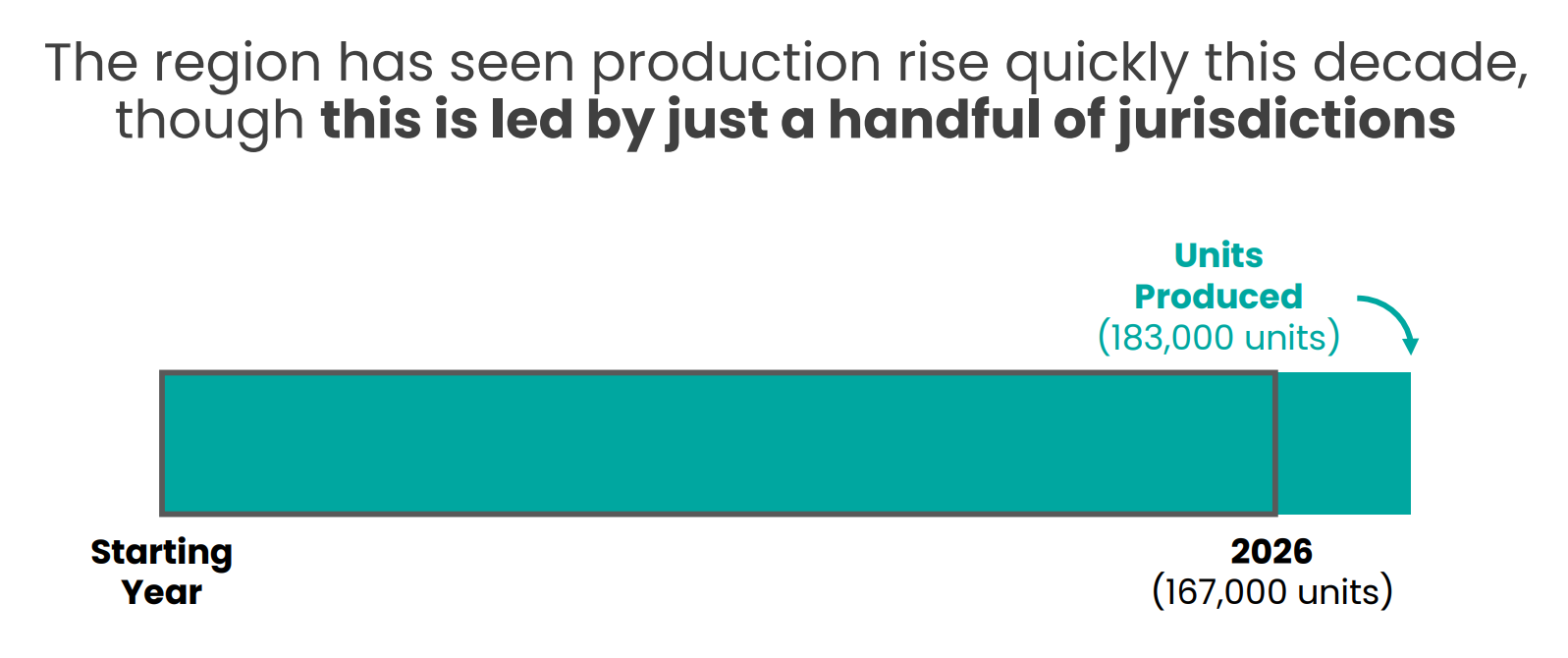
The adopted growth targets on the books right now across the urban areas of all four counties plan for a total of approximately 620,000 new units of housing by 2044, with close to half of that in King County. As a whole, the region has been outpacing that target, adding around 183,000 units since 2019 or 2020 – the start year varies by county, with the clock starting for King County in 2019, compared to 2020 for the other three counties.
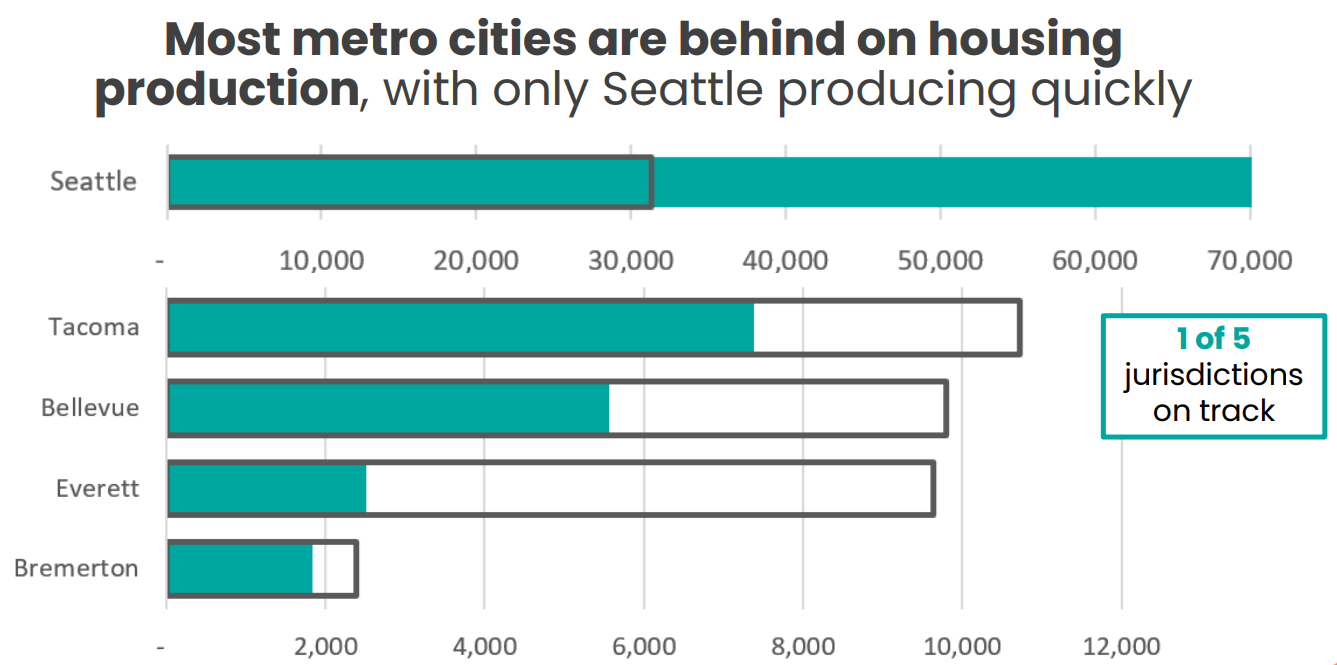
That growth rate is around 16,000 more units than was needed to keep pace. But without growth in Seattle significantly outpacing the growth target there – 70,000 units were built compared to a prorated growth target of just over 31,000 – the region as a whole would not be ahead of the overall target. Falling short will mean that Washington will likely fail to add the 1.1 million overall homes needed to tread water on housing affordability, according to the state's Commerce Department.
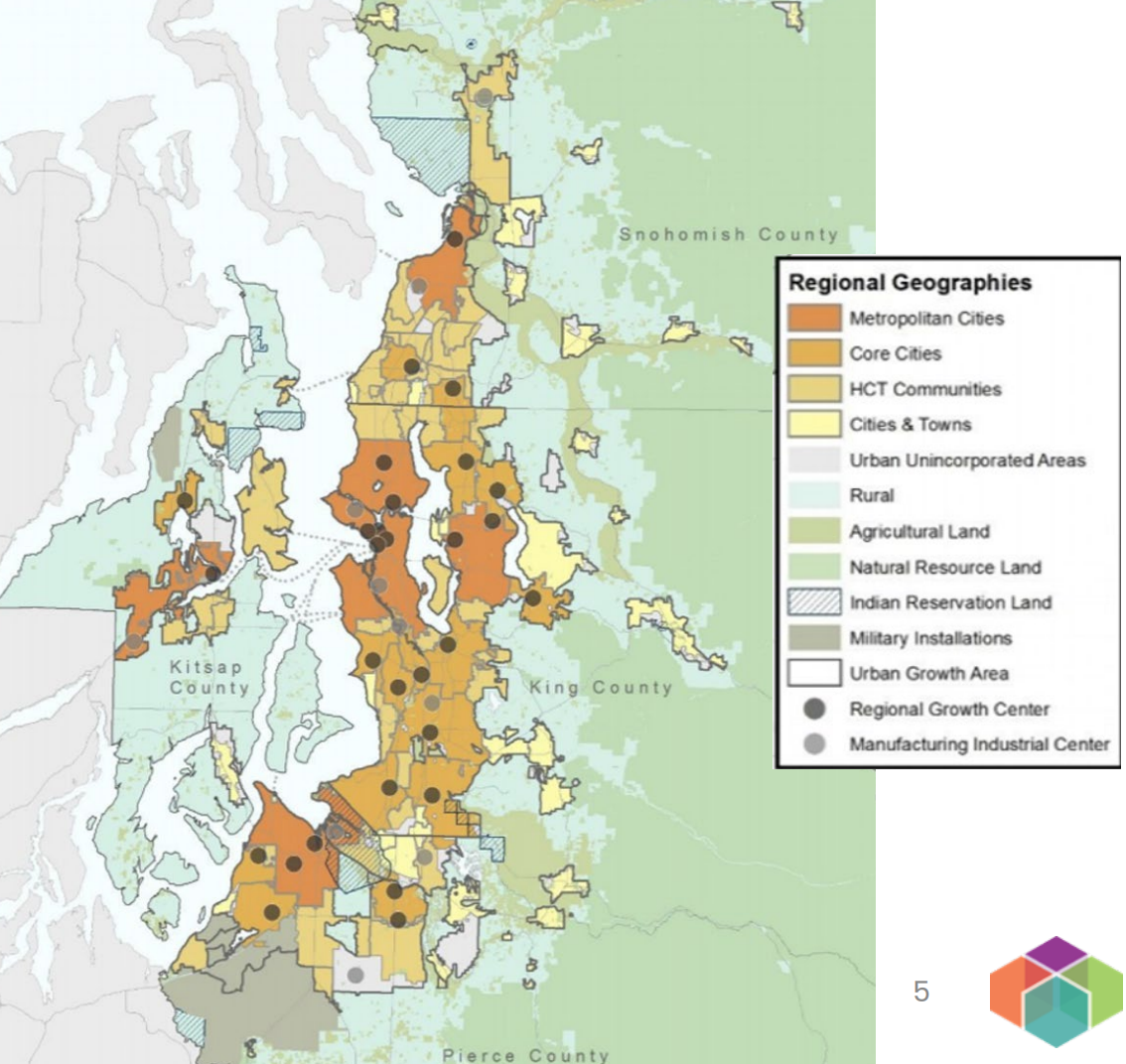
PSRC's Vision 2050 growth strategy lays out different tiers of jurisdictions expected to shoulder decreasing shares of regional housing growth. At the top are the metro cities, including Seattle, Tacoma, Bellevue, Everett, and Bremerton. These cities have the biggest growth targets, though a smaller overall target for Kitsap County means some cities across the Sound are aiming for more housing than Bremerton.
Out of those five, only Seattle outpaced its growth target, with Everett lagging the most. Snohomish County's largest city logged just over 2,000 new homes compared to an overall target of 36,500 by 2044. Bellevue did better, seeing more than 5,000 units built against a similar target. Tacoma saw more than 7,000 new units, but has an even more ambitious growth target of 43,000.
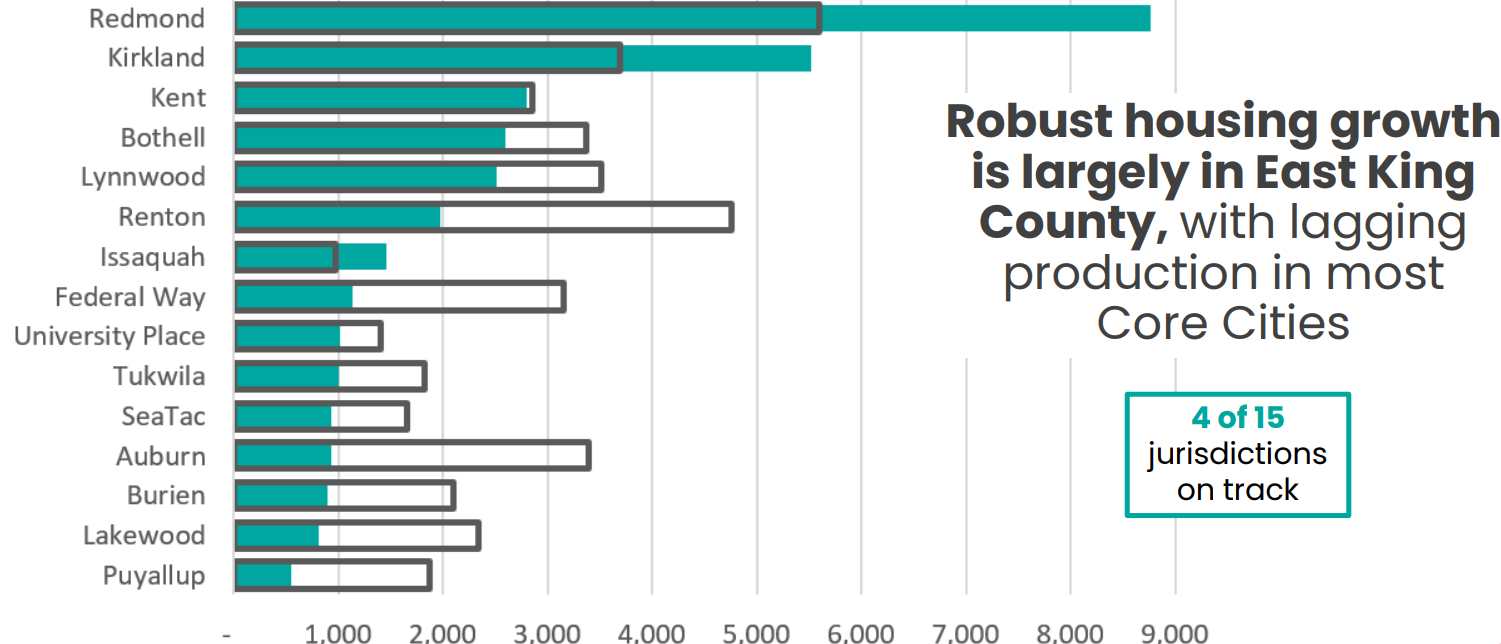
Just below those five big kahunas are the "core cities," mid-sized jurisdictions that are also expected to carry a significant amount of regional growth. Just four out of 15 of those cities – Redmond, Kirkland, Issaquah and Kent – are meeting or exceeding their targets. Renton, Auburn and Federal are falling the furthest short, while Lynnwood and Bothell are doing better.
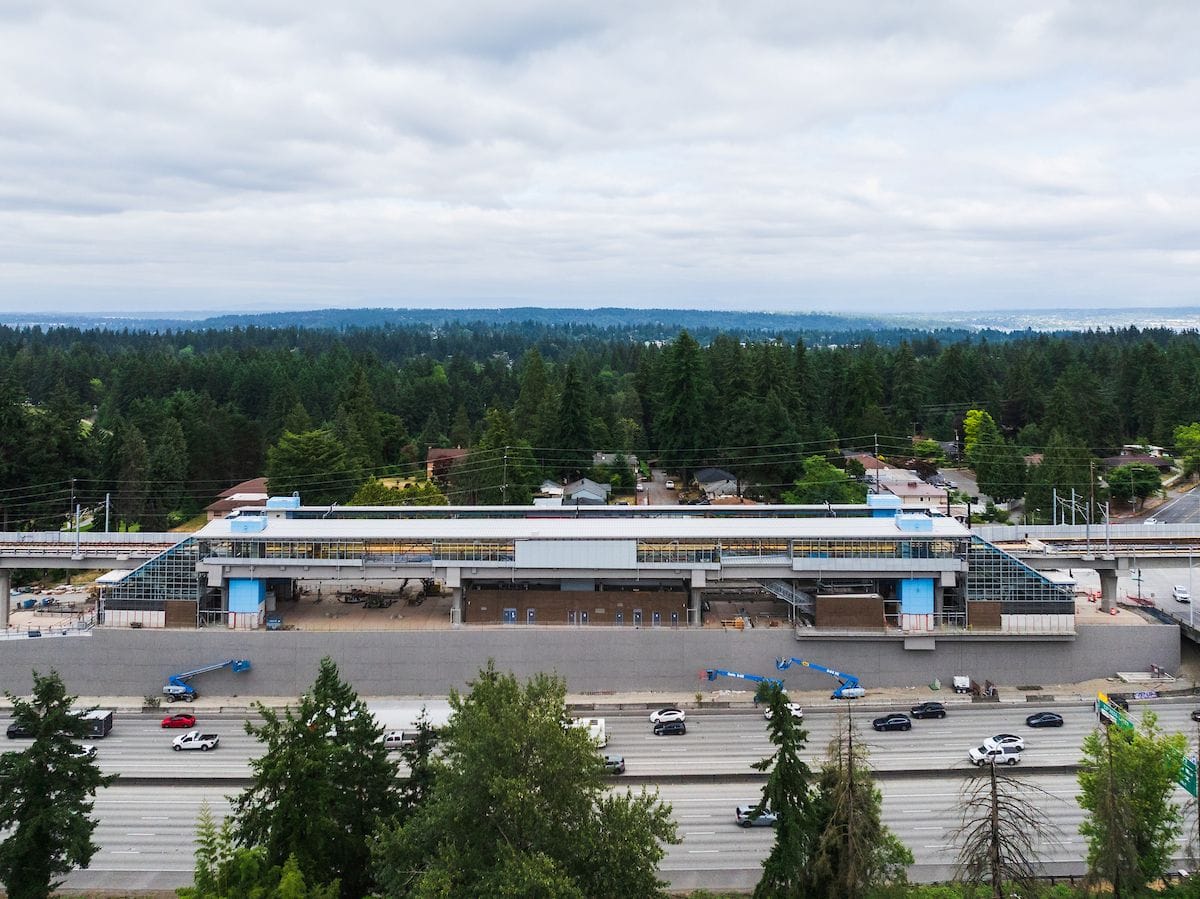
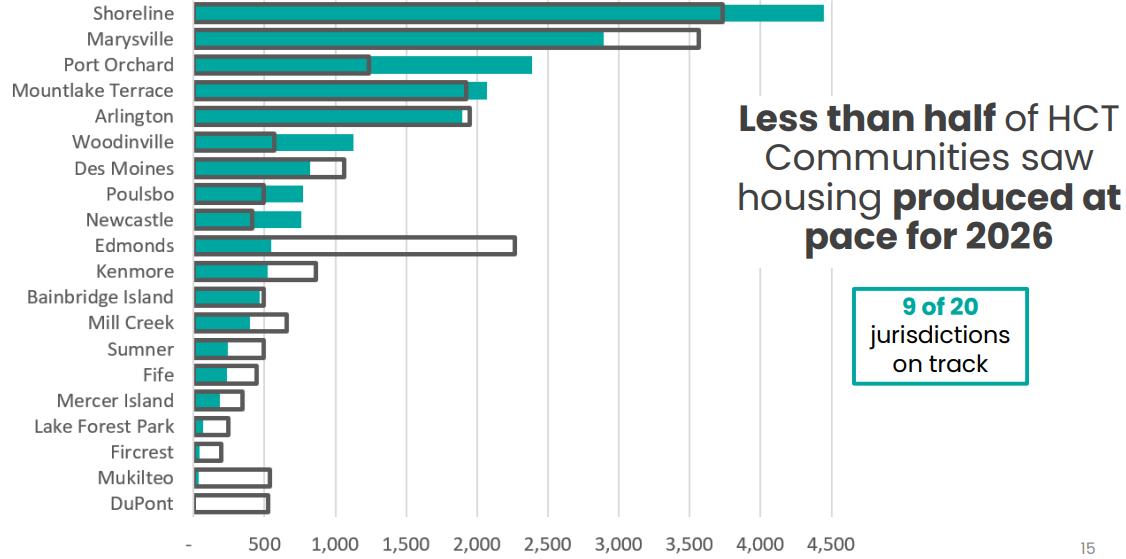
Outside of metro and core cities, another set of cities known as "high capacity transit (HCT) communities" are also planning for a fairly significant share of growth. HCT communities feature some type of current or future transit investments, from a Sounder commuter or Link light rail station to a planned bus rapid transit line.
9 of those 20 cities are on track, with Shoreline leading the pack. Woodinville, Mountlake Terrace, and Port Orchard are other standouts here, with Edmonds falling significantly short of expectations. DuPont, which had been set to see an extension of Sound Transit's S Line until an agency board vote earlier this year through a construction timeline into limbo, saw essentially no housing growth at all.
The good news here is that required updates to local growth plans made by the end of 2024, along with required zoning adjustments to allow more types of housing in lower density neighborhoods the following year, are just starting to bear fruit. In the metro cities specifically, many of those adjustments were bold ones, including the Home in Tacoma rezones and Bellevue's land use code reforms that targeted areas ripe for redevelopment, like Wilburton.
"We have all made recent updates to Comprehensive Plans that made significant changes to spur housing production," Clute said. "These changes are likely not yet showing up in the data. Those changes were done just a couple years ago, or a year ago, and development takes several years to happen."
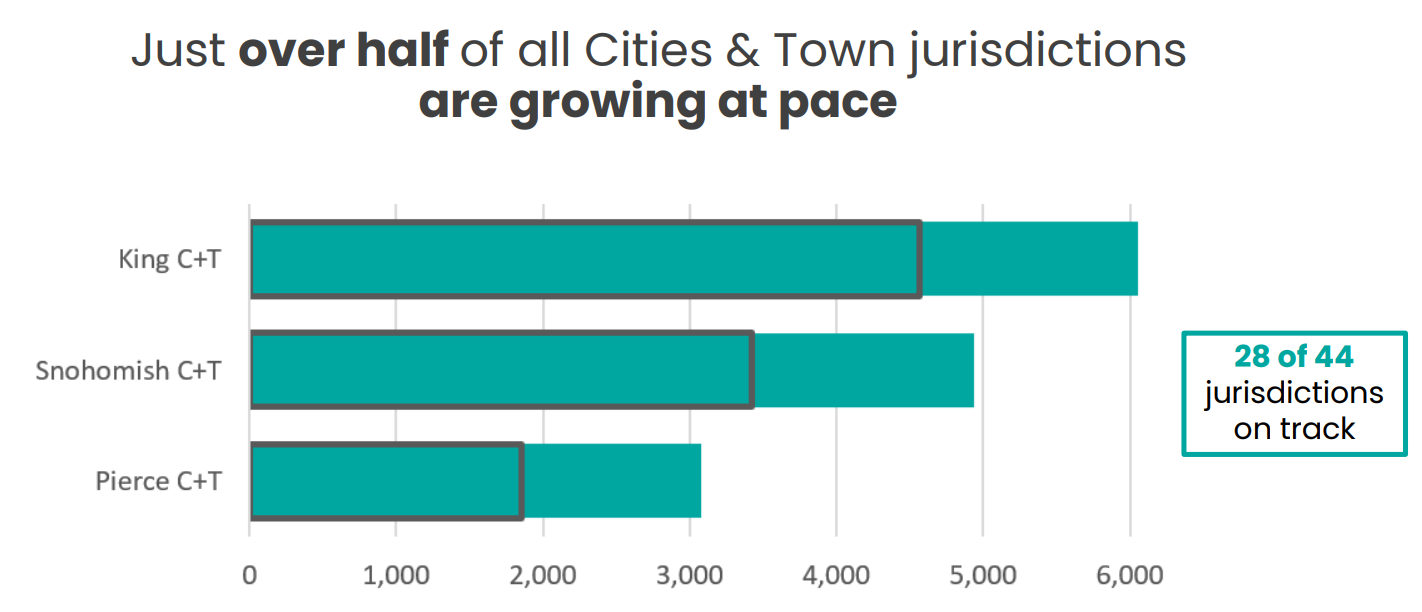
And then there are the cities and towns that are not expected to shoulder as much growth, places like North Bend, Gig Harbor, and Lake Stevens. Growth in those places, on the whole, has been significantly outpacing growth targets, a fact that stands in stark contrast with the bigger cities that are lagging behind.
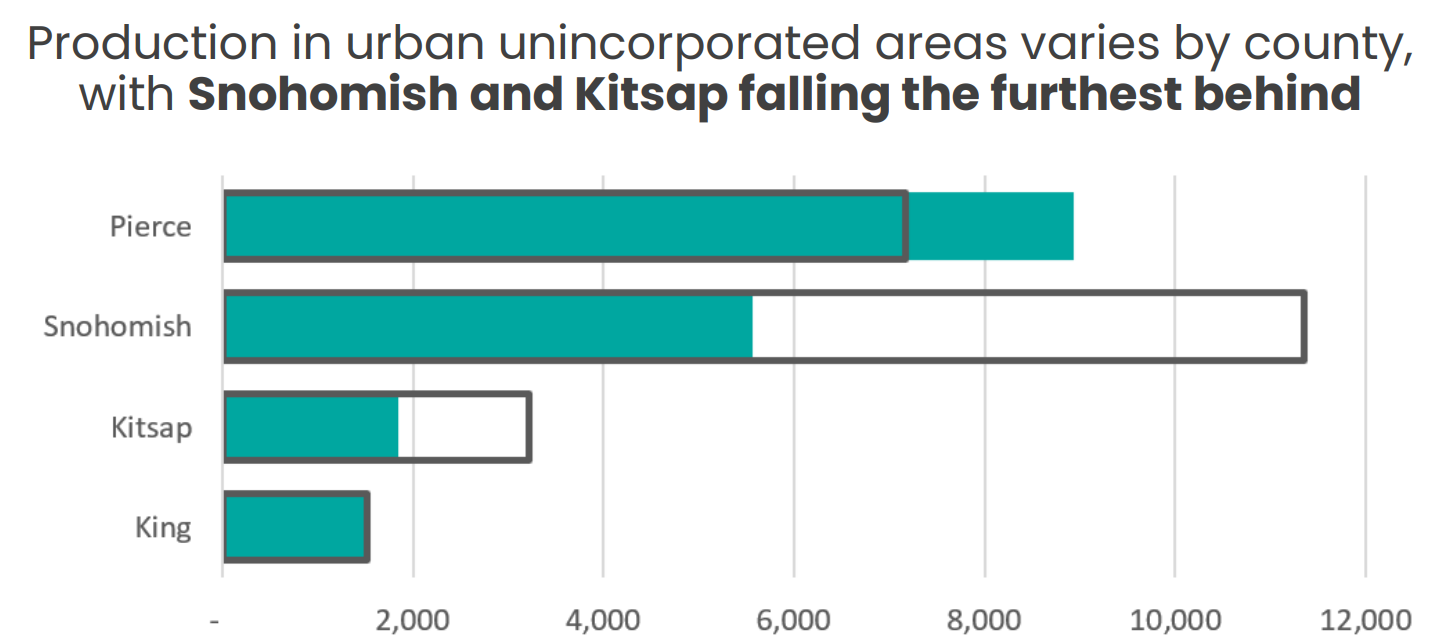
What about urban unincorporated areas? Areas outside cities and towns but still inside the urban growth area (UGA) saw significant growth in Pierce County, and less growth in Snohomish and Kitsap Counties. King County's modest urban unincorporated growth target is right on pace.
Slower-than-expected growth in unincorporated Kitsap County is likely good news for urbanists there, who have argued that the growth plans for those areas set up suburban sprawl. On the other hand, unincorporated Snohomish County includes areas set to see light rail expansion, including the vicinity of the Ash Way and Mariner Park and Ride stations being built as part of Everett Link.
Ultimately, the numbers released last week could represent a new baseline, with housing production in Seattle slowing significantly and overhauled zoning across Puget Sound potentially setting the stage for increased growth elsewhere.
While underlying land use regulations clearly aren't the only factor at play when it comes to regional growth, they do play a big role. And though the region as a whole may be slightly ahead of the curve, that's no reason for any city to sit on its laurels.
 Ryan Packer
 Ryan Packer