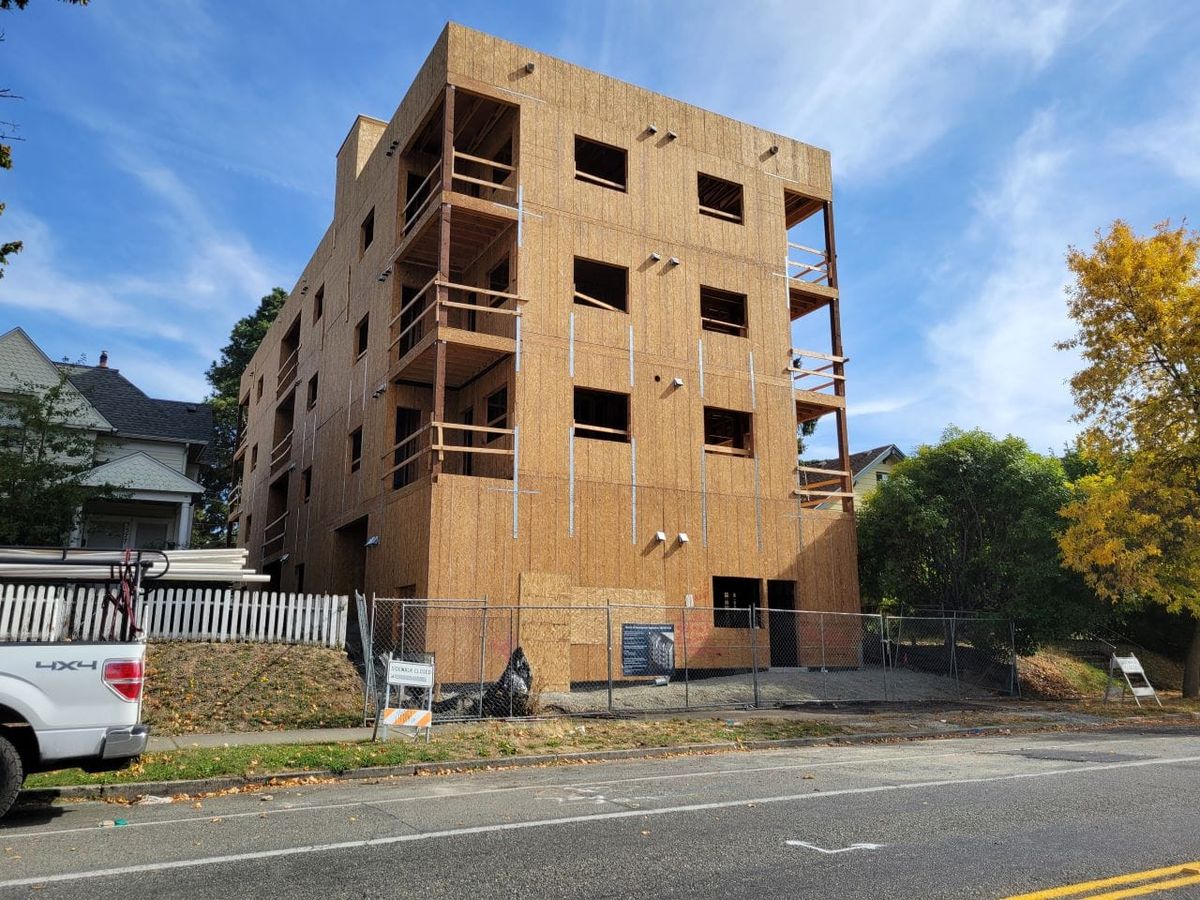
The City of Tacoma is seeing early signs of success after unleashing builders across formerly single-family residential zones last year, bucking a trend of stagnant housing permits statewide. In the year since Tacoma adopted new zoning standards last February, the number of new permits entering the pipeline jumped by 39% compared to the five-year average, with the number of units included in those permits growing by 62%, according to City figures.
Tacoma's average number of housing units per application increased 16%, indicating a modestly higher density per project.
Confirming early data reported in The Urbanist last year, these numbers likely aren't at the scale needed to match Tacoma's ambitious housing goals, but do paint an encouraging picture when it comes to pent up demand for more diverse types of housing within Washington's third largest city.
Tacoma expects to add as many as 45,000 households by 2040, with its population projected to grow to 325,000 residents. That would be a dramatic uptick in growth for a city of nearly 230,000 that has grown by just shy of 20,000 residents over the last decade. City leaders have framed upzones as needed to respond to long-term growth pressure and moderate the growing affordability crisis.
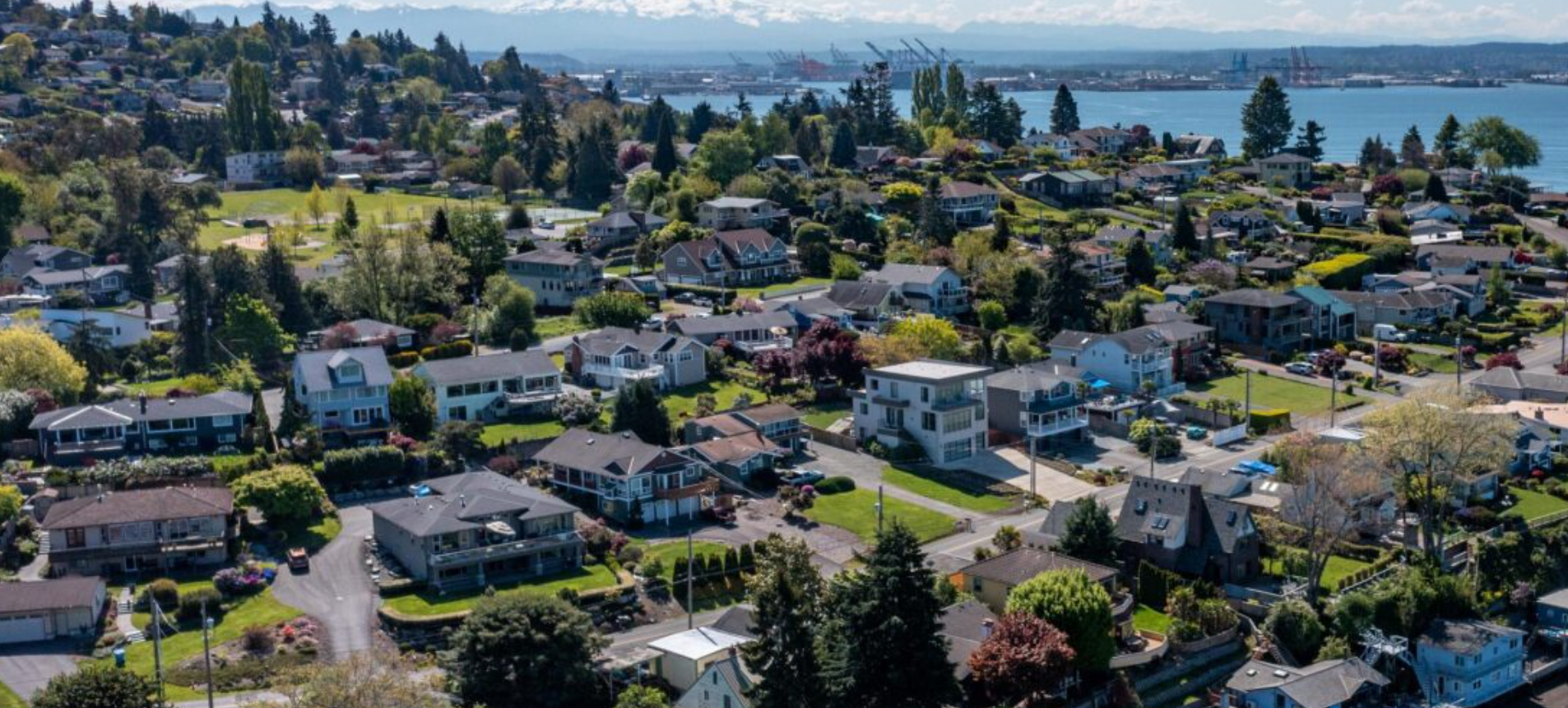
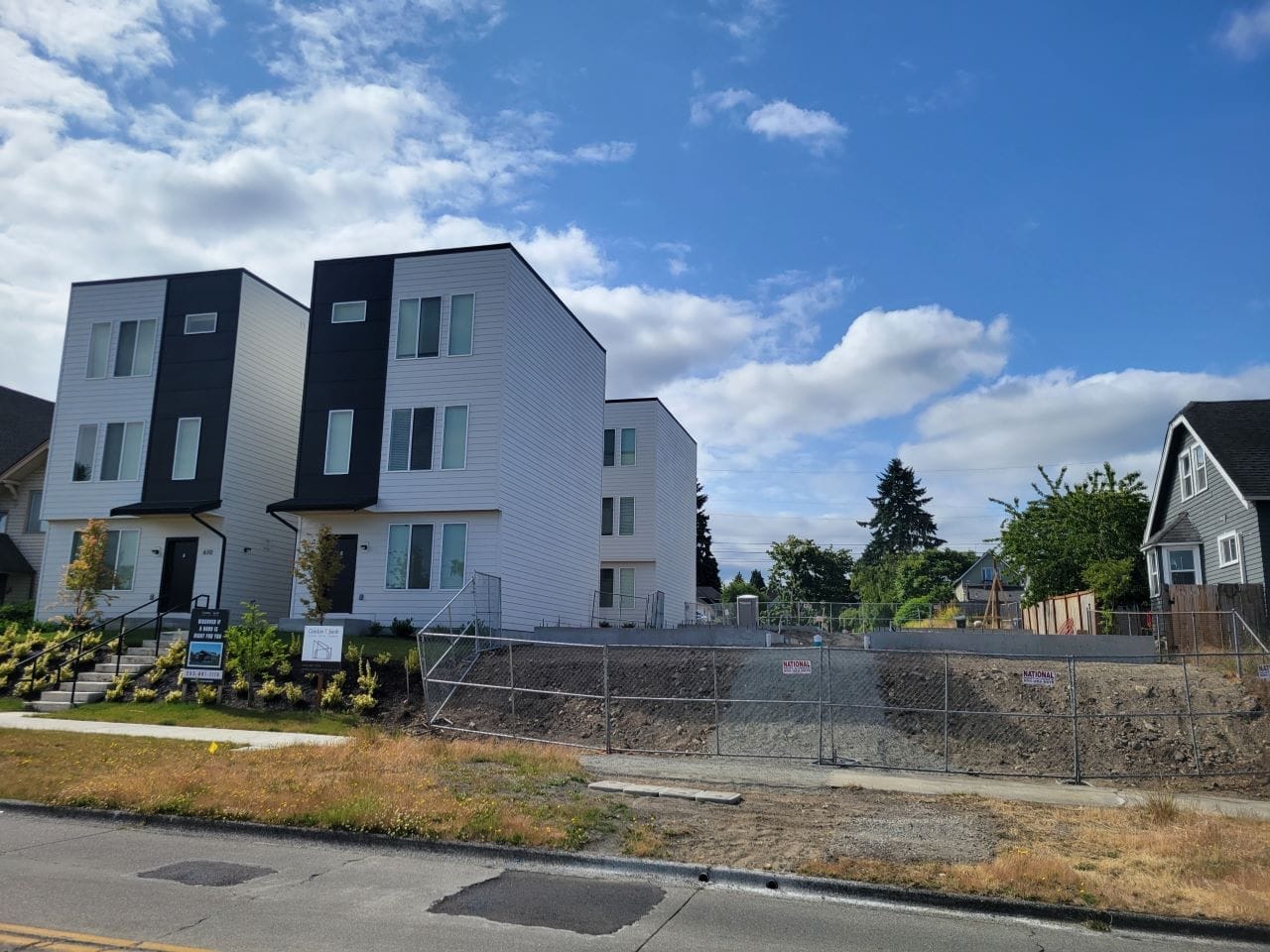
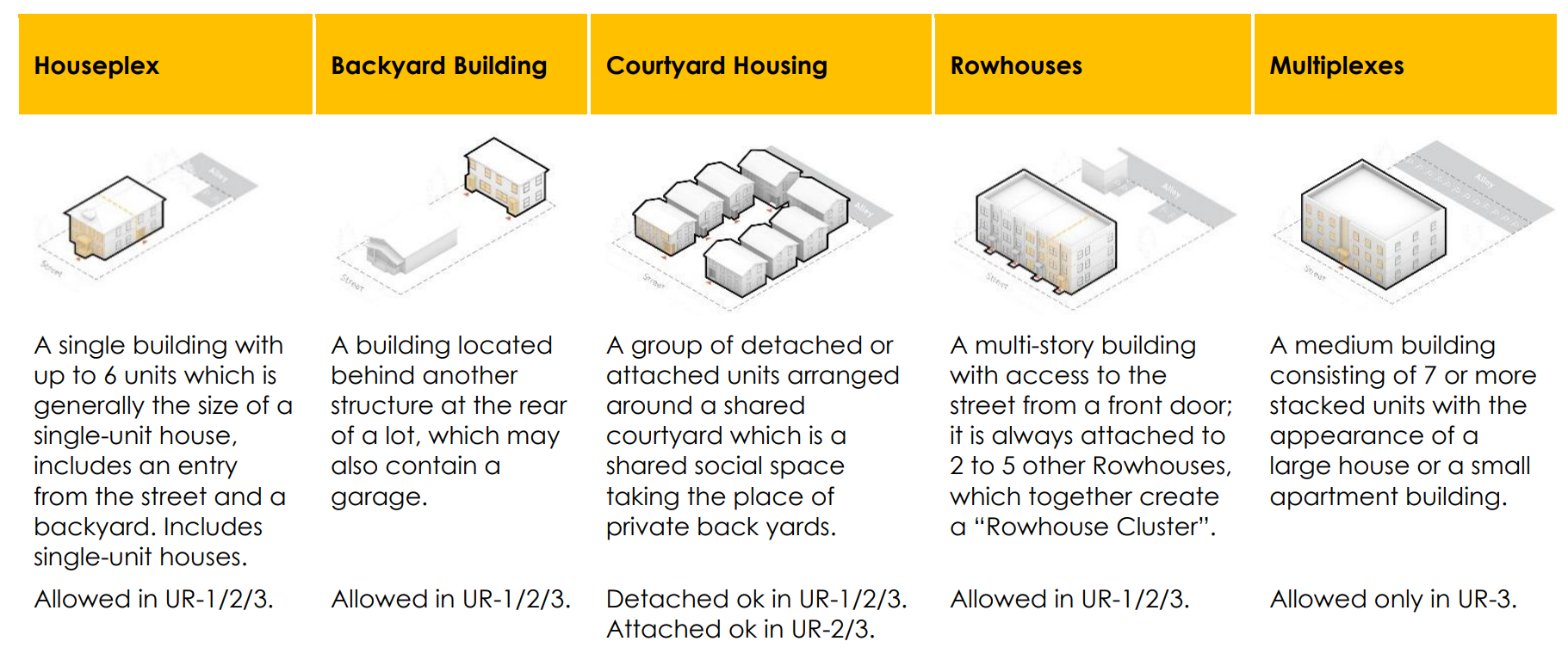
The 2025 Home in Tacoma rezones dramatically expanded the types of housing allowed within Tacoma's lower density residential areas, shifting the pattern of development in the city. Home in Tacoma allowed the city to get ahead of changes in state law requiring cities across Washington to allow middle housing – duplexes, townhouses, rowhouses, cottage housing, and courtyard apartments.
But Tacoma's zoning adjustment had been in the works long before 2023's HB 1110 turned the idea of middle housing into a state mandate. The Tacoma City Council approved the Home in Tacoma framework in December 2021, with rezones coming later.
"Home in Tacoma. I mean, let's call it what it is. It was a complete rewrite of all residential zoning in the city," Tacoma Councilmember Sandesh Sadalge said at a study session on the new numbers earlier this spring. "We know wholeheartedly that a lack of housing just exacerbates so many problems and makes solutions to many problems, whether it's in neighborhoods or individually, to families. So Home in Tacoma is one of the tools that we had started on back in 2021 when the Comprehensive Plan was updated to address that. And the premise is really simple, right? But the implementation is really more complicated."
Across Tacoma, property owners can now build four units on any lot, with more allowed close to transit and "complete neighborhood features" that include parks, schools, colleges, and growth centers like Lincoln and McKinley.
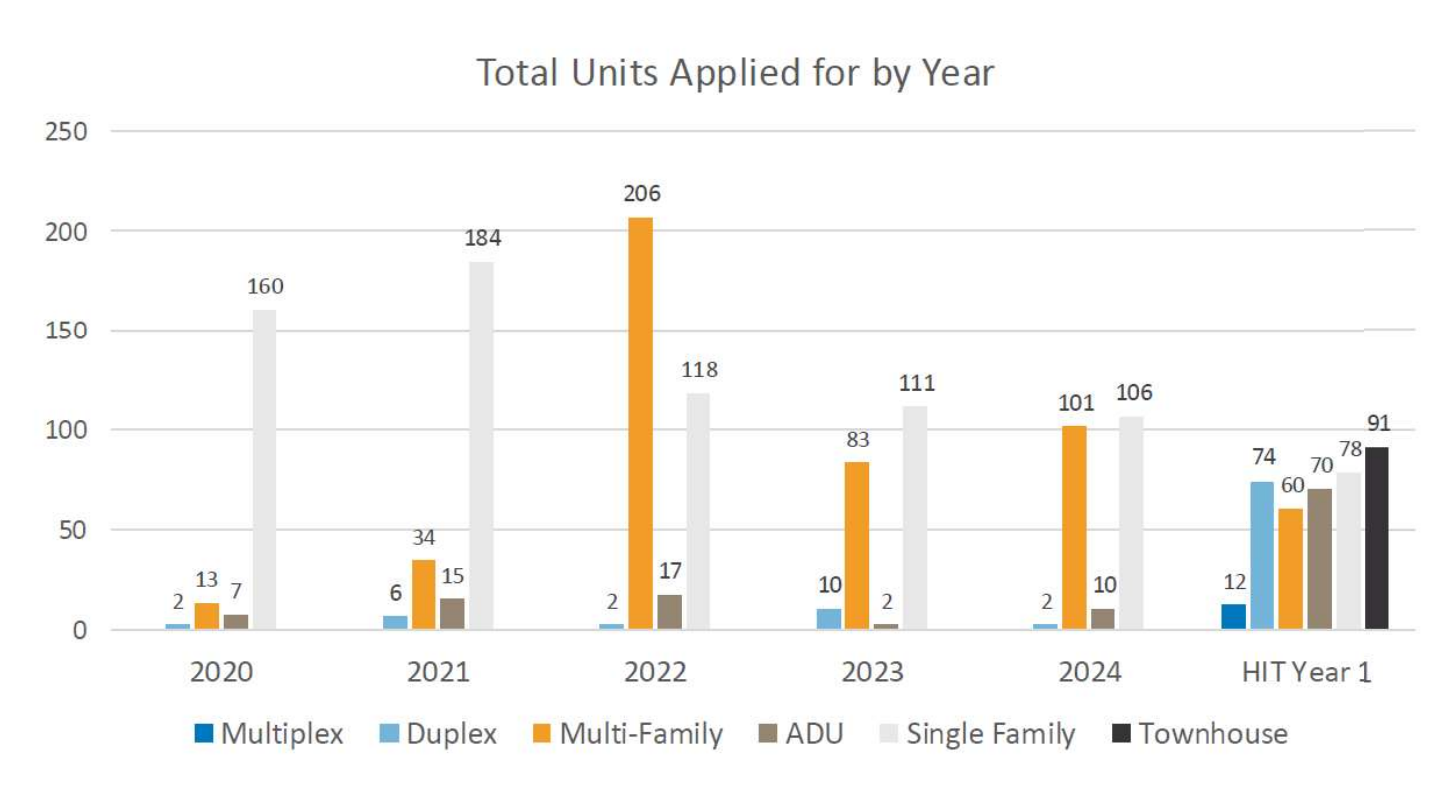
The early data shows a jump in permit applications for duplexes, townhouses, and accessory dwelling units (ADUs), with a drop in permit requests for new single family homes. Permits for larger multifamily developments in Tacoma have been more variable, and depend on when larger projects ultimately end up entering the pipeline, but were down compared to the prior two years.
"While it's early, there's encouraging signs here," Brian Boudet, Interim Assistant Director of Tacoma's Planning and Development Services division, told The Urbanist. "I think we are seeing the market respond. There is demand out there. We're seeing local developers, you know, work through the process and build units and styles that we haven't necessarily seen, and it does look like that will result in additional diversity of housing in our neighborhoods."
Compared to the previous baseline, housing applications are well-distributed across the city.
"This new development is also distributed relatively evenly across Tacoma’s Urban Residential zones, supporting shared growth and new opportunities across Tacoma’s diverse neighborhoods," a City release noted. "Approximately 40% of permits are located in the North End and Eastside, and housing density (by number of units) is highest in the Eastside (25%), West End (21%), and South End (18%)."
"It's exciting. It's still early. Obviously, one year in housing development is a relatively short period of time. But nonetheless, [there are] some really great early indicators that people are availing themselves of the changes," Boudet said. "Overall in the development market, we're generally seeing sort of a slowdown for the most part, hitting particularly bigger projects the most, which is a nice reflection where this initiative allows for kind of that mid- to small-scale residential development within neighborhoods, and that's still a place where we're seeing some encouraging signs of activity."
 Rubén Casas
 Kevin Le